
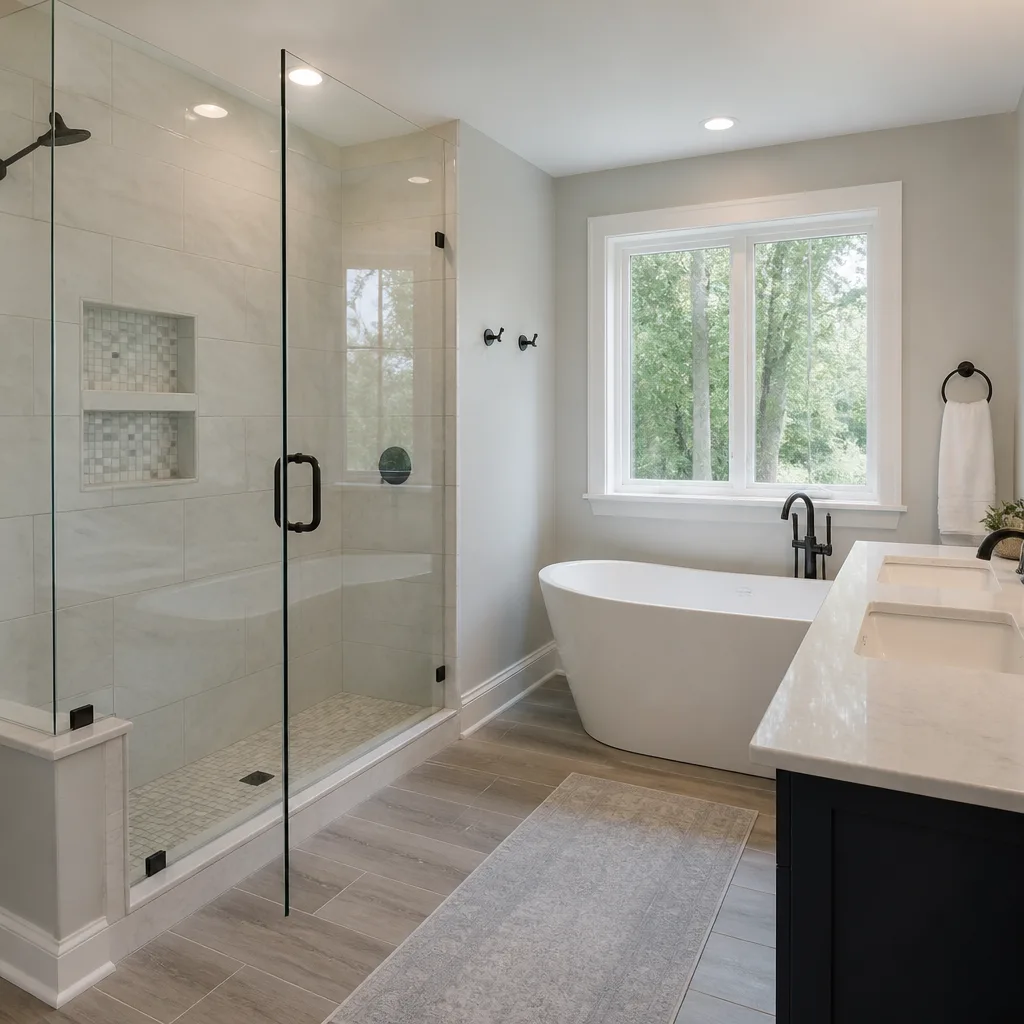
 Bathroom remodeling
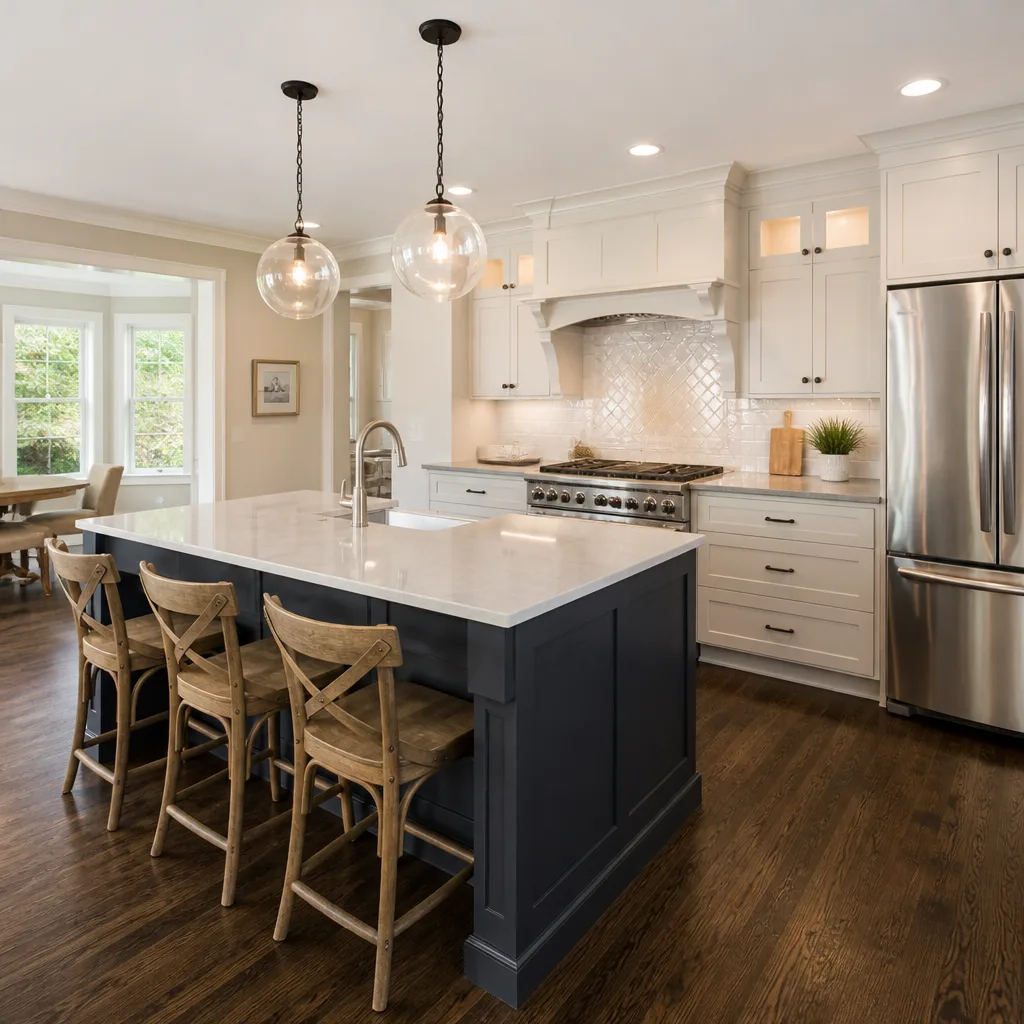 Kitchen remodeling
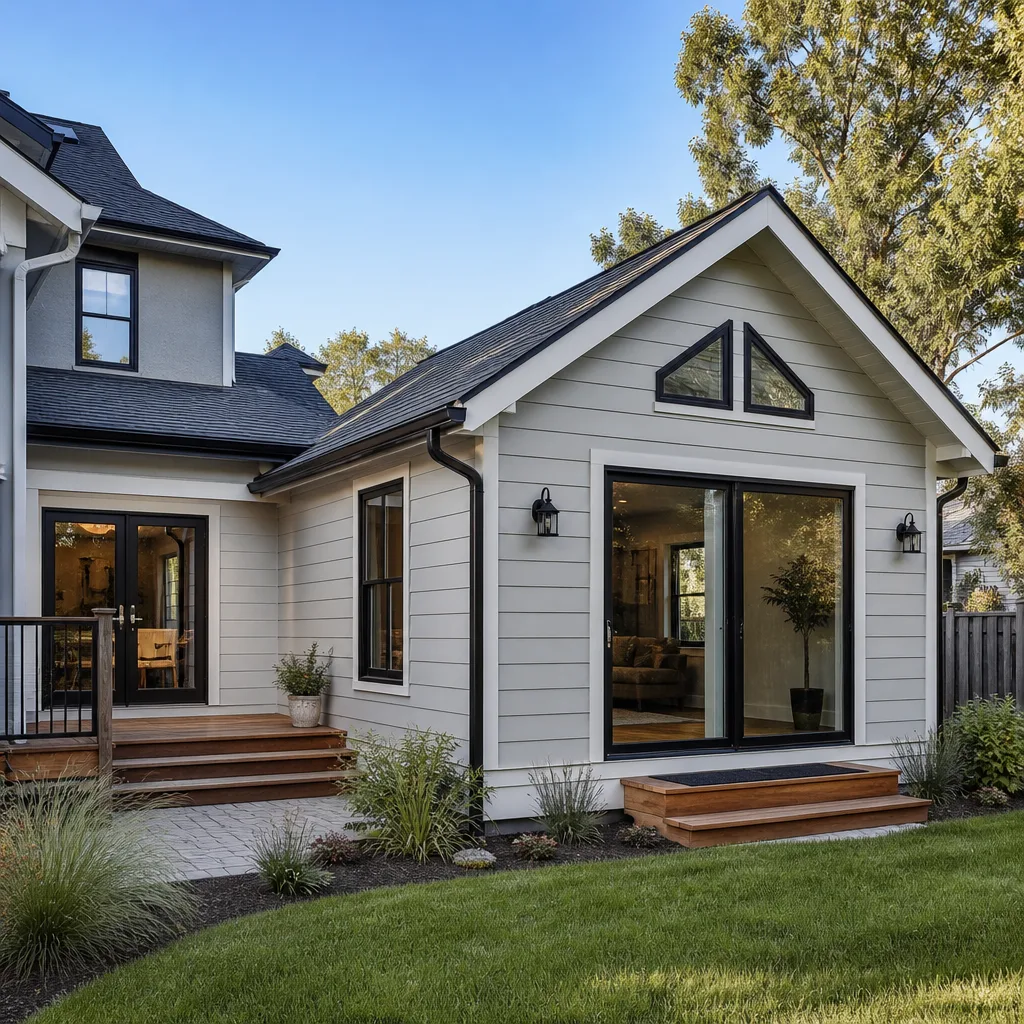 Home additions & ADU
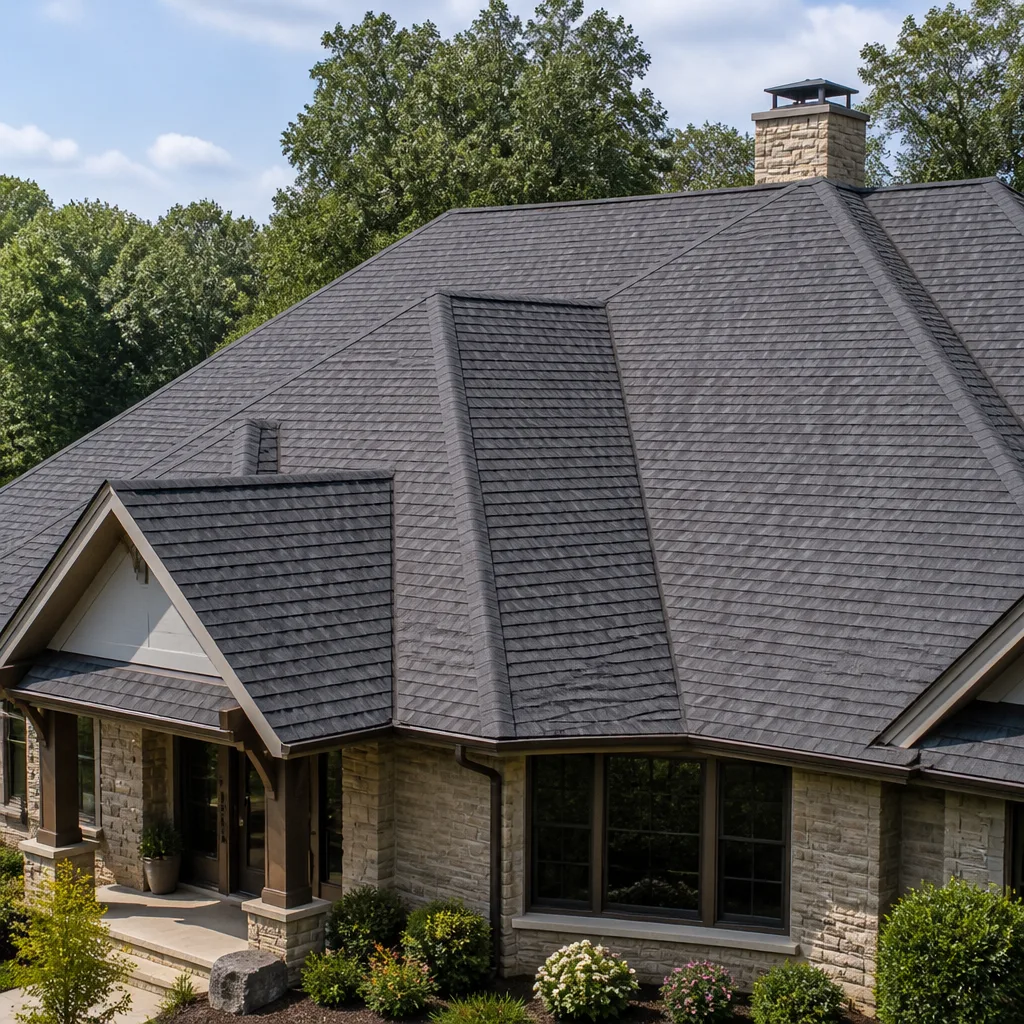 Roofing
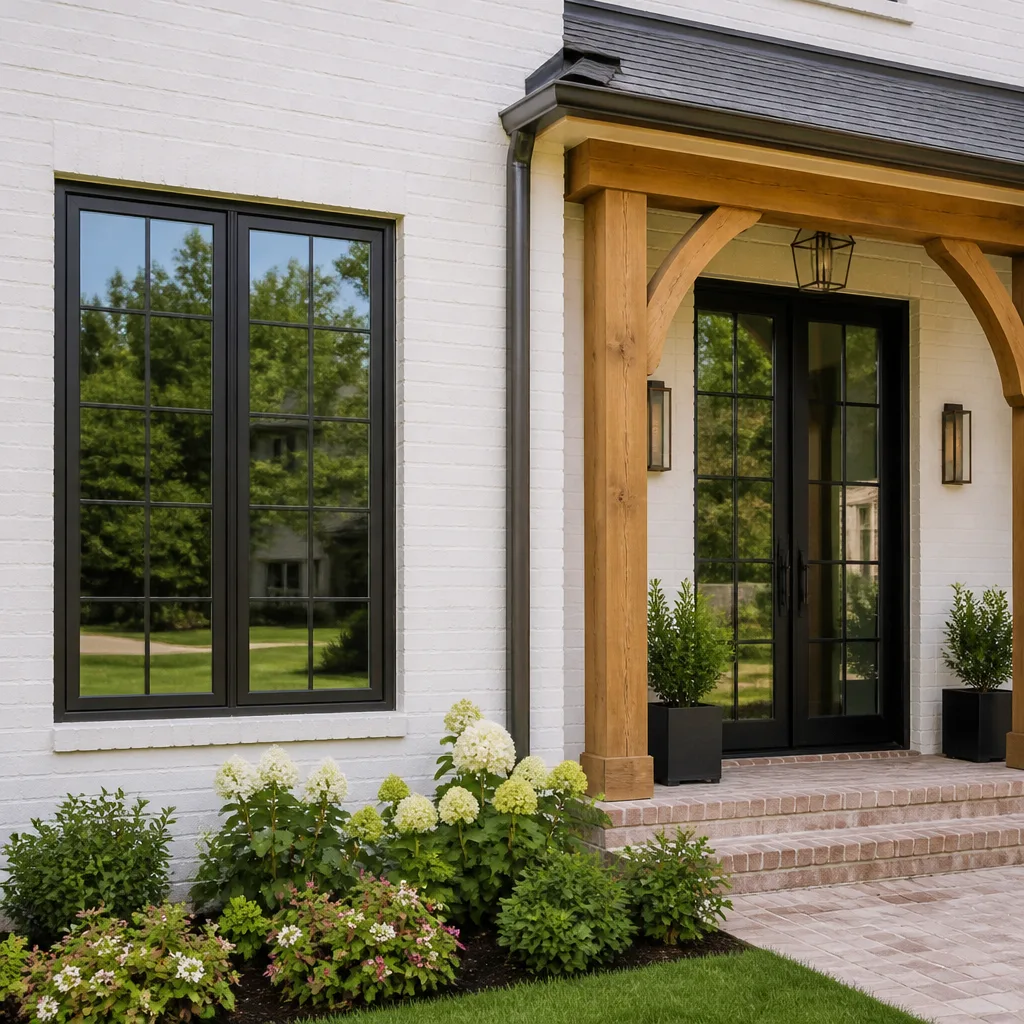 Windows & doors
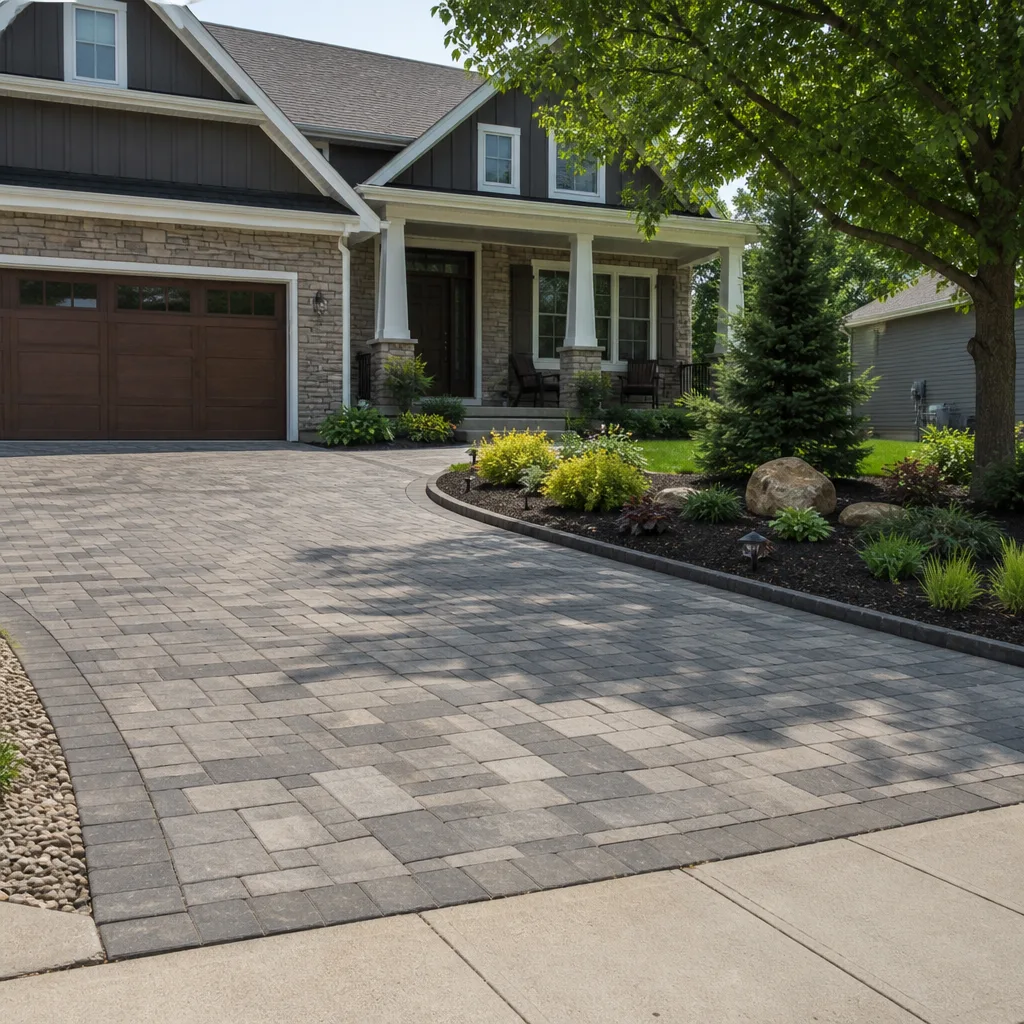 Driveway & pavers
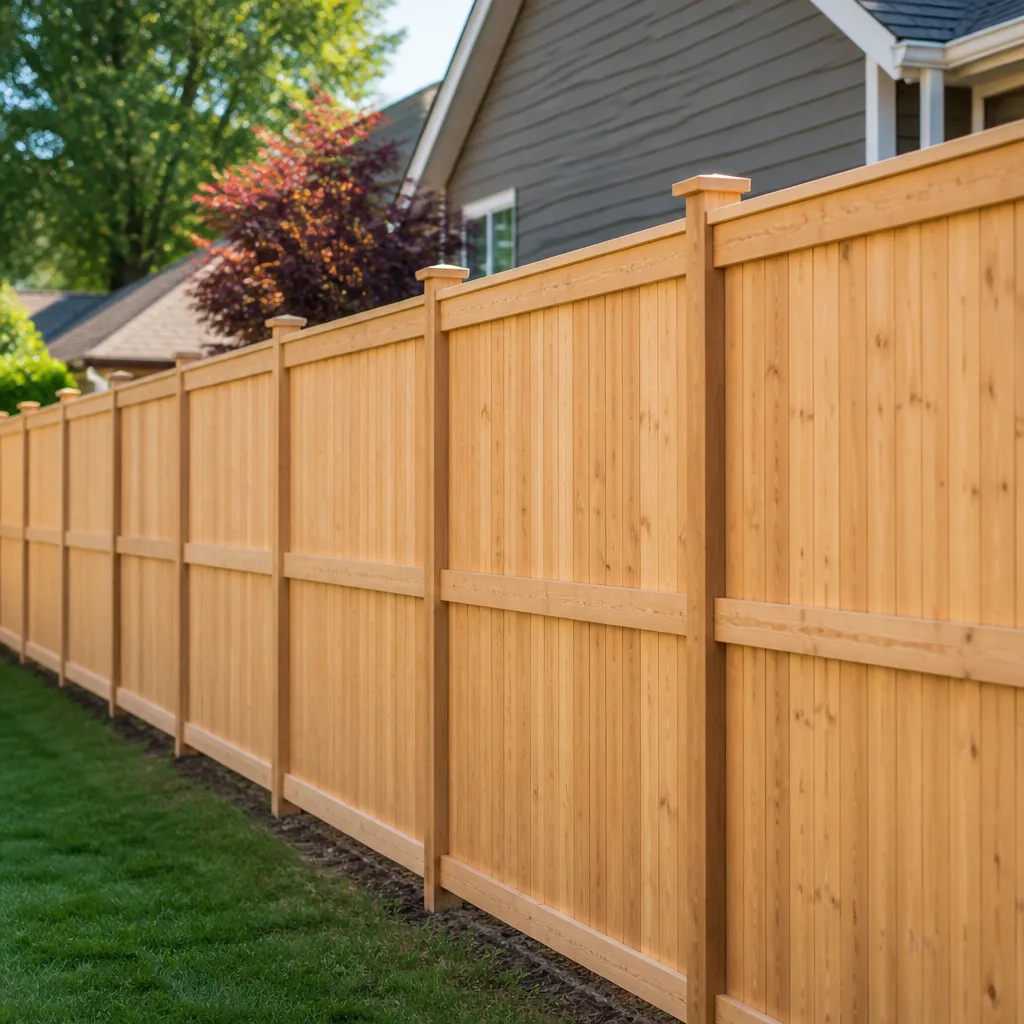 Fence
Free written scope consultation - allowances, timeline, and change-order rules on paper before a single trade is scheduled
Styles & brands we work with
- Kitchen remodeling
- Bathroom remodeling
- Home additions & ADU
- Roofing
- Windows & doors
- Driveway & pavers
- Fence
See the difference
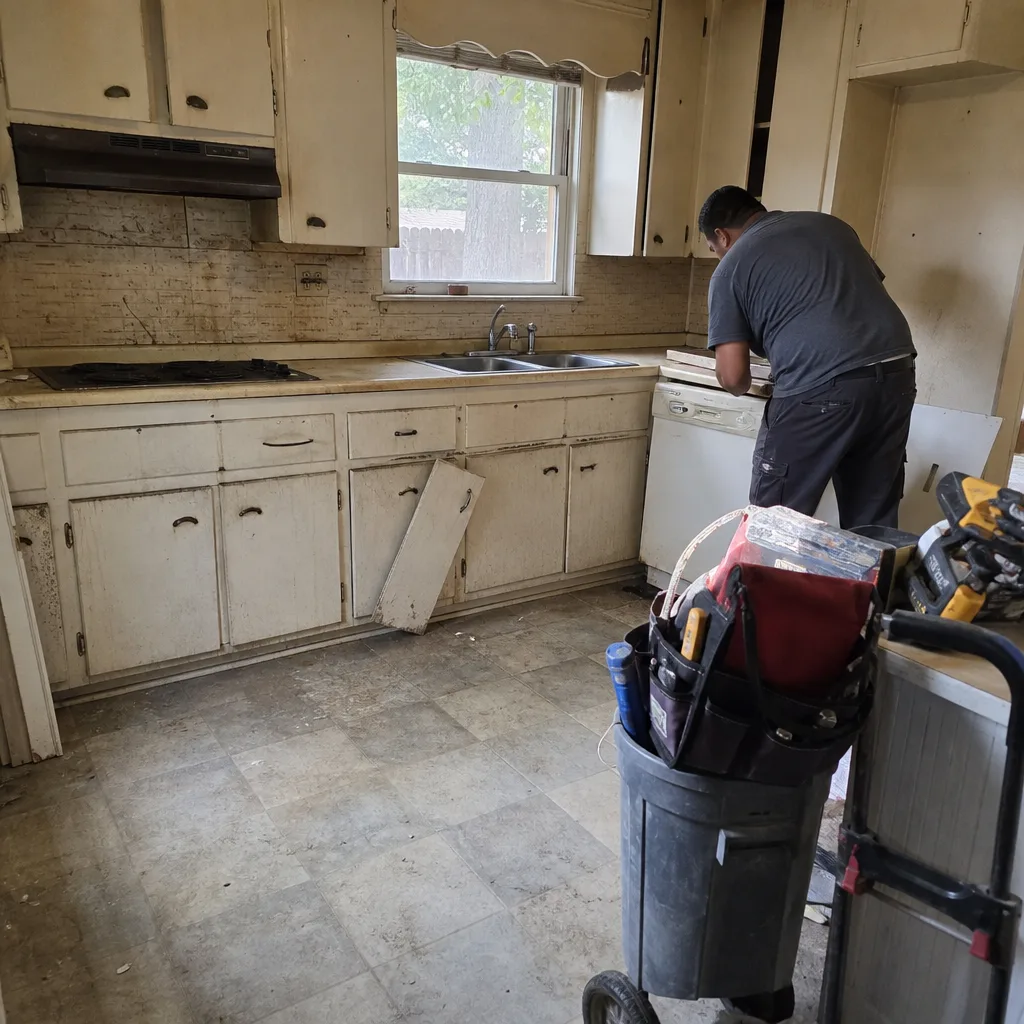 Before
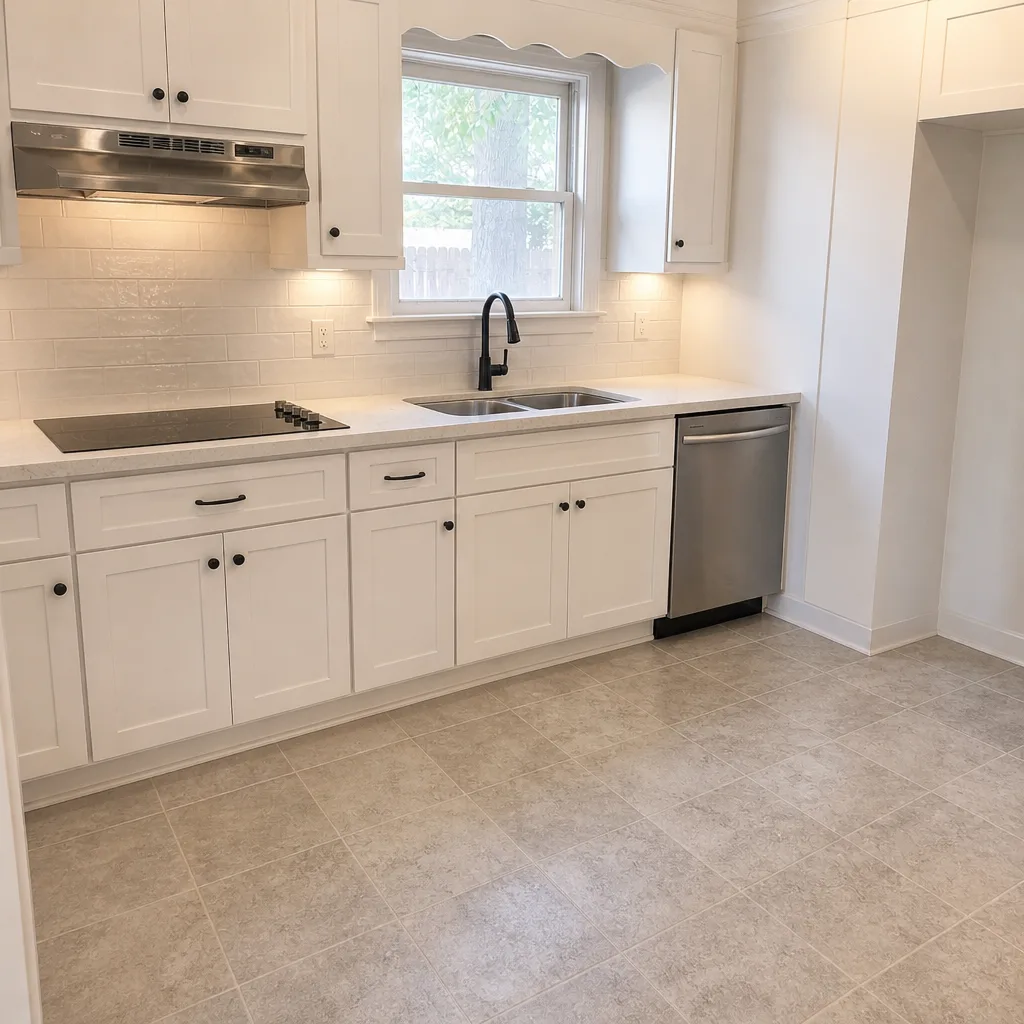 After
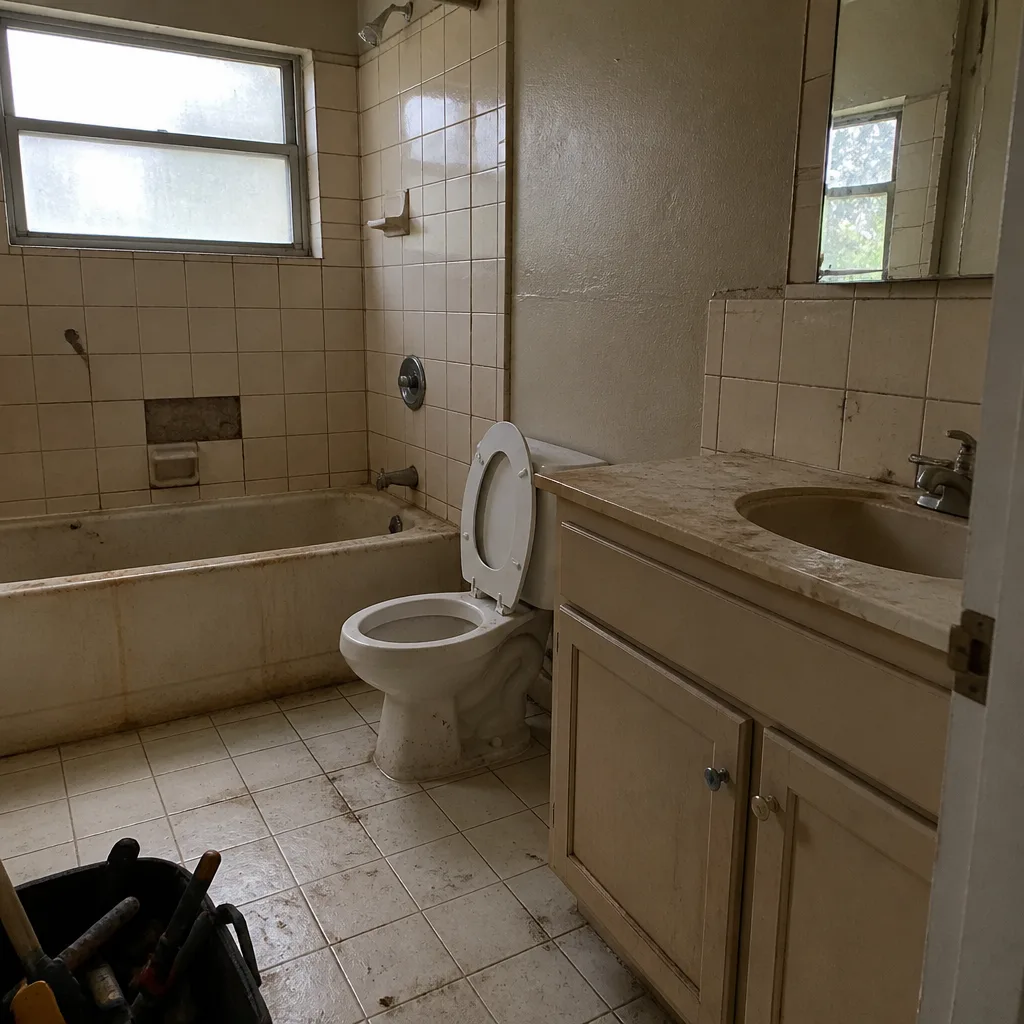 Before
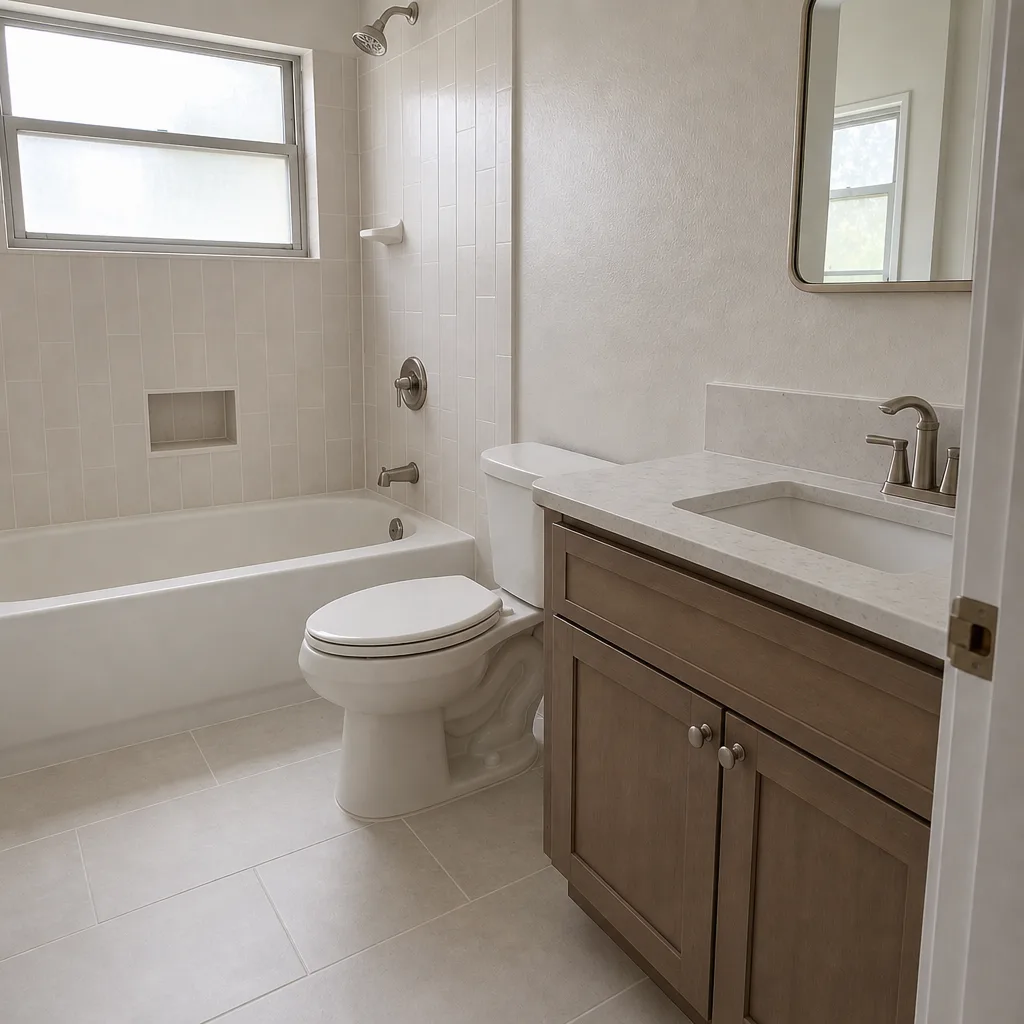 After
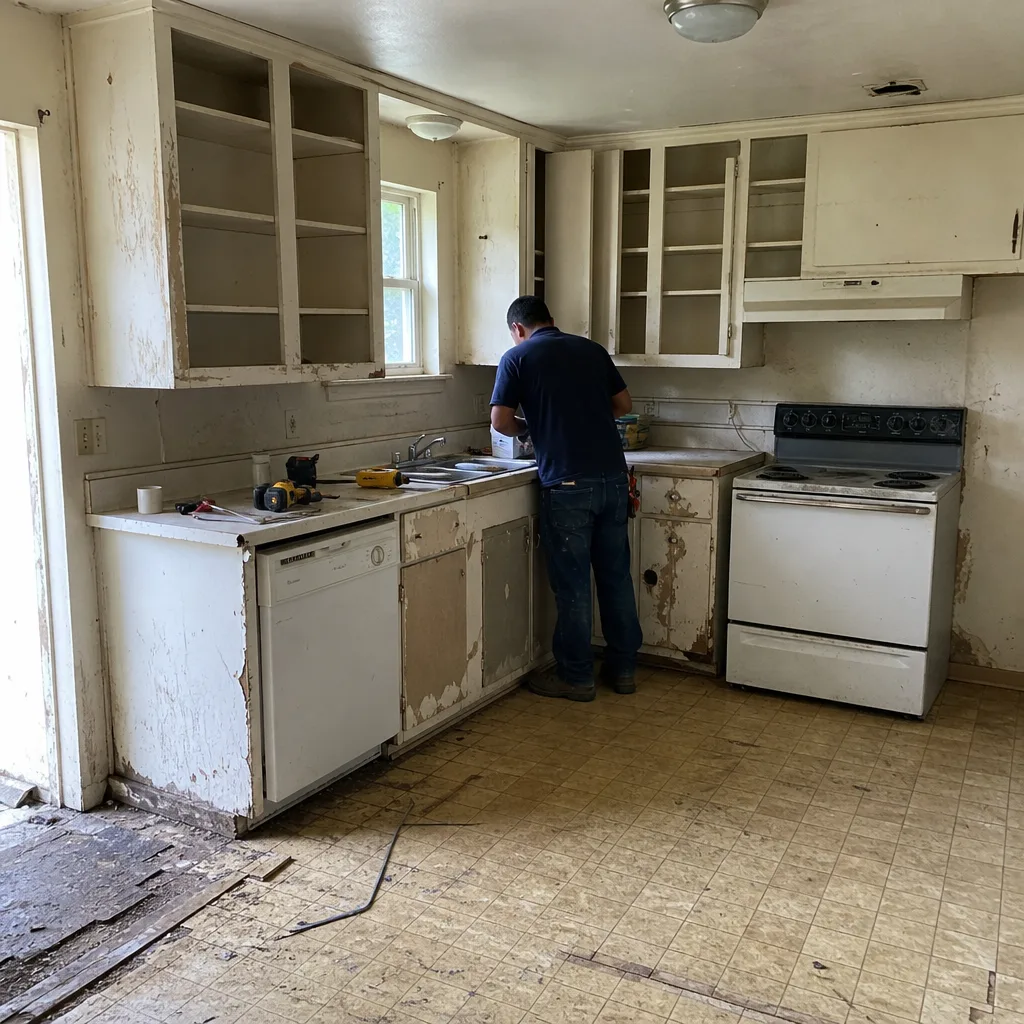 Before
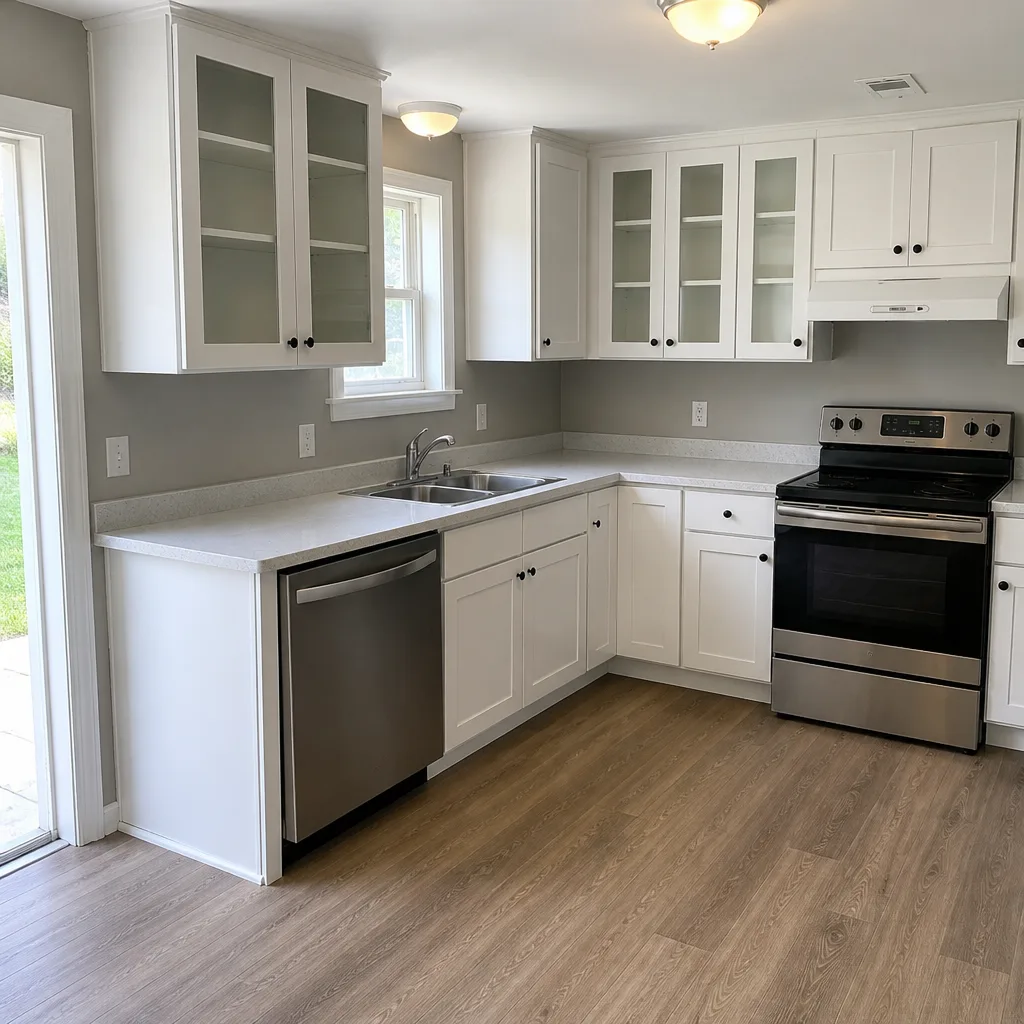 After
How to Remodel a Small Bathroom in Dallas, TX: Fix the Floor Before You Pick a Tile
A small bathroom remodel in Dallas starts with two things before any design decision: a subfloor deflection check and a moisture plan. In Oak Cliff and East Dallas bungalows, the pier-and-beam floor system is usually the real reason a remodel fails, and it has to be tested and corrected before tile, a heavy tub, or a vanity ever gets set. Get those two layers right and the rest of the small-bathroom remodel follows a predictable sequence. Skip them and you’ll be re-grouting within a year. If you want a professional read on your floor and plumbing before you commit, call Groundwork Construction Co. of Dallas at (844) 797-4808 for a free estimate.
Why small bathroom remodels fail at the grout line in Dallas
Most small bathroom remodels in Dallas fail at the grout line. Not because the tile was cheap, but because nobody checked the pier-and-beam subfloor deflection before the first fixture was set. We’ve walked into East Dallas bungalows where a two-year-old tile floor had hairline cracks running wall to wall, and the tile itself was perfectly good. The floor beneath it was moving.
Dallas sits on the Blackland Prairie clay belt, where the soil swells when wet and shrinks when dry. That movement reaches the pier-and-beam floor systems in older neighborhoods, and many of those original joists were undersized even by the standards of the day. Add a cast-iron soaker tub or a stone-topped vanity and you’re loading a floor that was already flexing.
Here’s the test we run before demo, and it’s the same one you can ask any Dallas contractor to perform:
- Bounce test: stand in the center of the room and shift weight firmly. A floor that visibly deflects or feels springy underfoot needs a closer look.
- Joist span check: measure the joist size, spacing, and unsupported span against a deflection table. Undersized joists get sistered before tile or a heavy tub goes in.
- Subfloor condition: pull a section of flooring to check for water damage, rot, or previous patch jobs around the toilet flange and tub drain.
- Pier condition: look under the house at the piers and beams for settling, shimming, or rot that lets the whole floor sag.
Only after that audit do we talk tile. It’s the operator detail most guides skip, and it’s the one that decides whether your grout survives.
Moisture management in a small footprint: sizing the fan and the barrier right
Dallas’s humidity cycles punish small bathrooms more than large ones because there’s less air volume to absorb moisture. A 35-square-foot bathroom needs real mechanical ventilation, not the builder-grade fan that came with the house.
Two numbers matter. The first is CFM: a small bath generally needs at least 50 CFM, and a bit more if the shower is the only fixture generating steam. The second is the duct run. A 50 CFM fan on a 25-foot duct with two elbows moves far less air than the rating suggests. If the duct run is long or undersized, the fan fails even though it’s “working.” We size the run, verify the exterior termination, and vent to the outside, never into the attic.
Behind the tile, a proper vapor barrier and a waterproofing membrane do the work the fan can’t. In a small shower this matters more, because water has nowhere to go but into the wall assembly if the barrier is wrong. This is the layer most one-week remodels rush, and it’s the one we slow down for, knowing the workmanship behind it is covered under our 730-Day Done Right Promise.
The sequence that matters in a small bathroom: plumbing before framing
In a small bathroom, layout decisions have a fixed order, and plumbing rough-in comes before wall framing. Pick the fixture locations first, commit to them, and then frame. If you frame first and discover the drain must move, you’re re-opening walls.
That sequencing matters more in Dallas than most homeowners expect. A big share of the local housing stock is slab-on-grade, and moving a drain on a slab-even six inches-triggers a city permit and concrete saw work. That single step blows most DIY budgets. If your small bathroom remodel runs $5,000 to $12,000 for the cosmetic side, a slab drain relocation can add thousands before finish materials. For a full remodel on the larger end, Dallas projects typically land in the $9,000 to $28,000 range depending on plumbing changes, tile, and fixtures.
| Line item | Typical Dallas range |
|---|---|
| Small bathroom remodel (cosmetic) | $5,000-$12,000 |
| Full bathroom remodel | $9,000-$28,000 |
| Walk-in shower installation | $4,500-$12,000 |
| Tub-to-shower conversion | $3,500-$10,000 |
| Vanity installation | $800-$3,000 |
Getting the sequence right is what keeps those numbers where they belong. Our technicians have up to 12 years of experience with Dallas floor systems and slab work, and every project runs on upfront pricing, so the number you see is the number you pay. If you’d rather not guess at the plumbing order, our Bathroom Remodeling service walks through the full scope, and the Bathroom Remodeling in Dallas page covers how we handle the permit and slab questions most homeowners hit.
Materials that survive the Texas humidity-heat swing
Dallas surfaces heat to 90°F or more in summer and then get doused with cold water daily. That swing is brutal on the wrong materials.
A quartz vanity top handles it better than marble. Cambria quartz, one of the brands we work with, doesn’t absorb water or etch the way marble can, and it holds up to the daily hot-cold cycle in a steamy small bathroom. Marble looks great in a showroom; on a Dallas vanity that sees steam and splashes all year, it needs more care than most people want to give it.
For fixtures and hardware that see constant moisture, we lean on brands with a track record in humid climates. In small bathrooms we often specify a Therma-Tru entry door when the bath sits near an exterior wall and a ViewLux skylight to pull daylight into a windowless room, which both cuts down on fixture heat gain and makes a 35-square-foot bathroom feel twice as big. That’s the kind of small, climate-aware choice that holds up over time, and it’s why we stand behind it with the 730-Day Done Right Promise.
FAQs
A small bathroom remodel in Dallas typically runs $5,000 to $12,000 for a cosmetic refresh, and $9,000 to $28,000 for a full remodel that moves plumbing or replaces fixtures. Slab drain relocation is the wildcard that pushes the number up. Call (844) 797-4808 for an exact quote, because estimates are free.
You can handle cosmetic work like paint, hardware, and a vanity swap, but subfloor repair, plumbing rough-in, and waterproofing belong with a trained professional. The floor deflection and moisture work is where DIY small bathrooms fail, and it’s not something you want to guess at. Call (844) 797-4808 if you want the floor and plumbing checked before you start.
Yes, moving a drain in Dallas requires a permit, and on a slab floor it means cutting concrete. The permit and the slab work are routine parts of the job here, not extras. Call (844) 797-4808 and we’ll walk you through what your project needs.
A small bathroom remodel usually takes one to three weeks, depending on whether plumbing moves and how much subfloor work is needed. A floor that needs joist sistering adds time before tile goes down. Call (844) 797-4808 for a realistic timeline on your Dallas bathroom.
If you’d rather have the floor, the moisture plan, and the plumbing sequence checked before you commit to tile, Groundwork Construction Co. of Dallas offers a free, no-pressure assessment in Dallas. Call (844) 797-4808, and we’ll give you a straight answer on what your small bathroom actually needs.
Written by the team at Groundwork Construction Co. of Dallas, serving Dallas, TX.