
 Kitchen remodeling
 Bathroom remodeling
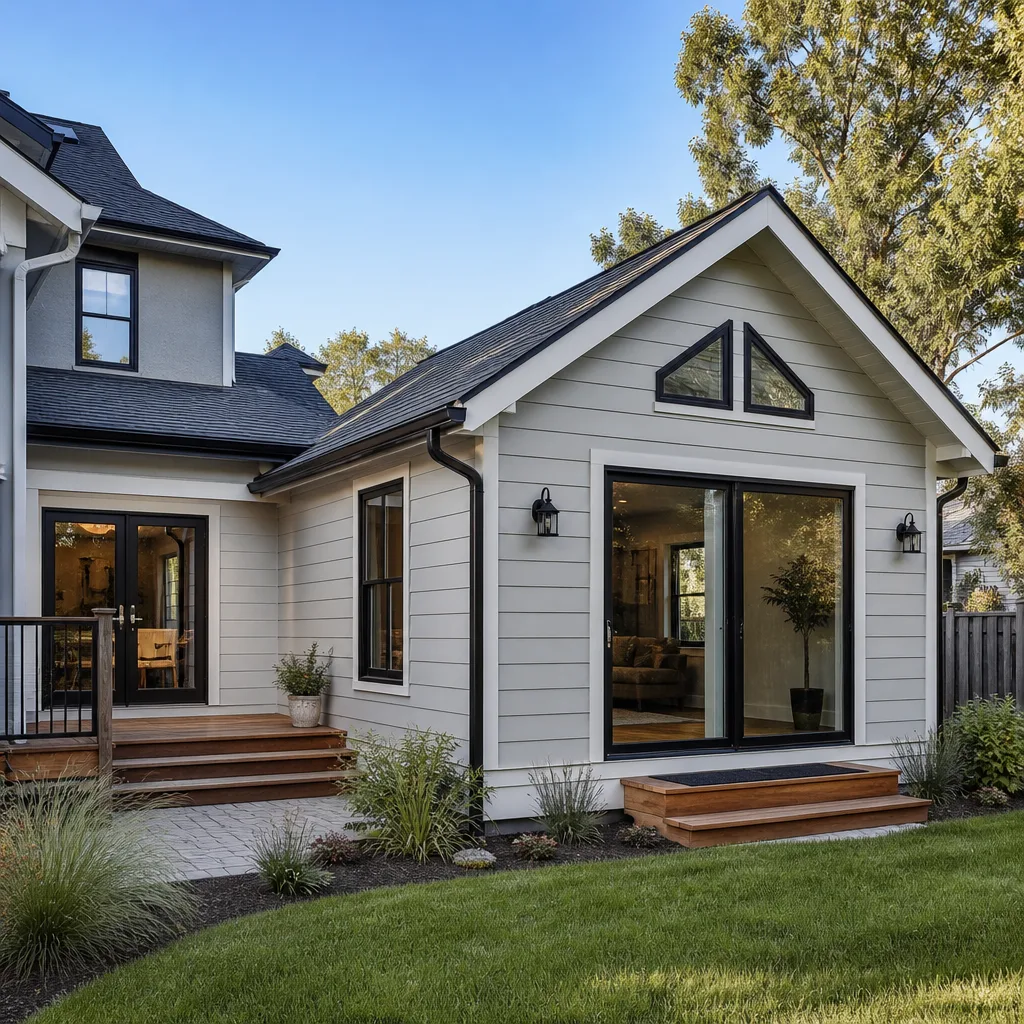 Home additions & ADU
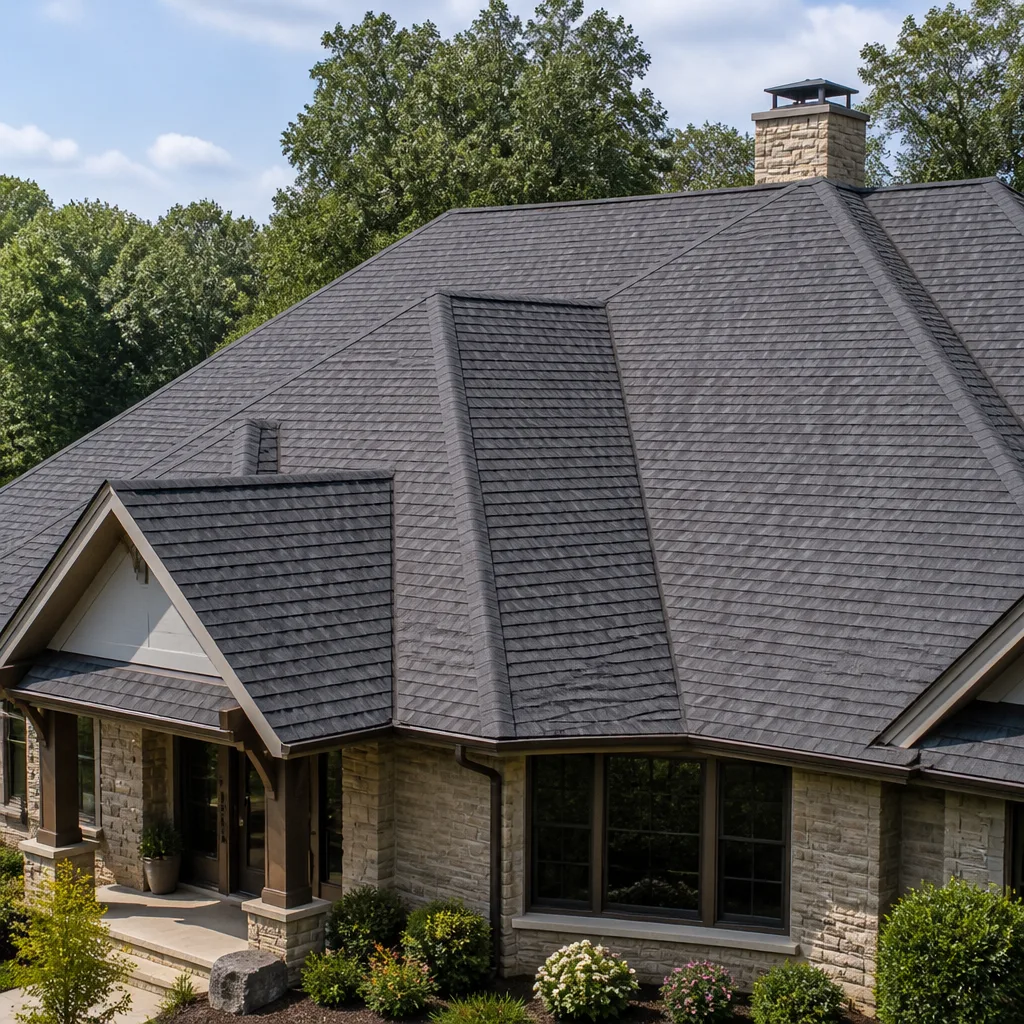 Roofing
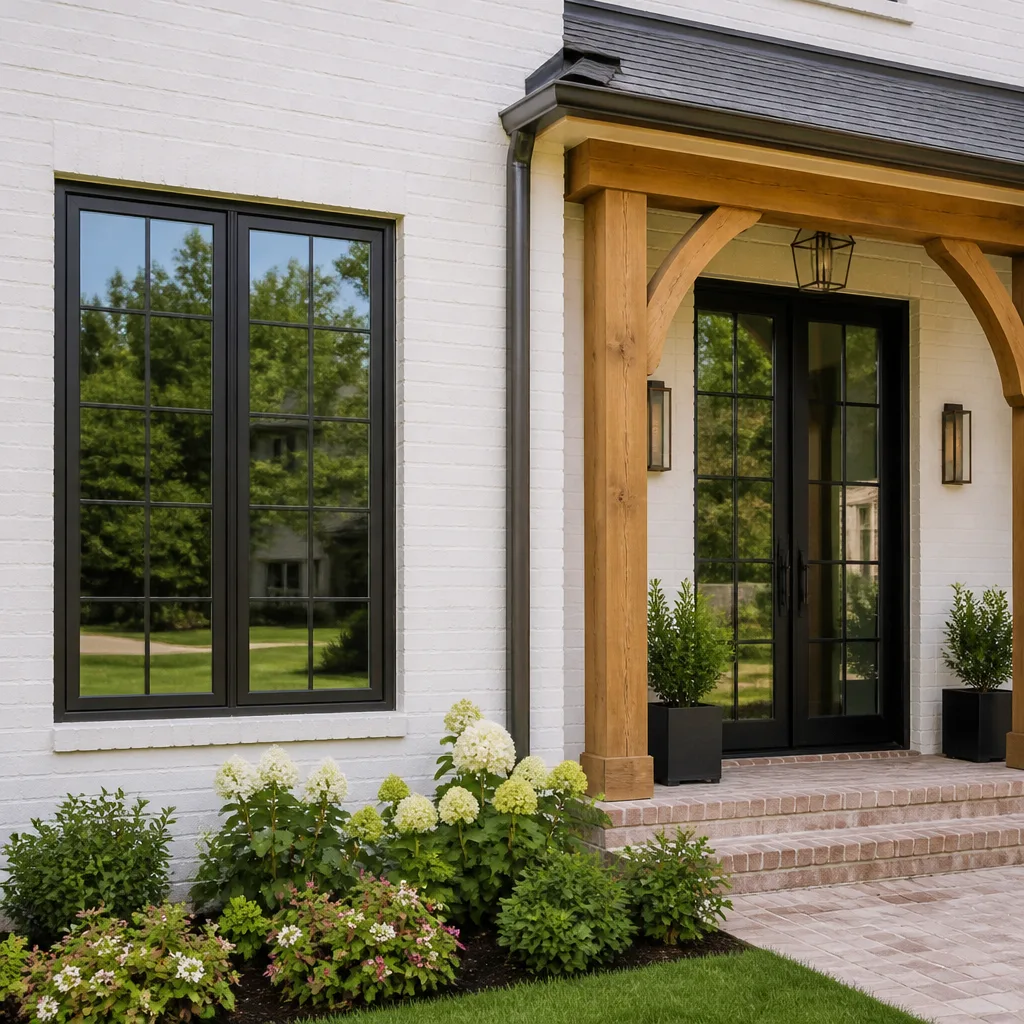 Windows & doors
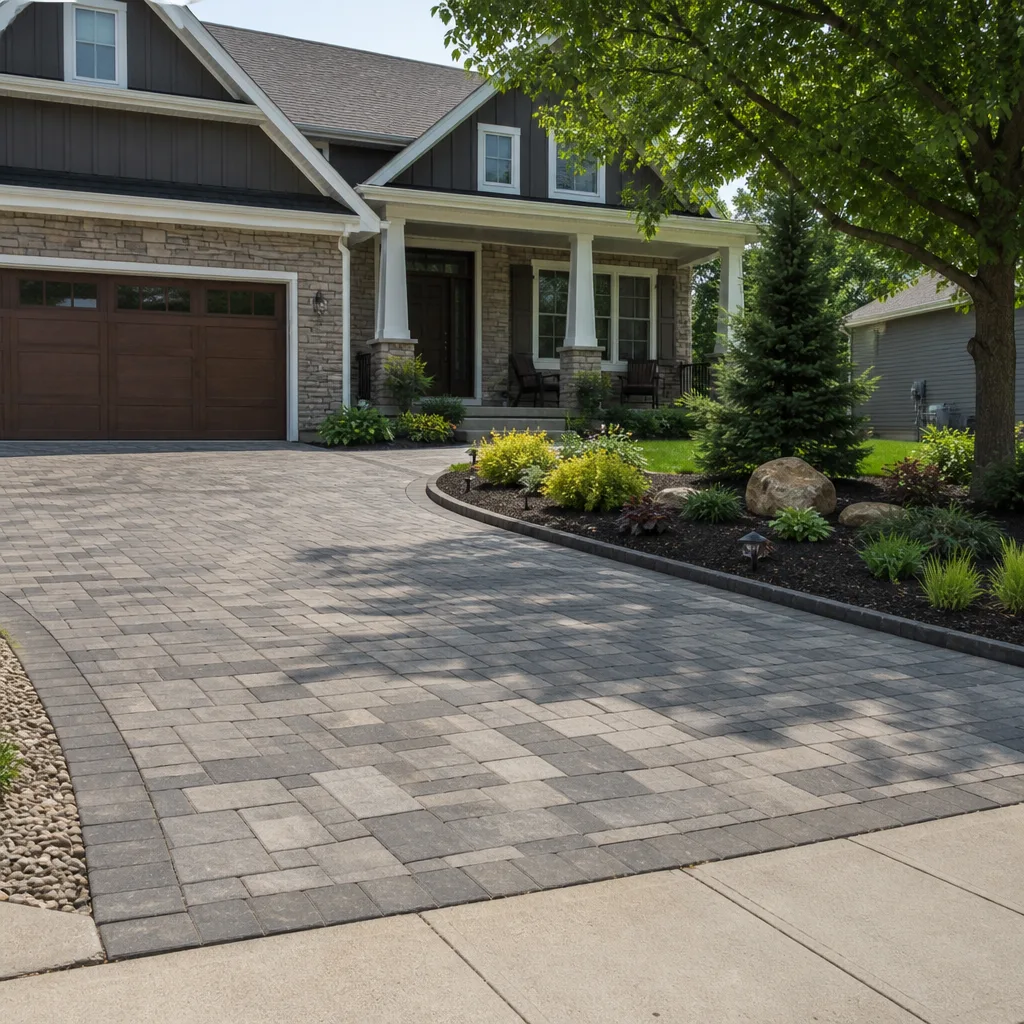 Driveway & pavers
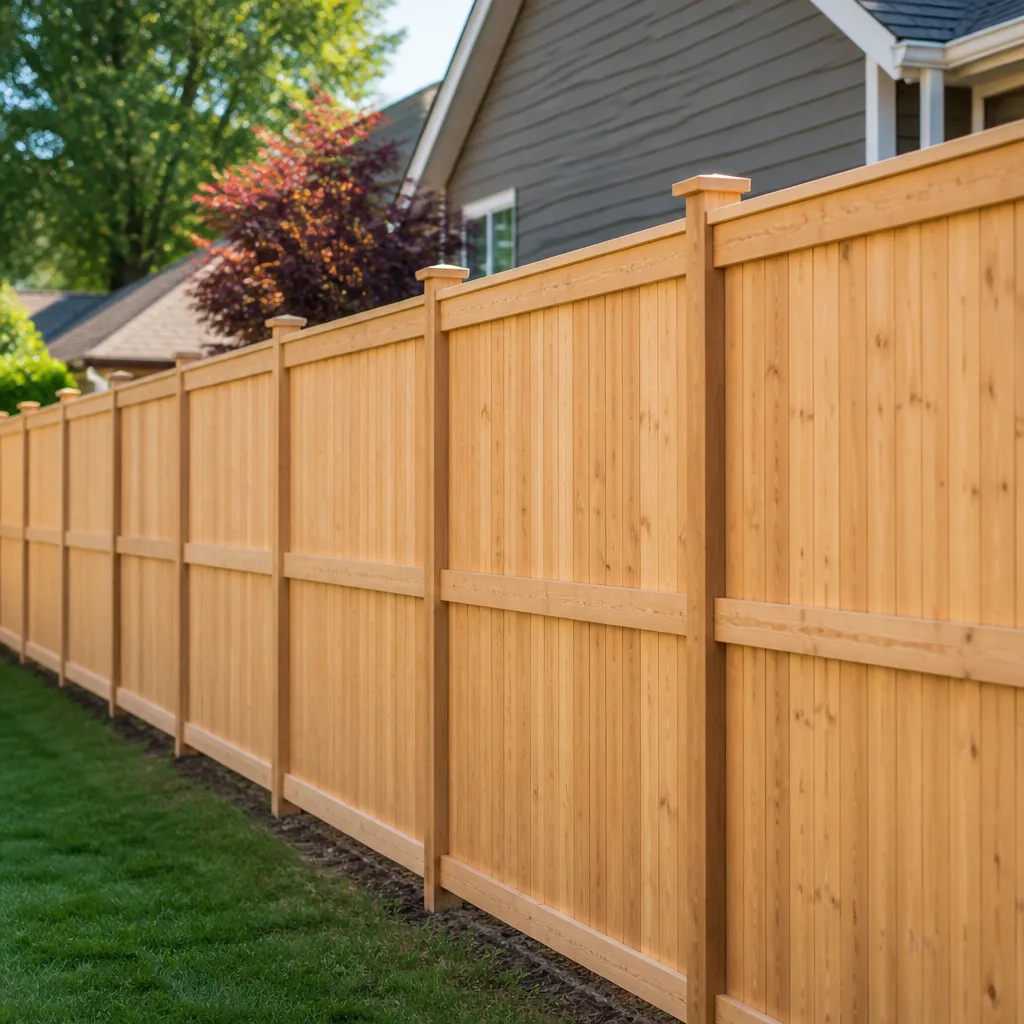 Fence
Free written scope consultation - allowances, timeline, and change-order rules on paper before a single trade is scheduled
Styles & brands we work with
- Kitchen remodeling
- Bathroom remodeling
- Home additions & ADU
- Roofing
- Windows & doors
- Driveway & pavers
- Fence
See the difference
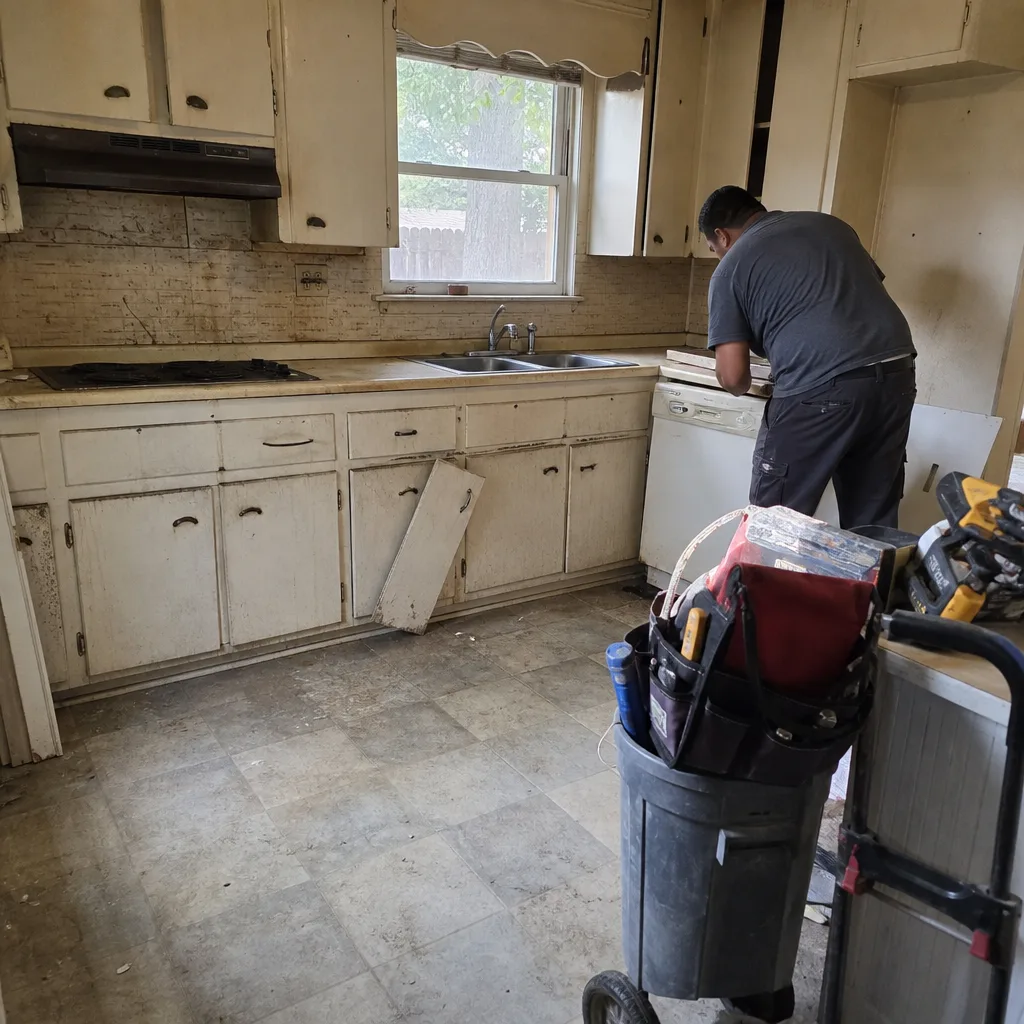 Before
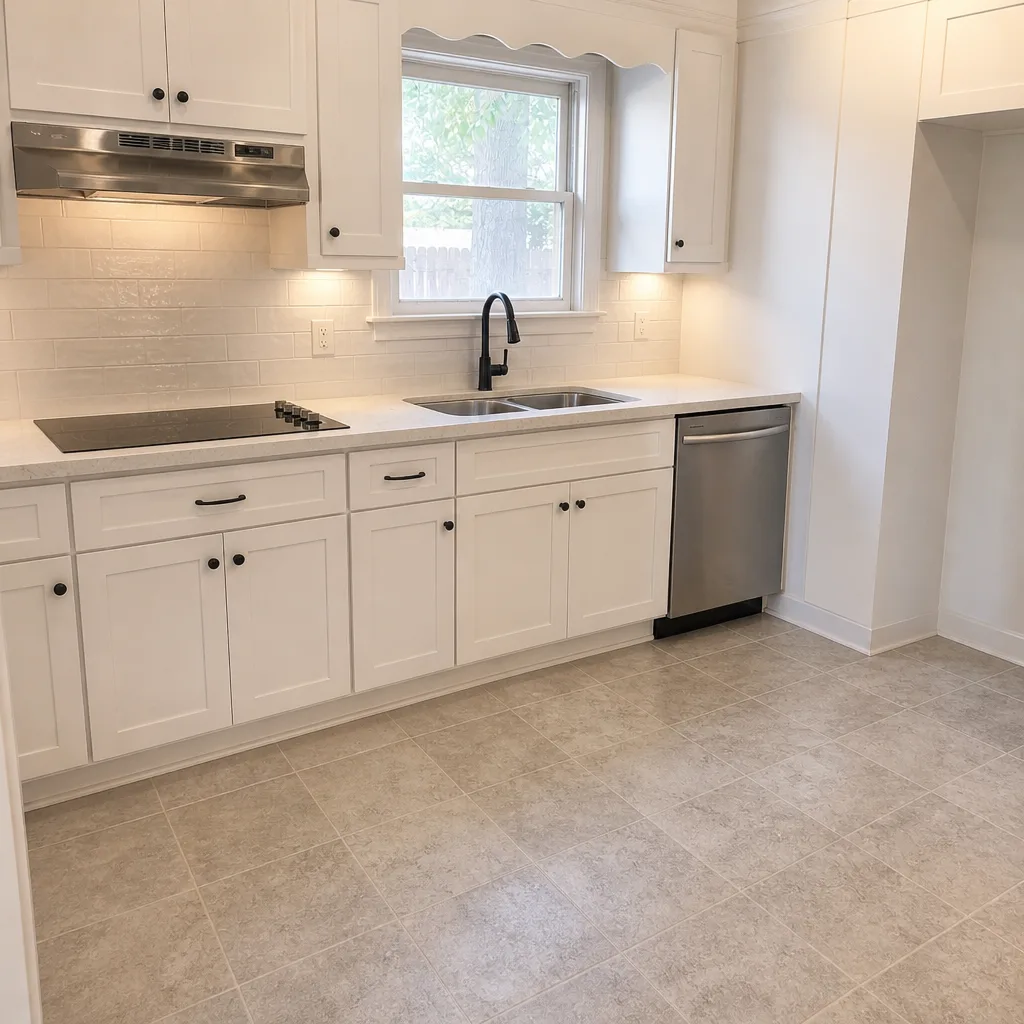 After
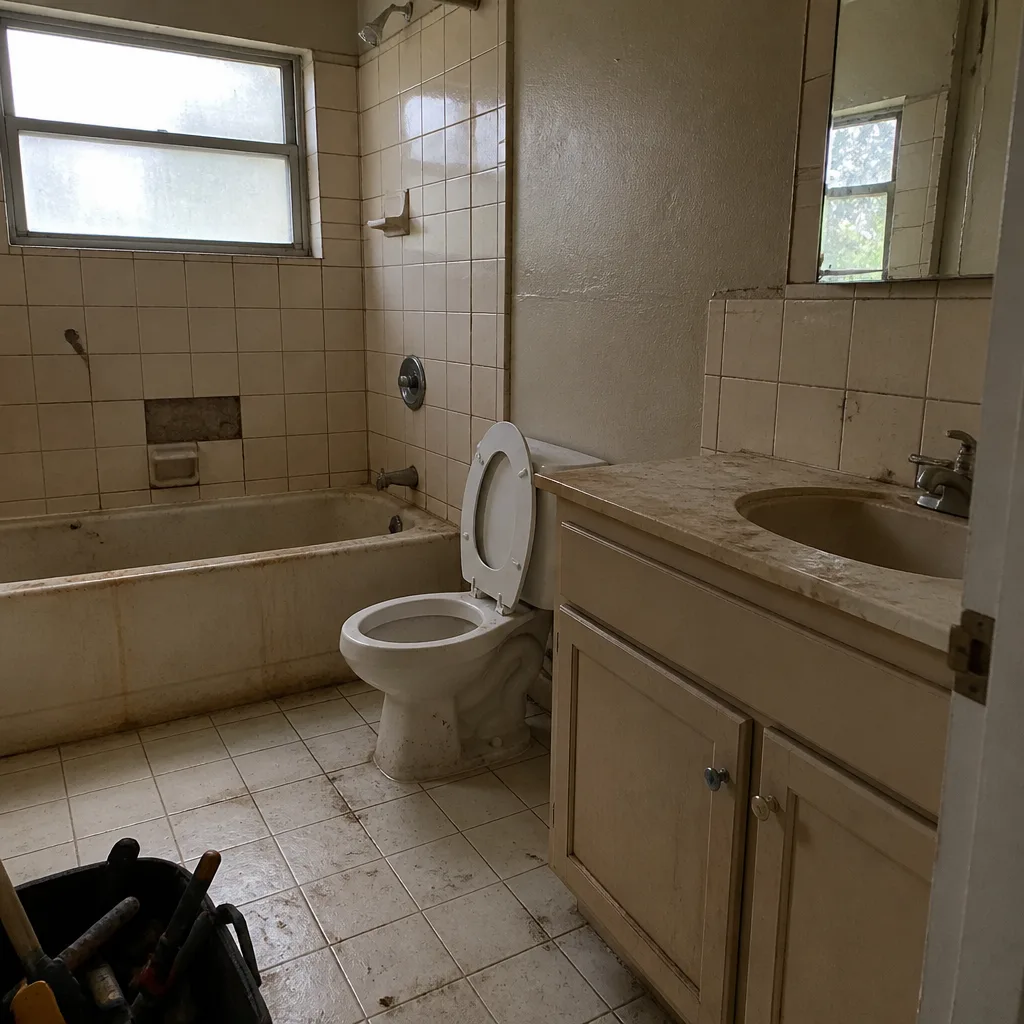 Before
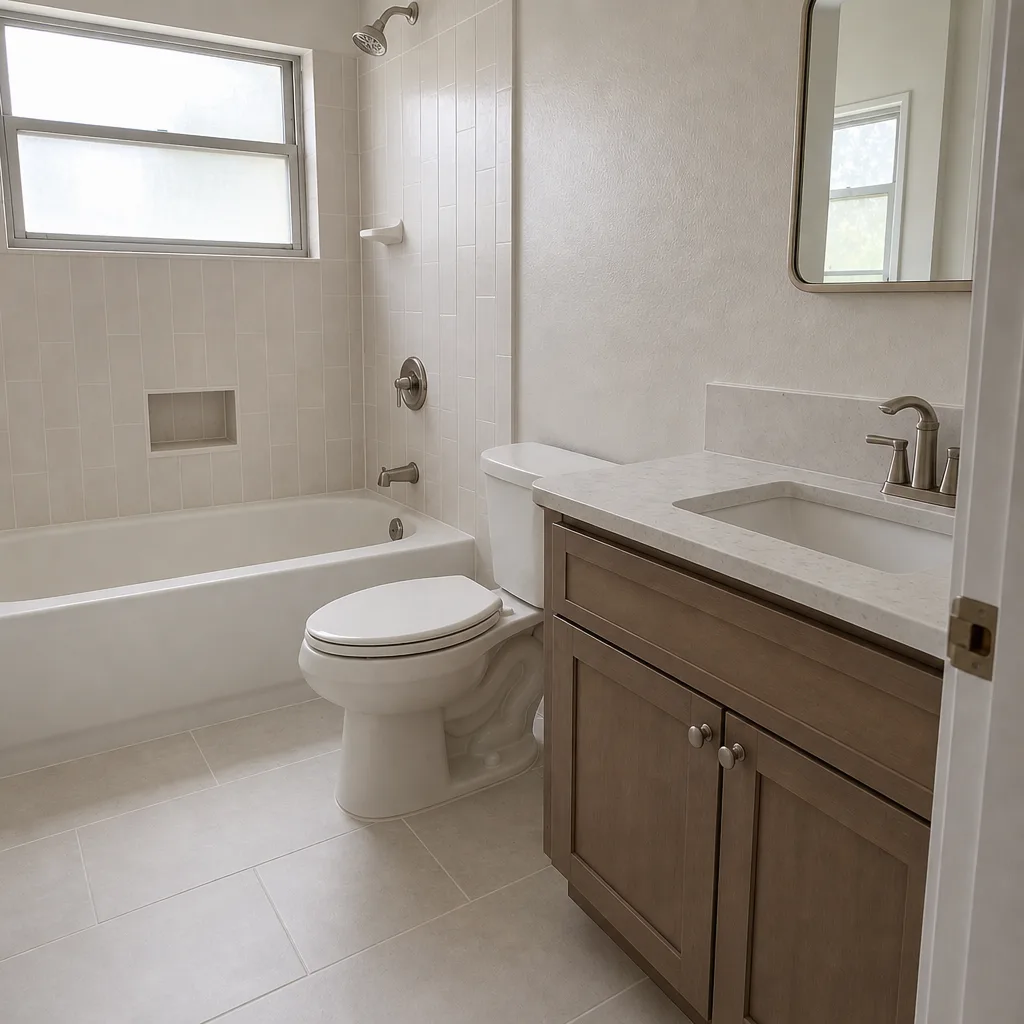 After
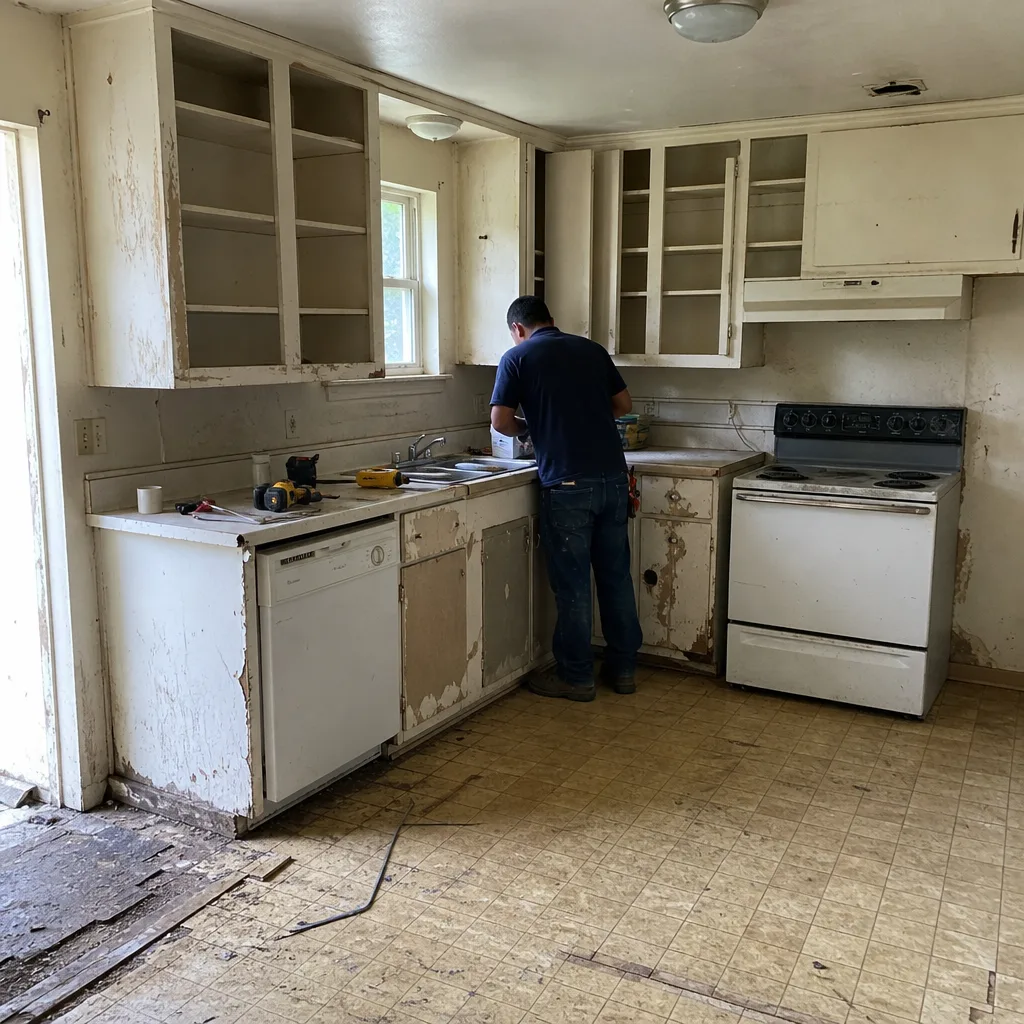 Before
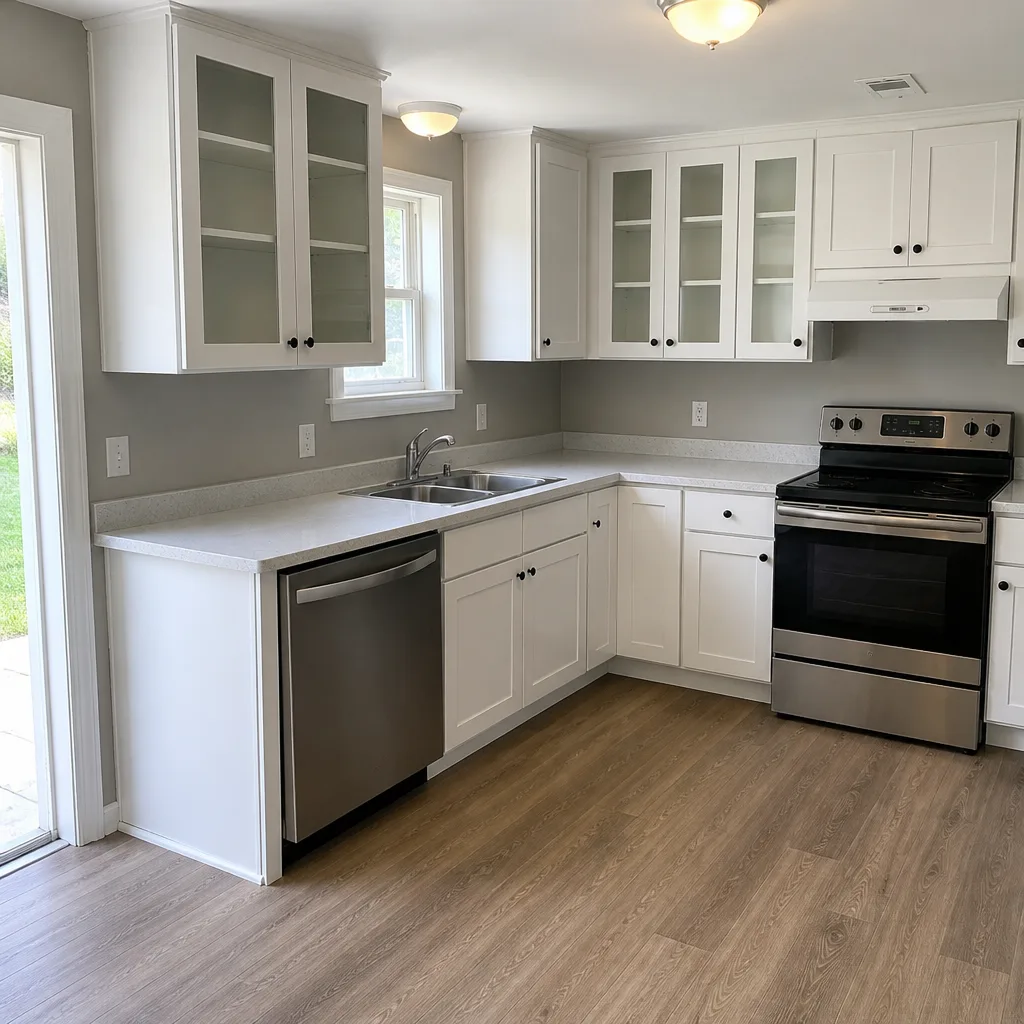 After
Signs You Need a New Roof in Dallas, TX: What the Standard Checklist Misses
The most reliable sign you need a new roof in Dallas is granule loss you can see from the ground: chalky shingle faces and a grit trail in the downspout splash. Next comes a ridge that looks bowed when you sight down the peak, or hail bruising that only shows at low morning light. If any of those are present, the roof is further along than the calendar suggests. Call (844) 797-4808 and we’ll put eyes on it before the next spring storm season.
Most online “signs you need a roof” lists were written with moss, rot, and damp winters in mind. Dallas doesn’t work that way. Our summers bake a roof from above and superheat the attic from below, spring hail roughs up the same field, and Blackland Prairie clay keeps the deck moving. Practically nothing about those conditions shows up on a generic checklist. What follows is the Dallas version, based on what we actually find in Oak Cliff bungalows and 1970s slab-on-grade ranch homes across the city.
What Dallas weather does to a roof that the checklist never mentions
Start with sunlight. A satellite photo of Dallas in August is basically a stress test. Ultraviolet exposure breaks down the asphalt at the surface of every shingle, and the granules are what shield it. When granule loss gets heavy, the binder underneath dries and the shingle loses its give. You’ll notice pale, whitish faces from the street and grit collecting where the downspouts discharge. That grit means the shingles are quietly sacrificing themselves.
Heat does the rest. On a south- or west-facing Dallas slope, a 25-year architectural shingle rated for Mid-Atlantic conditions behaves more like a 15- to 18-year shingle. The warranty clock and the real clock aren’t the same number here. Roofs on the north slope often still look decent while the sun-facing side is already licked. That mismatch fools a lot of homeowners into waiting a couple more years than the roof can afford.
Then there’s the ridge. When asphalt shingles cycle from 100°F days down to cool nights, the ridge cap takes the worst of it. Shingles soften, the ridge compresses slightly under its own weight and the fasteners, and the peak starts to read as bowed or lumpy when you sight along it. The shingles from the curb look flat enough. That ridge line is the tell.
How do you check your own Dallas roof before calling anyone?
The best test in this climate happens indoors, in the attic. On a hot afternoon, attic temps over 160°F are common in Dallas roofs with marginal ventilation. That heat cooks the shingles from underneath and softens the adhesive that holds the tabs down, so wind gets under loose shingles and starts peeling. A cheap infrared thermometer (a $12 model works fine) pointed at the roof deck tells you more than any exterior photo. Anything above 150°F on a summer afternoon is a red flag and worth a ventilation conversation even if the shingles look okay.
From outside, a few things you can safely check from the ground:
- Granule trail: Grit piling up at the downspout discharge or speckling the ground along the sun-facing eave.
- Chalky faces: Shingles that look faded or dusty even after rain, especially on south and west slopes.
- Ridge sighting: Stand back and look along the peak. A wavy or compressed ridge is a thermal-cycling story, not a style choice.
- Hail bruising in low light: On a cool morning, get low and look across the roof surface at an angle. Impact spots read as dull, soft dimples. Straight-on sun hides them completely.
- Stair-step cracks and sticking doors: Cracks up the brick, doors that drag, and window frames that bind are foundation signals that also stress the roof.
Don’t walk the roof to check any of this. The real diagnostics happen on the roof deck, at flashing joints, and in the attic, and those need a trained set of eyes. What you can do safely from the ground is enough to know when to get an inspection.
Why foundation movement in Dallas shows up on the roof first
Dallas sits in the Blackland Prairie, where expansive clay swells and shrinks with the wet-dry cycle. Slabs and pier-and-beam homes alike move with it. When the soil shifts, the deck flexes just enough to open the flashing at valley intersections and around the chimney base before any surface shingle breaks. Water works through those gaps quietly. By the time a stain shows on the ceiling, the flashing has usually been failing for a season or two.
This is why a crack in the brick and a roof that leaks can be the same problem. Homeowners in Oak Cliff and East Dallas especially see this on older pier-and-beam bungalows where the deck framing has had decades of clay movement. If you’re chasing a leak that nobody can source, check for foundation movement at the same time. They aren’t separate issues.
What a real Dallas roof inspection covers (and a drive-by quote doesn’t)
A free estimate from a truck window is a price, not an inspection. A proper Dallas roof inspection takes longer and produces a written record. Here’s what should happen inside one:
- Decking probe: Rot around penetrations, valleys, and the eaves where water backs up in a hard freeze.
- Flashing pull-test: Gently lift the flashing at the chimney base and valleys and see if it’s still sealed to the roof.
- Attic moisture reading: A real reading, not a guess. It tells you whether water is getting in from above or condensing from poor ventilation.
- Written findings report: Not a verbal quote. A document with photos you can read without anyone standing over you.
We do all four on every Dallas roof we inspect, and we walk you through the findings before we ever quote a replacement. That’s part of how a job gets done right and recorded. If you’re ready for a written read, our Roofing team handles inspections, repairs, and full replacements across the city.
What a new roof costs in Dallas, and when a repair is smarter
Dallas roof replacement runs $8,000-$20,000, with most homes landing in the middle. Repairs are $400-$1,800 for isolated damage, and metal roofs range from $15,000 to $40,000. The short answer on repair vs. replace: if the damage is one problem area on a roof that’s under 12 years old and holding, repair it. If granule loss is widespread, the ridge is compressed, or you’re past 15 years on a sun-facing slope, replacement is usually the cheaper long-term move.
| Work | Typical Dallas Range |
|---|---|
| Roof replacement | $8,000-$20,000 |
| Roof repair | $400-$1,800 |
| Tile roof repair | $600-$2,500 |
| Metal roof installation | $15,000-$40,000 |
Material choices matter on a Dallas roof. We install GAF and Atlas shingles, and impact-rated products where hail risk is high. In a market with spring hail and wind uplift, the shingle grade and the fastening pattern both need to be right. Every installation is covered by the 730-Day Done Right Promise, and pricing is upfront, no surprises. Current promotions include 0% financing for 18 months and $1,000 off projects over $10,000. To get a real number, start with a Dallas service area visit and a written estimate.
When should you call for a Dallas roof inspection?
Call when you see two or more of these signs together: granule loss, a compressed ridge, dark streaks, hail dimples in low light, or a leak you can’t trace. One sign on an older roof is a conversation. Two is a problem. Three is a decision.
Spring hail season comes to Dallas whether the roof is ready or not, and the failure window is short. If you’ve been meaning to get an inspection, get it done before the next storm. Groundwork Construction Co. of Dallas answers calls with a live person 24/7, so there’s no voicemail black hole if something shows up after dark.
FAQs
If the damage is isolated and the roof is under about 12 years old, repair is usually the right call at $400-$1,800. Widespread granule loss, a compressed ridge, or a roof past 15 years on a sun-faced slope points to replacement. Call (844) 797-4808 for a written inspection that tells you which one you’re looking at.
Faded shingles are usually UV granule loss, not age alone. The sun burns off the protective granules and the asphalt underneath oxidizes. The roof hasn’t leaked yet, but its safety margin is gone. That’s the right time to get it looked at before a hail event, not after.
An infrared thermometer pointed at the roof deck on a hot afternoon tells you if your attic is running over 160°F. That heat cooks the shingle adhesive from underneath. You can do the reading yourself with a $12 meter. If it’s high, a pro needs to look at ventilation.
Not reliably. Hail bruises the shingle surface, but the damage often only shows at low morning light and a shallow angle. A pro on the roof with the right light angle will see what the ground view misses. Call (844) 797-4808 and we’ll take a look.
If you’d rather have it looked at, Groundwork Construction Co. of Dallas offers a no-pressure assessment in Dallas: written findings, honest repair-or-replace guidance, and upfront pricing. Call (844) 797-4808 for a free estimate.
Written by the team at Groundwork Construction Co. of Dallas, serving Dallas, TX.