
 Kitchen remodeling
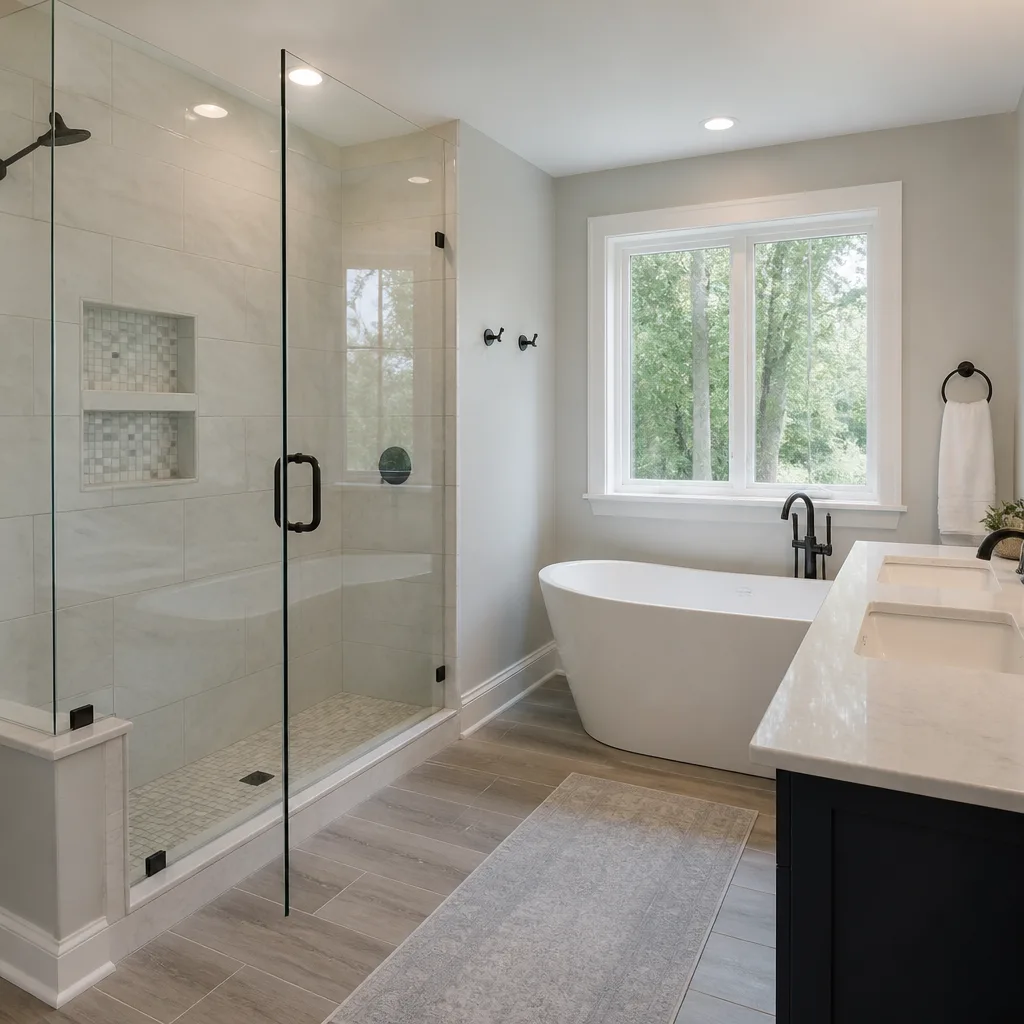 Bathroom remodeling
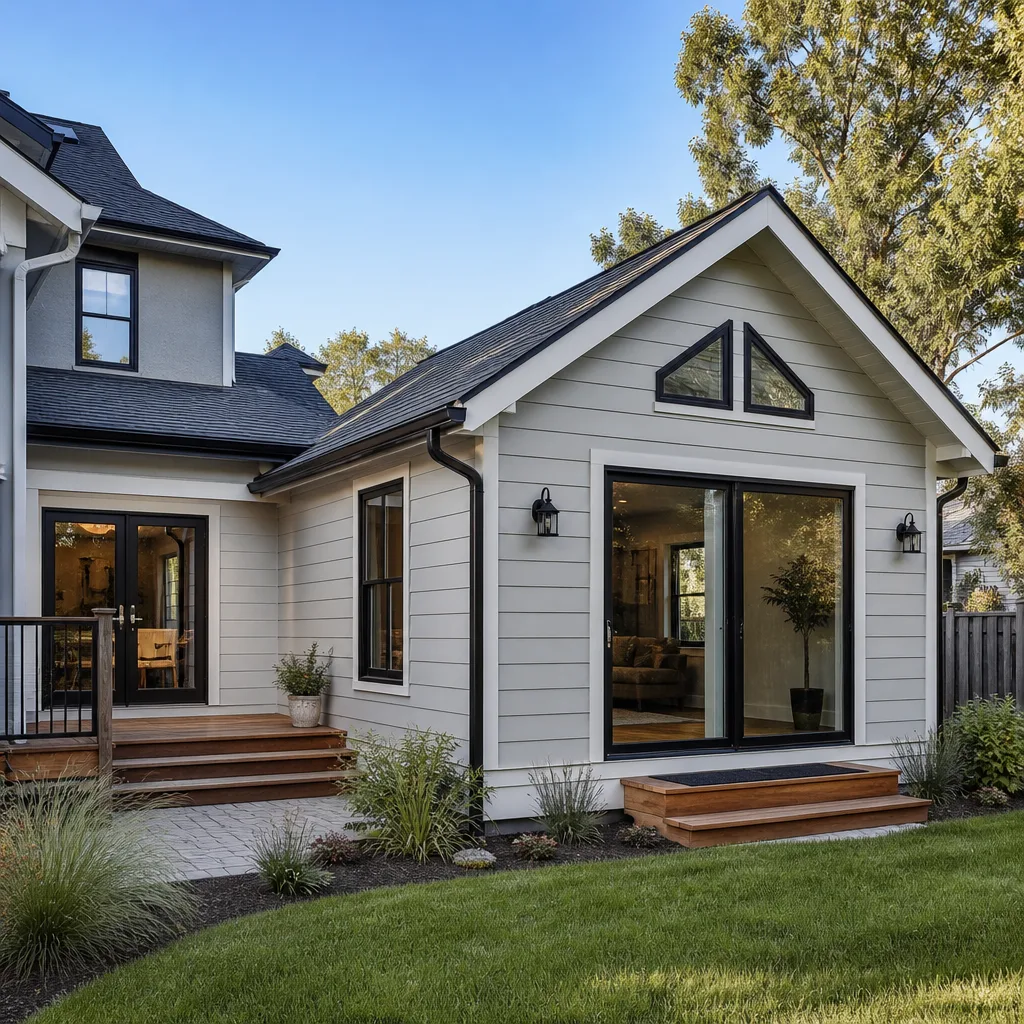 Home additions & ADU
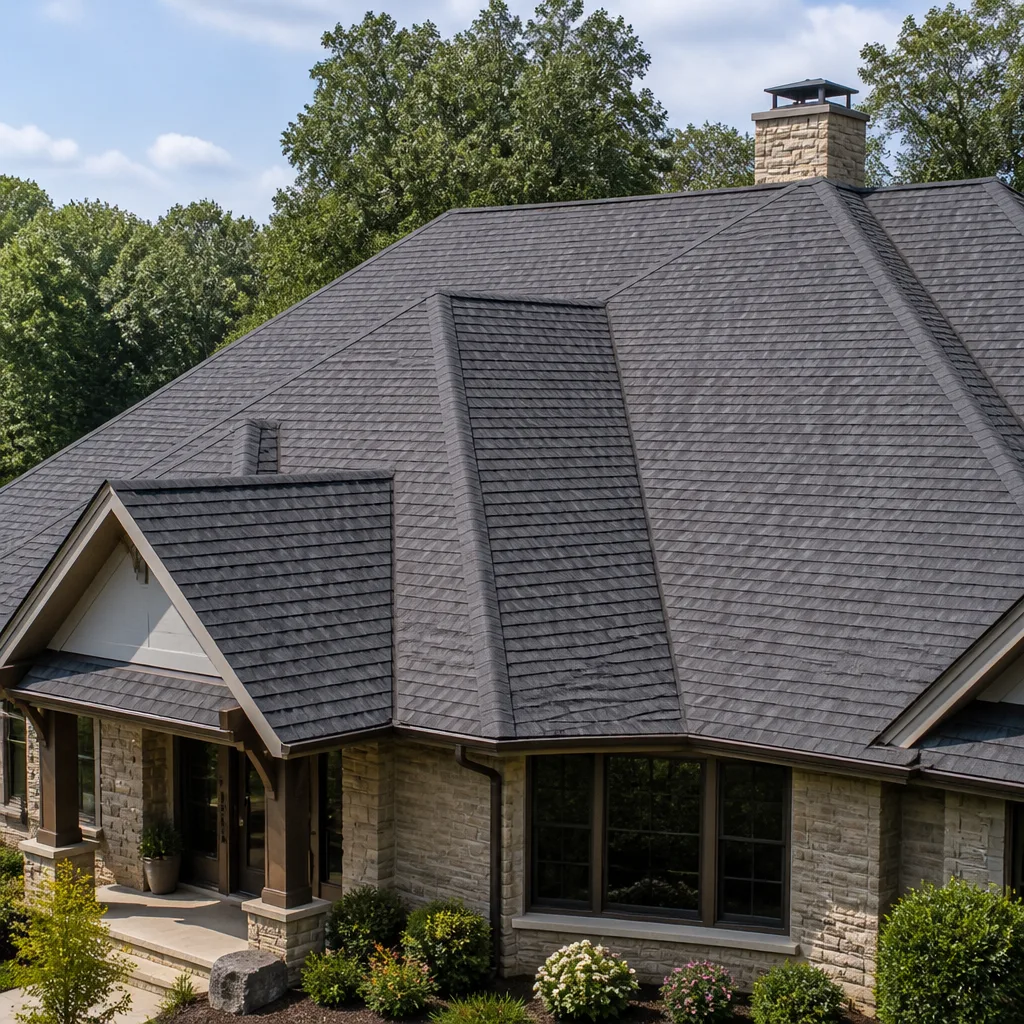 Roofing
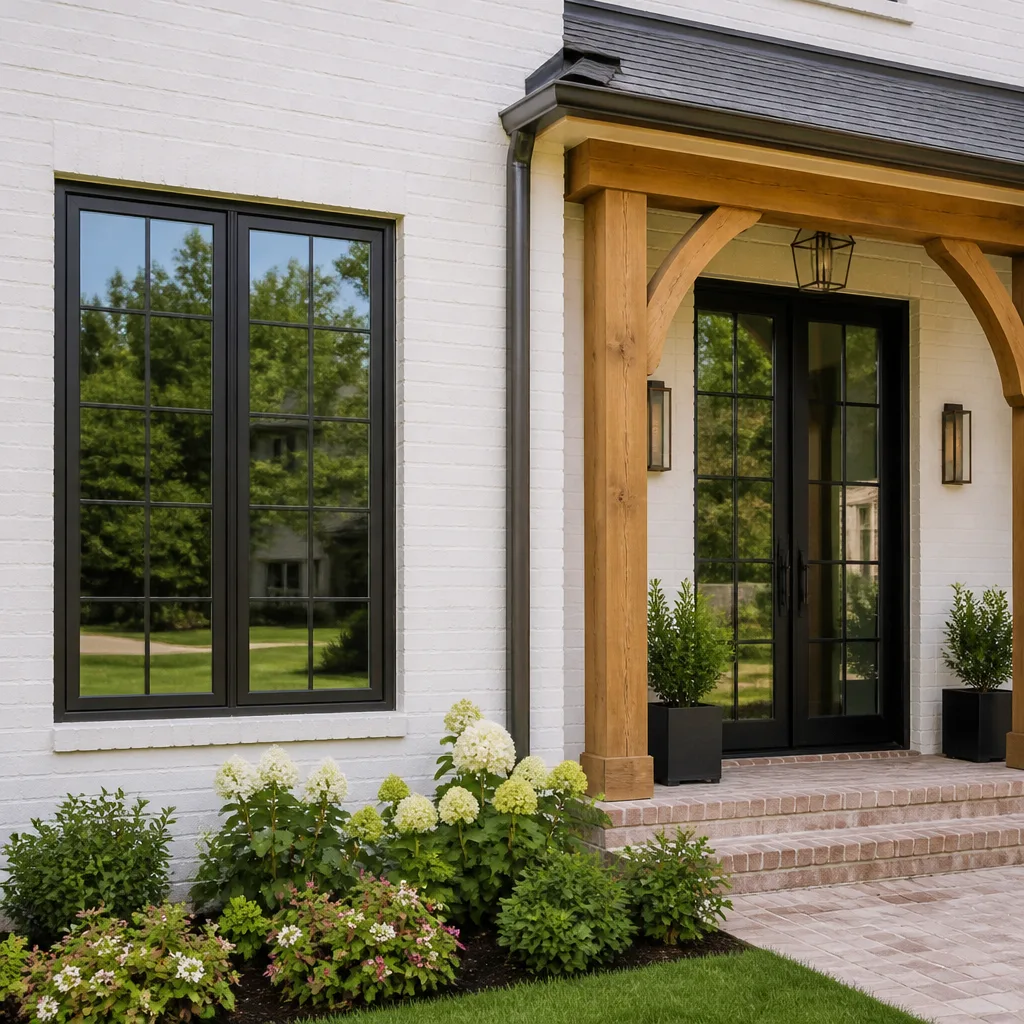 Windows & doors
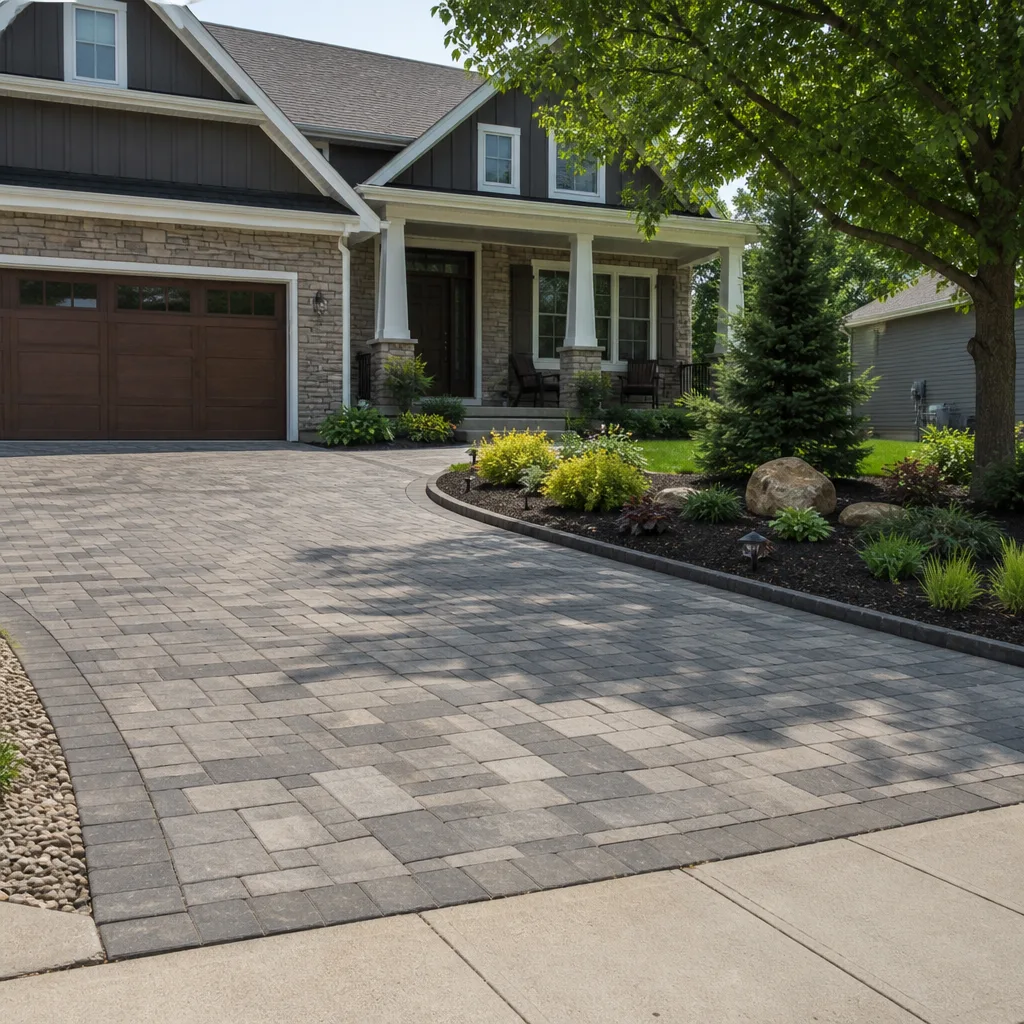 Driveway & pavers
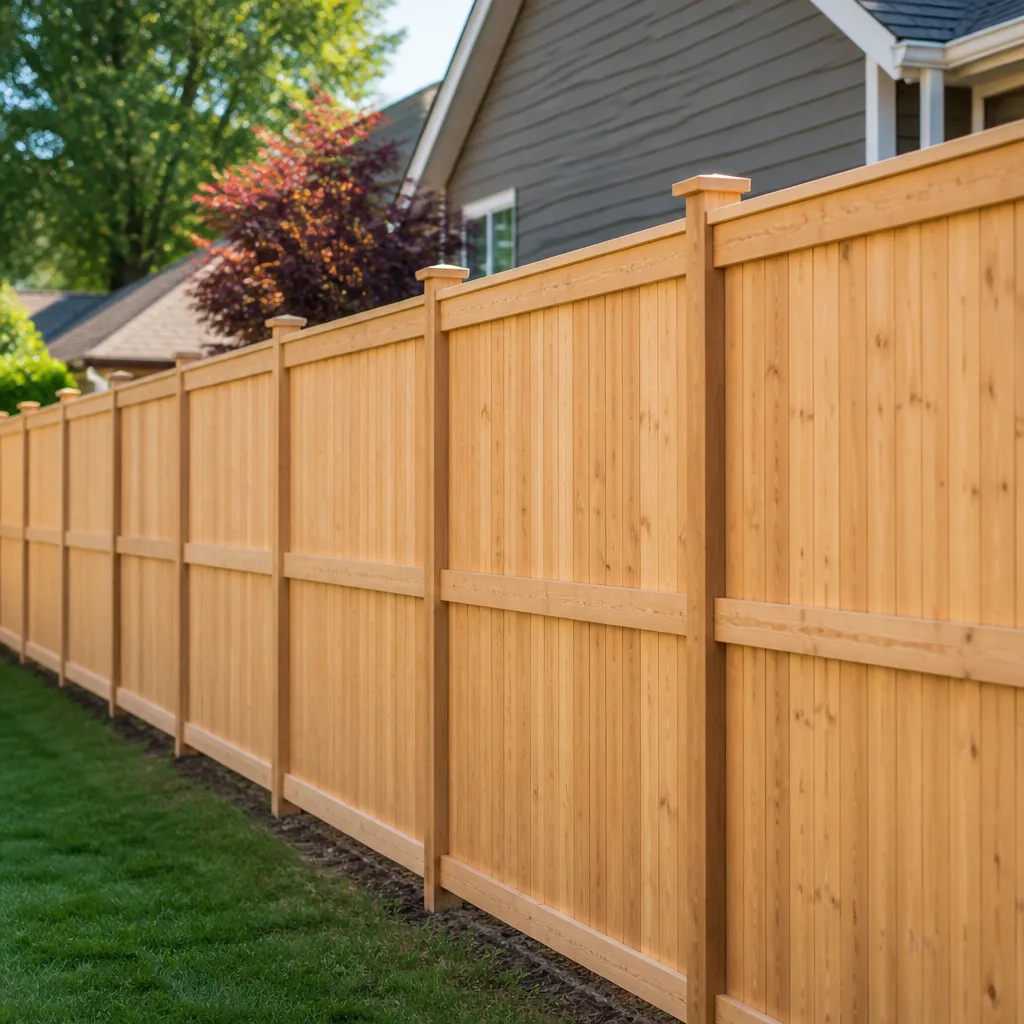 Fence
Free written scope consultation - allowances, timeline, and change-order rules on paper before a single trade is scheduled
Styles & brands we work with
- Kitchen remodeling
- Bathroom remodeling
- Home additions & ADU
- Roofing
- Windows & doors
- Driveway & pavers
- Fence
See the difference
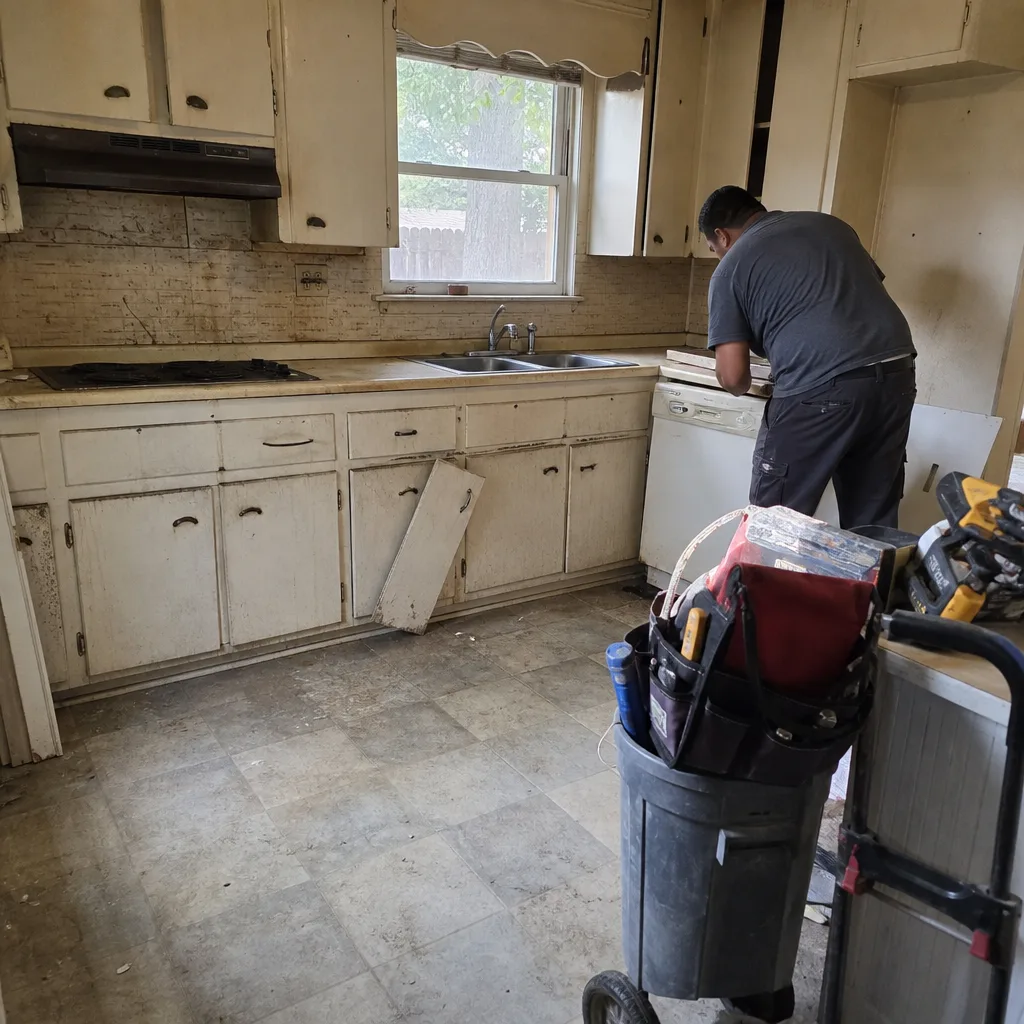 Before
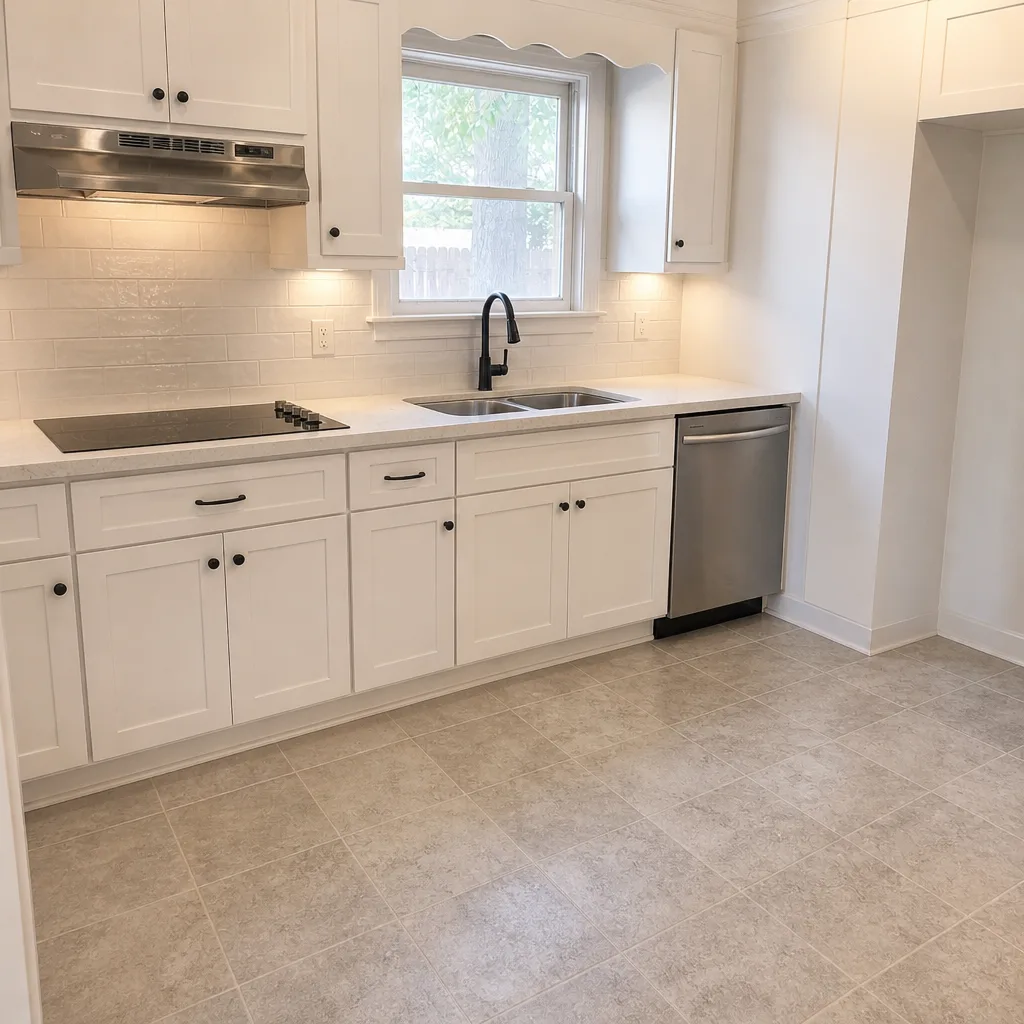 After
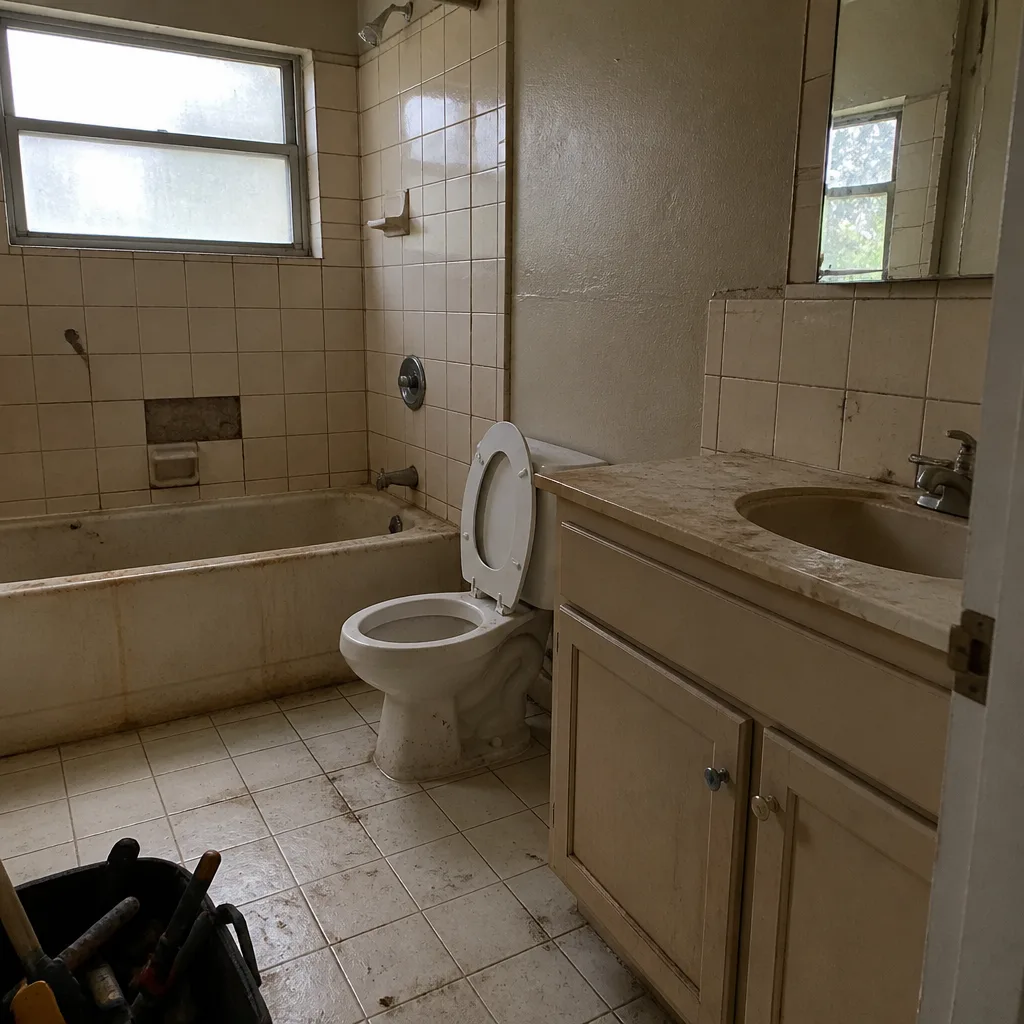 Before
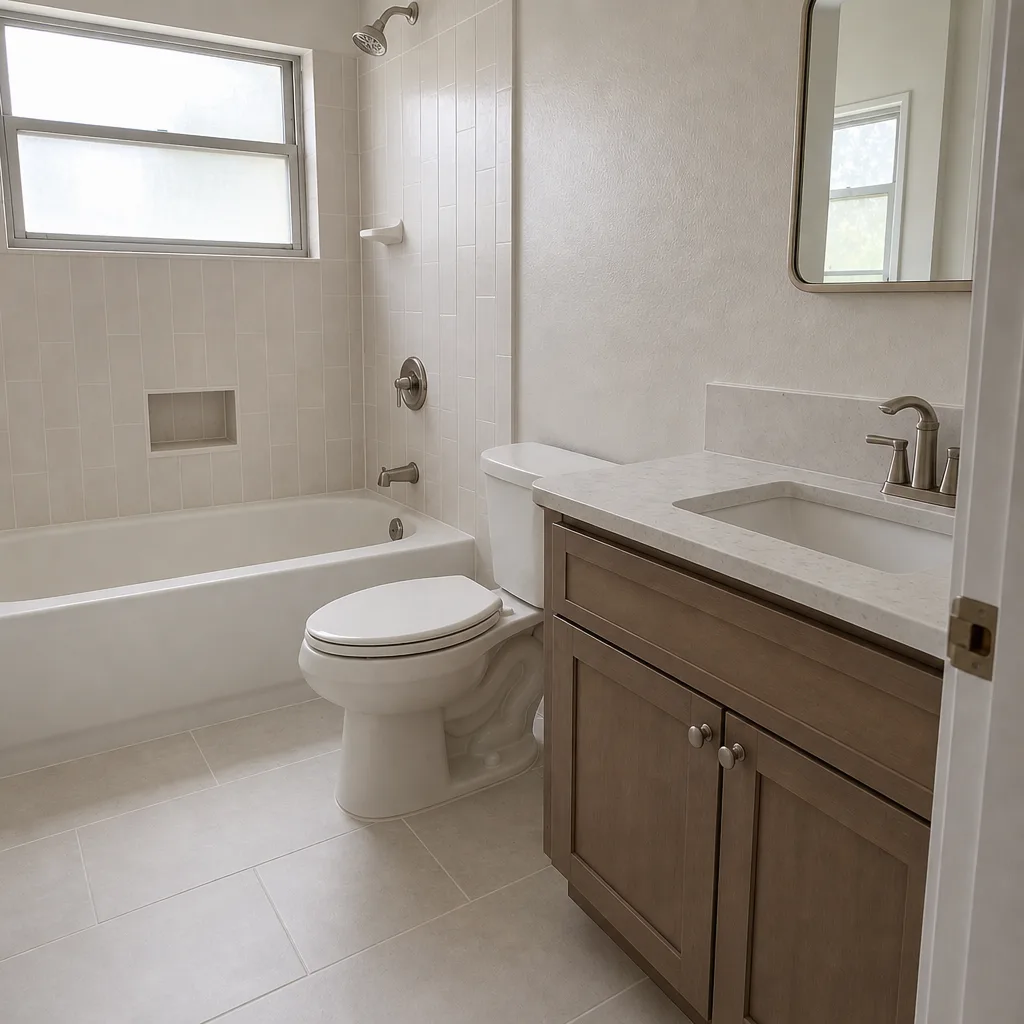 After
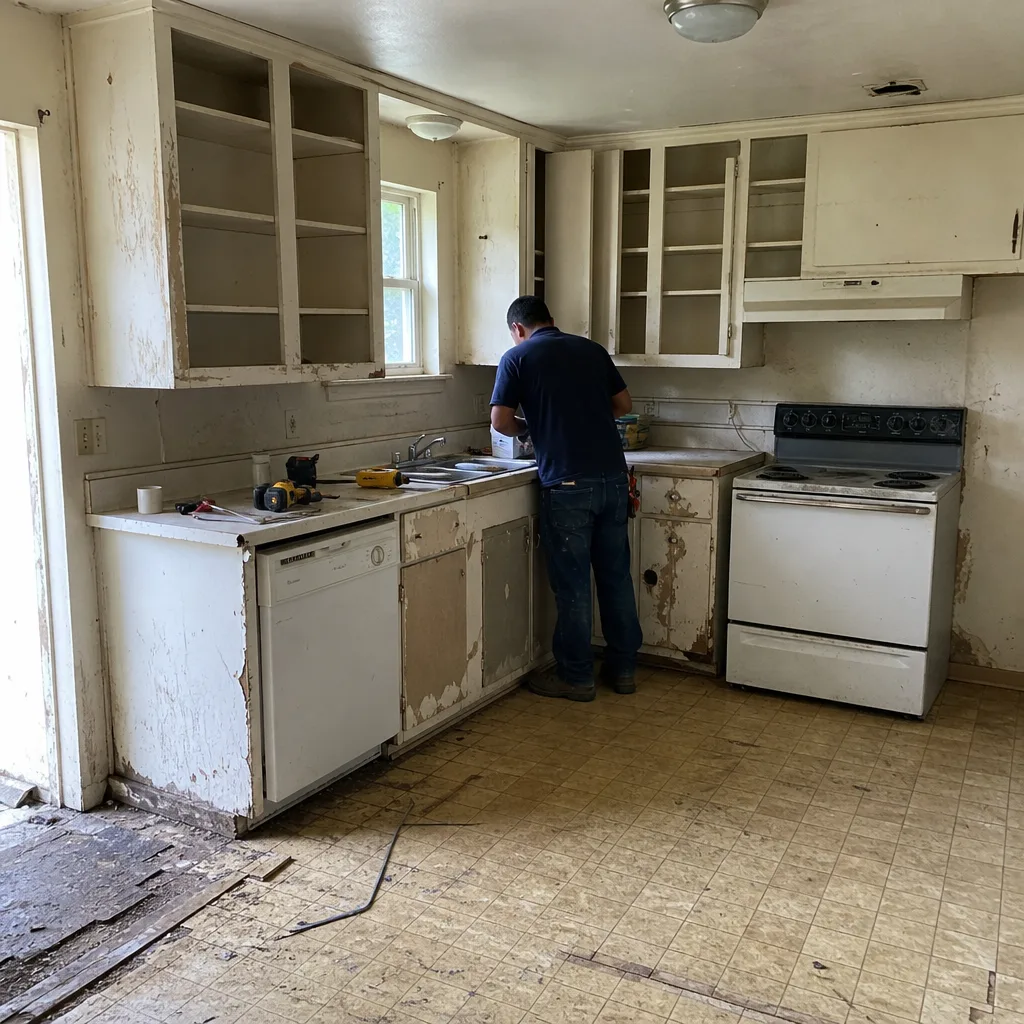 Before
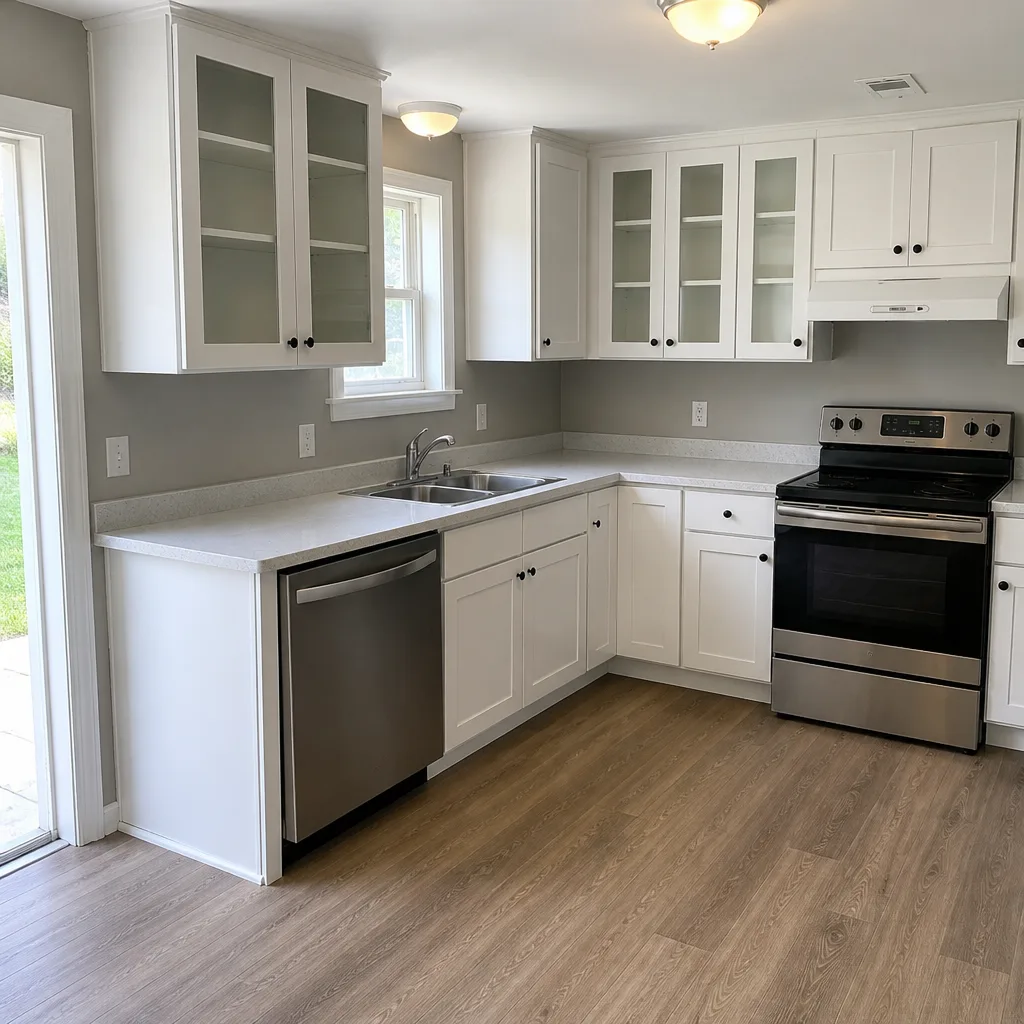 After
Roof Hail Damage Signs in Dallas, TX: What to Look For Before the Evidence Fades
The most reliable signs of hail damage on a Dallas roof are random, non-patterned granule loss combined with a soft, spongy shingle mat that gives under thumb pressure, plus hard-surface clues like dented aluminum fascia, dimpled AC condenser fins, and torn window screens. If you see those, you likely have a real insurance claim. The catch: in Dallas’s intense UV environment, those bruised edges oxidize and blend into ordinary weathering within about 90 days, so the longer you wait, the harder the damage is to prove. Call (844) 797-4808 for a free inspection while the evidence is still readable.
Why Dallas Hail Damage Hides in Plain Sight
Stand on the curb after a storm in Lakewood or Preston Hollow and your shingles probably look fine. They usually do. Hail damage on asphalt shingles is a subsurface bruise, not a hole. The stone granules get knocked loose at the impact point, and the fiberglass mat underneath fractures. That fractured mat lets water wick through slowly, which means a leak might not show up in your ceiling for months. By then the visible evidence on the roof has weathered away, and so has your clean shot at a claim.
That silent countdown is the whole problem. Most Dallas homeowners call a roofer when they see a brown stain on the ceiling. By that point, the adjuster may look at the same shingles and see only aged, sun-beaten asphalt.
The Thumb Test: Hail Bruise vs. Manufacturer Defect
The single most useful skill you can borrow from a trained inspector is telling hail damage apart from a manufacturing defect. Both can show granule loss. Only one pays a claim.
- Hail damage is random. Impacts scatter across the roof in no particular order, some on the slopes facing the storm, some on ridges and vents. Press a thumb into a suspect spot and the mat feels soft or spongy, like a bruise on an apple.
- Manufacturer defect follows a pattern. Granule loss runs in uniform lines or bands across the whole sheet, often the same distance from the shingle edge, with no soft spots underneath.
Adjusters and HAAG-certified inspectors both lean on this distinction, and it cuts both ways. A homeowner who understands it can photograph scattered impact marks and soft spots before the weathering clock runs out, which builds a preliminary case the insurance company has to take seriously. Our technicians have up to 12 years of experience reading exactly this kind of evidence on Dallas roofs.
The 90-Day Weathering Clock (and Why It’s a Legal Deadline in Disguise)
Dallas gets roughly 230 sunny days a year, and that relentless UV exposure is what erases hail evidence. The oxidized edges of a fresh bruise turn gray and matte within three to four months. After that, the damaged shingle looks a lot like one that’s simply been baking in the Texas sun for a decade.
Most adjusters work from HAAG Engineering guidelines that account for this weathering curve, and some carriers will argue a claim is stale if the damage can’t be clearly tied to a specific storm date. Getting an inspection inside the first 90 days isn’t just smart. It’s the difference between a documented claim and a denied one. If a spring hailstorm rolled through Oak Cliff or East Dallas in March, the window is already closing by June.
Secondary Damage Indicators That Confirm Hail
Shingle bruising is soft evidence, and soft evidence alone is arguable. Hard-surface damage is not. When you can point to several of these on the same property, an adjuster has a much harder time calling the roof fine:
- Dented aluminum fascia, gutter aprons, and downspouts
- Dimpled fins on the outdoor AC condenser unit (a near-guaranteed hail tell in DFW)
- Torn or punctured window screen mesh, especially on the storm-facing side
- Paint stippling or chipped stain on wood trim and deck rails
Those hard-surface marks corroborate the shingle findings and strengthen any supplement you file. A written report that pairs soft-shingle evidence with hard-surface proof is worth far more than a photo of a granule pile.
Functional vs. Cosmetic: Winning the Adjuster Argument
Some carriers deny hail claims by labeling granule loss “cosmetic.” That argument falls apart when the report documents mat integrity rather than surface appearance. Functional damage means the shingle’s ability to shed water is compromised, and that’s the standard that matters for a Texas claim.
Groundwork Construction Co. of Dallas writes inspection reports that record both: the soft-spot findings under each impact and the hard-surface corroboration. That’s the evidence standard functional-damage claims are built on. When you’re ready to move from inspection to repair, our Roofing team walks you through the findings line by line before anything gets torn off. Roof repair in Dallas typically runs $400 to $1,800, while a full replacement lands between $8,000 and $20,000, and you’ll get that number upfront with no surprises.
Building It Back Hail-Resistant
Once a claim is approved, the smarter move is to rebuild with Class 4 impact-rated shingles from GAF or Owens Corning. These products carry a higher impact rating specifically because they’re engineered to resist the kind of hail DFW throws every spring. Pair that with the high wind-uplift fastening Dallas’s code reality demands, and you’re building for the storm that hasn’t happened yet.
Here’s the part most homeowners miss: a Class 4 system only performs at its rated class if it’s installed correctly. Fastener placement, deck prep, and ridge ventilation all affect how the roof handles impact and heat gain. That’s why every Groundwork roof is covered by the 730-Day Done Right Promise. If the installation isn’t right, we make it right, backed in writing for two full years.
Typical Dallas Roofing Ranges
| Service | Typical Dallas Range |
|---|---|
| Roof repair | $400-$1,800 |
| Full roof replacement | $8,000-$20,000 |
| Metal roof installation | $15,000-$40,000 |
| Tile roof repair | $600-$2,500 |
As a supporting local note: Dallas sits on Blackland Prairie clay, and that expansive soil moves with every wet-dry cycle. If you’re ever pairing a roof project with foundation work, the same soil conditions drive the engineering behind both. Our Dallas service area page covers the neighborhoods we work across.
FAQs
The earliest signs are random, non-patterned granule loss and soft, spongy spots in the shingle mat that give under thumb pressure. Pair that with dented aluminum fascia, dimpled AC condenser fins, or torn window screens and you have a strong case for a claim.
You can usually file within your policy’s deadline, often a year or more, but the physical evidence fades within about 90 days in Dallas’s UV environment. After three to four months, bruised shingle edges oxidize and look like ordinary weathering, so getting an inspection right after the storm protects your claim.
Often yes, if you can document functional damage rather than surface appearance. That means showing mat integrity under the impact points and corroborating it with hard-surface evidence. A written inspection report built for that standard is what flips a cosmetic denial.
Repair is cheaper when damage is isolated to a few shingles, typically $400 to $1,800, but a roof with widespread bruising across multiple slopes usually needs replacement at $8,000 to $20,000. An honest assessment tells you which path you’re on. Call (844) 797-4808 for a free estimate and an upfront number.
Want It Looked At Before the Evidence Fades?
If you’d rather have it looked at than guess, Groundwork Construction Co. of Dallas offers a no-pressure assessment across Dallas. We document what we find, explain it in plain terms, and quote it upfront, with 0% financing for 18 months available. Call (844) 797-4808 for your free estimate.
Written by the team at Groundwork Construction Co. of Dallas, serving Dallas, TX.