
 Kitchen remodeling
 Bathroom remodeling
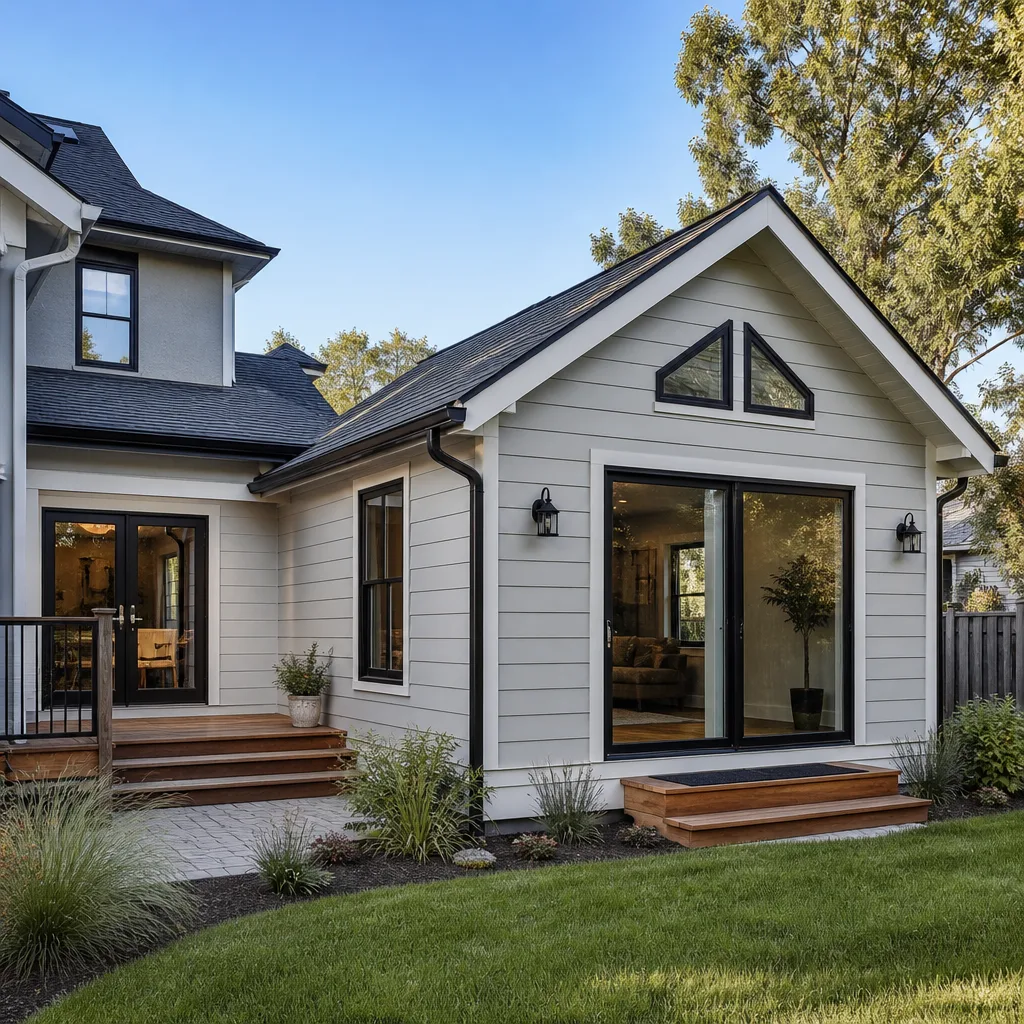 Home additions & ADU
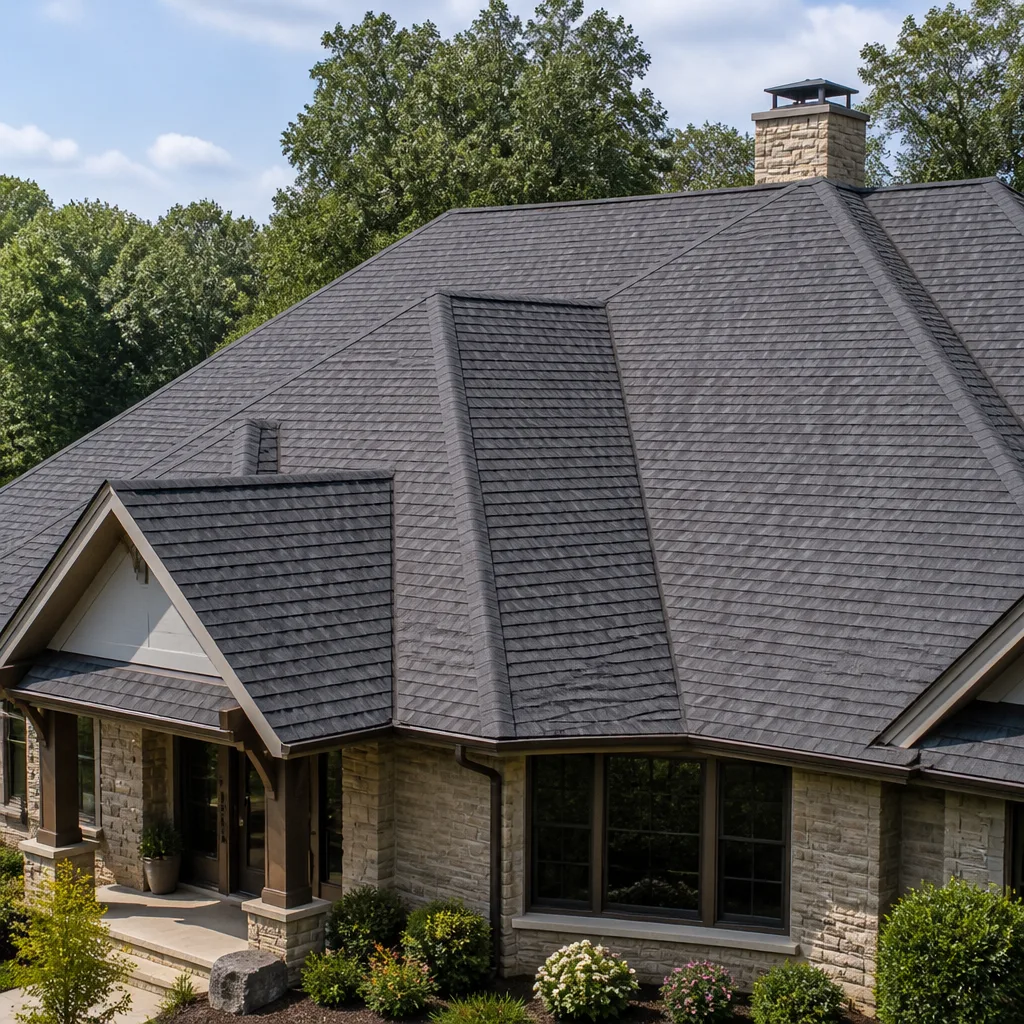 Roofing
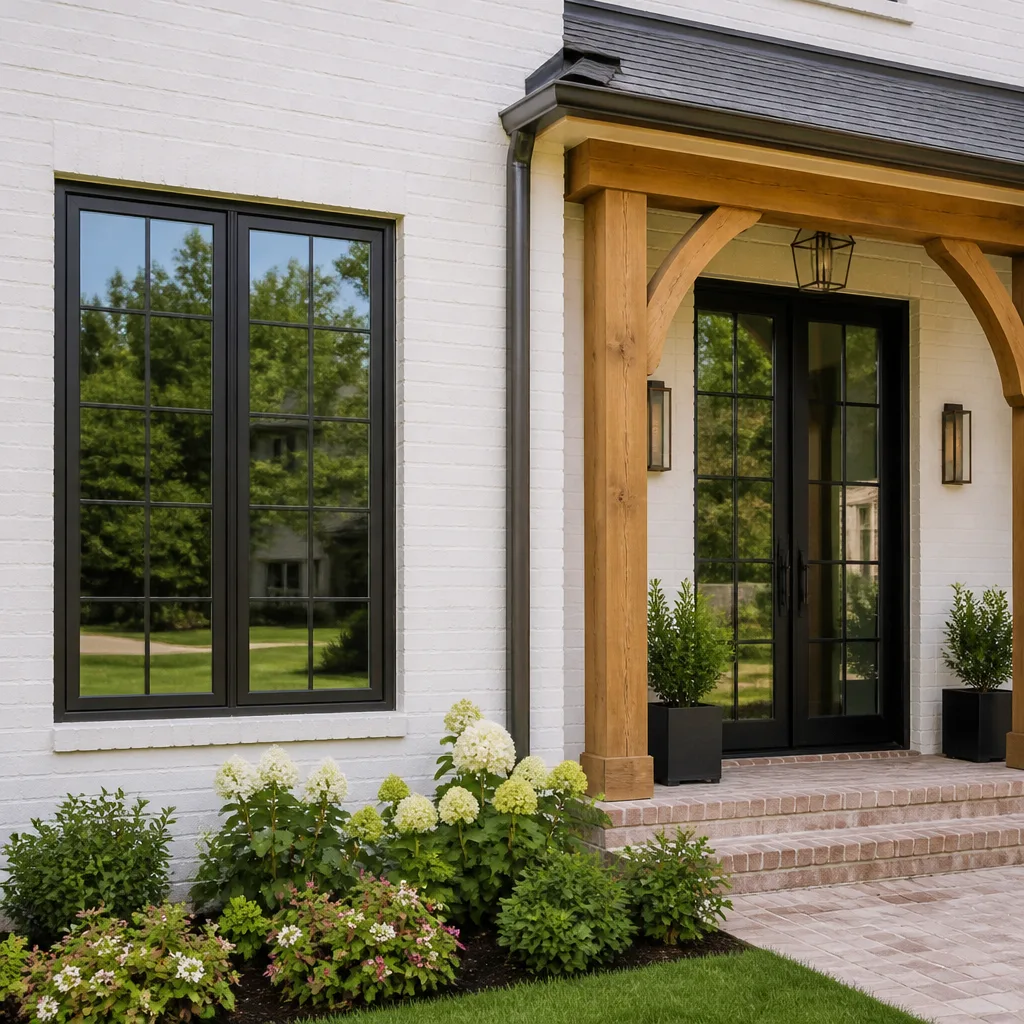 Windows & doors
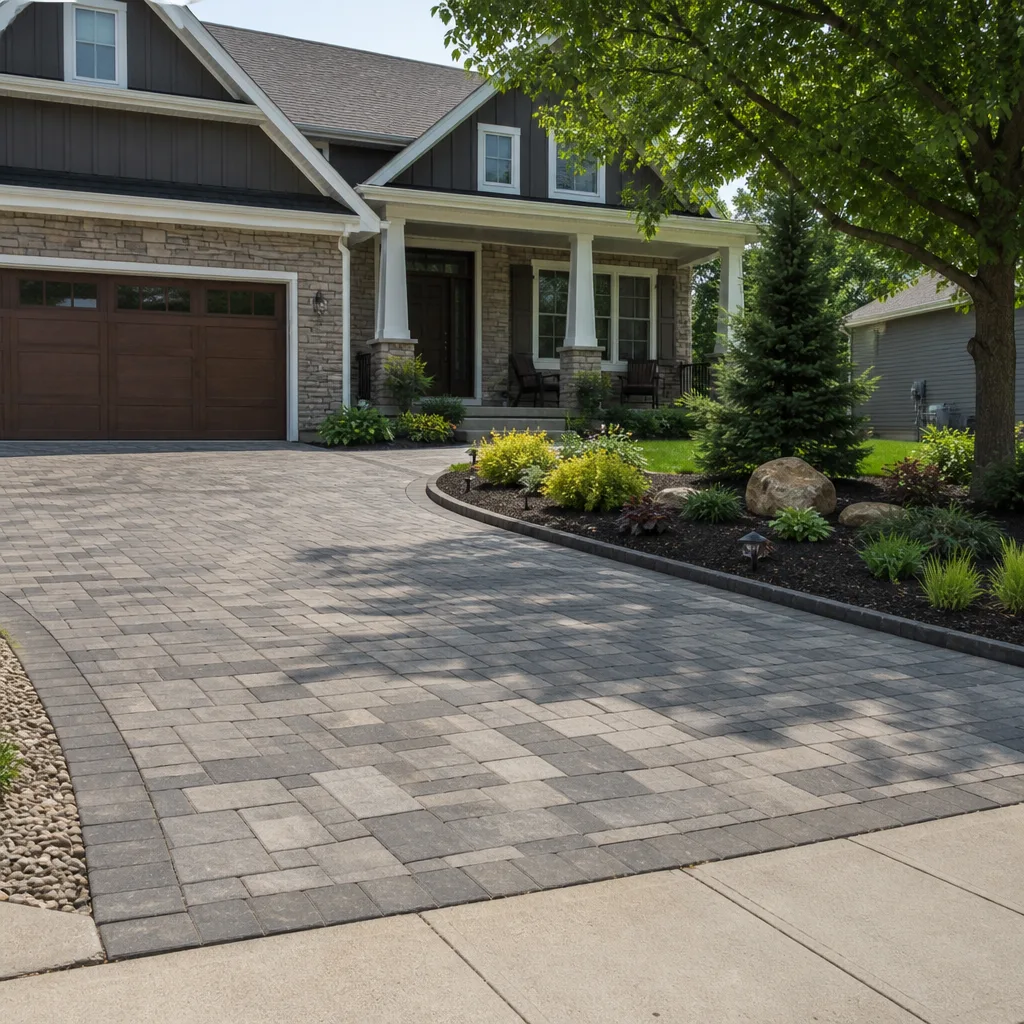 Driveway & pavers
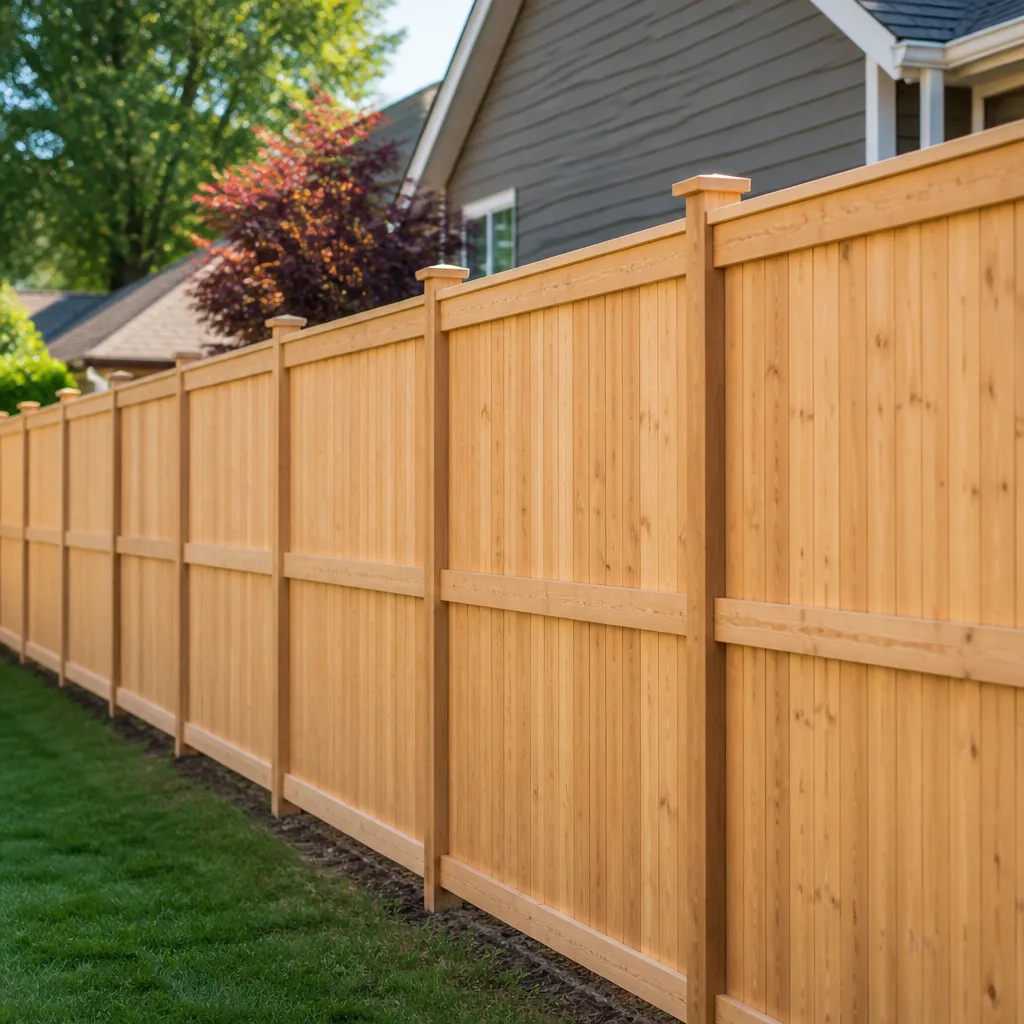 Fence
Free written scope consultation - allowances, timeline, and change-order rules on paper before a single trade is scheduled
Styles & brands we work with
- Kitchen remodeling
- Bathroom remodeling
- Home additions & ADU
- Roofing
- Windows & doors
- Driveway & pavers
- Fence
See the difference
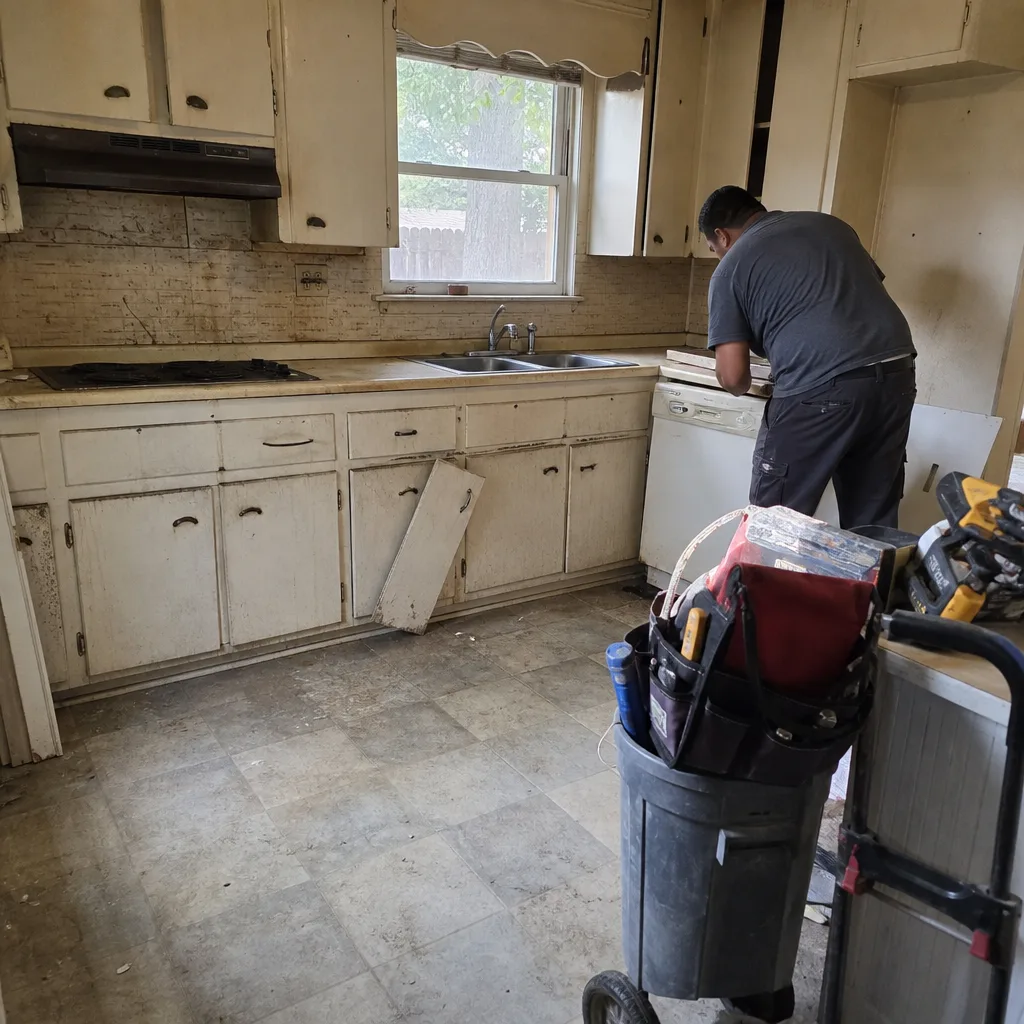 Before
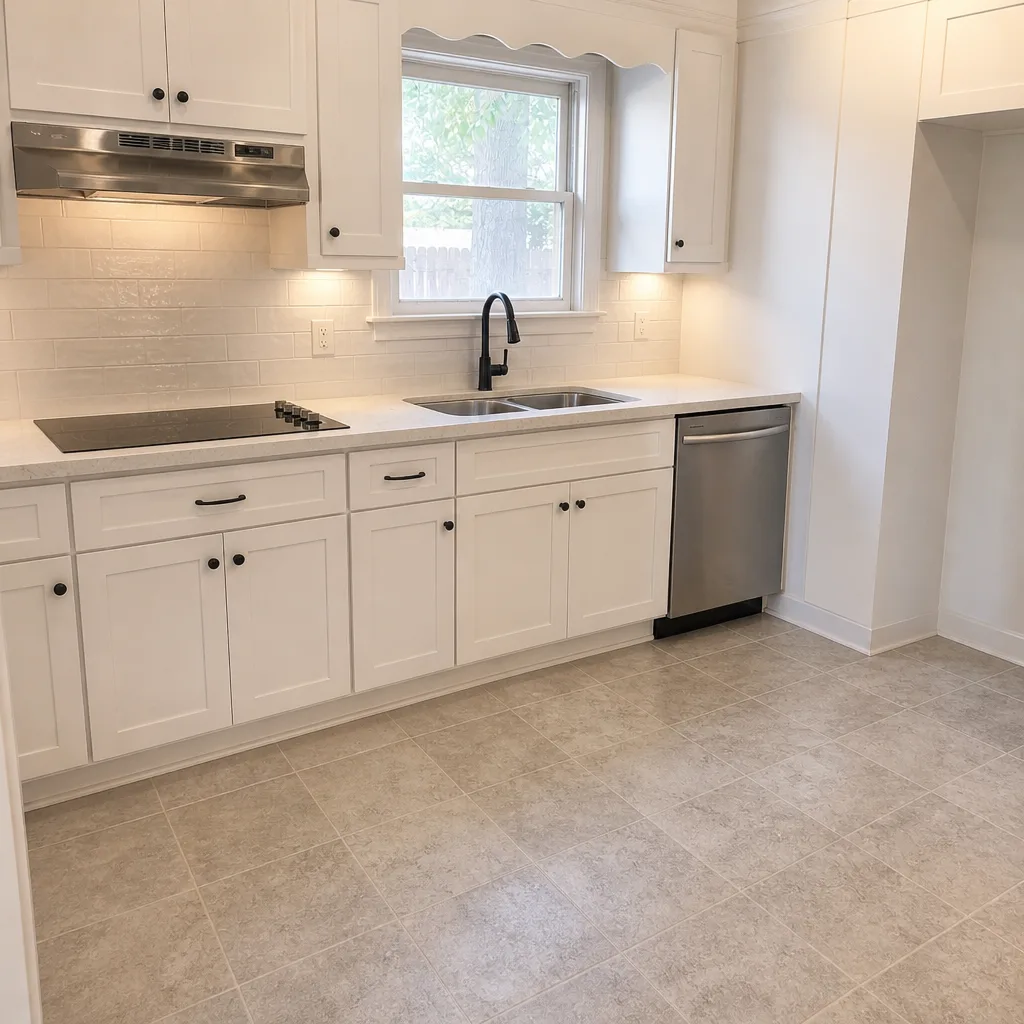 After
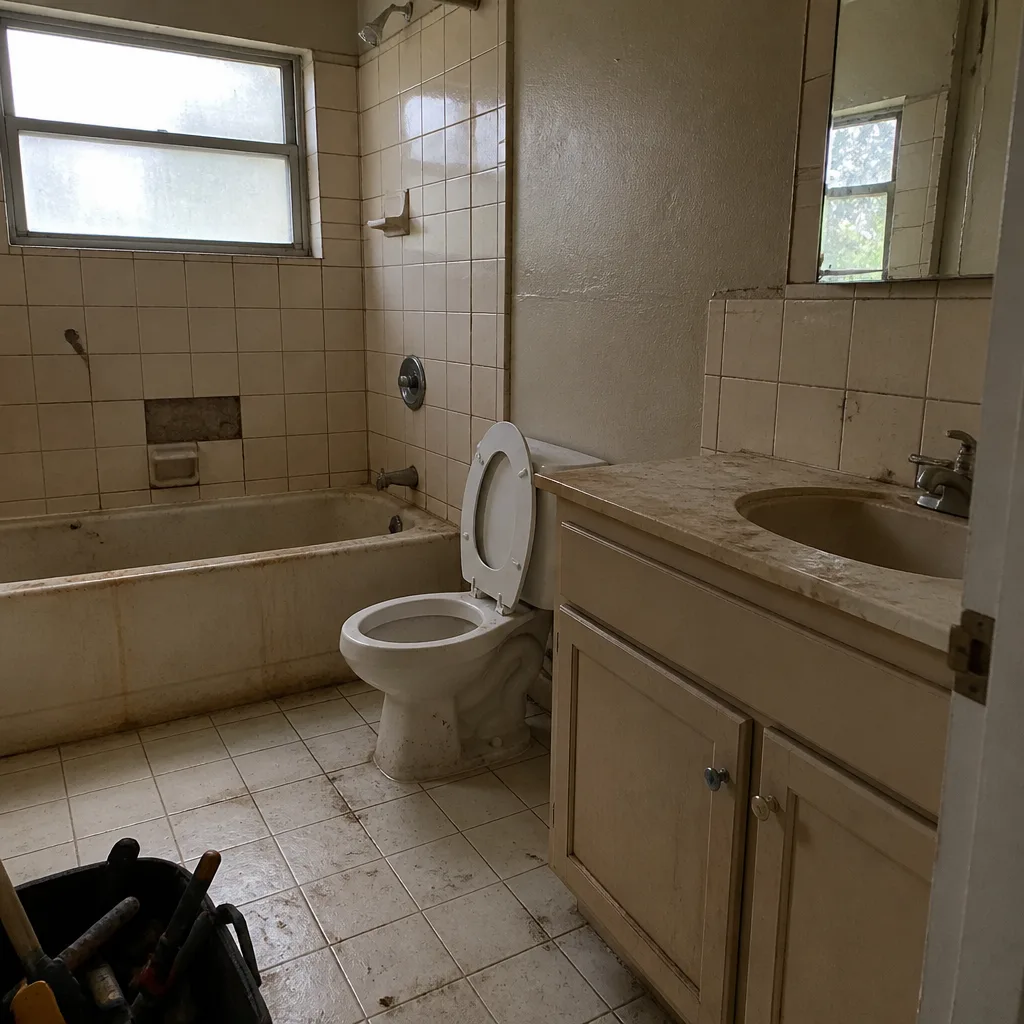 Before
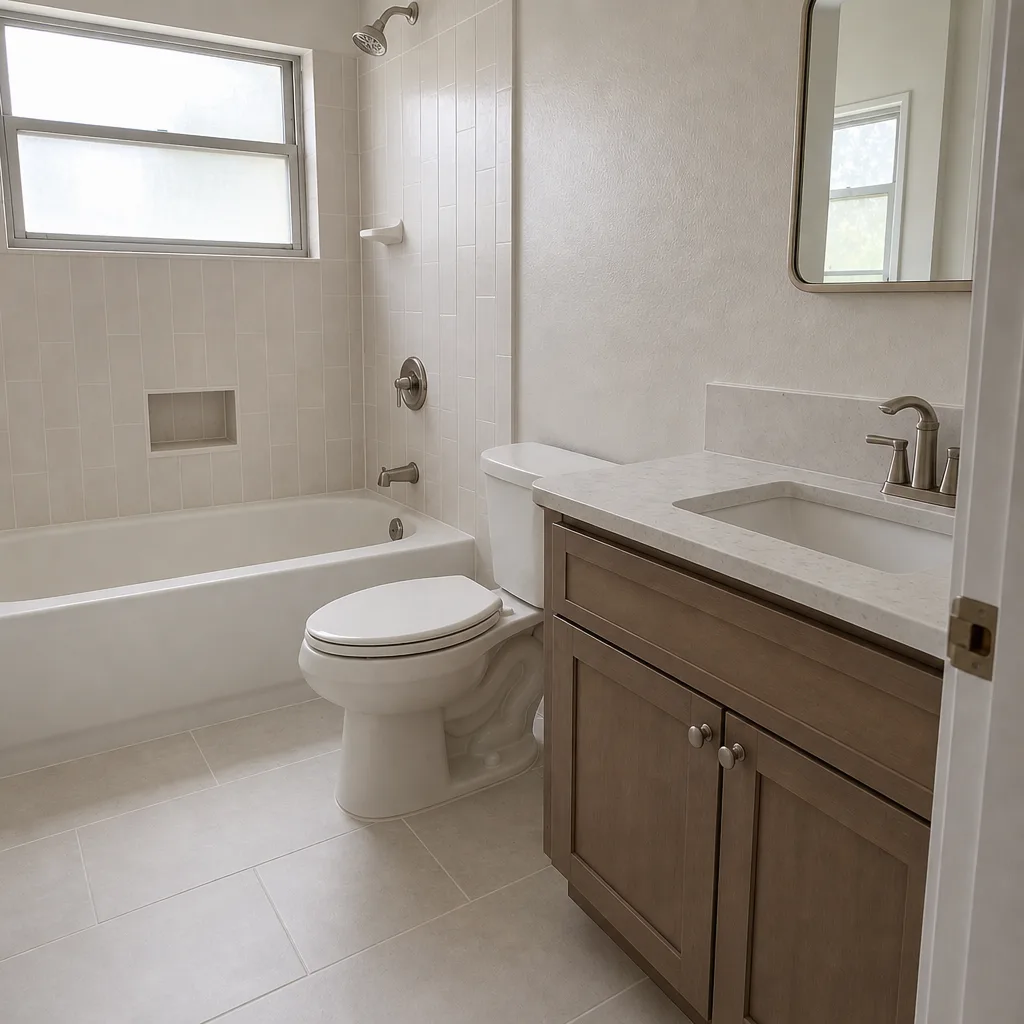 After
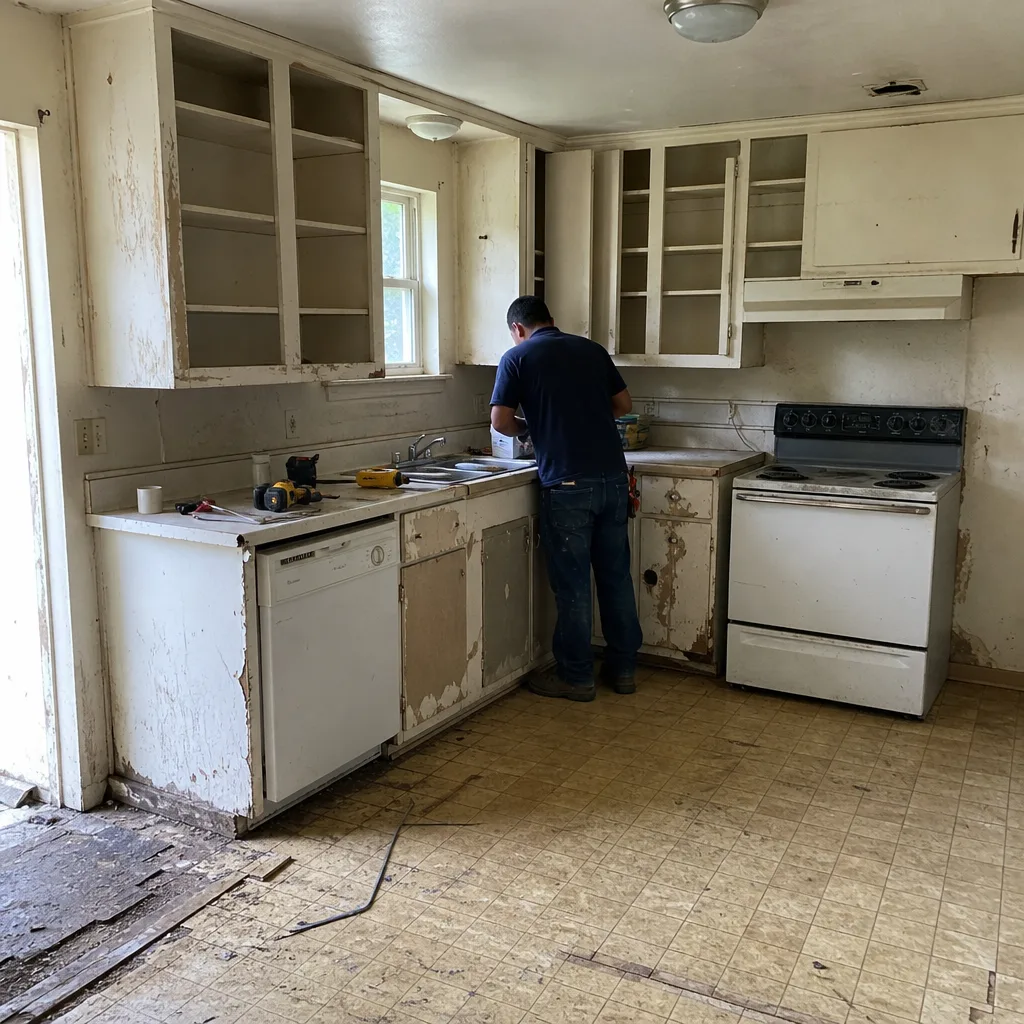 Before
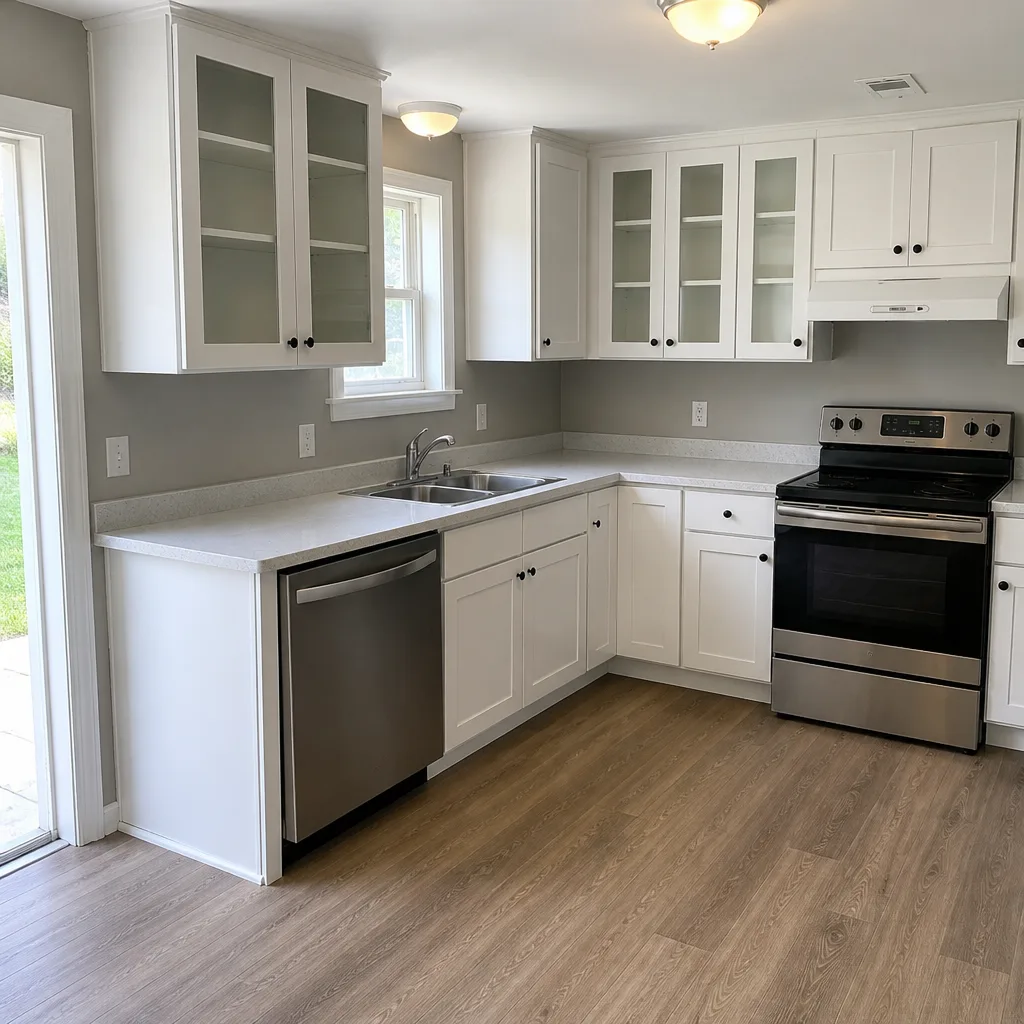 After
What Causes Roof Leaks in Dallas, TX? The Answer Isn’t Shingles – It’s Movement
The most common cause of a recurring roof leak in Dallas is displaced flashing, pulled open when the expansive clay soil under your foundation shifts and racks the framing above it. Failed shingles get blamed first, but on slab-on-grade homes across the Blackland Prairie they’re rarely the real culprit. If the same leak has come back twice, the roof is reporting a structural problem, and a patch will keep failing until someone names the cause. Call Groundwork Construction Co. of Dallas at (844) 797-4808 and we’ll diagnose it in writing before anyone quotes a repair.
Why the clay under your house matters more than the shingles on top of it
Dallas sits in the heart of the Blackland Prairie, where vertisols swell when wet and shrink hard through a dry summer. That cycle doesn’t just crack driveways. It lifts and drops the slab, and every wall tied to that slab moves with it. Where a dormer meets the main roof, or where a chimney passes through, the step flashing is fastened to two different planes of the house. When the wall rakes even a quarter inch, that flashing separates. The gap is small enough that you won’t see it from the ground and wide enough to funnel spring rain straight onto the deck. We’ve pulled apart dormer bases in Old East Dallas and Lakewood where the metal was intact and the fasteners had simply walked out of their holes.
This is why homeowners here sometimes cycle through three repair attempts on the same stain. Each one replaces sealant over a joint that’s still moving. Flashing tape buys you a season, maybe two.
Why the first course of shingles leaks when the wind turns
Dallas code requires ice-and-water shield at the eaves, and most re-roofs run it the minimum 18 inches up the deck. That’s fine for a gentle rain falling straight down. In a spring convective storm with wind-driven rain, water gets under the first course and backs up 24 inches or more before it finds a seam. If your shield stops at 18, the water is already past the protection zone and sitting on bare decking. We run it further on the homes we roof, especially on low-slope runs and north-facing eaves.
So when you’re comparing roofers, ask how far up the shield goes. The good answer is a number, not a shrug.
What to Look For: A Dallas Leak-Cause Hierarchy
Most “roof leak causes” lists were written for markets without expansive soil or DFW’s hail frequency, so they lead with worn shingles. On Dallas homes, shingles rank fifth. Here’s the order we actually find them in:
- Flashing displacement from slab and framing movement. The Blackland Prairie signature. Step flashing opens at dormers, chimney bases and wall intersections as the clay cycles.
- Hail-bruised mat wicking. DFW gets more large hail than almost anywhere in the country. A bruise that doesn’t tear the shingle still fractures the fiberglass mat underneath, and the mat wicks water sideways, so the stain shows up feet from the actual impact.
- Attic condensation from poor ventilation. Dallas summer heat load cooks an under-ventilated attic. Moisture from the conditioned space collects on the underside of the deck, and the deck rots from the inside where you can’t see it.
- Nail pops from thermal cycling. A Dallas roof can swing 60 degrees between a July afternoon and a January freeze. Fasteners back out, and water finds the holes.
- Ordinary shingle wear. Real, but it’s the cause everyone lists first and the one we find fifth. Age matters less here than the four above.
The 1960s valley problem nobody talks about
Dallas has thousands of slab-on-grade ranch homes built between 1950 and 1975, and a lot of them have open valleys with low slope. During a convective storm, two roof planes dump into that valley at once, and the W-metal takes the whole load in a short window. Aging metal with lapped seams and brittle sealant can’t move that volume for long. Flashing tape over a failing valley buys a season. On these houses we re-line the valley properly. It’s one of those repairs that costs less the first time than the third.
When your ceiling stain has nothing to do with the roof
Here’s one that fools a lot of Dallas homeowners. A hard freeze rolls in after a week of humid weather, the conditioned space stays warm, and the cold deck above it sweats. Condensation forms on the underside of the decking, drips onto the insulation, and leaves a ceiling stain with no leak on the exterior at all. People call a roofer when the fix is ventilation and insulation. Before you spend money on a roof inspection, check whether the stain showed up after a freeze and whether your attic vents are doing their job. We sort that out during the diagnosis instead of selling you a repair you don’t need.
What Roof Repair Costs in Dallas
Upfront pricing, no surprises – that’s how we quote every job. For context, here’s what roof work runs in the Dallas market. These are real ranges, not teaser numbers:
| Service | Typical Dallas Range |
|---|---|
| Roof repair (flashing, valleys, small leaks) | $400-$1,800 |
| Tile roof repair | $600-$2,500 |
| Full roof replacement | $8,000-$20,000 |
| Metal roof installation | $15,000-$40,000 |
Our process starts with a written cause diagnosis before we quote a single material. That’s not paperwork for its own sake. The Roofing work we do is covered by our 730-Day Done Right Promise, and that guarantee covers the workmanship – meaning we have to get the cause right the first time, not just the patch. We use GAF and Owens Corning systems, and impact-rated edge metal where the hail history justifies it. Because a diagnosis-first repair often costs less than the third patch.
Why we don’t start with a material quote
Fixing the symptom without naming the cause is exactly how the same leak comes back. A roofer who quotes shingles before he’s been in the attic and checked the flashing is guessing. On a Dallas home, the guess fails within two summers. Our technicians bring up to 12 years of experience to that diagnosis, they’re background-checked and arrive in uniform, and calls are answered by a live person 24/7 – not a voicemail that sits until Monday. When you’re on the roof at 9 p.m. the night before a storm, that matters. Your full city scope is on our Dallas service area page, and our home page lays out every trade we cover under the same guarantee.
FAQs About Roof Leaks in Dallas
Because wind-driven rain is getting past the first course of shingles, almost always at the eaves or at a valley. Dallas convective storms push water under the starter course and past the 18-inch ice-and-water shield many older re-roofs installed. The fix is running the shield higher and checking the edge metal, not caulking the shingles.
Probably not. That pattern points to attic condensation: a cold deck over a warm conditioned space sweats and drips onto the insulation. Check the stain date against the last freeze and get your attic ventilation looked at before paying for a roof inspection.
Yes, and in Dallas it’s the leading cause. Expansive clay moves the slab, the wall framing rakes, and step flashing opens at dormers and chimneys. That’s why an engineered pier-and-beam solution is sometimes part of the conversation, and why we diagnose the structure, not just the shingle.
Most roof repairs land between $400 and $1,800, with tile repairs running $600 to $2,500 and full replacements $8,000 to $20,000. The number depends on the cause and the access. Call (844) 797-4808 for an exact quote – the estimate is free.
Get the Cause Right the First Time
If you’d rather have it looked at, Groundwork Construction Co. of Dallas offers a no-pressure assessment in Dallas – call (844) 797-4808. We’ll tell you what’s actually failing, in writing, before anyone quotes a repair. Live person on the line, 24/7, and 0% financing for 18 months if a bigger job turns out to be the real answer.
Written by the team at Groundwork Construction Co. of Dallas, serving Dallas, TX.