
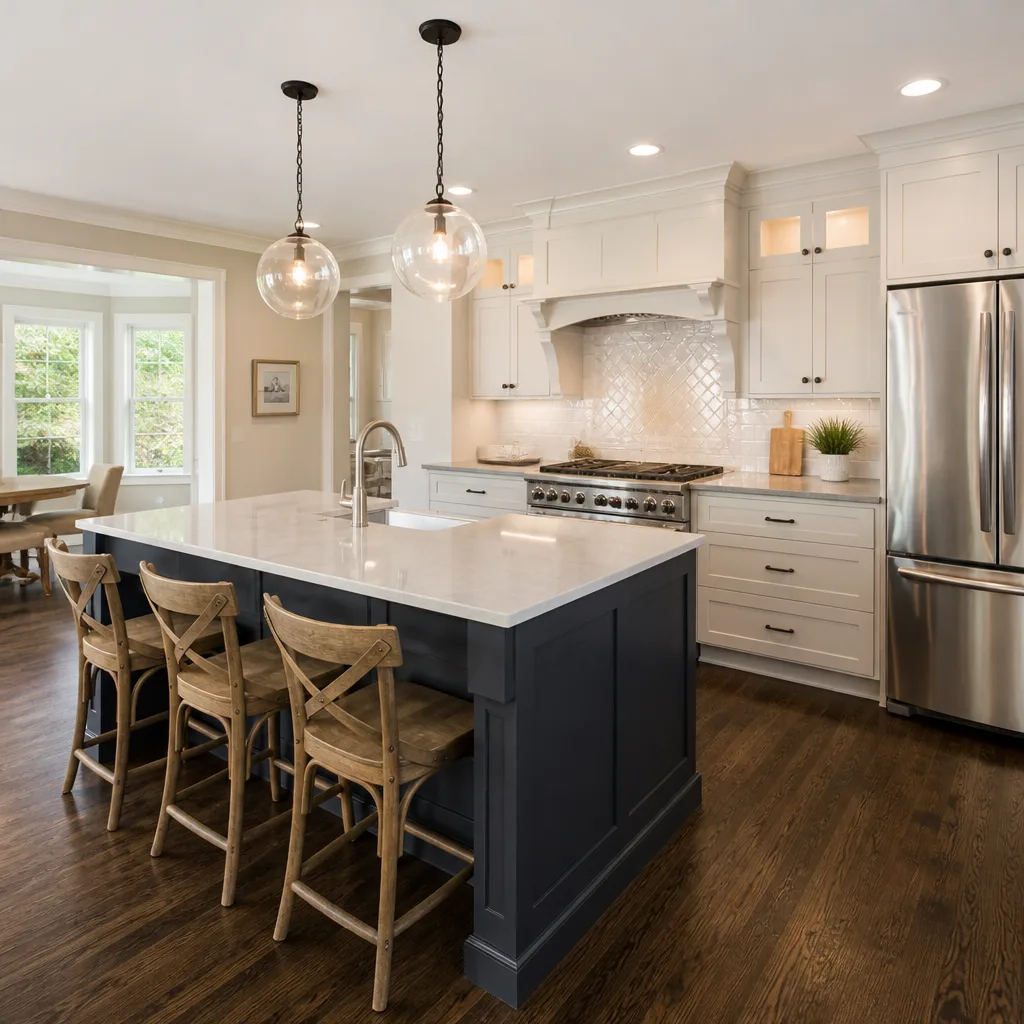
 Kitchen remodeling
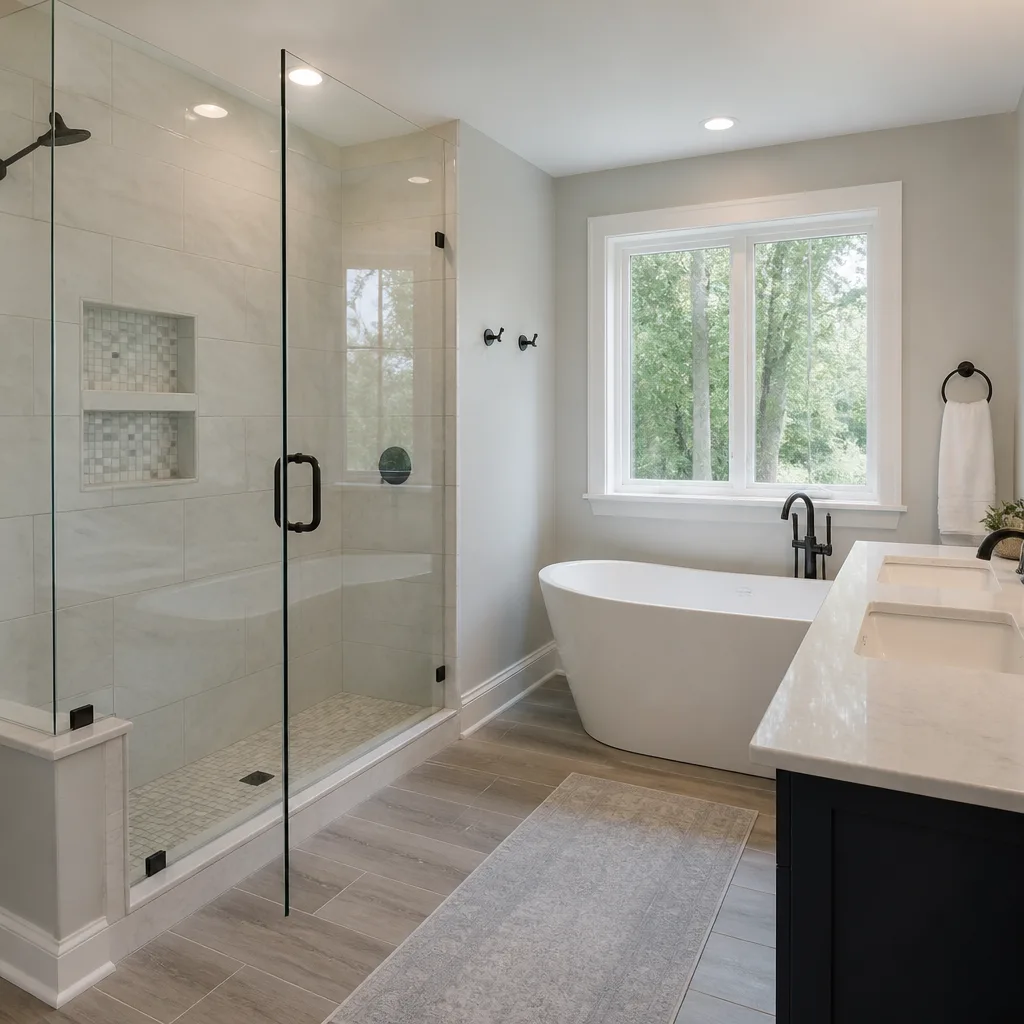 Bathroom remodeling
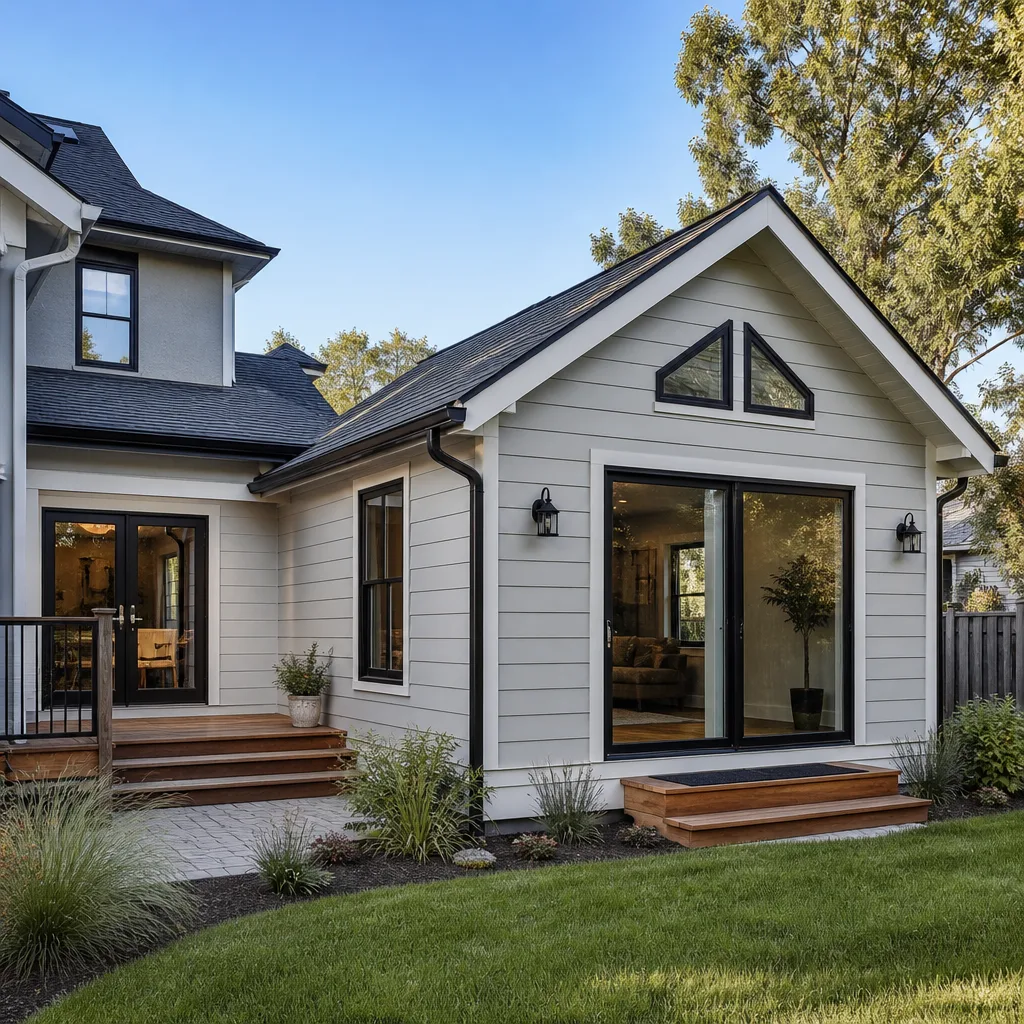 Home additions & ADU
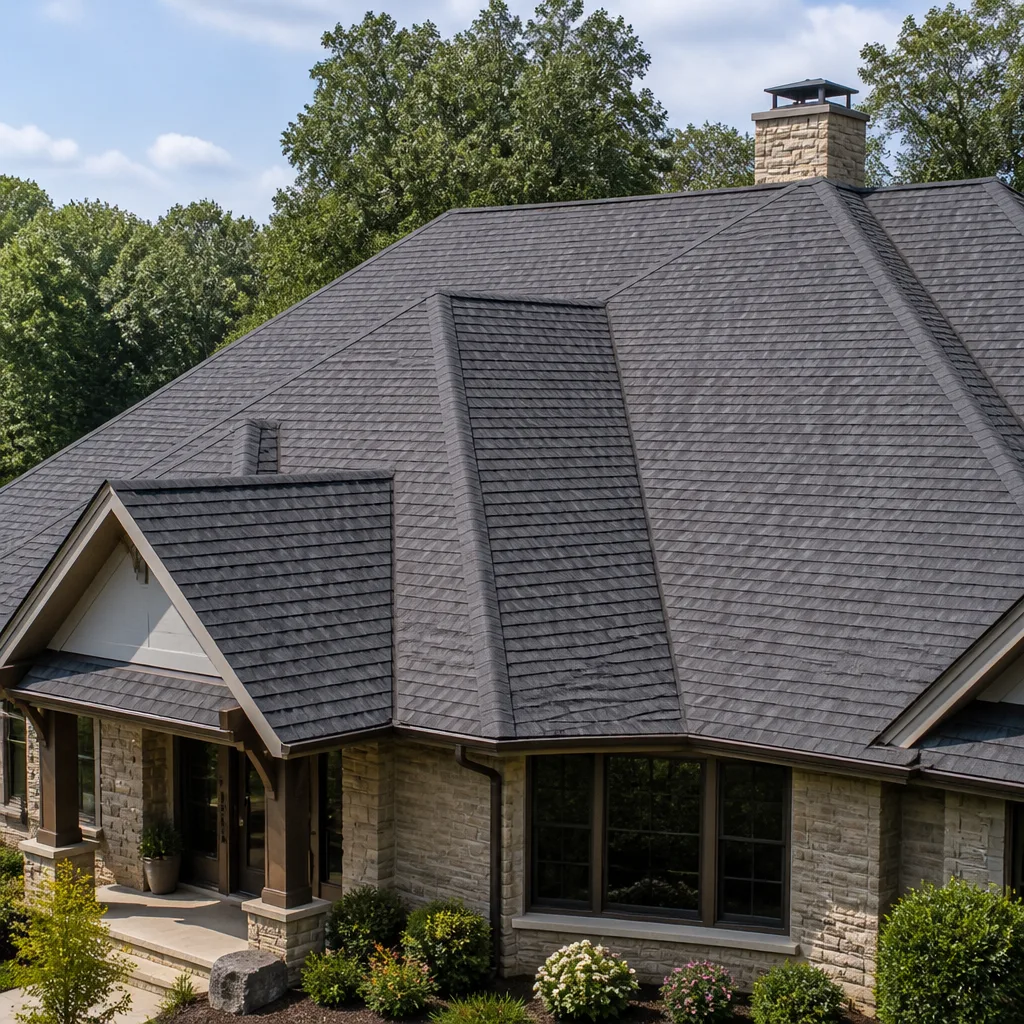 Roofing
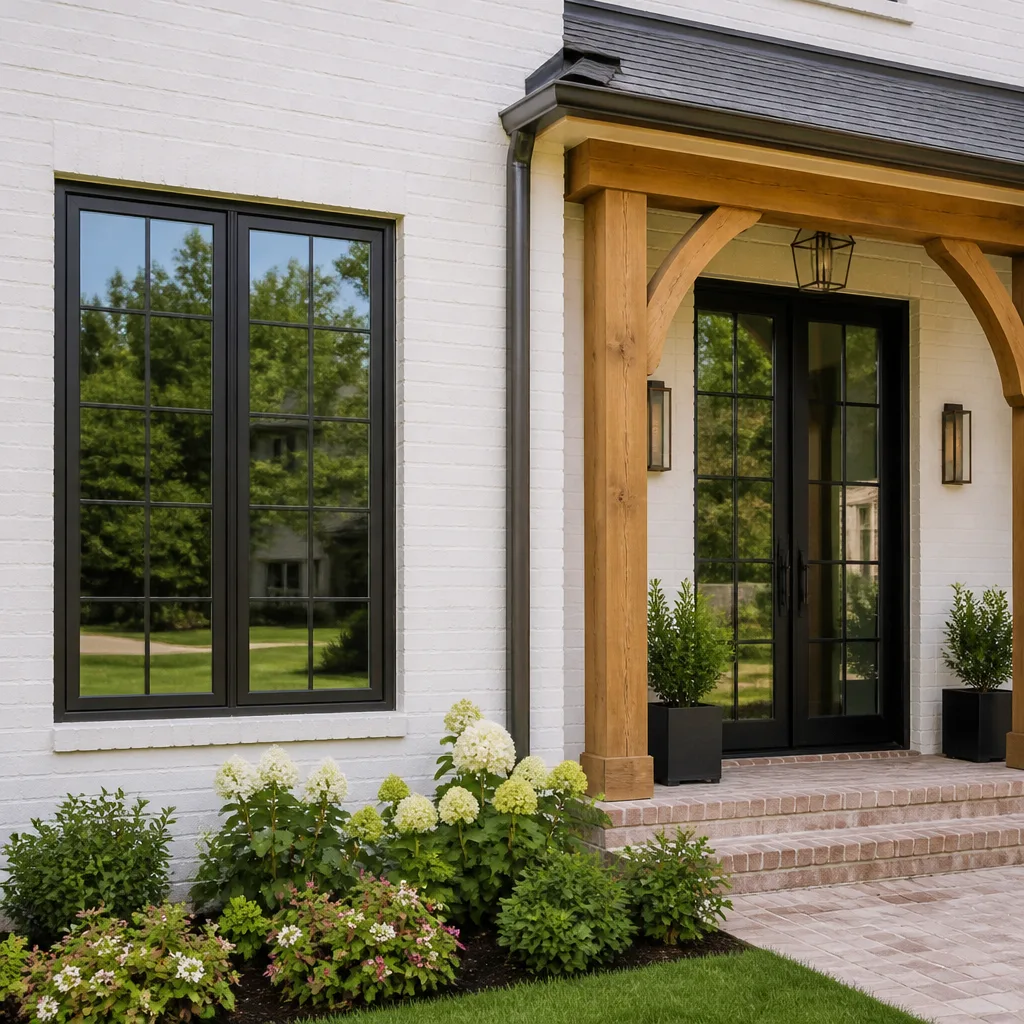 Windows & doors
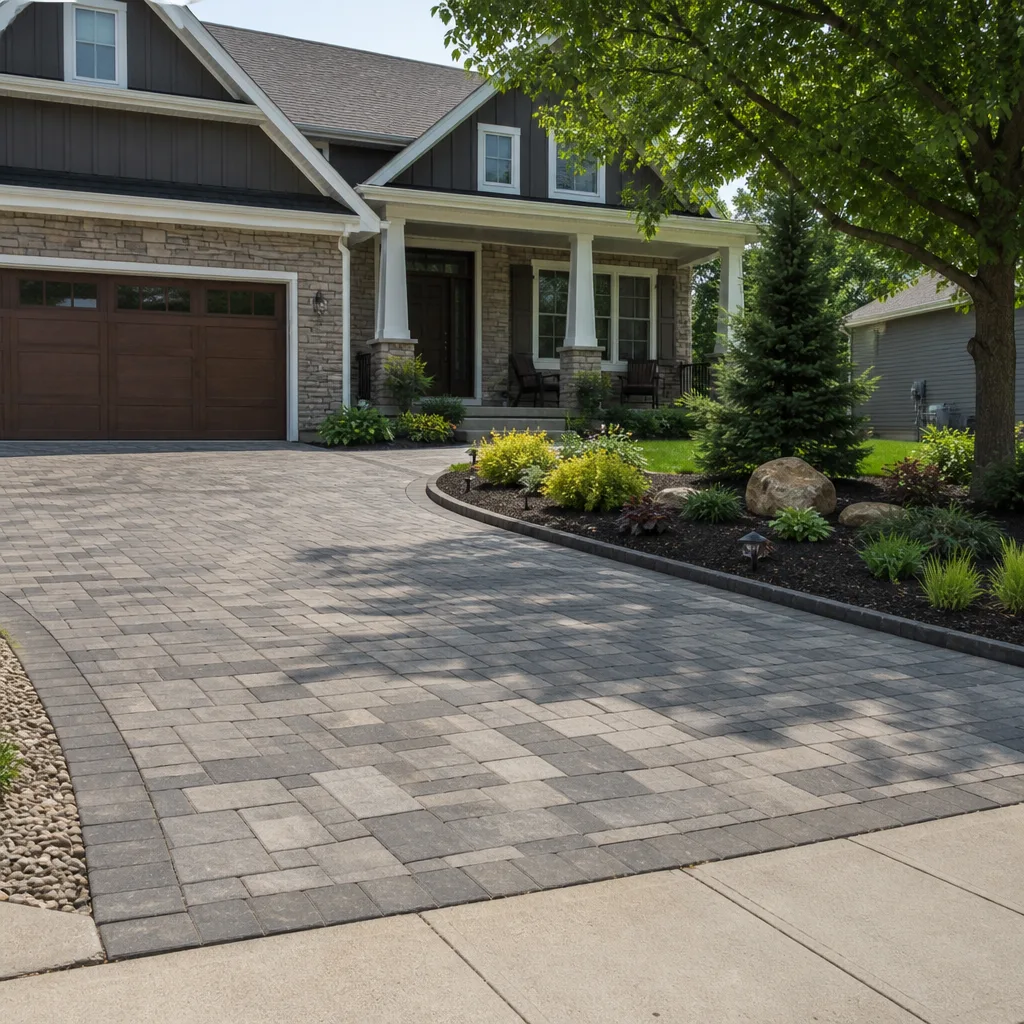 Driveway & pavers
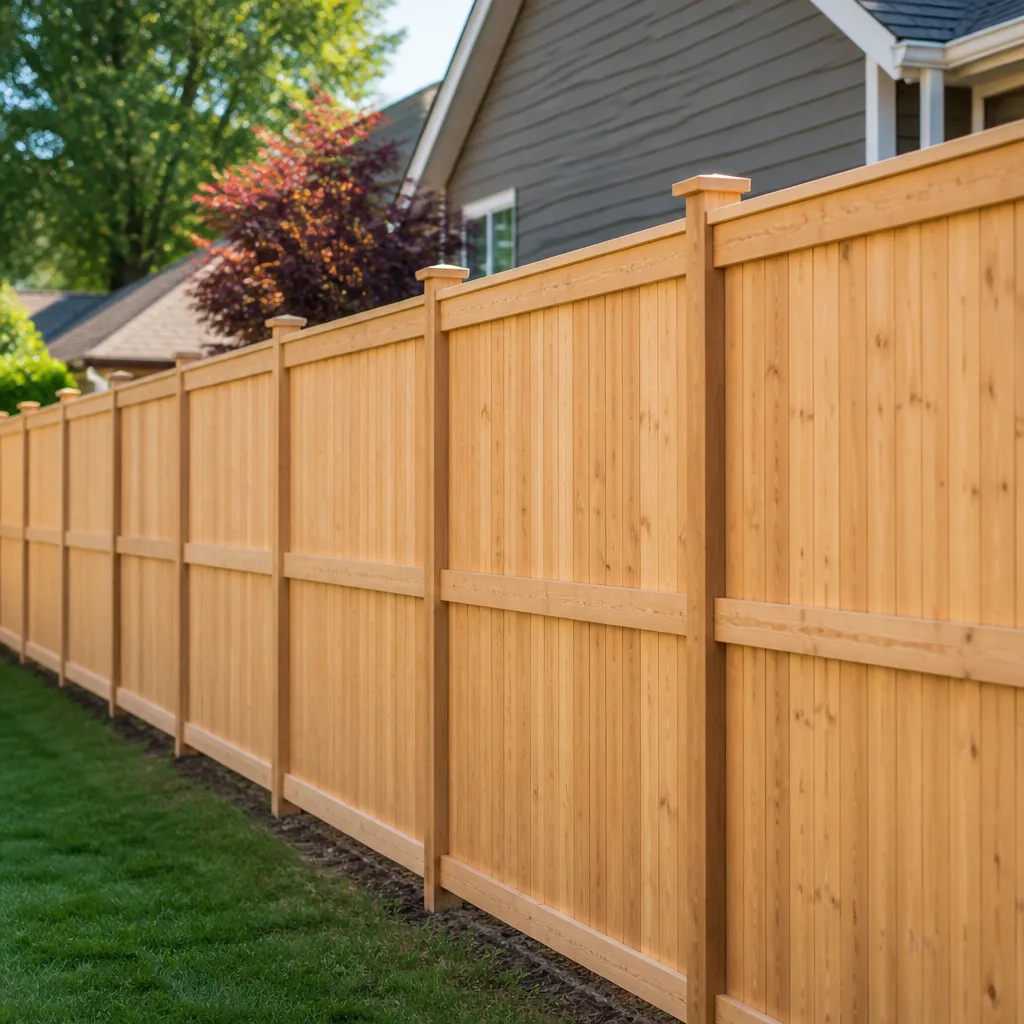 Fence
Free written scope consultation - allowances, timeline, and change-order rules on paper before a single trade is scheduled
Styles & brands we work with
- Kitchen remodeling
- Bathroom remodeling
- Home additions & ADU
- Roofing
- Windows & doors
- Driveway & pavers
- Fence
See the difference
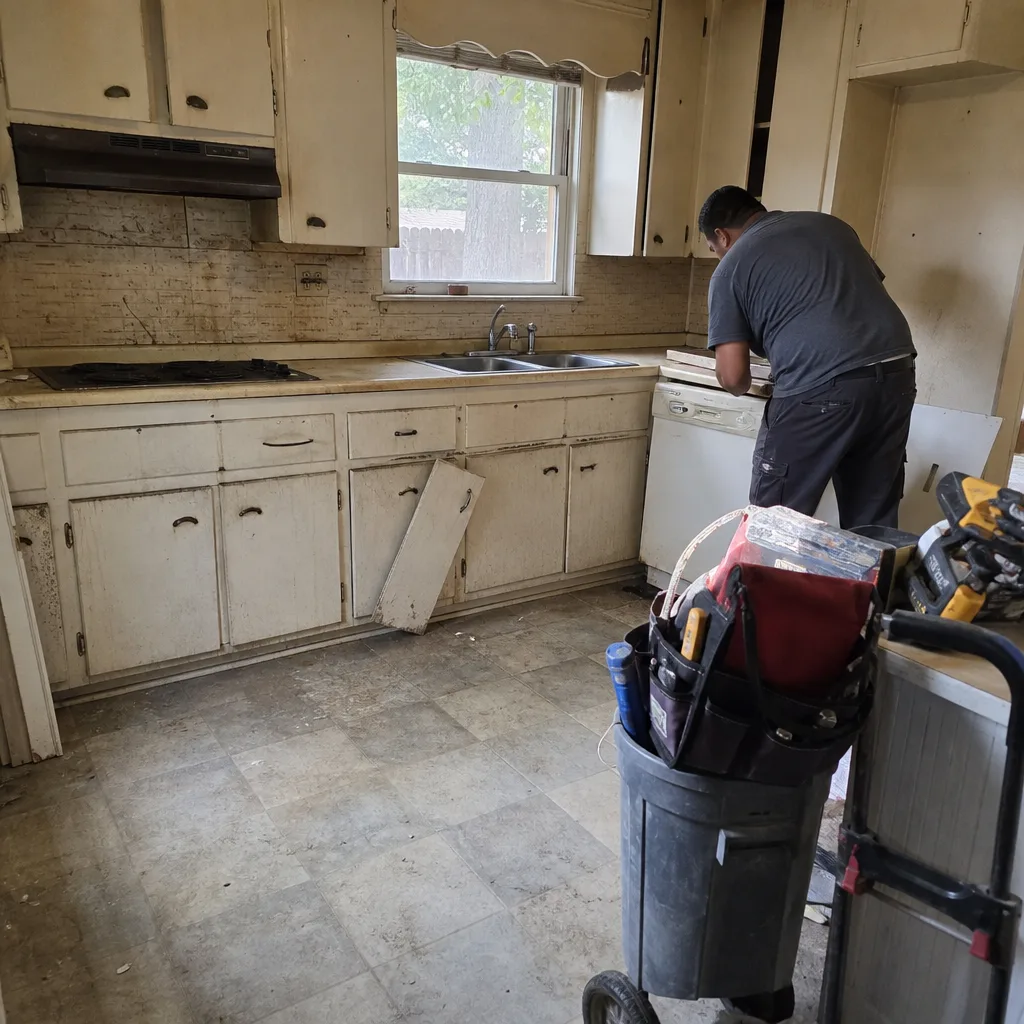 Before
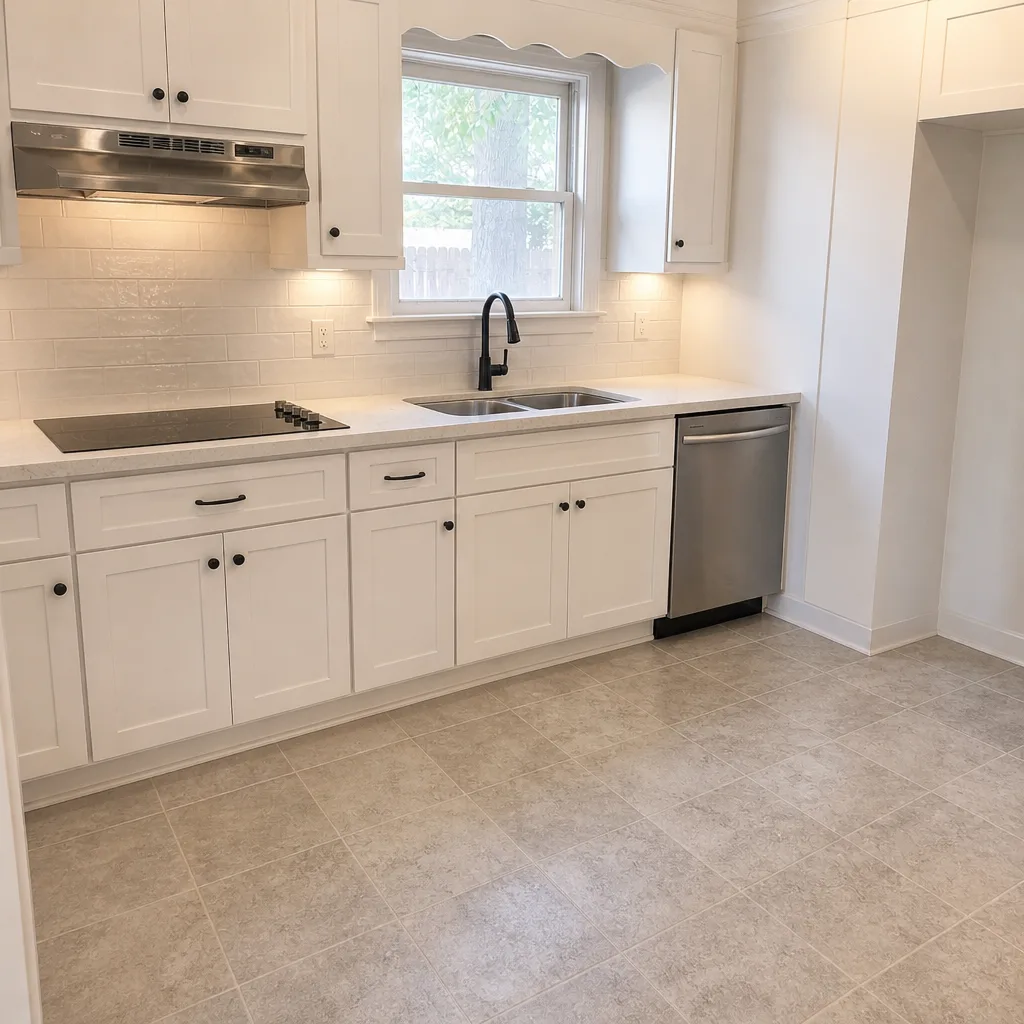 After
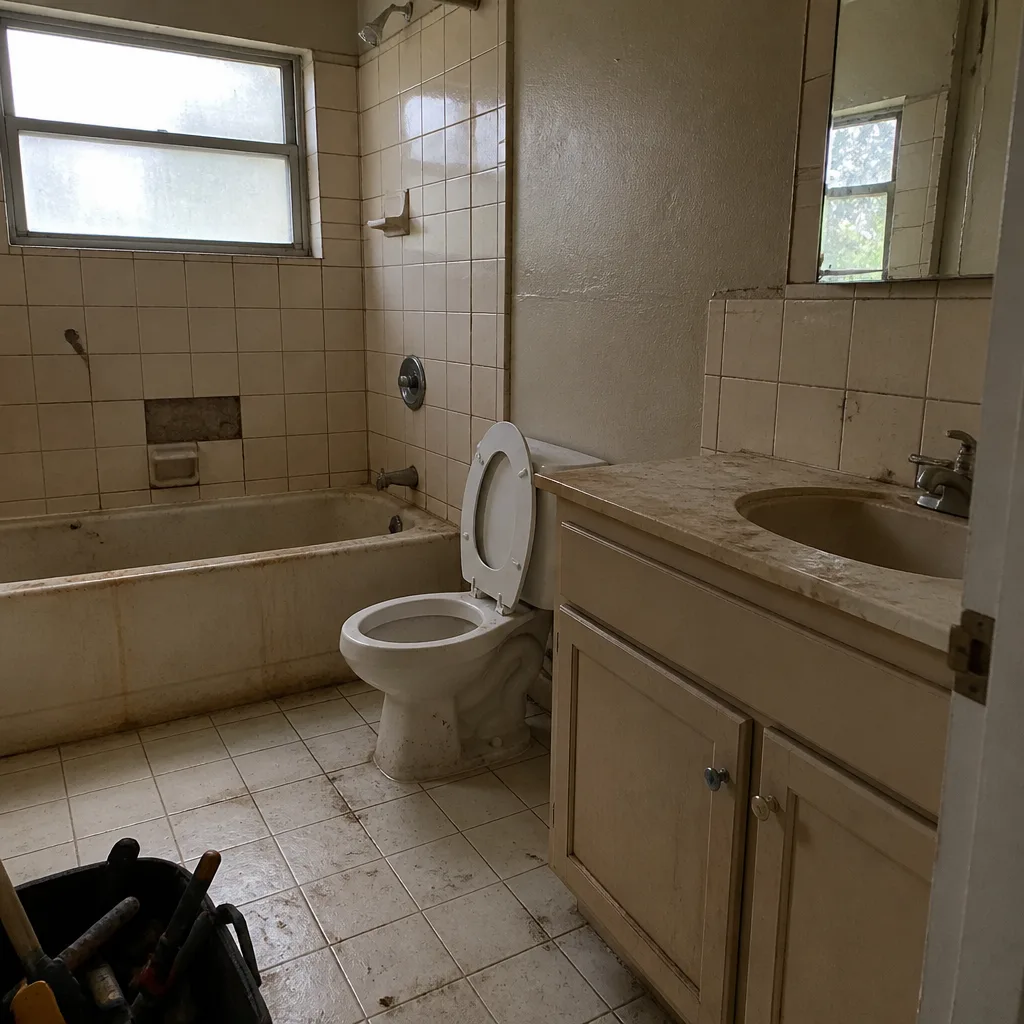 Before
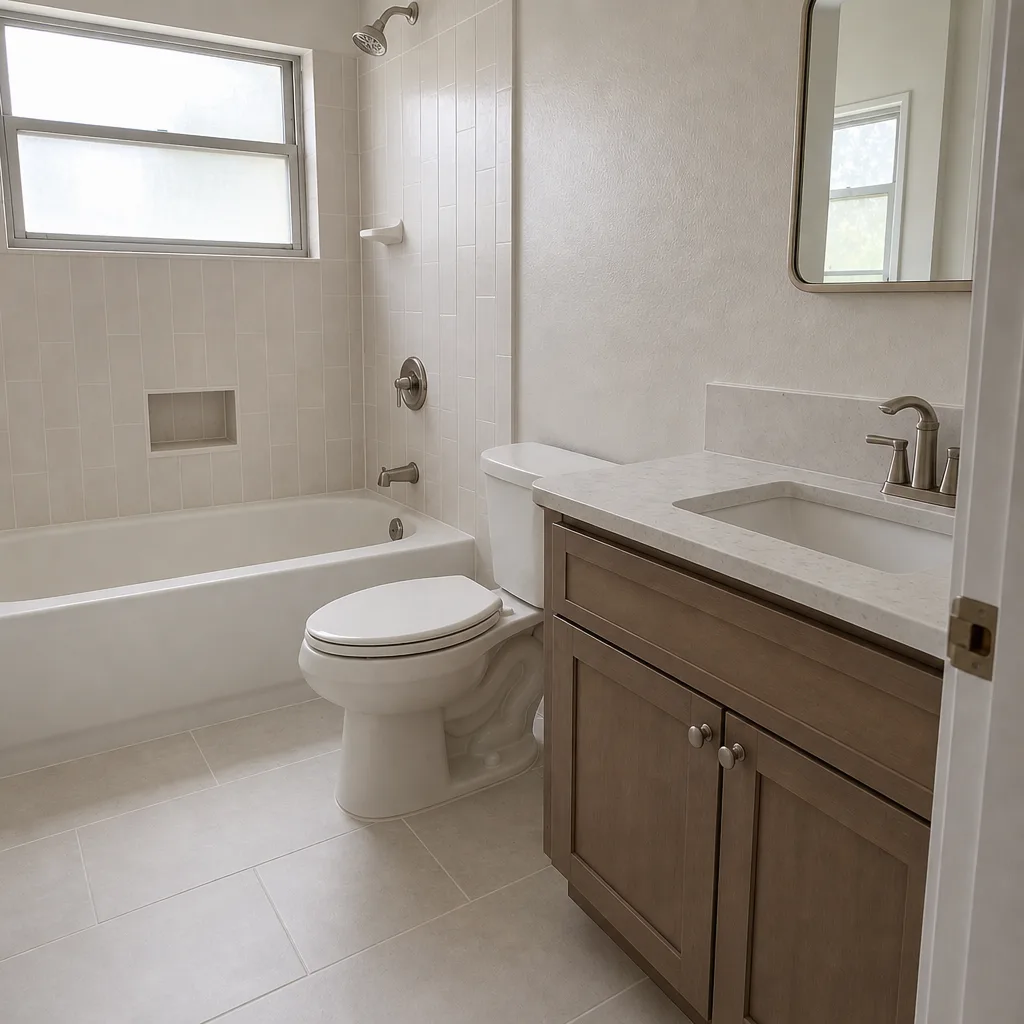 After
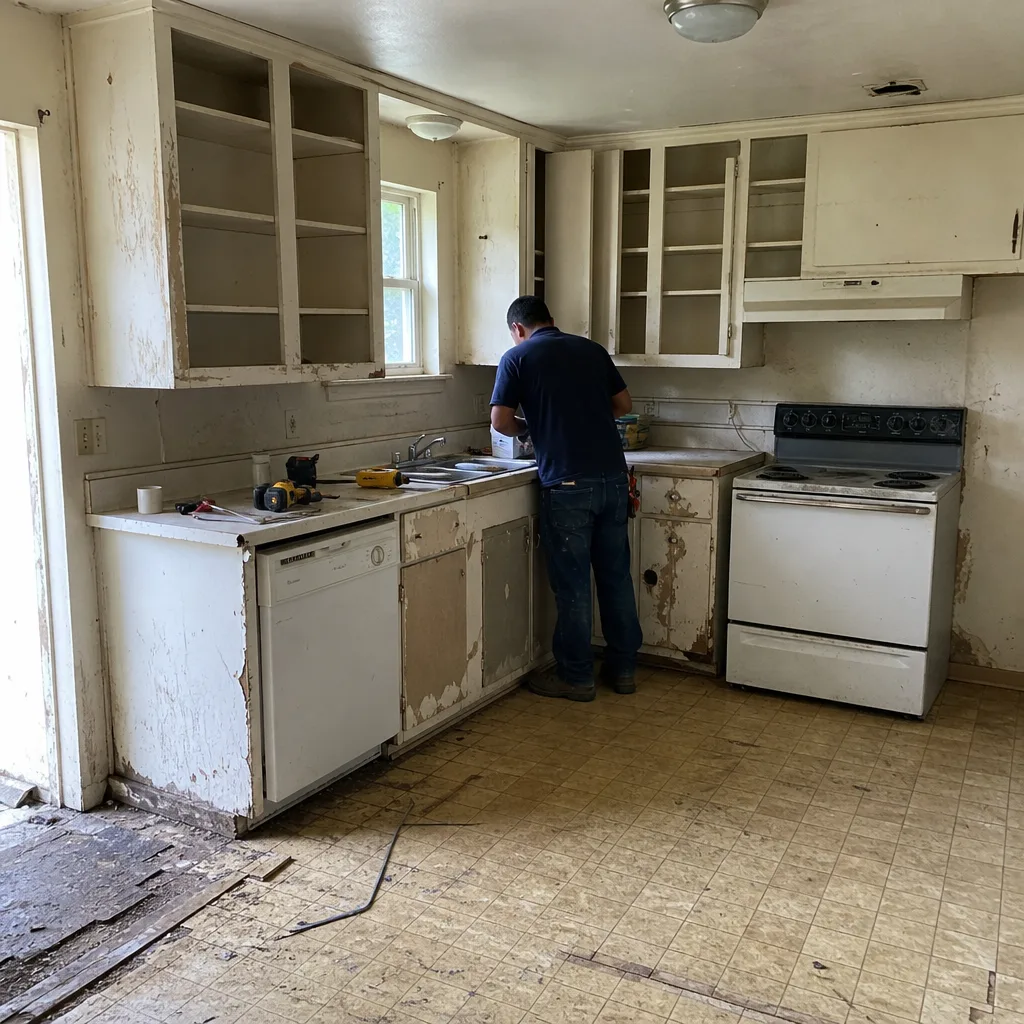 Before
 After
How to Measure a Window for Replacement in Dallas, TX
Measure the width at the top, middle, and bottom of the existing frame, then take both diagonals. If the two diagonals disagree by more than ¼ inch, you’re not just measuring a window, you’re measuring a foundation movement problem that will come back to bite you at install. A window measured at frame width alone, on a slab that has already shifted, will not fit the actual opening even though your tape said it would.
Dallas homes sit on expansive Blackland Prairie clay that swells and shrinks with every wet-dry cycle. That single fact is why a measuring guide copied from a national blog will get you close but not right. Here in Dallas, we measure the same window twice and check the opening’s square before a single unit gets ordered. If you’d rather not gamble on a custom order, call (844) 797-4808 and our team will walk you through it or come measure it for you.
- The short answer: width at top, middle, bottom; height at left, center, right; both diagonals; measure to the nearest 1/8 inch; note brick-to-brick vs frame-to-frame.
- The Dallas extra step: compare diagonals. Out-of-square means the opening has racked, and a new window sized to a crooked opening won’t seat cleanly.
- Check before you order: a custom Andersen or Marvin unit is built to your number and, once it ships, is non-returnable. Get it right the first time.
What to look for before you trust a measurement in Dallas
Window tolerance depends on what you’re measuring and why it matters here. Three checks separate a usable measurement from a costly mistake.
1. Is the opening still square?
The diagonal check catches racking before it costs you money. On a pier-and-beam bungalow in Oak Cliff or East Dallas, the subfloor can sag and skew the frame over decades. On the slab-on-grade ranch stock built from the 1950s into the ’70s across North and East Dallas, the culprit is the opposite: clay movement lifts and drops the slab, and the framing above follows. When your diagonals are off, an order placed to a single “width” figure will almost certainly come back wrong.
2. Are you measuring the brick opening or the frame opening?
These are two different numbers, and most guides blur them. Brick-veneer homes (the dominant style in Dallas’s mid-century ranch neighborhoods) present a brick-to-brick opening that is wider than the frame your replacement insert actually needs. If the original frame has been covered by brick mold, that trim may be your only remaining square reference. Measure to the frame, not to the brick edges, unless you’re ordering a full-frame replacement, in which case you measure and order to the rough opening.
3. Replacement insert vs. rough opening (new construction)
A replacement insert drops into the existing frame and reuses it. A rough-opening measurement is for a full-frame or new-construction window where the entire unit, frame included, is being set into the wall cavity. Getting those categories confused is the single most common ordering error. Know which one your project actually needs before you write down a dimension.
The step-by-step, with the Dallas diagonal check built in
Here is the procedure our technicians follow on Texas window replacements, adapted for this market:
- Remove the interior stop. Lift it gently so you’ll reveal the frame. Don’t force sashes if they’re painted shut; cutting paint beats cracking wood.
- Measure width in three places: top, middle, and bottom of the frame opening. Record the smallest figure.
- Measure height in three places: left, center, and right. Again, use the smallest.
- Measure both diagonals from top-left to bottom-right and top-right to bottom-left. If the difference is more than ¼ inch, flag the opening as racked.
- Check sill level. A tilted sill can hide a racked frame, so lay a level across the bottom.
- Note depth. Do you have room for the new unit’s required frame depth? A standard insert needs about 3-1/4 inches; double-check on your chosen product.
A racked frame from clay-soil movement is worth a second set of eyes. That ¼-inch gap between diagonals is exactly the kind of thing we see all over Dallas homes that were built before slab design and drilled piers became standard practice here. If the numbers don’t match up, don’t order. Call Groundwork Construction Co. of Dallas and let our team verify. Our technicians carry up to 12 years of experience; background-checked, uniformed professionals measure every job before the order goes in.
Why ordering the wrong size is expensive here
| Cost driver | Typical Dallas range | What it means for you |
|---|---|---|
| Standard window replacement (per job) | $4,500-$15,000 | Whole-home or multi-window projects; get numbers right before ordering |
| Impact-resistant window installation | $8,000-$25,000 | Hail-rated units for DFW storm season; custom build-to-order |
| Re-order of a custom non-returnable unit | Full unit cost, twice | Andersen and Marvin build to your spec; wrong numbers are your loss |
| Reframing an out-of-square opening | Adds cost to the job | Better caught before the window is made |
Andersen and Marvin both build custom-sized windows to order. That’s an advantage, and a risk. Once the factory produces it to your measurements, that unit is yours even if it won’t fit. There’s no small economic reason we check the opening before the order on every Groundwork job; it’s the cheapest insurance a homeowner can carry.
Where Dallas’s older brick-veneer stock is concerned, a full-frame replacement that accounts for both the brick and the frame opening will usually cost more than an insert job but can solve a racked frame and a worn sill in one go. Our Windows & Doors service covers both approaches. Overall window replacement in Dallas runs $4,500-$15,000 for a home’s worth of units, and impact-rated installs for hail season run $8,000-$25,000. Live person, 24/7, answers every call; upfront pricing means the number you see is the number you pay. Our 730-Day Done Right Promise stands behind the workmanship.
Impact-resistant glass is worth considering for the hail problem DFW genuinely has. A spring hailstorm or a straight-line wind event can destroy single-pane glass across a whole elevation. When you pair impact-rated windows with proper fastening, you’re also giving the enclosure a fighting chance against wind uplift. If you’re also weighing a roof upgrade, our Dallas service area page shows the full scope of what we handle for Dallas homeowners, from windows and doors to roofing, kitchens, and additions.
FAQs
Measure width at the top, middle, and bottom of the existing frame, height at the left, center, and right, then take both diagonals and compare them. Record every measurement to the nearest 1/8 inch and use the smallest width and height. If the diagonals differ by more than ¼ inch, the opening is racked and needs to be checked before you order. Call (844) 797-4808 if the numbers look off.
An out-of-square opening usually points to framing movement, and in Dallas’s Blackland clay that often means foundation movement underneath. Ordering a custom unit to a racked opening is the fastest way to lose money on a non-returnable window. The right next step is to have the opening assessed and, if needed, reframed or repaired before the order. Groundwork’s upfront pricing means the repair isn’t a surprise at install.
For a replacement insert that reuses the existing frame, measure the frame opening. For a full-frame or new-construction window, measure the rough opening, the actual cavity in the wall, brick to brick in a brick-veneer home. Mixing the two is the most common measurement error we see. Andersen and Marvin build to whichever spec you order, so the distinction matters before you commit.
Because Dallas soil moves, and when it does, it racks the framing around windows, and a frame-to-frame width alone won’t reveal it. The diagonal comparison is the only simple check that shows you whether the opening is still true. If the diagonals don’t match within ¼ inch, treat it as a structural question, not a measuring question, and have it looked at. Call (844) 797-4808 for a free estimate and a same-week measurement visit.
If you’d rather have it looked at, Groundwork Construction Co. of Dallas offers a no-pressure assessment in Dallas. Call (844) 797-4808 for a free estimate. Our team will measure, verify the opening’s square, and lock in your order the right way, backed by the 730-Day Done Right Promise.
Written by the team at Groundwork Construction Co. of Dallas, serving Dallas, TX.