
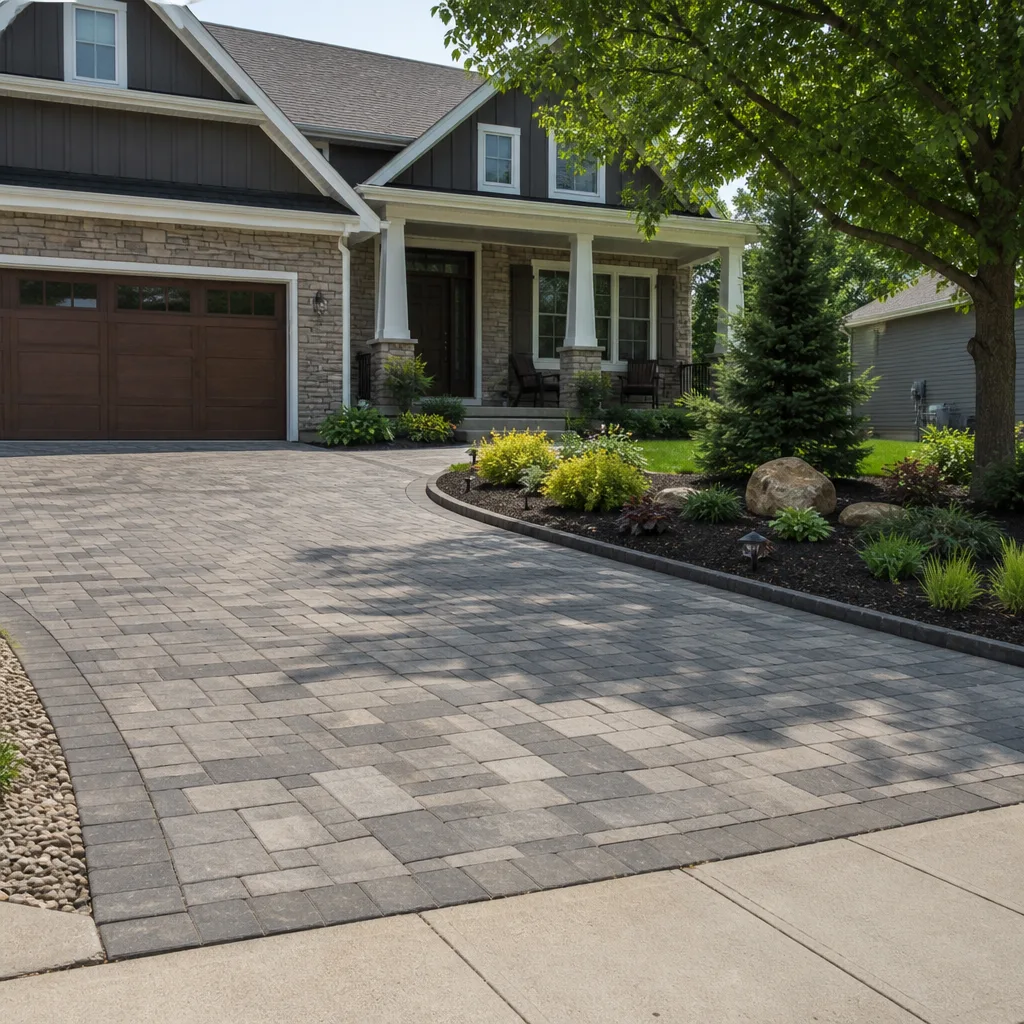
 Driveway & pavers
 Kitchen remodeling
 Bathroom remodeling
 Home additions & ADU
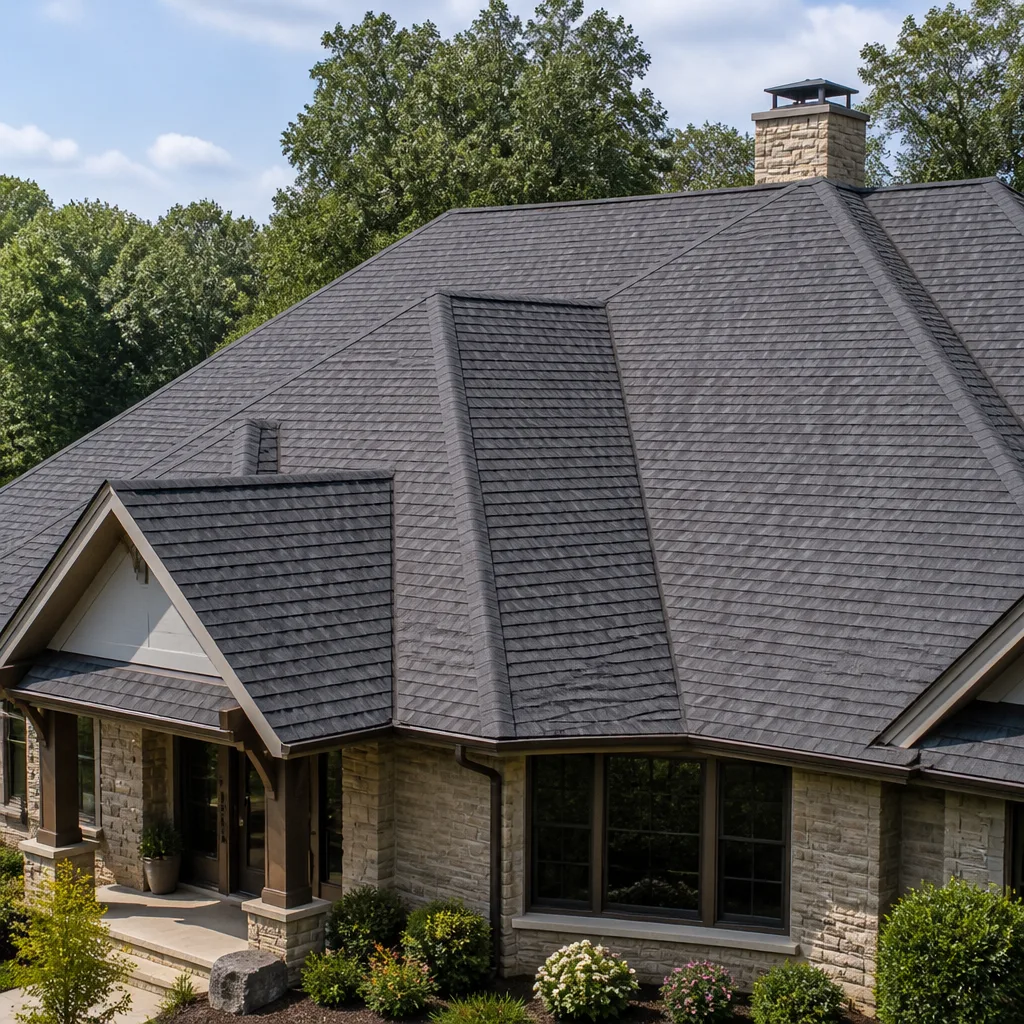 Roofing
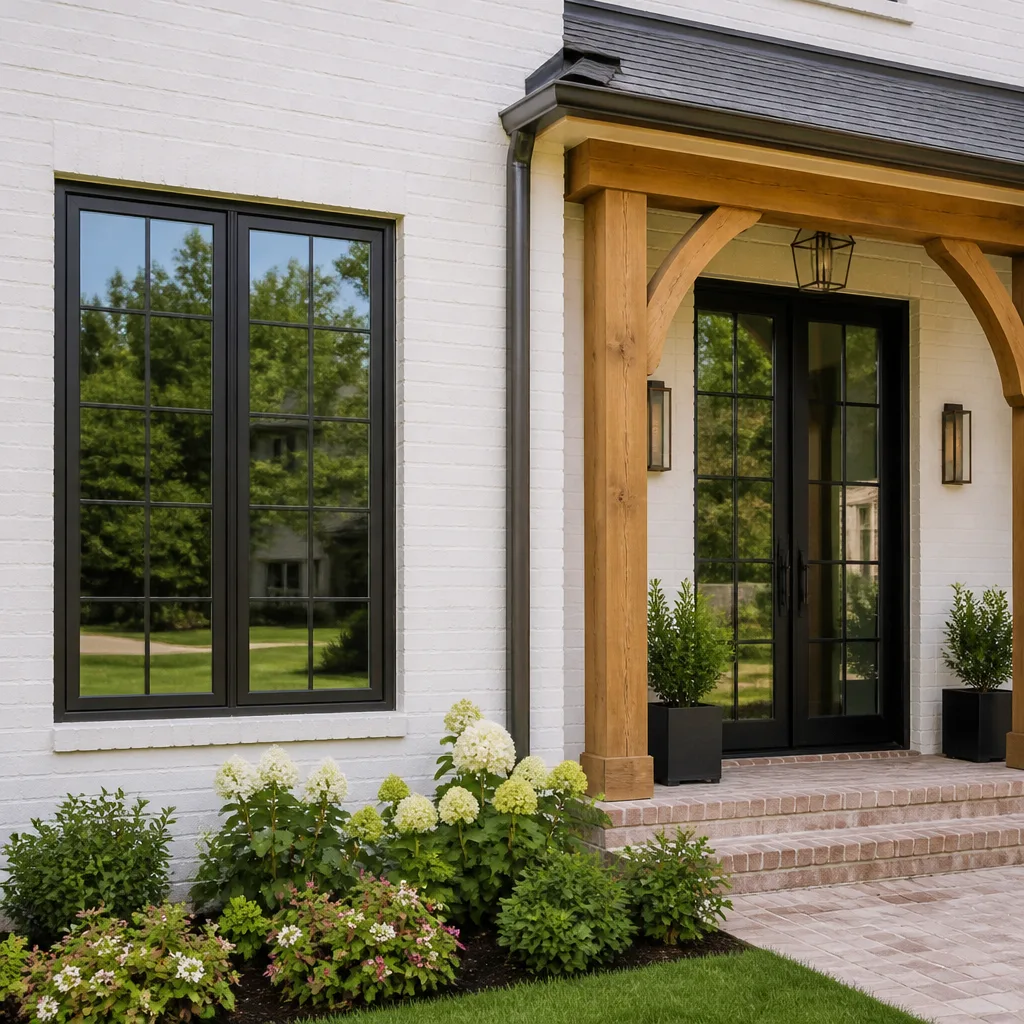 Windows & doors
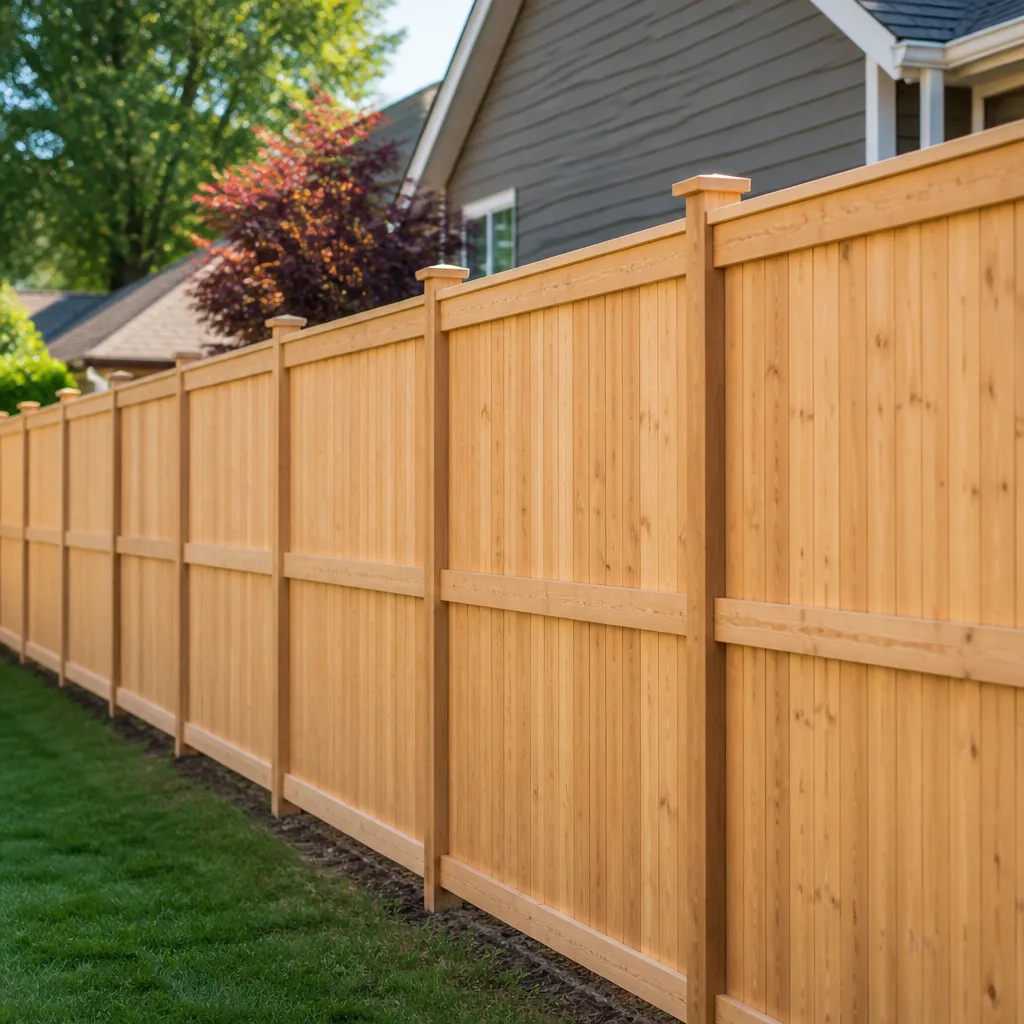 Fence
Free written scope consultation - allowances, timeline, and change-order rules on paper before a single trade is scheduled
Styles & brands we work with
- Kitchen remodeling
- Bathroom remodeling
- Home additions & ADU
- Roofing
- Windows & doors
- Driveway & pavers
- Fence
See the difference
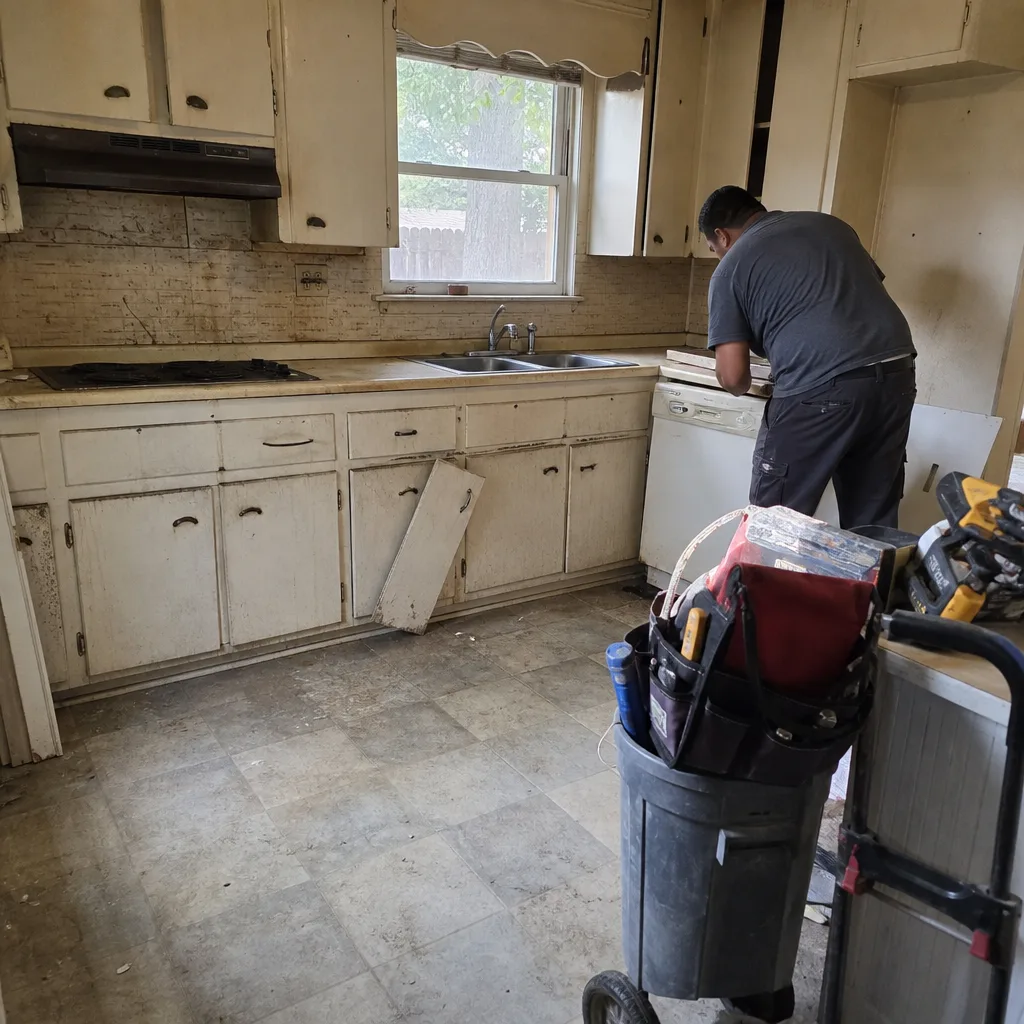 Before
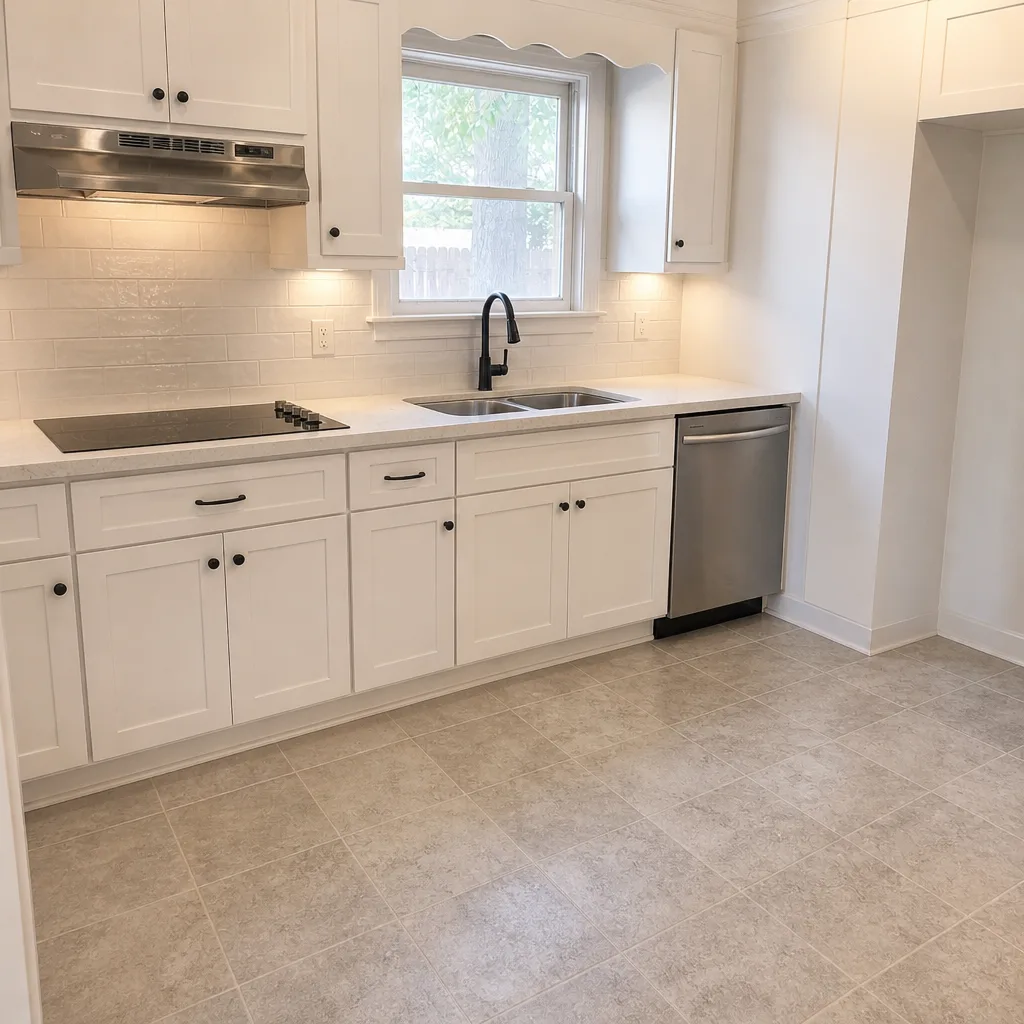 After
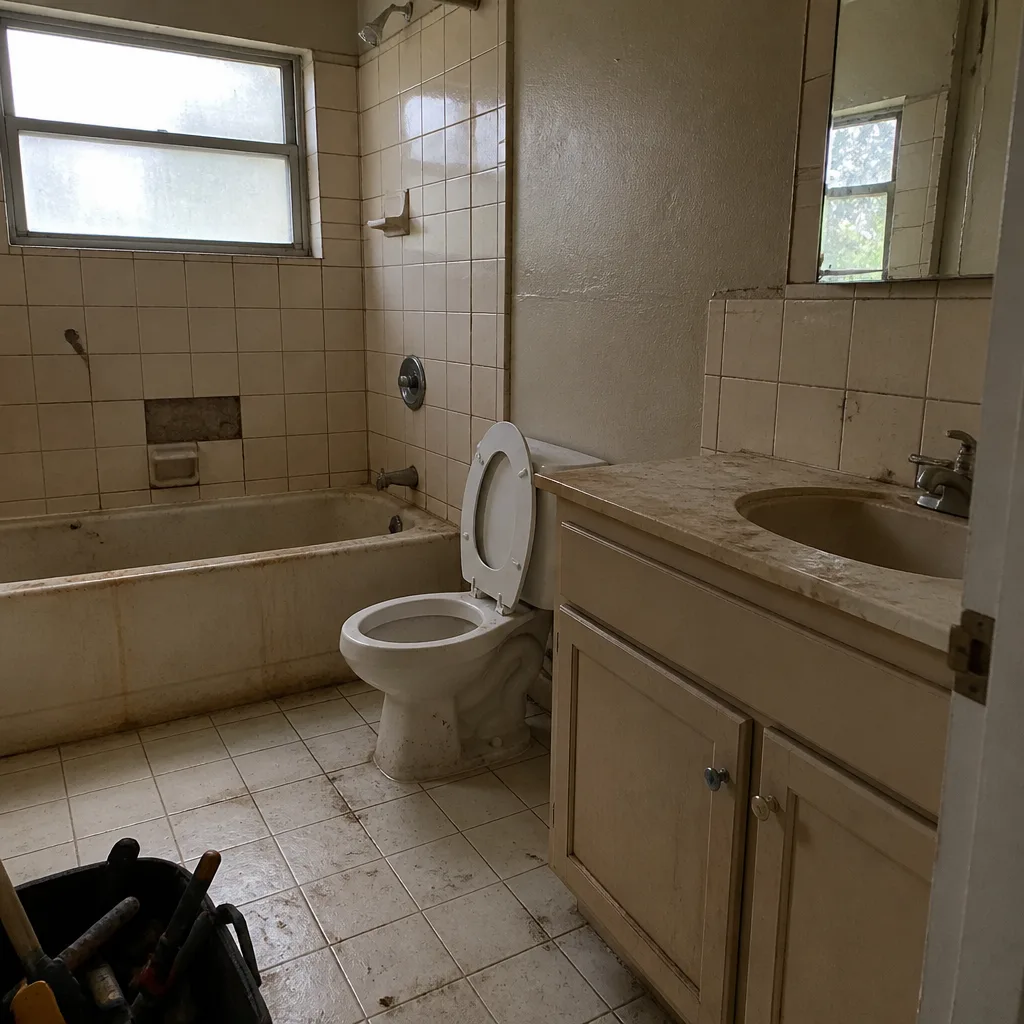 Before
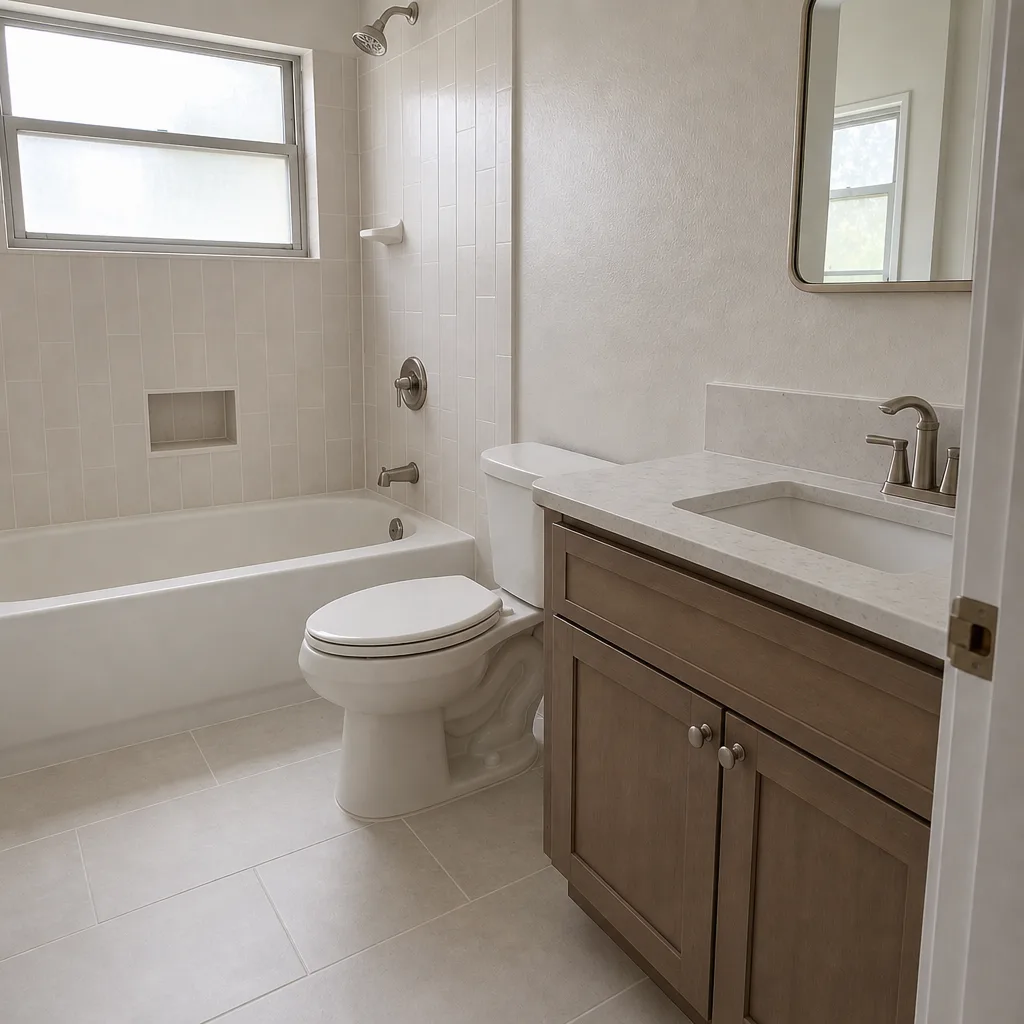 After
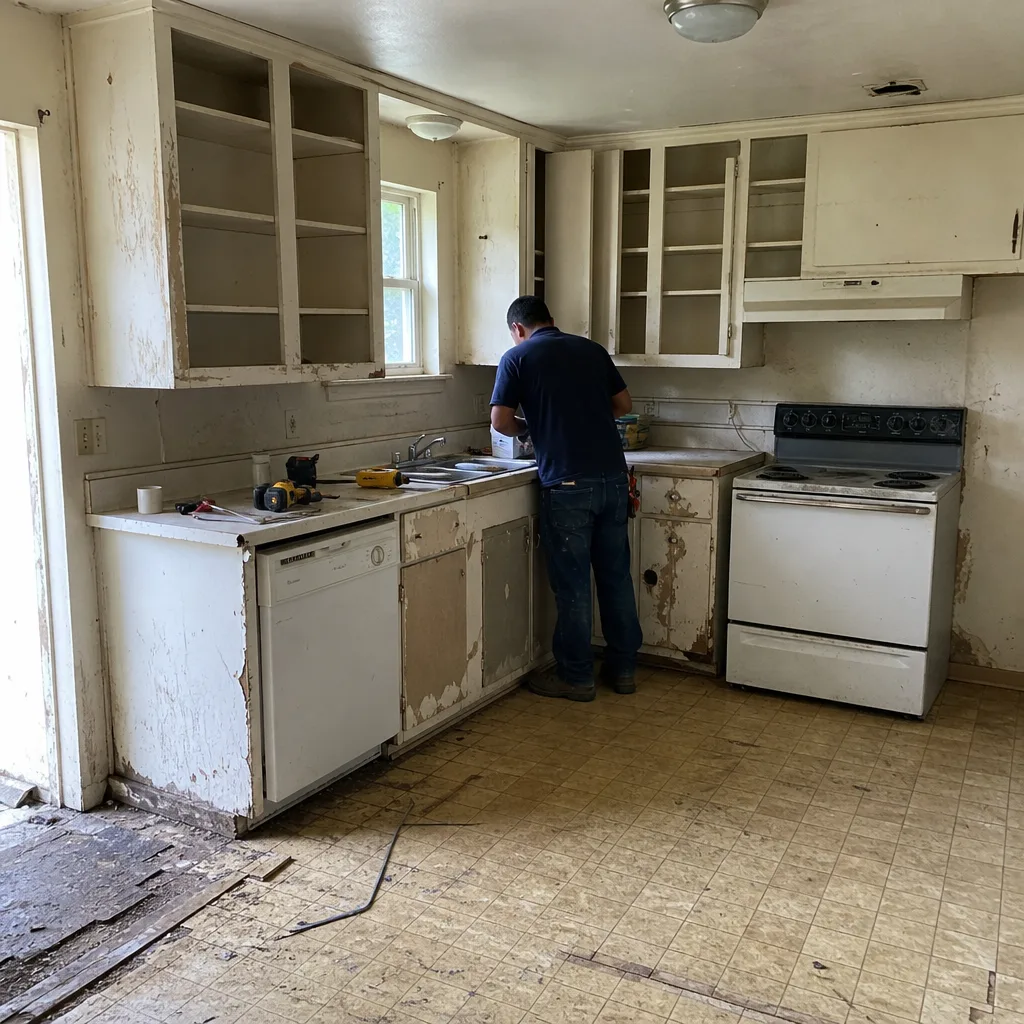 Before
 After
How to Fix a Sinking Driveway in Dallas (Without Fixing It Twice)
Most sinking driveways in Dallas are repaired by lifting the settled slab back toward grade with mudjacking or polyurethane injection, or by removing and rebuilding the affected section on a properly compacted sub-base - but only after you’ve identified WHY it sank. That “why” is the part most homeowners skip. If your Dallas driveway has a low spot near the garage apron, there’s a real chance the same clay shrinkage causing that dip is also stressing your foundation slab, and pretending it’s only a driveway problem is how people end up paying for the same fix twice. We walk Dallas properties, read the soil, and put the diagnosis in writing before anyone quotes a number. Call (844) 797-4808 and we’ll talk through what you’re seeing.
Why Dallas Driveways Sink Differently Than Anywhere Else
Dallas sits in the heart of the Blackland Prairie clay belt, where expansive vertisols swell when wet and shrink hard when dry. That wet-dry cycle is the reason foundation work here is a near-universal subspecialty - and it applies to your driveway for exactly the same reason. When the clay under the slab edge dries out and pulls away, the slab loses support and drops. When the clay re-saturates, it pushes back up unevenly. Over several dry summers, that oscillation shows up as a low spot, a crack, or a lip where the driveway meets the garage.
The second cause has nothing to do with weather. In a lot of Dallas slab-on-grade ranch homes built between the 1950s and 1970s, the driveway was poured on fill that was never compacted to spec. That fill settles under its own weight plus traffic, and the slab sinks in a smooth, even bowl rather than a jagged crack. Two root causes, two completely different repair approaches - and the diagnosis has to come first.
The two Dallas causes, side by side
- Clay shrinkage (differential settlement): typically shows up as an edge drop near the garage apron or a slab that dips toward the street. Repair requires addressing soil moisture before lifting, or the clay re-shrinks and pulls the slab back down.
- Poor compaction of original fill: usually presents as a broad, even depression in the middle of the slab, with cracks that run in long straight lines rather than stair-steps. This one needs sub-base recompaction or removal and re-pour - lifting alone won’t fix it.
We see both constantly across Oak Cliff, East Dallas, and the older slab-on-grade neighborhoods, and confusing them is the single most common reason a driveway repair fails within two or three years.
Why Mudjacking on Dallas Clay Often Fails Without a Moisture Fix
Mudjacking (slabjacking) works well for isolated voids. On Dallas clay, it’s often a temporary patch - because the clay that shrank and pulled support away from the slab is still doing exactly that. Inject grout under the slab and you lift it today. Skip the moisture-content work and the clay re-shrinks next August, and the slab drops right back where it started. That’s not a failure of the mudjacking method; it’s a failure of thinking the void was the problem instead of the symptom.
Polyurethane injection is another option - lighter, faster cure, less disruption - but it carries the same caveat. Stabilize the moisture content of the clay first, or you’re paying for the lift twice. A proper sub-base assessment is what separates a fix that lasts from a fix that doesn’t. Background-checked, uniformed Groundwork technicians do a documented sub-base assessment before any quote, so you get a written diagnosis, not a sales pitch.
When Resurfacing a Dallas Driveway Is a Money-Waster
Resurfacing only makes sense on a slab that’s structurally sound and hasn’t moved much. Two hard rules: if the slab has cracked in a stair-step pattern, or if it’s sunk more than 1.5 inches, resurfacing bonds to a compromised surface and will fail within two to three summers. The overlay is only as stable as what’s under it, and Dallas clay doesn’t care how good the new coat looks on day one.
If the slab has both causes going at once - clay movement plus poor original compaction - a full removal and rebuild on properly compacted sub-base is usually the honest answer, even though it’s not the cheapest line item. Reusing a bad base wastes good money.
What the repair methods actually cost in Dallas
| Repair approach | Typical Dallas range | Best for |
|---|---|---|
| Slab lifting (mudjacking or polyurethane) | Varies by slab size - quoted on-site | Localized voids, sound slab, moisture stabilized |
| Driveway replacement | $5,000-$14,000 | Stair-step cracking, sinking over 1.5″, bad original fill |
| Concrete driveway installation | $4,500-$12,000 | Full rebuild on a recompacted base |
| Paver driveway installation | $7,000-$18,000 | Rebuild with flexible, crack-tolerant surface |
For a surface that tolerates Dallas’s clay movement better than poured concrete, many homeowners choose interlocking pavers - we work with Tremron and Techo-Bloc for that reason. Upfront pricing, no surprises: the number you see is the number you pay. If you’re weighing options, our Driveway & Pavers service page covers the material and installation detail.
Does Dallas Require a Permit for Driveway Repair?
Significant driveway reconstruction - especially when it abuts the foundation or changes the driveway’s footprint - can require a permit in Dallas, and any foundation repair work tied to the driveway may require an engineer’s letter tied to engineered plans. That “engineer’s letter” is routine here in the Blackland clay belt, and it’s a detail that catches out-of-town contractors off guard.
Groundwork Construction Co. of Dallas handles permitting in-house and coordinates with structural engineers when the work touches the foundation. No surprise stops from the city, no scrambled paperwork. This is also where our 730-Day Done Right Promise matters: if the final walkthrough doesn’t match what we put in writing, we make it right - one of the longest workmanship guarantees in the residential construction space.
Common Local Scenarios We See in Dallas
A low spot by the garage apron in an Oak Cliff bungalow
The pre-war housing stock in Oak Cliff mixes pier-and-beam and early slab-on-grade, and driveways there often sit right against older foundation systems. Small dips near the apron are frequently clay shrinkage, and lifting alone won’t last unless the moisture is stabilized.
An even bowl-shaped dip across a 1960s ranch in East Dallas
That pattern usually points to poorly compacted original fill, not clay movement. Lifting doesn’t fix fill settlement; recompaction or rebuild is the honest path.
Stair-step cracking after a dry summer
Stair-step patterns mean real structural movement. Resurfacing is a waste here - plan for replacement and have the base diagnosed first.
If you want a broader look at driveway options beyond repair, our home page ties together how this fits into the rest of your property, and if you’d like a cost comparison across surface types, our guide to Driveway & Pavers in Dallas lays it out line by line.
FAQs
Not safely, in most cases. Overlaying a sinking slab bonds new concrete to a compromised surface, and if the underlying clay hasn’t been addressed, the new slab fails within two to three summers. Resurfacing is only viable when the slab is structurally sound and has moved less than 1.5 inches. If you’re not sure which camp you’re in, call (844) 797-4808 - a sub-base assessment tells you before you spend a dollar.
Full driveway replacement in Dallas typically runs $5,000-$14,000, with concrete installation at $4,500-$12,000 and paver installation at $7,000-$18,000. Lifting a localized void costs less, but it’s quoted on-site because it depends on slab size and moisture conditions. Call (844) 797-4808 for an exact quote - estimates are free.
Because that edge sits closest to the foundation, where clay shrinkage during dry seasons pulls support away from the slab first. It’s also the spot most likely to show foundation movement early - so a dip near the garage apron is worth a proper look, not a quick patch. Call (844) 797-4808 and we’ll tell you what we see.
In most cases, yes - calls are answered by a live person 24/7, no voicemail and no waiting until Monday. Same-day assessments are usually available for Dallas properties with an active low spot or cracking. Call (844) 797-4808 and we’ll get you on the schedule.
Get a Real Diagnosis Before You Spend
If you’d rather have it looked at, Groundwork Construction Co. of Dallas offers a no-pressure assessment in Dallas - call (844) 797-4808. Our technicians have up to 12 years of experience reading Blackland clay, and you’ll get a documented sub-base assessment and upfront pricing, no surprises. Financing is available at 0% for 18 months, plus $1,000 off projects over $10,000.
Written by the team at Groundwork Construction Co. of Dallas, serving Dallas, TX.