
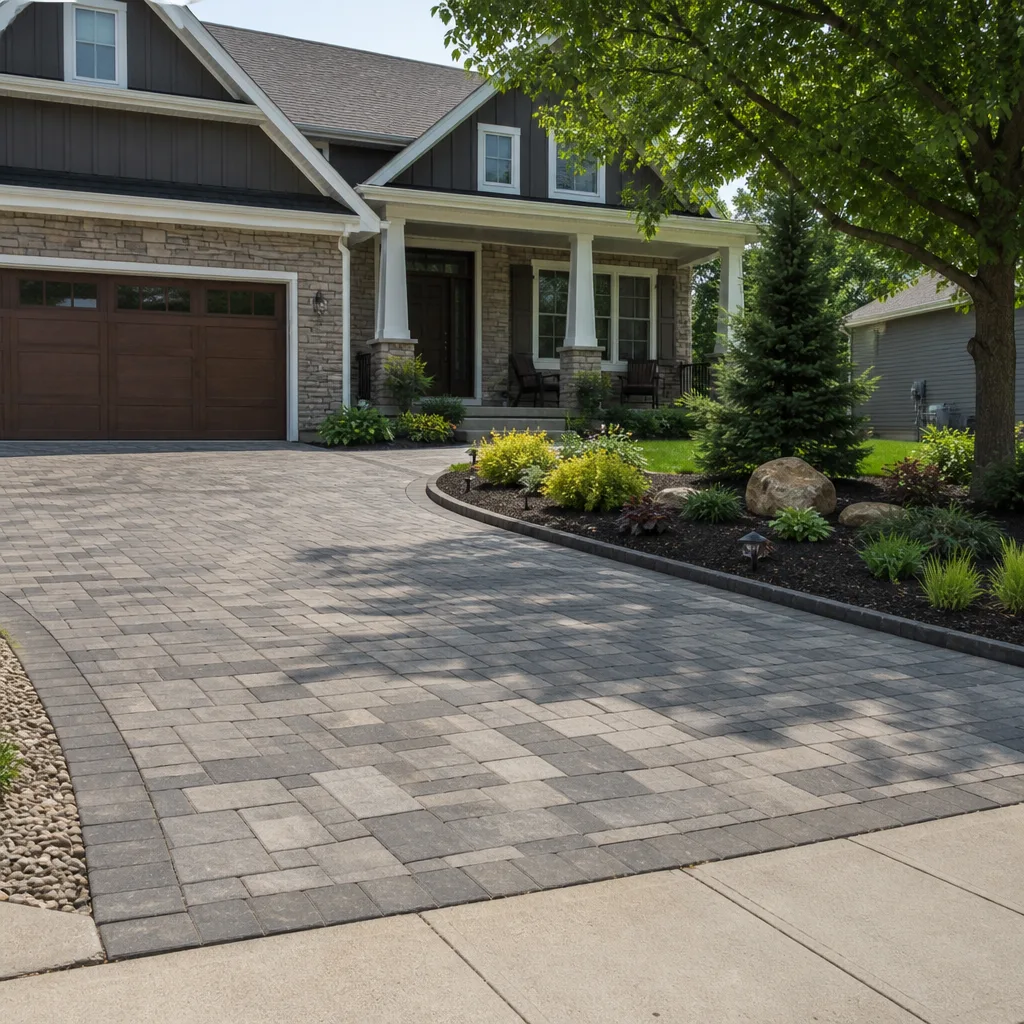
 Driveway & pavers
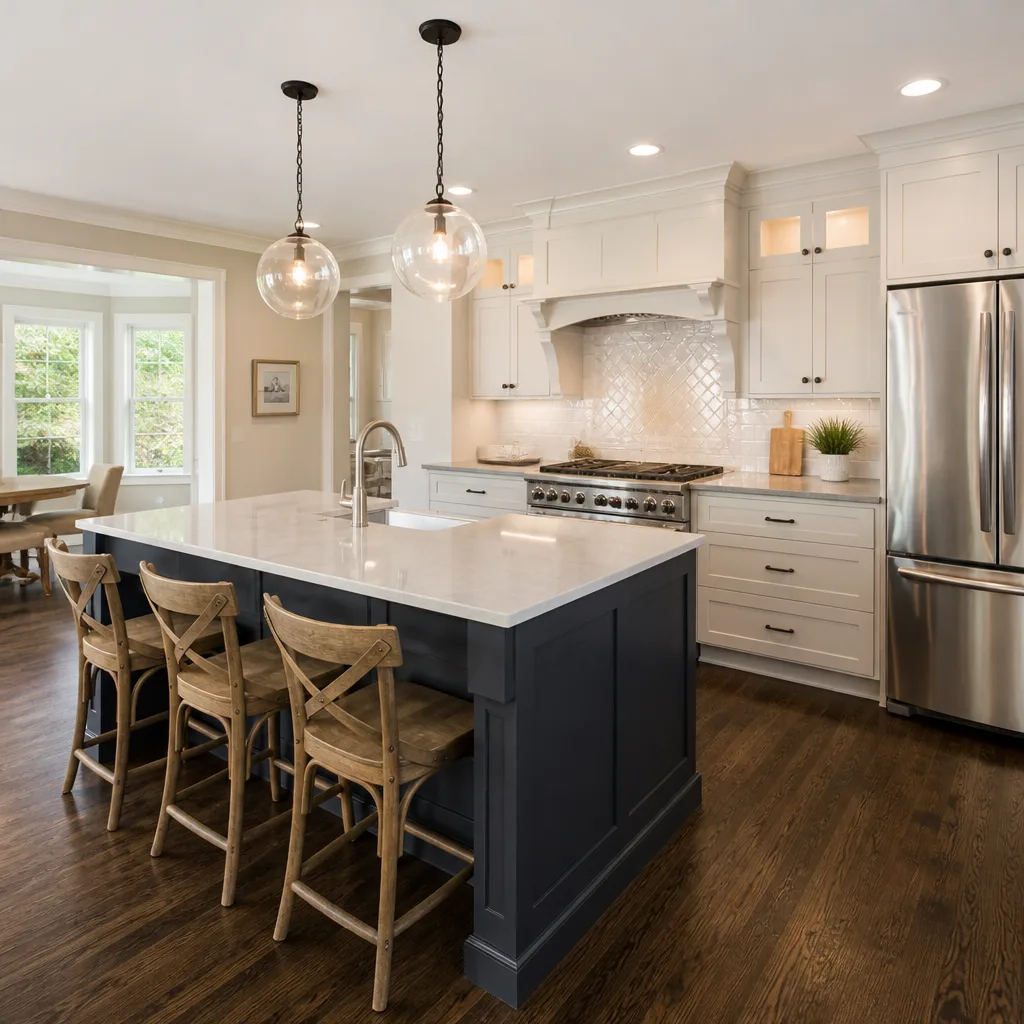 Kitchen remodeling
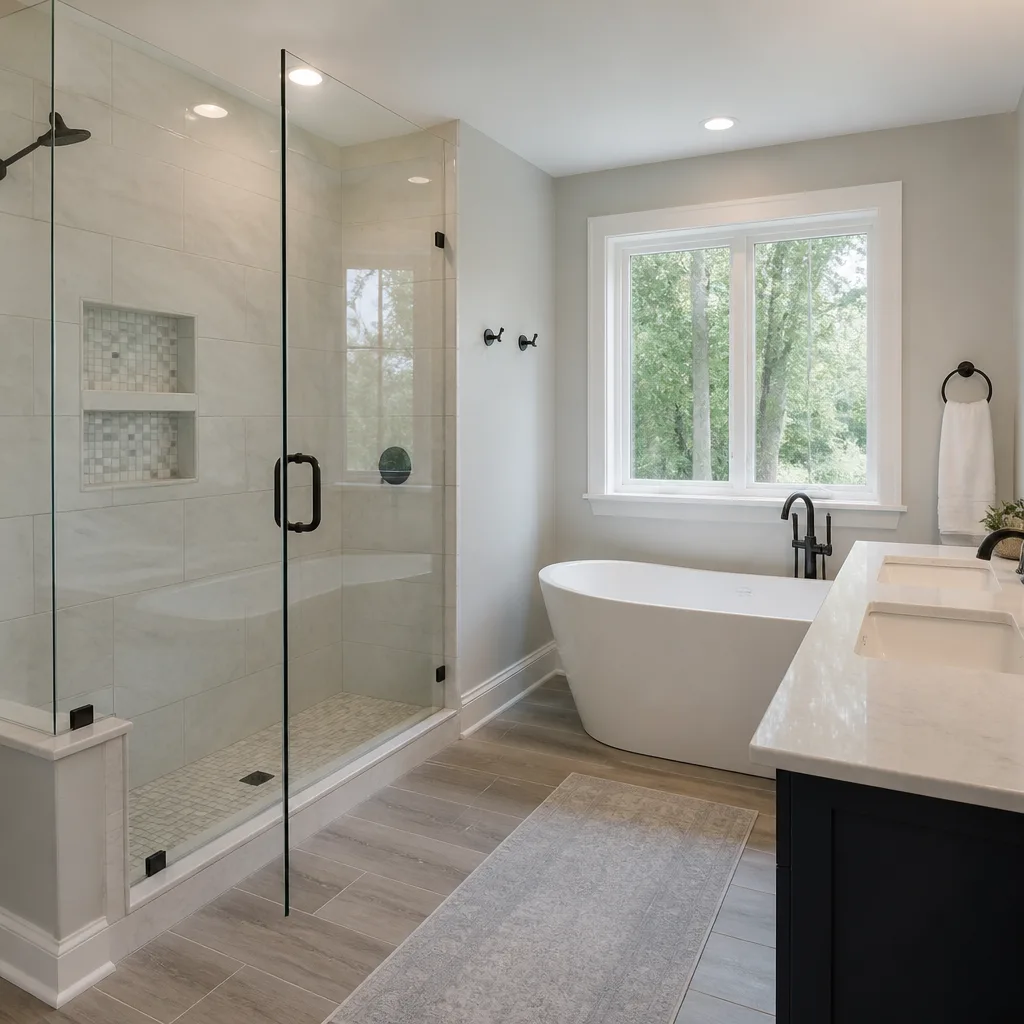 Bathroom remodeling
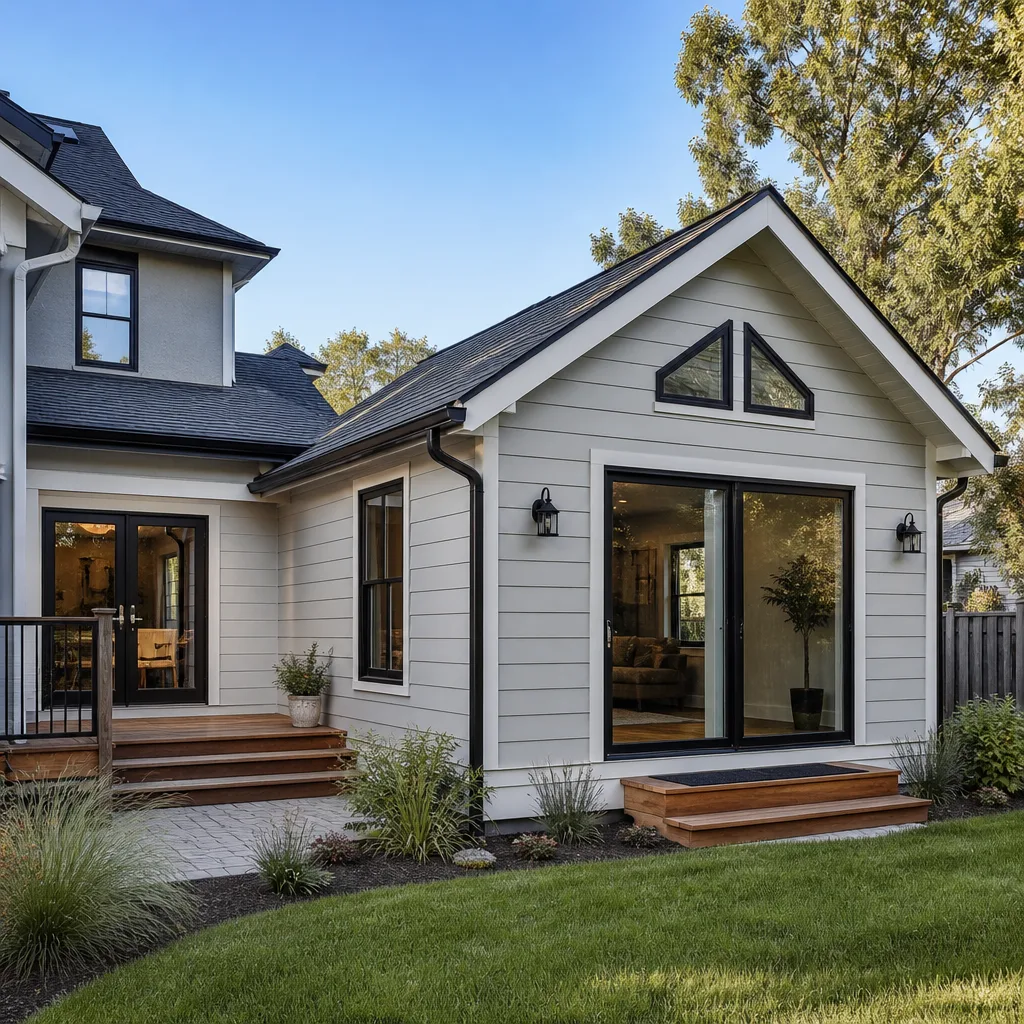 Home additions & ADU
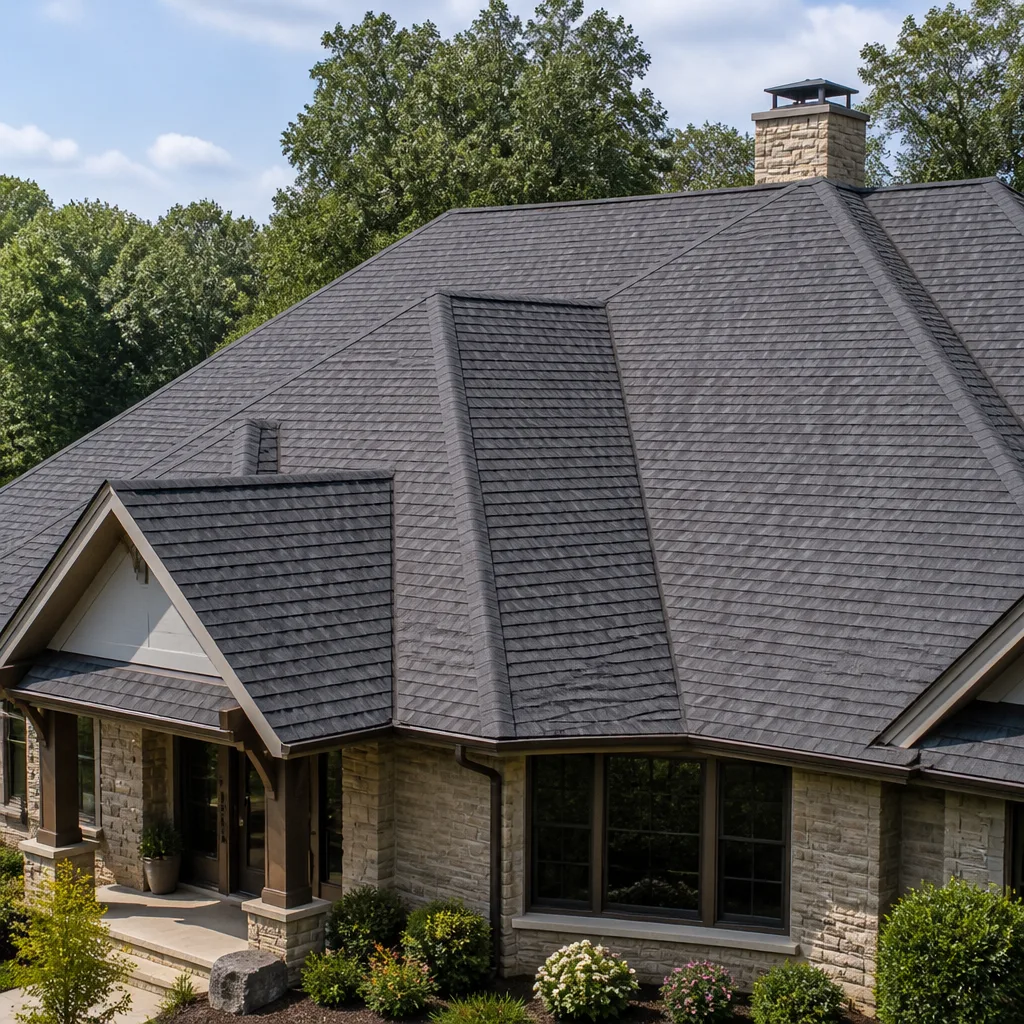 Roofing
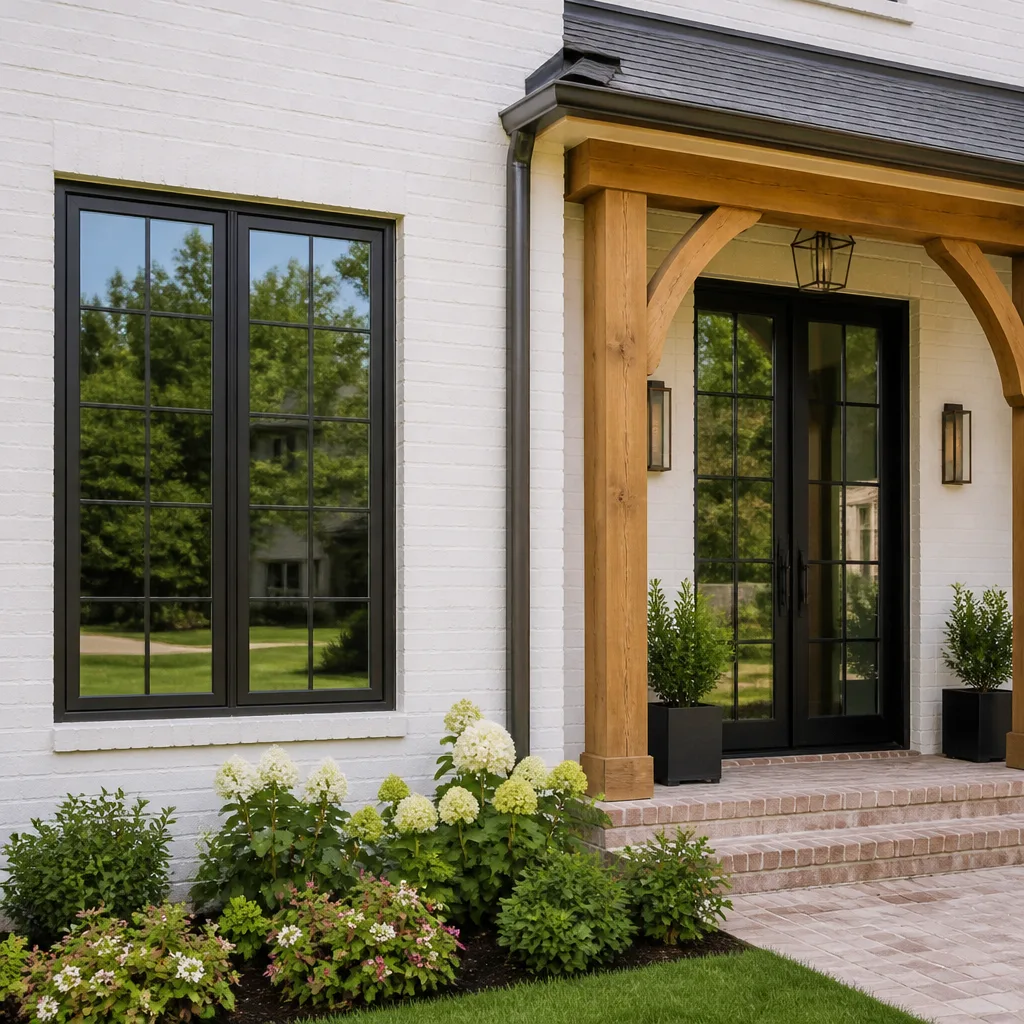 Windows & doors
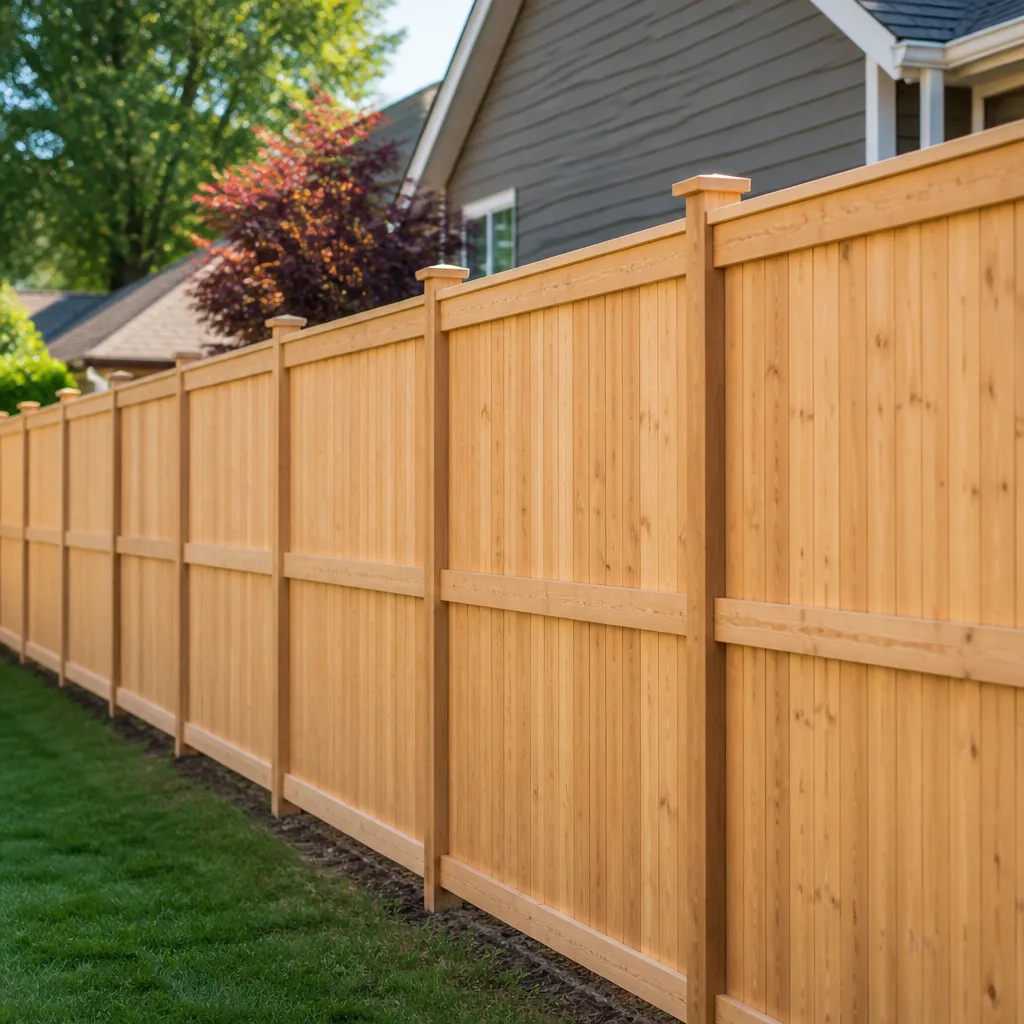 Fence
Free written scope consultation - allowances, timeline, and change-order rules on paper before a single trade is scheduled
Styles & brands we work with
- Kitchen remodeling
- Bathroom remodeling
- Home additions & ADU
- Roofing
- Windows & doors
- Driveway & pavers
- Fence
See the difference
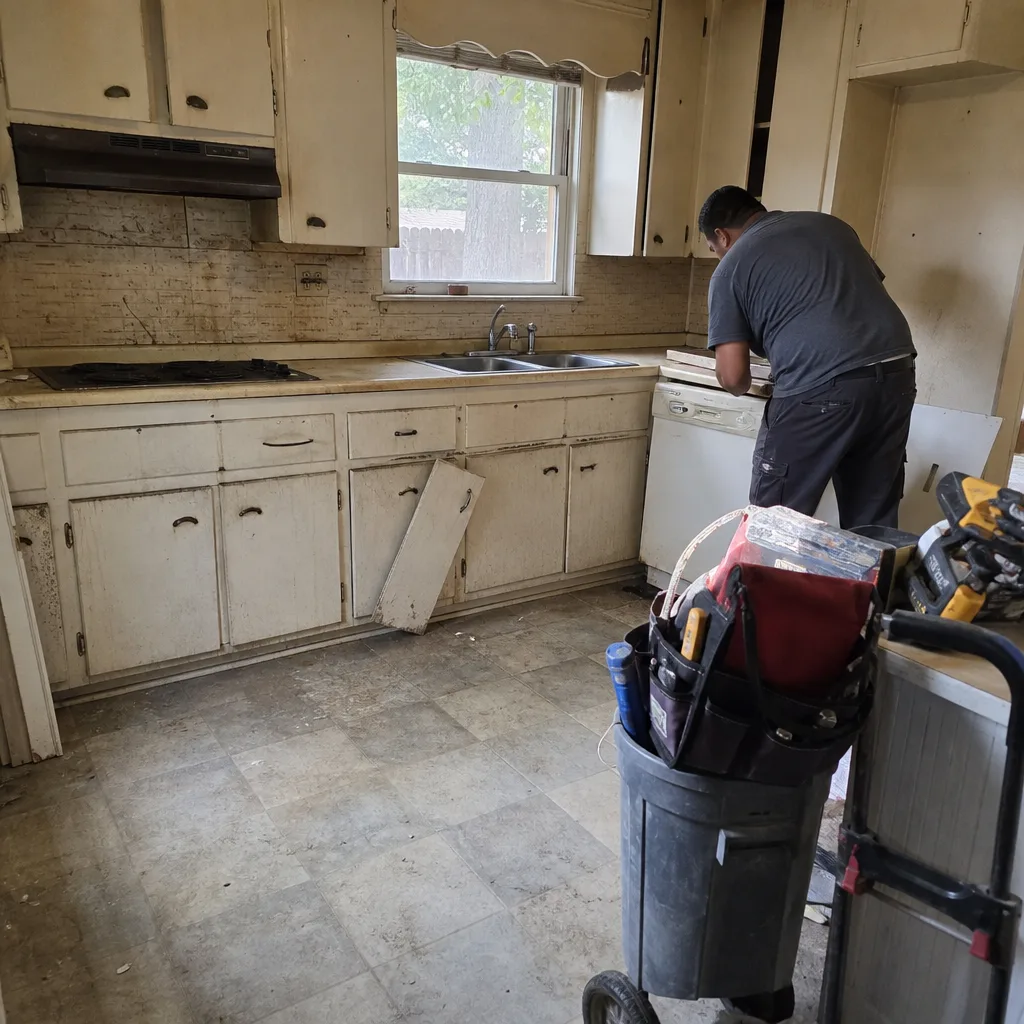 Before
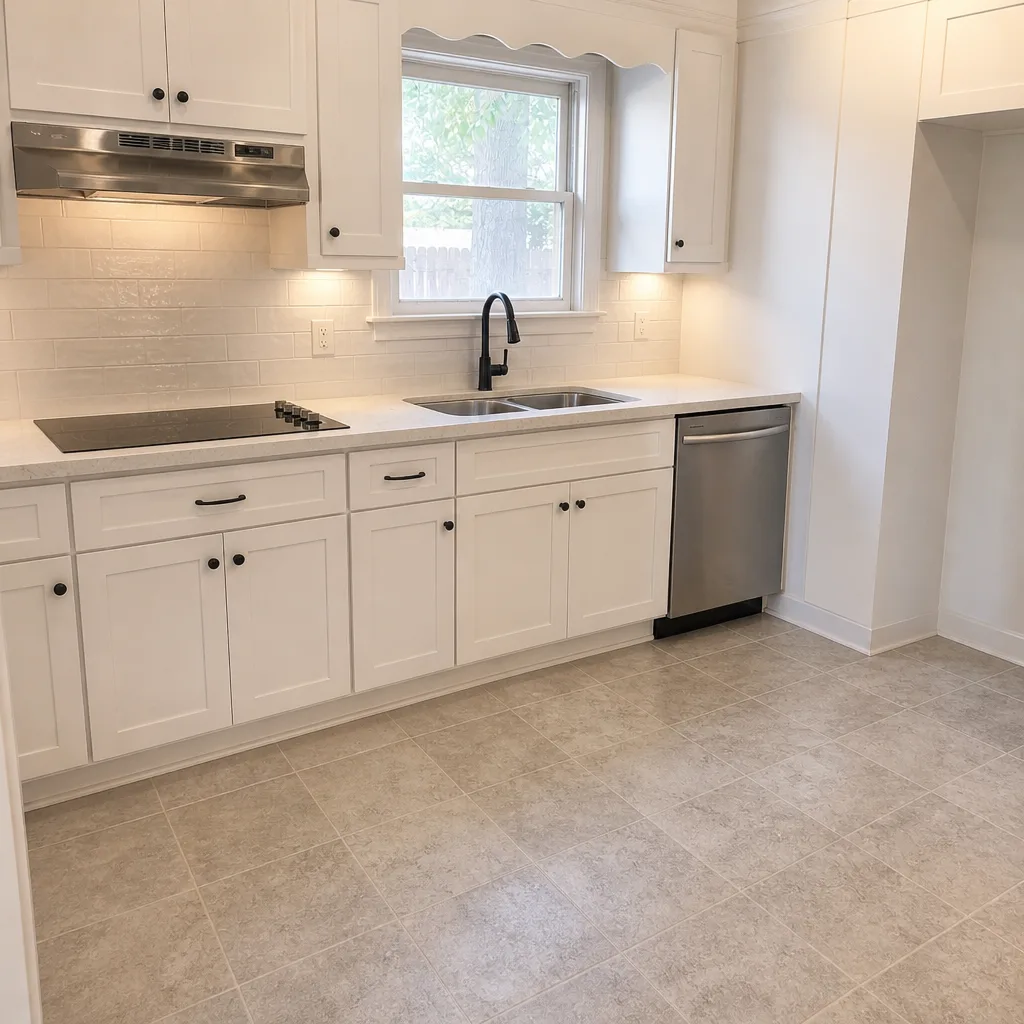 After
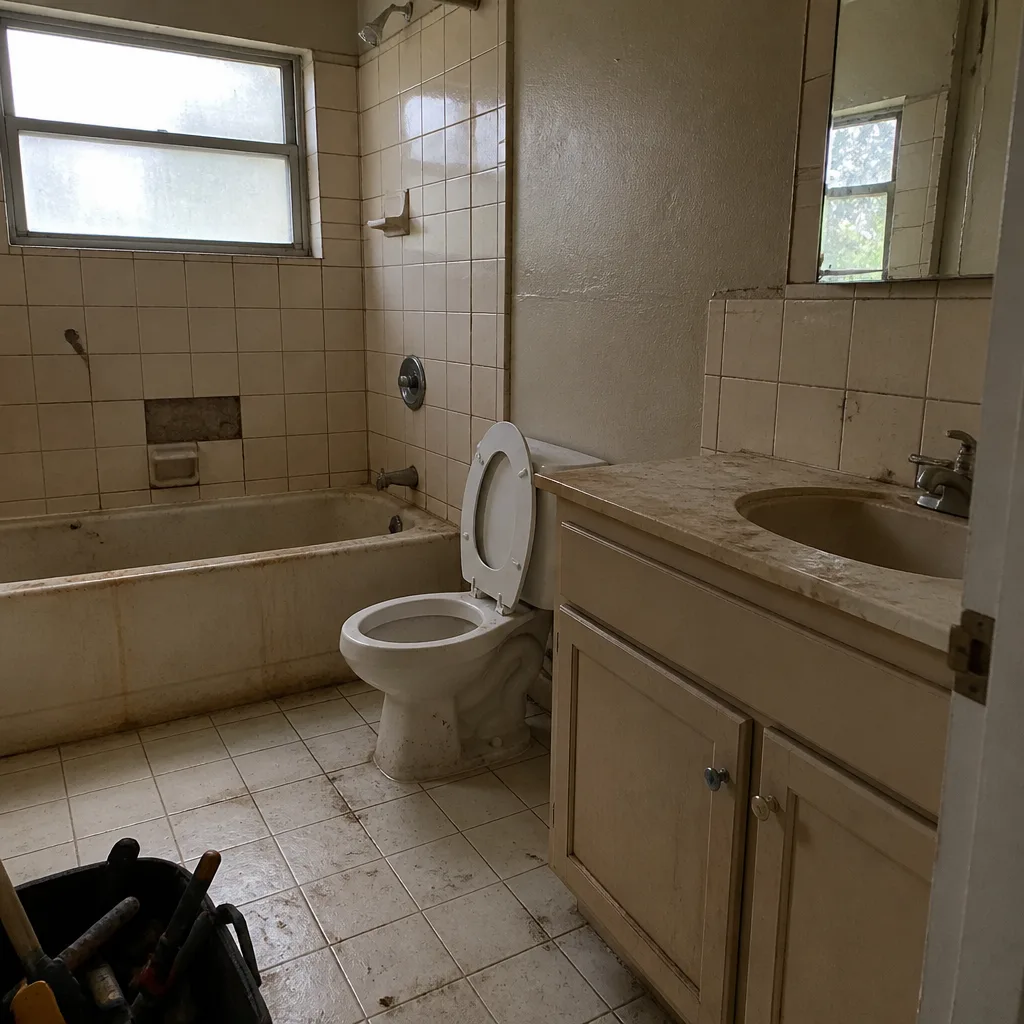 Before
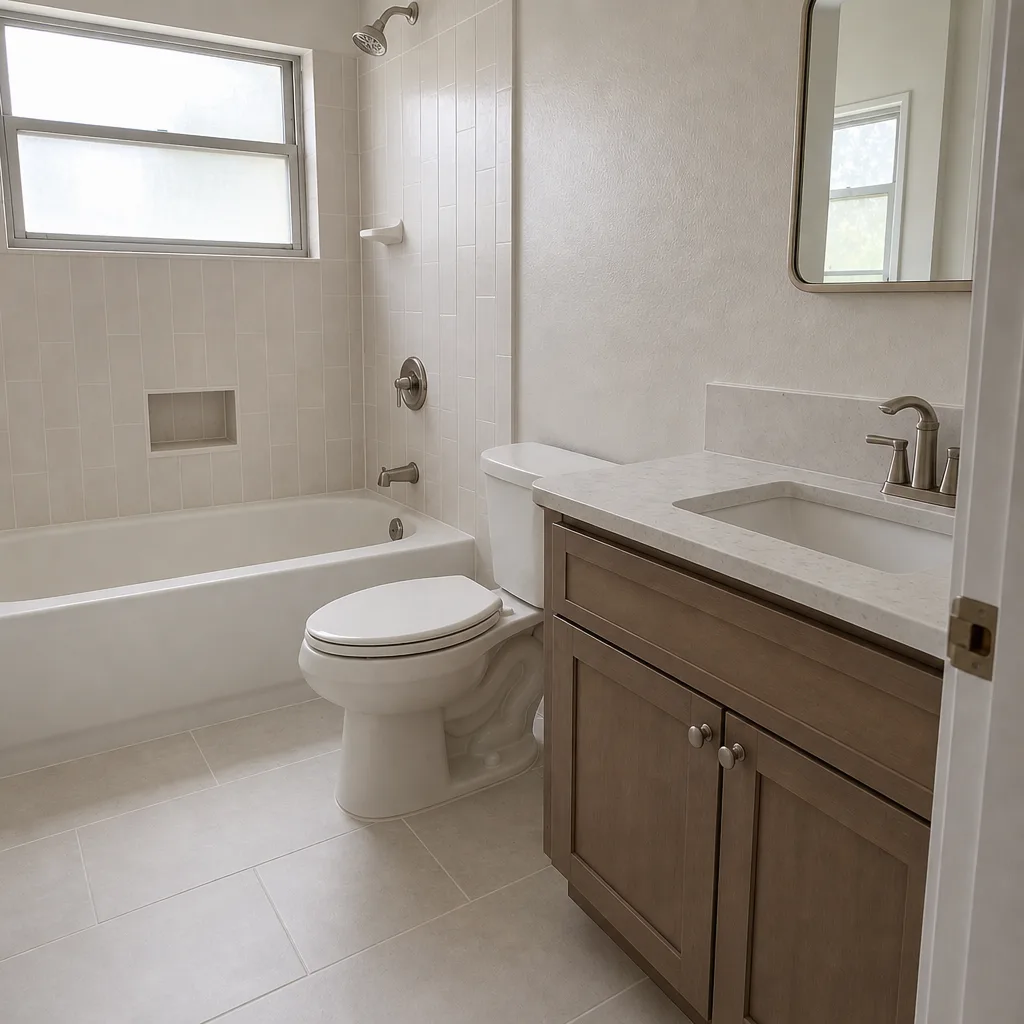 After
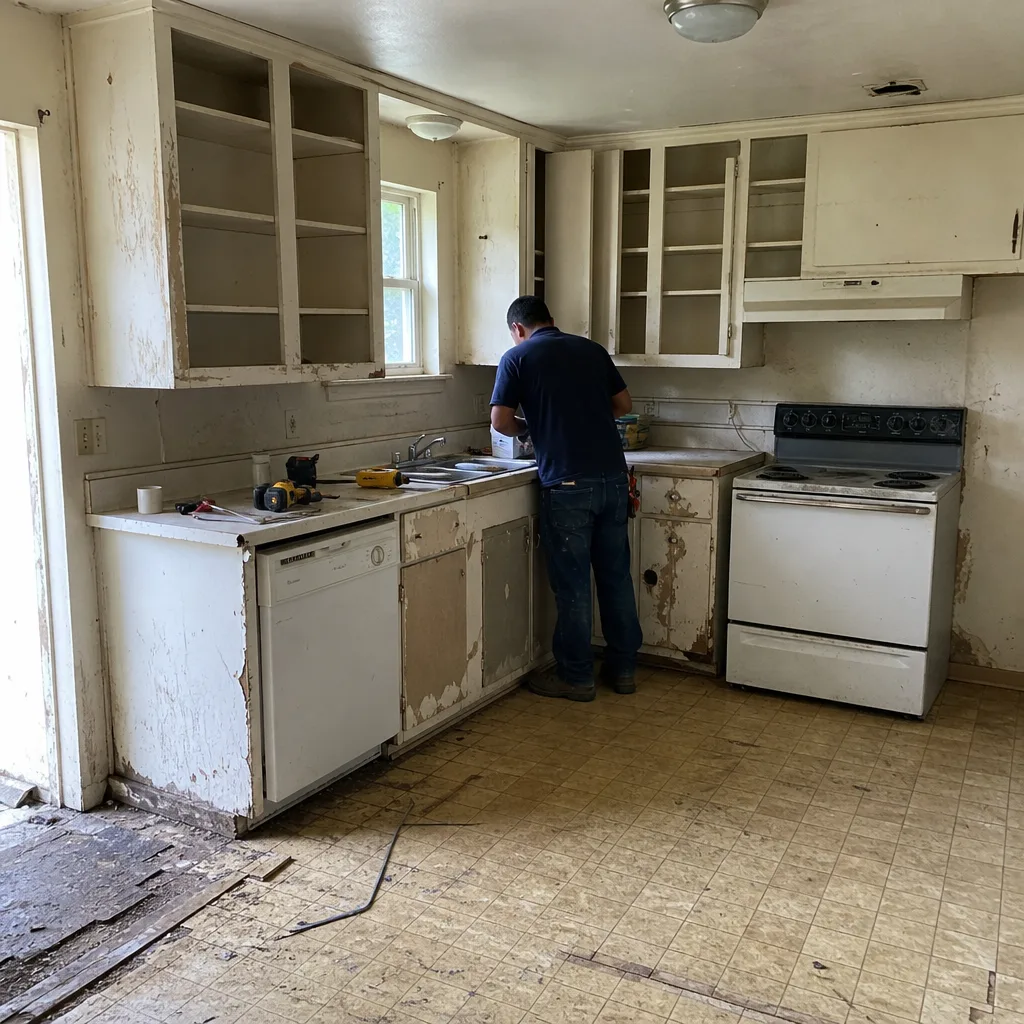 Before
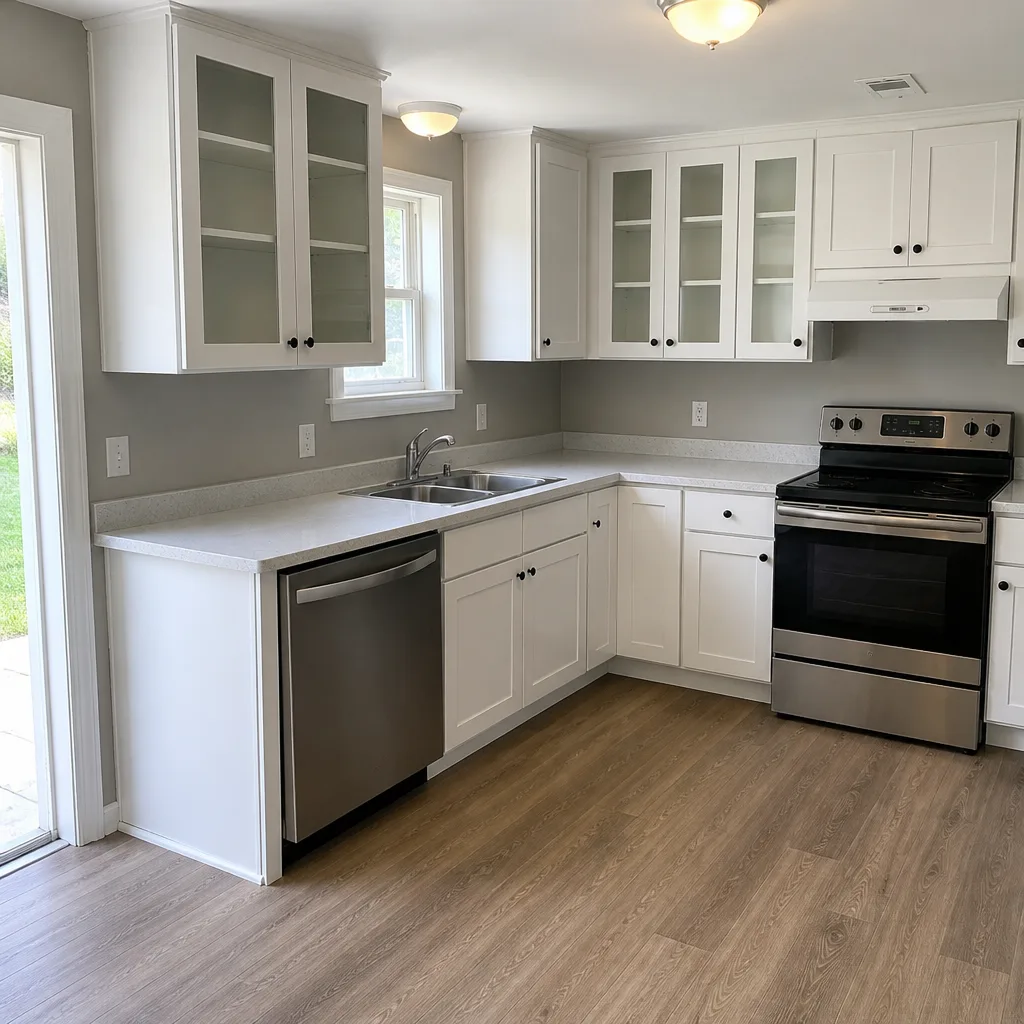 After
Asphalt vs Concrete Driveway in Dallas: Which One Holds Up Here?
Pick concrete if your driveway sits on unshaded Blackland clay and you plan to stay put for a decade. Pick asphalt if you have decent shade, a tighter budget, and want the easier repair path. That’s the honest shorthand. Neither material wins automatically in Dallas, though, because this city punishes asphalt and concrete in completely different ways. Asphalt softens as surface temps climb past 120°F, which Dallas driveways blow past every July. Concrete cracks in slow motion on expansive clay, and those cracks don’t patch cleanly. The right call depends on your lot, your shade, and how you use the driveway. Call (844) 797-4808 and we’ll talk through your specific situation.
Why Dallas Is a Hard Test for Both Materials
Most asphalt-vs-concrete advice you’ll find online was written for a mild climate with stable soil. Dallas gives you neither. We’re sitting in the middle of the Blackland Prairie, where expansive vertisols swell when it’s wet and shrink hard when it’s dry. That wet-dry cycle is the single biggest force working against any driveway surface here.
Then there’s the heat. A dark asphalt driveway in full summer sun can hit 150-160°F at the surface. That’s hot enough for tires to leave shallow ruts in a driveway that wasn’t specified or compacted correctly. Concrete runs cooler at the surface, but it’s rigid, and rigid things on moving clay crack. The soil doesn’t care which material you chose.
Spring storms add a third variable. DFW hail, especially the 1.5-inch-and-up stuff, hits driveways the same way it hits roofs. Asphalt and concrete respond to that impact very differently, which is part of why our Driveway & Pavers work starts with a conversation about your lot, not a product pitch.
What to Look For: The Dallas Decision Framework
Instead of asking which material is “better,” ask which one fails gracefully on your property. Here’s how we frame it with homeowners.
- Sun exposure. Full-south, all-day sun is the hardest environment for asphalt in Dallas. Partial shade or a north-facing drive drops surface temps enough that rutting risk falls off a cliff, and asphalt becomes a genuinely good choice.
- Sub-base prep. This is 70% of the battle. A perfect surface over poorly compacted clay fails either way. Ask how deep the base goes and how it’s compacted before you ever discuss the top layer.
- Concrete slab specs. On Dallas clay, a concrete driveway needs 5-6 inches minimum with rebar or fiber mesh and properly placed control joints. A budget bid that specs a 4-inch unreinforced pour is a trap, not a deal.
- Hail history. Large hail pits freshly sealed asphalt but rarely does structural damage. Concrete is more brittle, so it can chip or spall at the edges from severe strikes.
- Repair path. Asphalt patching is quick and blends in. Concrete repairs are more visible, and crack repair on moving clay is temporary by nature.
- How you use it. Heavy trucks, trailers, or a lot of turning traffic stress asphalt more. A light-use residential drive tolerates it fine.
Does shade actually change the answer?
Yes, more than any other factor on your lot. A partially shaded Dallas driveway keeps asphalt well below the rutting threshold through the worst of summer. A driveway baking in full afternoon sun is where asphalt underperforms. We’ve seen two driveways a block apart in East Dallas perform completely differently purely because of tree cover and orientation.
Asphalt vs Concrete: Side-by-Side for Dallas
| Factor | Asphalt | Concrete |
|---|---|---|
| Installed cost in Dallas | $4-$6 per sq ft | $8-$12 per sq ft |
| Summer surface temp | Runs hotter; 150-160°F in full sun | Cooler at the surface |
| Clay movement response | Flexes with minor soil shift | Cracks unless slab is 5-6 in, reinforced, jointed |
| Hail response | Cosmetic pitting possible | Can chip or spall at edges |
| Repair ease | Simple patching, blends well | Visible, and temporary on active clay |
| Best fit | Shaded or north-facing drives, budget-first | Full-sun, long-hold, heavy-use drives |
Lifespan advertising is where both materials get oversold. Neither asphalt nor concrete hits its brochure lifespan on an unmaintained Dallas clay sub-base. Get the compaction and moisture management right underneath and both last far longer. Skip it and neither will.
What Does a Driveway Cost in Dallas?
Concrete runs roughly double asphalt per square foot here, but the gap is narrower than the sticker suggests once you factor in lifecycle maintenance. Here are the ranges we work from in Dallas.
- Asphalt driveway paving: $3,500-$9,000
- Concrete driveway installation: $4,500-$12,000
- Paver driveway installation: $7,000-$18,000
- Driveway replacement: $5,000-$14,000
- Driveway sealing: $250-$700
If the concrete number is what’s holding you back, it doesn’t have to be. Groundwork Construction Co. of Dallas offers 0% financing for 18 months and $1,000 off projects over $10,000. That closes most of the gap between asphalt and the upgraded concrete pour you actually want. We quote upfront pricing, so the number you see is the number you pay. No surprises at the end.
What About Pavers?
Worth mentioning since we’re in the neighborhood. Pavers cost more up front than either asphalt or concrete, but they flex with clay movement instead of fighting it, and individual units are replaceable if one cracks or a tree root lifts a section. On a Dallas lot with mature trees or known soil movement, pavers often end up cheaper over 15 years than a concrete slab you’re constantly patching. Our home and driveway work covers all three options, so you can compare them on your actual lot rather than in the abstract.
How Dallas Construction Weather Shapes the Choice
Local conditions cycle through the year in a way that matters for driveways. Hot, humid summers push heat gain. Occasional hard freezes move the ground. Spring brings hail and straight-line windstorms. A driveway here lives through all of it every year, which is why the sub-base and the moisture plan underneath matter more than the material on top.
One local reality worth knowing: a slab poured without proper drilled-pier depth on Dallas clay will start showing stair-step brick cracks and sticking doors within a few dry summers. That’s true for foundations, and it’s equally true for the slab under your drive. You’ll see the failures downstream, at the house, not at the driveway. Ask any contractor you hire how they handle clay movement, and see whether the answer is specific or hand-wavy.
How We Handle It
Our technicians have up to 12 years of experience and every one is background-checked and in uniform on the job. We answer calls live, 24/7, so you’re not leaving a voicemail and waiting until Monday. And every driveway project is backed by our 730-Day Done Right Promise: if it isn’t done right, we make it right. That’s one of the longest workmanship guarantees in the residential construction space, and it applies to the base work most contractors never show you.
Frequently Asked Questions
Concrete is the better long-term pick on full-sun, unshaded Dallas lots because it holds up better to sustained heat and heavy use. Asphalt is the smarter choice on shaded or north-facing drives and when budget is the deciding factor. The right answer really does hinge on your specific lot’s sun exposure and soil behavior.
Concrete runs $8-$12 per square foot installed in Dallas, while asphalt runs $4-$6 per square foot, so a typical two-car drive lands in the $4,500-$12,000 range for concrete and $3,500-$9,000 for asphalt. Financing and our $1,000-off promo can narrow that gap. Call (844) 797-4808 for an exact quote on your drive, and estimates are free.
Hail of 1.5 inches or larger, which DFW sees in spring storms, can pit freshly sealed asphalt but rarely causes structural damage. Concrete is more brittle and can chip or spall at the edges from severe strikes. Either way, cosmetic hail marks are usually far less costly than roof damage from the same storm.
Crack repair on active Dallas clay is temporary by nature, because the soil keeps moving underneath. The durable fix is addressing the sub-base and moisture management, not just filling the crack. Call (844) 797-4808 and we’ll tell you honestly whether a repair or a replacement makes more sense for your lot, free of charge.
If you’d rather have it looked at, Groundwork Construction Co. of Dallas offers a no-pressure assessment in Dallas. We’ll walk your lot, talk through sun exposure and soil, and give you upfront pricing on whichever direction fits. Call (844) 797-4808 for a free estimate.
Written by the team at Groundwork Construction Co. of Dallas, serving Dallas, TX.