

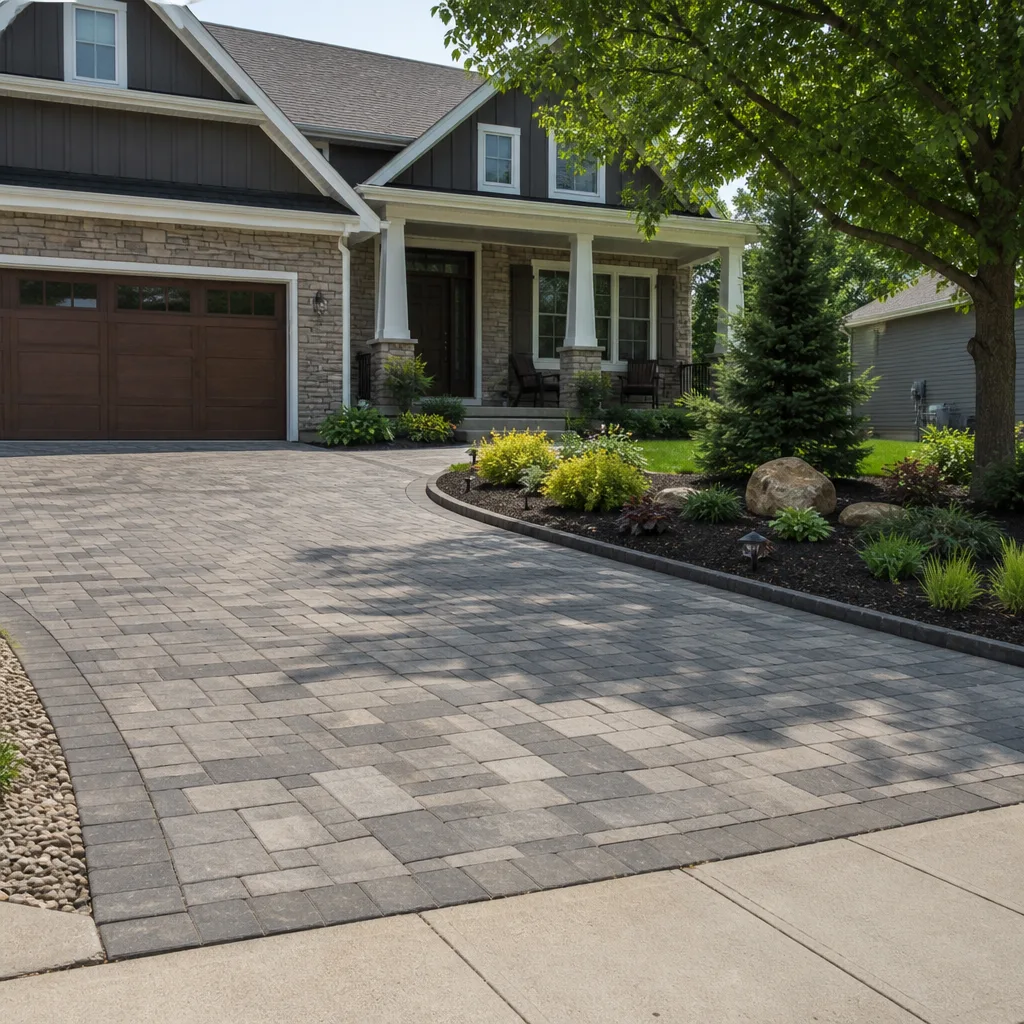
 Driveway & pavers
 Kitchen remodeling
 Bathroom remodeling
 Home additions & ADU
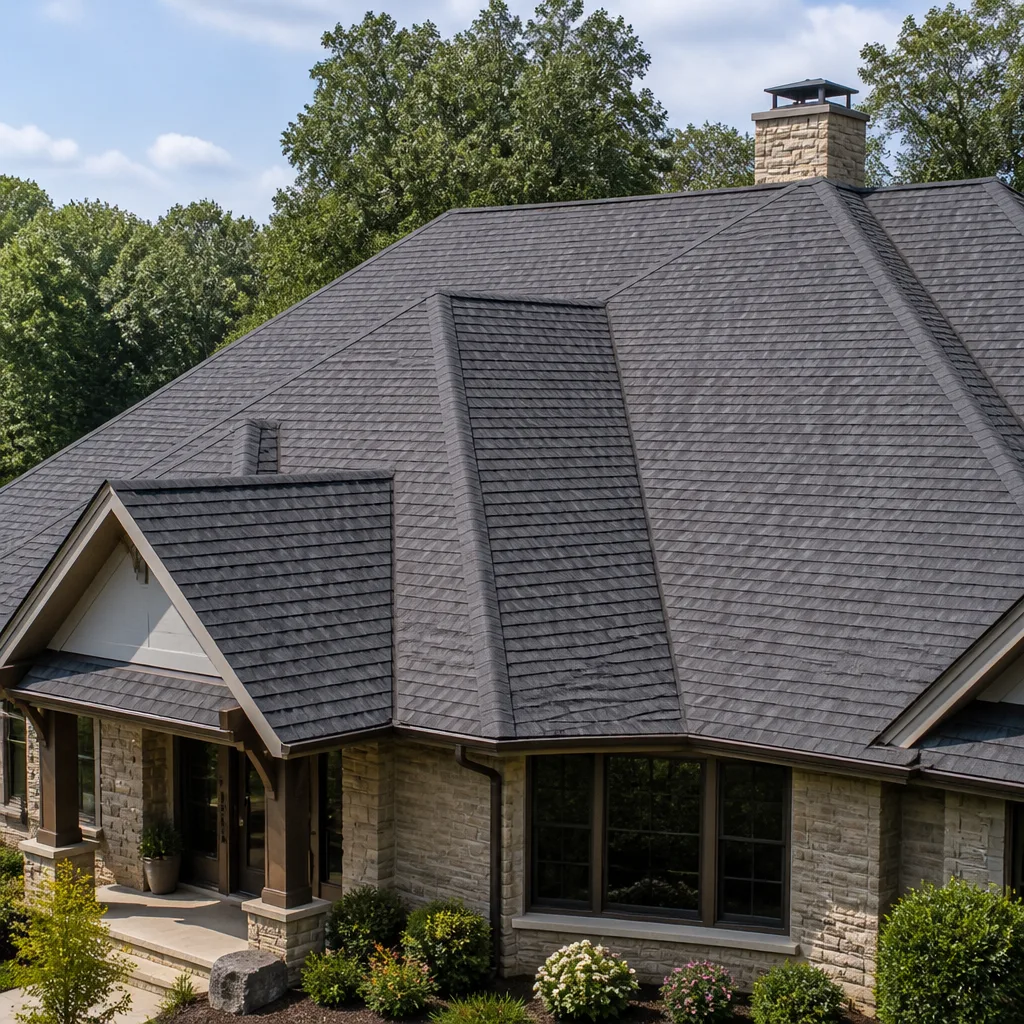 Roofing
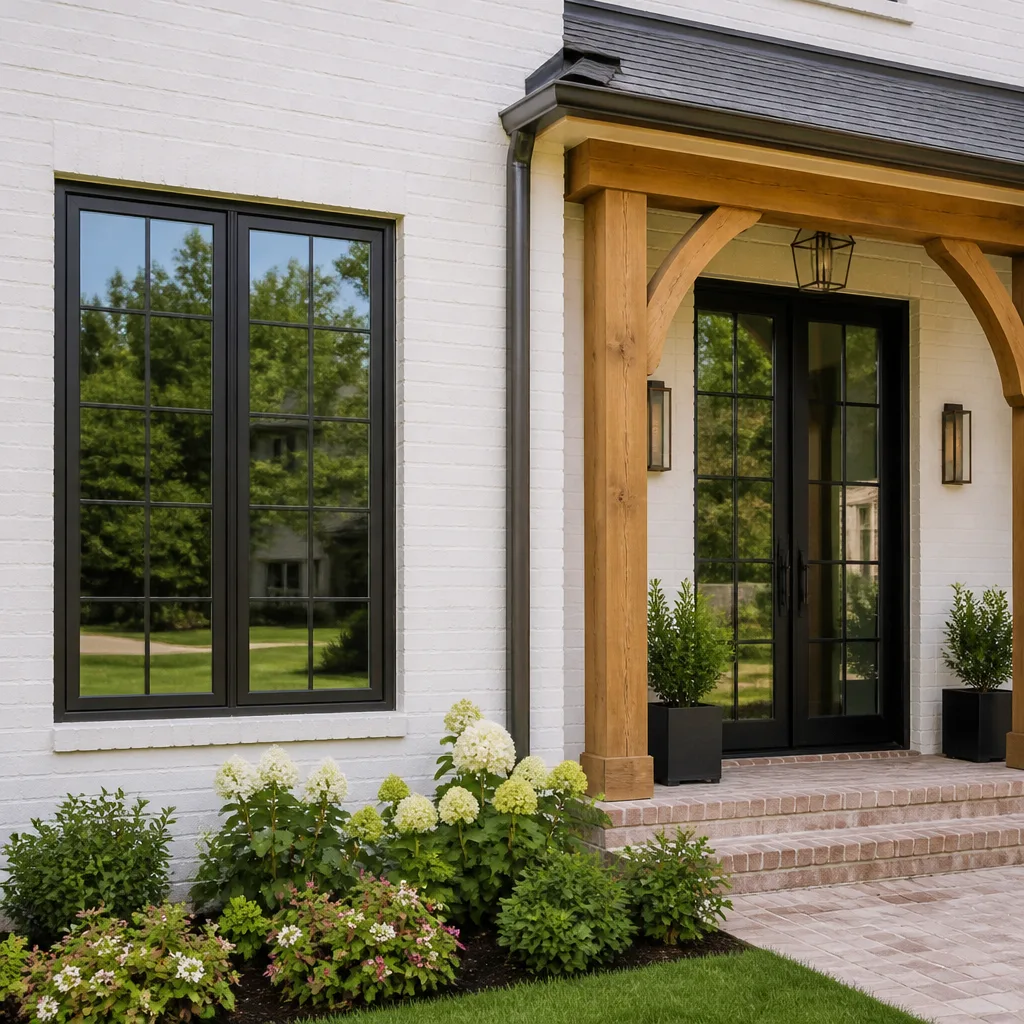 Windows & doors
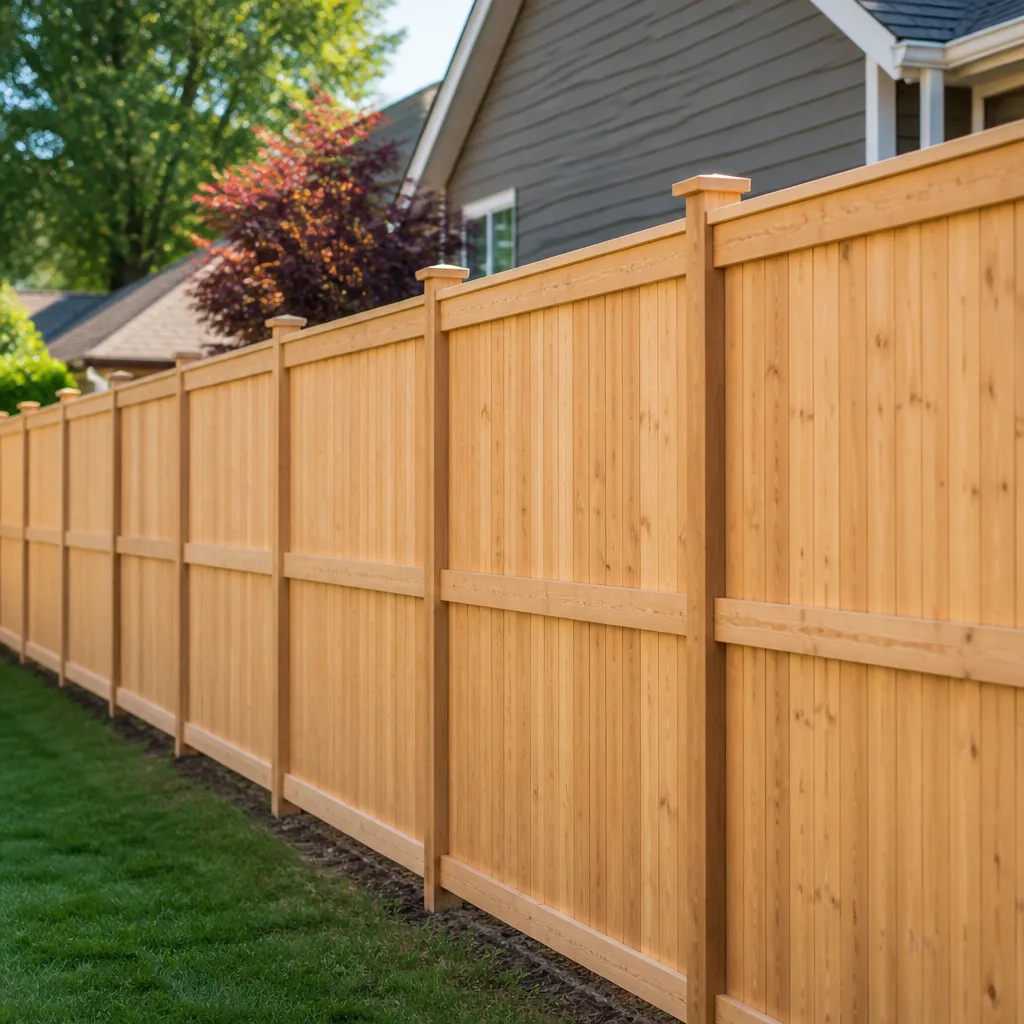 Fence
Free written scope consultation - allowances, timeline, and change-order rules on paper before a single trade is scheduled
IKO Driveway & Pavers: The Dallas Owner’s Guide
We install and repair IKO driveway and paver systems across Dallas, and a full paver driveway typically runs $7,000 – $18,000 installed, with most single-visit repairs and reseating jobs landing well under that. Groundwork Construction Co. of Dallas is an independent service provider and is not affiliated with IKO. You’re probably here because something has gone wrong at the edge of the drive: pavers shifting after a heavy rain, joint sand washing out toward the gutter, or a sunken patch near the garage apron that catches your tire every morning.
Dallas owners usually spot the problem in one of two seasons. Late summer, when the clay soil under a driveway shrinks and opens gaps at the joints. Or after a spring storm dumps two inches in an hour and the base can’t drain fast enough. Either way, the symptom looks cosmetic and usually isn’t.
Which IKO Models This Applies To
IKO’s driveway and paver line covers interlocking concrete pavers in several thicknesses and finish series, and the part that actually matters on a repair is the paver profile, not the color name. The two specs to pull before you order anything are the nominal thickness (60mm is the common residential driveway standard, 80mm is the heavier-duty spec for driveways taking regular truck traffic) and the actual face dimensions, because a “square” paver from one series rarely matches the joint line of another by a few millimeters. Those few millimeters are what make a repair patch look like a patch.
Find the original spec two ways. Look for a manufacturer label or pallet tag left by the installer, often stapled inside the garage or tucked in the meter box. If there’s no tag, pull one loose paver and measure it with a tape: thickness, length, width, plus the chamfer profile on the edge. Photograph the face texture in daylight. Color lots also shift between production runs, which is why matching an existing field of pavers is a sourcing question, not a catalog question.
On the OEM-versus-aftermarket call: for a spot repair, a quality aftermarket paver in the correct thickness and a close face match is a reasonable choice, and it’s often the only practical one when the original series has been discontinued. For a full driveway, we recommend staying within the IKO line so the base course, joint spacing and edge restraint all work as a system. Other brands we service include KraftMaid, Cambria and Silestone for interior projects, but on the drive it’s the paver system that has to hold together.
Styles & brands we work with
- Kitchen remodeling
- Bathroom remodeling
- Home additions & ADU
- Roofing
- Windows & doors
- Driveway & pavers
- Fence
Signs Your IKO Driveway & Pavers Is Failing
- Joint sand washing out after rain. Water is moving through the joints instead of off the surface, which usually points to a low spot or a clogged drain path rather than bad sand. Left alone, the pavers start to rock.
- Pavers rocking or clicking underfoot. The bedding layer has lost contact with the base, often because North Texas clay expanded and contracted through a wet-dry cycle. A rocking paver is a base problem showing up at the surface.
- Sunken or heaved sections near the garage apron or street. These are the two places where water concentrates and where a driveway meets a fixed structure that can’t move with the soil. Differential movement between the two is the usual cause.
- Edges spreading outward. Missing or failed edge restraint lets the field creep. Once the outer course walks, the joints inside it widen and the whole pattern loosens.
- Efflorescence and standing water. White mineral haze plus puddles that linger 24 hours after rain means the slope is off or the surface is sealed and can’t breathe. Both shorten the life of the system in Dallas heat.
One lifespan reality worth knowing: an IKO paver itself will outlast the installation around it in this climate. The paver doesn’t fail at 15 years. The base, the sand and the edge restraint do, and those are what we’re almost always repairing.
See the difference
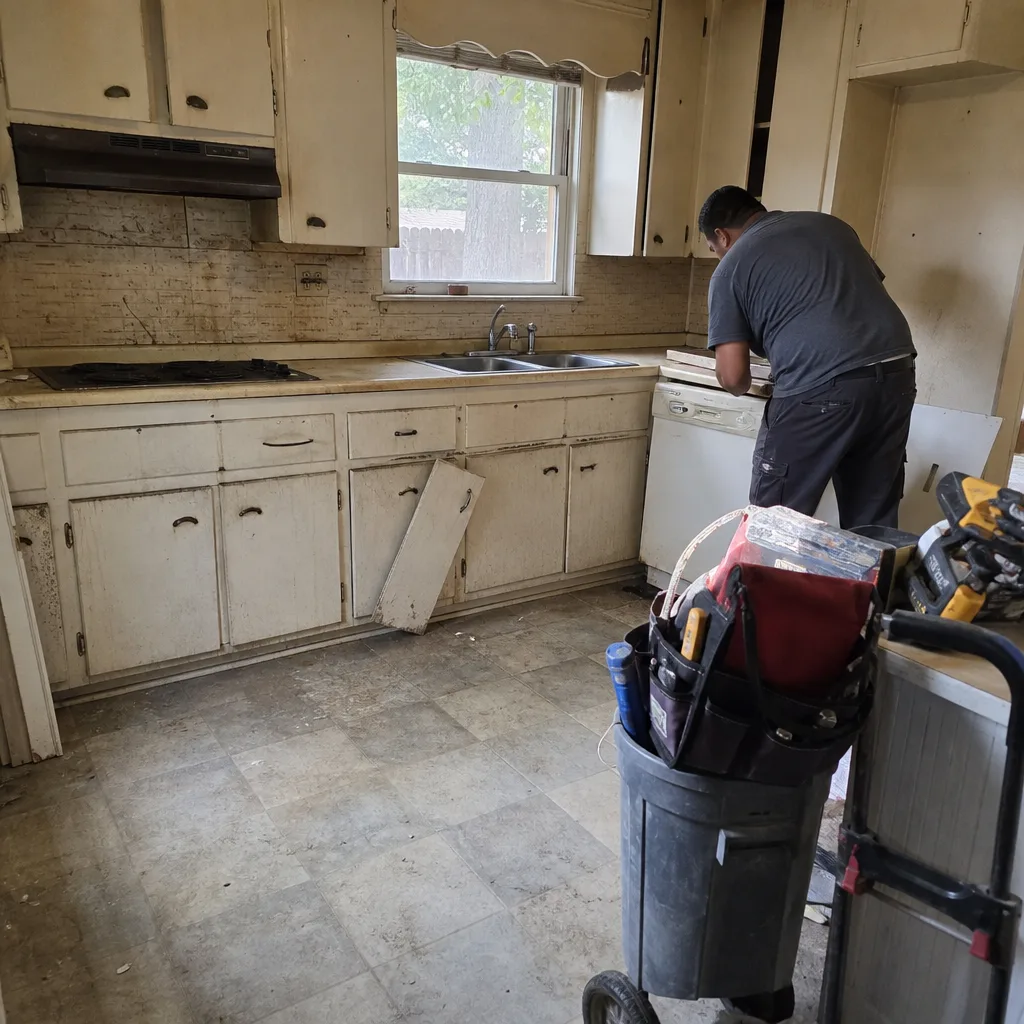 Before
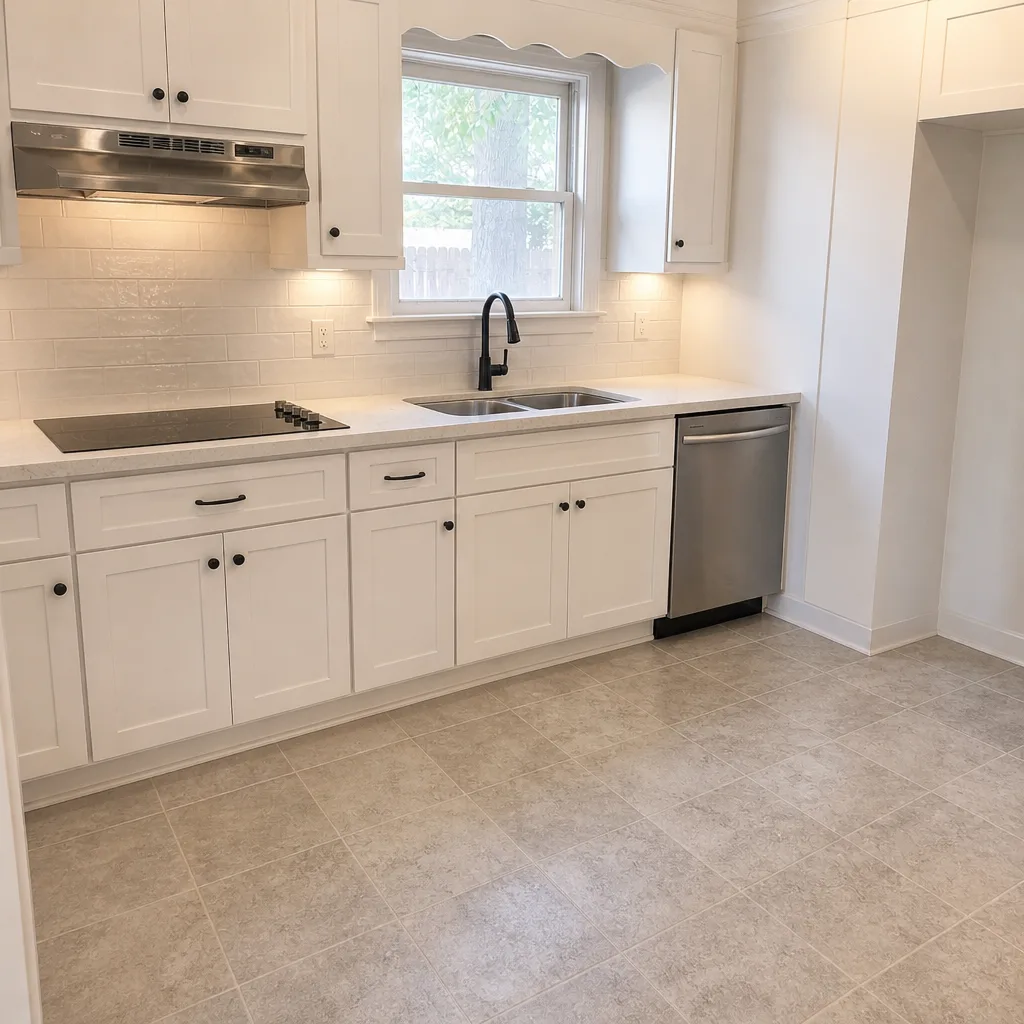 After
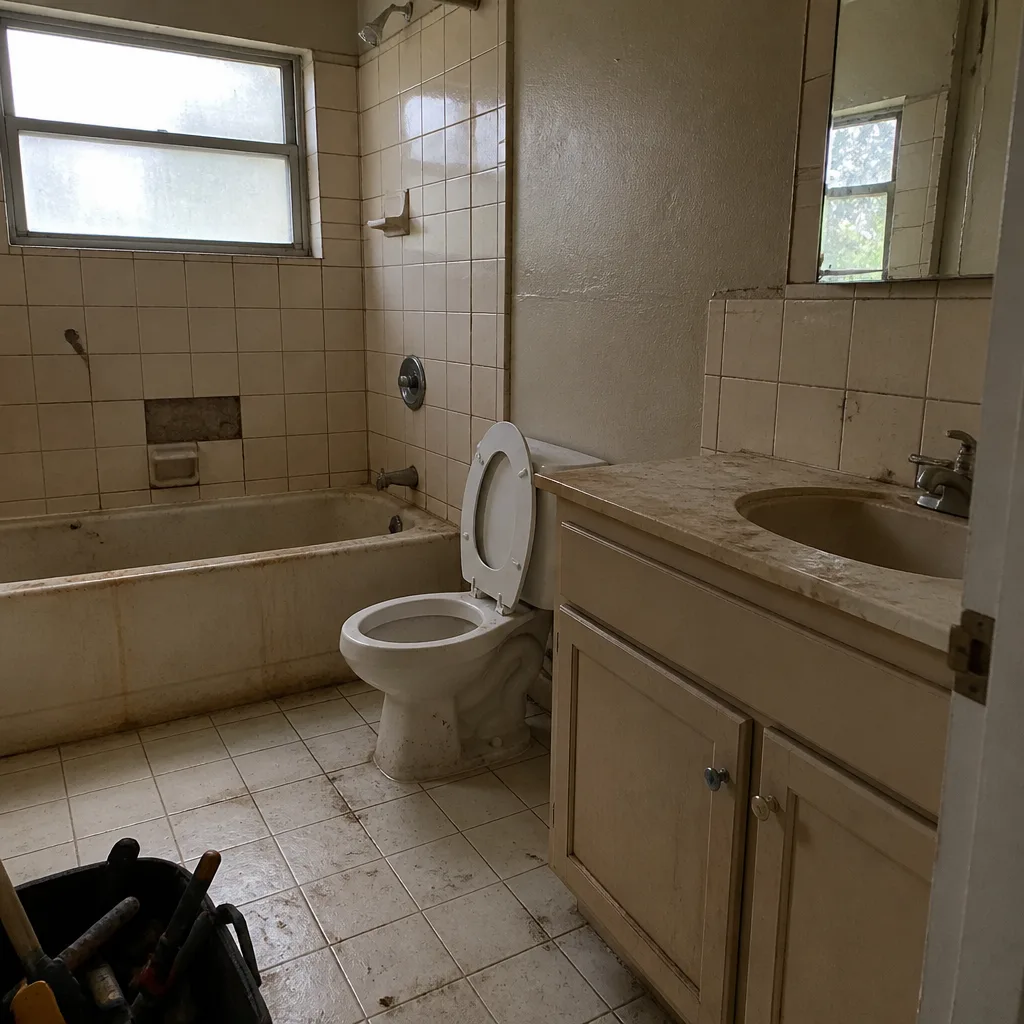 Before
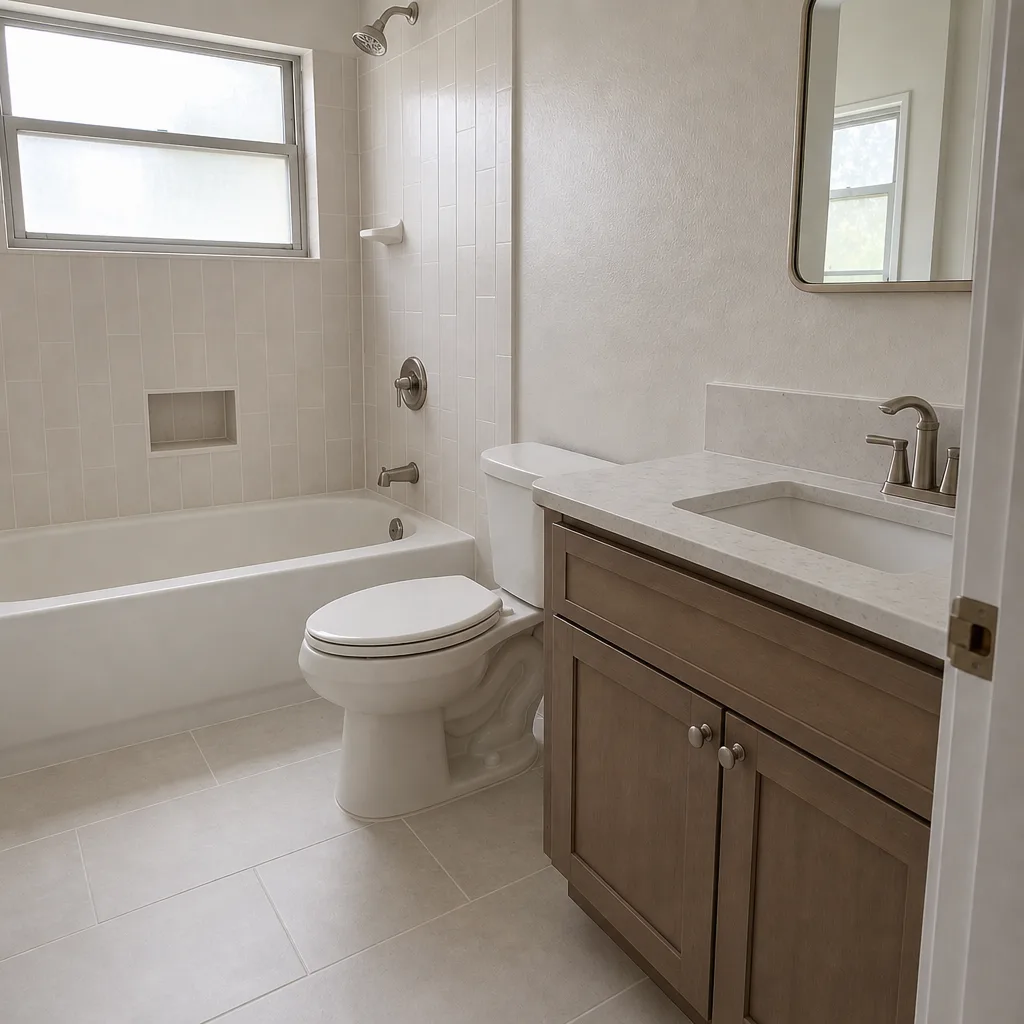 After
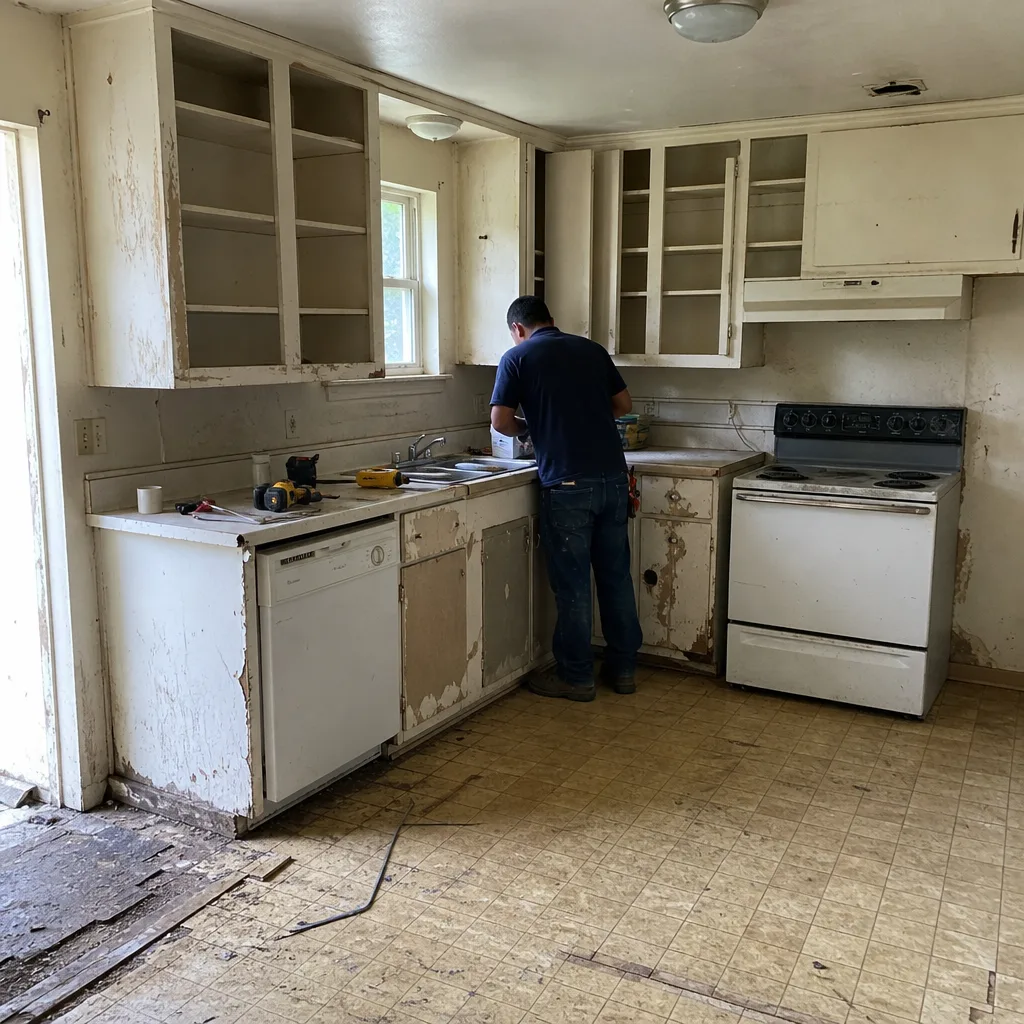 Before
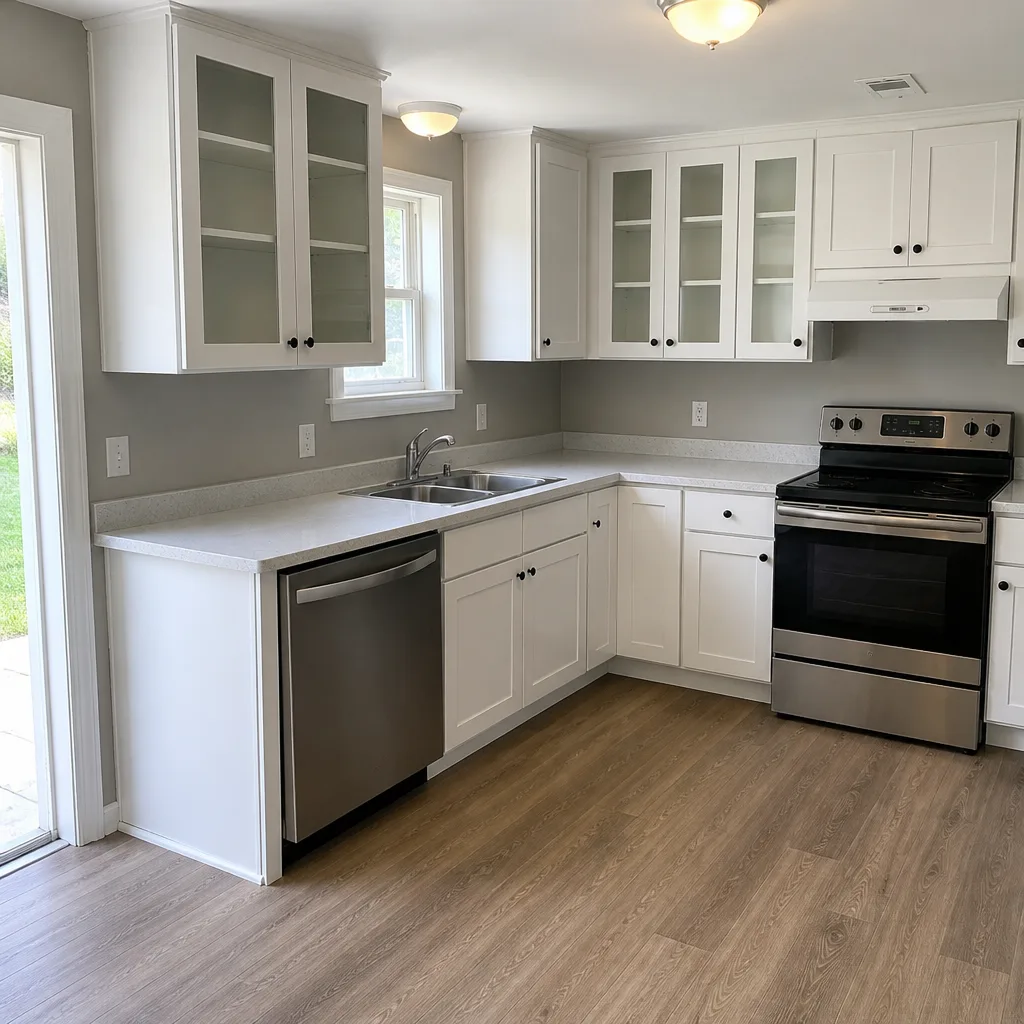 After
Replacement Cost & What’s Included
Here’s what Dallas homeowners actually pay for the work, priced upfront with no surprises. The number you see is the number you pay.
| Scope | Installed Range |
|---|---|
| Paver driveway installation (full) | $7,000 – $18,000 |
| Concrete driveway installation | $4,500 – $12,000 |
| Asphalt driveway paving | $3,500 – $9,000 |
| Driveway replacement | $5,000 – $14,000 |
| Driveway sealing | $250 – $700 |
| Paver patio installation | $3,500 – $11,000 |
The range is driven by square footage, base depth required after we open up the existing drive, whether edge restraint and drainage have to be rebuilt, and paver series selection. A repair patch sits at the low end; a full replacement with a rebuilt base and new restraint sits at the high end. Every quote is line-itemed: pavers, base material, bedding sand, restraint, labor, haul-off. All work is covered by our 730-Day Done Right Promise. If it’s not done right, we make it right.
DIY or Call Us?
You can safely check a few things yourself. Photograph the failing area, measure a loose paver, note where water pools after a storm, and confirm whether the edge restraint is still pinned. Pulling one paver to inspect the sand bed is a reasonable look.
Where DIY goes wrong: resetting a paver on top of a failed base. It looks fixed for one rainy season, then the same spot sinks again, because the clay underneath never got addressed. Chasing a repair without fixing drainage or restraint just moves the problem two feet down the drive. And if a section has heaved near gas or utility lines at the apron, stop and call before you dig. We’ll tell you honestly whether you’re looking at a $300 reseat or a $9,000 rebuild the first time we see it. Call (844) 797-4808 to schedule your free estimate.
FAQs
The pavers themselves typically last 25 to 30 years or more, but the base, joint sand and edge restraint need attention far sooner in North Texas clay soil, often within 8 to 12 years. Plan on periodic reseating and resealing rather than replacing the pavers. Call (844) 797-4808 for an exact quote on your drive.
Yes, in most cases a section repair, re-sanding and edge restraint rebuild will fix the problem at a fraction of replacement cost. Repair makes sense when the base under most of the drive is still sound. Replacement is the honest answer when the slope or base has failed across the whole field. We’ll tell you which one you’re facing.
A spot repair is usually done in a single visit, and a full paver driveway replacement typically takes three to five days depending on square footage and base work. Weather and material lead times are the two variables that move that number. Call (844) 797-4808 and we’ll give you a realistic timeline for your project.
We match on thickness, face dimensions and chamfer profile first, then confirm the series and color lot with the manufacturer or a verified supplier before we order. That two-step check is how we avoid the patch that almost matches. If the original series is discontinued, we’ll show you the closest current match before anything ships. Estimates are free at (844) 797-4808.
From foundation to finish line, Groundwork Construction Co. of Dallas handles the whole job with background-checked, uniformed technicians, live-person phone coverage 24/7, upfront pricing, 0% financing for 18 months and $1,000 off projects over $10,000. Call (844) 797-4808 for your free estimate.
Written by the team at Groundwork Construction Co. of Dallas, serving Dallas and nearby areas.