
 Home additions & ADU
 Kitchen remodeling
 Bathroom remodeling
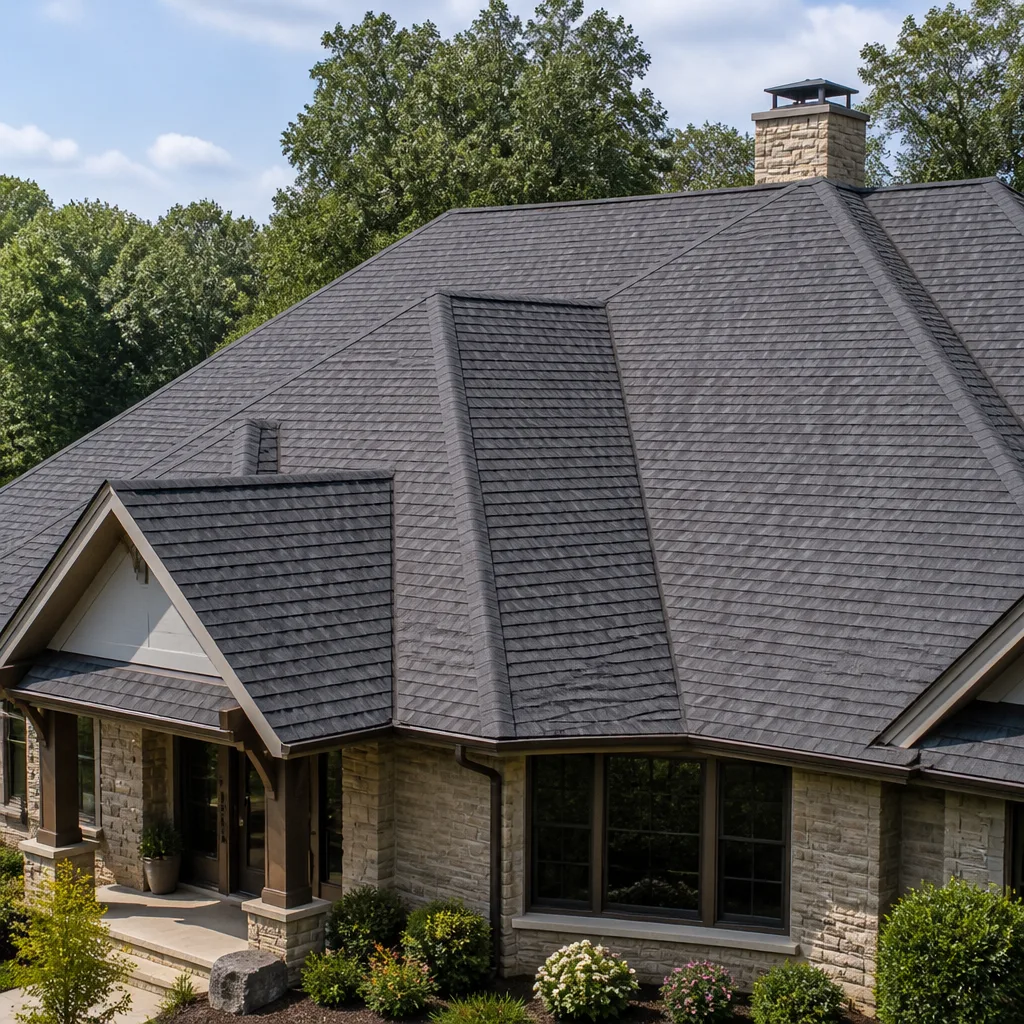 Roofing
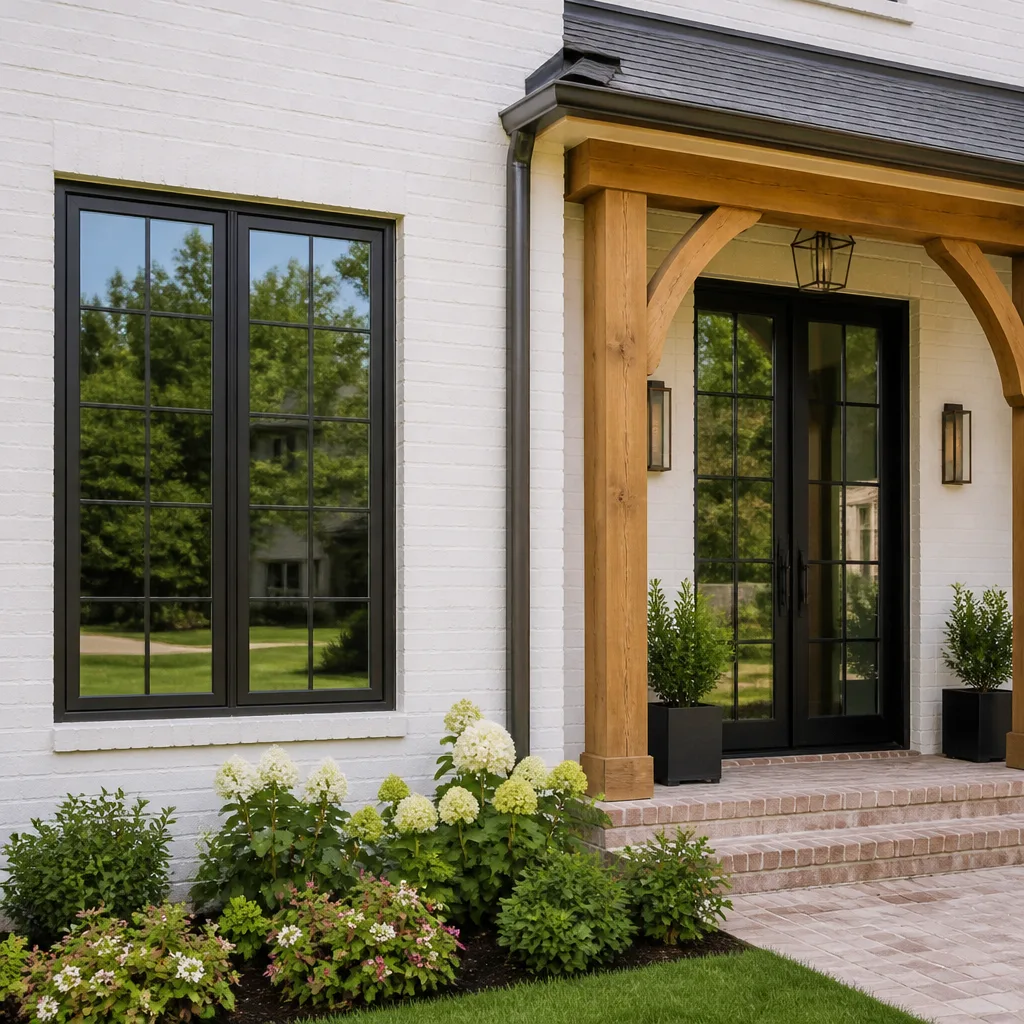 Windows & doors
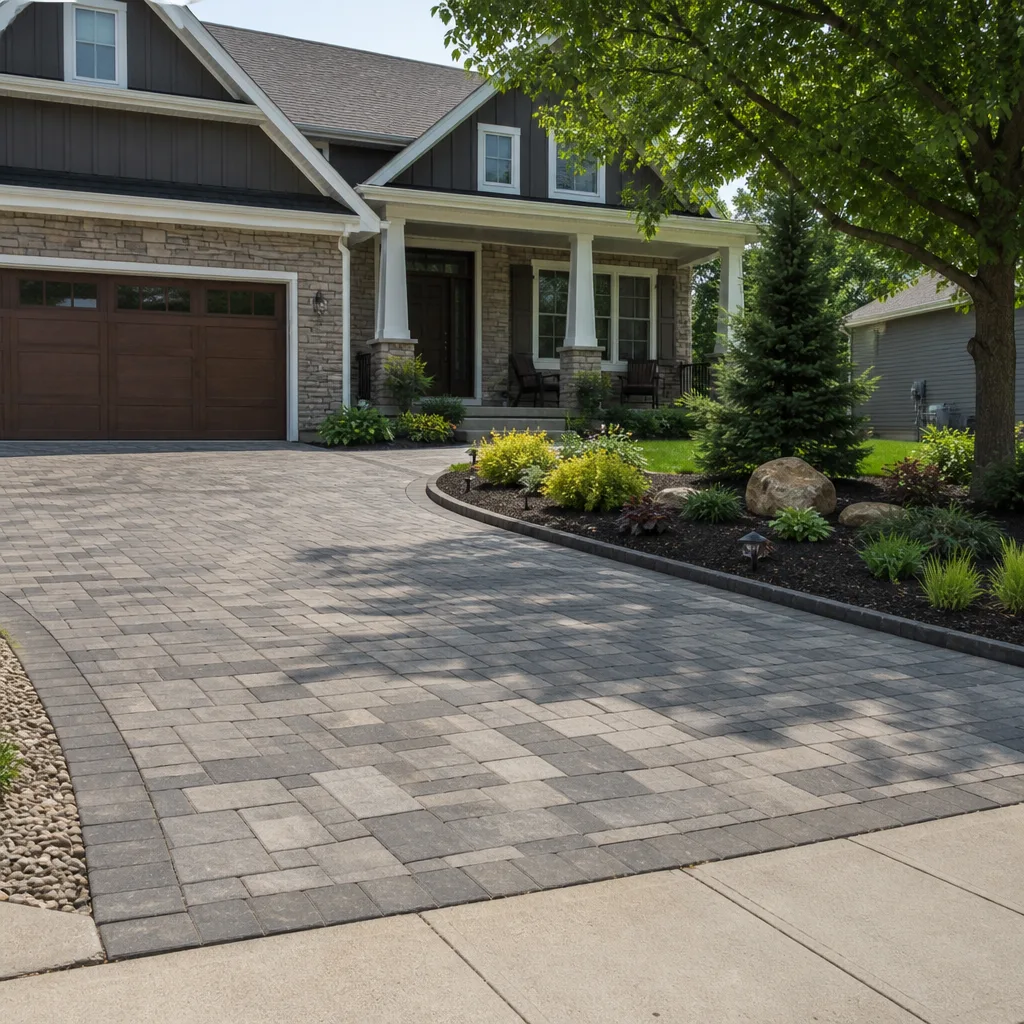 Driveway & pavers
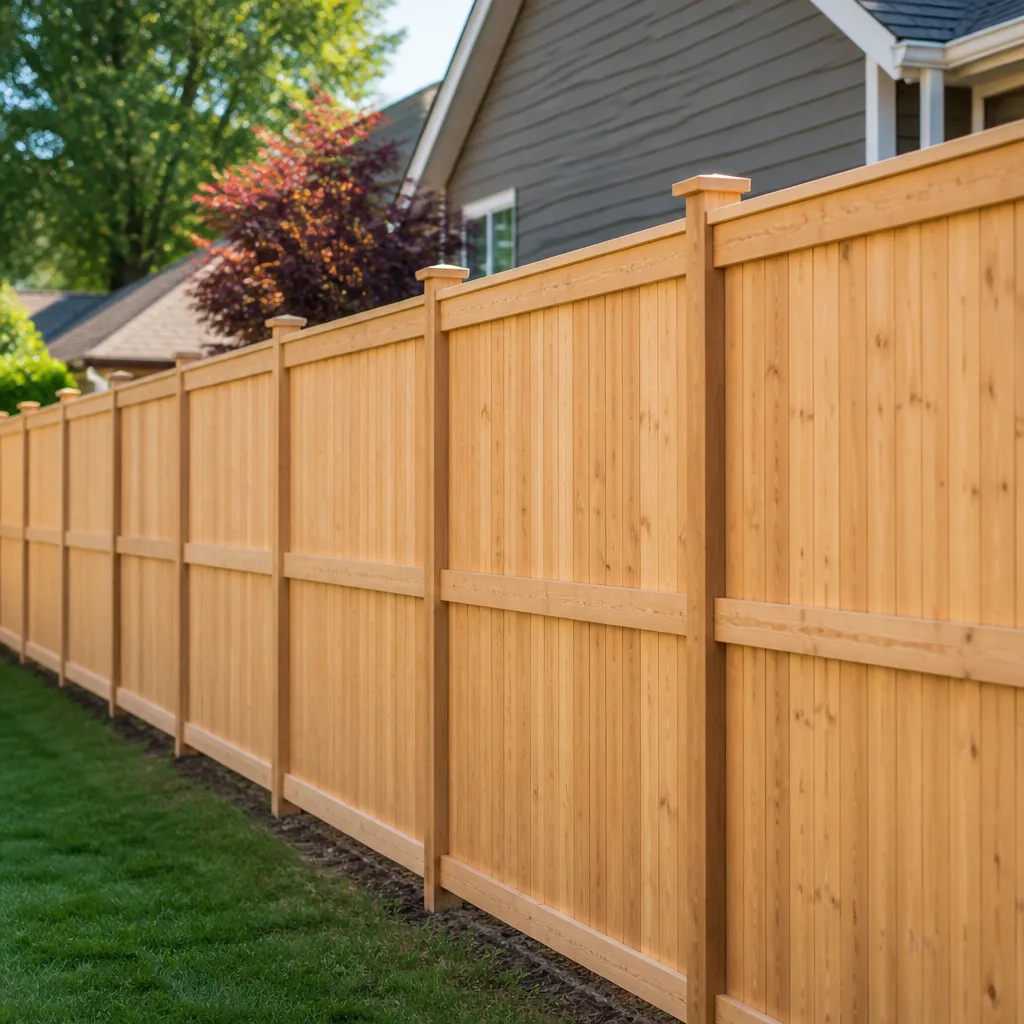 Fence
Free written scope consultation - allowances, timeline, and change-order rules on paper before a single trade is scheduled
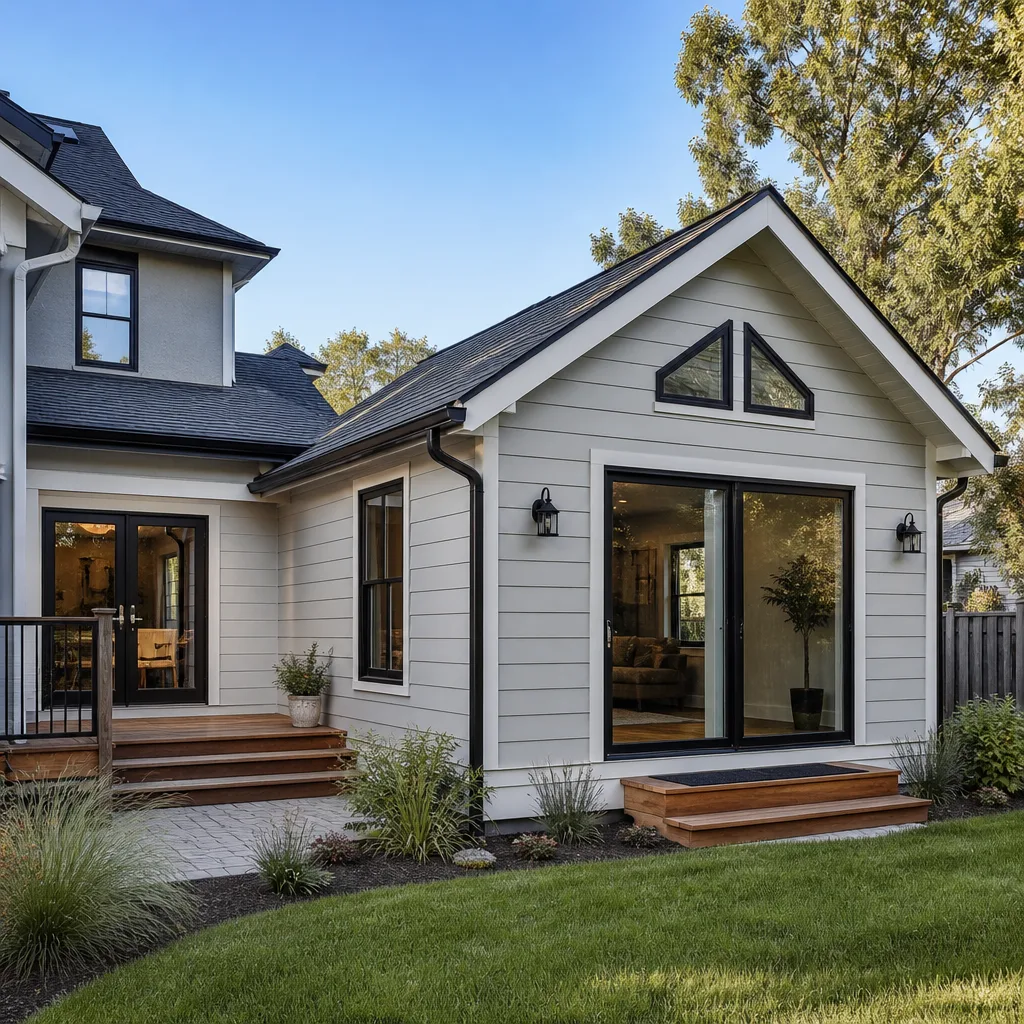
Quikrete Home Additions & ADU: The Dallas Owner’s Guide
We build Quikrete-spec home additions and accessory dwelling units in Dallas, and typical installed projects run $45,000 – $130,000 for an addition and $90,000 – $220,000 for a full ADU. Planning, permits, and site work mean these are scheduled projects, not same-day calls, so the honest timeline starts with a free estimate and a design consult. Most Dallas owners don’t “find” a failing part on an addition the way they would on a roof or a fence. They discover it at the inspection table or on the quote: a spec sheet that names Quikrete concrete and mortar products, a supplier substitution that doesn’t match, or a batch that cured wrong in a Texas summer. Groundwork Construction Co. of Dallas is an independent builder and is not affiliated with Quikrete; we work with the materials you’ve specified.
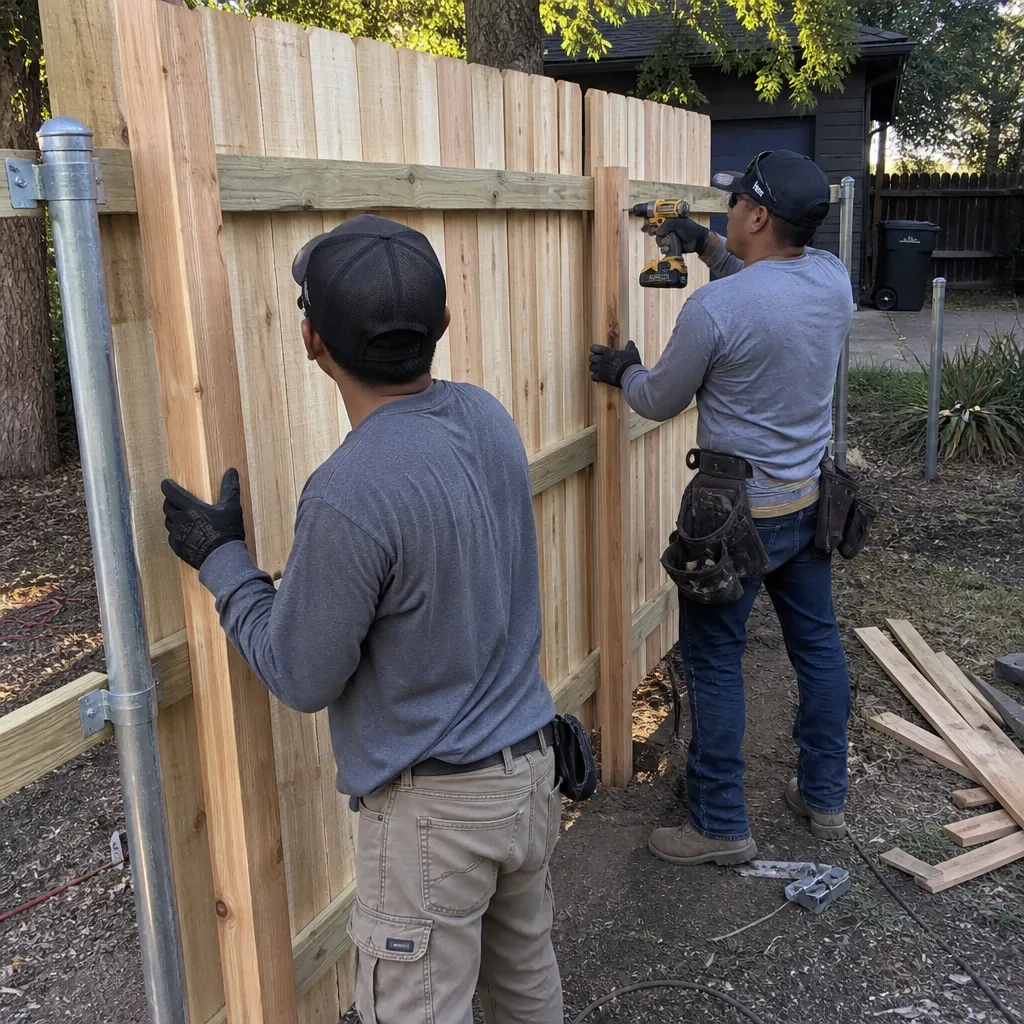
Which Quikrete Models This Apply To
Quikrete isn’t a single product line, and that trips people up when they’re matching a spec to a project. The brand covers concrete mixes, mortar mixes, grouts, anchoring and repair products, and each one carries its own bag codes and mix ratios. For an addition foundation, slab, or ADU stem wall, the relevant products are the structural concrete and mortar mixes; for tiling and finish work, it’s the mortar and grout lines. The right way to identify what your project actually calls for is the printed spec on the engineering drawings plus the bag code on the material itself, not the product name alone.
On OEM versus aftermarket for Quikrete specifically: there’s no “aftermarket Quikrete.” What you’re really choosing is between the specified Quikrete mix and a substitute a supplier pushes because it’s in stock or cheaper. For structural concrete in a Dallas addition, a substitution can change cure time, compressive strength, and how the slab behaves in our clay soils. We read the spec, source the matching product, and document what went in. If a supplier can’t supply the specified mix, you hear it from us before the pour, not after. We apply the same discipline to the other brands we install, including KraftMaid, Cambria, and Silestone on the interior finish side.
Styles & brands we work with
- Kitchen remodeling
- Bathroom remodeling
- Home additions & ADU
- Roofing
- Windows & doors
- Driveway & pavers
- Fence
Signs Your Quikrete Home Additions & ADU Is Failing
When a Quikrete-specified component is wrong, it usually shows up through the structure around it. These are the symptoms Dallas owners bring to us:
- Hairline cracks spreading across a new slab or patio edge. Often a mix or cure problem, or a pour done during a heat spike without proper control joints. Our summer swings punish concrete that was rushed.
- Efflorescence, a white chalky bloom on mortar joints. Usually moisture moving through the masonry and salts surfacing. It points to a mortar mix or joint detail that doesn’t suit Dallas humidity and drainage.
- Tile or finish lifting off the substrate in a new bath or ADU kitchenette. A mortar or grout that didn’t bond, frequently from the wrong mix for the substrate or an over-wet batch.
- Anchor bolts or posts pulling loose from the slab. The anchoring product failed to set or was installed into cured concrete that wasn’t prepped right.
- Doors and windows that stick in a new addition as seasons turn. Not always a Quikrete part, but it’s a sign the foundation and framing are moving, and the mix and curing under that foundation deserve a look.
See the difference
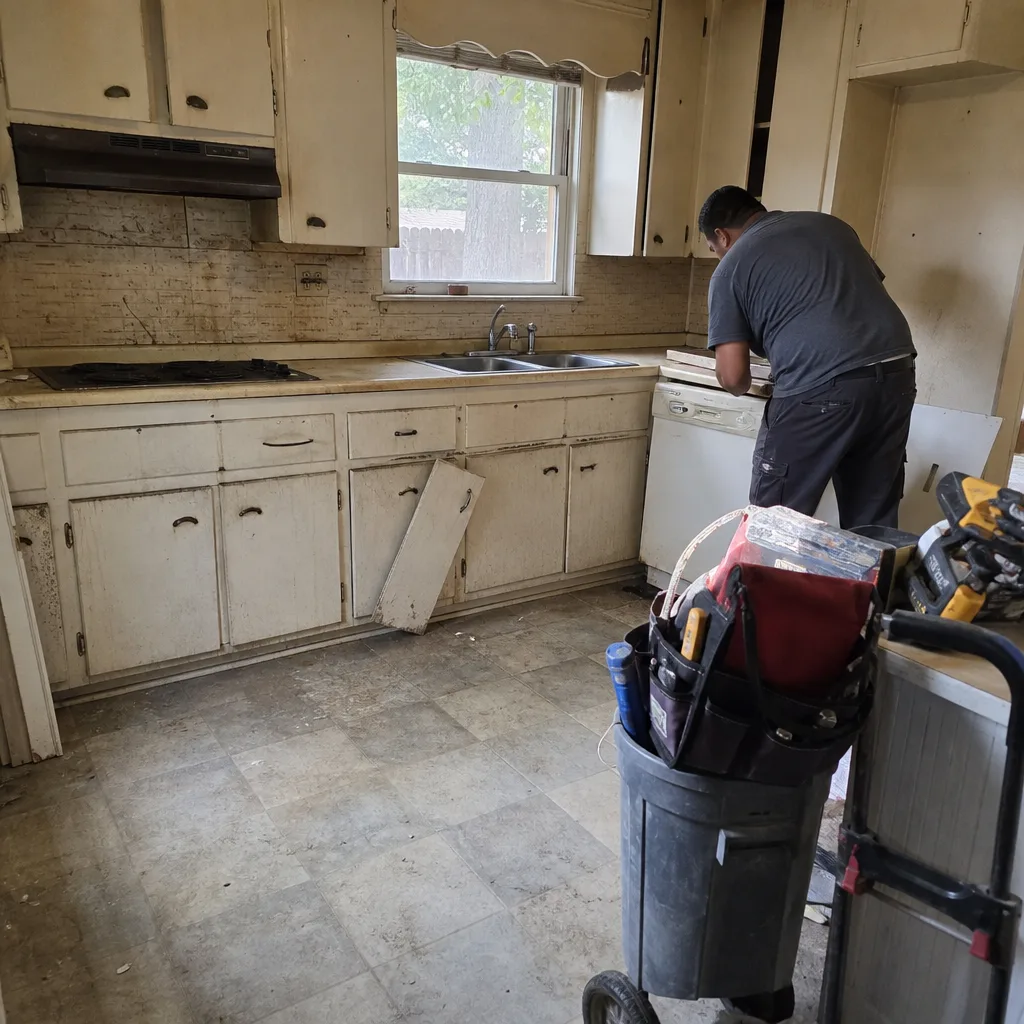 Before
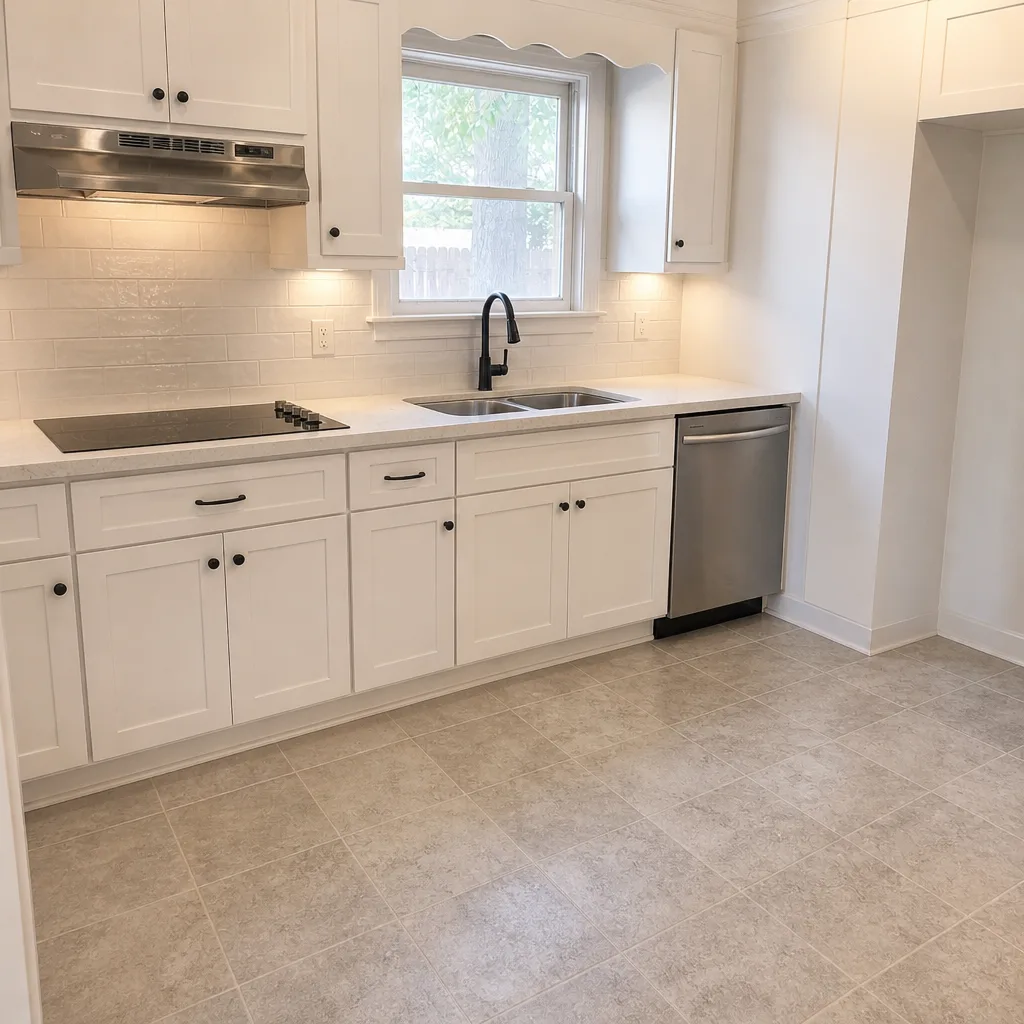 After
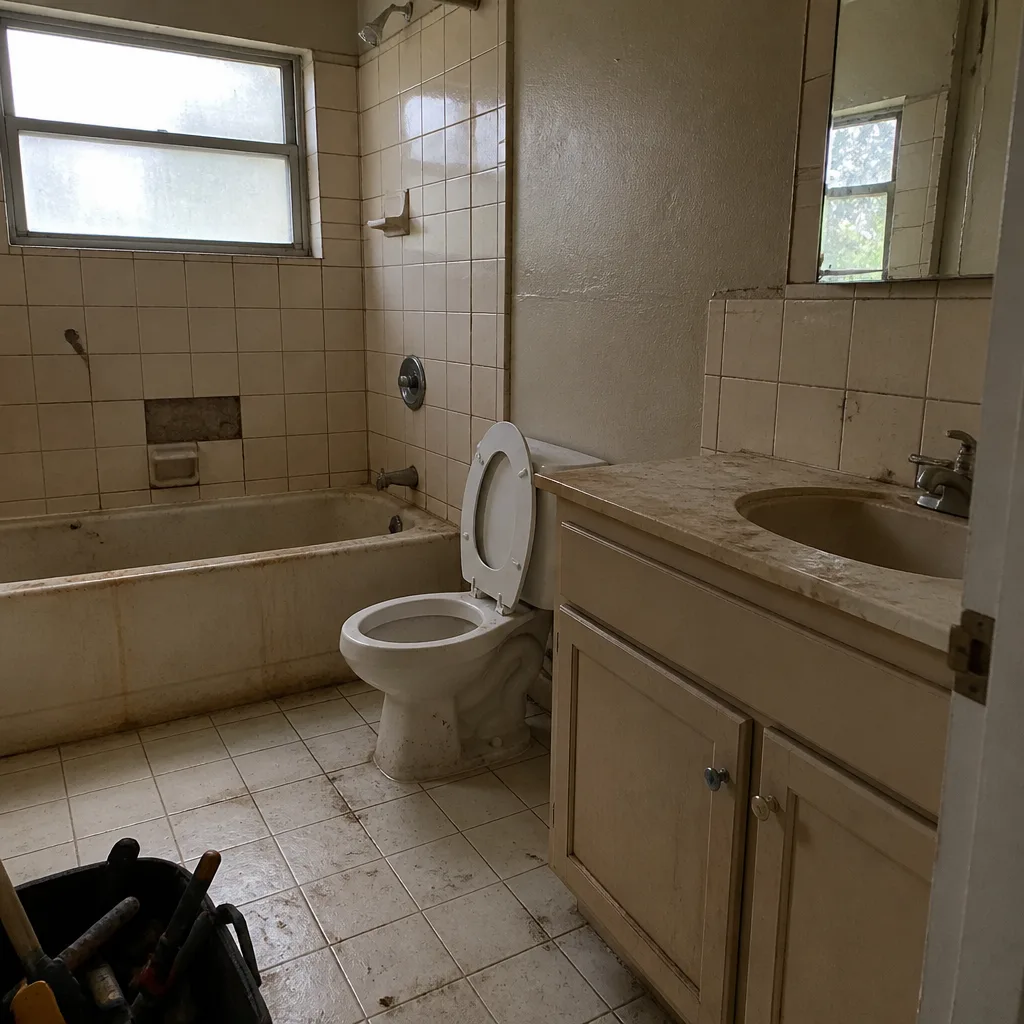 Before
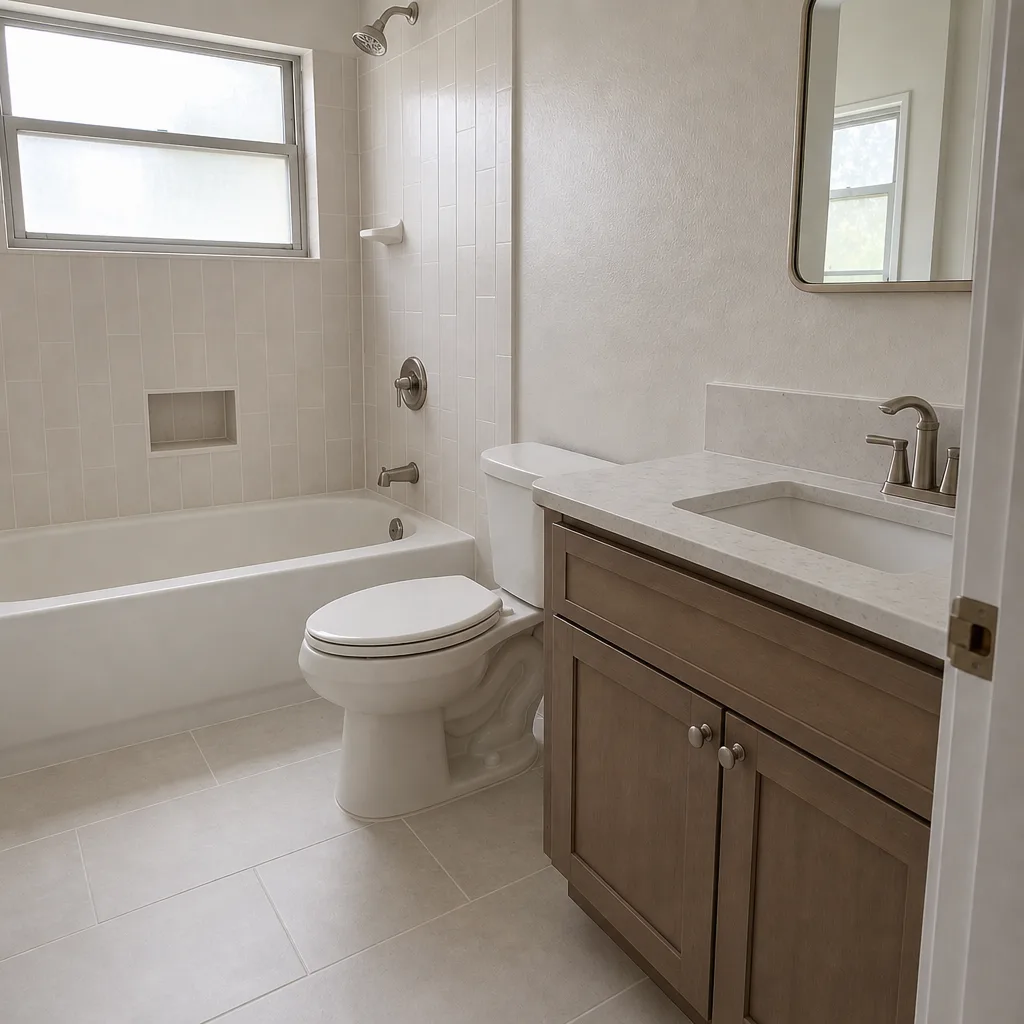 After
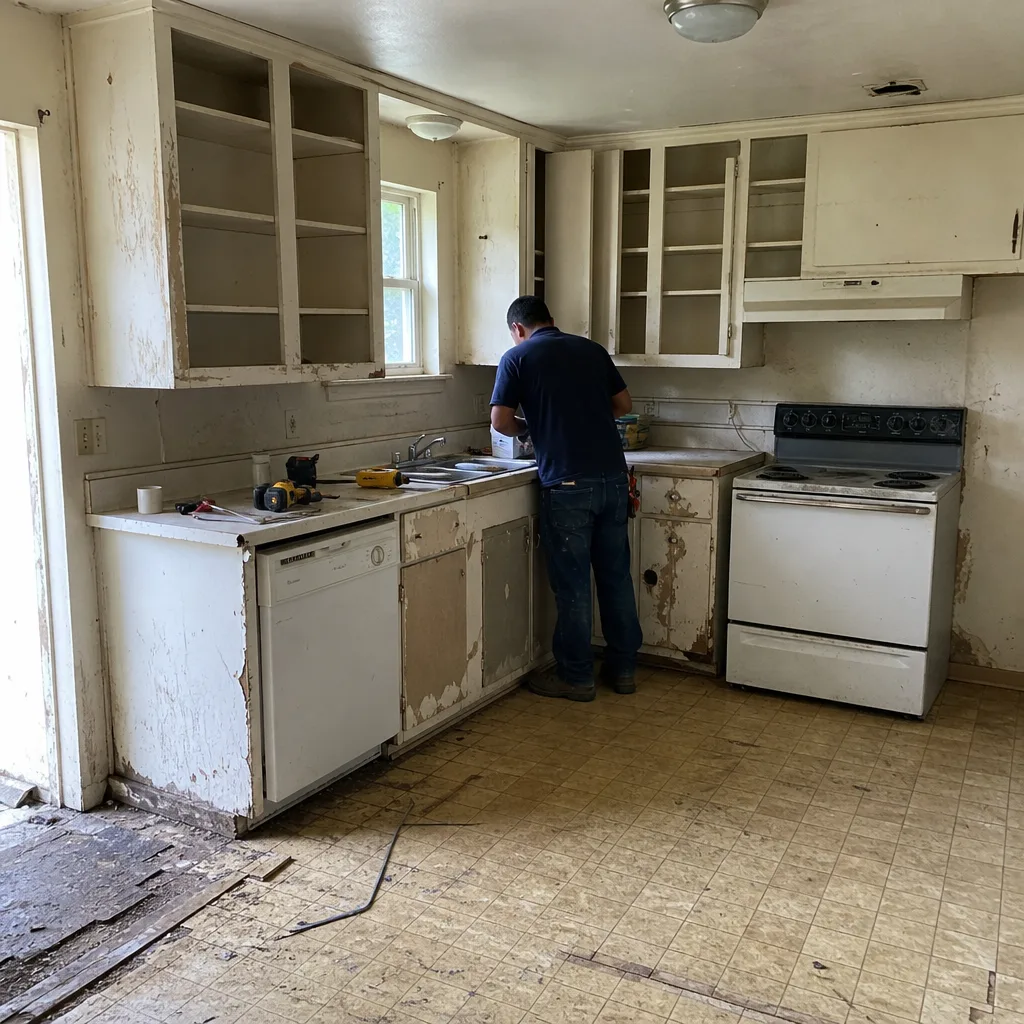 Before
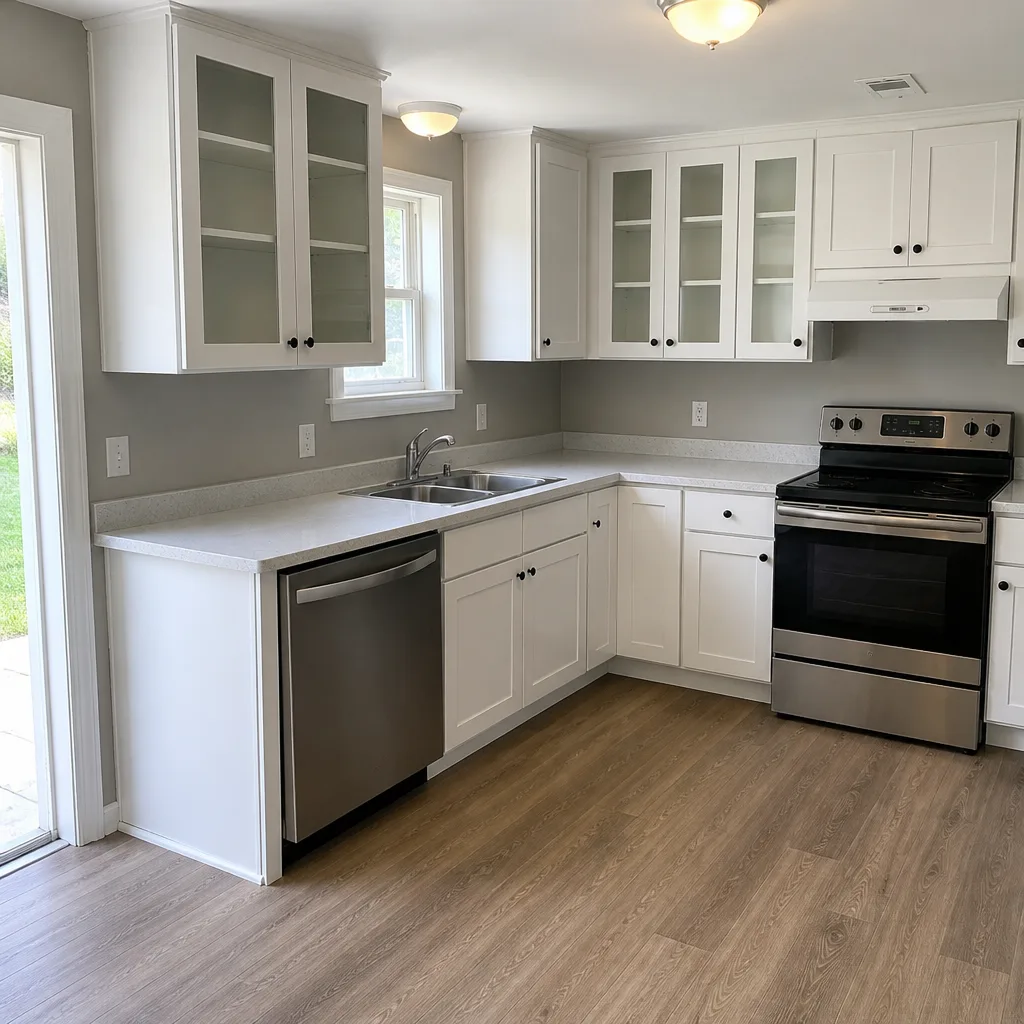 After
Replacement Cost & What’s Included
There’s no honest line-item price for a single bag of Quikrete mix, because the cost that matters is the correction, not the material. What we can price is the project scope:
| Scope | Dallas Installed Range |
|---|---|
| Home Addition | $45,000 – $130,000 |
| ADU Construction | $90,000 – $220,000 |
| Garage Conversion | $30,000 – $80,000 |
The range depends on footprint, foundation type, whether you’re matching an existing roofline, and how much site work the lot demands. Finished square footage, the number of openings, and interior finish level (from basic to KraftMaid-grade cabinetry) move the number the most. What’s included in every quote: permits pulled and inspections passed, the specified materials documented, and the work covered by our 730-Day Done Right Promise. Upfront pricing, no surprises – the number you see is the number you pay.
DIY or Call Us?
You can safely check a few things yourself: read the bag codes and spec sheets against your drawings, photograph the cracks and efflorescence for a record, and confirm what mix your contractor ordered. Where DIY goes wrong is in the correction. Re-pouring a slab edge, re-setting anchors, or re-mortaring a failing joint on a structural addition is not a bag-of-mix-and-a-weekend job. It’s a structural repair that has to meet code and pass inspection, and getting it wrong on a $50,000 addition means paying twice. For a non-structural cosmetic repair on a patio edge, you’re fine to handle it. For anything tied to the foundation or walls, bring in someone who can put the fix in writing. Call (844) 797-4808 and we’ll walk the project with you.
FAQs
A properly specified, properly cured structural slab should hold up for decades – think 30 to 50 years or more in this climate, with the caveat that Dallas’s expansive clay soils and summer heat put real stress on foundations. Slabs that crack early usually trace back to a rushed cure, missing control joints, or a mix that didn’t match the spec. Call (844) 797-4808 if you’re seeing early cracking and want an honest read – the estimate is free.
Sometimes yes, and we’ll tell you straight when repair is the right call. Cosmetic efflorescence on a mortar joint can often be cleaned and re-pointed. Structural cracks, loose anchors, and failed substrate bonding usually call for replacement, because a patch that doesn’t reach the root cause fails again within a season. We’ll show you both options with pricing before you decide.
It depends on scope. A localized re-point or anchor reset can be a day or two. A slab section replacement or a foundation correction on an active addition runs one to three weeks, weather and inspection scheduling permitting. Because these are planned projects, we schedule them realistically rather than promising a same-day fix that can’t happen. Call (844) 797-4808 for a scoped timeline.
We read the mix code and ratio off your engineering drawings, then source the matching Quikrete product through Dallas-area suppliers and document what actually goes into the work. If the exact spec is unavailable, you hear it from us before the pour, and we discuss the alternatives openly. No silent substitutions.
If you’re planning an addition or ADU in Dallas – or correcting one that’s already gone sideways – start with a free project estimate and design consult. Call (844) 797-4808 for a free estimate, and talk to a live person any hour of the day. Our technicians bring up to 12 years of experience, arrive background-checked and in uniform, and back every job with the 730-Day Done Right Promise. From foundation to finish line, built to last and backed in writing.
Written by the team at Groundwork Construction Co. of Dallas, serving Dallas and nearby areas.