

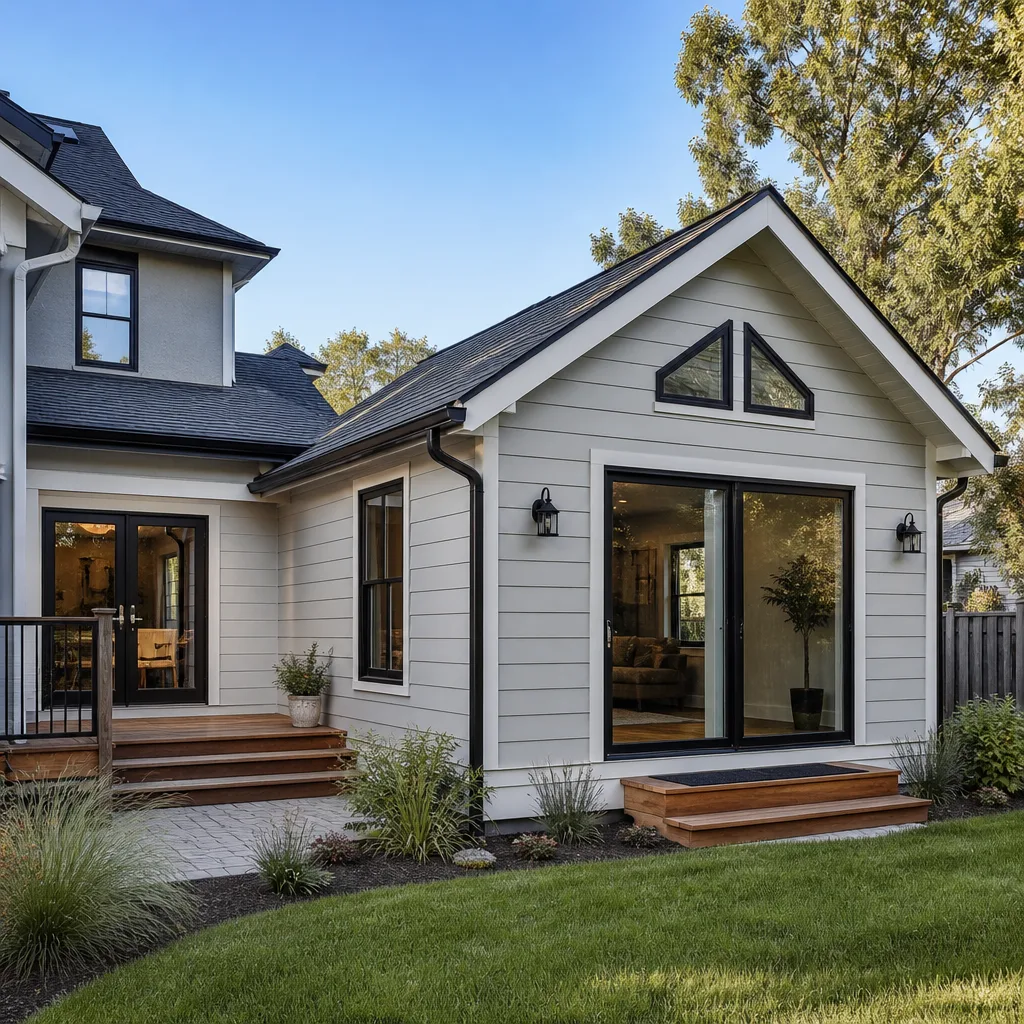
 Home additions & ADU
 Kitchen remodeling
 Bathroom remodeling
 Roofing
 Windows & doors
 Driveway & pavers
 Fence
Free written scope consultation - allowances, timeline, and change-order rules on paper before a single trade is scheduled
James Hardie Home Additions & ADU: The Dallas Owner’s Guide
We build home additions and ADUs in Dallas with James Hardie siding systems matched to the rest of your house, and a finished addition typically runs $45,000 – $130,000 while a standalone ADU runs $90,000 – $220,000. James Hardie itself doesn’t manufacture “addition parts” the way a garage door company makes springs or a window company makes sashes. What fails on a James Hardie-clad addition is the siding, trim, flashing, or fastener system installed around it, and that’s what this page covers. Groundwork Construction Co. of Dallas is an independent service provider, not affiliated with James Hardie.
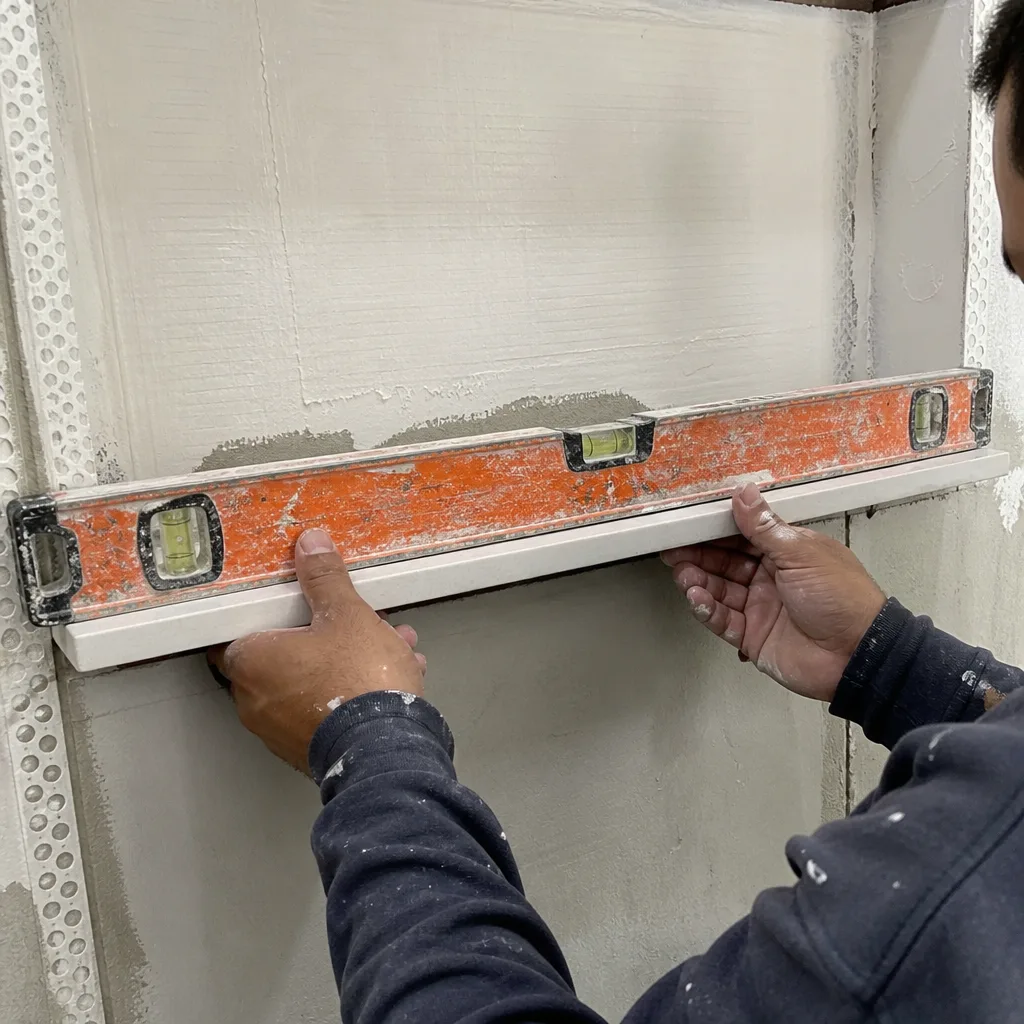
Owners usually find the problem the same way. A walk down the side of the addition after a spring storm turns up a swollen seam, a chalky white residue on the paint, or a hairline crack running from a window corner. Sometimes it’s water staining on the ceiling inside the new bedroom. By the time you see it, Dallas humidity has been working on that joint for a season or two.
Which James Hardie Models This Applies To
James Hardie siding comes in three product families you’ll find on Dallas additions: HardiePlank lap siding, HardiePanel vertical siding, and HardieShingle. Trim is either HardieTrim boards or the newer HardieTrim Smooth line. All of them are fiber cement, which means the failure modes and repair approach are similar across product lines, but the profiles, thicknesses, and reveal dimensions are not interchangeable. A 5/16-inch HardieTrim board won’t sit flush where a 3/4-inch board was originally installed, and a HardiePlank lap with a different reveal will throw off the shadow line for the whole wall.
To identify what you have, look at the back of a loose piece of trim or the exposed edge of a lap board. James Hardie stamps the product name and a date code there. Measure the exposed face of the lap siding (the “reveal”) and the board thickness. Write both down, because the replacement has to match or the repair will read as a patch from the street.
The OEM-versus-aftermarket question matters here. Genuine James Hardie replacement pieces are color-matched and thickness-matched to your existing wall, and they carry the manufacturer’s finish warranty. A generic fiber cement substitute from a box store may look close but won’t match the ColorPlus finish or the exact profile. On a visible elevation in Dallas, that mismatch is the first thing a buyer notices at resale. We specify genuine James Hardie components on every addition we build.
Styles & brands we work with
- Kitchen remodeling
- Bathroom remodeling
- Home additions & ADU
- Roofing
- Windows & doors
- Driveway & pavers
- Fence
Signs Your James Hardie Home Additions & ADU Is Failing
Fiber cement is durable, but it’s not maintenance-free, and in Dallas it’s tested by heat, humidity swings, and spring hail. These are the symptoms we see most often on additions and ADUs.
- Chalky white powder on the painted surface. This is efflorescence, and it usually means moisture is getting behind the siding through a failed seal or missing flashing. Left alone, it leads to paint failure and eventual board degradation.
- Swollen or soft seams at butt joints. Water wicking into an unprotected cut edge causes the fiber cement to expand. Once a joint swells, it never goes back, and the only real fix is replacement of the affected boards.
- Hairline cracks radiating from window and door corners. In Dallas these usually trace back to a missing kick-out flashing or a caulk joint that dried out after two summers. The crack is the symptom, the water intrusion is the cause.
- Paint peeling in sheets rather than fading evenly. Sheet peeling points to moisture trapped behind the boards or a finish applied over a dirty or damp surface. Factory-finished James Hardie should not peel like this.
- Gaps between trim and siding that open and close with the seasons. That’s thermal movement working on fasteners that were never set to the right depth or spaced to James Hardie’s specification. Over time the boards work loose.
Replacement Cost & What’s Included
Repairing or replacing the failing James Hardie components on a Dallas addition usually costs $1,200 – $6,500 depending on square footage affected, but if you’re facing a larger rebuild or a brand-new addition, the full scope runs $45,000 – $130,000 for an addition and $90,000 – $220,000 for a detached ADU. Here’s what drives the range:
- Scope of the addition – a 200-square-foot bump-out is on the low end; a 600-square-foot primary suite addition is on the high end.
- Siding and trim selection – HardieShingle and HardiePanel cost more installed than HardiePlank, and trim detail adds labor.
- Foundation and framing – Dallas clay soil means engineered footings and post-tension slabs on most additions, which is a real line item.
- Flashing, weather barrier, and finish – the parts that actually prevent the failures above. We don’t skip them to hit a number.
Every quote we write is line-item and upfront. The number you see is the number you pay, with no change orders for scope we should have caught in the first walkthrough. All work is covered by our 730-Day Done Right Promise.
See the difference
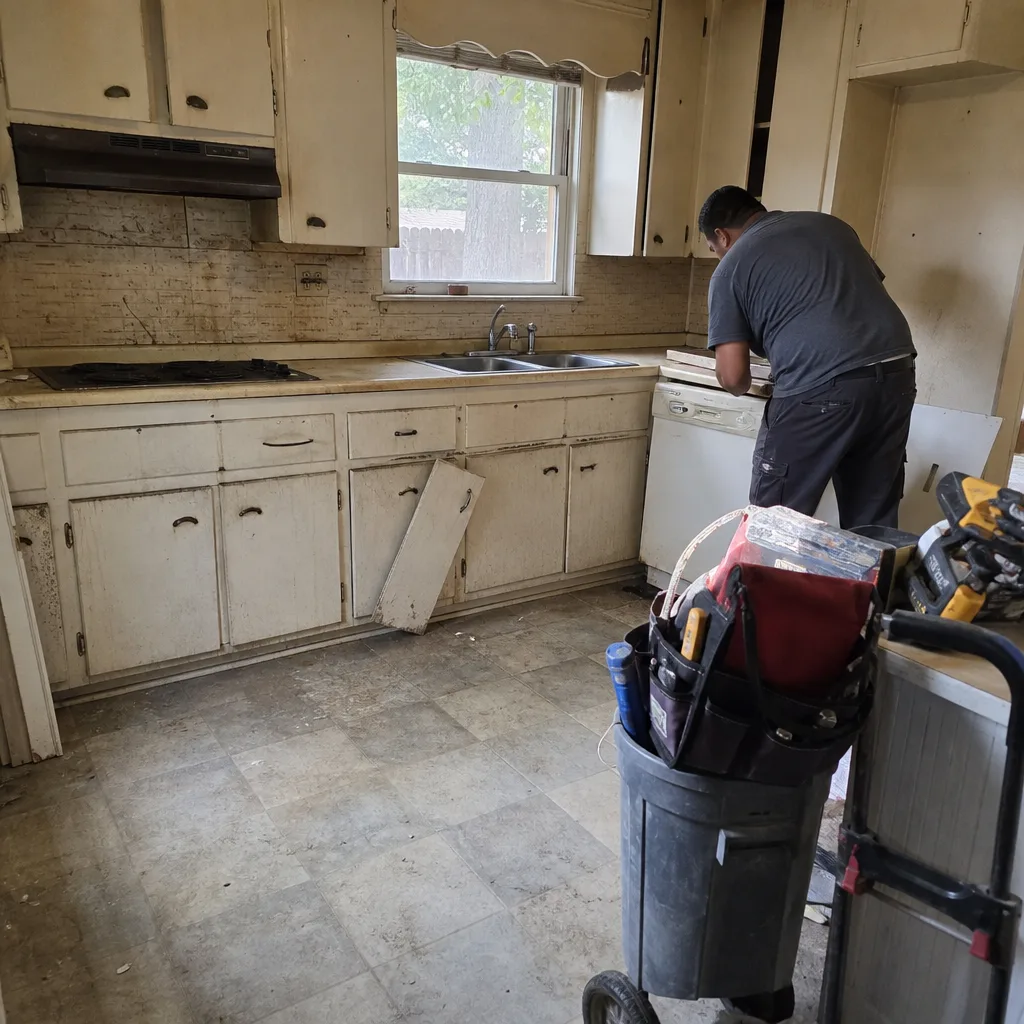 Before
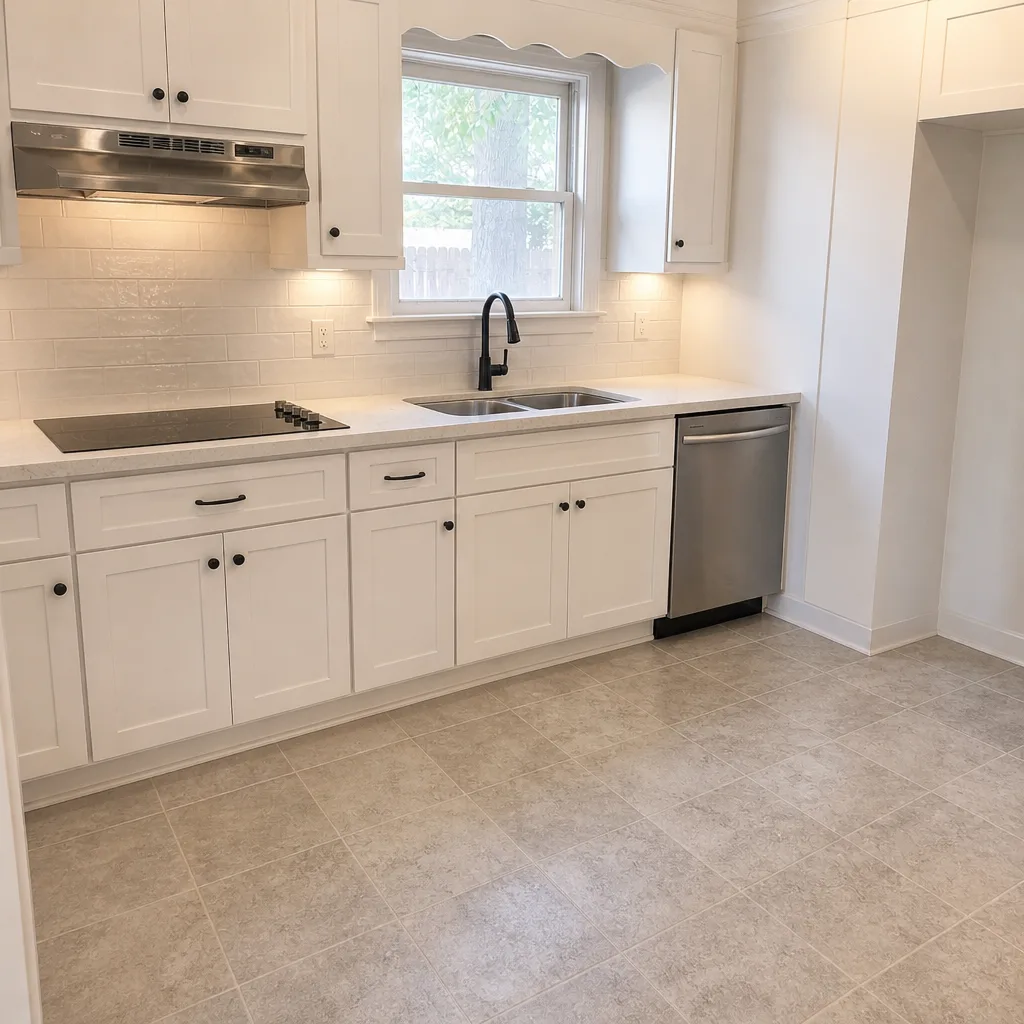 After
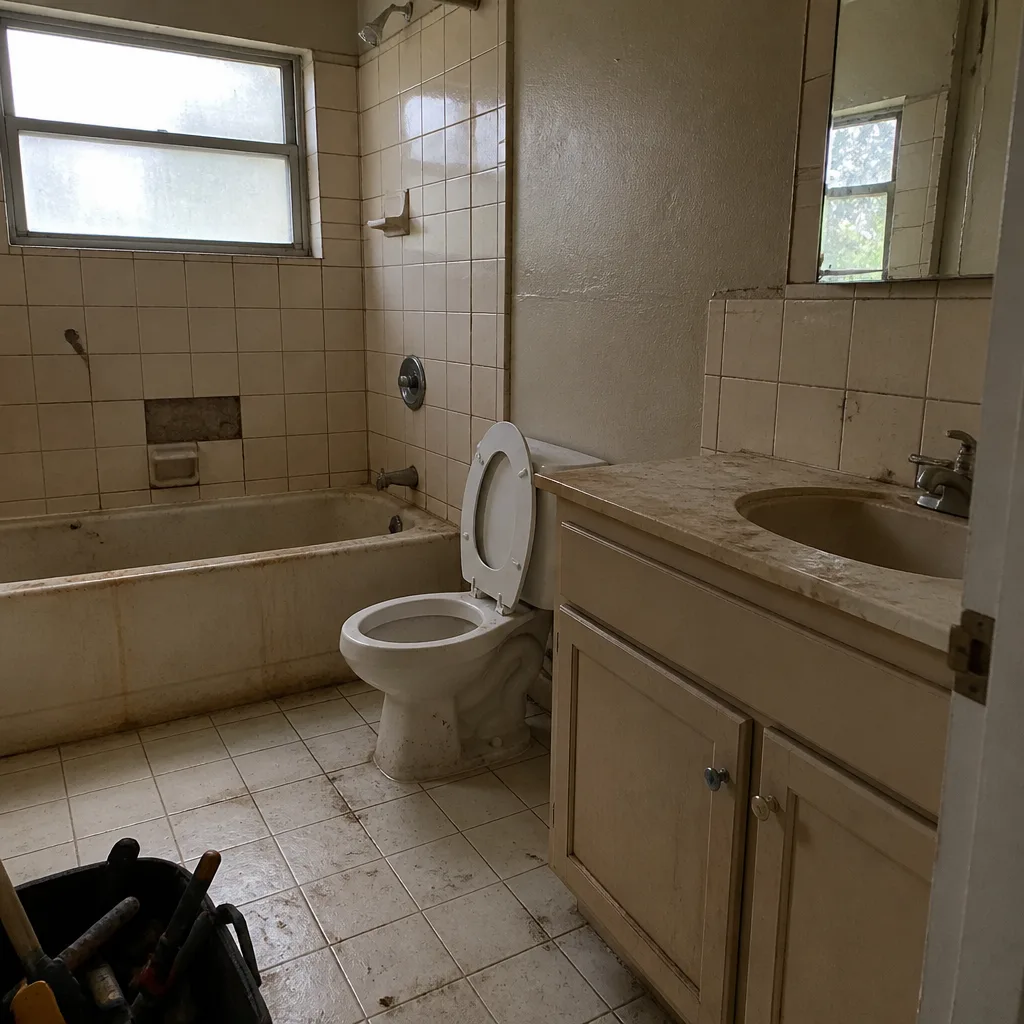 Before
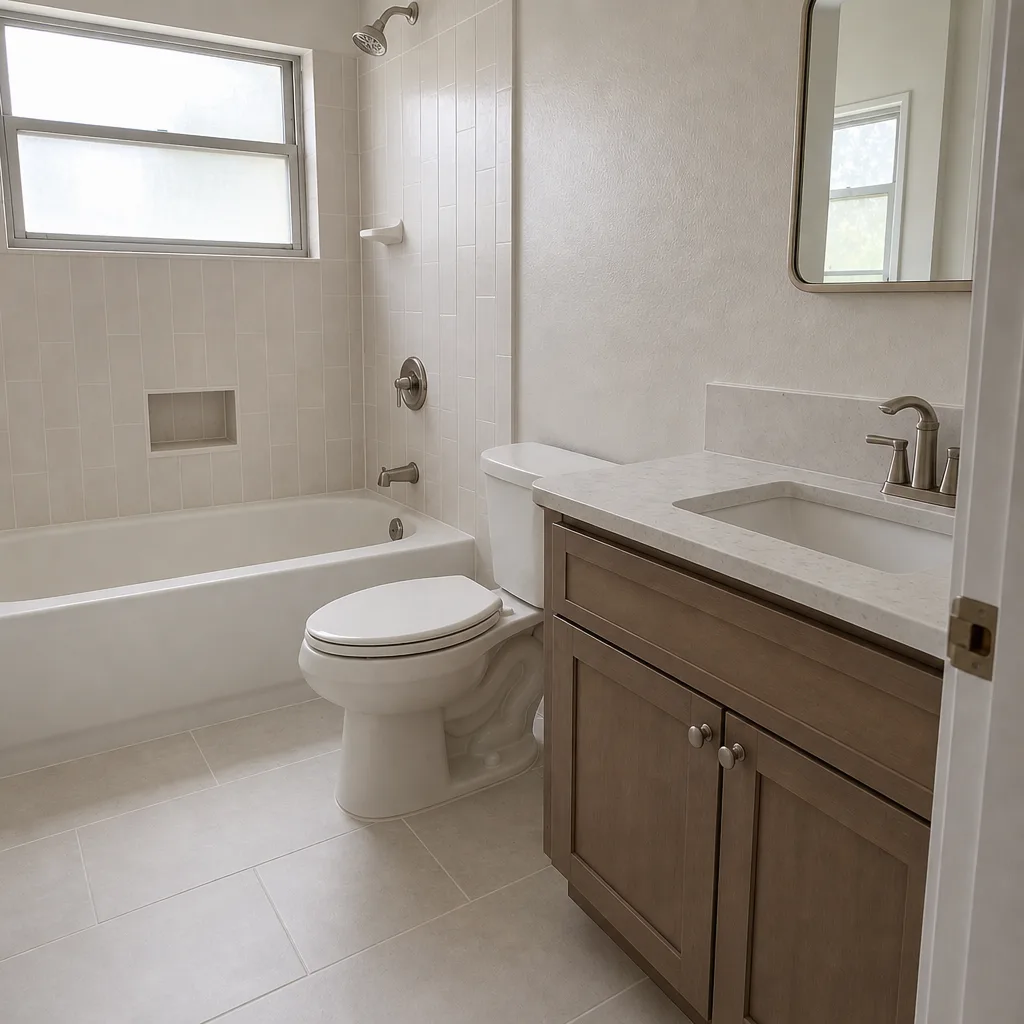 After
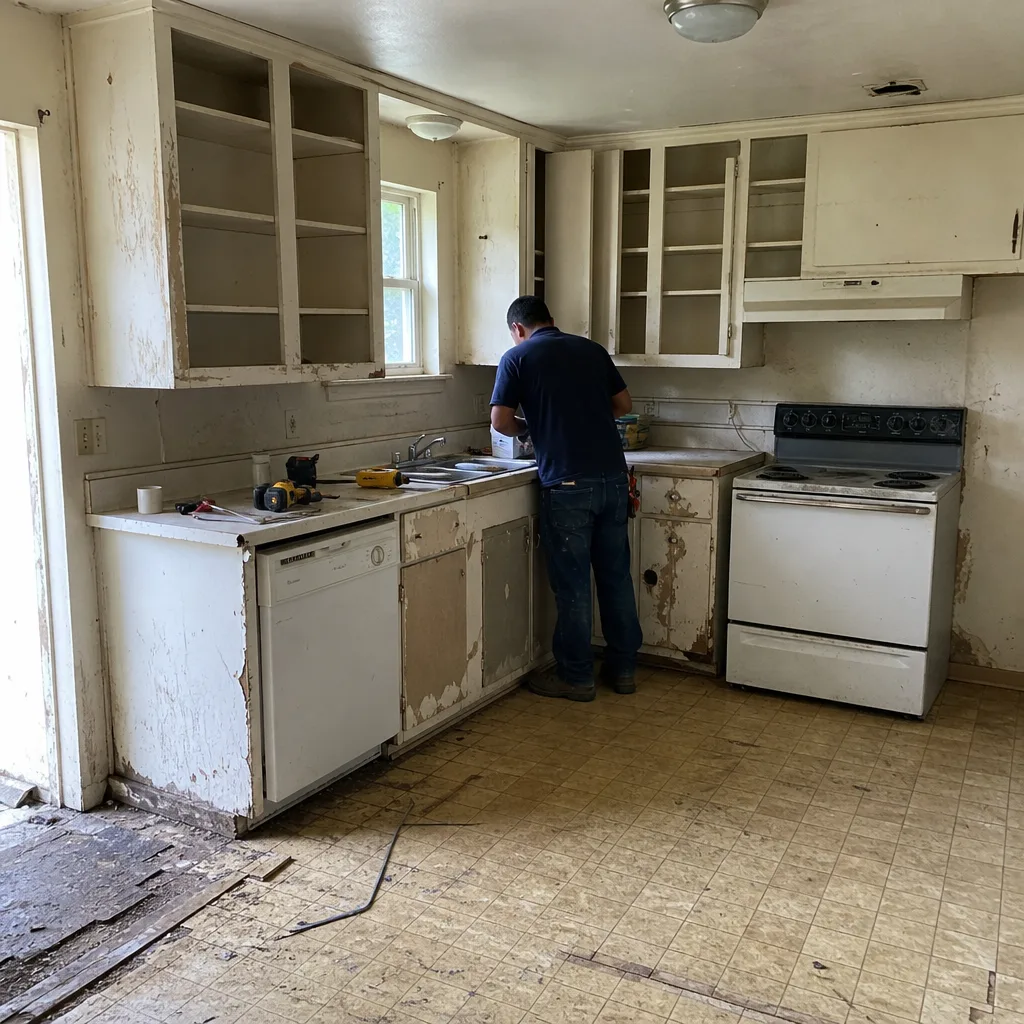 Before
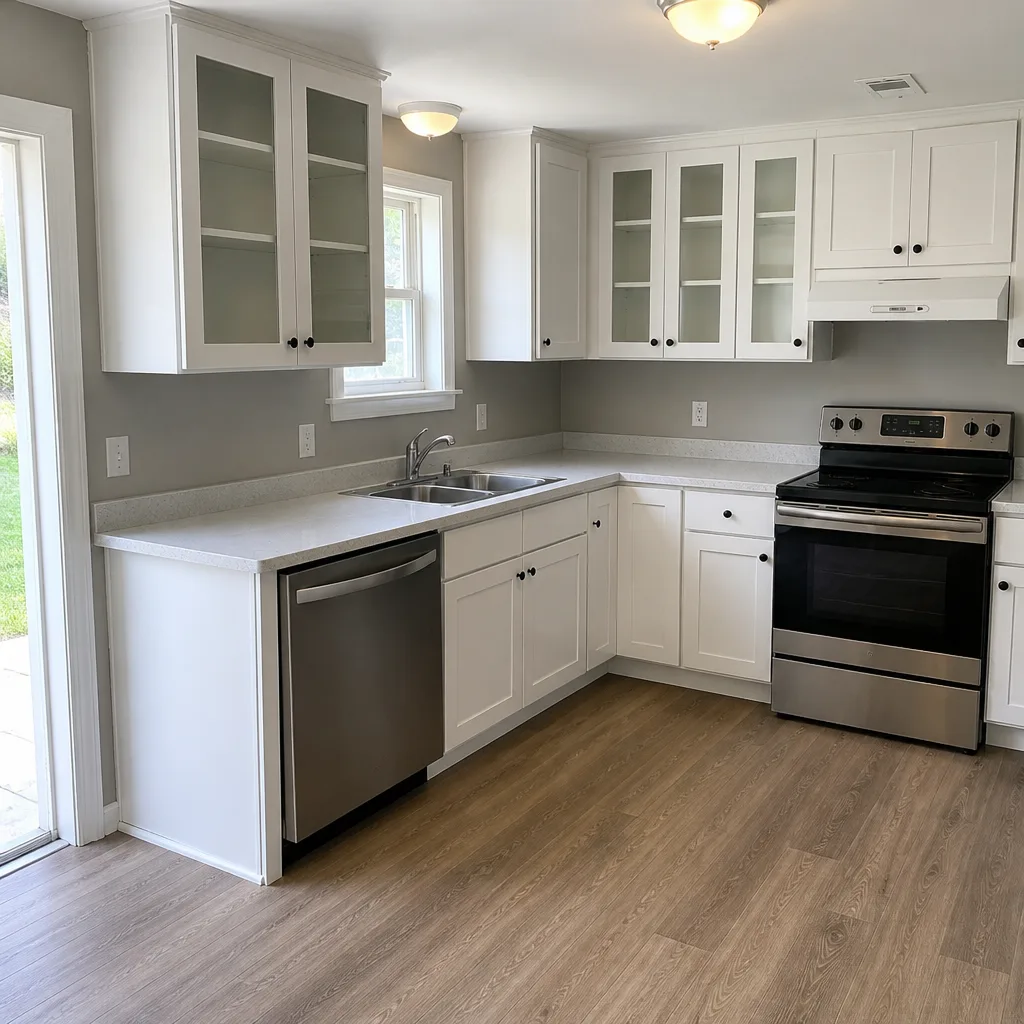 After
DIY or Call Us?
You can safely check a few things yourself. Look at the back of a loose trim board for the James Hardie stamp and note the product name. Measure the lap reveal and the board thickness. Snap a photo of any swollen joint or crack and note where it sits relative to windows, doors, and rooflines. Call us at (844) 797-4808 with those details and we can usually tell you what you’re dealing with before anyone drives out.
What we don’t recommend: cutting out and replacing siding boards or flashing on your own. Fiber cement is heavy, cuts release silica dust, and the real failure almost always lives behind the board in the flashing and weather barrier. A homeowner who replaces a swollen plank without fixing the water source will be looking at the same swollen plank in two Dallas summers. Our technicians have up to 12 years of experience, are background-checked, and arrive in uniform. We’ll tell you honestly whether you need a spot repair or a larger rebuild.
FAQs
Factory-finished James Hardie siding typically holds up 25 – 30 years or more, but the finish warranty depends on proper installation of the flashing and weather barrier behind it. In Dallas heat and humidity, poorly flashed siding can fail in under 10 years. The siding is rarely the weak link – the installation detail is.
Often yes, if the damage is isolated to one or two boards and the flashing behind them is intact. Once we open the wall and find the weather barrier compromised, a spot repair won’t hold and replacement of that section is the honest answer. We tell you which one you’re in for after we look. Call (844) 797-4808 for a free estimate.
A spot repair on a Dallas addition typically takes a single day, while a full addition build runs several weeks depending on size, permits, and inspection scheduling. We pull the permits and schedule the inspections so you’re not chasing the city yourself. Call (844) 797-4808 to get a timeline specific to your project.
We specify genuine James Hardie products matched to your existing wall’s product line, thickness, and ColorPlus finish, sourced through our verified supply partners. We don’t claim to stock parts on a truck – each job is ordered to spec, which is exactly how you avoid the profile and color mismatches. Call (844) 797-4808 to talk through your project.
Schedule Your Free James Hardie Addition Estimate in Dallas
If your Dallas addition or ADU is showing swollen seams, cracks, or stained ceilings inside, the repair only gets more expensive the longer Dallas weather works on it. Call (844) 797-4808 for a free estimate and design consult. We answer with a live person 24/7, quote upfront with no surprises, and back the work with our 730-Day Done Right Promise. We also work with KraftMaid, Cambria, and Silestone on the interior finishes, so one call covers your whole project.
Written by the team at Groundwork Construction Co. of Dallas, serving Dallas and nearby areas.