

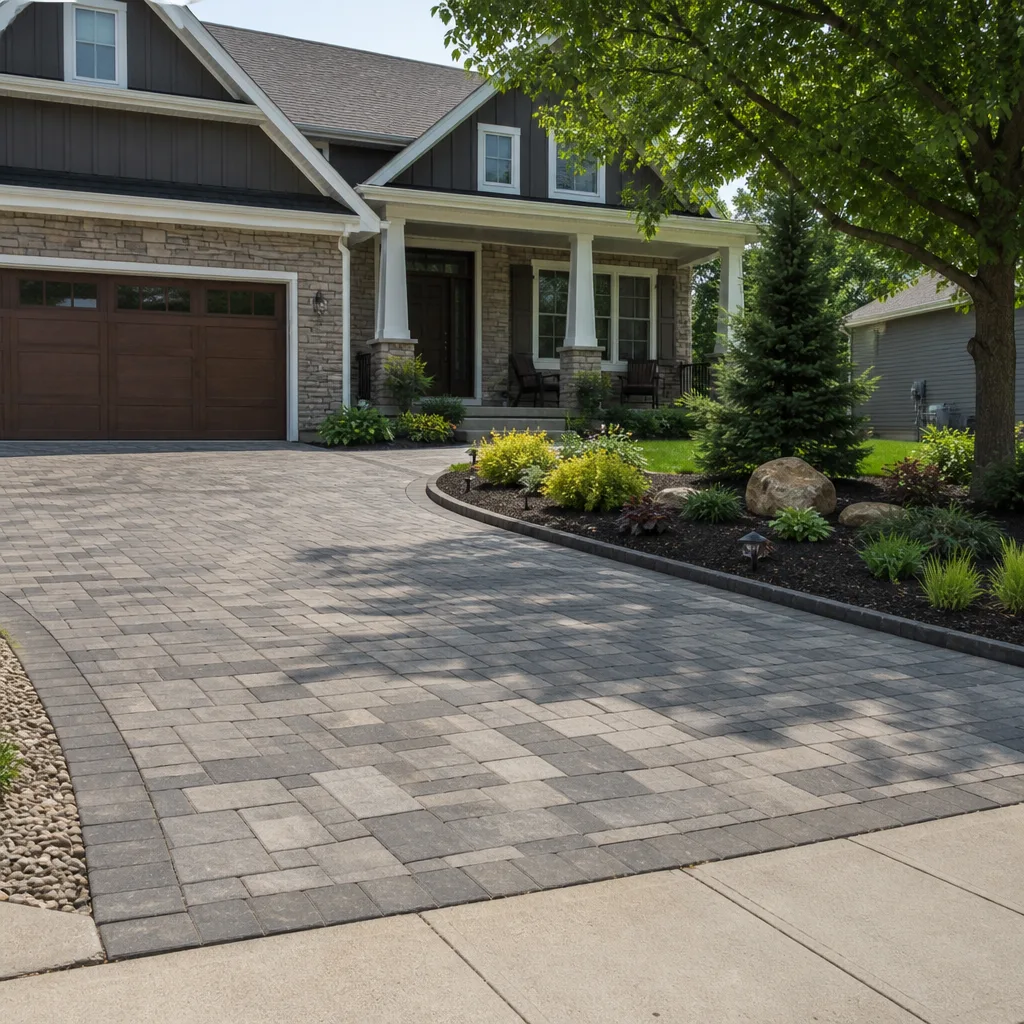
 Driveway & pavers
 Kitchen remodeling
 Bathroom remodeling
 Home additions & ADU
 Roofing
 Windows & doors
 Fence
Free written scope consultation - allowances, timeline, and change-order rules on paper before a single trade is scheduled
James Hardie Driveway & Pavers: The Dallas Owner’s Guide
We install James Hardie-compatible driveway and paver systems across Dallas, and an installed hardscape project typically runs between $7,000 and $18,000 depending on square footage, base prep, and pattern complexity. James Hardie’s hardscape line combines fiber-cement plank pavers with a locking base system, so what fails first is rarely the paver face – it’s the base, the edge restraint, or the joint sand beneath it.
Dallas owners usually find the problem the same way. A driveway apron that sat flat through a dry summer starts heaving a few inches after a spring downpour. Joint sand washes out along the street edge and pavers begin to rock under a tire. Or a section of plank paver lifts at a corner where tree roots have pushed the base up. Because Hardie pavers are thinner than a traditional 2 3/8-inch concrete paver – they run closer to 1 1/4 to 1 1/2 inches thick over a structural base – the system is only as good as the subgrade under it. On Dallas’s expansive clay soils, that subgrade moves more than most homeowners expect.
Key Takeaways
- Installed hardscape pricing in Dallas: paver driveway $7,000 – $18,000, paver patio $3,500 – $11,000, driveway sealing $250 – $700.
- James Hardie hardscape depends on base prep. On North Texas clay, base failure is the most common cause of paver movement.
- We’re an independent installer, not affiliated with James Hardie. We source compatible system components and match specs to your existing layout.
- Every job is covered by the 730-Day Done Right Promise and priced upfront – the number you see is the number you pay.
Which James Hardie Models This Applies To
James Hardie hardscape products aren’t sold under model numbers the way a garage door opener or a window unit is. There’s no serial plate on the driveway. Instead, the material is identified by product line and profile, and matching the right replacement or repair component means knowing which system you have. The core lines are fiber-cement plank pavers (sold in linear plank profiles that mimic stone and wood) and the interlocking base and edge-restraint components that hold them. Older installations may use a different edge channel or clip than what’s currently supplied, and that’s the compatibility gotcha Dallas owners run into: a repair crew that orders current-production edge clips for a layout built with an earlier restraint profile will show up with hardware that doesn’t seat.
To identify what you have, look at three things. First, the paver face – photograph a full plank including the joint so the profile and color batch are visible. Second, the edge detail where the field meets the driveway apron or planting bed; the restraint channel shape tells us the generation. Third, the joint width and sand type. If you have the original project paperwork, the product name on the invoice settles it. If not, measurement and photo work.
On the OEM-versus-aftermarket question: for fiber-cement pavers themselves, we spec James Hardie material or a directly comparable fiber-cement paver when matching an existing field, because color and thickness consistency matter. For base aggregate, joint sand, edge restraints, and drainage components, quality aftermarket equivalents are standard practice and often better suited to Dallas conditions. We never claim to stock parts or carry them on a truck – every project is sourced to the specific job after we’ve seen the site.
Styles & brands we work with
- Kitchen remodeling
- Bathroom remodeling
- Home additions & ADU
- Roofing
- Windows & doors
- Driveway & pavers
- Fence
Signs Your James Hardie Driveway & Pavers Is Failing
The hardscape itself rarely “wears out.” What fails is the layer underneath or the edge holding it in place. Here are the symptoms we see most in Dallas, and what each one usually means.
- Pavers rocking underfoot or under a tire. This means the bedding layer has lost contact with the base, usually from water getting under the field. On clay soil, that starts small and spreads fast.
- Joint sand washing out along the street or a downspout. Water concentrated at one edge scours the sand and opens the joints. Once sand is gone, pavers shift and edges chip.
- Heaving or a visible hump in the layout. Tree roots, a failing base section, or clay expansion after a wet spring. Dallas’s shrink-swell clay pushes up where drainage is poor.
- Edge restraint pulling away or cracking. The perimeter is what keeps the whole field locked. A failed edge lets the pattern spread and the joints open, and this is the single most common root cause we find.
- Fiber-cement face cracking or chipping at corners. Thin plank pavers tolerate flex poorly, so a soft base translates directly into surface damage. Corner chips usually point to movement, not material defect.
Replacement Cost & What’s Included
Dallas hardscape pricing depends on square footage, base depth, tear-out, drainage corrections, and pattern. Here’s what we quote, with parts and labor included and written line by line.
| Service | Installed Range (Dallas) |
|---|---|
| Paver driveway installation | $7,000 – $18,000 |
| Paver patio installation | $3,500 – $11,000 |
| Driveway replacement | $5,000 – $14,000 |
| Driveway sealing | $250 – $700 |
| Concrete driveway (comparison) | $4,500 – $12,000 |
What drives the range: square footage first, then base excavation and compaction. Dallas clay often needs over-excavation and a stabilized base to prevent the heaving that took out the last system. Drainage corrections, edge restraint replacement, and color matching against existing field all move the number. We give upfront pricing with a written line-item quote, so parts and labor are separated and nothing is buried. The work is covered by the 730-Day Done Right Promise – if it’s not done right, we make it right. Sealing is priced separately and is the cheapest insurance against joint sand loss in North Texas sun.
See the difference
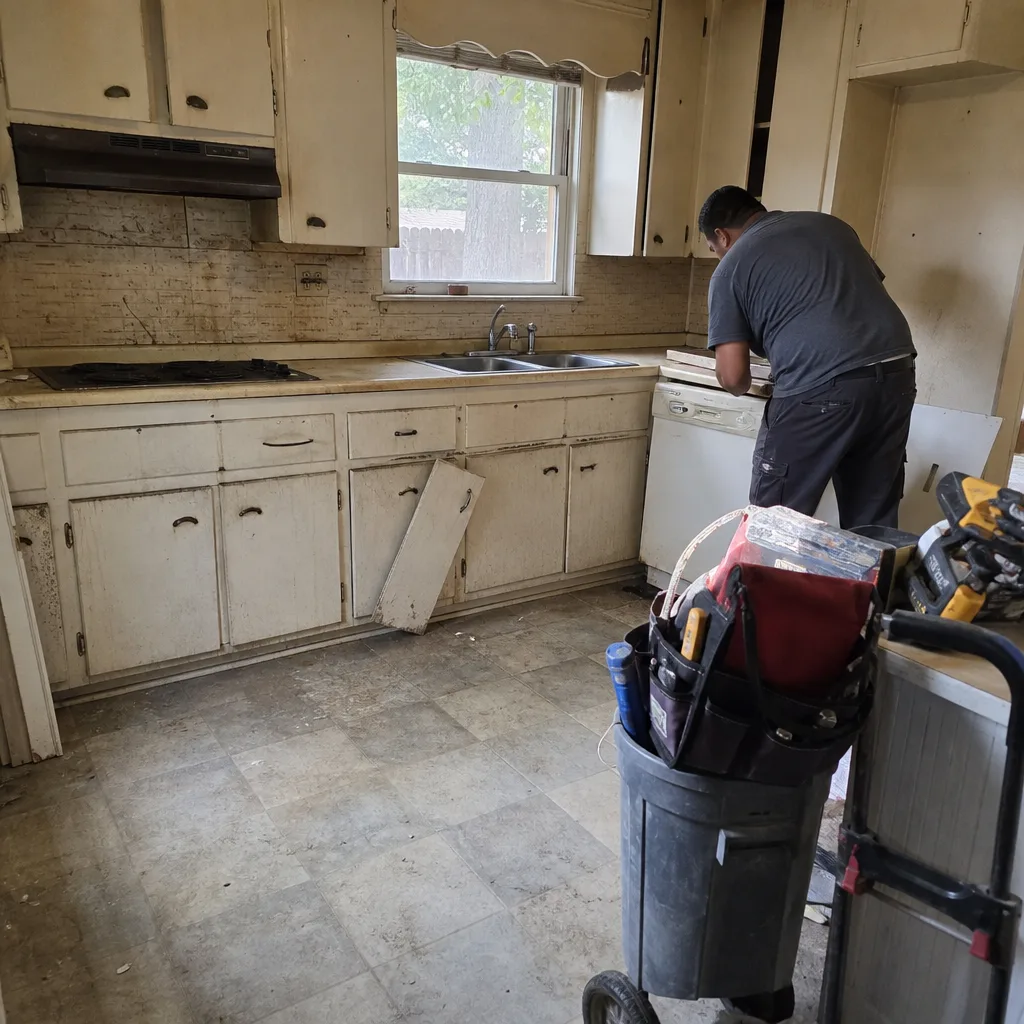 Before
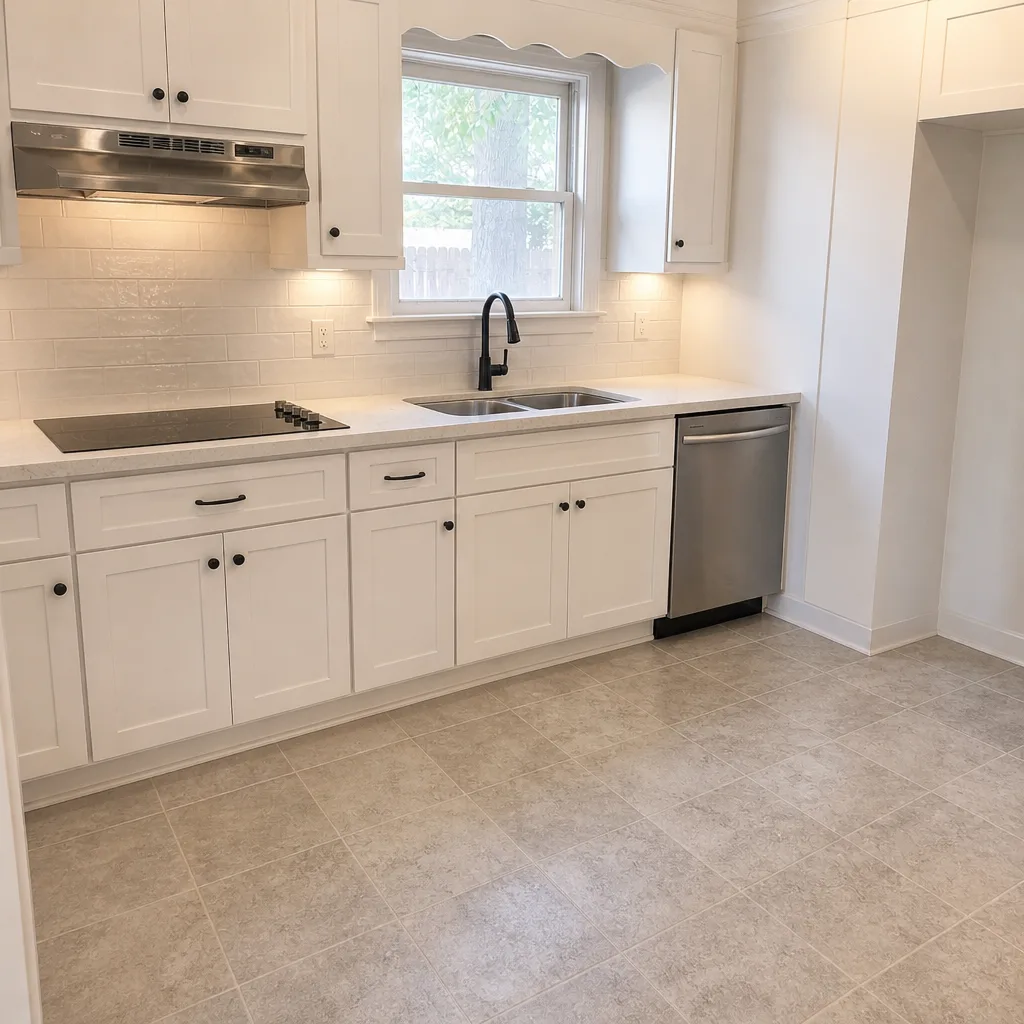 After
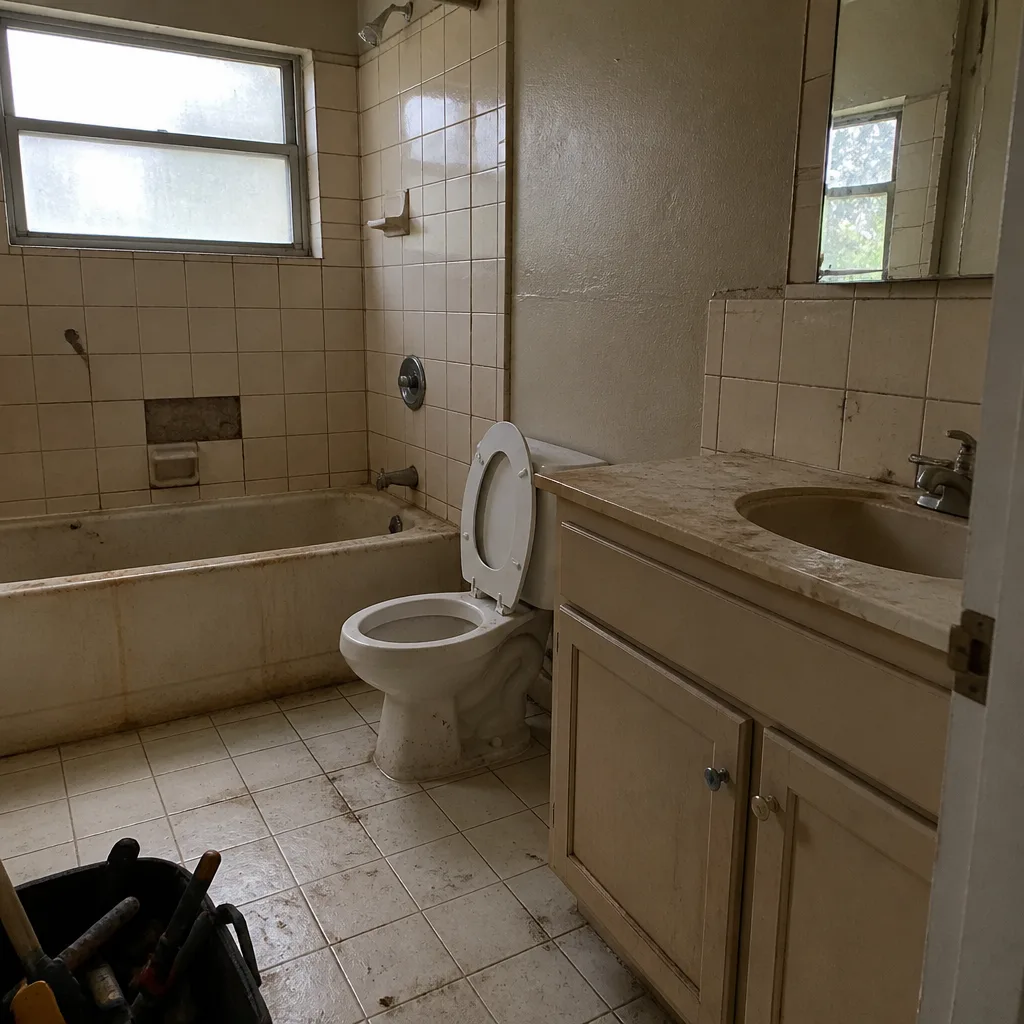 Before
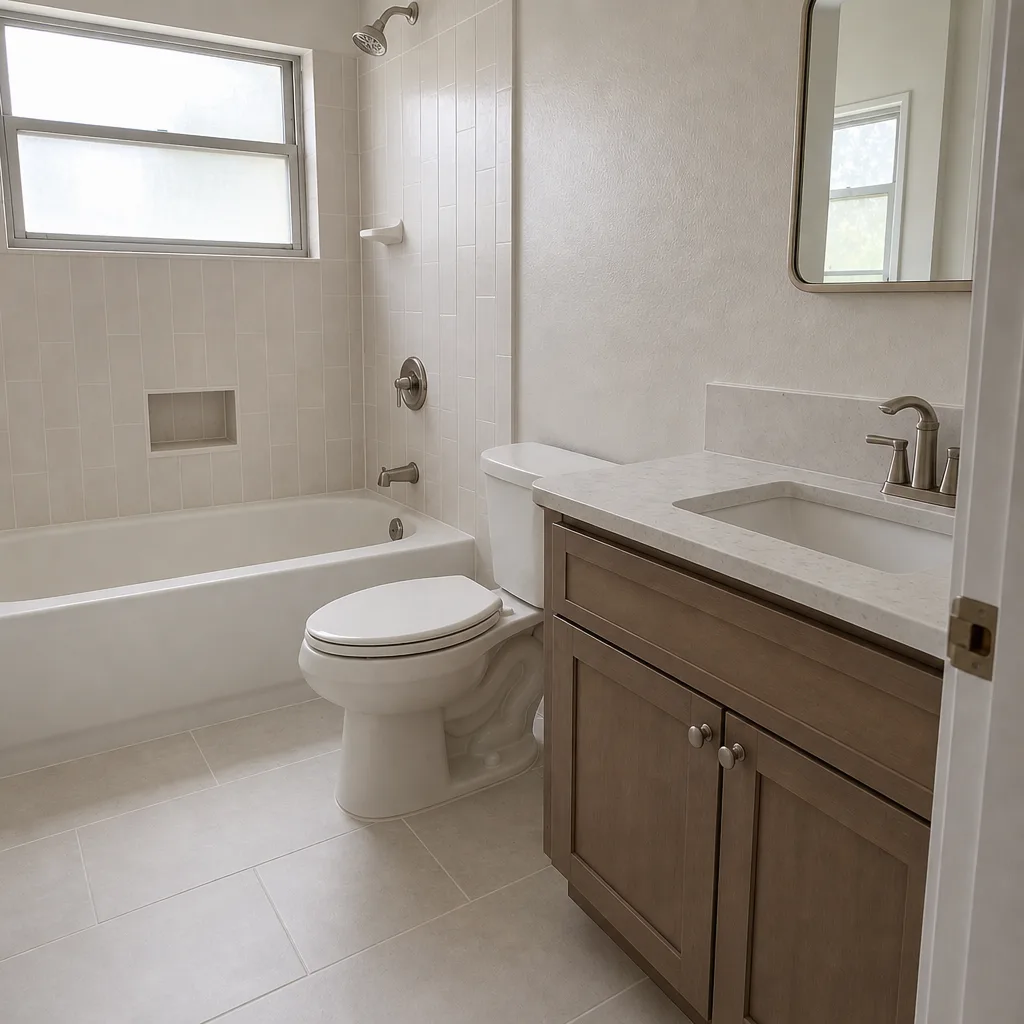 After
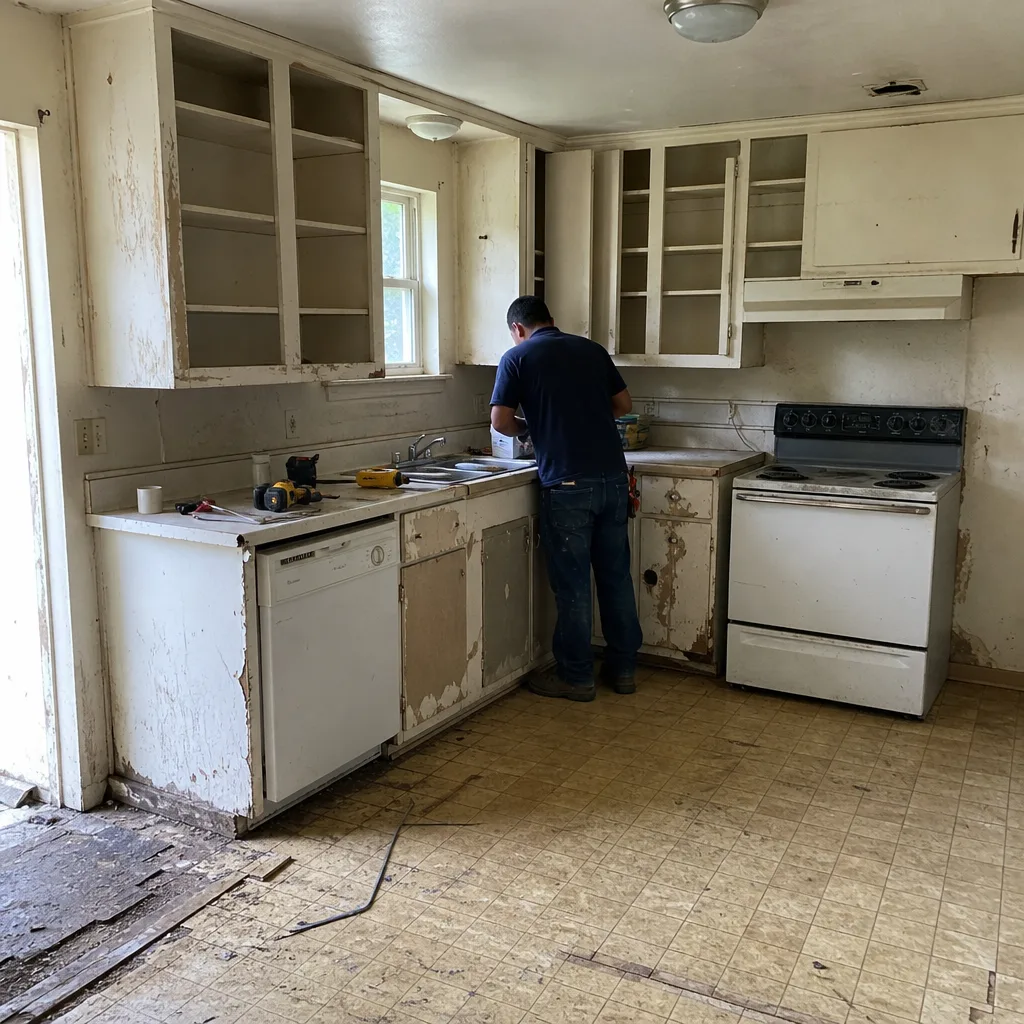 Before
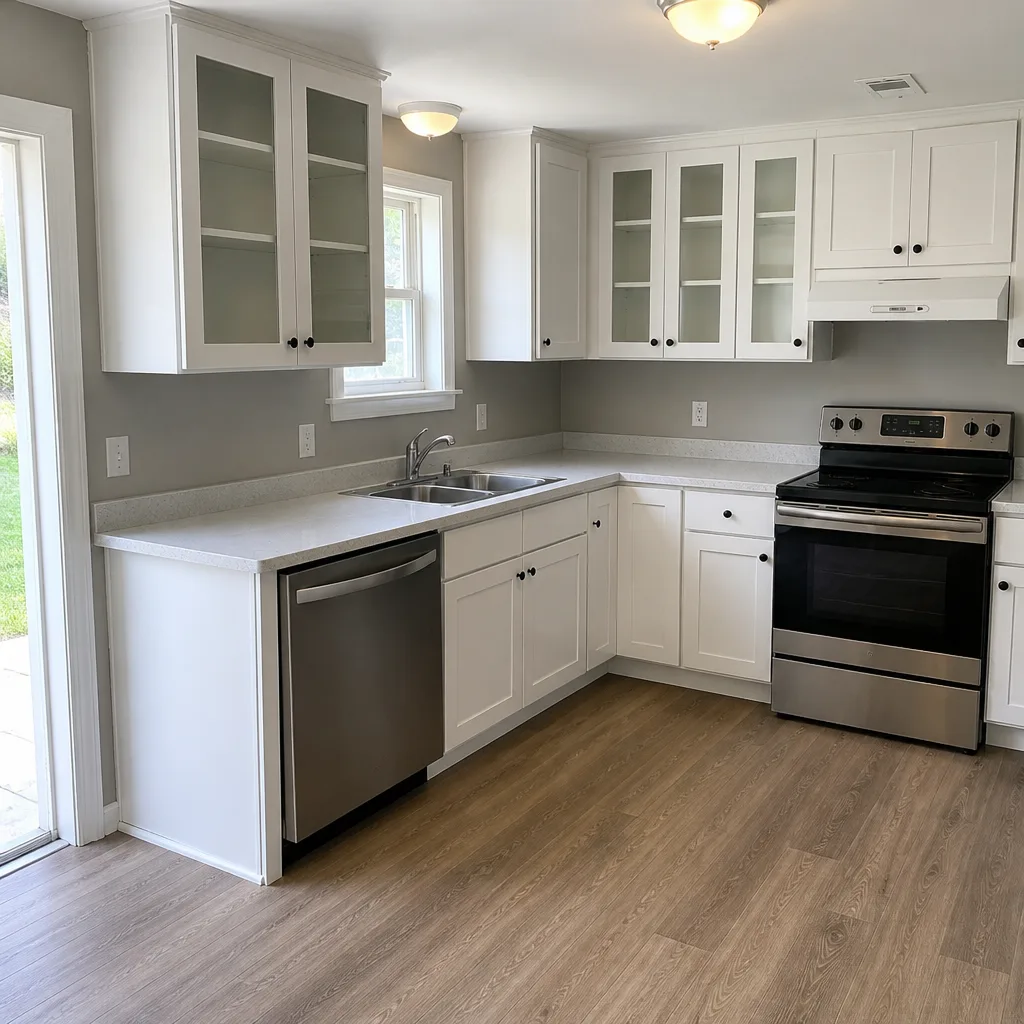 After
DIY or Call Us?
You can safely do a few checks yourself. Photograph the failing area from a couple of angles, note where water pools after rain, check whether the edge restraint is intact, and probe joint sand depth with a screwdriver. Those observations help any crew quote accurately.
Where DIY goes wrong: resetting pavers without fixing the base. Lifting a rocking paver and re-sanding it looks fixed for a season, then the same clay movement returns. Base excavation, compaction in lifts, and edge restraint anchoring are the parts that actually hold a hardscape together, and they’re the parts that get skipped. Tearing out and rebuilding a base by hand is heavy, slow work, and a poorly compacted base fails faster than the original. This isn’t a dangerous job the way electrical or roofing is, but it is a job where shortcuts cost you the whole installation. If your driveway is heaving or the field is spreading, that’s a base and edge problem, and it’s worth a professional look. Call (844) 797-4808 and we’ll walk the site and give you a free estimate.
FAQs
The fiber-cement pavers themselves commonly hold up 25 to 30 years or more, but the system’s real lifespan in Dallas is set by the base and edge, which is why base prep matters more than the paver. Thin plank pavers over a properly compacted, stabilized base with intact edge restraint perform well through North Texas heat and clay movement. Skip the base work and you can see failure in 3 to 5 years. Call (844) 797-4808 for an exact assessment – estimates are free.
Sometimes, yes. Isolated rocking pavers, washed-out joint sand, or a single failed edge section can often be repaired by re-setting that area, re-compacting the base beneath it, and re-sanding. If the movement is widespread or the base has failed across the field, spot repairs just chase the problem. We’ll tell you honestly which one you’re looking at.
A focused repair is usually a single-visit job, while a full driveway install typically takes several days depending on square footage and base depth. Dallas weather and clay conditions can extend base work. We schedule in writing and don’t leave a torn-up driveway sitting between phases. Call (844) 797-4808 to get a timeline for your project – estimates are free.
We identify your existing product line and edge profile from photos, measurements, and site inspection, then order material spec-matched to that layout rather than guessing at current production. We don’t claim to stock parts or carry them on a truck – components are sourced per job so the match is right. Our technician team brings up to 12 years of experience to that matching work, and the full project is backed by our 730-Day Done Right Promise. We also handle KraftMaid, Cambria, and Silestone projects when a remodel brings you to us for more than hardscape.
Get Your Dallas Hardscape Priced Upfront
If your James Hardie driveway or paver patio is heaving, rocking, or losing sand, we’ll walk the site, explain what failed and why, and put a line-item number in writing before any work starts. Upfront pricing, no surprises. Calls are answered by a live person 24/7, technicians arrive background-checked and in uniform, and every project carries the 730-Day Done Right Promise. We also offer 0% financing for 18 months and $1,000 off projects over $10,000. Call (844) 797-4808 for a free estimate and design consult.
Written by the team at Groundwork Construction Co. of Dallas, serving Dallas and nearby areas.