

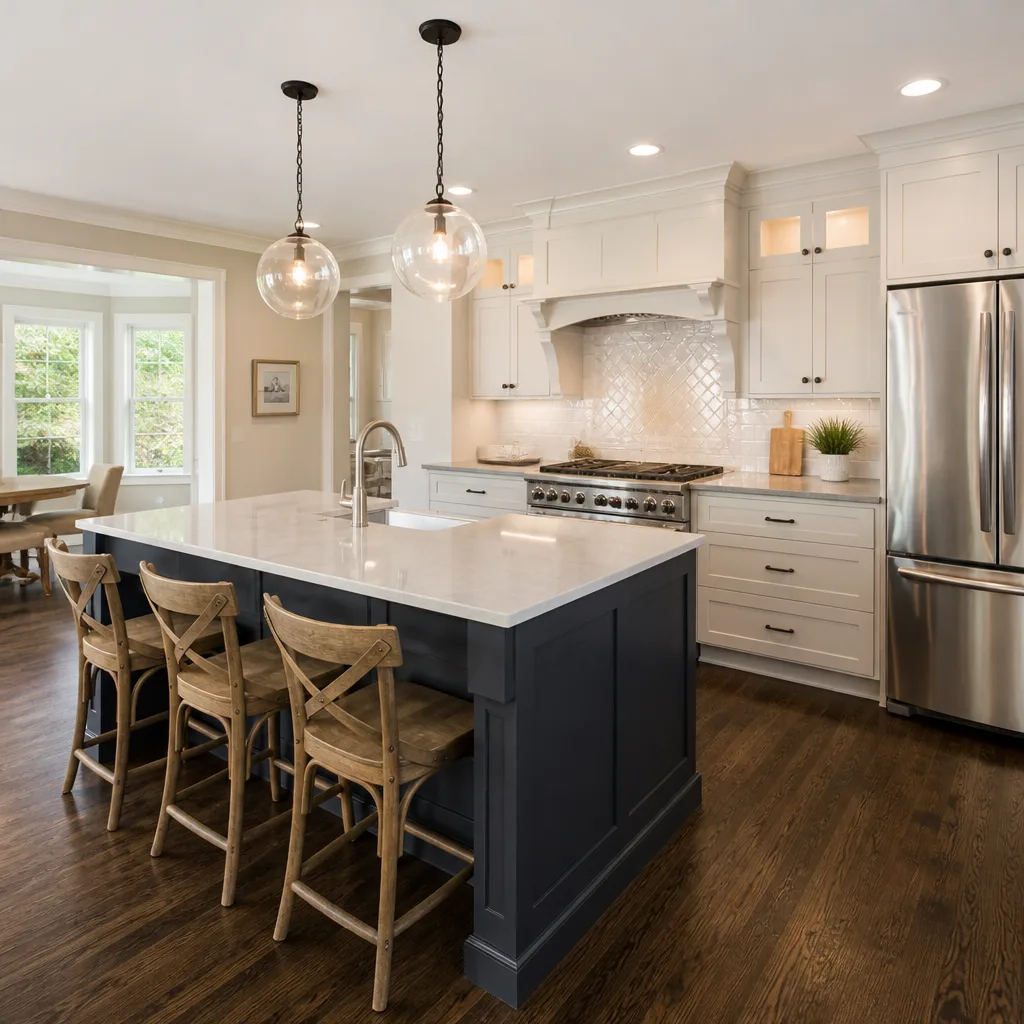
 Kitchen remodeling
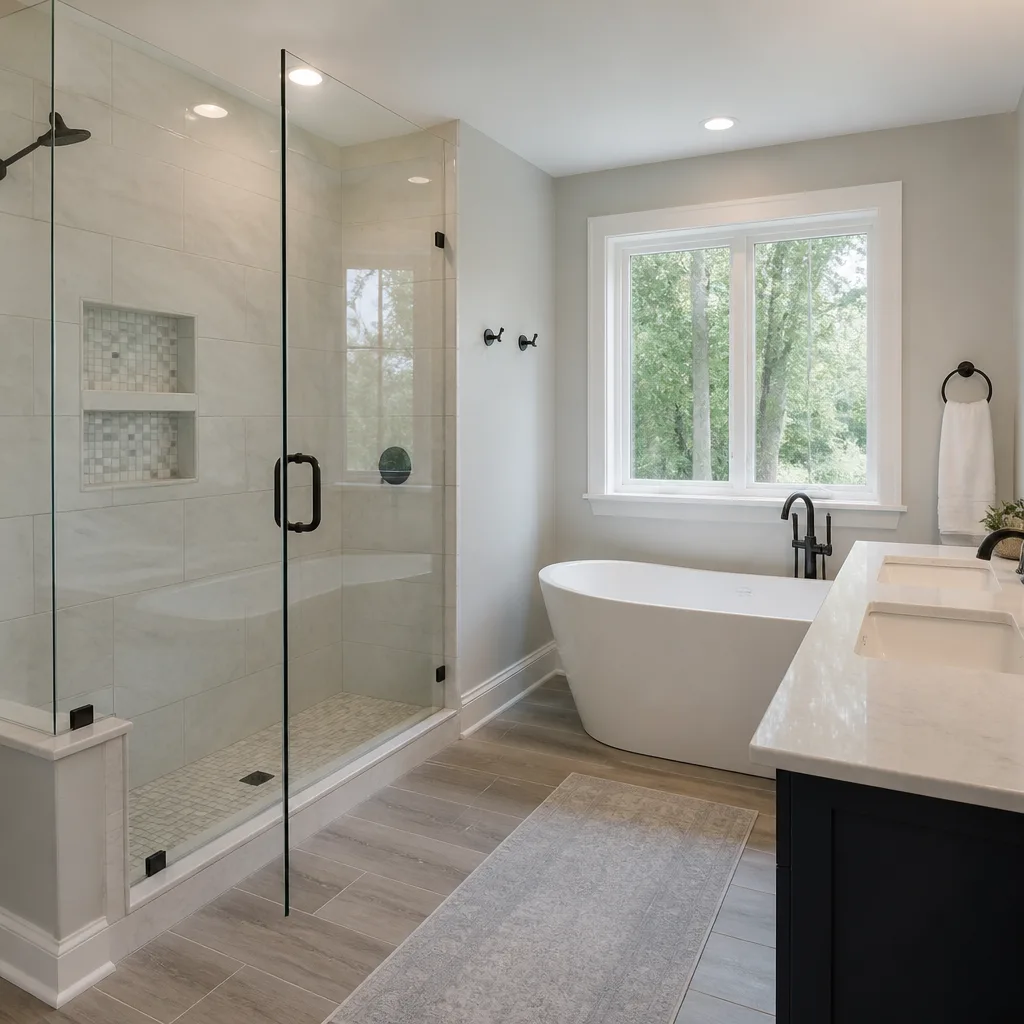 Bathroom remodeling
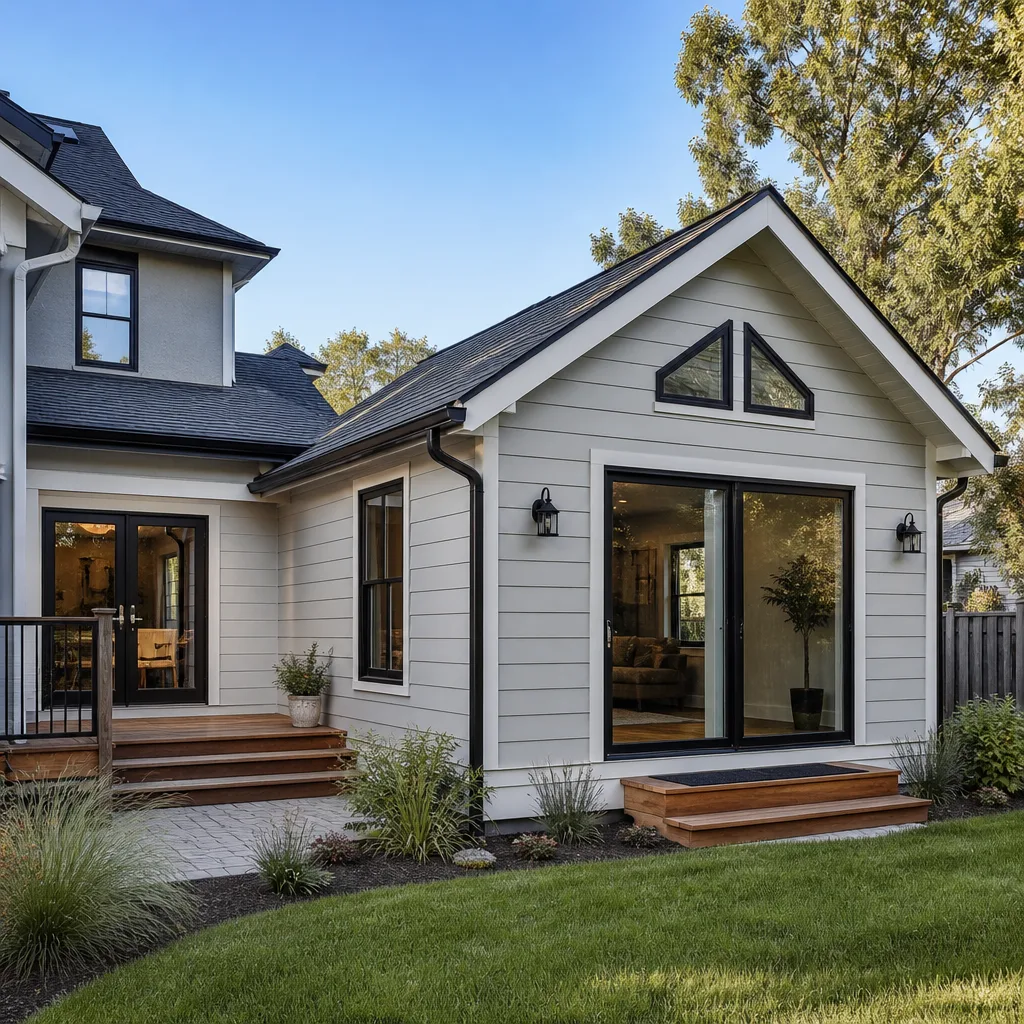 Home additions & ADU
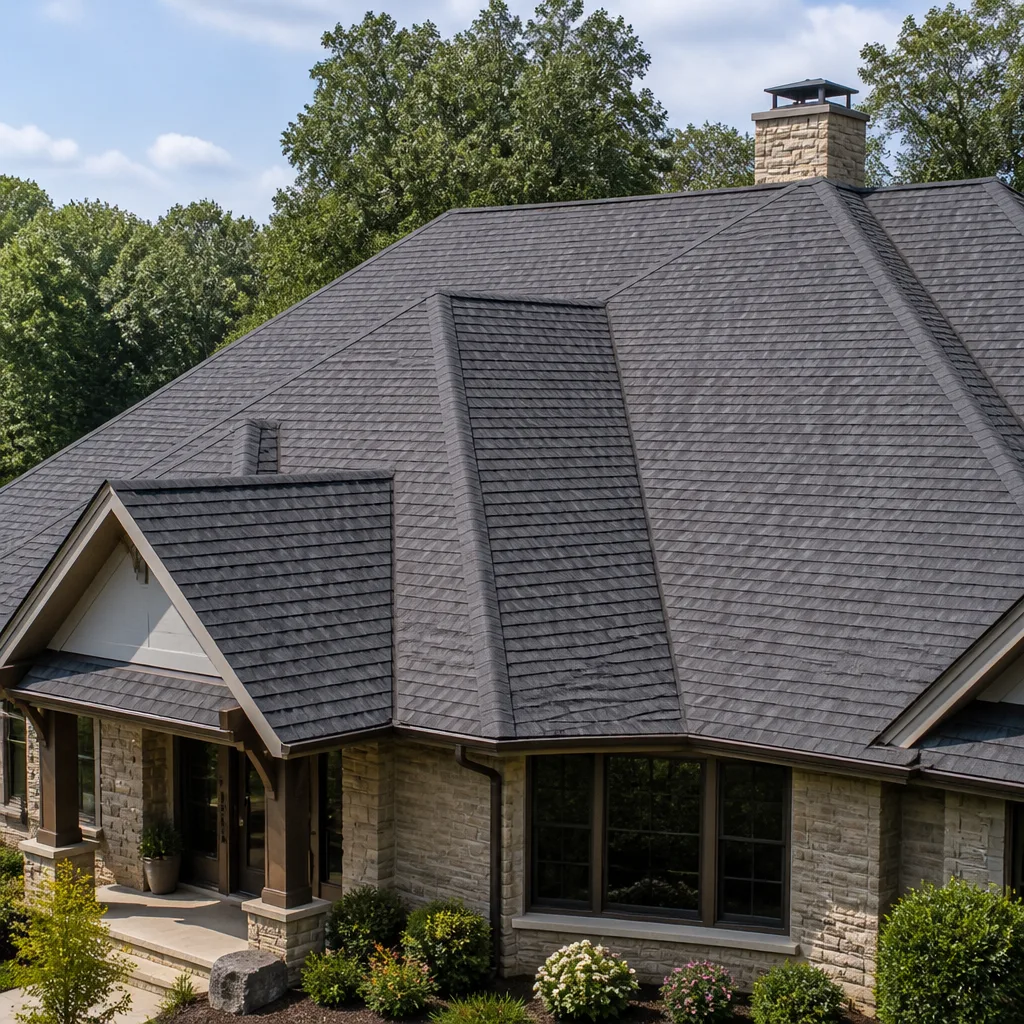 Roofing
 Windows & doors
 Driveway & pavers
 Fence
Free written scope consultation - allowances, timeline, and change-order rules on paper before a single trade is scheduled
ADU Site Prep & Utilities in Lancaster, TX: What It Takes and What It Costs
ADU site prep & utilities in Lancaster typically runs $45,000 – $130,000 for the ground work, trenching, utility runs, foundation and flatwork scope that has to happen before a single wall goes up. This is the part of an accessory dwelling unit project most homeowners underestimate: site work, not the building itself, is where clay soil, old easements and permit reviews set the schedule. Most Lancaster ADU site packages take 4 – 8 weeks from first dig to utility inspection sign-off. Call (844) 797-4808 for a free on-site estimate.
Key takeaways
- Site prep and utilities are a $45,000 – $130,000 scope on their own, separate from the ADU structure.
- Blackland prairie clay and old agricultural records drive more cost here than in most Dallas County cities.
- Plan 4 – 8 weeks; utility trenching and foundation curing set the pace, not the framing crew.
- Every job gets a written line-item quote and the 730-Day Done Right Promise.
How we run ADU site prep & utilities in Lancaster, start to finish
Site work is sequential. Skip a step and you pay for it twice. Here is the actual order we follow and what you’ll be deciding along the way.
Stage 1: Site survey, utility locates and soil review (days 1 – 3)
We walk the lot, mark the build envelope, and call in locates for water, gas, electric and any legacy lines. On Lancaster lots with agricultural history, this is where we verify whether an old septic field or drainage swale is still on record. You decide the exact ADU footprint and where the utility stub-ins land. Nothing gets dug until this is signed off.
Stage 2: Clearing, grading and erosion control (days 3 – 7)
We clear vegetation, strip topsoil, and grade to drain away from both the future ADU and the main house. We install silt fence and a stabilized construction entrance to satisfy inspection. Grading matters more than most people expect on clay: flat lots that hold water turn into foundation problems within a season.
Stage 3: Utility trenching and rough-in (days 7 – 18)
Water, sanitary sewer (or a permitted septic tie-in), electrical conduit and gas lines get trenched, bedded and laid to grade. We pressure-test water and sewer lines and photograph every run before backfill, so you have a record. You decide panel location, meter strategy, and whether the ADU shares or separates utilities from the main house. That decision affects cost and future resale.
Stage 4: Foundation and slab prep (days 18 – 32)
Formwork, rebar, vapor barrier and a thickened slab or pier-and-beam foundation go in, engineered for the soil conditions we found in Stage 1. This is the slowest stretch because concrete needs to cure – 7 days minimum before framing loads it. You approve the foundation type and the pour schedule.
Stage 5: Flatwork, final utilities and inspections (days 32 – 50+)
Driveway approach, walkways, exterior grading and final utility connections close out the site package. We schedule the electrical, plumbing and building inspections and don’t move to framing until every one passes. You get the inspection results and a punch list in writing.
Styles & brands we work with
- Kitchen remodeling
- Bathroom remodeling
- Home additions & ADU
- Roofing
- Windows & doors
- Driveway & pavers
- Fence
The options you’ll actually choose between
Every ADU site package forces a handful of decisions that swing the price and determine how the unit lives long-term. Here’s what they are and the honest trade-off on each.
- Foundation type – slab vs. pier-and-beam. A thickened slab is faster and cheaper, but on Lancaster’s expanding clay it needs a properly engineered moisture barrier and drainage plan. Pier-and-beam costs more up front and handles soil movement better; it also gives you a plenum for mechanicals. On lots with known shrink-swell history, we usually steer toward engineered options.
- Separate vs. shared utilities. Tying the ADU into the main house’s water and electric is cheaper to install but blurs the meter and can complicate rental arrangements. Separate taps and a dedicated meter cost more and add utility-company coordination, but they make the ADU independently billable.
- Sewer tie-in vs. septic. City sewer is the standard route. On older 75146 lots with prior septic, we may need a decommissioning or a new permitted system – a real cost line most quotes miss.
- Paving material. A concrete approach is durable and straightforward; pavers cost more and look sharper but need a proper base to survive clay movement. Both get a written spec.
- Utility stub material. Standard PVC and copper (or PEX for water) versus upgraded fittings and shutoff hardware. We spec Moen and Delta fixtures where the ADU is getting finished, so what goes underground matches what goes inside.
What ADU site prep & utilities costs in Lancaster, TX
Expect $45,000 – $130,000 for the site and utility package, quoted line by line. What pushes a job toward the low end versus the ceiling:
- Lot condition. A flat, clear lot with city utilities at the street sits low. A lot with old septic records, significant grading, or utility runs that must cross an existing driveway jumps toward the top.
- Utility distance and depth. The farther the ADU sits from the meter and sewer tap, the more trenching and material. Depth requirements for sewer to maintain grade add cost.
- Foundation engineering. Standard slab is the baseline; pier-and-beam or engineered slab on a problem lot adds real dollars.
- Permit scope. Sewer tap, utility-company coordination, septic decommissioning and multiple inspections each carry fees and time. We pull the permits, and we tell you which ones apply before we start.
- Flatwork and drainage. Driveway approach, walkways, retaining or swales for grading all add to the package.
A written estimate itemizes each of these: trenching, pipe and conduit, tap fees, foundation, flatwork, permits and inspections. Not included unless stated: the ADU structure itself, interior finishes, and any landscaping beyond basic grading. No-hassle upfront pricing means the number in the written quote is the number you pay.
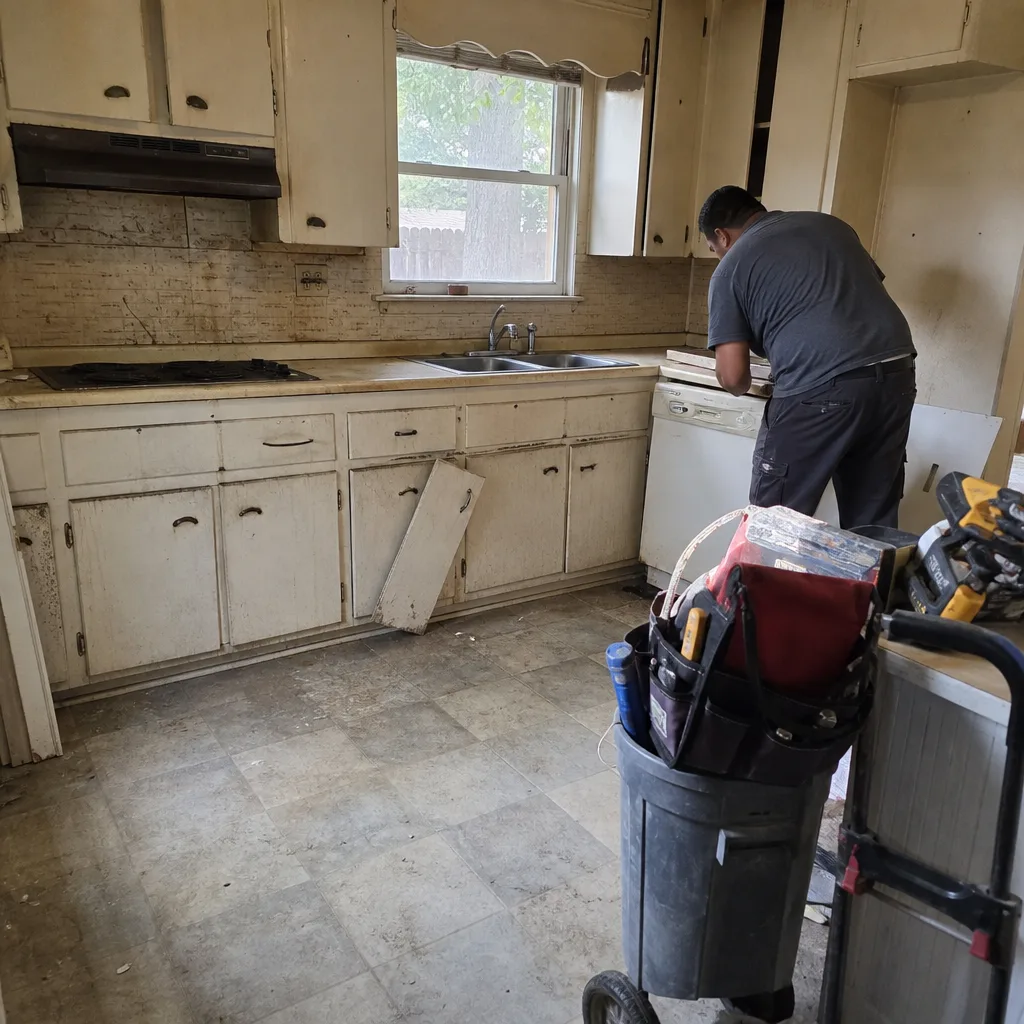
See the difference
 Before
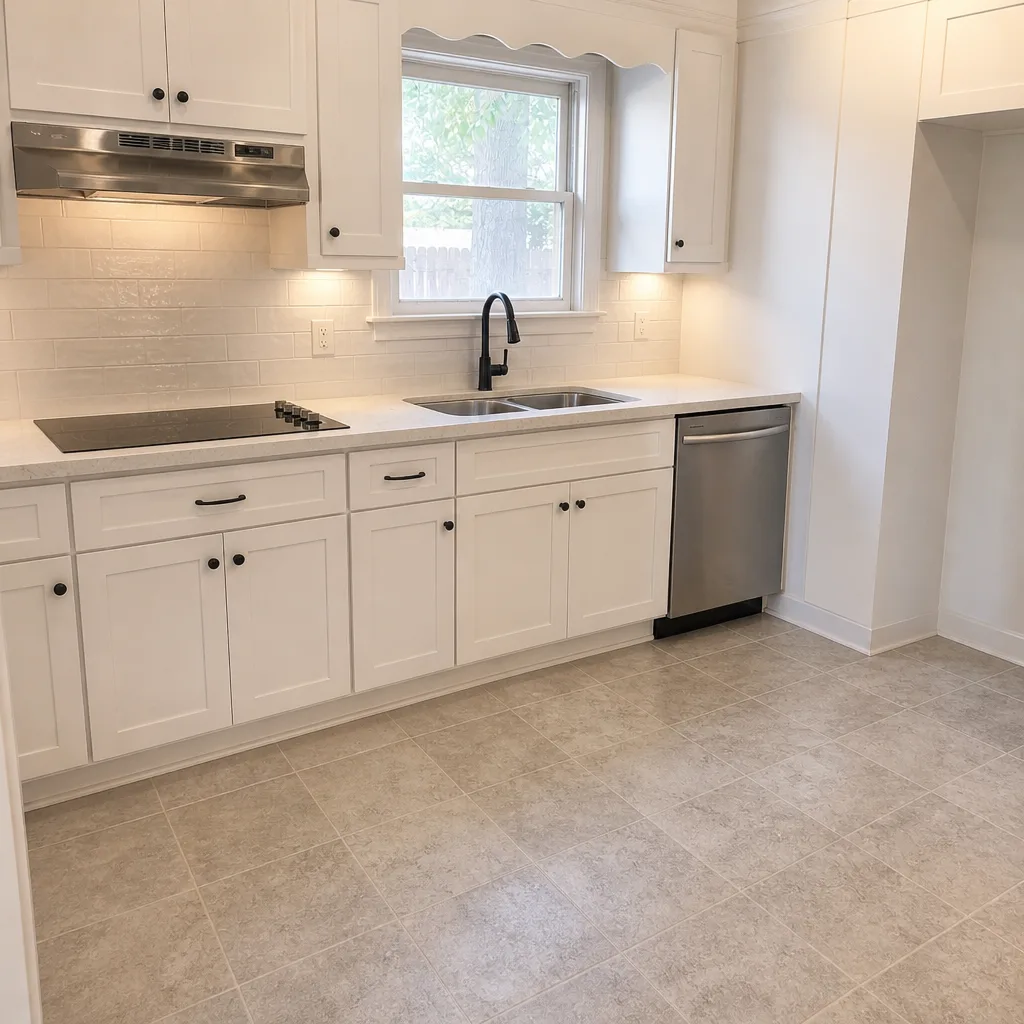 After
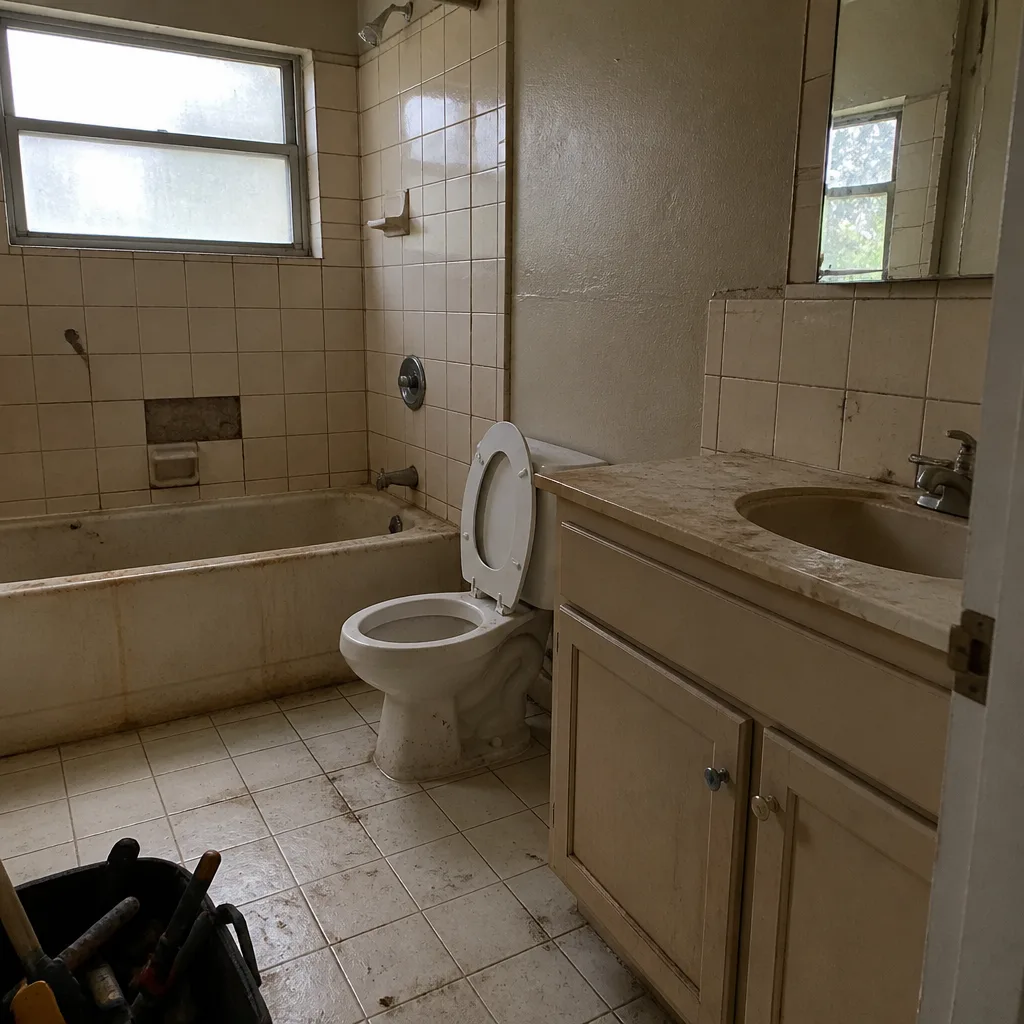 Before
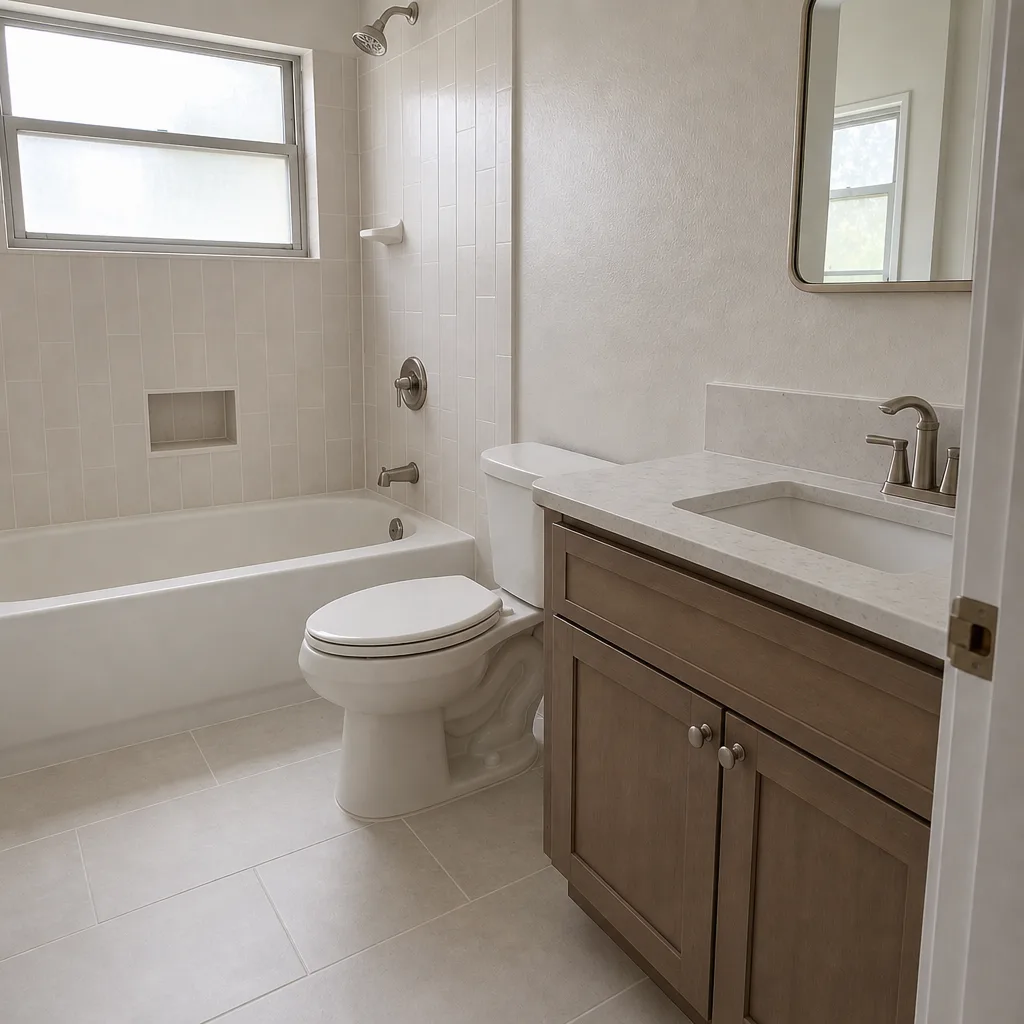 After
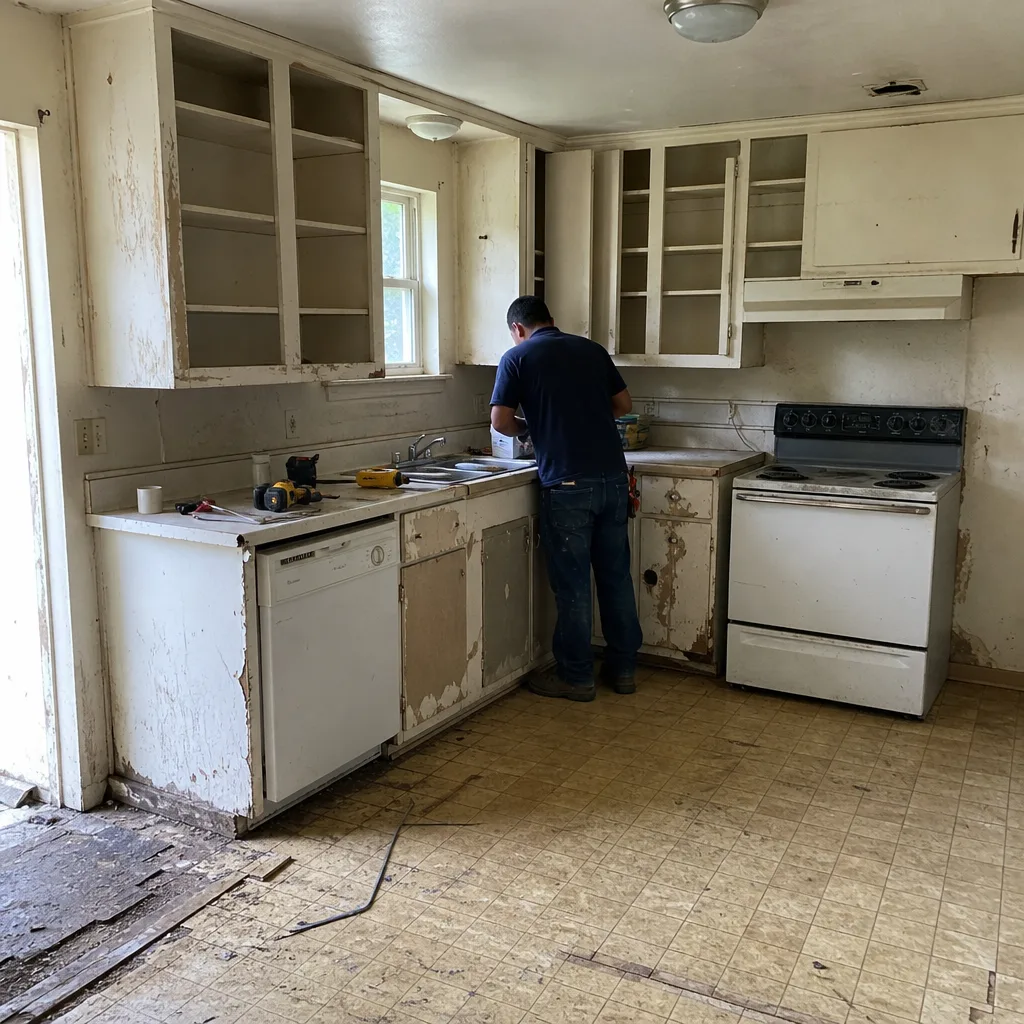 Before
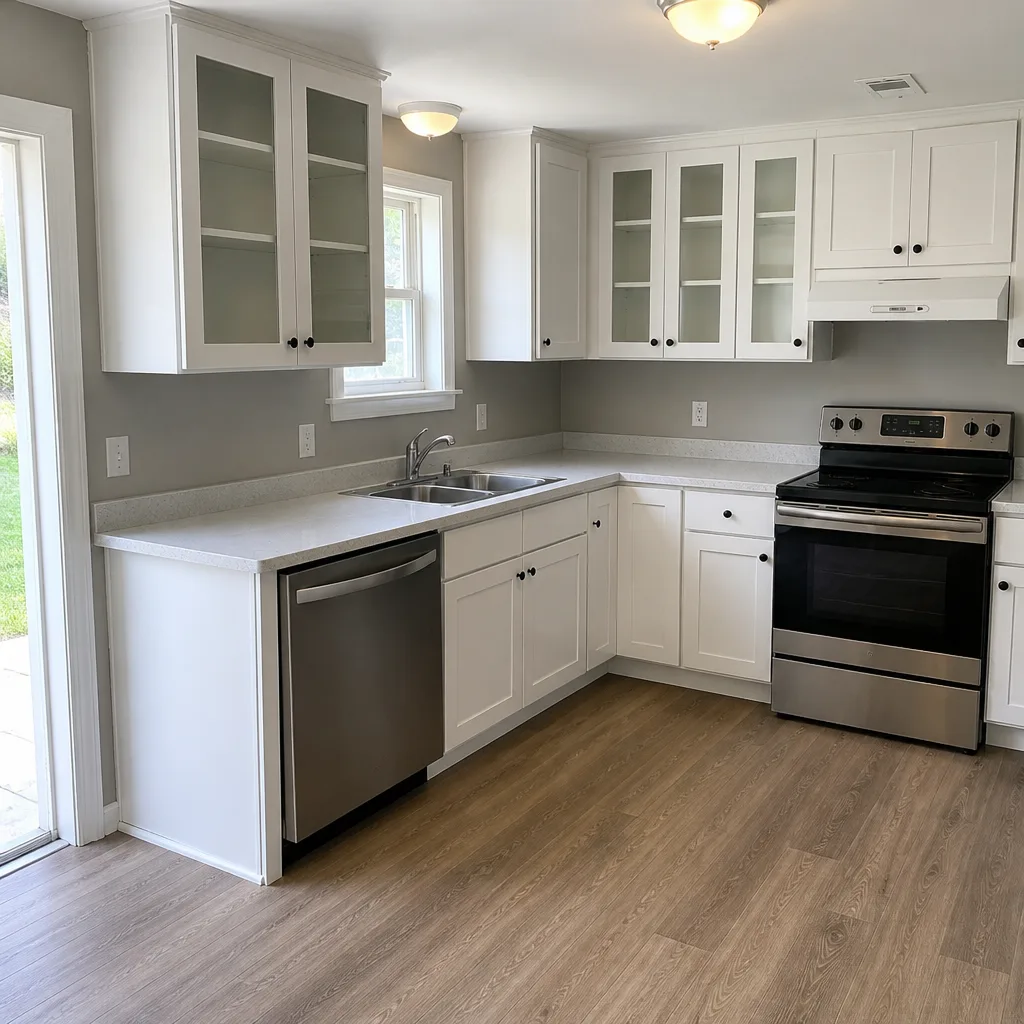 After
What Lancaster homes specifically do to this job
Lancaster sits where Dallas County’s growth corridor meets older ground, and that shows up directly in site work. In the 75146 blocks near the historic downtown core, you’re often trenching through mature lots with mid-century homes, and the records may show an old septic field or agricultural drainage that predates the neighborhood – we verify before we dig, because a permit pulled here can inherit conditions no one disclosed. Out along the I-35E growth edge, ground-up lots on former ranch and farmland bring their own issues: fill dirt, buried debris, and easements still tied to the old agricultural parcels. Add North Texas blackland prairie clay that swells and shrinks with every wet-dry cycle, and foundation and grade work becomes a constant. Spring hail and high wind seasons also mean utility runs and flatwork need proper cover and anchoring from day one. The result is that two Lancaster ADU projects with the same square footage can price thousands apart based on nothing but what’s under the dirt.
Serving Lancaster, TX – Our Local Coverage Area
We serve Lancaster and nearby communities. Use the map below to see the area we cover. If you’re nearby, we can almost certainly help.
Frequently asked – ADU site prep & utilities in Lancaster
Plan on 4 – 8 weeks from first dig to final utility inspection, with the foundation cure and inspection scheduling as the biggest variables. Utility locates and permit review can add time on lots with prior septic or agricultural records. Call (844) 797-4808 for a timeline built around your specific lot.
Yes. We pull the utility, plumbing, electrical and building permits the site scope requires and schedule every inspection until they pass. We tell you up front which permits apply and what they cost, so they’re in the written quote – not a surprise later.
Often, yes – if the ADU footprint and utility taps can reach without rerouting the main house’s plumbing or electrical service. Shared versus separate utility connections is one of the first decisions we price, and it’s where most of the swing sits. Call (844) 797-4808 and we’ll walk your lot to see which route fits.
The package runs $45,000 – $130,000 depending on lot condition, utility distance, foundation type and permit scope. The number is itemized line by line in a written estimate, and 0% financing for 18 months is available with $1,000 off projects over $10,000. Call (844) 797-4808 for an exact quote – estimates are free.
Every part of the job is covered by the 730-Day Done Right Promise – if it isn’t done right, we make it right. That covers the foundation, utility runs, flatwork and grading we install. It’s one of the longest workmanship guarantees in the residential construction space, and it’s in writing.
Get a free estimate for ADU site prep & utilities in Lancaster
Site work is the decision that sets the rest of your ADU budget, so get the number before you commit. Call (844) 797-4808 – a live person answers 24/7 – to schedule a free on-site estimate in Lancaster. We’ll walk the lot, identify the utility and soil issues that affect cost, and hand you a written line-item quote with permits and financing options spelled out. Our technicians have up to 12 years of experience, and this is the first step in the larger Home Additions & ADU in Lancaster project. Many homeowners pair site prep with a Full Bathroom Remodeling in Lancaster or a Small & Partial Kitchen Remodels in Lancaster once the unit is framed.
Written by the team at Groundwork Construction Co. of Dallas.