
Last updated November 16, 2026
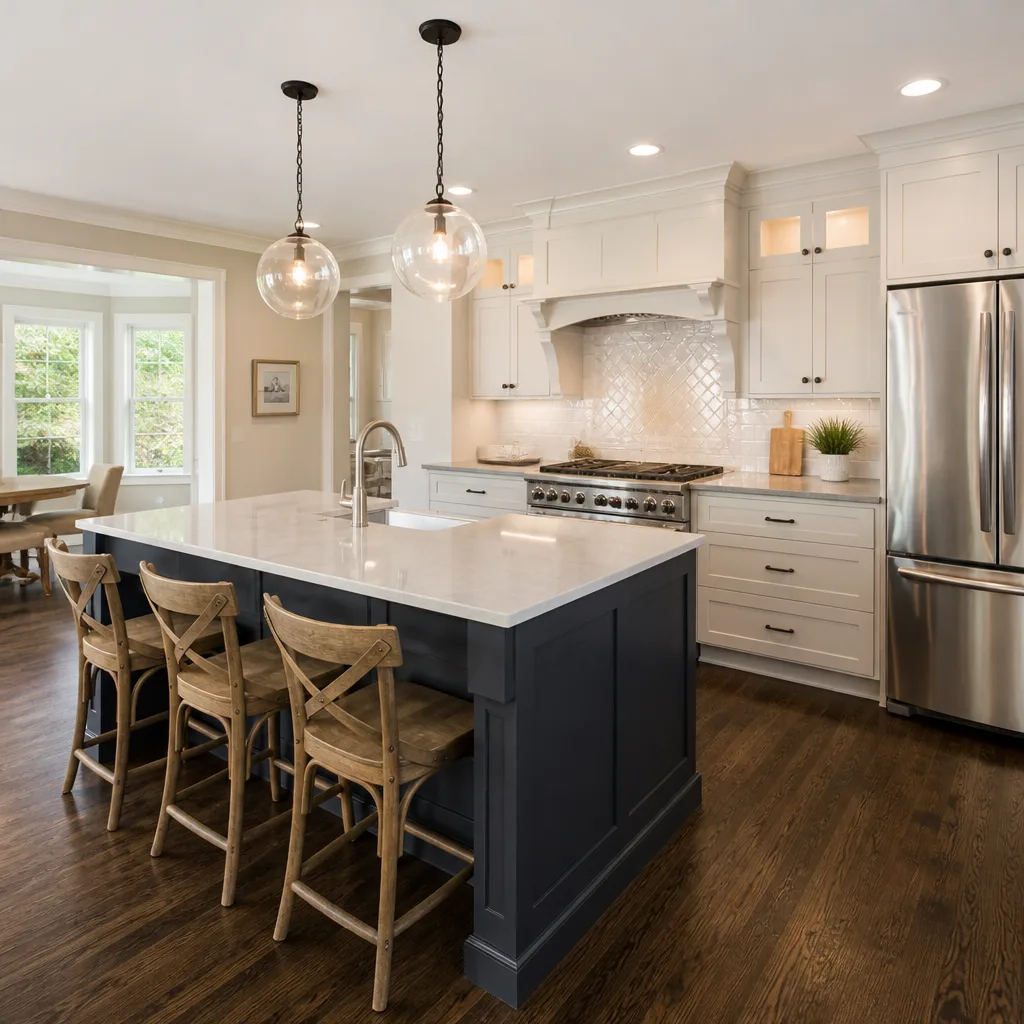 Kitchen remodeling
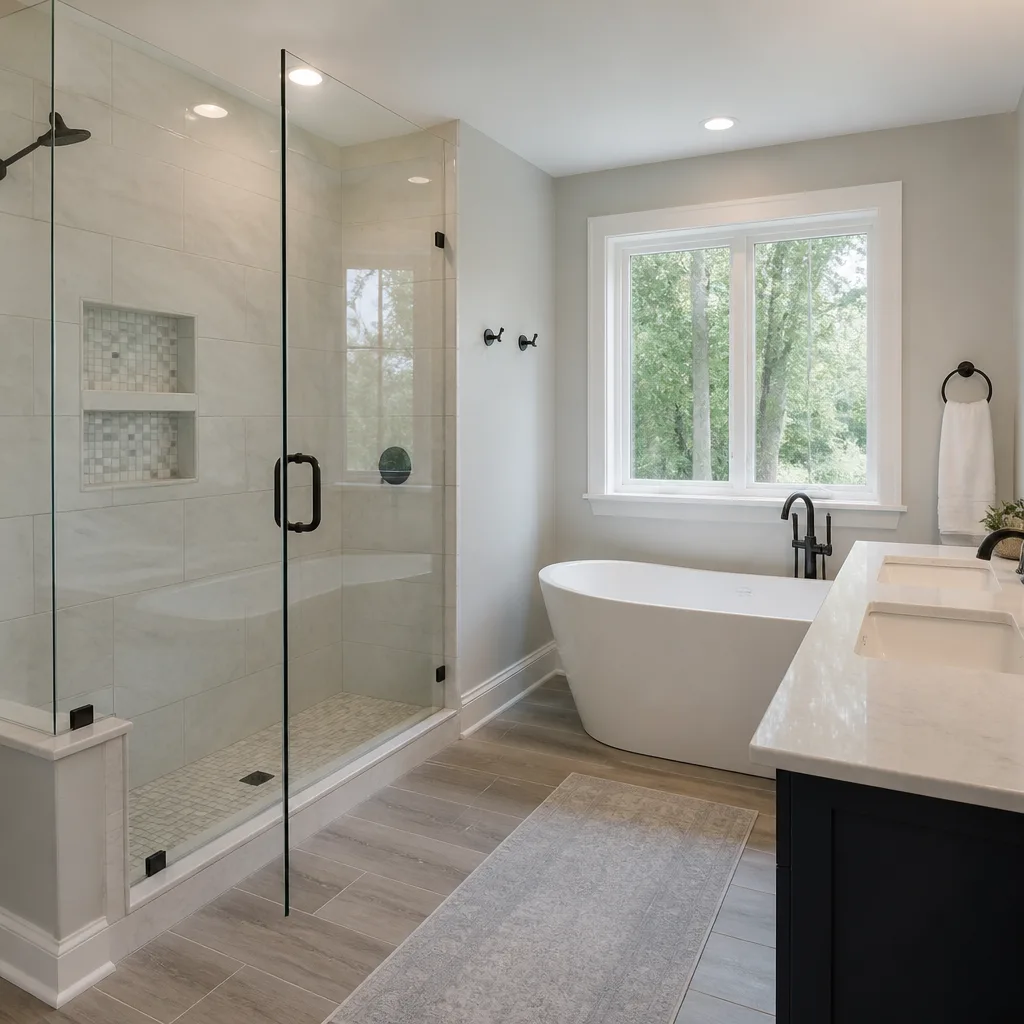 Bathroom remodeling
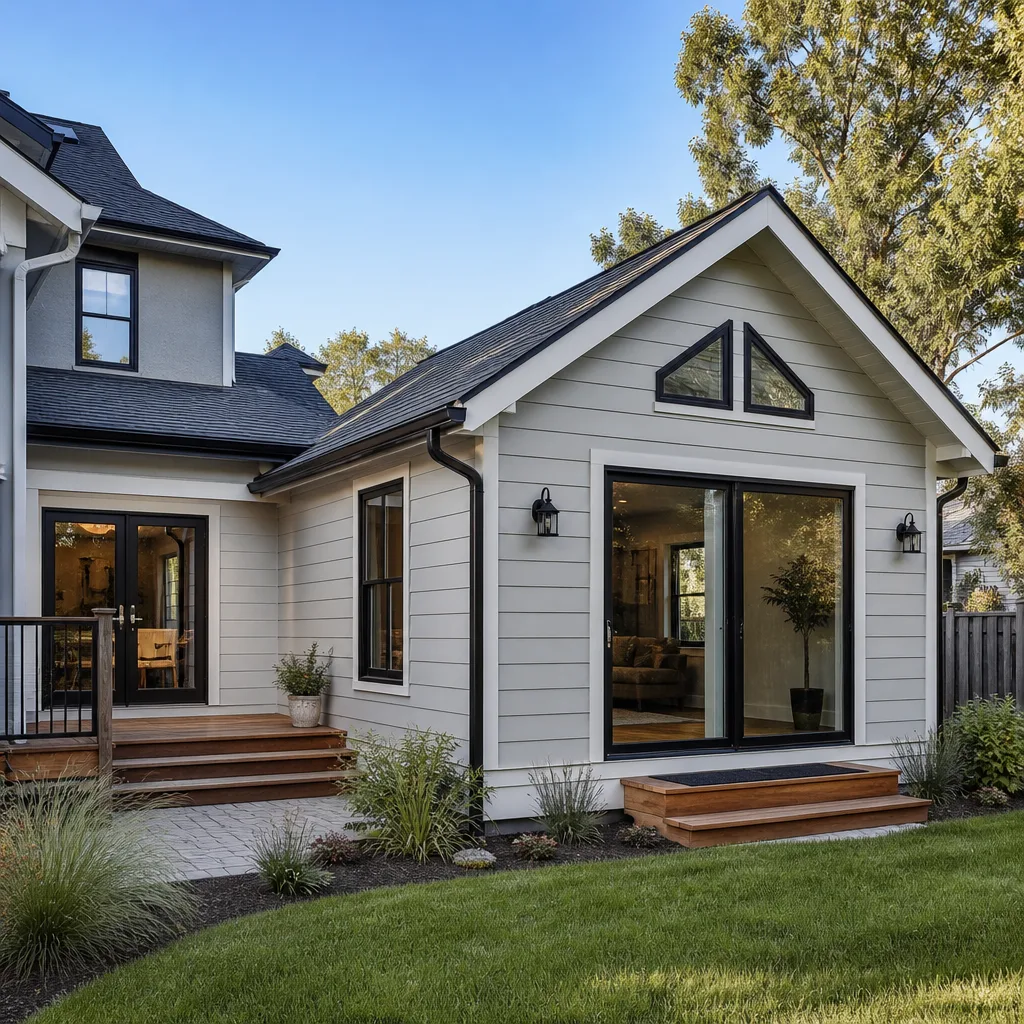 Home additions & ADU
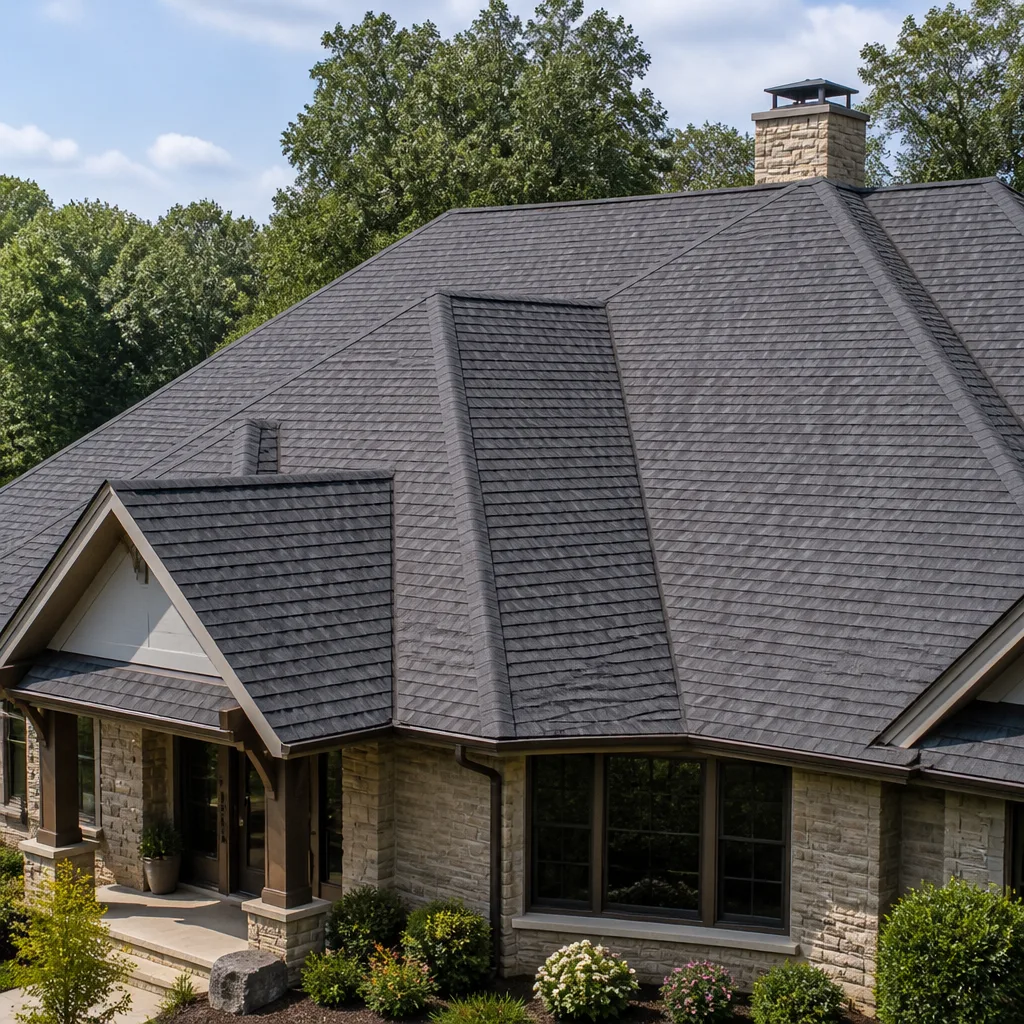 Roofing
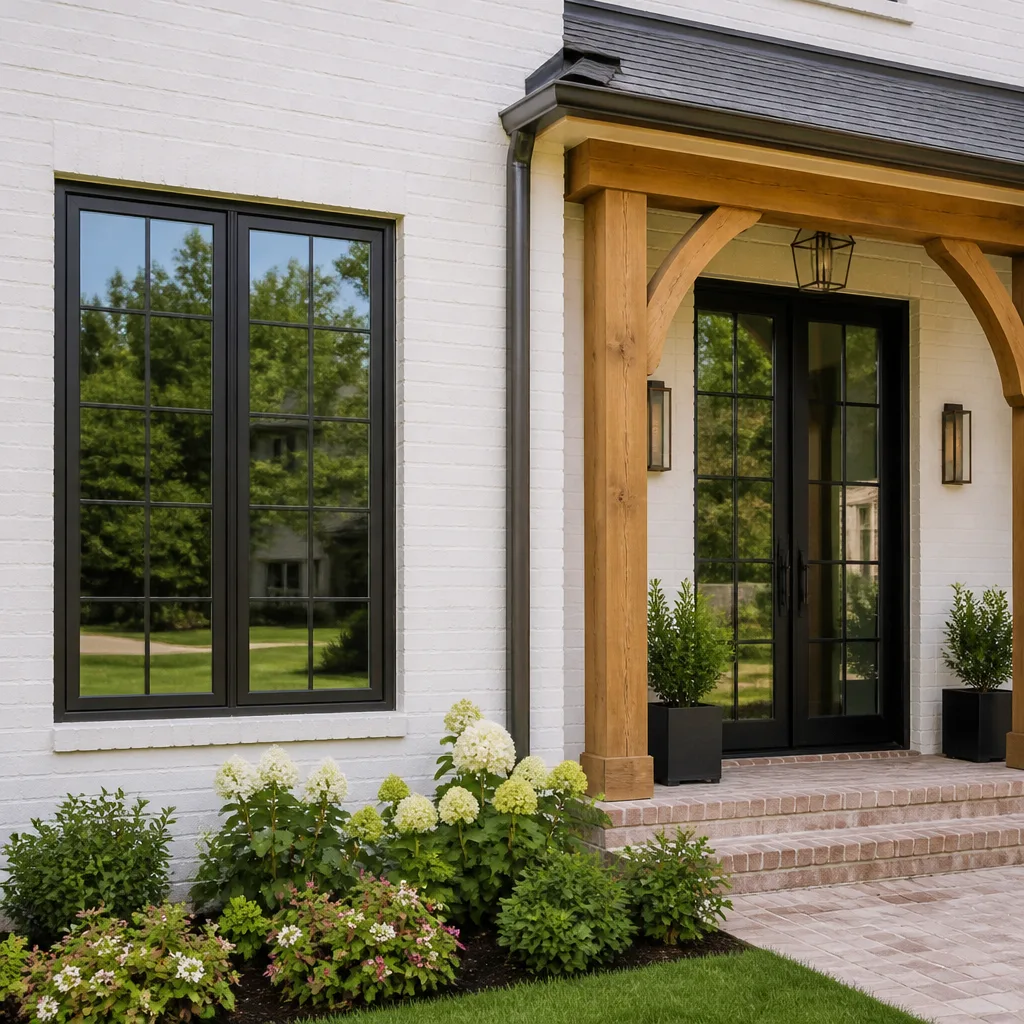 Windows & doors
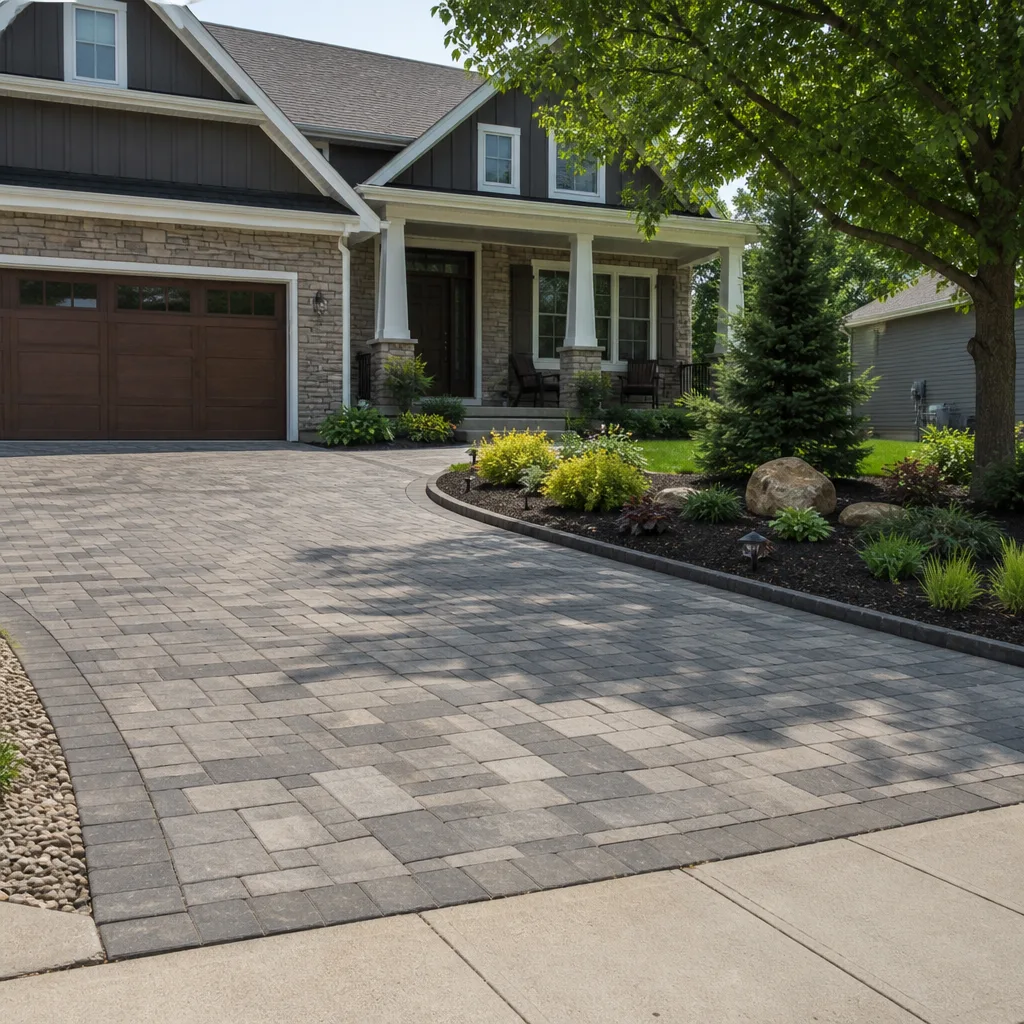 Driveway & pavers
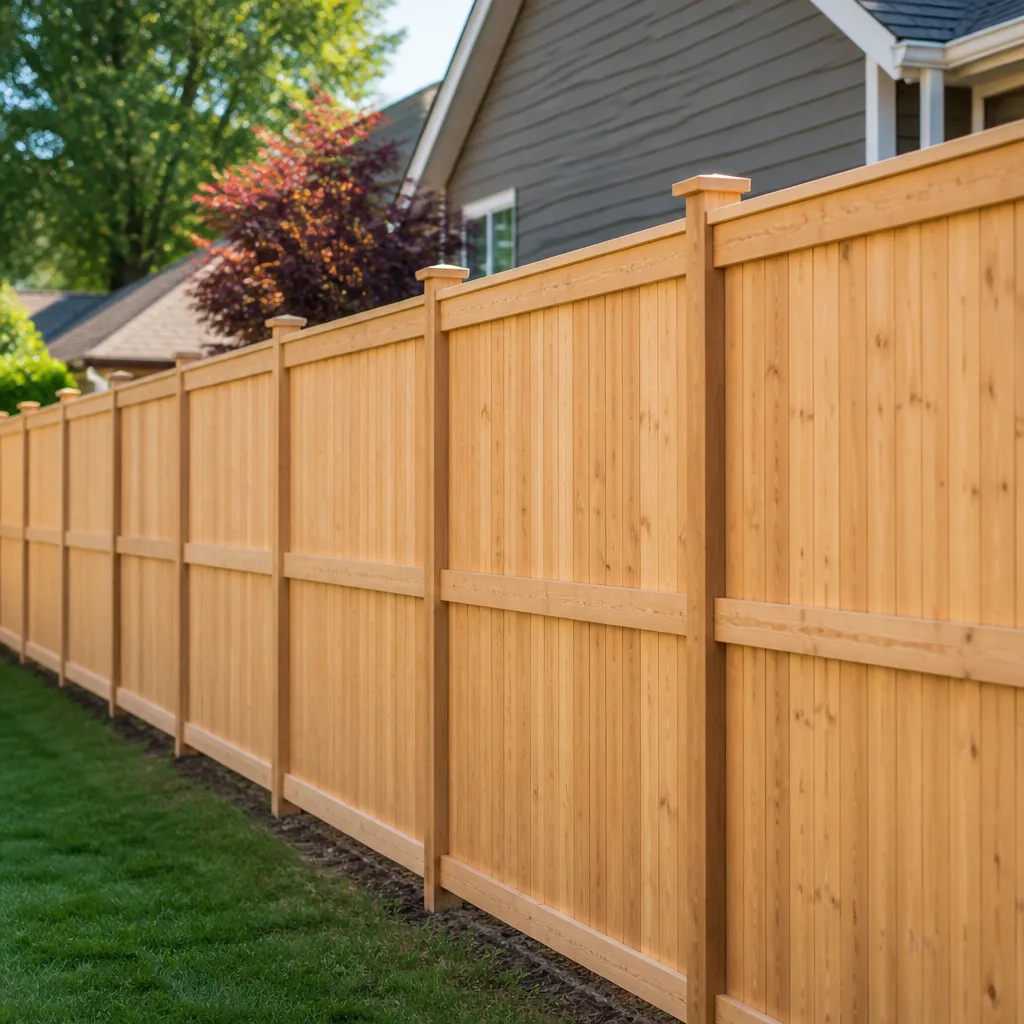 Fence
Free written scope consultation - allowances, timeline, and change-order rules on paper before a single trade is scheduled
The Complete Guide to Construction in Dallas
Dallas sits on some of the most expansive clay soil in the country. That single fact derails more construction projects here than bad contractors ever will, yet almost no guide mentions it until after the foundation cracks. The Blackland Prairie clay under most of Dallas swells when it’s wet and shrinks when it dries, and that movement reaches every part of a project: the driveway you pour, the fence posts you set, the room you add, the pool deck you build. This guide walks you through the full operational picture of building and renovating in Dallas, from soil and permits to summer schedules and how to vet a contractor before a dollar changes hands.
Quick Answer
Construction in Dallas requires planning around expansive Blackland Prairie clay soil, a hot summer that limits concrete curing windows, fast-growing suburban permit offices with different timelines than the city, and a contractor market with wide variation in quality. Successful Dallas projects start with a soil-aware design, permits pulled through the correct jurisdiction, materials rated for hail and heat, and a contractor whose license, insurance, and written warranty you verify before signing. Expect any meaningful project to take weeks to months, not days, and budget for a written line-item quote rather than a verbal ballpark.
Styles & brands we work with
- Kitchen remodeling
- Bathroom remodeling
- Home additions & ADU
- Roofing
- Windows & doors
- Driveway & pavers
- Fence
Table of Contents
- How Dallas Clay Soil Affects Every Project
- Dallas Permits vs. Suburban Permit Offices
- Building Through a Dallas Summer
- Project Types Unique to Dallas Demand
- Storm-Resilient Roofing in Hail Country
- Outdoor Living, Pool Decks, and Pavers
- How to Vet a Dallas Contractor
- Reading a Dallas Construction Bid
How Dallas Clay Soil Affects Every Project
Most of Dallas and its inner-ring suburbs sit on Blackland Prairie soil, a dark, heavy clay that holds water and expands dramatically when saturated, then shrinks and cracks as it dries through a Texas summer. The cycle repeats every year, and it moves the ground under your home and your hardscape by fractions of an inch to well over an inch depending on moisture. Engineers design for this with reinforced foundations, post-tension slabs, and drainage that keeps water away from the structure. Skip that step and the soil will find the weakest part of your project and work on it.
What that looks like in practice depends on the project:
- Driveways and pavers: A slab poured on unprepared clay will crack within a season or two. Proper base prep means excavating, compacting, and laying a flexible sub-base that absorbs movement. Pavers on a compacted aggregate base handle soil movement far better than a rigid slab in most Dallas conditions.
- Fence posts: Posts set in shallow holes without concrete or proper depth heave and lean as the clay moves. Depth and drainage matter more than the fence style you pick.
- Room additions and ADUs: Any addition needs its foundation engineered for the specific soil report on that lot, and often a drilled pier system rather than a simple slab. We’ve seen additions that were attached to an existing slab begin separating within a couple of years when the new foundation was designed for a different standard than the original house.
- Pool decks: Decking around a pool sits on soil that stays wetter than the surrounding yard, so it moves differently. A separate, decoupled deck surface usually outperforms a continuous pour tied into the pool shell.
The takeaway for a Dallas homeowner is simple: ask any contractor how they’re handling soil. If the answer is “we just pour a slab,” that’s your answer about the contractor. A proper scope names the base prep, drainage, and reinforcement. For additions specifically, our Home Additions & ADU in Dallas page goes deeper into how we approach foundations on these lots.
Dallas Permits vs. Suburban Permit Offices
Permitting timelines vary sharply across the Dallas area, and the difference shapes your whole schedule. The City of Dallas permit office processes a high volume of projects and runs its own review workflow, which means plan review can take weeks or longer depending on which trade and scope you’re filing. Suburban cities nearby operate smaller offices with different review speeds and often different requirements. Plano, Frisco, and McKinney each run their own building departments, and a contractor who knows Dallas proper doesn’t automatically know how Frisco wants an addition filed.
Here’s the general sequence a Dallas-area project goes through:
- Confirm jurisdiction. The city on your address determines the permit office, and unincorporated areas fall under county rules. Get this right before anyone draws a plan.
- Check zoning and setbacks. Additions, ADUs, and some fences need a zoning check before a building permit. Dallas has specific rules for accessory structures and lot coverage.
- Submit plans and pay fees. Structural, electrical, plumbing, and mechanical scopes each need to be represented, and some cities require stamped engineering for elements like new foundations or structural changes.
- Respond to plan review comments. Reviews come back with comments, and the response speed depends entirely on how organized your contractor is.
- Pull the permit and schedule inspections. Inspections happen at set stages: foundation, framing, rough-in, and final. Missing an inspection stage can mean tear-out.
We’ve watched homeowners lose weeks because a contractor filed with the wrong city or filed a scope that didn’t match what was going to be built. The permit isn’t the annoying part of the project. It’s the part that proves the project was done to code, which matters when you sell. Ask any Dallas contractor to show you the permit number before work starts, and make sure it’s signed off at the end.
Building Through a Dallas Summer
Dallas summers regularly push past 100°F, and that heat changes how concrete cures, how crews work, and how fast materials degrade on site. Concrete curing is a chemical reaction that needs moisture and moderate temperature. When it’s 105°F and dry, the surface loses moisture before the mix can cure properly, which leads to cracking, scaling, and a shorter-lived slab. Crews handle this by scheduling pours in the early morning, using retarders and curing compounds, and keeping slabs damp during the first days.
What that means for your calendar:
- Concrete-heavy work (driveways, slabs, foundations) is best scheduled to avoid the worst heat or handled with early-morning pours and moisture control.
- Exterior painting and staining windows shrink in summer. Too-hot surfaces cause paint to fail to adhere. Spring and fall are better for these finishes.
- Roofing happens year-round, but crews start earlier in summer to get off hot shingles before the afternoon peak.
- Interior remodels are largely unaffected by heat and are a reasonable summer project, though HVAC needs to run for finishes and adhesives.
Northern construction guides don’t account for this. A build schedule copied from a colder climate will put a slab pour in August and wonder why it cracks. In our experience across Dallas projects, the contractors who plan around heat finish on schedule and the ones who don’t spend the fall fixing summer damage.
Project Types Unique to Dallas Demand
Dallas has housing stock and weather patterns that push certain projects to the front of the list. The city’s mix of mid-century ranch homes, newer suburban builds, and a steady stream of renovations means demand skews toward a handful of work types.
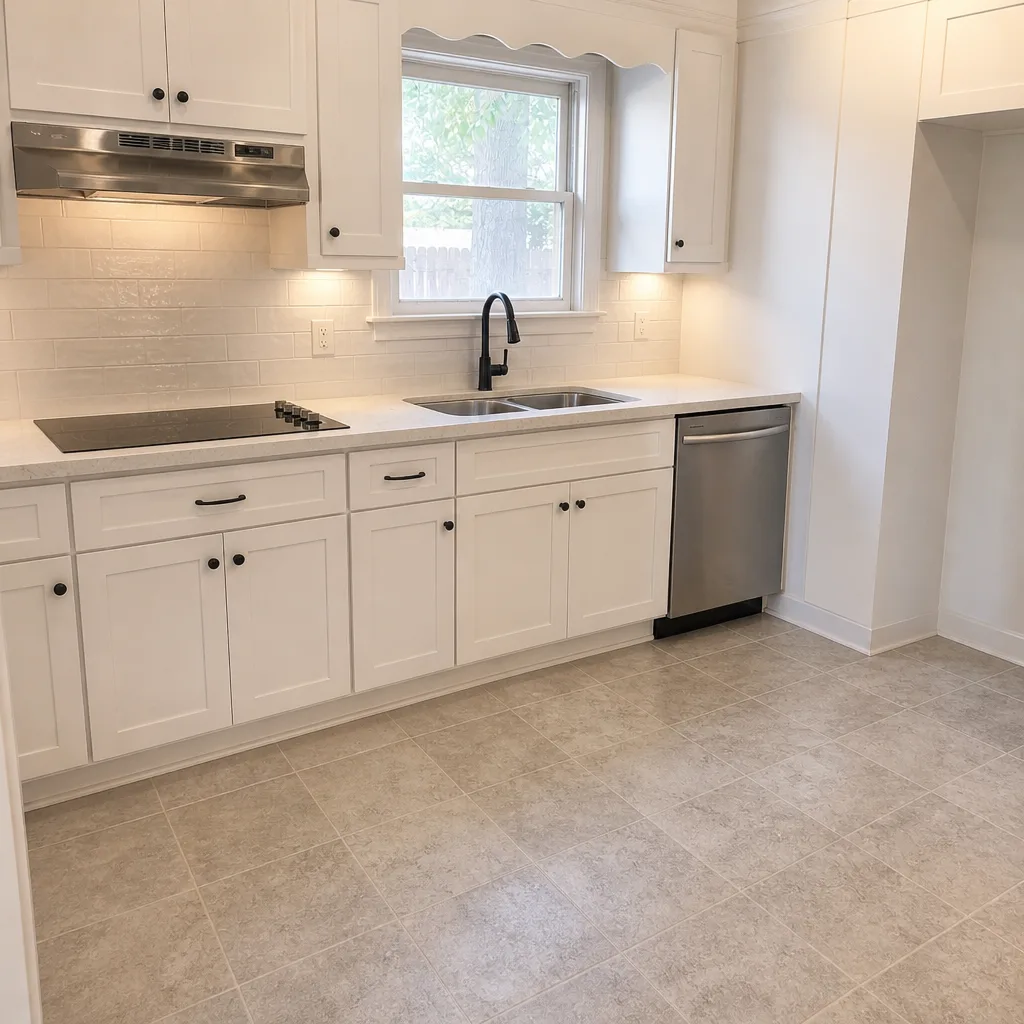
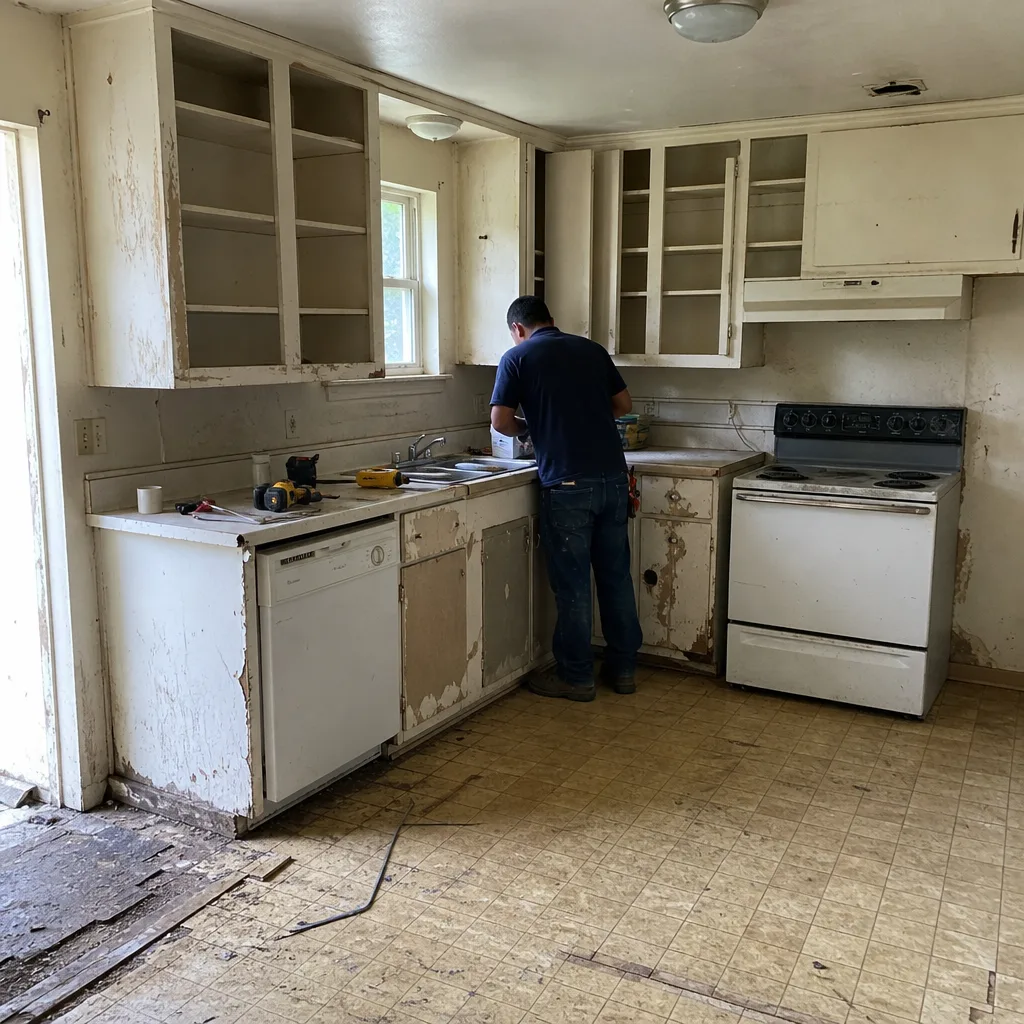
- Whole-home and kitchen remodels: Older Dallas homes need updates to layouts, electrical, and plumbing along with the cosmetic work. Kitchens are the most requested renovation, and material choice matters. A countertop in Silestone or Caesarstone quartz holds up to grease, heat, and daily use better than natural stone in a busy kitchen.
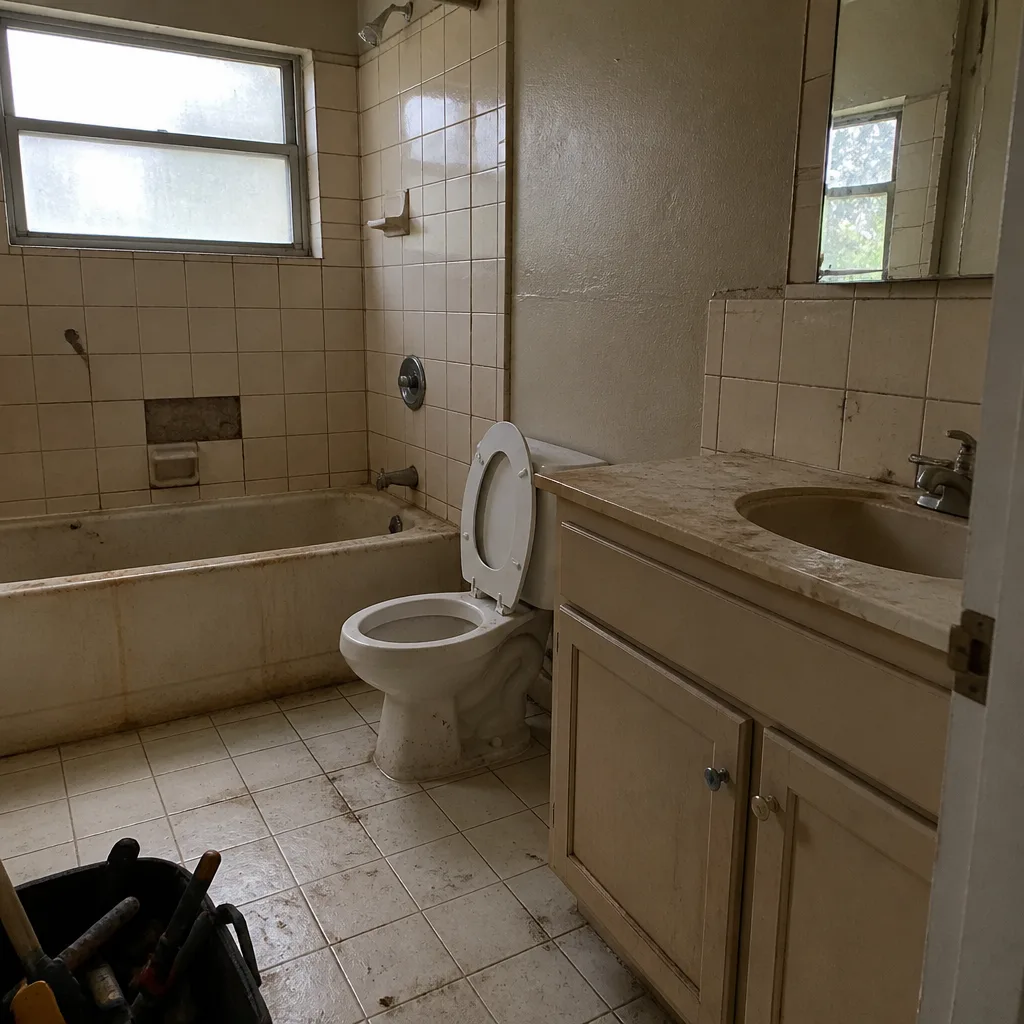
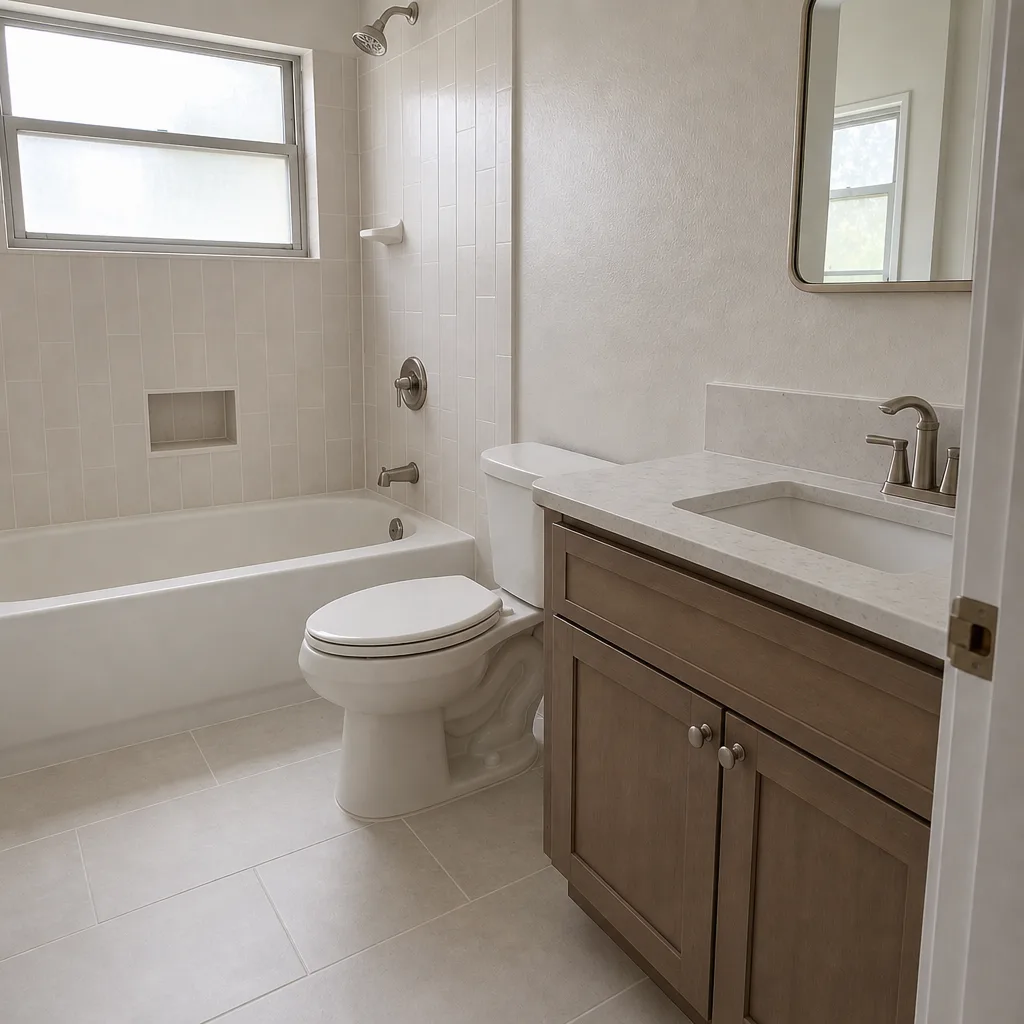
- Bathroom renovations: Dallas bathrooms from earlier decades often need plumbing and ventilation upgrades beyond the visible tile. Kohler and Moen fixtures are common choices because of parts availability and warranty coverage.
- ADUs and additions: Rising home values make detached ADUs and primary suite additions worth the investment. These are the most permit-intensive and foundation-sensitive projects on this list.
- Pool decks and outdoor living: Long swim seasons mean a lot of Dallas yards get hardscape, covered patios, and outdoor kitchens added.
- Storm-resilient roofing: Hail and wind events are a regular Dallas feature, and roofing replacements are a steady line of work here.
Your starter link to understanding how the full spectrum fits together is our Groundwork Construction Co. of Dallas home page, which covers the seven service lines we run and how they connect on a single property.
Storm-Resilient Roofing in Hail Country
Dallas sits in one of the most hail-prone stretches of the country, and roofing decisions here are driven by impact resistance. A standard three-tab shingle will look fine until the next significant hail event, then it’s a fight with insurance. Architectural shingles from GAF or CertainTeed rated for impact resistance hold up far better, and the difference in price over the roof’s lifespan is small next to the cost of replacing it after damage.
How to think about a Dallas roof replacement:
- Check your policy first. Know your deductible and whether your insurer offers a discount for impact-rated shingles. Many Dallas-area policies do.
- Get a written scope, not a verbal estimate. The scope should name the shingle brand and product line, the underlayment, decking repairs, ventilation, and flashing.
- Ask about decking. Older Dallas homes sometimes have plank decking that needs to be replaced or covered before the new roof goes on. That’s a real cost and it needs to be in the bid, not added later.
- Confirm permits and final inspection. Roofing permits vary by city, and the final inspection is your proof the work was done to code.
- Keep the warranty paperwork. Manufacturer warranties on shingles run for years and often depend on proper installation. Register them.
Roofing is one of the places where cheap goes wrong fast in Dallas. A crew that skips underlayment or vents the attic wrong saves you a few hundred dollars and hands you months of trouble the first hot summer. Ask for the brand, ask for the installation spec, and ask what the warranty actually covers.
Outdoor Living, Pool Decks, and Pavers
Dallas yards get used year-round compared to most of the country, which is why outdoor living projects stay in high demand. The weather rewards a well-built patio the same way it punishes a poorly built one. The soil movement under a Dallas yard will find every shortcut in base prep, so hardscape here depends more on what you can’t see than what you can.
A few things that make the difference in Dallas:
- Base prep is the whole job. A paver patio or driveway on properly excavated, compacted base that drains will still sit level years later. Skip that step and the pavers over the clay will lift and shift after a couple of wet-dry cycles.
- Slope and drainage. Water pooling against the house is the fastest way to a foundation problem in Dallas. Hardscape should slope away from the structure and connect to drainage that moves water off the lot.
- Pool decks are separate from the shell. A deck that can move independently of the pool structure avoids cracked coping.
- Material choice. Concrete pavers from Belgard and similar manufacturers are rated for freeze-thaw and heat cycling, which is why they hold up better than poured slab in moving soil.
We cover the specifics of base prep and material options in our Driveway & Pavers in Dallas guide. The same principles apply to patios, pool surrounds, and walkways.
How to Vet a Dallas Contractor
The Dallas contractor market is broad and uneven. There are excellent builders, competent remodelers who handle one trade well, and a steady stream of operators who take deposits and disappear. You can’t sort them out from a website, but you can from a first meeting if you know what to look at.
- Verify the license. Texas doesn’t license general contractors statewide, but electrical, plumbing, and HVAC trades are licensed, and some contractors hold voluntary certifications. Ask for the license numbers of every subcontractor who’s going to open a wall in your home and check them.
- Get a certificate of insurance. Ask for the general liability and workers’ compensation certificates and call the insurer to confirm they’re current. Don’t accept a photo of a policy card; ask for the certificate issued to the contractor.
- Check the BBB and Texas consumer complaint records. A pattern of unresolved complaints is a much better warning than any review score. Look at the resolution rate, not just the count.
- Ask for a written scope and payment schedule. A real bid is a document that names materials, dimensions, brands, and the payment milestones. Deposits should be modest, tied to progress, and never paid in cash off the record.
- Confirm the warranty in writing. Get the workmanship warranty spelled out: how long, what it covers, what it doesn’t. Any warranty shorter than 12 months on significant work deserves a hard look.
- Ask about permits and inspections. A contractor who avoids permits because “it’s not needed” in Dallas is one who won’t be there when the work fails an inspection.
Groundwork Construction Co. of Dallas answers calls with a live person 24/7, uses background-checked and uniformed technicians on every project, and backs all work with the 730-Day Done Right Promise. Our technicians have up to 12 years of experience. We put the guarantee and the pricing in writing before anything starts, because that’s the only version of “trust me” that matters on a jobsite.
Reading a Dallas Construction Bid
A Dallas construction bid is a document, and the way a number is presented tells you most of what you need to know about the contractor. The useful bids are line-item detailed and written in a language you can read the day you get them. The dangerous ones are a single number with a project name on top.
What a good bid should contain:
- Line items by trade and stage: demolition, framing, electrical, plumbing, drywall, finish, cleanup. Not a lump sum.
- Named materials: brand and product line, not “premium” or “contractor grade.” For a kitchen, that means naming Silestone versus Caesarstone for the counter, and the specific Kohler or Moen fixture model.
- Explicit exclusions: what’s not included and what triggers extra charges. Change order rules belong in the bid, not the contract.
- Payment schedule tied to progress: a deposit that’s reasonable, draws at defined milestones, and a final payment after final inspection and walkthrough.
- Warranty terms: workmanship warranty length and scope, plus product warranty pass-through.
- Permit line: who files, who pays, and what inspections are expected.
At Groundwork Construction Co. of Dallas we work from upfront pricing with no surprises, which means the number you see is the number you pay once the scope is agreed. We offer 0% financing for 18 months and $1,000 off projects over $10,000, plus a free project estimate and design consult so the scope gets sorted out before money moves. If a bid you’re holding from another contractor doesn’t look like the list above, that’s a question worth asking before you sign.
Common Mistakes to Avoid
- Pouring a slab or setting fence posts without soil prep. Dallas clay will move the slab or post within a season or two. Proper base and depth cost more up front and save you the rebuild.
- Scheduling a concrete pour in August without heat controls. A Dallas summer will crack a slab that wasn’t poured with retarders, curing compounds, or early-morning timing.
- Filing permits with the wrong city. A contractor who assumes Dallas rules apply in Frisco or McKinney will get plans kicked back and cost you weeks. Always confirm the jurisdiction.
- Accepting a verbal estimate. A number on a handshake doesn’t survive the first change order. Get the scope, materials, and payment schedule in writing.
- Skipping the impact-rated shingle decision. In a hail-prone Dallas market, the small price difference between standard and impact-rated shingles pays for itself the first time a significant storm rolls through.
- Hiring without checking insurance directly with the insurer. A photocopy of a certificate is not proof of current coverage. Call the insurer and confirm the certificate is live.
- Paying a large cash deposit up front. A deposit that’s tied to progress protects you. A deposit that’s more than a modest starting payment to an unvetted contractor does not.
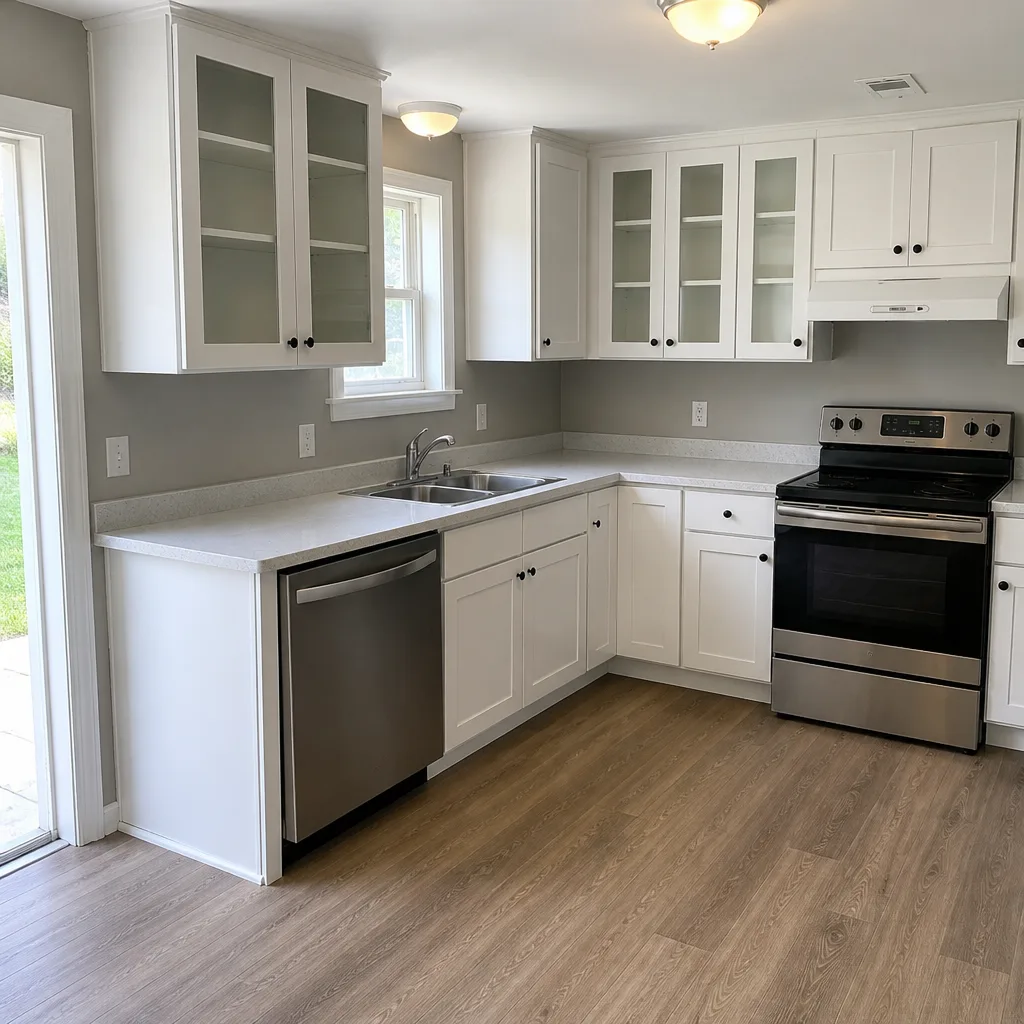
See the difference
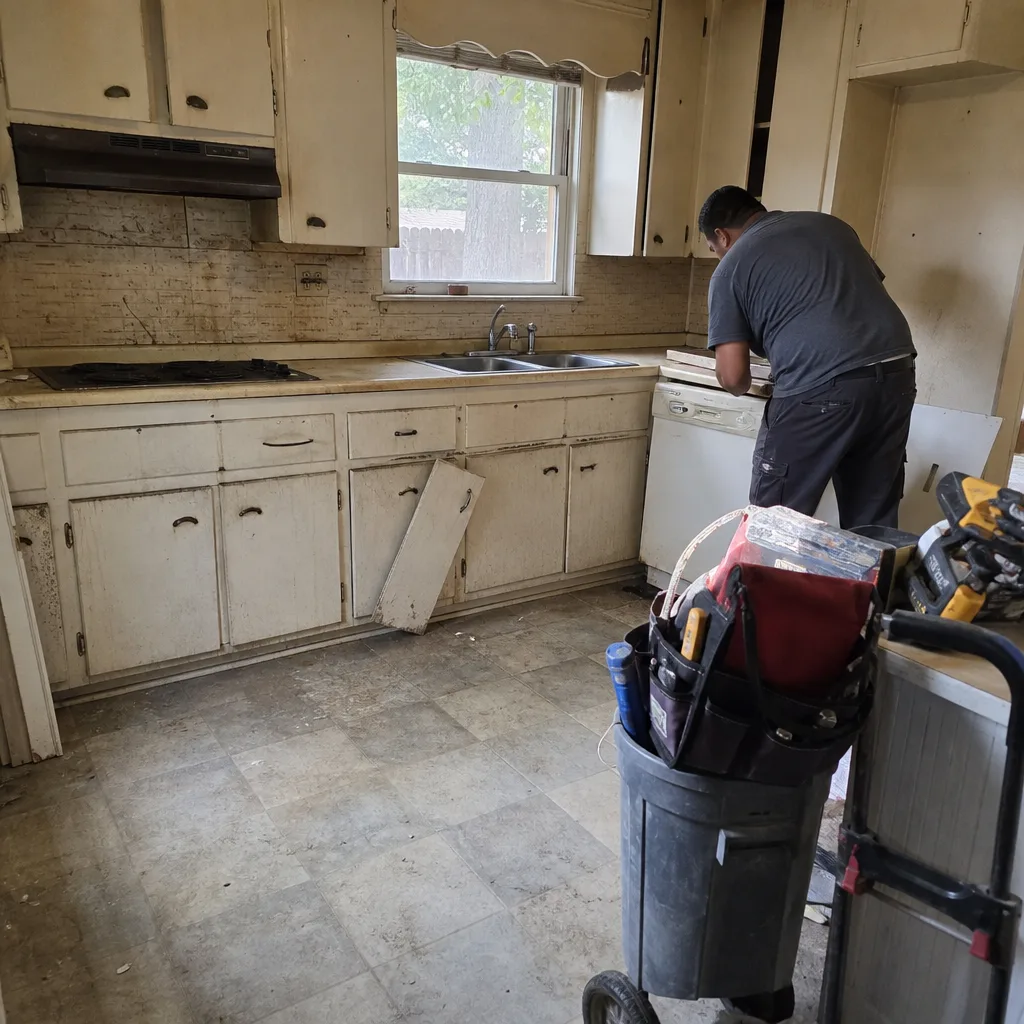 Before
 After
 Before
 After
 Before
 After
When to Call a Professional
Some Dallas projects are worth the risk of doing yourself. Hanging a fence gate, painting a wall, planting a hedge. The moment a project touches the structure of your home, the foundation, the electrical panel, or a gas line, the calculus changes. A room addition over Blackland Prairie clay needs an engineered foundation. A new kitchen needs permitted electrical and plumbing work. Roofing over a Dallas home in hail country needs a crew that knows impact-rated products and proper attic ventilation. If you’re looking at foundation movement, a cracked slab, a failing roof, or a fence whose posts have started to lean, get a professional out for a look before the fix gets more expensive.
Groundwork Construction Co. of Dallas offers free estimates in Dallas and the surrounding suburbs. Call (844) 797-4808 to schedule yours. Calls are answered by a live person 24/7, so you’re not leaving a message into a voicemail at 8 p.m. on a Friday.
Frequently Asked Questions
A mid-range Dallas kitchen remodel typically lands in the equivalent range of a modest minor remodel up to a full layout change with relocated plumbing and electrical, and the difference is driven by the size of the kitchen, whether the layout moves, and the finish level you choose. Quartz countertops from Silestone or Caesarstone add cost over laminate, and cabinetry is usually the biggest single line item. Get a written line-item bid before committing. Call (844) 797-4808 for a free estimate on your Dallas kitchen.
Room additions, accessory structures, and anything that changes the footprint or structural elements of your home require a permit in the City of Dallas. Fence rules depend on height and location, and suburban cities like Plano and Frisco have their own thresholds that may differ from Dallas. Confirm the rules for your specific address before a contractor starts. A licensed contractor will know the difference and file accordingly.
Timelines depend on scope, permit review speed at your jurisdiction, and weather. A bathroom remodel can run several weeks, a kitchen remodel commonly takes a couple of months, and additions run longer because of the permit process and foundation work. Dallas permit review timelines vary by scope, and the City of Dallas review can add weeks compared to smaller suburban offices. Get a schedule in writing with your bid.
Most Dallas hardscape cracking comes from Blackland Prairie clay movement combined with inadequate base prep. When a slab is poured directly on unprepared clay, or pavers are laid on insufficient aggregate base, the seasonal wet-dry cycle breaks the surface down. Properly excavated and compacted base with drainage that directs water away from the structure is the fix, and it’s cheaper than the repair that follows.
It shouldn’t if the scope was written correctly. The bid should name materials, dimensions, and what’s excluded, and change order rules should be in writing before work begins. Groundwork Construction Co. of Dallas works from upfront pricing with no surprises: the number you see is the number you pay once the scope is agreed. If another bid you’re holding is a verbal estimate, ask for a written line-item version before you commit.
Verify trade licenses for electrical, plumbing, and HVAC; call the insurer to confirm current general liability and workers’ compensation coverage; check the BBB and Texas consumer complaint records for patterns of unresolved issues; and require a written scope, payment schedule, and warranty. A contractor who pushes back on any of those steps is telling you something. Groundwork Construction Co. of Dallas uses background-checked, uniformed technicians and backs work with the 730-Day Done Right Promise, and calls are answered live 24/7.
The Bottom Line
Building or renovating in Dallas is as much a negotiation with the ground and the calendar as it is with a contractor. The Blackland Prairie clay will test every foundation, driveway, and fence post you pour or set. Dallas summers rewrite the concrete pouring schedule. Permits run through a city office whose timelines look nothing like Plano’s, Frisco’s, or McKinney’s. And the contractor market rewards homeowners who check licenses, insurance, and written scopes before signing. Get those four things right and the rest of the project can actually be about the finishes, the layout, and the home you’re building. Get them wrong and no finish choice will save you. If you’re ready to plan a Dallas project, our Fence Installation in Dallas and Driveway & Pavers in Dallas guides cover the trade-specific details, and our team is available to talk through the rest.
Ready to Get a Free Estimate?
Groundwork Construction Co. of Dallas works from foundation to finish line on kitchen remodels, bathroom remodels, roofing, windows and doors, fence installation, driveway and pavers, and home additions and ADUs. Every project is backed by the 730-Day Done Right Promise, our technicians arrive background-checked and in uniform, and the pricing is upfront with no surprises. We offer 0% financing for 18 months and $1,000 off projects over $10,000, along with a free project estimate and design consult. Call (844) 797-4808 to schedule your free estimate. Calls are answered by a live person 24 hours a day, 7 days a week.
Written by the team at Groundwork Construction Co. of Dallas.