
Last updated November 17, 2026
 Home additions & ADU
 Kitchen remodeling
 Bathroom remodeling
 Roofing
 Windows & doors
 Driveway & pavers
 Fence
Free written scope consultation - allowances, timeline, and change-order rules on paper before a single trade is scheduled
Construction Warning Signs: A Dallas Homeowner’s Reference Guide
A hairline crack in drywall and a stair-step crack in brick veneer look similar to an untrained eye. One is normal house settling. The other can point to foundation movement that runs $8,000 to $40,000 to address in Dallas’s expansive clay soil. Contractors count on homeowners not knowing the difference, because a confused buyer asks fewer questions and signs faster. This guide closes that gap. You’ll learn which crack shapes and widths demand an engineer’s evaluation, how water intrusion announces itself inside a Dallas home before anything shows outside, what skipped subbase compaction looks like in Texas heat, and why the order you call a structural engineer versus a contractor changes your cost and your legal footing.
Quick Answer
Most construction problems that turn expensive in Dallas announce themselves weeks earlier through a narrow set of visible signals: stair-step or diagonal cracks in brick wider than 1/4 inch, doors and windows that suddenly stick, water staining on interior ceilings or along baseboards, standing water against the slab after rain, and flatwork that cracks in spiderweb patterns within days of a pour. The single most important rule: call a licensed structural engineer before you call a contractor to fix a suspected structural problem, because the engineer’s report protects you and the contractor’s opinion doesn’t.
Styles & brands we work with
- Kitchen remodeling
- Bathroom remodeling
- Home additions & ADU
- Roofing
- Windows & doors
- Driveway & pavers
- Fence
Table of Contents
- The Crack Taxonomy: Reading Dallas Clay-Soil Foundation Movement
- Water Intrusion Warning Signs That Show Up Inside First
- Contractor Red Flags During Active Construction
- Improper Concrete Curing in Texas Heat and Skipped Subbase Compaction
- Roof Decking and Flashing Warning Signs After Dallas Hail
- When to Call a Structural Engineer Versus a Contractor
- The Early Detection Sequence: A Walkthrough Checklist
- Common Mistakes to Avoid
The Crack Taxonomy: Reading Dallas Clay-Soil Foundation Movement
Dallas sits on some of the most reactive clay in the country. The blackland and expansive soils under neighborhoods from Lakewood to Preston Hollow swell when wet and shrink when dry, and the swing between a wet spring and a 100-degree August can move a slab by an inch or more. That movement shows up in the walls, and not all of it is a problem.
Cosmetic cracks are typically vertical, hairline (under 1/16 inch), located at drywall seams or above door corners, and stable over months. Foundation movement cracks look different:
- Stair-step cracks in brick or mortar joints that zigzag diagonally. These follow the masonry pattern and usually trace back to differential settlement at a corner.
- Diagonal cracks radiating from the corners of door and window openings, wider at one end than the other.
- Horizontal cracks in brick veneer or a foundation wall. These are the rarest and often the most serious.
- Cracks wider than 1/4 inch anywhere in exterior masonry.
- Cracks that keep growing. A crack you can measure with a pencil mark and watch over 60 to 90 days tells you more than any single snapshot.
In our experience across Dallas renovations, the pattern matters more than any single crack. A stair-step at one corner plus doors that stick in the same room plus a slope you can feel walking across the floor is a cluster worth an engineer’s look. A single vertical hairline at a drywall seam above a door, in a house that’s 30 years old and hasn’t moved in a decade, usually isn’t. Slab-on-grade foundation repair in Dallas commonly runs $8,000 to $40,000 depending on the number of piers and the access, which is why the diagnosis has to come before the quote.
What to record before you call anyone
- Photograph each crack with a tape measure or coin beside it for scale.
- Mark the ends of every crack with a pencil and date the mark.
- Re-photograph at 30, 60, and 90 days from the same angle.
- Note which doors and windows stick, and whether the sticking changes with the season or after rain.
- Write down any recent plumbing leaks, irrigation changes, or new tree removals near the foundation.
That record is worth more to an engineer than a thousand words on a phone call, and it costs you nothing to build.
Water Intrusion Warning Signs That Show Up Inside First
Water damage almost always announces itself indoors before you see anything wrong outside. By the time a fascia board is soft or a siding panel is stained, the moisture has usually been traveling for weeks or months. In Dallas, the trigger is rarely a single storm. It’s the slow sequence: a clogged gutter in November, a low spot in the grade that holds water through the winter rains, and a flashing detail that was never quite right.
Watch for these interior signals, roughly in the order they typically appear:
- Faint musty smell in a room or closet, especially after a rain event. Smell usually precedes visible staining by weeks.
- Paint that bubbles or blisters along a ceiling edge, wall corner, or above a window.
- Yellow-brown rings or tide-line stains on drywall or ceiling texture. A ring means water pooled and dried at least once.
- Baseboards that swell, pull away, or feel soft when you press them.
- Dark or discolored grout in a shower or tub surround that stays dark after cleaning. This is often the first sign of a failed waterproofing membrane behind the tile, and it’s the point at which Schluter or comparable waterproofing systems earn their keep.
- Efflorescence: white, powdery mineral deposits on interior brick or the inside of an exterior wall.
- Floor squeaks or cupping near a wall, which can mean subfloor moisture.
The early detection sequence matters because water travels. A roof flashing failure at the chimney can show up as a stain on a ceiling 12 feet away. A window that leaks at the sill can rot the framing and the sheathing long before the interior trim shows a problem. When we open walls on a Dallas remodel, the surprises we find are almost always water that got in months earlier and had time to work. If you’re planning a Groundwork Construction Co. of Dallas home renovation and suspect a moisture issue, that’s the moment to start investigating, not after the demolition begins. Catching it in the planning phase saves you a change order, a delay, and sometimes a mold remediation bill.
Contractor Red Flags During Active Construction
Once work starts, the warning signs shift from the structure of your house to the behavior of the crew and the paperwork. Some of these are obvious. Others look like speed or confidence and only become obvious in hindsight. What you want in a Dallas contractor is a plan, in writing, that holds up when the weather turns.
- No written schedule or scope documents. A verbal “we’ll be out next week” is not a schedule. A scope with line items, brands, and square footages should exist before the first material arrives.
- Change orders by text message. Changes should be written, priced, and signed off before the work proceeds. Upfront pricing, no surprises, is the standard, and if a contractor can’t put a change in writing, you should assume the price will move.
- Subcontractor churn. Three different framing crews in three weeks is a sign the general contractor can’t hold labor. That risk lands on your schedule and sometimes your quality.
- Concrete form boards left on too long or stripped too early. A crew that pulls forms before the concrete has cured to strength is telling you something.
- No vapor barrier or gravel laid under a slab. On flatwork, you can usually check this in the hour before a pour. Look for 4 to 6 inches of compacted granular base and a plastic vapor barrier over the soil.
- Rebar or mesh laid on the ground instead of chaired up. Steel that sits on dirt does nothing to reinforce a slab.
- Job site cleanliness that degrades over days. Rotted materials, nail piles, and no dust control are a proxy for attention to detail elsewhere.
- No permit displayed and no inspection schedule. In Dallas, permitted work goes through visible inspection stages, and a contractor who avoids that is avoiding accountability.
We answer calls from Dallas homeowners in the middle of other people’s jobs, and the pattern is consistent: the early red flags were all in the first two weeks. The homeowner saw them, doubted themselves, and let the schedule pressure carry them forward. Trust your read. A good contractor will not be bothered by the questions.
Improper Concrete Curing in Texas Heat and Skipped Subbase Compaction
Concrete failures on Dallas flatwork are usually traceable to two causes: bad curing and shallow prep. Both happen in the first 48 hours of a project and both are visible if you know where to look. If you’re installing a Driveway & Pavers in Dallas project, these are the details that determine whether the surface still looks right in 10 years or starts cracking in 18 months.
What bad curing looks like in a Texas summer
Concrete wants to cure slowly. In 100-degree Dallas heat with low humidity and wind, freshly placed concrete loses moisture fast, and if the crew doesn’t take steps, the surface dries before the slab has gained strength. Signs include:
- Plastic shrinkage cracks within 12 to 24 hours of the pour, usually short and parallel, often near edges or over rebar.
- Dusting, where the top surface powders underfoot or leaves a chalky residue.
- Crazing, a fine spiderweb pattern on the surface months later.
- Scaling or flaking, especially after the first winter.
The fix is method, not material. A crew should place concrete in the cooler morning hours when possible, use a curing compound or keep the slab wet for the first week, and avoid adding water to the mix on site beyond what the mix design allows. Extra water makes the concrete easier to finish and weakens it by roughly the same proportion. If you see the crew hosing the mix on the truck or in the forms, ask why.
What skipped subbase compaction looks like
- Watch the excavation phase. A proper driveway or patio base is 4 to 6 inches of select fill or crushed stone, placed in lifts of 2 to 3 inches and compacted with a plate or roller between lifts.
- Ask whether a compaction test was done. On larger flatwork, it should be.
- Look for soft or spongy ground before the pour. If the base moves underfoot, it hasn’t been compacted.
- Check that the finished slab drains away from the house at roughly 1/4 inch per foot. In Dallas’s clay, a slab that ponds water against the foundation is a future foundation repair bill.
- Confirm control joints were cut within 24 hours of the pour. Joints cut late invite random cracking.
A properly built Dallas driveway or patio is a 20-year surface. A rushed one starts cracking in the first summer, and the contractor is often unreachable by the time it matters. That gap is exactly why we back workmanship with a 730-Day Done Right Promise: if it’s not done right, we make it right, and the timeline gives you two full summers of real-world exposure to test the concrete.
Roof Decking and Flashing Warning Signs After Dallas Hail
Roof damage after a Dallas hailstorm is often invisible from the ground, and some of the most consequential signs never show up in a simple walk-around. Hail dents in shingles are the obvious part. What matters more is what the hail did to the decking and the flashing, and what the insurance adjuster and the roofer can each actually see.
Signs worth checking, ideally with a roofer on the roof rather than from the driveway:
- Soft spots in the roof deck that flex underfoot or give when pushed. This usually means water got past the shingles at some point and rotted the OSB or plywood.
- Rust or dark staining at nail heads, which can signal long-term moisture exposure.
- Sagging between rafters, visible in the roofline from the street or in the attic from below.
- Daylight visible through the roof deck from inside the attic, especially around chimneys, skylights, and plumbing vents.
- Flashing that’s lifted, dented, or sealed with caulk only. Step flashing should be metal, layered with the shingles, not smeared with sealant.
- Granule loss visible as dark patches or piles in the gutters after a storm.
- Interior ceiling stains that appear after the first rain following a hail event, even if the roof looked fine on the day of the storm.
In our experience, the flashing details at chimneys and wall intersections are where Dallas roofs fail first, not the field shingles. That’s why the shingle brand matters less than the install: GAF and Owens Corning systems both perform when installed to spec and both fail when the flashing isn’t right. When we quote a roof replacement, we quote a full system, including underlayment, ice-and-water shield in the valleys, drip edge, and proper step flashing. If a bid doesn’t mention those items by name, it’s missing scope. If you’re also replacing Fence Installation in Dallas after the same storm, check the fence line for popped boards and leaning posts from saturated soil, which often accompany the same weather system that damaged the roof.
When to Call a Structural Engineer Versus a Contractor
This is the single most expensive decision in the warning-sign playbook, and most Dallas homeowners get the order wrong. The instinct is to call a contractor first because contractors are who you know and who give you numbers. For a suspected structural problem, that order is backwards.
The reason is straightforward. A structural engineer is a licensed, independent professional whose job is to diagnose. A contractor is a licensed professional whose job is to build or repair. If you call the contractor first on a foundation problem, you get a repair proposal based on a visual opinion. If you call the engineer first, you get a written report that says exactly what’s happening and what the fix needs to accomplish. The contractor then builds to the engineer’s scope, and the contractor’s own warranty and your homeowner’s insurance both stand on far firmer ground.
Call a structural engineer when you see:
- Cracks in brick or stone wider than 1/4 inch, or any horizontal crack.
- More than one door or window suddenly out of square in the same area of the house.
- A floor that visibly slopes or bounces more than it used to.
- Any suspected foundation movement on a Dallas clay-soil lot.
- A contractor who tells you that you need foundation repair, before you have an independent report.
Call a contractor when you see:
- Cosmetic cracks that haven’t moved in 60 days.
- A single door that sticks after a wet spring and frees up in summer.
- Water staining or moisture issues with no structural symptoms.
- Roof damage, flatwork issues, or any planned remodel or addition.
An engineer’s report on a residential structural concern in Dallas is typically a modest professional fee relative to the repair. On a foundation issue, that report frequently saves more than it costs, because it prevents you from paying for a repair you didn’t need or from starting a lawsuit you can’t support without documentation. Get the diagnosis in writing. Then get the build in writing. Every project we take on in Dallas is quoted with upfront pricing, no surprises, because we’re quoting to an agreed scope, not to an estimate that grows as we go. If it’s an addition or Home Additions & ADU in Dallas project, the structural considerations multiply, and the engineer relationship matters even more.
The Early Detection Sequence: A Walkthrough Checklist
If you suspect something is wrong, walk the house in this order. Each step builds on the last, and the whole sequence takes under an hour. Do it four times a year, once per season, and after any major storm.
- Start outside at the slope. Walk the perimeter and check that water drains away from the foundation. Puddles within 6 feet of the slab are a red flag.
- Read the brick and stone. Photograph every crack over 1/16 inch. Look for stair-step patterns and anything horizontal.
- Open and close every door and window. Note which ones stick and in which season. The pattern tells you more than the individual symptom.
- Walk every floor and feel for slope. Place a marble on the floor and see where it rolls.
- Check the ceilings and walls. Look for rings, bubbling paint, tape separation at drywall joints, and crown molding gaps.
- Look at the baseboards. Press the bottom edge of every baseboard, especially in bathrooms and along exterior walls. Soft or swollen baseboards mean moisture.
- Go up into the attic. Look for daylight, staining on rafters, and any sign of pest or rodent activity.
- Check the moisture-sensitive rooms. Dark grout, a toilet that rocks slightly, or a shower that smells musty after use are early plumbing signals.
Compare your records quarterly. A stable house looks the same in the fourth set of photos as the first. A moving house shows it clearly, and you’ll know within 90 days whether you have a monitoring situation or an emergency.
Common Mistakes to Avoid
- Calling a contractor before calling an engineer on a suspected foundation issue. In Dallas clay-soil conditions, an impartial diagnosis changes the entire conversation, and the engineer’s report protects your insurance claim and your legal position.
- Caulking over cracks before you document them. That caulk line hides the only evidence of movement you’ll get for free. Photograph, mark, and wait 60 days before filling anything wider than 1/16 inch.
- Accepting a verbal estimate. Verbal bids in Dallas usually win on price and lose on scope. Ask for the same items every contractor should include (flashing, underlayment, subbase, permits) in writing, then compare line by line.
- Letting a crew pour concrete in peak afternoon heat without a curing plan. Ask when the pour is scheduled, whether the slab will be kept wet or sprayed with curing compound, and what time the crew plans to cut control joints. If the answer is vague, that’s your answer.
- Ignoring a “small” water stain. A ceiling ring is where a leak has already been for weeks. A quick look on the roof with a professional in the next week is a $200 to $400 visit. Waiting through two more rains can turn it into $3,000 to $8,000 of drywall, insulation, and structural repair.
- Believing a roof bid that lists only shingles. Roof decking, flashing, drip edge, and underlayment are most of the visible durability. A GAF or Owens Corning shingle on top of rotted decking fails just as fast as the cheapest product on the shelf.
- Skipping the permit because the work “isn’t that big.” Every remodel that later needs an inspector’s signature on a sale or refinance pays for that shortcut twice. Pull the permit. Insist the contractor pulls it.
See the difference
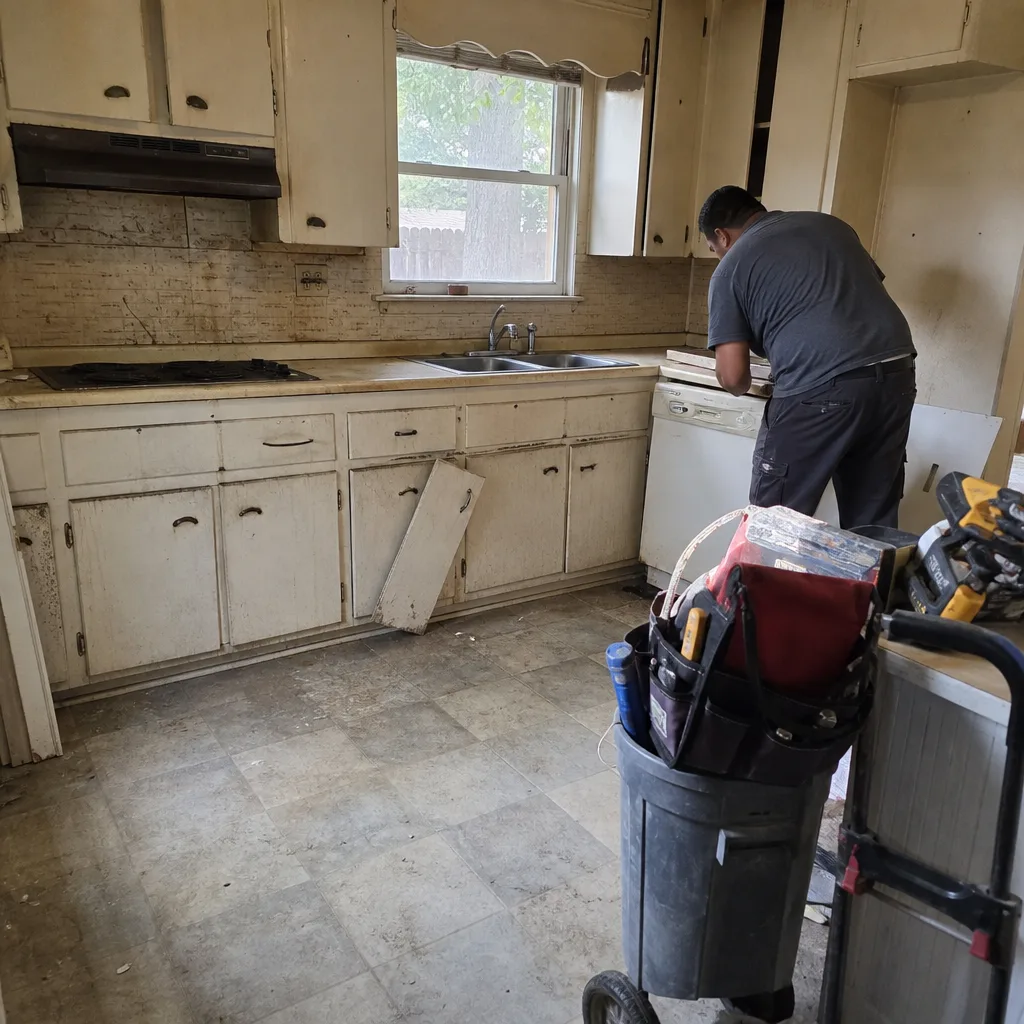 Before
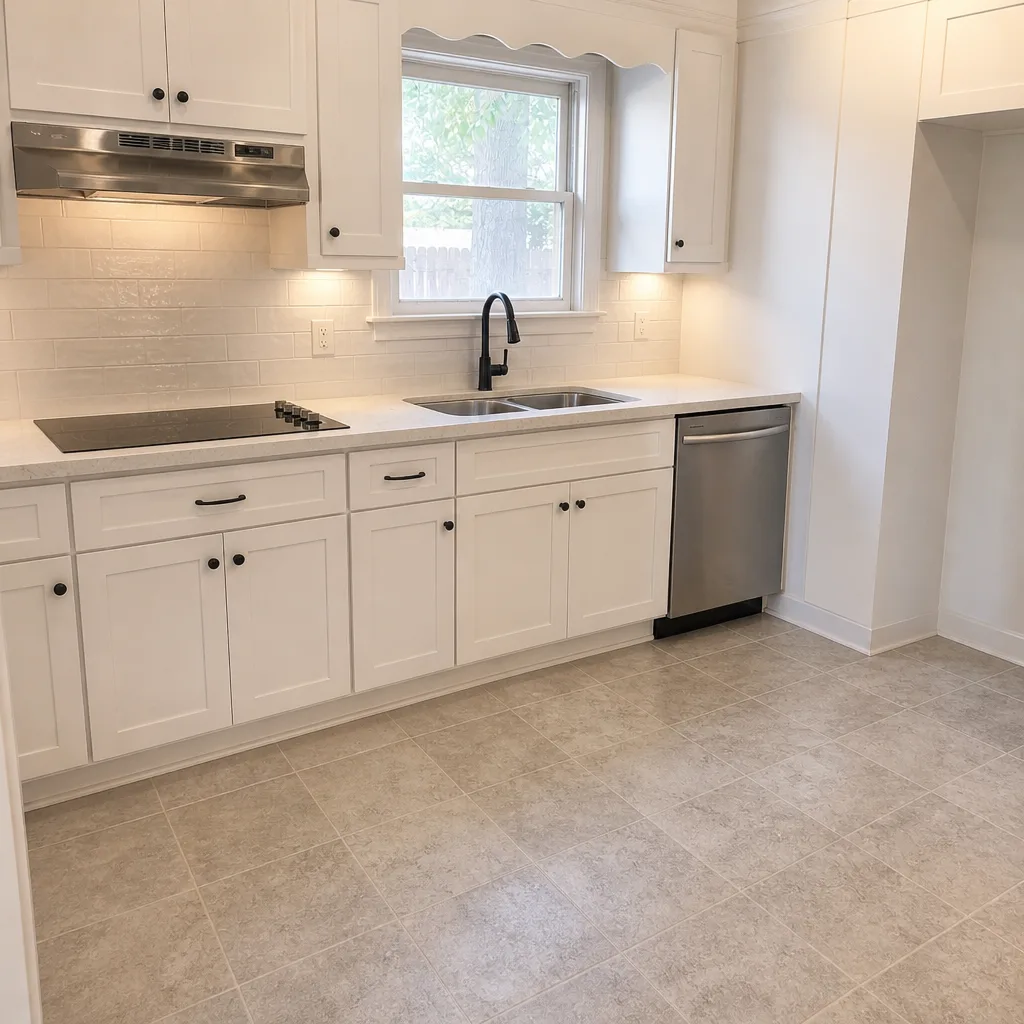 After
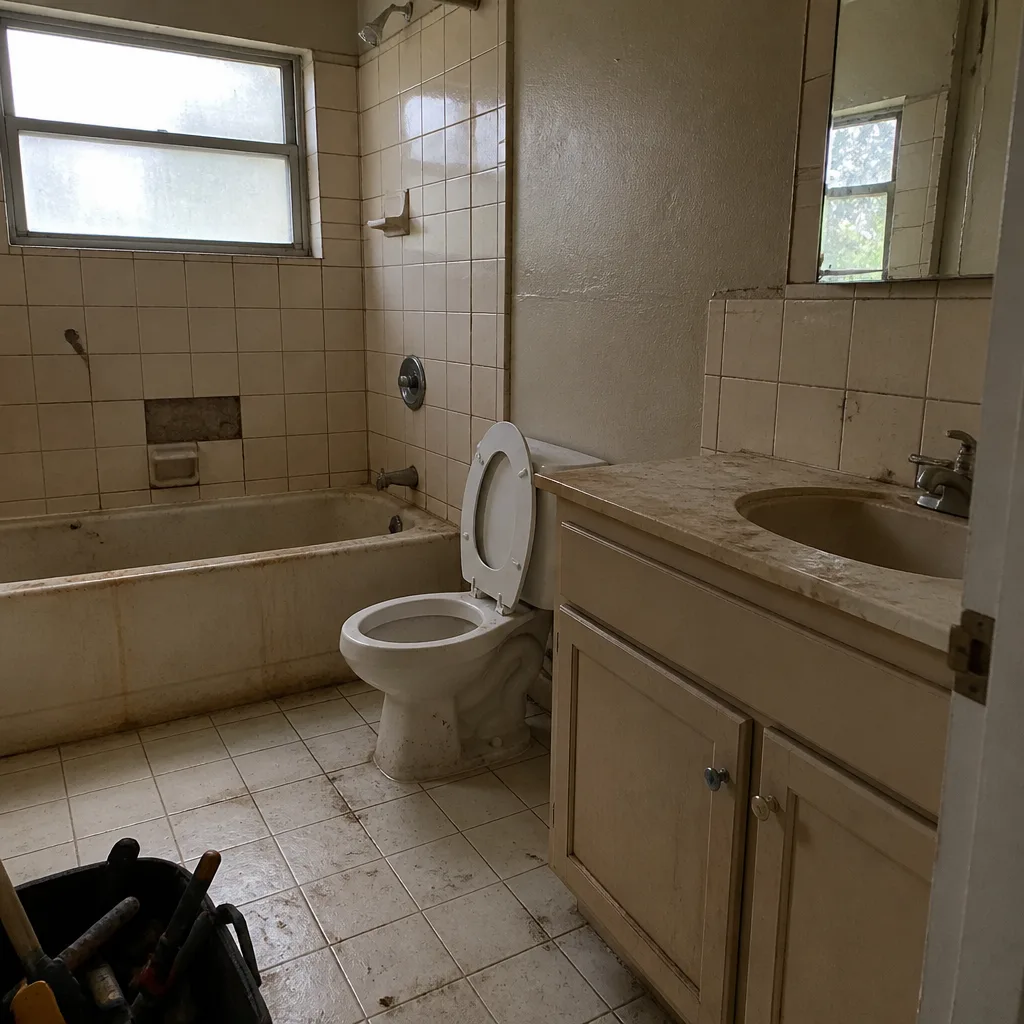 Before
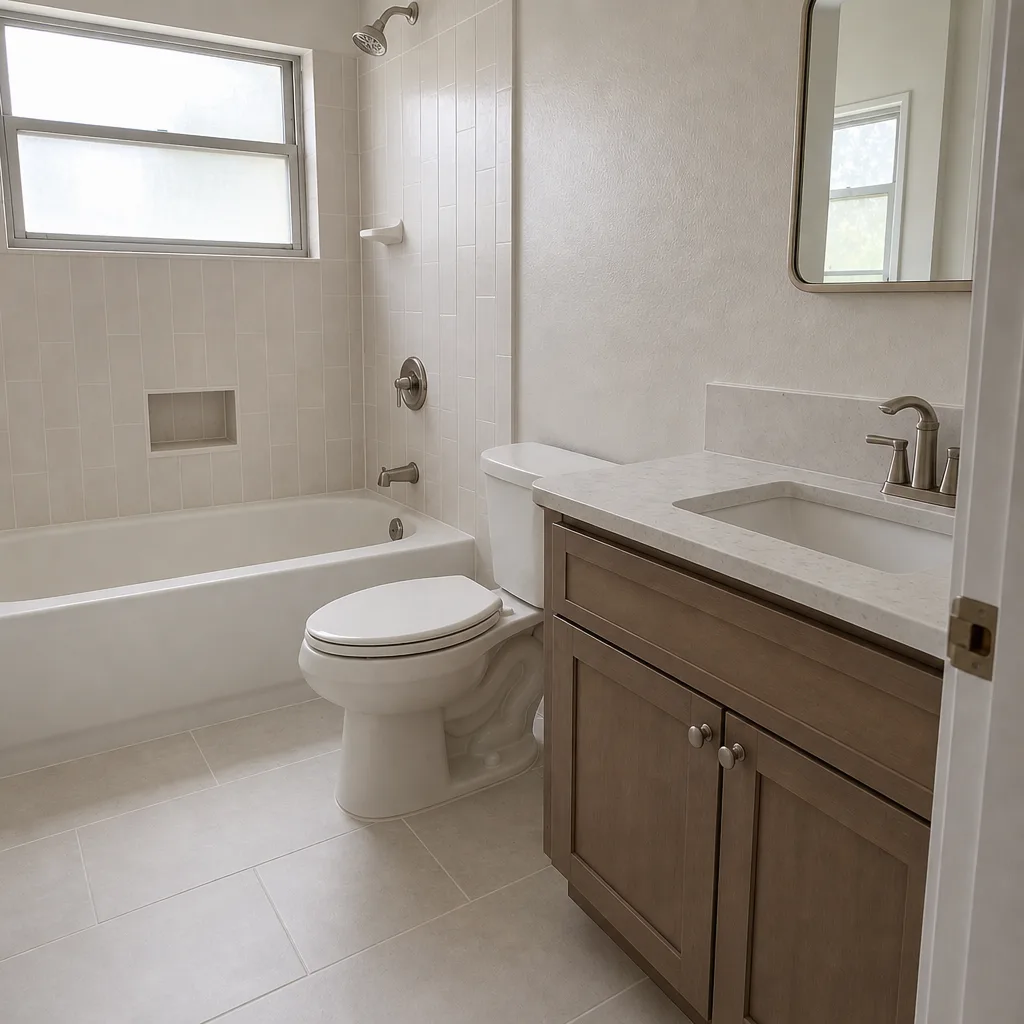 After
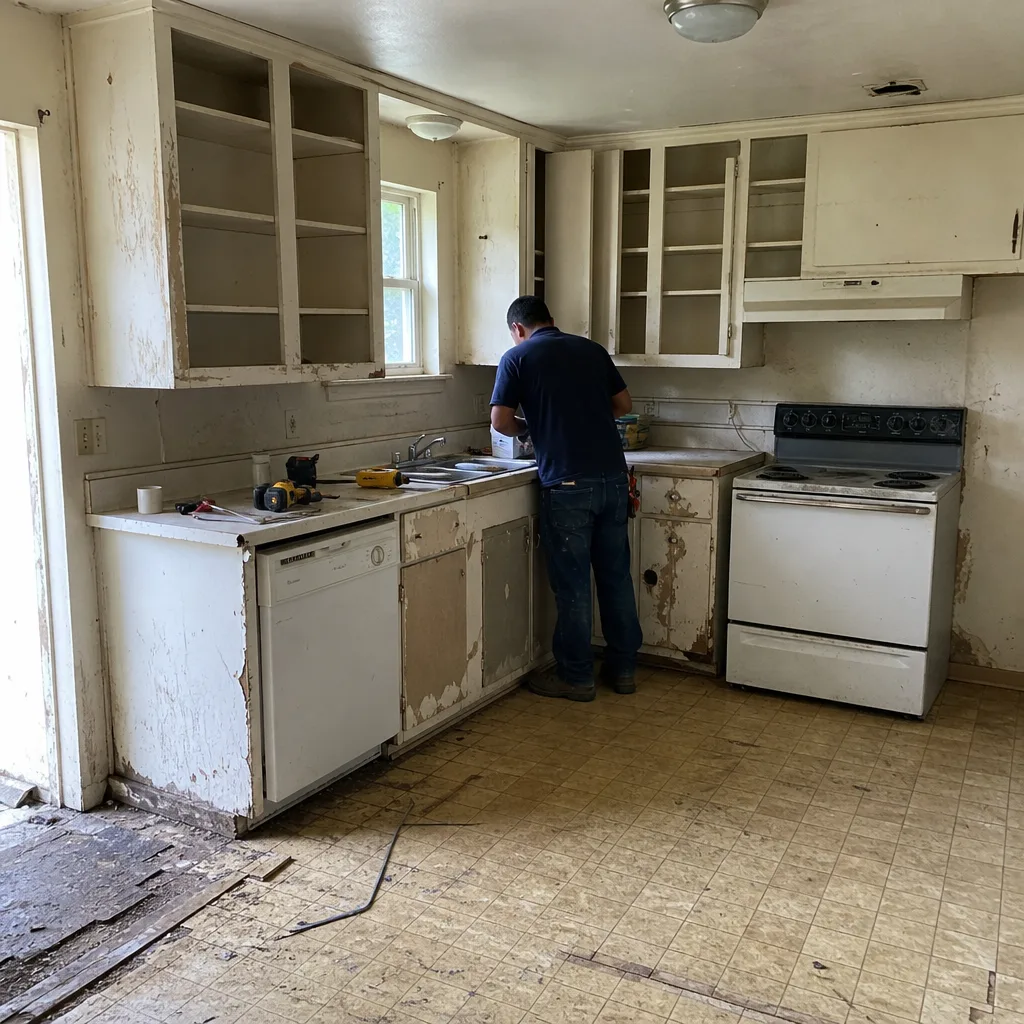 Before
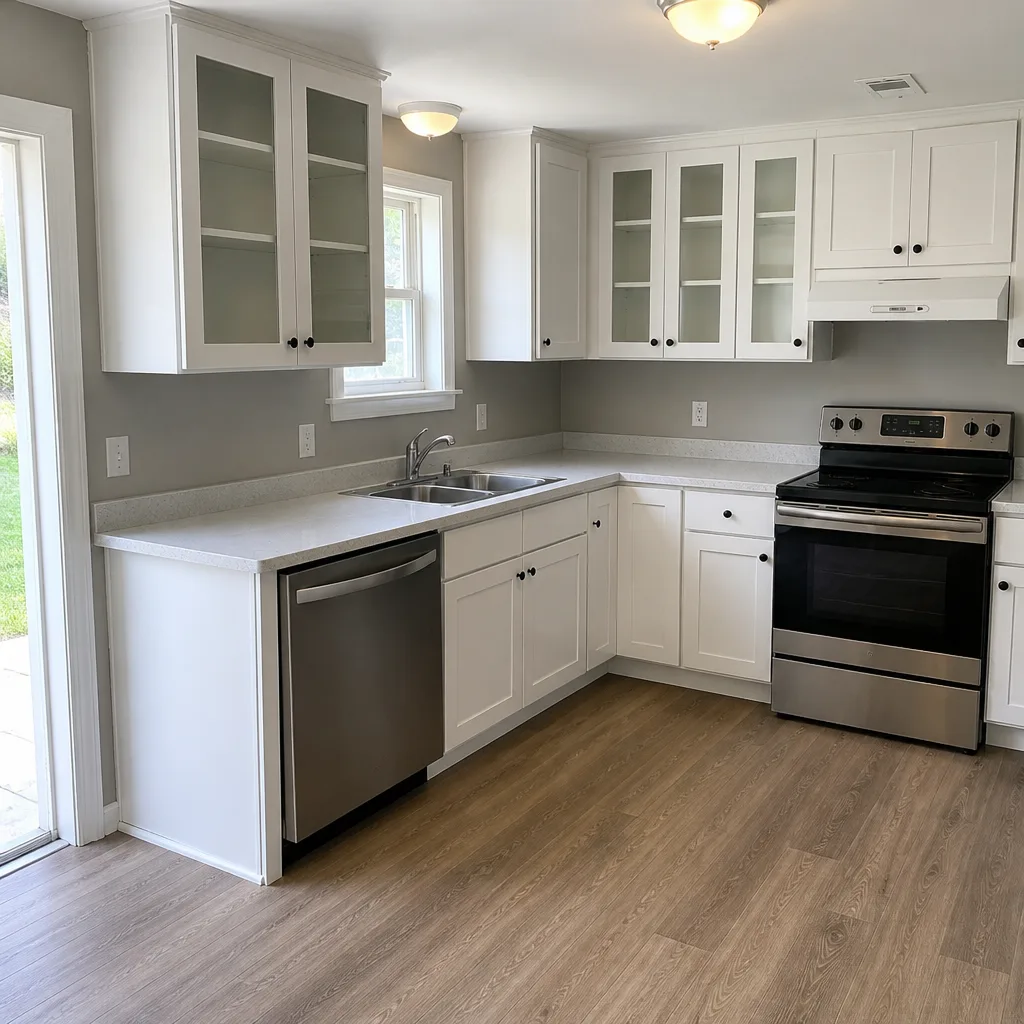 After
When to Call a Professional
Call a professional when a symptom is new, growing, or clustered with another symptom. A single cosmetic crack in drywall may not need anyone. A stair-step crack in brick plus a door that stuck in the same month is a call. Water staining on a ceiling with any odor is a call. A floor that slopes more than it did a year ago is a call, and it’s an engineer’s call first. On HVAC, gas lines, and any high-voltage electrical work, always call a licensed tradesperson; on foundation and structural issues, get the engineer’s report before any repair bid. Ignoring a contractor’s red flags in week two is one of the costliest decisions in residential construction, and reversing it in week six is often impossible.
Groundwork Construction Co. of Dallas offers free estimates in Dallas. We answer the phone with a live person, 24/7, and we back our work with a 730-Day Done Right Promise. Call (844) 797-4808 to schedule a walkthrough or a project consultation.
Frequently Asked Questions
A stair-step or diagonal crack wider than 1/4 inch in brick veneer, or any horizontal crack in brick, is serious enough to warrant a licensed structural engineer’s evaluation, especially in Dallas’s expansive clay soils where foundation movement is common. Vertical hairline cracks under 1/16 inch that haven’t grown in 60 days are typically cosmetic. Photograph and measure the crack, mark the ends, and re-check in 60 days; if it has grown, call the engineer. Call (844) 797-4808 for a free estimate once you know what needs fixing.
The first sign of water intrusion is usually a faint musty smell or a slight bubbling of paint near an exterior wall, corner, or ceiling edge, appearing weeks before visible staining. It shows up indoors because water that gets past the exterior travels along framing and drywall before it becomes visible. If you smell it or see it, get a professional on the roof and in the attic promptly. A small leak found early is a $300 to $600 fix; one found late can be thousands. Call (844) 797-4808 for an estimate.
Call a licensed structural engineer first for any suspected foundation problem. The engineer provides an independent diagnosis in writing, which protects you against unnecessary repairs and gives your contractor, insurance company, and any future buyer a clear record. A contractor’s opinion is not a substitute for an engineering report on a structural concern. Once you have the report, call (844) 797-4808 for a free estimate on the repair scope.
Three things reveal a concrete shortcut: a crew that pours in peak afternoon heat without a curing plan (look for wet burlap, plastic sheeting, or a curing compound), form boards that are stripped too early, and a base that wasn’t compacted in lifts before the pour. A typical flatwork base is 4 to 6 inches of select fill or crushed stone, compacted in 2 to 3 inch lifts, with a vapor barrier over the soil. Ask the crew when they plan to cut control joints, and watch whether they do it within 24 hours. Call (844) 797-4808 for a free estimate on a driveway or patio.
From the ground, you’ll see dented shingles and granule loss, but you’ll miss the two things that matter most: soft or rotted roof decking and failed flashing at chimneys, vents, and wall intersections. Decking rot can only be detected by walking the roof and pressing on the surface; flashing failure only shows when water is tested or the shingles are opened up. That’s why we recommend a professional roof inspection after any significant Dallas hailstorm. Call (844) 797-4808 for a free estimate.
Monitor a crack for 60 days before calling an engineer, unless it’s wider than 1/4 inch, horizontal, or paired with a door or window that no longer closes. Mark the ends in pencil, photograph with a tape measure, and re-check at 30, 60, and 90 days. A stable crack is a monitoring situation; a growing one is a report-worthy one. If you’re ready to move forward on a repair or remodel, call (844) 797-4808 for a free estimate.
The Bottom Line
Most serious construction problems in Dallas give you weeks of visible warning before they become expensive. The warning is a pattern, not a single symptom: the crack that grows, the door that starts to stick, the baseboard that softens, the concrete that cracks in the first summer. Learn to read the pattern, call a licensed structural engineer first whenever the structure is in question, and demand written scope and upfront pricing from every contractor on every project. Your house keeps the evidence. You just have to look, measure, and follow up. When you’re ready to bring in professionals who quote in writing and stand behind it, Groundwork Construction Co. of Dallas is here.
Call (844) 797-4808 to schedule your free estimate. We answer with a live person, 24/7. Ask about our 730-Day Done Right Promise, our $1,000 Off Projects Over $10,000 offer, and 0% financing for 18 months, and we’ll walk you through every detail in writing before any work begins.
Written by the team at Groundwork Construction Co. of Dallas.