
Last updated November 17, 2026
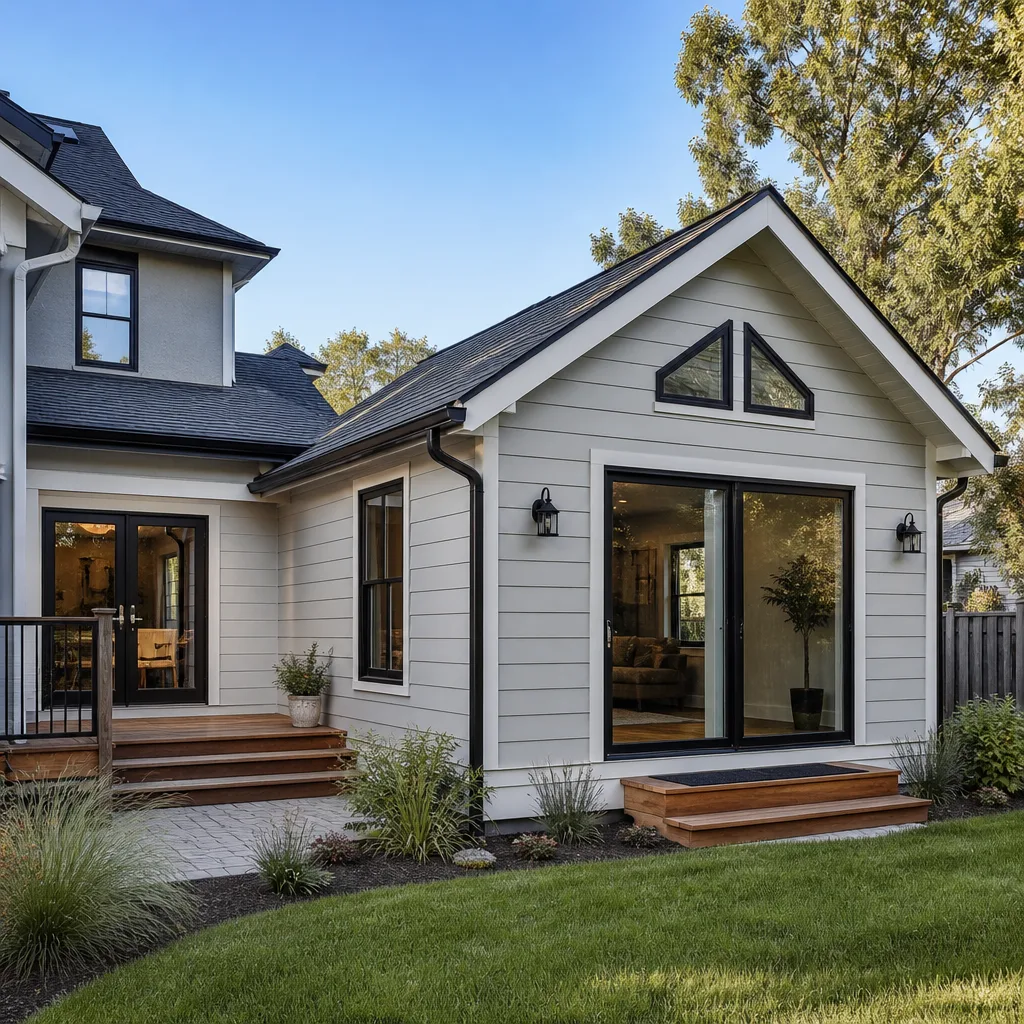 Home additions & ADU
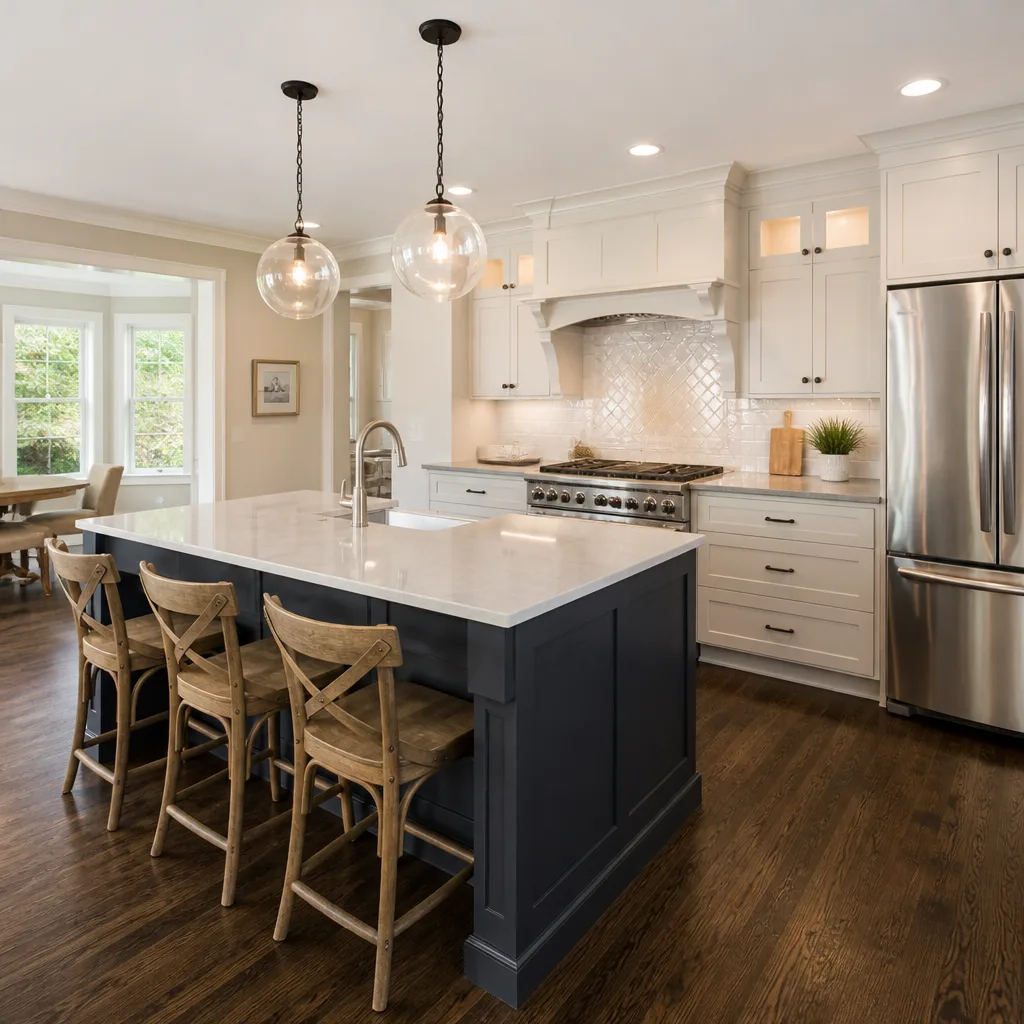 Kitchen remodeling
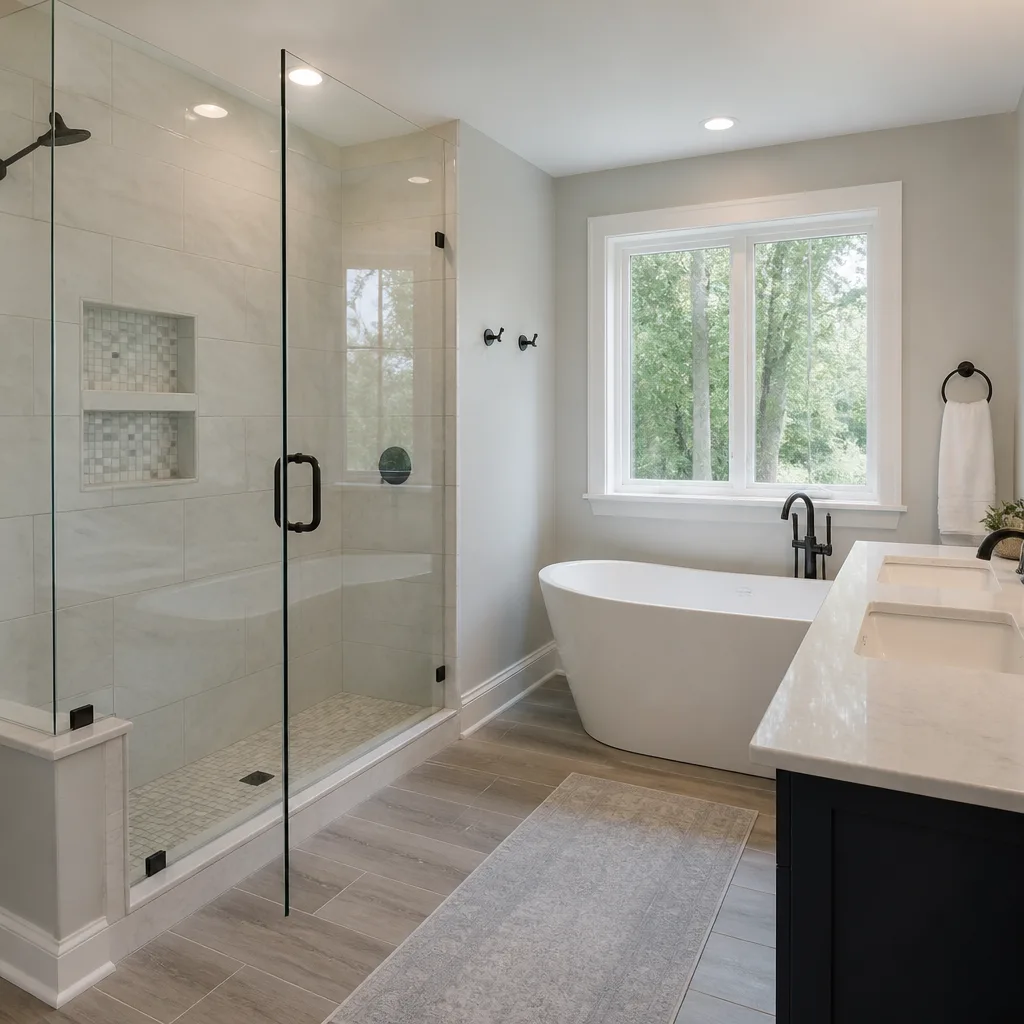 Bathroom remodeling
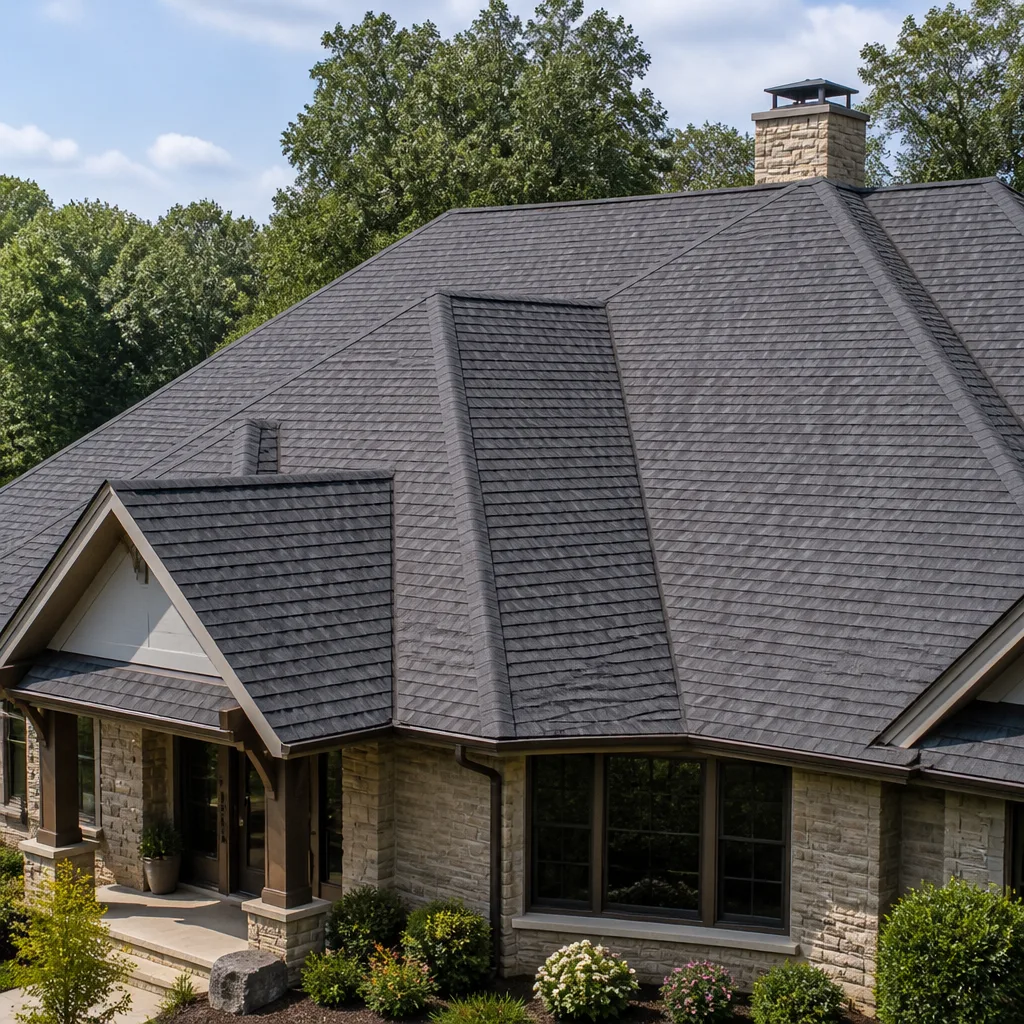 Roofing
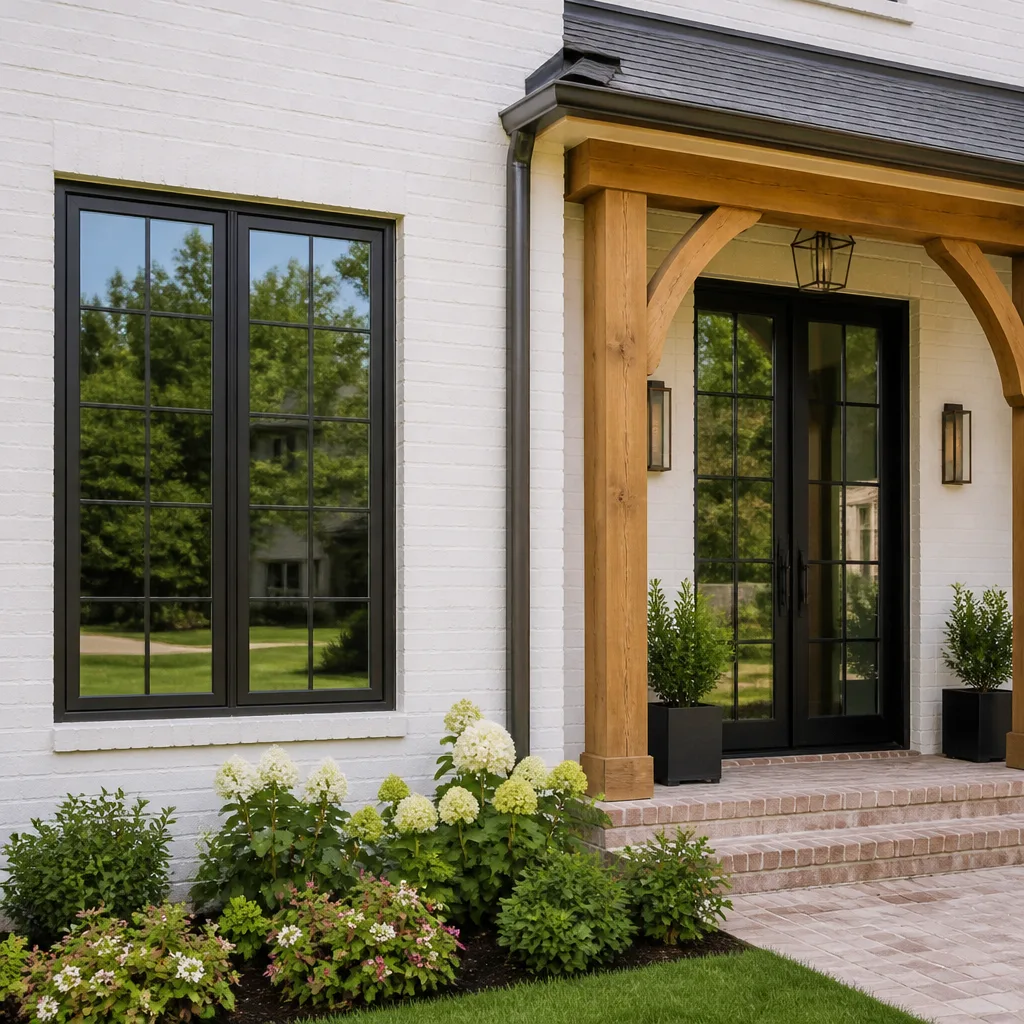 Windows & doors
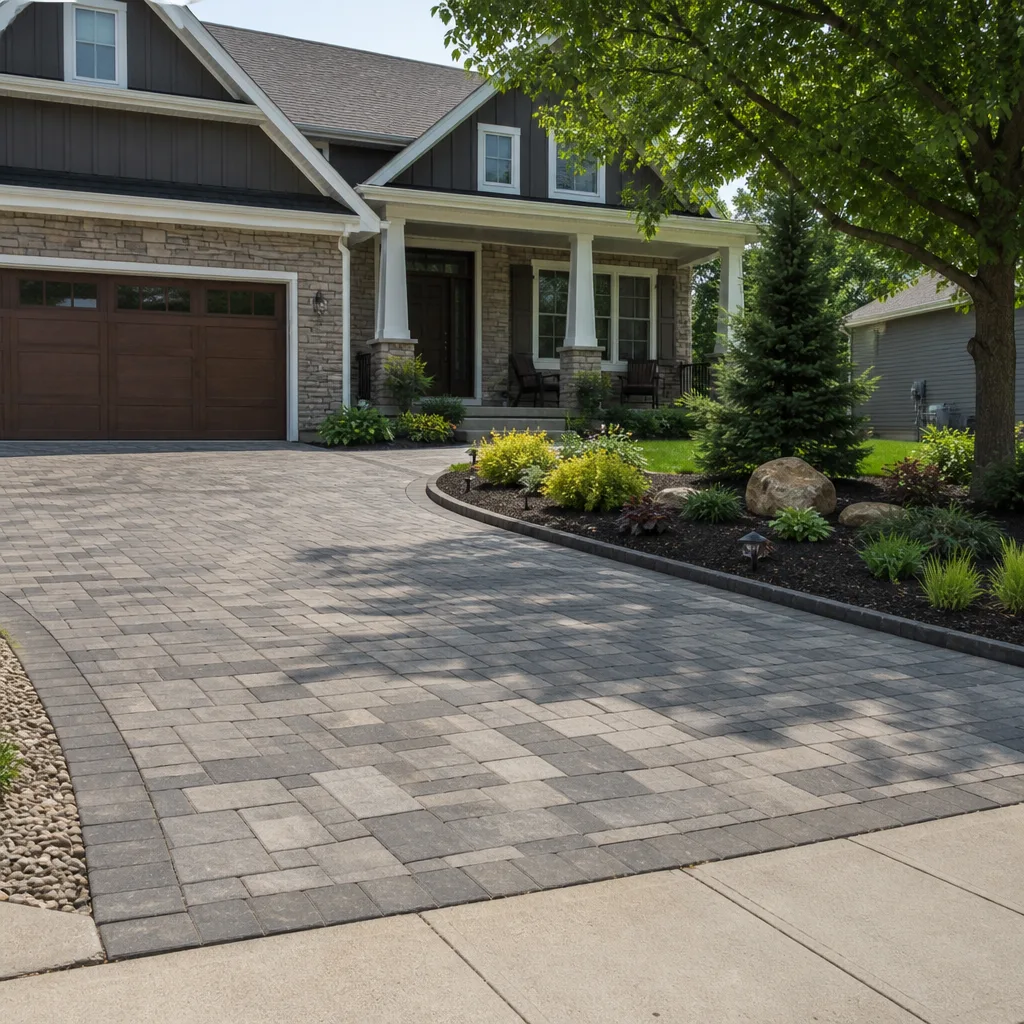 Driveway & pavers
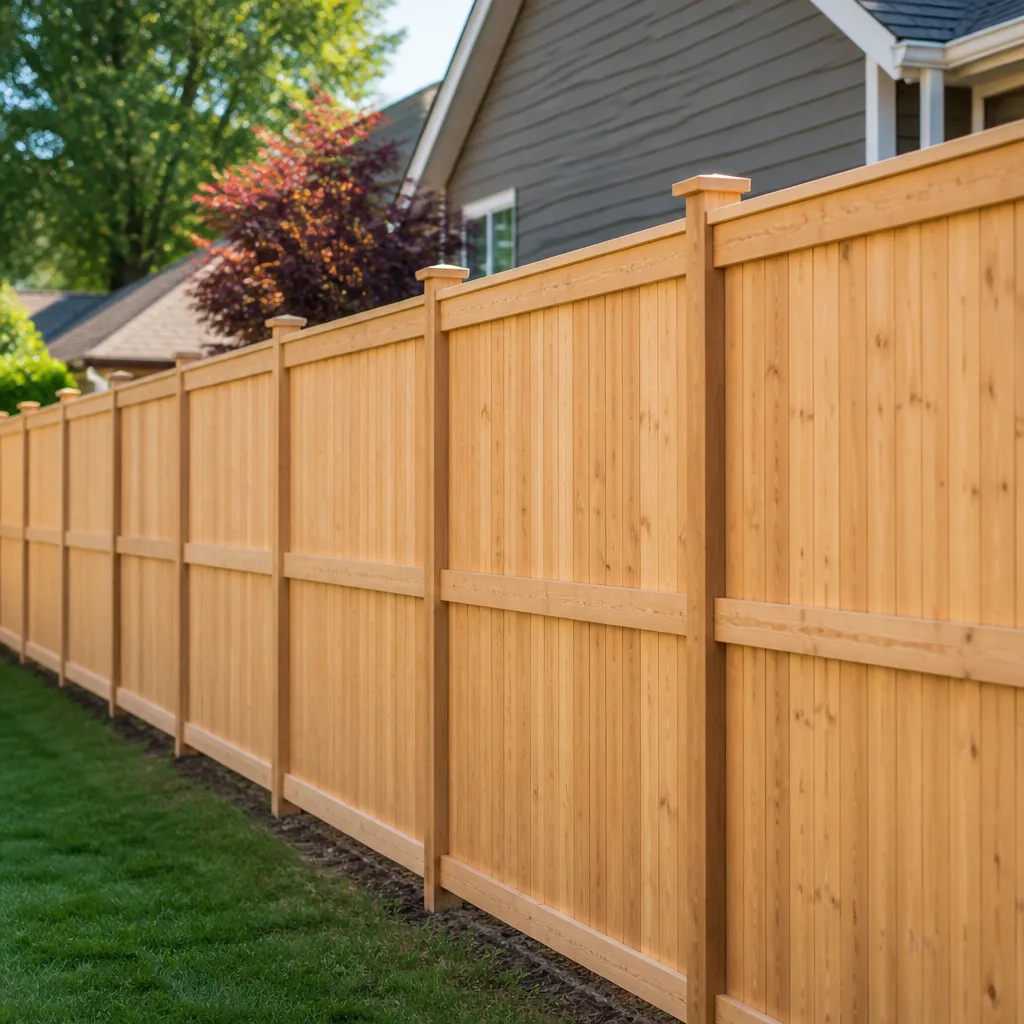 Fence
Free written scope consultation - allowances, timeline, and change-order rules on paper before a single trade is scheduled
DIY vs Professional Construction: The Dallas Homeowner’s Decision Guide
Three projects YouTube makes look like weekend jobs – concrete flatwork, retaining walls over 30 inches, and electrical panel work – sit among the top five triggers for a failed home sale when they were built without permits or professional oversight. In Dallas, that risk runs higher than in most markets, because the clay under your house and the code rules above it both punish shortcuts hard. This guide breaks down which projects are genuinely DIY-viable here, which ones carry permit, insurance, or structural risk you can’t see until it’s expensive, and how to compare true costs without fooling yourself. You’ll leave knowing exactly where the line sits for your Dallas home.
Quick Answer
In Dallas, DIY makes sense for painting, minor landscaping, fixture swaps, and other cosmetic work that needs no permit and touches nothing structural. Everything that requires an inspection – electrical panels, gas lines, retaining walls over 30 inches, new concrete, additions, most fencing over the property line rules – carries real liability and insurance exposure when done unpermitted, and the expansive clay soil across Dallas means amateur concrete and paver work fails at a measurably higher rate than in stable-soil markets. The question isn’t whether you’re handy. It’s whether the project can survive a Dallas inspection and a Dallas drought-flood cycle.
Styles & brands we work with
- Kitchen remodeling
- Bathroom remodeling
- Home additions & ADU
- Roofing
- Windows & doors
- Driveway & pavers
- Fence
Table of Contents
- The Dallas DIY Decision Matrix
- Why Dallas Clay Soil Punishes Amateur Concrete and Paver Work
- Permits, Inspections, and What Unpermitted Work Does to Your Home’s Value
- Texas Liability and the Insurance Exclusions Hiding in Your Policy
- The True Cost Comparison: DIY vs Professional in Dallas
- The Middle Path: Partial DIY That’s Legal and Cost-Effective in Texas
- Common Mistakes to Avoid
- When to Call a Professional
The Dallas DIY Decision Matrix
Start with the only question that matters early: does this project require a permit or touch a system that can hurt someone? In Dallas, the answer splits your list fast. Cosmetic work is yours to own. Life-safety systems and anything below grade belong to licensed trades. The matrix below is the one we walk Dallas homeowners through before they pick up a tool or sign a bid.
Genuinely DIY-viable in Dallas:
- Interior and exterior painting (no lead paint concerns in pre-1978 homes unless tested)
- Minor landscaping, sod, mulch, and planting beds that don’t alter drainage
- Swapping light fixtures, outlets, and switches on existing circuits
- Replacing a faucet, toilet, or showerhead where the rough-in stays put
- Cabinet hardware, shelving, trim, and other finish carpentry
- Pressure washing, gutter cleaning, and seasonal roof maintenance
Carries permit, insurance, or structural risk in Dallas:
- Any new concrete flatwork – driveways, patios, walkways, slabs
- Retaining walls over 30 inches, and any wall holding back a slope
- Electrical panel replacement or new circuits
- Gas line work of any kind
- Roof replacement and structural roof repair
- Fence installation on or near property lines
- Additions, ADUs, and any change to the building footprint
- Window and door replacement in load-bearing walls
The pattern holds across Dallas neighborhoods. In older areas like Lakewood and Oak Cliff, the hidden risk is often unpermitted work left behind by a previous owner. In newer North Dallas and Plano-edge subdivisions, it’s usually DIY concrete or fence work the current owner installed. Either way, the second owner inherits the liability. When you’re ready to price the projects that land in the second column, Groundwork Construction Co. of Dallas home is the place to start.
Why Dallas Clay Soil Punishes Amateur Concrete and Paver Work
Dallas sits on some of the most expansive clay in the country. That black gumbo soil swells when it’s wet and shrinks hard when it’s dry, and it moves a lot more than the sandy or rocky soils most DIY videos were filmed on. A slab that looks perfect in April can be cracked into four pieces by the next August. This is the single biggest reason concrete and paver projects fail here at a higher rate than in stable-soil markets – not bad workmanship so much as workmanship that ignored the ground.
What professionals do differently in Dallas:
- Test and prep the subgrade. We dig out and compact in lifts, and we build in a proper base depth – usually 4 to 6 inches of compacted crushed base for pavers, more for heavy loads. DIY installs often skip this entirely.
- Engineer for movement. Control joints, expansion joints, and reinforcement steel are placed to give the slab somewhere to crack deliberately rather than randomly.
- Manage water. Grading and drainage are set so water runs away from the foundation and off the slab, not pooling against the house – which is exactly how the clay under a Dallas foundation goes from stable to shifting.
- Pick the right mix and finish. Air-entrained concrete in the correct PSI for the load, cured properly, not poured and walked away from.
We’ve seen this play out for years in Dallas. A homeowner pours a patio in the spring, and by the following summer it’s tenting at the joints and holding water against the slab. Paul the neighbor’s install across the street, done with a proper base and joint plan, is still flat a decade later. If your project is driveway or hardscape work, Driveway & Pavers in Dallas covers the base prep and material choices in detail.
Permits, Inspections, and What Unpermitted Work Does to Your Home’s Value
Unpermitted work is the quiet killer of Dallas home sales. When a buyer’s inspector finds a finished basement that isn’t on the county record, an electrical panel with no permit sticker, or a retaining wall holding back a slope with no engineer’s stamp, the deal doesn’t just slow down – it renegotiates or dies. Lenders won’t finance what their appraiser won’t count, and title companies flag the discrepancy. The work might be perfectly safe, but the paper trail isn’t there, and that’s what kills the sale.
Which Dallas projects need a permit? Generally:
- Any new structure, addition, or ADU
- Electrical service changes, panel swaps, and new circuits
- Plumbing and gas line alterations
- Retaining walls over 30 inches in height
- New driveways, slabs, and structural concrete
- Fence installation and any wall over the neighborhood height limit
- Roof replacement and structural repairs
Inspections exist for a reason – they catch the mistakes you can’t see once the drywall is up or the concrete is poured. A permitted job gets inspected at the rough-in stage and again at final. An unpermitted job gets discovered at the worst possible moment: when you’re trying to sell, refinance, or file an insurance claim. If you’re planning Fence Installation in Dallas or an addition, ask your contractor for the permit number before work starts. If they can’t produce one, walk.
Texas Liability and the Insurance Exclusions Hiding in Your Policy
Here’s the part almost nobody reads until it’s too late: most homeowners policies have exclusions for damage stemming from unpermitted or non-code-compliant work. If your DIY electrical panel catches fire, or your amateur gas line leaks and causes an explosion, or your improperly built retaining wall fails and floods the neighbor’s garage, your insurer can deny the claim and you’re on the hook for everything. Texas is a state with a lot of severe weather and a lot of litigation, and carriers here are not generous about coverage gaps.
Beyond insurance, Texas liability exposure runs in three directions:
- Injury on the job. If a helper or family member is hurt during a DIY project, your homeowner’s policy may not cover it the way a contractor’s general liability and workers’ comp would.
- Damage to a neighbor’s property. A failed retaining wall, a misfired electrical job, or a drainage mistake that floods an adjacent lot can become a civil claim. Your policy may or may not respond, depending on the cause.
- Injury to a future occupant or buyer. If you sell a home with a dangerous DIY condition and it later causes harm, disclosure rules and liability follow the property – and potentially you.
A licensed, insured contractor carries the liability for their own work and their own crew. That’s most of what you’re paying for when you hire a pro in Dallas. It’s not the labor – it’s the transfer of risk.
The True Cost Comparison: DIY vs Professional in Dallas
DIY almost always looks cheaper on the first spreadsheet. It rarely is once you add everything up. Here’s the honest breakdown of what a typical mid-size Dallas project actually costs both ways – using rough ranges, since every job is different:
- Materials. Retail or big-box pricing is typically 15 to 30 percent higher than contractor pricing on the same brands. On a roof or a paver job, that gap covers a meaningful share of the labor.
- Tools. A one-time DIY project usually requires buying or renting several hundred dollars’ worth of tools you’ll never use again. That cost rarely makes it into the “DIY budget.”
- Time. A two-person crew can install a paver driveway in a few days. A homeowner working weekends is looking at weeks – often months if Dallas weather intervenes.
- Redo risk. This is the big one. When DIY work fails – cracked slab, leaked gas line, sagging wall – you pay twice: once for the materials you wasted and once for the pro to fix it. In Dallas’s clay soil, concrete and paver redo rates are not small.
- Permit and inspection fees. Pulling permits is a cost, but it’s a small fraction of a project and it protects everything downstream.
- Resale value. Permitted, documented, professional work adds measurable value at resale. Unpermitted DIY work subtracts it, and often triggers renegotiation.
The honest rule: DIY saves money when the work is low-risk, needs no permit, and you’ll genuinely finish it yourself. DIY loses money when it involves concrete, structure, electrical, gas, or anything that requires an inspection. For large-scope projects, Groundwork Construction Co. of Dallas offers no-hassle upfront pricing – the number you see is the number you pay – alongside 0% financing for 18 months and $1,000 off projects over $10,000. That moves the professional option within reach on projects where DIY risk is highest.
The Middle Path: Partial DIY That’s Legal and Cost-Effective in Texas
There’s a lane between full DIY and full hire that most homeowners never hear about, and in Texas it’s both legal and smart on the right projects. The idea is simple: hire a professional for the parts that require a license, a permit, or engineering – and do the parts that don’t yourself. You keep the cost savings where they’re real, and you put the risk where it belongs.
How to structure a partial-DIY project:
- Hire for scope and permits. A licensed contractor pulls the permits, manages inspections, and takes responsibility for anything that touches structure, electrical, plumbing, or gas.
- Handle finishes and cosmetic work yourself. Painting, trim, flooring, cabinet hardware, landscaping, and cleanup are all fair game in most Dallas jurisdictions once the rough-in is signed off.
- Get the sequencing in writing. Be clear in the contract about which trades are the contractor’s and which are yours, so the inspector and the warranty are aligned.
- Keep your own scope inside the rules. If a walkthrough is your job, don’t touch a gas line, don’t modify wiring, and don’t move a wall – even “just a little.”
We see this work well on additions and ADUs, where the shell, foundation, and systems need professional hands but the interior finishes can be paced and costed separately. If you’re exploring that path, Home Additions & ADU in Dallas covers how permits, sequencing, and partial-labor arrangements are typically structured. The middle path isn’t right for every project – but on a lot of Dallas jobs it’s the honest answer between the two extremes.
Common Mistakes to Avoid
- Pouring concrete on Dallas clay without base prep. The #1 DIY failure we see – slabs that crack within a season because the subgrade wasn’t compacted or the base depth was skipped to save a day.
- Building a retaining wall over 30 inches without engineering. In Dallas, this crosses into permit territory, and a wall that fails moves a lot of soil with it – often toward the neighbor’s foundation.
- Swapping an electrical panel yourself. Panel work is not a weekend project. It’s a life-safety system, it needs a permit and an inspection, and a mistake can destroy the home or worse.
- Skipping the permit to “save time.” Unpermitted work stays unpermitted forever unless you pull a retroactive permit, which is more expensive than doing it right the first time and often requires opening walls.
- Fencing right up to or over the property line. In Dallas, a fence in the wrong place becomes a neighbor dispute and a surveyor’s bill, and can trigger removal requirements.
- Assuming your homeowners policy covers DIY injury or damage. Most policies have exclusions for unpermitted work and non-code-compliant conditions. Read the exclusions before you assume.
- Underestimating the redo cost. DIY isn’t a savings if you have to pay for it twice – and in Dallas, redo rates on clay-soil concrete and paver work are high.
See the difference
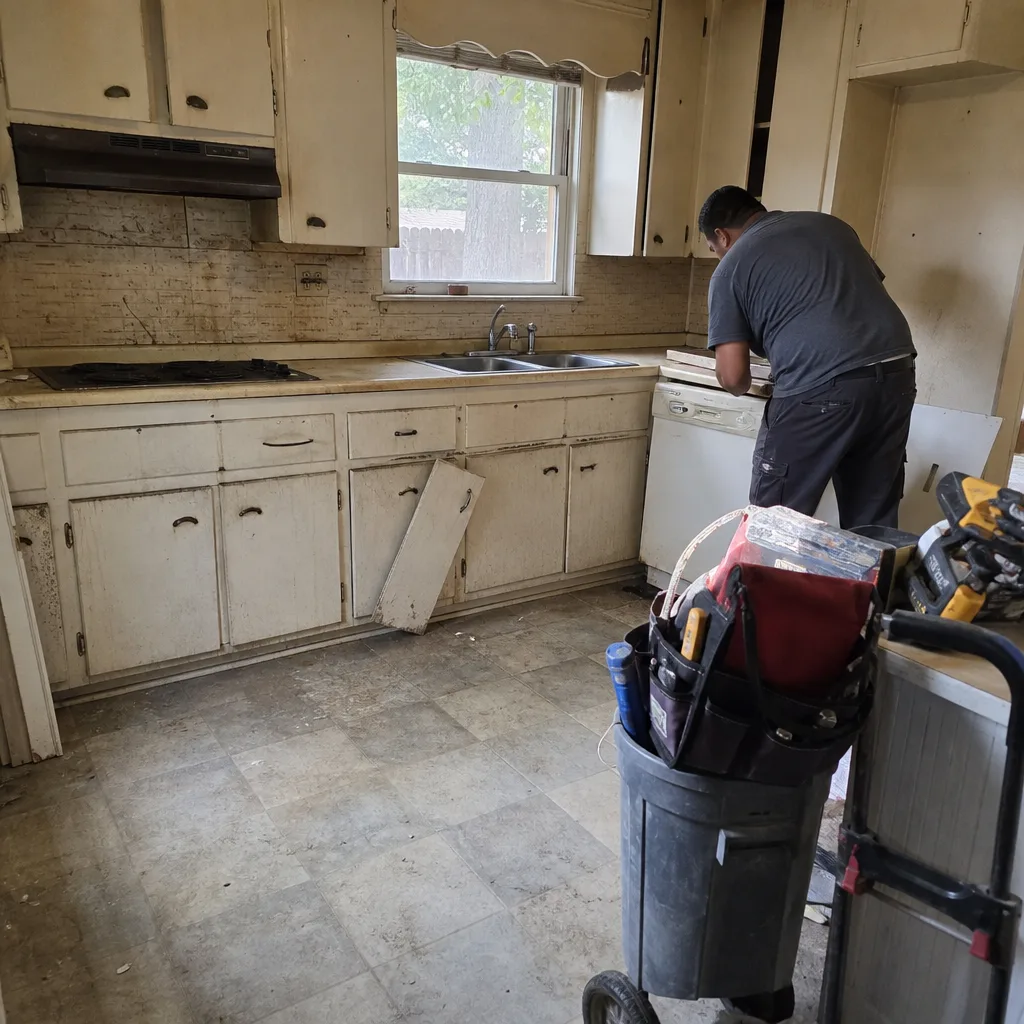 Before
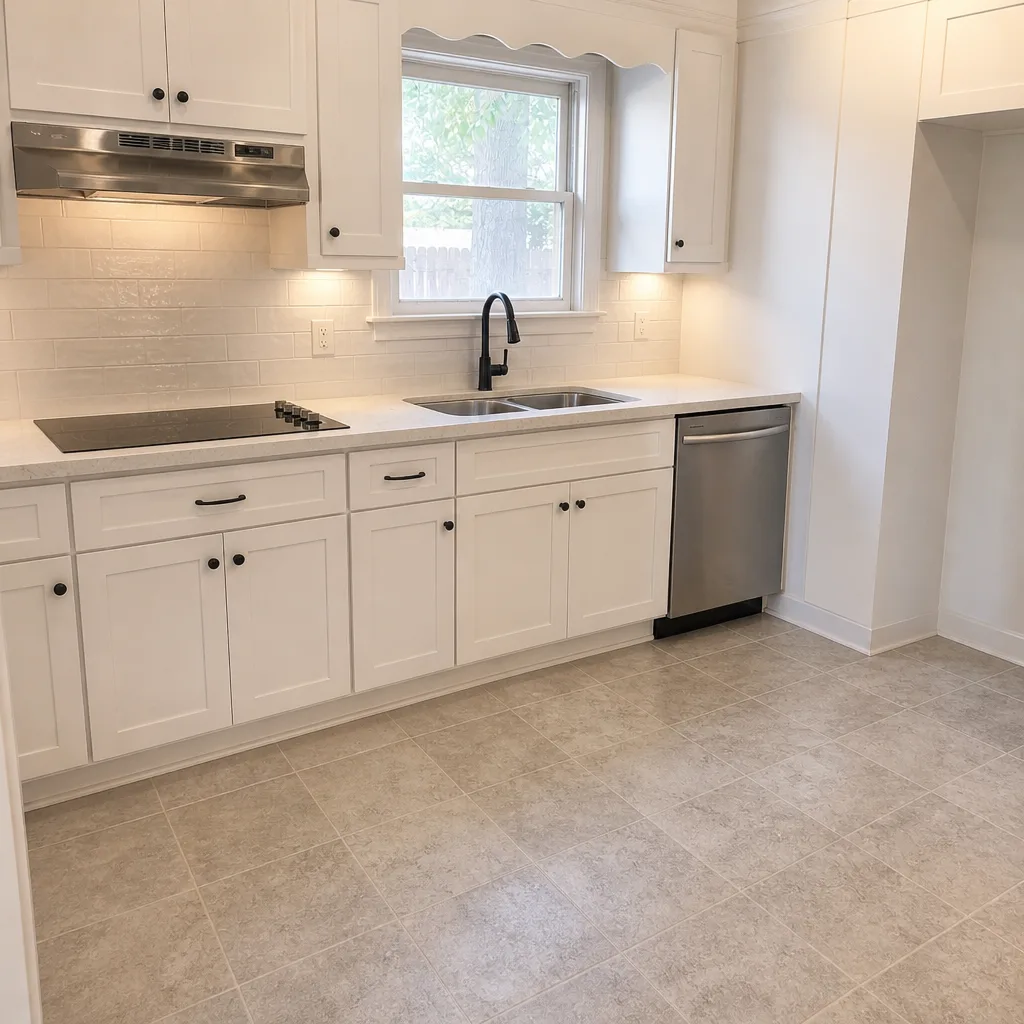 After
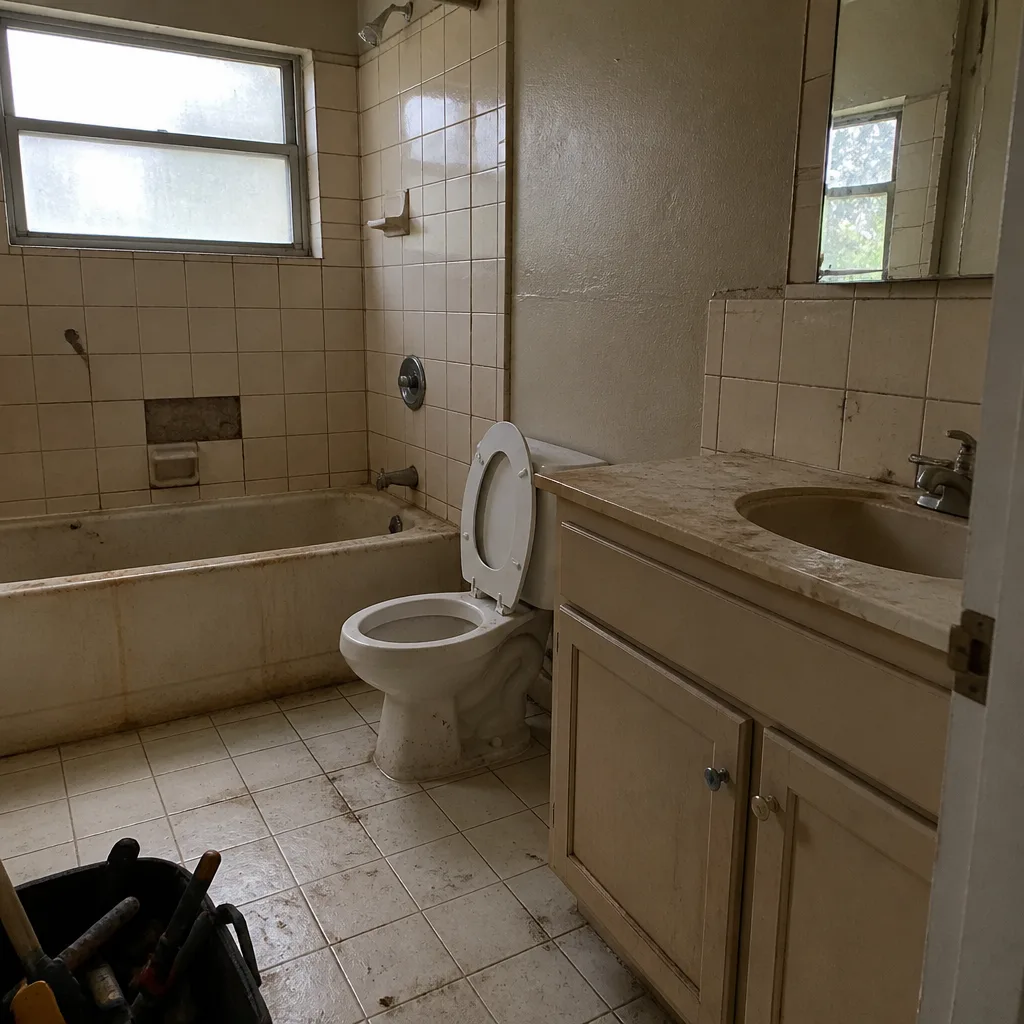 Before
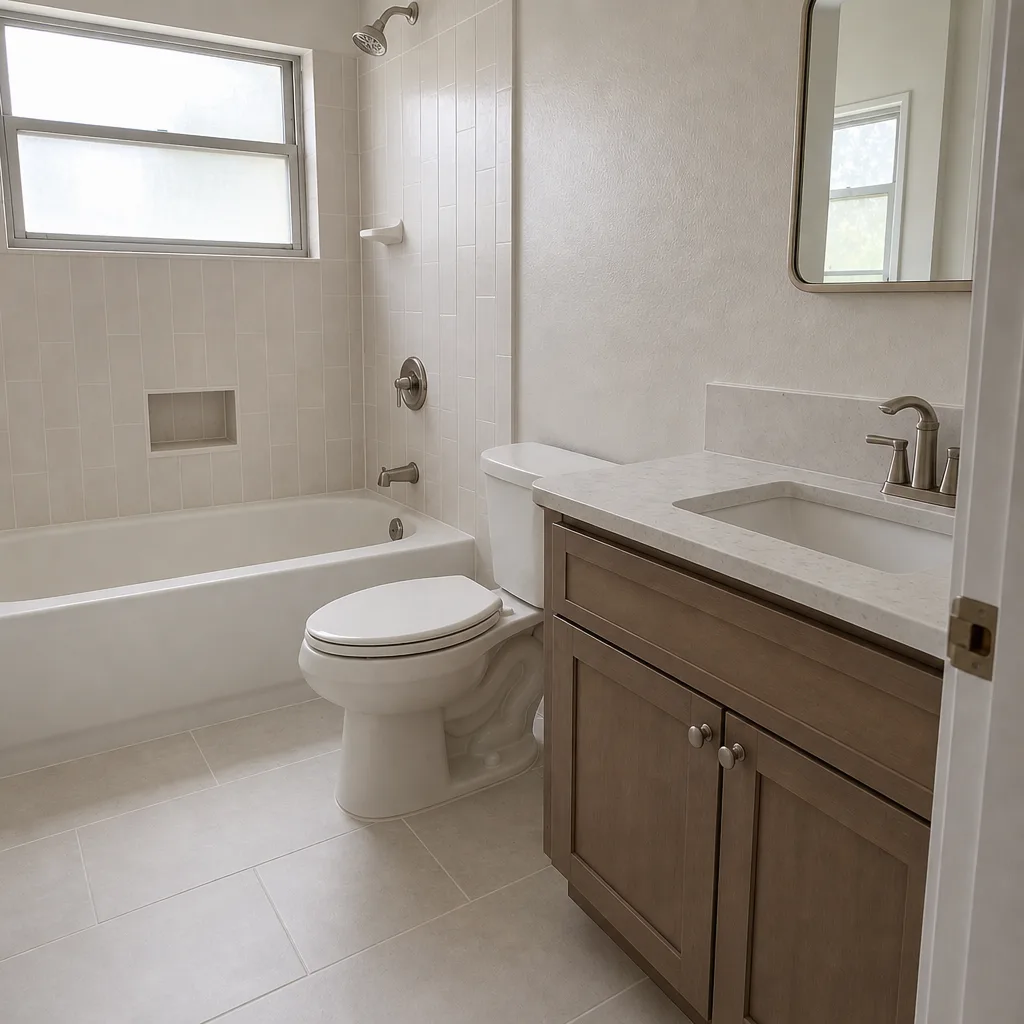 After
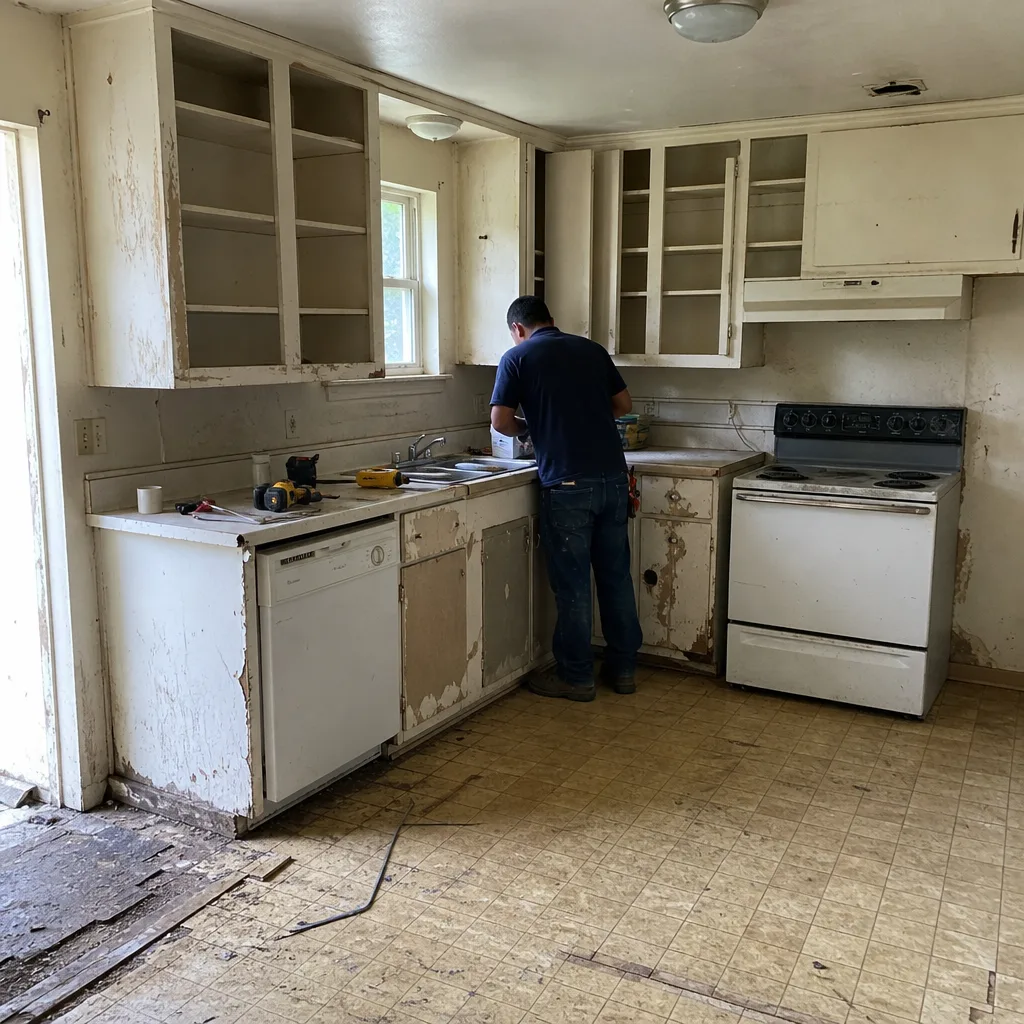 Before
 After
When to Call a Professional
Call a professional the moment your project touches any of these: structural framing, foundation, electrical service, gas lines, roof replacement, retaining walls over 30 inches, additions, or anything that requires a permit or inspection in Dallas. Call when the project sits on or moves significant amounts of clay-soil grading, or when it borders the property line. Call when you’ve inherited unpermitted work from a previous owner and don’t know what’s behind the wall. And call when a single mistake would cost more than the labor you’d save. Groundwork Construction Co. of Dallas offers free estimates in Dallas – call (844) 797-4808 to schedule yours. Our technicians have up to 12 years of experience, arrive in uniform, and every project is backed by our 730-Day Done Right Promise – if it’s not done right, we make it right.
Frequently Asked Questions
No. Texas law and Dallas permitting rules require licensed electricians for work behind the panel, and any electrical service change, panel replacement, or new circuit needs a permit and inspection. Swapping a light fixture or a switch on an existing circuit is generally allowed for a homeowner, but anything that alters the wiring or the panel belongs to a licensed professional. Call (844) 797-4808 for a free estimate – we’ll tell you straight what needs a license and what doesn’t.
Dallas clay soil expands and contracts dramatically with moisture, and DIY slabs often skip the base prep, compaction, and joint plan that absorb that movement. A properly built slab is engineered to move – with control joints, correct base depth, and reinforcement – which is why professional installs hold up in Dallas where amateur ones fail. Call (844) 797-4808 to price a properly built slab.
Often, no. Most policies include exclusions for damage stemming from unpermitted or non-code-compliant work, and Texas carriers enforce those exclusions. Before you assume coverage, read your policy’s exclusions section – and if you’ve inherited unpermitted work in a Dallas home, that’s a conversation worth having with a licensed contractor before something fails. Call (844) 797-4808 for a free assessment.
It varies by scope, but the honest comparison is rarely as wide as the sticker prices suggest. Once you add material markups (typically 15 to 30 percent higher at retail), tool costs, and the redo risk on clay-soil concrete and paver work, DIY savings shrink fast. For projects over $10,000, our $1,000 discount and 0% financing for 18 months move the professional number within reach. Call (844) 797-4808 for an exact quote – estimates are free.
It’s hiring a professional for the licensed, permitted, and structural parts – foundation, framing, electrical, plumbing, gas, inspections – while handling cosmetic finishes yourself. Texas allows this on many projects, and it’s how cost-conscious Dallas homeowners keep the savings where they’re real. Call (844) 797-4808 to talk through whether your project fits.
Yes, frequently. Unpermitted work can trigger failed inspections, financing problems, renegotiation, and in some cases a failed sale. Dallas buyers and appraisers look for permits and inspection records, and missing paperwork is one of the clearest red flags. If you’re planning to sell in the next few years, pull the permits. Call (844) 797-4808 for a free estimate on doing it right.
The Bottom Line
The DIY vs. professional construction decision in Dallas comes down to three filters: does it need a permit, does it touch a life-safety system, and does it sit on Dallas clay. Pass all three and DIY is your lane – paint, plant, swap, tidy. Fail any one and the risk multipliers stack up: unpermitted work that kills a sale, insurance exclusions that leave you holding the bill, and concrete or retaining walls that fail at a much higher rate here than in stable-soil markets. The middle path exists on many projects, and it’s worth exploring. But when a project touches structure, clay, or code, hiring a professional is the cheaper choice once you count what a failure really costs.
Ready to price it? Groundwork Construction Co. of Dallas answers every call with a live person, 24/7 – no voicemail, no delays. Our technicians have up to 12 years of experience, arrive background-checked and in uniform, and every project is backed by the 730-Day Done Right Promise. We work with trusted brands across every trade – KraftMaid and Cambria in kitchens, GAF and CertainTeed on roofs, Andersen and Pella on windows, and Kohler, Grohe, Toto, and Schluter in baths and wet areas – so the materials match the workmanship. Call (844) 797-4808 to schedule your free estimate and design consult, from foundation to finish line. Built to last, backed in writing.
Written by the team at Groundwork Construction Co. of Dallas.