
Last updated November 17, 2026
 Home additions & ADU
 Kitchen remodeling
 Bathroom remodeling
 Roofing
 Windows & doors
 Driveway & pavers
 Fence
Free written scope consultation - allowances, timeline, and change-order rules on paper before a single trade is scheduled
The Complete Fence Installation Guide for Dallas Homeowners
Dallas city code requires a permit for most fence installations over 4 feet, and dozens of HOA communities across the DFW area enforce material and color restrictions that can force a full tear-down if you get it wrong. That’s before anyone digs a post hole. Most national fence guides skip the local rules, the North Texas climate, and the property line headaches that actually decide whether a fence project goes smoothly or turns into a dispute with a neighbor. This guide covers all of it for Dallas homeowners: permits, setbacks, the corner-lot visibility triangle, how cedar stacks up against steel in Texas wind and heat, and what a complete quote should include. Read it before you sign anything.
Quick Answer
Fence installation in Dallas typically runs $22 to $45 per linear foot for cedar or pressure-treated wood, and $35 to $70 per linear foot for vinyl, aluminum, or steel. Expect a standard residential permit and pre-installation survey to add $150 to $600 on top of material and labor, and plan on HOA pre-approval before any work begins if your neighborhood has a homeowner association. Most Dallas fences over 4 feet require a city permit, so budget time for that approval.
Styles & brands we work with
- Kitchen remodeling
- Bathroom remodeling
- Home additions & ADU
- Roofing
- Windows & doors
- Driveway & pavers
- Fence
Table of Contents
- Dallas Fence Permits, Setbacks, and Visibility Triangles
- How to Verify Property Lines Before You Build
- HOA Pre-Approval: What to Get in Writing
- Cedar vs. Metal vs. Vinyl: North Texas Material Performance
- Wind Load, Soil Moisture, and UV in Dallas
- What a Complete Fence Installation Quote Should Include
- How Long Does Fence Installation Take in Dallas?
- Cost Breakdown by Material and Fence Type
Dallas Fence Permits, Setbacks, and Visibility Triangles
Dallas requires a building permit for most residential fences taller than 4 feet, and the permit process is where many homeowner projects stall. The city’s Development Services department reviews fence permits against a few rules most people have never heard of: height limits, setback lines, and the corner-lot visibility triangle.
Height limits vary by lot type. A standard interior lot in Dallas can usually build up to 8 feet in the rear yard and 6 feet in the front, but corner lots and lots facing a street have tighter limits along the “street side” where sight lines matter. The visibility triangle is the big one nobody warns you about. At a corner intersection, Dallas code keeps a triangular area clear of any obstruction over about 3 feet so drivers and pedestrians can see each other. Plant a 6-foot privacy fence right up to the corner and you can be ordered to remove it.
Setback rules also apply along front property lines and in some cases along side streets. Fences generally need to sit behind the front setback line, not at the curb or sidewalk edge. If you’re not sure where your front setback lands, a survey or a call to Development Services before you buy material will save you a rebuild.
- Permit required: Most fences over 4 feet in Dallas, plus any fence along a street or corner.
- Height caps: Varies by lot type; typically 6 feet front, 8 feet rear for interior lots.
- Visibility triangle: Clear zone at corner intersections; fences over ~3 feet blocked.
- Front setback: Fences must sit behind the front setback line, not at the sidewalk.
- Inspection: Dallas typically requires a post-set inspection before the panels go up.
The post-set inspection is a step many out-of-town installers don’t know about. Inspectors want to see holes, post depth, and concrete before the fence goes up. Skipping it means your fence can fail final inspection and you’ll be paying for a fix.
How to Verify Property Lines Before You Build
The single most expensive fence mistake we see in Dallas isn’t a material failure. It’s building 6 inches onto a neighbor’s lot and having to tear the whole run down after the fence is finished. It happens more often than you’d think, especially in older neighborhoods like Lakewood, Oak Cliff, and East Dallas where original plats are decades old and plumb markers have long since been covered or lost.
The fix is a property survey before you build. A boundary survey from a licensed Texas surveyor typically runs $350 to $700 for a standard residential lot in Dallas. It marks your corners and gives you a signed drawing you can hand to a neighbor or an inspector if a dispute comes up. That document is worth every dollar the day a neighbor claims the fence is on their side.
Here’s the step-by-step we walk every Dallas homeowner through before a fence goes in:
- Order a boundary survey. Ask specifically for a boundary survey with fence lines marked, not just a mortgage survey.
- Locate the existing markers. A surveyor will find or reset your lot corners; flag them before any digging happens.
- Talk to your neighbor in person. Walk the line together and agree on where it goes. A five-minute conversation prevents six months of dispute.
- Document the agreement. A short signed note or even a text exchange that says “fence runs along the property line per the survey” goes a long way.
- Check Texas adverse possession rules. Texas allows claims after a period of open, hostile use of another’s land. Fences that creep over the line invite legal headaches down the road.
If a neighbor disputes a fence after it’s built, Texas law puts the burden on the party claiming the encroachment. Courts in Dallas County have heard fence-line cases where survey drawings decided the outcome. Get the survey first. It’s cheaper than litigation and cheaper than a rebuild.
HOA Pre-Approval: What to Get in Writing
Dozens of Dallas-area HOAs, from Plano and Frisco to the gated communities in Far North Dallas, require architectural review committee (ARC) approval before a fence can go up. Material, height, color, and picket style are often spelled out in the CC&Rs. Build a 6-foot cedar privacy fence in an HOA that only approves black aluminum and you’re looking at a full tear-down after it’s finished.
The pre-approval process usually follows a similar path, though every HOA is a little different:
- Pull the CC&Rs and the architectural guidelines. Look for the section on fences, walls, and hardscape.
- Gather your documents. A survey drawing, a style photo, material samples, color chips, and a spec sheet from your installer.
- Submit to the ARC. Most HOAs meet monthly; some have rolling review. Expect 2 to 6 weeks of turnaround.
- Get written approval. An email or signed letter is the standard. Verbal approval is not.
- Save the approval with your home records. It defends you if a future board or buyer asks questions.
One more Dallas-specific wrinkle: an ARC approval doesn’t replace the city permit. You need both. The city inspects construction and depth; the HOA inspects style and materials. Do them in parallel so you’re not waiting on one to schedule the other.
If your project scope grows past a fence, which happens often in Dallas where a new back fence becomes a starting point for a patio, pergola, or detached structure, you’ll want a contractor who handles the paperwork and inspection side across trades. That’s part of what our Home Additions & ADU team in Dallas does when the fence line is the start of something bigger.
Cedar vs. Metal vs. Vinyl: North Texas Material Performance
Dallas is a harsh place for a fence. Summers stretch past 100°F for weeks, UV exposure is brutal, and the soil swings from expansive clay that cracks in August to gumbo after a spring storm. Material choice matters more here than it does in, say, Portland or Minneapolis. Here’s how the common options actually perform in North Texas.
| Material | Cost per linear foot (Dallas market) | Lifespan in North Texas | Biggest weakness here |
|---|---|---|---|
| Cedar privacy fence | $25 – $40 | 12 – 20 years | UV gray and rot if not sealed every 2 – 3 years |
| Pressure-treated pine | $20 – $32 | 8 – 15 years | Warping and swelling from soil moisture swings |
| Vinyl (PVC) | $35 – $55 | 20 – 30 years | Can get brittle in sustained heat + direct sun if the grade is low |
| Aluminum ornamental | $45 – $70 | 25 – 40 years | No privacy; needs a separate screen for screening |
| Steel (wrought or panel) | $50 – $85 | 30+ years | Rust if the finish is thin, especially near the coast wind tracks |
Cedar remains the Dallas favorite, and for good reason. Western red cedar naturally resists rot and insects, which matters in a climate where both are active. It does gray out fast without a quality stain or sealer, and we usually recommend a re-seal every 2 to 3 years depending on sun exposure. In neighborhoods like Preston Hollow and Bluffview, where lot lines are long and mature trees shade parts of the fence, cedar performs notably better than on a fully exposed lot in Frisco.
Pressure-treated pine costs less but moves more. In North Texas soil that goes from cracked clay to saturated in a single storm cycle, pine has a habit of twisting and pulling nails. It’s a fine choice for rental properties or budget-conscious builds where 10 years of service life is acceptable.
Vinyl is popular in newer Dallas subdivisions and HOA communities, and a good-quality vinyl fence handles UV well. Cheap vinyl, the kind sold at big-box stores, gets brittle after a decade of 105°F days. Aluminum and steel are the choice for pool enclosures and front-yard decorative fences where privacy isn’t the priority. For a full privacy run in Dallas, cedar and high-end vinyl are the two we recommend most often. And when a fence ties into a hardscape project, stepping stone, path, or a paver border along the fence line, it pairs naturally with the paver work our Driveway & Pavers team in Dallas handles for DFW homeowners.
Wind Load, Soil Moisture, and UV in Dallas
Three environmental factors drive fence failures in Dallas, and most of them show up months after the installer has driven away.
Wind load. North Texas sits in a region where straight-line winds of 60 to 70 mph show up several times a year, and spring storm season can push gusts past that. A 6-foot solid-board privacy fence on 8-foot post spacing catches wind like a sail. We typically spec posts every 6 to 8 feet, set 24 to 36 inches deep in concrete, and use metal posts inside wood fences in exposed runs. A fence that survived one storm is not proof it will survive the next; post depth and spacing determine whether a fence leans or stays put.
Soil moisture. Dallas sits on expansive clay soils through much of the metro, and that clay expands and contracts dramatically with rain and drought. Post holes that were tight and stable in a wet spring can loosen by August. That’s why depth and concrete matter here in a way that they don’t in, say, sandy Florida soil. A post set 18 inches deep in a Dallas backyard is a post waiting to lean.
UV degradation. Dallas gets roughly 230 sunny days a year. Wood stain breaks down. Vinyl discolors. Even powder-coated steel fades at the south and west exposures. Every fence material needs a maintenance schedule tied to sun exposure, and the maintenance cost is part of the real cost of the fence, not a hidden extra.
Our technicians have up to 12 years of experience installing fences in DFW conditions, and the standing rule is that a fence designed for an average American climate will fail in Dallas faster than a homeowner expects. Build for Texas and it lasts.
What a Complete Fence Installation Quote Should Include
A fence quote that just says “6-foot cedar privacy fence, $28/linear foot” is not a quote. It’s a starting price, and the gaps in it are where the final bill grows. Here’s what a complete quote should itemize before you sign anything.
- Linear footage and fence height with the number of posts and panels spelled out.
- Post depth and post material. Look for a depth spec of at least 24 inches with concrete set.
- Concrete amount per post (typically a 60 lb bag per post or more in Dallas soil).
- Gates. Number of gates, gate width, hardware type, and whether self-closing or premium hardware is included.
- Demo of existing fence. Tear-out, haul-away, and disposal fees are common omissions.
- Site cleanup. Post-hole spoil, scrap lumber, and hauling away the old fence.
- Stain, sealer, or finish. Is finish-included or a separate line? Cedar needs sealing; vinyl usually doesn’t.
- Permit and inspection fees. Dallas permit cost and inspection scheduling should be itemized.
- Workmanship warranty. Ask how many years, and what it covers versus what it excludes.
- Payment schedule. Deposit, progress payments, and final payment tied to final walkthrough.
Two more items belong on that list even though many contractors skip them: a written schedule for when the job will start and finish, and a line for what happens if buried utility lines are discovered mid-dig. Texas law requires calling 811 before digging, and any fence installer who doesn’t mention it is cutting a corner.
At Groundwork Construction Co. of Dallas, every fence estimate is line-itemed and backed by our 730-Day Done Right Promise: if it’s not done right within that window, we make it right. That’s a lot longer than the standard 1-year workmanship warranty in the DFW fence market, and it’s part of why homeowners choose us over the cheapest bid. When a project also includes a driveway apron or paver walkway meeting the fence line, we handle both from one contract so the sequencing doesn’t get lost between crews.
How Long Does Fence Installation Take in Dallas?
Permit approval takes longer than installation in most Dallas fence projects. A simple residential permit typically clears in 5 to 15 business days once submitted, though timelines stretch during peak home-improvement season in spring. HOA approval runs in parallel and usually takes 2 to 6 weeks for architectural review.
Once permits and HOA are done, installation itself is fast. A standard 150-foot cedar privacy fence with one gate is typically a 2 to 3 day job for an experienced crew. Larger runs, tricky terrain, demo of an old fence, or steel posts add time. Material lead times fluctuate, but 1 to 3 weeks from order to delivery is common in the Dallas market.
So the realistic calendar for a Dallas homeowner is: survey and design (1 to 2 weeks), permit and HOA (2 to 6 weeks), material lead time (1 to 3 weeks, overlappable), and installation (2 to 4 days). From the first phone call to the final walkthrough, most Dallas fence projects run 4 to 8 weeks end to end. Winter and summer move a bit faster than spring. Fall is the sweet spot in North Texas for both weather and crew availability.
Cost Breakdown by Material and Fence Type
Dallas fence pricing swings meaningfully based on material, linear footage, terrain, and whether a permit and survey are on the table. Here’s what the current Dallas market looks like for common residential fence types.
| Fence type (150 linear feet, standard residential lot) | Typical Dallas price range |
|---|---|
| Cedar privacy, 6 ft, 1 gate, demo included | $4,200 – $6,500 |
| Pressure-treated pine privacy, 6 ft | $3,200 – $4,800 |
| Vinyl privacy, 6 ft, premium grade | $5,800 – $8,500 |
| Aluminum ornamental, 4 ft | $7,000 – $10,500 |
| Steel panel with wood infill, 6 ft | $8,500 – $13,000 |
| Boundary survey (add-on) | $350 – $700 |
| City permit and inspection (add-on) | $150 – $400 |
| Stain and seal (add-on, cedar) | $600 – $1,400 |
A few Dallas-specific cost notes. Expansive clay soil sometimes forces deeper post holes, which adds labor. Sloped lots in hilly parts of the metro, like sections of Cedar Hill and Grand Prairie, need stepped panels that cost more than straight runs. Demo of a masonry or steel fence carries extra haul-away cost. And if you’re adding a gate opener or electric access, expect another $800 to $1,800 depending on hardware.
For large projects that cross the $10,000 threshold, our standing offer of $1,000 off projects over $10,000 plus 0% financing for 18 months makes a full-property fence and hardscape project more reachable. All prices we quote are upfront and line-itemed; the number you see is the number you pay. If your fence project is part of a larger property improvement, whether a kitchen, roof, or addition, our Groundwork Construction Co. of Dallas home page shows how we coordinate multi-trade work under a single contract and one warranty.
Common Mistakes to Avoid
- Building without checking the visibility triangle on a corner lot. Dallas code restricts obstructions at corner intersections, and a 6-foot fence built into that triangle can be ordered removed. Check your lot type before you buy material.
- Skipping the property survey. Dallas neighborhoods with older plats like Oak Cliff and Lakewood regularly have mis-marked lines, and a fence 6 inches over a boundary is a tear-down after the fact. A $400 survey saves thousands.
- Assuming HOA approval covers the city permit. It doesn’t. Dallas city inspection and HOA architectural review are separate processes, and you need both documented before the first hole goes in.
- Choosing post depth by habit rather than soil. The 18-inch post depth that works in sandy soil fails fast in Dallas clay. Spec 24 to 36 inches, concrete-set, and check that the installer knows why.
- Buying fence material before the quote is complete. Homeowners who buy their own cedar at a big-box store often miss quantity, waste, and post specifications, and end up paying a second time.
- Ignoring the finish schedule on cedar. Dallas UV breaks down an unsealed cedar fence in 2 to 3 summers. A stain-and-seal line either in the original quote or scheduled post-install is part of the lifespan.
- Not calling 811 before digging. Texas requires utility locates before excavation, and a severed irrigation line or gas lateral is an avoidable disaster. A reputable installer will make the call; ask them to confirm it.
See the difference
 Before
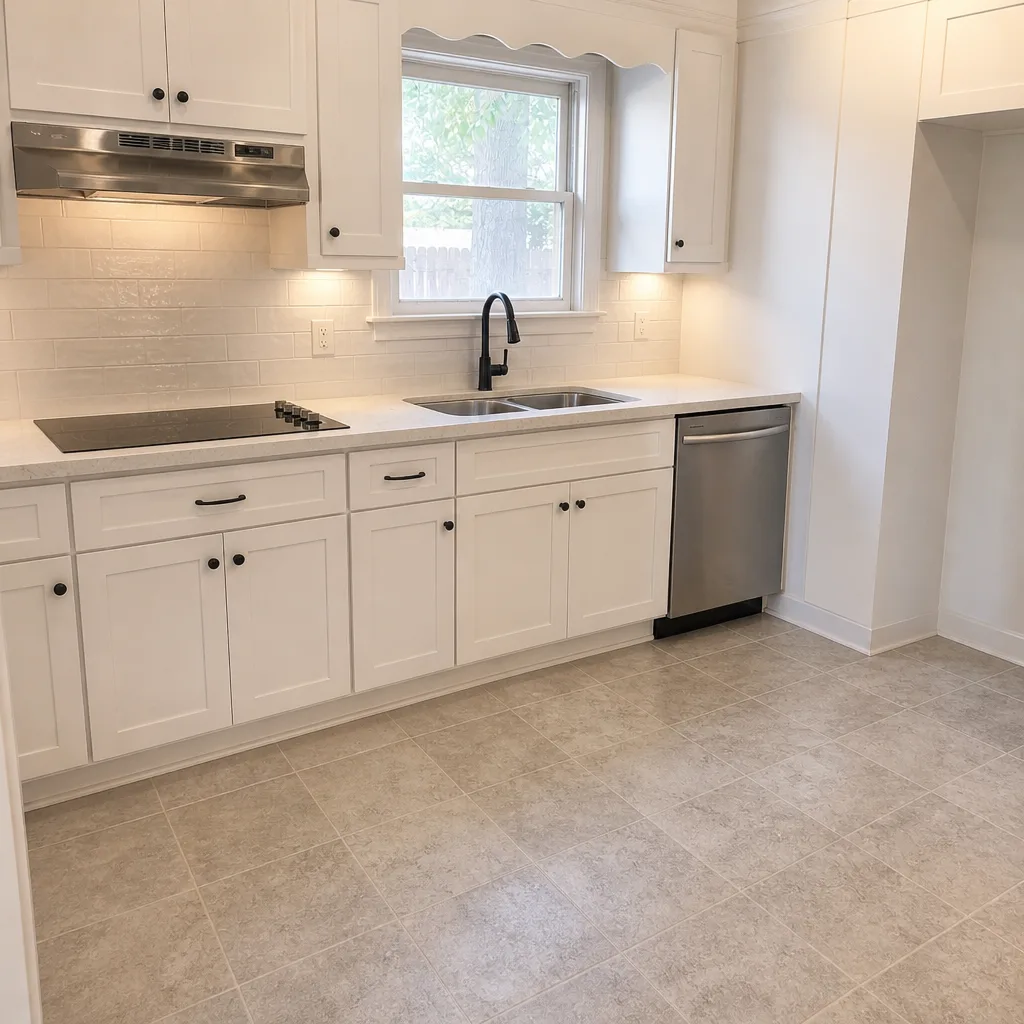 After
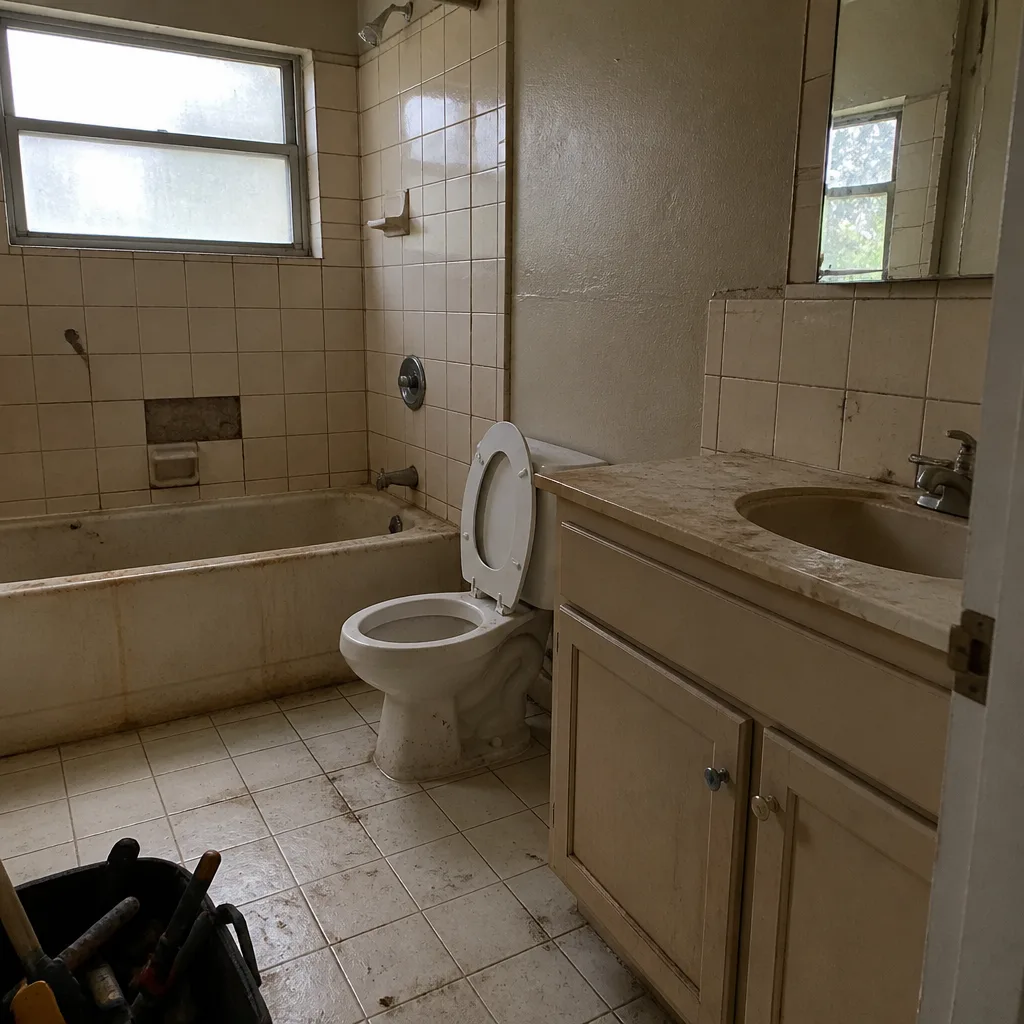 Before
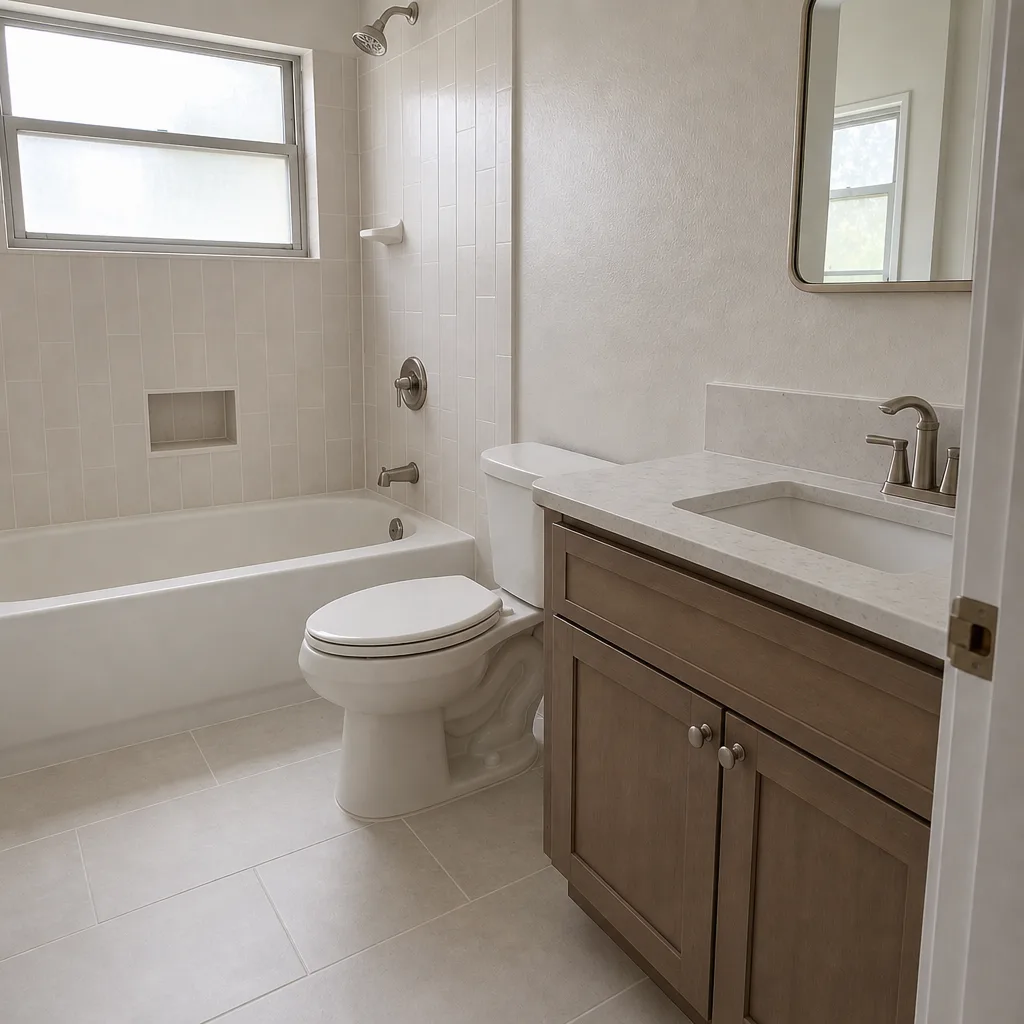 After
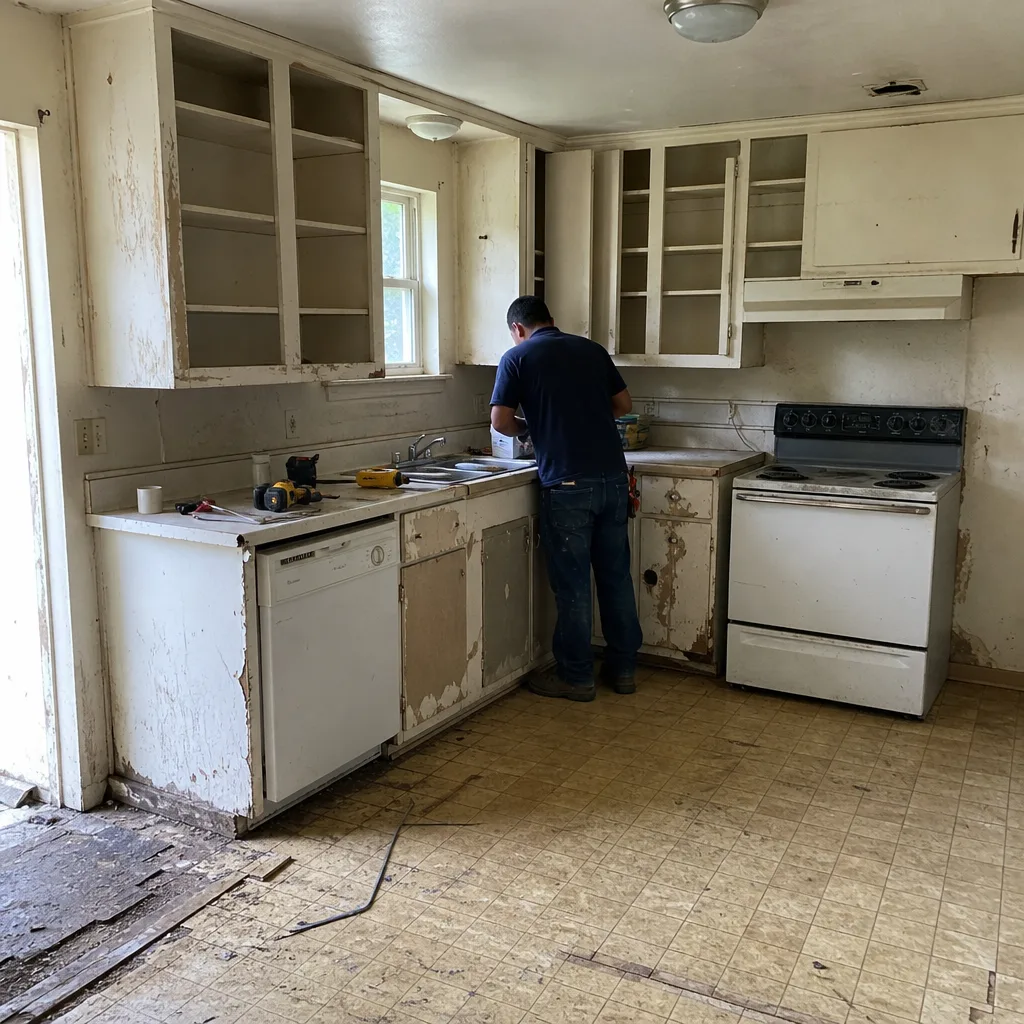 Before
 After
When to Call a Professional
Some fence work is a reasonable weekend project. Installing a 150-foot privacy fence around a Dallas lot, on a deadline, with a permit and an HOA approval in the mix, is not one of those. Here’s when it’s time to bring in a crew.
Call a professional if your project needs a permit or an inspection, if you’re working on a corner lot or against a setback line, if you’re not 100% sure where the property lines fall, if your yard has a slope or the soil is the expansive clay common through much of Dallas, or if the run includes gates, steel posts, or an automatic opener. Each of those is a place where a small mistake turns a $5,000 fence into a $9,000 fence after rework.
If you’re comparing options and want honest numbers first, Groundwork Construction Co. of Dallas offers free estimates in Dallas and the surrounding DFW market. A line-itemed quote with material, post depth, gate spec, demo, permit, and warranty spelled out is what you should expect. Call (844) 797-4808 to schedule your free estimate. Calls are answered by a live person, 24/7, so you’re not waiting until Monday to get a project moving. Background-checked, uniformed technicians handle every install, and every project is covered by our 730-Day Done Right Promise. For full service details and options, see our Fence Installation in Dallas page.
Frequently Asked Questions
Yes, in most cases. Dallas requires a building permit for residential fences taller than 4 feet, and permits are also typically needed for any fence along a street or corner lot regardless of height. The permit process includes a post-set inspection before the fence panels go up. Skipping the permit can mean a failed final inspection and a required fix at your expense. Call (844) 797-4808 for a free estimate that includes permit handling.
Cedar privacy fence in Dallas typically runs $25 to $40 per linear foot installed, vinyl runs $35 to $55 per linear foot, and aluminum or steel ornamental styles run $45 to $85. A standard 150-foot cedar privacy fence with one gate and demo of an old fence lands roughly between $4,200 and $6,500. Add $350 to $700 for a boundary survey and $150 to $400 for city permitting if you don’t already have them. Call (844) 797-4808 for an exact quote on your Dallas project – estimates are free.
Not on a properly documented quote. The number you see is the number you pay when the estimate is line-itemed and includes post depth, concrete, gates, demo, permit, and cleanup. The only legitimate change orders in fence work come from conditions that couldn’t be seen up front, like buried utilities or unknown rock in a post hole, and those should be priced before the work proceeds. Ask any contractor for their change-order policy in writing. Call (844) 797-4808 for a free walkthrough and fixed-price estimate.
A boundary survey and a conversation usually solve it. Get a licensed Texas surveyor to mark the line, walk the property with your neighbor, and agree on the placement before digging. If a dispute comes up after the fence is built, Texas adverse possession rules and local property records decide the outcome, and a signed survey drawing is your best protection. Putting the agreement in a short signed note or a text exchange helps too. Call (844) 797-4808 to schedule a free estimate; we can walk you through the survey and neighbor-notification steps during the quote.
A properly installed western red cedar fence in Dallas lasts 12 to 20 years with routine maintenance. That maintenance means resealing every 2 to 3 years, which is more frequent here than in cooler climates because of UV exposure and long summers. Cedar post depth, concrete set, and site drainage matter as much as the wood itself; posts that stay wet fail long before the panels do. Call (844) 797-4808 for a free estimate that includes a maintenance plan tied to your lot’s sun exposure.
Yes. Stepped panels handle grade changes in hilly areas like parts of Cedar Hill, Grand Prairie, and sections of East Dallas. Racked panels, where boards follow the slope, are another option that costs more labor but looks seamless. The right choice depends on how steep the grade change is and whether your HOA has a preferred style. Call (844) 797-4808 to schedule a free site walk; we’ll recommend the approach before you commit.
The Bottom Line
Fence installation in Dallas comes down to three things most national guides skip: knowing the local code and HOA rules before you dig, verifying property lines with a survey, and choosing material that holds up to North Texas wind, sun, and clay soil. Get those right and the fence lasts 15 to 30 years. Get them wrong and you’re paying for a rebuild. Every complete quote should spell out post depth, concrete, gates, demo, permit, and cleanup, line by line, with a workmanship warranty in writing. If your project needs one contractor for the fence line and the surrounding hardscape, our team at Groundwork Construction Co. of Dallas handles both under one contract and one 730-Day Done Right Promise. Call (844) 797-4808 for a free estimate and a line-itemed quote you can plan around. Upfront pricing, no surprises.
Written by the team at Groundwork Construction Co. of Dallas.