
Last updated November 17, 2026
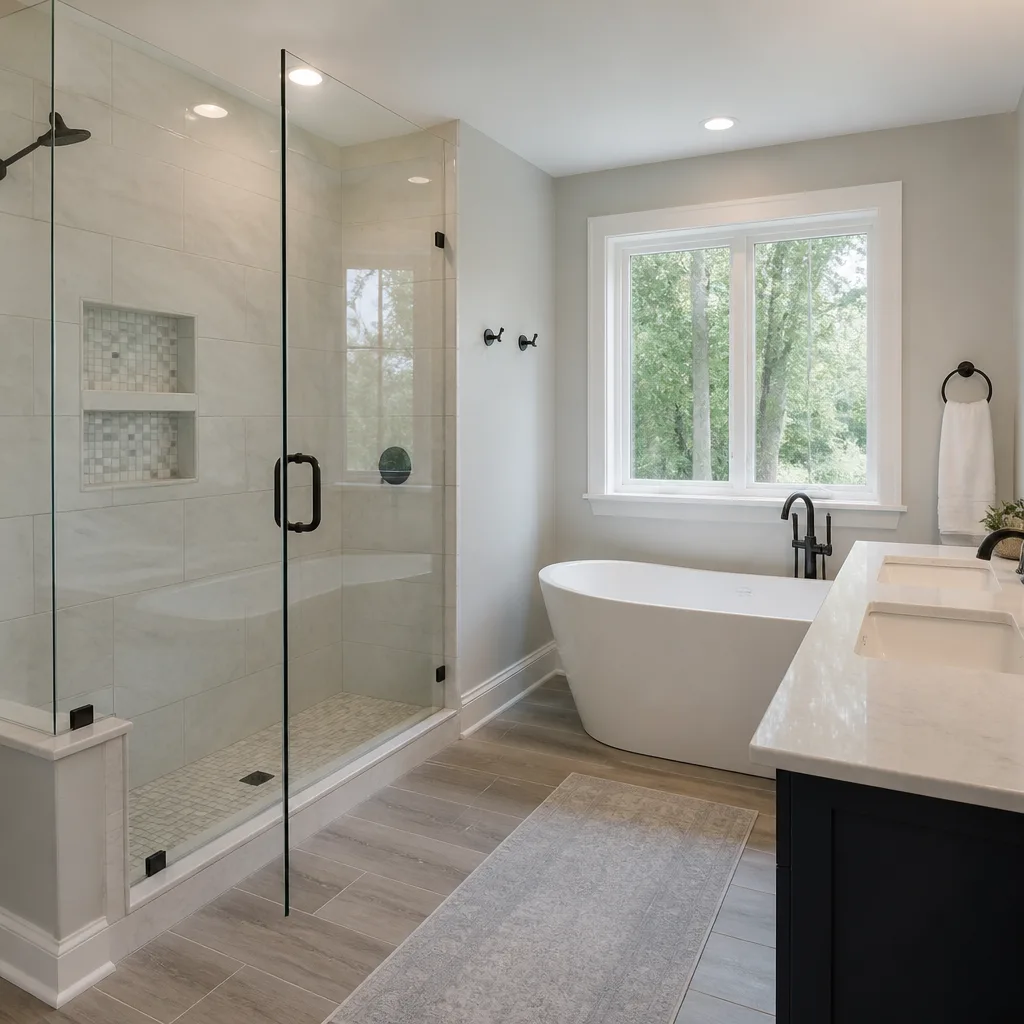 Bathroom remodeling
 Kitchen remodeling
 Home additions & ADU
 Roofing
 Windows & doors
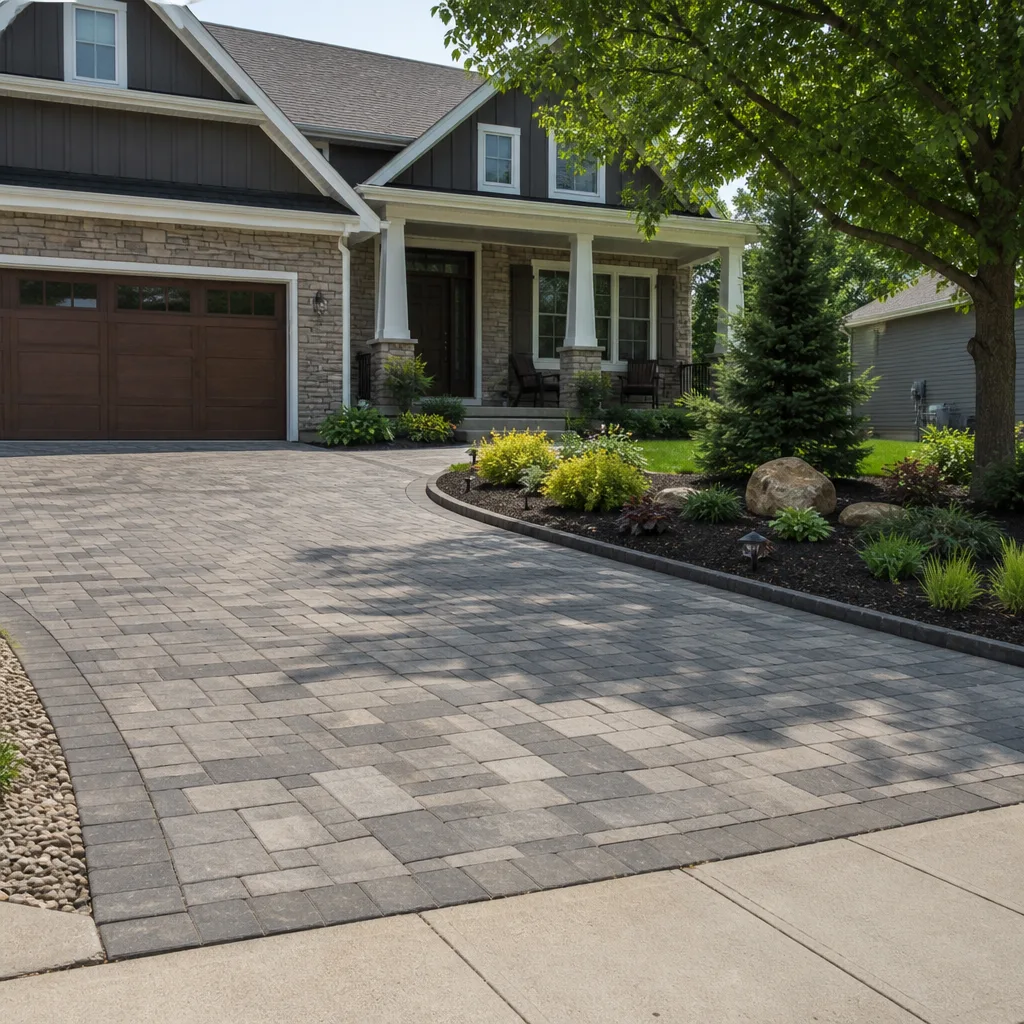 Driveway & pavers
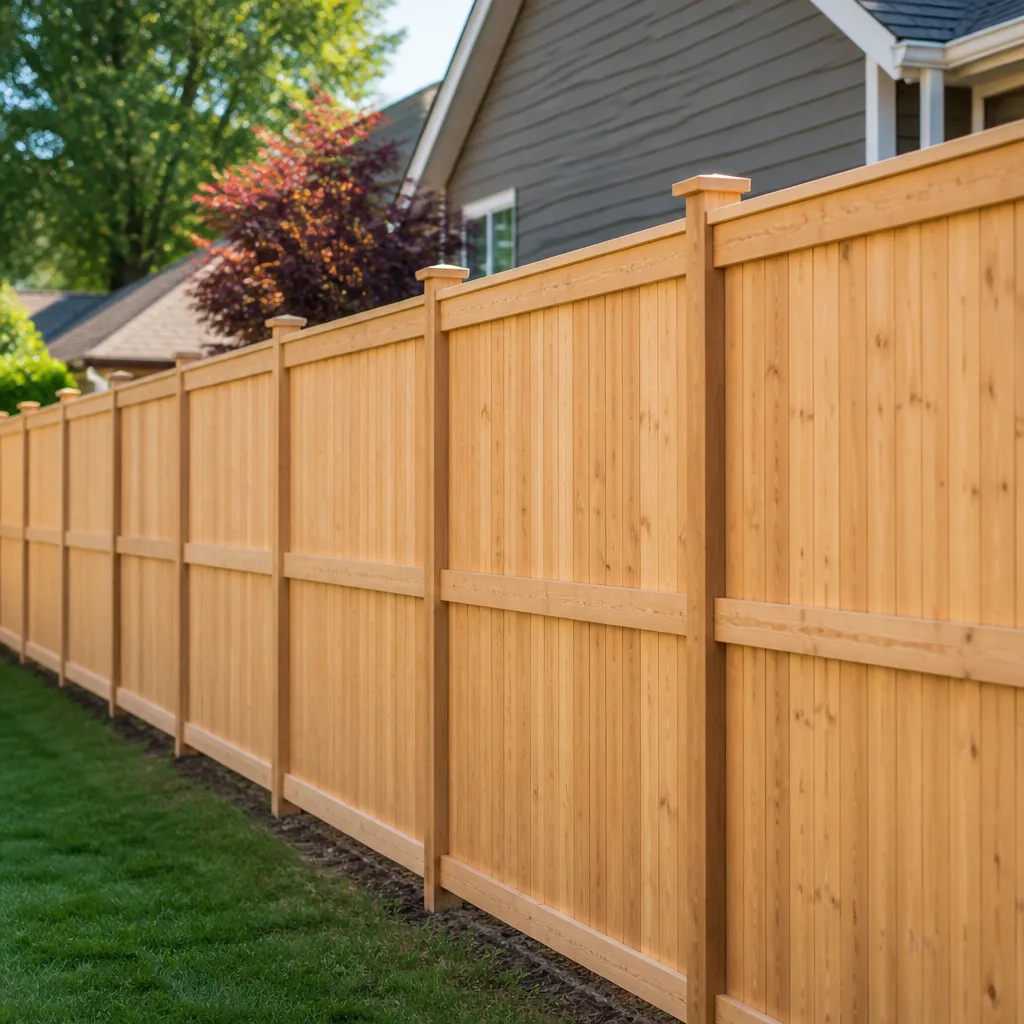 Fence
Free written scope consultation - allowances, timeline, and change-order rules on paper before a single trade is scheduled
DIY vs Professional Bathroom Remodeling: What’s Safe to Do Yourself
Bathroom remodeling is the number-one project where Dallas homeowners overestimate their skill ceiling. Not because they can’t swing a hammer. Because water, vapor, and code requirements punish mistakes that don’t show up for months. A crooked tile job in a hallway is a cosmetic annoyance. A crooked tile job on a shower wall is a slow leak into your subfloor, your framing, and eventually your living room ceiling. This guide draws a hard line between the tasks that reward your weekend effort and the tasks where amateur work creates hidden liability you won’t discover until it’s expensive. You’ll learn exactly what’s safe to do yourself in a Dallas bathroom, what isn’t, and how to split a project so the savings are real.
Quick Answer
Safe DIY bathroom tasks are painting, swapping hardware and fixtures, installing accessories, and demolition. Anything involving the shower waterproofing membrane, drain rough-in, plumbing supply and drain lines, electrical circuits near water, or gas work should be handled by a licensed professional. In Dallas, unpermitted plumbing and electrical work can void your homeowner’s insurance and complicate a future sale.
Styles & brands we work with
- Kitchen remodeling
- Bathroom remodeling
- Home additions & ADU
- Roofing
- Windows & doors
- Driveway & pavers
- Fence
Table of Contents
- Why Bathrooms Punish DIY Mistakes
- Task-by-Task: What’s Safe to DIY and What Isn’t
- Texas Plumbing and Electrical Code: What Requires a License
- The Hidden Cost Math of DIY Tile Work
- Three Tasks That Look Simple but Fail for First-Timers
- How to Split a Project Intelligently and Save Real Money
- Common Mistakes to Avoid
- When to Call a Professional
Why Bathrooms Punish DIY Mistakes
Every trade in a bathroom is what builders call a “wet trade.” Water is either running through the walls, sitting in the fixtures, or condensing on every surface after a hot shower. That reality raises the stakes on the smallest details. A 1/8-inch gap in a shower pan liner becomes a slow drip into the joists. A missing vapor barrier behind cement board turns into mold behind the tile in a Dallas summer. A shower valve set 1/4 inch too deep works fine until the trim plate won’t cover the rough opening.
We’ve walked into thousands of bathrooms across the Dallas area, and the failure patterns repeat. Homeowners who watched a dozen video tutorials usually get the tile flat and even. What they miss is what’s underneath: the slope of the shower pan, the thickness of the thinset over a waterproof membrane, the correct drain height at the sealing ring, and the vapor layer that sits behind the cement board. Those are not cosmetic. They are structural.
The other issue is invisible until it’s not. A bad paint job looks bad immediately. A bad shower waterproofing job looks perfect for eight to twelve months, then shows up as a soft spot in the hallway floor or a musty smell under the sink. By then, you’ve spent the money on tile and fixtures and you’re paying again to open the wall. That’s why the “I can do this myself” calculation in a bathroom is different from a bedroom or a garage.
Dallas adds a specific wrinkle. The clay soil and slab foundation construction that dominates most Dallas neighborhoods means water that gets behind a wall doesn’t drain away the way it would in a pier-and-beam house. It finds the slab, spreads horizontally, and wicks up into drywall on the adjacent side of the room. We’ve seen a failed shower pan liner in Lakewood migrate to a bedroom closet six feet away before the homeowner noticed.
Task-by-Task: What’s Safe to DIY and What Isn’t
Here’s the honest breakdown. The dividing line isn’t difficulty. It’s whether a small error is visible right away or hides inside a wall.
Safe to DIY (fair game for a capable homeowner):
- Painting. Walls, ceiling, trim, and cabinets. Zero water or code exposure. Use bathroom-rated paint with mildew resistance.
- Hardware swaps. Towel bars, toilet paper holders, shower curtain rods, cabinet pulls, vanity knobs, drawer slides, and robe hooks.
- Accessory installs. Shelves, mirrors (non-electrical), wall hooks, shower caddies, freestanding toilet paper stands.
- Toilet replacement swap. Pulling out an old toilet and dropping in a new one with a fresh wax ring and correct flange bolts. This is a defined, learnable job that doesn’t require interior waterproofing.
- Vanity replacement with existing rough-in. Swapping a vanity without moving supply lines or the drain is a weekend job if you’re careful about the P-trap alignment.
- Demolition. Pulling tile, removing drywall, dropping an old vanity, and hauling debris. Protect the floor, shut the water at the main, and know which walls are load-bearing.
- Light fixture swap with existing wiring. Replacing a vanity light where the circuit, box, and switch already exist. Verify the power is off at the panel.
- Caulking and grouting. Re-caulking around the tub and vanity, and re-grouting tile joints that have cracked. Do not caulk over active leaks.
- Trim, shelves, and molding. Installing or replacing baseboards, crown, and window trim.
Not safe to DIY (get a licensed pro):
- Shower waterproofing membrane. The liner, the pan slope, and the sealing of every penetration must be done correctly or the shower fails invisibly.
- Shower drain rough-in. Height, pitch, and the drain body integration with the liner are exacting.
- Moving any plumbing supply or drain line. Relocating a toilet, sink, or shower is a licensed-plumbing job in Texas.
- Electrical circuits near water. Adding a GFCI, moving an outlet, wiring a lighted mirror, or installing heated floors or a steam unit requires a licensed electrician.
- Gas work. If you’re adding or moving a gas line, that’s a licensed plumber or gas fitter, full stop.
- Structural work. Removing a wall, cutting joists to run plumbing, or altering a load-bearing beam. These require a permit and an engineer’s input.
- Setting tile on a wet wall or in a steam shower. This is the single biggest DIY loss we see. Backer board, vapor barrier, thinset, and waterproofing membranes matter more than the tile itself.
- Discharge-waste plumbing. Any modification to the toilet flange or the drain stack beneath it.
The safest way to think about it: if water runs through it, sits on it, or passes through the wall behind it, get a licensed professional. If it hangs on a wall or sits on a surface, you’re probably fine.
Texas Plumbing and Electrical Code: What Requires a License
Texas law is clear on this: plumbing and electrical work performed for compensation or as part of a permit-required project must be done by a licensed plumber or electrician under the jurisdiction of the Texas State Board of Plumbing Examiners and the Texas Department of Licensing and Regulation. That’s not a technicality, it’s the legal boundary that protects your insurance, your resale, and your family’s safety.
Here’s what that means in practice for a bathroom project in a Dallas neighborhood:
- Plumbing. Any change to supply or drain lines, shower valves, toilet flanges, or gas lines requires a licensed plumber. Dallas requires plumbing permits for these projects, and the work is inspected.
- Electrical. Circuits serving the bathroom (lighting, receptacles, exhaust fan) must be on GFCI protection and installed by a licensed electrician with permits and inspection.
- Structural work. Removing or modifying a wall requires a Dallas permit, engineering where required, and inspection.
- Waterproofing and showers. Shower pans and waterproofing membranes are typically inspected as part of a permitted bathroom remodel in Dallas.
Now the part most homeowners don’t think about until it’s too late: what actually happens if unpermitted or unlicensed work causes a water loss. Your homeowner’s insurance carrier can (and often does) deny a claim if the loss traces back to work that didn’t meet code or wasn’t permitted. Even when they don’t deny it outright, they can raise your premium substantially, and they can subrogate against whoever did the work. Which, if you did it yourself, is you.
There’s a second layer. When you sell a Dallas home, an inspector will note unpermitted work. That locks up your loan, delays closing, and typically forces you to accept a credit or pay for corrections out of pocket. We’ve watched a $6,000 DIY shower waterproofing job cost a homeowner $18,000 in a negotiated credit plus demo and redo, all on a home in the M Streets area. That’s not a hypothetical. That’s just the arithmetic.
Permitted, licensed work does the opposite. Drawings, permits, and inspection records become part of your home’s documentation. That file follows the house and helps it sell later.
The Hidden Cost Math of DIY Tile Work
Most homeowners compare labor rates when they decide to tile a bathroom themselves. The pro quote includes labor, so the DIY path looks cheaper. What that comparison misses is everything else. Here’s what we see on a typical Dallas bathroom tile DIY job:
- Rented tools. A wet saw with a quality blade, a mixing paddle, a rotary hammer for demo, and a tile snapper run $200 to $400 for a multi-day rental. That’s before blades, sponges, and safety equipment.
- Materials waste. First-timers waste 20 to 35 percent of tile on cuts, snap breaks, and re-cuts compared to a pro’s 10 to 15 percent. On a $1,500 tile order, that’s $150 to $300 gone.
- Waterproofing redo. If the shower pan fails, the cost to demo, rebuild, and re-tile the shower alone in Dallas typically lands between $4,000 and $9,000, depending on size and material.
- Thinset and grout re-dos. A cheap thinset or a forgotten vapor barrier costs a re-tile in the affected field, often $800 to $2,000 for a partial redo.
- Mismatched lot dye. Tile from a different production run won’t match. That means re-ordering a whole field, or living with a visible color break.
- Time. A bathroom tile DIY project that a crew finishes in four days often stretches to three weekends for a homeowner doing it for the first time around work and family obligations.
Add it up honestly, and a lot of DIY tile jobs end up costing 40 to 70 percent of the professional price, and they end up with a lower-quality result that carries less resale value. That’s the math most homeowners don’t run before they start. When you do the numbers, the pro quote on a floor-to-ceiling shower starts looking like the cheaper deal.
If you want the same math done on your Dallas bathroom, our Groundwork Construction Co. of Dallas home page lays out how we structure upfront pricing so there are no surprises when the project wraps.
Three Tasks That Look Simple but Fail for First-Timers
These three tasks trip up almost every capable homeowner we’ve worked with. They look straightforward and quiet on a video. In a real bathroom, they punish the smallest error.
1. Caulking shower corners
Caulk failure isn’t a cosmetic problem. When the caulk joint at a shower corner fails, water works behind the tile and into the backer board. Most first-timers caulk the inside corner with a continuous bead pushed against the tile, which looks fine for a few weeks and then pulls away as the shower heats and cools. The correct approach is a flexible 100% silicone sealant, correct depth, and a backer rod on wide joints. It has to move with the shower’s expansion, not fight it. In Dallas summer heat, the differential between the cool shower and the hot room behind the wall can be 30 degrees or more on a daily cycle. Caulk that can’t flex will fail.
2. Setting a toilet flange
The toilet flange sits at the exact height required by the finished floor. Set it too low because a tile backer went in, and the wax ring won’t seal. Set it too high, and the toilet rocks and eventually the seal blows. This isn’t just an annoyance. A leaking flange rots the subfloor under the toilet and wicks into the adjacent flooring. In Dallas slab-on-grade homes, the leak finds the concrete and spreads sideways into carpet and adjacent rooms before it’s visible. Setting a flange is straightforward once the floor is finished, but the sequencing has to be right, and most DIYers set it too early.
3. Tiling a wet wall
This is the one that costs the most to fix. Setting tile on a wet wall requires a waterproof membrane bonded to the backer board, correct thinset coverage (minimum 95 percent in wet areas), proper slope on the pan, and an exact drain installation at the membrane. The tiles themselves are the easy part. The membrane and substrate integration is what fails. We’ve re-done dozens of these in Dallas bathrooms where the homeowner got the tile beautiful and the waterproofing wrong. The fix is never cheap.
How to Split a Project Intelligently and Save Real Money
Here’s the strategy that actually saves money without taking on risk: split the work along the safe/unsafe line we’ve drawn above. Let your contractor own the permit-drawing, waterproofing, and licensed trades, and take back the demolition, painting, and finish work yourself. Done well, this saves 10 to 25 percent of the total project cost without exposing you to hidden liability.
Here’s the split that works in Dallas:
- You take the demo. Pull the old tile, drywall, cabinets, and fixtures. Haul the debris. This is the single biggest labor line you can eliminate yourself. Set a firm demo deadline so the crew can start on schedule.
- You handle painting. Walls and ceiling after the crew finishes. Use bathroom-rated paint and match the trim properly.
- You handle accessory installs. Towel bars, mirrors, shelves, and hooks after the crew leaves. Hang them at the heights you actually use, not the builder’s default.
- You spec and buy your own fixtures. Purchase the faucet, toilet, shower valve trim, and vanity lighting directly. That way there’s no markup, and you get exactly the look you want.
- The pro handles the licensed work. Plumbing rough-in, electrical, waterproofing membrane, shower construction, and tile on wet walls.
- The pro handles permits and inspections. Never try to sidestep this. Dallas inspections exist for a reason, and the paperwork becomes part of your home’s resale file.
- Align the schedule in writing. Get a written sequencing plan so your demo doesn’t delay the crew and vice versa. A pro that respects your shoulder-to-the-wheel DIY time is worth choosing.
We’ve run this split with a lot of Dallas homeowners, and it works when the paperwork is tight. If you’re also thinking about a bigger footprint change while you’re in the bathroom, our team handles Home Additions & ADU in Dallas as well, and it’s often smarter to widen the scope once than to come back in two years. If the surrounding property needs work too, we also cover Driveway & Pavers in Dallas and Fence Installation in Dallas, using quality brand partners like Techo-Bloc and Tremron so the exterior matches the interior work.
A step-by-step planning order that avoids rework
- Decide the scope before you buy anything (safe-DIY vs. pro-only vs. split).
- Get an inspection of the existing plumbing and electrical before demo, not after.
- Pull permits if any licensed trade or structural work is involved.
- Order tile, fixtures, and waterproofing materials early to avoid delays.
- Sequence the crew before, during, or after your DIY block, and lock those dates in writing.
- Schedule the inspection at the required milestones, not at the end.
- Wrap with finishing, paint, and accessories inside the protected window.
If the bathroom shares a wall with a kitchen you’re also planning to refresh, get quotes on both at once. Grouping scopes reduces permits and mobilization costs. Our Groundwork Construction Co. of Dallas home page has the full list of what we cover in the area.
Common Mistakes to Avoid
- Skipping the permit. Dallas permits exist specifically for plumbing, electrical, and structural work in bathrooms. Skipping them can void insurance and stop a sale cold when an inspector flags the work.
- Using greenboard instead of cement backer board in the shower. Greenboard resists moisture on the surface but fails under real shower conditions. Cement board with a waterproof membrane is the minimum standard.
- Caulking inside corners without flexibility. Silicone that can’t flex will pull away within one Dallas summer, opening a path for water into the wall.
- Setting tile before the waterproofing is inspected. If the membrane fails its inspection, the whole field has to come out.
- Setting the toilet flange too early. If you set the flange before the finished tile is down, the wax ring won’t seal and the floor will rot from below.
- Skipping the exhaust fan upgrade. Dallas humidity makes bathroom exhaust critical. A cheap or undersized fan means moisture sits on the ceiling and inside walls for hours after every shower.
- Hiring a pro without a written scope and warranty. Verbal promises of “we’ll take care of it” aren’t worth the paper they aren’t written on. Insist on a written scope, a fixed price, and a warranty that outlasts the first winter.
When to Call a Professional
We recommend a professional for any of these: moving plumbing or electrical service, building or waterproofing a shower, setting tile on any wet wall, structural changes, permit-required work, gas line work, or any project where a small hidden error would cost more than the labor savings. If you’re not sure whether your job crosses that line, assume it does and get a quote. The math almost always favors the pro on the risky tasks.
Groundwork Construction Co. of Dallas offers free estimates in Dallas. Our technicians have up to 12 years of experience, and every project is backed by our 730-Day Done Right Promise. Call (844) 797-4808 and we’ll walk your project with you, line by line, and tell you where DIY makes sense and where it doesn’t.
See the difference
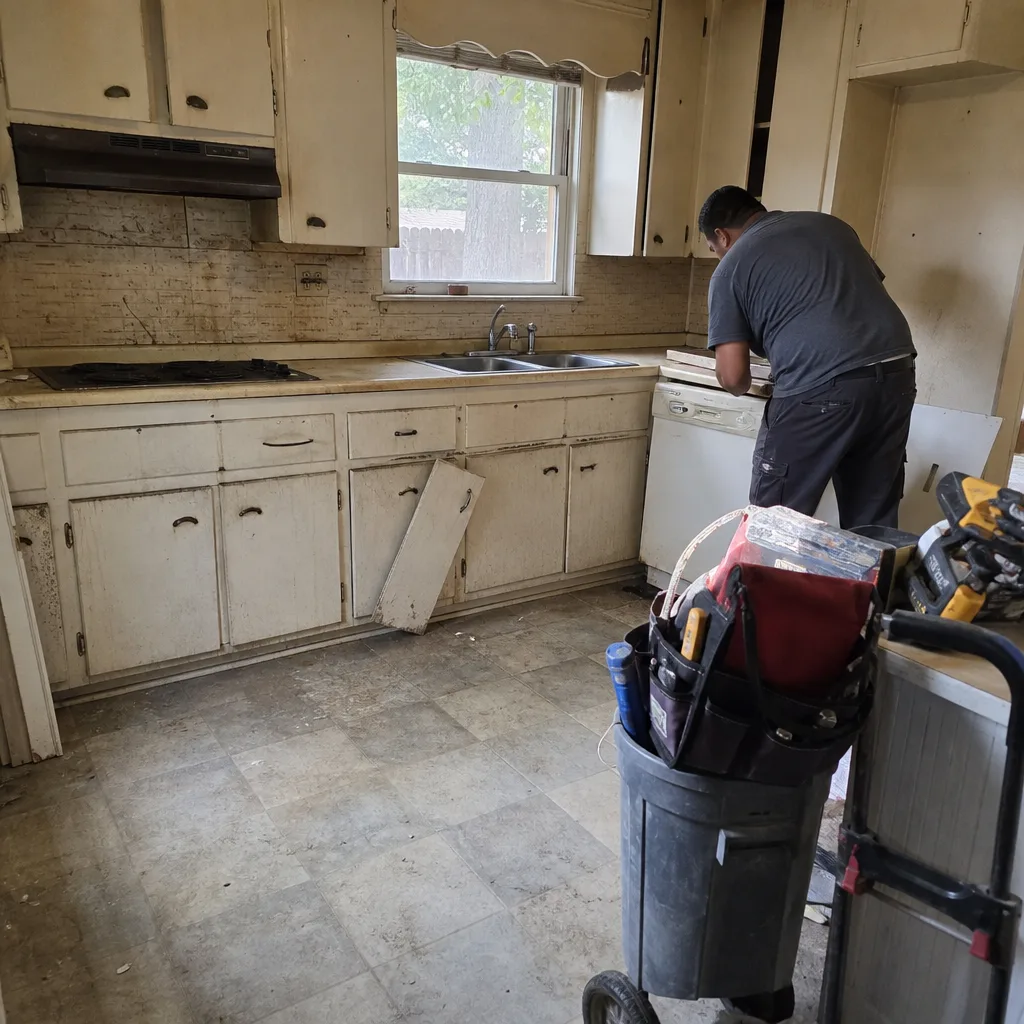 Before
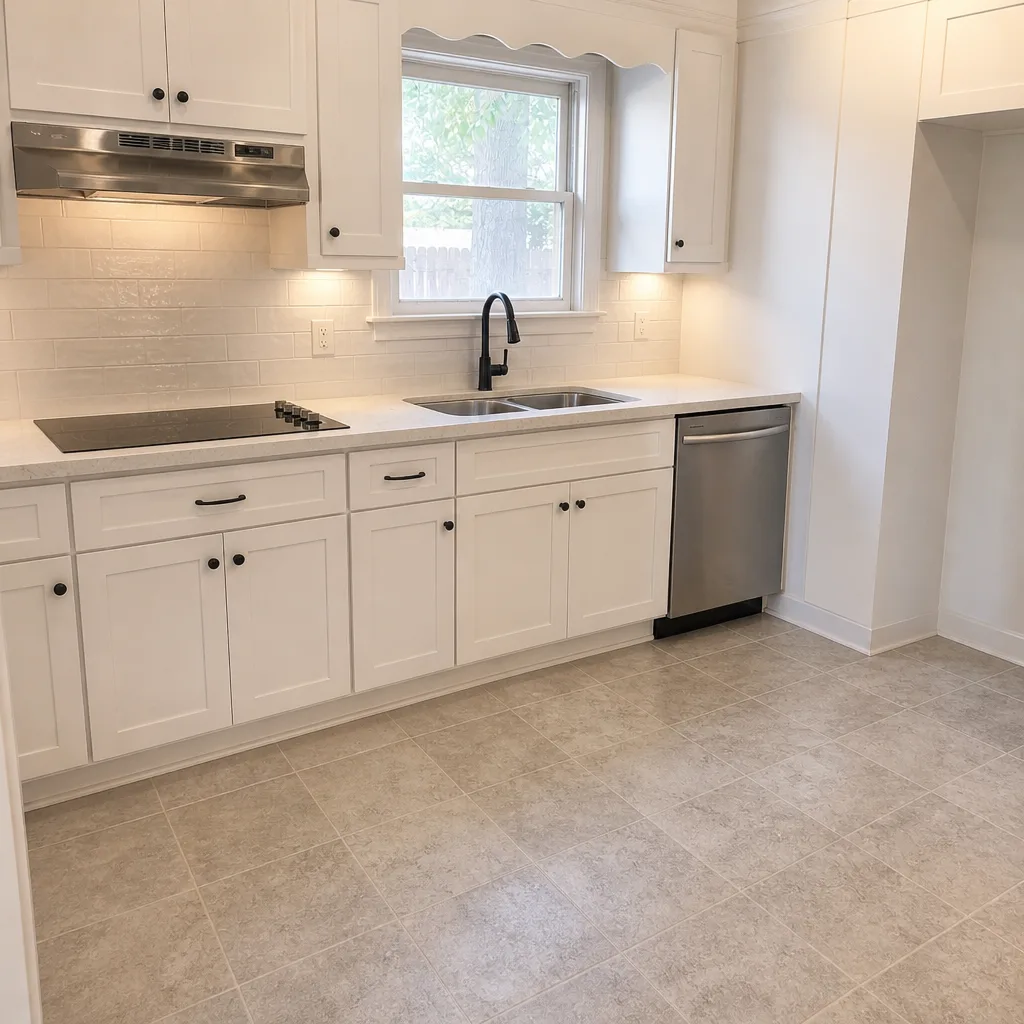 After
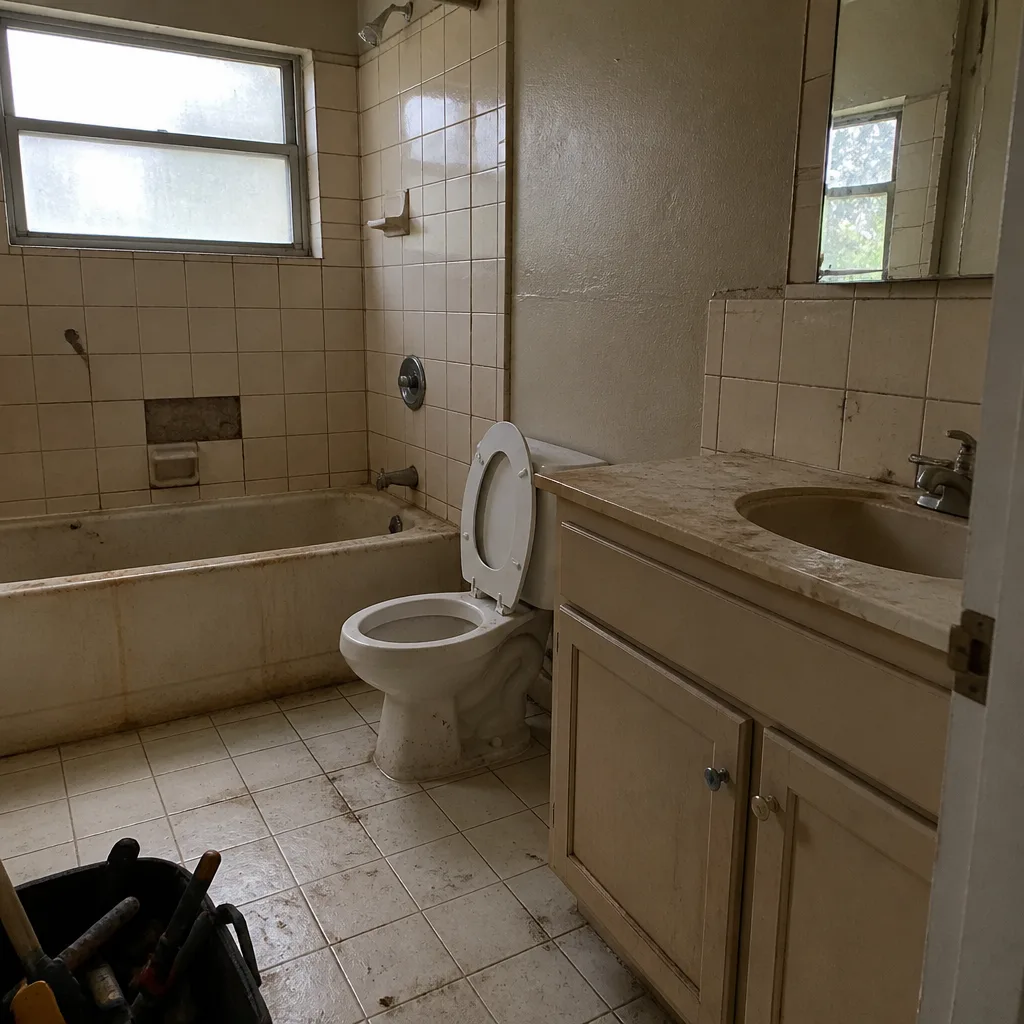 Before
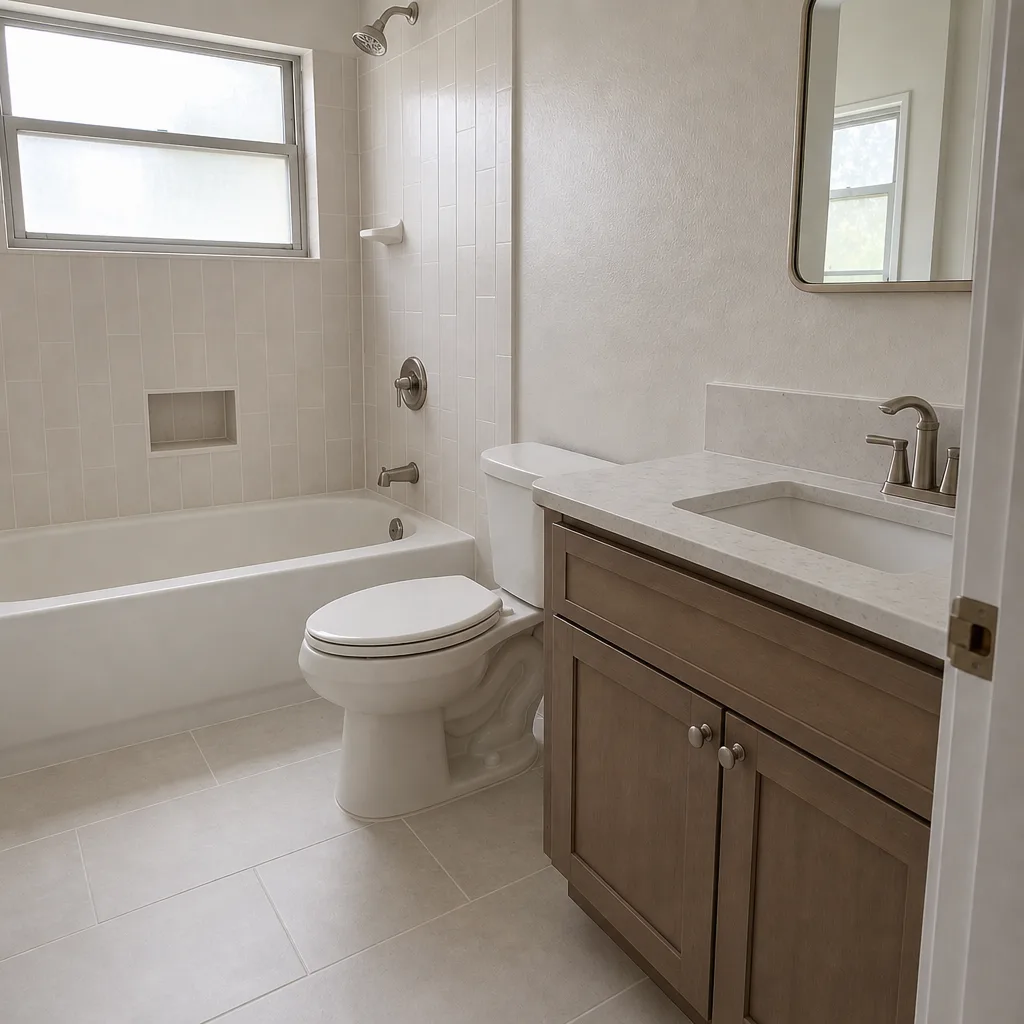 After
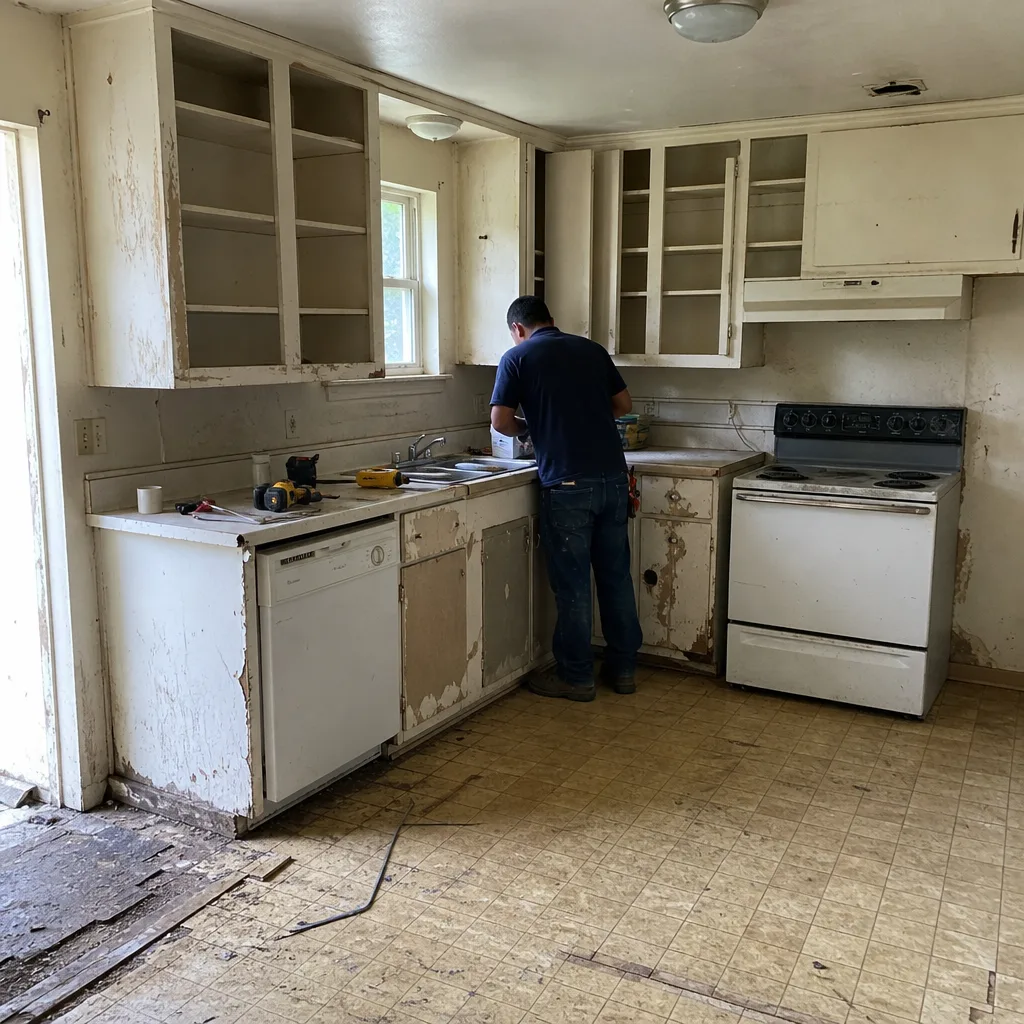 Before
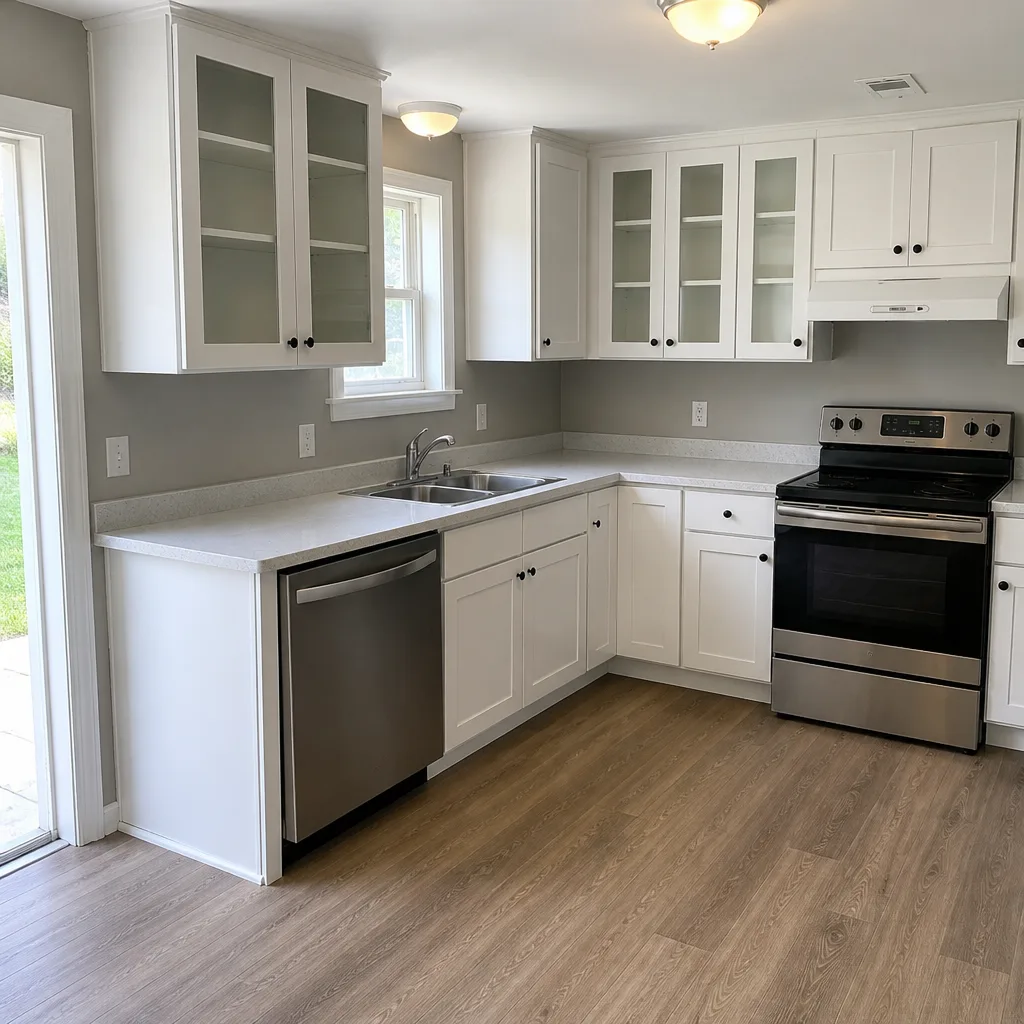 After
Frequently Asked Questions
You can legally do cosmetic and finish work yourself in a Dallas bathroom, including painting, caulking, tile on dry areas, and hardware installs. You cannot legally perform plumbing, electrical, or structural work that requires a permit without the corresponding license. Skirting this rule risks denial of an insurance claim and can complicate a future sale.
Safe first-timer jobs are painting, hardware swaps, accessory installs, demolition, and toilet or vanity swaps on the same rough-in. Anything involving a shower waterproofing membrane, drain rough-in, electrical circuit in a wet zone, or gas line is not a first-timer job. Call (844) 797-4808 if you want a professional opinion on your specific split.
It can. If an insurer traces a water loss to plumbing or waterproofing that wasn’t permitted or code-compliant, they can deny the claim or subrogate against the responsible party. That means the cost of the loss comes out of your pocket. Dallas carriers are strict here, and it isn’t worth the risk to save a permit fee.
Repairing a failed DIY shower typically costs $4,000 to $9,000 in Dallas, depending on size and materials. That includes demo, waterproofing rebuild, and re-tile. It’s the single most expensive DIY mistake we see in local bathrooms, and it usually traces back to a membrane or drain error, not a tile error.
Yes, and it’s often smart. Buying your own faucet, toilet, shower valve trim, and lighting avoids markup and gets you the exact style you want. Confirm the contractor is comfortable with the specific models before purchase so compatibility and install time are clear.
A typical full bathroom remodel in Dallas takes three to five weeks, depending on material availability and whether permits and inspections are involved. A split-project approach that includes your own demo and finish work adds one to two weeks but saves 10 to 25 percent of the total cost. Call (844) 797-4808 to schedule your free estimate and get a realistic timeline for your bathroom.
The Bottom Line
The DIY-vs-professional question in a Dallas bathroom isn’t about capability. It’s about liability. Painting, hardware, demolition, and accessory installs reward your effort with real savings. Shower waterproofing, plumbing rough-ins, electrical circuits near water, and wet-wall tile are where amateur work hides until it’s expensive. Draw the line there, split the project intelligently, and let a licensed pro take the tasks that carry hidden risk. You get the savings you want, the quality the job requires, and a record that protects your house and your insurance.
When you’re ready to price out your Dallas bathroom, call Groundwork Construction Co. of Dallas at (844) 797-4808 for a free estimate. Upfront pricing, no surprises, and the 730-Day Done Right Promise behind every project. Calls are answered by a live person, 24/7.
Written by the team at Groundwork Construction Co. of Dallas.