
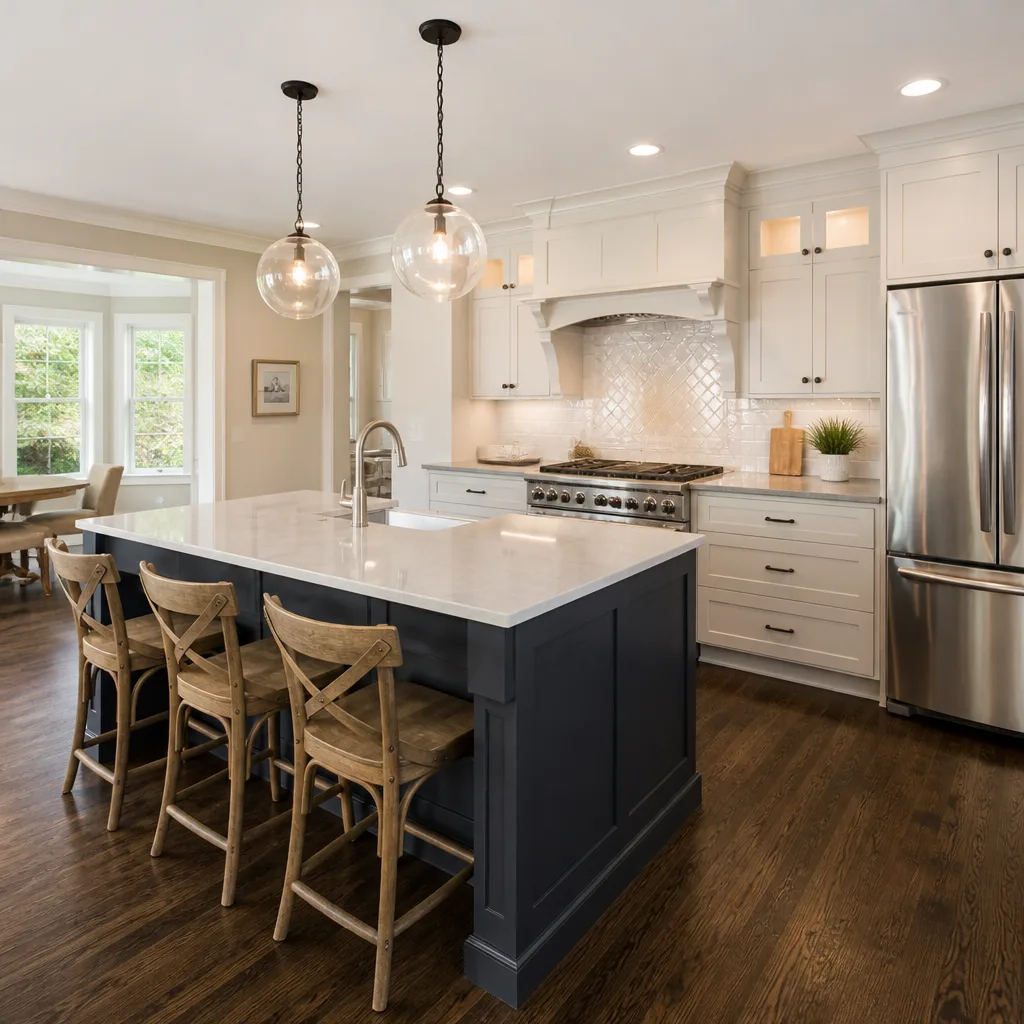
 Kitchen remodeling
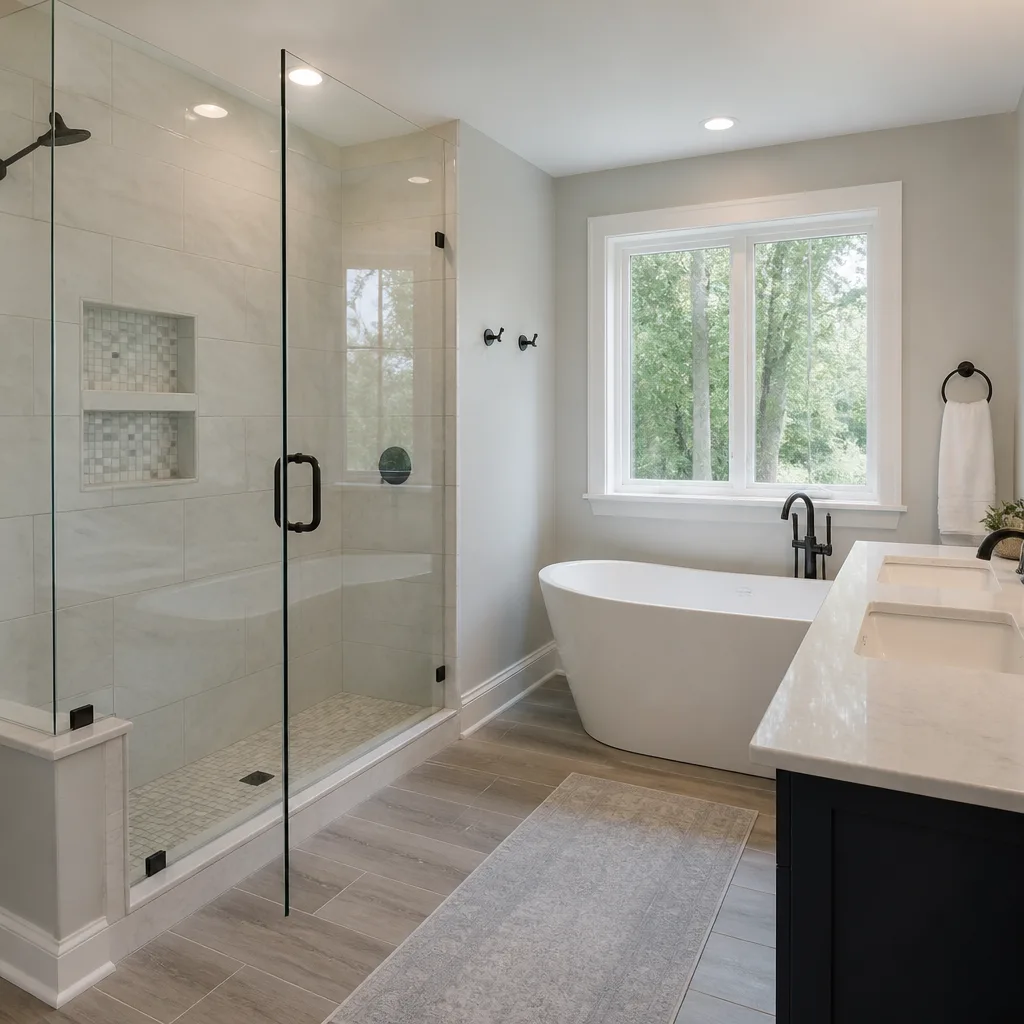 Bathroom remodeling
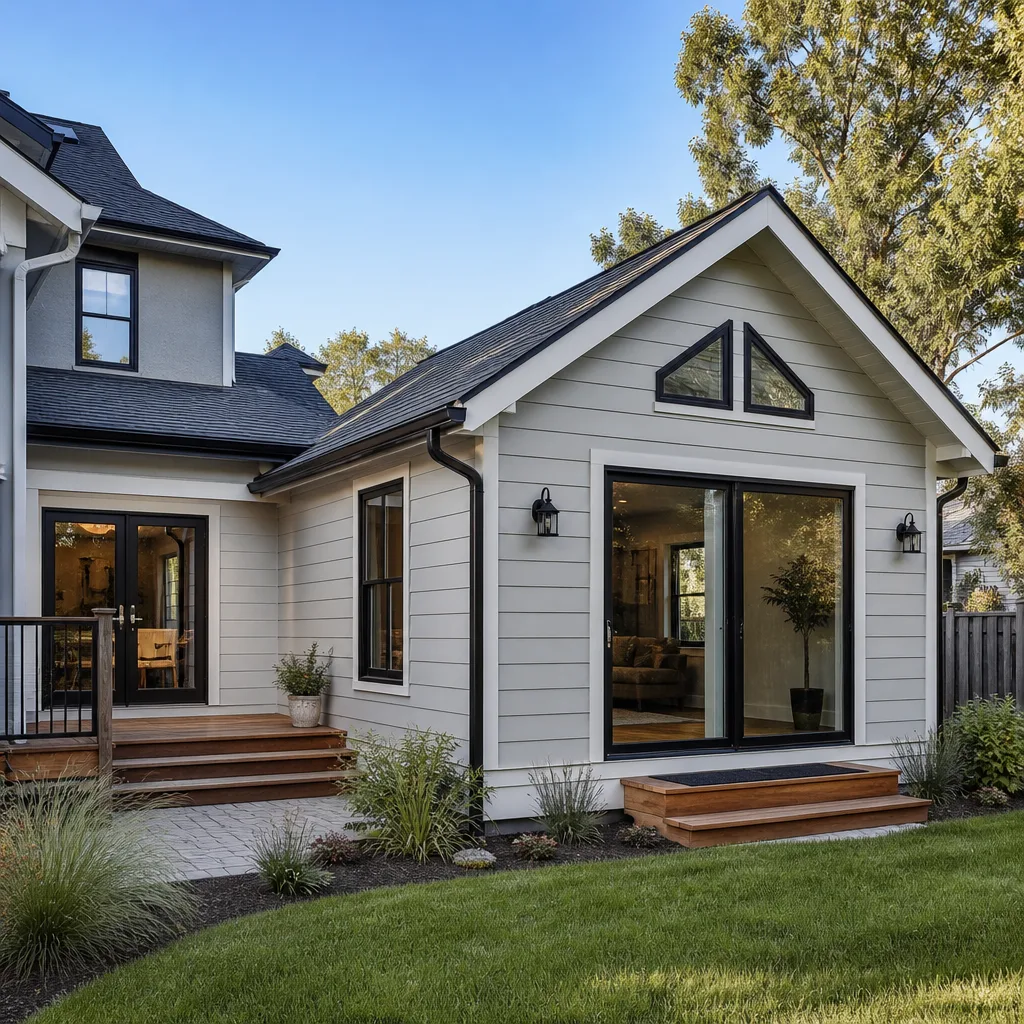 Home additions & ADU
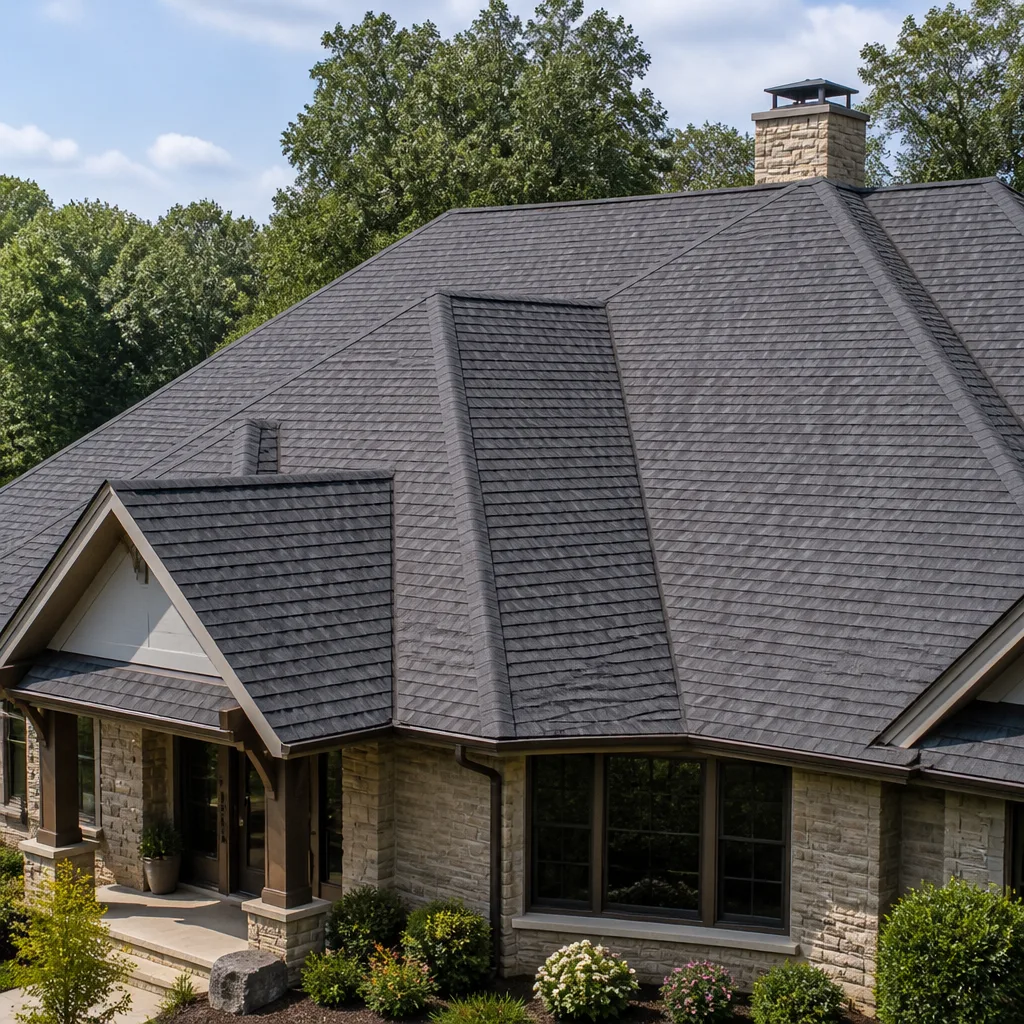 Roofing
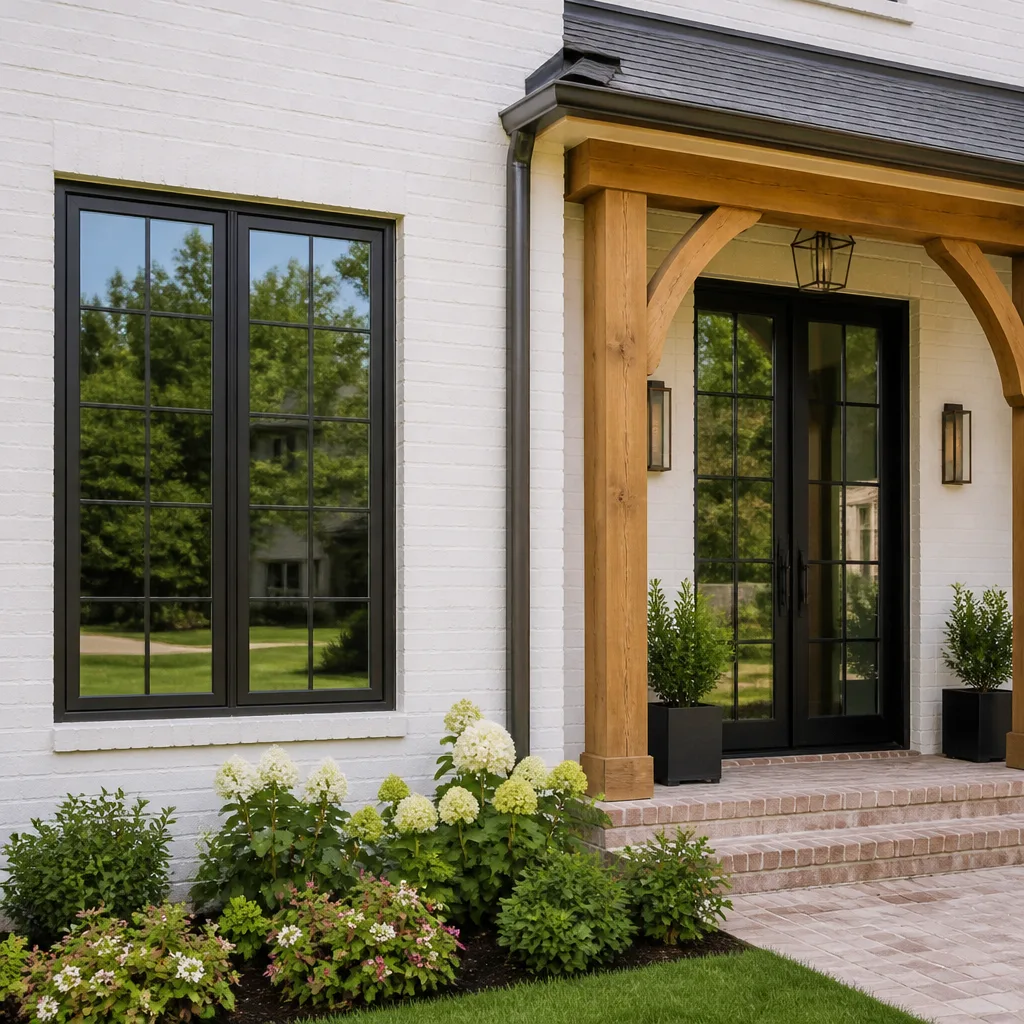 Windows & doors
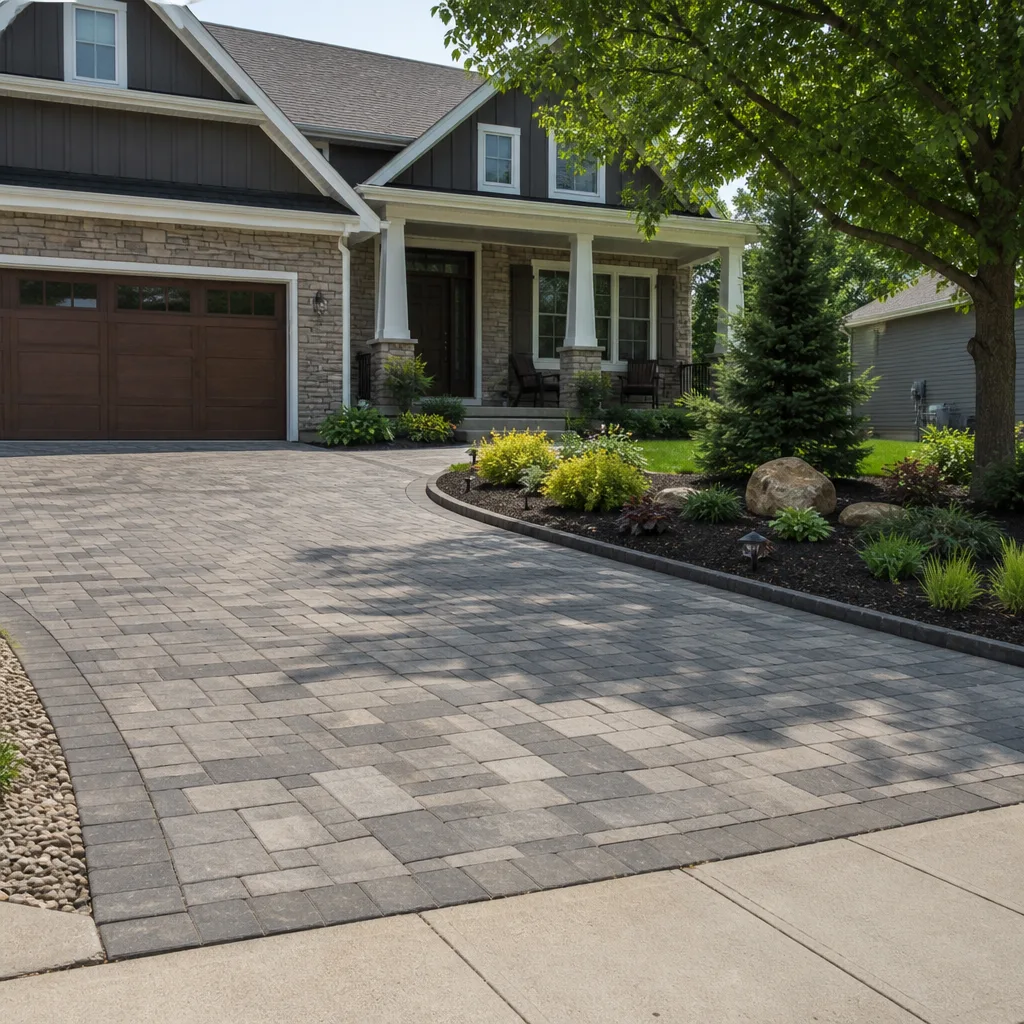 Driveway & pavers
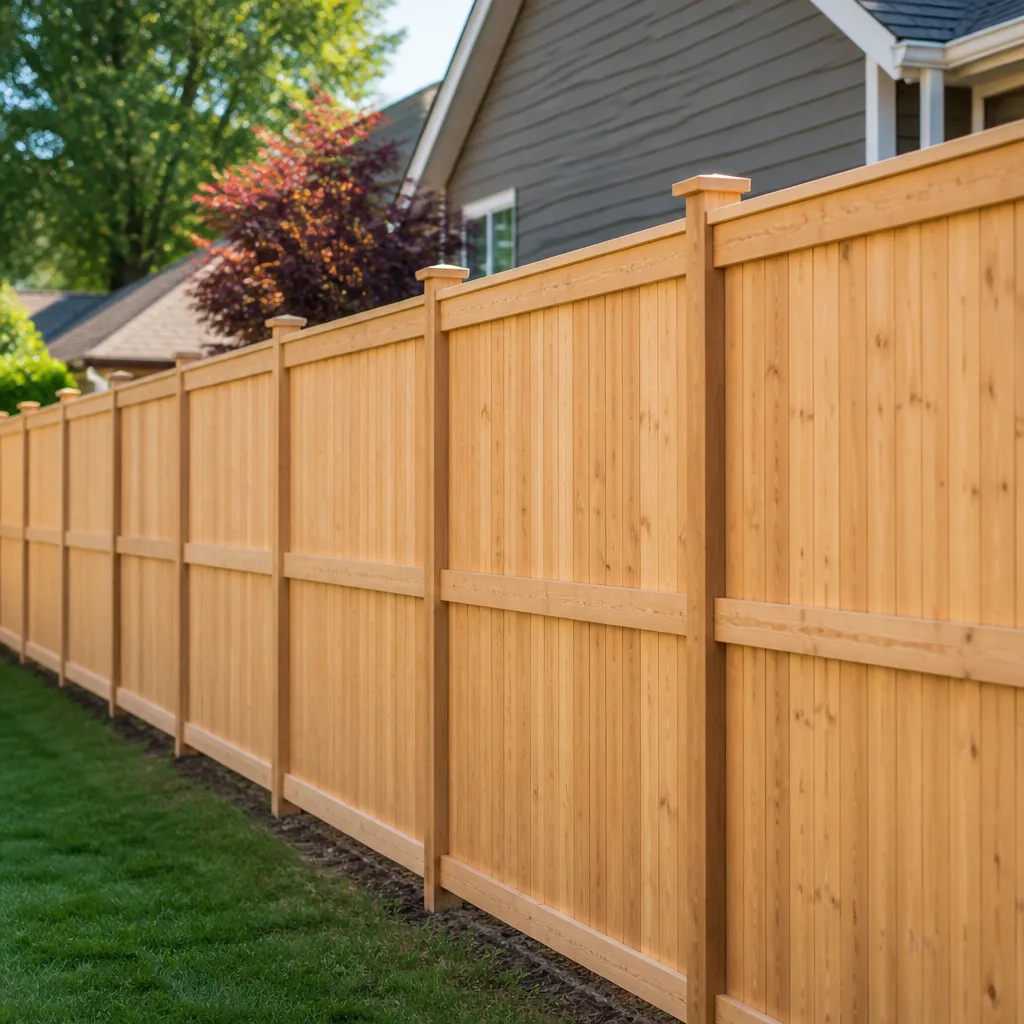 Fence
Free written scope consultation - allowances, timeline, and change-order rules on paper before a single trade is scheduled
Styles & brands we work with
- Kitchen remodeling
- Bathroom remodeling
- Home additions & ADU
- Roofing
- Windows & doors
- Driveway & pavers
- Fence
See the difference
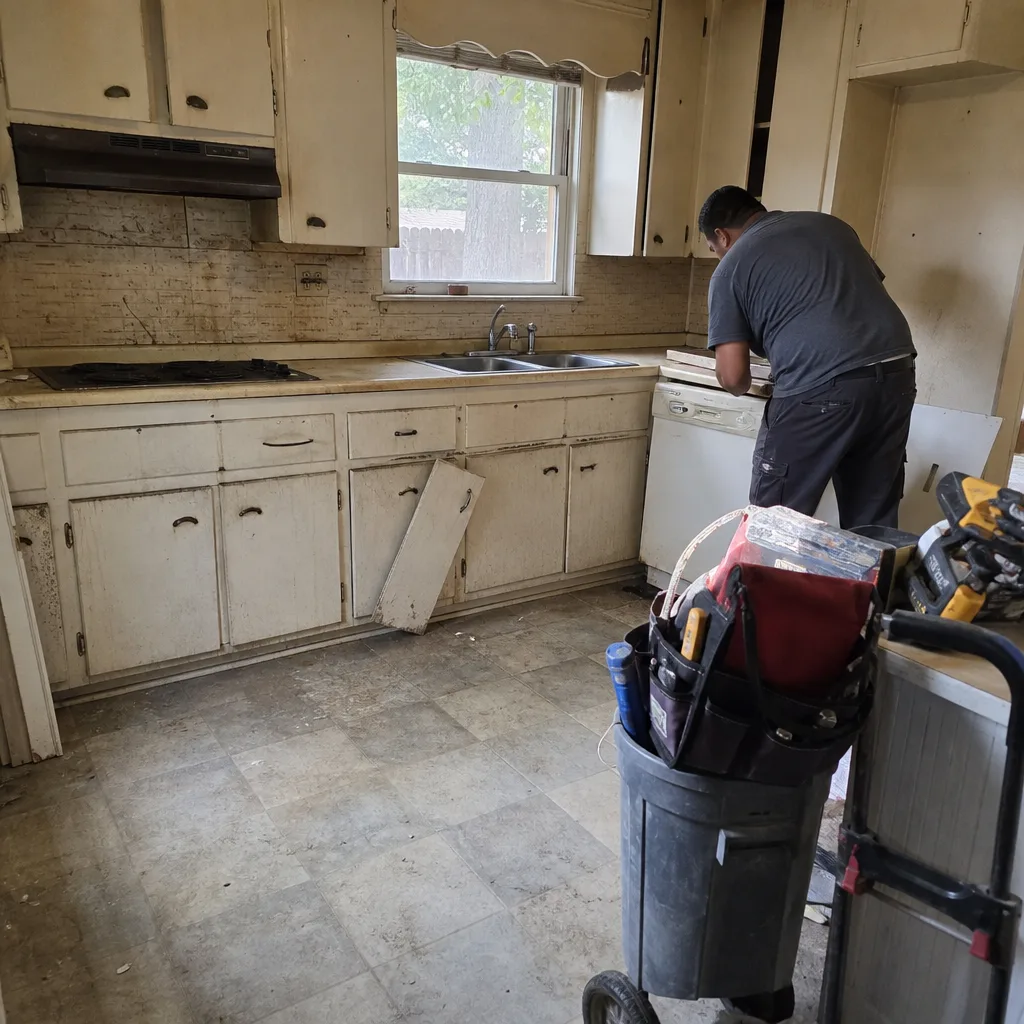 Before
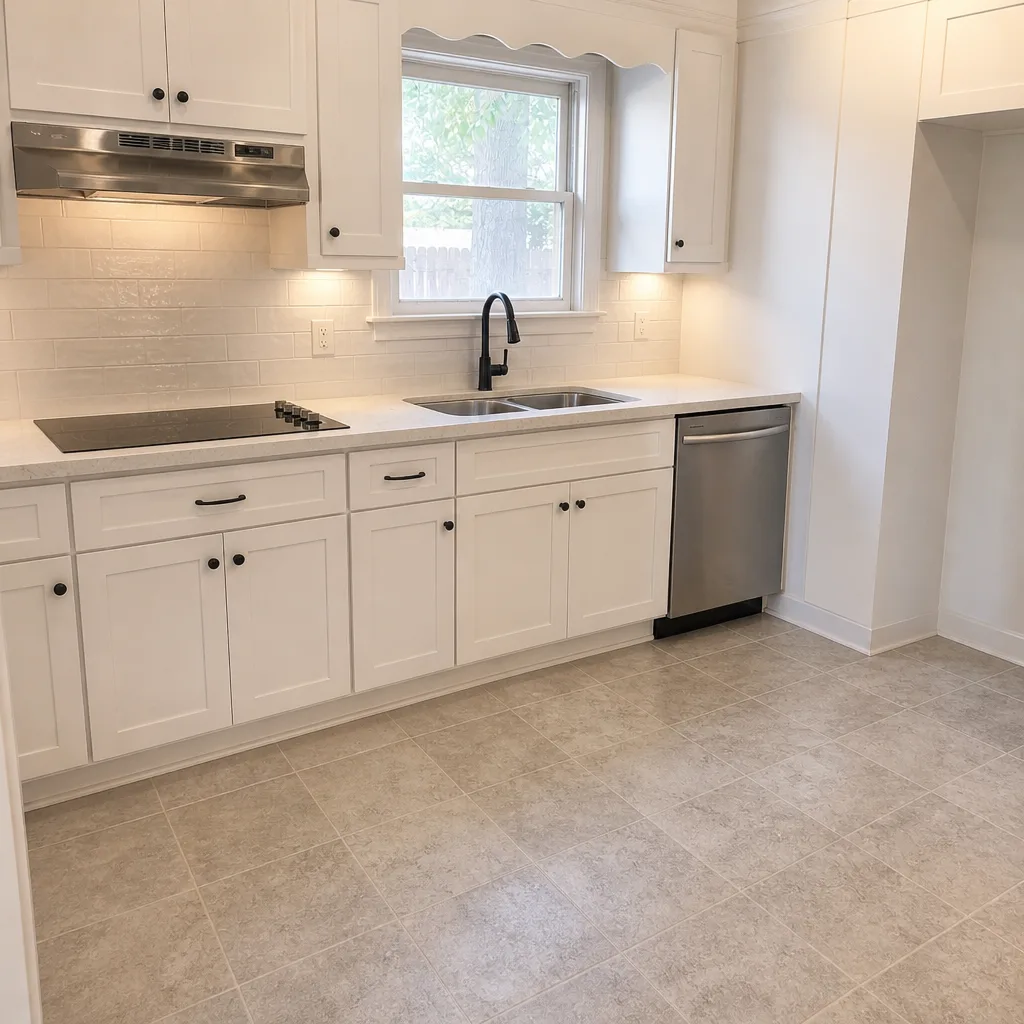 After
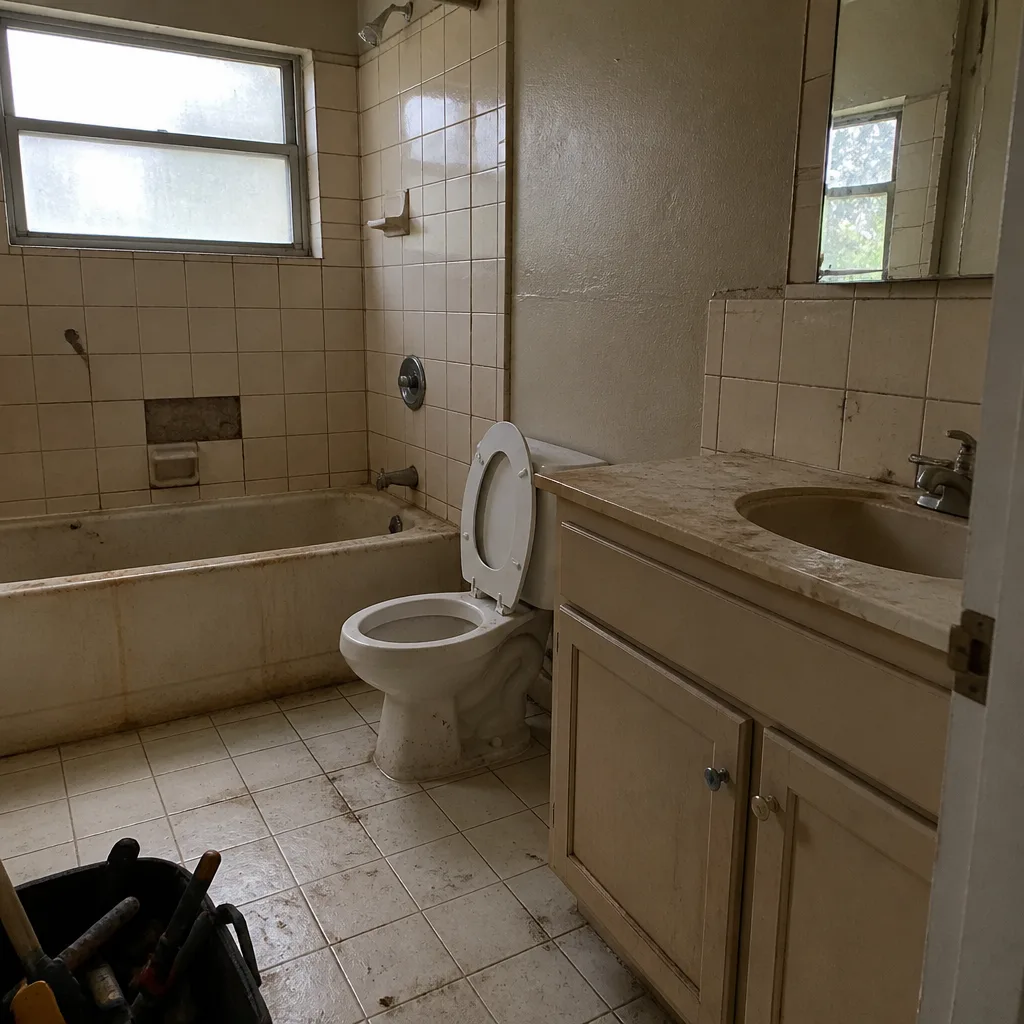 Before
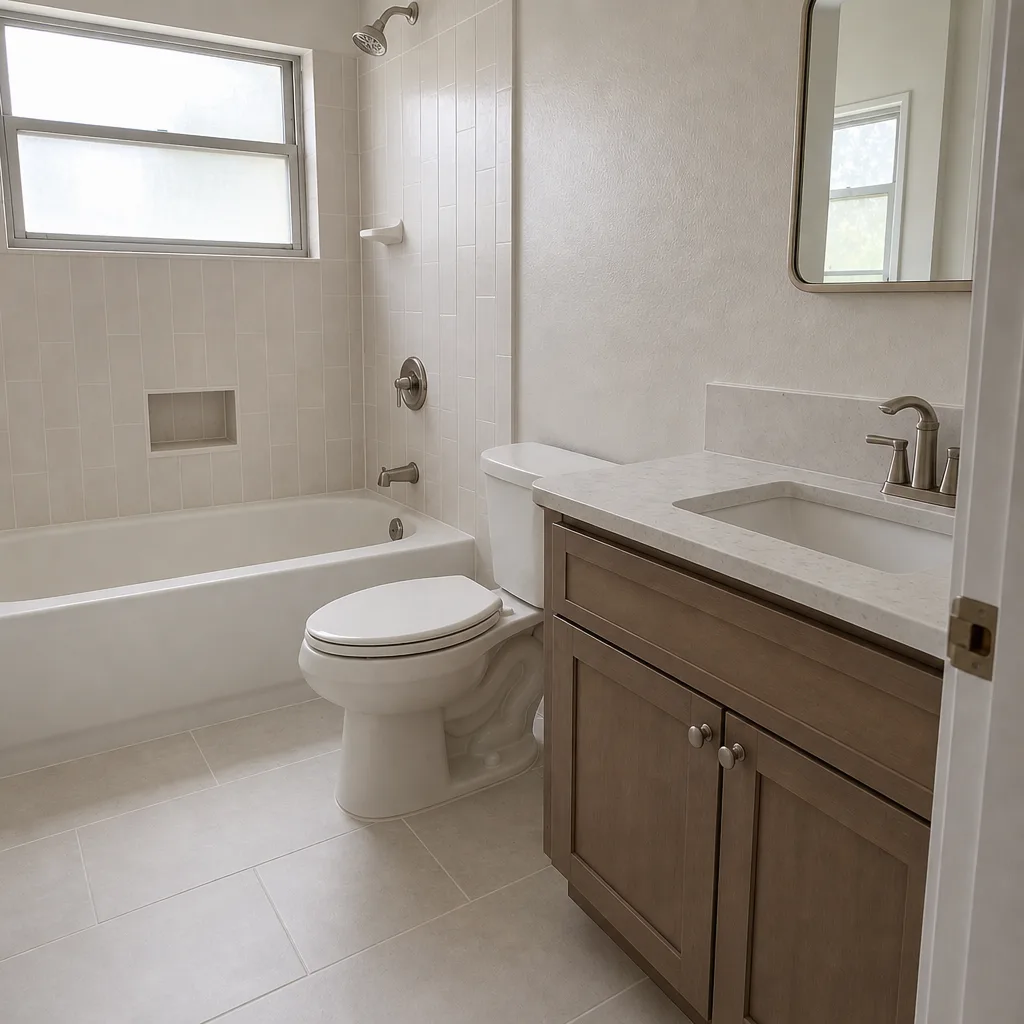 After
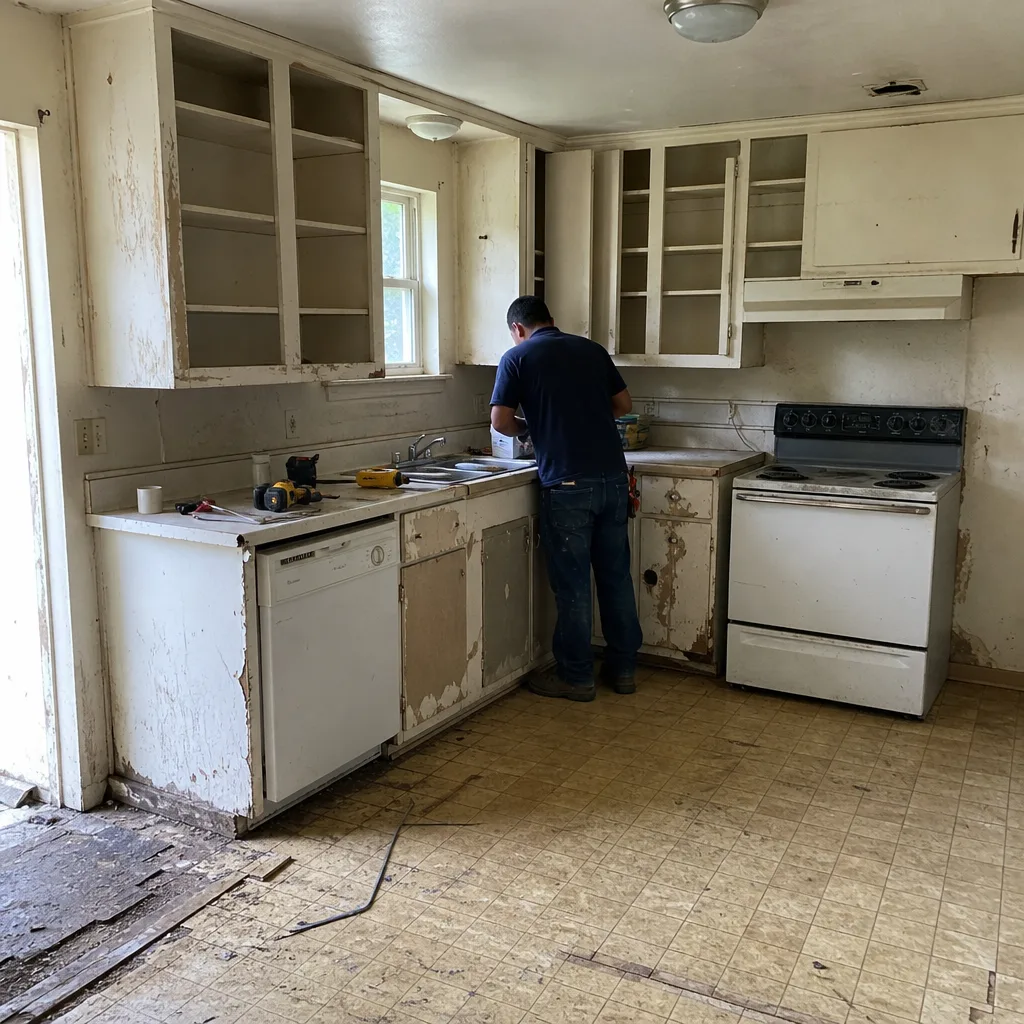 Before
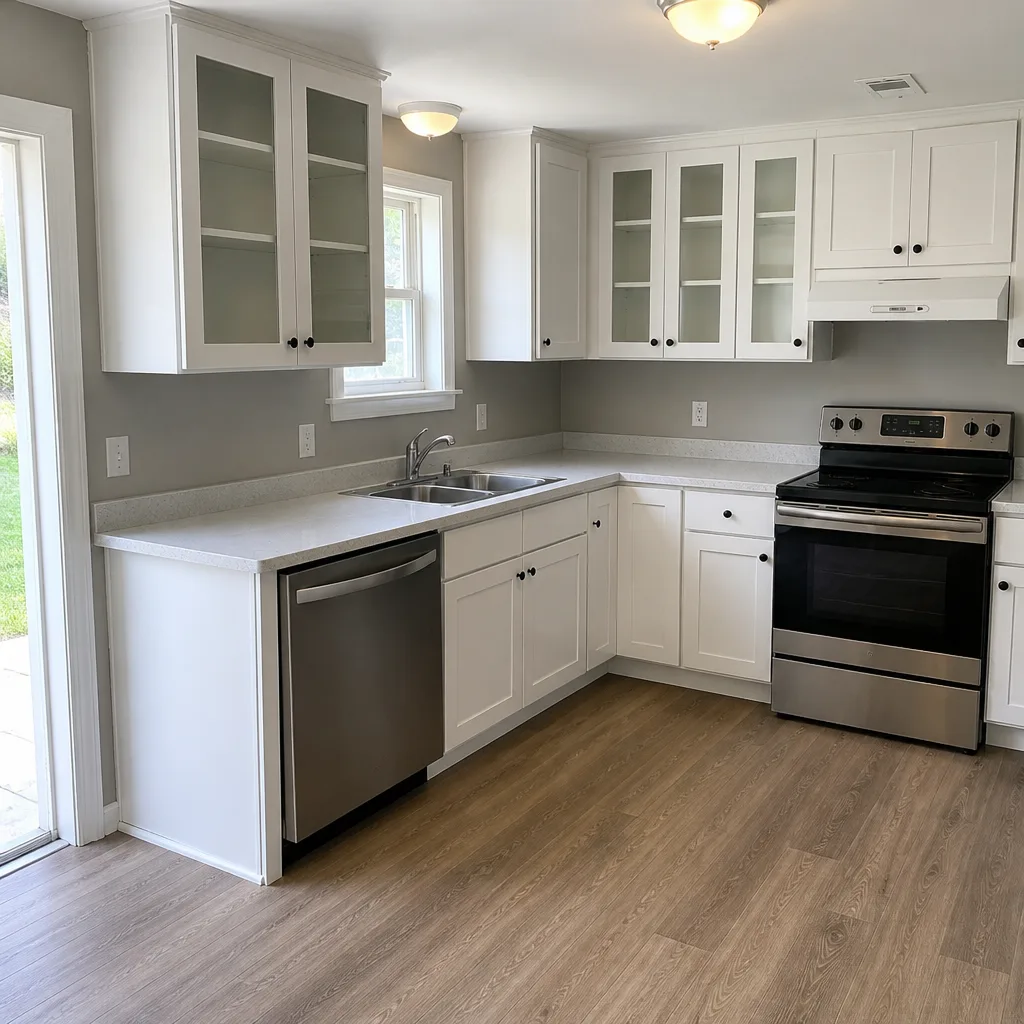 After
General Contractor vs Handyman in Dallas, TX: Choose a Licensed GC Unless the Job Is Under $500 and Permit-Free
Choose a licensed general contractor unless the job is under $500 and requires no permit. In Dallas, that line eliminates most of what homeowners actually need done. Texas law bars a handyman from taking on work over $500 that triggers a permit, and in Dallas’s high-wind, expansive-clay environment, almost every roofing, structural, plumbing, electrical, or foundation-adjacent job does trigger one. A handyman who patches a hail-damaged roof section without a permit isn’t cutting corners – it’s a Class B misdemeanor, and your insurance company will use it to deny the next claim. Call Groundwork Construction Co. of Dallas at (844) 797-4808 to find out which side of that line your project lands on.
Why the Dallas Permit Rule Changes the Whole Conversation
Most “GC versus handyman” advice you’ll read online was written for a generic market. Dallas is not generic. The city sits on the Blackland Prairie, a belt of expansive clay that swells and shrinks hard with the wet-dry cycle, and DFW’s no-freeze-depth, high-wind-zone code reality means builders here design for soil movement and wind uplift first. Frost heave doesn’t enter the conversation. That has two consequences for your decision.
First, more jobs require engineered plans and permits than you’d expect. Foundation repair in Dallas is tied to a permit and an engineer’s letter as a matter of routine, because a post-tension slab poured to shallow drilled-pier depth will show stair-step brick cracks and sticking doors within a few dry summers. Second, roofing on a Dallas home involves a wind-uplift fastening schedule the licensed contractor must certify on the permit set. A handyman can nail down shingles that look fine. He can’t certify the decking attachment. If a straight-line windstorm later peels that section back, the gap between a certified schedule and an uncertified repair is where claims go to die.
If you want the full picture of what a licensed builder handles end to end, our home construction services page walks through it.
What You’re Actually Comparing
The difference isn’t just scope. It’s what sits behind the person doing the work.
| Protection | Typical handyman | Licensed GC (Groundwork) |
|---|---|---|
| General liability | Usually yes | Yes |
| Performance bond | Rarely | Yes |
| Workers’ comp for crews | Often no | Yes |
| Workmanship guarantee | Verbal, if that | 730-Day Done Right Promise, in writing |
| Permit pulled and certified | Cannot, over $500 with permit | Yes, one permit of record per project |
| Insurance claim survives | At risk | Protected |
Every trade on a Groundwork project – framing, roofing, plumbing, electrical – runs under a single licensed contractor of record. One permit pull, one accountability chain, not a patchwork of side agreements between a handyman and three buddies with trucks. When a straight-line windstorm tears through Oak Cliff or East Dallas, that single chain is what your insurer actually recognizes.
That same structure shows up in the price. A full bathroom remodel in Dallas runs $9,000-$28,000, a roof replacement $8,000-$20,000, and a home addition $45,000-$130,000. Those numbers include the permitting, engineering, and warranty work that a handyman’s quote quietly leaves out. It’s also why we quote upfront pricing with no surprises, and why projects over $10,000 come with $1,000 off plus 0% financing for 18 months. A handyman’s day rate looks cheaper until the second estimate arrives.
Common Local Scenarios: Where the Line Falls
The abstract rule gets clearer with real Dallas jobs. Here’s how the decision actually breaks down neighborhood by neighborhood.
- Hail-damaged roof section in Lake Highlands. Your adjuster scopes a repair. A handyman patches it in an afternoon. Six months later a windstorm peels the repair and the claim is denied because the fastening schedule wasn’t certified. This is a GC job, and often a full replacement – not because we’re upselling, but because partial repairs that leave certified and uncertified sections side by side are where Dallas insurers get strict.
- Slab movement and cracked brick in a 1950s ranch home. Sticking doors, stair-step cracks, sloping floors. That’s foundation work tied to engineered pier depth. A handyman cannot touch it legally. Our foundation-adjacent construction work starts with the engineer’s letter, not a patch.
- Kitchen refresh under a $10,000 budget in a pre-war bungalow. Painting cabinets, swapping hardware, caulking trim – all fair game for a handyman. Once you’re pulling a permit for electrical, cabinet installation at $4,000-$13,000 that involves moving a gas line, or countertop work, you’re across the line.
- Fence installation after a spring storm. A vinyl fence at $3,500-$9,000 is often a GC job once footings and property-line surveying enter the picture. A handyman replacing a couple of pickets is fine.
- Garage conversion or ADU. At $30,000-$80,000 and $90,000-$220,000 respectively, these require permits, inspections, and a licensed contractor of record from the first day. No handyman option exists.
What Groundwork Brings to Dallas Projects
Groundwork Construction Co. of Dallas has served Dallas-area homeowners since 2014, and our technicians have up to 12 years of experience across the trades. Every project is staffed by background-checked, uniformed technicians, not a crew in an unmarked van. We use curated brand partners across every category – GAF and CertainTeed on roofs, Andersen and Pella on windows, KraftMaid and Kohler in kitchens and baths – so you’re choosing quality, not just whatever happens to be in stock.
The 730-Day Done Right Promise is the part that separates a promise from a legally enforceable commitment. Two years of coverage behind the workmanship, backed in writing. Most handymen offer a handshake and a phone number that may or may not still work next spring. That’s the difference you’re paying for.
Live person on the phone 24/7, no voicemail black hole. Same-day responses for roofing emergencies after hail. Free project estimate and design consult on any job we quote. If you’re weighing a kitchen remodel or bathroom renovation, those conversations start with the permit question – what’s legally required, what the engineered plans call for, and what your insurance will actually cover.
On a roof, we typically spec IKO or Atlas shingles rated for the hail and wind loads Dallas actually delivers. For additions and structural work, we pull one permit and carry one contractor of record through every inspection, so there’s no finger-pointing between trades when something goes wrong.
When the Handyman Is the Right Call
We’ll tell you straight: sometimes it is. Caulking failing exterior joints. Painting cabinets. Replacing a worn door sweep. Minor carpentry, hardware swaps, patching drywall. Jobs under $500 that require no permit and touch nothing structural or electrical. Hire a good handyman and save the GC premium.
The moment the job involves the roof, structural framing, plumbing or electrical modification, foundation work, or anything that needs an inspection, the legal and insurance math flips. That’s when you’re not paying more for a GC – you’re paying to keep the right to file a claim later.
FAQs
Texas doesn’t require a statewide handyman license for cosmetic work, but a handyman cannot legally perform any job over $500 that requires a permit – and in Dallas that includes roofing, electrical, plumbing modifications, structural work, and foundation repair. Performing that work without a licensed contractor of record is a Class B misdemeanor under Texas law. If your project triggers a permit, the handyman path is closed. Call (844) 797-4808 for a straight answer on whether yours does.
Legally, no, once the repair exceeds $500 and triggers a permit – which virtually every roof repair does in Dallas due to wind-uplift fastening requirements. Dallas code requires a specific fastening schedule on the roof decking that a licensed contractor must certify on the permit set. A handyman’s repair, however clean, creates an uninsured gap your insurer can use to deny a future wind claim. Roof replacement in Dallas typically runs $8,000-$20,000; roof repair runs $400-$1,800. Those are GC numbers because the work is GC-required. Call us for a free roof inspection.
A handyman can do cosmetic work under $500 with no permit. A licensed contractor carries a performance bond, workers’ comp, general liability, and the legal authority to pull permits – and in Groundwork’s case, a 730-Day Done Right Promise covering workmanship in writing. The practical difference shows up the day something fails: a handyman offers a promise, a licensed GC offers a legally enforceable commitment.
A handyman’s day rate is cheaper, but the comparison only holds if the job is cosmetic and permit-free. The moment a permit is required, handyman pricing isn’t available – and self-performing or hiring unpermitted labor risks your insurance coverage on a $20,000 roof or a $130,000 addition. On permitted jobs, the GC premium is the cost of legal compliance and a warranty, not an upsell. Get a free estimate with upfront pricing before you decide.
If you’d rather have it looked at than guess, Groundwork Construction Co. of Dallas offers a no-pressure assessment in Dallas – call (844) 797-4808 for a free estimate and design consult. Upfront pricing, live person 24/7, and a 730-Day Done Right Promise on every project.
Written by the team at Groundwork Construction Co. of Dallas, serving Dallas, TX.