
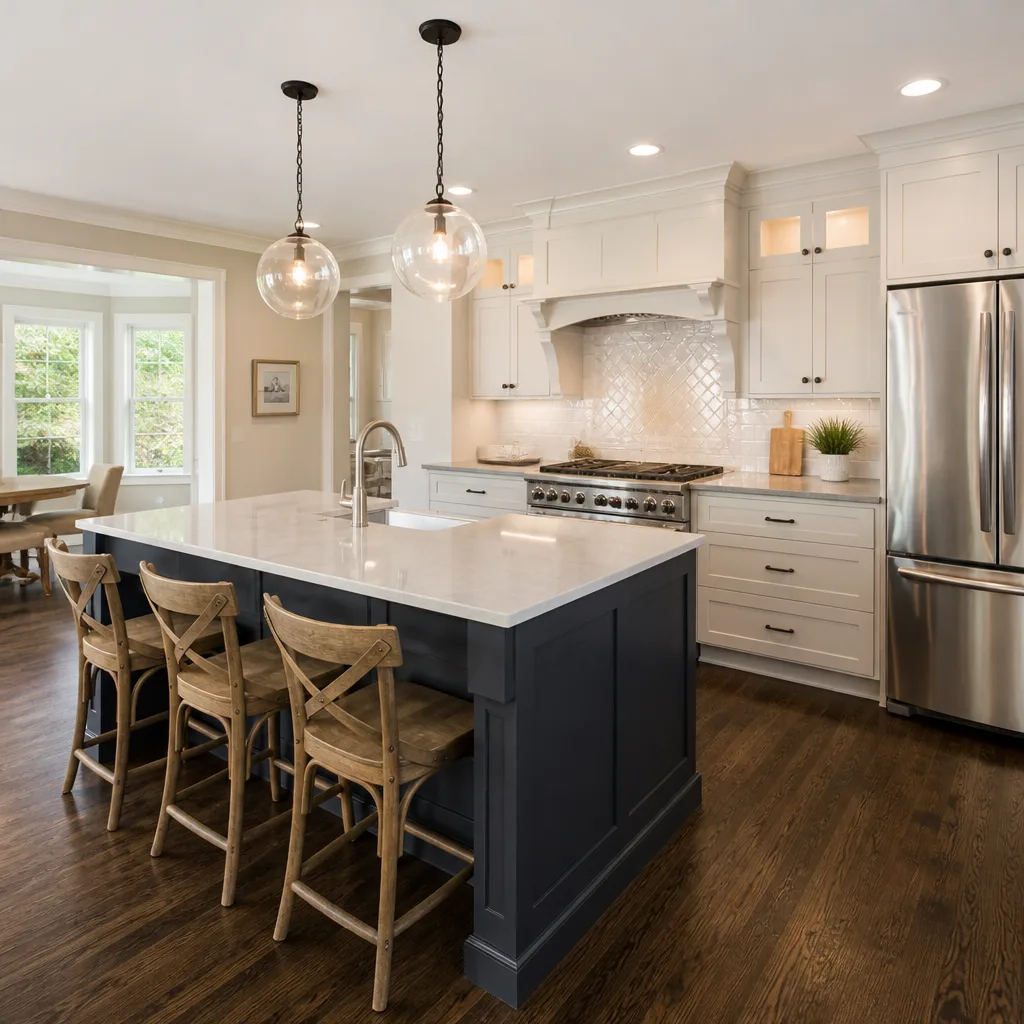
 Kitchen remodeling
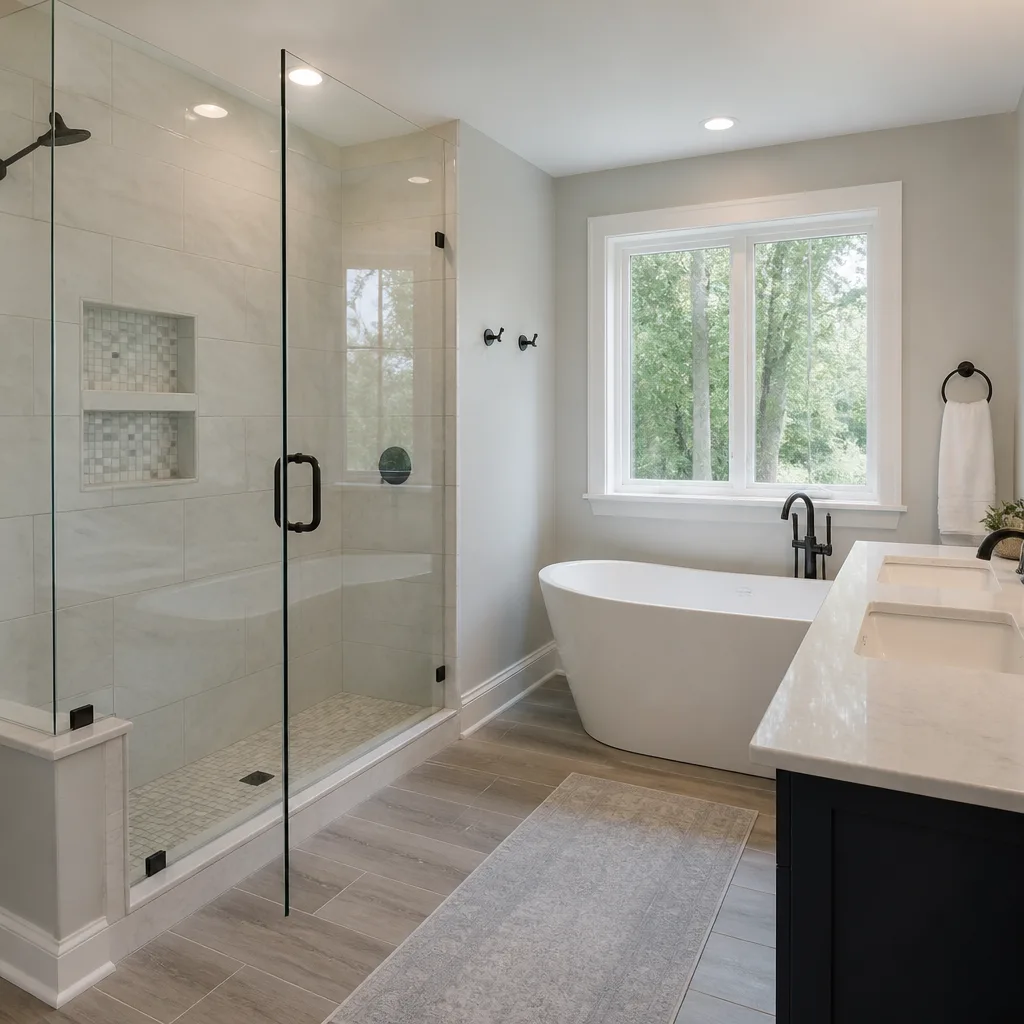 Bathroom remodeling
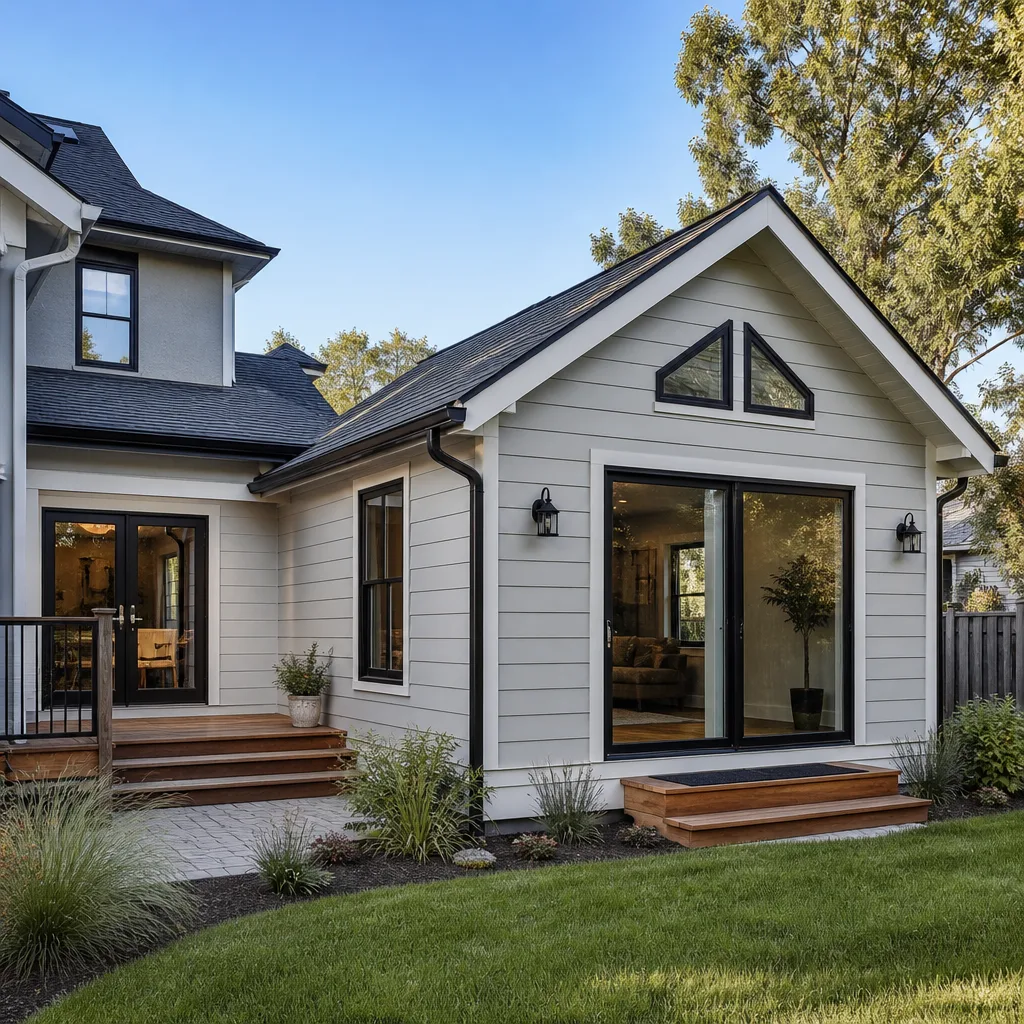 Home additions & ADU
 Roofing
 Windows & doors
 Driveway & pavers
 Fence
Free written scope consultation - allowances, timeline, and change-order rules on paper before a single trade is scheduled
ADU Site Prep & Utilities in Dallas: What the Ground Work Actually Costs
ADU site prep and utilities in Dallas typically runs $45,000 – $130,000 for the groundwork and service infrastructure that lets a backyard unit function as a real dwelling, with most of that spread across grading, foundation, trenching, and utility connections rather than finishes. The work takes 3 – 6 weeks of active site time before any framing starts, longer if a new tap or transformer upgrade is involved. Call (844) 797-4808 for a free on-site estimate and a written line-item quote.
How we sequence site prep and utilities on a Dallas ADU
Every backyard unit in Dallas starts underground. Here’s the order we actually work in, and where your decisions land.
Stage 1: Site walk, utility locate, and survey (days 1 – 3)
We call in the 811 locate before anything moves, then walk the lot with you to confirm the build envelope, the trench path from the meter, and whether the existing service panel has room for a subpanel feed. You decide the unit’s position relative to the alley and the existing house; we flag where a tree’s root zone or a fence line will force a reroute. Most Dallas lots are tight enough that this is a real decision, not a formality.
Stage 2: Clearing, grading, and drainage (days 3 – 7)
Demo of sheds, old patios, and fencing comes out, then we cut and fill to a positive slope away from the pad. On our clay, that means a drainage plan from the start: surface swales or a french drain sized to carry water off the pad, because a flat pad will pond and heave.
Stage 3: Foundation and slab (weeks 2 – 3)
This is where Dallas jobs diverge from everywhere else. We set drilled piers or a post-tension slab designed for expansive Blackland clay, and the engineered foundation plan goes with the permit set. You’ll choose the finish floor elevation here, which affects the step-down at the door and the trench depth later.
Stage 4: Trenching and utility rough-in (weeks 3 – 4)
Sewer or grinder pump, water lateral, gas if you’re running it, and the electrical conduit from the main panel all go in before the slab closes. If your main panel is a 1960s 100-amp service, we talk about a service upgrade now, not after drywall.
Stage 5: Inspections and backfill (weeks 4 – 6)
Rough plumbing, electrical, and foundation inspections get signed off, then we backfill, compact in lifts, and restore the yard. You get the inspection cards and as-builts in hand before framing begins.
Styles & brands we work with
- Kitchen remodeling
- Bathroom remodeling
- Home additions & ADU
- Roofing
- Windows & doors
- Driveway & pavers
- Fence
The site and utility choices you’ll be making
Most of the dollar swing on this job comes from four decisions. Here’s what each one actually means.
- Foundation type: post-tension slab is the Dallas default for a detached unit on clay; drilled piers cost more but suit a unit near mature trees or on a slope. A pier-and-beam approach makes sense on an older lot where you want to keep utilities accessible underneath.
- Sewer path: gravity tie-in to the existing lateral is the cheap outcome. If the yard slopes the wrong way, a grinder pump and lift station adds cost and a maintenance item you’ll own.
- Electrical service: running a subpanel off the existing 200-amp service is straightforward. A full service upgrade or a new meter for a separately metered unit is a bigger line item.
- Utility routing: trenching across an intact driveway means saw-cutting and patching. Routing around it costs more conduit, less concrete. You pick based on how much you value the driveway.
Door and window selections come later, but if you’re thinking impact-rated units for the unit, brands like CGI and ES Windows come up often for this market. We’ll price those in the same written estimate so nothing arrives as a surprise.
What ADU site prep and utilities costs in Dallas, TX
Plan on $45,000 – $130,000 for site prep and utilities on a Dallas ADU, depending on how much of the infrastructure has to be built new. The low end assumes a level lot, gravity sewer, an existing panel with capacity, and no driveway crossings. The high end is a sloped or tree-heavy lot with a grinder pump, a service upgrade, and long trench runs.
| Line item | Typical Dallas range |
|---|---|
| Clearing, grading, drainage | $4,000 – $12,000 |
| Engineered foundation / slab | $12,000 – $35,000 |
| Sewer lateral or grinder pump | $5,000 – $18,000 |
| Water and gas lateral | $2,500 – $8,000 |
| Electrical trench, conduit, subpanel | $5,000 – $15,000 |
| Service upgrade (if needed) | $3,000 – $9,000 |
| Permits and engineering | $3,000 – $10,000 |
| Backfill, compaction, yard restore | $3,000 – $9,000 |
What’s included in a written estimate: engineering, permit fees we pull, trenching, materials, inspections, and debris haul-off. What isn’t: utility company tap fees, which vary by provider, and any landscape replacement beyond basic sod. The number you see is the number you pay. No change orders from us.
See the difference
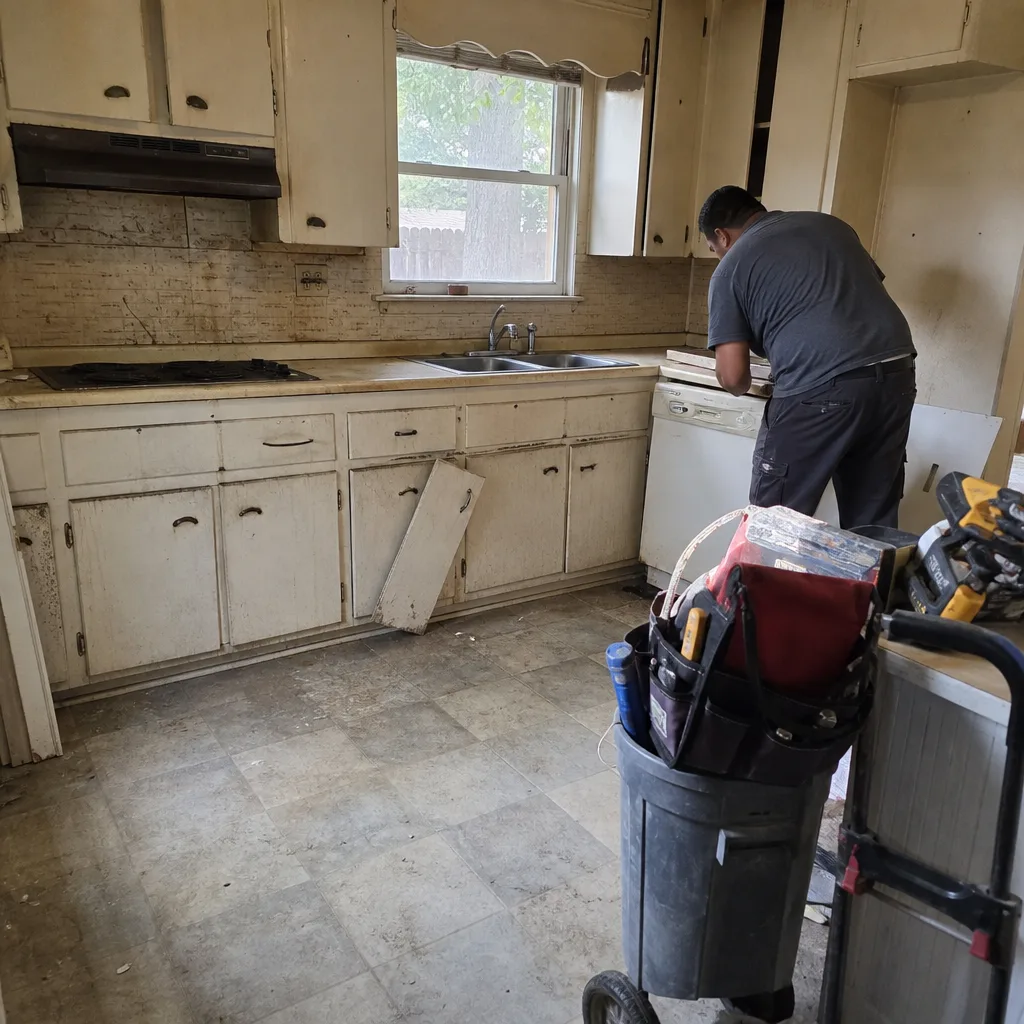 Before
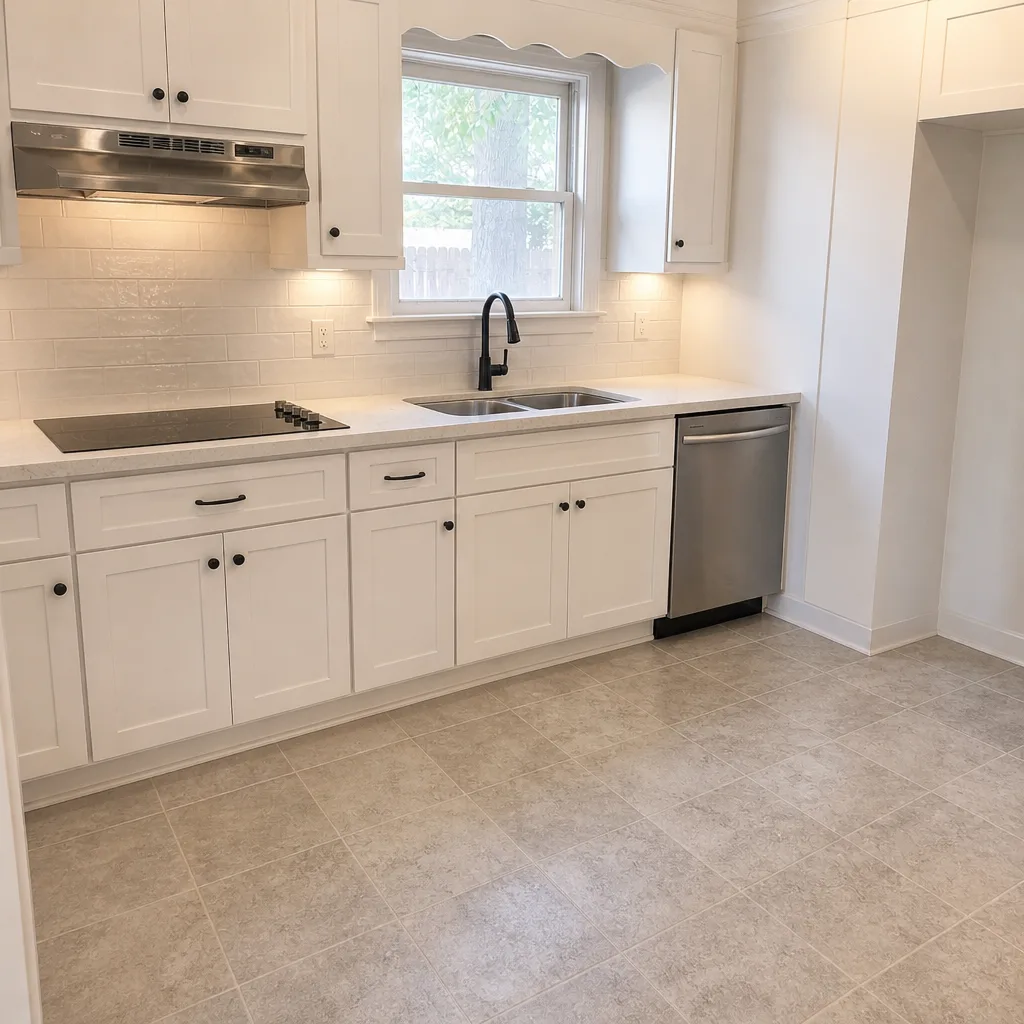 After
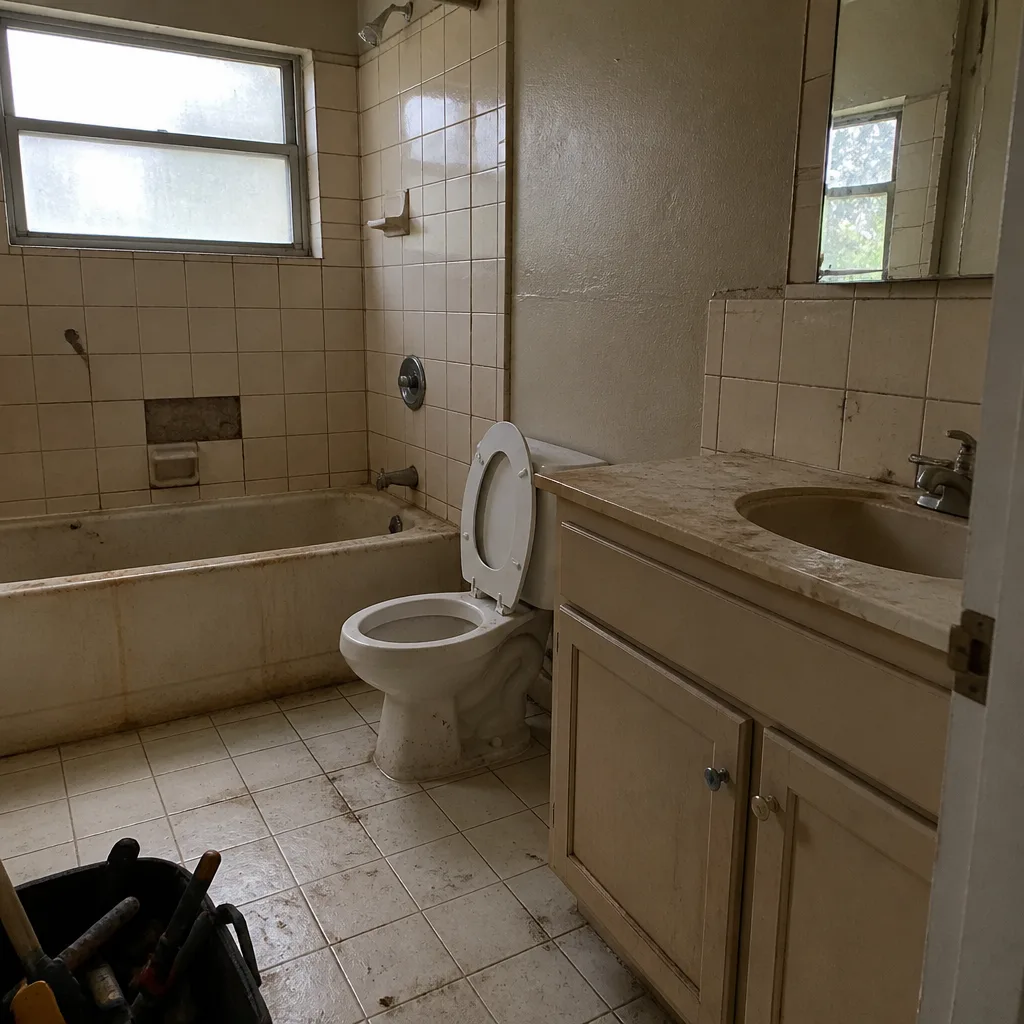 Before
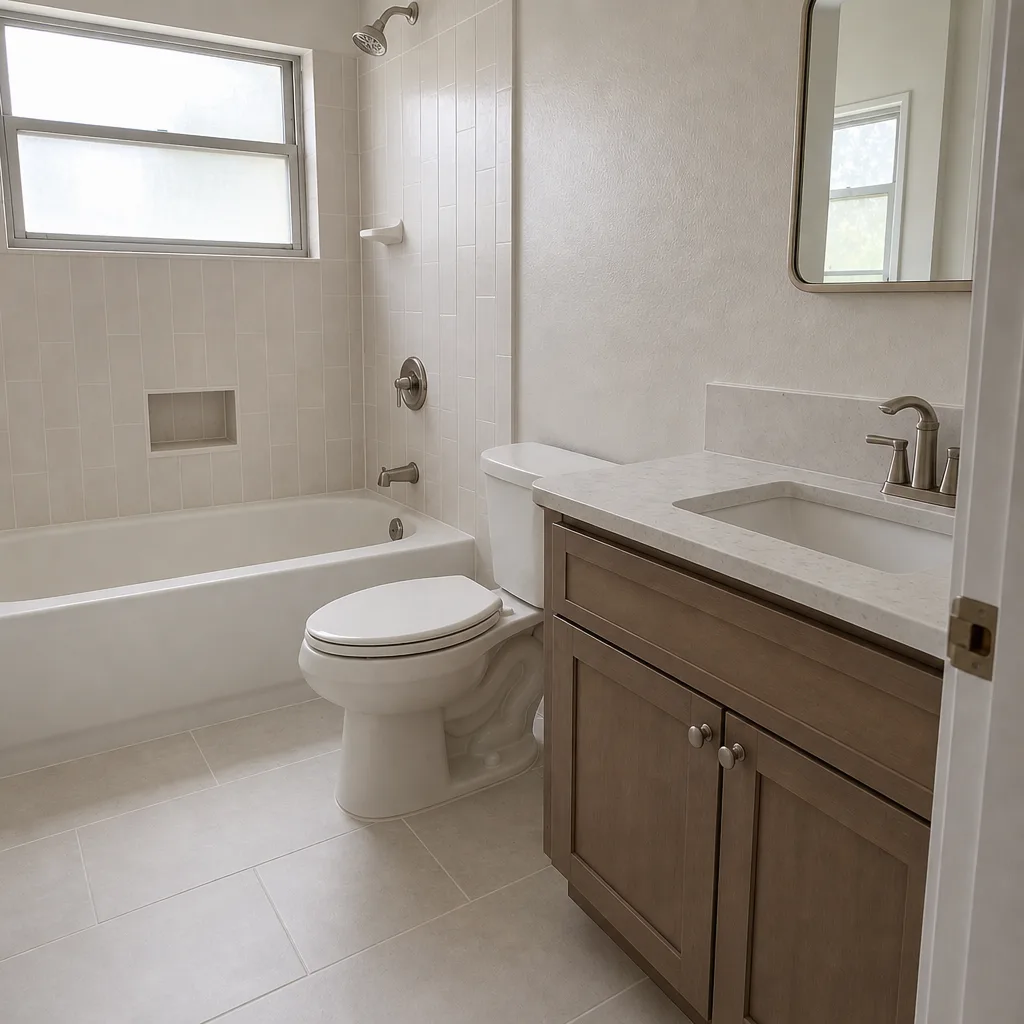 After
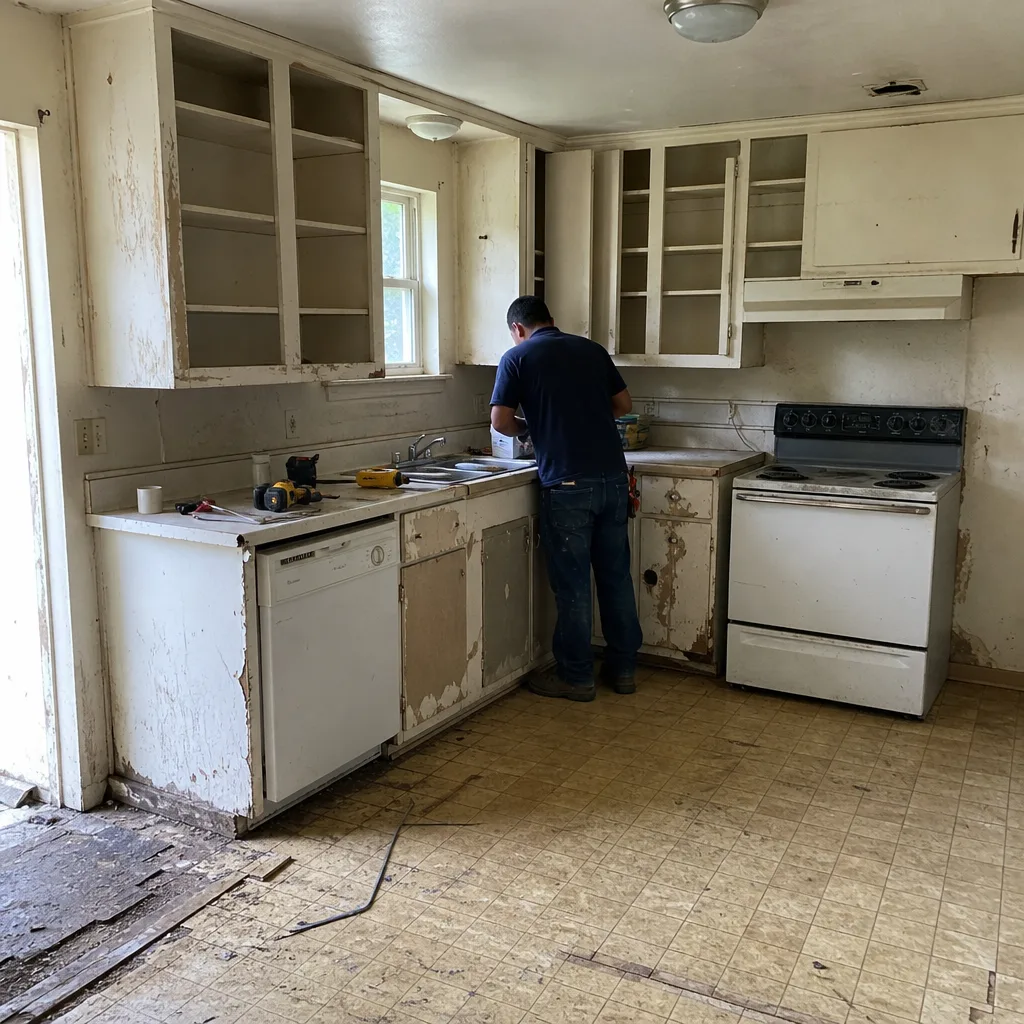 Before
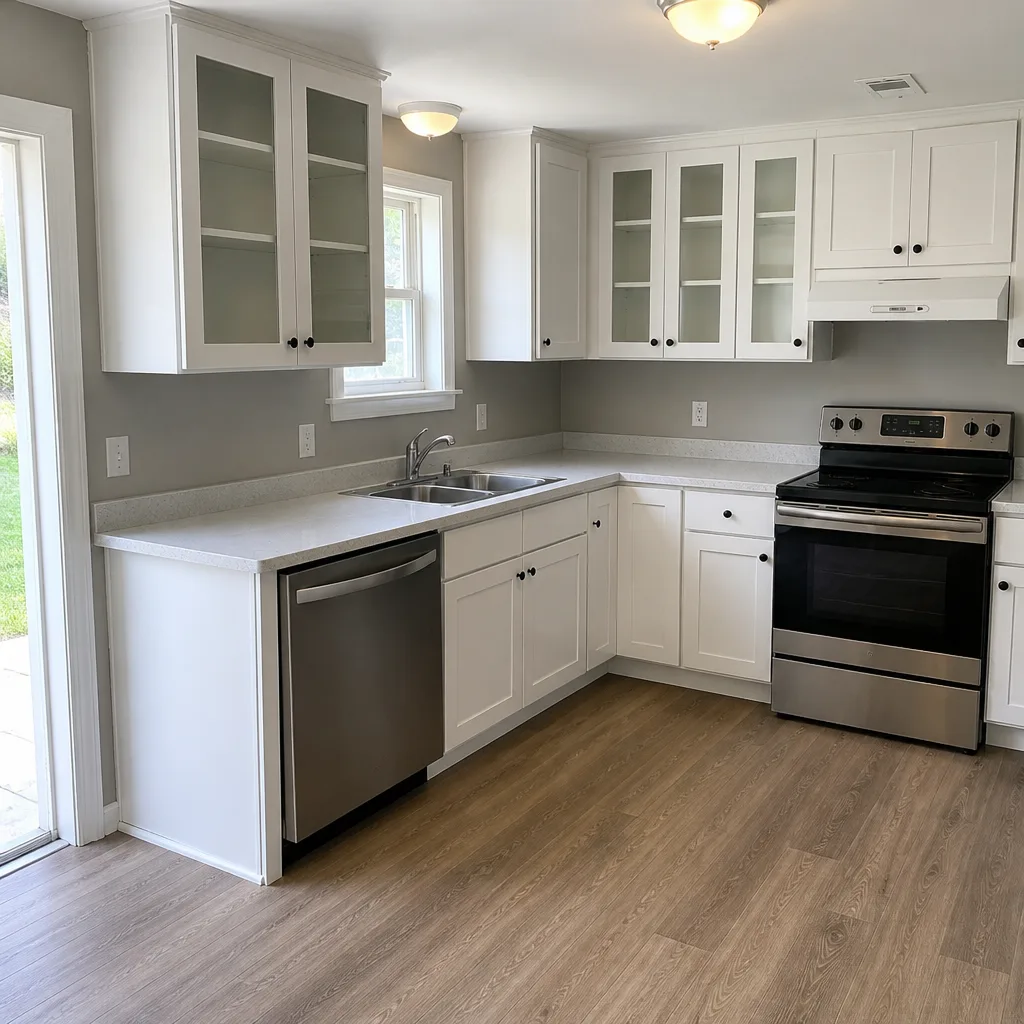 After
What Dallas homes specifically do to this job
Dallas sits on the Blackland Prairie, and that single fact reshapes site prep here. The expansive vertisols under most of the city swell when wet and shrink when dry, so a foundation poured without proper drilled-pier depth will show stair-step brick cracks and sticking doors within a few dry summers. That’s why an engineer’s letter and a foundation permit tied to an engineered plan are routine on this job in Dallas, in a way they aren’t in the limestone Hill Country south of us or the sandy Piney Woods east.
On the housing stock side, the lots we work in Oak Cliff and East Dallas usually have a pre-war pier-and-beam house with a mature pecan or live oak in the way, while the slab-on-grade ranch tracts from the 1950s through the 1970s in Lake Highlands and Preston Hollow often have an older 100-amp service we end up upgrading. DFW’s no-freeze-depth, high-wind code also means we fasten and anchor for wind uplift from day one. None of this is optional, and all of it shows up in the estimate.
Serving Dallas, TX – Our Local Coverage Area
We serve Dallas and nearby communities. Use the map below to see the area we cover. If you’re nearby, we can almost certainly help.
Frequently asked: ADU Site Prep & Utilities in Dallas
Plan on 3 – 6 weeks of active site work, with the schedule driven by permit turnaround and utility company response times rather than our crews. Foundation and trenching are the long poles. Call (844) 797-4808 and we’ll walk your lot and give you a real timeline, not a generic one.
Yes. Dallas requires a foundation permit tied to an engineered plan, plus separate rough plumbing and electrical permits for the utility work. We pull them and hand you the signed inspection cards. That’s part of the written scope and the fixed price.
Often, yes; if the sewer lateral flows the right way and the panel has capacity, we tie in without touching the main house. When the grade is wrong or the service is undersized, the scope grows. We tell you which scenario you’re in before any contract is signed.
Between $45,000 and $130,000, with the number moving on foundation type, sewer path, electrical service capacity, and trench routing. Call (844) 797-4808 for an exact quote; the on-site estimate is free and itemized line by line.
Every bit of it is covered by our 730-Day Done Right Promise. If the foundation or a utility run isn’t right, we come back and fix it. That’s in writing, and it doesn’t expire when the crew leaves.
Get a free on-site estimate for your Dallas ADU site prep
If you’re planning an ADU and want the ground work priced properly, call Groundwork Construction Co. of Dallas at (844) 797-4808. A live person answers around the clock, and we’ll schedule a free on-site estimate where we walk the lot, review your panel and sewer path, and hand you a written line-item quote. You’ll know what the utility and foundation work costs before you commit a dollar.
Written by the team at Groundwork Construction Co.