
Last updated November 17, 2026
 Home additions & ADU
 Kitchen remodeling
 Bathroom remodeling
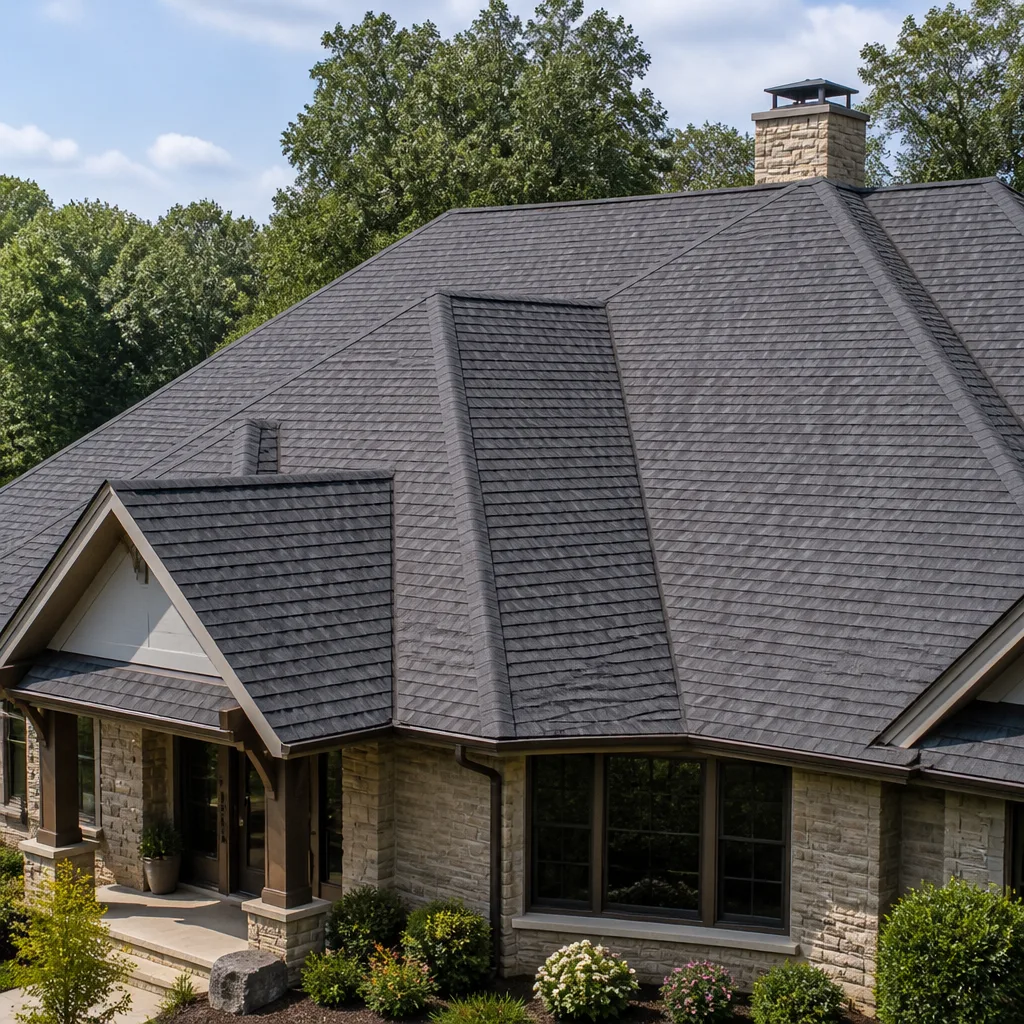 Roofing
 Windows & doors
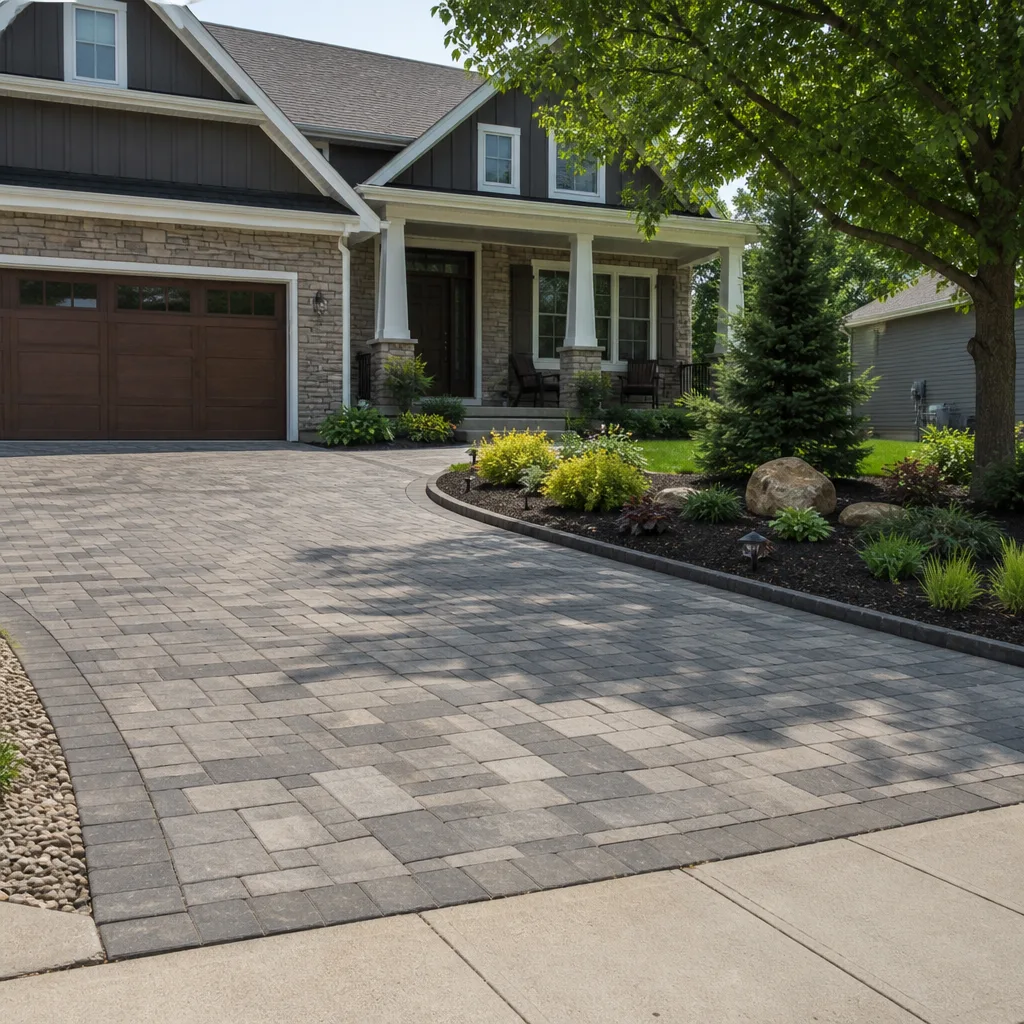 Driveway & pavers
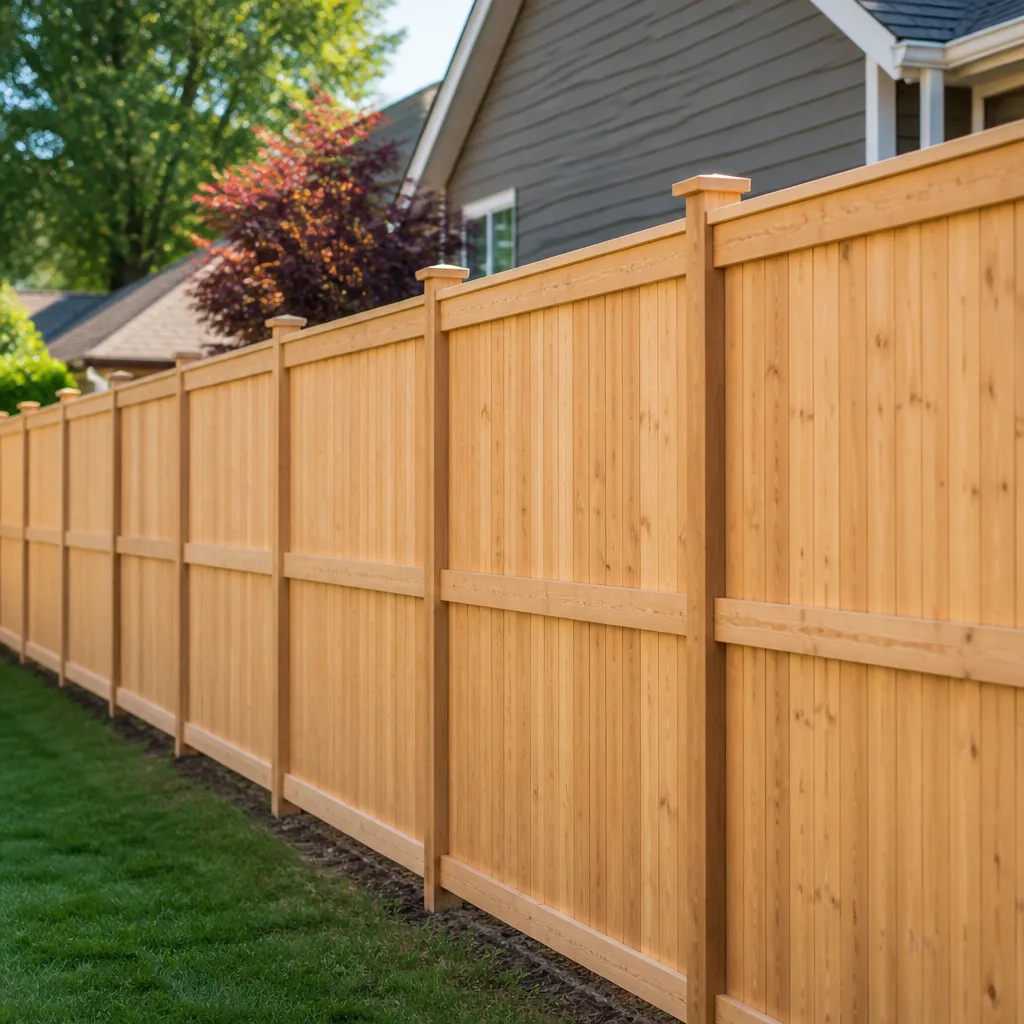 Fence
Free written scope consultation - allowances, timeline, and change-order rules on paper before a single trade is scheduled
Construction Emergency Preparedness Guide for Dallas Homes
After a Dallas ice storm or tornado, the first 48 hours decide whether your insurance claim pays out in full or turns into a fight. The single most common mistake we see is letting the wrong contractor on site before an adjuster has documented the damage. Roofers who knock on your door at 9 p.m. with a clipboard and a “sign here” smile can take control of your claim before you’ve even read your policy. This guide walks you through the correct sequence for tornado and hail damage, foundation failure after drought, burst pipes during a freeze, and the preparation work that should happen before any of it. Dallas weather doesn’t ask permission. You can still be ready.
Quick Answer
Construction emergencies in Dallas follow a fixed order: document everything with photos and video, make only temporary and reasonable repairs to stop further damage, call your insurer before you sign anything from a contractor, and let a structural engineer or licensed professional assess anything involving foundation, roof structure, or water intrusion. The right first call after tornado, hail, or freeze damage is your insurance company, not a contractor with a clipboard. Preparation before the storm is what separates a smooth claim from an expensive lesson.
Styles & brands we work with
- Kitchen remodeling
- Bathroom remodeling
- Home additions & ADU
- Roofing
- Windows & doors
- Driveway & pavers
- Fence
Table of Contents
- The 48-Hour Emergency Sequence After Tornado or Hail Damage
- Why Signing an Assignment of Benefits Form in Texas Costs You Claim Control
- Foundation Emergency Response After Extreme Drought
- Burst Pipes and Water Intrusion: The 72-Hour Dallas Mold Window
- Emergency Tarping and Board-Up: What Texas Insurance Considers Reasonable
- Pre-Emergency Preparation: The Contractor Relationships to Build Now
- Common Mistakes to Avoid
- Frequently Asked Questions
The 48-Hour Emergency Sequence After Tornado or Hail Damage
Tornado and hail seasons in North Texas run hard from March through June, and the hail corridor that cuts through Dallas County produces some of the most expensive roof claims in the country. What separates a full payout from a partial denial is documentation quality in the first two days. Here’s the sequence we walk homeowners through.
- Photograph everything before you touch anything. Wide shots of each room or exterior face, then close-ups of damage. Date-stamp your photos. Take video walking the property and narrating what you see.
- Secure the property without permanent repairs. Tarp the roof, board broken windows, cover the broken skylight. Nothing that alters the damage itself, nothing that hides what the storm did.
- File the claim the same day. Insurance carriers in Dallas assign adjusters on a first-reported basis. The earlier your claim lands, the sooner an adjuster walks your roof.
- Keep every receipt for mitigation spending. Tarps, plywood, water extraction, temporary fencing. These are reimbursable under most Texas homeowner policies when they’re reasonable and documented.
- Wait for the adjuster before signing a scope of work. A contractor estimate prepared before the adjuster has seen the damage can conflict with the insurance scope and create friction later.
- Request a certified roof inspection in writing. Ask for photos, a hail-hit count on shingles, and a written report. GAF, Owens Corning, and IKO shingles respond differently to hail impact, and a good inspector documents what your specific roof carries.
We’ve seen Dallas homeowners recover thousands more simply by slowing down on day one. The rush to get a roofer on the roof is understandable. The cost of skipping the sequence can be a denied claim and a roofing bill paid entirely out of pocket.
Why Signing an Assignment of Benefits Form in Texas Costs You Claim Control
An Assignment of Benefits form, usually called an AOB, transfers your insurance claim rights to a contractor. Once signed, that contractor can negotiate with your insurer, file paperwork in your name, and in some cases control the settlement. In Florida, AOB abuse got so bad that the state restricted it. Texas has tightened rules too, but the form still appears on doorsteps after every major Dallas hail event, and homeowners sign it without realizing what they’ve handed over.
What the AOB does:
- Gives the contractor legal standing to pursue your claim directly with the insurer
- Can allow the contractor to settle with the carrier without your approval
- Transfers control of the scope of work and often the repair money flow
- Makes it far harder to fire a contractor if the work goes wrong mid-project
Sign a contract. Don’t sign an AOB. A standard construction contract between you and a licensed contractor gives that contractor a job and gives you the claim. It’s the cleanest arrangement in Texas, and it’s what we insist on with Dallas clients on every insurance-related repair. If a contractor pressures you to sign an AOB within hours of a storm, that pressure is the red flag. Legitimate contractors will wait for the adjuster, wait for the scope, and bid the job like any other project.
Foundation Emergency Response After Extreme Drought
Dallas sits on expansive clay soil. That clay shrinks during summer drought and swells when rain returns, and the movement translates directly into foundation pressure. Most years, the soil cycles aren’t drastic. During a hard drought, usually July through September in Dallas, the shrinkage can be severe enough to trigger structural cracking in slab foundations, door frames that stick, drywall cracks radiating from corners, and floors that slope toward the middle of a room.
Not every crack is an emergency. Here’s how we separate the urgent from the cosmetic:
- Emergency threshold: Doors or windows that won’t close at all (not just snug), a visible crack in brick veneer wider than 1/4 inch, sloping floors that have moved noticeably in under 30 days, or drywall separation at ceiling-wall joints more than 1/8 inch.
- Monitor-and-document threshold: Hairline stair-step cracks in brick, hairline drywall cracks under 1/8 inch, doors that need a nudge. Photograph monthly, measure with a crack gauge, watch for change.
- Call a structural engineer, not a foundation repair salesman. A licensed structural engineer in Texas can diagnose whether the movement is active, seasonal, or structural, and issue a written report you can hand to any contractor. That report costs a few hundred dollars and prevents a five-figure repair you may not need.
Foundation repair pitches hit Dallas neighborhoods hard every August. The companies that pound piers into the ground want to sell piers. An independent engineer tells you whether piers are the right answer. On a home in Lakewood or Preston Hollow, that distinction can mean the difference between a $600 engineering report and a $20,000 pier job you didn’t need. For full-scope additions and structural repairs, our Home Additions & ADU in Dallas team coordinates engineer reports with the rest of the project schedule.
Burst Pipes and Water Intrusion: The 72-Hour Dallas Mold Window
Dallas ice storms are the sneaky ones. Most homes here were built for summer heat, not sustained sub-freezing temperatures, and pipes in exterior walls, attics, and garages are notoriously under-insulated. The February 2021 freeze proved that in brutal fashion, and every hard freeze since has produced a wave of burst-pipe calls across neighborhoods from Oak Cliff to Richardson.
If a pipe has burst or water is actively intruding, the first three calls look like this:
- Shut off the water at the main. The city shut-off valve is at the meter box near the curb. If you can’t find it, call a plumber immediately and let them walk you to it.
- Kill power to any affected room. Water plus live electrical is dangerous. Flip the breaker for the wet area before you step in.
- Call a water mitigation company to extract and dry. Not a general contractor. Water damage response requires industrial dehumidifiers, air movers, and moisture mapping with thermal imaging or pin meters. This is the documentation that proves your claim.
Then the clock starts. Dallas humidity sits high most of the year, and mold can begin colonizing wet drywall and framing within roughly 72 hours of water contact. That window is not marketing fear. It’s biology. Every hour the structure stays wet past day three dramatically raises the likelihood of a mold remediation line item on your claim, which can double the cost.
What not to let a contractor do before moisture mapping:
- Don’t let anyone rip out drywall before moisture readings are recorded and photographed
- Don’t let a general contractor skip straight to “we’ll just replace it” – the adjuster needs the wet-state evidence
- Don’t run a box fan and call it drying. Air movement without dehumidification pushes moisture into unaffected rooms
- Don’t sign a remediation scope before you have the moisture map in hand
Emergency Tarping and Board-Up: What Texas Insurance Considers Reasonable
Texas homeowner policies typically cover “reasonable and necessary” mitigation to prevent further damage after a covered loss. That’s the language that matters. Reasonable means temporary. Necessary means it addresses damage the storm caused. The moment a mitigation step goes beyond that, the insurer can dispute it, and the money comes out of your pocket.
What counts as reasonable mitigation on a Dallas home:
- Heavy-duty tarps over storm-damaged roof sections, secured with weighted battens (not nailed through shingles)
- Plywood or OSB board-up over broken windows and doors, with weather-sealing on window openings
- Water extraction, fans, and dehumidifiers in wet interior spaces
- Temporary fencing around a damaged pool or exposed excavation
- Tree limb removal when a limb is resting on the roof or blocking access
What typically doesn’t count:
- Full roof replacement billed as “mitigation”
- Cosmetic upgrades disguised as repairs
- Work done by an unlicensed contractor with no invoice or photo records
- Removal of undamaged materials “while we’re in there”
Document every mitigation dollar. Photograph the tarp before it goes up, with the damage visible. Photograph it after it’s secured. Keep the receipts, keep the contractor’s license number on the invoice, and submit the mitigation receipts to your adjuster with the claim number on every page. We’ve watched Dallas homeowners recover full mitigation costs simply because the paperwork was ironclad. We’ve also watched others eat $4,000 in tarping because there was no invoice and no photos. Insurance adjusters are not unkind. They’re just evidence-driven.
For roofing and storm damage repair after the mitigation phase, our Groundwork Construction Co. of Dallas home page outlines the full-scope services we run once the claim scope is settled.
Pre-Emergency Preparation: The Contractor Relationships to Build Now
Every Dallas homeowner who’s been through a major storm says the same thing afterward: “I wish I’d had a contractor already.” The worst time to vet a contractor is when your roof is missing shingles and six crews are knocking on your door. The best time is six months before you need one, on a Tuesday, when the sun is out and nothing is on fire.
Here’s what building that bench of relationships looks like in practice:
- Get one honest roof inspection per year. Have a contractor you trust walk the roof in spring and note any early wear. That baseline report tells you what was already there before the storm, which is gold when the insurer asks.
- Have a plumber you’ve actually used. Not a name on a magnet. Someone who’s been in your crawlspace and knows where the shut-offs are.
- Know your insurance policy in plain terms. Deductible, coverage limits, whether you have actual cash value or replacement cost, and how your policy handles matching materials (some Texas carriers only pay for the damaged slope, some for the whole roof).
- Keep a home emergency binder. Photos of every room, every mechanical system, receipts for major upgrades, and a printed list of contractor contacts. Physical copy, not just cloud.
- Have a written baseline on your foundation. A structural engineer’s assessment taken in a normal-weather month gives you a benchmark to compare against after a drought.
- Build a working relationship with one full-scope contractor. Not a promise of work, just a known number and a known name. The difference between a chaotic post-storm week and a manageable one is knowing who to call first.
Dallas homes that come through storms cleanly usually have this preparation in place. Not because the homeowners are luckier, but because they’ve done the slow work ahead of time. For fence and hardscape damage, our Fence Installation in Dallas and Driveway & Pavers in Dallas teams get pulled into storm damage repair constantly, and the jobs that go smoothest are always the ones where a baseline was captured in advance.
Proactive Steps Dallas Homeowners Should Take Before Storm Season
Preparation isn’t just paperwork. Physical readiness matters too, especially for the specific weather Dallas throws at homes each year. Here’s what we recommend before April rolls around.
- Trim trees back from the roof. In Dallas, the biggest source of storm-related roof damage is a neighbor’s pecan or a live oak dropping onto a shingle field. Keep branches at least 6 feet from the roof line.
- Check attic insulation and pipe wrapping. Any pipe running through an unconditioned attic or along an exterior garage wall needs foam pipe insulation before December. The February freeze damage patterns repeat every cold snap.
- Inspect and re-seal exterior penetrations. Caulk around vents, penetrations, and chimney flashing breaks down in Texas sun. A $20 tube of polyurethane sealant prevents hundreds in water intrusion.
- Clear gutters and downspouts. Dallas downpours overwhelm gutters that were already half-full of spring pollen and leaf debris. Water backing up under roof edges finds fascia rot fast.
- Know where your water shut-off is. Walk to the meter box with a wrench in hand at least once. Have the whole family know the location.
- Test your sump or drainage system if you have one. Not every Dallas home has one, but those that do should run it before the wet season to make sure it’s operational.
Boral stone and brick facade elements hold up better than their reputation in hail if they were installed correctly. If you’re uncertain about your home’s exterior condition, an annual inspection is a cheap insurance policy, and it lives alongside the documentation habits we described above.
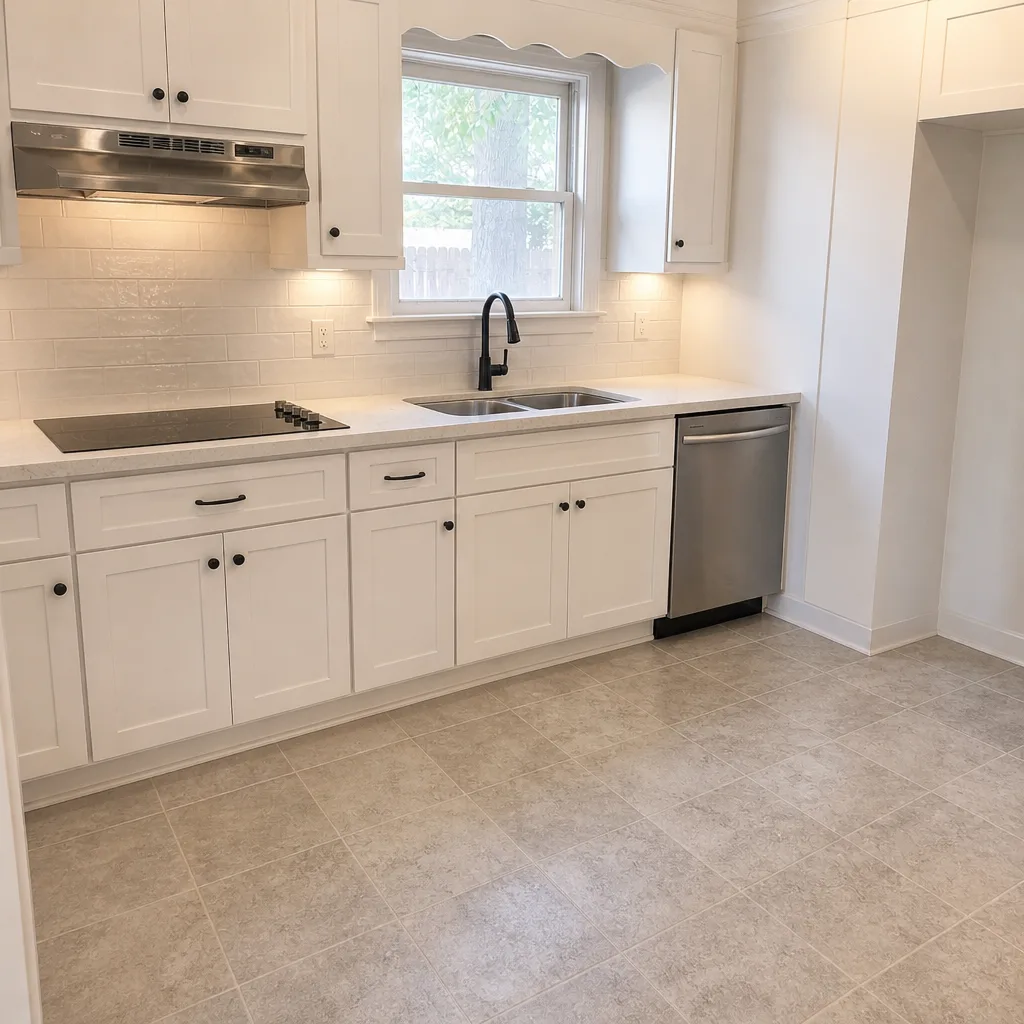
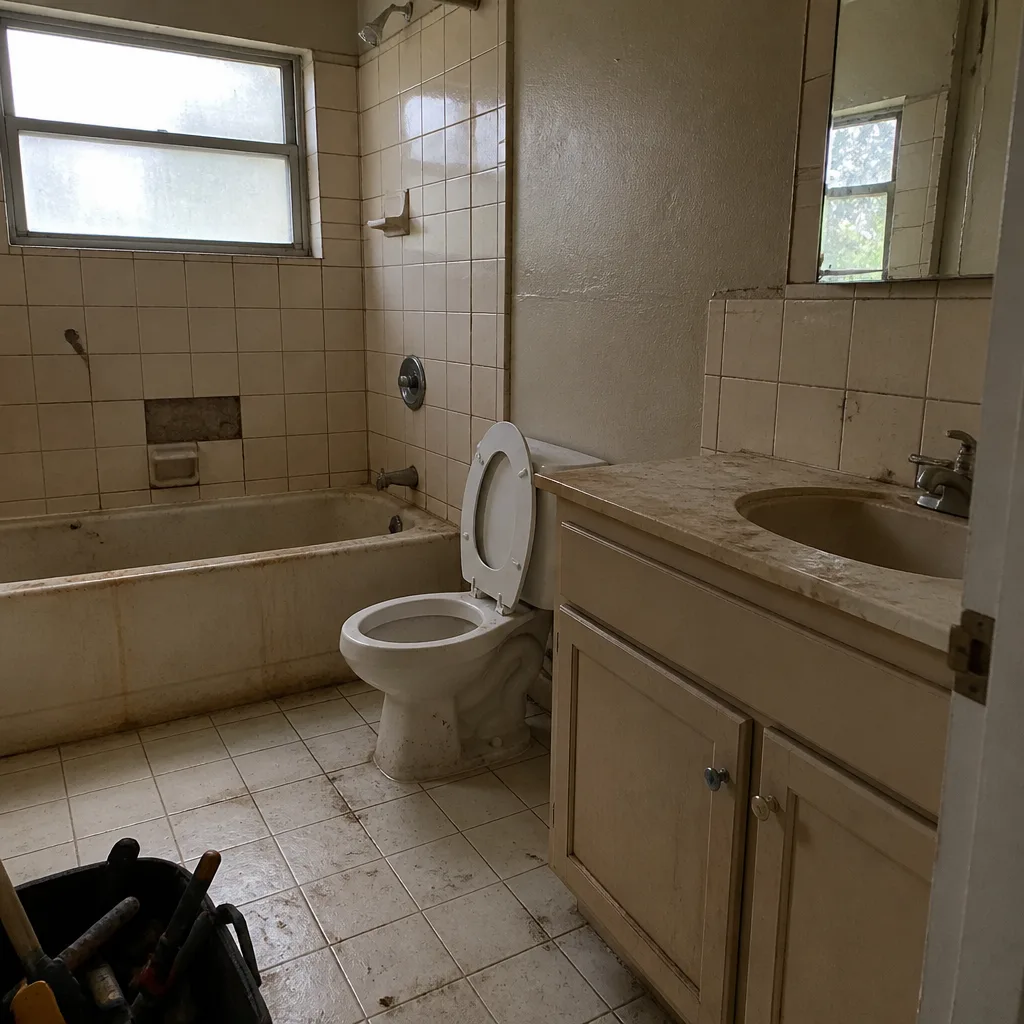
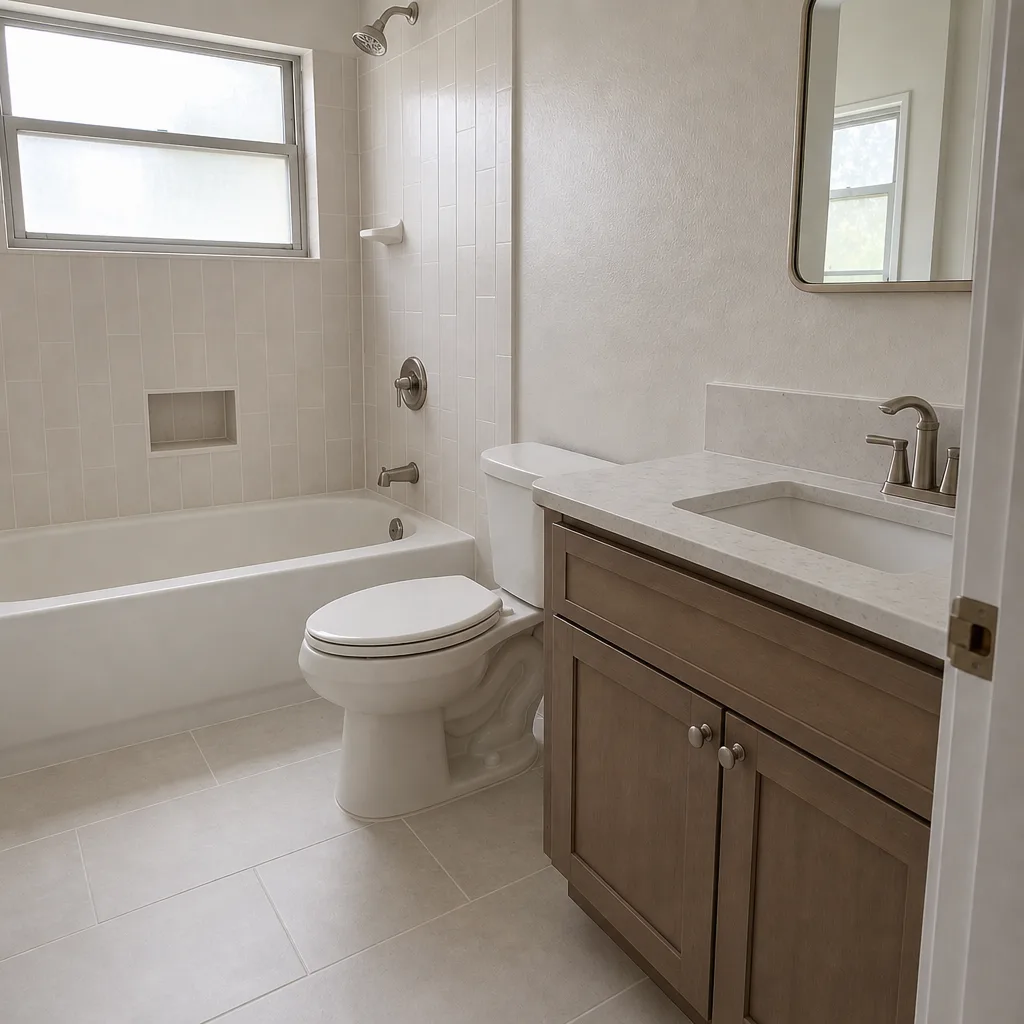
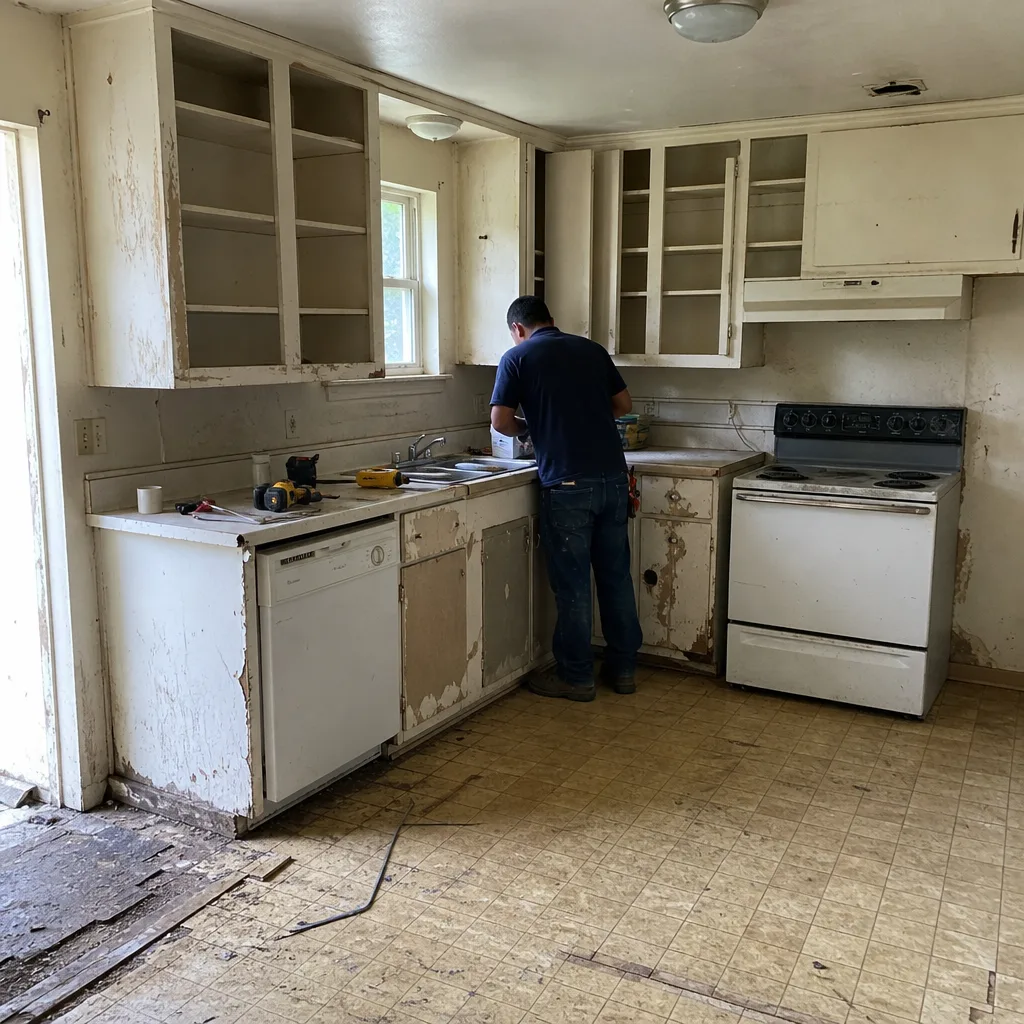
See the difference
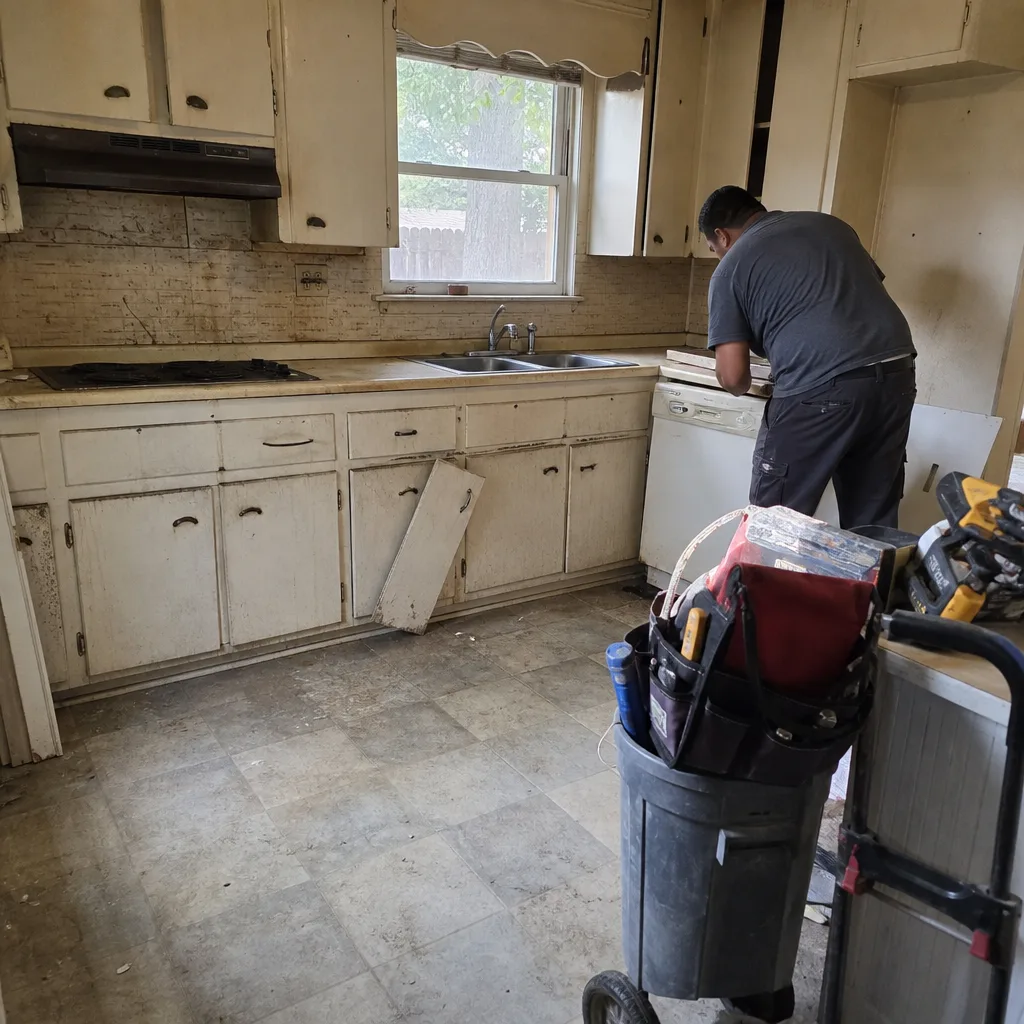 Before
 After
 Before
 After
 Before
 After
What Dallas Climate Reality Means for Your Specific Home
Dallas sits on the eastern edge of the Blackland Prairie and the Western Cross Timbers, which means soil composition varies dramatically block by block. A home in Preston Hollow sits on different clay than one in Lake Highlands. That variability is why two houses side by side can handle the same drought completely differently, and it’s why a one-size-fits-all approach to foundation warning signs fails in this city.
The other thing Dallas does well is test roofs. Hail frequency here is higher than most U.S. metros, and the size ranges from pea to softball depending on the storm cell. Roofing materials respond differently to that impact. A class 4 impact-resistant shingle (some Tamko and Atlas lines qualify) absorbs small hail far better than a basic 3-tab, and some Texas insurers offer premium discounts for class 4 rated roofs. If you’re replacing a roof after a storm, that upgrade is worth discussing with the adjuster before the scope is finalized.
Structure matters too. Dallas has huge inventory from the 1950s through the 1990s, and construction techniques shifted dramatically across those decades. A 1960s ranch home in Casa Linda has different roof deck attachment than a 2005 build in Plano. When a structural engineer walks your house after a storm, they’re reading those decades of construction detail. That knowledge is what tells them whether what they’re seeing is storm damage or pre-existing wear.
Common Mistakes to Avoid
- Letting a storm-chasing roofer inspect before you’ve photographed the damage. Their eyes become the record instead of yours, and their scope can overwrite the adjuster’s. Take your own photos first, every time.
- Signing an AOB under pressure. An Assignment of Benefits hands claim control to a contractor. In Texas, that’s a decision that lives with you for the life of the claim. Sign a contract, not an AOB.
- Skipping the engineer on foundation warnings. Pier companies in Dallas are excellent at selling piers. An independent structural engineer tells you whether they’re warranted. Pay for the diagnosis before you pay for the fix.
- Patching a burst pipe and calling it done. Water goes where you can’t see. Without moisture mapping, wet framing stays wet, and the mold remediation line item lands weeks later. Extract, dry, verify with a meter, and document.
- Treating mitigation as a full repair. Tarps and board-up are reasonable and necessary. Full roof replacement billed as mitigation is what gets claims disputed. Keep the two phases separate in your paperwork.
- Waiting until the storm door knock. Every Dallas neighborhood gets 30 contractor knocks after a major hail event. The homeowner with a pre-existing relationship makes a phone call. The one without it makes a hard guess.
- Losing the receipt trail. Mitigation expenses require invoices and photos. If you spend $400 on tarps and plywood, that should come back to you. Only if you have the paperwork.
When to Call a Professional
If a tornado, hail event, or ice storm has damaged your roof structure, broken windows, or breached the envelope of the home, call a licensed contractor before you attempt any permanent repair. If water is intruding and hasn’t been extracted within 48 hours, call a mitigation crew now; Dallas humidity doesn’t wait. If you see foundation movement that’s changed in the last 30 days, get a structural engineer’s report in writing before any repair conversation begins. If a contractor knocks on your door after a storm and asks you to sign anything in the first five minutes, that call is over.
Groundwork Construction Co. of Dallas offers free estimates in Dallas – call (844) 797-4808. Live person, 24/7, no voicemail, no waiting until Monday. Every project, including storm repairs, is covered by our 730-Day Done Right Promise, and every estimate is a line-item written quote with upfront pricing and no surprises.
Frequently Asked Questions
Emergency roof tarping in Dallas typically runs $300 to $900 depending on roof pitch, size, and how many separate areas need covering. Most Texas homeowner policies reimburse reasonable mitigation, so keep the invoice and photos of the damage before the tarp went up. Call (844) 797-4808 for a written quote and documentation that meets your insurer’s standard.
Photograph the damage, then file your insurance claim, then get a contractor inspection. Filing before the contractor walks the roof keeps your scope of work independent of any single company’s bid. The order matters because insurance adjusters in Dallas work first-reported-first-served. Call (844) 797-4808 if you want a certified inspection documented properly.
No. An AOB is never required in Texas, and you should not sign one. A standard construction contract gives the contractor the work and gives you the claim control. Any contractor who insists on an AOB before work begins is putting their claim control ahead of your protection. Call (844) 797-4808 for a contractor who works on a standard contract.
Mold can begin colonizing wet materials roughly 72 hours after water contact in Dallas humidity, sometimes sooner in summer. The drying and dehumidification window is what buys you time, and it requires industrial equipment, not a box fan. Call (844) 797-4808 if water has been standing for more than a day and you need the mitigation and repair sequence handled correctly.
Call an engineer when doors or windows no longer close, brick veneer cracks exceed 1/4 inch, or floors slope noticeably in under a month. Hairline cracks under 1/8 inch that haven’t changed in months can be photographed and monitored. The engineer’s report costs a few hundred dollars and prevents five-figure repairs you may not need. Call (844) 797-4808 if you want a vetted engineer reference.
In most cases, yes, for reasonable mitigation like tarping or board-up, as long as you document it with photos and receipts. Permanent structural repairs generally require a licensed contractor for the insurance claim to pay. Call (844) 797-4808 for a free estimate if you’re unsure where the mitigation line ends and permanent repair begins.
Yes. Our Dallas crews handle mitigation, storm damage repair, roofing, windows and doors, and full-scope rebuilds. Every project is backed by our 730-Day Done Right Promise, and our technicians have up to 12 years of experience. We work from IKO, GAF, CertainTeed, and other top-tier brand partners. Call (844) 797-4808 to schedule a free estimate with upfront pricing and no surprises.
The Bottom Line
Dallas construction emergencies have a sequence, and the sequence is the whole thing. Document first. Mitigate second. Wait for the adjuster before you sign a scope. Foundation problems after drought deserve an independent engineer, not a pier salesman. Burst pipes start a 72-hour mold clock that only moisture mapping can slow down. And the relationships you build with contractors before the storm are worth more than any last-minute search. Groundwork Construction Co. of Dallas handles all of it from foundation to finish line, backed by our 730-Day Done Right Promise. Built to last, backed in writing. Call (844) 797-4808 for your free estimate today.
Written by the team at Groundwork Construction Co. of Dallas.