
Last updated November 16, 2026
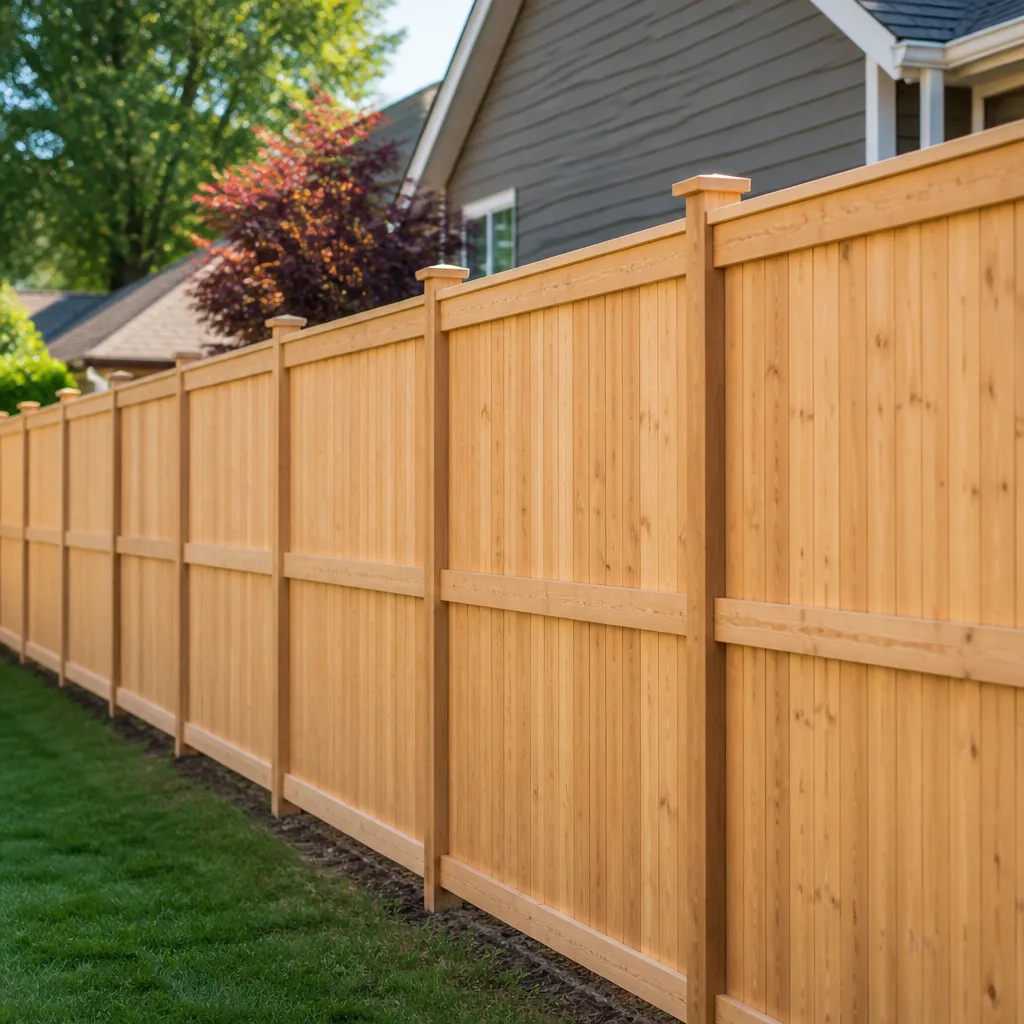 Fence
 Kitchen remodeling
 Bathroom remodeling
 Home additions & ADU
 Roofing
 Windows & doors
 Driveway & pavers
Free written scope consultation - allowances, timeline, and change-order rules on paper before a single trade is scheduled
Fence Installation Troubleshooting: Common Problems and How to Fix Them
A leaning wood fence in Dallas is almost never a wood problem. It’s a post problem. We’ve watched homeowners spend $600 to $1,400 replacing pickets and rails on a fence that was already doomed, because the real failure sat two feet underground. The boards were just the symptom. Replace them while leaving undersized posts in shallow holes, and you’ll be looking at the same lean in 18 to 24 months, usually worse. This guide walks through the four failures we see most in Dallas, traces each one back to the installation decision that caused it, and tells you which fixes you can handle yourself and which ones need post work.
Quick Answer
Most fence problems in Dallas come down to two installation decisions: how deep the posts were set and what concrete mix was used to hold them. Posts set less than 24 inches deep in Dallas’s expansive clay soil will lean within a few seasons regardless of board quality. The fix depends on which decision failed: a shallow-set post needs replacement to proper depth, while rotted boards or sagging gates on sound posts can often be repaired without touching the foundation.
Styles & brands we work with
- Kitchen remodeling
- Bathroom remodeling
- Home additions & ADU
- Roofing
- Windows & doors
- Driveway & pavers
- Fence
Table of Contents
- Start Here: How to Diagnose a Failing Fence in Five Minutes
- Problem 1: Post Lean and Why Dallas Clay Makes It Worse
- Problem 2: Rot at Grade and the Concrete Collar Question
- Problem 3: Board Warping, Cupping, and Twisting
- Problem 4: Gate Sag and Hinge Pull-Out
- What’s DIY and What Isn’t
- Section Repair vs. Full Replacement: The Math
- What to Tell Your Contractor About Past Repairs
Start Here: How to Diagnose a Failing Fence in Five Minutes
Before you spend a dollar on lumber or call anyone, figure out what actually failed. We see homeowners skip this step constantly, then buy materials for the wrong problem. Fence failures fall into four categories, and they don’t share fixes.
Run this sequence next time you’re outside in the yard. It takes five minutes and a flathead screwdriver.
- Push test on the posts. Grab a post near the top and push it toward the fence line. A healthy post moves less than an inch. Any real wobble means the post or its footing failed.
- Sound the post with the screwdriver handle. Tap the post about six inches above the soil line. A solid thud is good. A hollow, dull tone means rot inside the wood.
- Probe the base. Push a screwdriver into the wood where it meets the ground. If the tip sinks in an inch without resistance, you have rot at grade.
- Check the boards for shape. Hold a straight edge against a few pickets or slats. Cupping, twisting, or gaps wider than a quarter inch at the edges point to moisture cycling and low-quality material, not post failure.
- Open and close the gate. Watch the latch side for dragging, then check where the hinges attach. Loose hinges with intact wood is one problem. Hinges pulling out of cracked wood is a different, bigger one.
Write down which of the four problems you actually have. If it’s post-related, board replacement is money down the drain. If the posts pass and the boards fail, you may only need a partial repair. That distinction is worth several hundred dollars and, sometimes, several thousand.
Problem 1: Post Lean and Why Dallas Clay Makes It Worse
Post lean is the single most common fence failure in Dallas, and it’s almost always traceable to two numbers: post depth and concrete quantity. When we quote a repair, the first question we ask is how deep the original posts went. The answer tells us whether the repair will hold.
What Dallas clay does to undersized posts
Dallas sits on expansive clay soil, and that soil behaves very differently from sand or loam. When it rains, the clay absorbs water and swells. When it dries in August, it shrinks. That swelling and shrinking exerts lateral pressure on anything buried in it, and fence posts take the worst of it because they present a flat surface to the soil on all four sides. A post set in a 10-inch-diameter hole with a skim coat of concrete rides up and down with the seasons. Over three to five years, that motion wins. The post loosens, then leans.
Dallas also has a wet-dry cycle that’s unusually harsh on the near-surface soil. Neighborhoods on black clay, from Preston Hollow to parts of Oak Cliff, see it more than neighborhoods sitting on more mixed ground out near Rowlett. In our experience, fences along the eastern and southern parts of Dallas lean on a noticeably faster timeline.
Specs that actually counter the clay
- Post depth: 24 to 36 inches below grade for a 6-foot wood fence, deeper if the post is 4×4 versus 4×6. Anything under 24 inches is a gamble.
- Hole diameter: three times the post dimension. A 4×4 post wants a 12-inch-diameter hole, not 8.
- Concrete: a full collar poured around the post, not just a bag dumped at the bottom. The mix matters here, and it needs to reach slightly above the soil line with a sloped top so water sheds away.
- Setback: posts set back from the property line by the amount your Dallas permit or survey requires. More on that below.
If your existing posts were set 12 inches deep in a narrow hole with no concrete, you aren’t fixing that fence by straightening it. You’re replacing posts. We cover the proper installation spec in more depth on our Fence Installation in Dallas page if you want to compare what a correct build looks like.
Problem 2: Rot at Grade and the Concrete Collar Question
Rot at grade looks like a post that’s slowly disappearing into the soil, and it’s the second-most expensive fence problem we see in Dallas. The cause is almost always a concrete collar that doesn’t shed water. When the concrete is flat or sloped toward the post, water pools at the base, wood stays damp, and rot sets in from the outside in.
Some fences go the other way: no concrete at all, just packed soil. Those fail faster because the soil holds moisture directly against the wood and shifts with every wet-dry cycle. The wood doesn’t have a fighting chance.
The collar fix, explained
The correct installation calls for concrete to be mounded up and sloped away from the post, with the post itself sitting about half an inch above the concrete surface so water never puddles against the wood end grain. That detail is small enough that many installers skip it. It’s also the difference between a post that lasts 15 years and one that rots in seven.
If you have rot at grade, you’re not looking at a wood treatment problem. Pressure-treated pine rated for ground contact is fine in Dallas soil, provided the collar is right. Replacing a rotted post without correcting the collar geometry just resets the clock.
Grade and drainage around the fence line
Dallas floods, and the fence line is where the yard drains. If your fence runs along a low spot in the yard, or below the grade of a neighbor’s lot, that base is going to sit wet for days after every storm. We’ve rebuilt fences in Irving and Garland where the entire fence line sat three inches below adjacent grade, and no post would have lasted regardless of depth or concrete. Correcting the grade and adding a drainage channel solved a problem the previous fence never had a chance against.
If you also need to rework drainage, pavers, or the walkway leading to your gate, our Driveway & Pavers in Dallas team handles the hardscape side so the fence and the surface drain away from the same spot.
Problem 3: Board Warping, Cupping, and Twisting
Warping is the one failure that’s genuinely about the wood, and it’s the problem that fools people into thinking their whole fence is failing. It isn’t. Cupping, twisting, and top-rail separation come from moisture cycling through wood that wasn’t dried properly before installation, or from species that don’t hold up through a Texas summer. When we see a fence where some boards cup and others stay flat, that’s a wood problem, not a post problem.
How to tell warping from structural failure
- Warping: posts are solid (pass the push test), but boards cup, twist, or bow. Gaps appear along the top or bottom rail. Boards may cup in toward each other, leaving a visible V-shape from above.
- Structural failure: the whole section shifts when you push a post. Gaps appear uniformly along the top rail. Boards may stay flat but the fence itself is leaning.
Warping is the good news version of a fence problem. You can replace boards section by section, using the existing rails and posts, and the fence returns to spec. The trick is matching species and thickness. If the original was 5/8-inch dog-eared cedar from a big-box supplier, blending in a thicker or denser board will give you a fence with one section that behaves differently from the rest.
Board replacement: what actually works
- Remove only the affected boards. Keep the rails and posts intact.
- Match species and thickness to the surrounding boards. Cedar, western red cedar, and pressure-treated pine all behave differently. Don’t mix them within a section if you can avoid it.
- Seal the top and bottom edges of new boards before install. Cut ends soak up water first, and end grain is where cupping starts.
- Nail or screw through the center of the rail, not the edge, so the board can move slightly without splitting.
Board replacement is a Saturday morning job for most homeowners, provided the posts are solid. If you’re replacing more than about a third of the boards in a section, cost usually favors a new panel instead, which we cover below.
Problem 4: Gate Sag and Hinge Pull-Out
A sagging gate is often the first thing homeowners notice, and it’s the most common repair call we get on otherwise sound fences. Gates fail for a different reason than the rest of the fence: they’re cantilevered off two hinges on a single post, and they’re the only part of the fence that moves thousands of times a year.
Diagnose before you adjust
Close the gate. Look at the gap between the gate and the latch post. If the gap narrows at the bottom and widens at the top, the gate has sagged on its hinges. If the gate is bowed, it has a structural problem independent of the hinge. If the hinges look fine but the gate still drags, the hinge post has likely moved.
Hinge pull-out is a different issue. It happens when the hinge screws work loose in the wood, usually because the post is undersized for the gate span, or because the gate is wide enough that the leverage of the swing exceeds what a single 4×4 can carry. A 48-inch gate on a single 4×4 post is asking for trouble in Dallas wind. Anyone installing gates wider than 48 inches should be using a 6×6 or a metal gate frame.
What fixes look like
- Hinge adjustment: tighten or replace screws in the hinge plates. If screws are pulling out, drill out the holes and glue in a wood dowel, then re-drive the screws. This is a 15-minute job.
- Gate brace: install a diagonal brace from the bottom hinge corner to the opposite top corner. This is standard shop practice for wooden gates and many installers skip it.
- Hinge post replacement: if the post is loose, no amount of hinge work will fix the sag. The post needs to come out and go in with proper depth and concrete.
If your gate is sagging and the hinges and post are both fine, the gate may be over its span for the frame. We sometimes see this in older Dallas neighborhoods where gates were added later along a corner of the fence line and never got the post spec the original fence used.
What’s DIY and What Isn’t
We’re not the kind of contractor who pretends everything needs a pro. Board replacement and hinge adjustment are within reach for most homeowners, and honestly, we’d rather you spend that Saturday on the right fix. But some fences need real post work, and going after that as a DIY project without the right tools and depth spec gets expensive fast.
Genuinely homeowner-manageable
- Board replacement: replacing pickets or slats on sound posts. Straightforward, low risk, and you’ll save the labor.
- Gate hinge adjustment: tightening or re-seating hinges, adding a diagonal brace, or replacing one hinge plate.
- Picket replacement and small section patches: replacing one or two damaged boards, especially after a Dallas storm knocks a limb onto the fence line.
- Sealing and staining: occasional surface treatment to slow moisture cycling, especially on cedar fence boards.
Needs professional post work
- Post replacement: pulling a 24-to-36-inch buried post out of clay and resetting it in a 12-inch concrete collar requires a post-hole digger, a brace setup, and often a helper. Post spacing matters here; a post set two inches off breaks the rail alignment for the whole section.
- Hinge post replacement: the post has to carry the full gate load, which means a proper hole and a correctly mixed concrete pour. Setting a gate post shallow is the most common cause of a sagging gate at year two.
- Corner and terminal post replacement: these carry the tension of the entire fence line. A bad corner post pulls the whole run out of alignment.
- Grade and drainage correction: if the fence line sits below surrounding grade, the post footings need to be designed around the water table, not just poured to standard depth.
If you’re not sure which category you’re in, the five-minute diagnosis at the top of this page will tell you. If you land in the second category, call us at (844) 797-4808 and we can talk through the repair on the phone before anyone comes out.
Section Repair vs. Full Replacement: The Math
Once you’ve identified the failure, the next question is whether to repair or replace. The general rule of thumb in Dallas is that repair is cost-effective when the failure is confined to boards, a single gate, or one post. Repair stops making financial sense when multiple posts in the same run have failed, because partial post replacement on a long run often requires resetting adjacent posts to match the new spec.
A simple decision framework
- Count the failed posts. If one post in a section has failed, and the rest pass the push test, repair. If two or more in the same section have failed, section replacement is usually the better spend.
- Check the age of the fence. A fence under 15 years old with one failing post is worth repairing. A fence over 20 with the same problem usually has more posts on the same path.
- Assess the rails. If the rails are sound and the posts pass, boards-only repair is cheap and worth it. If the rails are twisted or split, the whole section is at end of life.
- Compare dollars honestly. A one-post repair typically runs in the low-to-mid hundreds. A full section replacement usually runs $900 to $2,000 depending on materials and length. Repeat a cheap repair every two years and you’ll spend more than the replacement.
- Think about the property line. Dallas fence repairs near a property line or shared boundary may need coordination with a neighbor and a survey. If you’re already pulling a permit, replacing the section is usually the better deal.
Dallas permit and setback notes
Most Dallas fence work falls under the residential fence ordinance, which sets height limits and, in some zones, requires a permit or HOA approval for anything over six feet. Repair that matches the existing footprint rarely triggers permitting. Replacement of a full run sometimes does, particularly when the fence line moves. If your fence sits on or near a property line, have the survey out before signing off on a replacement. The last thing anyone wants is a completed fence tied to a property line dispute.
If you’re planning other work on the property at the same time, say a garage conversion or an addition that changes the yard layout, coordinate the fence replacement with it. Our Home Additions & ADU in Dallas team has run into more than one case where a fence replaced first, then moved when the addition footprint came together.
What to Tell Your Contractor About Past Repairs
If a fence has been repaired before and failed again, the most important thing you can do is be specific about what was repaired and who did it. A contractor quoting on a symptom without knowing the history will often quote the wrong fix. We’ve walked onto jobs where the homeowner replaced 40 boards on a fence that had two failed posts, and the honest recommendation was to stop patching and replace the failing section.
What to bring to the conversation
- The original install date, if you know it. Beyond 15 years, the whole fence is likely at end of life.
- Who did the prior repairs and what they replaced. Boards only, or post work too?
- What the problem was the last time. Was it lean, rot at grade, warping, or gate sag? The same fix applied twice and failed twice points to the underlying spec.
- Photos from when it looked right. Useful for matching the original spec, especially on cedar fences where the species and thickness matter.
- Any permits or HOA records. Saves a return trip if the replacement touches height or setback.
Be clear about what’s failed. If your contractor recommends a board replacement on posts you know are shallow, ask them to verify post depth on a few samples before proceeding. A good contractor will do this without being asked. We spec post depth and concrete on every quote, in writing, so you know exactly what’s coming out of the ground and what’s going back in.
Common Mistakes to Avoid
- Replacing boards on failed posts. A $600 to $1,200 board replacement on undersized posts is money spent to delay the same problem by about two years. Diagnose posts first.
- Setting gate posts at the same depth as fence posts. Gate posts carry live load from the swing. They need to go deeper and wider, or they’ll pull out and sag by year two.
- Pouring a flat concrete cap. Water pools against the post and rot sets in within a season or two. The collar needs to slope away from the wood.
- Mixing board species within a section. Cedar, pine, and composite all expand and contract at different rates through a Dallas summer. Mixed sections look fine in April and crooked in September.
- Skipping the diagonal brace on wooden gates. It’s a two-dollar piece of steel that adds years to a gate. Many installers leave it off because the gate looks fine on install day.
- Assuming a leaning fence is a wood problem. On the black clay of Dallas, wood is almost never the reason the fence is leaning. It’s the depth and collar underneath.
- Replacing a fence line before checking the survey. Dallas has plenty of fences that sit a foot off the actual property line. A quick survey check before a replacement saves a dispute.
See the difference
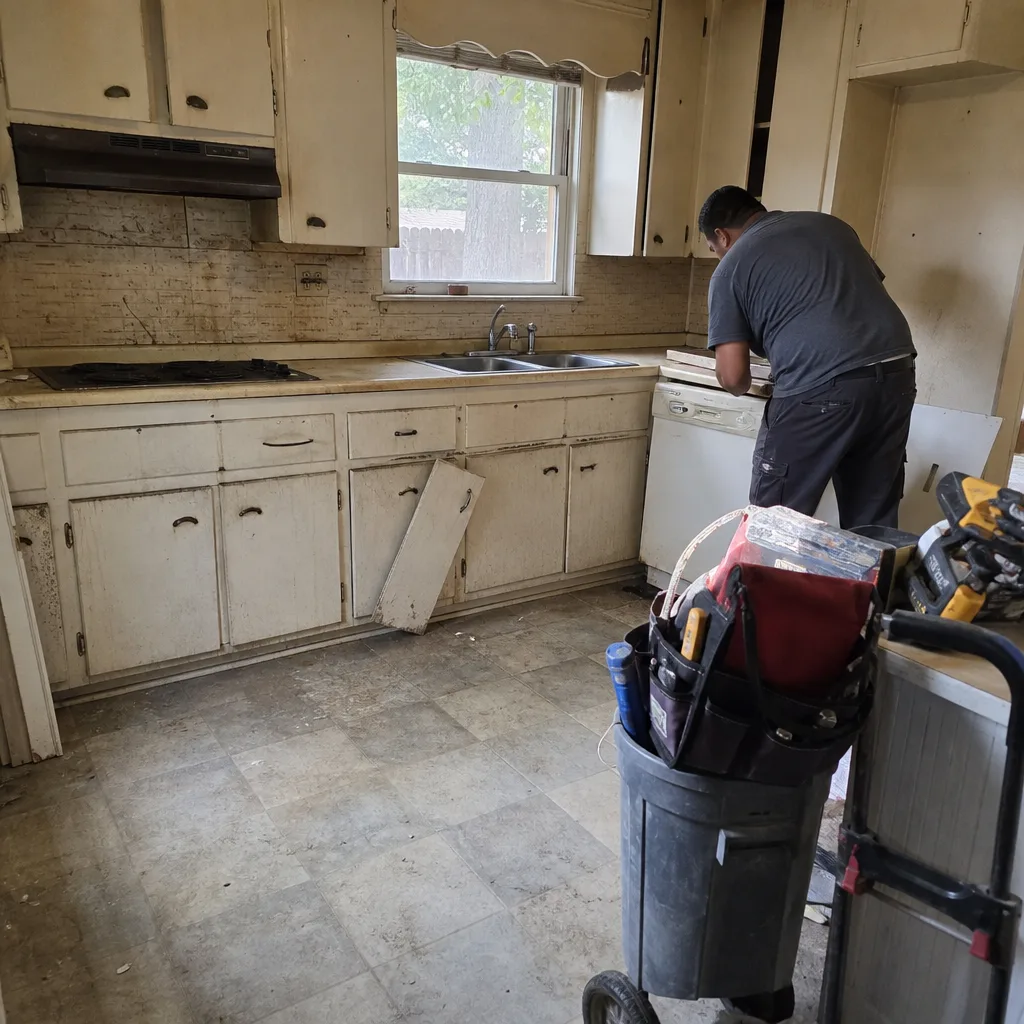 Before
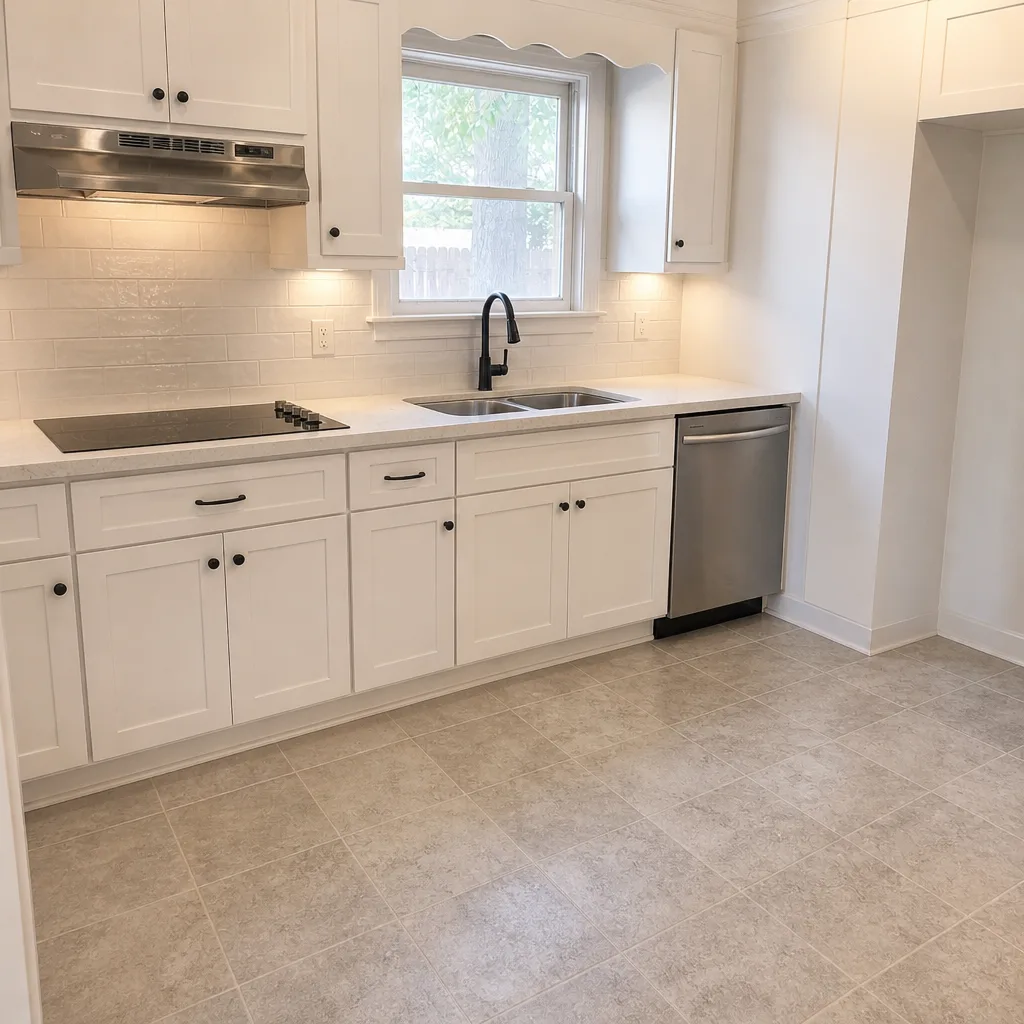 After
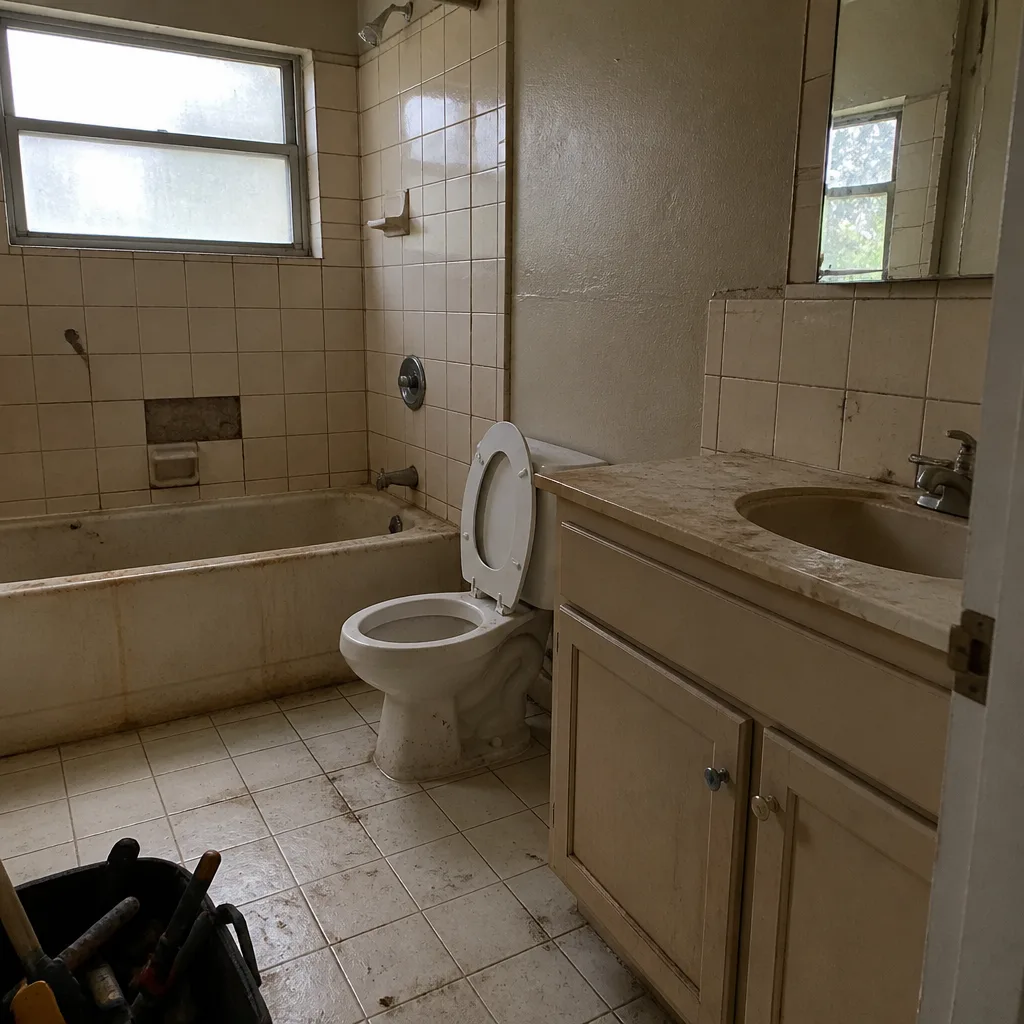 Before
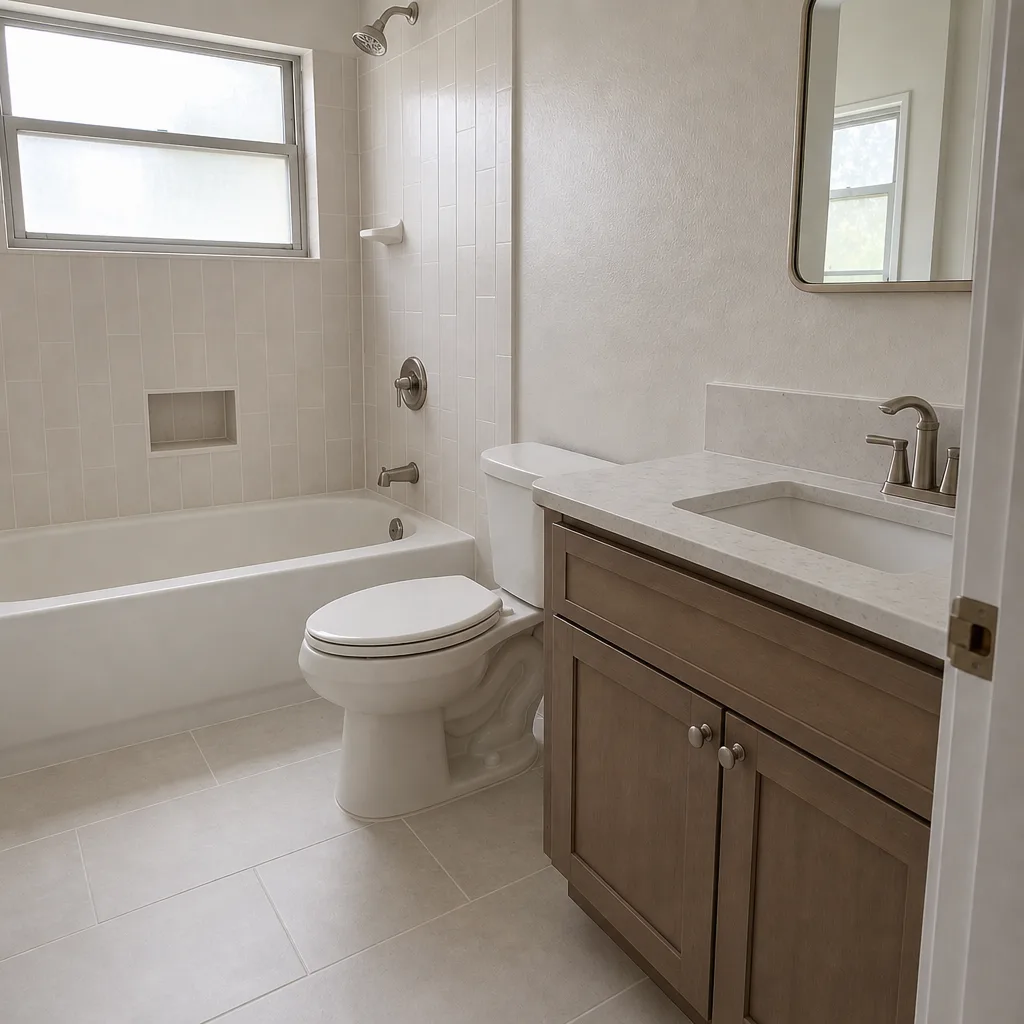 After
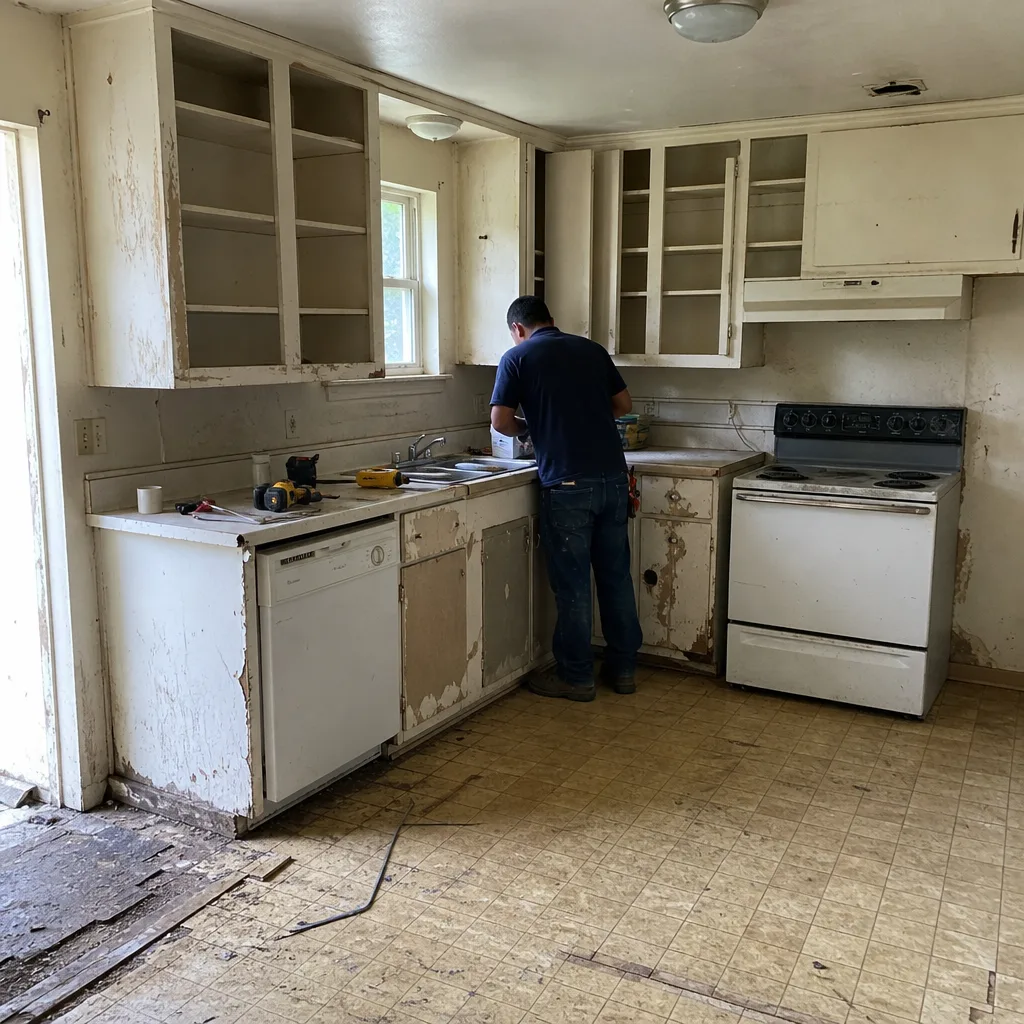 Before
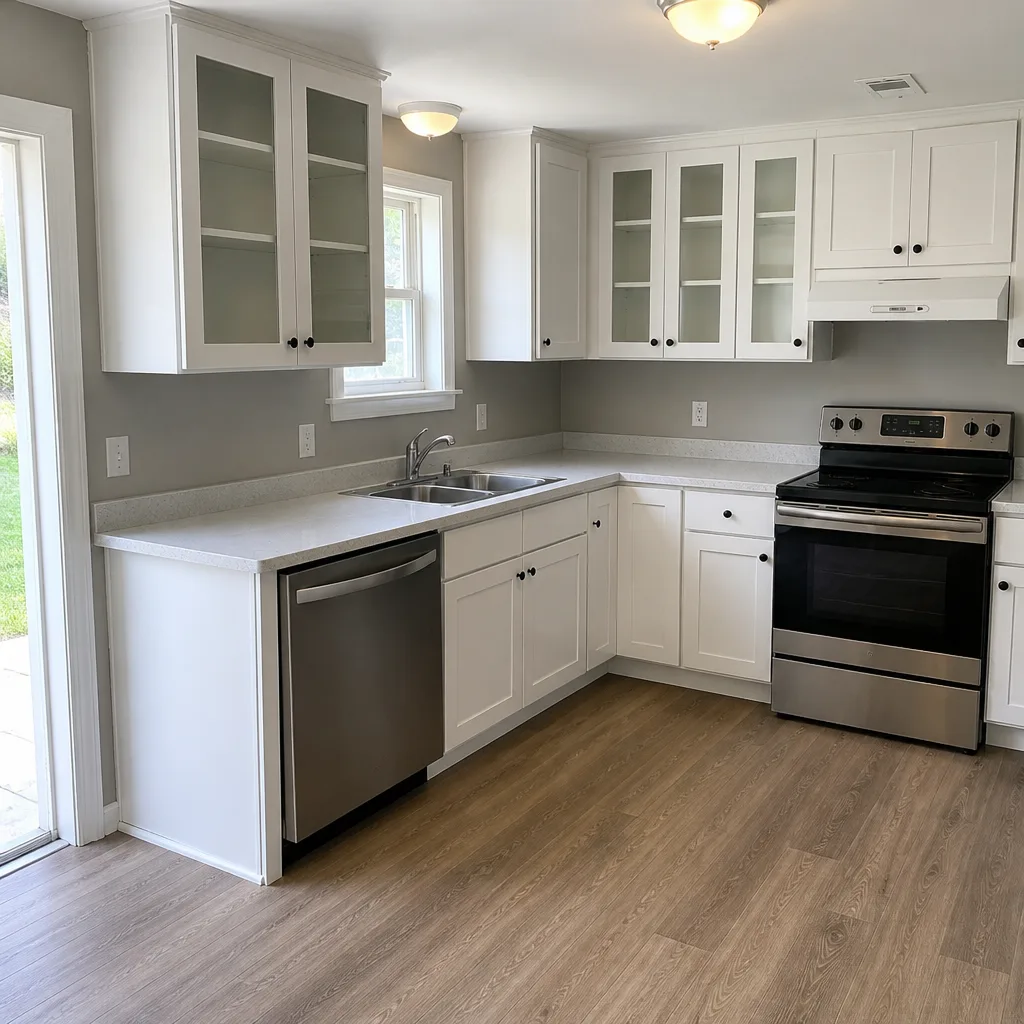 After
When to Call a Professional
Call a professional when a post fails the push test, when rot at grade has reached an inch below the soil line, when a gate post moves, or when more than one post in the same section is loose. Those cases need post work, and post work is where the difference between a ten-year fence and a two-year repair lives. If you’re only replacing boards on solid posts, or adjusting a hinge, that’s a weekend job you can reasonably handle. If the failure is structural, a professional build with proper depth and concrete is the fix, and it’s not a fix anyone should attempt while guessing at spec in the middle of a Dallas summer. Groundwork Construction Co. of Dallas offers free estimates in Dallas; call (844) 797-4808 to schedule one.
Frequently Asked Questions
Almost always because the posts were set too shallow or without proper concrete in expansive clay soil. Dallas clay swells when wet and shrinks when dry, and that cycle pushes and pulls on undersized post footings until they loosen. A leaning fence is a footing problem, not a wood problem, and replacing boards without resetting the posts will leave you with the same lean in about two years.
No, not if the posts are failing. Board replacement on a fence with failed posts resets the visual appearance but doesn’t address the lean, and the new boards will start pulling off the rails as the fence continues to shift. If the push test shows post movement of more than an inch, board replacement is money down the drain. Call (844) 797-4808 if you want a professional read on whether your posts are sound.
24 to 36 inches below grade for a standard 6-foot wood fence, with a 12-inch-diameter hole for a 4×4 post and a full concrete collar. Gate posts and corner posts should be set toward the deeper end of that range because they carry more load. Anything under 24 inches is vulnerable to Dallas’s wet-dry soil movement and will lean within a few seasons.
Gate sag almost always traces to either hinge pull-out or a hinge post that’s shifted. Tighten or re-seat the hinges first, and check whether the hinge post passes the push test. If the post moves, no hinge adjustment will hold, and the post has to be reset. Gates wider than 48 inches also need a diagonal brace and often a 6×6 post instead of a 4×4.
Board replacement on sound posts typically runs in the low hundreds per section. A single-post reset runs in the mid hundreds. Full section replacement usually runs $900 to $2,000 depending on length and materials. Full-run replacement is a larger number that depends on linear footage, height, and material choice. Call (844) 797-4808 for an exact quote; estimates are free.
Not when the quote is built correctly. We use upfront pricing, written line-item from the start, so the number you see is the number you pay. If the diagnosis on site uncovers something the photos or phone conversation didn’t reveal, we stop and talk about it before any additional work begins. No surprise line items mid-job, and workmanship is backed by our 730-Day Done Right Promise.
Yes, when a permit is required. Most repairs that match the existing footprint don’t trigger permitting, but full replacements or fences that move the property line sometimes do, and some HOAs have their own height and material rules on top of the Dallas ordinance. We check the requirements against your specific address before quoting.
The Bottom Line
Most fence problems in Dallas trace back to one of two installation decisions: post depth and concrete mix. Diagnose which one failed before you spend money, because the fix for a shallow-post problem won’t help a warped-board problem, and vice versa. Board replacement, hinge adjustment, and small patches are realistically DIY jobs. Post work, gate post replacement, and any correction that involves grade or drainage belongs with a crew that can spec the depth and the concrete correctly the first time. Get the diagnosis right, and the repair holds. Get it wrong, and you’ll be back on this page in about two years.
Fence repairs and replacements across Dallas are handled by our team with the same upfront pricing and written line-item quotes we use on every job, and every project carries the 730-Day Done Right Promise. If you’re also planning pavers, a longer driveway, or an addition that will change how the yard and fence line meet, our crews coordinate both so the fence doesn’t get rebuilt twice. Start with our Groundwork Construction Co. of Dallas home page to see the full scope of what we do, then call (844) 797-4808 for a free estimate. Calls are answered by a live person, 24/7, so you don’t get handed off to a voicemail and a callback on Monday.
Written by the team at Groundwork Construction Co. of Dallas.