
Last updated November 17, 2026
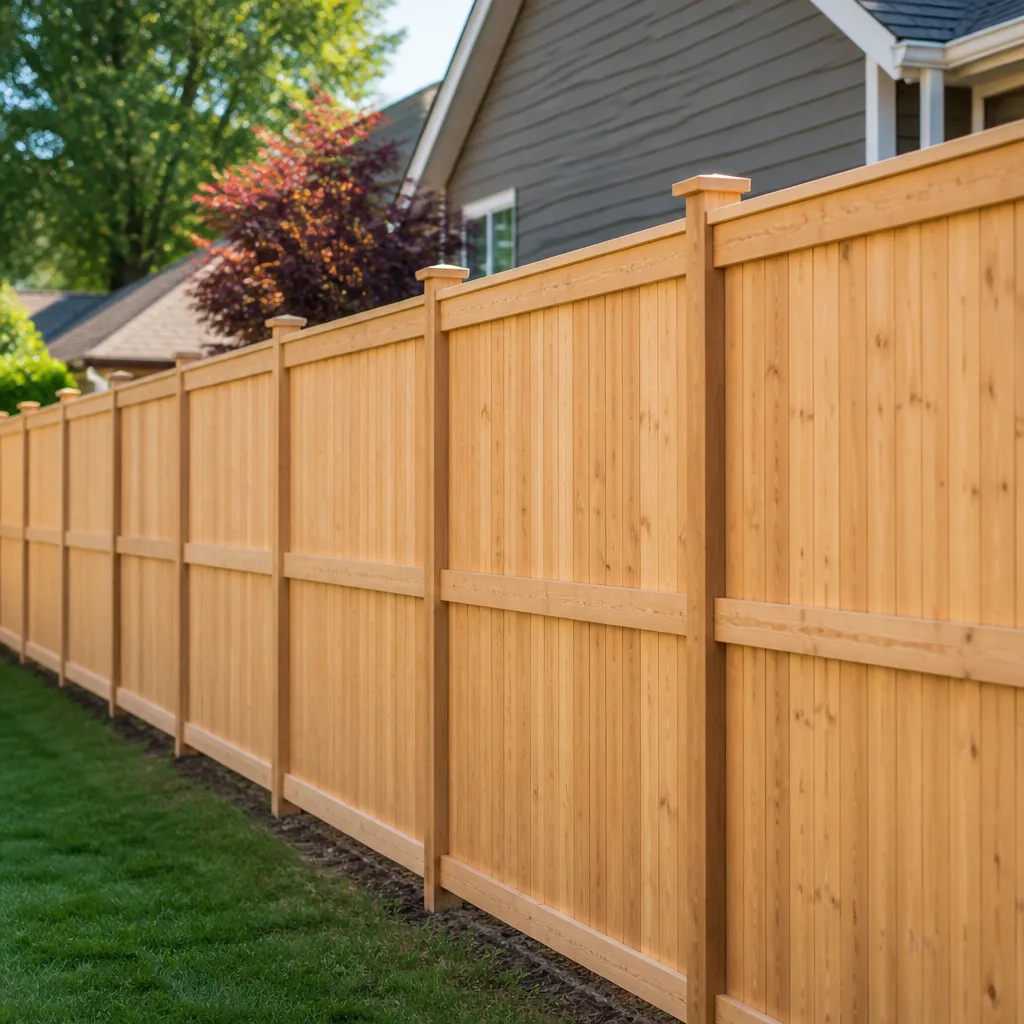 Fence
 Kitchen remodeling
 Bathroom remodeling
 Home additions & ADU
 Roofing
 Windows & doors
 Driveway & pavers
Free written scope consultation - allowances, timeline, and change-order rules on paper before a single trade is scheduled
How Long Does Fence Installation Take? Timelines and What to Expect
A 150-linear-foot wood fence in Dallas can take anywhere from 4 days to 6 weeks. Same fence, same neighborhood. The gap comes down to factors most contractors never mention during the sales call: how Dallas’s clay soil sets around your posts, whether a permit actually clears city offices on the timeline you were promised, and whether the cedar you ordered is sitting in a DFW yard or on a truck from Oregon. This guide gives you the honest schedule, phase by phase, so you can plan around your life instead of rearranging it after the fact.
Quick Answer
Fence installation in Dallas typically takes 6 to 12 weeks from signed contract to final walkthrough for a standard residential job, though the actual build itself usually runs 2 to 5 days. The rest is permitting, material lead times, survey work, and the curing time Dallas’s expansive clay soil demands before posts can carry tension. A simple chain link replacement can wrap in under three weeks. A cedar privacy fence on a property line with permit complications can stretch to two months.
Styles & brands we work with
- Kitchen remodeling
- Bathroom remodeling
- Home additions & ADU
- Roofing
- Windows & doors
- Driveway & pavers
- Fence
Table of Contents
- Why Fence Timelines in Dallas Vary So Much
- The Honest Week-by-Week Breakdown
- How Dallas Clay Soil Changes the Post-Setting Schedule
- Permits, Surveys, and the Delays Nobody Quotes You
- Material Lead Times: Cedar vs. Aluminum vs. Chain Link
- What Actually Happens on Build Day
- What Can Speed Up or Slow Down a Dallas Fence Project
- Common Mistakes to Avoid
Why Fence Timelines in Dallas Vary So Much
The number a contractor gives you on the first visit is almost always the build time. It’s the smallest piece of the pie. If a salesperson tells you “about a week” and means it literally, they’re describing the days a crew will be on your property, not the calendar you’ll live with from the moment you sign.
Here’s what actually determines your timeline in Dallas:
- The build itself – usually 2 to 5 days for a typical residential run, faster for shorter fences or simple chain link
- Permitting – Dallas Development Services runs on its own clock, and it is not a couple of days
- Material availability – DFW supplier stock varies wildly by material, and cedar in particular can land weeks out
- Soil conditions – the blackland clay under most of Dallas shrinks and swells with moisture, which changes how posts have to be set and cured
- Survey and property line verification – if you don’t have a recent survey, this can stop a job cold
- HOA approval – many North Dallas subdivisions require architectural review before a single post goes in
We’ve seen identical 150-foot cedar fences in the same Preston Hollow block land on two very different calendars. One homeowner had a recent survey, an HOA pre-approval, and a clear permit in hand within three weeks. The neighbor next door needed a new survey, hit a platting question with the city, and waited on a cedar shipment from the Pacific Northwest. Both projects were fine work. One took 11 days from contract to walkthrough, the other took 6 weeks. The fence was the same. The schedule wasn’t.
When you’re planning around a fence, budget for the whole calendar, not the build days. That’s the number your family actually lives with.
The Honest Week-by-Week Breakdown
This is what a realistic Dallas fence project looks like from the moment you sign. Your specific dates will shift, but the phases almost always appear in this order.
- Week 1: Contract, deposit, and site verification. You sign, pay the deposit, and the contractor confirms the fence line, gate locations, and material specs. If you don’t have a current survey, this is when it gets ordered or pulled from the county. This is also when HOA paperwork goes in if your subdivision requires it.
- Week 2-3: Permit application and city review. Dallas requires permits for most fences above a certain height, and the review clock starts when the application is complete, not when you signed. Expect a review window measured in weeks, not days. Incomplete applications restart the clock.
- Week 3-4: Material ordering and lead-time confirmation. The fence company places material orders and confirms delivery dates against your permit timeline. Cedar, aluminum, and specialty panels can land anywhere from a few days to three weeks out. Do not skip this step in your head; the schedule is only confirmed once materials have a delivery date attached.
- Week 4-6: Permit approved, build scheduled. Once the permit clears, the crew is scheduled. On many Dallas jobs, this phase overlaps with material delivery, so the fence doesn’t sit on your lawn before the crew is ready.
- Week 5-7: Build days. Most residential fences in Dallas take 2 to 5 days of on-site work. Post holes go in first, concrete gets poured, and then the schedule pauses for curing (more on this below). Panels, rails, gates, and hardware follow.
- Week 6-10: Curing and final inspection. Dallas’s clay soil needs real cure time before you tension the fence, hang heavy gates, or put weight on a post. This is the phase rushed jobs skip, and it’s the phase that determines whether your fence is plumb in October.
- Week 8-12: Final walkthrough. You walk the line with the installer, confirm the gates swing clean, check hardware, and sign off. Any punch-list items get handled before the job closes.
Ignore anyone who tells you a 150-foot Dallas fence with permits and survey is a “three-day job.” It isn’t dishonest on the build days, but it’s useless as a calendar.
How Dallas Clay Soil Changes the Post-Setting Schedule
Most of Dallas sits on expansive blackland clay. When it’s wet, it swells. When it dries out in a July heat wave, it shrinks and cracks. That movement is why the same fence that stands perfectly plumb in Phoenix can lean within a year in Dallas if the posts weren’t set and cured correctly.
Here’s how that plays out on a real schedule:
- Hole depth matters more here. Posts inside the active clay zone (roughly the top 3 to 4 feet in many Dallas soils) are the ones that move. That’s why deeper footings and more concrete per post are standard on quality Dallas work, and why the concrete pour and cure can’t be compressed.
- Concrete cure time is not negotiable. Standard concrete needs roughly 24 to 72 hours before it can take load, and it continues gaining strength for weeks. Dallas crews that hang panels and gates on day-old footings are setting you up for lean and sag within a year.
- Wet-season scheduling shifts. Spring storm season in Dallas (roughly April through June) can add rain days to the build window. A job that starts in a wet May may run a day or two longer than the same job in an October window. That’s a row of rain days, not a crisis.
If a contractor offers to “have it up by Friday” on a Monday start with a 200-foot run of cedar, ask how many cure days they’re planning between the concrete and the panels. If the answer is a shrug, keep calling. In Dallas, the cure is the schedule. Rushing it is the single most common reason a new fence leans by the following spring.
Dallas’s freeze events matter too. When an arctic front rolls through in February and the clay goes from saturated to frozen and back in 48 hours, properly cured footings hold and fresh ones don’t. A good installer will build curing time into any winter Dallas schedule rather than pretending the calendar doesn’t exist.
Permits, Surveys, and the Delays Nobody Quotes You
This is the part of the timeline that surprises homeowners most, and it’s the part most contractors gloss over. Dallas fences typically require a permit above a certain height (the threshold is commonly 6 feet for residential, but confirm the current requirement for your address before you assume), and the review timeline is measured in weeks, not days. If you’re building in a historic district or a planned development, expect additional review stages.
The bigger delay is usually the survey. Your property line isn’t a guess. It’s a legal boundary documented on a plat or survey, and if your fence runs even a foot over the line, you can be ordered to take it down at your own cost. That’s not a hypothetical; it happens in Dallas more than you’d think, especially in older neighborhoods like Lakewood or Lochwood where original plats have been subdivided over decades.
Here are the delays that actually show up on Dallas schedules:
- No current survey on file. If you can’t produce one, expect 1 to 3 weeks to order and receive a new survey from a licensed surveyor. This delay alone can double a project calendar.
- Permit application incomplete. Surveys, plot plans, and HOA approvals all feed the permit application. If any are missing, the city timeline resets. This is why honest permitting on the front end saves weeks on the back end.
- HOA architectural review. Many North Dallas and Plano-adjacent subdivisions require a review before the city permit is even submitted. Two weeks is common; some HOAs take a month.
- Property line disputes. If a neighbor disagrees about the boundary, work stops until the line is verified. No contractor can install through a contested line.
- Easement issues. Utility easements or right-of-way restrictions can prevent a fence from being built where you planned. This is why real site verification matters before materials are ordered.
Skipping the permit because a contractor suggests it is a bad trade. If the city catches an unpermitted fence, you can be required to remove it, and the fine isn’t the worst part. The worst part is doing the whole project again.
For homeowners thinking about the bigger picture of their outdoor space, our Fence Installation in Dallas page covers materials, styles, and what we look at when we quote a job. If a fence is part of a larger yard project, Driveway & Pavers in Dallas is often planned alongside it so the whole exterior reads as one design instead of three separate projects.
Material Lead Times: Cedar vs. Aluminum vs. Chain Link
Material availability in DFW is its own variable. A fence company can quote a competitive number and be honest about it, and still end up with a 4-week lead time on the material you ordered. Supplying what a homeowner wants and what a DFW yard actually has in stock are different jobs.
Here’s a realistic look at lead times in the Dallas market:
- Cedar privacy fence: DFW yards carry consistent cedar stock, but premium grades and longer panel lengths can run 1 to 3 weeks out, especially in peak spring and fall install season. Cedar from the Pacific Northwest is a longer haul and longer lead time. Local mill supply is faster; the quality conversation is different, so ask what you’re getting and why.
- Aluminum and ornamental steel: These are typically custom-fabricated, which means 2 to 5 weeks from order to delivery is normal. The upside is a longer lifespan and less maintenance than cedar in Dallas’s climate. The downside is a longer calendar.
- Chain link: Galvanized chain link is the most consistently stocked fence material in the Dallas market. Most standard gauges and heights are available within days. A chain link replacement in Dallas is often the fastest fence project on this list.
- Composite and vinyl panels: Lead times vary widely by manufacturer and color. Common colors move quickly; special-order colors and custom heights add weeks.
Ask your contractor which supplier the material is coming from and when it’s scheduled to land on their yard. “It’s coming” isn’t a delivery date, and a delivery date is the only number that matters to your schedule.
We keep close working relationships with a curated set of material brands and suppliers across every trade we run, from fence panels to GAF roofing and Andersen windows, so we’re quoting what’s actually available instead of what sounds good on a spec sheet. If you’re curious how the same supply-and-subcontractor planning works on a larger project, see our Home Additions & ADU in Dallas page; the scheduling logic overlaps a lot more than people expect.
What Actually Happens on Build Day
Build day is the phase most timelines cover and the phase that’s easiest to describe. Instead of step-by-step instructions you’d be tempted to try yourself, here’s what a professional crew actually does across the days they’re on your property, in order.
- Mark and verify the fence line. The crew lays out the line against the survey, confirms gate positions, and flags utilities before any digging. Miss Utility locate requests go in ahead of time; if they haven’t, the crew doesn’t dig.
- Dig and set posts. Posts go in at the correct depth for Dallas’s clay profile, with proper footing and concrete per post. Hole depth and setback from the property line are checked against plan on the spot.
- Cure. Concrete sets and gains enough strength to carry the fence. On Dallas soil this is not a same-day step in a quality build. It’s measured in days, not hours.
- Hang rails and panels. Once the posts are ready, panels and rails go up. Gates are hung after rails so the swing can be set clean.
- Hardware, gate swing, and finish. Latches, hinges, and any post caps or trim are installed and checked. Gates are adjusted so they close without drag.
- Cleanup and walkthrough. The crew cleans the site, removes debris, and walks the line with you. Punch-list items get scheduled before the job closes.
One safety note we always raise on build day, because we’ve seen it go wrong: buried utilities are a real hazard, and utility locates are not optional. If a contractor suggests digging without them, that’s a stop-the-job conversation, not a minor detail. The same caution applies to fences near overhead power lines or gas meters. A trained professional handles those clearances correctly; nobody should be winging it.
What Can Speed Up or Slow Down a Dallas Fence Project
The calendar shifts based on a handful of decisions you can control and a handful you can’t. Knowing which is which helps you set realistic expectations before the contract is signed.
What tends to speed up a Dallas fence project:
- A current survey already on file with no boundary questions
- HOA approval already in hand, or no HOA review required
- Chain link or standard-grade cedar on a short run
- A clear lot with no easement conflicts and no mature trees in the fence line
- Dry-season scheduling, typically late summer through fall
What tends to slow one down:
- New survey needed, or a property line dispute with a neighbor
- HOA architectural review in a North Dallas or Preston Hollow-area subdivision
- Special-order aluminum, ornamental steel, or premium cedar
- Spring storm season adding rain days to the build window
- A historic district or planned development adding city review stages
- Utility easements requiring a fence to be set back from where you planned
If your fence is part of a larger home improvement project, the sequencing matters too. Sometimes a fence goes in before a driveway or paver project and sometimes after, and the order can add or save a week depending on the lot. Ask your contractor how the two projects will sequence before either one is scheduled.
Common Mistakes to Avoid
- Trusting a “three-day job” quote as a calendar estimate. The build may be three days; the project is the whole timeline from contract to walkthrough, and the rest is permitting, materials, and curing.
- Skipping the permit to save a few weeks. In Dallas, an unpermitted fence can be ordered down by the city, and you’ll pay twice.
- Building without a current survey. Property line conflicts happen, and they’re the single fastest way to stop a build mid-install.
- Letting a contractor hang panels and gates on day-old concrete in Dallas clay. The fence looks finished and leans within a year.
- Forgetting HOA review in a subdivision that requires it. This is a North Dallas and Plano-adjacent problem that regularly adds two to four weeks.
- Choosing a material based on a bid without confirming lead time. A cheaper panel with a 5-week lead is more expensive than the panel that arrives in 8 days.
- Assuming the fence line is exactly where the last one stood. Fence lines drift over time, and a legal boundary check catches this before it becomes a neighbor problem.
See the difference
 Before
 After
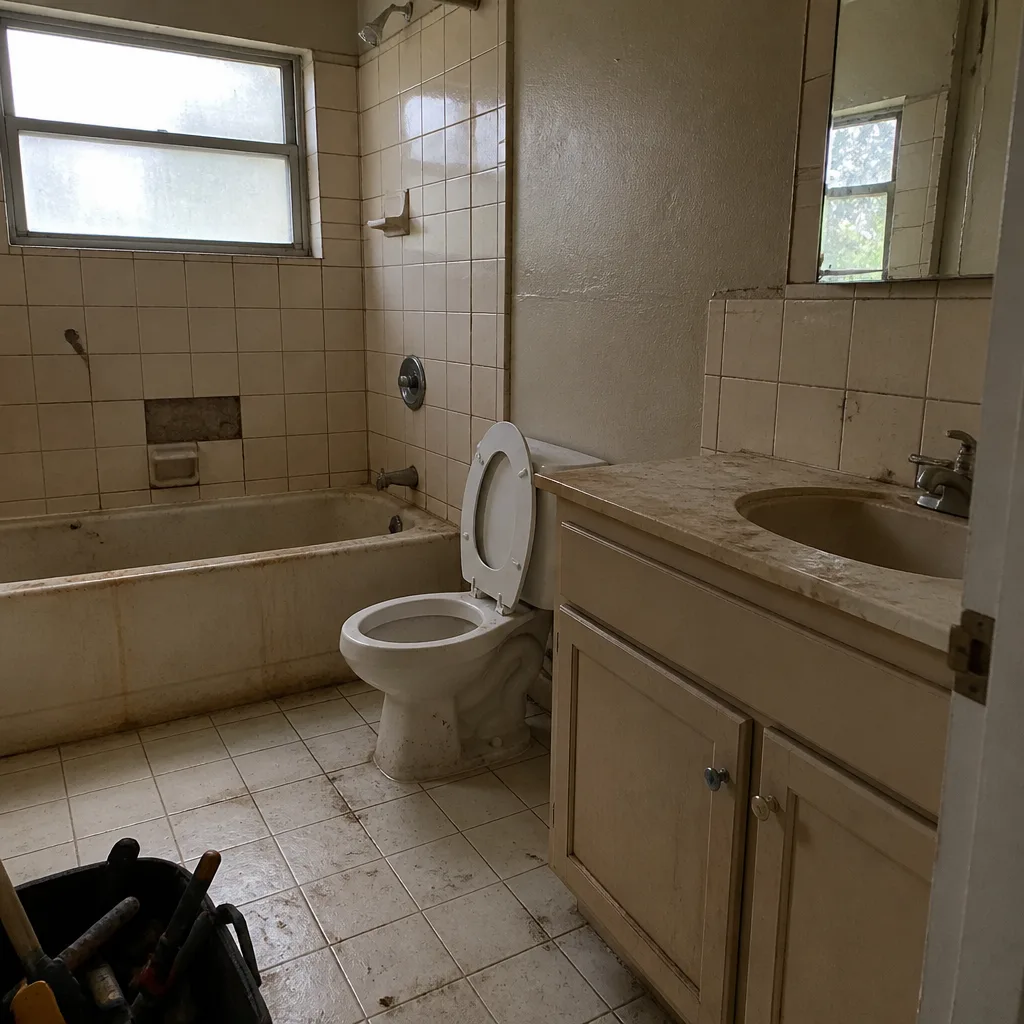 Before
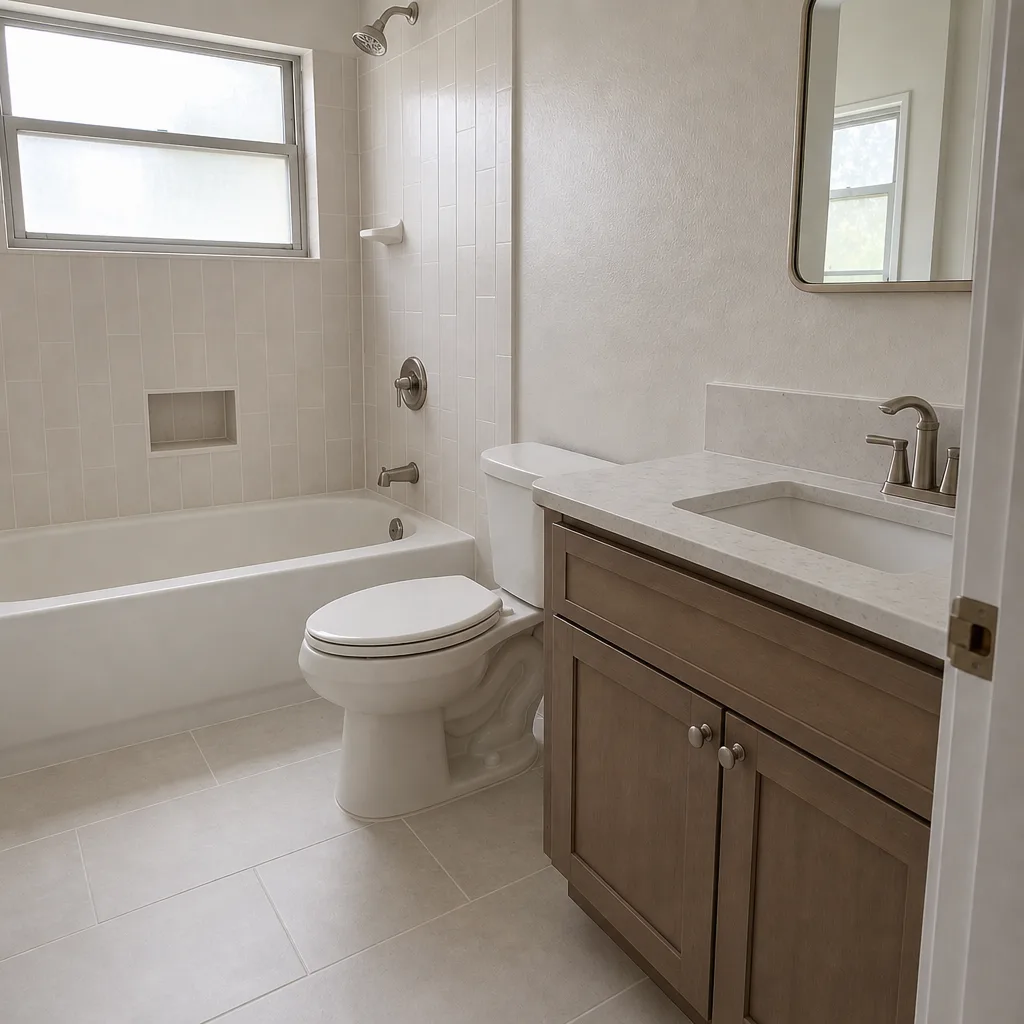 After
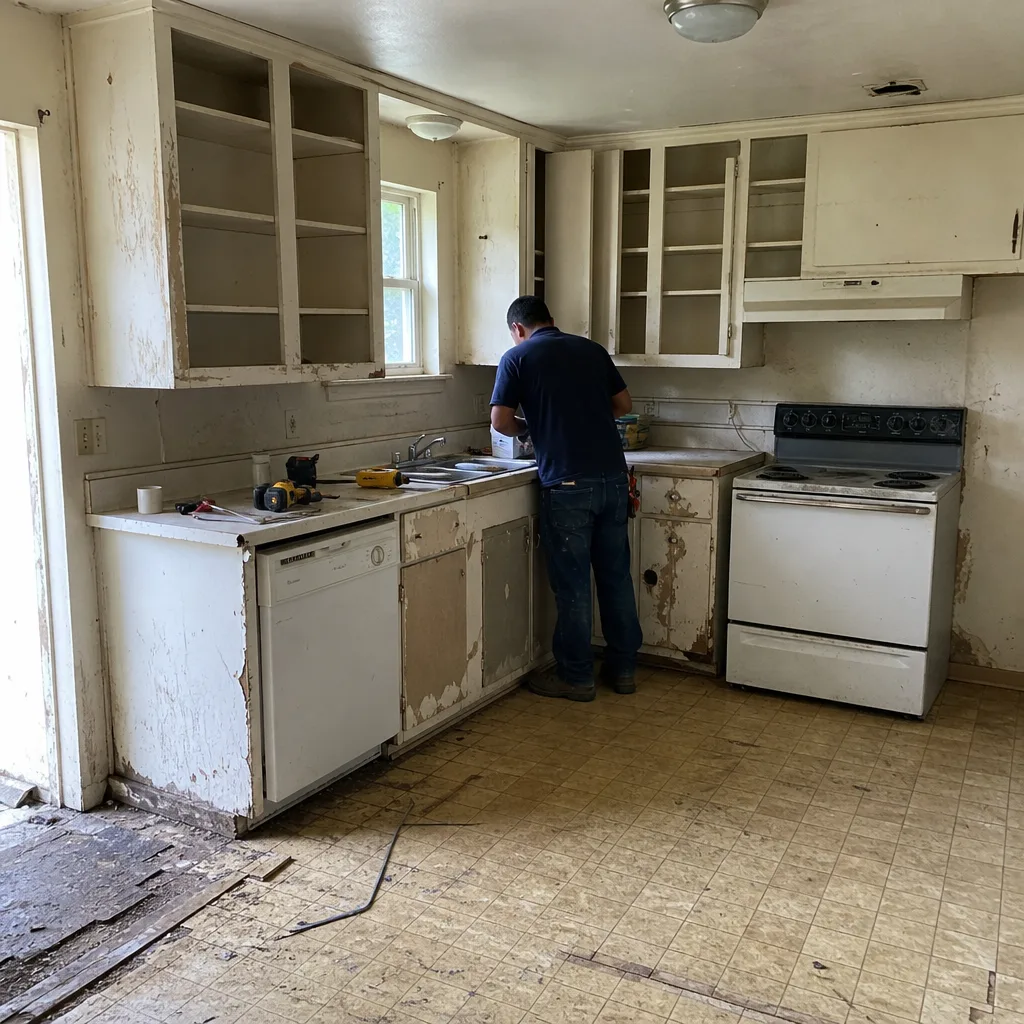 Before
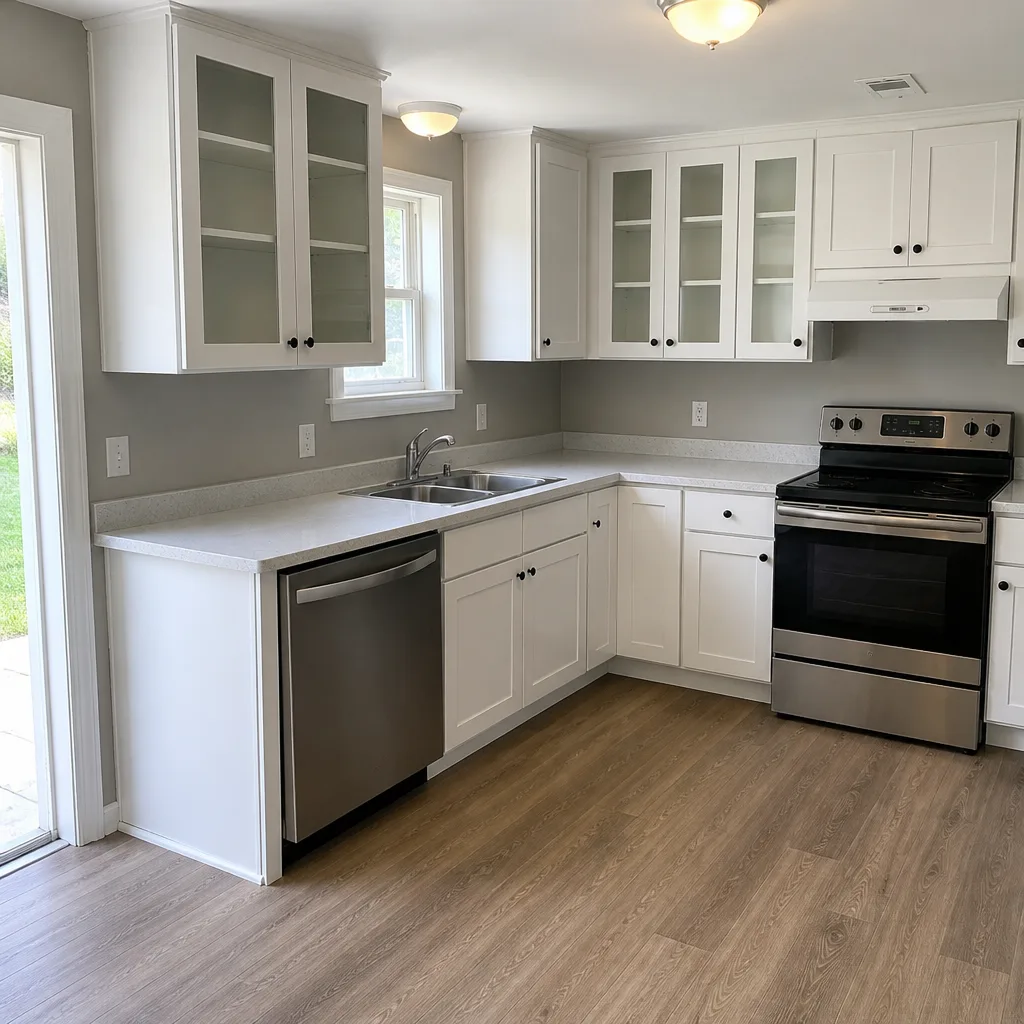 After
When to Call a Professional
Fence installation isn’t a job for a weekend and a rented auger. Dallas clay, utility lines, property line law, and permit requirements all combine to make this work that a trained crew should handle. If your fence is on a property line, above the permit-height threshold for your address, near a utility easement, adjacent to a neighbor with any boundary questions, or part of an HOA that requires architectural review, talk to a professional before you dig the first hole. We’ve seen homeowners try to save a few days on the front end and lose a month on the back end when a survey question, a missed permit, or a leaning post surfaced.
Groundwork Construction Co. of Dallas offers free estimates in Dallas with a written line-item scope, permits pulled and inspections passed as part of the job, and calls answered by a live person 24/7. Call (844) 797-4808 to schedule your free estimate.
Frequently Asked Questions
Fence installation in Dallas typically takes 6 to 12 weeks from signed contract to final walkthrough, with 2 to 5 days of actual on-site build time. The rest of the schedule is permitting, survey verification, material lead time, and cure time for post footings on Dallas’s expansive clay soil. Chain link is often the fastest, and special-order aluminum or premium cedar is often the slowest. Call (844) 797-4808 for an exact quote; estimates are free.
Most Dallas residential fences above the city’s height threshold require a permit, and the review timeline is measured in weeks rather than days. Historic districts, planned developments, and HOA subdivisions may add additional review steps. We pull permits and pass inspections as part of the job, so the permit phase happens on a schedule instead of becoming a surprise. Call (844) 797-4808 to talk through your specific address.
Dallas’s blackland clay expands when wet and shrinks when dry, which moves the soil around every post. Concrete footings need several days to gain enough strength before panels and gates can be hung, and rushing that cure is the most common reason a new fence leans within a year. We build cure time into every Dallas schedule instead of compressing it. Call (844) 797-4808 for a schedule that accounts for it.
Not with us. We work from a written, line-item scope and quote based on what the site actually needs, so the number you see is the number you pay. Surprises like an unexpected survey need, a different footing depth for your soil, or a material change get discussed and agreed before work starts, not billed after. Call (844) 797-4808 for an upfront quote with no change orders lurking in the fine print.
A properly installed cedar fence in Dallas typically lasts 12 to 15 years with regular care, though soil, sun exposure, and material grade all shift that range. Cedar outperforms most fence materials in heat and storm exposure, but it needs periodic sealing and, in our climate, correct footing on clay. We back the work with the 730-Day Done Right Promise, so workmanship issues within that window get made right. Call (844) 797-4808 for a quote.
Chain link is typically the fastest fence to install in Dallas because the material is consistently stocked in the local market and the panel installation moves quickly once posts are set. Standard-gauge galvanized chain link can often move from approval to build in under two weeks for a straightforward residential run. Cedar follows, and custom aluminum or ornamental steel usually takes longest due to fabrication lead times. Call (844) 797-4808 to ask what’s realistically available for your address.
The Bottom Line
A fence timeline is not the same thing as build days. In Dallas, the calendar is set by permitting, surveys, material lead times, and the clay-soil cure that keeps your fence standing through the next drought and the next freeze. Plan on 6 to 12 weeks from contract to walkthrough for a standard residential project, and expect 2 to 5 days of actual build time. If you want a schedule built on real Dallas conditions, with permits pulled, materials confirmed, upfront pricing, and the 730-Day Done Right Promise attached to the workmanship, call (844) 797-4808 for a free estimate. You can also start at the Groundwork Construction Co. of Dallas home page to see the full range of what we build.
Written by the team at Groundwork Construction Co. of Dallas.