

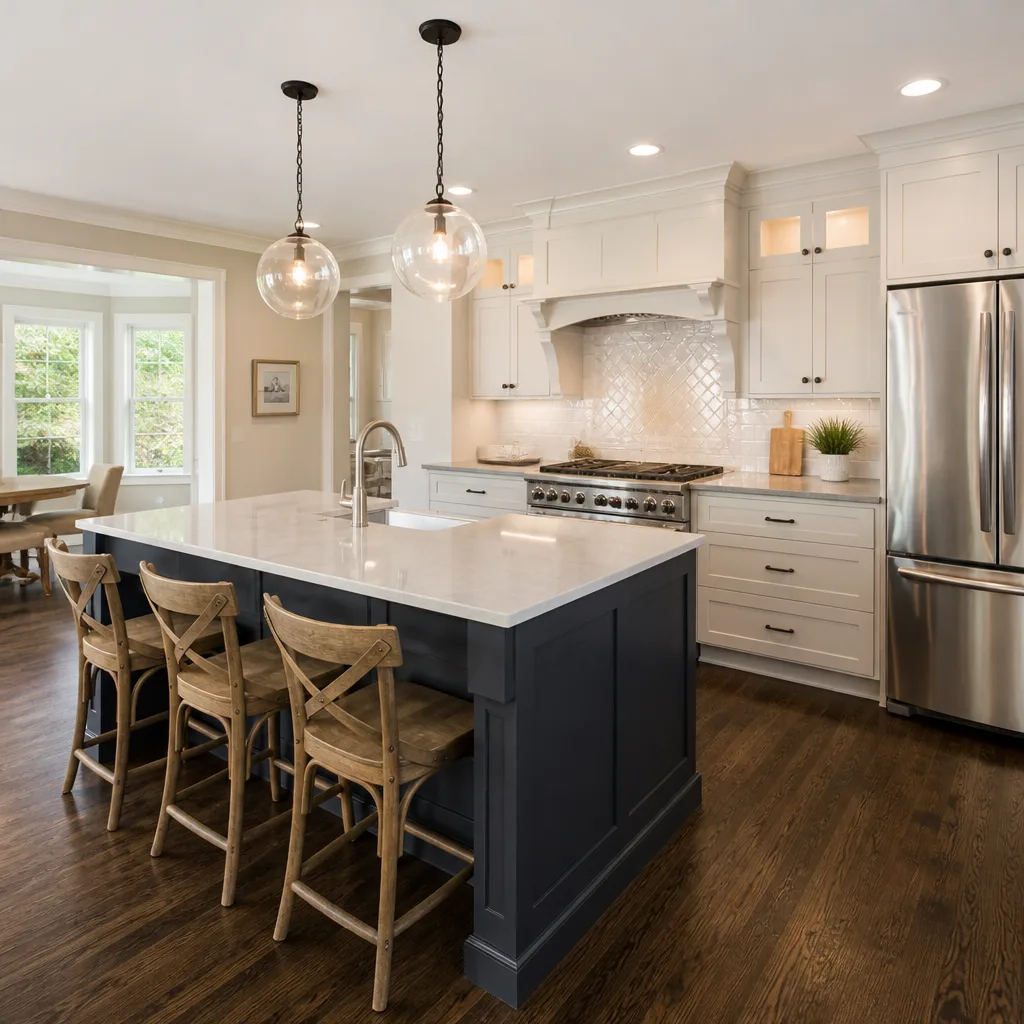
 Kitchen remodeling
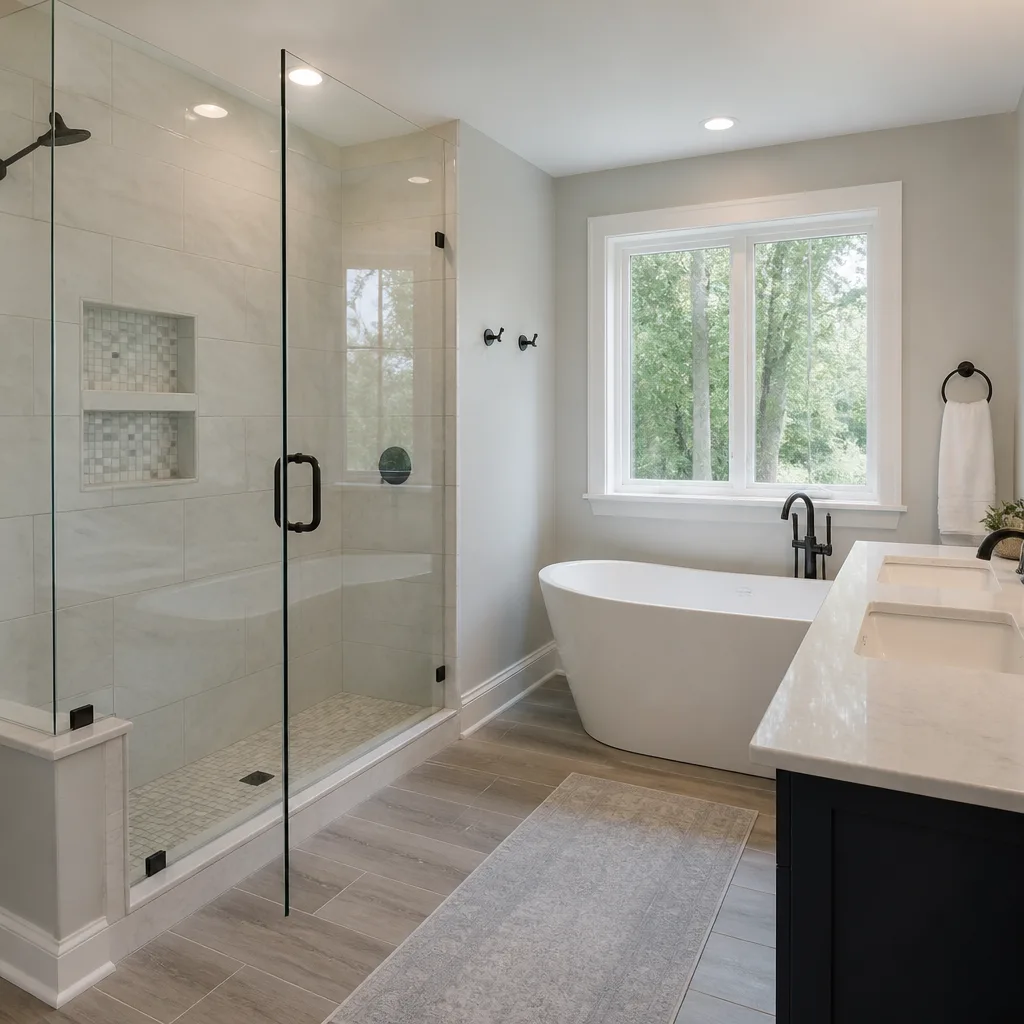 Bathroom remodeling
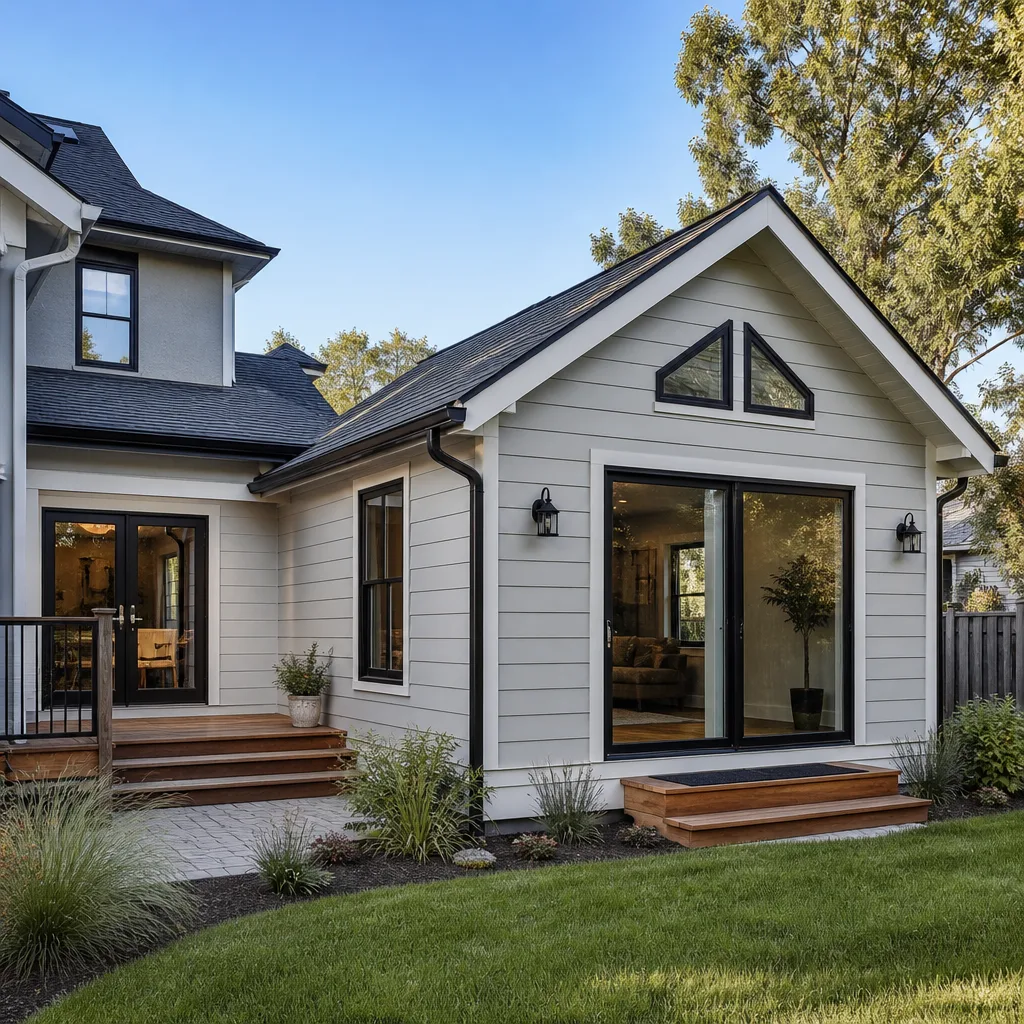 Home additions & ADU
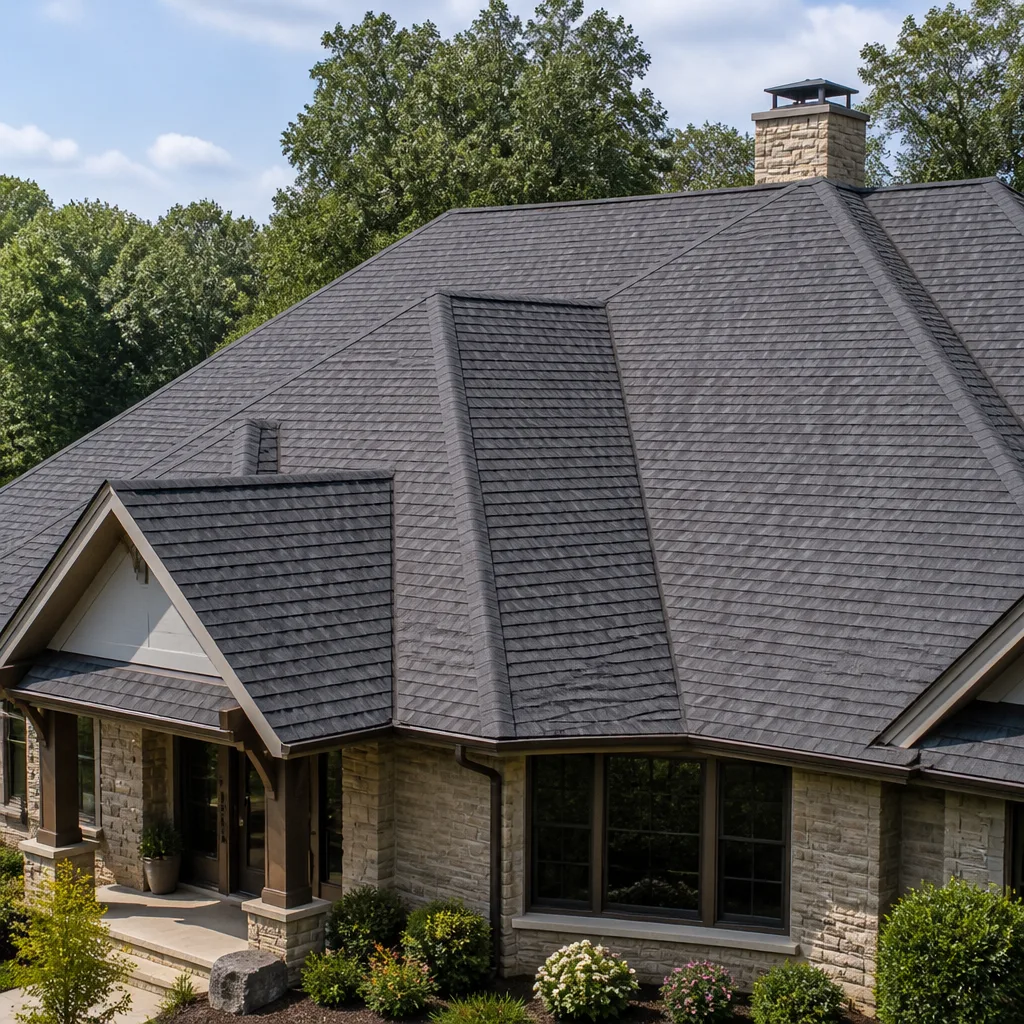 Roofing
 Windows & doors
 Driveway & pavers
 Fence
Free written scope consultation - allowances, timeline, and change-order rules on paper before a single trade is scheduled
Cambria Kitchen Remodeling: The Dallas Owner’s Guide
Cambria quartz countertops and the cabinetry systems built around them can be installed in most Dallas kitchens for $14,000 – $45,000 all-in, depending on kitchen size, cabinet scope, and edge profile. Cambria is an engineered quartz slab, so the “part” that fails most often isn’t the stone itself, it’s the substrate, the seams, or the cabinet boxes carrying the weight. Dallas owners usually spot the problem the same way: a hairline crack running from a sink cutout, a seam that’s gone dark and gritty, or a slab that flexes when someone leans on the island. Once you see any of those, the fix is structural first and cosmetic second.
Key Takeaways
- Cambria is quartz, not natural stone, so it can’t be re-polished the way granite can. Cracked or chipped slabs need section replacement.
- Installed kitchen remodels in Dallas run $14,000 – $45,000; countertop-only swaps run $2,000 – $6,500.
- Most failures trace back to substrate flex, heat near the range, or unsealed seams, not the quartz formulation itself.
- We’re an independent Dallas remodeling contractor, not affiliated with Cambria, and we work with the brand as a verified material partner.
Which Cambria Models This Applies To
Cambria doesn’t publish “model numbers” the way appliance makers do. Their slabs are sold by design name (Brittanicca, Ella, Torquay, Skara Brae, Annicca, Berkeley, and dozens more), and each design gets issued in multiple thicknesses: 1 cm, 2 cm, and 3 cm are the standard options, with 3 cm being the most common in Dallas kitchens because it holds a full bullnose or eased edge without a built-up lamination. If your slab is 2 cm, it almost always has a laminated edge, and that lamination is one of the first things to fail under heat or impact.
To identify what you’re working with, look for the Cambria stamp on the underside of any exposed overhang, usually near the sink or the edge of an island. The stamp shows the design name and thickness. If there’s no stamp, measure your slab thickness with a caliper: 2 cm reads around 3/4 inch, 3 cm reads around 1-1/8 inch. Slabs under 1 inch that show a visible horizontal seam on the edge are laminated 2 cm.
The OEM-vs-aftermarket decision here is different from most parts pages. Cambria doesn’t sell replacement slabs directly to homeowners; slabs move through authorized fabricators. An aftermarket quartz equivalent (Silestone, which we also work with) is a legitimate cost alternative if you’re replacing a full countertop, but if you’re replacing a single section next to existing Cambria, the color match will never be perfect. New slabs from the same design won’t match the aged slab either, because quartz fades under UV (more on that below). Best practice on a partial replacement is to replace the whole run, not just the cracked section.
Styles & brands we work with
- Kitchen remodeling
- Bathroom remodeling
- Home additions & ADU
- Roofing
- Windows & doors
- Driveway & pavers
- Fence
Signs Your Cambria Kitchen Remodeling Is Failing
Cambria is dense, non-porous quartz, and it holds up better than most in Dallas heat. When it fails, the cause is almost always environmental or structural. Here are the five symptoms we see most:
- A hairline crack originating at a sink or cooktop cutout. The cutout edges are the thinnest part of any slab, and they take the most thermal and structural stress. A crack radiating from a corner means the cutout was cut without a radius, or the substrate underneath has flexed.
- A dark, gritty seam. Cambria seams are bonded with epoxy color-matched to the slab. If the seam has gone dark or feels rough, the epoxy has failed. On Dallas kitchen counters this typically happens after 7 – 10 years, sooner if the seam sits near a sink or dishwasher where steam and water vapor hit it daily.
- Discoloration under a window or near a skylight. Quartz is UV-stable compared to some engineered materials but not UV-proof. Slabs in direct Dallas sun can shift tone over 5 – 8 years. Dallas gets roughly 230 sunny days a year, and that exposure adds up. If your counter has yellowed unevenly, it’s sun damage, not dirt.
- A slab that flexes or “oil-cans” under hand pressure. This is a cabinet issue, not a slab issue. The substrate or the cabinet boxes underneath have started to sag, and the quartz is spanning farther than it should. Left alone, flex leads to crack.
- Chips at the front edge. Quartz chips when struck hard, especially on a sharp 90-degree edge. Cambria’s edges hold up better than most, but a dropped cast-iron pan finds the weak spot. Chips under 1/4 inch can sometimes be repaired with matched epoxy; anything larger needs edge replacement or a full section swap.
See the difference
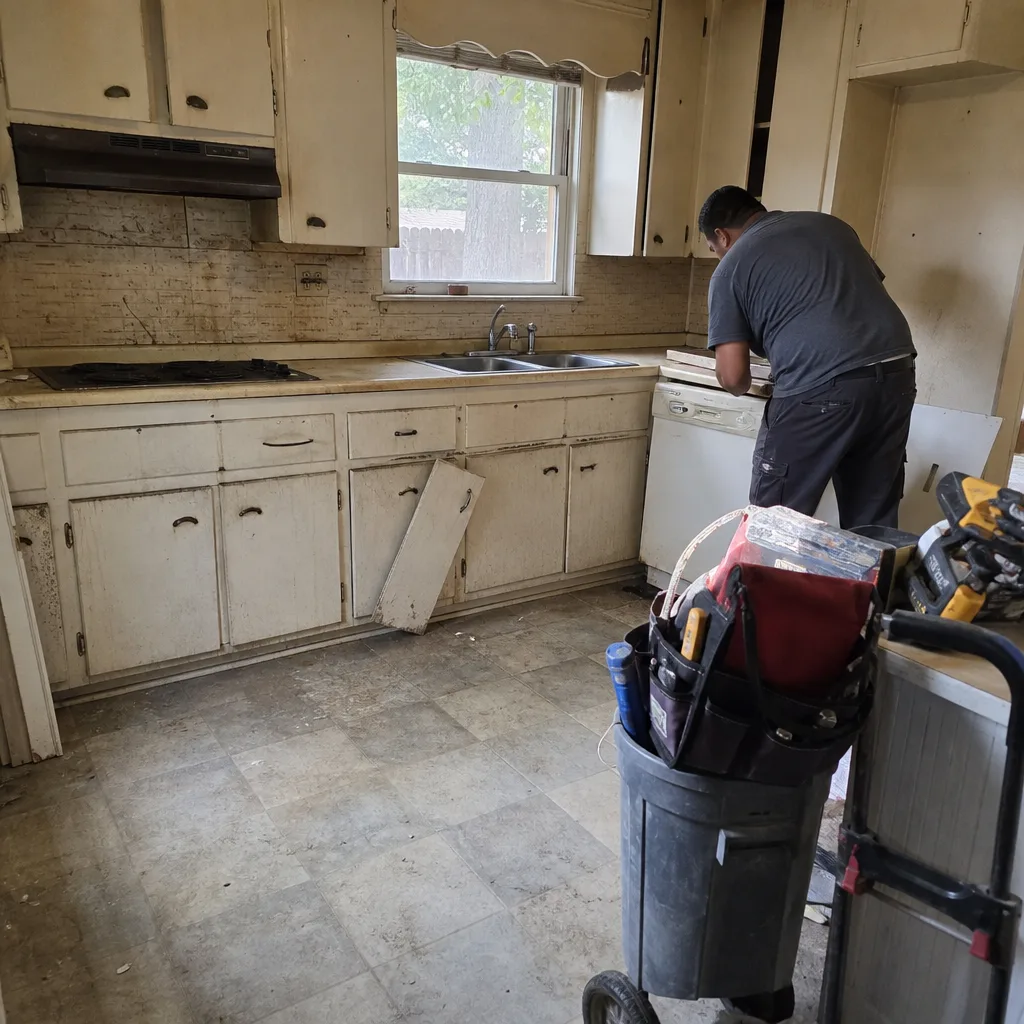 Before
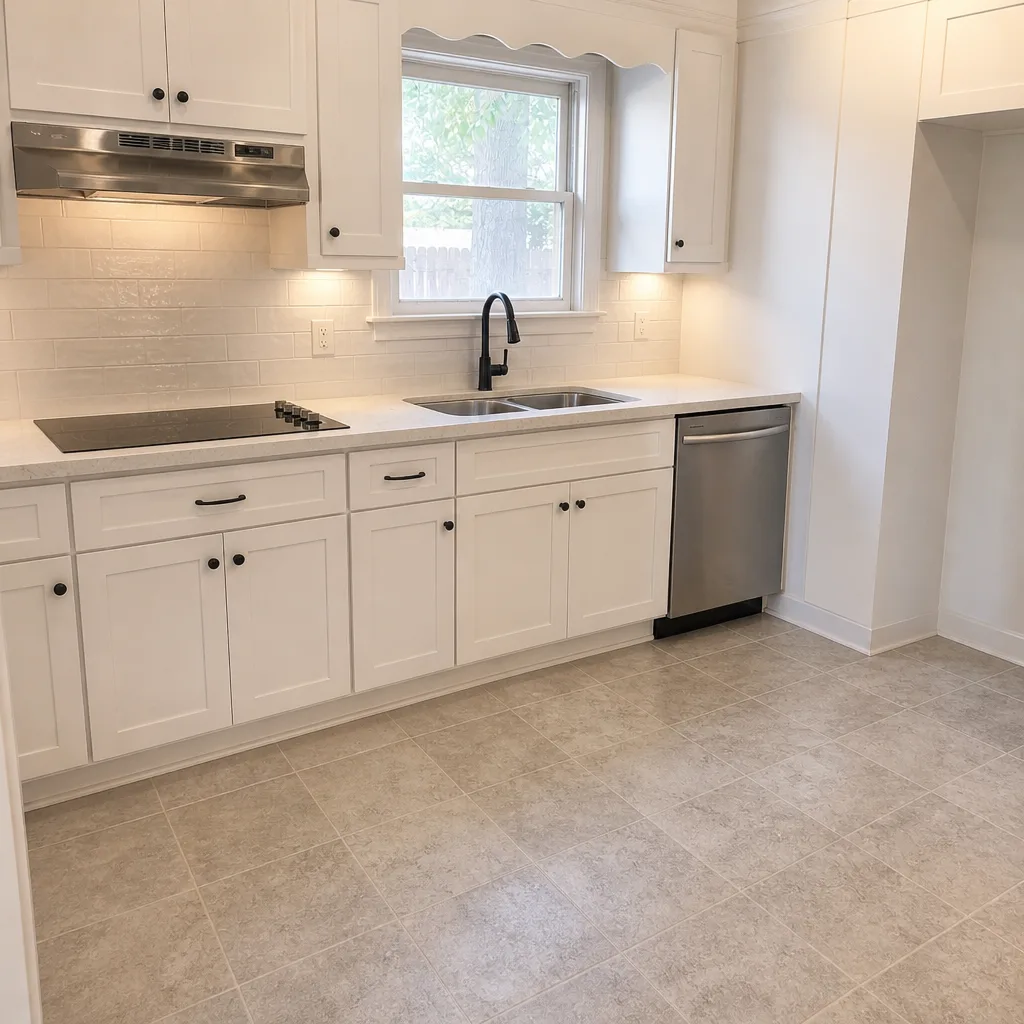 After
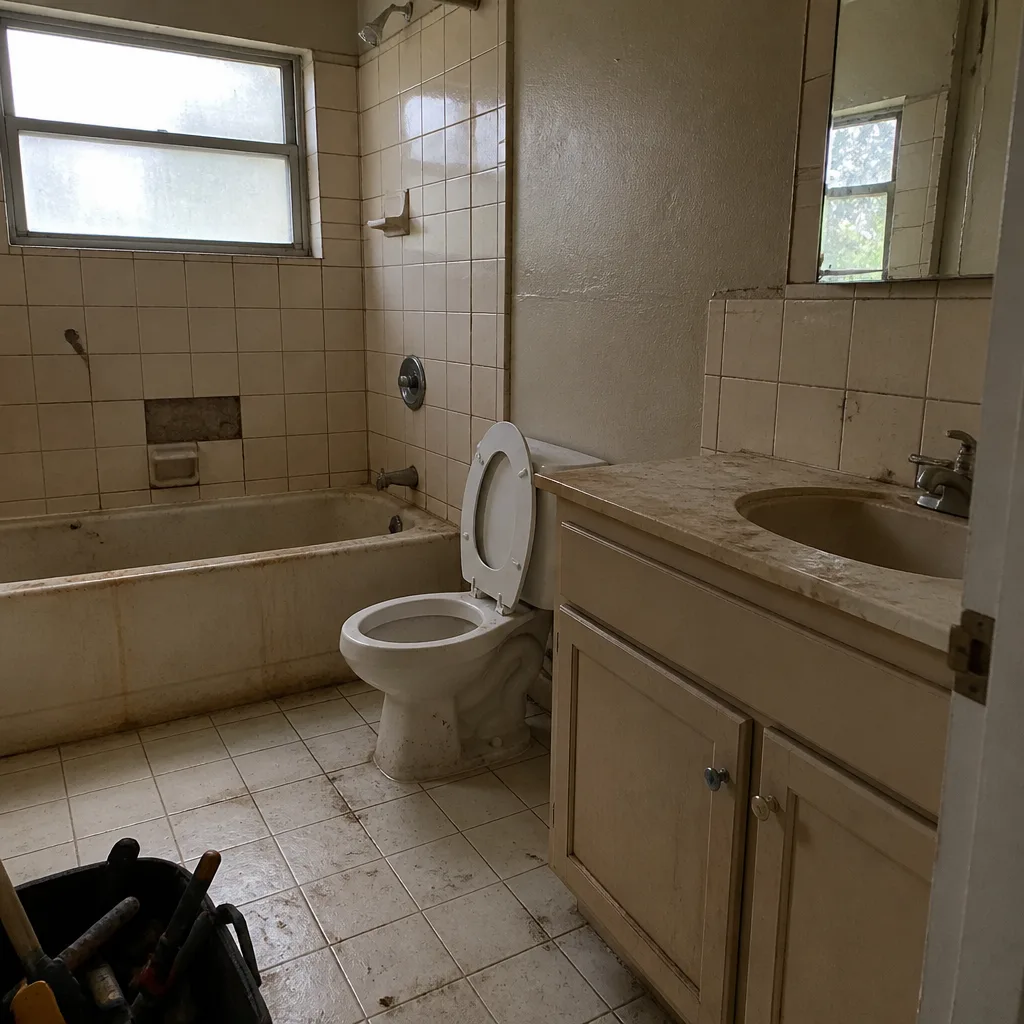 Before
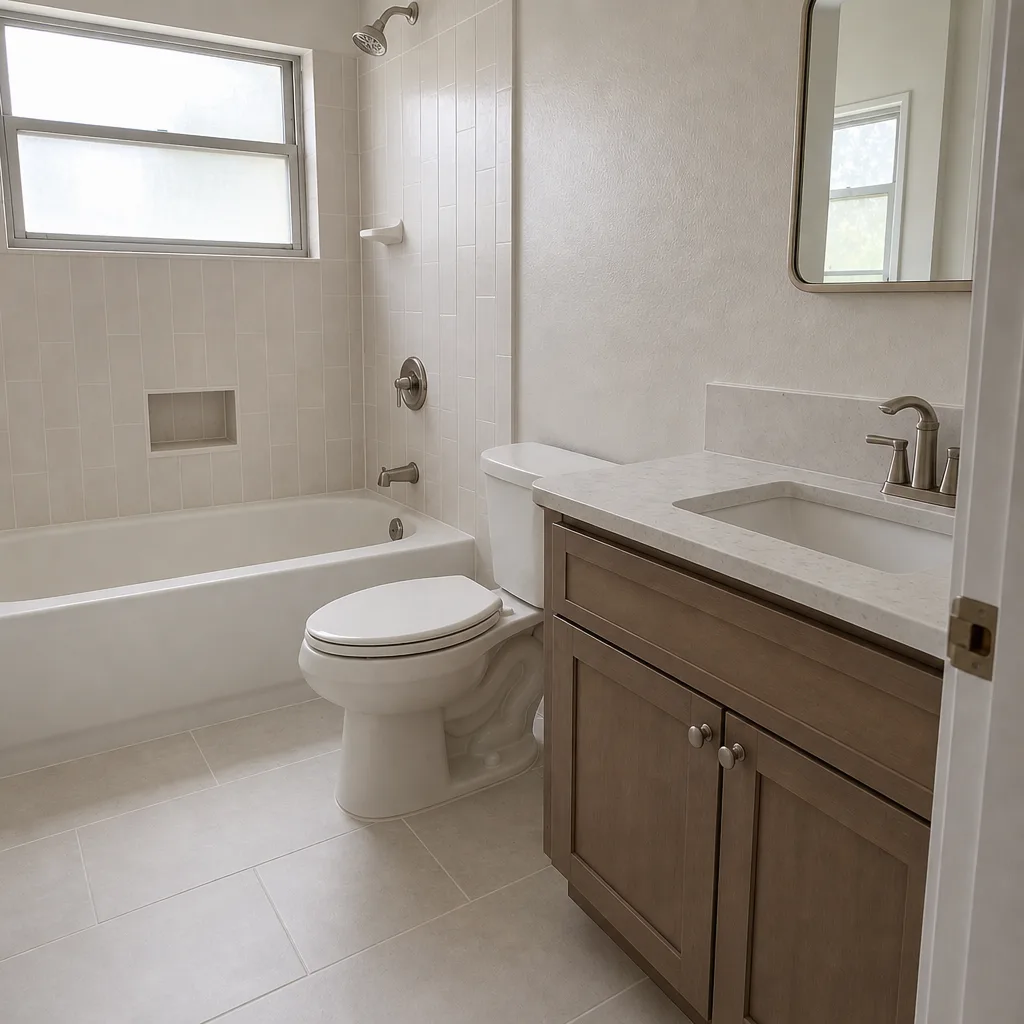 After
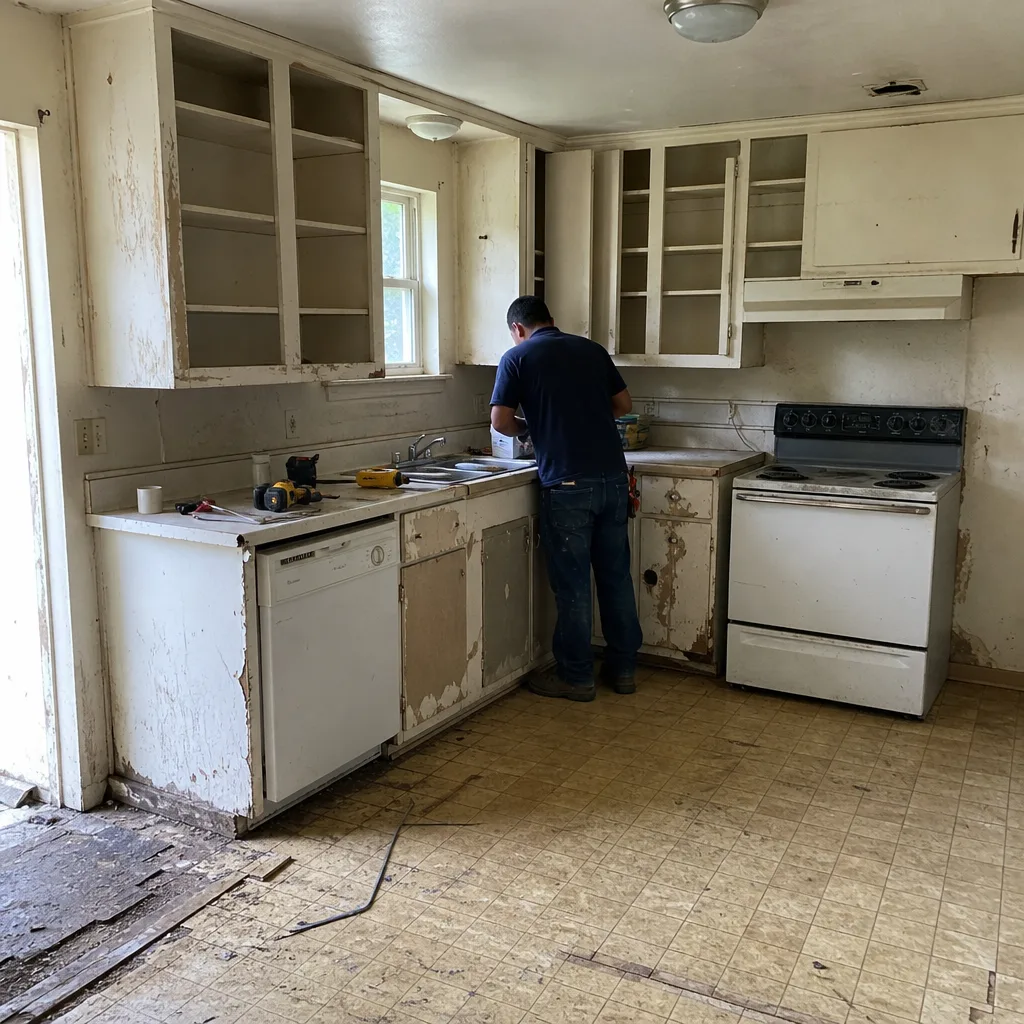 Before
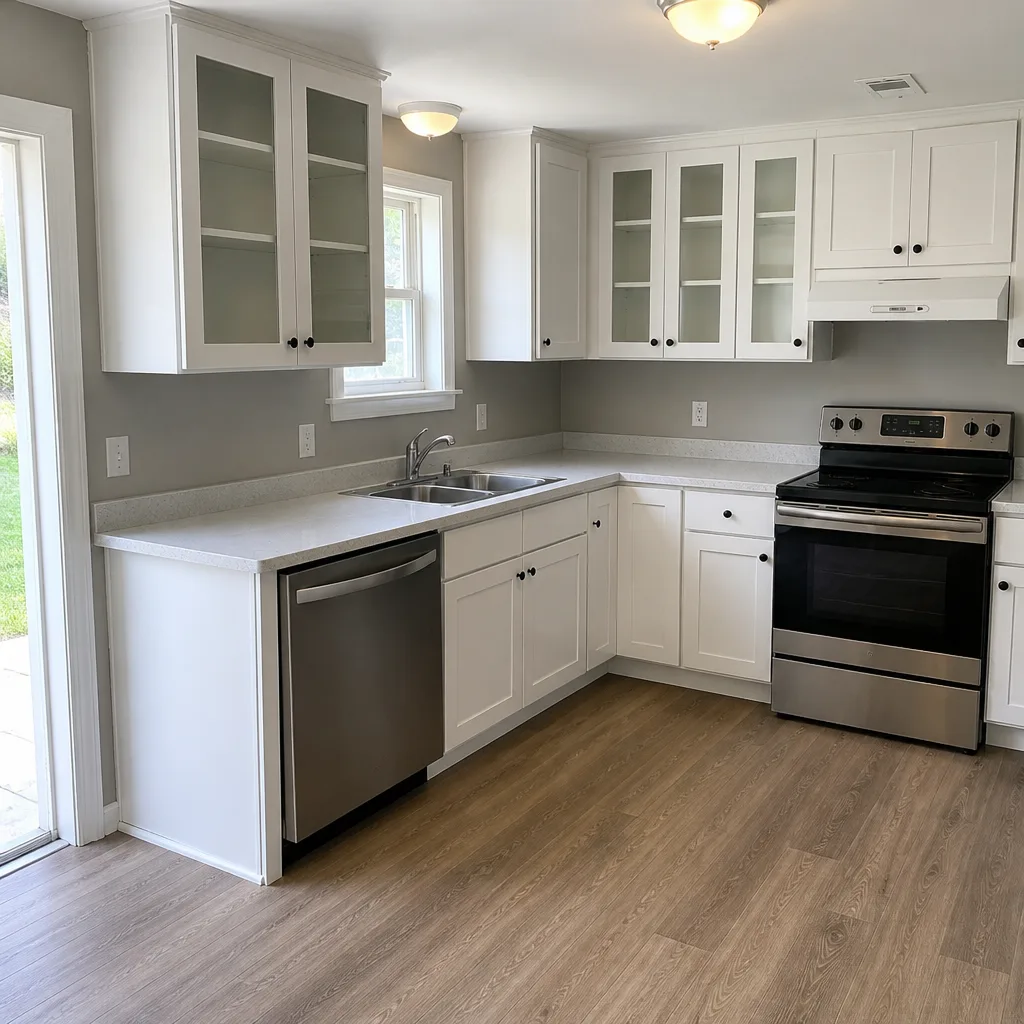 After
Replacement Cost & What’s Included
Here’s the pricing we quote in Dallas, with everything included. No allowances, no change orders once the number is signed.
| Scope | Installed Price (Dallas) | What’s Included |
|---|---|---|
| Full kitchen remodel with Cambria counters | $14,000 – $45,000 | Cabinets, Cambria slab and fabrication, install, backsplash, plumbing and electrical rough-in |
| Countertop replacement only | $2,000 – $6,500 | Tear-out, substrate, new Cambria slab, fabrication, install |
| Cabinet installation | $4,000 – $13,000 | Boxes, doors, hardware, leveling, install |
| Backsplash | $800 – $2,500 | Tile or slab, install, sealing |
| Kitchen island install | $3,000 – $10,000 | Island build, Cambria top, electrical if specified |
What drives the range on a Cambria kitchen in Dallas: slab selection (some Cambria designs carry a premium), total square footage, number of seams, edge profile (a chiseled edge costs more than eased), sink cutout type (undermount vs farmhouse), and whether the cabinets underneath need refacing or full replacement. The countertop range above assumes the cabinets are salvageable; if the substrate has flexed enough to crack the slab, we usually find the cabinet boxes need work too. We pull permits where Dallas requires them, and every install is covered by the 730-Day Done Right Promise in writing.
DIY or Call Us?
Cambria quartz is not a DIY-friendly install, and we’ll be direct about why. A 3 cm Cambria slab for a typical Dallas kitchen island weighs roughly 300 – 400 pounds, it’s brittle, and the cutouts for sink and cooktop have to be exact or the slab will fail at that cutout within a year or two. The fabrication side alone (wet saw with a diamond blade, edge profiling, seam bonding with matched epoxy, radiused cutout corners) requires equipment most homeowners don’t own and skills that don’t come from a weekend YouTube session. Cutting a Cambria slab without the radiused cutout corners that the spec requires is one of the most common failure causes we get called in to fix.
Where DIY does work: you can measure your existing slab, check the underside for the Cambria stamp, take photos of seams and cracks, and confirm the cabinet boxes underneath are level. That information speeds up the quote. What you shouldn’t do is try to cut, seam-bond, or install the slab yourself.
The safety caveat that matters most on these projects isn’t the slab; it’s everything around it. If your kitchen remodel scope includes opening a wall, moving a gas line for a range, or relocating an electrical panel for a new island outlet, those are life-safety items and they need to be done by a licensed trade. We coordinate all of it under one contract. Call (844) 797-4808 to schedule your free estimate. Our team in Dallas answers live, 24/7.
FAQs
Cambria itself will last 20+ years in a Dallas kitchen if the install was correct, but the failure points around it (seams, cutout edges, cabinet substrate) typically need attention at the 7 – 12 year mark. Quartz is non-porous and doesn’t stain like granite, so it doesn’t “wear out” – the failure mode is mechanical (cracks, chips, seams) not age-related. The single biggest lifespan variable is whether the cutout corners were radiused during the original install, which is why we check that first on any quote. Call (844) 797-4808 to schedule a free inspection of your existing install.
Sometimes, yes, but only in a narrow set of cases. A chip under 1/4 inch can be color-matched with epoxy and will be nearly invisible. A hairline crack that hasn’t propagated into the slab core can occasionally be sealed and stabilized. A crack that runs through a cutout corner, or a slab that has started to flex, needs section replacement – repairs don’t hold on a slab that’s still moving. Call (844) 797-4808 for an honest assessment before you spend on a repair.
Countertop-only replacement in Dallas typically runs 5 – 10 business days from template to install. The slab has to be fabricated at a shop (2 – 5 days), then installed (1 day for most kitchens), plus edge finishing and backsplash if that’s in scope. A full kitchen remodel with new Cambria counters runs 4 – 8 weeks in Dallas depending on cabinet lead time. Call (844) 797-4808 for a timeline specific to your kitchen.
Through Cambria’s verified fabricator network, with the design and thickness confirmed in writing before we cut. We bring slab samples to your free estimate so you can see the actual surface against your cabinet and lighting rather than picking from a photo. We also work with Silestone, KraftMaid, and Kohler when a Cambria design isn’t the right fit for the kitchen.
Ready to price your Cambria kitchen project in Dallas? Upfront pricing, no surprises. The number you see is the number you pay. Every install is backed by the 730-Day Done Right Promise, and we answer live, 24/7. Call (844) 797-4808 to schedule your free project estimate and design consult. Projects over $10,000 get $1,000 off, and 0% financing for 18 months is available.
Written by the team at Groundwork Construction Co. of Dallas, serving Dallas and nearby areas.