

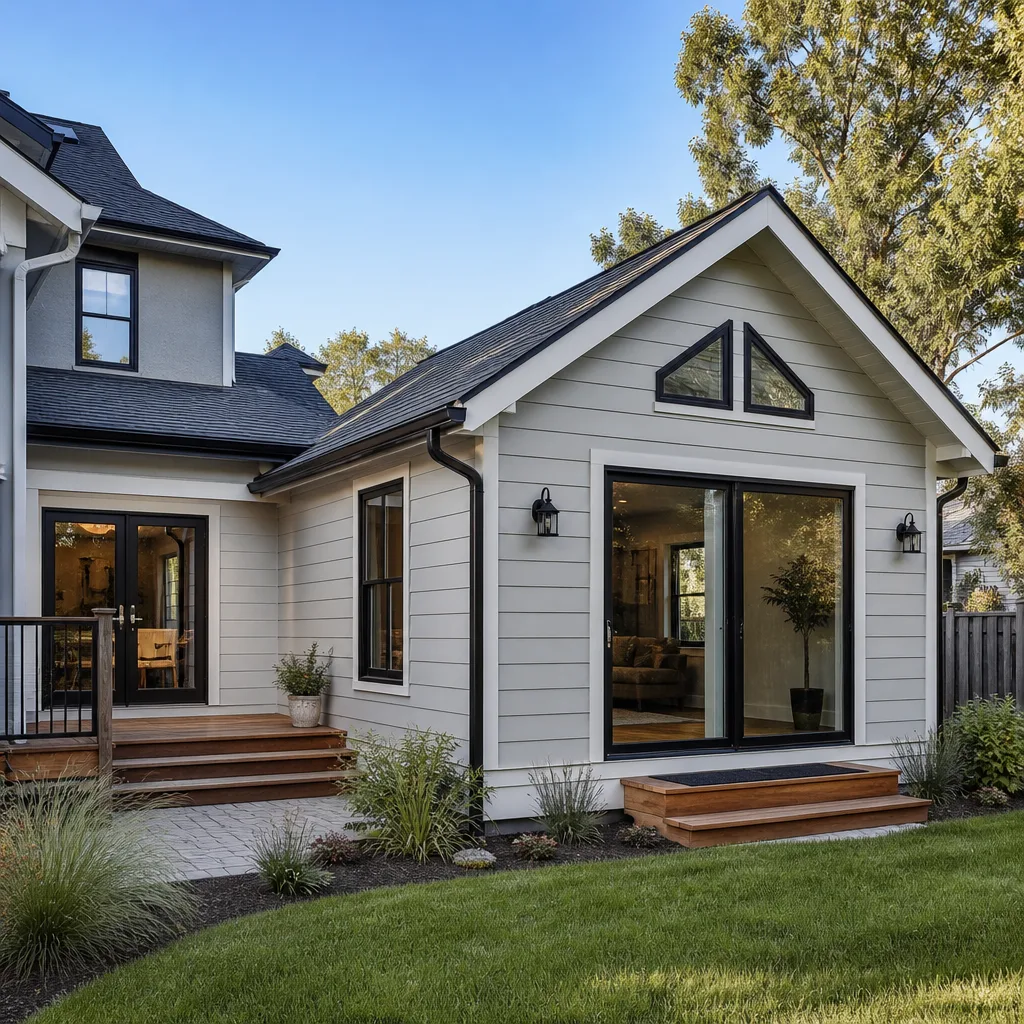
 Home additions & ADU
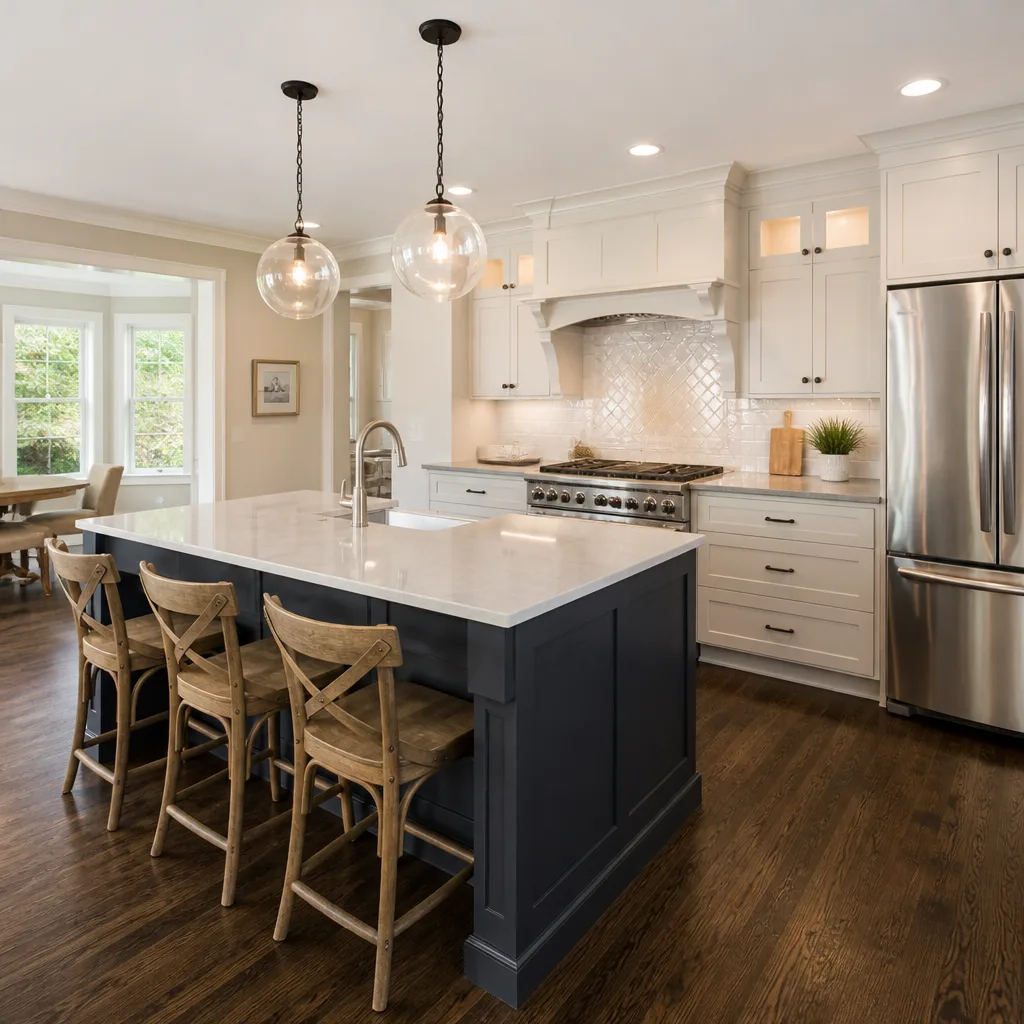 Kitchen remodeling
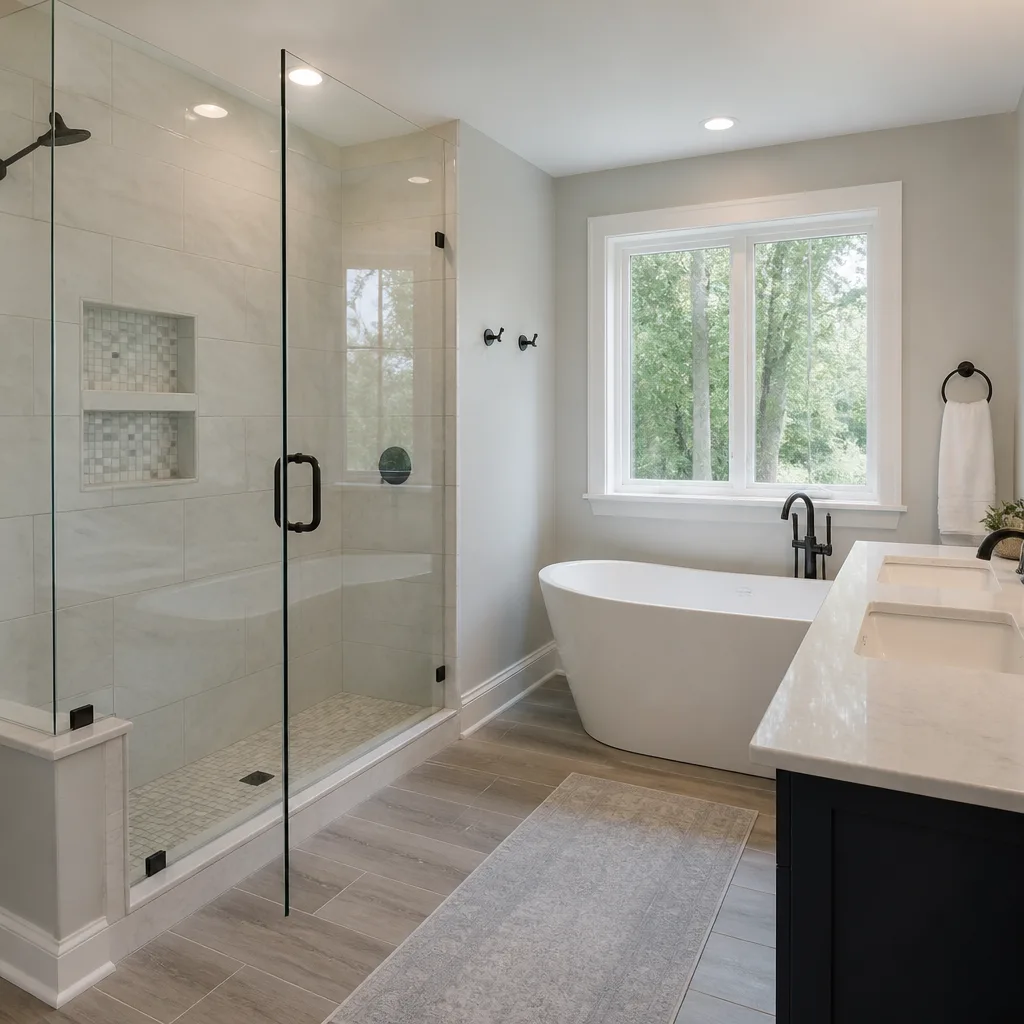 Bathroom remodeling
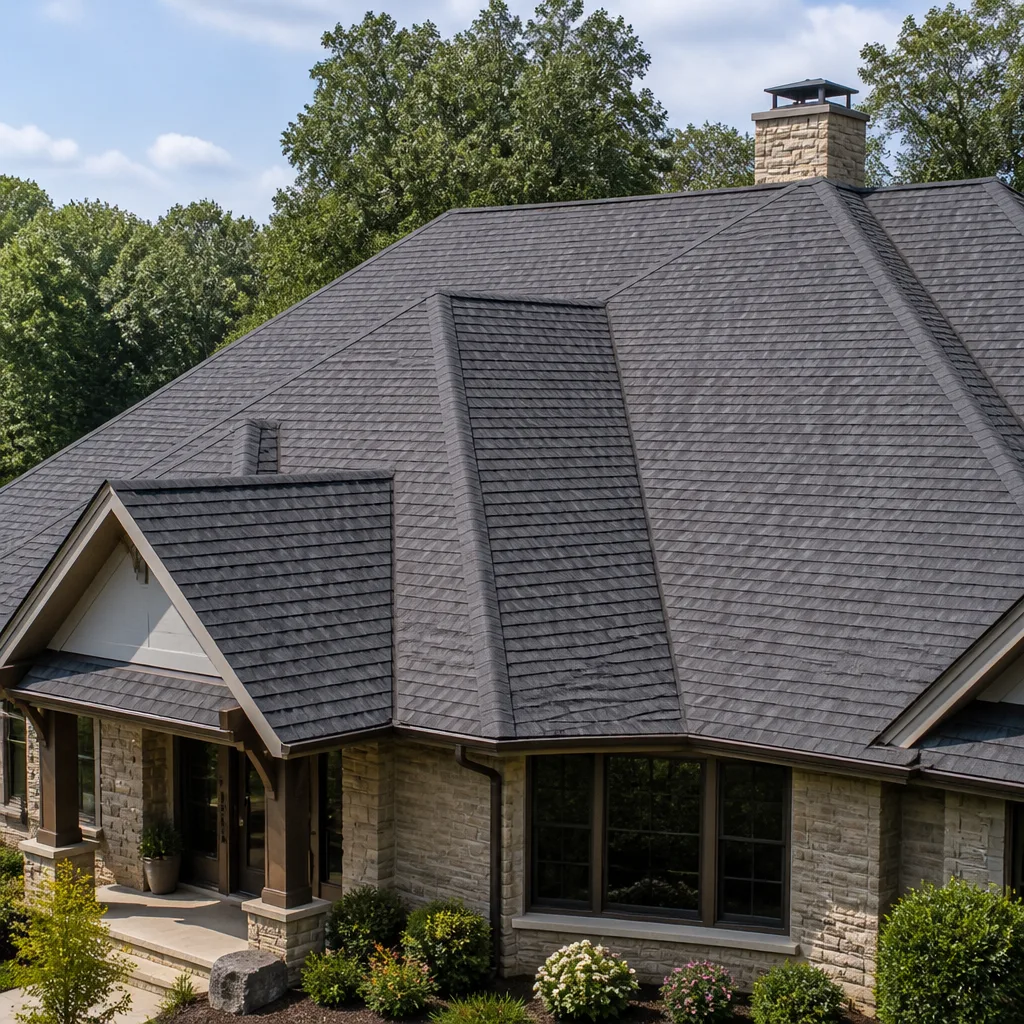 Roofing
 Windows & doors
 Driveway & pavers
 Fence
Free written scope consultation - allowances, timeline, and change-order rules on paper before a single trade is scheduled
Cambridge Pavers Home Additions & ADU: The Dallas Owner’s Guide
We build and finish Cambridge Pavers-compatible home additions and ADU structures across Dallas, and a typical installed project runs $45,000 – $130,000 for a home addition and $90,000 – $220,000 for a full ADU, with garage conversions landing at $30,000 – $80,000. If you’re at the stage where a hardscape detail has failed – a lifting patio course, a cracking stoop, a step that has pulled away from the addition’s foundation – we can price the fix and fold it into the larger build. We’re an independent builder working with Cambridge Pavers products, not Cambridge Pavers itself.
Most Dallas owners find this problem the same way. The addition looks fine from the driveway, then a walkway course by the new door starts to rock underfoot, or a riser on the back step separates from the slab after a hard freeze. Cambridge’s structural-wall systems are strong, but they only perform as well as the base and drainage under them, and North Texas soil does not forgive a thin or poorly drained base. We see it most in post-war neighborhoods where clay-heavy soil expands and contracts with every wet-dry cycle.
Which Cambridge Pavers Models This Applies To
Cambridge Pavers builds hardscape systems, not finished structures, so the “model” conversation is really about which paving series, wall block, and cap your addition or ADU detail uses. The common lines you’ll see on a Dallas project are the Cambridge Pavingstones series (Ledgestone, Maytrx, and the older Bristol Valley profiles) and the Cambridge Wall Systems block for retaining walls, steps, and freestanding pillars. Those two families have different unit dimensions and different anchoring requirements, and mixing them is the single most common source of callbacks we correct.
To identify what you have, measure one full paver face and the nominal thickness. Cambridge’s standard paving units run about 2 ⅜ inches thick for pedestrian applications and thicker for vehicle-bearing surfaces; if your addition’s apron or driveway approach is paved at pedestrian thickness, that’s a compatibility gap worth flagging before anyone re-sets it. Check for a manufacturer stamp or a pallet label – installers rarely leave one, so the measurement is your best guide. On the wall side, look at whether the cap is a friction-fit Cambridge cap or a glued fabricator cap; they fail differently and the repair method changes accordingly.
On the OEM-versus-aftermarket question: Cambridge’s own matching units are the right call when the existing field is still under warranty or when color match matters on a visible wall face. A quality aftermarket concrete paver can work for hidden base courses and drainage fill, but color lot mismatch is real, and sunlight in Dallas fades a new lot differently than a weathered one. For anything visible, match the original series. For structural fill, standard materials are fine. KraftMaid, Cambria, and Silestone handle the cabinetry and countertop side of an ADU when your project moves inside; Cambridge handles the hardscape.
Styles & brands we work with
- Kitchen remodeling
- Bathroom remodeling
- Home additions & ADU
- Roofing
- Windows & doors
- Driveway & pavers
- Fence
Signs Your Cambridge Pavers Home Additions & ADU Is Failing
- A course rocks or shifts underfoot. This almost always means the base course was compacted too thin or the bedding sand has washed out. Dallas clay swells after rain and shrinks in summer, and a base under four inches doesn’t hold.
- Efflorescence that keeps coming back. White mineral bloom that returns after every wet season points to water sitting under the unit, not a surface stain. Drainage slope, not cleaner, is the fix.
- Step risers separating from the addition slab. Movement at the tie-in between the hardscape and the structure means the two are settling at different rates. This one is worth a look before it becomes a trip hazard.
- Retaining wall bulging or leaning. Poor backfill drainage or a missing geogrid layer lets hydrostatic pressure build behind the wall. A Cambridge wall block system is only as good as what’s behind it.
- Joint sand eroding after storms. DFW’s intense rain events scour out polymeric sand that was applied to a wet or dirty joint, leaving the field loose and prone to weed growth.
See the difference
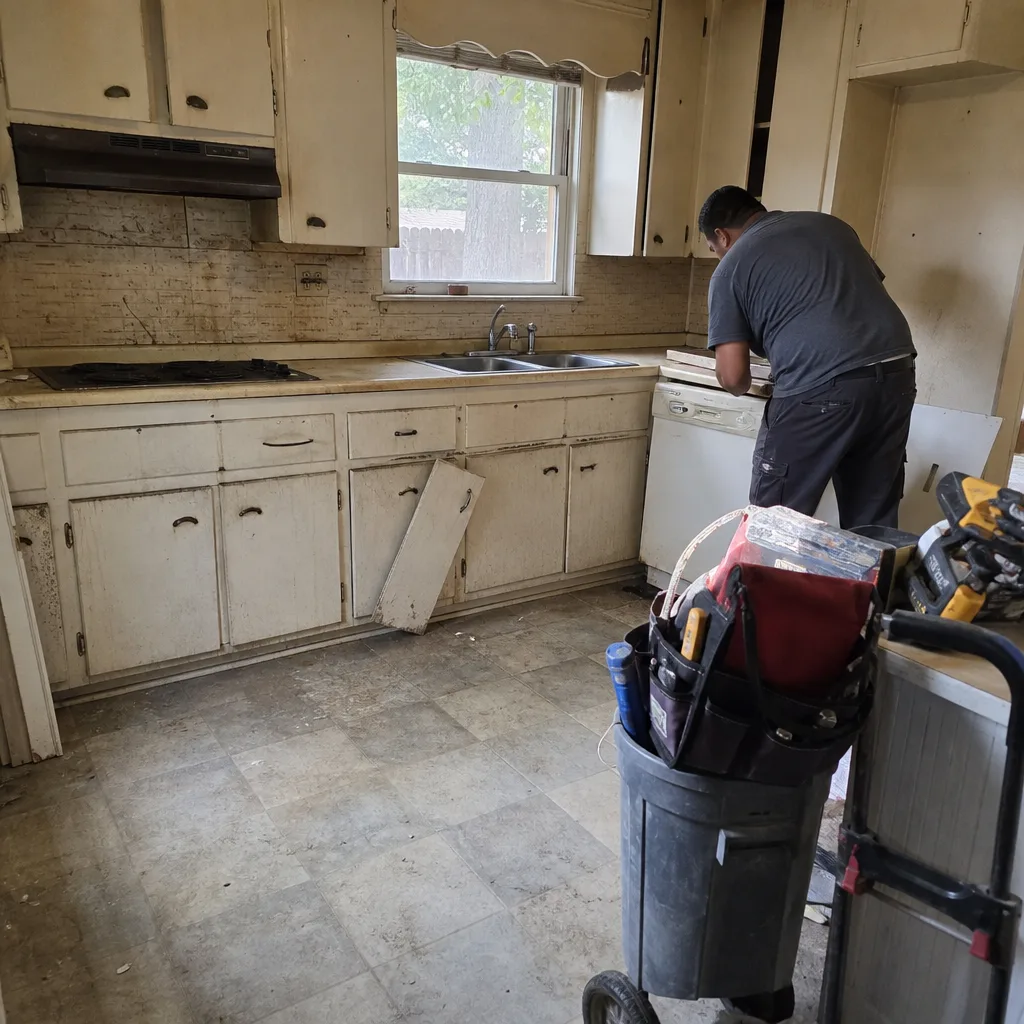 Before
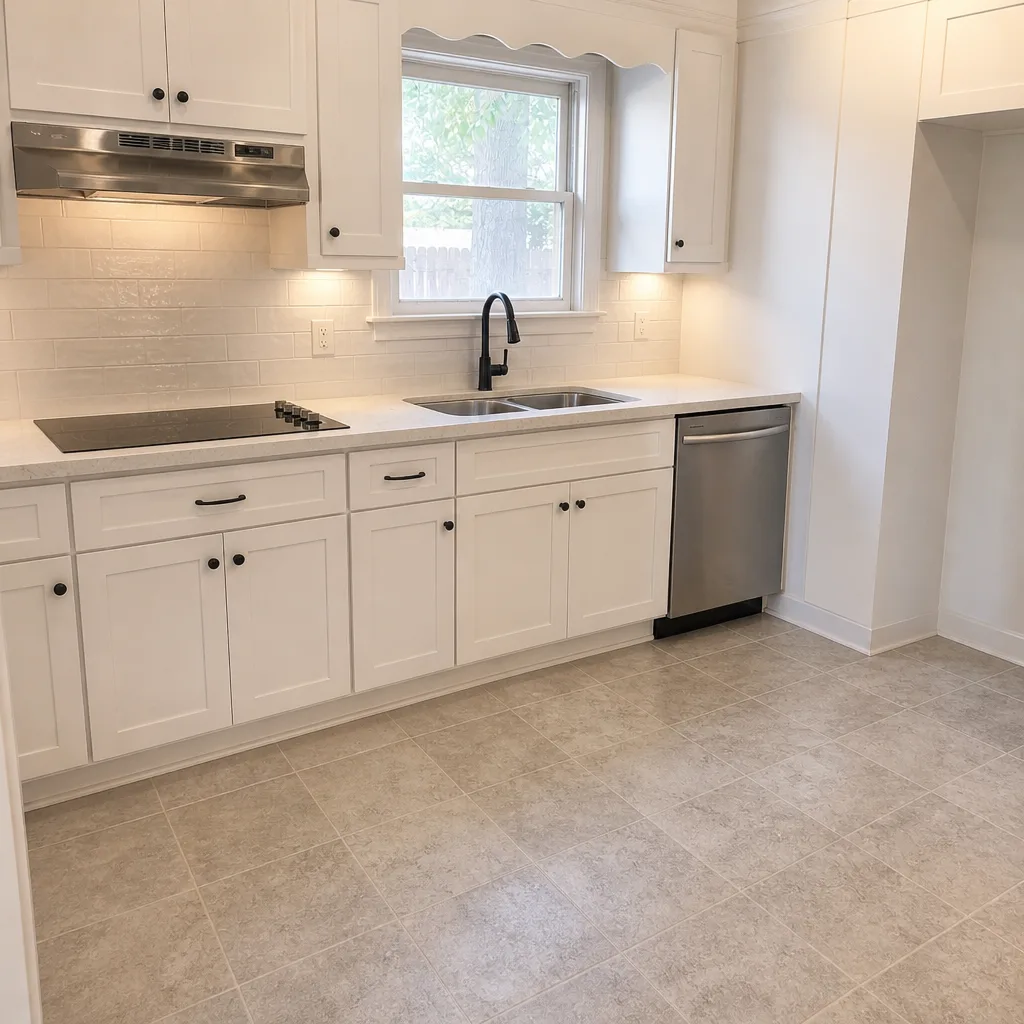 After
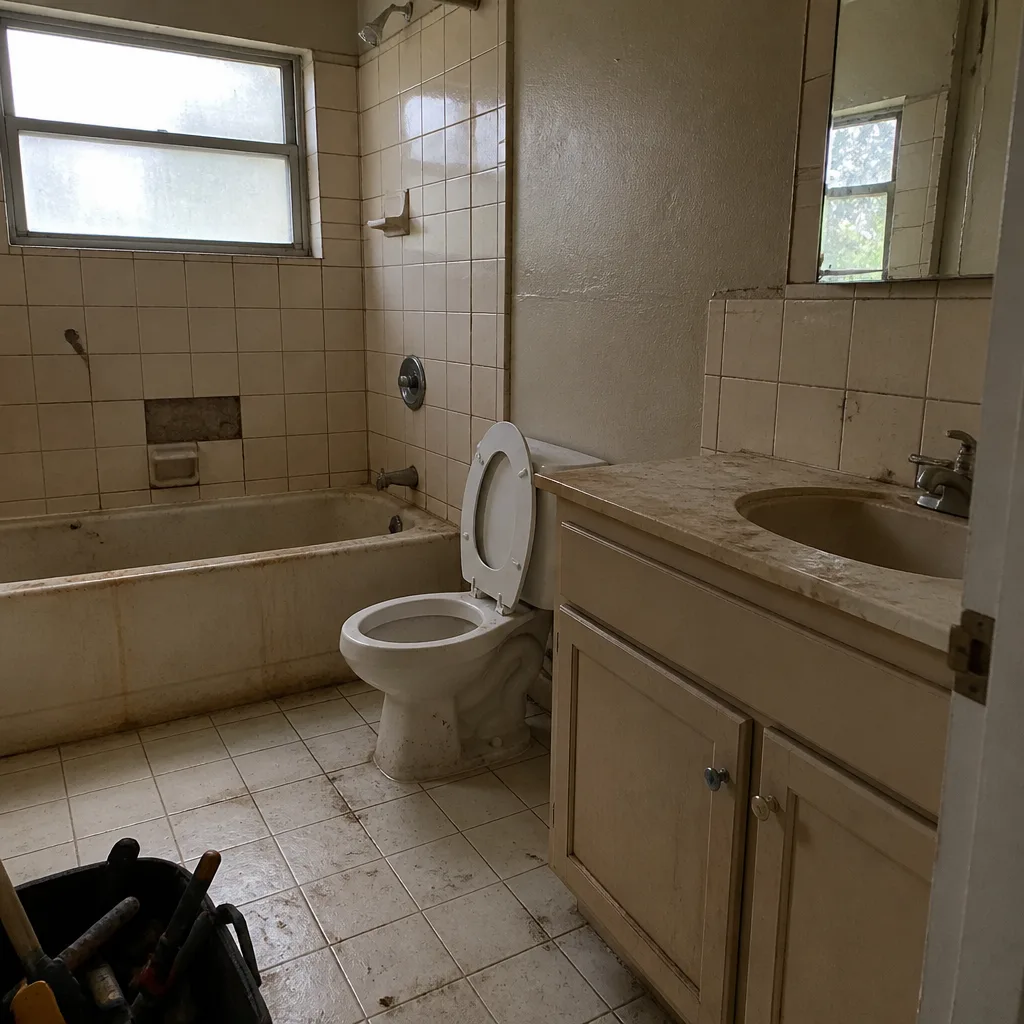 Before
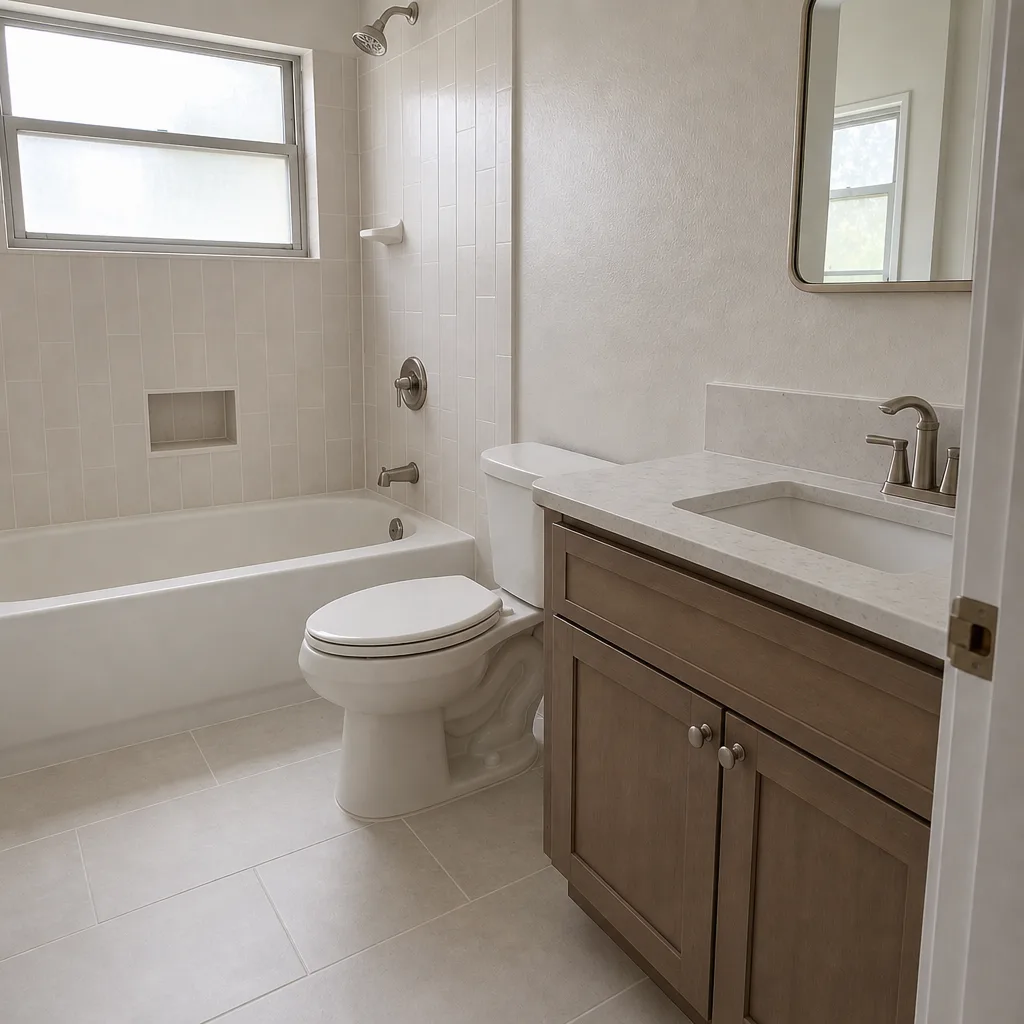 After
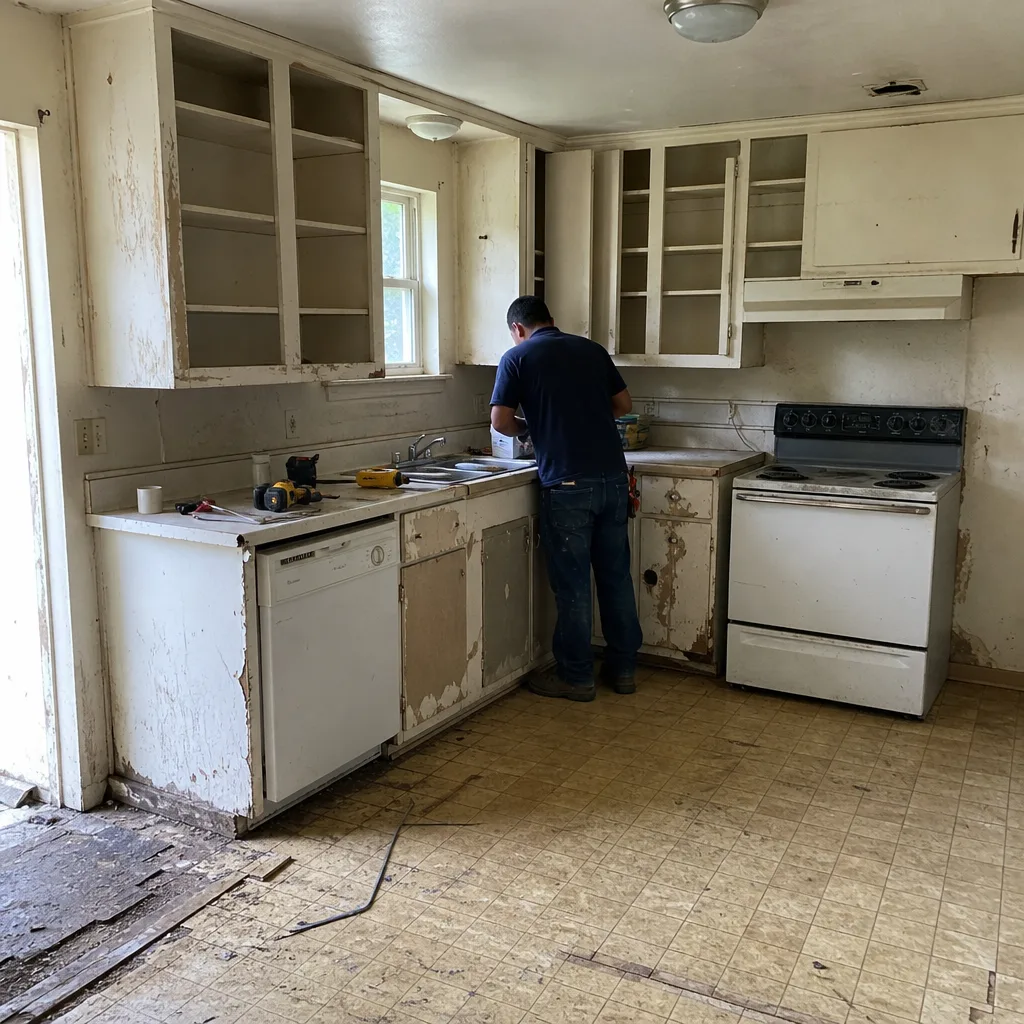 Before
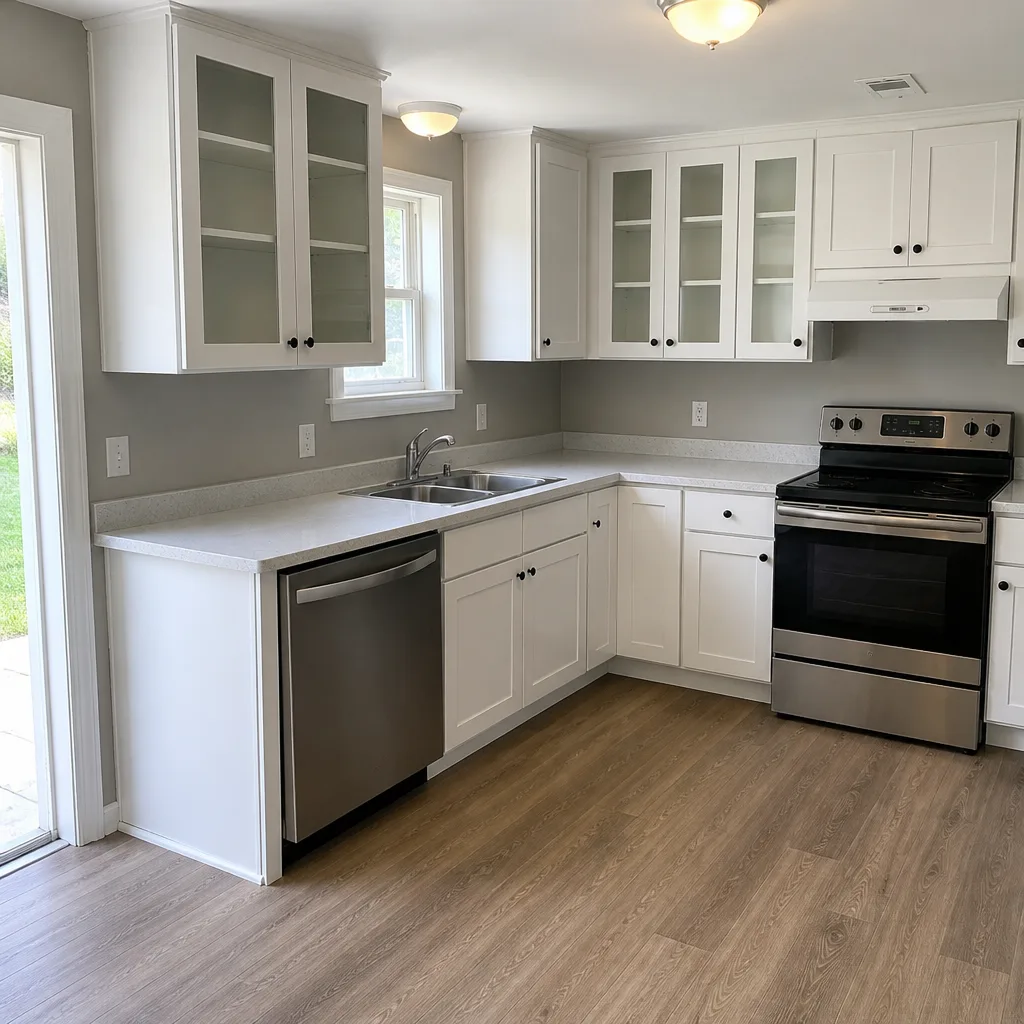 After
Replacement Cost & What’s Included
Our installed pricing for this work in Dallas ranges from $45,000 – $130,000 for a home addition and $90,000 – $220,000 for an ADU, with garage conversions at $30,000 – $80,000. The range is driven by size, foundation requirements, whether the hardscape base has to be rebuilt, and finishing level. A paver patio detail folded into the build runs $3,500 – $11,000; a paver driveway approach runs $7,000 – $18,000.
What that buys: a written line-item quote, permits pulled and inspections passed, materials sourced and verified against your existing series, and the work covered by our 730-Day Done Right Promise – if it’s not done right, we make it right. The number you see on the quote is the number you pay. No change orders unless you approve them in writing.
DIY or Call Us?
What you can safely check: measure a paver’s thickness and face dimensions, photograph the failed joint or riser, note whether the rocking is isolated or across a run, and check whether water ponds against the addition after a storm. All of that helps us quote accurately.
What we’d steer you away from: pulling up courses yourself to “see what’s under there,” and any work on a retaining wall holding back soil against the addition. A wall under load can fail suddenly once a course is removed, and backfill collapse is a real injury risk, not a scare tactic. Lifting a unit and re-bedding it without fixing the drainage just resets the clock on the same failure. Call (844) 797-4808 and we’ll take a look and price it honestly, free.
FAQs
A properly based Cambridge Paver installation should hold 25 to 30 years, but in Dallas soil, expect the base and drainage to be the failure point long before the paver itself. We routinely replace 12-to-15-year-old installs that failed on base work, not material.
Yes, often. If the movement is isolated and the base beneath is intact, we can lift, re-bed, and re-sand a section without touching the rest. If the settling is widespread or the tie-in to the addition has moved, replacement of the affected run is the honest answer. Call (844) 797-4808 for a free look.
A repair on a localized section typically runs one to two days. A full re-set of a patio or approach averages three to five days, weather permitting. Additions and ADU builds are scheduled project work, not a same-day job, and we’ll give you a realistic timeline in writing.
We match the series and color lot by measuring a sample from your field and cross-checking against Cambridge’s current product line. If the exact lot is discontinued, we’ll tell you straight and walk you through the closest match before we order anything.
Written by the team at Groundwork Construction Co. of Dallas, serving Dallas and nearby areas.