

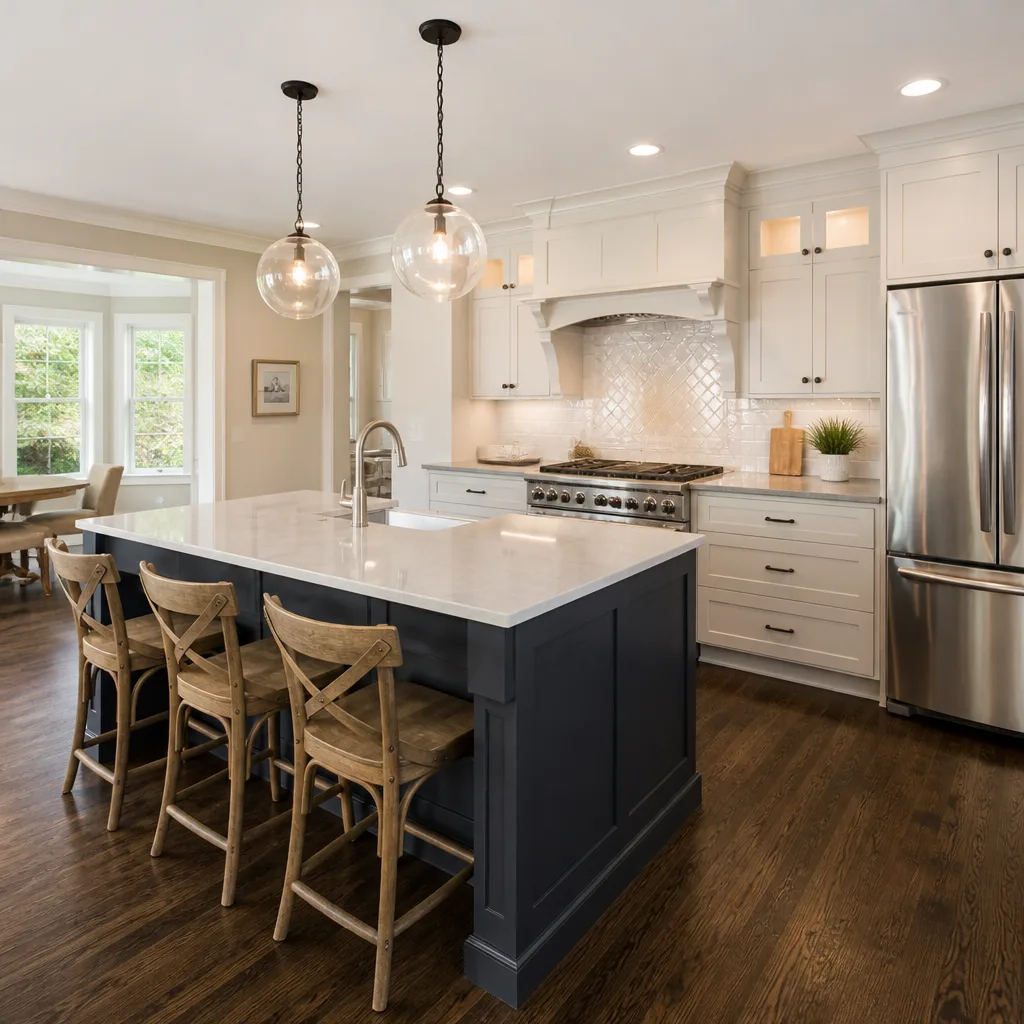
 Kitchen remodeling
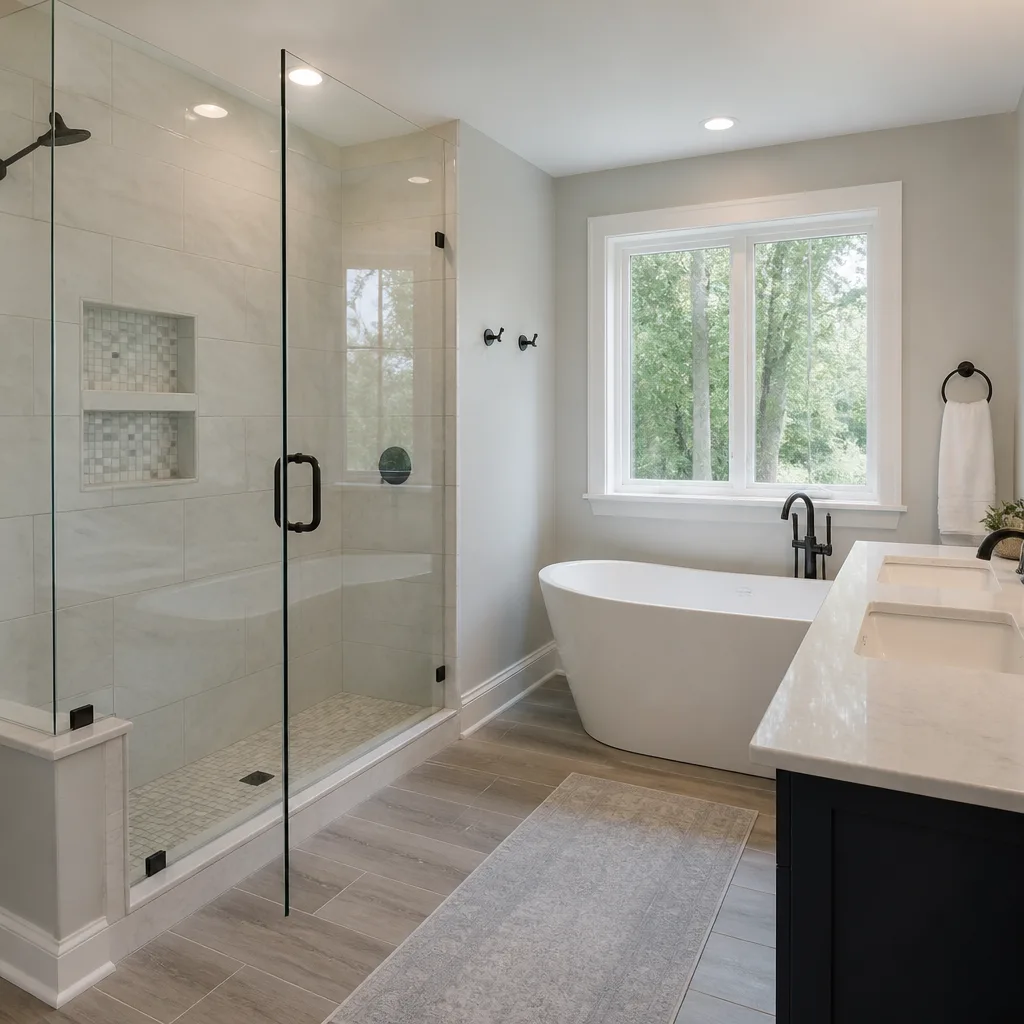 Bathroom remodeling
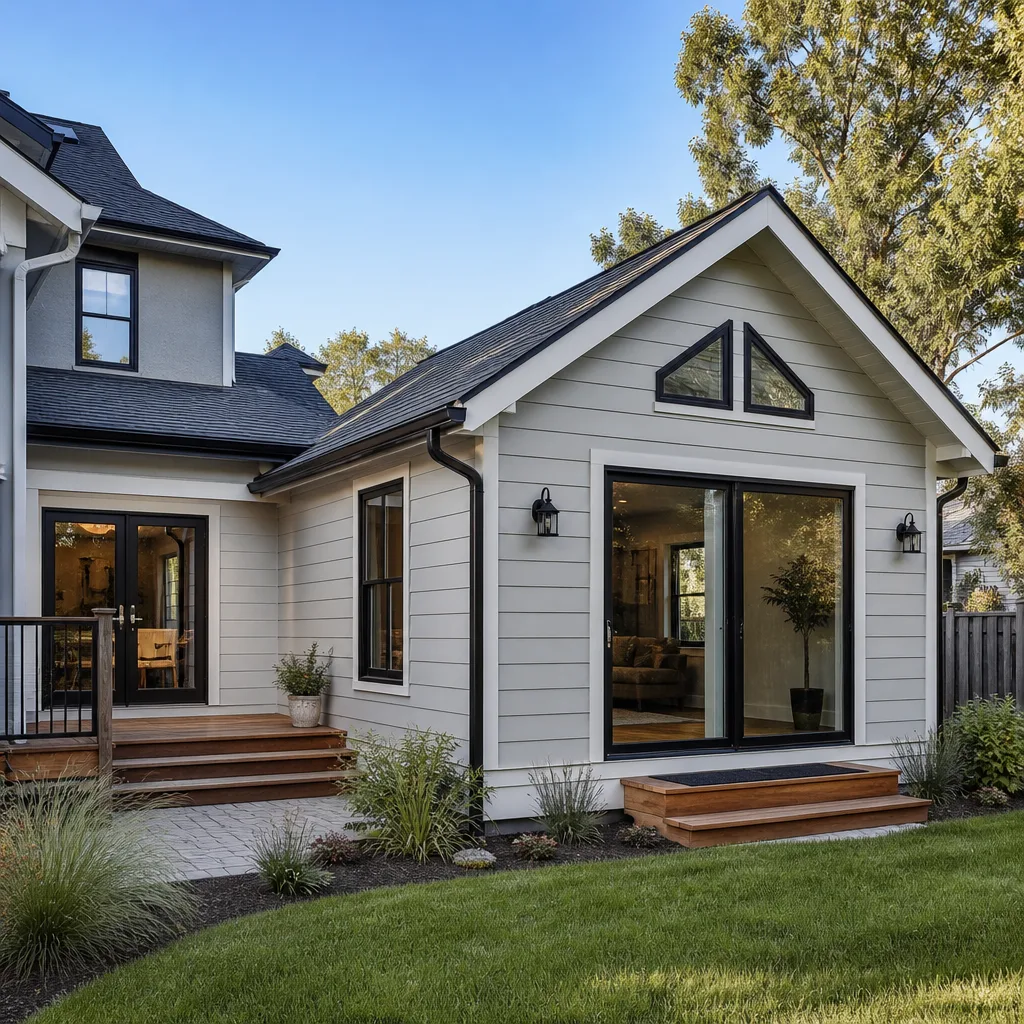 Home additions & ADU
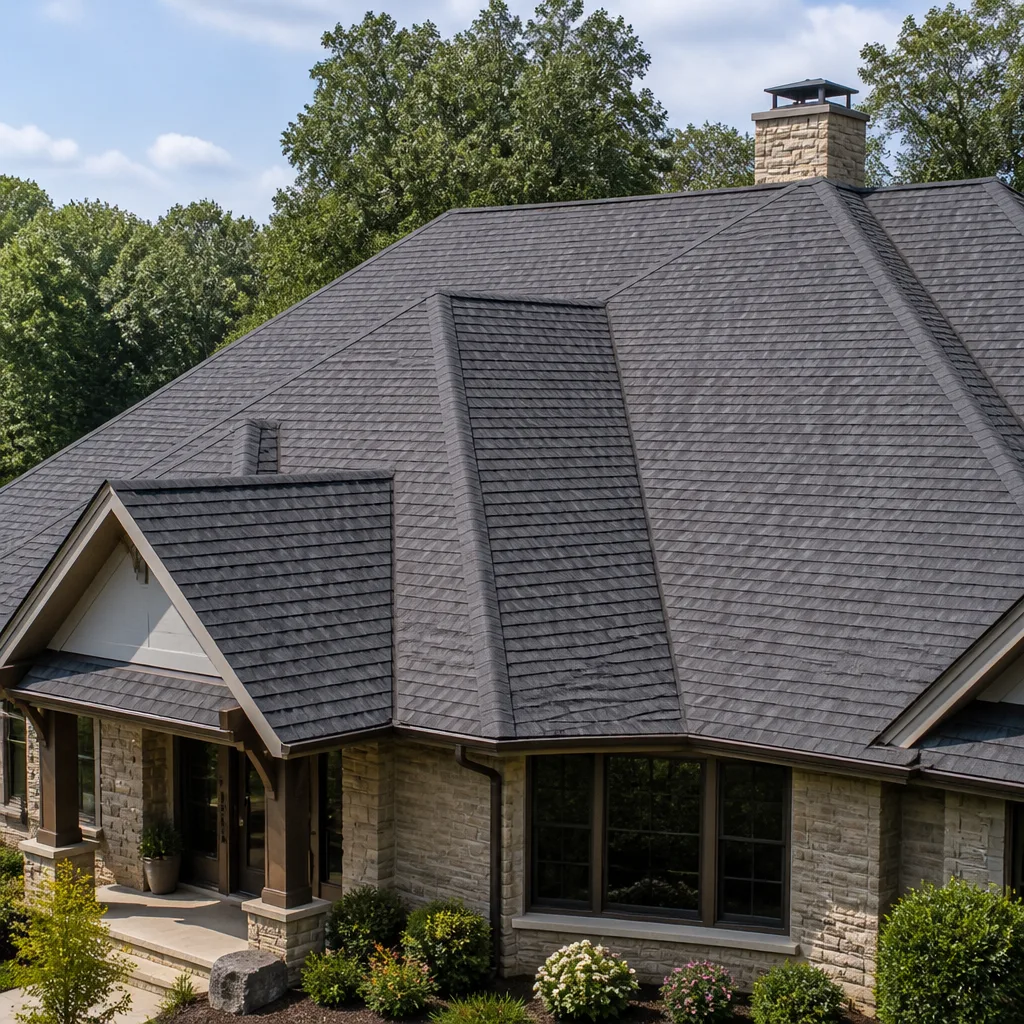 Roofing
 Windows & doors
 Driveway & pavers
 Fence
Free written scope consultation - allowances, timeline, and change-order rules on paper before a single trade is scheduled
James Hardie Kitchen Remodeling: The Dallas Owner’s Guide
Groundwork Construction Co. of Dallas installs James Hardie-compatible kitchen remodeling and the fiber-cement panel and trim work that goes with it, with full kitchen projects typically landing between $14,000 and $45,000 depending on size and finish level. James Hardie is a siding and trim manufacturer, not a kitchen brand, so when Dallas homeowners call us about a “James Hardie kitchen part,” it’s almost always HardiePlank or HardieTrim on an exterior wall, a soffit, a knee wall, or a wall that got opened up during a remodel. The fiber-cement board is failing: it’s swelling at a bottom edge, paint is blistering along a seam, or a corner is crumbling after a hose bib leak ran behind it.
Which James Hardie Models This Applies To
James Hardie fiber-cement comes in a few product lines, and matching the right profile matters. HardiePlank lap siding is the horizontal board most Dallas homes have, sold in widths like 5.25-inch, 6.25-inch, and 8.25-inch with a smooth or Cedarmill texture. HardiePanel is the vertical sheet used on gables and accent walls. HardieTrim and HardieSoffit cover the fascia, corner boards, and under-eave panels. HZ5 is the current series; HZ10 is the higher-durability line rated for harsher exposure. On any board, check the back stamp for the series code and the profile name before you order a replacement, because color, texture, and thickness must line up or the new piece reads as a patch. You can identify a part by measuring exposed face width and thickness (typically 5/16-inch for lap) and reading the printed label. OEM James Hardie replacement is the safe match; quality aftermarket fiber-cement can work on a hidden wall, but we don’t spec it where it will be visible. Groundwork Construction Co. of Dallas is an independent service provider, not affiliated with James Hardie.
Styles & brands we work with
- Kitchen remodeling
- Bathroom remodeling
- Home additions & ADU
- Roofing
- Windows & doors
- Driveway & pavers
- Fence
Signs Your James Hardie Kitchen Remodeling Is Failing
- Swelling or soft spots along the bottom edge. Fiber-cement wicks moisture where it’s been cut and left unpainted, and in Dallas humidity that edge turns spongy within a season or two.
- Paint blistering or peeling in sheets. Hardie needs a proper primer and acrylic topcoat; when a previous crew skipped the primer, the paint lets go and the board underneath starts taking on water.
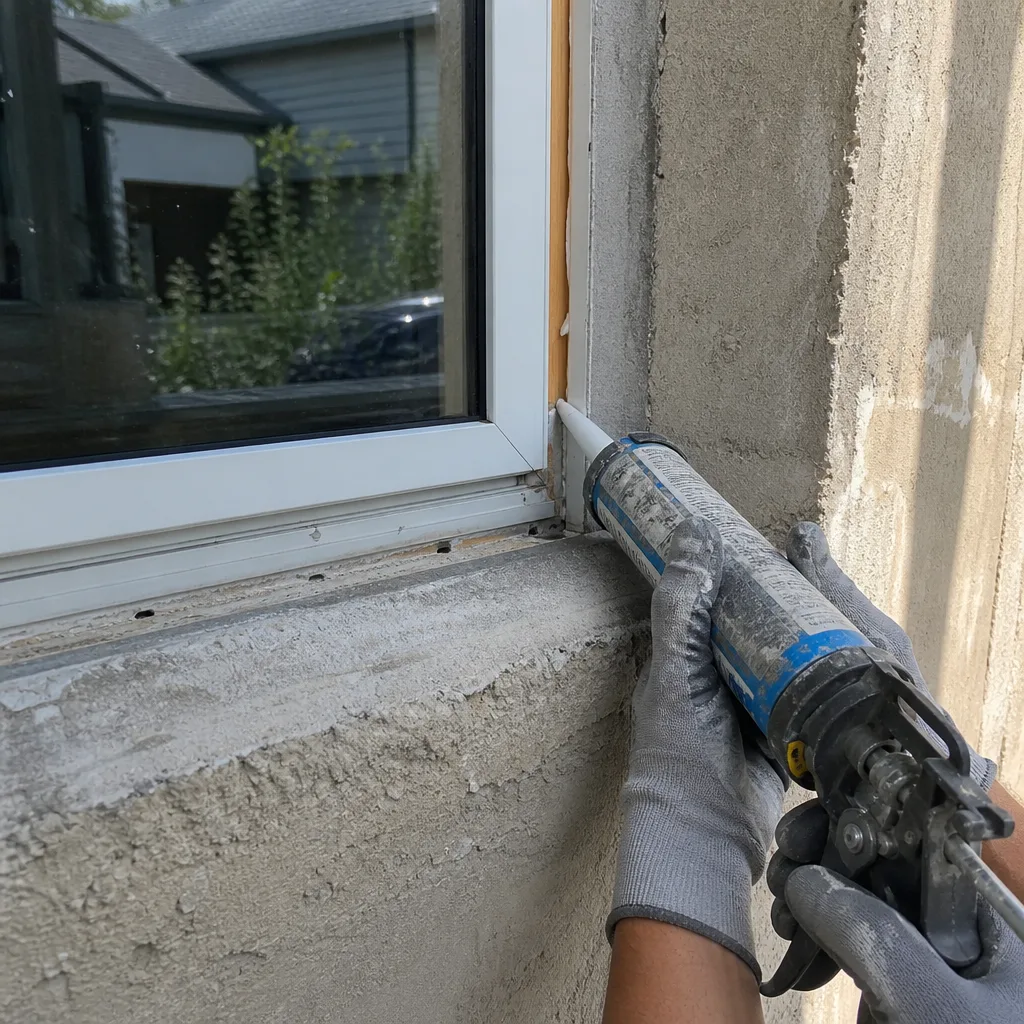
- Caulk joints cracking at seams and corners. Movement and thermal swing open the seal, water gets behind the board, and the failure spreads to the sheathing.
- Crumbling or chalking at the cut ends. A rough, powdery edge means the board was cut with the wrong blade and never sealed, and it’s breaking down from the inside.
- Dark staining or mold near a window or hose bib. That usually points to a leak running behind the panel, and it’s the one symptom worth opening up right away.
See the difference
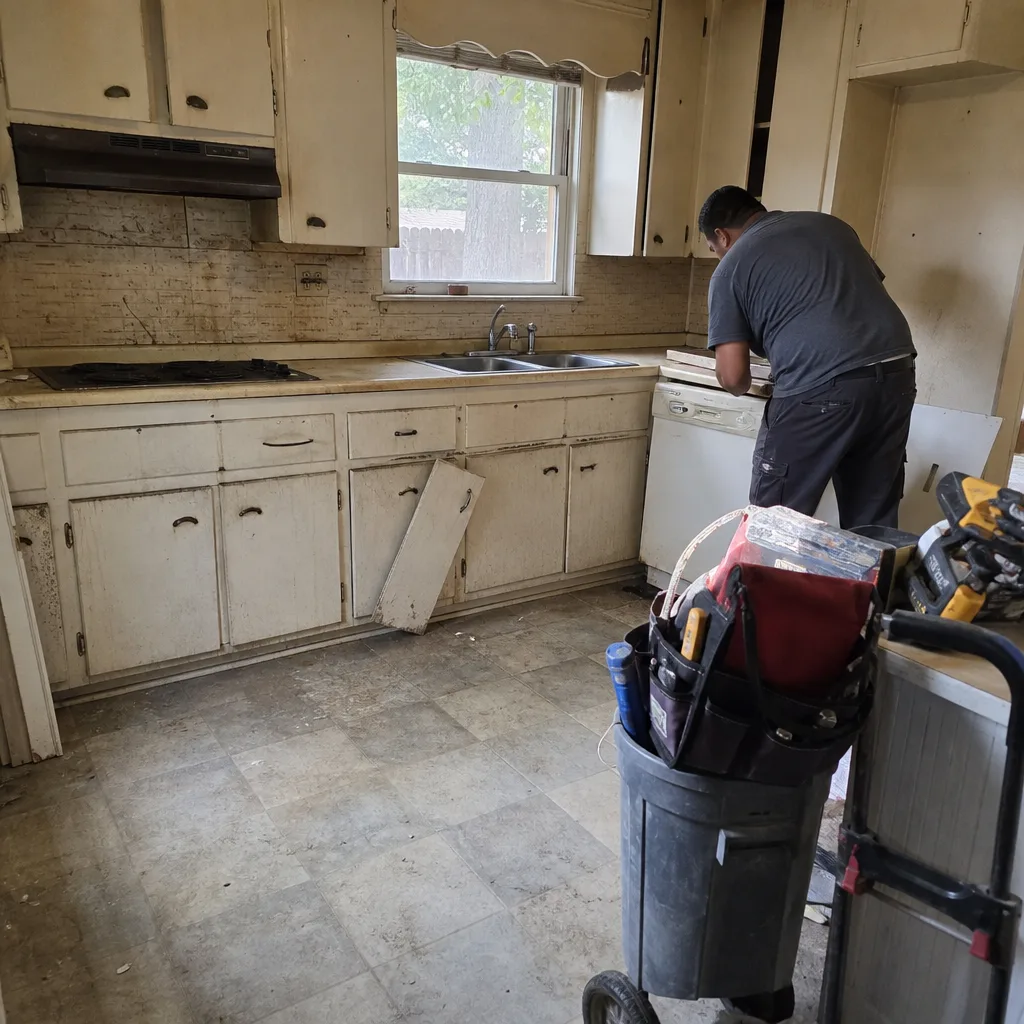 Before
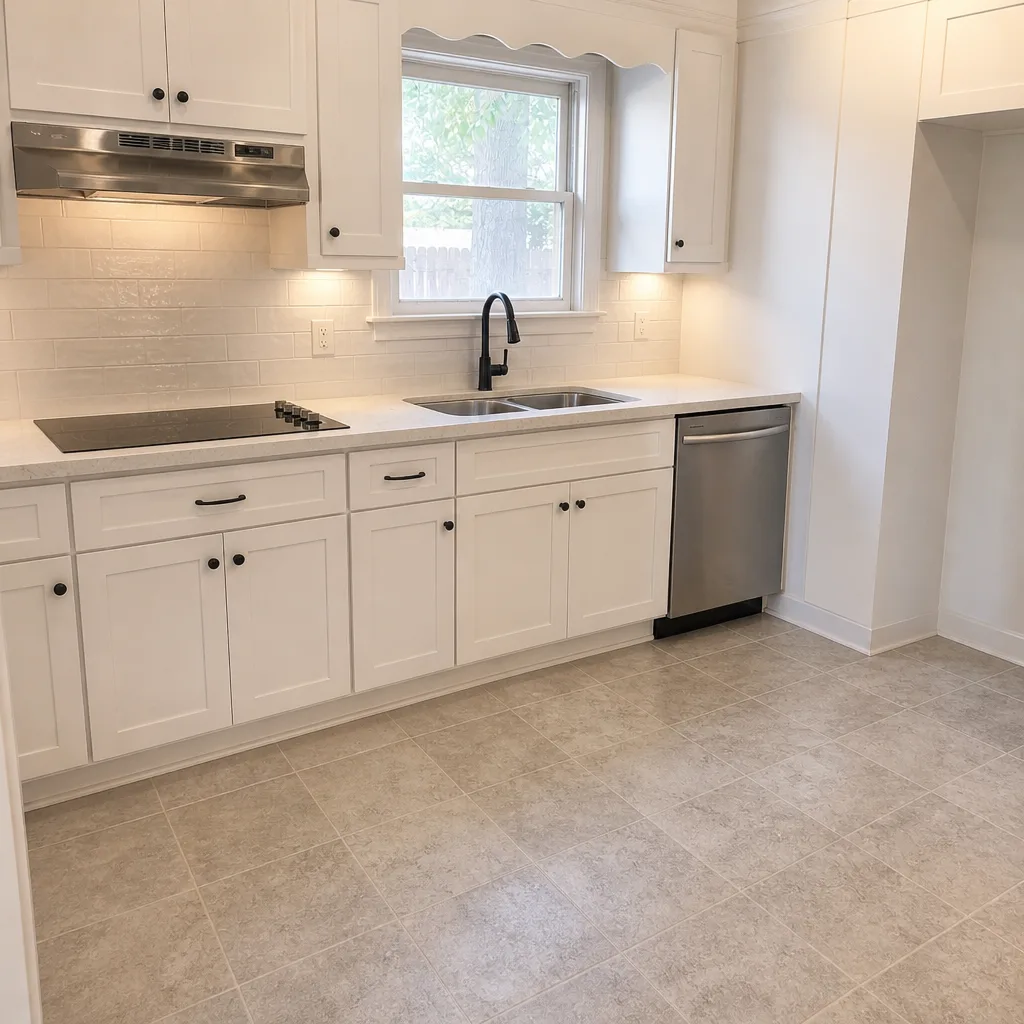 After
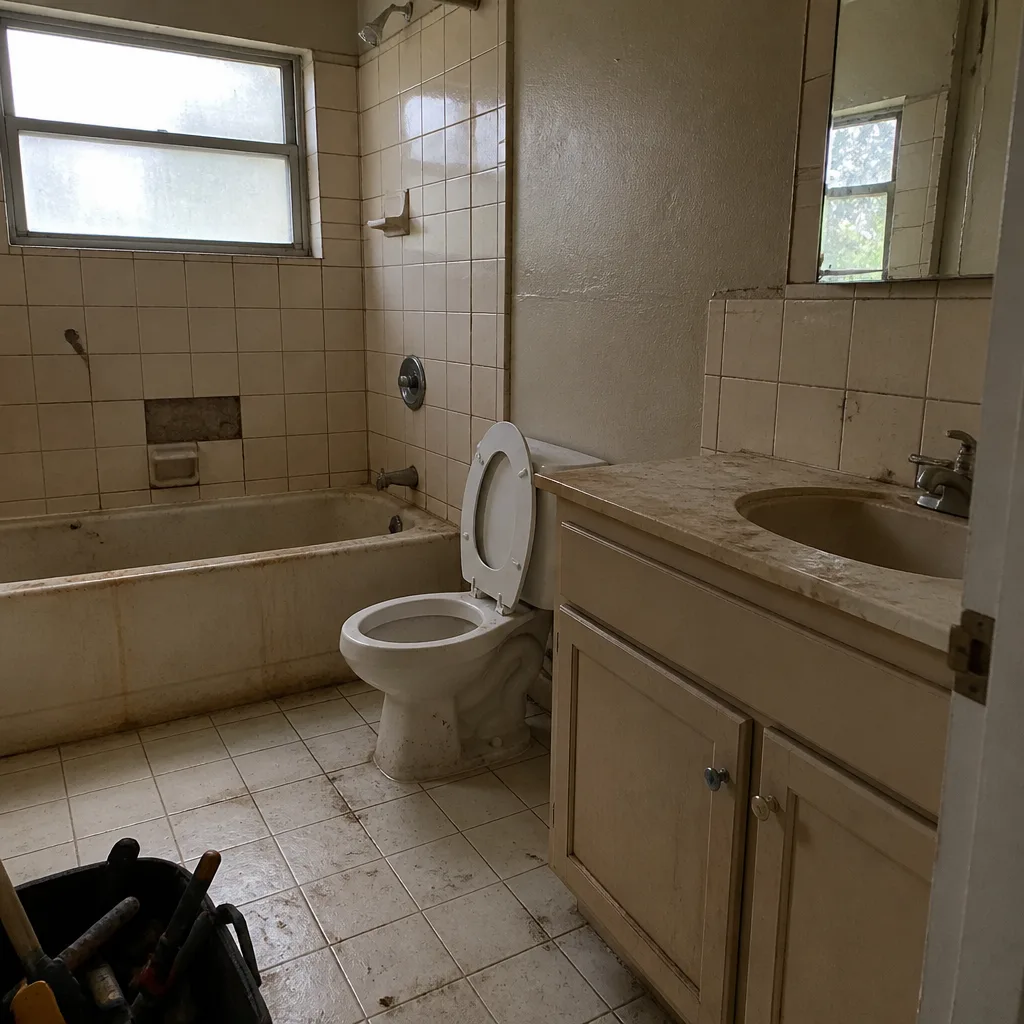 Before
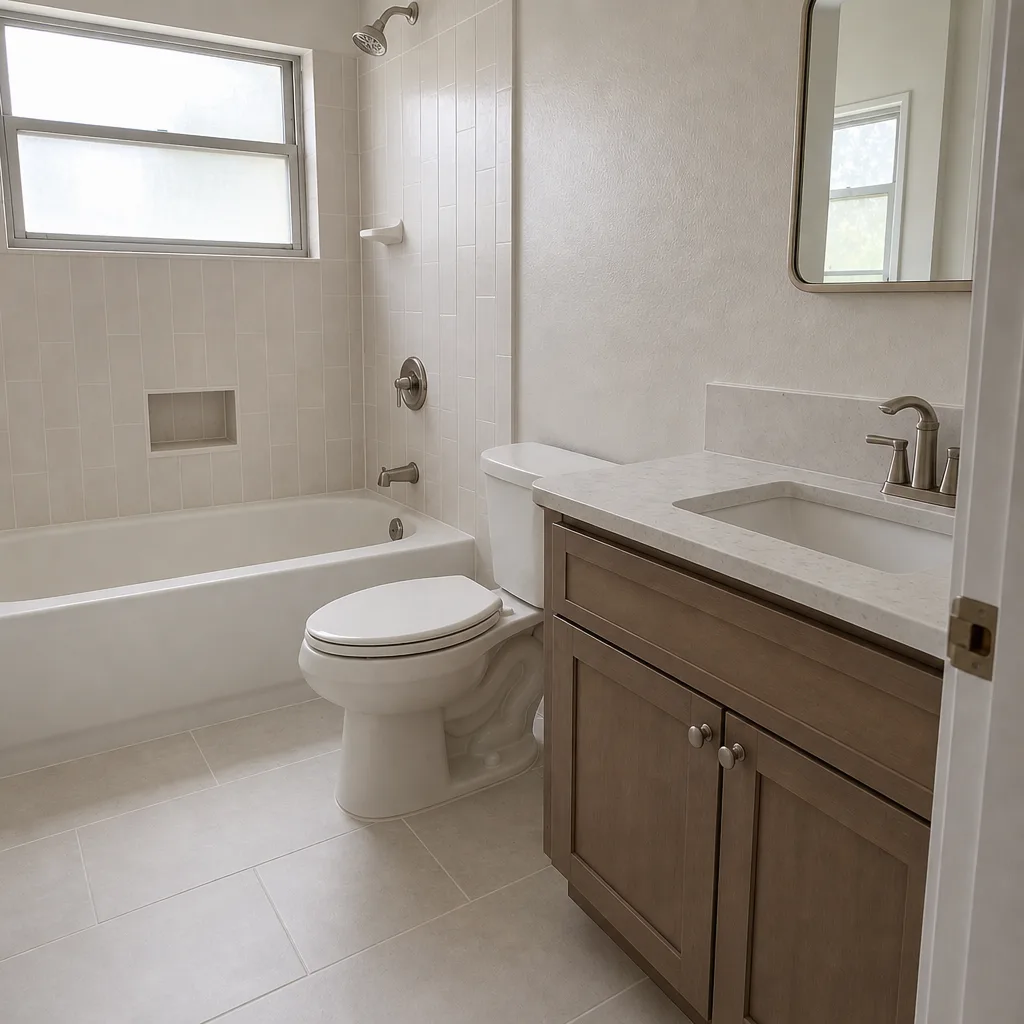 After
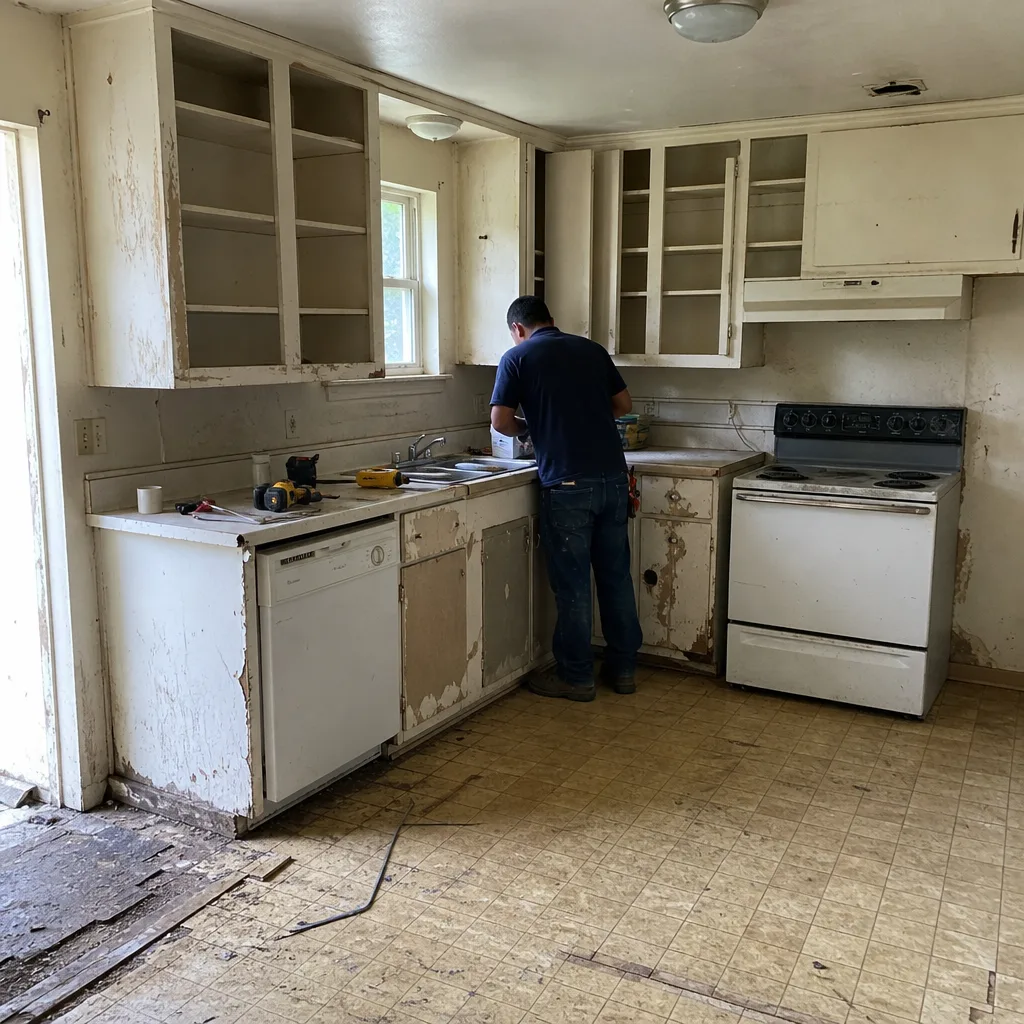 Before
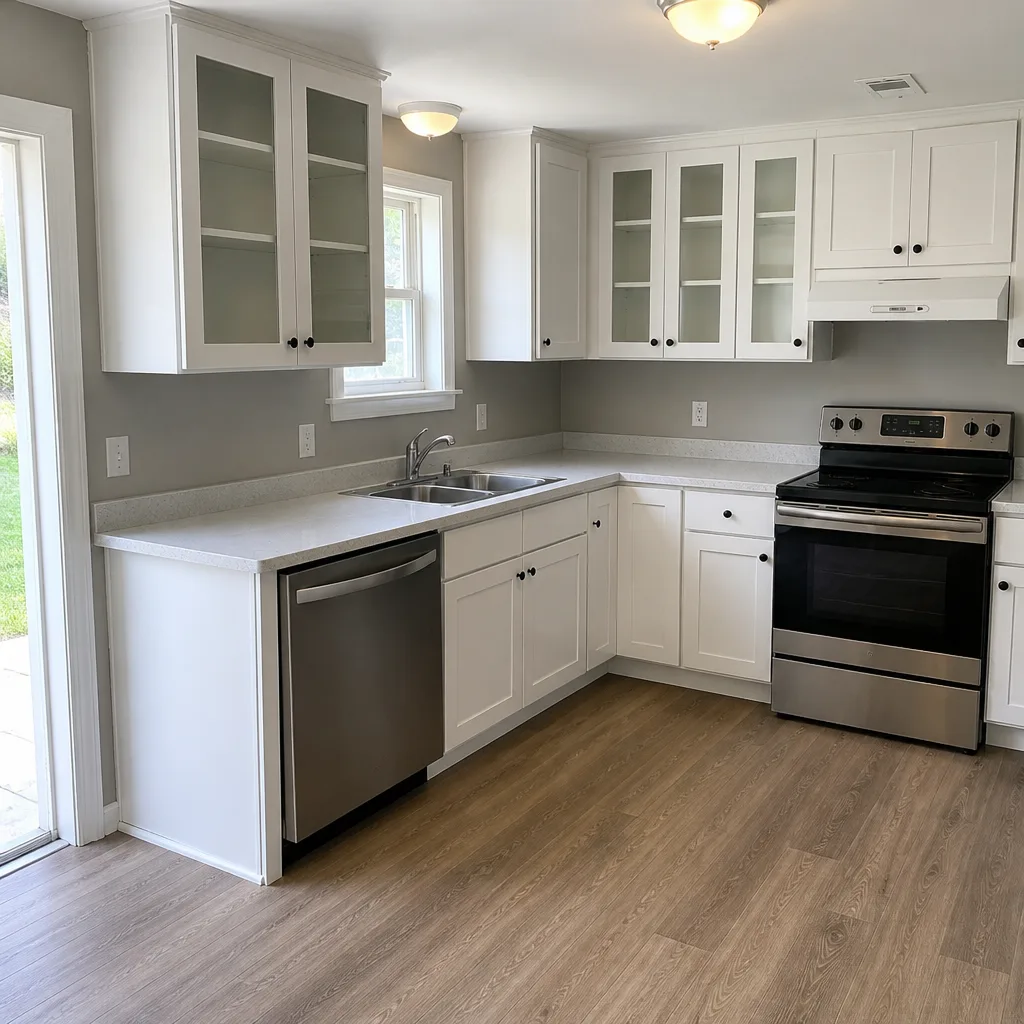 After
Replacement Cost & What’s Included
Repairing or replacing failed James Hardie board on a kitchen wall generally runs within our Dallas kitchen remodel range of $14,000 to $45,000 when it’s part of a larger project, and the fiber-cement piece itself is a small slice of that. For reference, backsplash work that often accompanies a kitchen wall repair runs $800 to $2,500, and full cabinet installation runs $4,000 to $13,000. What drives the number is how much board has to come off to reach the leak, whether sheathing or framing behind it is damaged, and finish matching. We price parts and labor on one line so you see exactly what the board costs and what the install costs. Every job is backed by our 730-Day Done Right Promise.
DIY or Call Us?
You can safely inspect your own James Hardie board: look for soft edges, bubbling paint, staining, and cracked caulk, and snap a photo of the back stamp so you know the series and profile. Where homeowners get into trouble is the repair itself. Cutting and fitting fiber-cement means scoring, snapping, and handling a heavy, silica-dusting board, and if there’s a leak behind the wall you’ll be sealing moisture in rather than out. The bigger risk is missing the hidden water damage and re-boarding over rot. Our technicians have up to 12 years of experience and arrive background-checked and in uniform. Call (844) 797-4808 for a free estimate, and a live person answers 24/7.
FAQs
James Hardie fiber-cement is rated to last decades when it’s installed and painted correctly, but Dallas sun and humidity shorten that if the bottom edges and cut ends weren’t sealed. Expect the board to outlast the paint, which typically needs recoating every several years here. Call (844) 797-4808 for an exact quote – estimates are free.
Sometimes, yes. A small section with intact paint and no water behind it can often be patched and resealed, while a swollen or crumbling board has to come out. We won’t know which until we open it up. Call (844) 797-4808 to schedule a free estimate.
A single board or trim section is usually a short job, and larger wall repairs alongside a kitchen project are folded into the remodel schedule. We give you a written timeline before work starts. Call (844) 797-4808 for a free estimate.
We match the series, profile, and texture from the back stamp and order the correct piece from verified suppliers, then finish it to blend with the existing wall. We don’t claim to keep parts in stock or on a truck; we source what your wall actually needs. Call (844) 797-4808 – the number you see is the number you pay.
Written by the team at Groundwork Construction Co. of Dallas, serving Dallas and nearby areas.