

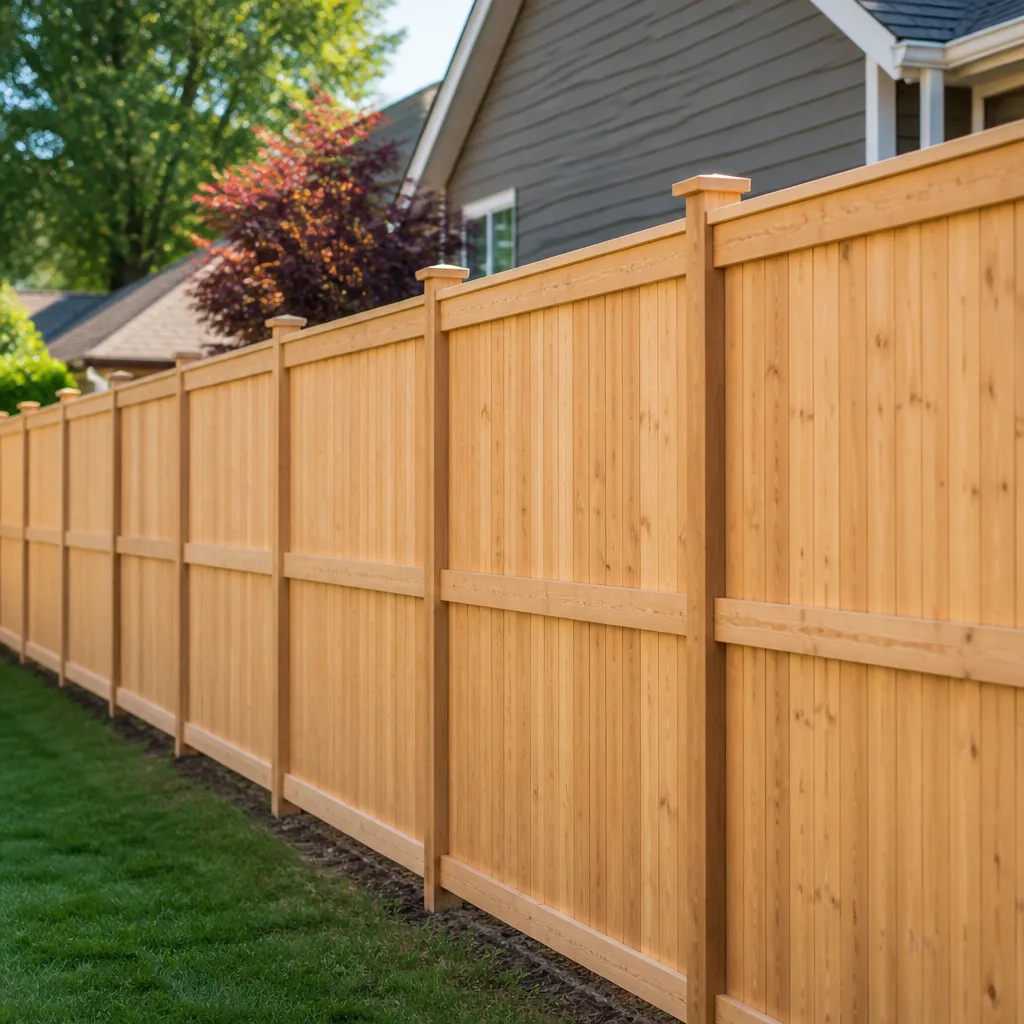
 Fence
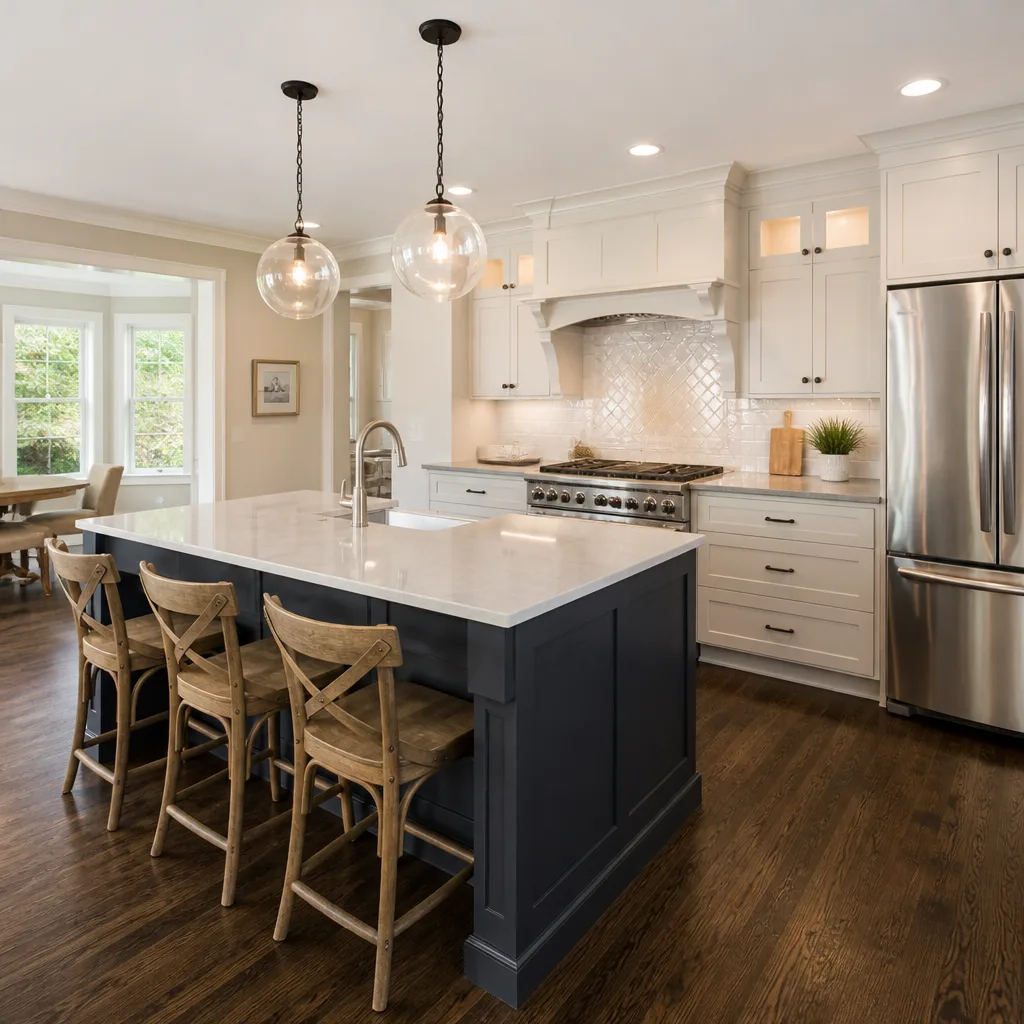 Kitchen remodeling
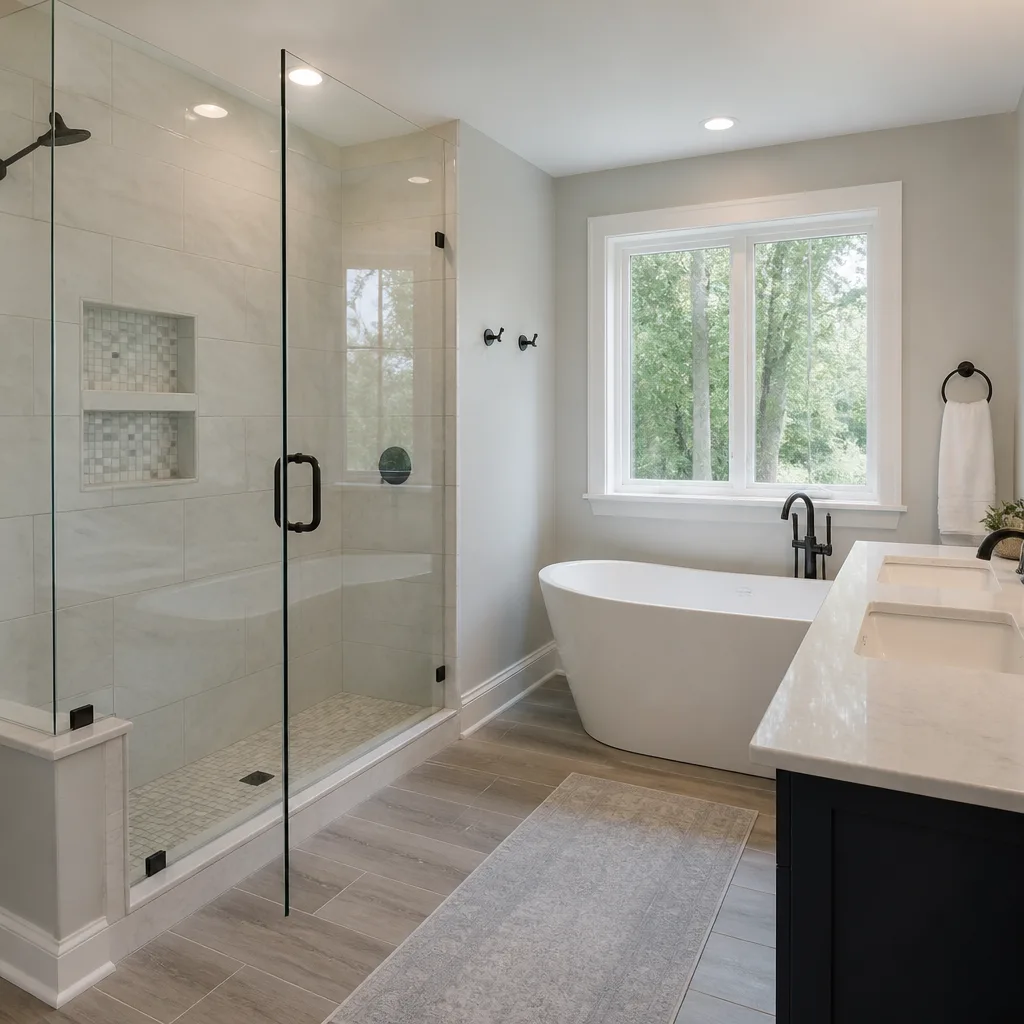 Bathroom remodeling
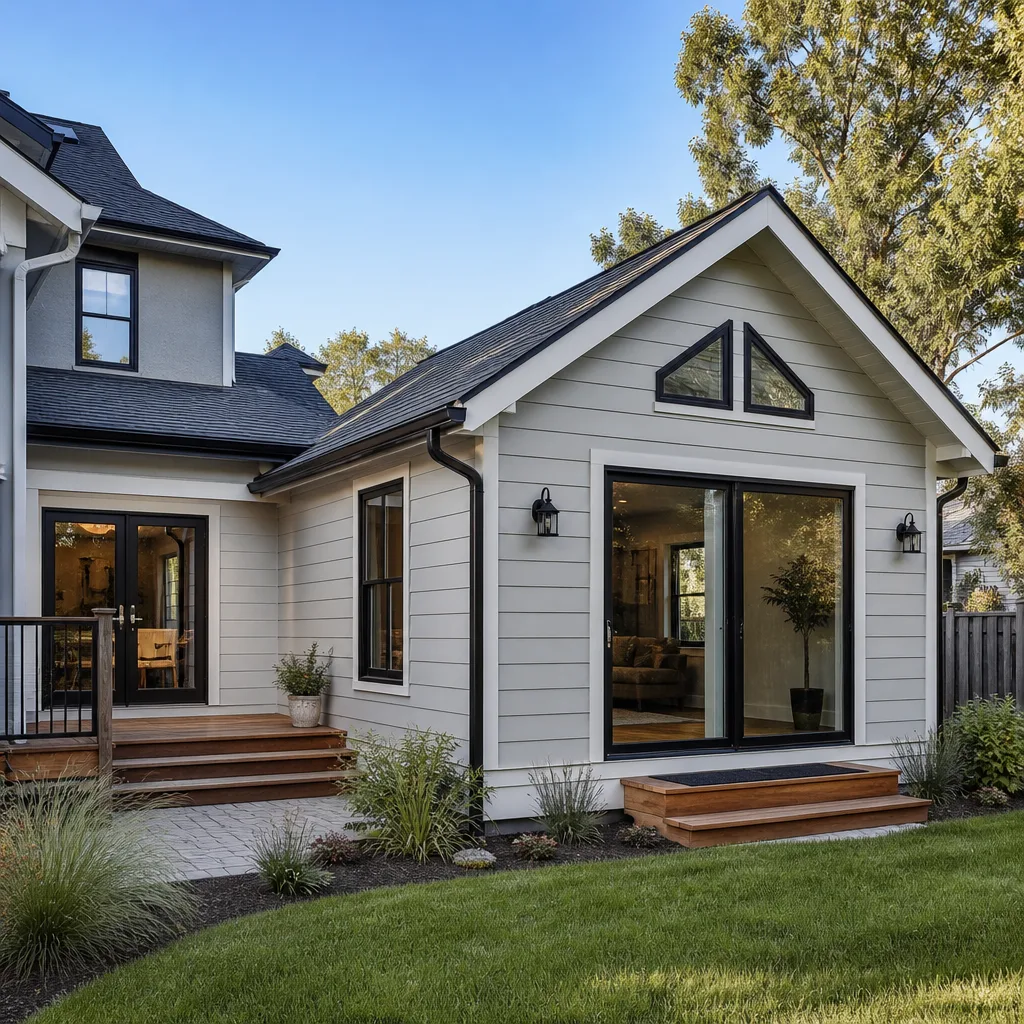 Home additions & ADU
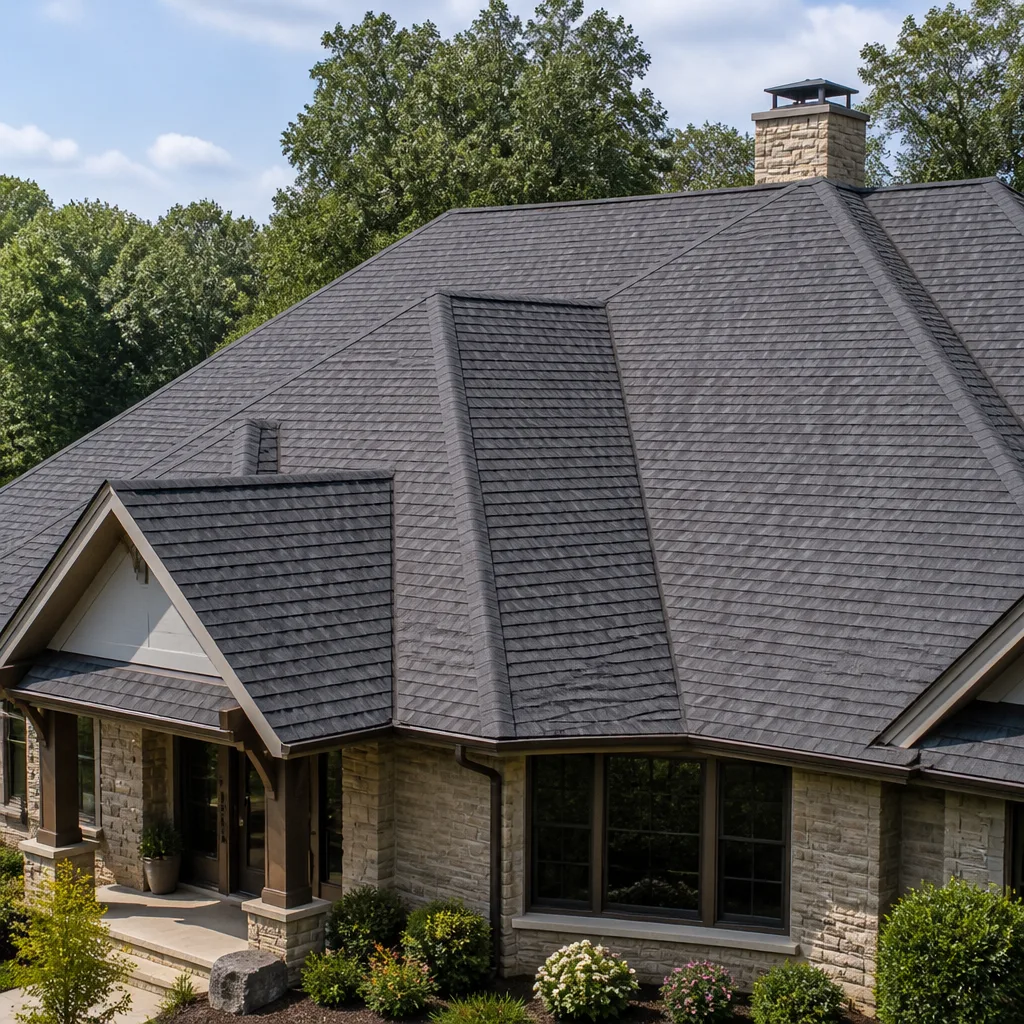 Roofing
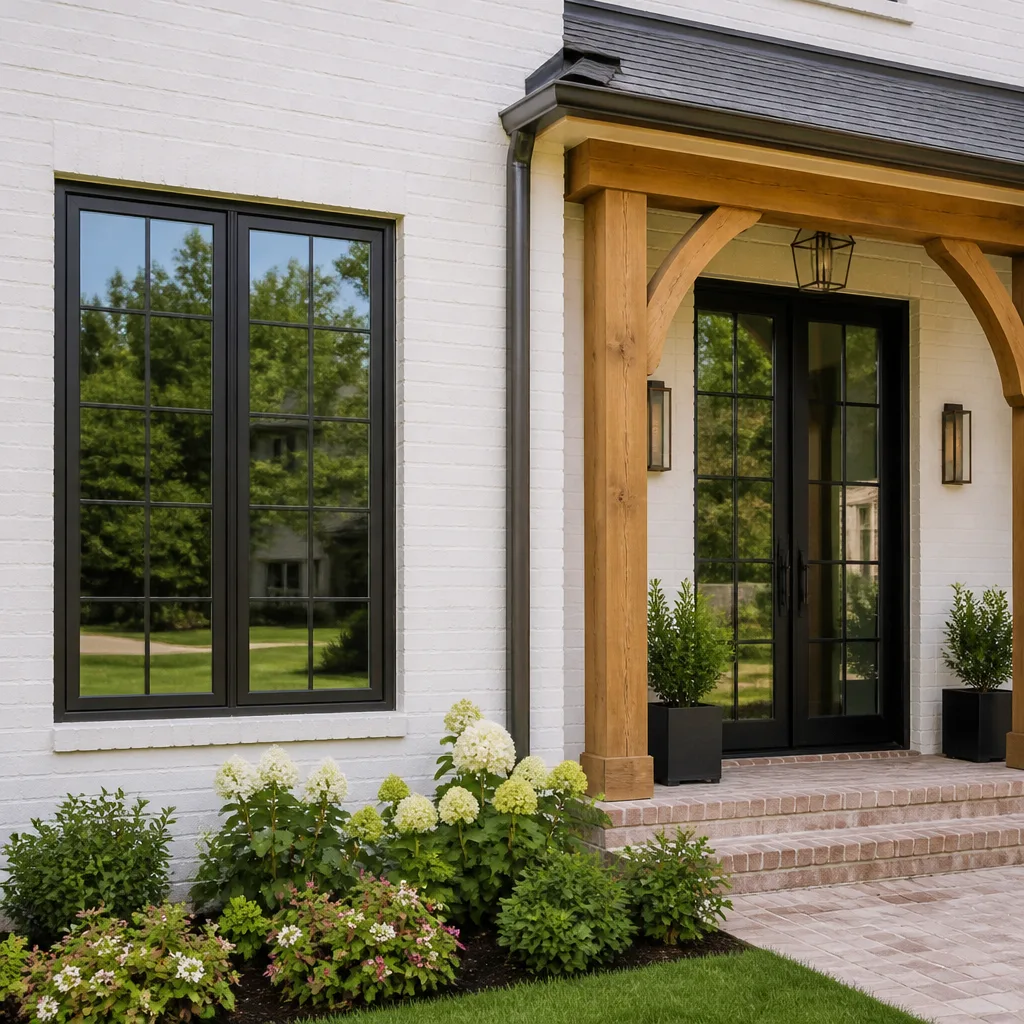 Windows & doors
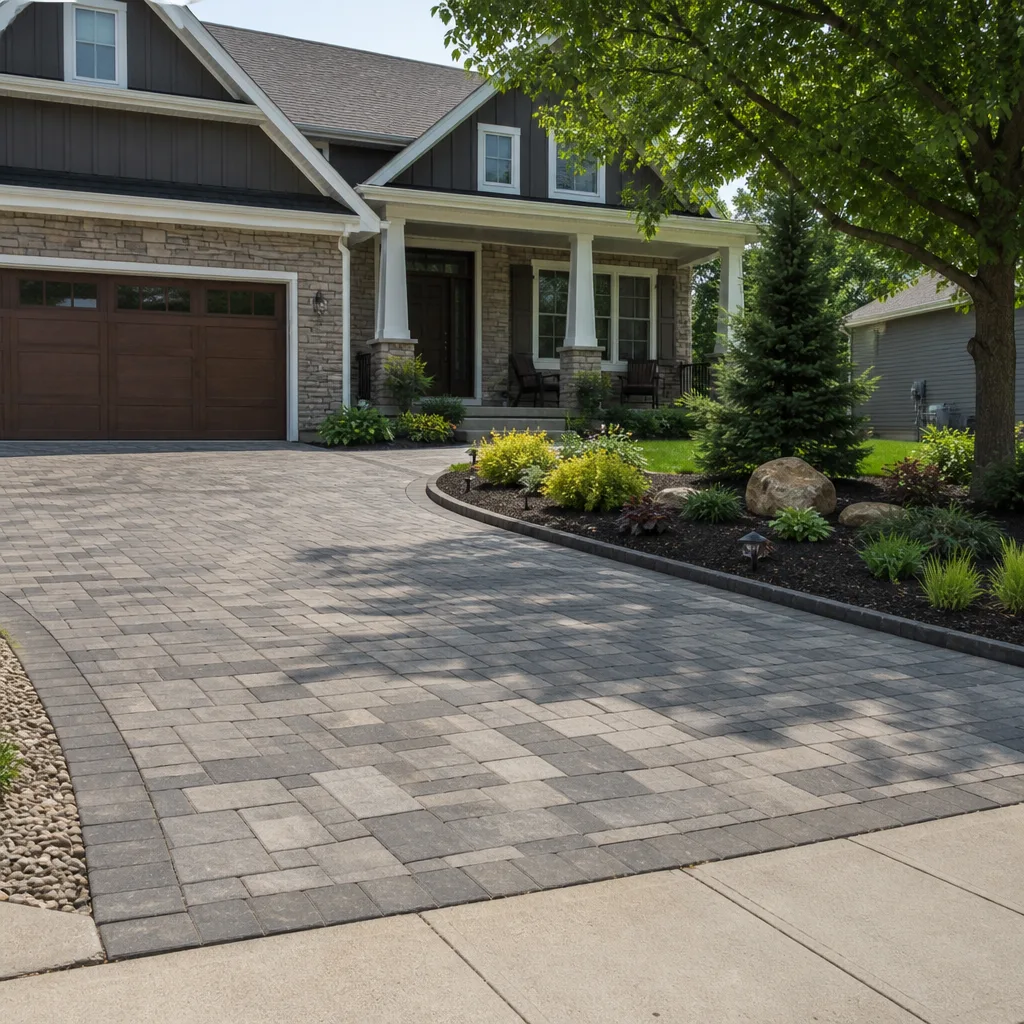 Driveway & pavers
Free written scope consultation - allowances, timeline, and change-order rules on paper before a single trade is scheduled
Sakrete Fence Installation: The Dallas Owner’s Guide
Groundwork Construction Co. of Dallas installs Sakrete-spec fence systems, and a full fence installation in Dallas typically runs $3500 – $9000 depending on footage, material, and soil conditions. We’re an independent service provider and not affiliated with Sakrete, but we know their mix-and-set post systems and bagged concrete products inside out. Most Dallas owners discover a problem the same way: a gate starts dragging, a post begins to lean after a heavy rain, or they find crumbling concrete at the base of a post that was set years ago. That crumbling base is usually the first visible sign that the original set didn’t cure right or the soil shifted underneath it.
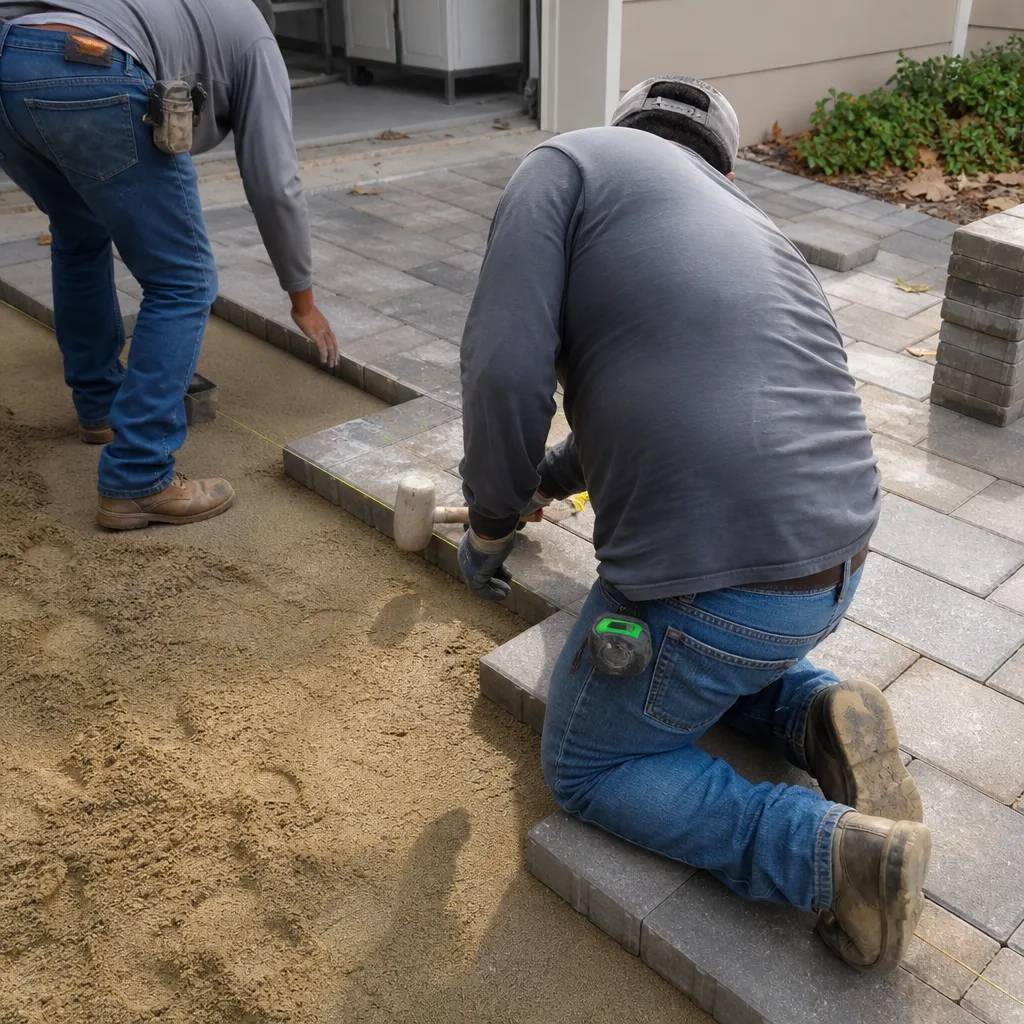
Which Sakrete Models This Applies To
Sakrete’s fence-relevant products fall into two families. The first is their fast-setting post mixes, sold in 50 lb bags and designed to set a post in roughly 20 – 40 minutes without bracing. The second is their standard high-strength concrete mix, which cures slower (24 – 48 hours before you load it) but gives you more working time on a multi-post run. The right product depends on your soil, your post spacing, and how many posts you’re setting in a day.
Identifying what you have is straightforward. Check the bag label for the product name and the cure time printed on the back. If the bag is gone, measure the hole diameter and post depth: a standard 4×4 post in Dallas clay soil usually wants a hole about 3x the post width and 24 – 30 inches deep. For the OEM-versus-aftermarket decision, Sakrete’s own mix is the benchmark in this category, and aftermarket equivalents exist but vary in cure speed and compressive strength. We source the correct mix for your post type rather than substituting whatever a warehouse happens to have on the shelf. We also handle KraftMaid, Cambria, and Silestone for interior projects, but for fence work Sakrete-compatible materials are the standard we build to.
Styles & brands we work with
- Kitchen remodeling
- Bathroom remodeling
- Home additions & ADU
- Roofing
- Windows & doors
- Driveway & pavers
- Fence
Signs Your Sakrete Fence Installation Is Failing
- Leaning posts after rain. Dallas’s expansive clay soil swells when wet and shrinks when dry, and a post set in an undersized hole will rock loose within a season or two.
- Crumbling or powdery concrete at the base. This usually means the mix was too dry, wasn’t mixed to the bag ratio, or cured too fast in summer heat. The concrete never reached full strength.
- Cracks running through the concrete collar. Hairline cracks are normal; wide cracks with separation mean the post is moving inside the concrete, which points to a shallow hole or poor soil compaction.
- Gates that drag or won’t latch. A gate that sags is almost always a post problem, not a hinge problem. The hinge-side post has shifted and the whole gate frame is now out of square.
- Posts that wobble when you push them. If you can move a post by hand, the concrete has separated from either the post or the surrounding soil, and the fence is one storm away from a bigger repair.
See the difference
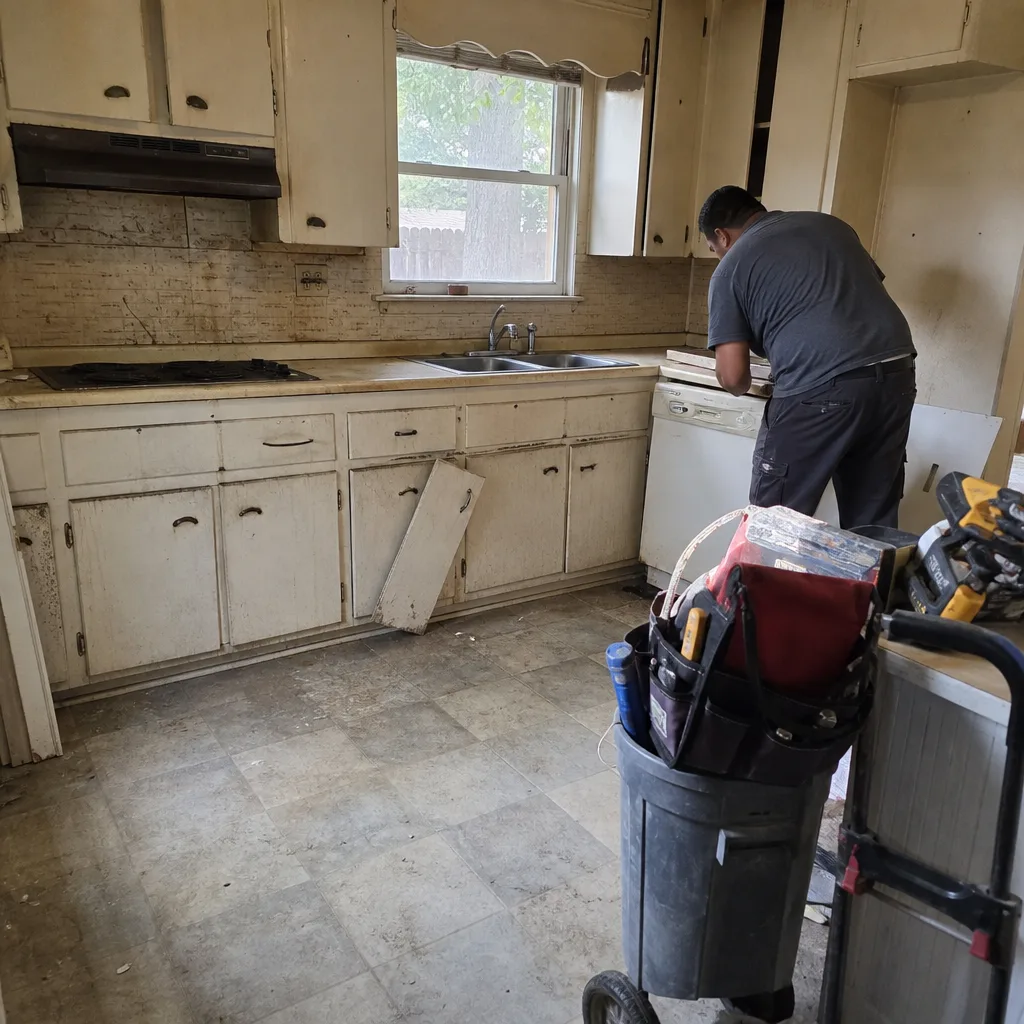 Before
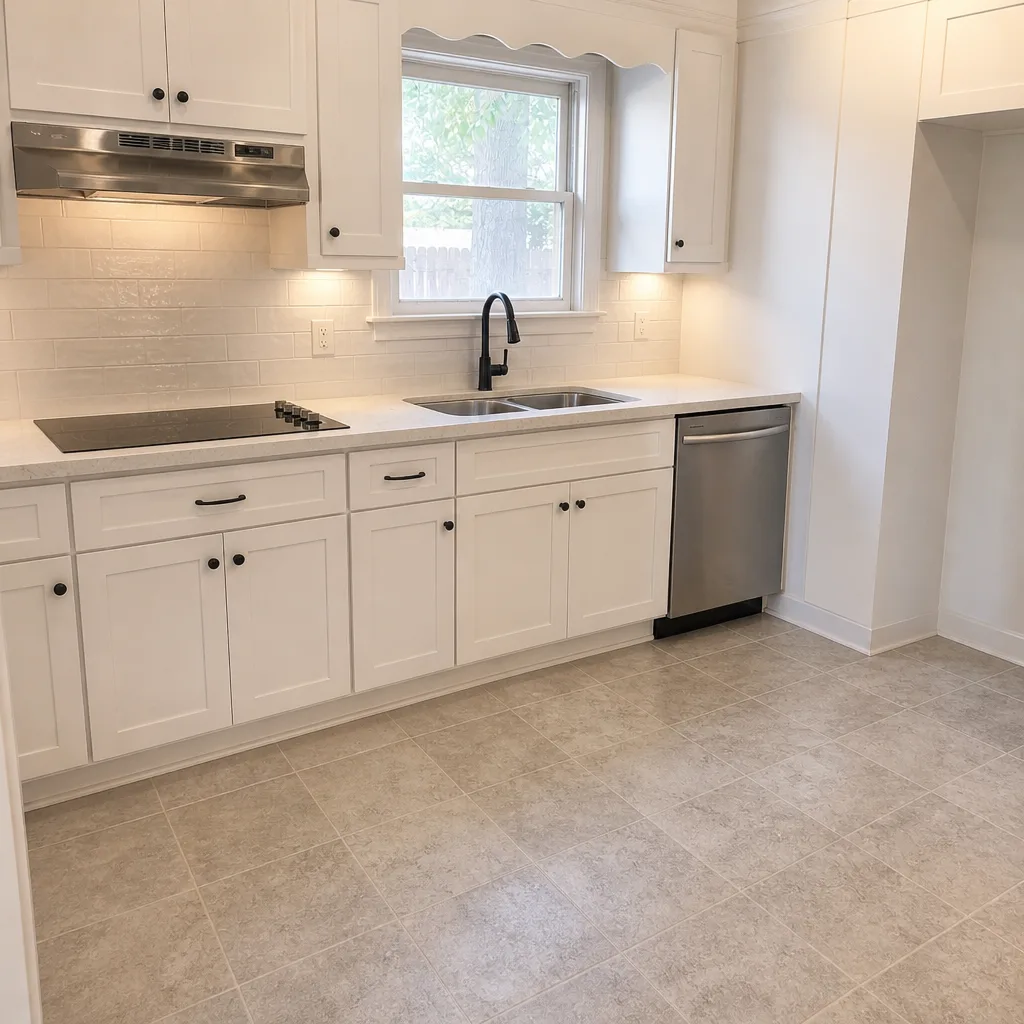 After
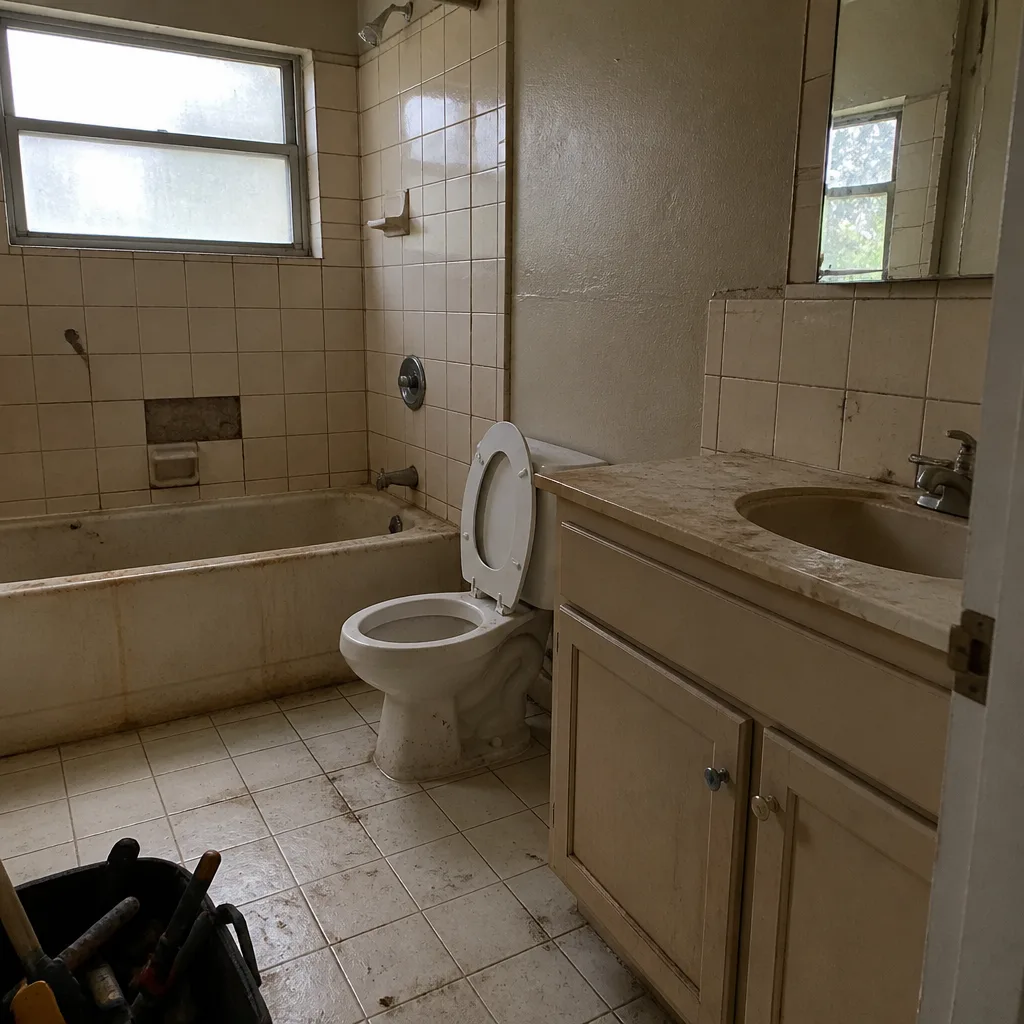 Before
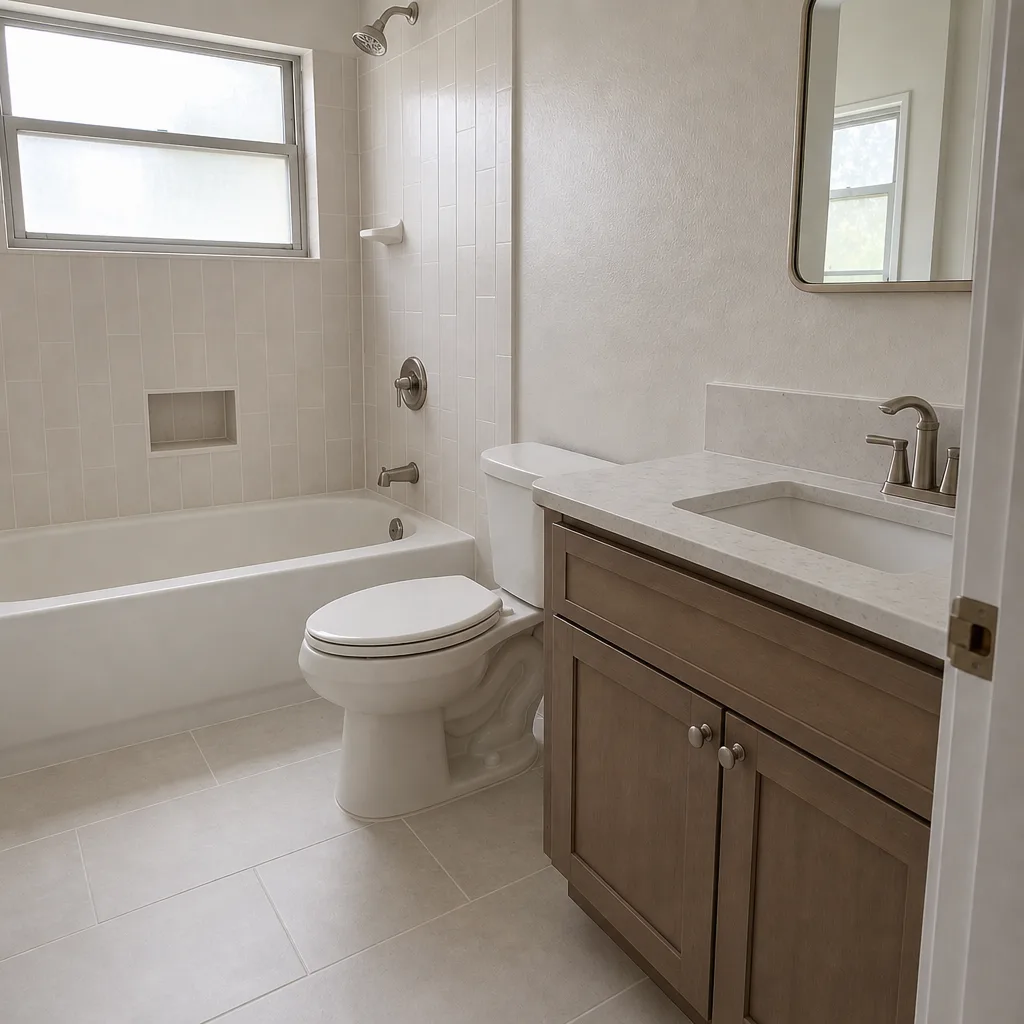 After
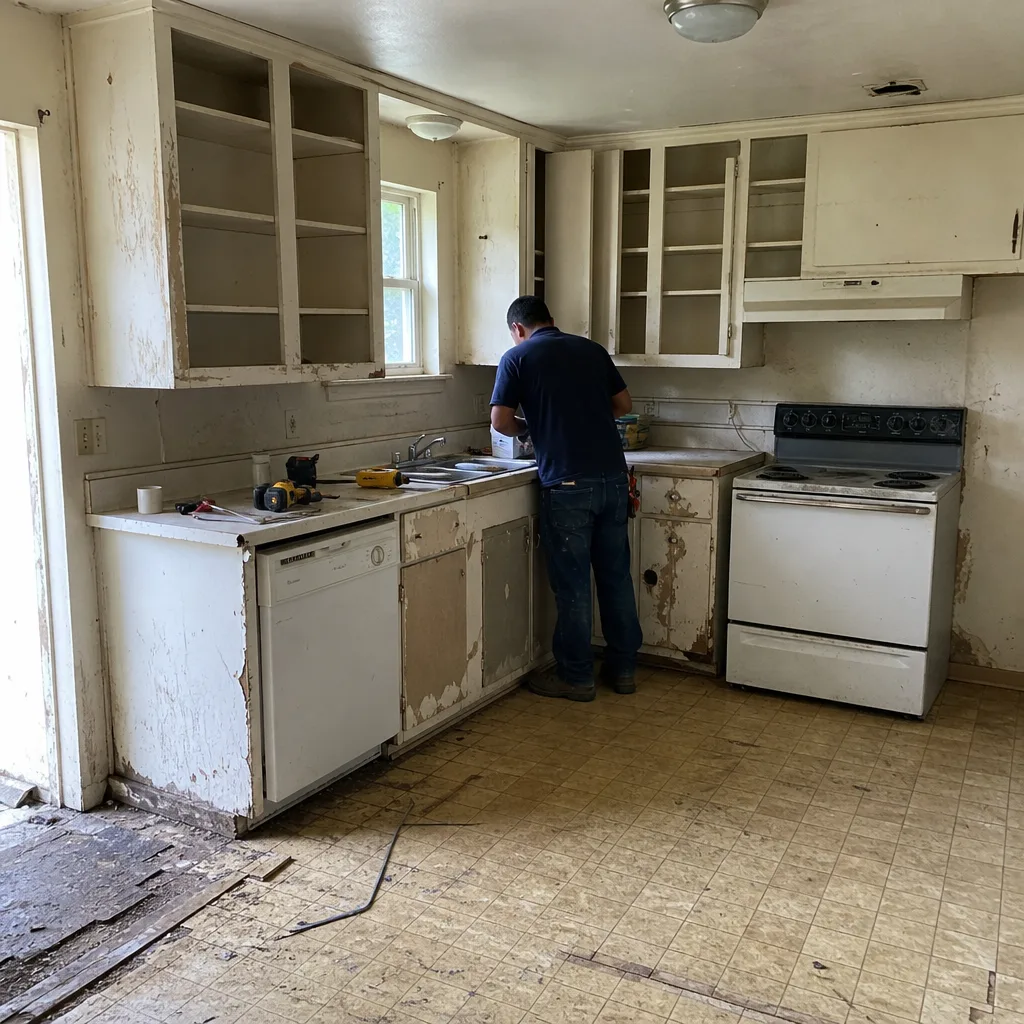 Before
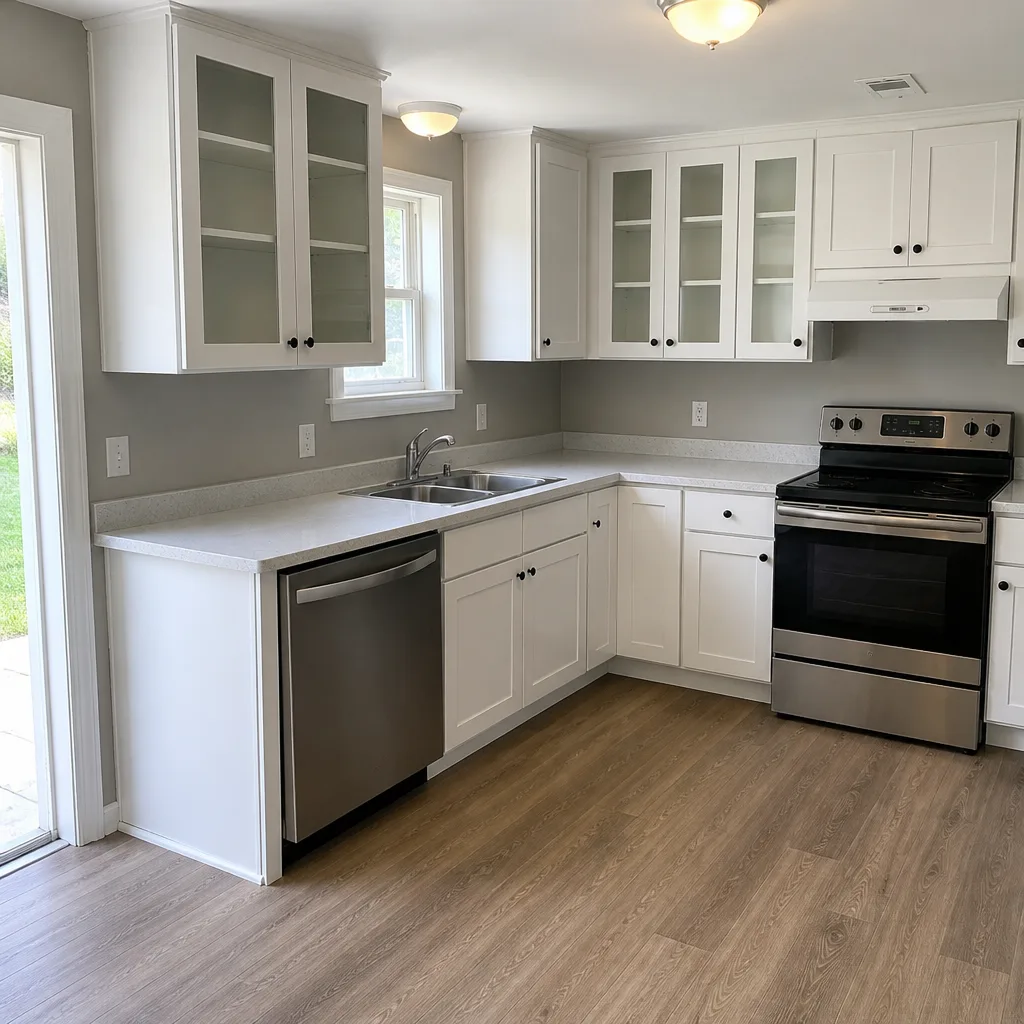 After
Replacement Cost & What’s Included
Fence installation in Dallas runs $3500 – $9000 installed. The range is driven by total linear footage, material choice (wood, vinyl, aluminum), post count, and whether old posts and concrete have to be pulled and hauled off. Setting posts in North Texas clay often requires wider holes and more mix than a coastal job, which nudges the number up.
Our upfront pricing means the number you see is the number you pay. Every quote is line-itemed so you can see what’s material, what’s labor, and what’s disposal. All fence work is covered by our 730-Day Done Right Promise: if it’s not done right, we make it right. Financing is available at 0% for 18 months, and projects over $10,000 get $1,000 off.
DIY or Call Us?
You can safely check a few things yourself. Push each post to test for wobble, look for gaps between concrete and post, and measure post depth if a post is already exposed. Those checks tell you whether the problem is cosmetic or structural.
Where DIY goes wrong is the reset itself. Pulling a set post means breaking out cured concrete, which is heavy, dusty work, and re-setting it correctly depends on hole depth, soil moisture, and mixing the Sakrete to the right ratio. Get the mix too wet and it loses strength; too dry and it never bonds. On a fence, a bad reset means the same failure again next season. Our technicians have up to 12 years of experience setting posts in Dallas soil, and we back every install in writing. Call (844) 797-4808 for a free estimate.
FAQs
A properly set post should hold 15 – 20 years or more, but in Dallas clay the realistic number is often 10 – 15 years before you see movement. The mix matters less than the hole depth and soil drainage around the post.
Sometimes, yes. A post with minor surface cracking and no wobble can often be stabilized, but a post that moves by hand almost always needs to be pulled and reset. We’ll tell you honestly which one you have during the free estimate.
A single post reset typically takes 2 – 4 hours including breaking out old concrete and the cure window. A full fence run takes one to three days depending on footage, and most jobs are completed in a single visit where access allows.
We match the mix to your post size, soil, and cure timeline rather than defaulting to one product for every job. Our brand partnerships let us specify the right material for each job, and we document what we used so you have it for future reference.
Call (844) 797-4808 to schedule your free estimate. Our line is answered by a live person 24/7, and we’ll walk you through what’s failing, what it costs, and what it takes to fix it right.
Written by the team at Groundwork Construction Co. of Dallas, serving Dallas and nearby areas.