
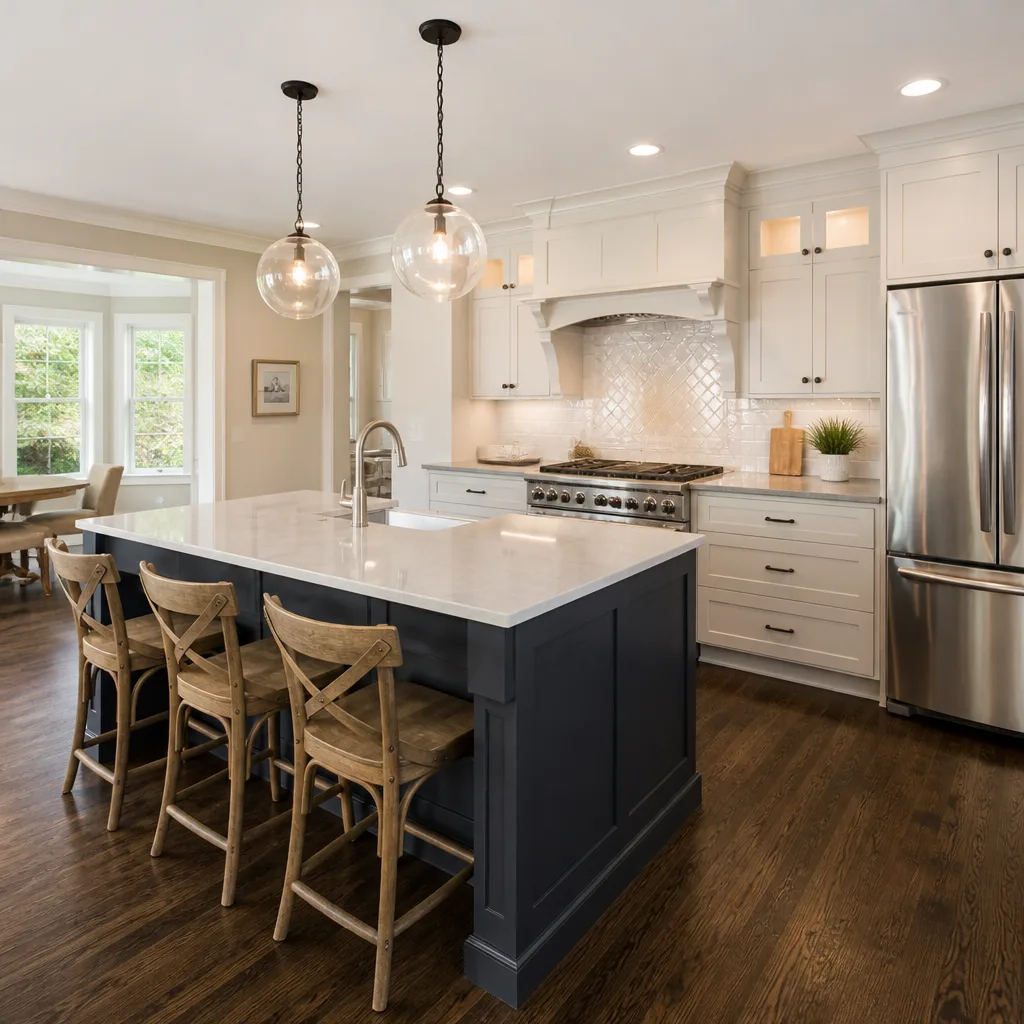
 Kitchen remodeling
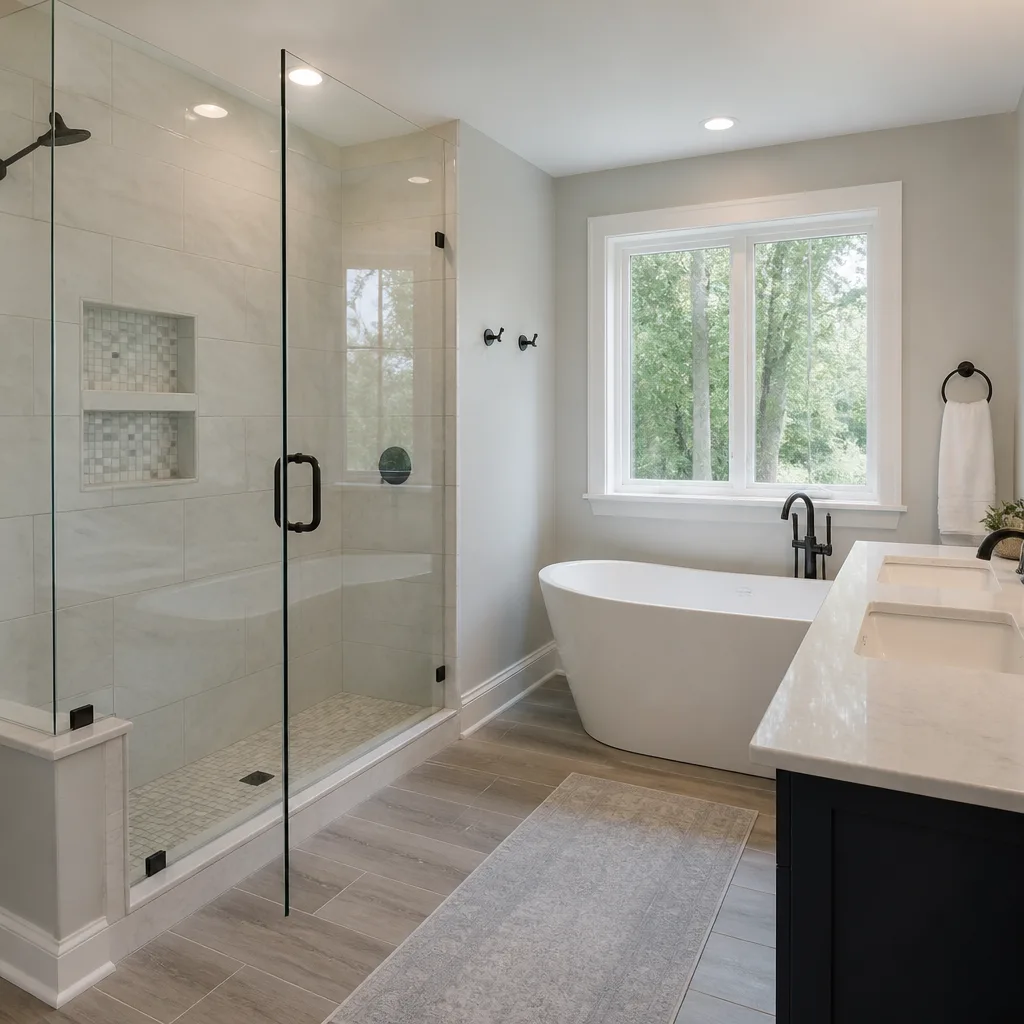 Bathroom remodeling
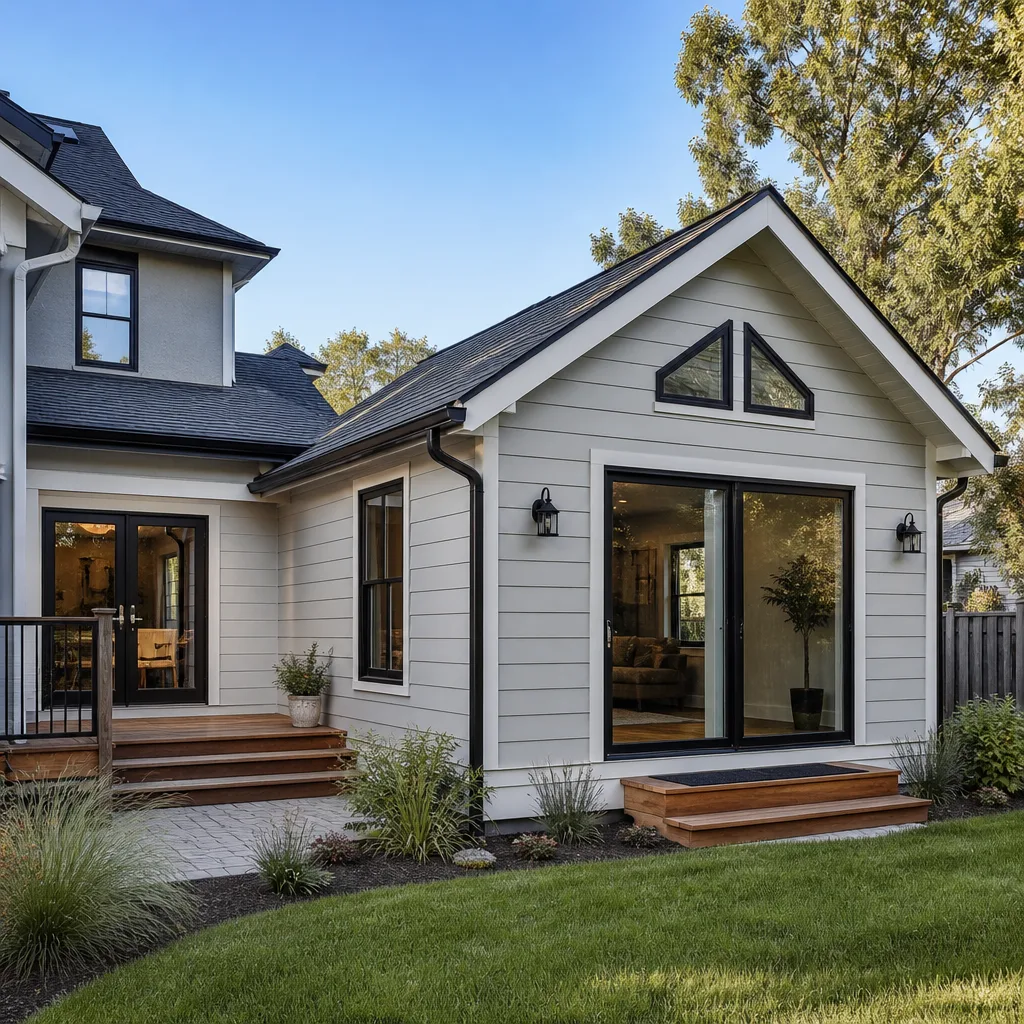 Home additions & ADU
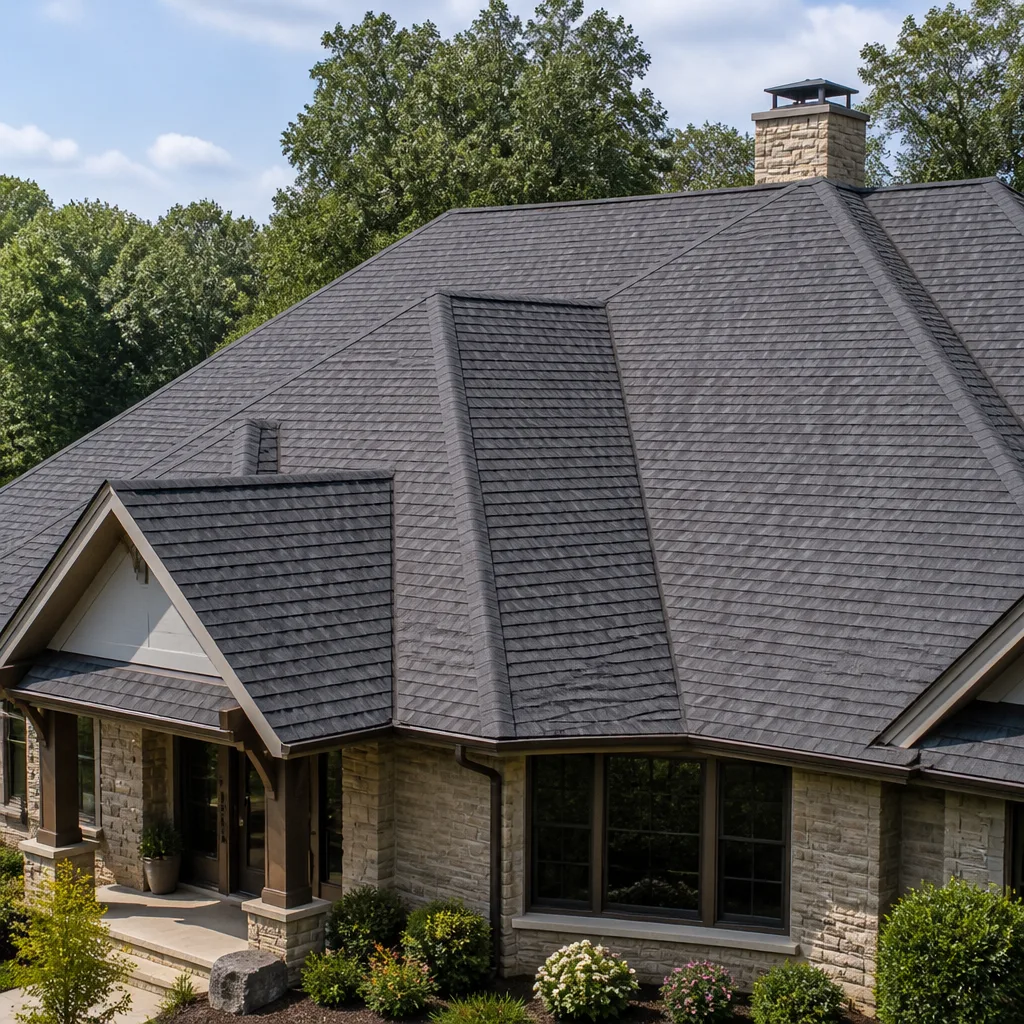 Roofing
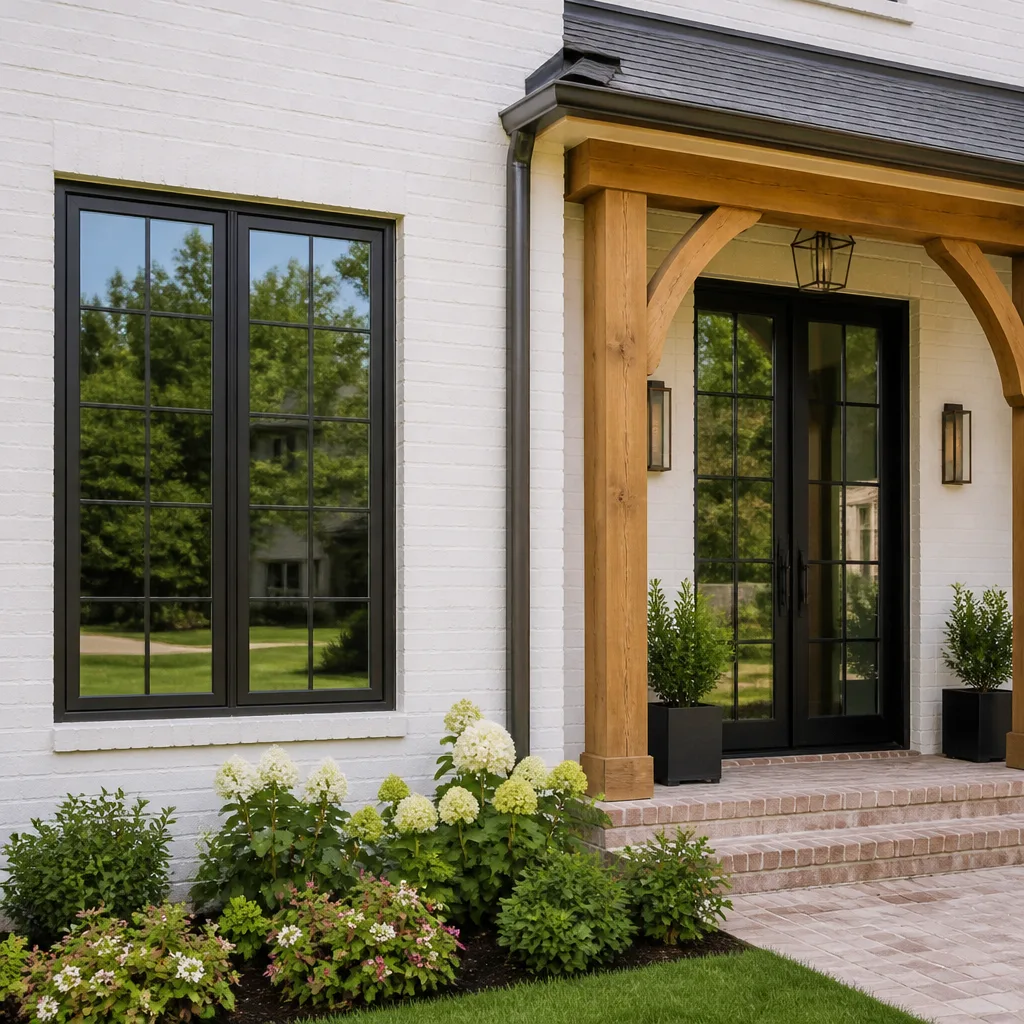 Windows & doors
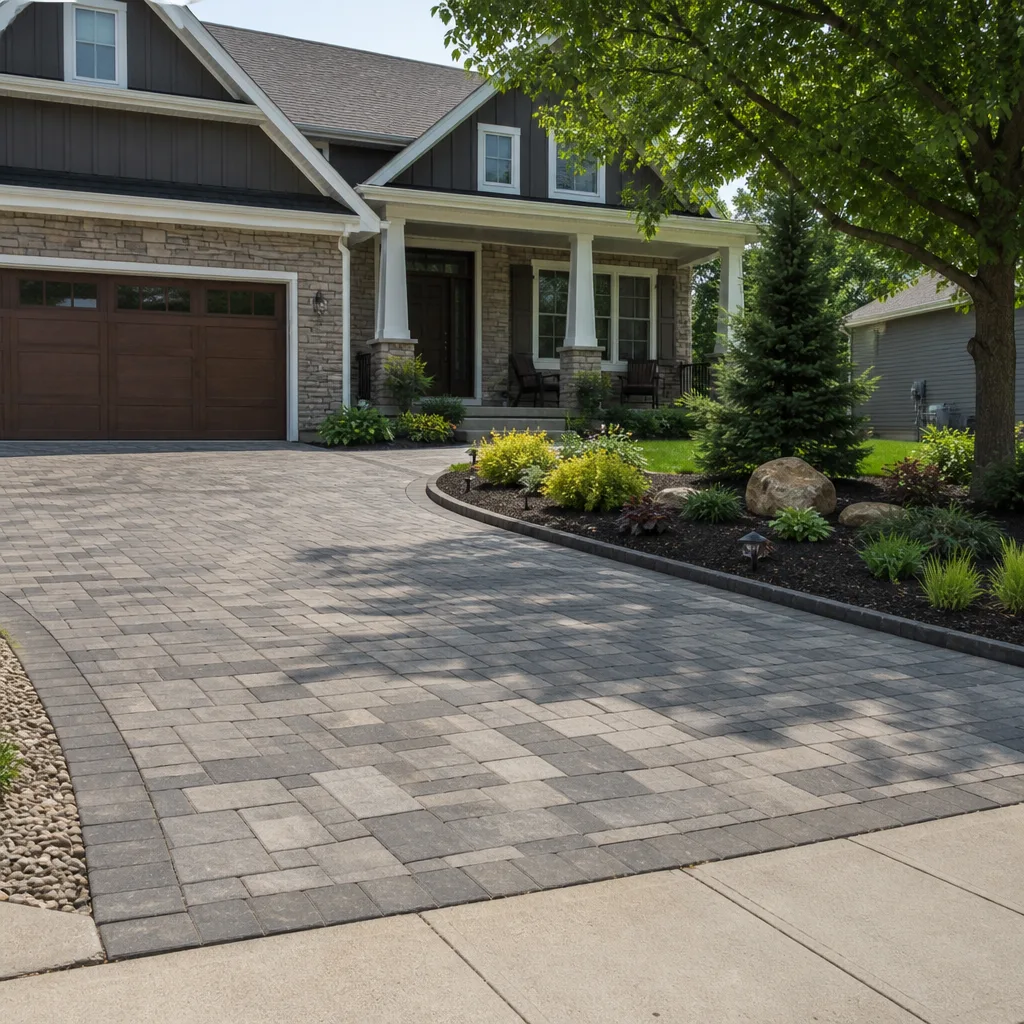 Driveway & pavers
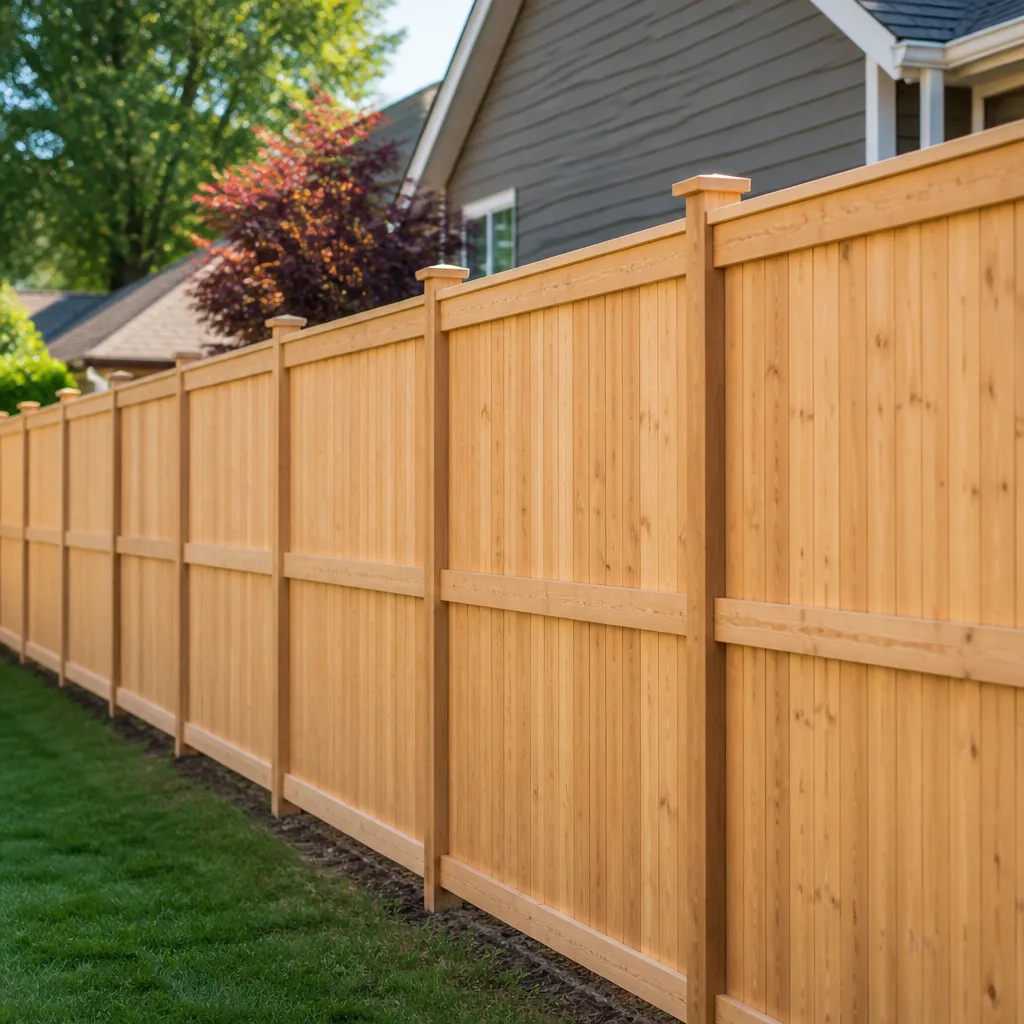 Fence
Free written scope consultation - allowances, timeline, and change-order rules on paper before a single trade is scheduled
Styles & brands we work with
- Kitchen remodeling
- Bathroom remodeling
- Home additions & ADU
- Roofing
- Windows & doors
- Driveway & pavers
- Fence
See the difference
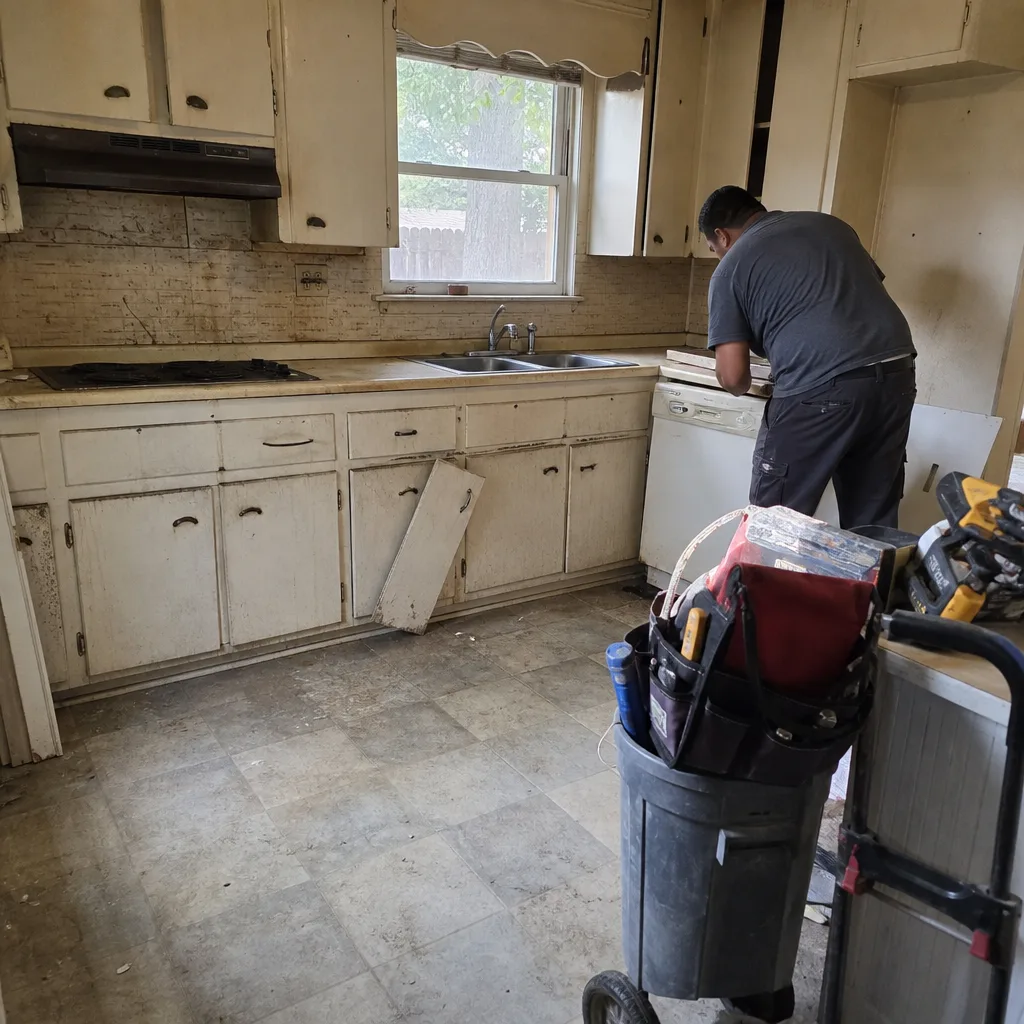 Before
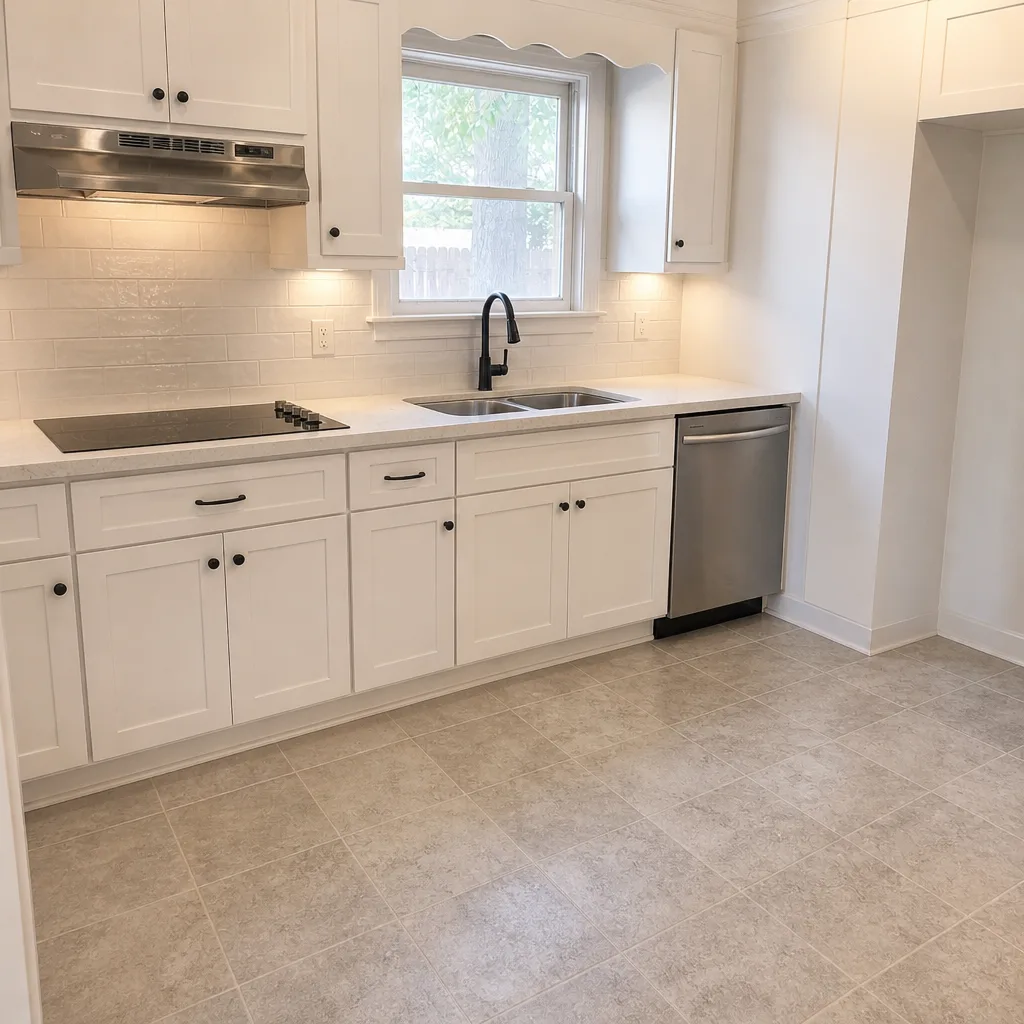 After
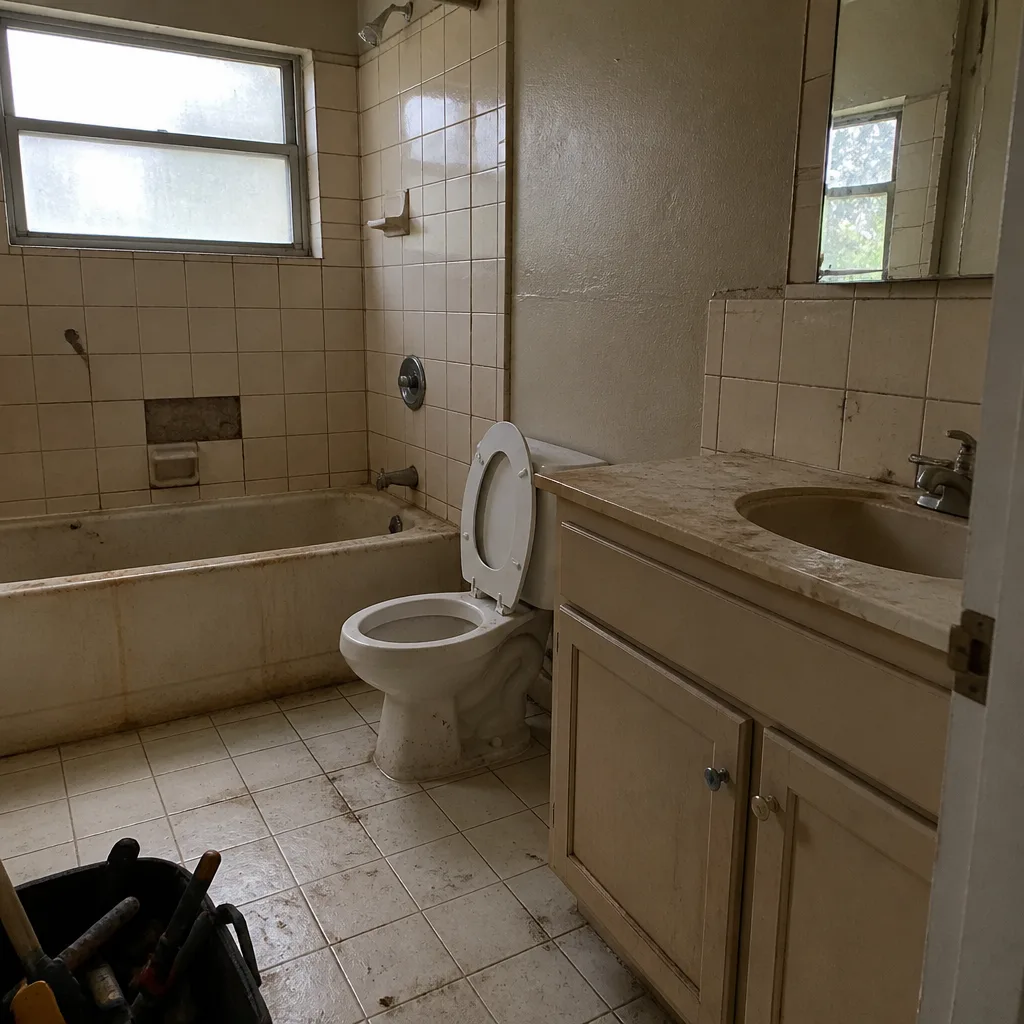 Before
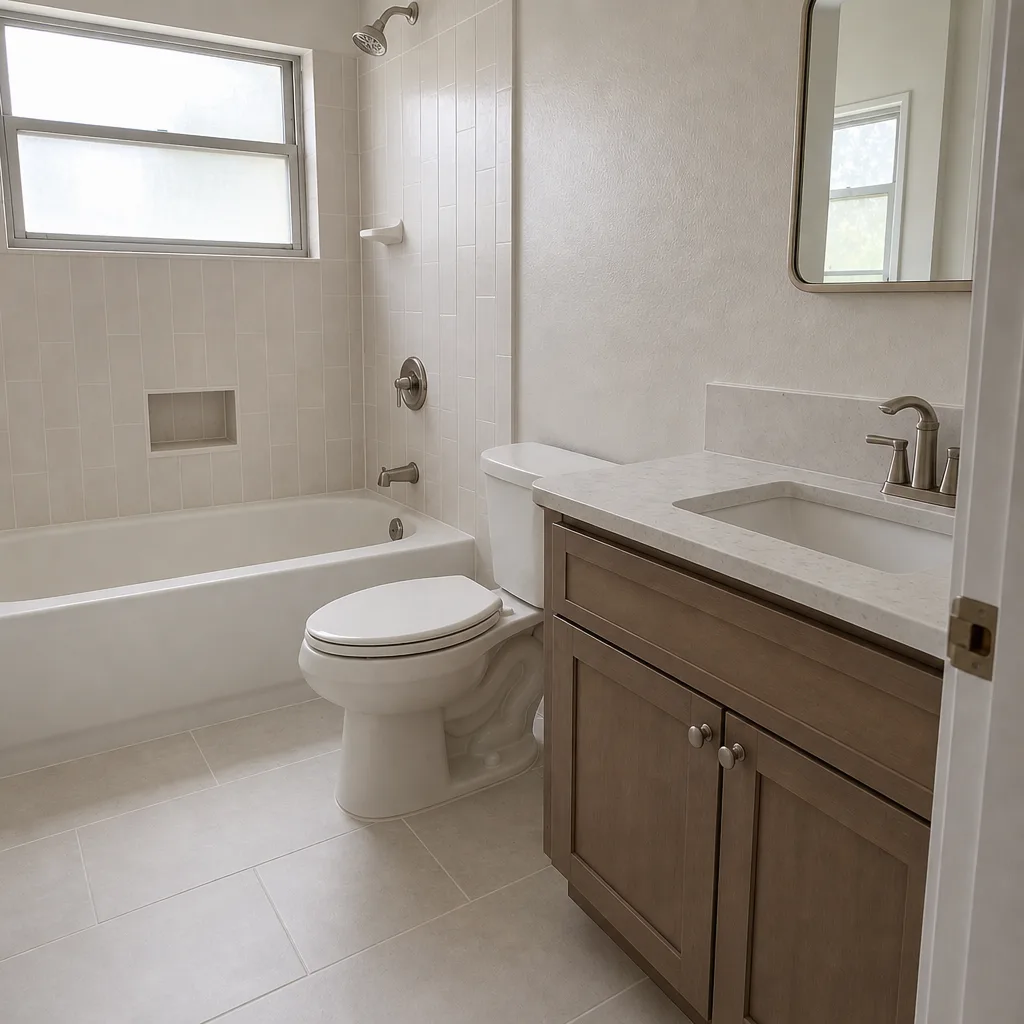 After
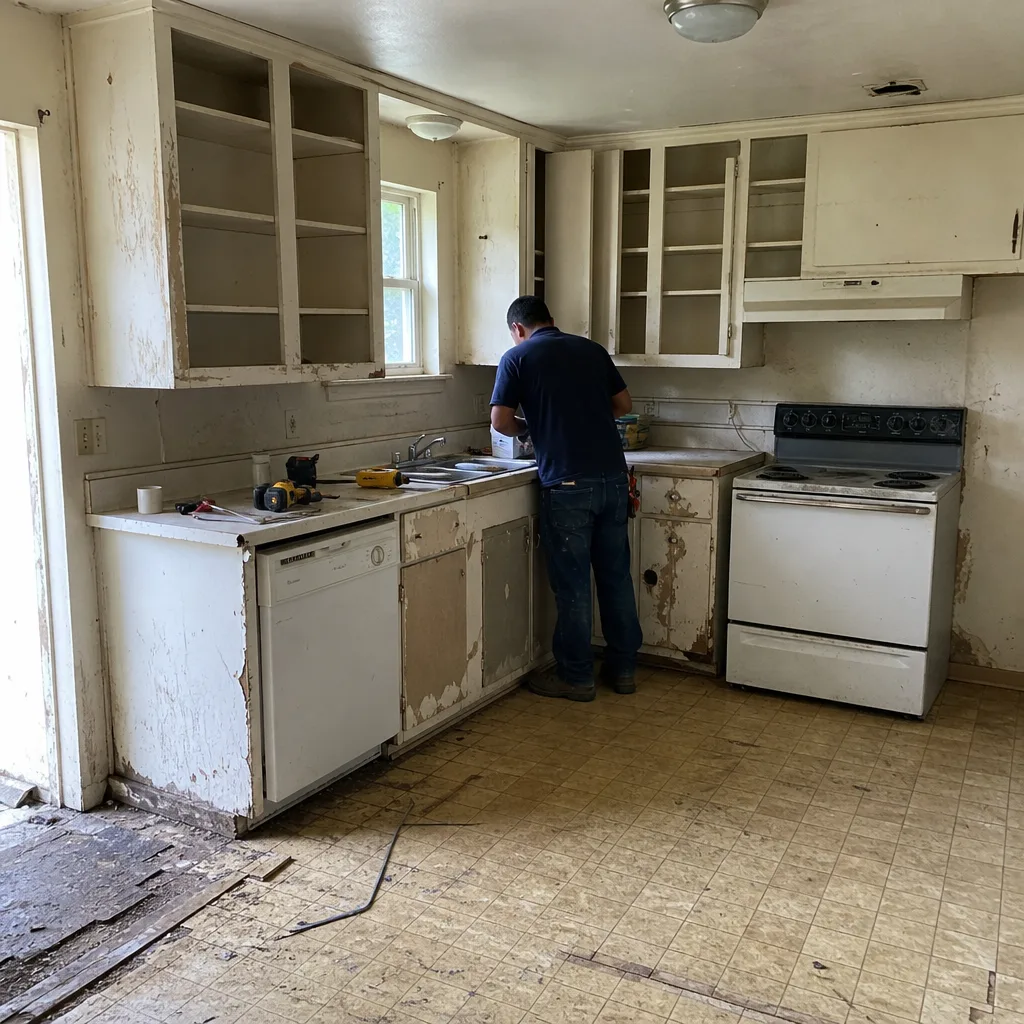 Before
 After
Can I Build an ADU on My Property in Dallas, TX? Here’s How to Know for Sure
The short answer: yes, you can likely build an ADU on your Dallas property if you clear four separate eligibility checks, and Dallas zoning alone does not decide it. Zoning district, lot coverage, deed restrictions, and utility capacity each get an independent veto, and a property can pass one and fail the next. Before you spend a dollar on drawings, run all four. If you’d rather have a straight read on your lot in one sitting, call Groundwork Construction Co. of Dallas at (844) 797-4808 for a complimentary site eligibility review.
Your neighbor in Oak Cliff got approved for a backyard ADU. You’re two streets over and your 1958 deed restriction says no. Dallas zoning says yes; your plat says no. This is the conversation most contractors skip, and it’s the one that saves Dallas homeowners the most money and the most time.
Why “Can I Build an ADU?” Is Really Four Questions in Dallas
Most homeowners treat eligibility as a single yes-or-no. In practice, four gatekeepers stand between your lot and a finished ADU. Each one can independently stop the project, and clearing three of four gets you nowhere.
- Zoning district confirmation: Whether ADUs are permitted in your specific single-family district, verified against Dallas’s online GIS, not a neighbor’s advice.
- Lot coverage math: Most single-family districts cap total built and impervious coverage around 45-50% of the lot. Add up your house footprint, driveway, patio, and the proposed ADU before you assume there’s room.
- Deed restriction search: Recorded plats from older subdivisions often prohibit secondary dwellings, and these survive current zoning changes. You have to read the actual deed records at the county.
- Utility capacity: Confirm with Dallas Water Utilities that the service can support a second dwelling before you commit to a design.
That last point surprises people. A lot can pass zoning and coverage and still stall on water and sewer capacity. It’s worth knowing early, not after permits.
The Deed Restriction Reality Dallas Homeowners Keep Learning the Hard Way
Dallas zoning has loosened in recent years, and that’s genuinely good news. The 2023 code updates relaxed ADU restrictions in several single-family districts, which means properties that weren’t eligible two years ago may qualify now. That’s exactly why you verify current eligibility rather than trust advice from a friend who checked in 2021.
But the plat doesn’t always follow the code. Pre-1960s neighborhoods throughout East Dallas, Oak Cliff, and North Dallas sit on recorded deed-restricted plats that prohibit secondary dwellings. These restrictions run with the land and survive zoning changes. Even long-time owners are often surprised to learn their plat quietly says no, even while the city code now says yes. The only way to know is to pull the deed records and read them.
Here’s the number that matters: an ADU in Dallas typically runs $90,000 to $220,000 depending on size, finishes, and site conditions. That’s not a project you want to design twice because a plat restriction surfaced late. Getting a straight answer on all four factors first is the whole game.
The Soil Check Most Contractors Skip Until It’s Too Late
Dallas sits in the Blackland Prairie clay belt, where the soil swells and shrinks with every wet-dry cycle. On an ADU, that means the foundation design has to account for soil movement from day one. A slab poured without proper drilled-pier depth on Dallas clay will show stair-step brick cracks and sticking doors within a few dry summers. If your lot has mature live oaks or pecans, you may also need root barriers and strategic pier placement before an ADU is structurally viable. That’s a site-specific assessment, not a city-wide rule, and it’s the kind of thing a good contractor reads off the lot rather than off a spreadsheet.
This is where first-hand experience on Dallas lots earns its keep. Our technicians bring up to 12 years of experience, and every project we take on is covered by the 730-Day Done Right Promise: if it’s not done right, we make it right. Pair that with a curated set of material partners – Blanco and Delta fixtures in kitchens and baths, for instance – and you’re choosing quality, not just availability. If you’re weighing an ADU against other options, the broader context lives on our Home Additions & ADU page and our home overview.
What the Eligibility Review Actually Looks At
Groundwork conducts a complimentary site eligibility review before any design or pricing work begins. You get a plain answer on all four factors – zoning, coverage, deed restrictions, and utility capacity – before you spend money on drawings or permits. Only after that does design work start. That order matters, because a design that perfectly fits a lot you can’t build on is money down a hole.
Once a property clears the four checks, the numbers for an ADU in Dallas break down roughly like this:
| Project | Typical Dallas Range |
|---|---|
| ADU construction | $90,000-$220,000 |
| Garage conversion (fastest path to an ADU) | $30,000-$80,000 |
| Home addition | $45,000-$130,000 |
Upfront pricing, no surprises: the number you see is the number you pay. Programs like 0% financing for 18 months and $1,000 off projects over $10,000 make a large addition easier to carry. You can see how those line up on similar work in nearby areas like our kitchen remodeling and bathroom remodeling pages, and if you’re comparing neighborhoods across the metro, our guides to Oak Cliff, East Dallas, and North Dallas all cover how the local conditions shift.
What to Verify Before You Commit to a Design
Run the checks in this order and you’ll save yourself a great deal of frustration:
- Confirm your zoning district in Dallas’s online GIS.
- Add up your total lot coverage – house, driveway, patio, proposed ADU – against your district’s limit.
- Pull the county deed records and read the plat restrictions for your subdivision.
- Confirm utility capacity with Dallas Water Utilities.
- Get a site-specific foundation and soil assessment for your lot.
If any one of these comes back negative, you don’t have an ADU project yet. You have a different problem to solve first.
FAQs
Not necessarily – your neighbor’s approval doesn’t transfer to your lot. Zoning district, lot coverage, deed restrictions, and utility capacity are property-specific, and two lots two streets apart can land on opposite sides of a deed restriction. Call (844) 797-4808 for a free eligibility review on your address.
Yes. Recorded deed restrictions on pre-1960s plats throughout East Dallas, Oak Cliff, and North Dallas can prohibit secondary dwellings, and those restrictions survive current zoning updates. The zoning can say yes while your plat says no, so pull the deed records before designing anything.
Expect roughly $90,000-$220,000 depending on size, finishes, and site conditions, with garage conversions often landing in the $30,000-$80,000 range. Call (844) 797-4808 for an exact quote – estimates are free.
Possibly, but the foundation has to be designed for the soil movement first. Dallas’s expansive clay and mature live oaks or pecans can call for root barriers and strategic pier placement, which is a site-specific assessment rather than a city-wide rule. Call (844) 797-4808 to have your lot checked.
Getting a straight answer on all four eligibility factors before design work starts is the difference between a smooth build and an expensive restart. If you’d rather have it looked at, Groundwork Construction Co. of Dallas offers a no-pressure assessment in Dallas – call (844) 797-4808.
Written by the team at Groundwork Construction Co. of Dallas, serving Dallas, TX.