
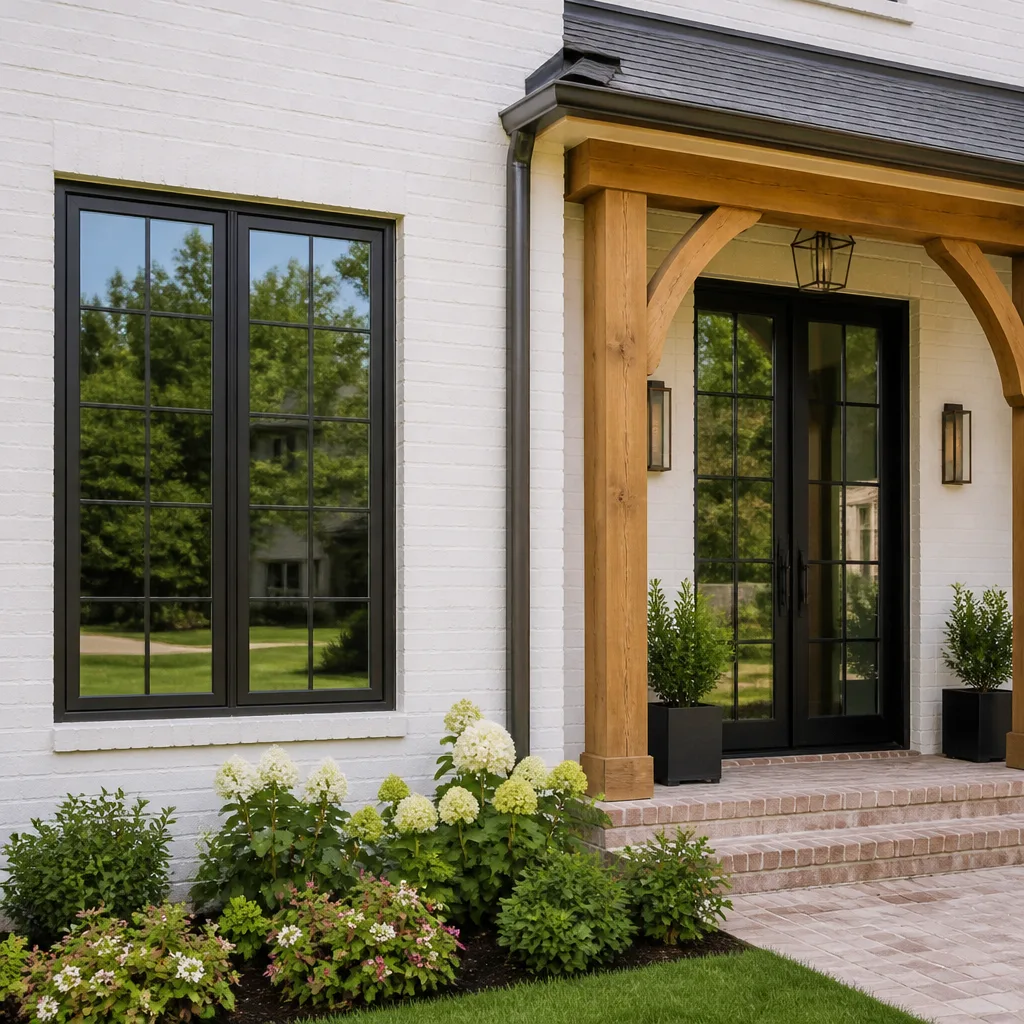
 Windows & doors
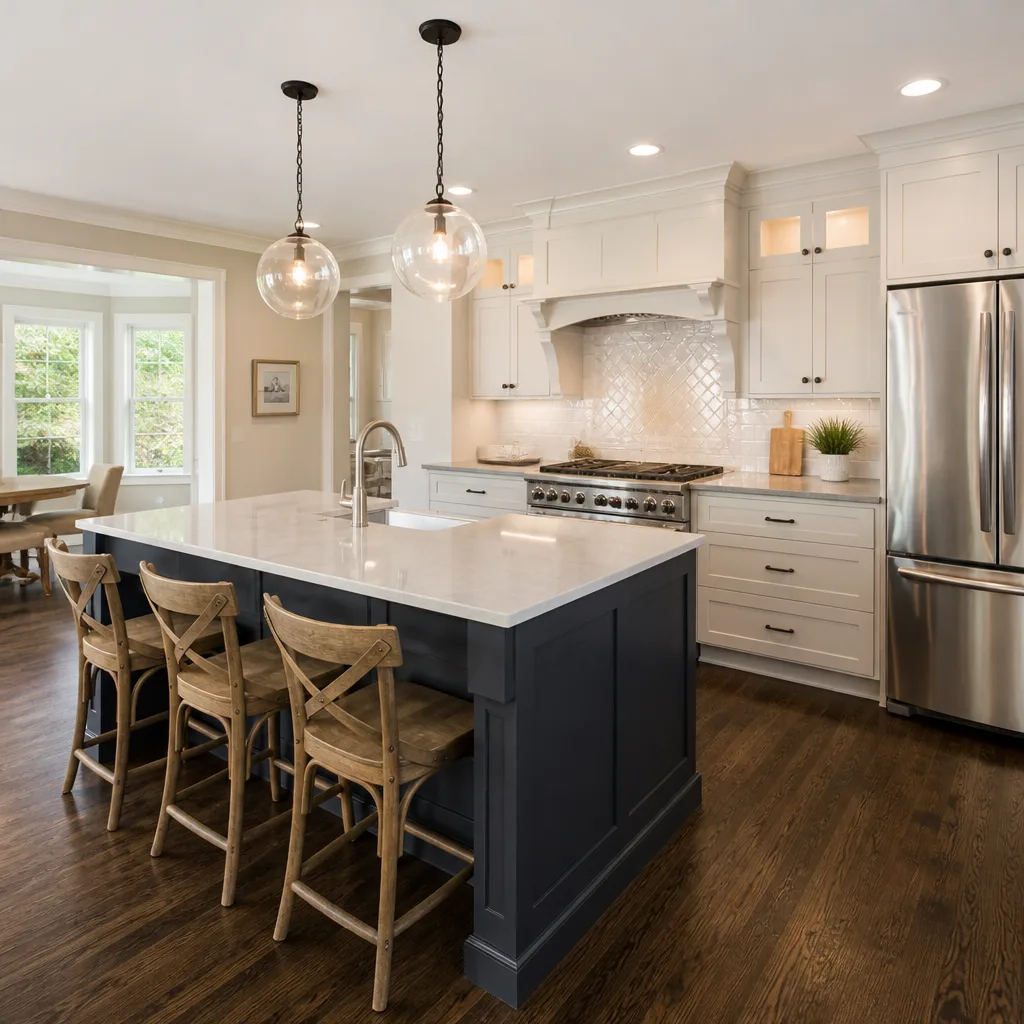 Kitchen remodeling
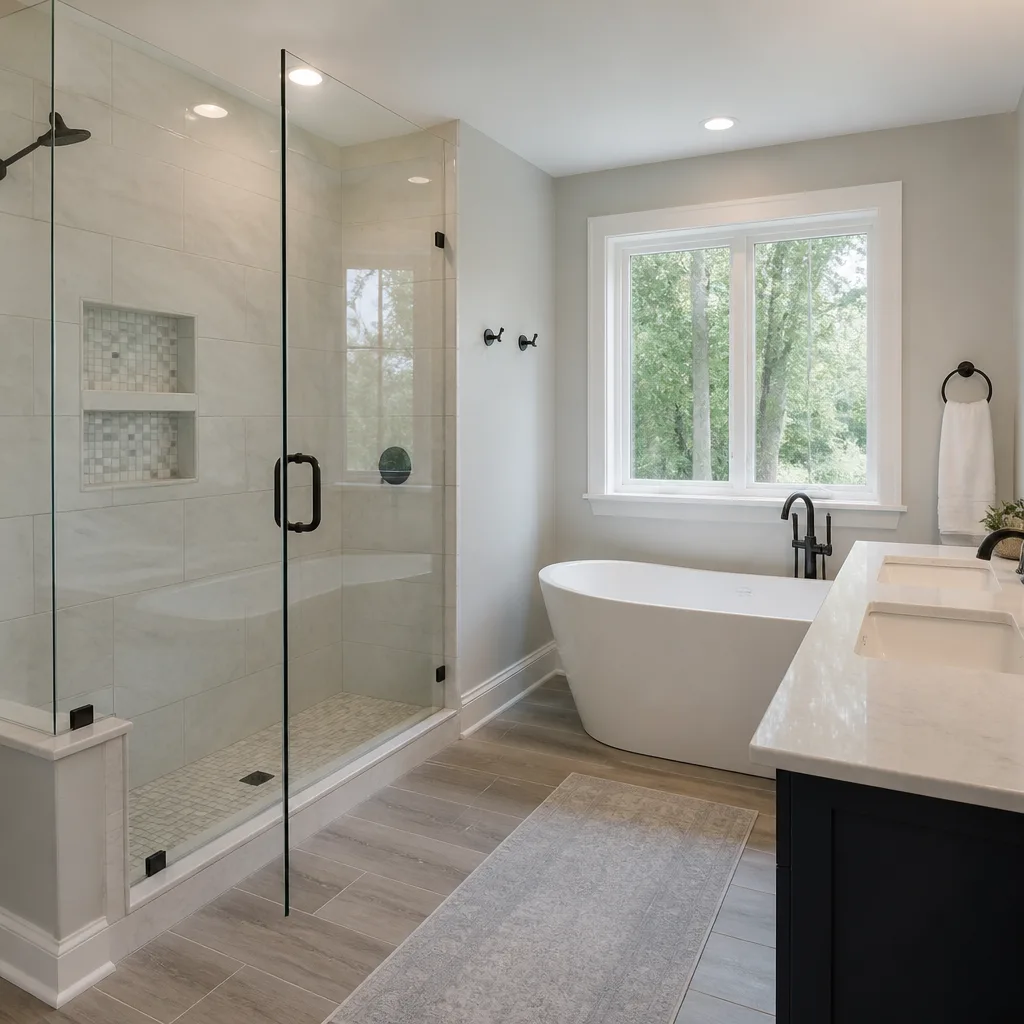 Bathroom remodeling
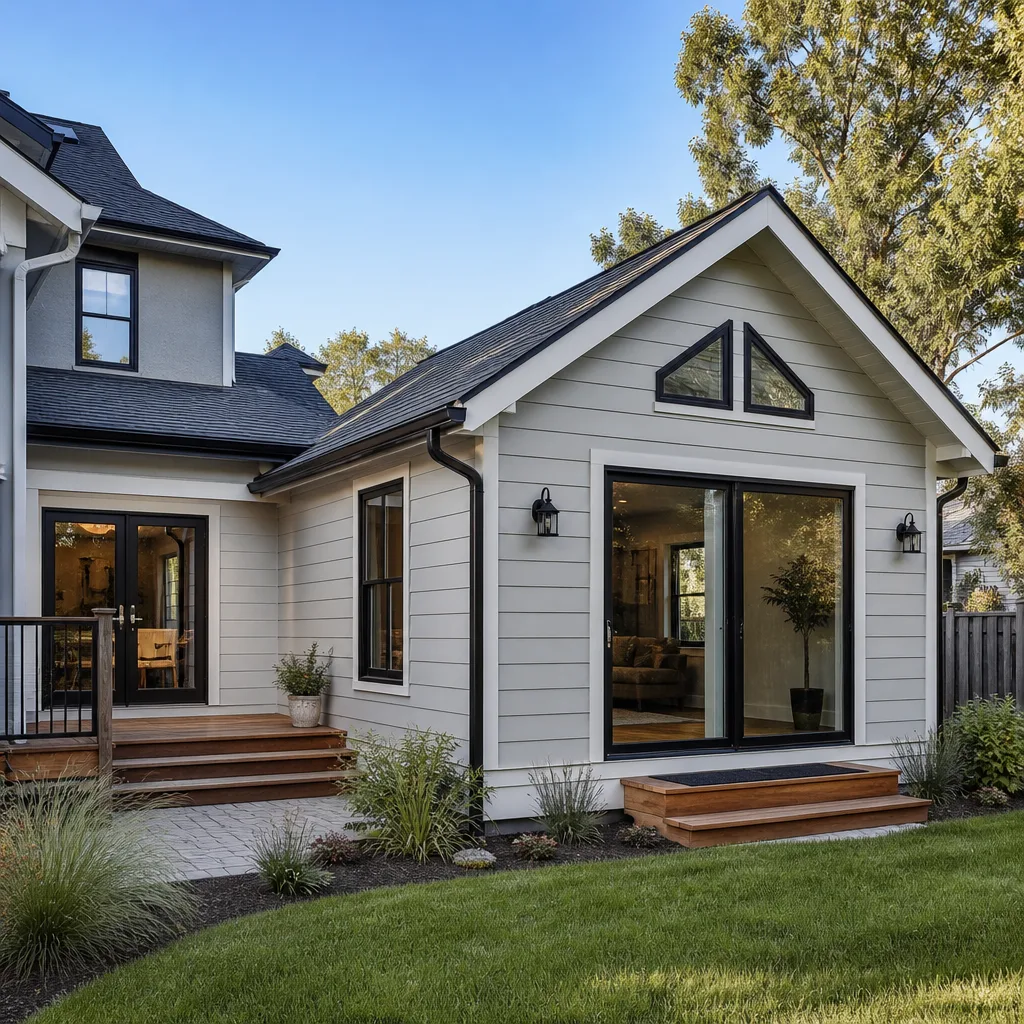 Home additions & ADU
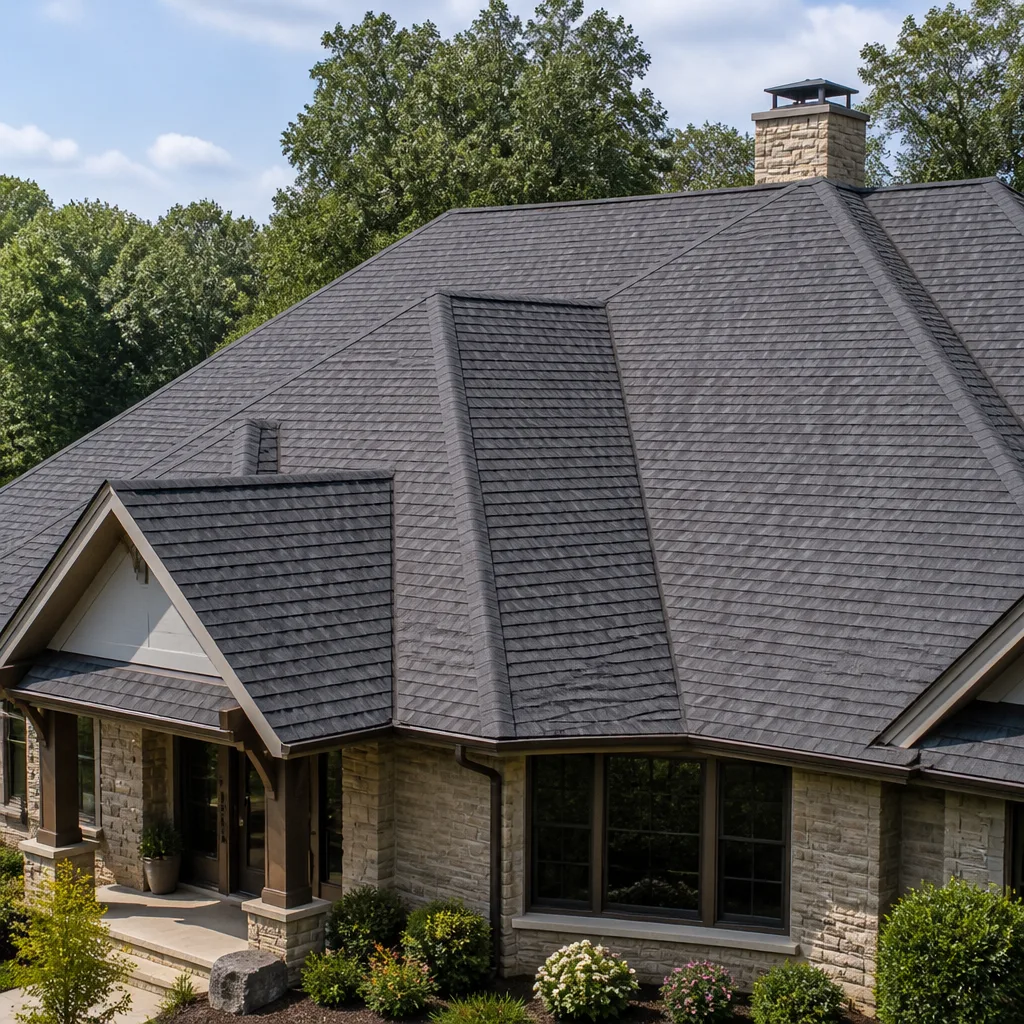 Roofing
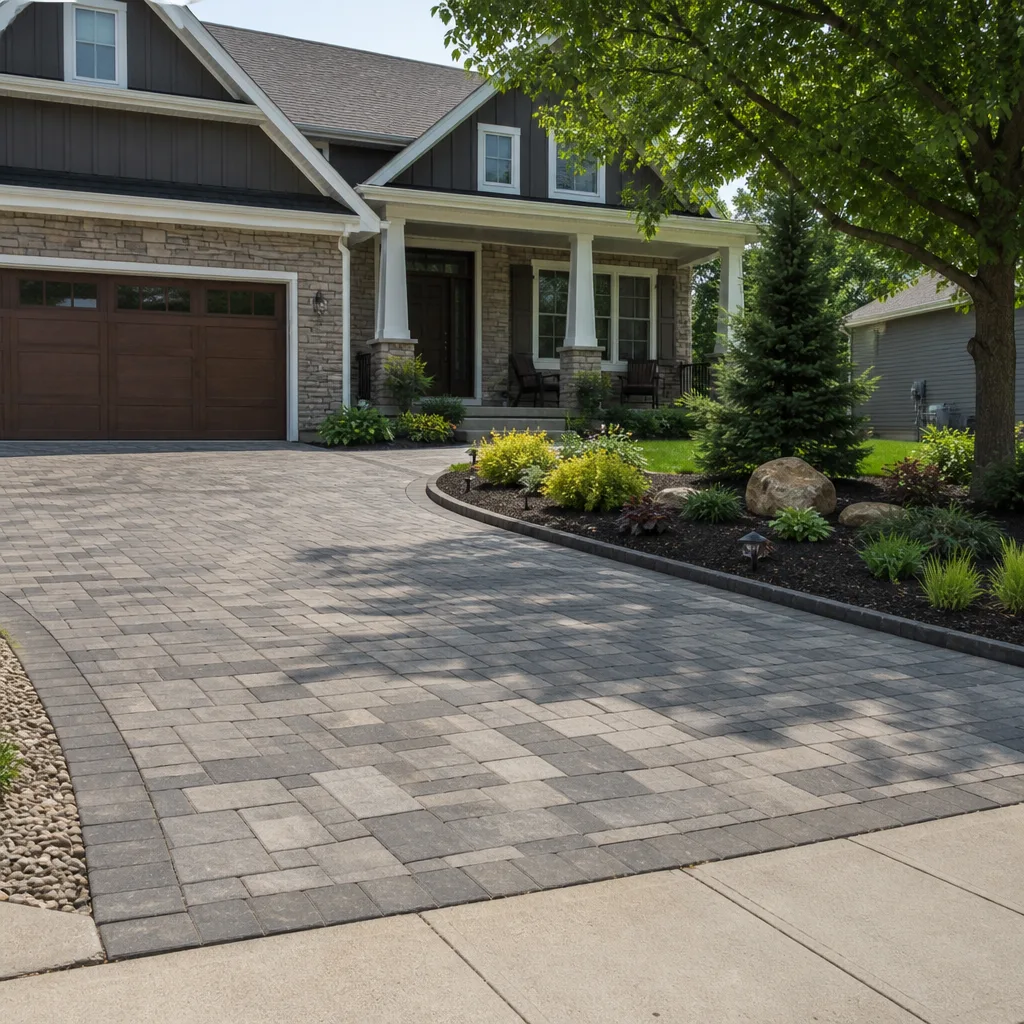 Driveway & pavers
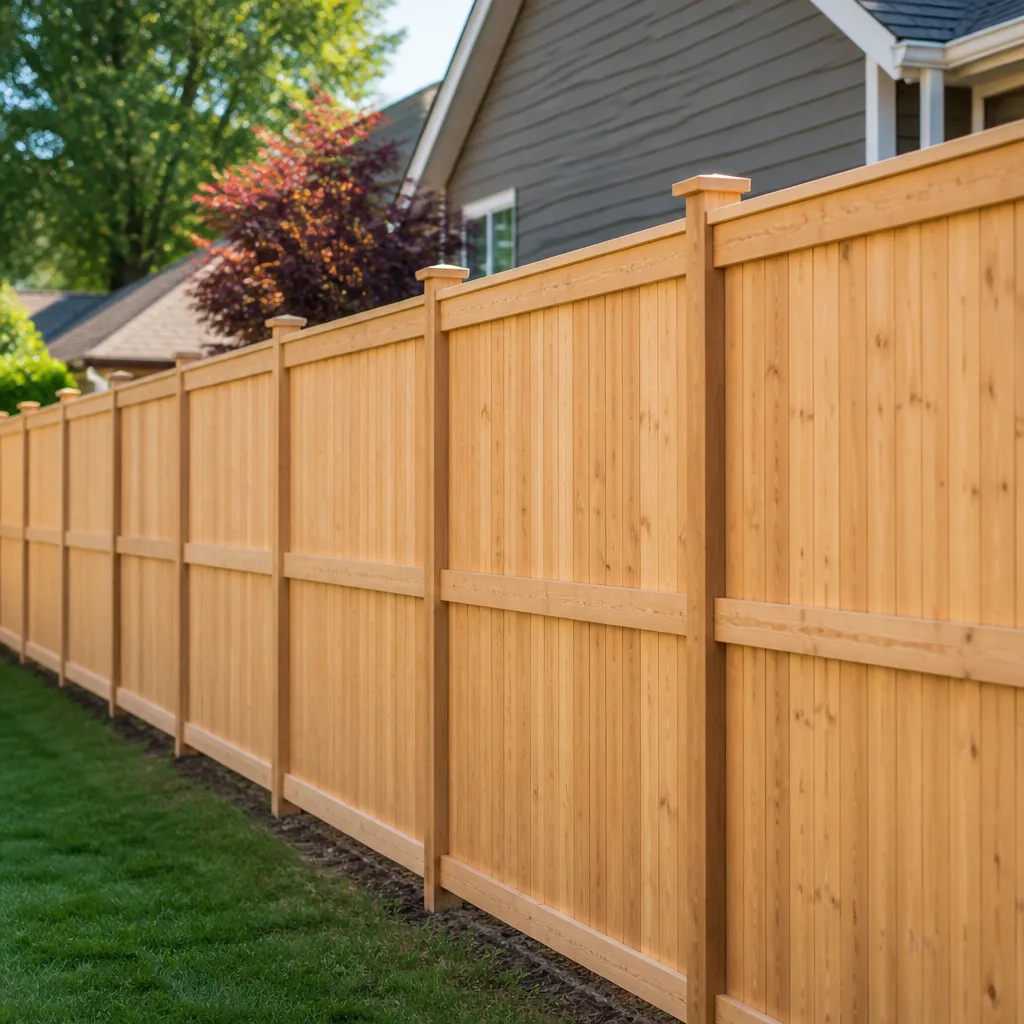 Fence
Free written scope consultation - allowances, timeline, and change-order rules on paper before a single trade is scheduled
Styles & brands we work with
- Kitchen remodeling
- Bathroom remodeling
- Home additions & ADU
- Roofing
- Windows & doors
- Driveway & pavers
- Fence
See the difference
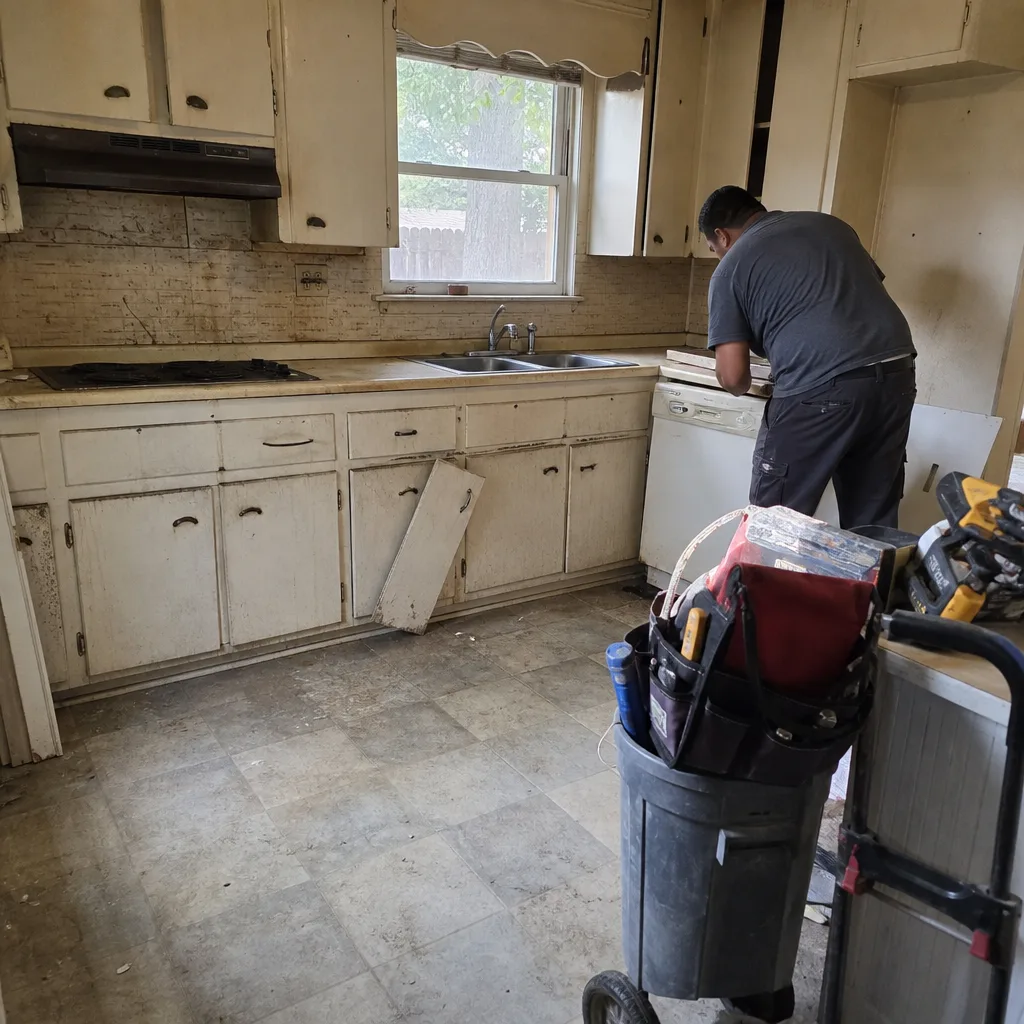 Before
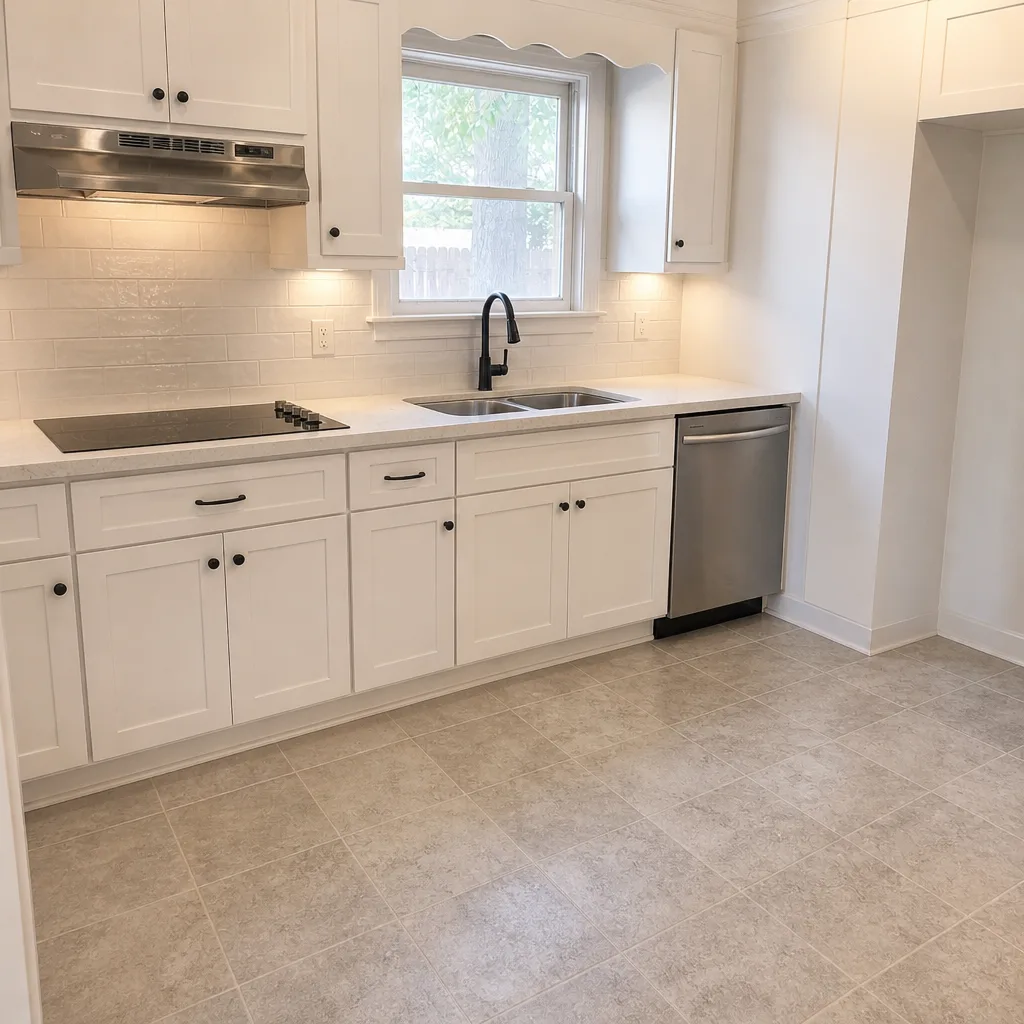 After
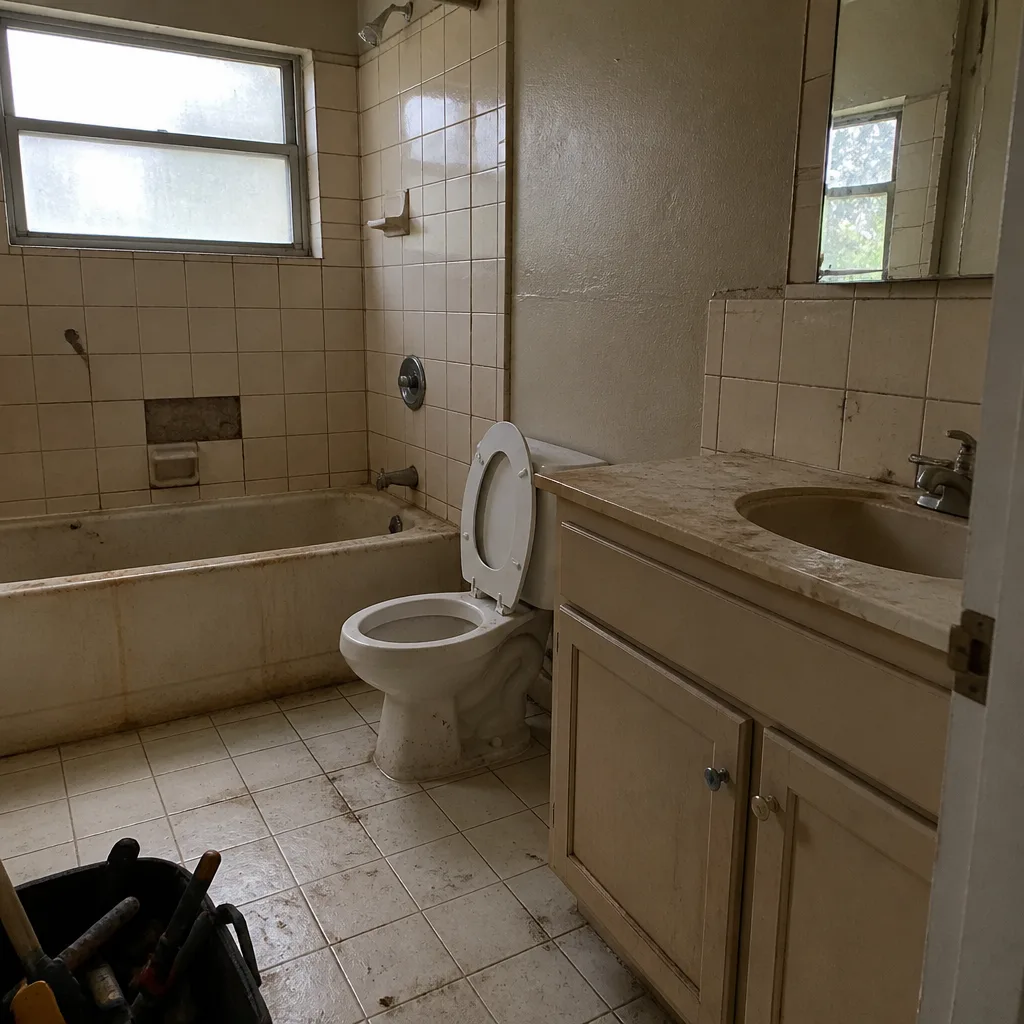 Before
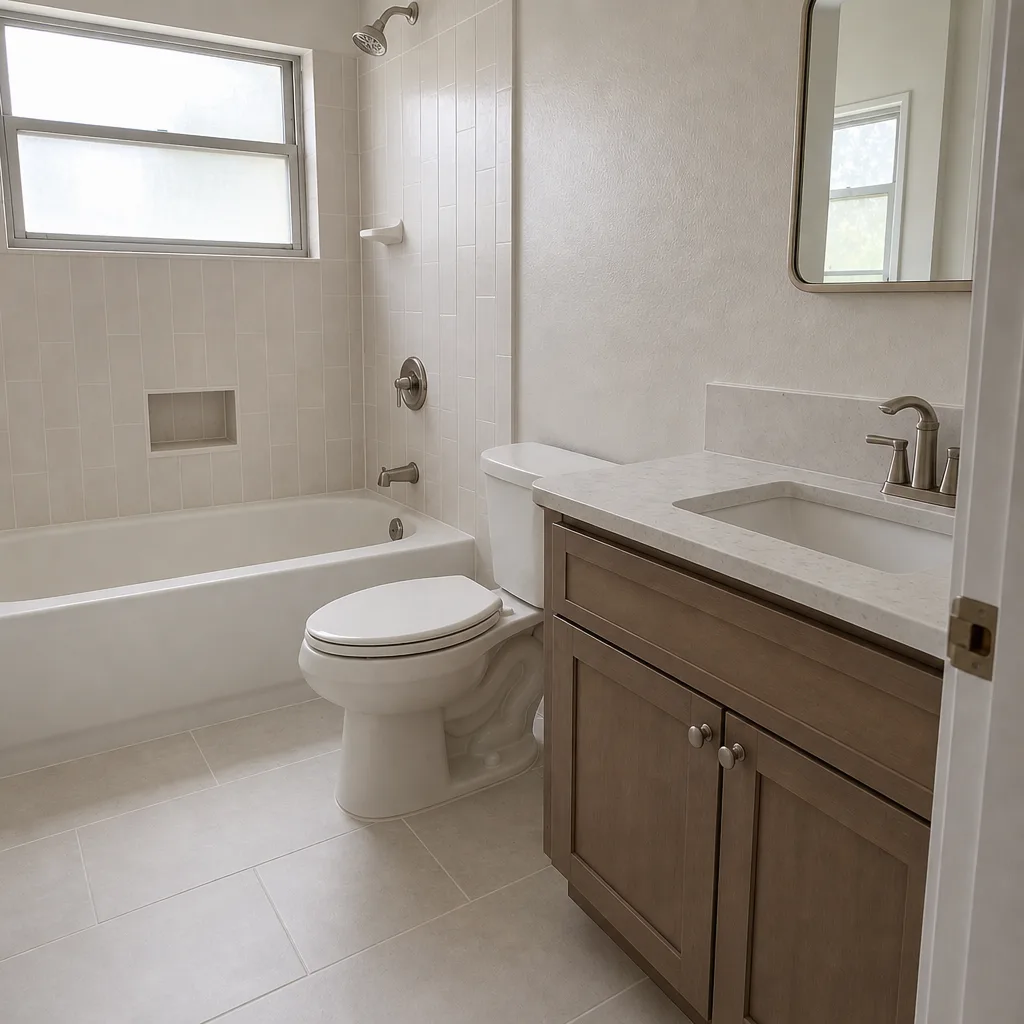 After
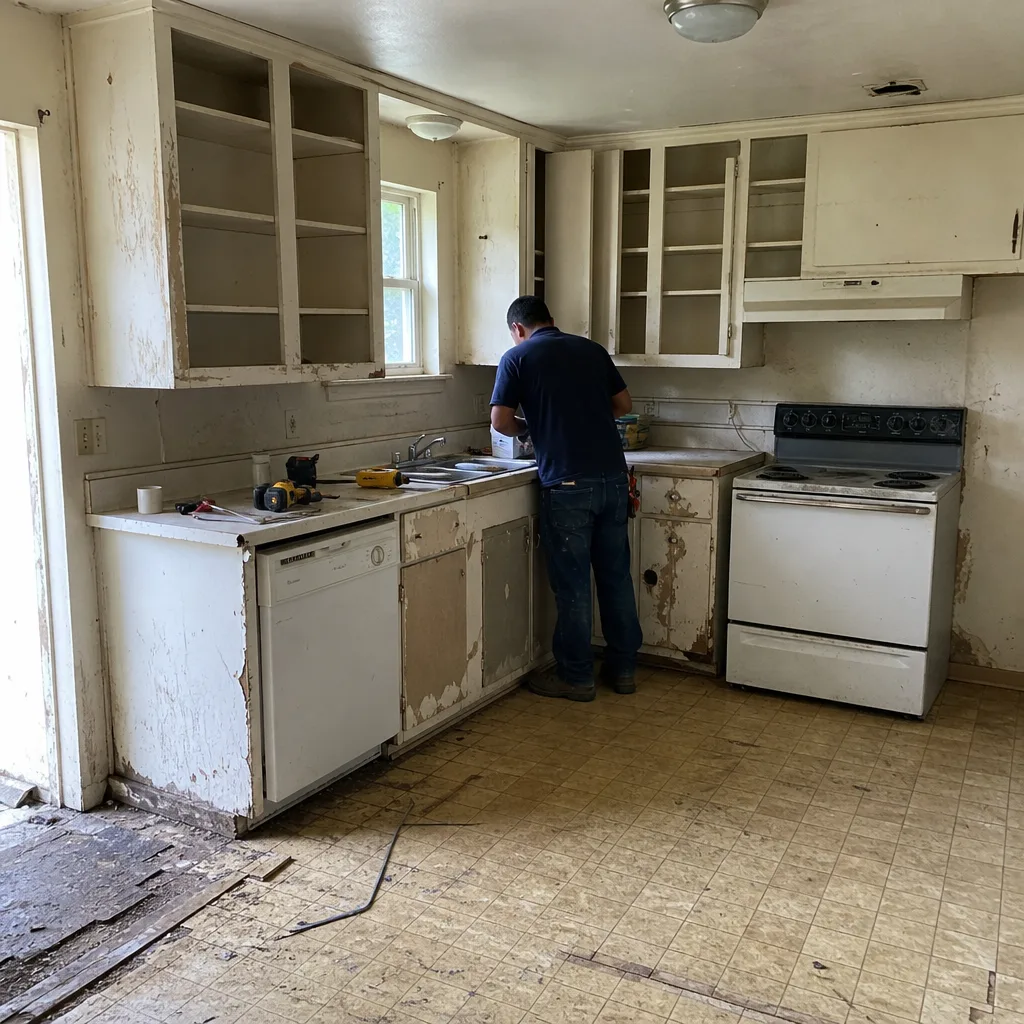 Before
 After
Double-Hung vs. Casement Windows in Dallas, TX: Which One Actually Keeps You Comfortable?
For most Dallas homes, choose double-hung windows unless the room needs real air movement and the wall can take a wider rough opening; then choose casement. Double-hungs fit the tall, narrow openings in older East Dallas and Oak Cliff bungalows and tilt in for cleaning without a ladder. Casements crank out to catch the spring and fall southerly breezes that let you cut AC runtime here, but they need more wall space and a crank assembly that has to be maintained. Groundwork Construction Co. of Dallas installs both in Andersen and Marvin, rated for DFW wind uplift. Call (844) 797-4808 for a free estimate.
That’s the short version. The longer answer depends on which wall you’re cutting into, how old the framing is, and how much you want to run the air conditioner. Dallas gets a genuine spring and fall, roughly 60 days a year where you don’t need the AC if the breeze can actually get through the window. A double-hung lets air drift in. A casement scoops it. That single difference drives most of the decision here, and it’s the part most comparison charts leave out.
Why Dallas Cares About Airflow More Than Most Cities
Prevailing spring winds in North Texas come out of the south and southwest. If your living room faces that direction, a casement window cranks out like a little sail and pushes moving air straight into the room at the same opening size where a double-hung only lets a fraction through. During March through May and again in October and November, that difference is audible in your electric bill. Homeowners who’ve watched their summer AC runtime climb appreciate this more than any spec sheet can explain.
The flip side: casements only pay off when the window actually faces the breeze. Put one on a north wall and you’ve paid for a mechanism that opens and closes without giving you the airflow benefit. That’s why we look at orientation before we look at anything else on a Dallas window project.
The Housing Stock Problem: Old Openings Don’t Always Fit New Ideas
Dallas mixes pre-war pier-and-beam bungalows through older neighborhoods like East Dallas and Oak Cliff with miles of 1950s-70s slab-on-grade ranch homes. Those older bungalows almost always have the tall, narrow Craftsman openings that a double-hung was designed for. Slide a double-hung sash into one and it fits with minimal fiddling.
Casements want a wider rough opening. In pre-war framing, that can mean header upgrades before the window even goes in – a real line item, not a footnote. On the slab-on-grade ranch homes, the framing is more forgiving but the walls aren’t always square after decades of soil movement. Our technicians have up to 12 years of experience reading those openings, which matters more than the model number on the box.
Where the clay gets involved
Dallas sits on the Blackland Prairie, that heavy clay belt where the soil swells and shrinks with the wet-dry cycle. Slab-on-grade homes ride that movement year after year. What does that mean for windows? Casement frames can rack slightly as the slab does, and when a frame racks, the crank mechanism binds. Double-hung sashes ride in their tracks and tolerate that movement better. It’s not a dealbreaker for casements – it’s a maintenance reality to plan around, especially on older homes where the foundation has already had some history.
Double-Hung vs. Casement: Side-by-Side
| Factor | Double-Hung | Casement |
|---|---|---|
| Airflow (south/SW walls) | Moderate – air drifts in | Strong – catches and directs breeze |
| Fit in pre-war bungalow openings | Excellent – matches tall/narrow framing | Needs wider rough opening, possible header work |
| Cleaning | Tilts in; easy from inside | Cranks open; higher exterior glass can be harder to reach |
| Crank mechanism | None | Yes – covered by factory hardware warranty, but it’s a moving part |
| Clay-soil movement tolerance | Good | Frame rack can bind the crank over time |
| DFW wind uplift rating | Available | Available |
Both configurations come in Andersen and Marvin with DFW-rated assemblies, and factory hardware warranties cover the crank mechanism itself – not just the glass. That’s the piece people forget to ask about until year six.
Common Dallas Scenarios and What We Usually Recommend
- 1940s Oak Cliff bungalow, original tall windows: Double-hung. The openings were made for them, and you avoid framing surgery.
- 1970s ranch with a south-facing living room: Casement on the breeze-facing walls, double-hung elsewhere. Best of both.
- High-pollen spring, second-story glass: Double-hung that tilts in for wiping. Dallas pollen coats exterior glass fast, and nobody wants to climb a ladder every three weeks.
- Slab-on-grade home with a history of foundation work: Lean double-hung or plan for periodic crank adjustment if you go casement.
- Room that bakes in July: Casement plus a look at attic ventilation – the two work together.
You’ll find every configuration we install on our Windows & Doors page, and the wider range of work we handle lives on our home page. If you’re also weighing a remodel down the road, the Dallas service area page shows how the trades connect.
How Much Do Casement or Double-Hung Windows Cost in Dallas?
Standard window replacement in Dallas runs $4,500-$15,000 for a typical project, and impact-rated installations run $8,000-$25,000. Casements sometimes land slightly higher per unit than double-hungs because of the crank hardware and wider opening prep, but orientation and framing condition drive the number more than configuration does.
- Window replacement (whole or partial home): $4,500-$15,000
- Impact window installation: $8,000-$25,000
- Header or rough-opening work on pre-war framing: priced per opening after inspection
Our upfront pricing means the number you see is the number you pay – no mid-project surprises. We also offer 0% financing for 18 months and $1,000 off projects over $10,000, so a whole-home window package is easier to schedule than to postpone.
FAQs
Casements are better only when the window faces the prevailing south or southwest breeze and the wall can take a wider rough opening. For most Dallas homes – especially older bungalows with narrow Craftsman openings – double-hung is the more practical choice. Call (844) 797-4808 and we’ll tell you which side of that line your home sits on.
No – a properly installed, DFW-rated casement seals as tightly as a double-hung, and the compression seal on a crank-out window is often tighter than a sliding sash. The real issue in Dallas is frame rack from clay soil movement, which can make the crank bind. Factory hardware warranties cover that mechanism. Call (844) 797-4808 for an exact quote on your home.
Yes, and it’s one of the smartest moves on a Dallas home – casement on the south and southwest walls to catch the breeze, double-hung everywhere else for cleaning and framing fit. Mixed styles read as intentional when the trim and color match. Call (844) 797-4808 to talk through a mixed plan.
Double-hungs tilt in, so you clean the exterior glass from inside without a ladder, which matters in a city where spring pollen coats glass fast. Casements open outward but the fixed exterior pane on upper floors can be harder to reach. Call (844) 797-4808 for a free estimate on tilt-in double-hungs.
If you’d rather have it looked at, Groundwork Construction Co. of Dallas offers a no-pressure assessment in Dallas – we’ll check orientation, framing, and foundation history before recommending a single window. Call (844) 797-4808. Every installation is backed by our 730-Day Done Right Promise, and a live person answers the phone 24/7.
Written by the team at Groundwork Construction Co. of Dallas, serving Dallas, TX.