
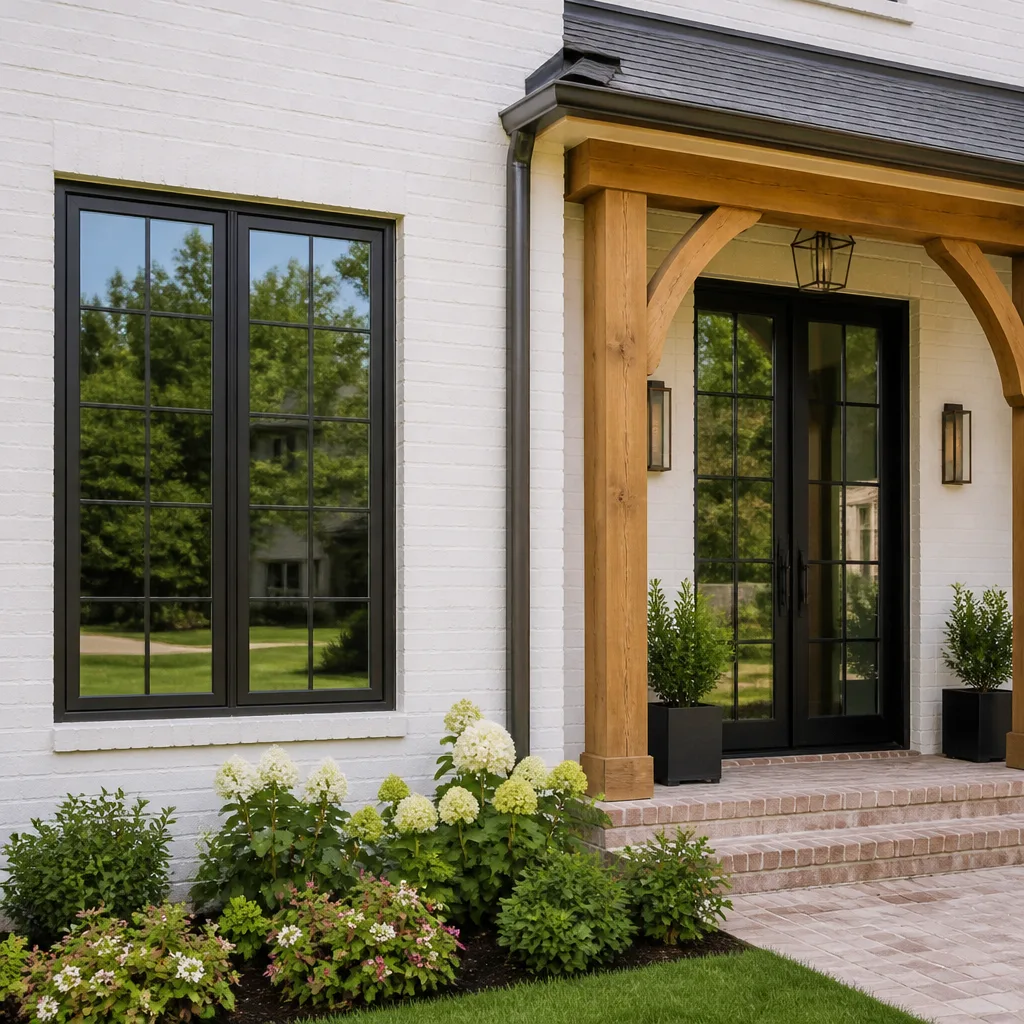
 Windows & doors
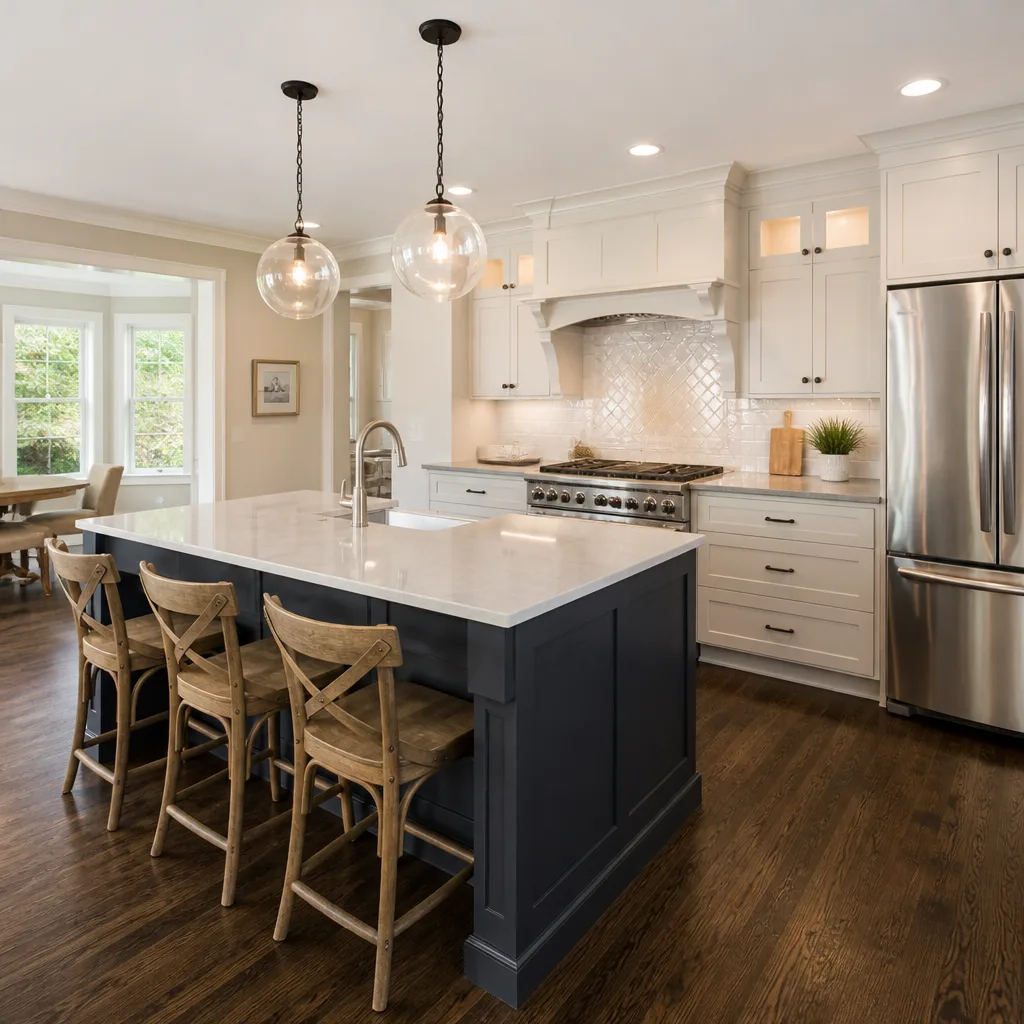 Kitchen remodeling
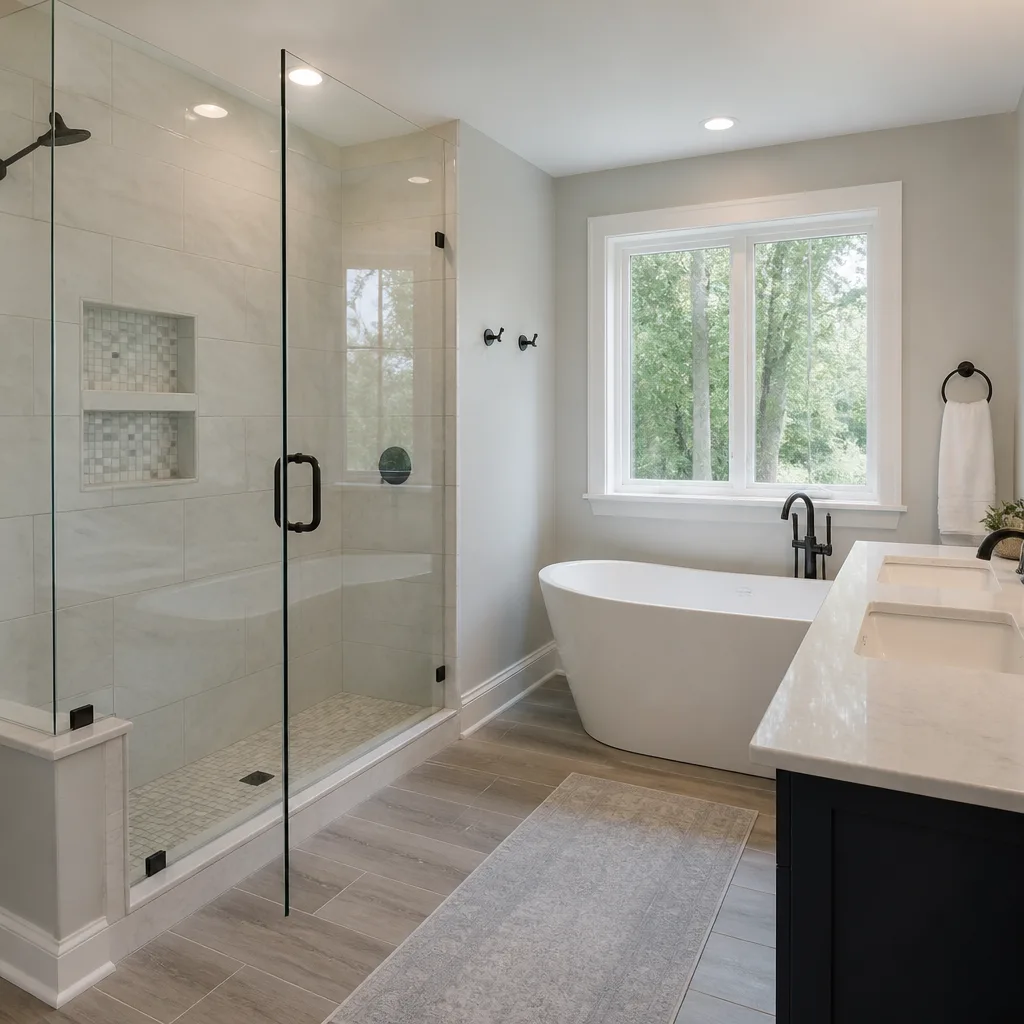 Bathroom remodeling
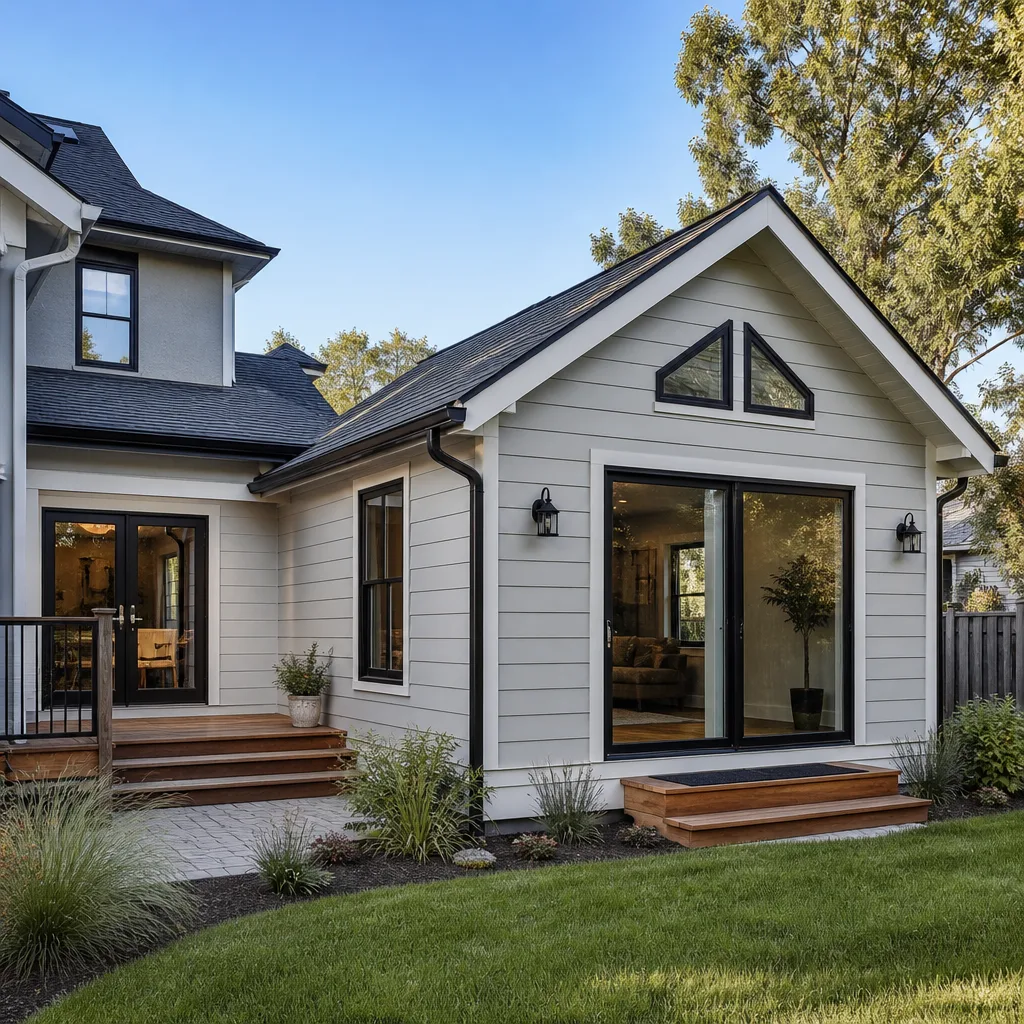 Home additions & ADU
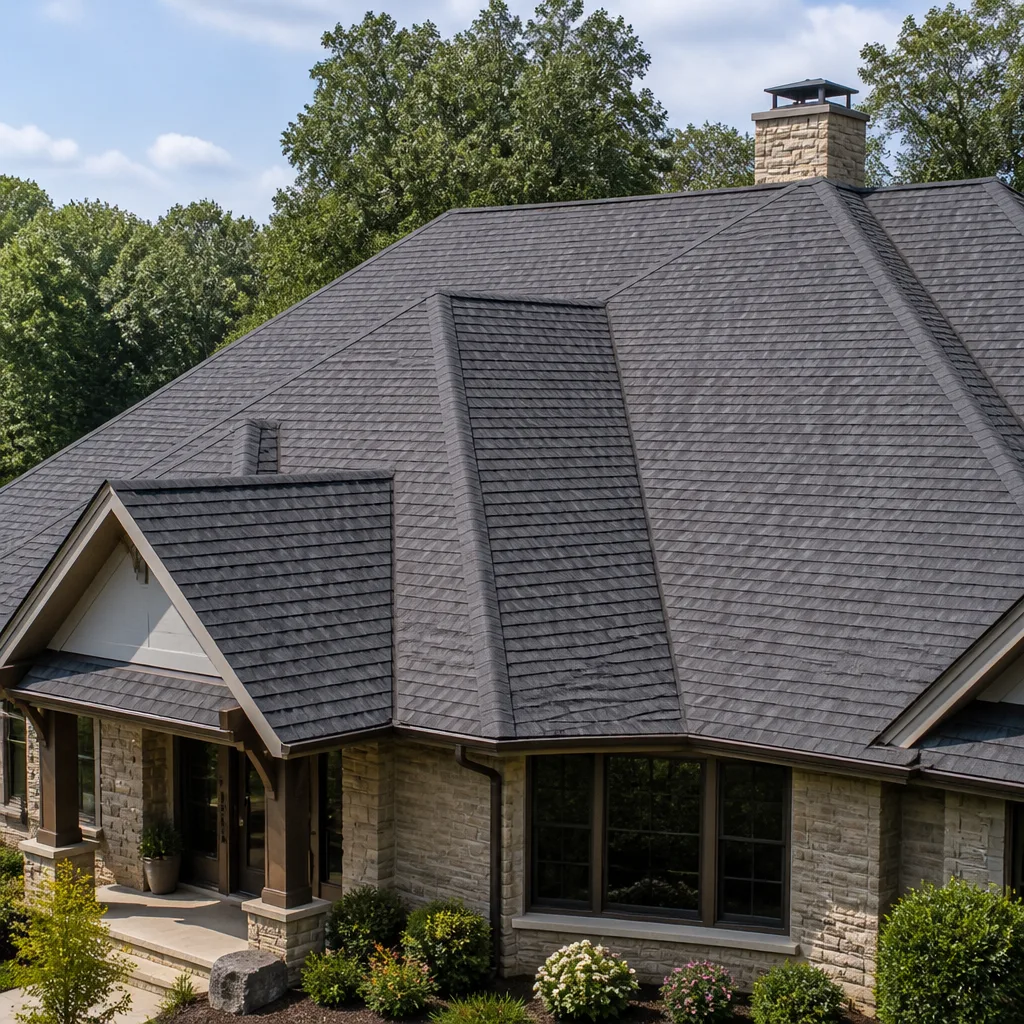 Roofing
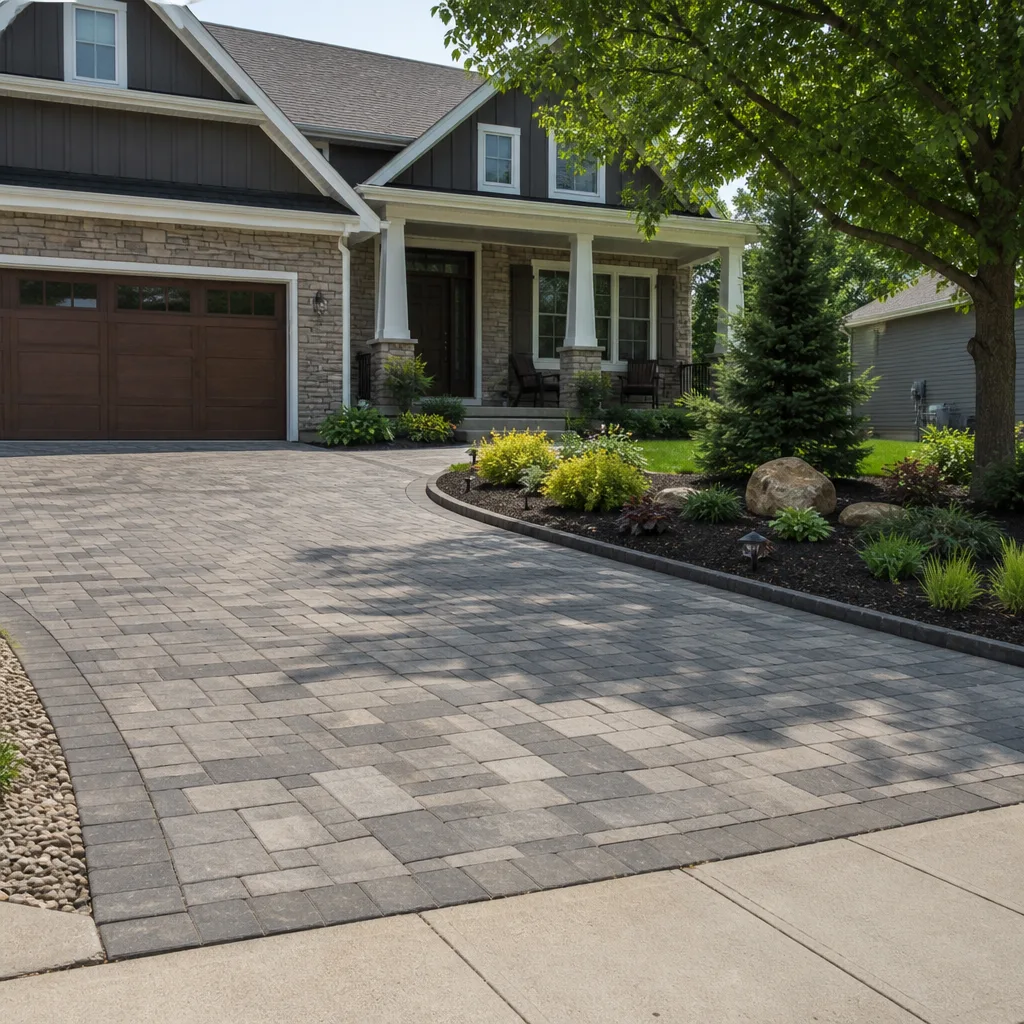 Driveway & pavers
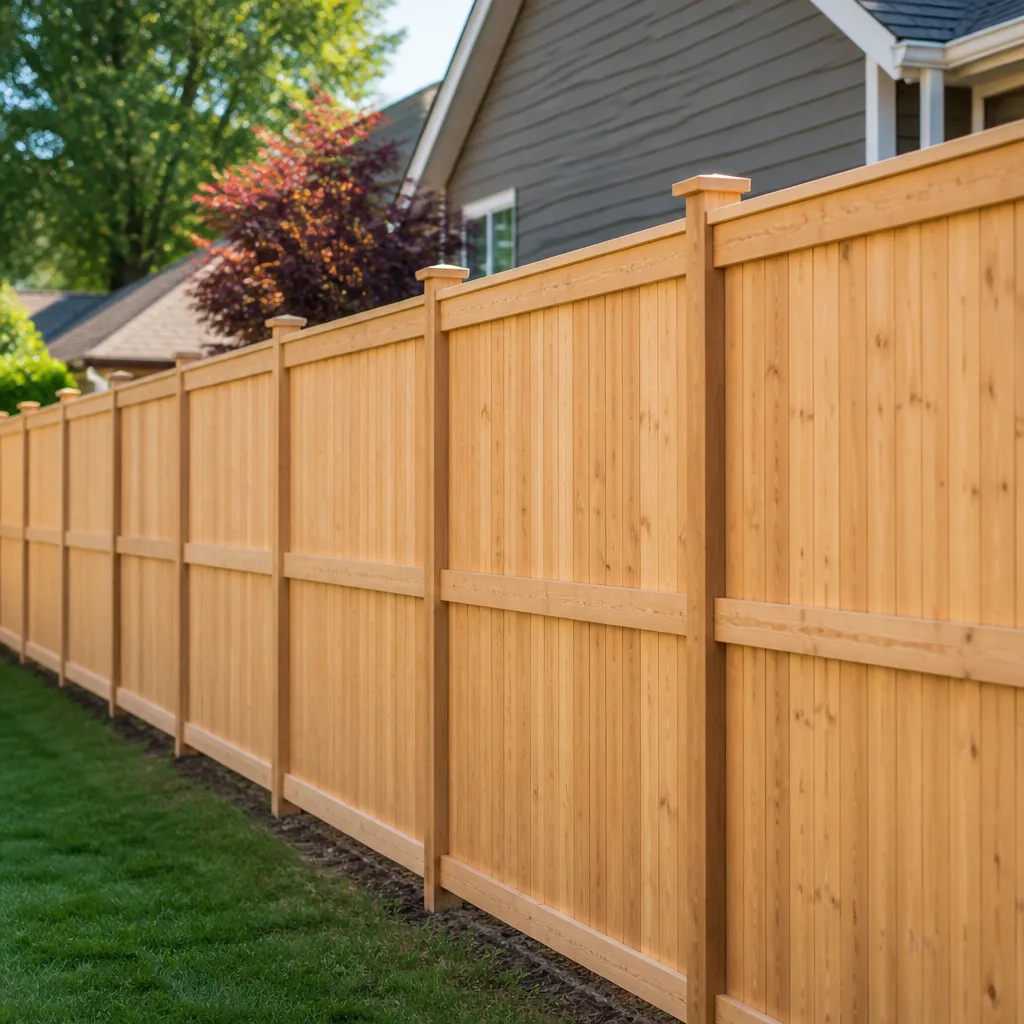 Fence
Free written scope consultation - allowances, timeline, and change-order rules on paper before a single trade is scheduled
Styles & brands we work with
- Kitchen remodeling
- Bathroom remodeling
- Home additions & ADU
- Roofing
- Windows & doors
- Driveway & pavers
- Fence
See the difference
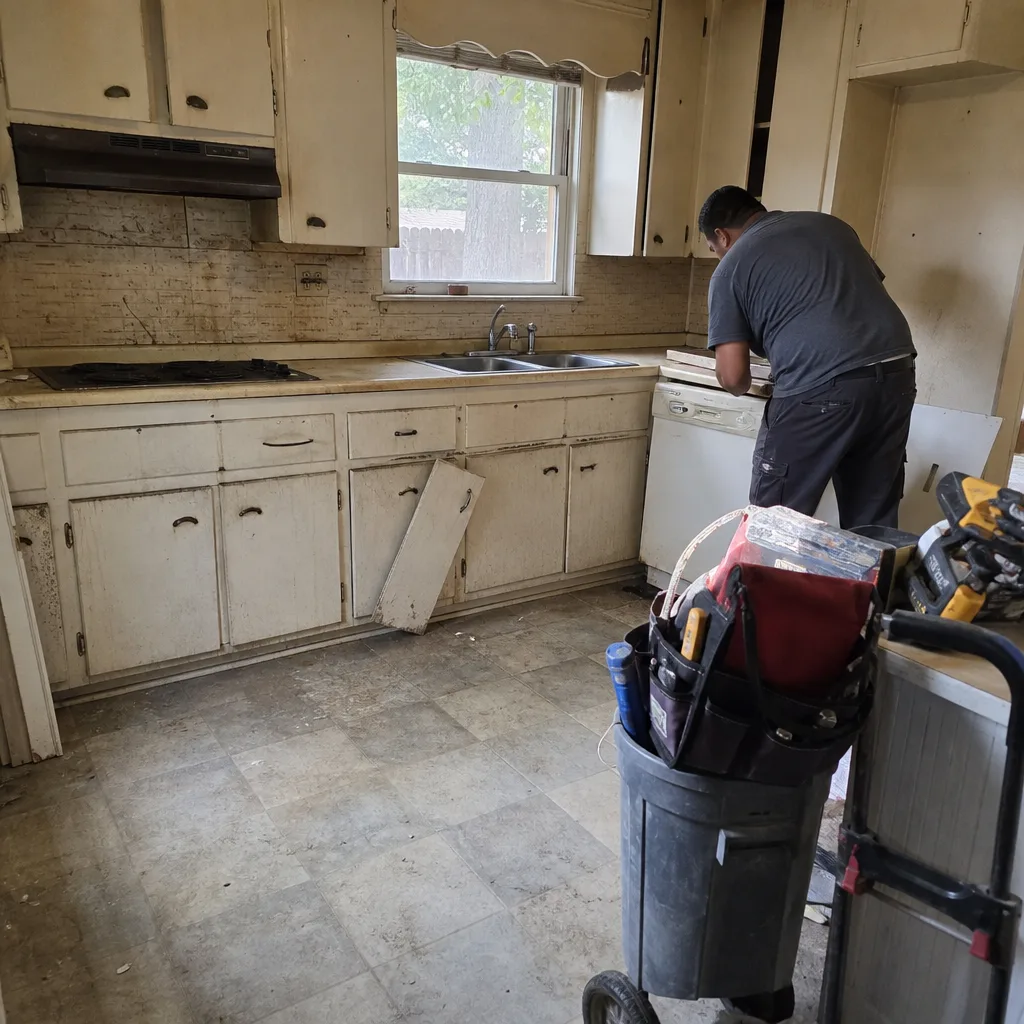 Before
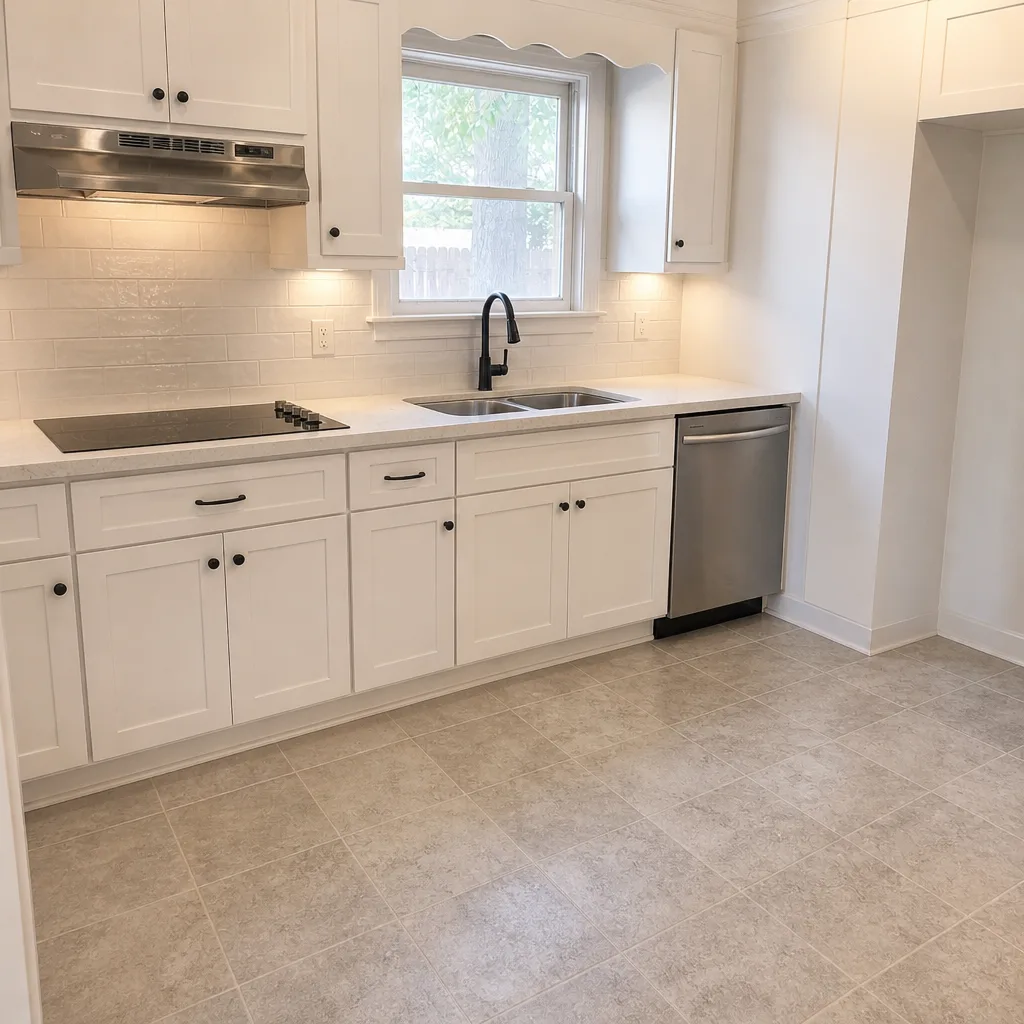 After
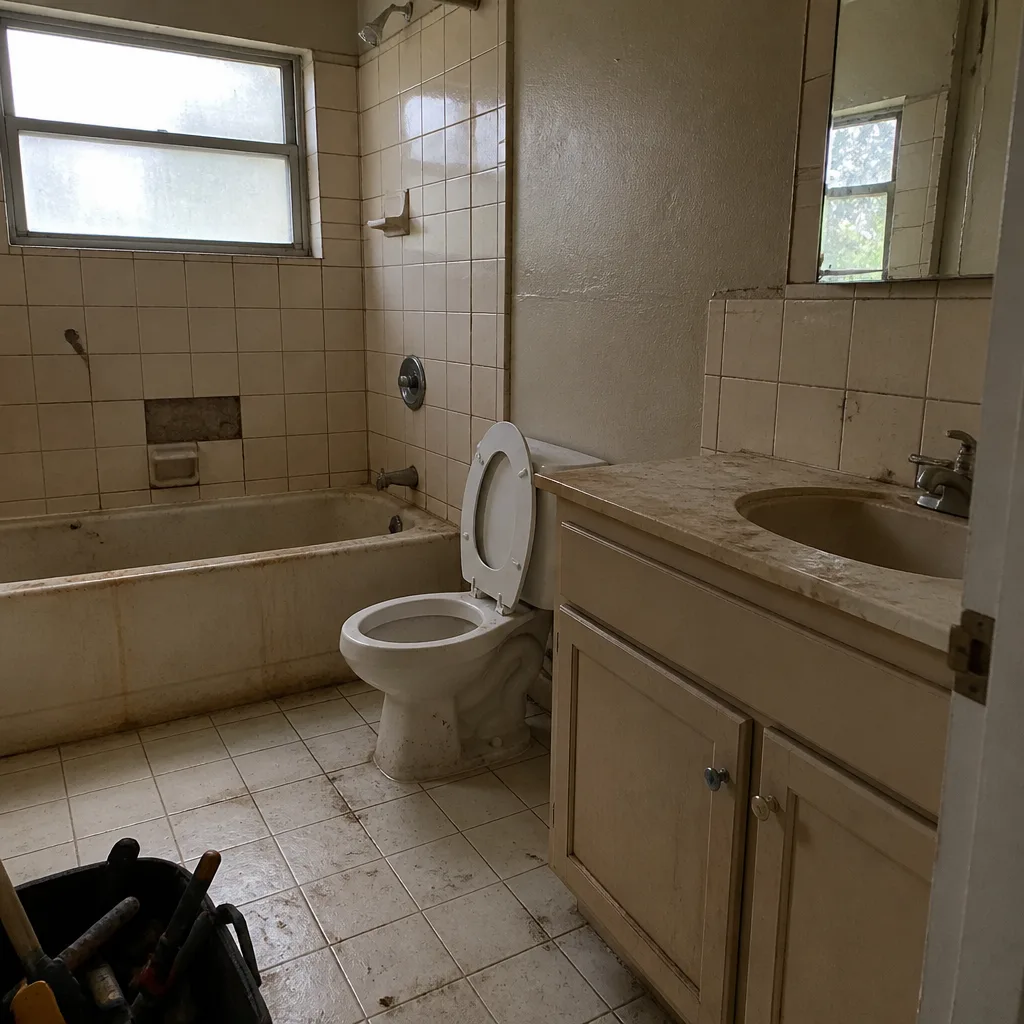 Before
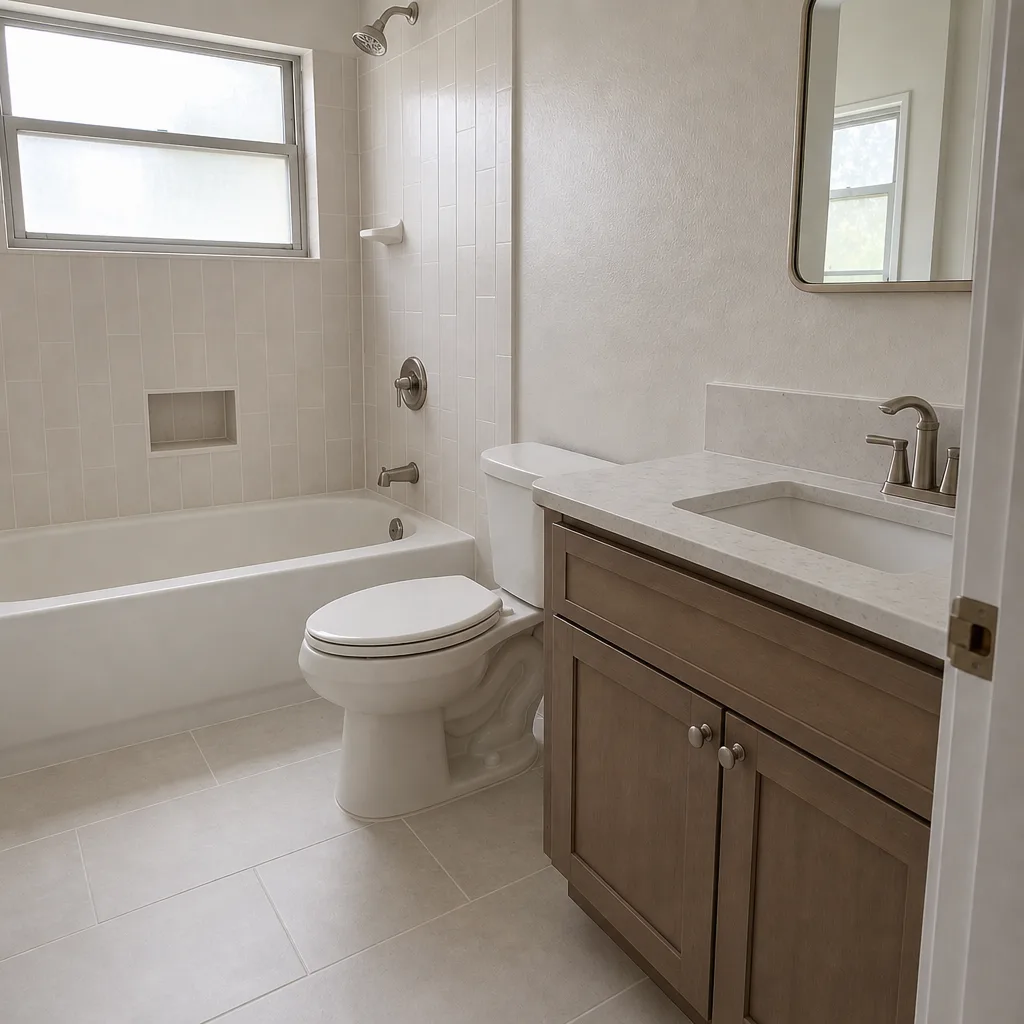 After
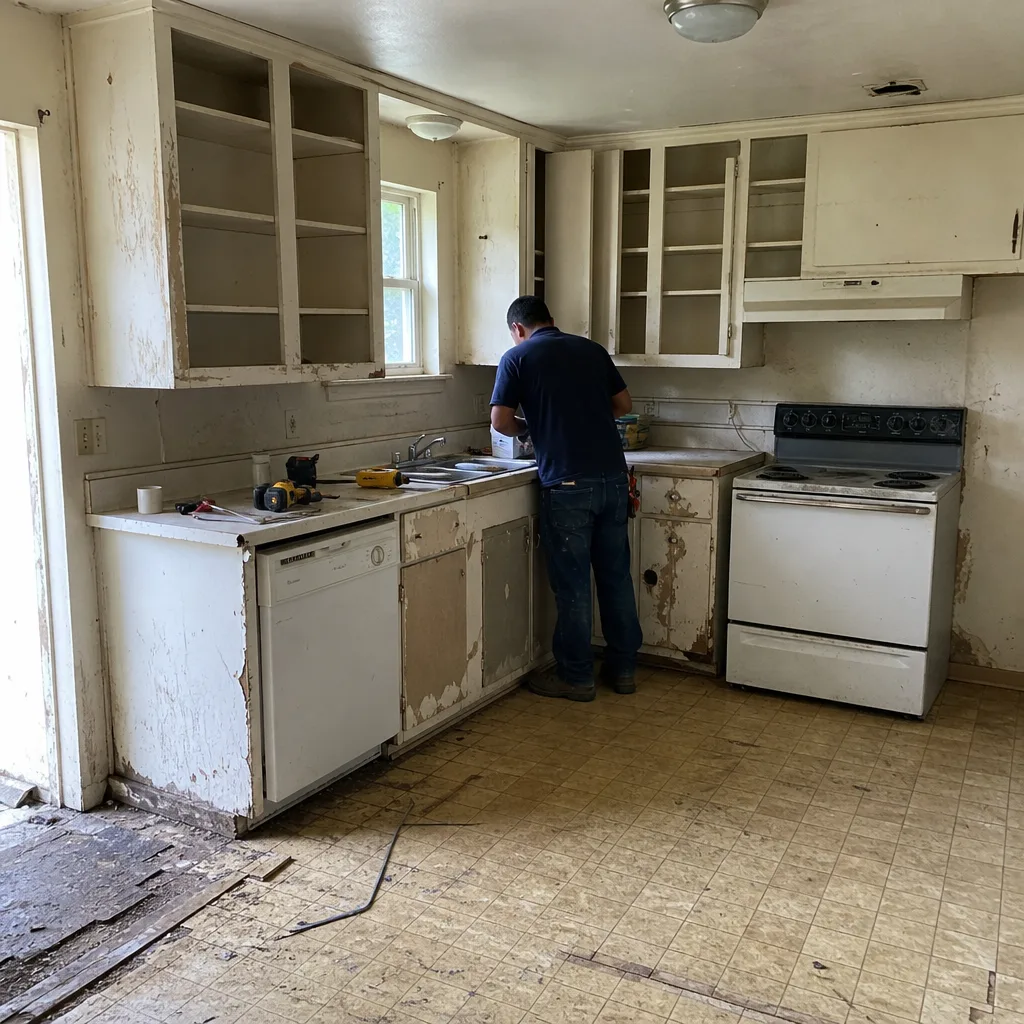 Before
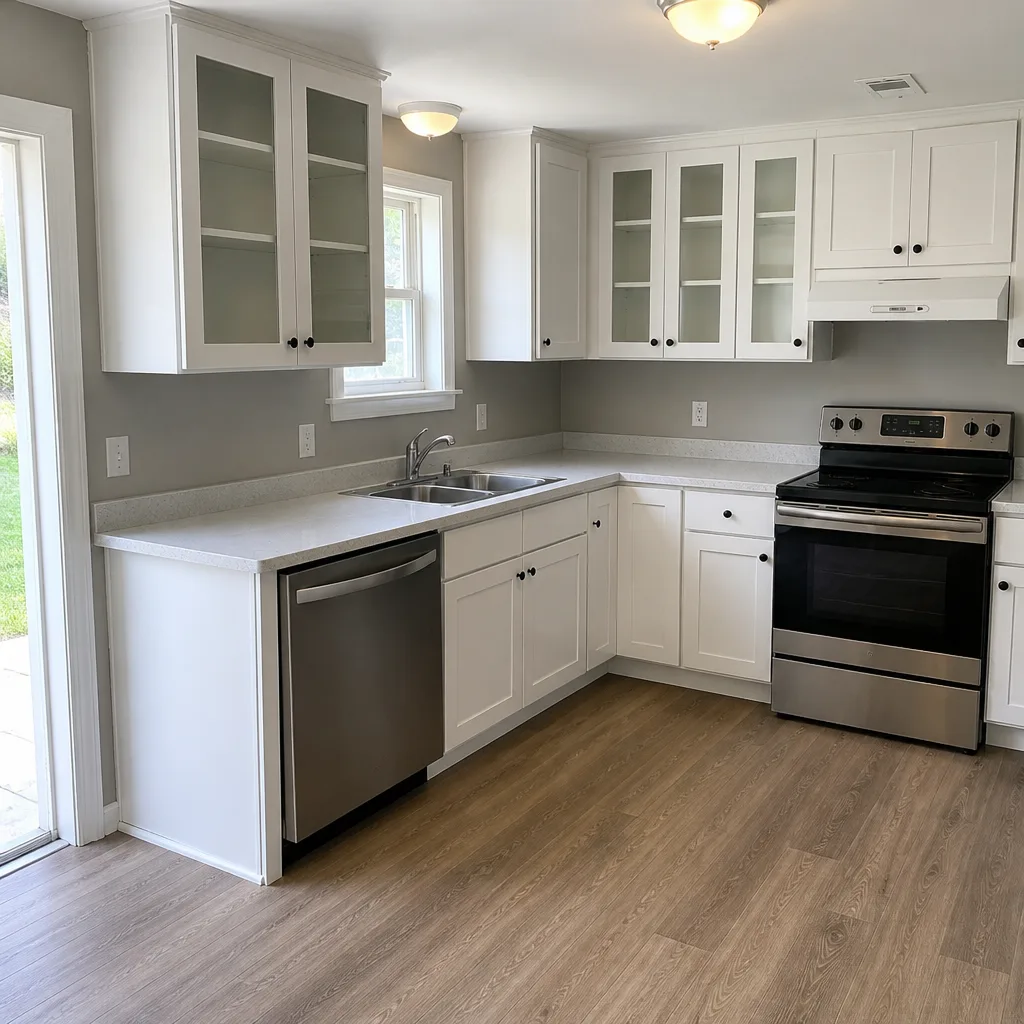 After
How Custom Windows Are Made, and Why It Matters in Dallas, TX
Custom windows are made by building a frame from a specific material (vinyl, fiberglass, or aluminum-clad wood), fabricating it to a measured size at the factory, then sealing a built-to-spec insulating glass unit into it before it ships. What separates one custom window from another is the manufacturing method behind the frame, and that process determines whether the window survives Dallas’s thermal extremes or quietly fails a few summers in. Getting the process right matters more here than in most markets, and it’s why the material choice is a construction decision, not a décor one. Call (844) 797-4808 to talk through your project.
Why the Dallas Climate Puts Extra Stress on Manufactured Frames
An exterior window surface here can hit 110°F in July and then drop fast when a winter front rolls through - DFW’s hard freezes aren’t a yearly certainty, but they happen. Every material expands and contracts at its own rate as temperature swings. Vinyl moves a lot. Fiberglass moves very little. Aluminum moves more than wood but is usually paired with a wood interior, which carries its own behavior. When a manufacturer engineers a window well, they account for that coefficient so the frame and the glass unit move together instead of pulling the seal loose. When they don’t, you get a failed seal, fogged glass, or a frame that binds and won’t open.
This is the same reason Dallas construction already designs around conditions most markets don’t face. Modern homes here are built on post-tension slabs with drilled piers to handle the expansive clay under Oak Cliff and East Dallas, and the same care shows up in how a window is specified: wind uplift, hail, and thermal movement come first. A window is no different.
If you’re comparing frames from a showroom floor, look for the thermal expansion coefficient, the glass spacer type, and the factory’s own QC language. Ask how they warm-cycle the unit. A custom window built for Dallas should be built to move.
How Each Frame Material Is Actually Manufactured
Fiberglass and aluminum-clad wood handle Dallas’s swing better than extruded vinyl, and the reason lives in the factory. Here’s how each is made.
- Vinyl is melted and pushed through a die profile (extrusion), then cut and welded at the corners. Vinyl has a high thermal expansion rate, so over many years the welds can crack and the sash can warp in sustained heat.
- Fiberglass is made by pultrusion - glass fibers are pulled through a resin bath and cured into a rigid profile. The fiber content keeps expansion close to glass itself, so the frame and glazing move together. That’s the material logic behind brands like Marvin.
- Aluminum-clad wood pairs an extruded aluminum exterior, which handles hail and sun, with a solid wood interior for the frame’s structural rigidity. Andersen builds its custom line this way, cladding the outside so the wood never sees Dallas’s moisture.
No lab result replaces a real manufacturing process. When you look at a custom window, you’re looking at the profile method as much as the brand name.
What “Custom” Means in the Glass Unit Itself
Custom doesn’t stop at the frame. The glass unit is a sealed assembly with a spacer between two or three panes, a gas fill (argon or krypton), and a low-e coating applied at the factory. The spacer type matters in Dallas sun: a warm-edge spacer keeps the edge of the glass closer to room temperature, which cuts condensation and reduces the chance of a seal failure. A metal spacer does the opposite.
Solar gain is the other factory decision. Low-e coatings are applied in different layers to control how much solar heat enters and how much UV passes through. For east- and west-facing Dallas windows, that coating matters far more than the frame color does. And because spring hail is a real variable, impact-rated glazing (laminated glass that holds together when struck) is a factory specification, not an add-on you can install later. That’s why Windows & Doors work here starts with the glass spec, not the size alone.
Custom Sizing at the Factory: How Andersen and Marvin Differ
Custom-sized windows from premium brands don’t work the way a big-box special order does. A box-store order takes a standard frame and cuts it to size, then ships it. A premium custom window starts with a measured opening, gets built into a one-off unit at the factory, and goes through a quality-control check before it ships. For Andersen and Marvin specifically, the manufacturer takes the dealer’s measured dimensions and fabrication specs and builds the frame and glass to that exact opening. That’s a different level of precision.
The catch: a custom-order window is non-returnable. If the measured opening is wrong, you own that window. That’s why the most valuable part of the process is what happens before the factory order goes in. A professional measure isn’t paperwork; it’s the step that keeps a $1,000 custom order from becoming a very expensive wall decoration.
Groundwork Construction Co. of Dallas runs a measure and consult service first, then translates the numbers into the factory order. Our technicians bring up to 12 years of experience to that measuring step, and we set the price upfront before any order goes in. The number you see is the number you pay.
How Long Do Custom Windows Take in Dallas?
Custom windows from premium brands typically run 4 to 8 weeks from order to delivery. That lead time surprises homeowners who’ve only bought off-the-shelf windows, and in Dallas it’s a genuine planning variable. Hail season can arrive before the order does, and if you’re replacing windows through an insurance claim, the adjuster’s timeline and the factory’s timeline have to line up. Plan the order around the season, not against it.
Typical custom window investment in Dallas, at a glance:
| Project | Typical Dallas Cost |
|---|---|
| Window Replacement | $4,500-$15,000 |
| Impact Window Installation | $8,000-$25,000 |
Upfront pricing and 0% financing for 18 months make the larger number easier to plan around, and projects over $10,000 carry $1,000 off. Estimates are free, so you can price the real specification before committing to the factory order.
FAQs
Custom windows are built to your exact measured opening rather than cut down from a standard size, so the frame and glass are fabricated to spec and quality-checked before shipment. That’s the difference in a sentence.
Fiberglass and aluminum-clad wood generally handle Dallas’s temperature swings better than extruded vinyl because their expansion rates stay closer to the glass, which protects the seal. Vinyl remains a reasonable option for shaded elevations, but the difference in thermal movement is real.
Yes, but plan ahead - custom orders run 4 to 8 weeks, so an order placed at the start of hail season may arrive after storm damage hits. Getting the measure and factory order in early keeps the replacement on your timeline, not the season’s.
Yes - a custom window is non-returnable, so a measurement error means you buy the wrong window. A professional measure protects a real dollar investment, and Groundwork’s free estimate and consult covers it before the factory order goes in.
If you’d rather have it looked at, Groundwork Construction Co. of Dallas offers a no-pressure assessment in Dallas: we measure, spec the window, and give you a number upfront. Call (844) 797-4808 for a free estimate. You can also find details on our Dallas service area page, or start at our home page.
Written by the team at Groundwork Construction Co. of Dallas, serving Dallas, TX.