
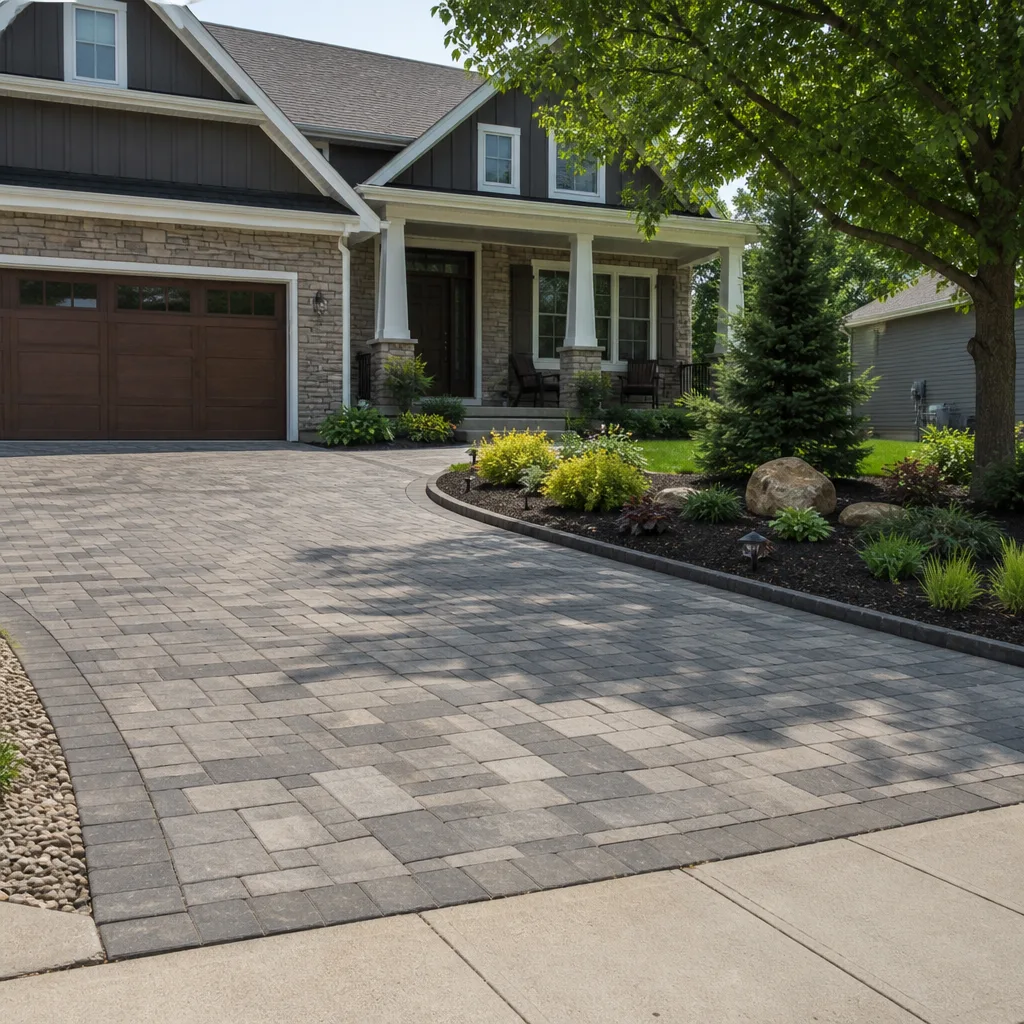
 Driveway & pavers
 Kitchen remodeling
 Bathroom remodeling
 Home additions & ADU
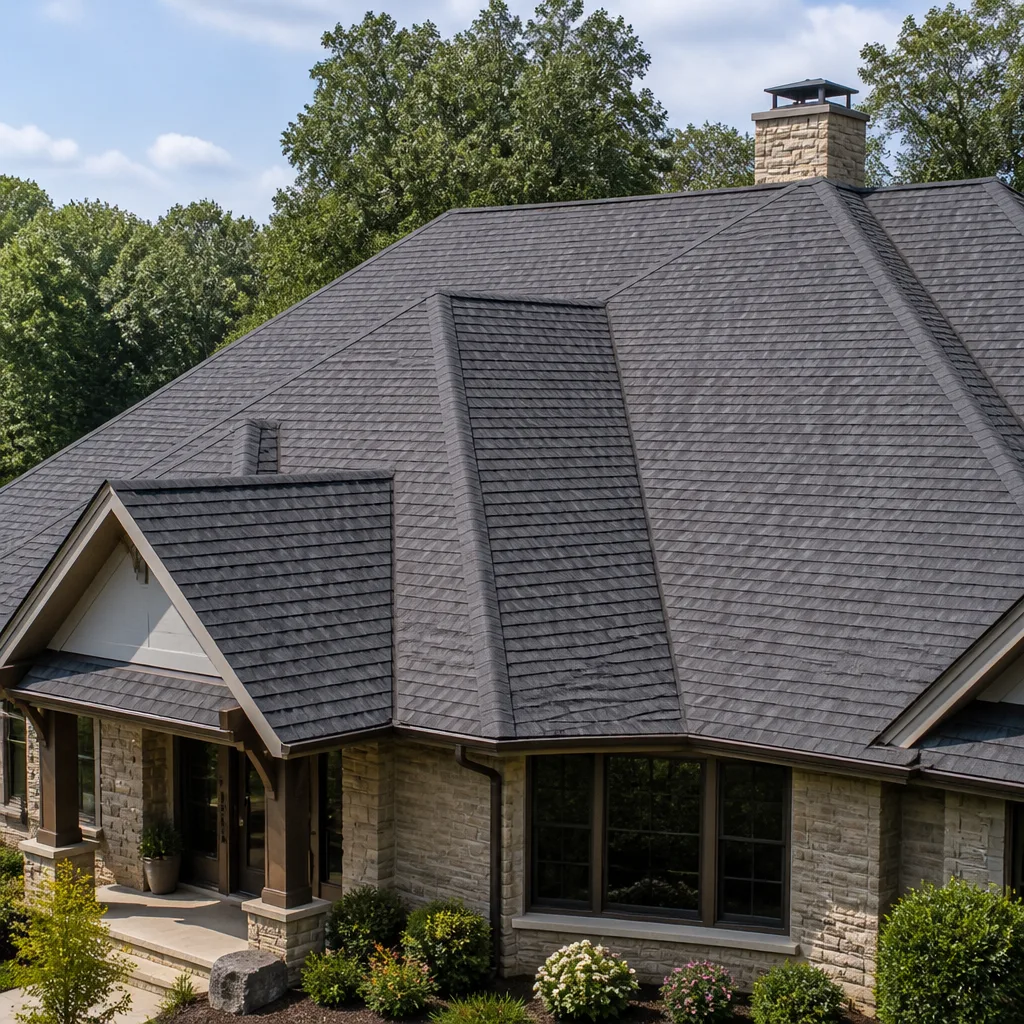 Roofing
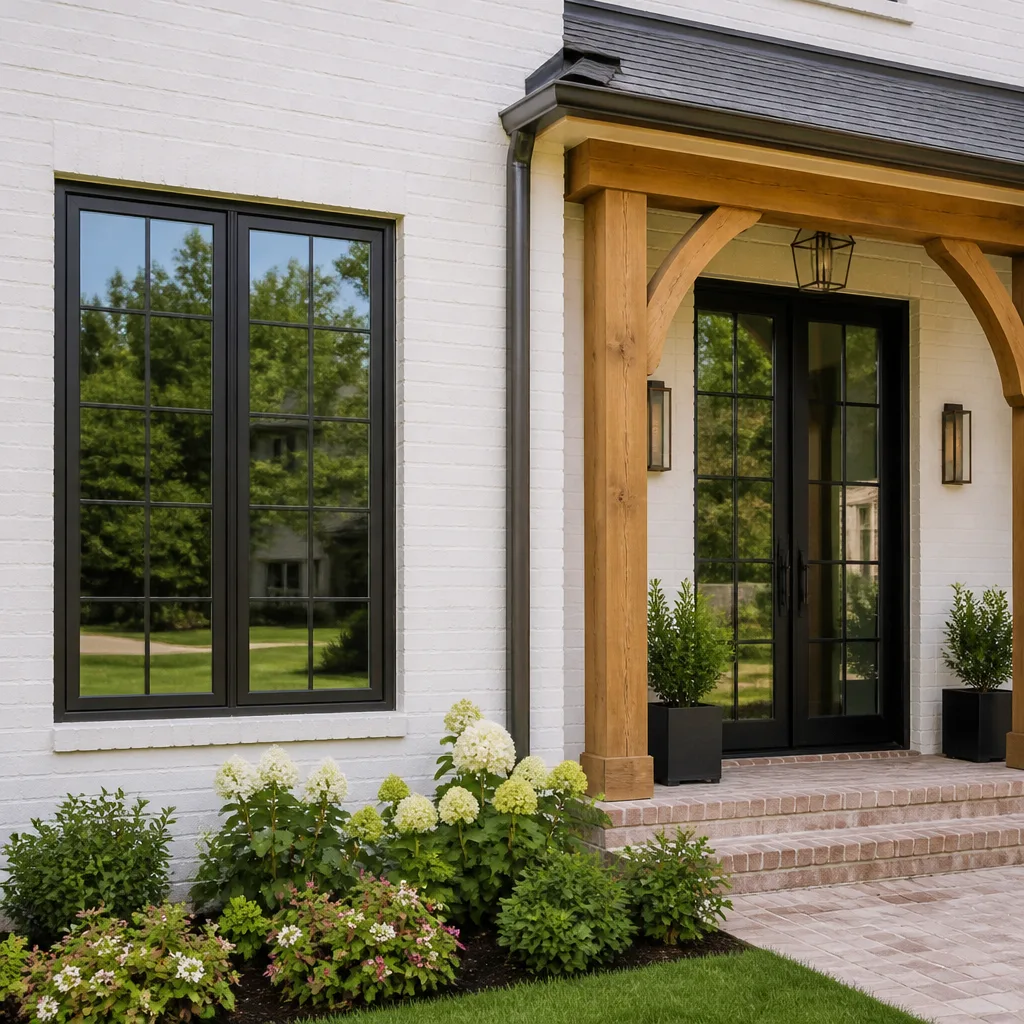 Windows & doors
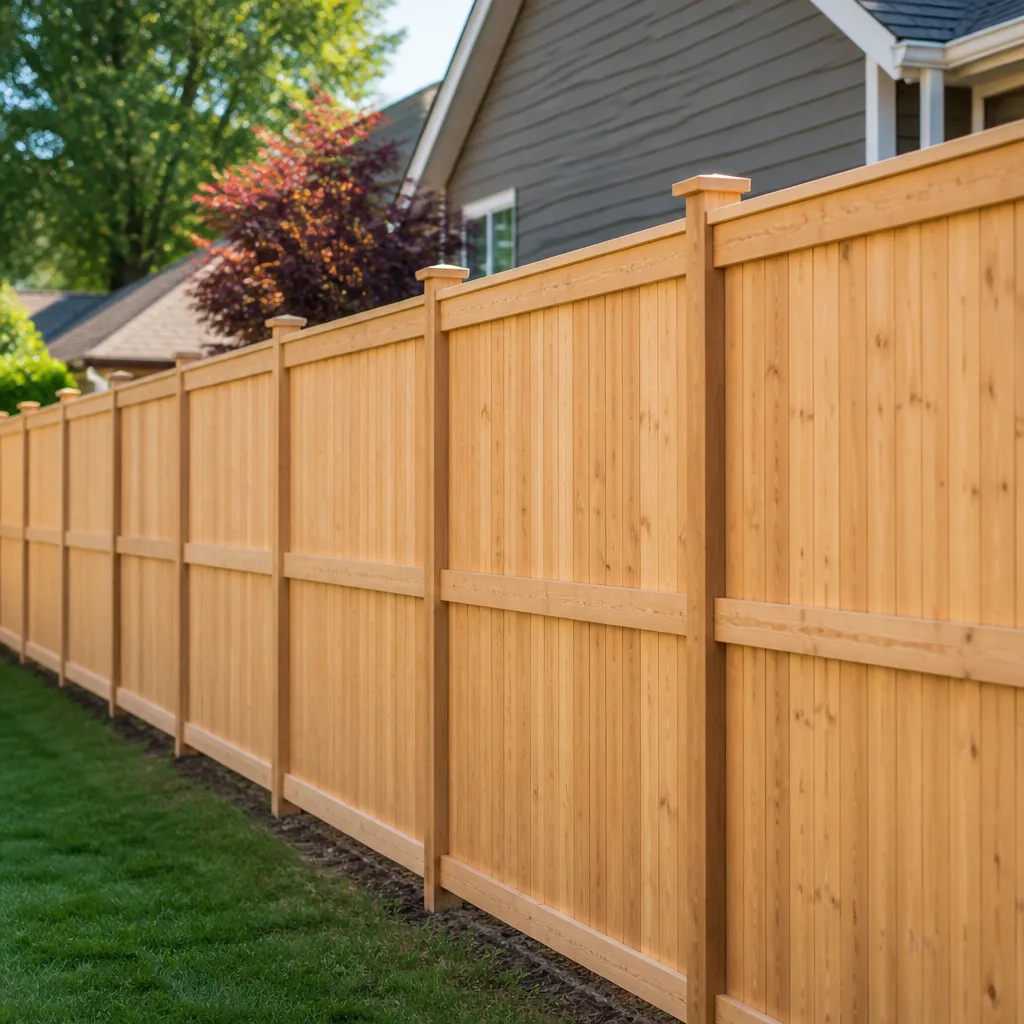 Fence
Free written scope consultation - allowances, timeline, and change-order rules on paper before a single trade is scheduled
Styles & brands we work with
- Kitchen remodeling
- Bathroom remodeling
- Home additions & ADU
- Roofing
- Windows & doors
- Driveway & pavers
- Fence
See the difference
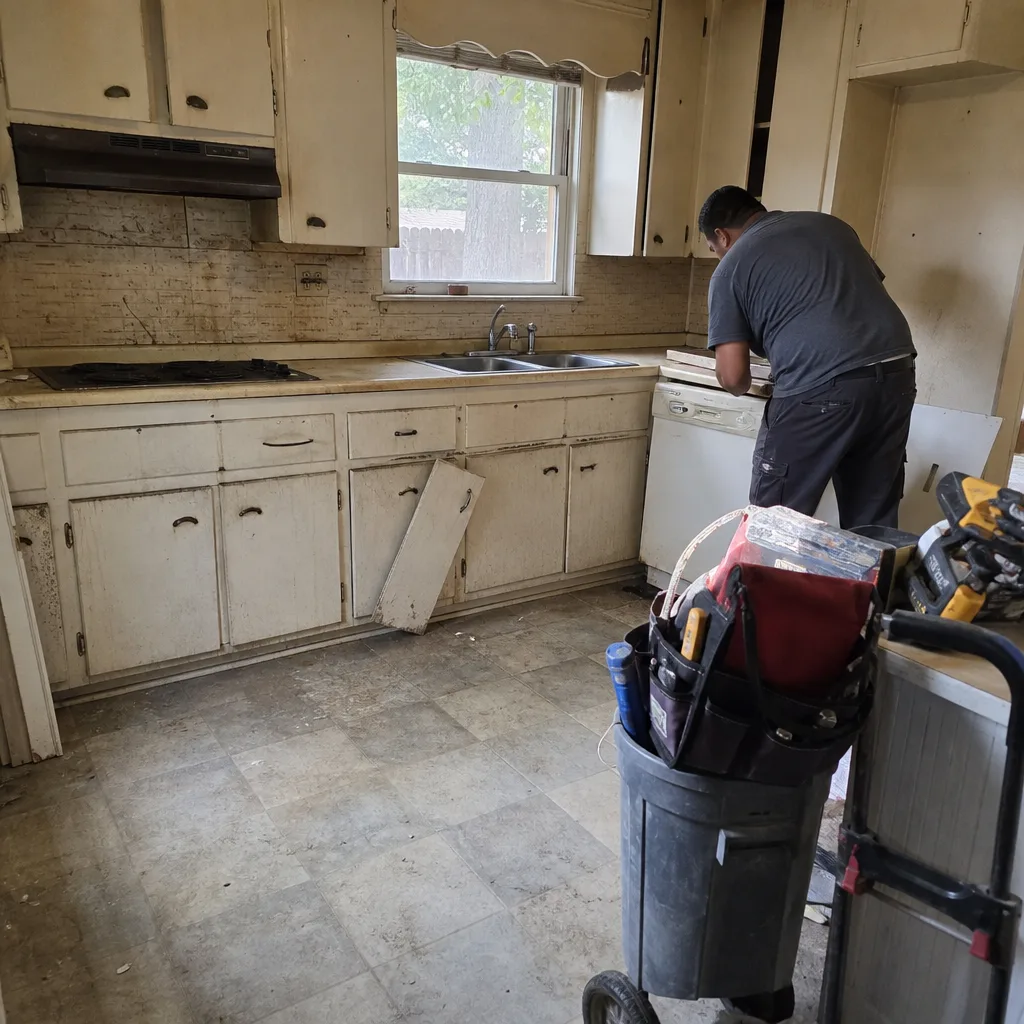 Before
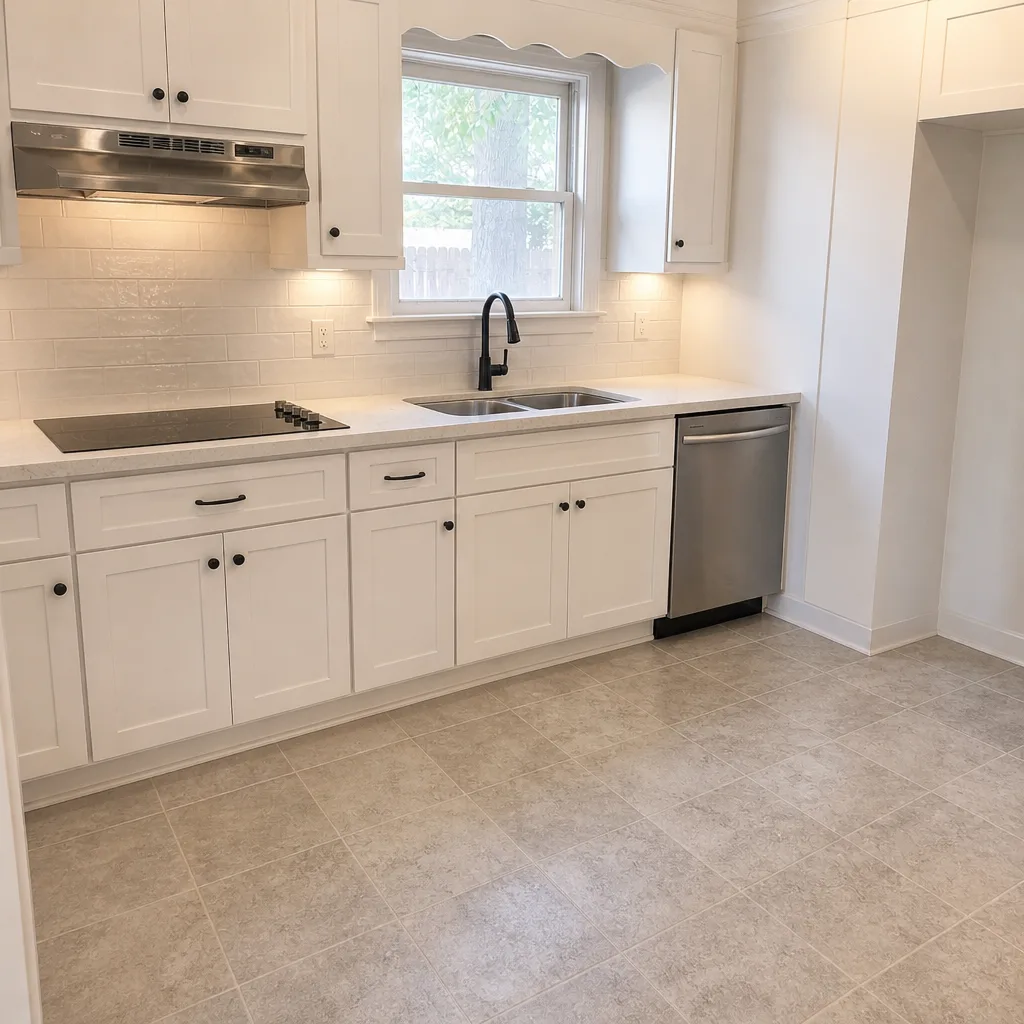 After
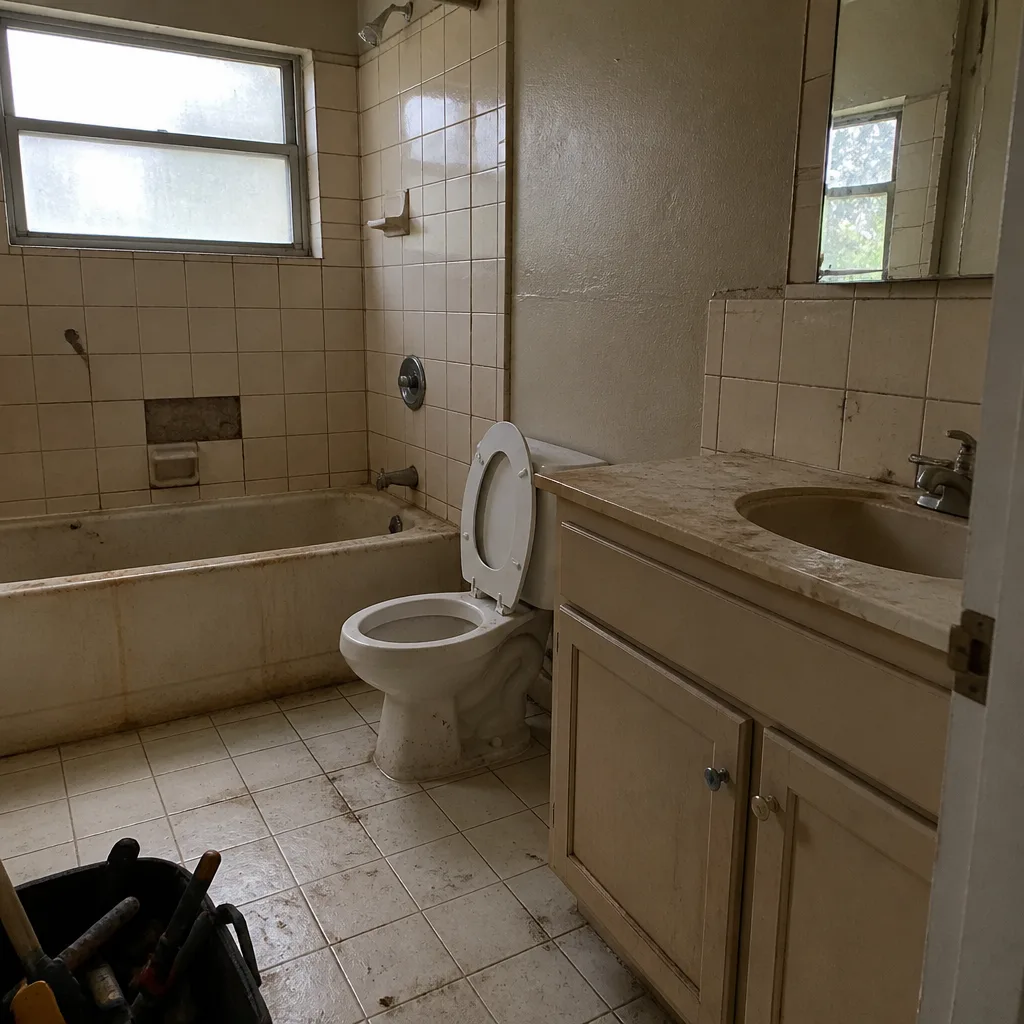 Before
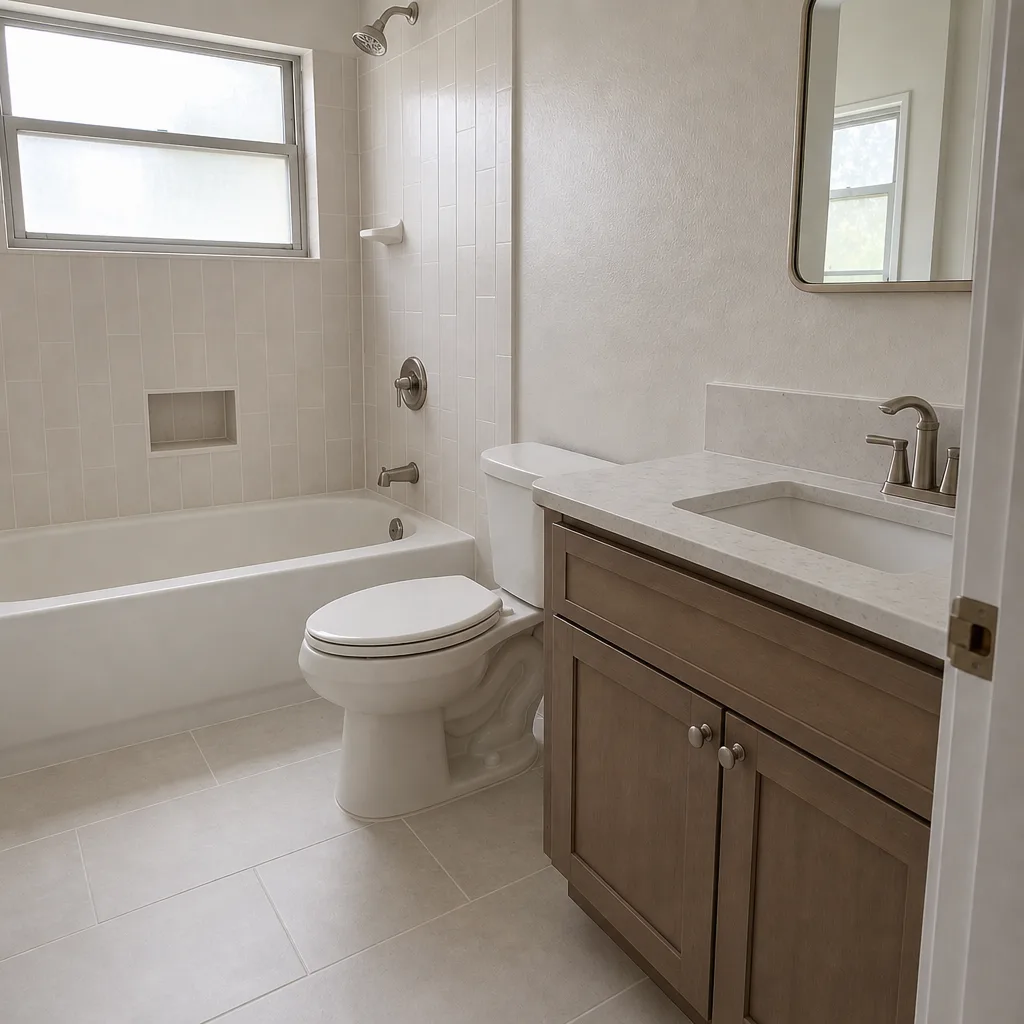 After
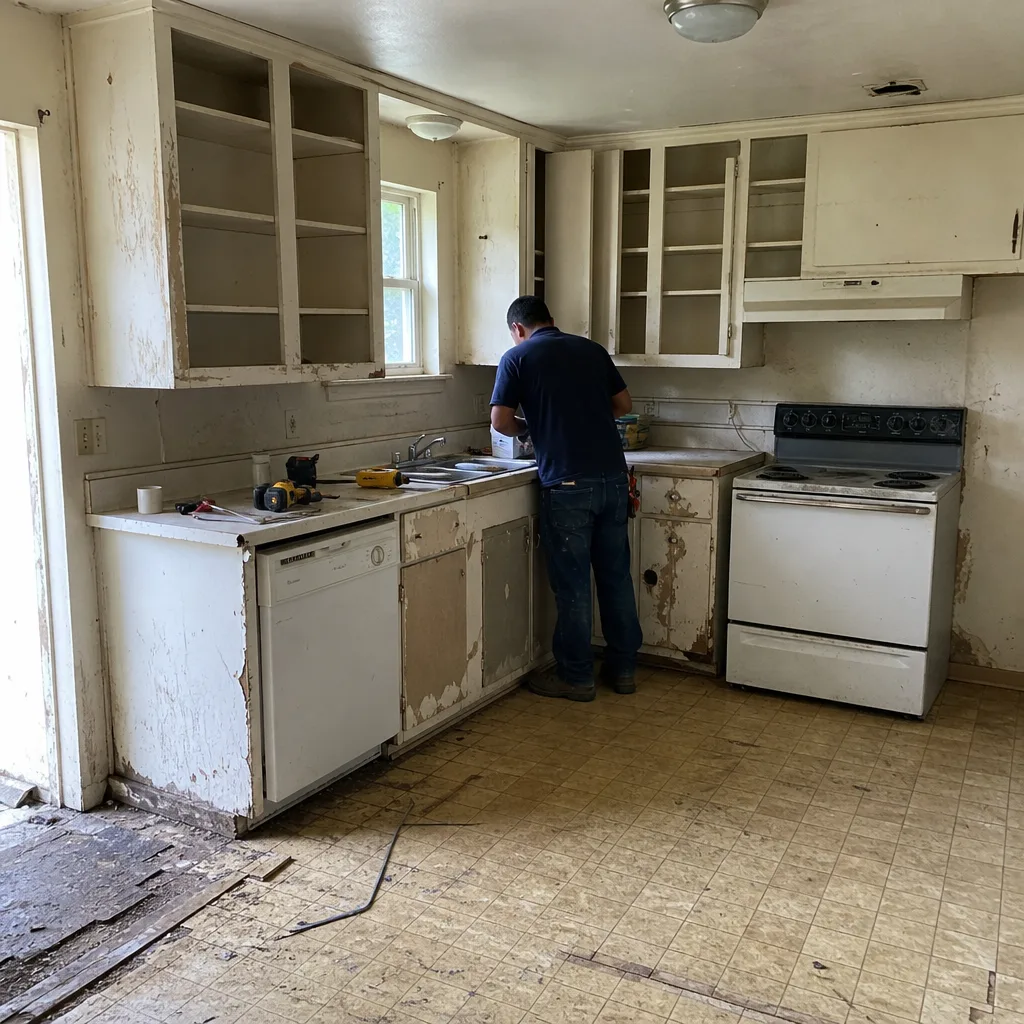 Before
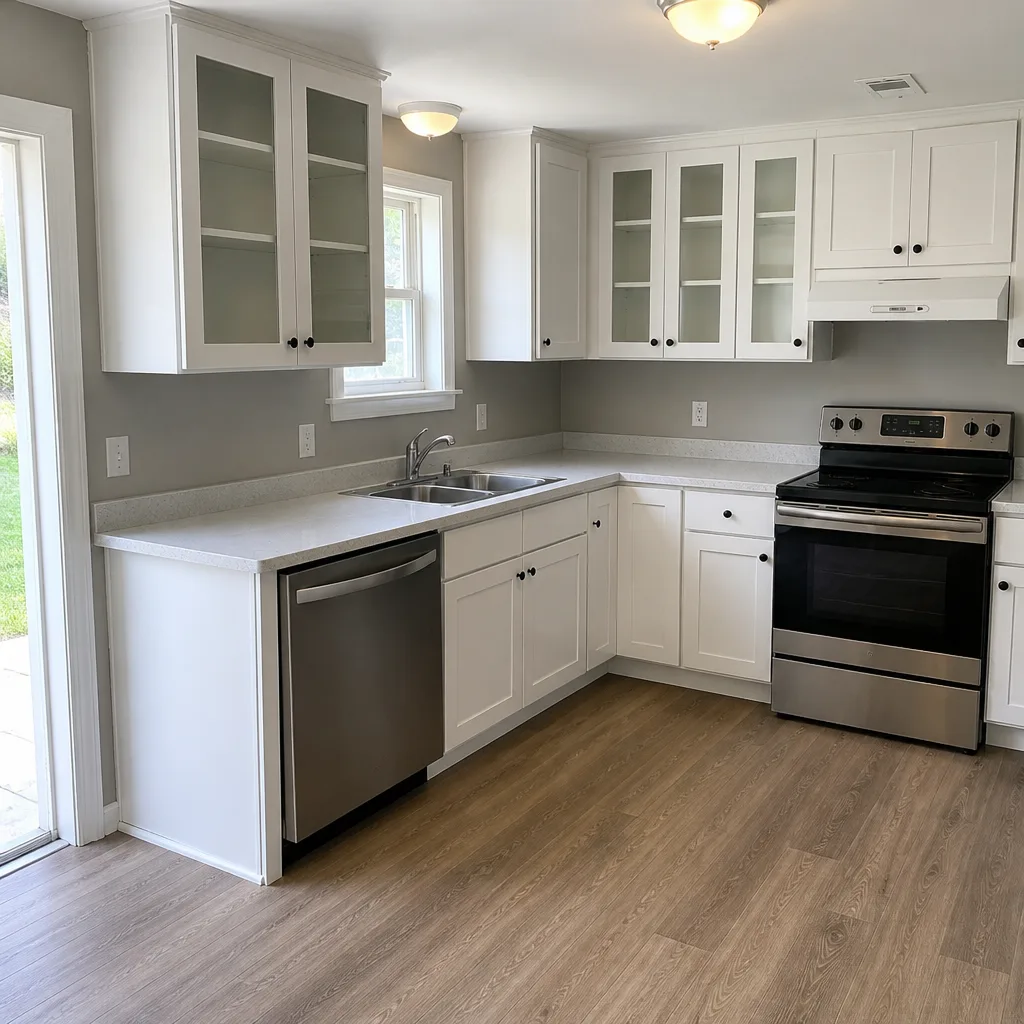 After
How Thick Should a Concrete Driveway Be in Dallas, TX?
The short answer: a residential concrete driveway in Dallas should be poured at 5 inches with #3 rebar on 18-inch centers as a practical minimum. The national rule of thumb of 4 inches is correct for stable soils, but on Dallas’s expansive Blackland Prairie clay it’s a slab that’s asking for trouble.
If your driveway carries heavy trucks, boats, RVs, or a large work vehicle, we spec 5.5 to 6 inches with the same reinforcement. Groundwork Construction Co. of Dallas pours 5-inch rebar-reinforced slabs as standard on residential driveways here, and we’ll walk you through why over the phone before anyone shows up. Call (844) 797-4808 for a free estimate.
Why 4 Inches Fails in Dallas Clay
Dallas sits in the heart of the Blackland Prairie, and the soil here is a very different animal from the sandy or limestone-heavy subgrades you’ll find in Houston, Austin, or the Hill Country to the south. Blackland clay is a vertisol: it swells when wet and shrinks when dry, and that seasonal swing can mean an inch or more of ground movement around your slab.
Here’s the mechanism that cracks driveways on this soil. During a Dallas dry spell (often July through September, when the clay pulls hard away from the slab), voids open beneath the concrete. Those voids get filled with dust and fine material, and the slab no longer sits on continuous support. Now your car, truck, or delivery van drives across, and the slab has to bridge gaps where it used to have full ground contact. That bending force is what breaks a thin driveway. A thicker slab has more cross-section to resist the bending. That’s why the practical minimum here climbs from 4 to 5 inches.
If you’ve watched a neighbor’s driveway develop the classic “stair-step” crack pattern within five or six summers, this is almost always why. In slab-on-grade neighborhoods across Dallas, East Dallas, and Oak Cliff, the same logic that drives foundation repair and re-leveling as a near-universal subspecialty applies to the driveway out front.
Thickness and Reinforcement Are One Decision, Not Two
The biggest mistake we see in Dallas bids: a contractor quotes “5 inches” and then pours it with fiber mesh only. Fiber helps resist plastic shrinkage cracking while the concrete cures, but it doesn’t give you the tensile strength to span a clay void. On this soil, thickness without rebar is half a spec.
| Slab Specification | Performance on Dallas Blackland Clay |
|---|---|
| 4 in, fiber mesh only | National baseline. Weak on expansive clay; cracks early on a void. |
| 4 in, #3 rebar @ 18 in O.C. | Better, but still thin for a sheet that has to flex. |
| 5 in, #3 rebar @ 18 in O.C. | Our Dallas standard. Adequate flexural capacity for residential loads. |
| 5.5-6 in, #3 or #4 rebar | Sized for heavy vehicles, RVs, and long-term durability. |
The rebar mat should sit roughly at the mid-depth of the slab (2 to 2.5 inches down on a 5-inch pour), tied on chairs so it doesn’t get walked to the bottom during placement. We specify #3 bars here because #4 is overkill for standard residential loads, and we set them at 18-inch centers for the same reason: it’s the coverage that matches the job.
What Else to Look For Before You Approve a Bid
Thickness is the headline, but a good Dallas driveway depends on three more decisions. When you compare quotes, check for all four:
- Subgrade prep. A 5-inch slab still benefits from a lime-stabilized subgrade or properly compacted fill. That prep work reduces the amplitude of seasonal clay movement before it ever reaches the slab. Any bid that skips it is saving money on the wrong end.
- Control joints. Joints cut 24 to 48 hours after the pour, spaced at roughly 8 to 10 feet (a common rule is 2 to 2.5 times the slab thickness in inches, in feet – so 12 to 15 feet for a 5-inch slab). On Dallas soil we cut tighter to help the slab find its crack locations.
- Wire or rebar position. Ask where the steel sits relative to the slab depth. Mid-depth is correct. Slab-surface steel rusts and spalls.
- Steel cross-check. For a 5-inch slab with #3 bars at 18 inches, all steel should be visible mid-slab through a joint cut or a core sample before finishing. A contractor who’ll answer that question calmly is one you can trust.
If you want a broader look at how pavers and driveways compare across materials, our Driveway & Pavers page is a good next stop. The main service page for Driveway & Pavers in Dallas also covers options, materials, and turnaround times.
What It Costs in Dallas
Concrete driveway installation in Dallas runs $4,500 to $12,000, and a full replacement is $5,000 to $14,000. Paver driveways come in higher at $7,000 to $18,000, and asphalt paving runs $3,500 to $9,000. Sealing a concrete driveway afterward is typically $250 to $700. The 5-inch rebar spec lives comfortably inside the concrete range; it’s not a premium upgrade, it’s just the correct answer for this soil.
For materials, we work with Techo-Bloc, Cambridge Pavers, and Quikrete among others. We pair that with upfront pricing – the number you see is the number you pay – plus 0% financing for 18 months and $1,000 off projects over $10,000. Every project is backed by our 730-Day Done Right Promise: if it’s not done right, we make it right.
One other thing worth knowing on Dallas code: foundation work here often needs permits tied to an engineered plan, so an “engineer’s letter” is routine. If your driveway contractor is also touching the foundation or grading around the garage slab, ask whether a plan is required before breaking ground.
FAQ
No – 4 inches is thin for Dallas. On Blackland Prairie clay, 4 inches without rebar is a slab that will show flex cracking early. The practical minimum here is 5 inches with #3 rebar at 18-inch centers. Call (844) 797-4808 to talk through your specific driveway and load.
Rebar-reinforced. Fiber mesh helps during curing but won’t span the seasonal voids that open under a clay subgrade in Dallas. We spec #3 rebar at 18-inch centers on every residential concrete driveway here.
6 inches with the same rebar spec. Standard 5-inch residential slabs handle cars and light trucks well. For RVs, boats, trailers, or any large cargo vehicle, we recommend 6 inches to absorb the heavier point loads on Dallas clay. Call (844) 797-4808 for a quote sized to what you park.
Yes, but slopes need a properly compacted and stepped subgrade, with the slab kept at the specified thickness from the toe to the crest. A common mistake on hilly lots is going thin at the high end. We measure depth at every station, not just the middle.
Ready to Get It Right the First Time?
We’d rather spec the slab correctly than repair a cracked one five summers from now. Our technicians have up to 12 years of experience, arrive background-checked and in uniform, and our phones are answered by a live person 24/7. Call (844) 797-4808 for a free estimate and design consult in Dallas. No pressure, no surprises.
Written by the team at Groundwork Construction Co. of Dallas, serving Dallas, TX.