
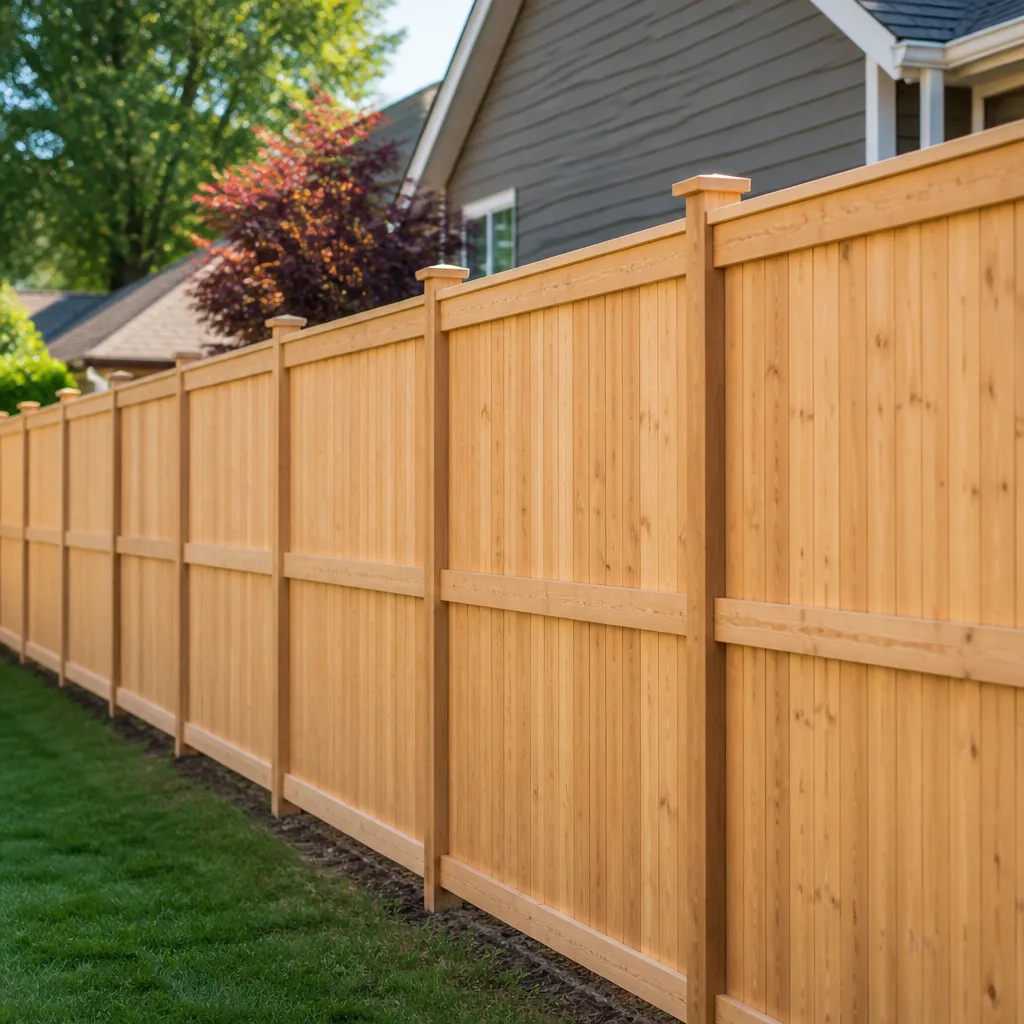
 Fence
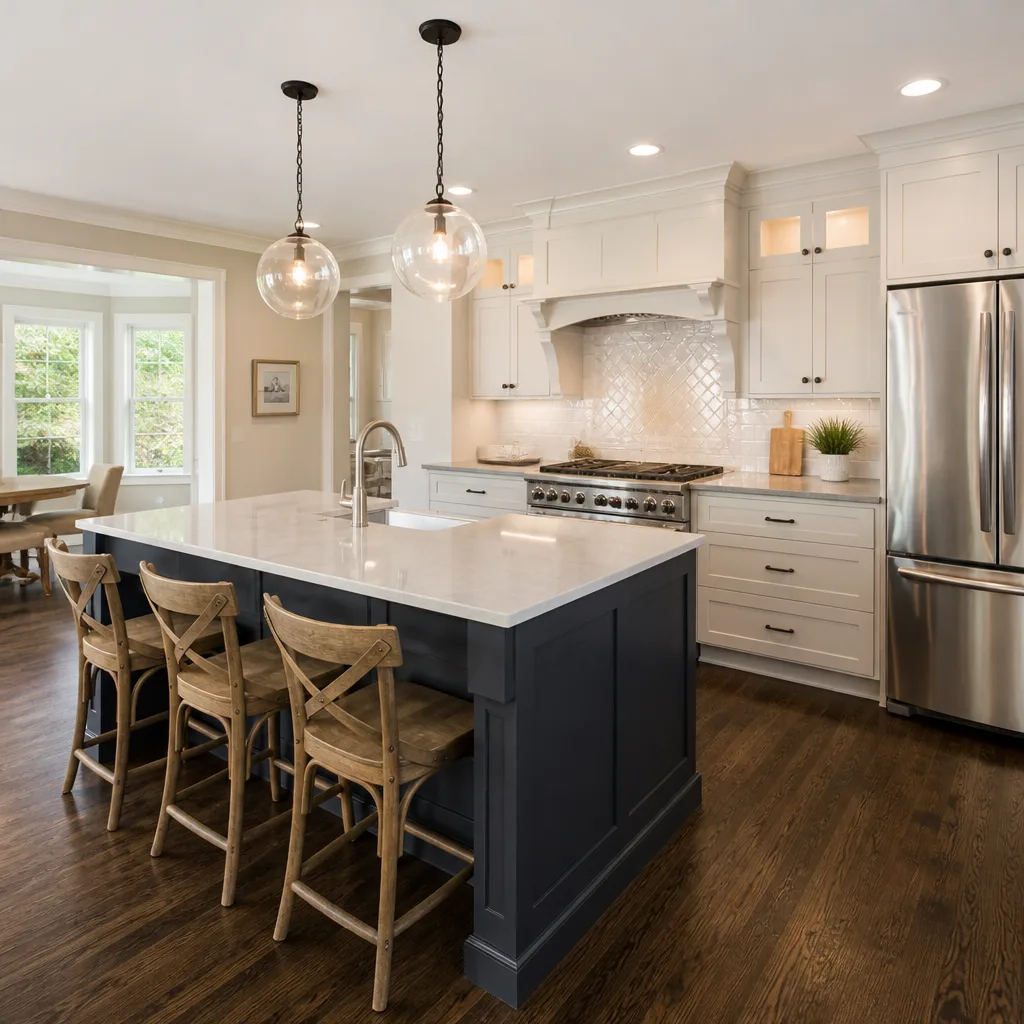 Kitchen remodeling
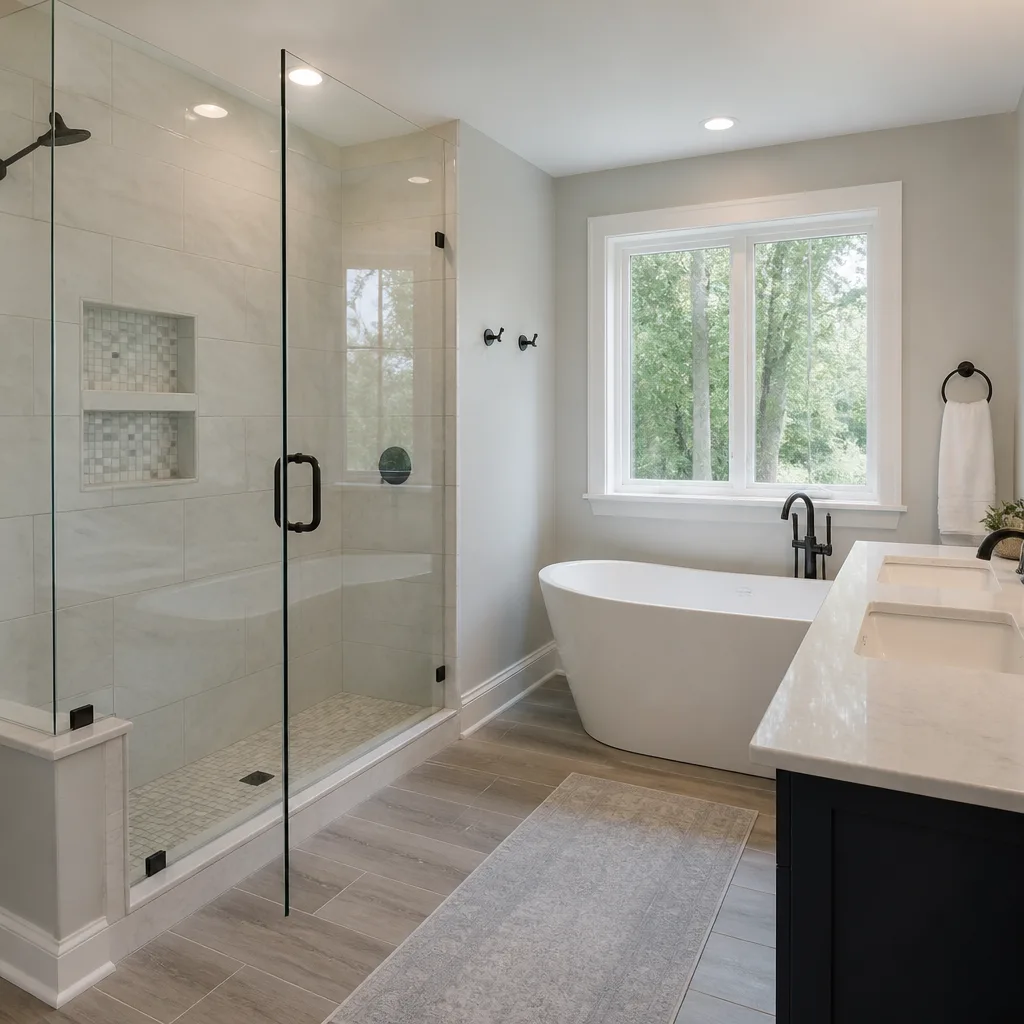 Bathroom remodeling
 Home additions & ADU
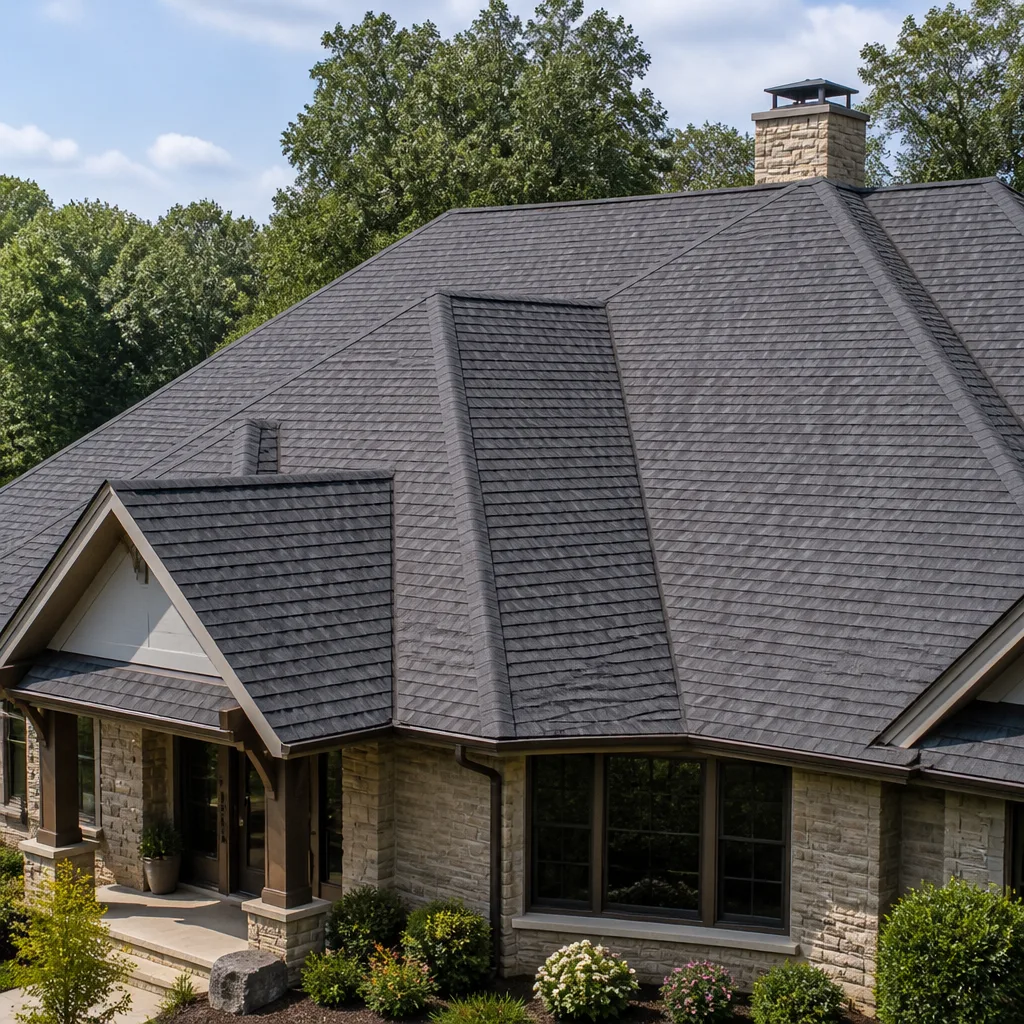 Roofing
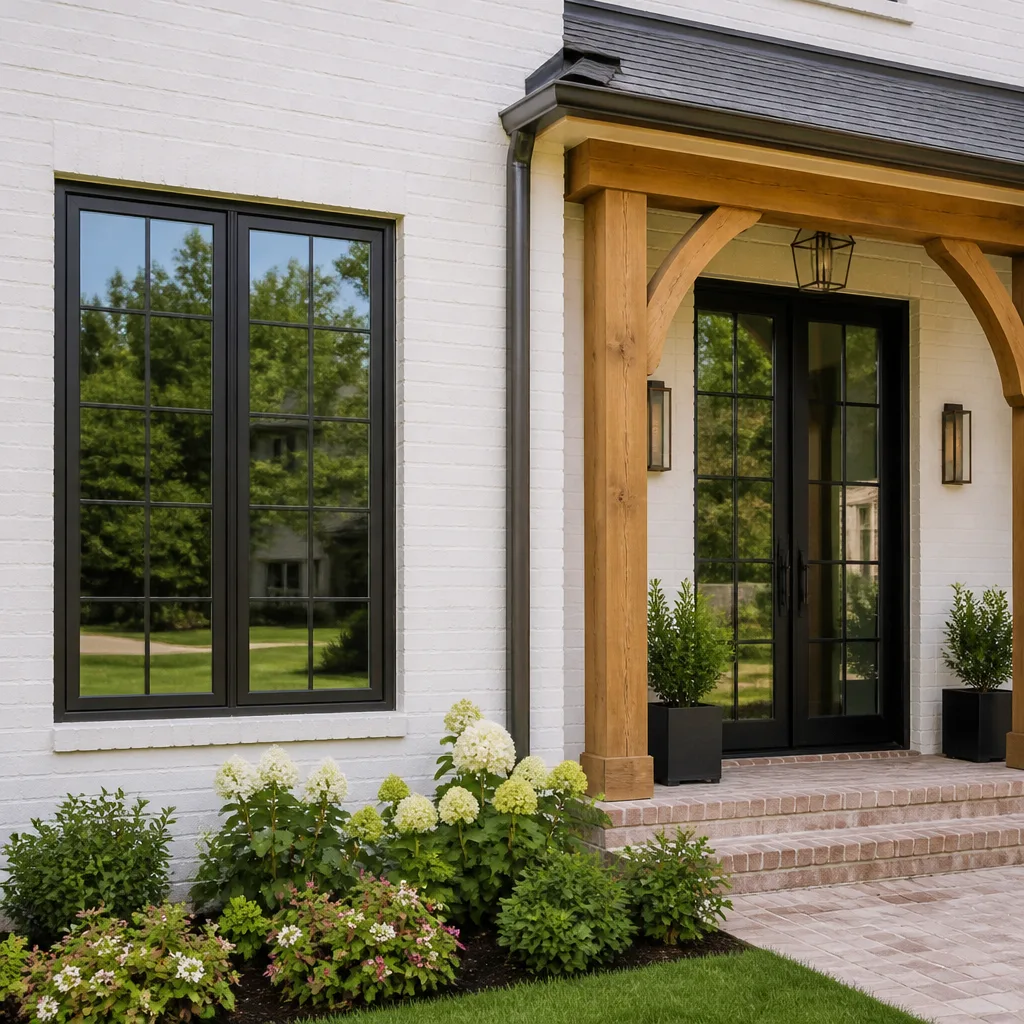 Windows & doors
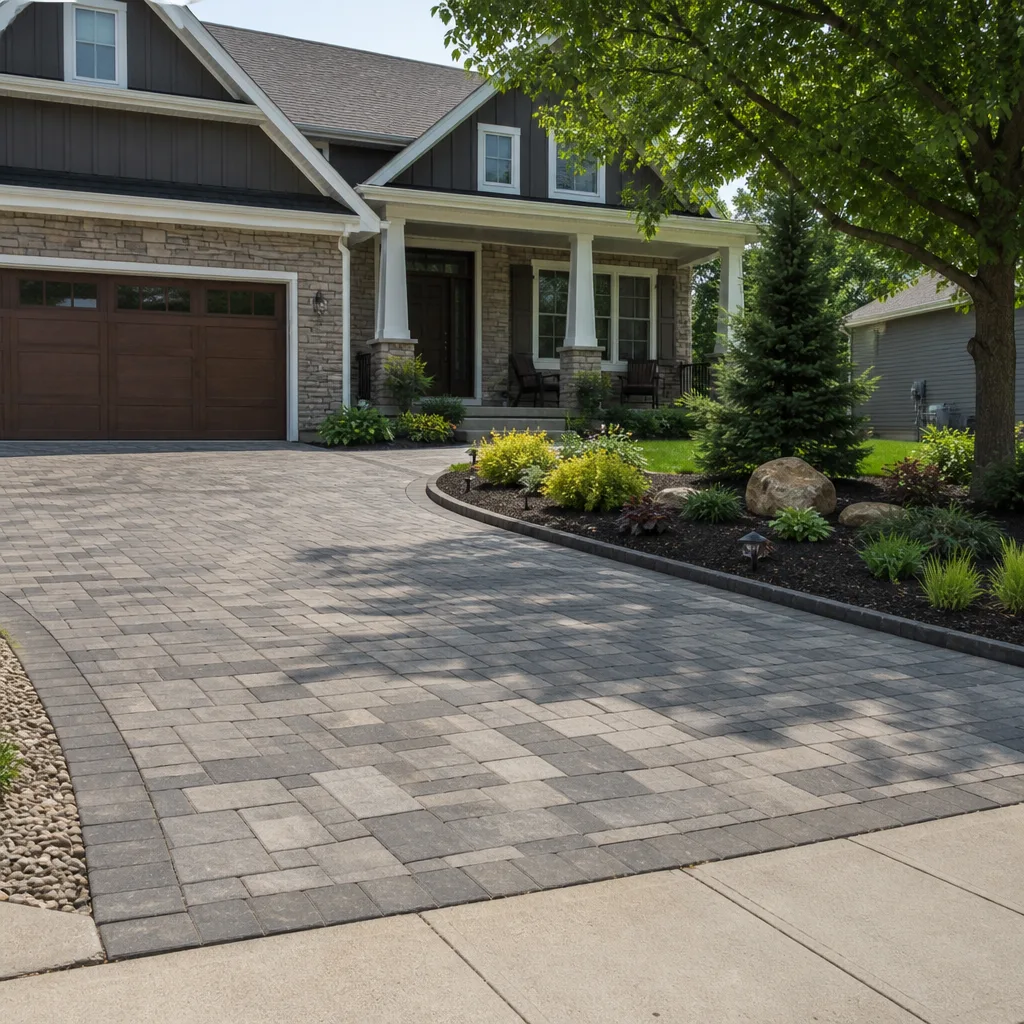 Driveway & pavers
Free written scope consultation - allowances, timeline, and change-order rules on paper before a single trade is scheduled
Styles & brands we work with
- Kitchen remodeling
- Bathroom remodeling
- Home additions & ADU
- Roofing
- Windows & doors
- Driveway & pavers
- Fence
See the difference
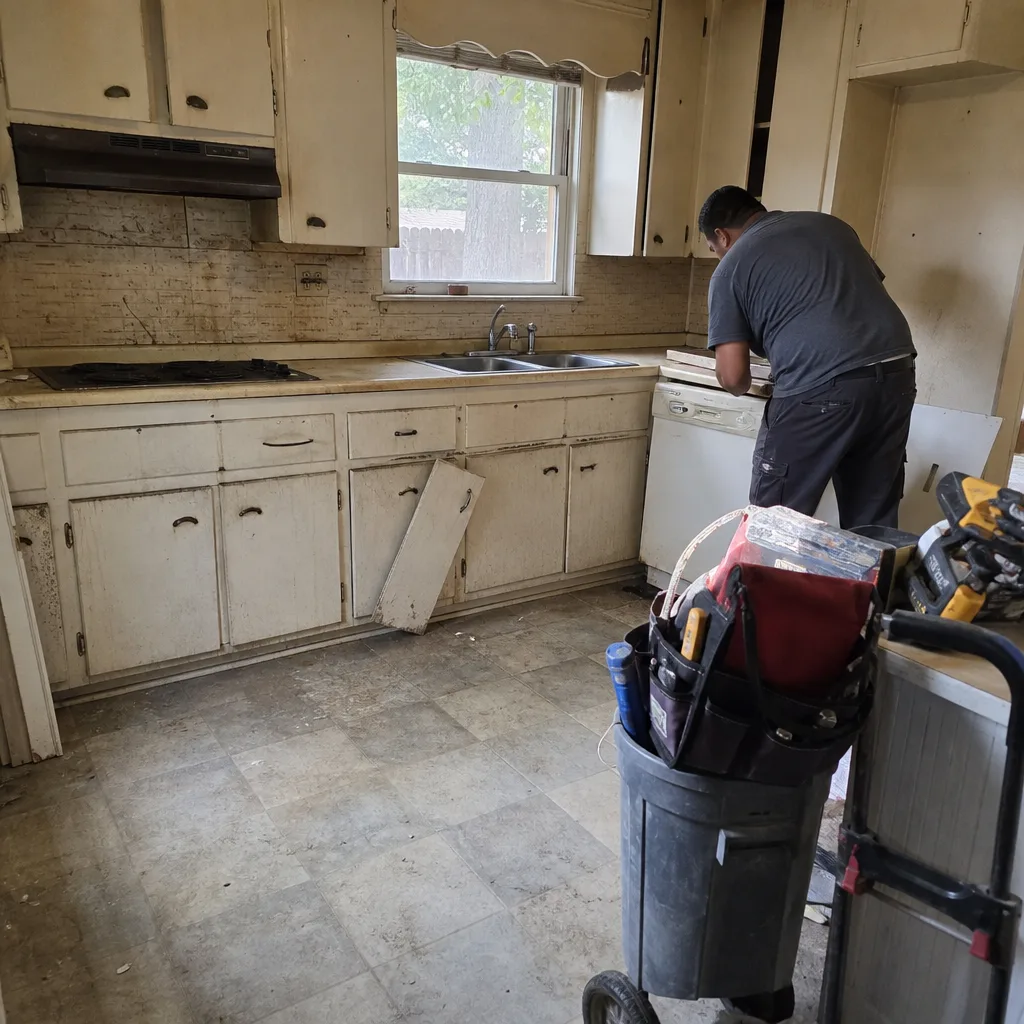 Before
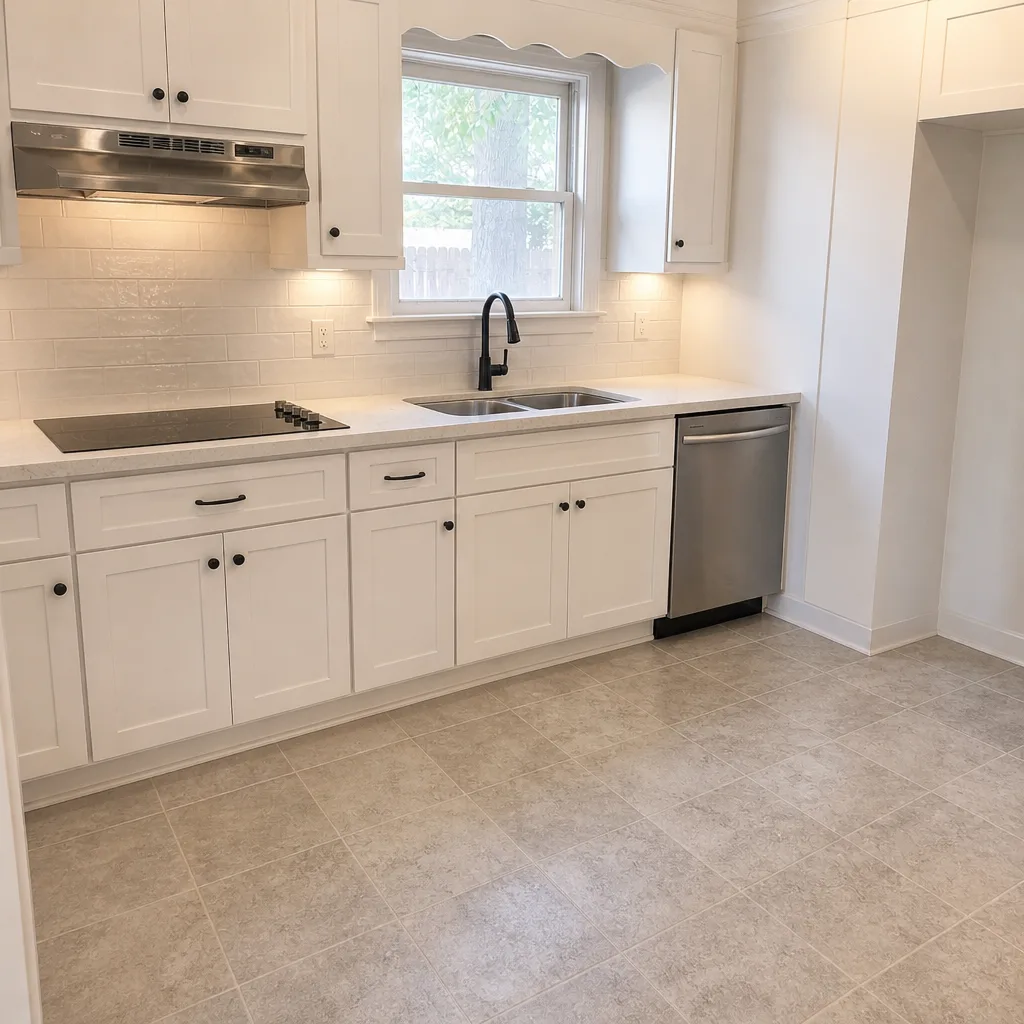 After
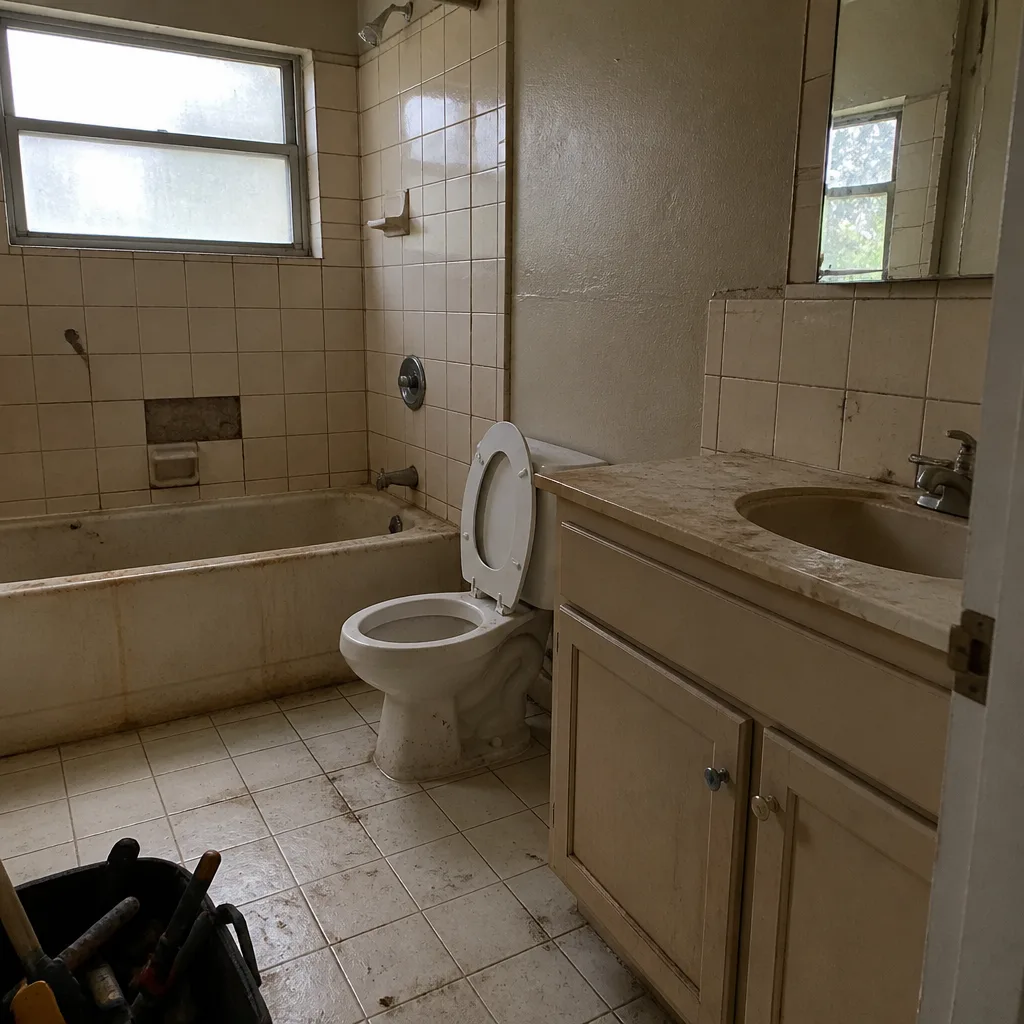 Before
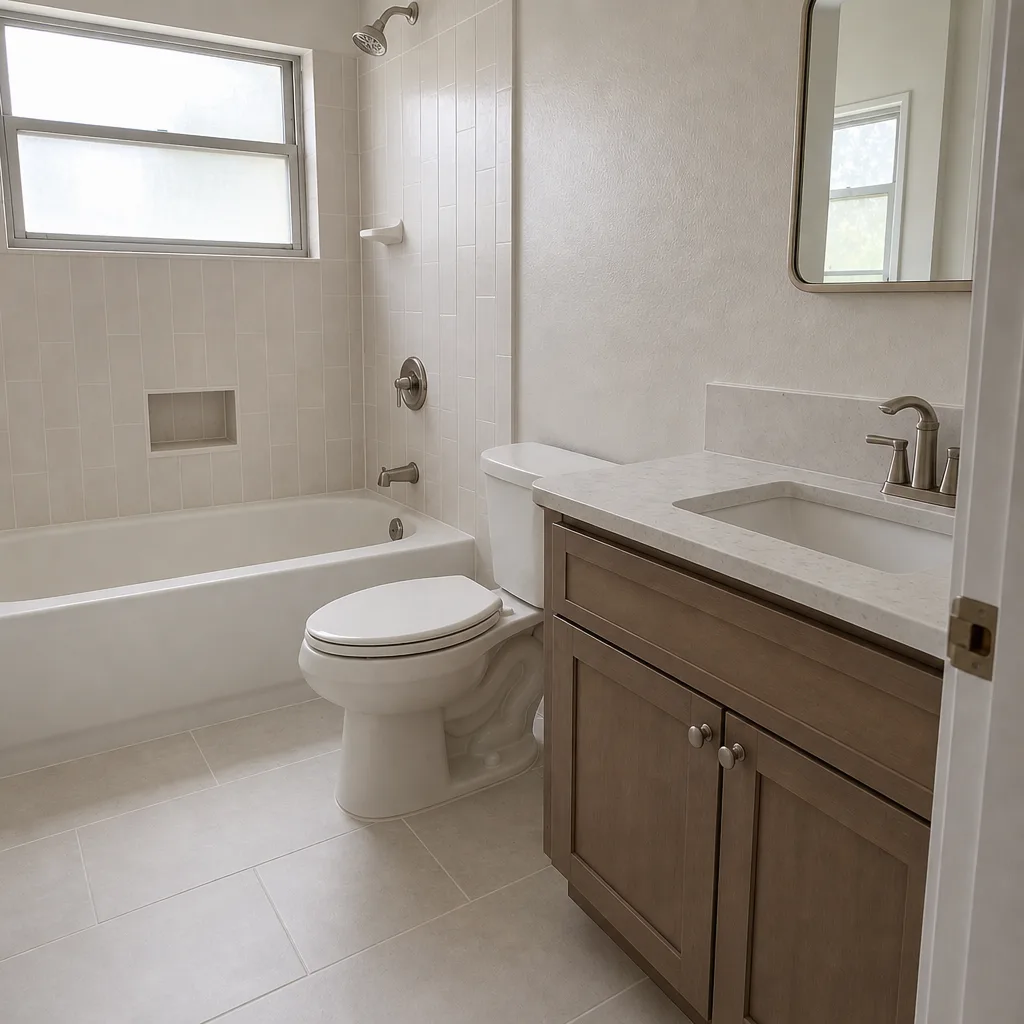 After
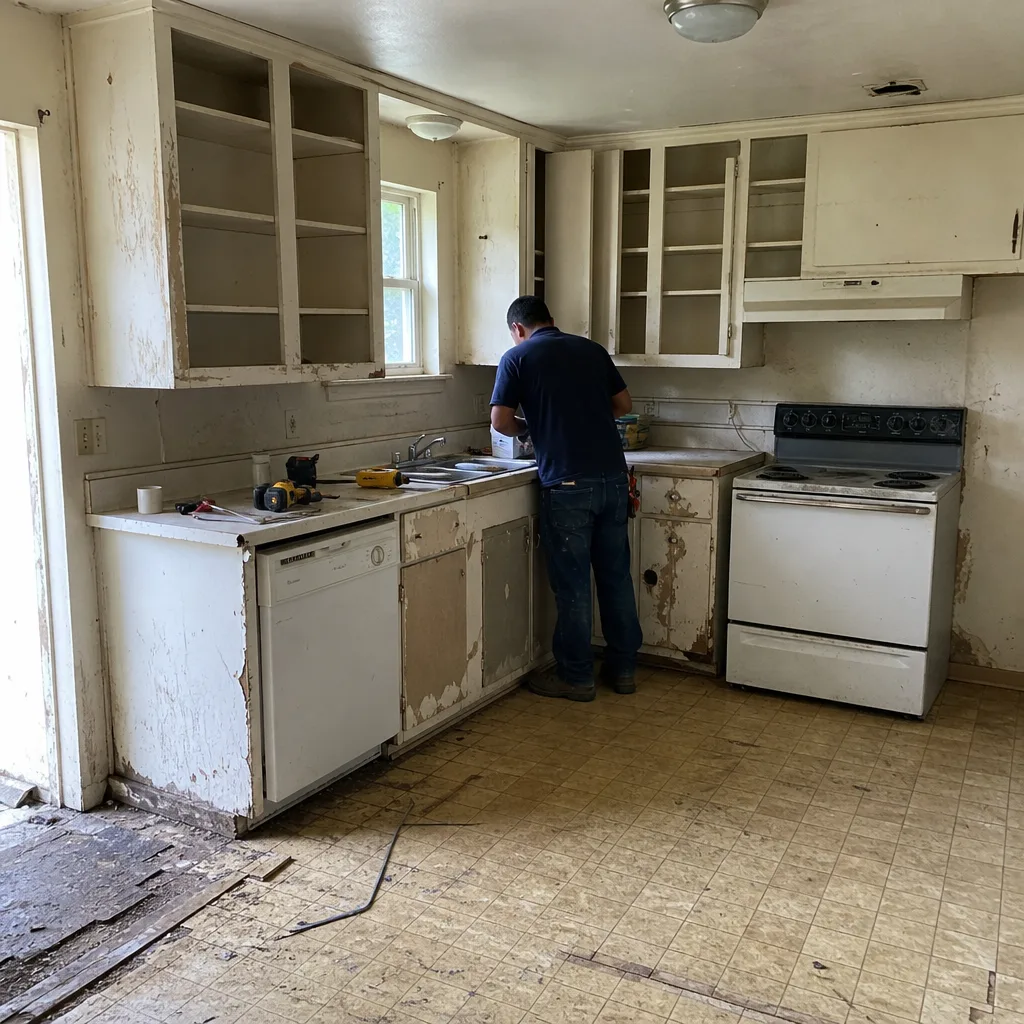 Before
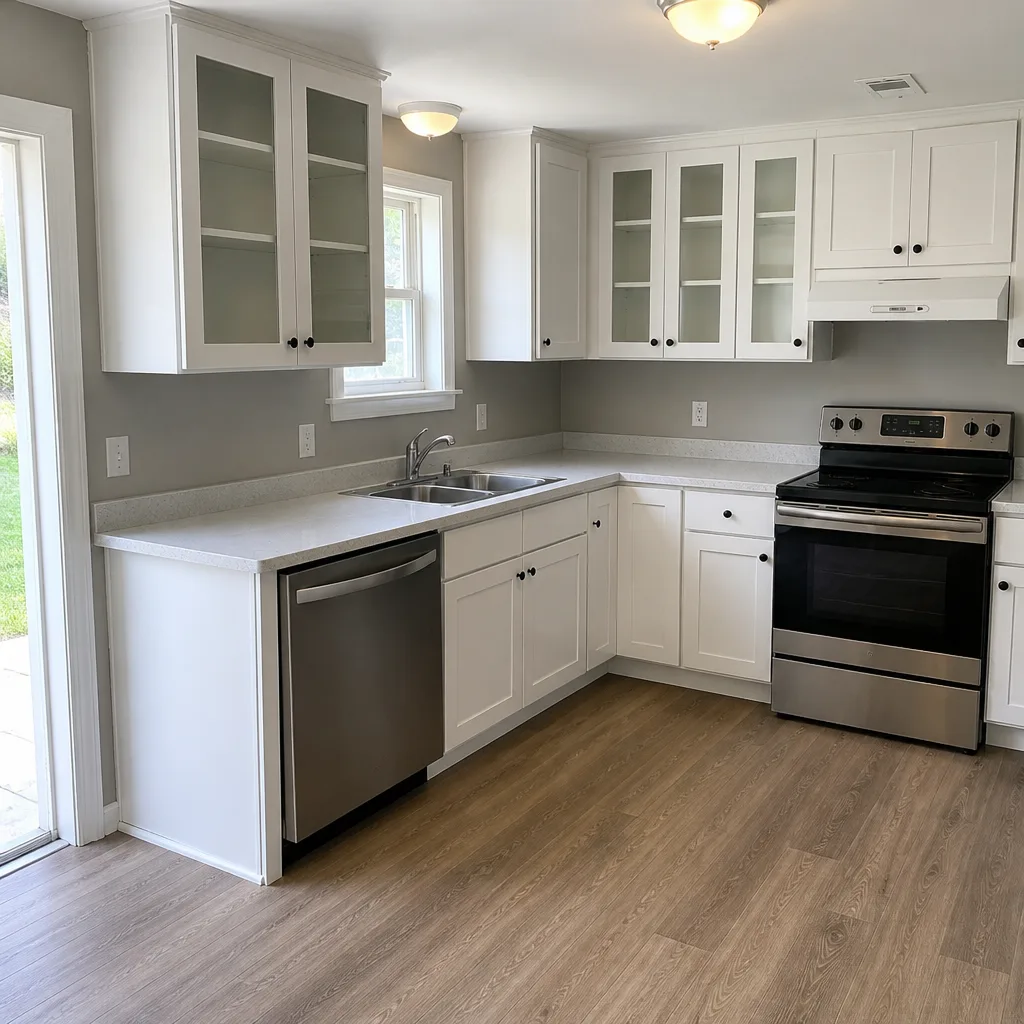 After
How to Stain a Wood Fence in Dallas, TX (And Why Timing Matters More Here)
To stain a wood fence in Dallas, you clean the boards, brighten them with an oxalic acid solution, let the wood dry to under 15% moisture, then apply a semi-transparent oil-based penetrating stain when the surface temperature sits between 50°F and 85°F. In Dallas, that temperature rule quietly eliminates most of a summer day – so the smart crews start at first light. Do the prep right and the stain holds for 2-3 years here, not the 4-5 years a national guide promises you.
Every “how to stain a fence” article tells you to pick a dry day. In Dallas you need to pick the right month. Staining on a 95°F August afternoon means the stain flashes dry before it soaks into the grain, and you’ve spent a weekend and a couple hundred dollars in product on a finish that peels by the following spring. That’s the single biggest mistake we see on Dallas fences, and it’s entirely avoidable.
Why Does Fence Staining Look Different in Dallas?
Dallas sits in the middle of the Blackland Prairie, where expansive clay soil swells and shrinks with every wet-dry cycle. That same soil movement that shapes foundation work here also reaches the bottom of your fence. Ground splashback during a hard rain throws clay dust and iron-oxide particles up onto the lower boards, and unless you pull that residue out of the wood first, your stain bonds to the clay – not to the wood – and lets go within a single season.
Now add the climate over the top of it. Dallas summers are hot and humid, and the UV load is severe. That combination drives wood expansion and contraction all season long, which is why a flexible penetrating stain outperforms a film-forming solid stain on a Dallas fence. A solid stain is a coating that sits on top of the board; when the wood moves underneath it, the film cracks and flakes. A semi-transparent oil-based penetration moves with the wood.
Here’s the honest expectation-setting part: in a milder climate a good penetrating stain runs 4-5 years. In Dallas, plan on re-applying every 2-3 years. That’s not a product defect. It’s the sun.
The Dallas Staining Calendar: Which Months Actually Work
The optimal window here is late March through May, once spring moisture has stabilized the wood and before the summer UV peaks, and again mid-September through October, after the heat breaks and before fall rains set in. If you missed your shot this year, don’t panic – those are the ideal months, not the only legal ones. This map has the wider local picture.
| Time of Year in Dallas | Fence Staining Conditions |
|---|---|
| Late March – May | Best window. Wood has stabilized after spring moisture. |
| June – August | Early-morning application only. Surface temp often passes 85°F by 10am. |
| Mid-Sept – October | Second-best window. Heat breaks before fall rains arrive. |
| Nov – Feb | Workable on mild days, but freeze risk and slower cure. |
What decides it is surface temperature, not air temperature. A board baking in direct Dallas sun can read 15-20°F hotter than the air. Check the wood itself with a surface thermometer before you open the can. If it’s above 85°F, wait. If it’s below 50°F, wait. The wood has to be dry, too – under 15% moisture is the target – and in Dallas that means giving a fence a solid few days of clear weather after rain, not a single afternoon.
What to Look For Before You Stain (The Steps That Decide the Finish)
- Check the wood first. Look for gray, weathered grain and split boards. New cedar or pine needs to acclimate for a few weeks before it will absorb stain evenly.
- Clean with a deck cleaner and a soft brush. Work the bottom 18 inches hardest – that’s where the clay splashback concentrates.
- Brighten with oxalic acid. This is the step most guides skip. It pulls clay residue and iron staining out of the grain so the stain has bare wood to grab onto.
- Let it fully dry. Two to three dry Dallas days minimum, longer if humidity is high.
- Apply at the right temperature. 50°F-85°F surface temp, early morning in summer, back-brushing as you go.
A word on the wood itself: if you’re staining rather than building fresh, the preparation is only as good as the fence underneath. If boards are cupping, posts are wobbling, or you’re looking at a failing structure altogether, it’s worth reviewing what a proper Fence Installation in Dallas covers before you invest hours into finishing a fence that’s already past its years. You’ll find the full scope of what we handle on our Fence Installation page.
How Much Does It Cost to Stain a Wood Fence in Dallas?
Professional wood fence staining in Dallas typically runs $3,500-$9,000, depending on linear footage, board condition, and how much prep the fence needs. That range assumes a normal residential lot; a half-acre of privacy fence with heavy clay buildup at grade lands toward the top. The number you see is the number you pay – we price it upfront, no surprises on the invoice.
If you’d rather hand it to a crew than spend two weekends on a ladder in the Dallas heat, Groundwork Construction Co. of Dallas preps and finishes fences as part of its outdoor work, and the prep matters as much as the coat. Our uniformed technicians can spot rot at the post base right where the clay sits against the wood – the slow failure homeowners rarely notice until the post is loose. Catching it before a full re-set is a lot cheaper than replacing it.
Fence staining backed by the 730-Day Done Right Promise means if the finish doesn’t hold the way it should, we make it right. Our technicians have up to 12 years of experience finishing wood in this climate, and we coordinate with brand partners like PGT and Andersen when a repair calls for new hardware or structure. Prefer to have it assessed? A free estimate, a clear price, and 0% financing for 18 months makes it easy to get the whole fence done in one pass.
For other outdoor or home projects – a roof replacement in Dallas, window upgrades where the UV bites hardest, or a kitchen remodel that opens to the yard – we handle the full scope. Curious what’s realistic? Check our bathroom remodeling and window replacement options, or start from the fence installation overview if your fence is due for replacement.
Frequently Asked Questions
Yes, but only in the early morning. Once the board surface climbs past 85°F in the Dallas sun, stain skins over before it penetrates the grain. Start at first light, work in shade, and check surface temperature with a thermometer before you open the can.
Every 2-3 years, compared with 4-5 years in milder climates. Dallas’s UV load and humidity swings break down a penetrating finish faster here, so plan the work more often and it will keep protecting the wood.
Repair usually costs less than replacement if the boards and posts are sound. Staining runs $3,500-$9,000, while a full replacement climbs higher. If posts are wobbly or boards are cupping, though, staining won’t fix structure – a professional assessment will tell you which side of that line you’re on.
A semi-transparent oil-based penetrating stain, not a film-forming solid stain. Dallas wood moves with humidity swings, and a flexible penetration moves with it instead of cracking. Re-application every 2-3 years here keeps it working.
If you’d rather have it looked at, Groundwork Construction Co. of Dallas offers a no-pressure assessment in Dallas – call (844) 797-4808 for a free estimate. Live person, 24/7, and upfront pricing before any work begins.
Written by the team at Groundwork Construction Co. of Dallas, serving Dallas, TX.