
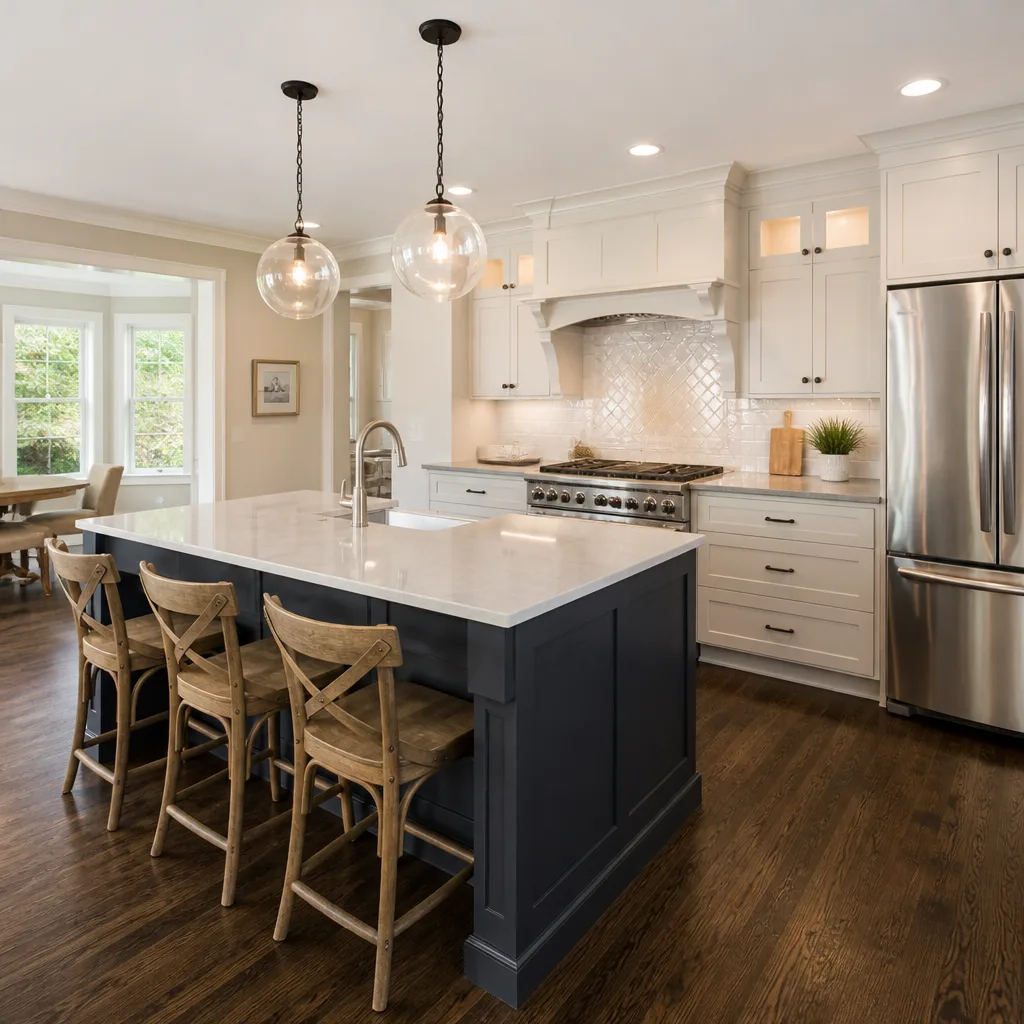
 Kitchen remodeling
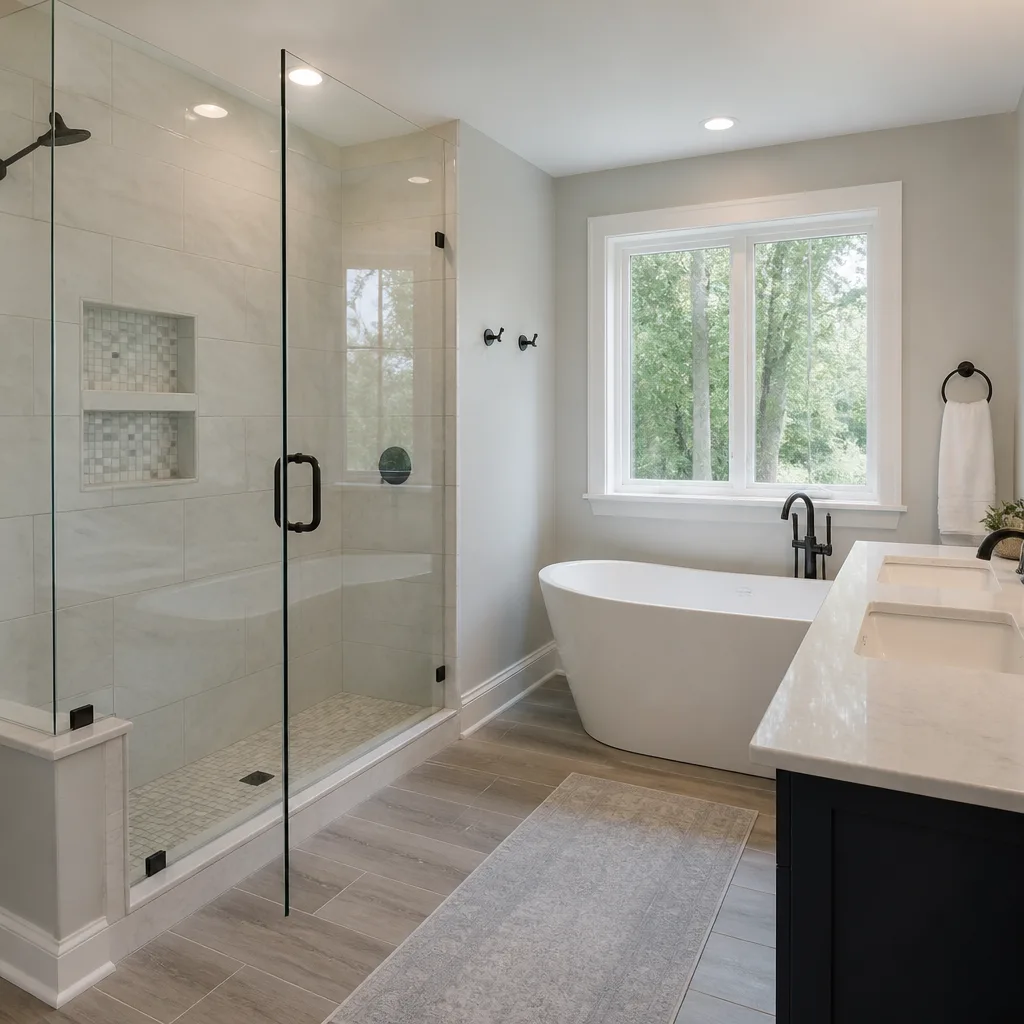 Bathroom remodeling
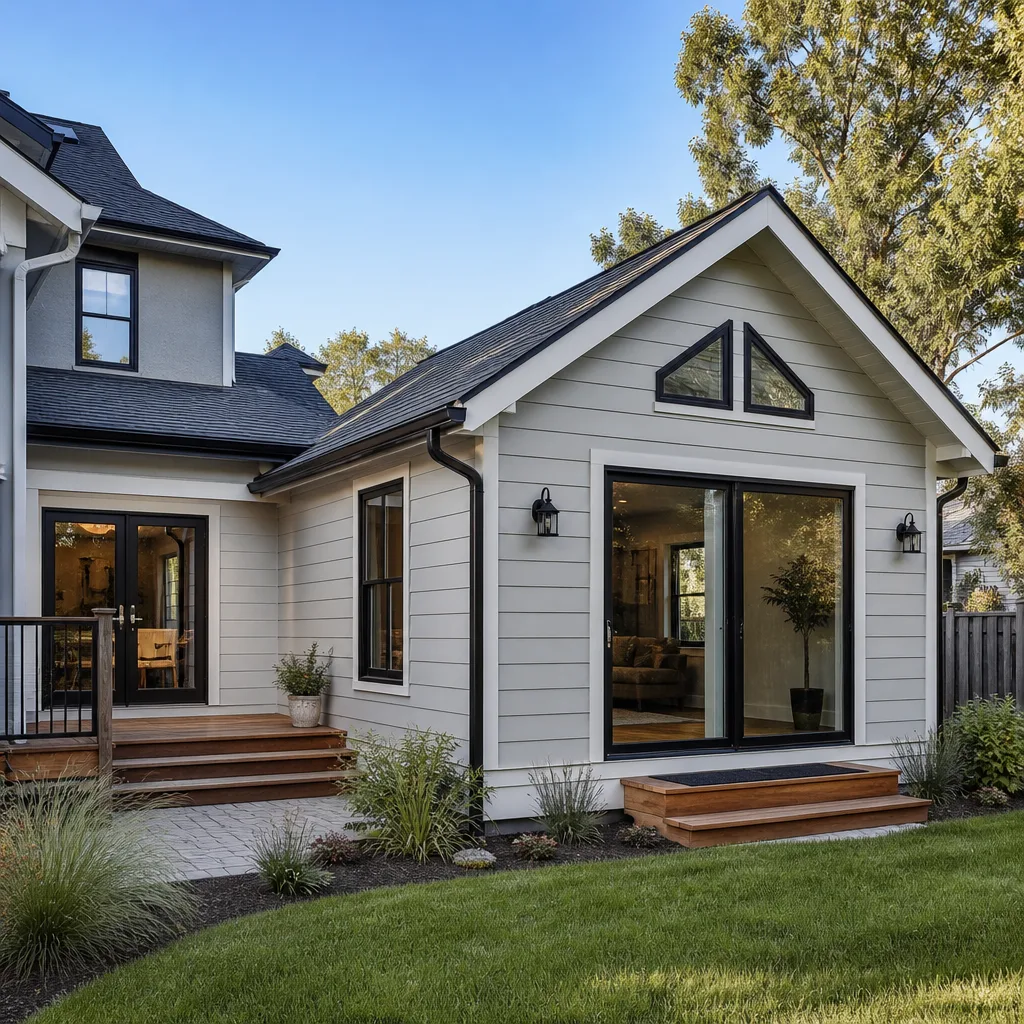 Home additions & ADU
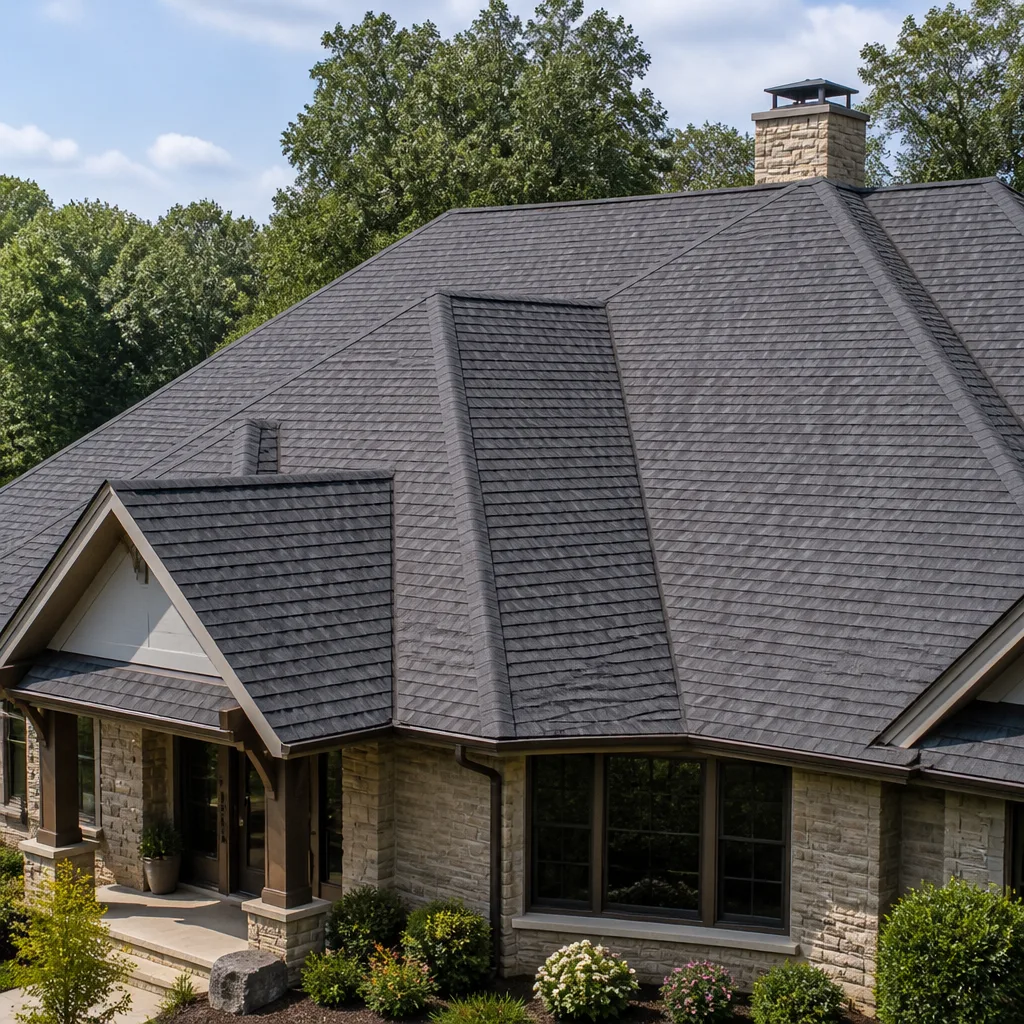 Roofing
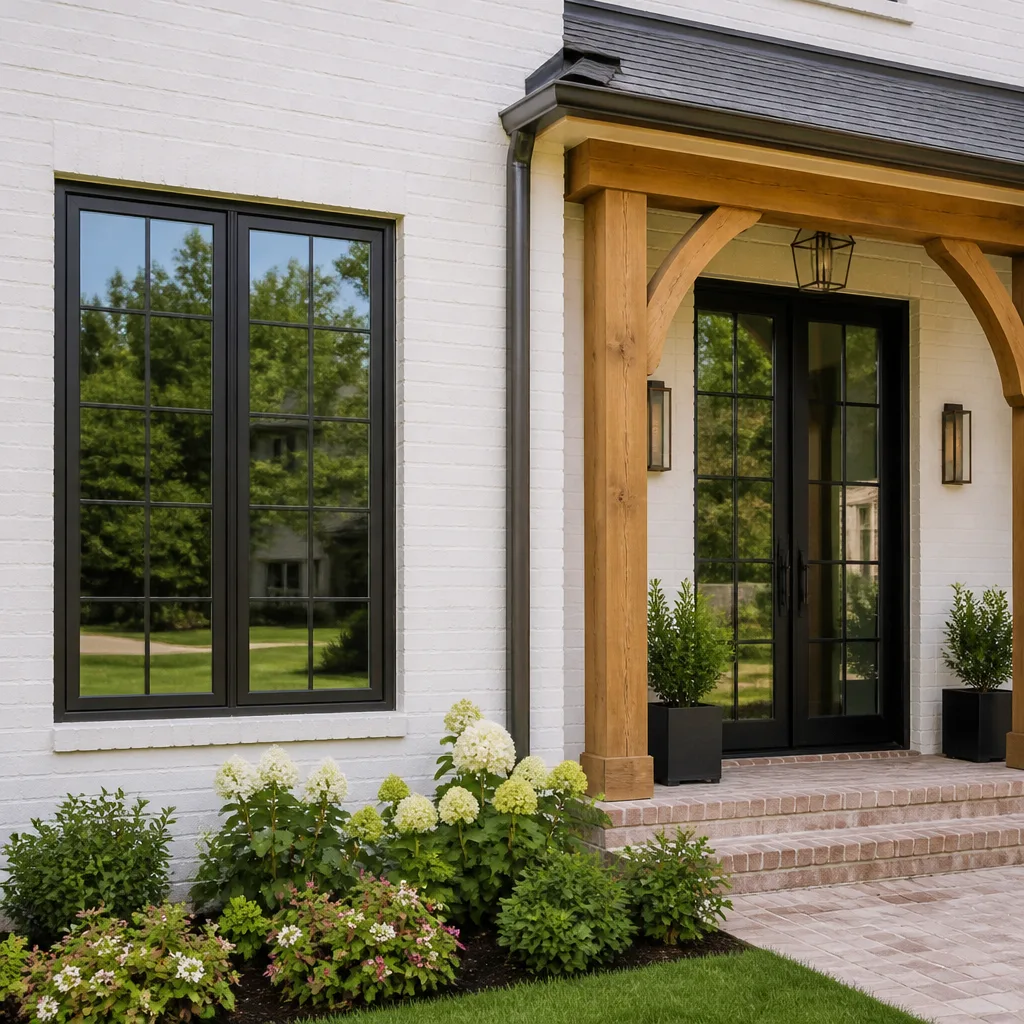 Windows & doors
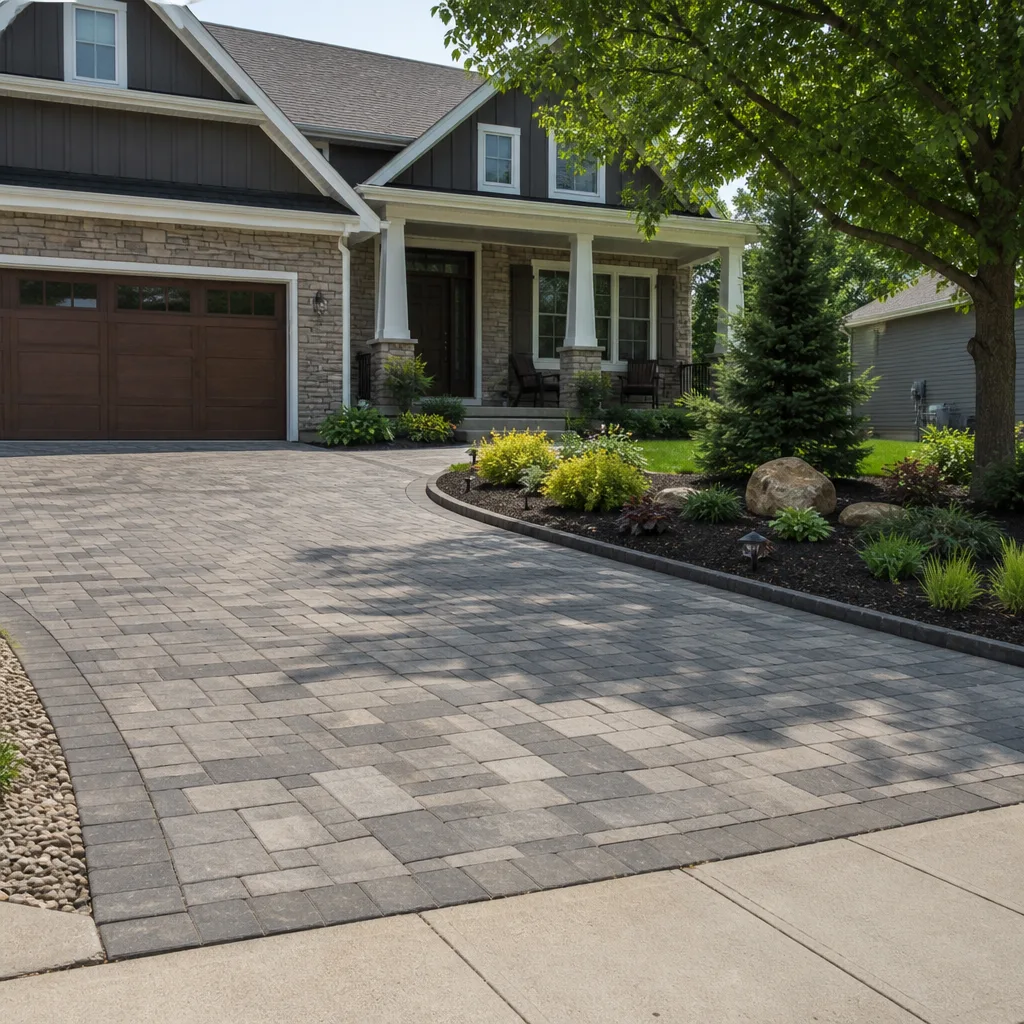 Driveway & pavers
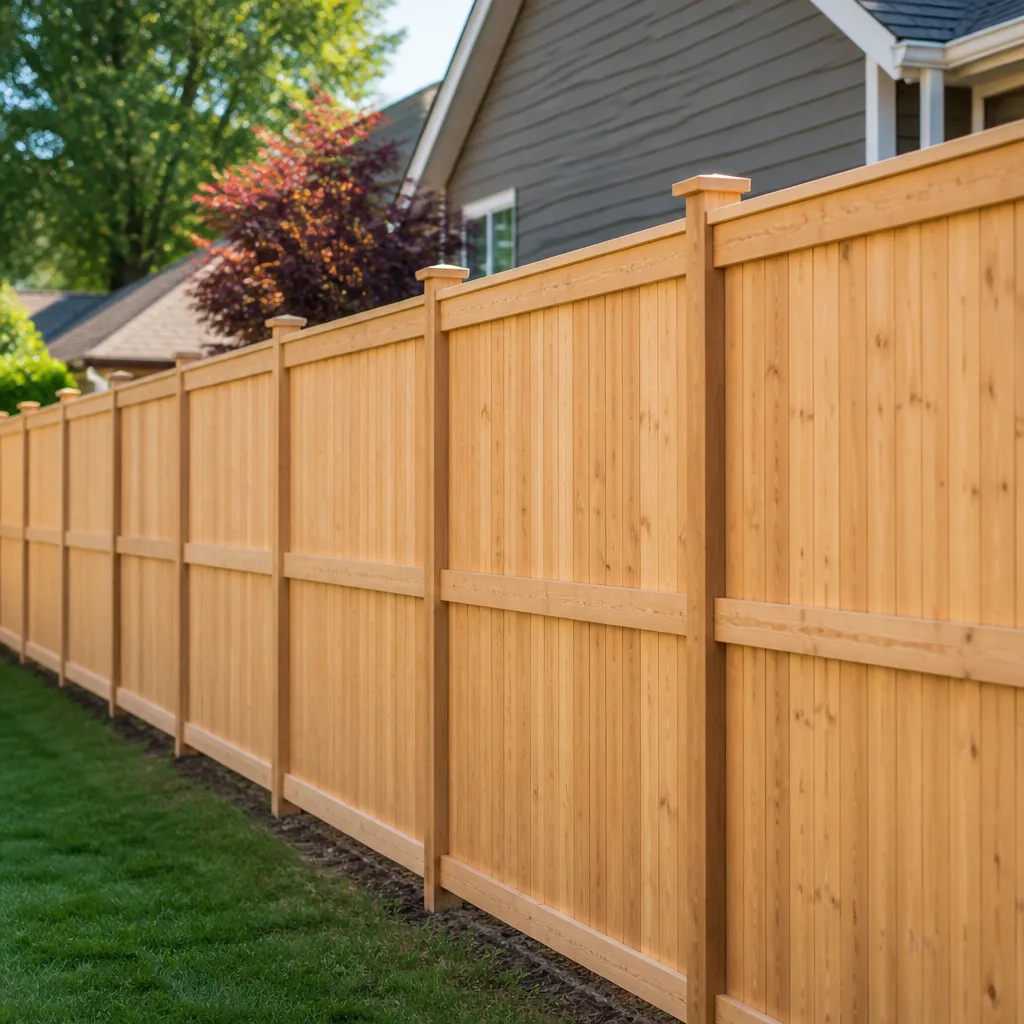 Fence
Free written scope consultation - allowances, timeline, and change-order rules on paper before a single trade is scheduled
Styles & brands we work with
- Kitchen remodeling
- Bathroom remodeling
- Home additions & ADU
- Roofing
- Windows & doors
- Driveway & pavers
- Fence
See the difference
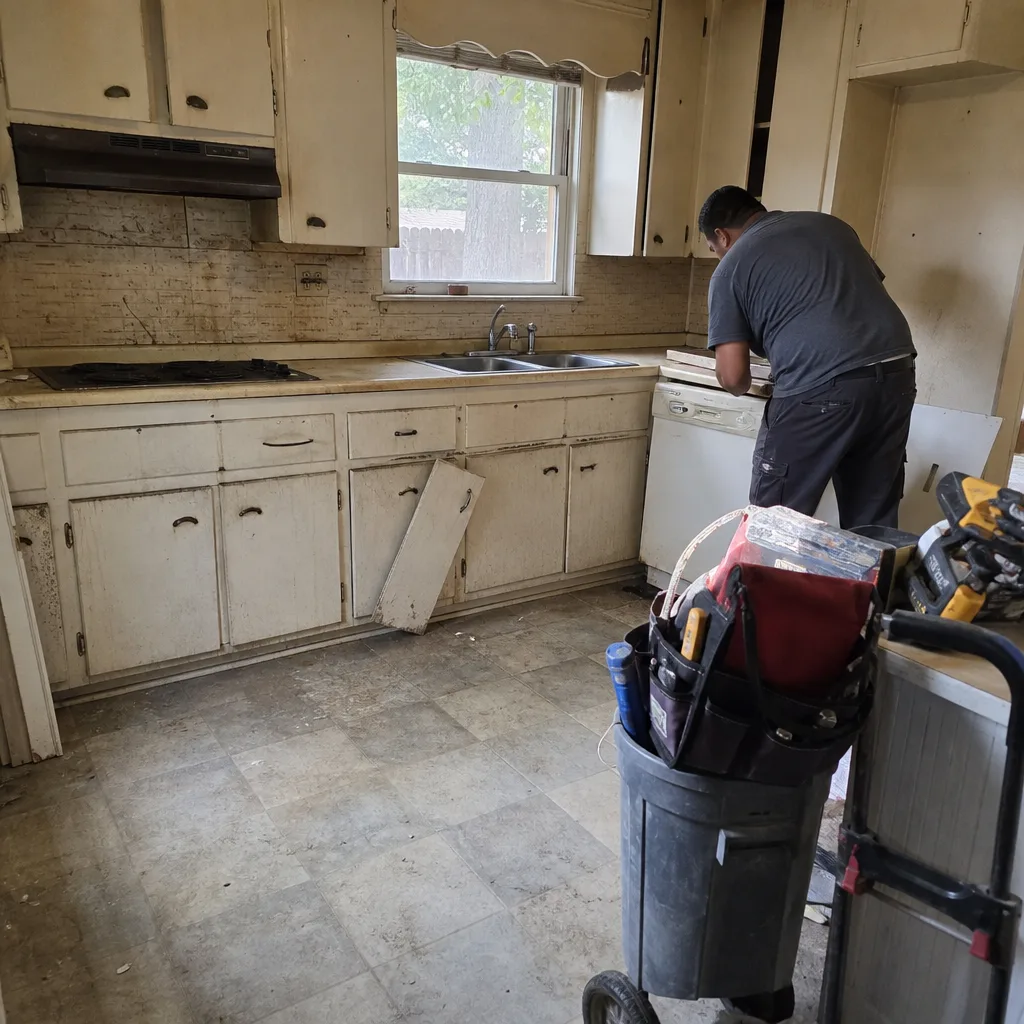 Before
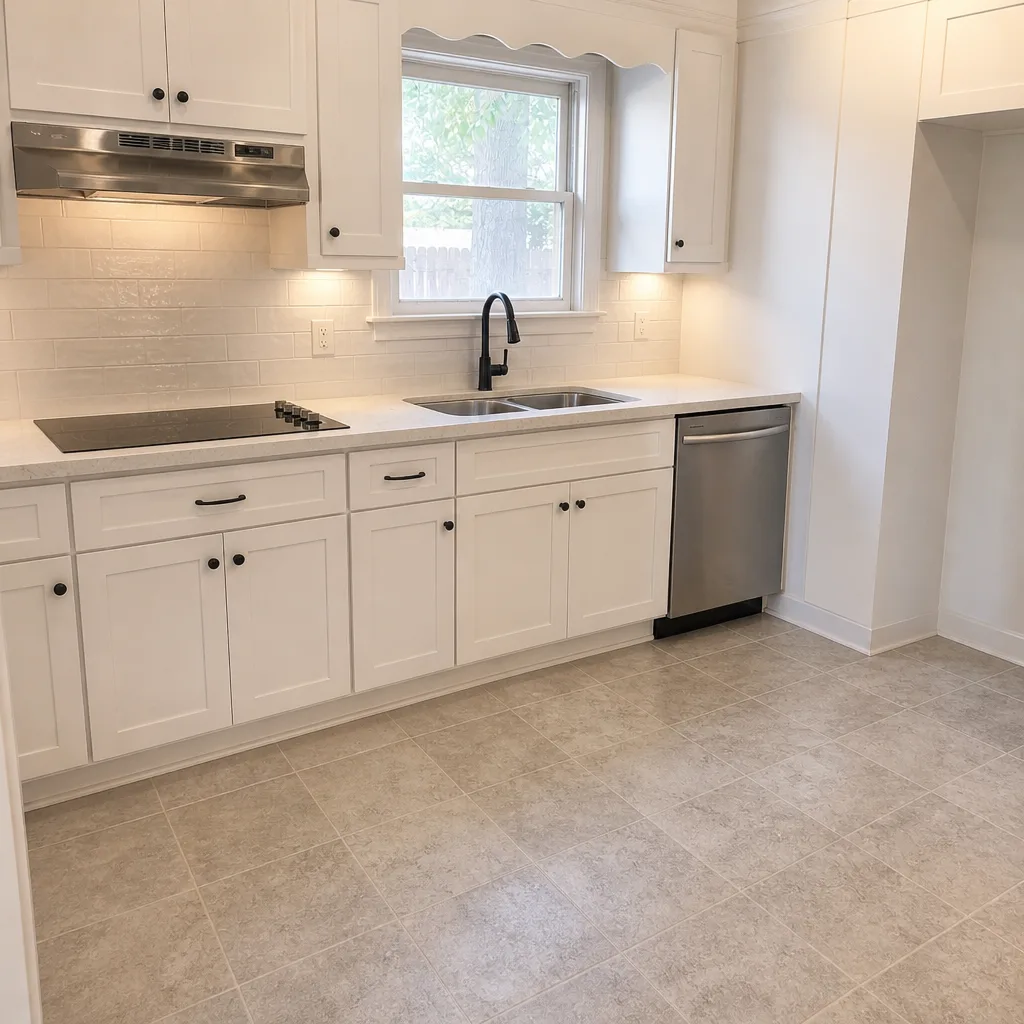 After
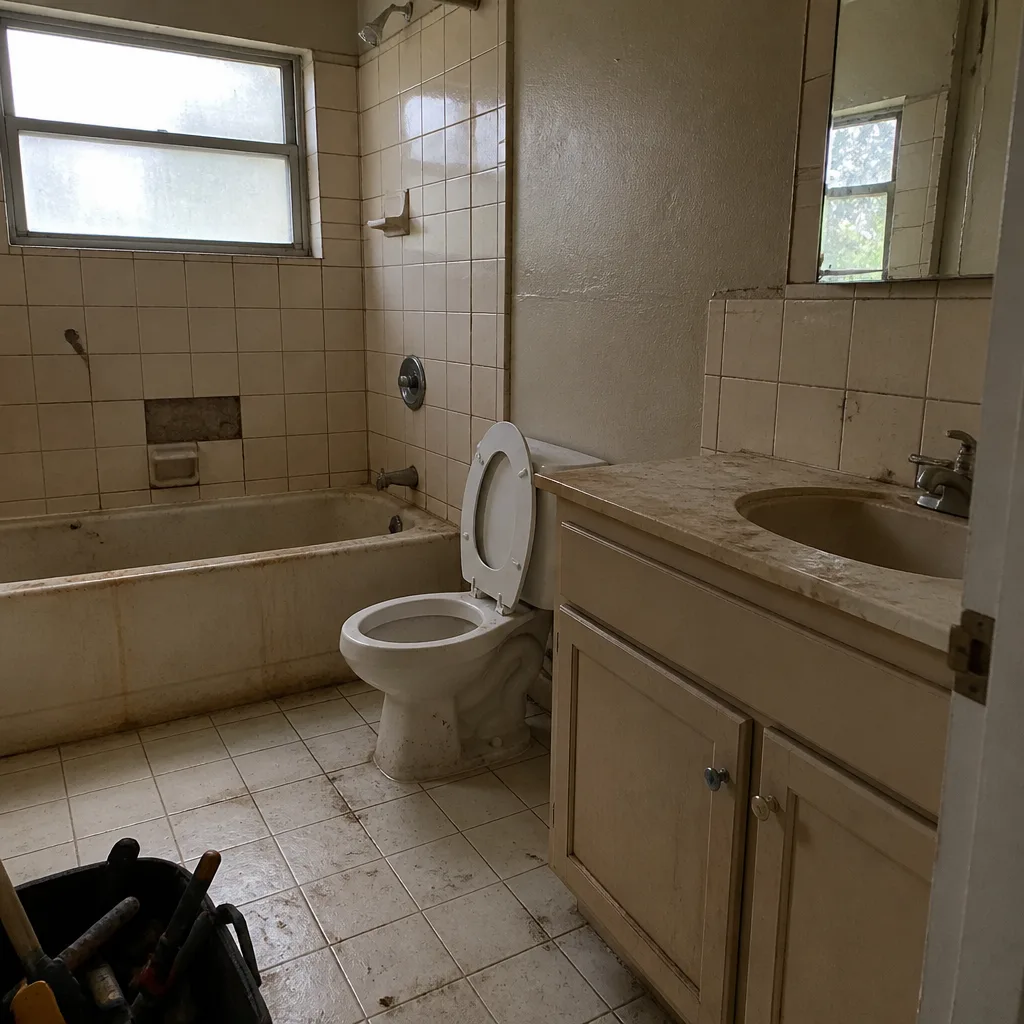 Before
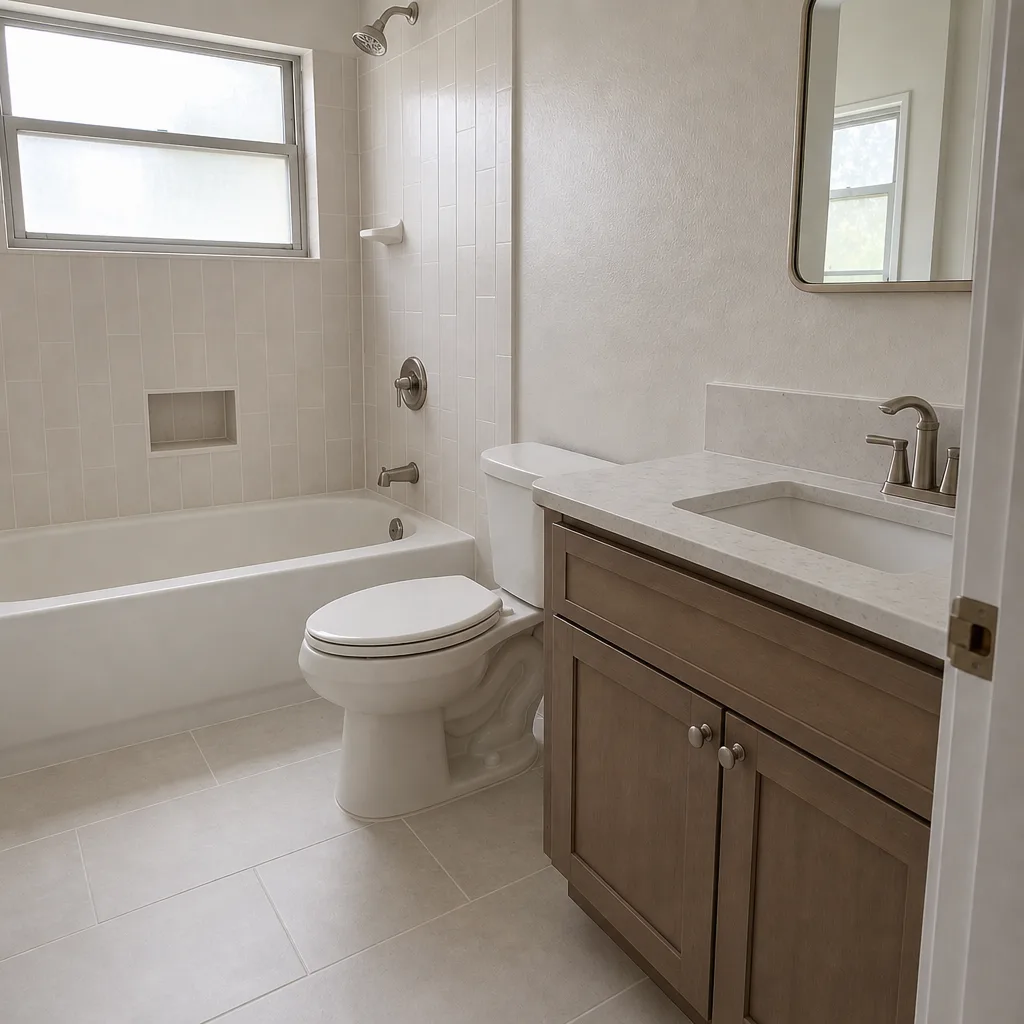 After
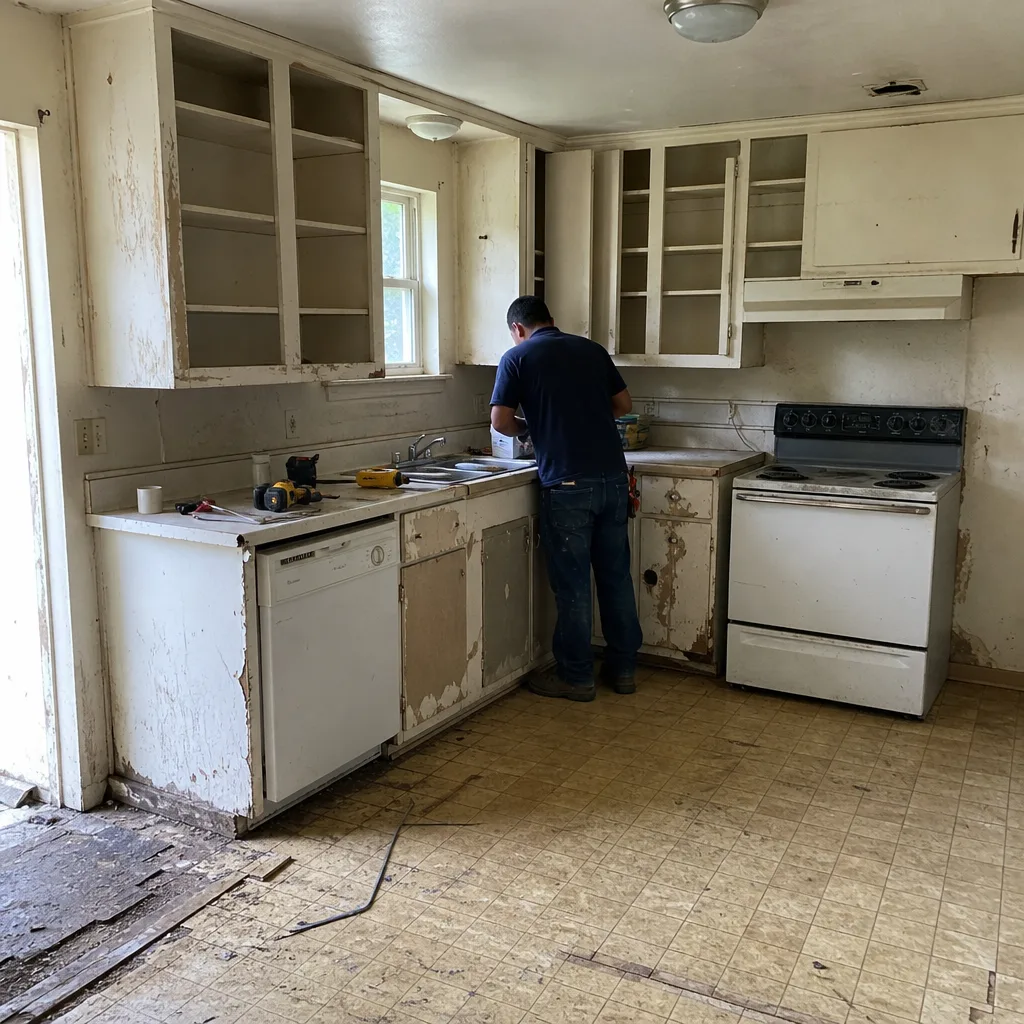 Before
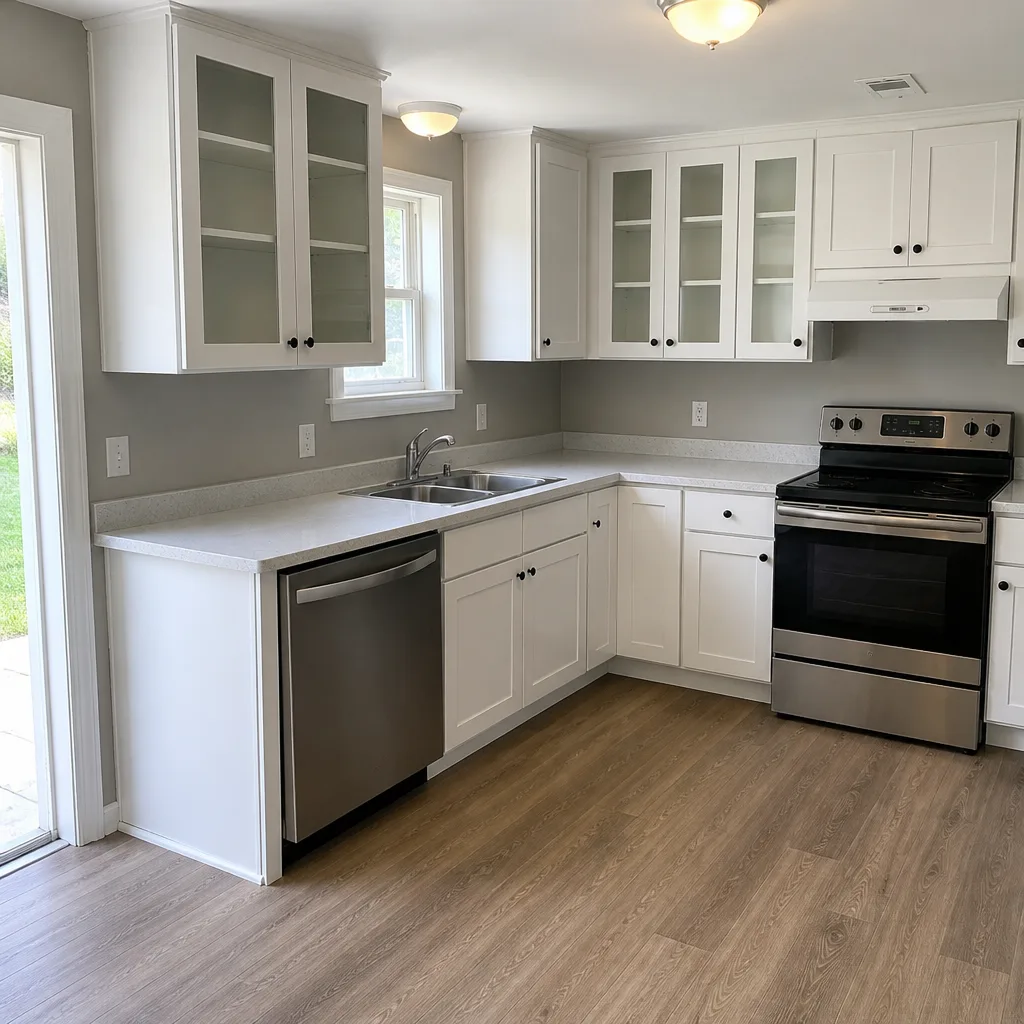 After
Metal Roof vs. Shingles in Dallas, TX: Choose Metal If Your Roof Faces Open Hail and You Plan to Stay 15+ Years; Choose Architectural Shingles If You Need a Fast, Lower-Cost Replacement
For most Dallas homeowners, standing-seam metal is the stronger long-term buy. It survives the hail corridor better, earns Class 4 insurance discounts, and outlasts asphalt. But it costs roughly double, so if you’re selling in five years or working a tight budget, GAF or Owens Corning architectural shingles win. Our crews install both, and we’ll tell you which fits your house. For a straight answer before you decide, call Groundwork Construction Co. of Dallas at (844) 797-4808.
Here’s what the generic comparison articles leave out. Dallas sits in the Blackland Prairie, where expansive clay swells and shrinks with every wet-dry cycle. That soil movement is already working on your slab. Whatever you bolt to the roof has to interact with that reality, and with the hail that makes DFW one of the most active storm corridors in the country. This page covers the parts that actually decide the question.
What Does a Class 4 Impact Rating Actually Mean, and Why Do Texas Insurers Care?
A Class 4 rating under UL 2218 means a sample of the product survived a 2-inch steel ball dropped from 12 feet without cracking, splitting, or allowing water through. It’s a lab test, not a stunt. The steel ball simulates a serious hailstone, and the product has to shrug it off four times at different points. Fewer than half of roofing products on the market clear that bar.
In Texas, that lab result translates into money. Many carriers discount homeowner premiums for Class 4 roofs, and some waive the cosmetic-damage exclusion that otherwise lets an insurer deny a claim because the shingles look beat up even though they still shed water. That last piece is the one Dallas homeowners get burned by most.
Which products earn the rating? On the metal side, most standing-seam steel panels clear it, along with some stamped stone-coated steel profiles. On the shingle side, it’s narrower: specific impact-rated lines from GAF (Timberline AS) and Owens Corning (Duration Flex, among others) make the list. Regular architectural shingles from the same brands do not. The brand on the wrapper doesn’t carry the rating; the specific product line does.
- Class 4 metal: wide availability, discount-eligible, long service life.
- Class 4 asphalt: narrower product list, discount-eligible, shorter life.
- Standard architectural shingles: no rating, no discount, cosmetic-damage exposure in a hail claim.
Can My Dallas Slab Handle the Extra Weight of Metal?
Usually yes, but the honest answer requires looking at the structural plan. Standing-seam steel adds roughly 1 to 1.5 pounds per square foot over the decking. Standard asphalt shingles run about 2 to 3.5 lbs per square foot. So on most Dallas homes, metal is actually the lighter option, not the heavier one. Tile is the material that tips the scale at 2 to 4 lbs per square foot and sometimes more.
The nuance most comparison pages skip: on a post-tension slab managing clay-soil uplift cycles, any change in dead load deserves a look at the original engineering. It’s rarely a dealbreaker. But if your house is a 1960s slab-on-grade ranch in East Dallas with a few stair-step brick cracks already showing on the exterior, we want the structural drawings in hand before we quote a heavy roof system. That’s not caution theater. It’s how you avoid compounding a foundation issue with a roofing decision.
Does Metal Actually Keep a Dallas Attic Cooler in a 100°F Summer?
Yes, when it’s specified right. A metal roof with a cool-roof Kynar finish and a proper air gap between the panel and the decking reflects solar heat instead of absorbing it the way dark asphalt does. During a Dallas July, attic temperatures routinely push past 140°F under a dark shingle roof. Metal with a vented air gap pulls that number down meaningfully. Your HVAC system stops fighting a bake oven.
Shingles can get partway there too. Light-colored architectural shingles with a high solar-reflectance rating help some. But metal’s advantage is structural: the air gap and the reflective surface compound. For a DFW homeowner already tired of summer electric bills, that’s a real line item.
Wind Uplift: Why the Fastening Method Beats the Material
Dallas sits in a high-wind zone, and straight-line spring storms do more damage here than the calendar suggests. Here’s the part that rarely makes it into a metal vs. shingles article: the fastener, not the sheet, is what usually fails first.
- Standing-seam metal: concealed clips or direct fasteners hide the attachment points. No exposed screws means fewer leak points over time, and wind uplift performance is engineered at the clip.
- Exposed-fastener panels: cheaper, faster, but every screw is a future leak and a wind-failure point. Fine for a shed, not your house.
- Nail-through shingles: performance depends entirely on nail placement, nail count, and proper starter and edge detailing. A six-nail pattern in the high-wind zone outperforms a four-nail pattern every time a storm rolls through.
Our Dallas roof crews install both GAF-certified shingle systems and commercial-grade metal, so this isn’t a brand pitch. It’s a fastening-and-detail conversation, backed by the 730-Day Done Right Promise whichever material you pick. If you want to see how we approach the whole scope, our Roofing service covers the process start to finish.
What Do Metal and Shingle Roofs Cost in Dallas?
A full metal roof in Dallas typically runs $15,000 to $40,000 depending on square footage, panel profile, and pitch. Asphalt roof replacement lands between $8,000 and $20,000. The price gap is real. The math that closes it is the insurance discount, the longer service life, and lower cooling costs over the years you own the home.
| Item | Dallas Price Range |
|---|---|
| Standing-seam metal roof installation | $15,000-$40,000 |
| Architectural shingle roof replacement | $8,000-$20,000 |
| Roof repair (small) | $400-$1,800 |
| Tile roof repair | $600-$2,500 |
Pricing is upfront, and the number you see is the number you pay. We also offer 0% financing for 18 months and $1,000 off projects over $10,000, which softens the metal premium if cash flow is your concern. Every project is covered by our 730-Day Done Right Promise, because we don’t hand you a warranty with fine print and hope.
FAQs
Repair is almost always cheaper in the short term. A targeted Dallas roof repair runs $400 to $1,800, while a full replacement is $8,000 to $20,000. Repair makes sense when the damage is localized and the shingles have years left. Call (844) 797-4808 for a free estimate and we’ll tell you which side of that line your roof is on.
A metal roof in Dallas typically costs $15,000 to $40,000, versus $8,000 to $20,000 for architectural shingles. The gap narrows once you factor in the Class 4 insurance discount many Texas carriers offer and lower summer cooling costs. Call (844) 797-4808 for an exact quote on your home; estimates are free.
Yes, Dallas requires a permit for roof replacement, and the inspection covers nailing, flashing, and underlayment. Skipping it can void your insurance claim later. We handle the permit and the inspection as part of the job, so you’re not the one chasing paperwork.
Often yes, weather permitting. Metal panels are fabricated to your roof’s measurements, so lead time depends on the profile and color. Call (844) 797-4808 and we’ll give you a realistic start date, not a guess. Take a look at the Dallas service area for details on how we work locally.
Groundwork Construction Co. of Dallas brings up to 12 years of technician experience, background-checked uniformed crews, and a live person on the phone 24/7. Our roofers work from the same clay-soil and high-wind reality you live in, and we walk the property with you before we quote it. From foundation to finish line, we’re a single partner for the roof and whatever it sits on.
If you’d rather have it looked at, Groundwork Construction Co. of Dallas offers a no-pressure assessment in Dallas. Call (844) 797-4808 for a free estimate, and we’ll run the metal-vs-shingles math against your specific house.
Written by the team at Groundwork Construction Co. of Dallas, serving Dallas, TX.