
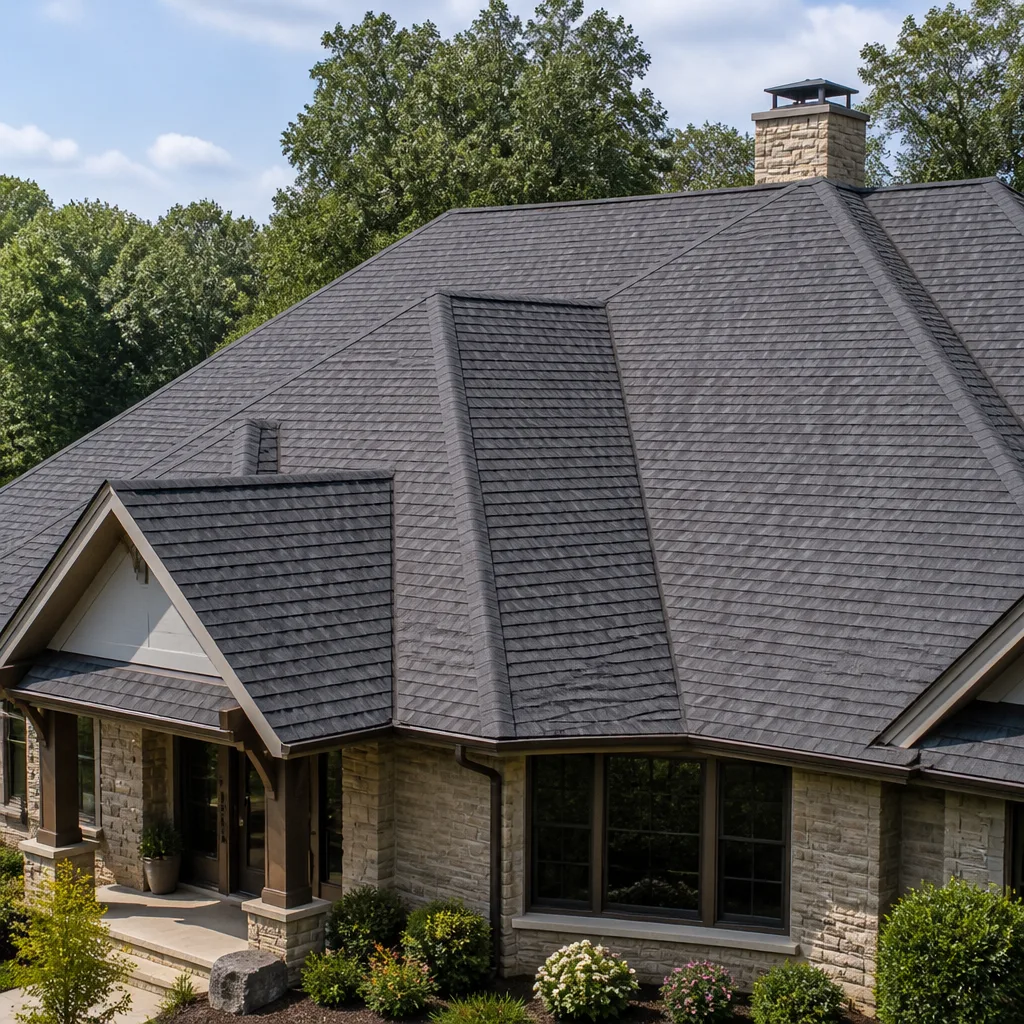
 Roofing
 Kitchen remodeling
 Bathroom remodeling
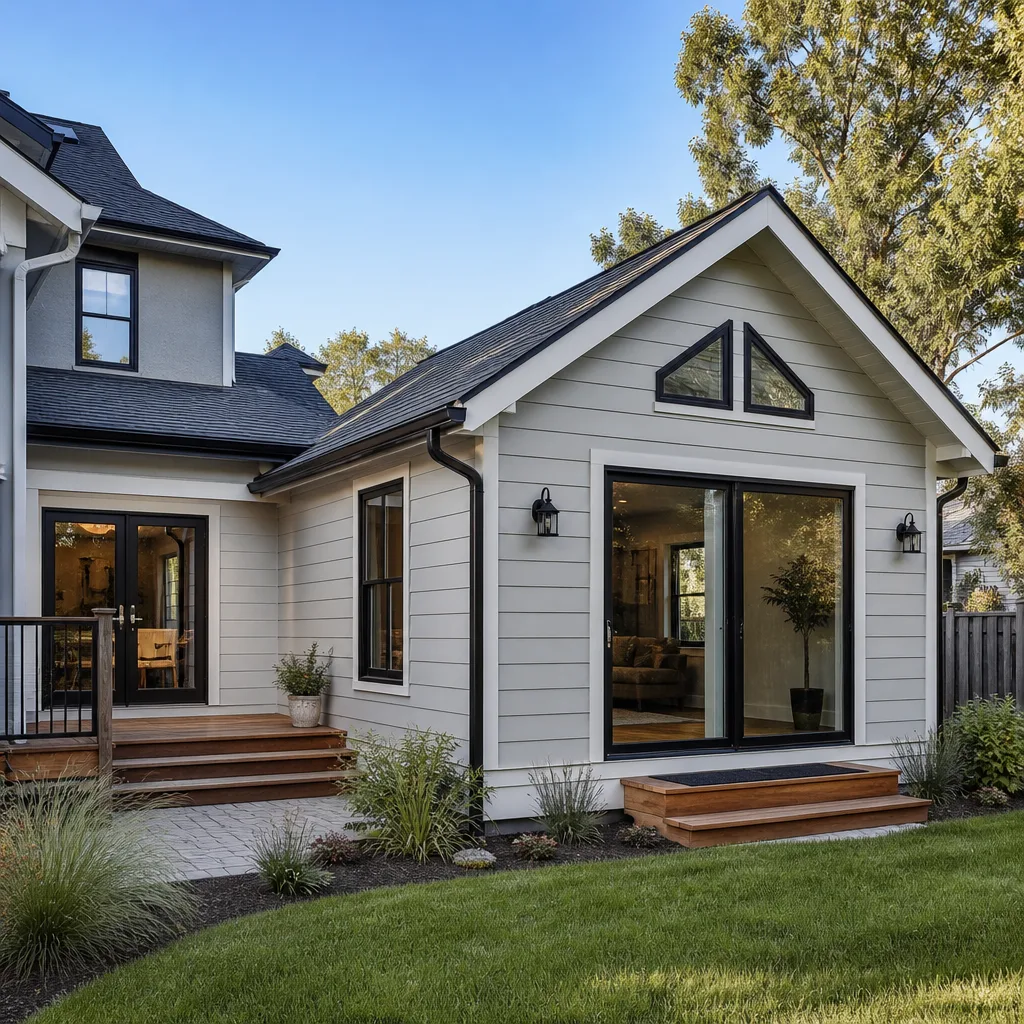 Home additions & ADU
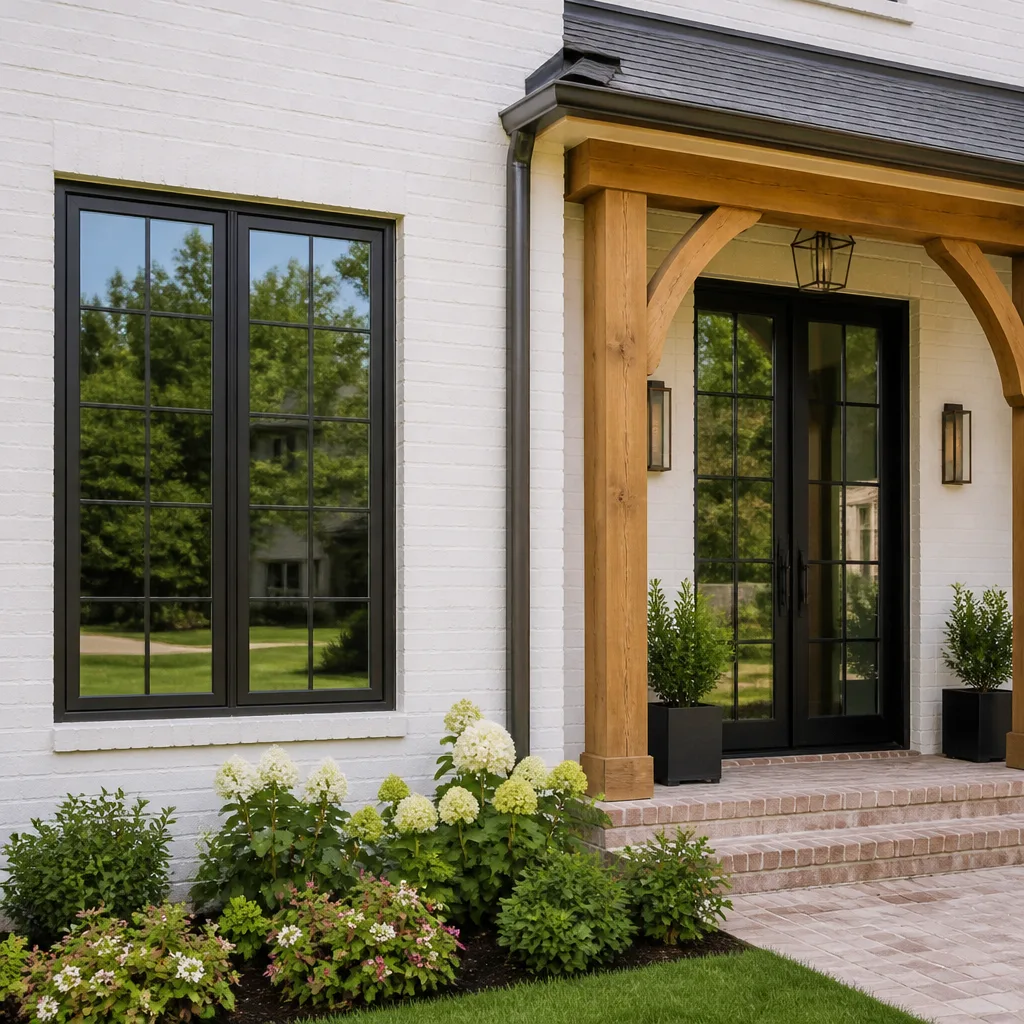 Windows & doors
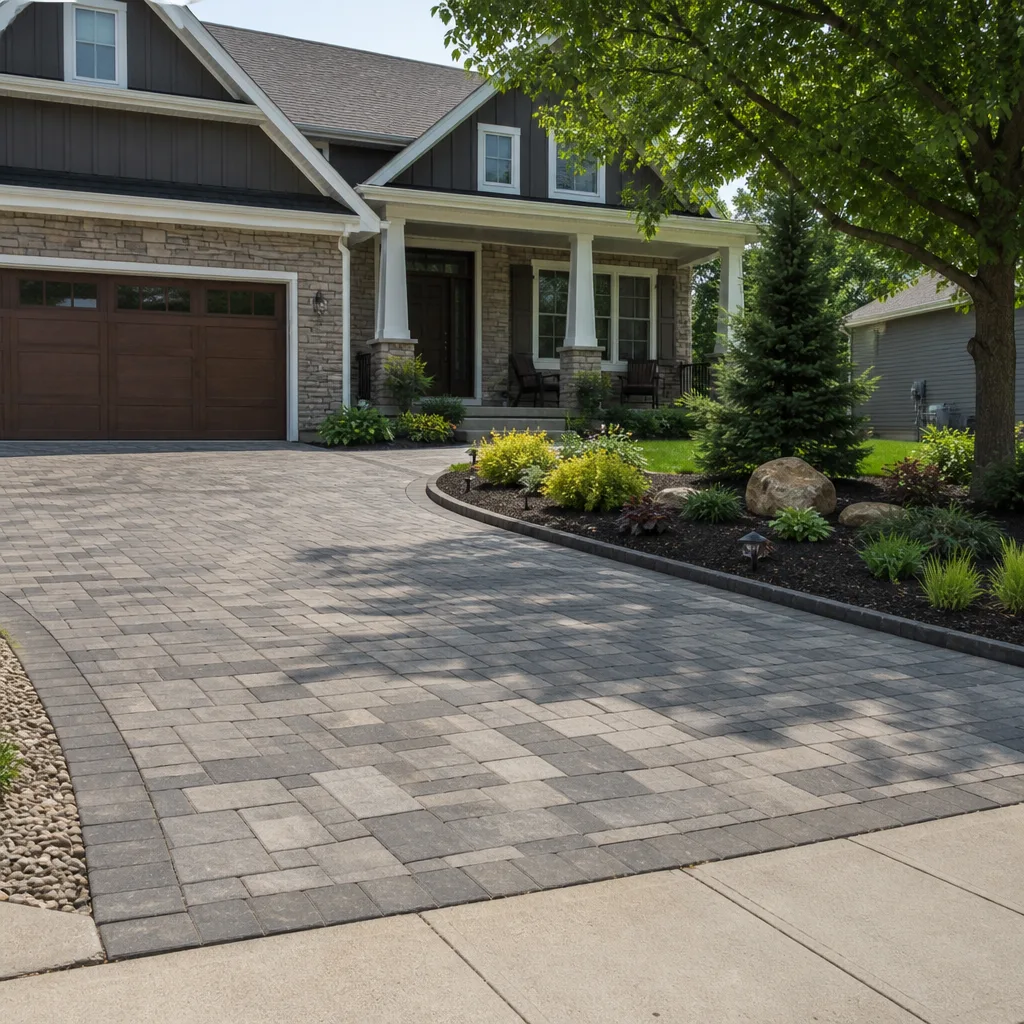 Driveway & pavers
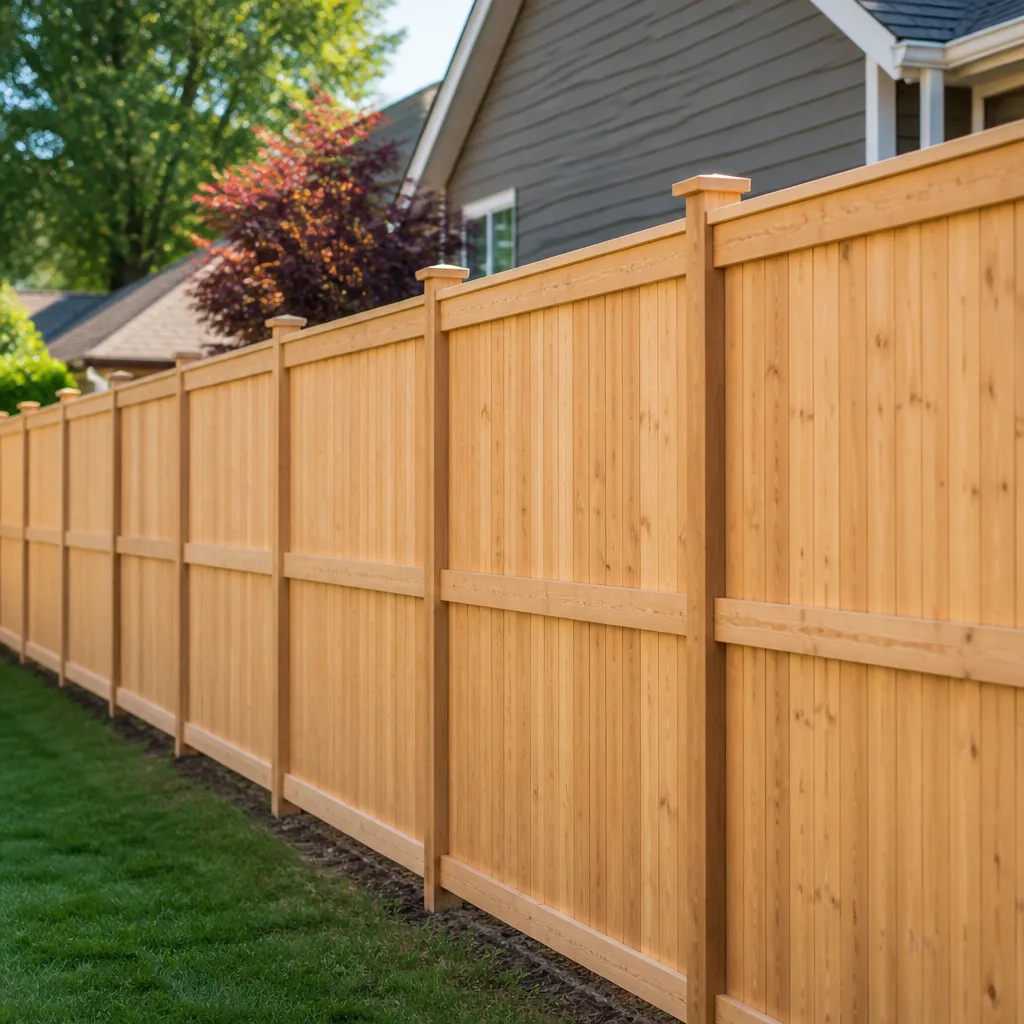 Fence
Free written scope consultation - allowances, timeline, and change-order rules on paper before a single trade is scheduled
Metal Roofing in Cedar Hill, TX: What It Costs and How Long It Takes
Metal roofing in Cedar Hill typically runs $15,000 to $40,000 for a full residential roof, and most jobs take two to four weeks from tear-off to final inspection. The number lands at the low end on a simple ranch home in the original townsite and toward the top on a steep, cut-up roof in the hill country subdivisions, where panels have to be cut and fitted around real elevation changes. Call (844) 797-4808 to schedule a free on-site estimate, and we’ll put the exact scope and price in writing before anything gets ordered or removed.
How a Metal Roofing Job Comes Together, Start to Finish
Metal is not a “crew shows up and lays it down” product. The order of operations matters, and a shortcut in stage two or three shows up as a leak five years later. Here’s how we run it.
Stage 1: Inspection and deck assessment (1 – 2 days)
We get on the roof and into the attic. What we’re checking is the sheathing itself: how many layers of old shingles sit on top, whether the deck boards are sound or soft from years of North Texas heat, and how the roof plane drains around valleys and chimneys. That walk determines whether we’re doing a tear-off to bare deck or an overlay, and it’s the single biggest price variable on the job. You’ll have that answer before we quote.
Stage 2: Tear-off and deck repair (2 – 4 days)
Old shingles come off, nails get swept, and the deck gets inspected board by board. Rot or delamination gets replaced with new sheathing, and this is where we find out how much of the original 1980s or 1990s deck is still solid. It’s also where the homeowner typically gets the one call about a surprise: we send photos of anything we find and you approve the added scope before we proceed.
Stage 3: Underlayment and flashing (1 – 2 days)
High-temp synthetic underlayment goes down over the deck, followed by ice-and-water membrane in the valleys and around penetrations. Flashing is where metal roofs live or die. New valley metal, chimney flashing, and drip edge all get set here. The homeowner usually decides at this stage whether they’re adding a ridge vent upgrade while the roof is open, since it’s far cheaper now than later.
Stage 4: Panel installation (3 – 7 days)
Panels go up in sequence, fastened with the specified clips or screws and lapped to shed water the way the profile is designed to. Standing seam gets seamed and panel-length cut for the run; exposed fastener panels get screwed down with gasketed fasteners. Trim, ridge cap, and gable end pieces close it out. Timing depends on roof complexity and square footage, and steep pitches take longer per square.
Stage 5: Final inspection and cleanup (1 – 2 days)
We walk the roof, check penetrations, and magnet-sweep the yard and driveway for stray fasteners (your tires will thank you). If a city inspection is required for the scope, we coordinate it. Final walkthrough with you, then the 730-Day Done Right Promise covers the workmanship in writing.
Styles & brands we work with
- Kitchen remodeling
- Bathroom remodeling
- Home additions & ADU
- Roofing
- Windows & doors
- Driveway & pavers
- Fence
The Choices You’ll Make Before We Order Panels
Metal roofing is a category, not one product. The four decisions below drive most of the final number.
- Panel profile: standing seam vs. exposed fastener. Standing seam has hidden fasteners, cleaner lines, and longer life, but costs more per square and takes longer to install. Exposed-fastener panels (the classic “ag” look) are cheaper and faster, but the gasketed screws need occasional attention over 20+ years. Standing seam is the better fit for higher-end custom homes; exposed panels suit simpler ranches and outbuildings.
- Metal and finish: steel vs. aluminum, painted vs. mill finish. Galvalume and painted steel are the workhorses in North Texas. Aluminum costs more but resists rust in coastal humidity. Kynar-coated finishes hold color longer in intense UV, but add to the budget.
- Tear-off vs. overlay. Tear-off to bare deck costs more upfront but lets us inspect sheathing and gives the new roof a clean base. Overlay saves money short-term, but only works if the existing roof is in decent shape and local code allows it.
- Underlayment and venting. High-temp synthetic underlayment is standard; upgrades include additional ice-and-water coverage and ridge-vent systems. This is also where a homeowner decides on solar-ready clips or a wiring chase if panels might go up later.
Metal Roofing Cost in Cedar Hill, TX
Expect $15,000 to $40,000 for a full metal roof replacement in Cedar Hill. The five variables that push you toward the low or high end:
- Roof size and complexity. A straightforward gable roof on a 1,800 sq ft home sits near the bottom. A hip-and-valley design on 3,000+ sq ft with dormers and multiple planes pushes toward the top.
- Existing condition. Soft decking, multiple shingle layers, or previous water damage mean added tear-off and sheathing cost.
- Material grade and profile. Exposed-fastener steel on the low end; standing seam with premium Kynar finish on the high end.
- Access and slope. Steep pitches and hillside lots slow every crew, and that labor shows up in the number.
- Permit and inspection scope. A full replacement with structural work pulls a bigger permit and requires more inspection passes than a simple tear-off and re-roof.
The written estimate includes labor, materials, tear-off, underlayment, flashing, cleanup, and the 730-Day Done Right Promise. It typically does not include structural repairs found after tear-off (approved with photos before we proceed), HOA approval fees, or gutter replacement if the existing gutters can’t be reused with the new roof profile.
See the difference
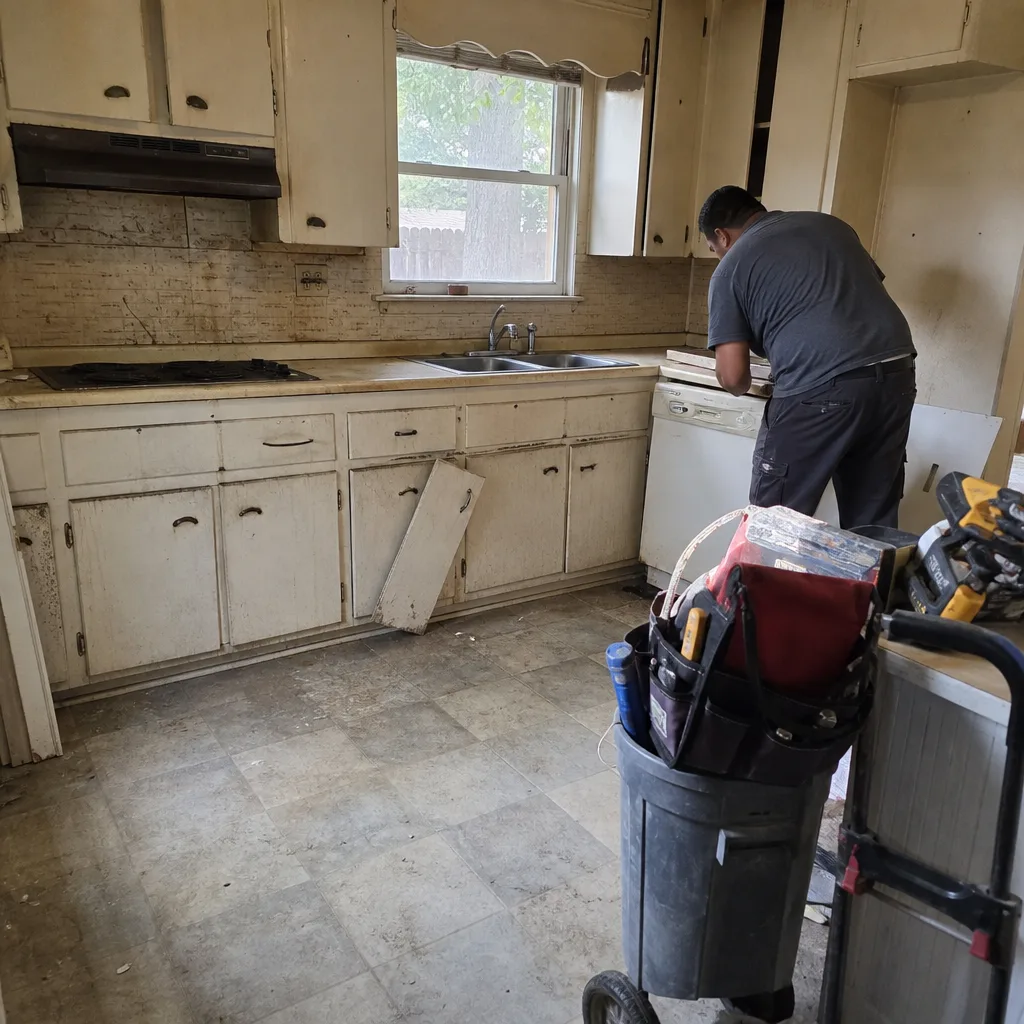 Before
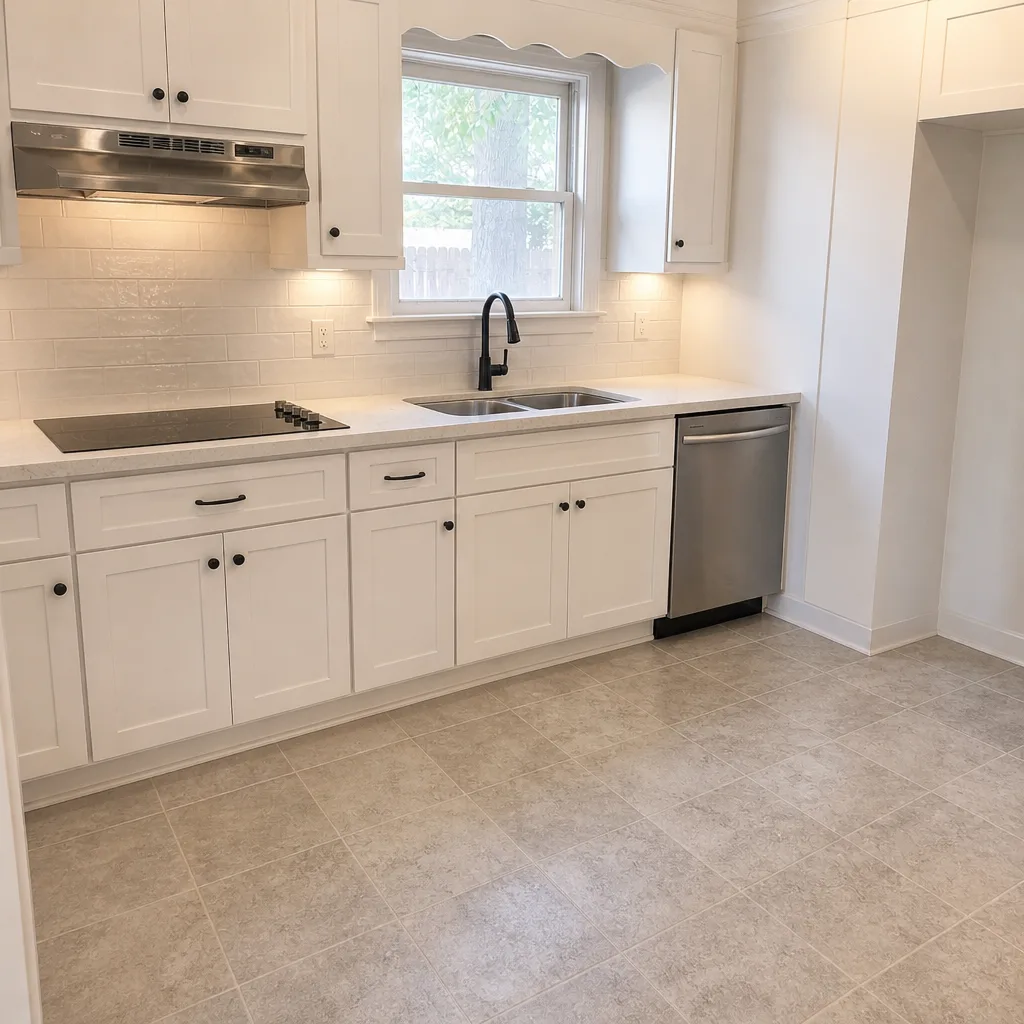 After
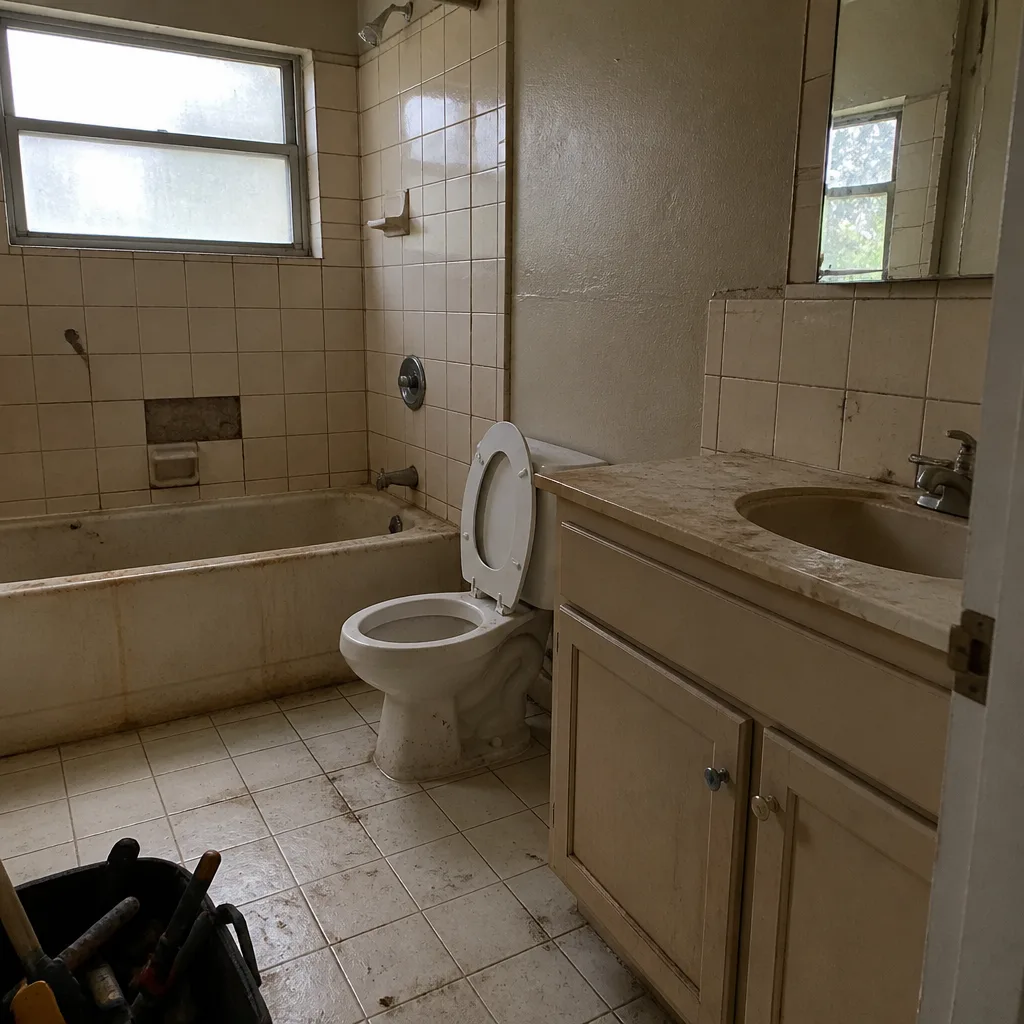 Before
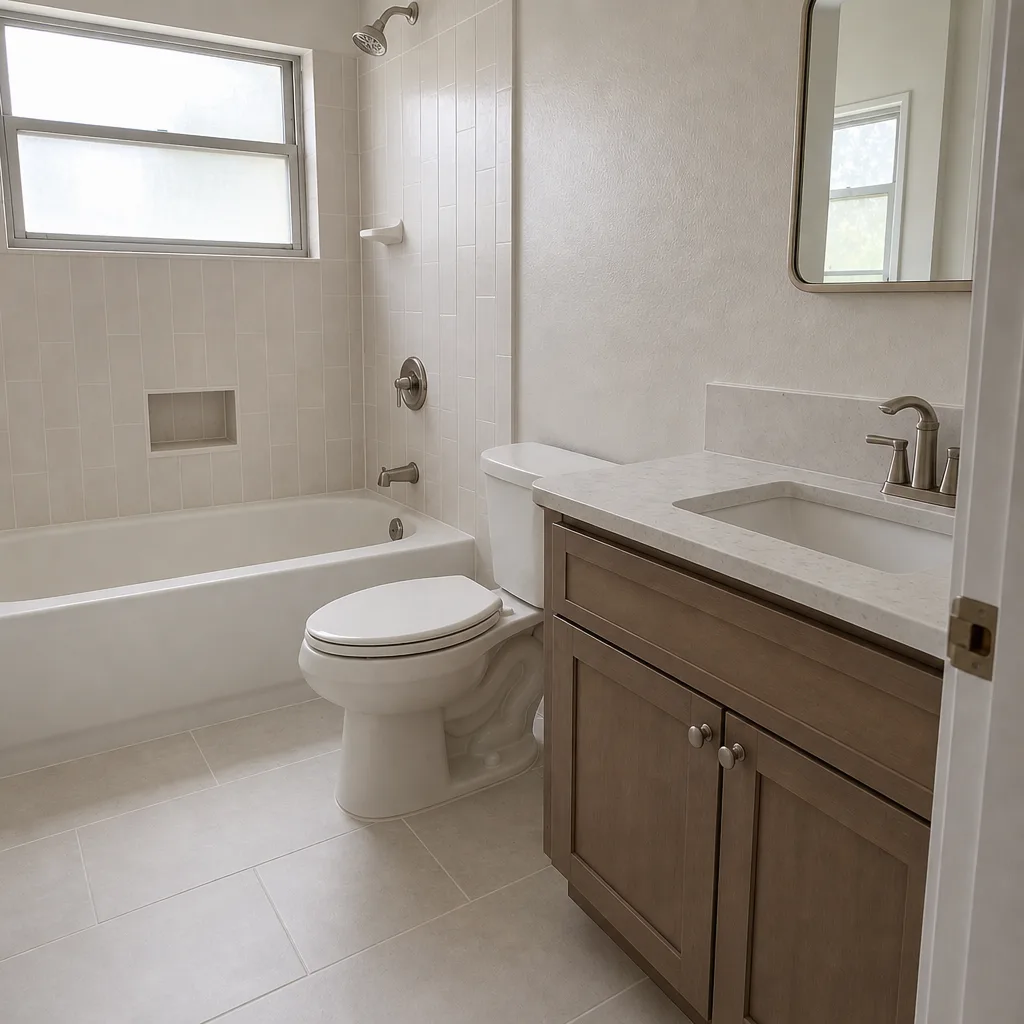 After
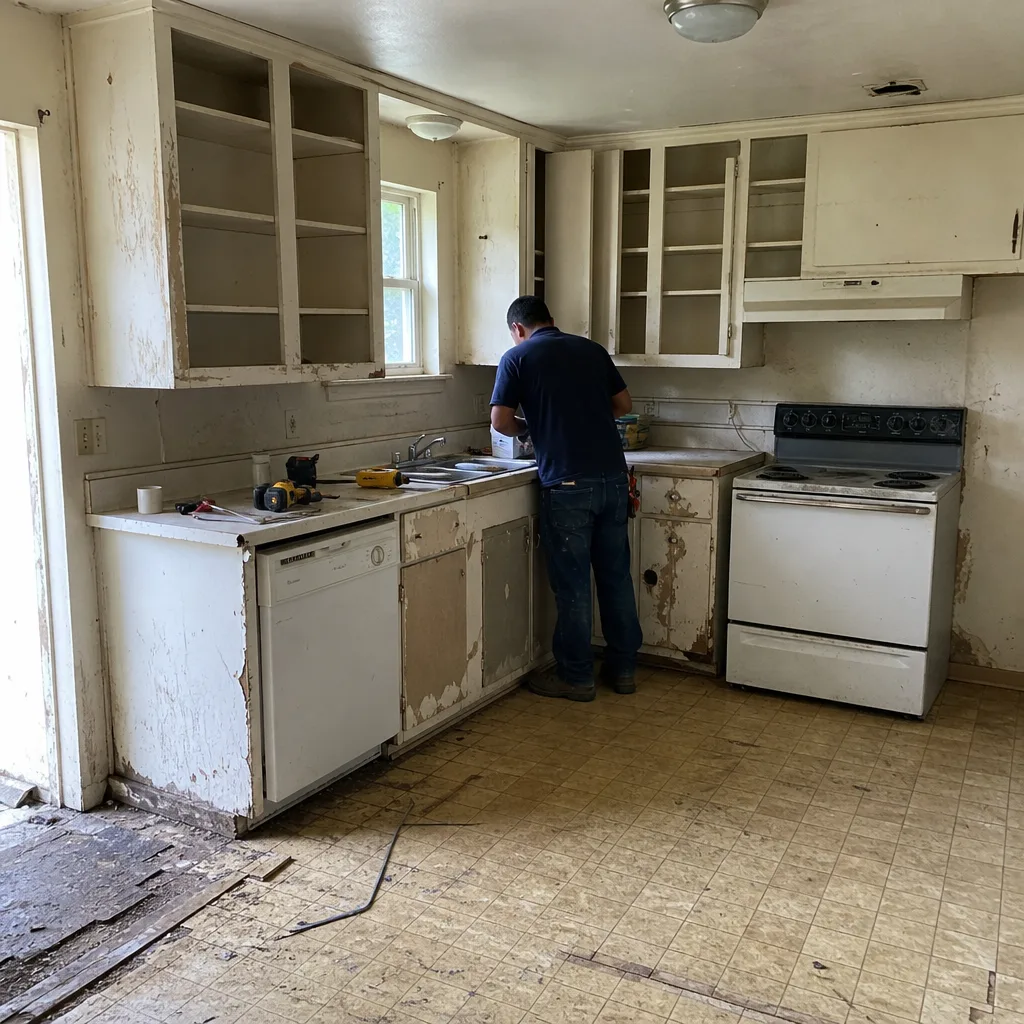 Before
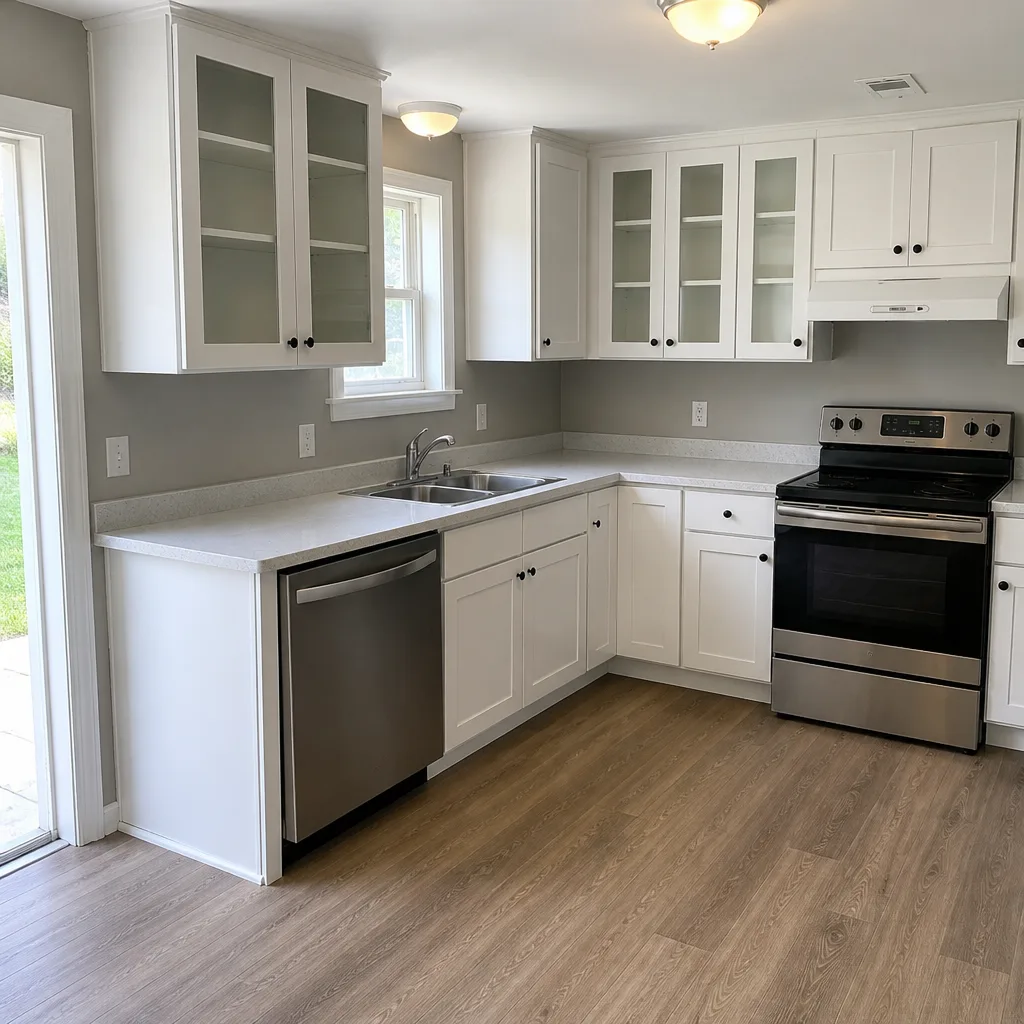 After
Why Cedar Hill Roofs Aren’t Like Flat-Lot Roofs
Cedar Hill is hilly and tree-covered, and that shapes the metal roofing job in ways a flat-subdivision city doesn’t. In the custom-home areas, lots often drop sharply from one property line to the next, and roof designs have to answer to that terrain: steeper pitches, more complicated valleys, and retaining walls or grade changes that flank the structure and complicate equipment placement and staging. On the west side near Joe Pool Lake, we frequently hit limestone within a few feet when trenching for downspout drainage or working around foundations, which means rock saws and a longer schedule than a soft-soil lot would need. East-side lots with mature oaks require a tree-protection plan before we stage materials or bring equipment onto the property, so trimming and protection add a step. Meanwhile, the 1980s – 2000s subdivisions off Belt Line and Wintergreen hold a lot of original shingle roofs at end of life, and the older ranch homes in the original townsite have their own quirks: shallower pitches, narrower lots, and tighter access. North Texas heat cycling on expansive clay soils moves foundations and roof planes slowly, so we always check for structural deflection during the inspection stage, because a metal roof wants a straight deck underneath it. If the job is part of a full Roofing in Cedar Hill scope, or you want to compare this against the wider options in our Roofing service, both are worth a read before the estimate.
Serving Cedar Hill, TX – Our Local Coverage Area
We serve Cedar Hill and nearby communities. Use the map below to see the area we cover. If you’re nearby, we can almost certainly help.
Frequently Asked: Metal Roofing in Cedar Hill
Plan on two to four weeks from tear-off to final walkthrough. Simple ranch roofs land closer to two weeks; complex hill-country roofs with steep pitches and multiple planes run longer. Weather, deck repairs, and permit inspection timing all push the schedule, and we build realistic buffers into the timeline before we start.
Yes, a full roof replacement requires a permit through the city, and some scopes also require inspection sign-off on sheathing and flashing. We pull the permit, coordinate the inspections, and keep you updated on the pass. Small repairs usually don’t require a permit, but a full metal roof installation does.
Usually yes, if the existing deck is sound. We tear off, replace any bad sheathing, and install the new roof without touching your attic or interior. Structural repairs are the exception, and those only happen with your approval after we send photos of what we found. In most Cedar Hill homes, the job stays exterior-only.
Most residential jobs land between $15,000 and $40,000. That range covers panel material, tear-off, underlayment, flashing, labor, cleanup, and our workmanship guarantee. Steep pitches, custom-home complexity, and standing seam upgrades push toward the top; simpler ranches with exposed-fastener panels land lower. Call (844) 797-4808 for a line-item written quote – estimates are free.
Our 730-Day Done Right Promise covers the workmanship for two full years, and if it’s not done right, we make it right. Manufacturer warranties on the panels themselves come through the metal supplier and vary by product line, and we walk you through the specifics for the panel you pick before ordering. Homeowners often pair this with Window Replacement in Cedar Hill when they’re improving the exterior envelope, and if storm-rated upgrades are on the table, Impact Windows & Doors in Cedar Hill is a natural companion to a new roof. We cover all of Cedar Hill and the surrounding communities, and our technicians arrive background-checked and in uniform, backed by our 730-Day Done Right Promise.
Get a Free Metal Roofing Estimate in Cedar Hill
Call (844) 797-4808 for a free on-site estimate. We’ll inspect the roof, measure the square footage and pitch, check the deck and flashing, and give you a line-item written quote with panel options priced side by side. A live person answers 24/7, and the number you see is the number you pay. Financing is available at 0% for 18 months, and projects over $10,000 get $1,000 off.
Written by the team at Groundwork Construction Co.