
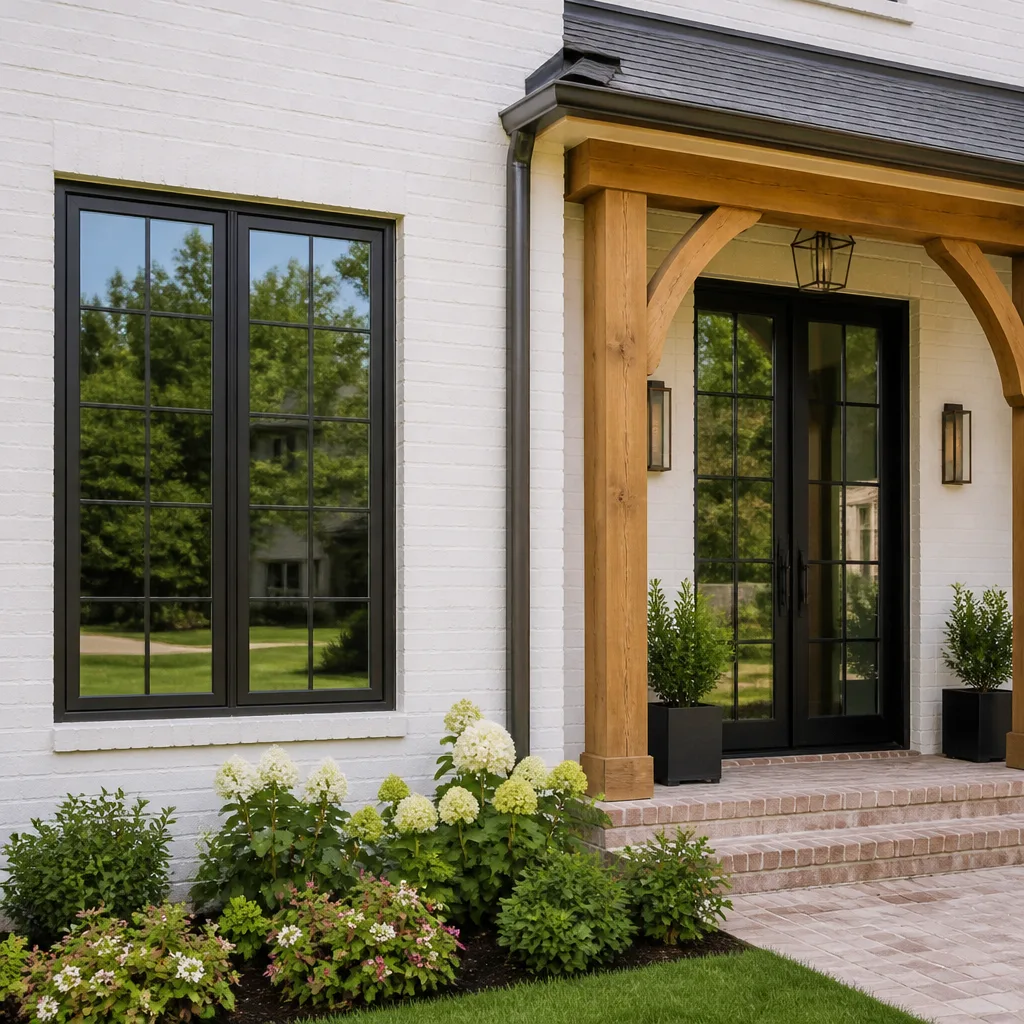
 Windows & doors
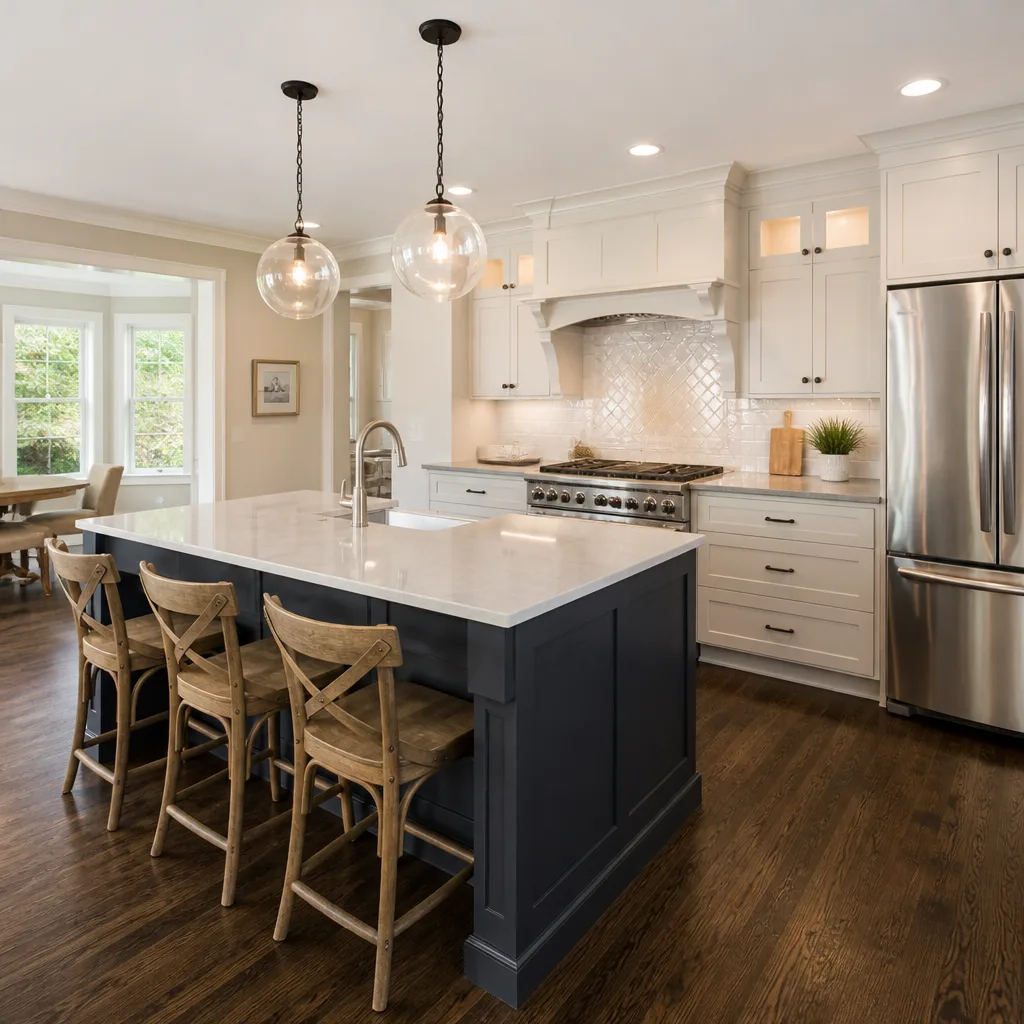 Kitchen remodeling
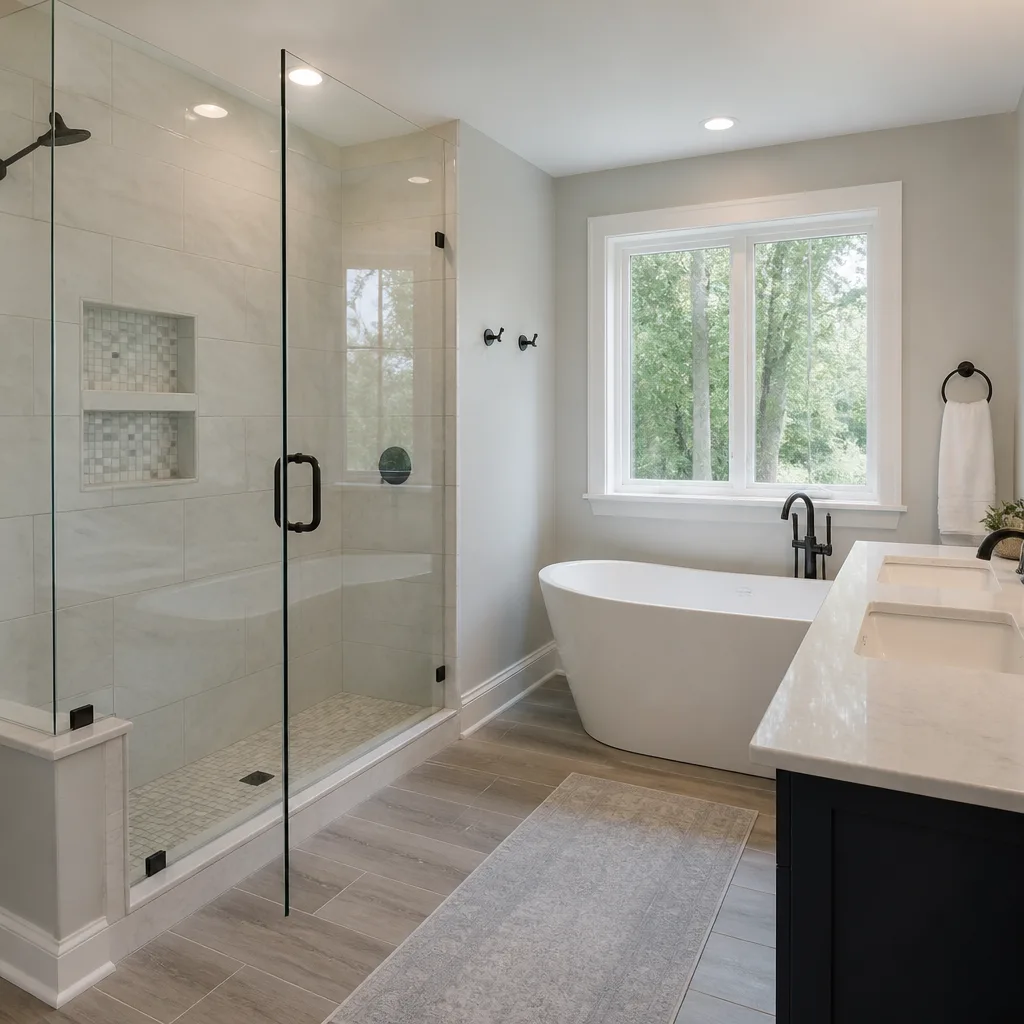 Bathroom remodeling
 Home additions & ADU
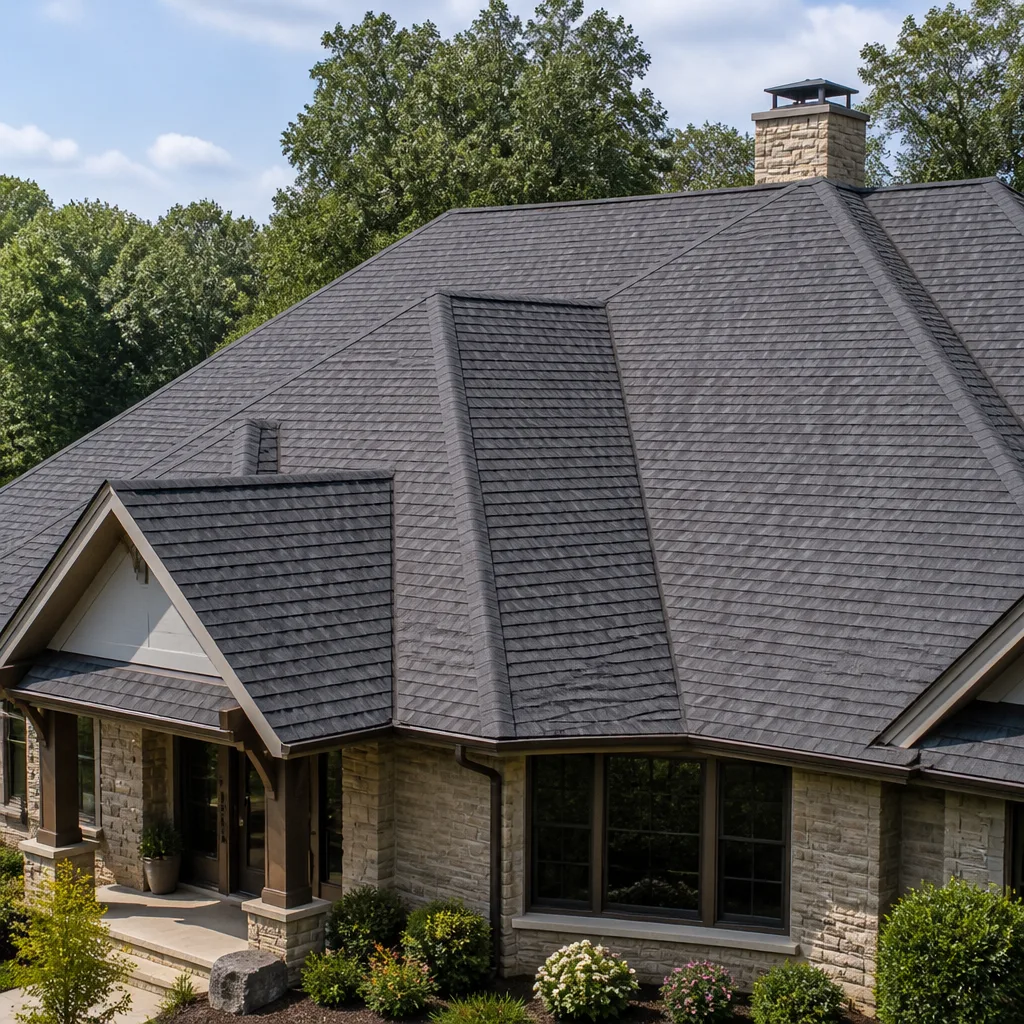 Roofing
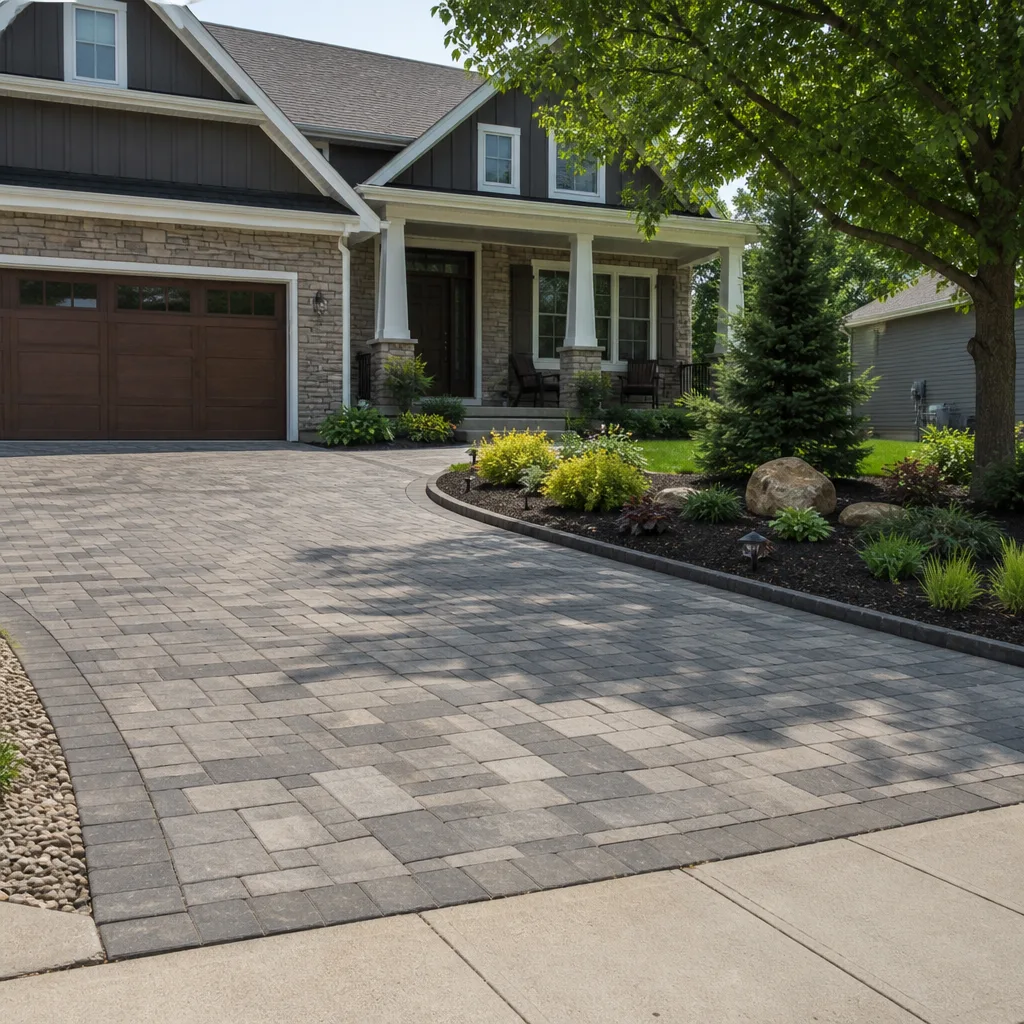 Driveway & pavers
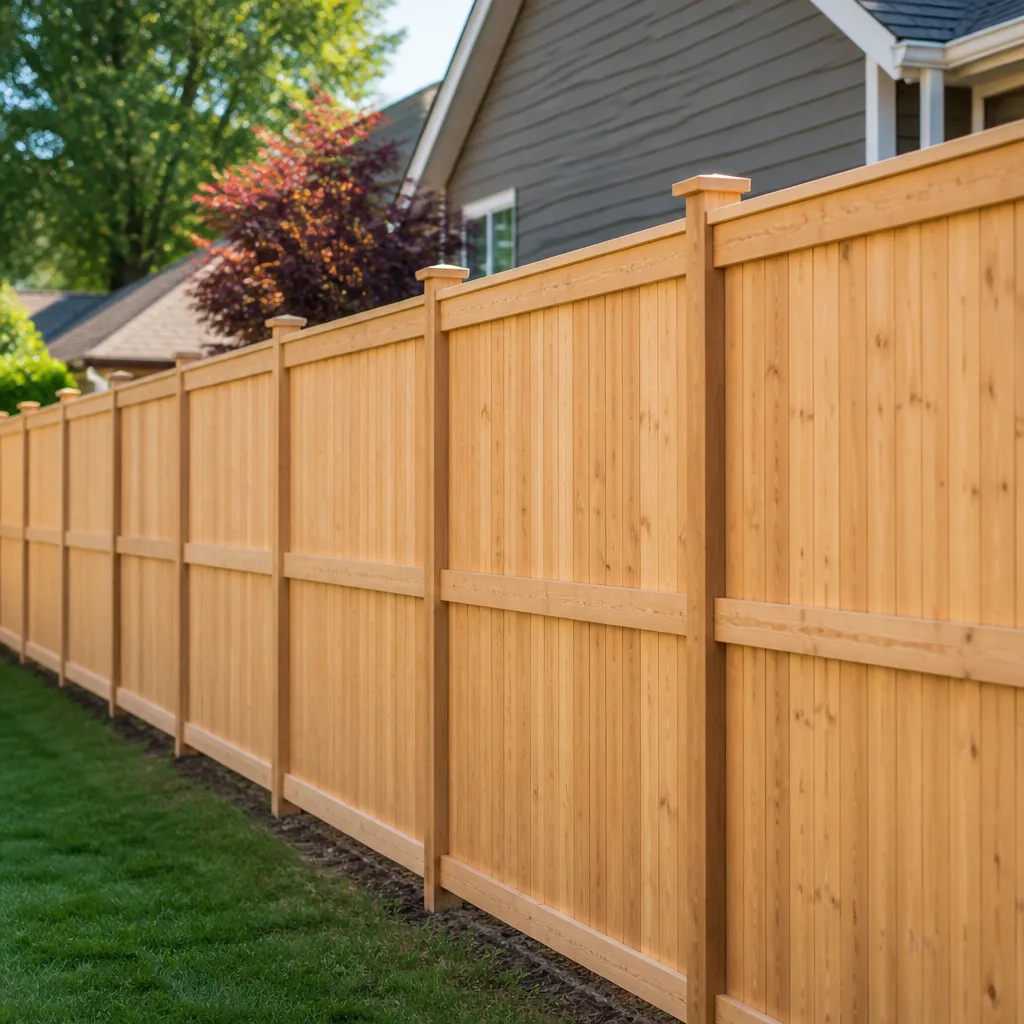 Fence
Free written scope consultation - allowances, timeline, and change-order rules on paper before a single trade is scheduled
Styles & brands we work with
- Kitchen remodeling
- Bathroom remodeling
- Home additions & ADU
- Roofing
- Windows & doors
- Driveway & pavers
- Fence
See the difference
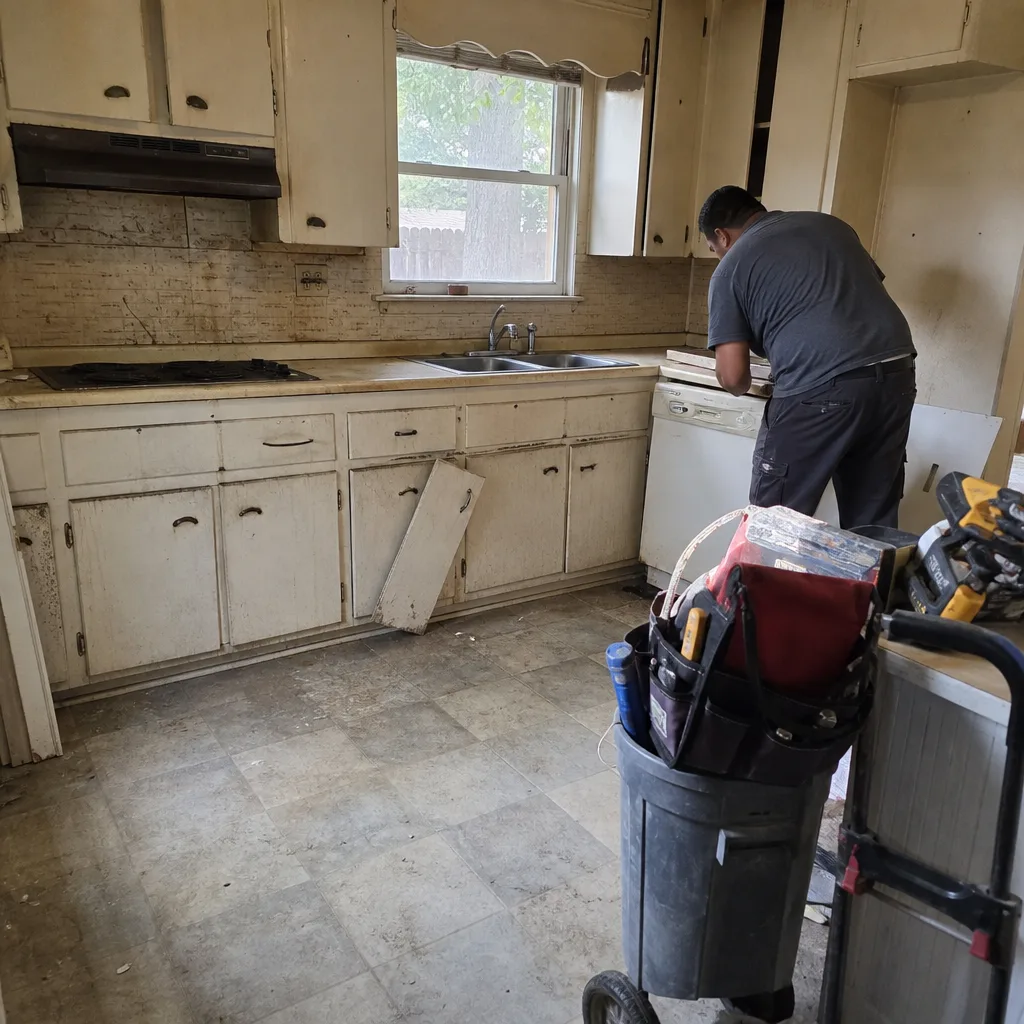 Before
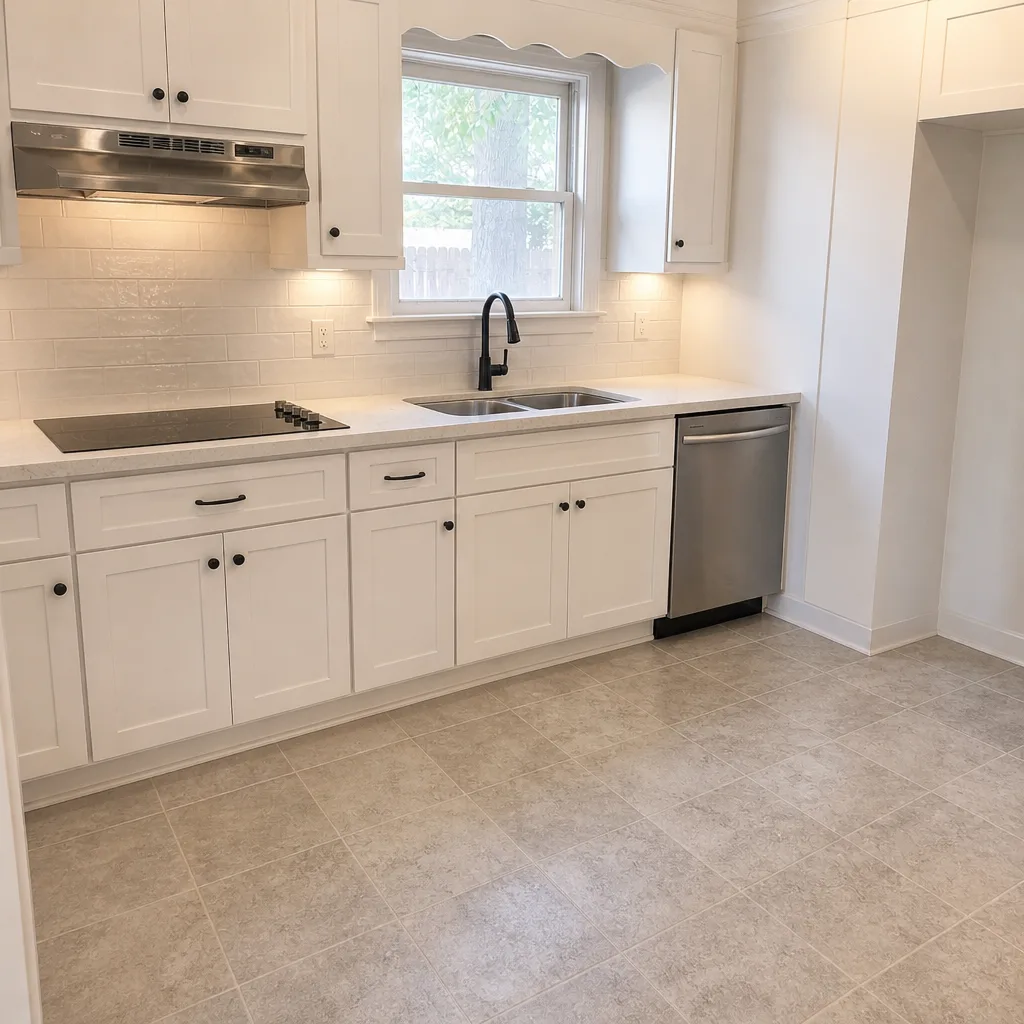 After
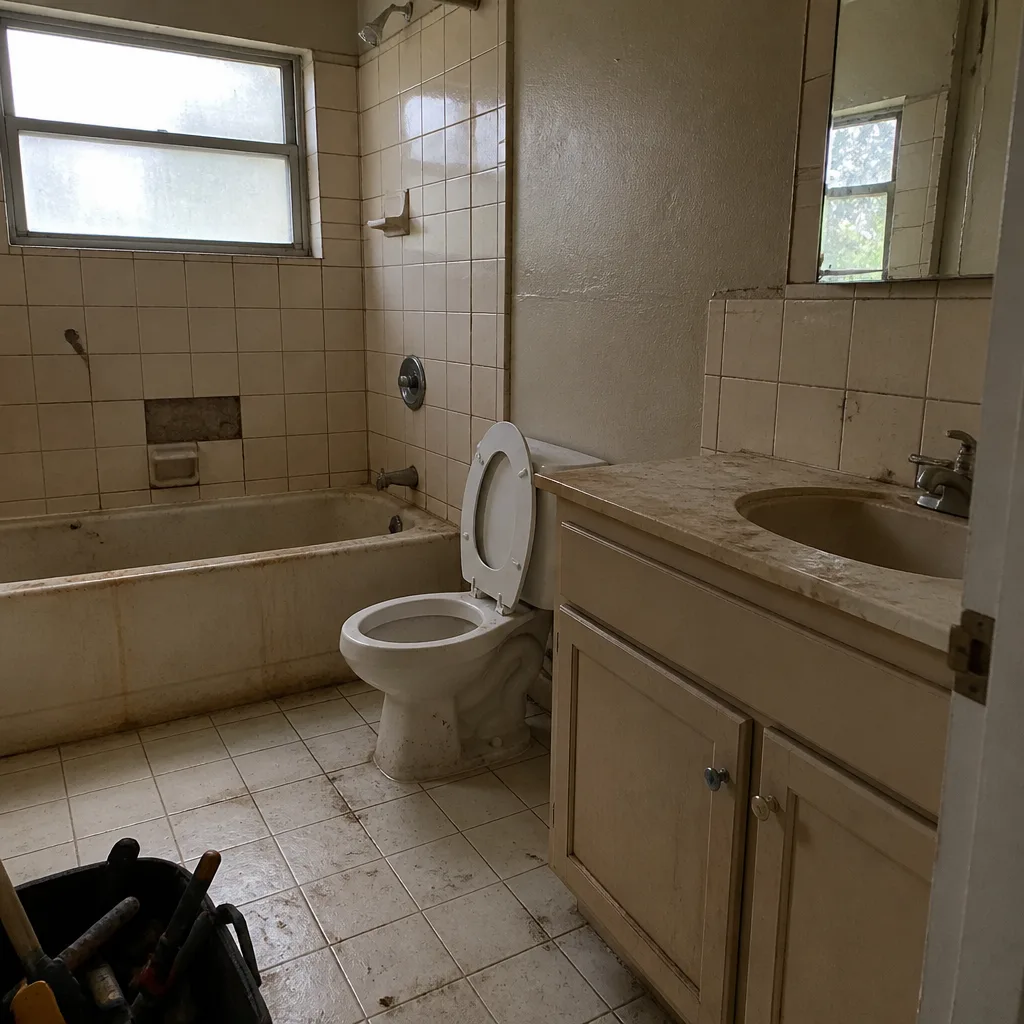 Before
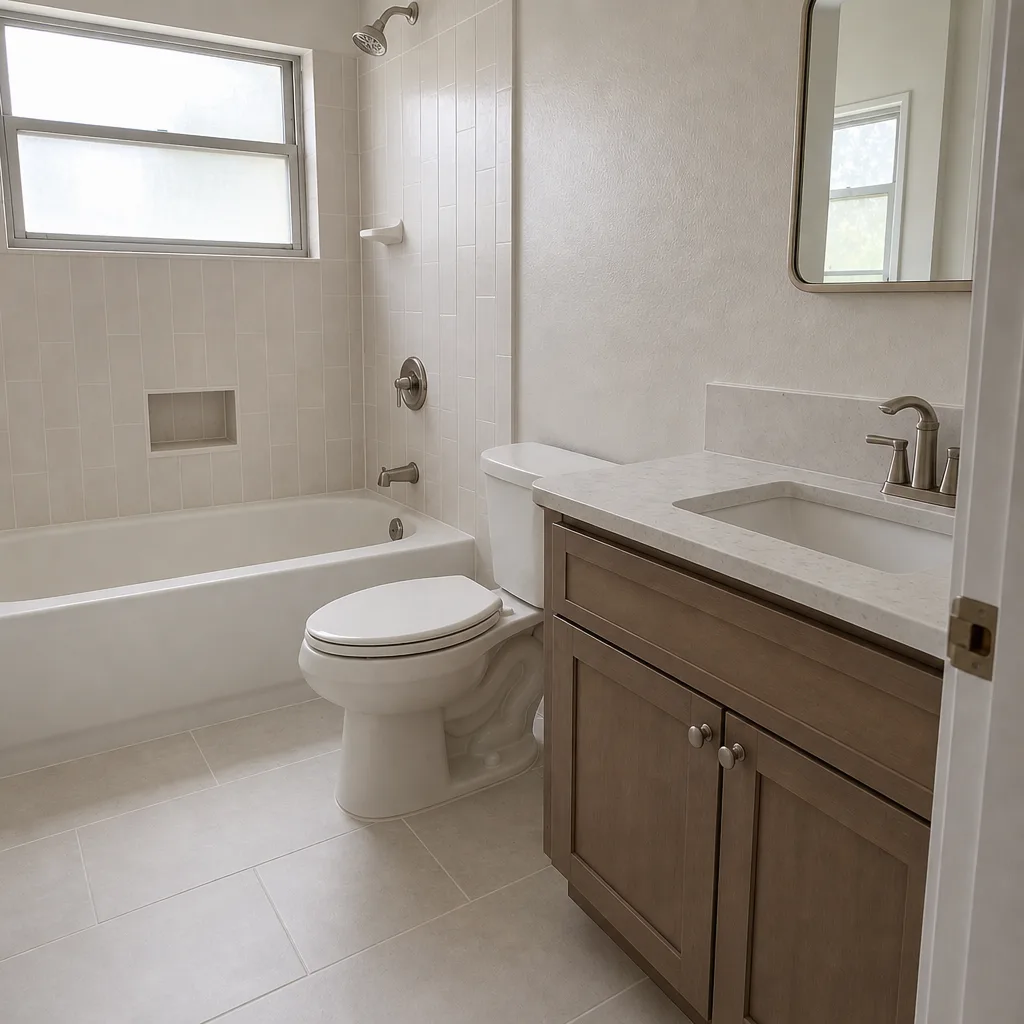 After
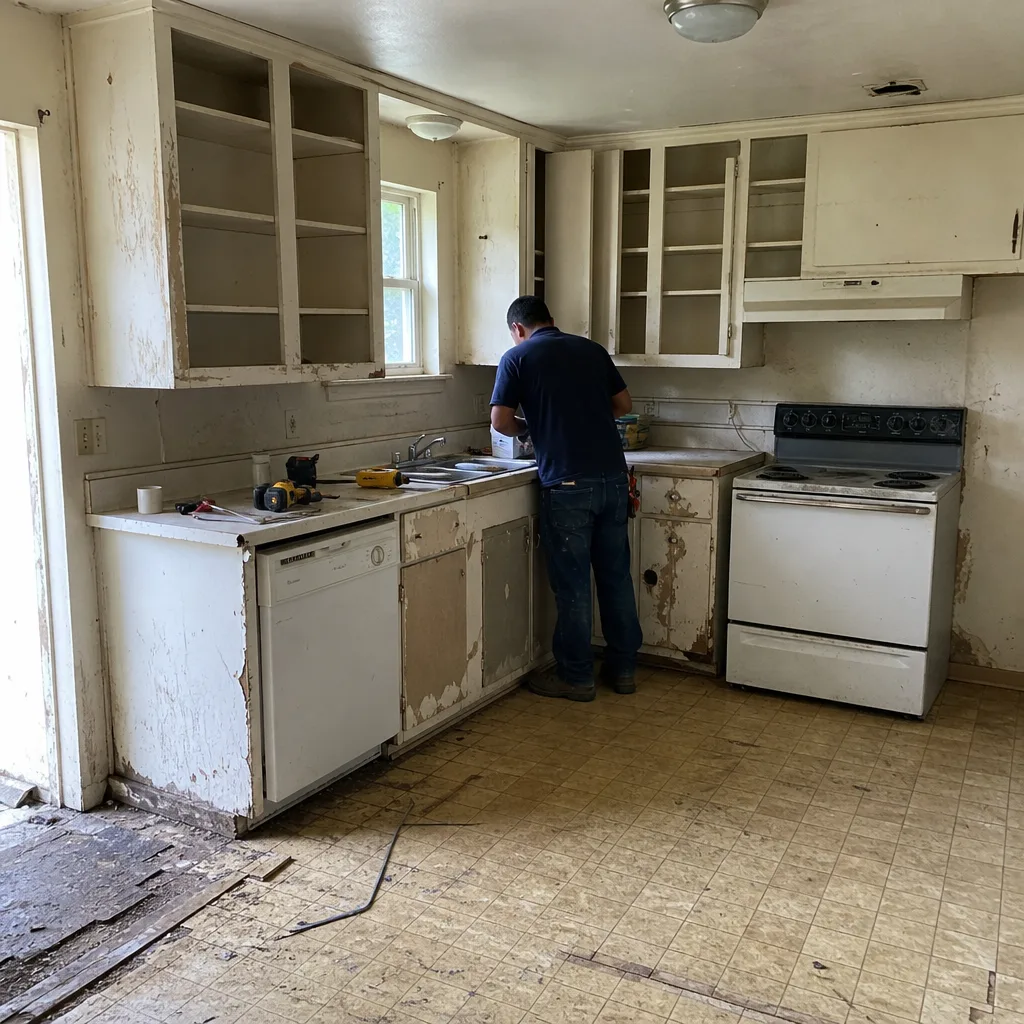 Before
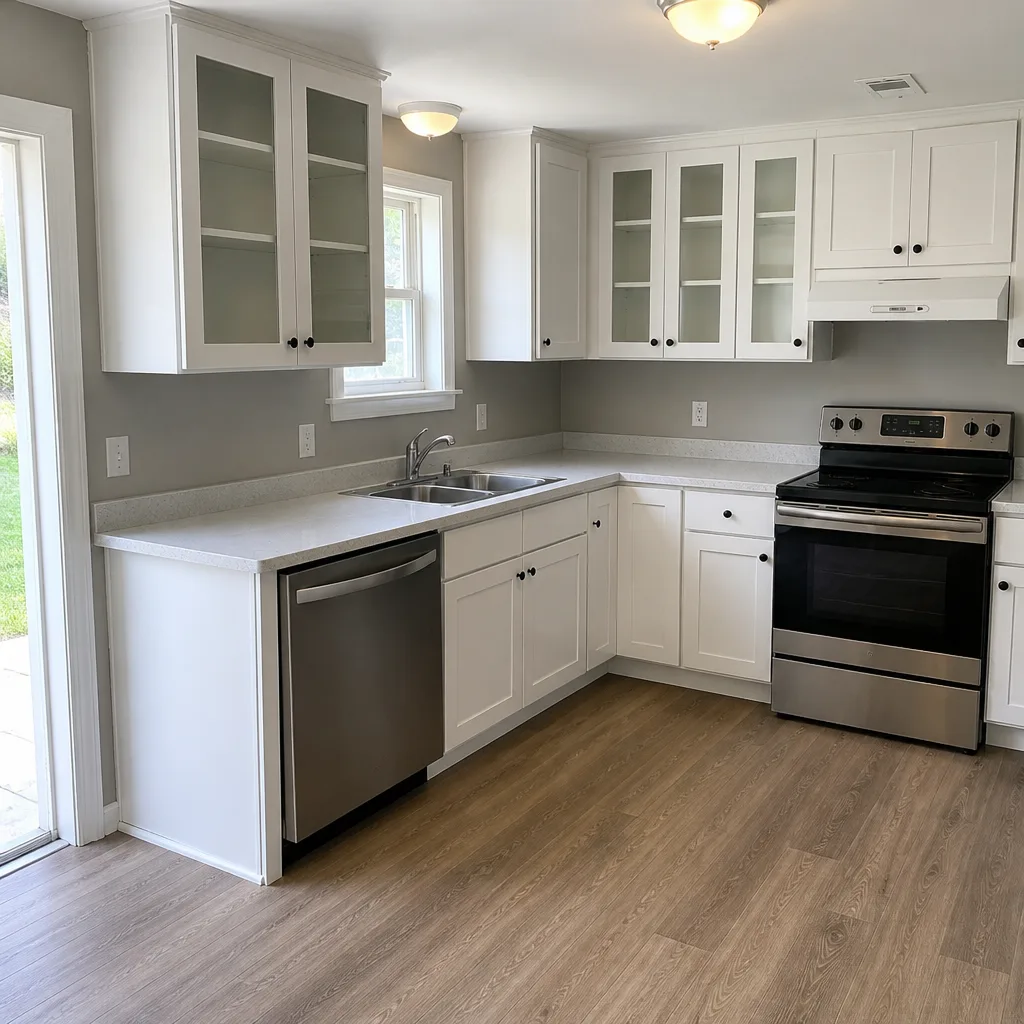 After
Signs You Need to Replace Your Windows in Dallas, TX
If your Dallas windows stick every summer and loosen every winter, the most likely cause isn’t a worn-out window at all. It’s foundation movement in the Blackland clay under your home, twisting the rough opening your window sits in. The signs that mean the window itself has truly failed are different: fogged glass between the panes, seals that have given out, hardware that won’t latch, and daylight gaps that grow at the corners of the frame. Sorting one from the other can save you thousands. Groundwork Construction Co. of Dallas helps homeowners tell the difference every week. If you’re not sure which problem you have, call (844) 797-4808 and we’ll walk you through it.
Why Dallas Windows Fail Differently Than Windows Everywhere Else
Dallas sits on the Blackland Prairie, a belt of expansive clay soil that swells in wet weather and shrinks in dry spells. Your slab, your brick, and yes, your window frames move with it. That’s why foundation work shows up in nearly every construction project here in a way it doesn’t in the limestone Hill Country to the south or the sandy Piney Woods to the east. When the ground under one corner of the house drops, the frame around a window racks just enough that the sash no longer sits square in its channel. The glass hasn’t failed. The window hasn’t aged out. The building around it moved.
We see this constantly in the slab-on-grade ranch homes built across Dallas from the 1950s through the 1970s, and just as often in the pre-war pier-and-beam bungalows in Oak Cliff and East Dallas. So before you sign anything for new windows, know whether you’re chasing a window problem or a movement problem.
Signs the Window Itself Has Failed vs. Signs the House Has Moved
Here’s the distinction that matters most in Dallas, and the one most signs-to-replace-your-windows articles leave out.
Signs the window has failed (replace the unit)
- Fogging or condensation between the panes. On a double-pane window, the seal has broken. You can’t clean it off because it’s inside the glass. The unit is done.
- Water pooling on the interior ledge with no visible gap, paired with a cloudy pane. That’s the failed seal letting moisture in, not the frame.
- Hardware that won’t latch, cracked glazing bead, or a draft that runs along the weatherstripping even when the sash sits flush in its frame.
- Daylight at the corners that shows up evenly on all four sides. If the whole window is gapping uniformly, suspect the install or the unit, not a single sagging corner.
- Failed operation that doesn’t change with the seasons. If your window has jammed for two straight years, the roller or the balance has gone.
Signs the house has moved (get a foundation evaluation first)
- Sticking that comes and goes with the seasons. Free and easy in winter, stuck by August. That’s clay soil swelling and shrinking, not a bad window.
- A gap at one corner of the frame while the opposite corner is tight.
- Sticking that comes with stair-step cracks in the brick, doors that latch late, or sloping floors.
If several items from that second list sound familiar, new windows won’t fix it, and you’d be replacing them over a moving frame. Dallas requires a permit tied to an engineered plan for foundation repair, which is why an engineer’s letter is such a routine part of these projects here. That’s oddly specific to the Blackland clay belt, and it’s a real advantage to anyone weighing windows against a foundation fix.
Hail Damage: The Spring Sign That Warrants an Insurance Claim
Dallas’s spring storm season brings hail and straight-line wind that damages windows from the outside in. Before you assume a leaking window is just age, look for hail evidence on the exterior. Pitted frames, chipped or cracked glazing bead along the edge of the glass, and torn weatherstripping are the telltale signs. Once weatherstripping is compromised, humid summer air finds the gap, and you get fogging or rot months later. Documented hail damage is often covered by your homeowner’s policy, so the smart move is to photograph the pitting and chipped bead now, before the next storm.
How Dallas Heat and Cold Stress Seals Faster Than the National Average
Window seals age with thermal cycling, and Dallas delivers a hard cycle. Triple-digit summers, occasional hard freezes, and a spring that swings thirty degrees in a day all push a seal toward failure. National averages for a sealed double-pane unit run 15 to 20 years. In DFW, we regularly see builder-grade units start fogging between years 8 and 12, and vinyl frames that lose their weatherstripping sooner. The gap comes down to heat and that wide seasonal swing. It’s one reason we steer homeowners toward Andersen and Marvin windows and brands like ES Windows and Therma-Tru doors: the seals hold up through more cycles, and the frames keep their shape on clay. You can see the full range of options on our Windows & Doors page. Builder-grade units aren’t broken from day one, but they reach the end sooner in this climate.
What Replacement Windows Cost in Dallas
Straight numbers, so you can budget before anyone visits:
| Scope | Typical Dallas range |
|---|---|
| Full window replacement (whole-home set) | $4,500-$15,000 |
| Impact window installation | $8,000-$25,000 |
Impact-rated glass costs more up front and earns its keep in hail country, which is why it’s worth pricing both ways. Upfront pricing means the number you see is the number you pay, and 0% financing for 18 months plus $1,000 off projects over $10,000 helps on a full-set replacement. Our Dallas service area covers the neighborhoods where we do this work most.
Low-Risk Timing: The 730-Day Done Right Promise
One last thing worth knowing before you decide. Every window project we complete is covered by the 730-Day Done Right Promise: if something isn’t right, we come back and make it right. If new windows start sticking or a sash won’t operate within two years of install, that’s on us to solve. It’s one of the longest workmanship guarantees in residential construction, and it means acting on the signs above doesn’t have to feel like a gamble. Our technicians have up to 12 years of experience, arrive background-checked and in uniform, and calls to the company are answered by a live person 24/7.
Common Dallas Scenarios We See
The bungalow in Oak Cliff that sticks by August and frees up in December, always with a hairline crack in the brick by the front step. That’s clay movement, and we send homeowners to a foundation evaluator before quoting windows. The 1960s ranch out in Dallas where the east-facing panes fogged two summers ago and the seals are clearly gone. That one is a window replacement, and we can usually finish the set in a single visit. And the home where spring hail pitted the frames on one side and the window still works fine, which means a call to the insurer and a wait, not a purchase. Tying the symptom to the right cause is half the work.
FAQs
The clearest signs are fogging or condensation between the panes, seals that have failed, hardware that won’t latch, and drafts that come through torn weatherstripping even when the sash sits flush. Those point to the window itself being done. Sticking that comes and goes with the seasons points to foundation movement, which is a different problem, so rule that out first. Call for an assessment if you can’t tell which you have.
No, sticking windows in Dallas usually mean foundation movement, not window failure. On Blackland clay, a frame can rack just enough that a sash binds in summer, then frees up in winter. If you also see stair-step brick cracks or doors that latch late, get a foundation evaluation before you spend a dollar on windows. A quick look can save you that money.
Vinyl and builder-grade sealed units in DFW typically start fogging between years 8 and 12, faster than the 15-to-20-year national average because of our heat and wide seasonal swings. Premium double-pane units last longer. Fogging you can’t wipe off means the seal is gone and the unit needs replacing.
Yes. Dallas spring hail can pit frames, chip the glazing bead, and tear weatherstripping, and documented damage is often covered by homeowner’s insurance. Photograph the pitting and chipped bead before the next storm, then file. If the seal is already fogging after a storm, get it inspected before the damage gets harder to attribute.
Get Your Windows Assessed Before You Decide
If you’d rather have it looked at, Groundwork Construction Co. of Dallas offers a no-pressure assessment in Dallas. We’ll tell you straight whether you’re looking at a window problem or a foundation issue. Call (844) 797-4808 for a free estimate.
Written by the team at Groundwork Construction Co. of Dallas, serving Dallas, TX.