
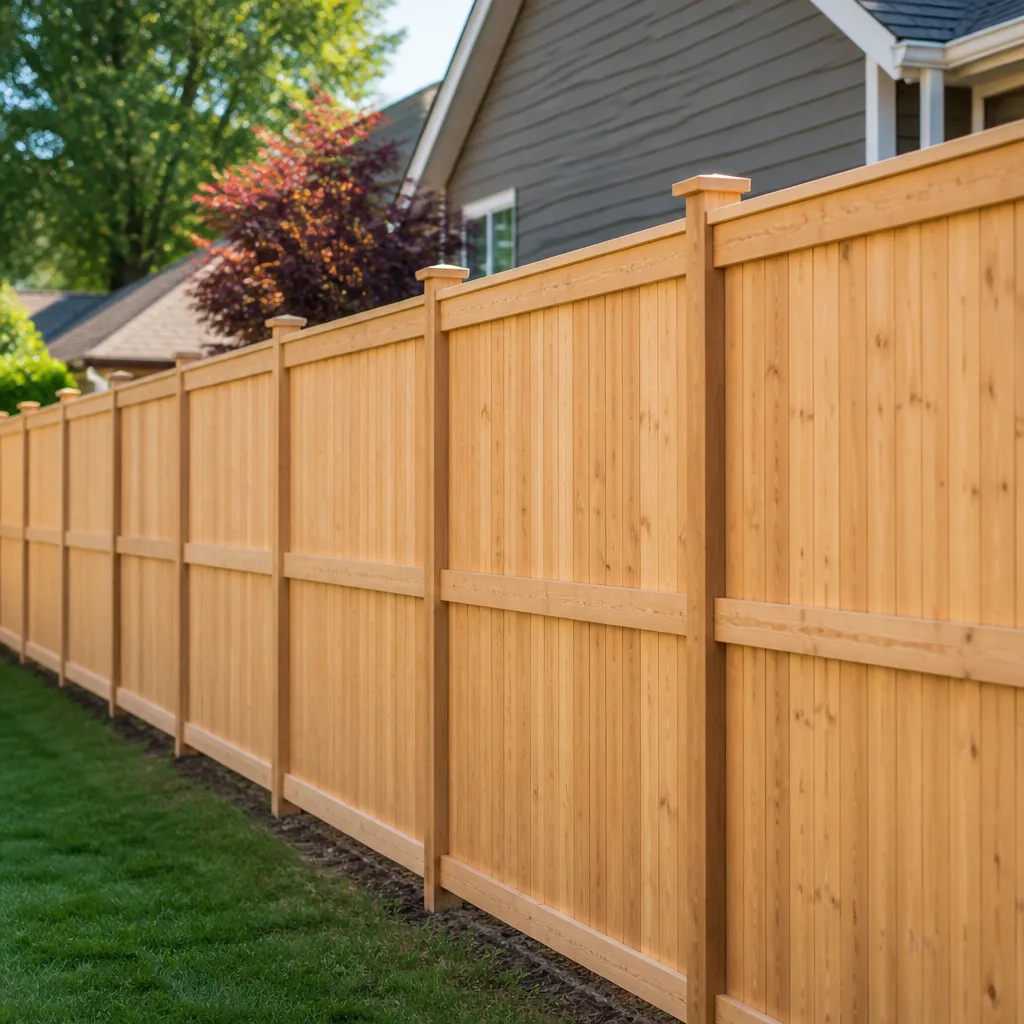
 Fence
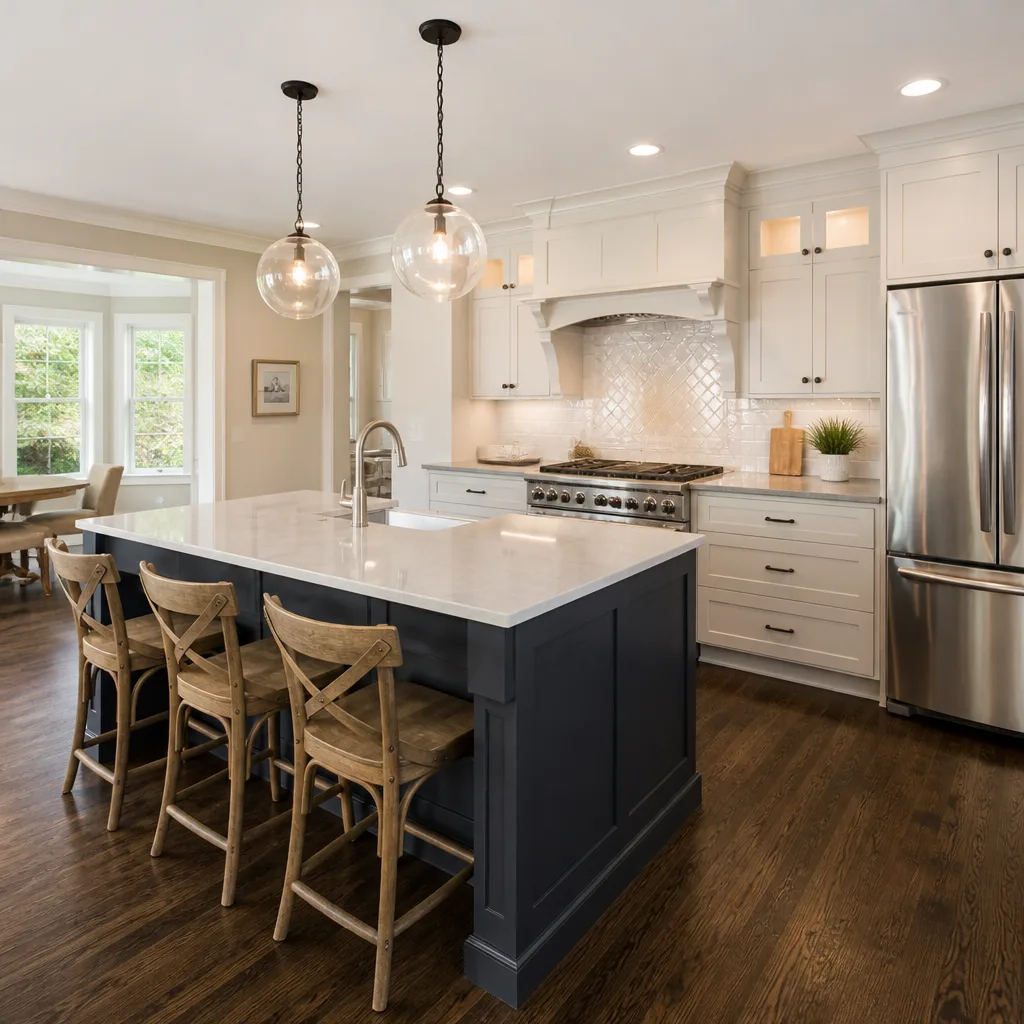 Kitchen remodeling
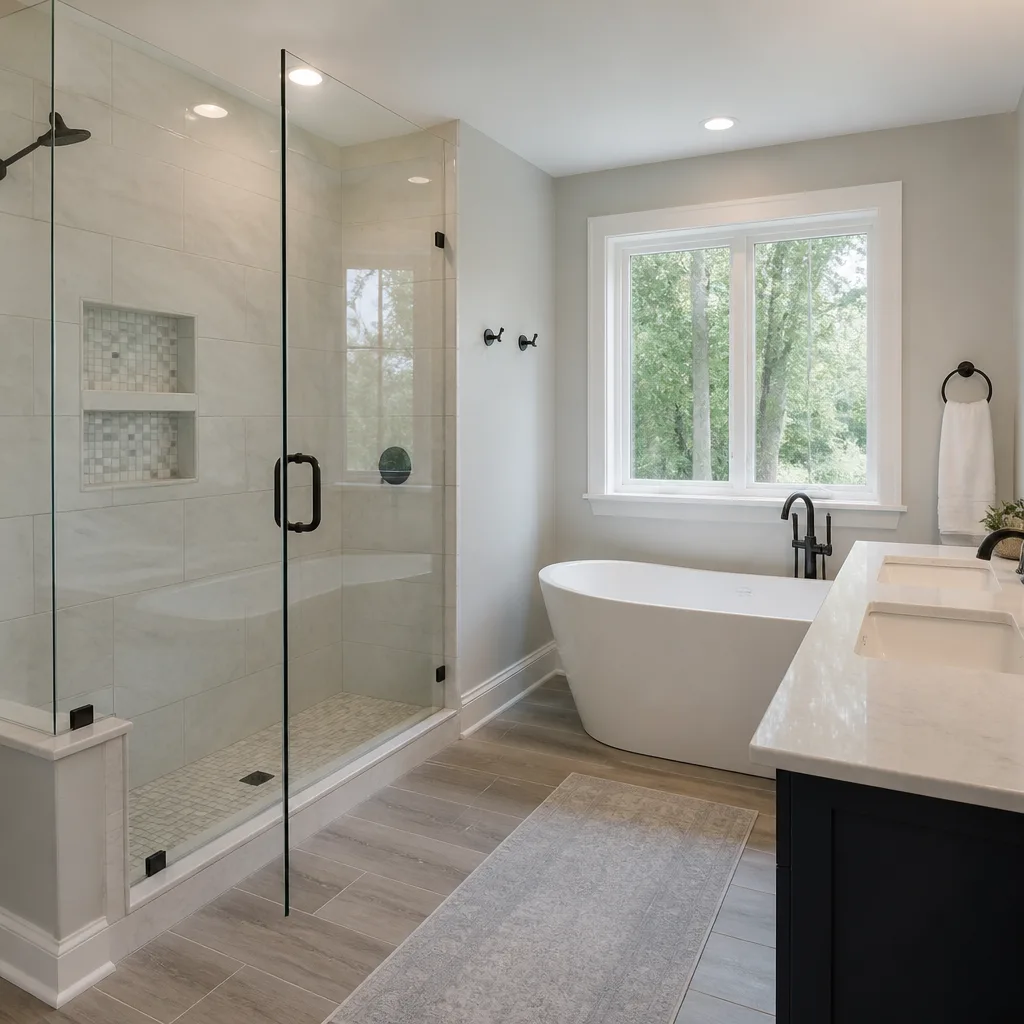 Bathroom remodeling
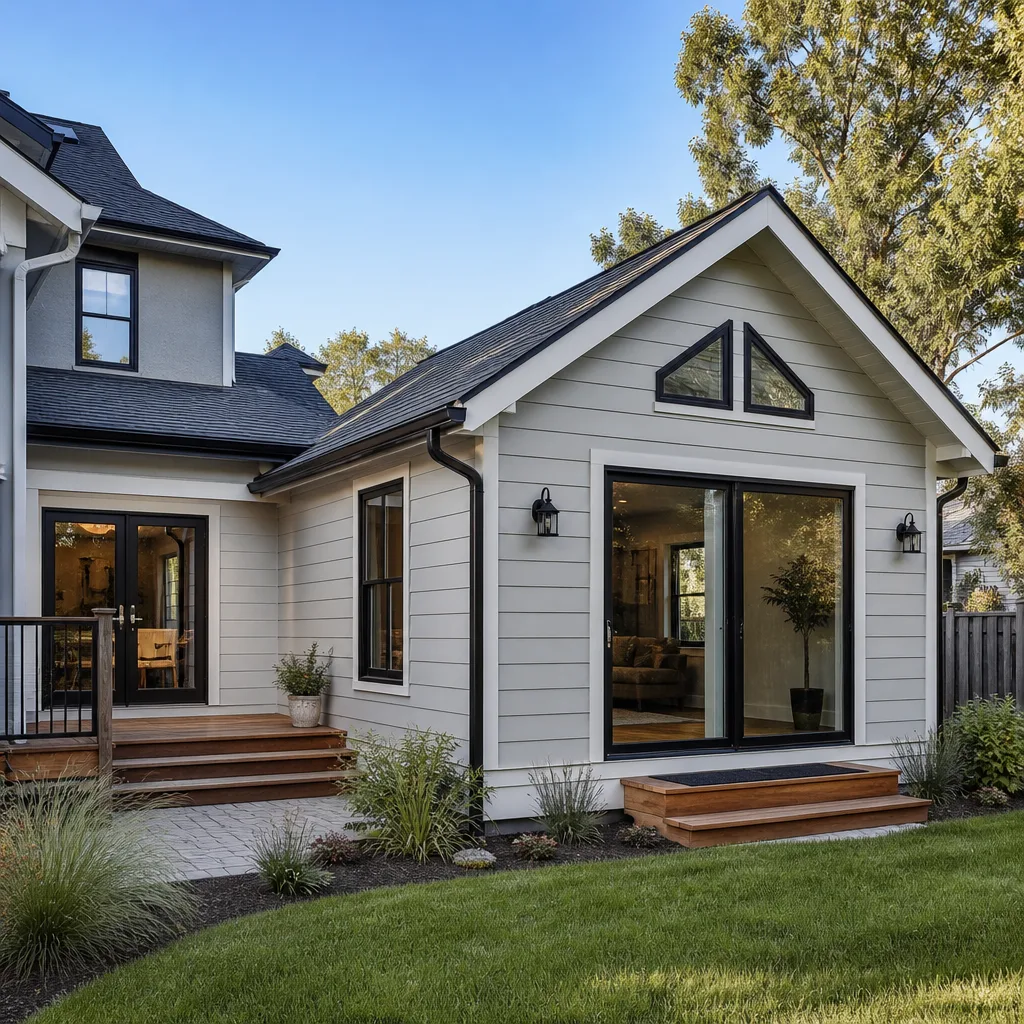 Home additions & ADU
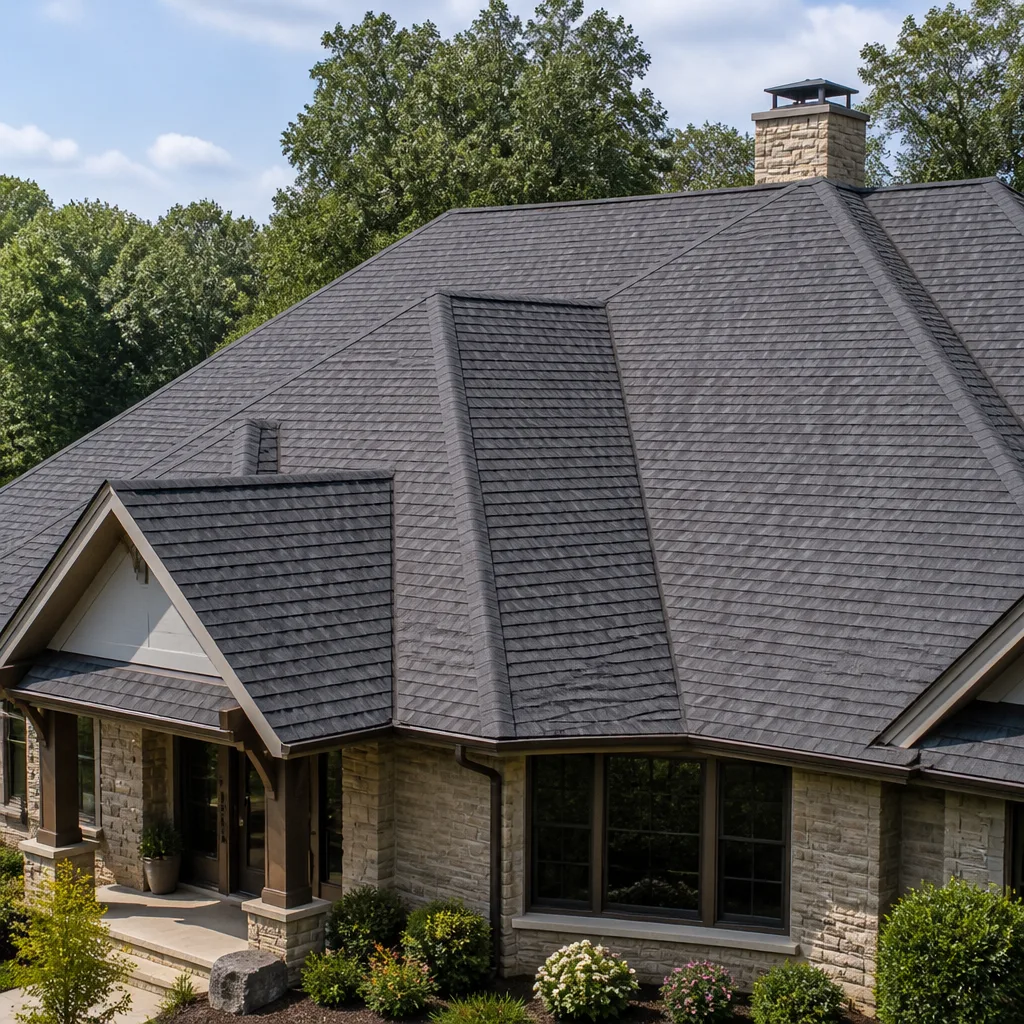 Roofing
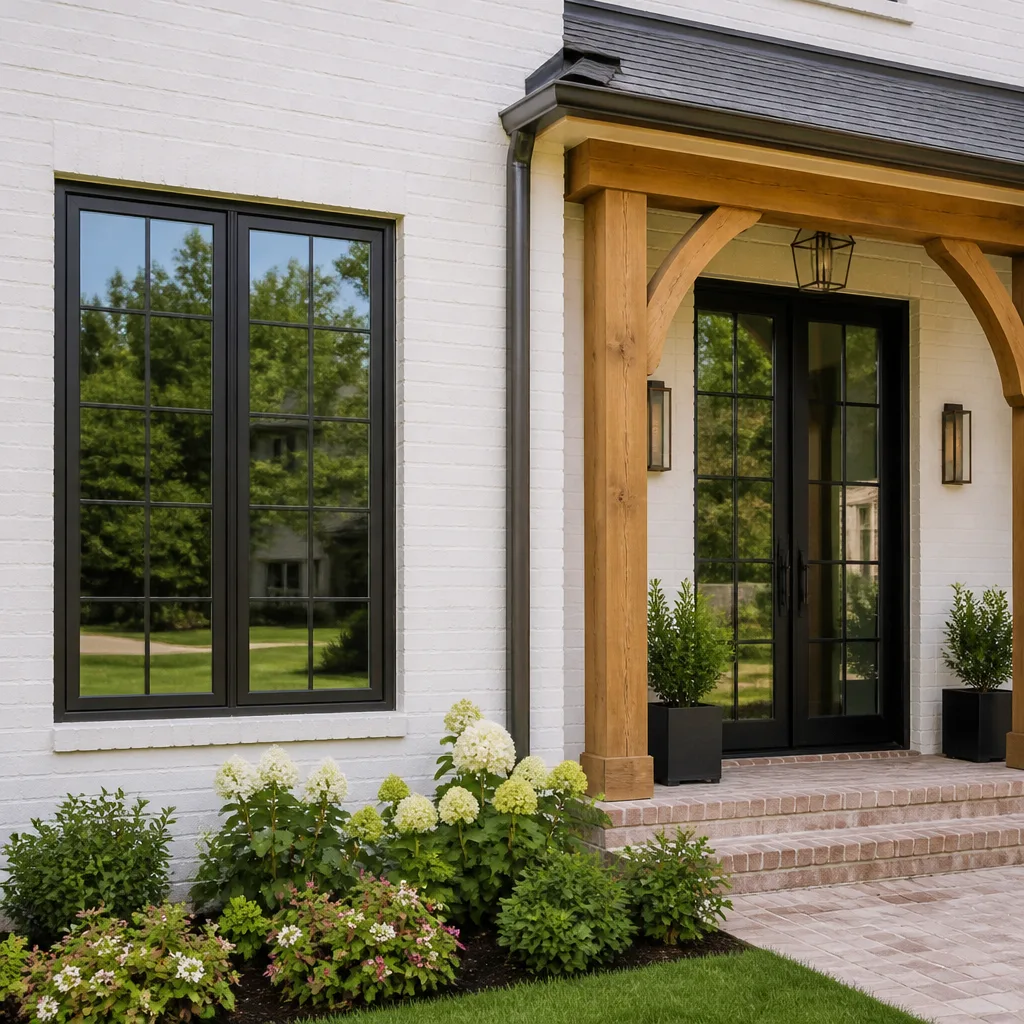 Windows & doors
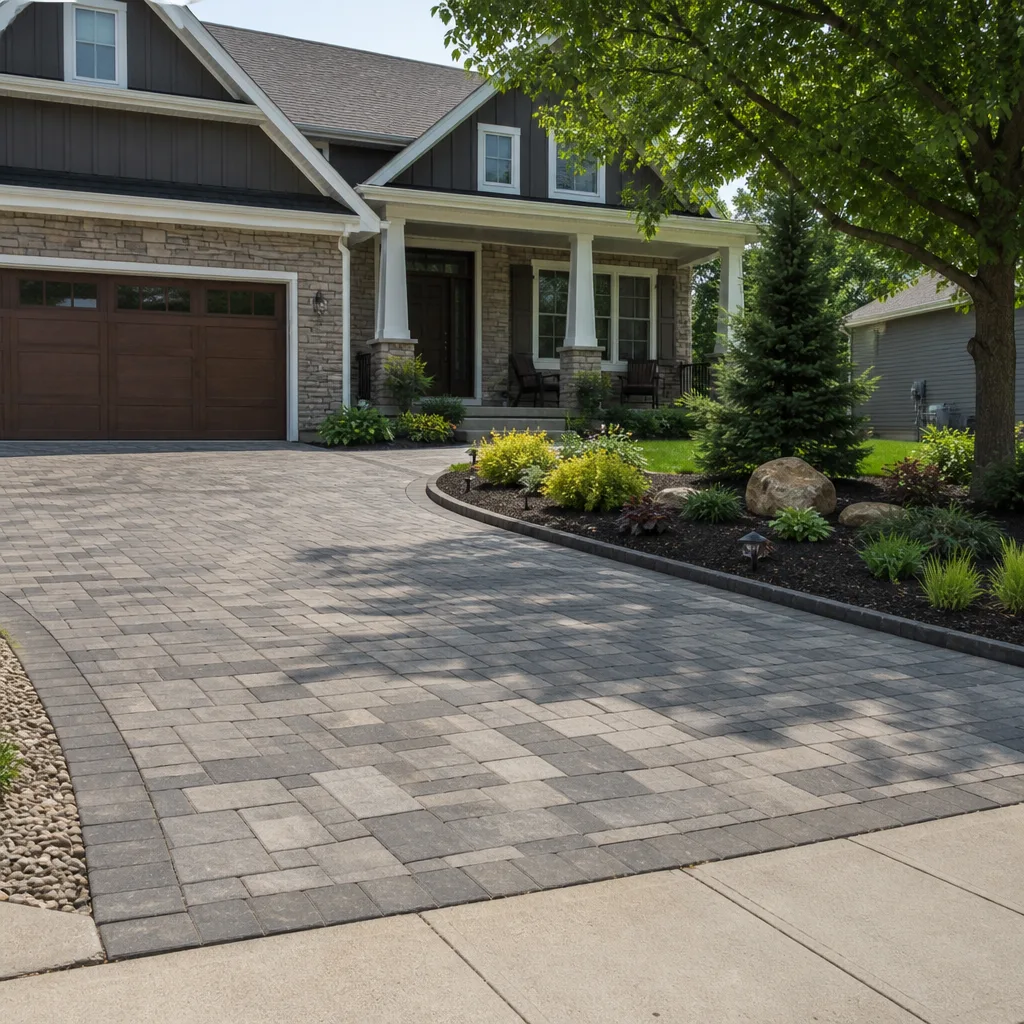 Driveway & pavers
Free written scope consultation - allowances, timeline, and change-order rules on paper before a single trade is scheduled
Styles & brands we work with
- Kitchen remodeling
- Bathroom remodeling
- Home additions & ADU
- Roofing
- Windows & doors
- Driveway & pavers
- Fence
See the difference
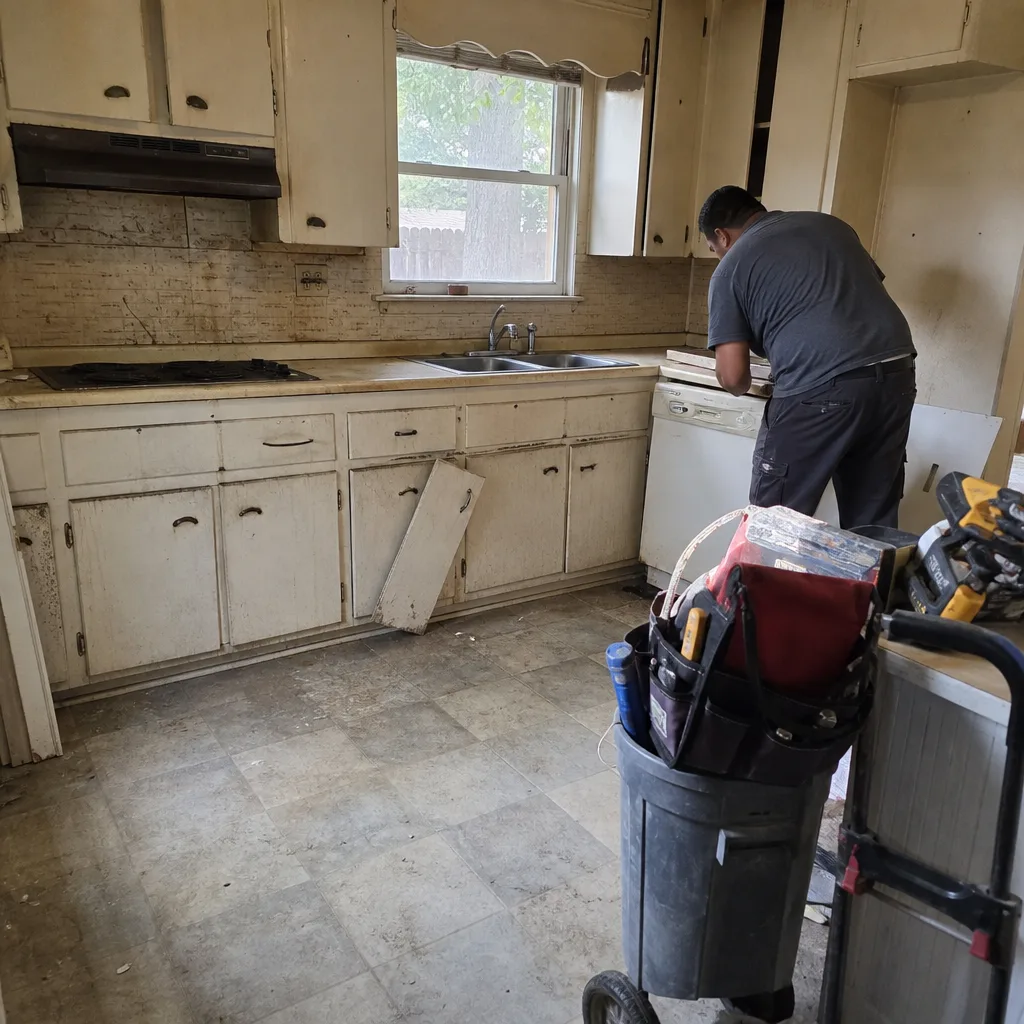 Before
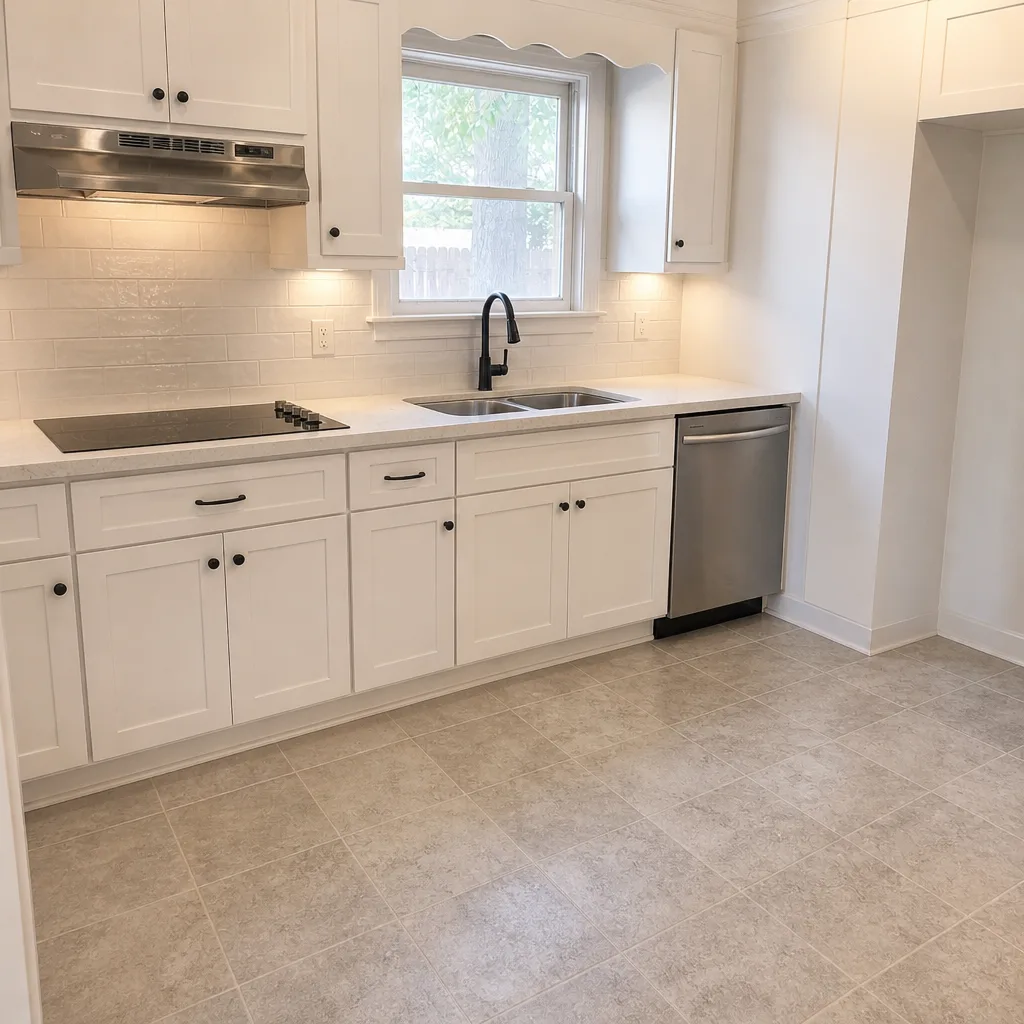 After
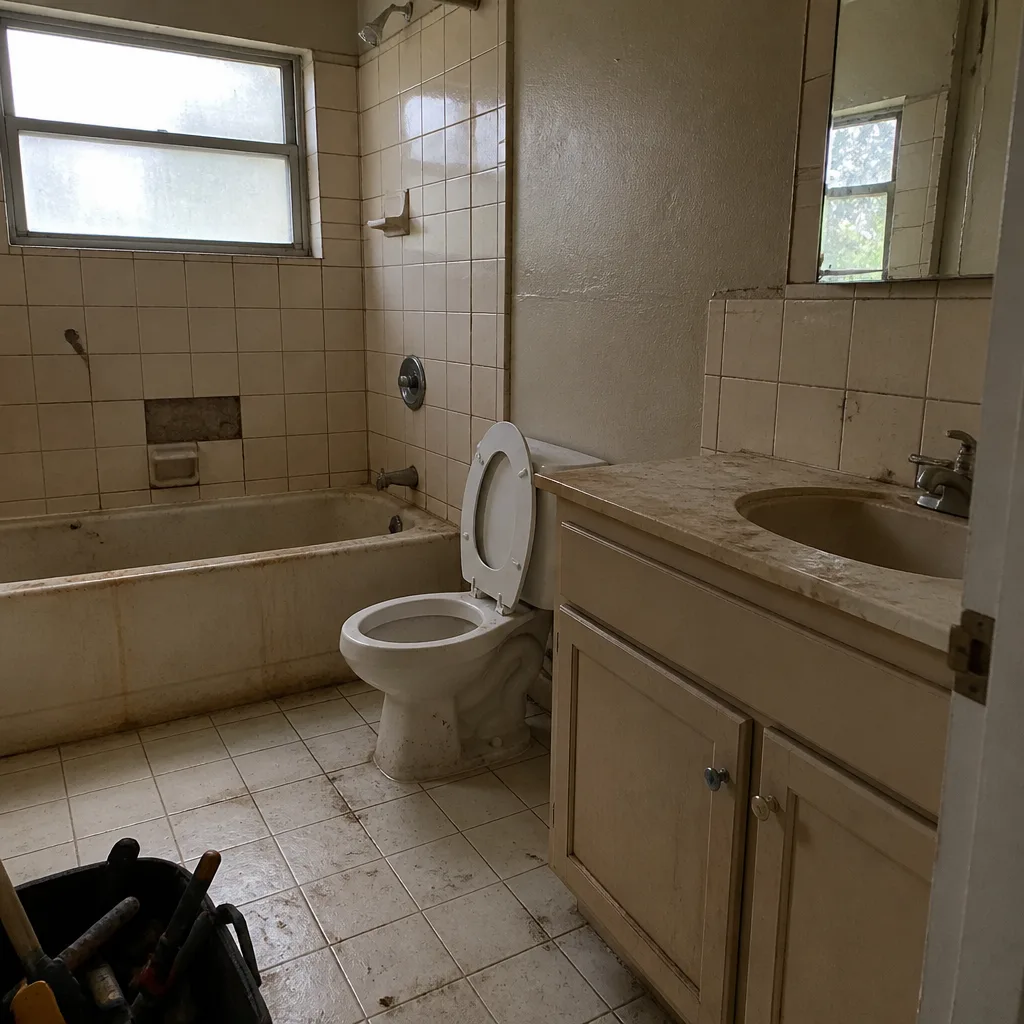 Before
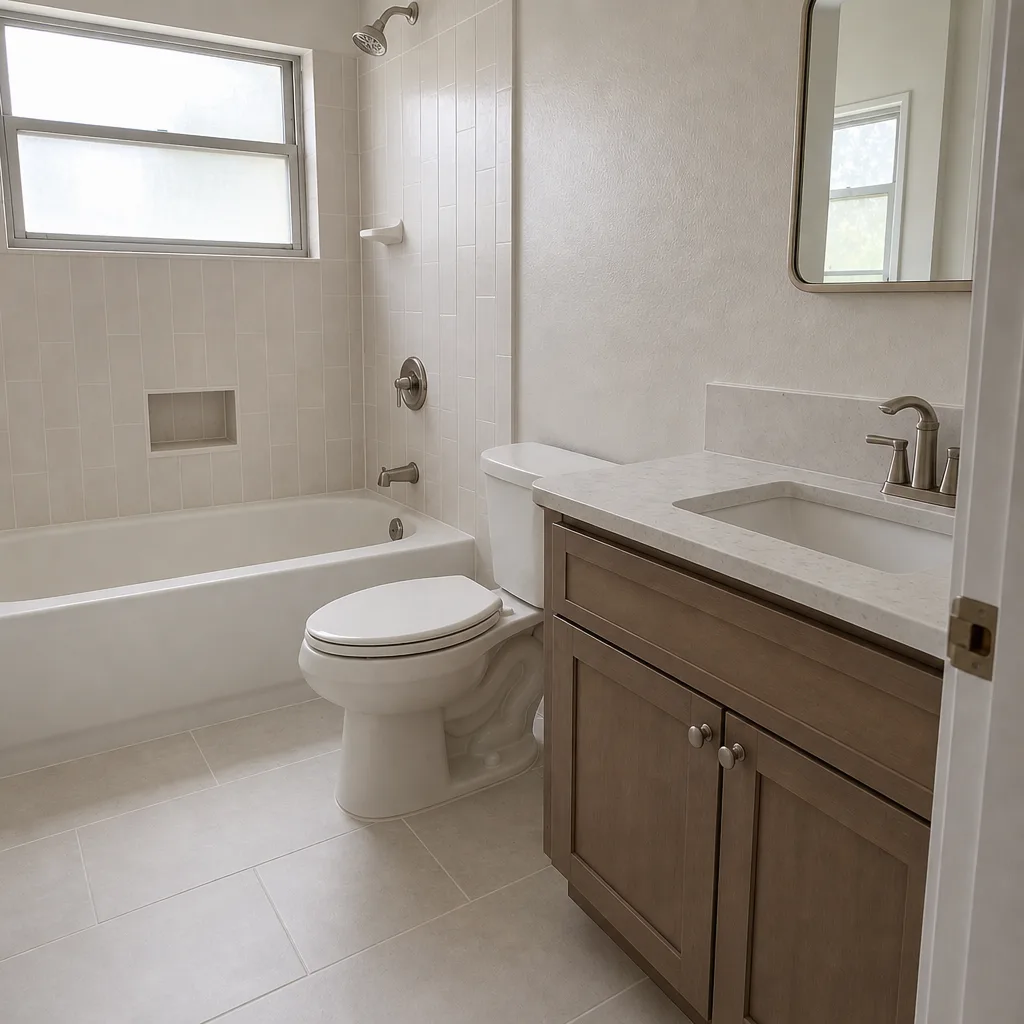 After
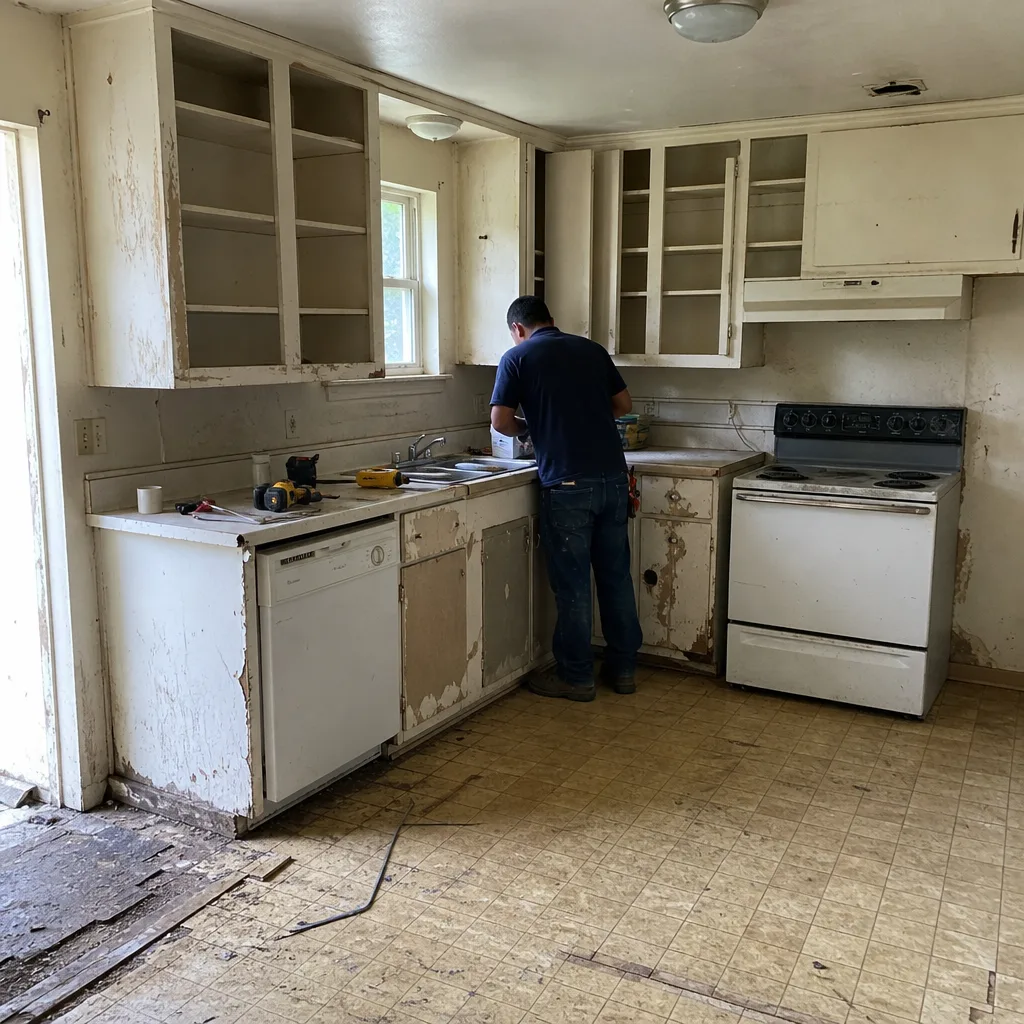 Before
 After
Vinyl vs Wood Fence Cost in Dallas: The 15-Year Math That Actually Decides It
For most Dallas backyards, wood is the better financial call over 15 years, but only if the posts are deep-set on engineered footings. Vinyl wins on maintenance and predictability, yet it costs more upfront and carries hidden risk in our freeze-thaw swings. The catch is buried in installation quality, not material marketing. For a typical 175-linear-foot Dallas privacy fence, expect $3,500-$9,000 installed on either material, and the true 15-year number tells a more honest story. Call (844) 797-4808 and we’ll walk you through the real math for your yard.
The Problem With “Low Maintenance” in Dallas
Vinyl wins the low-maintenance argument in every brochure ever printed. Except here, in the first hard freeze after a 110°F summer.
Dallas swings hard. August to January can move 110 degrees Fahrenheit. Vinyl panels expand dramatically in 100°F-plus heat and then contract sharply when a January freeze rolls through. When panels were installed without manufacturer-spec expansion gaps at the rail joints - something cost-cutting crews skip routinely - they buckle in July and crack at the joints by winter.
That’s an installation quality problem specific to Dallas. Wood doesn’t share it.
And wood has its own Dallas problem: Blackland Prairie clay. Expansive vertisols swell and shrink with the wet-dry cycle, so a wood post set shallow will walk, lean, and fail on a fairly predictable 3-5 year cycle. Not because wood is bad. Because the footing was.
Neither material is the obvious winner. The honest answer lives in the 15-year cost model, not the sales pitch.
Side-by-Side: The 15-Year Cost Model for a 175-LF Dallas Fence
Here’s the comparison most contractors won’t put in writing. This is Dallas pricing, not a national average pulled from a lead-gen site.
| Item | Wood (6′ cedar privacy) | Vinyl (6′ privacy) |
|---|---|---|
| Year 0 - install | $3,500-$6,500 | $5,500-$9,000 |
| Year 3 - stain & seal | $600-$1,200 | $0 |
| Year 4 - thermal crack repair (expansion gaps skipped) | $0 | $300-$700 |
| Year 6 - post re-set on clay (shallow-footing install) | $1,200-$2,400 | $0 |
| Year 8 - post base repair (if deep-set spec skipped) | $0 | $500-$1,400 |
| Year 10 - panel replacement (20% of run) | $700-$1,400 | $0 |
| 15-year total | $6,000-$11,500 | $6,300-$11,100 |
Read that bottom line twice. The two materials land in nearly the same range - but for completely different reasons. Wood’s cost is back-loaded into maintenance. Vinyl’s is front-loaded into the install. And notice what flips the numbers: the 3-5 year post-failure cycle on wood and the year-4 thermal crack cycle on vinyl are both engineering outcomes of how the fence was installed, not the material itself.
Correct that upfront and both columns shrink.
What Most Dallas Quotes Get Wrong
Two installation specs separate a fence that lasts 15 years from one that gets ripped out at year 7.
Wood: Post Depth Is the Whole Ballgame
On Dallas clay, wood posts need deeper concrete footings than code minimums elsewhere in Texas suggest. Builders here design for soil movement first. When we quote a wood fence, the footing depth is in the proposal. It’s why a properly set wood fence’s post failure timeline stretches from 3-5 years out to 15-plus. Same material. Different install. The clay was never the enemy.
Vinyl: Wind Uplift and Expansion Gaps
DFW sits in a serious straight-line windstorm corridor. Vinyl’s hollow rails handle uplift differently than wood’s solid rails, and the bracket hardware required for high-wind-zone spec adds roughly 10-15% to vinyl’s installed price. That’s a real cost, not padding. Skipping it saves money today and hands you a sail in the first spring gust.
Expansion gaps matter just as much. Every vinyl panel needs clearance at the rail joints so it can move. Panels installed tight look cleaner for one summer. Then comes January.
How Groundwork Construction Co. of Dallas Prices This
We show you both columns before you decide. Upfront pricing, no surprises means the year-6 post re-set or the year-4 crack repair is already on the page at quote, not as a surprise invoice later. You’ll see the install number and the 15-year number side by side, for both materials.
Every project carries the 730-Day Done Right Promise: if it’s not done right, we make it right. Technicians are background-checked, arrive in uniform, and our techs carry up to 12 years of experience on fences and outdoor builds. We source through trusted partners like CertainTeed and GAF across our material lineup, and you’ll get the same brand-first approach on your fence as on a roof or a kitchen.
And the standing promotions apply either way: $1,000 off projects over $10,000, 0% financing for 18 months, and a free project estimate & design consult. A larger fence run often crosses that $10,000 line once you’re building gates, a side-yard return, or a wind-zone spec. That’s when the discount does real work.
Common Local Scenarios
Oak Cliff pier-and-beam bungalows
Older lots here often mean tight property lines and established trees. Roots and clay movement combine to make post depth even more critical. We check the run before quoting.
East Dallas slab homes on tight setbacks
Standard subdivision lots. The dominant factor is wind exposure on the west-facing run, so bracket spec matters for vinyl and rail fastening matters for wood.
1950s-70s ranch tracts and newer infill
Bigger backyards mean a longer run, which pushes projects closer to the $10,000 tier. Good news: that’s where the $1,000 off kicks in.
Which Should You Choose?
Choose wood if you want the lower upfront number, you’re planning to keep the fence well-maintained, and your installer will put the post depth in writing. Choose vinyl if you want to skip the staining calendar and you’re getting a wind-zone bracket spec with proper expansion gaps documented.
Both are real options in Dallas. The one that fails is whichever one gets installed to a price instead of a spec. You can see the full scope of what we install on our Fence Installation in Dallas page, and compare materials and response times on the home page.
If you’re still weighing this against other exterior projects, our guides on Roof Replacement and Impact Window Installation follow the same 15-year thinking, and our Fence Installation overview covers materials in depth.
FAQs
Both land in the $3,500-$9,000 installed range for a typical 175-linear-foot run, with vinyl toward the top of that range and wood toward the bottom. Call (844) 797-4808 for an exact quote on your yard - estimates are free.
Repair usually wins if the posts are still sound and the damage is isolated to panels or gates. If more than about a third of the posts are leaning on clay, replacing the run with proper deep-set footings costs less over 15 years than repeated patches. We’ll tell you which side of that line you’re on.
A properly deep-set wood fence typically lasts 15-plus years. A shallow-set one fails at the posts in 3-5 years as the clay cycles. The clay isn’t the problem; the footing depth is. Call (844) 797-4808 and we’ll spec the depth before you commit.
Panels crack when they’re installed without manufacturer-spec expansion clearance and then hit a hard freeze after a hot summer. The material expands in the heat and contracts sharply in the cold, and tight joints have nowhere to move. A properly built vinyl fence accounts for this from day one.
Get the Real Numbers Before You Build
If you’d rather have it looked at, Groundwork Construction Co. of Dallas offers a no-pressure assessment in Dallas - call (844) 797-4808. We’ll put both 15-year models in front of you and let the math make the decision.
Written by the team at Groundwork Construction Co. of Dallas, serving Dallas, TX.