
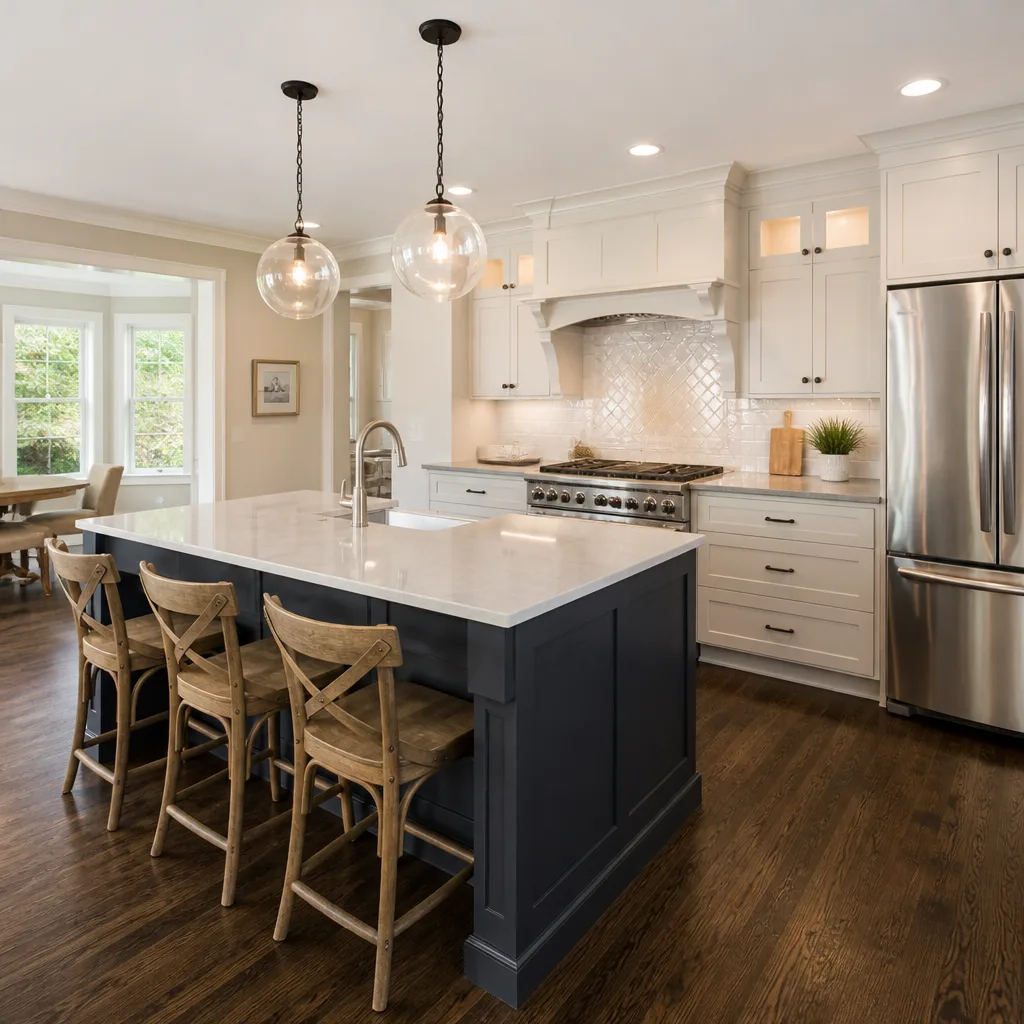
 Kitchen remodeling
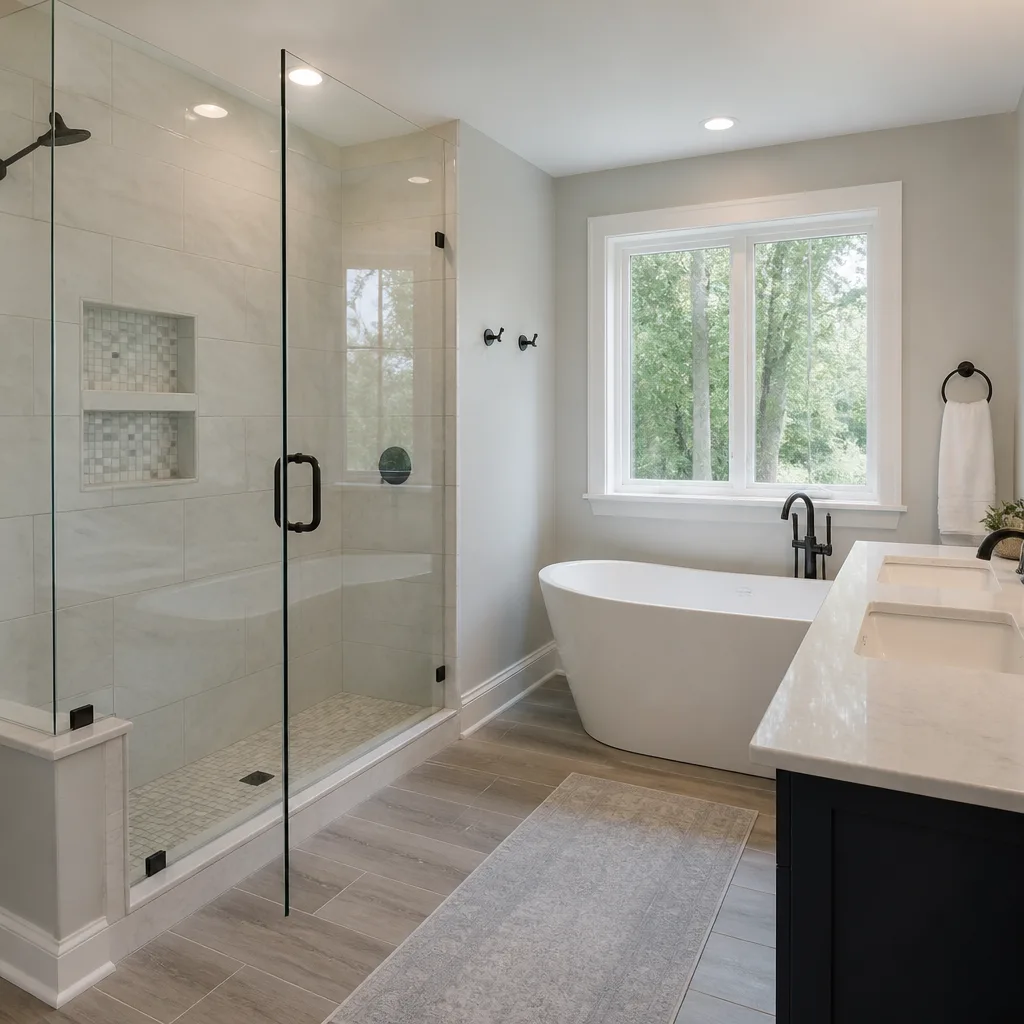 Bathroom remodeling
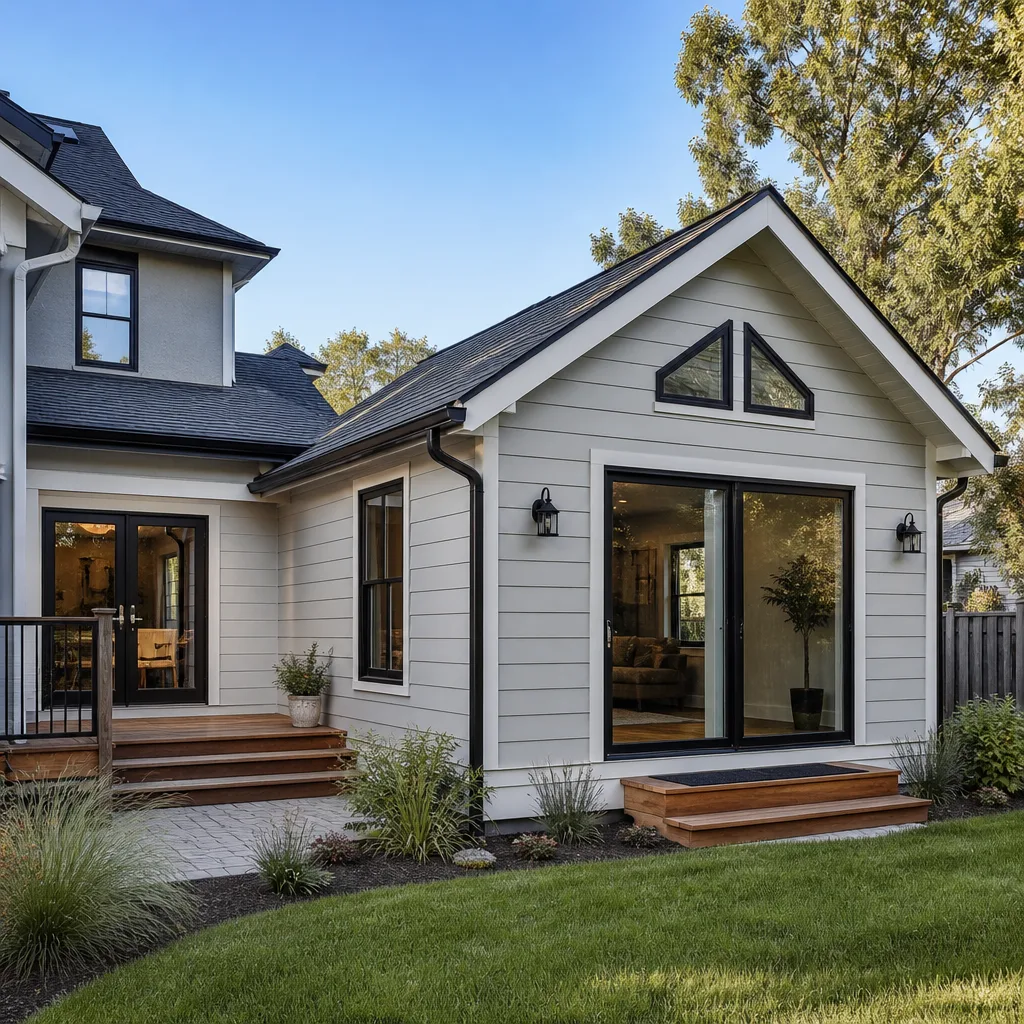 Home additions & ADU
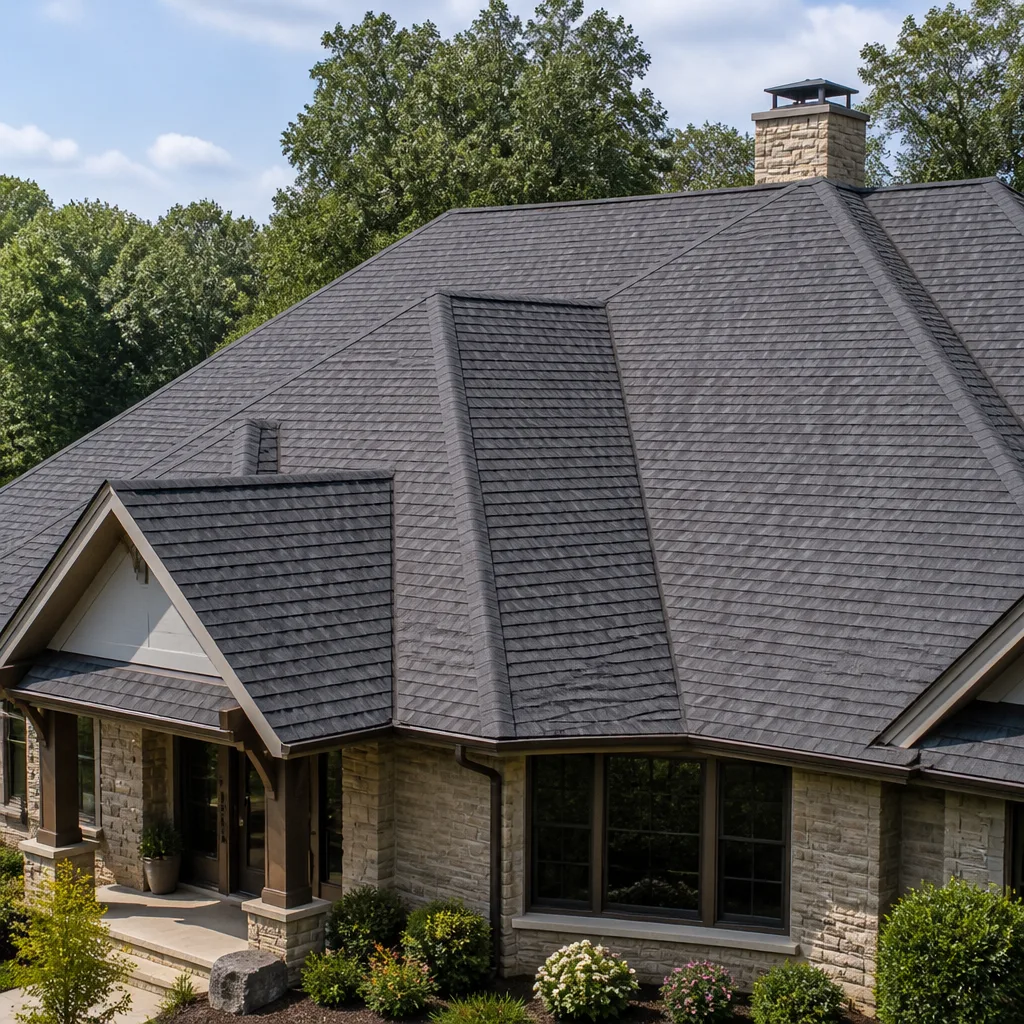 Roofing
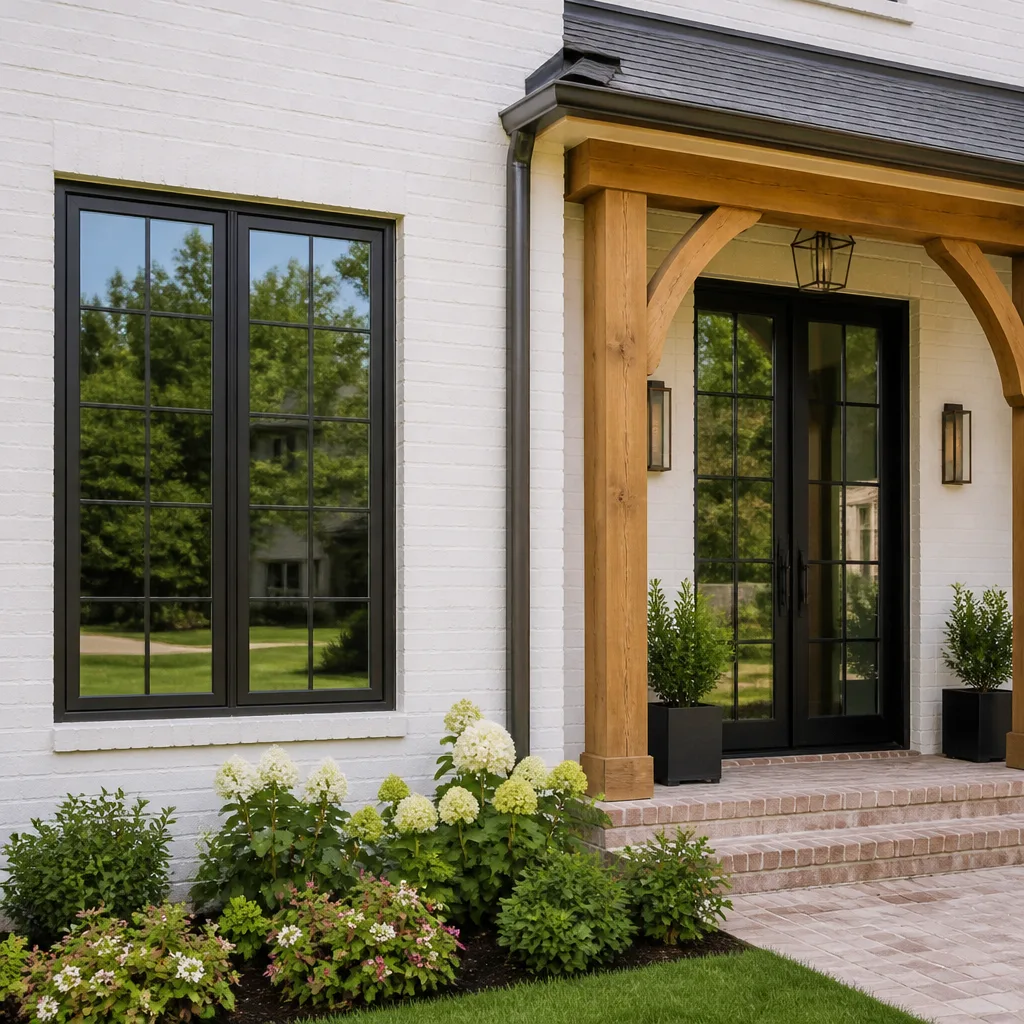 Windows & doors
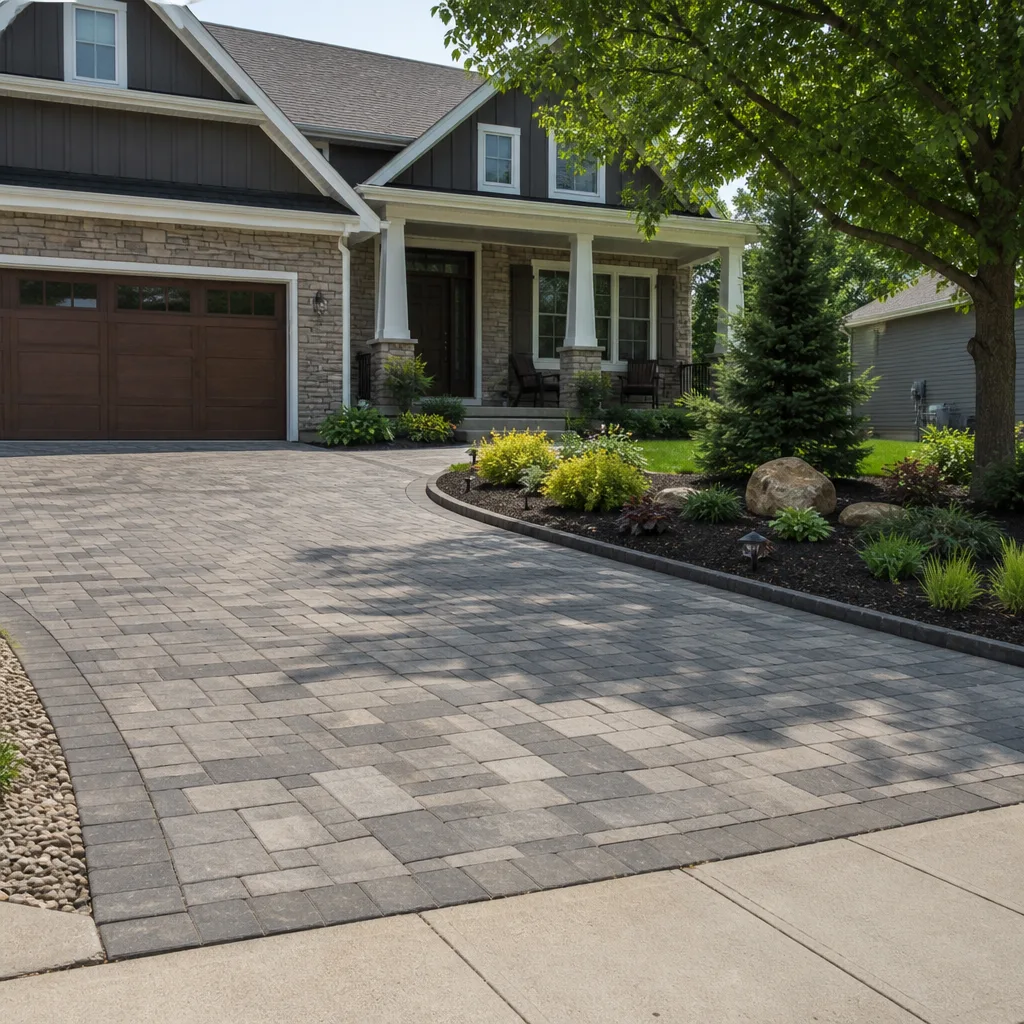 Driveway & pavers
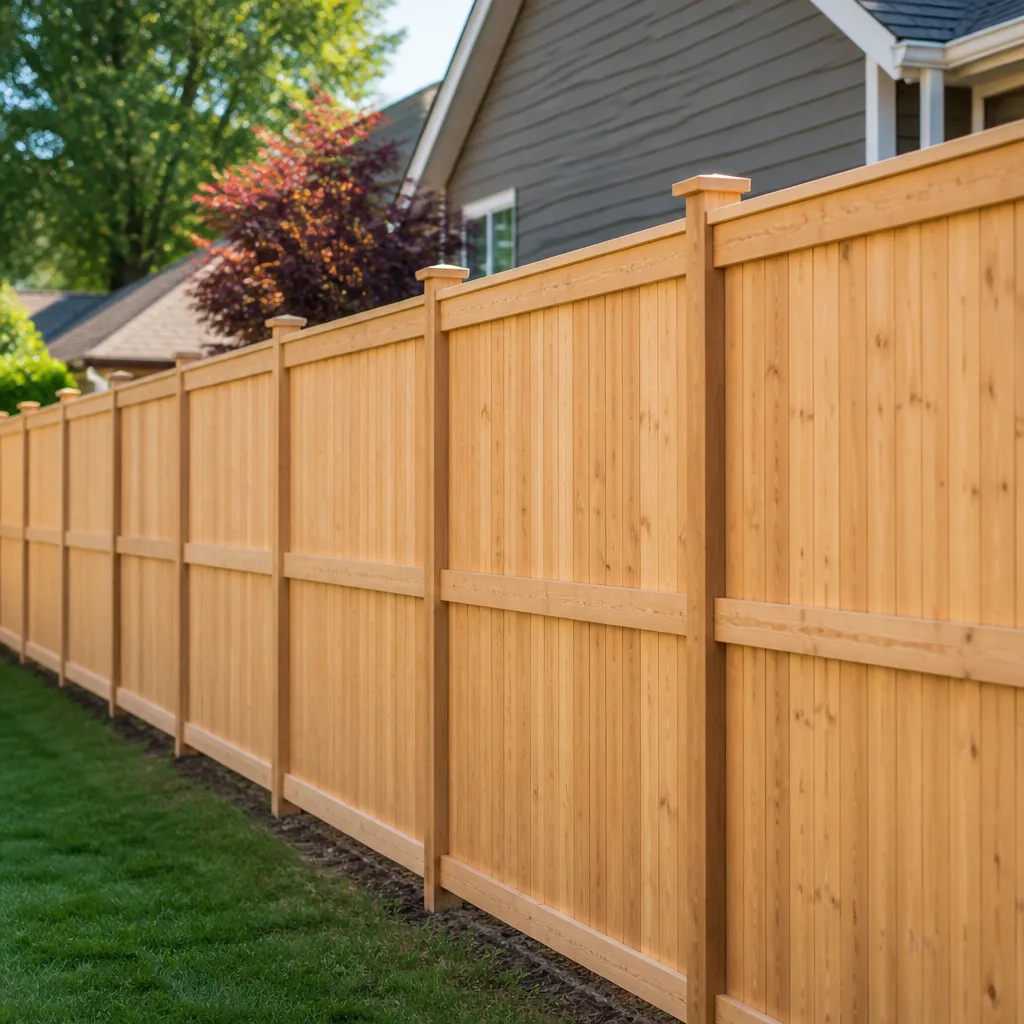 Fence
Free written scope consultation - allowances, timeline, and change-order rules on paper before a single trade is scheduled
Styles & brands we work with
- Kitchen remodeling
- Bathroom remodeling
- Home additions & ADU
- Roofing
- Windows & doors
- Driveway & pavers
- Fence
See the difference
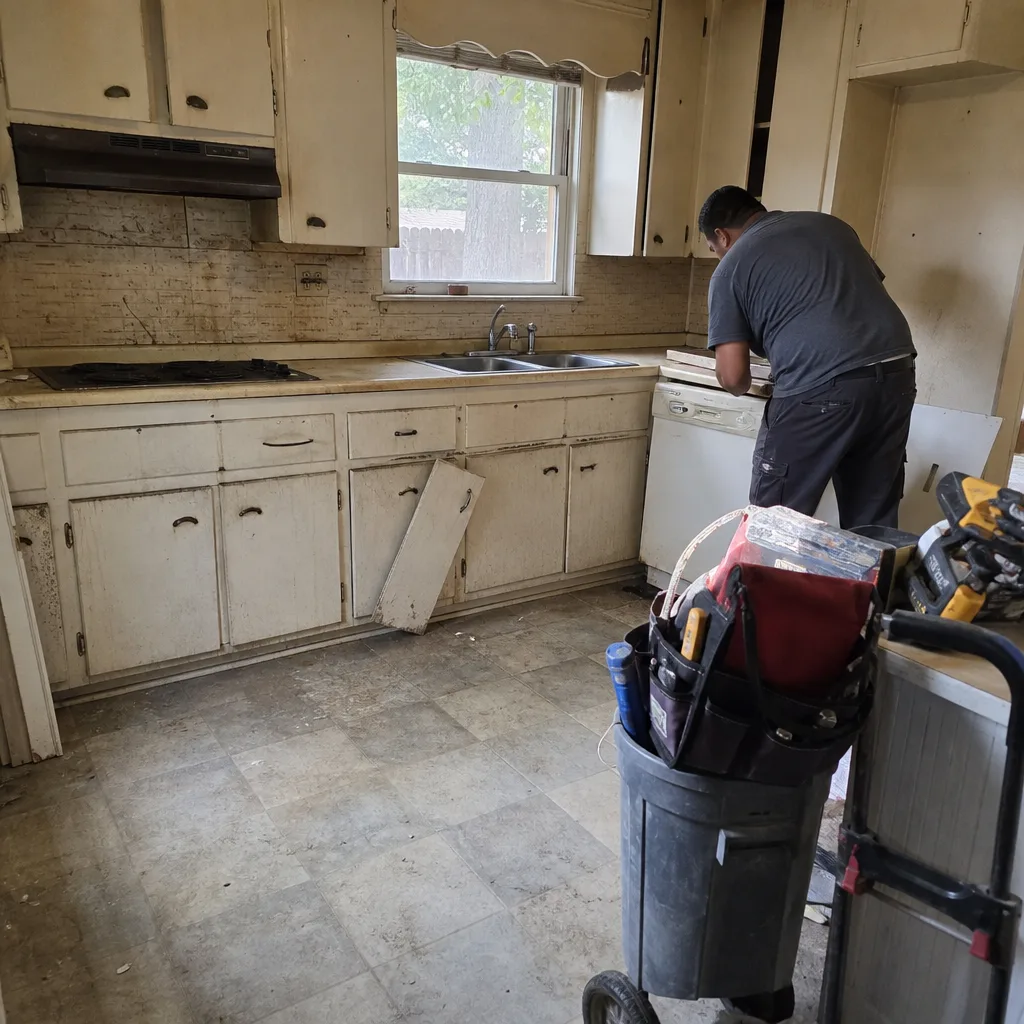 Before
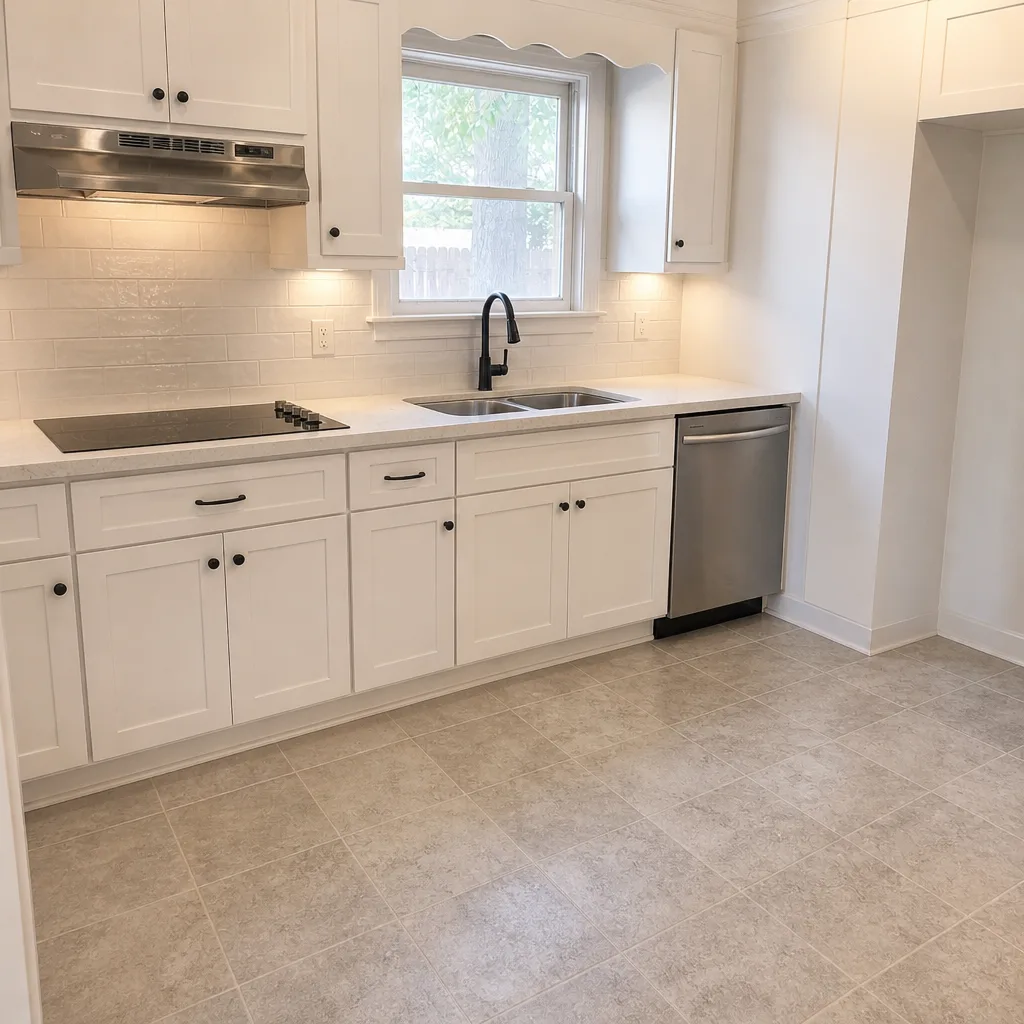 After
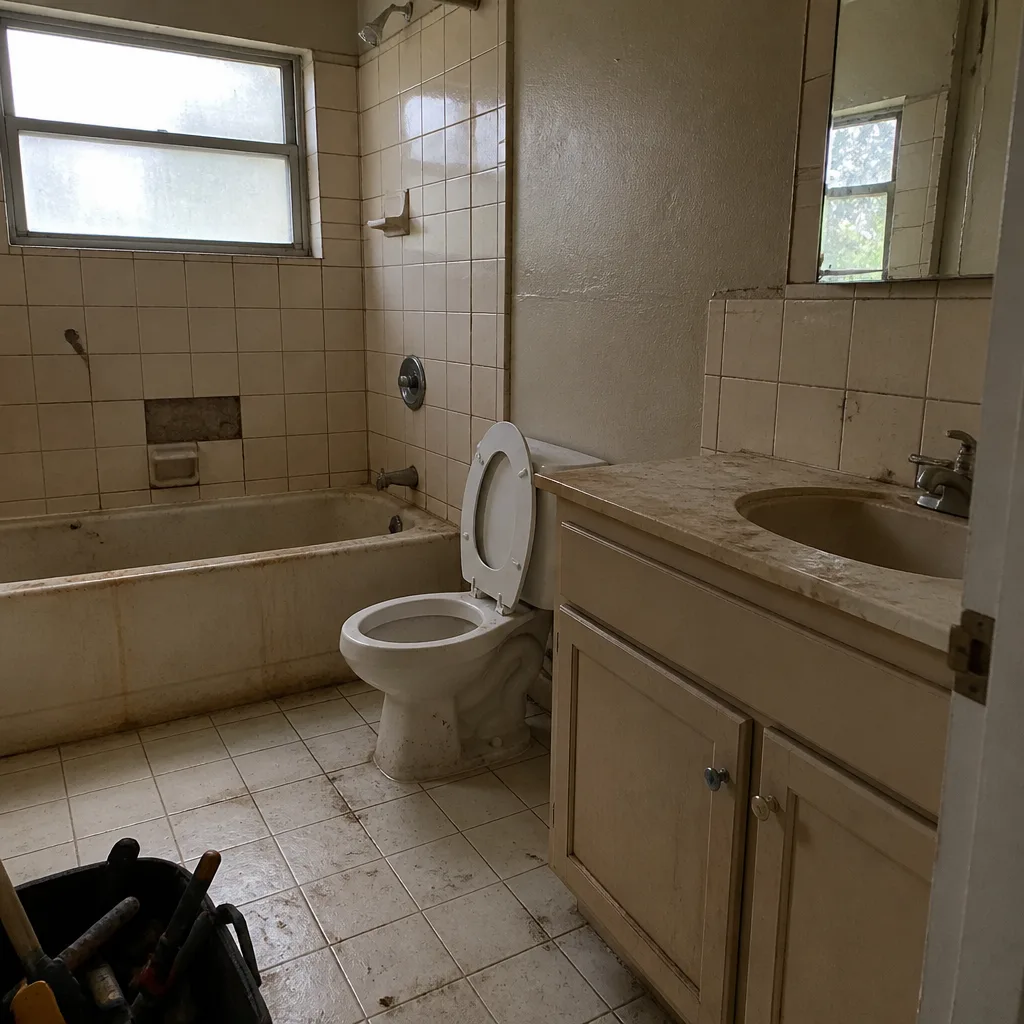 Before
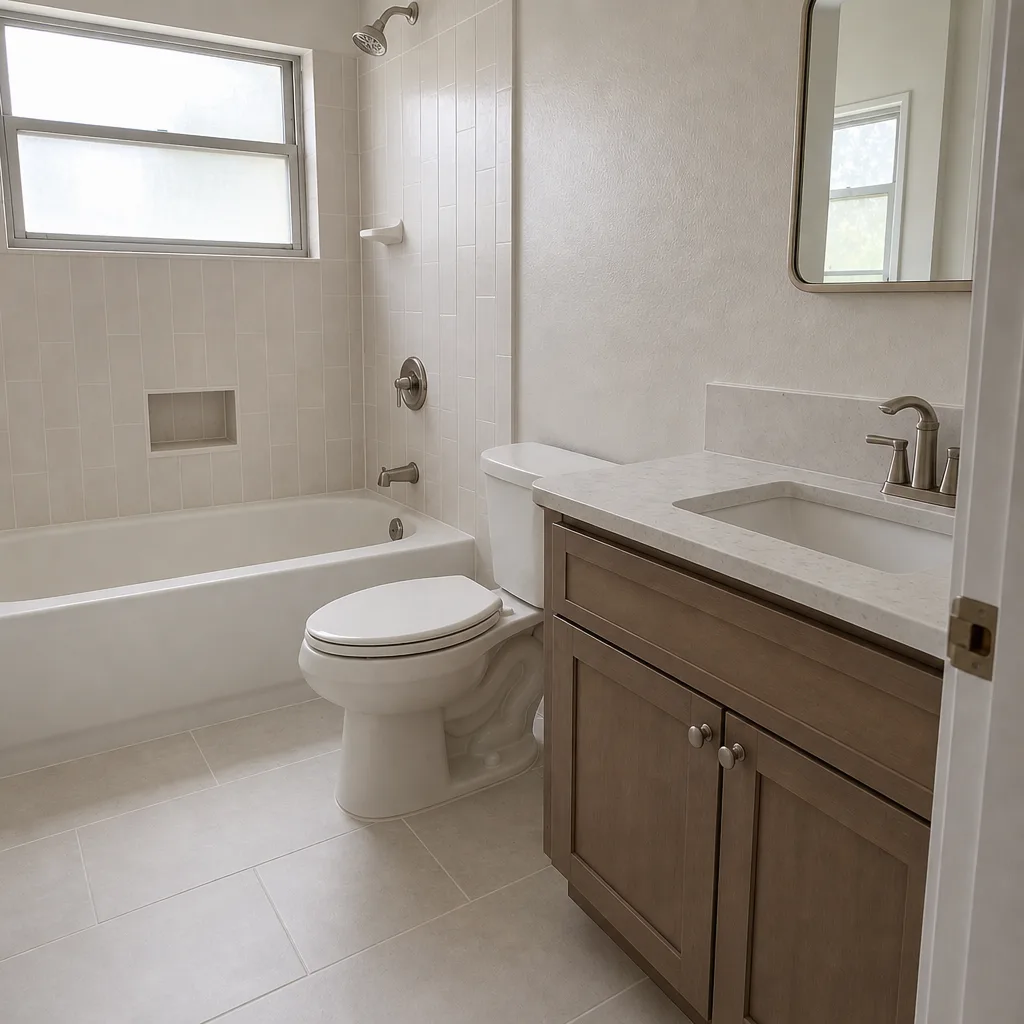 After
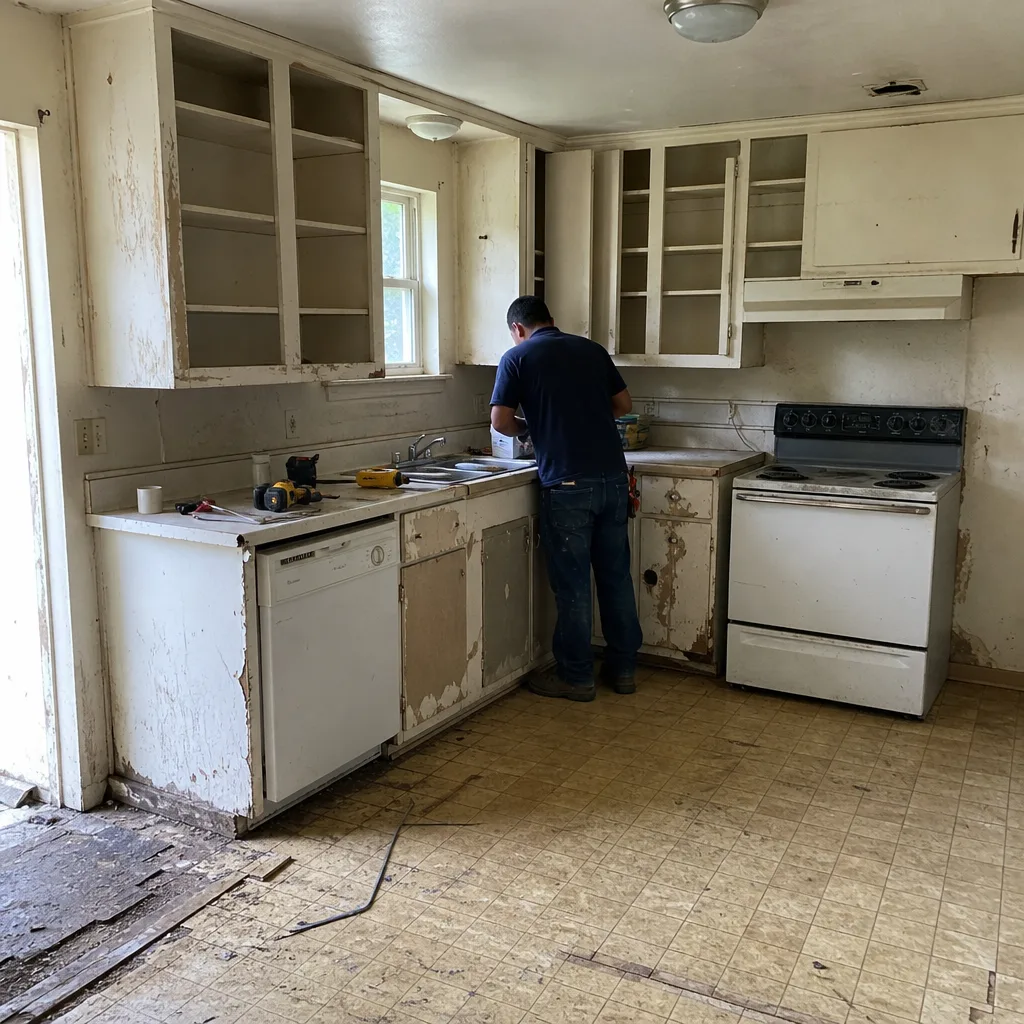 Before
 After
What a Window’s DP Rating Actually Means in Dallas, TX
A design pressure (DP) rating is the pounds-per-square-foot load a window is certified to withstand in both positive and negative pressure, and it translates to a wind speed the unit is built to survive. A DP-30 window is tested to 30 psf, which lines up with roughly a 90 mph equivalent wind load - right at the edge of what a Dallas spring straight-line windstorm can throw at your house. The sticker number matters here because under-rated windows tend to fail at the frame and seals first, not the glass, and Dallas gets tested on that every storm season. If you’re unsure what your current windows carry, call Groundwork Construction Co. of Dallas at (844) 797-4808 and we’ll walk the house with you.
Why Dallas Wind Loads Hit Windows Harder Than the Sales Sheet Says
Most homeowners here assume DP ratings are a coastal hurricane spec - something for Florida and Galveston, not a ranch house in East Dallas. That’s the wrong frame. Dallas sits in a corridor where spring supercells routinely push straight-line gusts past 70 and 80 mph, and tornado-adjacent outflow can spike higher. The building code knows this; the homeowner usually doesn’t.
Here’s the practical translation. Design pressure is expressed in psf, and the testing standard (AAMA/WDMA/CSA 101/I.S.2/A440, what the industry calls the North American Fenestration Standard) runs a window through positive pressure, negative pressure, water spray, and structural cycling. A window rated DP-30 passes at 30 psf. Higher numbers mean a thicker frame, heavier sash reinforcement, upgraded locks and hardware, and better anchoring. The glass and the frame are graded together, but the failure point in a real storm is almost always the frame, the corners, or where the unit meets the rough opening - not a shattered pane.
The math that makes the number real
A rough conversion people use: DP-30 handles about 90 mph equivalent wind, DP-40 lands near 105 mph, DP-50 near 120 mph. That’s why a builder choosing windows for a Dallas address can’t just grab a “standard” unit off a shelf. The spec has to match the wind speed the code assigns to that location, and that assignment isn’t the same across the whole metro.
Exposure B vs. Exposure C: What Your Neighborhood Changes
ASCE 7, the standard the building code leans on for wind design, sorts sites into exposure categories based on how much surface friction the wind meets before it reaches your wall. Dense, tree-covered, built-up neighborhoods behave closer to Exposure B. Open ground, wide fields, and exposed edges behave closer to Exposure C, where the same nominal wind produces a higher pressure on the window. In practical terms, a house tucked into an older, tree-lined block in Oak Cliff and a newer infill build on open ground at the edge of the metro can carry different design pressures even though they’re in the same city.
That’s the piece most homeowners never hear. Window replacement isn’t a “pick the nicer-looking unit” decision; it’s a wind-load decision dressed up as a cosmetic one. A proper replacement scope sizes the window to the local wind speed map and exposure, then anchors and flash it accordingly. When we handle a window project through our Windows & Doors work, the code review against current Dallas wind-zone requirements is part of the job, not an upsell.
Structural DP Is Only Half the Story - Water Infiltration Matters Too
A window can pass its structural DP test and still leak. Dallas spring storms almost always combine high wind with driving rain, which is the hardest combination a window ever faces. The DP rating bundles several performance grades together, and water resistance is graded separately within it. A unit that holds together structurally but lets water past the sill at a lower water-resistance rating is still a failure - it just fails slowly, as rot, mold, and ruined drywall instead of broken glass.
This is why we look at the full certification data, not just the headline DP number. It’s also where the brands matter. Andersen and Marvin both publish detailed DP and water-resistance performance data by product line, so you can compare a specific series against another specific series instead of trusting a sales rep’s summary. From foundation to finish line, the brand partners we install - Andersen and Marvin among them - give you the paper trail to hold a product to its rating. Built to last, backed in writing.
What DP Rating Do You Actually Need, and What Does It Cost in Dallas?
There’s no single universal DP number for every Dallas house - it depends on the wind speed assigned to your site, your exposure category, and the height and shape of the wall the window sits in. The right answer comes from running the numbers, not guessing. Still, here’s the range of what Dallas window work typically runs, so you can budget before the walkthrough:
| Window project | Typical Dallas range |
|---|---|
| Window replacement (whole-home scope) | $4,500-$15,000 |
| Impact-rated window installation | $8,000-$25,000 |
Upfront pricing, no surprises: the number you see is the number you pay, and every project is covered by our 730-Day Done Right Promise - if it’s not done right, we make it right. We also run 0% financing for 18 months and $1,000 off projects over $10,000, plus a free project estimate and design consult, so a spec-correct window job doesn’t have to wreck the budget in one month.
Why Older Dallas Ranch Homes Are the Riskiest Windows in Town
Dallas has a lot of housing stock built in the 1950s through the 1970s - slab-on-grade ranch homes across the metro - installed long before current wind-load provisions tightened. Those original windows were never spec’d to a modern DP number because the code didn’t ask them to be. Add the Blackland Prairie clay under everything, where expansive soil swells and shrinks with the wet-dry cycle, and you get houses that shift, settle, and rack their window openings over decades. A window that was marginal in 1968 is often worse now, and it’s holding on in a wall that has moved.
That combination - pre-code windows plus soil movement - is why a straight replacement goes further here than just the glass. Our technicians have up to 12 years of experience reading which openings have racked and which are still square, and the scope accounts for both. It’s also why we serve the whole Dallas service area with the same review process rather than treating the metro as one uniform wind zone.
Key Takeaways
- DP rating is a tested pressure in psf - DP-30 equals roughly 90 mph equivalent wind load, and Dallas storms regularly reach that range.
- Your neighborhood’s exposure category (B vs. C) changes the pressure your windows actually see, so one city doesn’t mean one spec.
- Structural DP and water resistance are graded separately - a window can hold together and still leak in a Dallas spring storm.
- Andersen and Marvin publish full certification data by product line, so you can compare real numbers.
- Pre-1970s ranch stock is the highest-risk window group here, especially where clay soil has moved the openings.
FAQs
A DP-30 window is tested to withstand 30 psf of positive and negative pressure, which translates to roughly a 90 mph equivalent wind load - right in the range of a strong Dallas spring windstorm. It’s a solid mid-range rating, but whether it’s enough depends on your specific wind speed map and exposure category. Call (844) 797-4808 and we’ll run the numbers for your address; estimates are free.
They’re different things. DP rating measures pressure resistance; impact rating measures resistance to flying debris breaking the glass. Dallas gets severe spring hail and windstorms, so impact-resistant units (typically $8,000-$25,000 for the whole-home scope) are worth discussing, but the right choice depends on your exposure and budget. A free assessment will tell you which makes sense for your house - call (844) 797-4808.
The rating is usually printed on the glass edge or on a label on the frame, and on older windows it’s often missing entirely because the unit predates modern labeling. If you can’t find it, that itself tells you something - pre-1970s Dallas ranch stock was installed before today’s wind-load provisions. We’ll inspect and identify your windows during a no-pressure walkthrough; call (844) 797-4808 for a free estimate.
It depends on the failure. A single broken sash or a worn seal is often a repair; a whole house of pre-code windows that rack and leak in storms is usually a replacement conversation, and the range runs $4,500-$15,000 for a typical scope. We’ll tell you honestly which side of that line your windows fall on. Call (844) 797-4808 for a straight answer.
If you’d rather have your windows looked at than guess at the numbers on the frame, Groundwork Construction Co. of Dallas offers a no-pressure assessment across Dallas. Call (844) 797-4808 for a free estimate and a clear read on what your windows actually carry.
Written by the team at Groundwork Construction Co. of Dallas, serving Dallas, TX.