
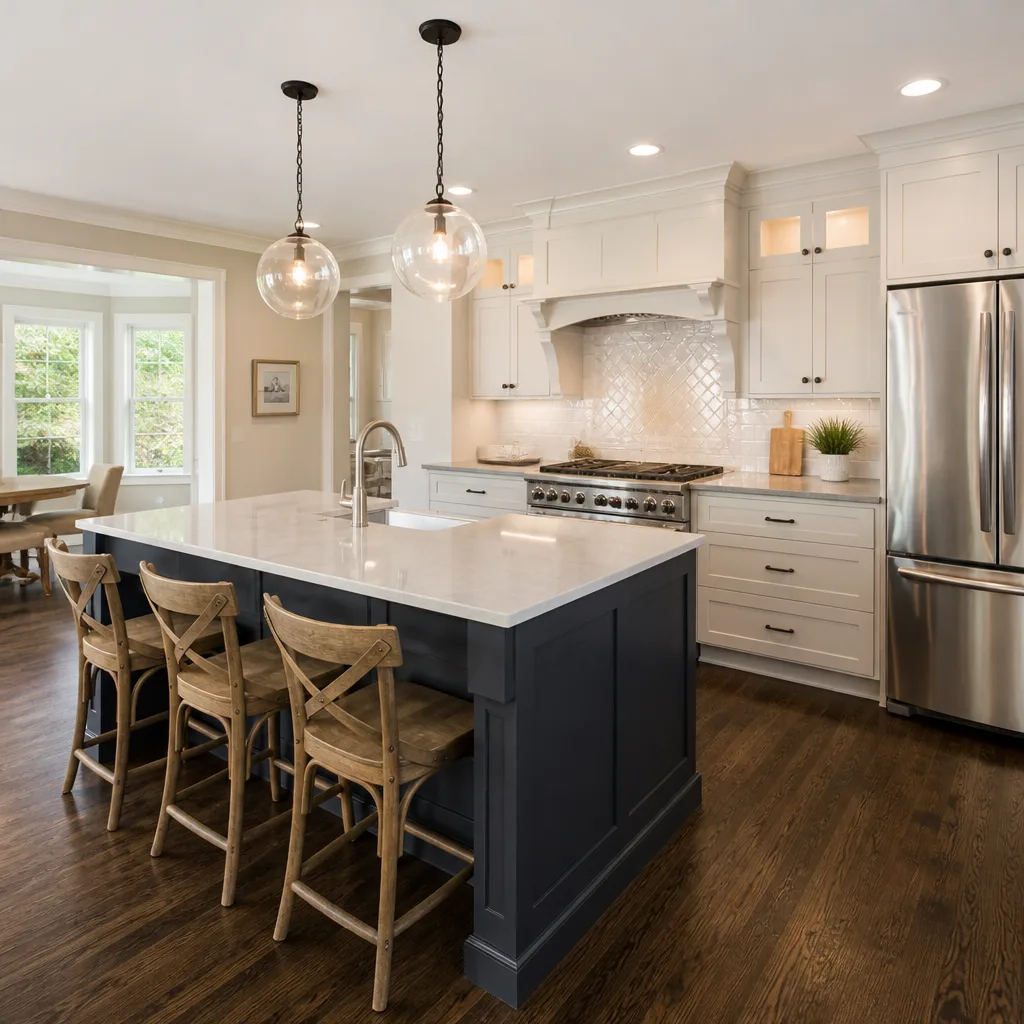
 Kitchen remodeling
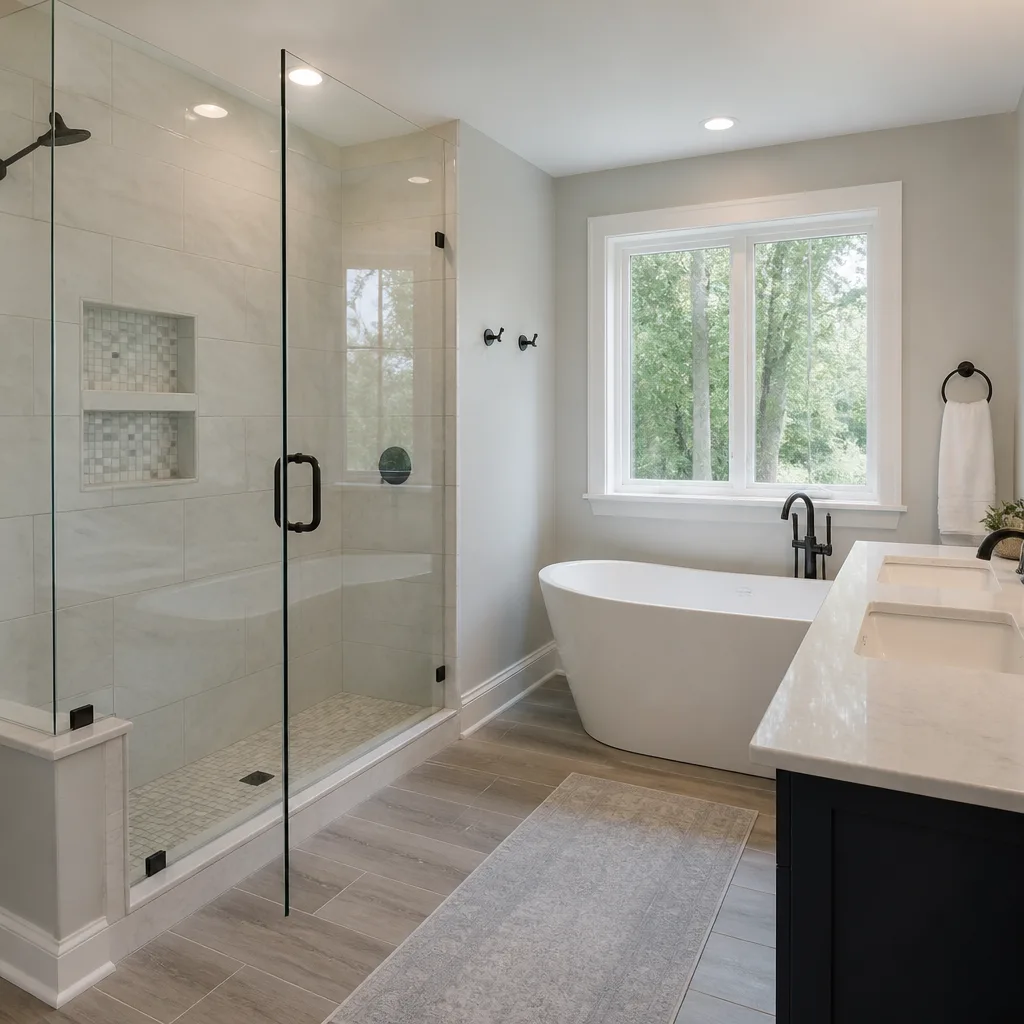 Bathroom remodeling
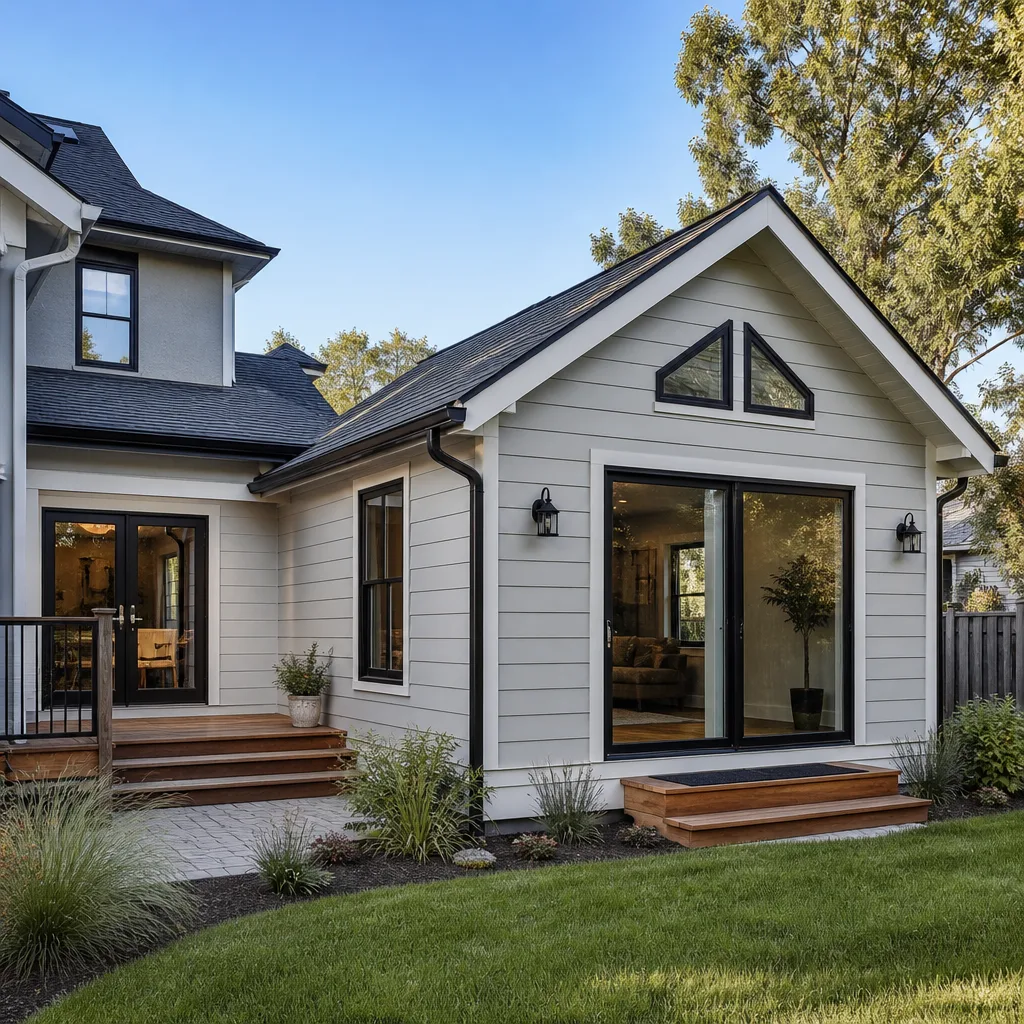 Home additions & ADU
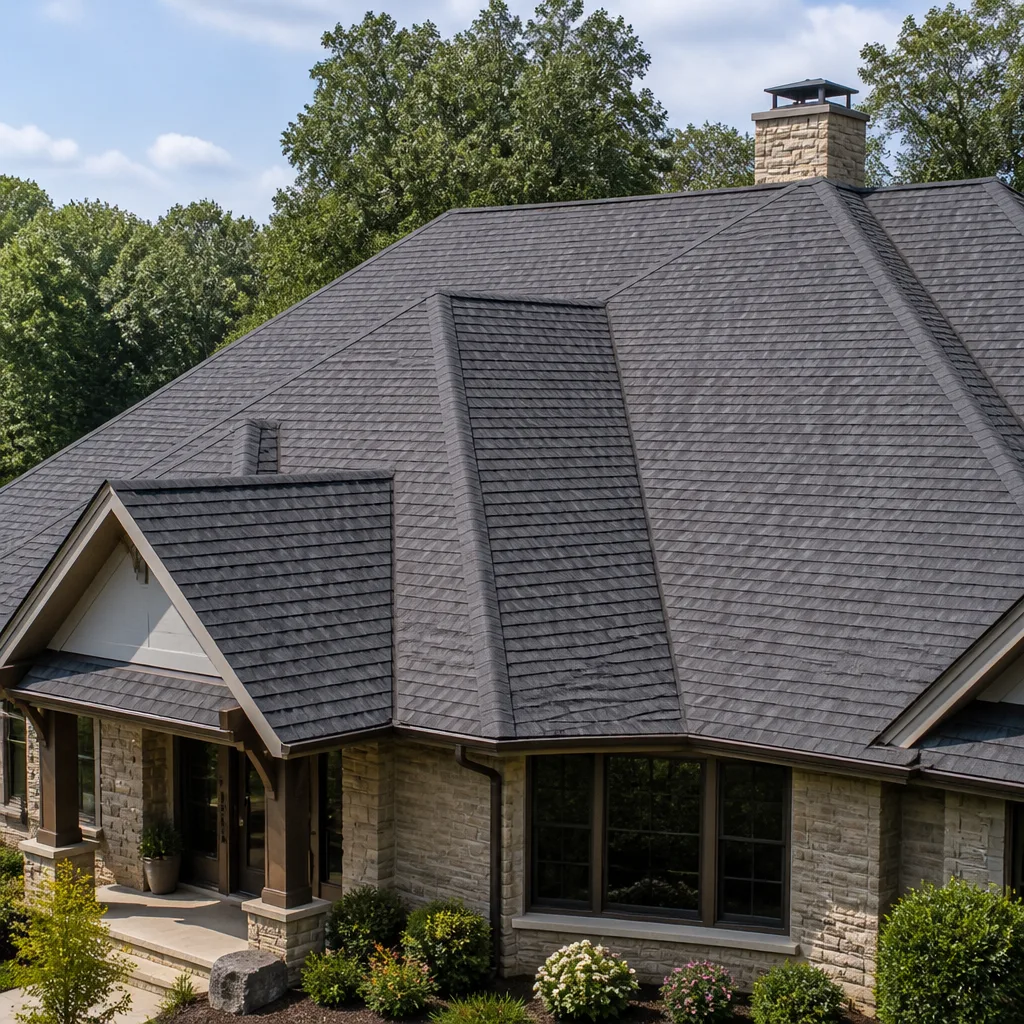 Roofing
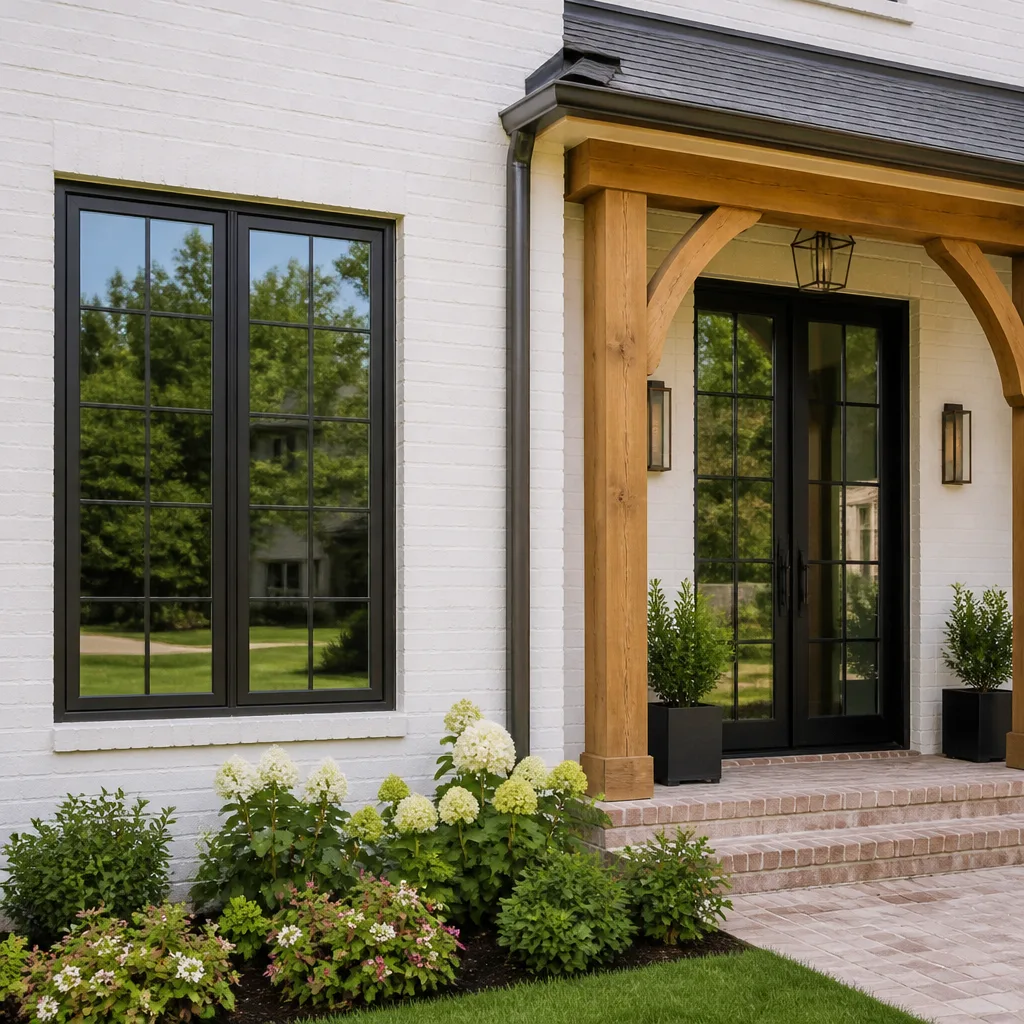 Windows & doors
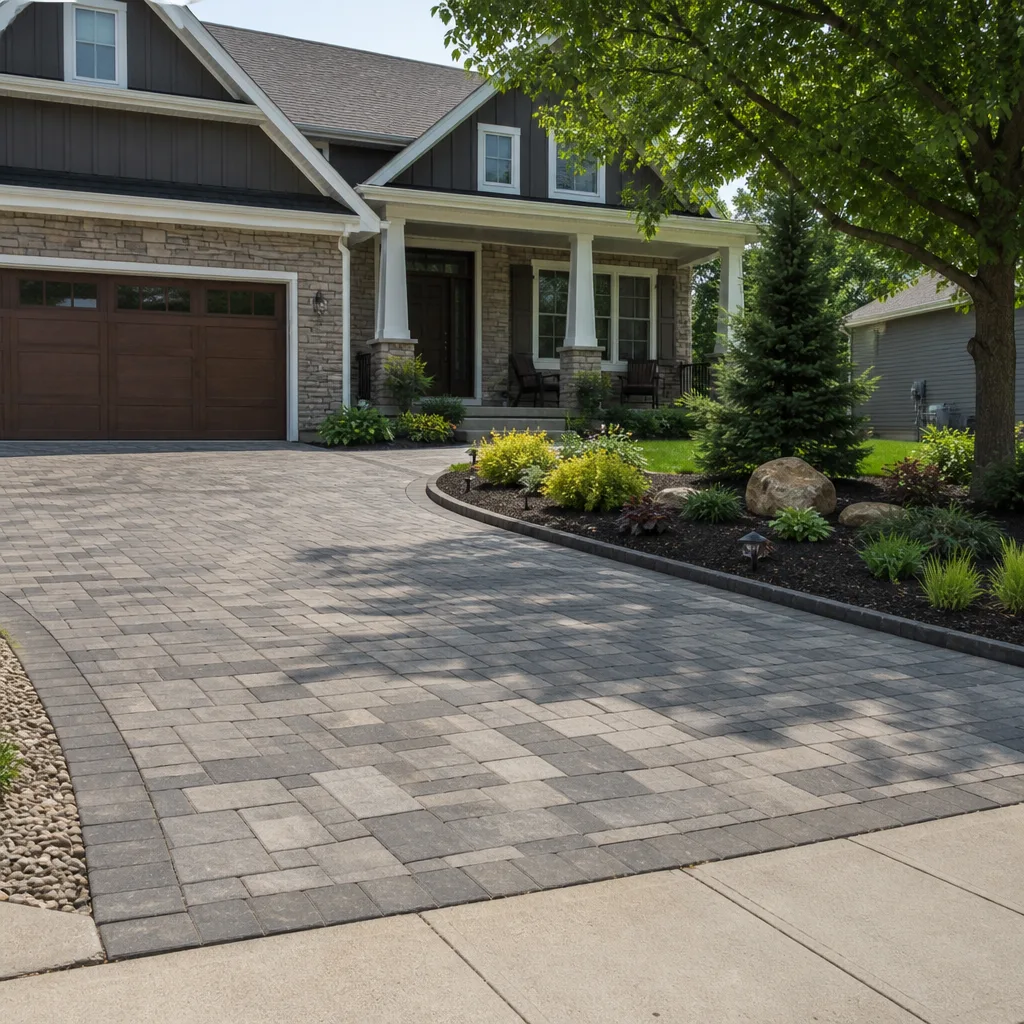 Driveway & pavers
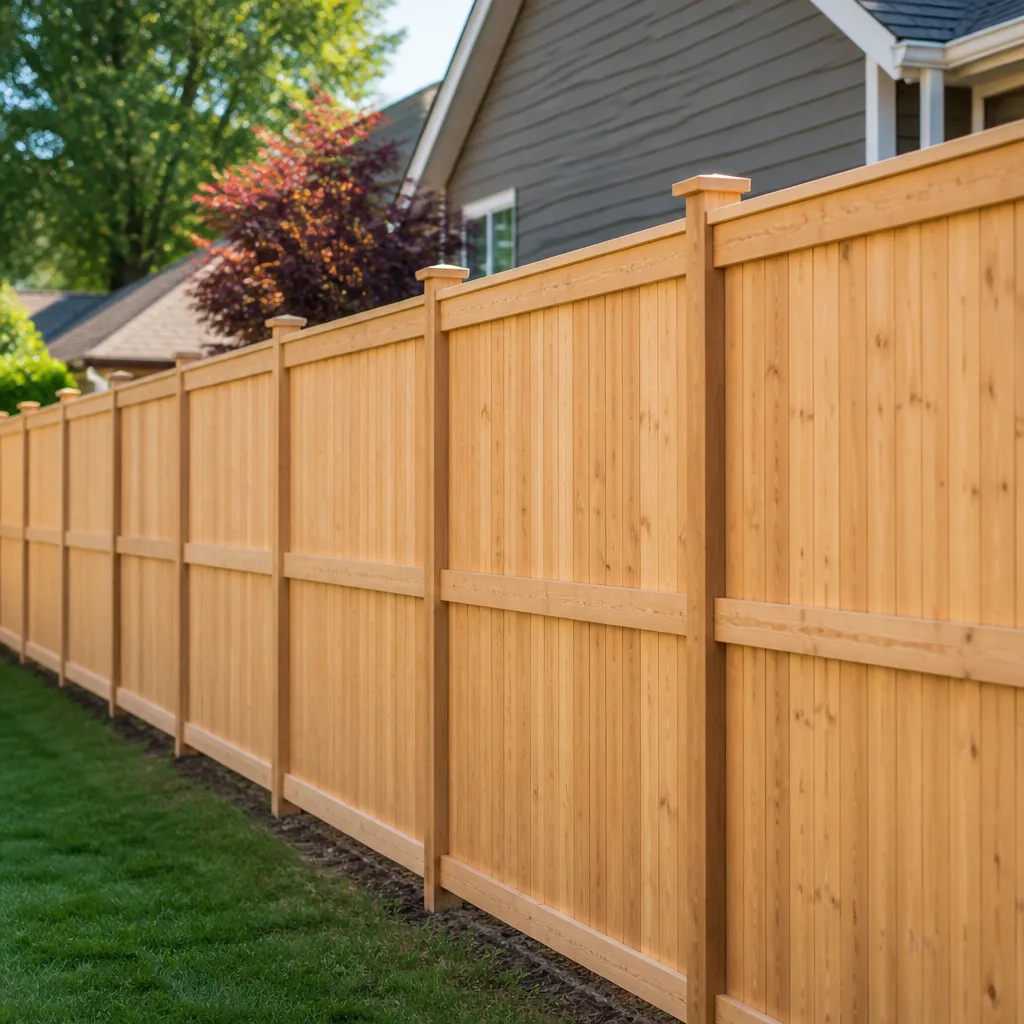 Fence
Free written scope consultation - allowances, timeline, and change-order rules on paper before a single trade is scheduled
Styles & brands we work with
- Kitchen remodeling
- Bathroom remodeling
- Home additions & ADU
- Roofing
- Windows & doors
- Driveway & pavers
- Fence
See the difference
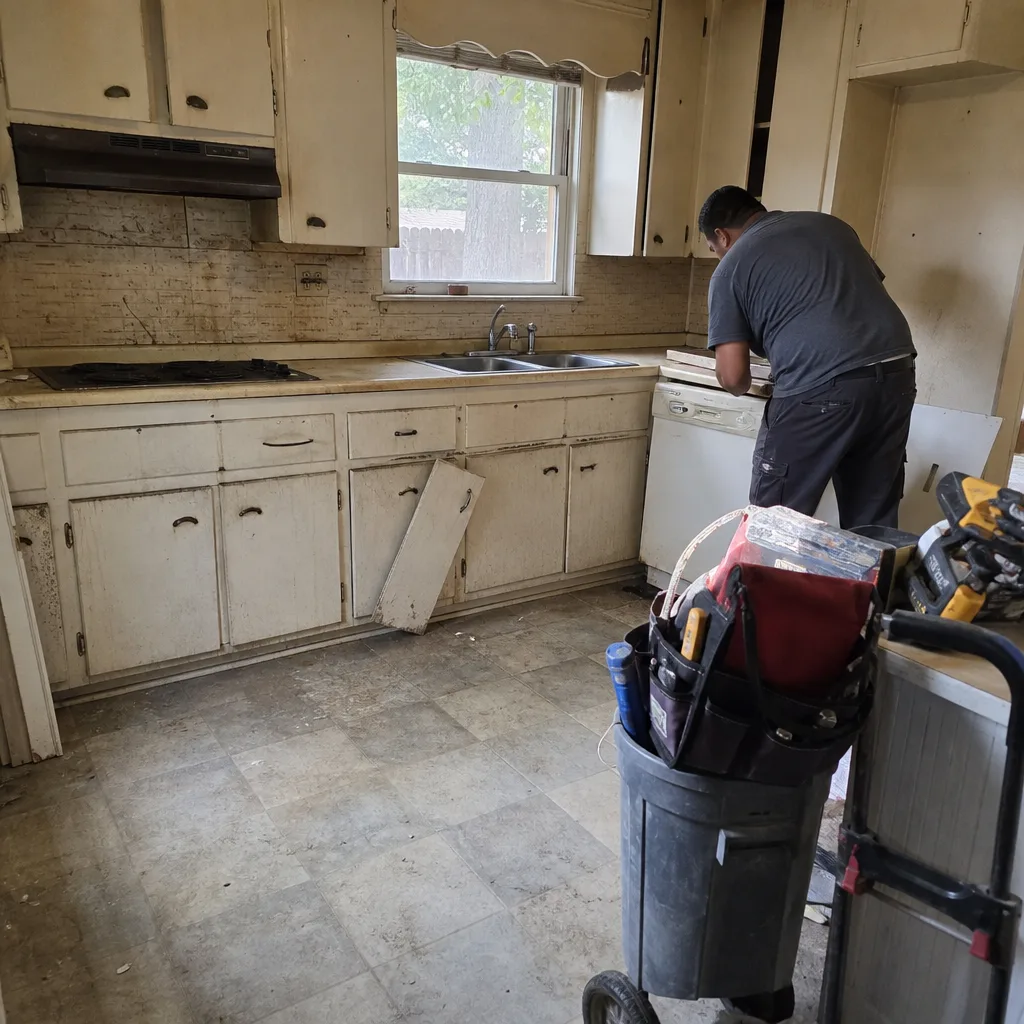 Before
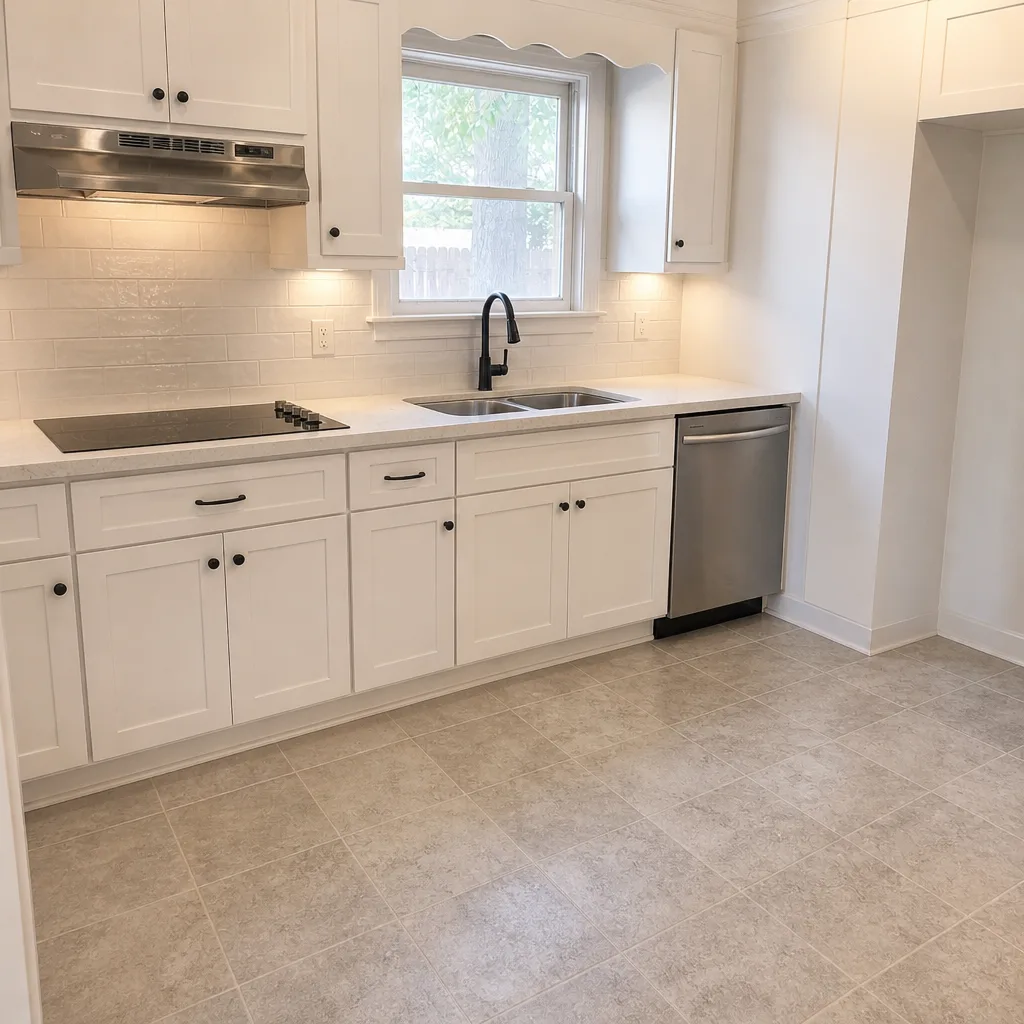 After
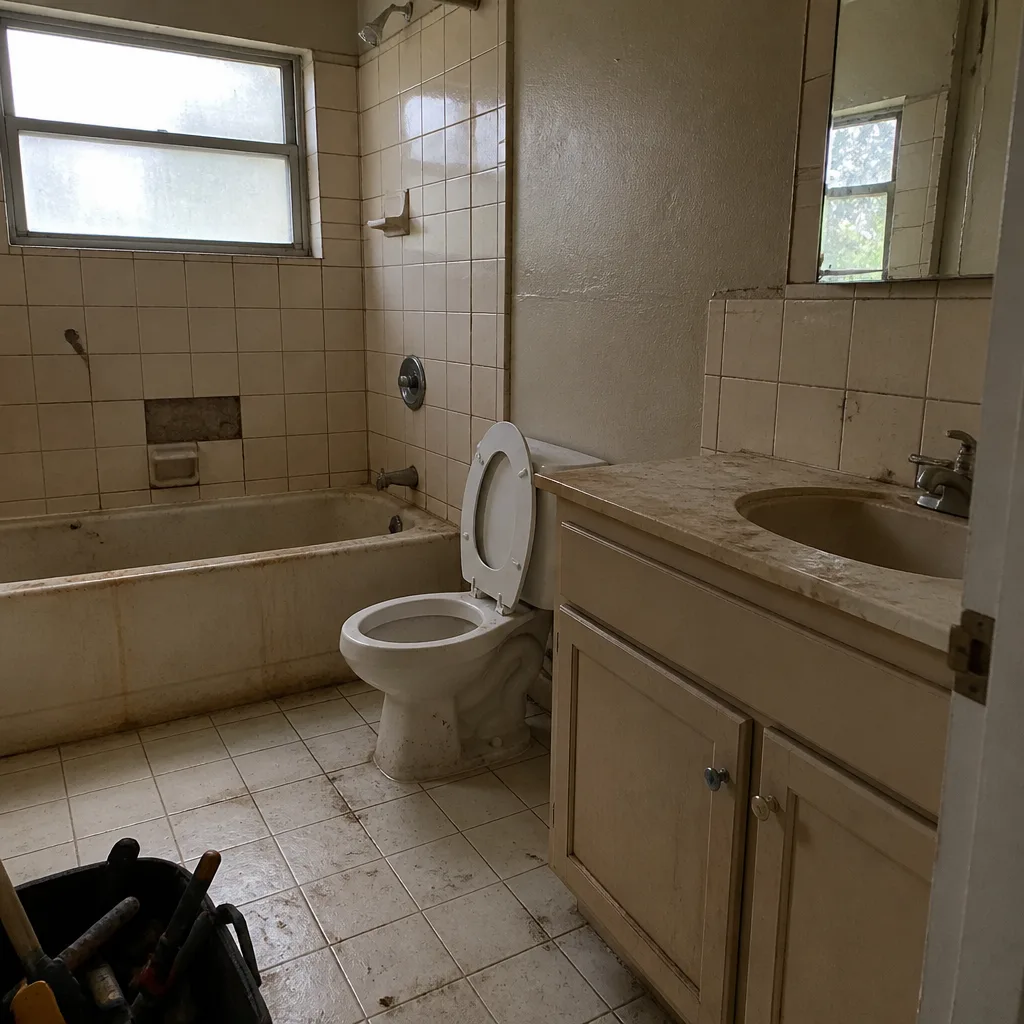 Before
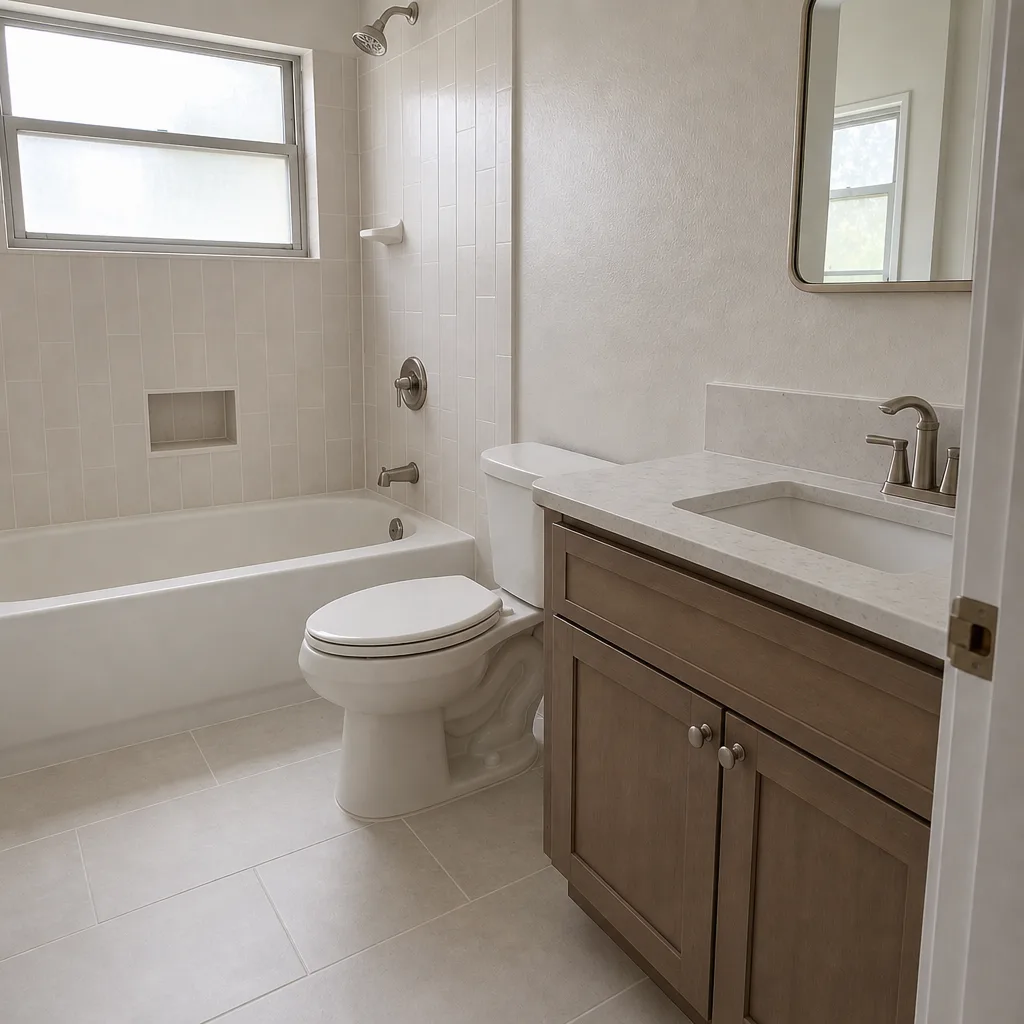 After
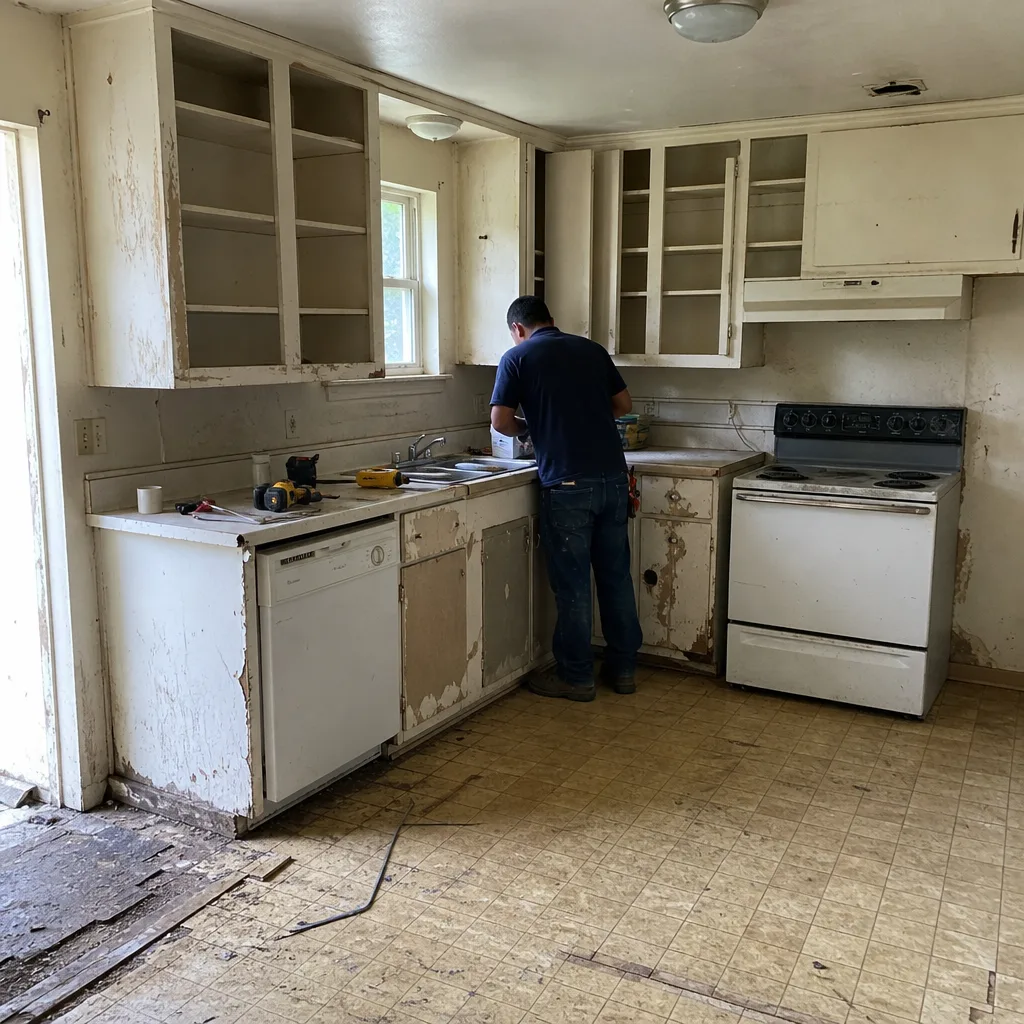 Before
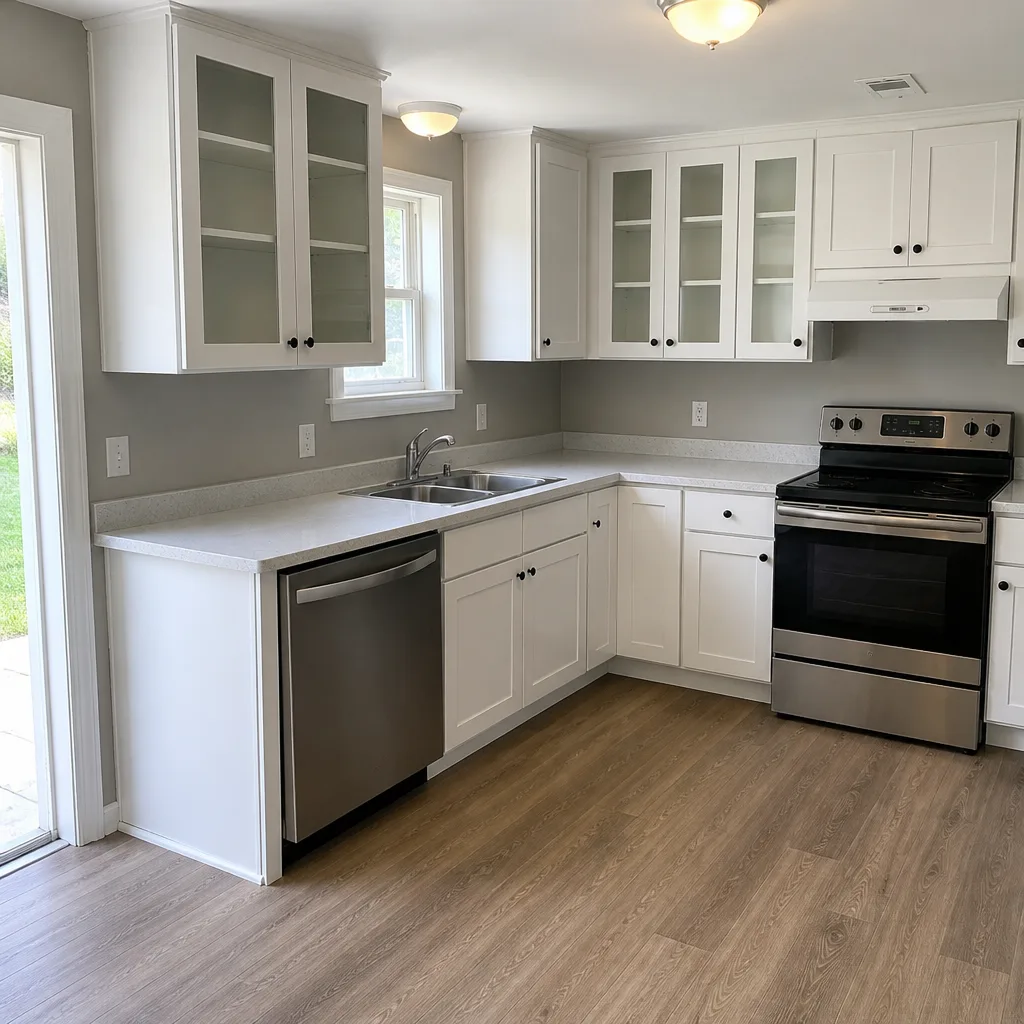 After
How Long Does a Metal Roof Last in Dallas, TX? The Coating, Not the Steel, Sets the Clock
A metal roof in Dallas realistically lasts 40 to 70 years on the steel, but the coating that protects it typically fades and chalks in 10 to 40 years depending on whether you bought Kynar 500 (PVDF) or a budget polyester finish. In practice, the waterproof lifespan is set by the coating and the fasteners, not the panel. If your roof is already 15 to 20 years old and you’re seeing rust streaks or loose screws, it’s worth having it looked at before the next hail season. Call (844) 797-4808 for a free assessment.
That answer is different from what most national roofing pages will tell you, and the reason is geography. Dallas isn’t a temperate climate. It’s a UV-extreme, hail-annual, thermal-cycling climate, and metal roofing here ages on a different curve than the steel industry’s marketing sheets assume. Here’s what actually determines how long your metal roof lasts in Dallas.
Key Takeaways
- The steel panel will outlast the coating protecting it and the fasteners holding it down.
- Kynar 500 (PVDF) coatings carry 30 to 40 year fade and chalk warranties; budget polyester coatings can chalk and lose reflectivity in 10 to 15 years under Dallas UV.
- Exposed-fastener panels cycle through 100°F+ summers and sub-20°F winter events, and the rubber washers under screw heads can harden and crack in 15 to 20 years.
- Standing-seam metal eliminates fastener fatigue leaks and effectively extends watertight life by decades over exposed-fastener systems.
- Hail dents are a cosmetic and resale concern, not usually a structural one, on Class 4 rated panels.
Why the Coating Fails Before the Metal in Dallas
A steel roof panel will outlast the fasteners holding it and the Kynar coating protecting it. In Dallas’s UV exposure and thermal cycling environment, the coating warranty is the number you should actually be tracking.
Here’s the short version of why. Dallas summers push panel surface temperatures well past ambient, and attic temps regularly hit 150°F on a still August afternoon. That heat load, combined with the UV index Dallas runs from May through September, is what breaks down the protective film on a painted metal panel. The steel underneath is fine. The finish on top is what’s working.
The gap between coating types is larger than most homeowners realize:
- Kynar 500 (PVDF) coatings carry 30 to 40 year fade and chalk warranties from the mill. On a properly installed standing-seam panel, that’s the finish that lets the roof look intact at year 30.
- Budget polyester coatings on economy metal panels can chalk, fade, and lose reflectivity in 10 to 15 years under Dallas UV. Once the reflective pigment degrades, attic heat gain climbs and so does your summer electric bill.
When you get quotes for Roofing in Dallas, ask for the coating spec in writing. “26-gauge metal” tells you nothing about coating life. “Kynar 500 PVDF, 35-year fade and chalk warranty” tells you everything.
Thermal Cycling and Fastener Fatigue: The Dallas-Specific Wear Point
Dallas swings from 100°F+ summers to sub-20°F winter events (February 2021 was the obvious one, but hard freezes happen here more often than transplants expect). Every one of those swings makes a metal panel expand and contract. Multiply by 30 years and you have a lot of movement on a roof that’s fastened with screws.
On an exposed-fastener panel, that movement works on the rubber washers under each screw head. Those washers harden over time and crack within 15 to 20 years in this climate. Once they fail, water finds a path. The panel itself is still structurally sound; the leak point is a $0.30 washer.
Standing-seam panels don’t have that problem because there are no screws through the field of the panel. Concealed clips let the metal slide as it expands and contracts, which is why a standing-seam install effectively extends the watertight life of the roof by decades over an exposed-fastener system. Budget contractors in Dallas pitch exposed-fastener metal as equivalent to standing-seam all the time. It isn’t, on a lifespan basis. It’s an honest budget option; it’s just not the same product.
This is also where the Blackland Prairie detail matters. Dallas’s expansive clay soils move with every wet-dry cycle, and framing flexes with them. A roof screwed tight to a framing system that’s also moving puts more stress on fasteners than the same roof would see on stable Hill Country limestone to the south. Local installers who understand this design the fastening pattern tighter on Dallas roofs, and that’s one more reason to use a crew that works here rather than one driving in from three counties away.
Standing-Seam vs. Exposed-Fastener: The Lifespan Gap in Plain Numbers
Here’s how the two main metal roof systems actually compare for Dallas homeowners:
| Factor | Standing-Seam (Kynar 500) | Exposed-Fastener (polyester) |
|---|---|---|
| Panel lifespan | 50-70 years | 30-45 years |
| Coating fade/chalk warranty | 30-40 years | 10-15 years |
| Fastener leak risk | Minimal (concealed clips) | Rises at 15-20 years (washer failure) |
| Hail performance | Class 4 available; dents but rarely punctures | Class 4 available; dents more visibly |
| Typical Dallas install cost | $22,000-$40,000 | $15,000-$24,000 |
Those cost ranges track the broader metal roof installation range in Dallas, which runs $15,000 to $40,000 depending on roof size, pitch, and panel system. A full roof replacement in Dallas is $8,000 to $20,000 on asphalt, so metal is a premium decision and worth being deliberate about. But the lifespan math matters: at 50+ years, a standing-seam roof starts looking cheaper per year than three rounds of shingle replacement, and it survives the spring hail and straight-line windstorms that keep Dallas roofers booked every April.
The Hail Question: Cosmetic Dents vs. Structural Failure
Class 4 rated metal panels won’t puncture under typical DFW hail. They will dent. That distinction matters because “lifespan” to a metal roof owner is often really two questions: will it keep water out, and will it affect resale?
A dented but intact standing-seam roof is still doing its job. But cosmetic dents can affect insurance claims, and in Dallas’s competitive resale market, a buyer’s inspector will note them. If you’re planning to sell within five years, factor that into which panel profile you choose and how visible the dents will be from the street. If you’re 15 years from selling, the calculus shifts.
Impact-resistant materials and high wind-uplift fastening are basically standard practice here for good reason. Ask any installer you’re considering for their hail-rating spec and their wind-uplift fastening pattern in writing. If they can’t produce both, that tells you what you need to know.
What Groundwork Actually Backs on a Metal Roof Install
Groundwork Construction Co. of Dallas installs metal roofing as part of a full-scope roofing line, and every install is covered by the 730-Day Done Right Promise: if it isn’t done right, we make it right. That’s a two-year-plus workmanship guarantee from the installer, not the manufacturer. When your roofer is willing to put two years of their own accountability behind the fastening, flashing, and underlayment work, the material lifespan conversation gets more concrete than a mill’s marketing sheet.
Our technicians have up to 12 years of experience, arrive in uniform, and are background-checked. Calls are answered by a live person, 24/7, including after a storm. Pricing is upfront, and we offer 0% financing for 18 months plus $1,000 off projects over $10,000 on metal roof installs in that range.
If you’re still comparing which metal system fits your home, the Dallas service area page walks through how we work in your part of the city, from Oak Cliff bungalows to infill builds up north.
FAQs
A metal roof in Dallas typically lasts 40 to 70 years on the panel, but the effective watertight lifespan is shorter, set by the coating and fasteners. Kynar 500 coated standing-seam panels hold finish for 30 to 40 years; budget exposed-fastener panels need attention by year 15 to 20 because of washer failure. Call (844) 797-4808 for an estimate on your specific roof.
A metal roof is worth it in Dallas hail for durability and longevity, not for dent resistance. Class 4 rated panels won’t puncture under typical North Texas hail, but they will dent, which can affect resale and insurance claims. Call (844) 797-4808 for a no-pressure assessment of what panel fits your home and budget.
Metal roofing doesn’t make your house hotter if the coating is intact and the attic is properly ventilated; a reflective Kynar 500 finish can actually lower attic heat gain. Once polyester coatings degrade at 10 to 15 years, reflectivity drops and summer cooling costs climb. Call (844) 797-4808 to check whether your existing metal roof finish is still doing its job.
In many cases yes, a metal roof with sound panels and a failing fastener system can be re-screwed and re-washered rather than replaced, but only if the coating is still intact and the panel hasn’t rusted through at the overlaps. It’s a case-by-case call and worth having inspected. Call (844) 797-4808 for an honest read on whether repair or replacement is the better long-term dollar.
Ready to Get a Real Read on Your Metal Roof?
If your metal roof is 15 to 20 years old and you’re seeing rust streaks, loose screws, or chalked color, those are the signs the coating and fasteners are on the schedule, not the steel. A no-pressure assessment in Dallas is free and takes less than an hour. Call (844) 797-4808 to schedule.
Written by the team at Groundwork Construction Co. of Dallas, serving Dallas, TX.