
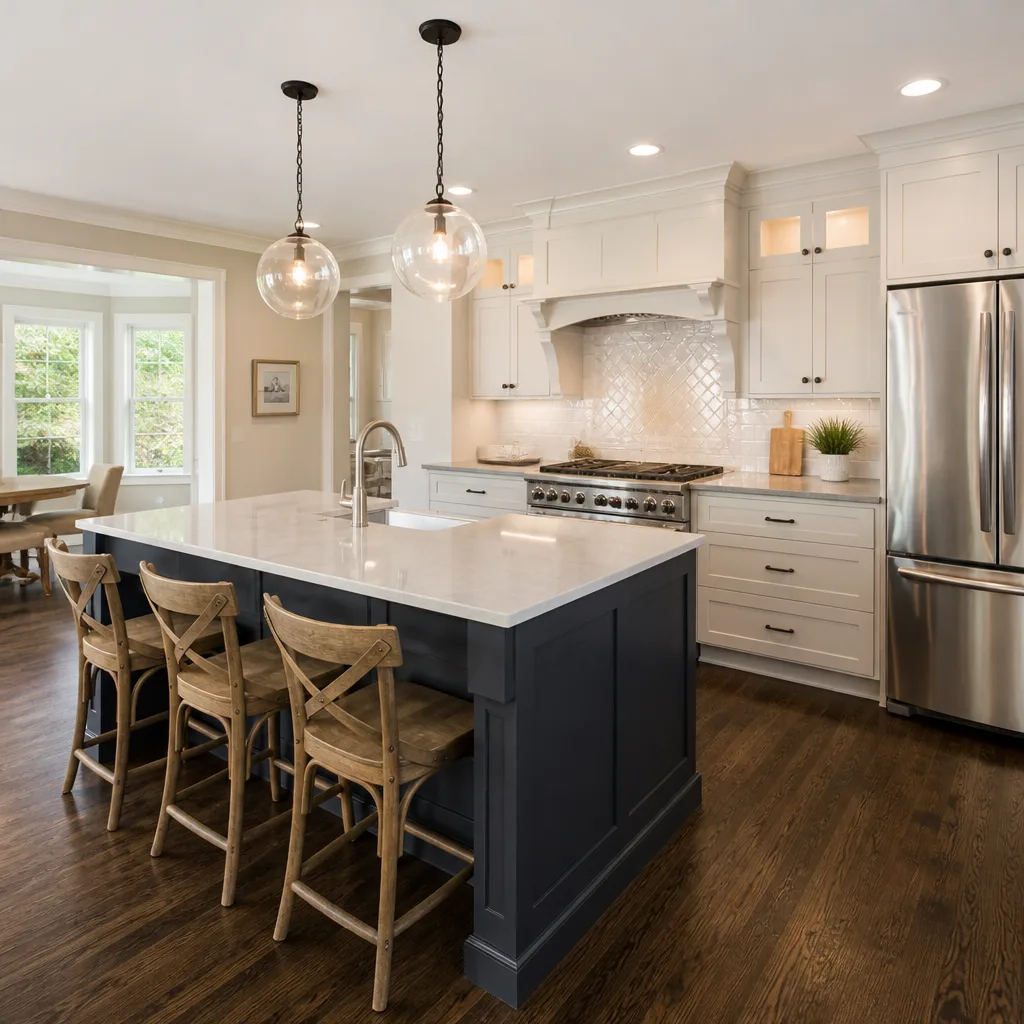
 Kitchen remodeling
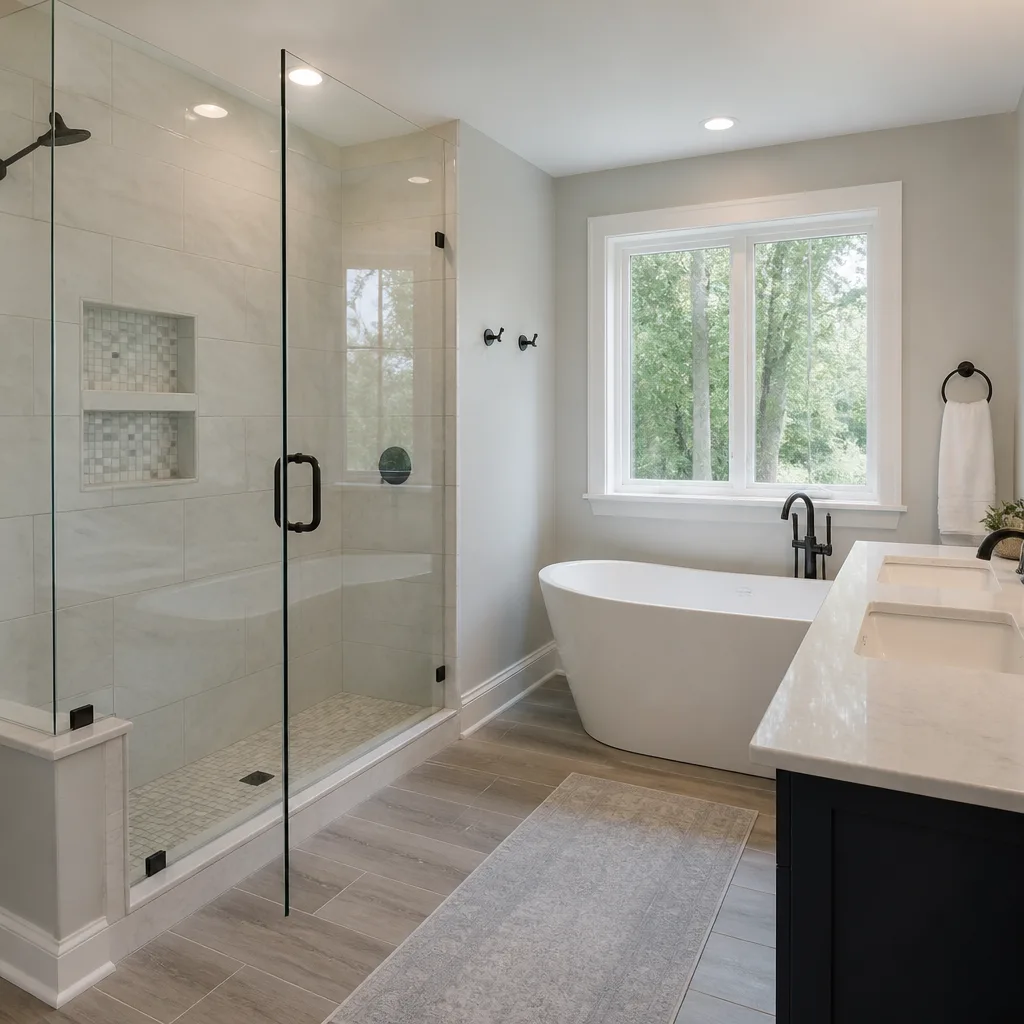 Bathroom remodeling
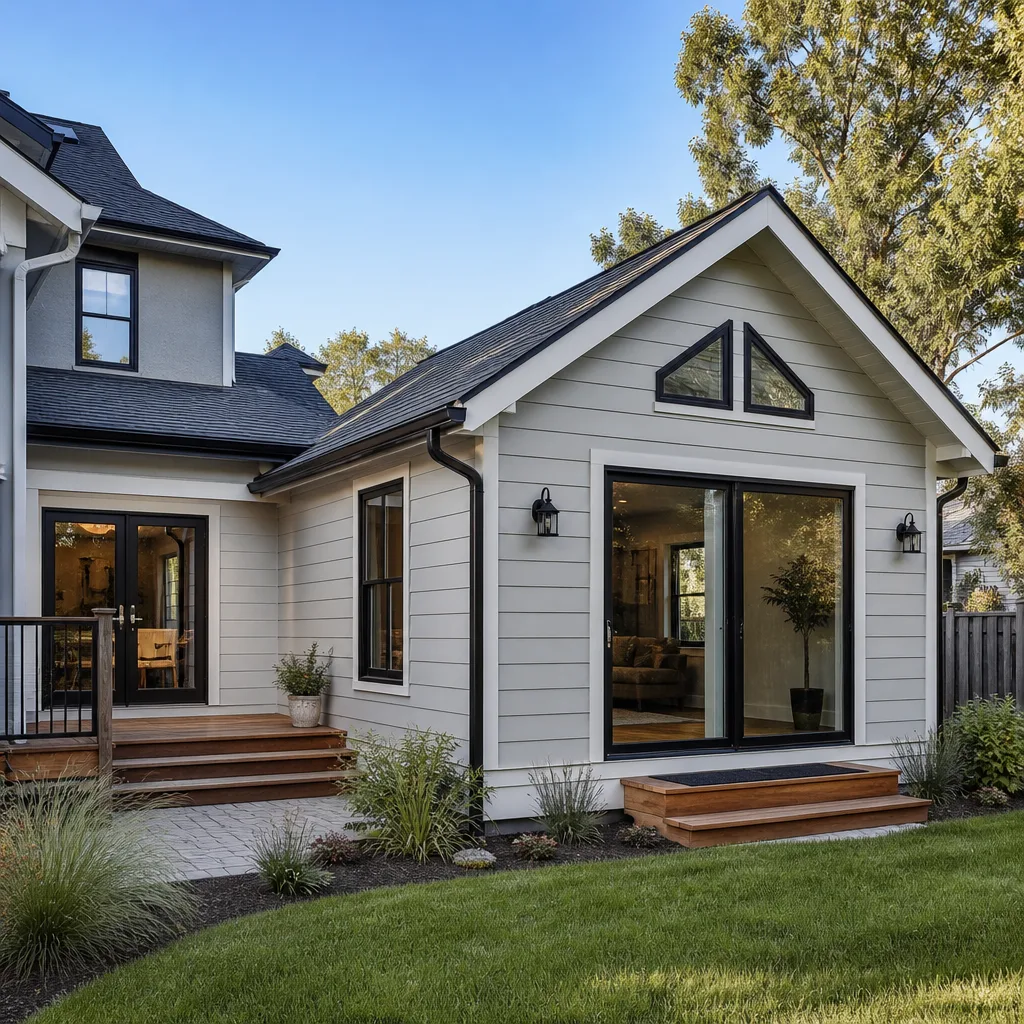 Home additions & ADU
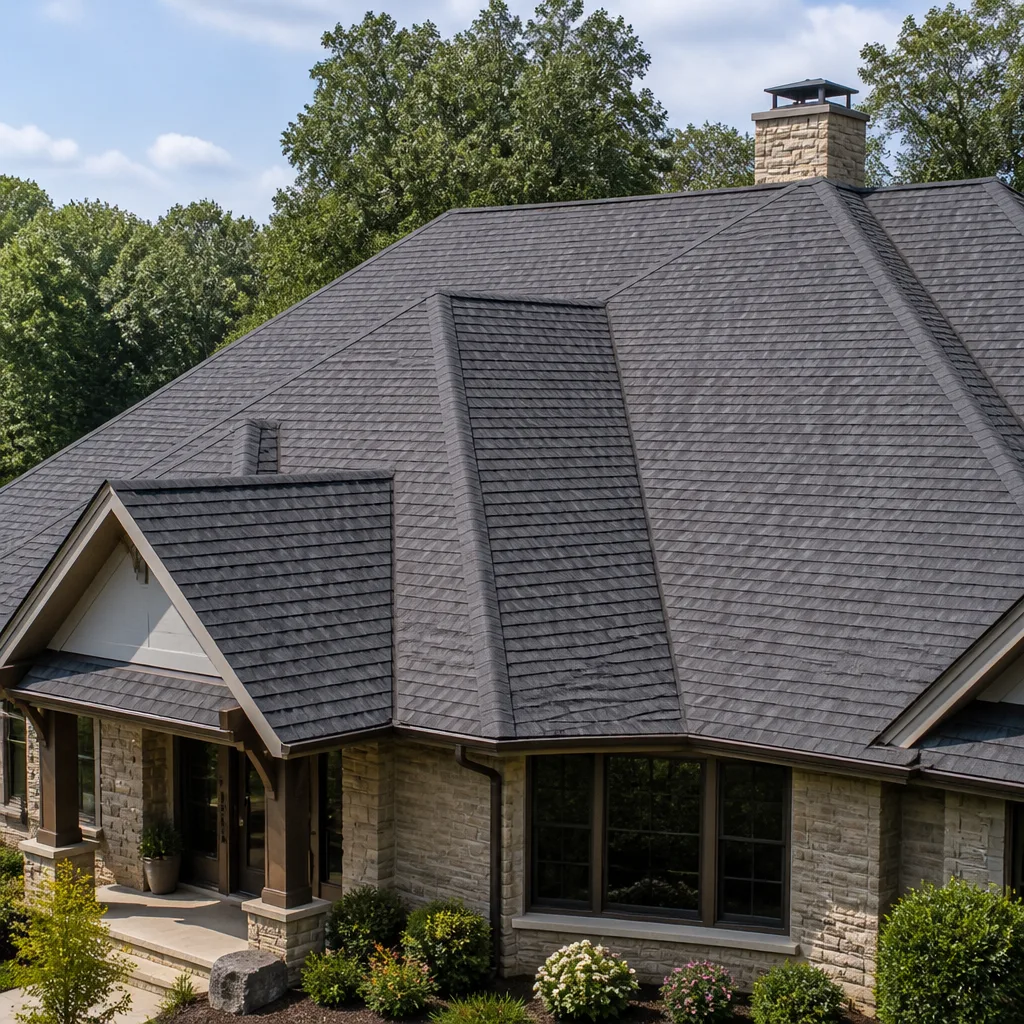 Roofing
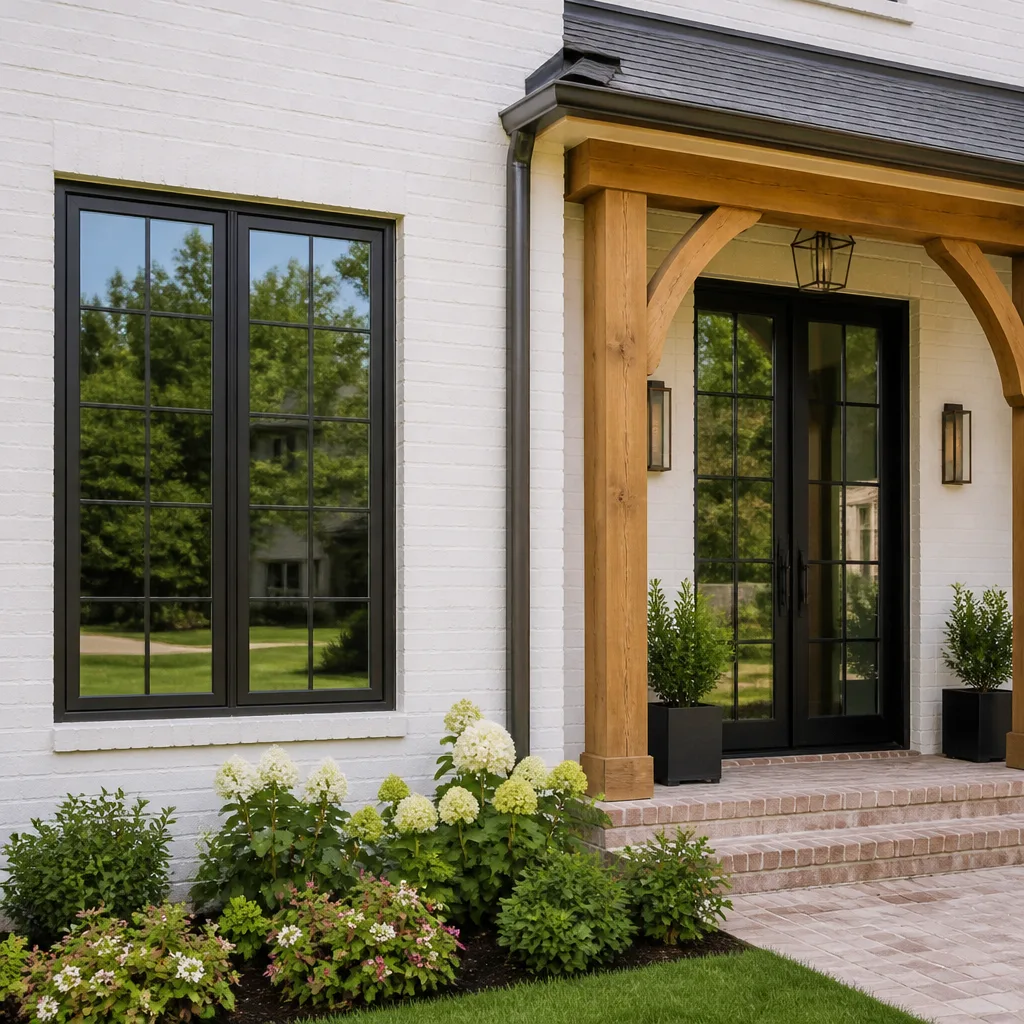 Windows & doors
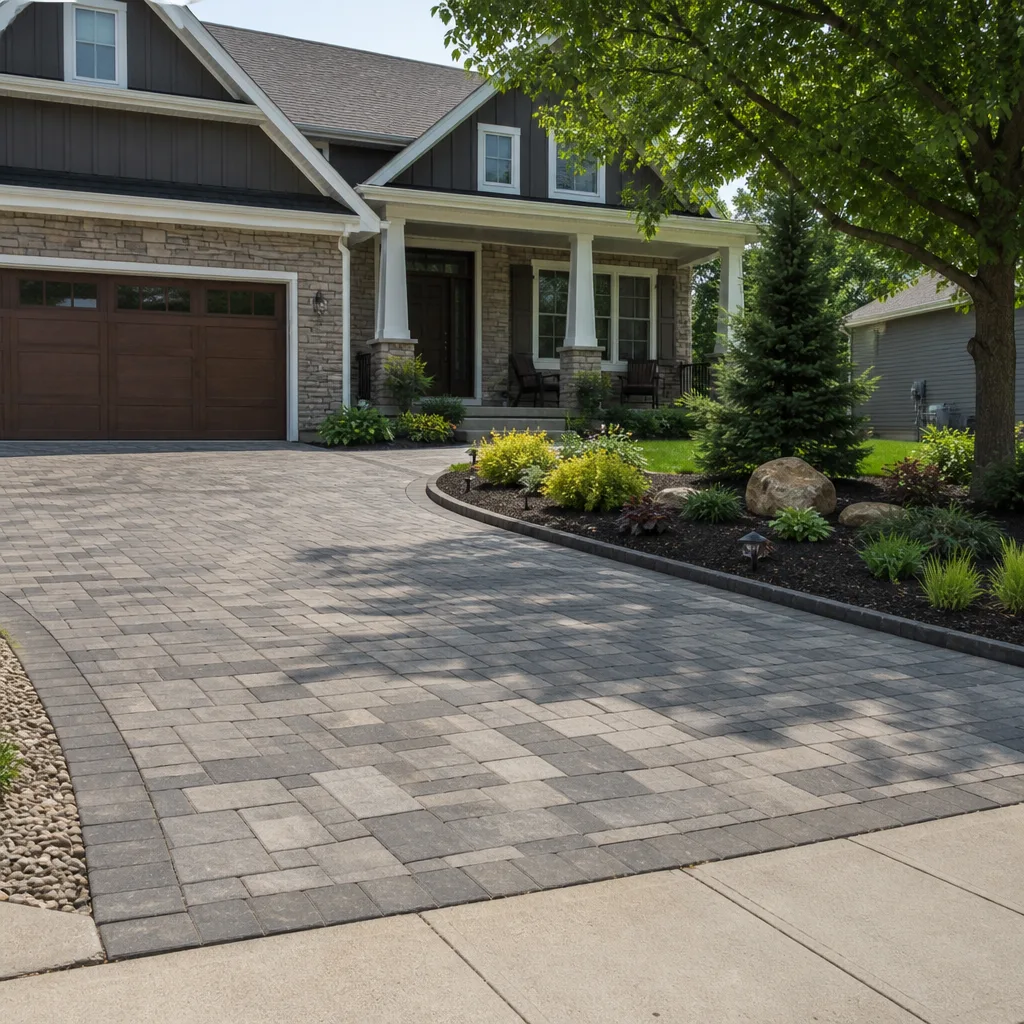 Driveway & pavers
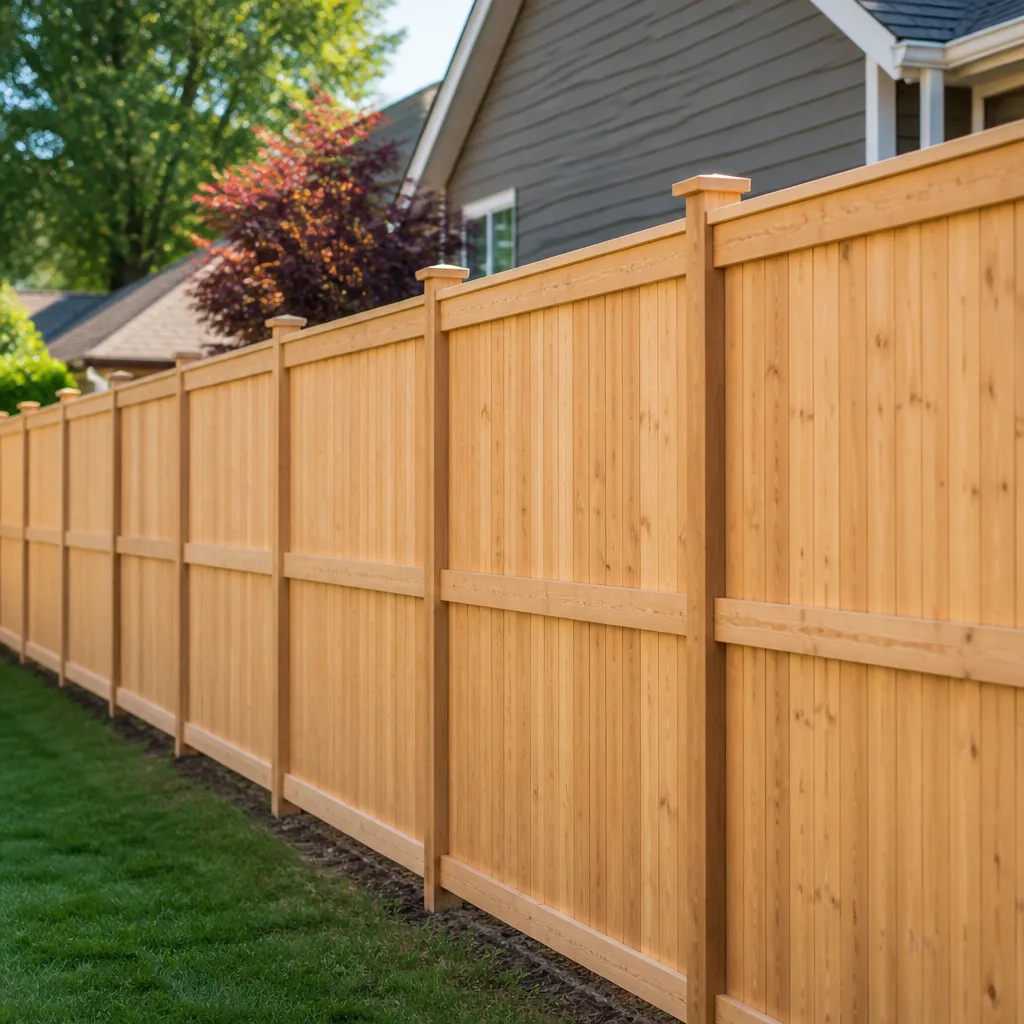 Fence
Free written scope consultation - allowances, timeline, and change-order rules on paper before a single trade is scheduled
Styles & brands we work with
- Kitchen remodeling
- Bathroom remodeling
- Home additions & ADU
- Roofing
- Windows & doors
- Driveway & pavers
- Fence
See the difference
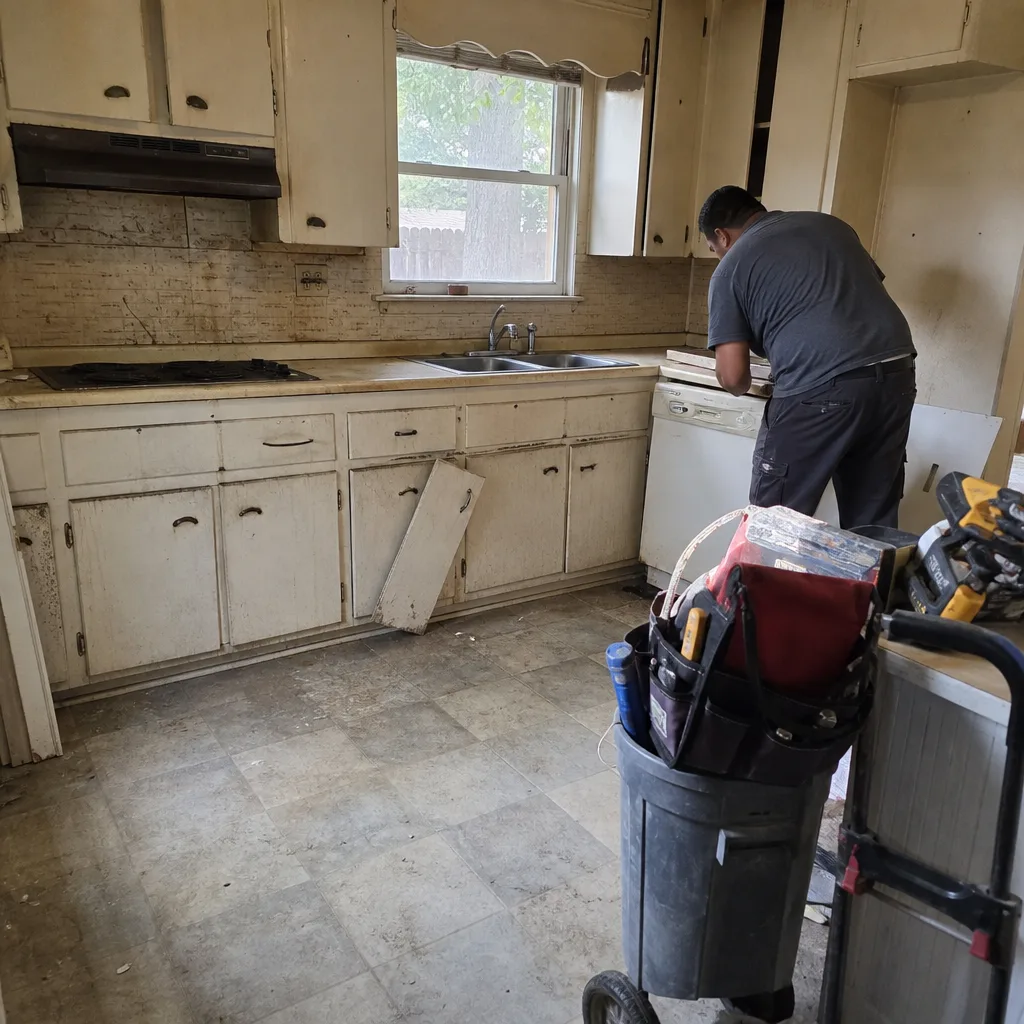 Before
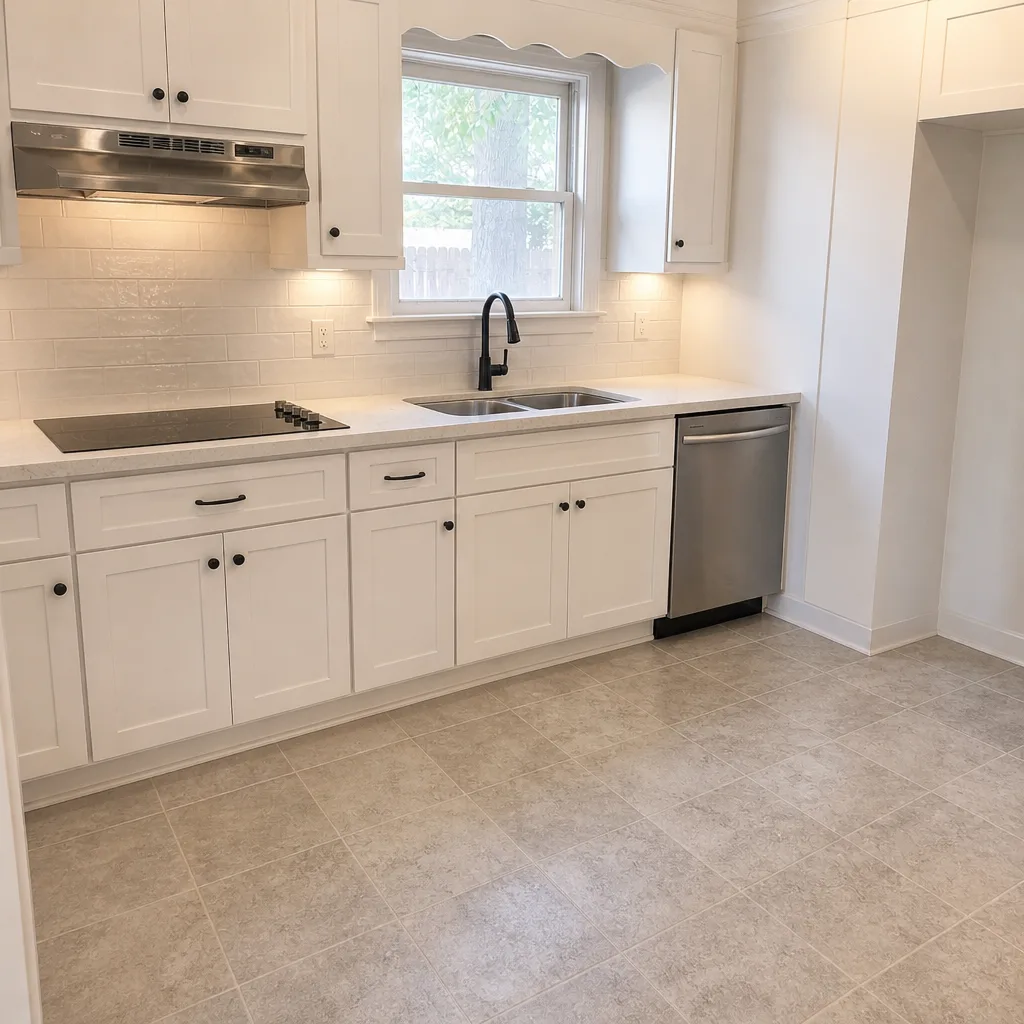 After
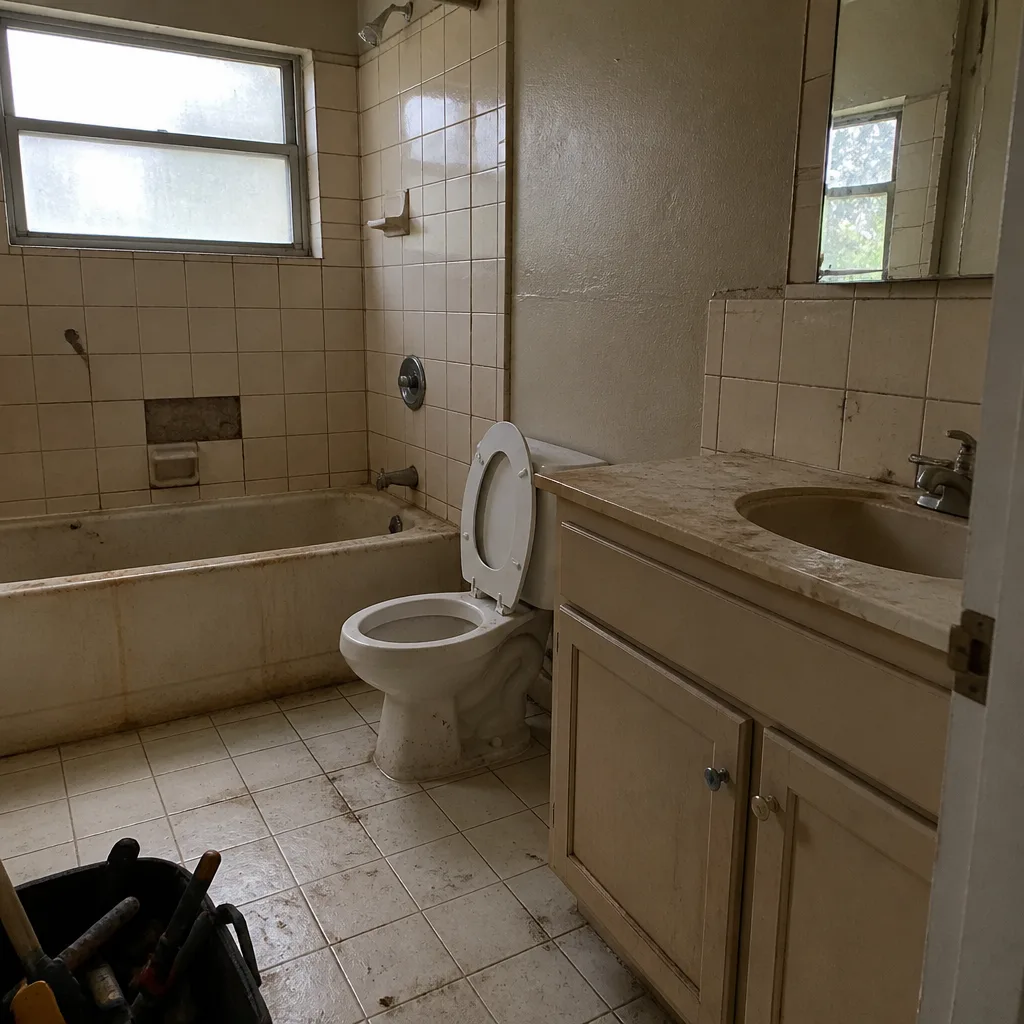 Before
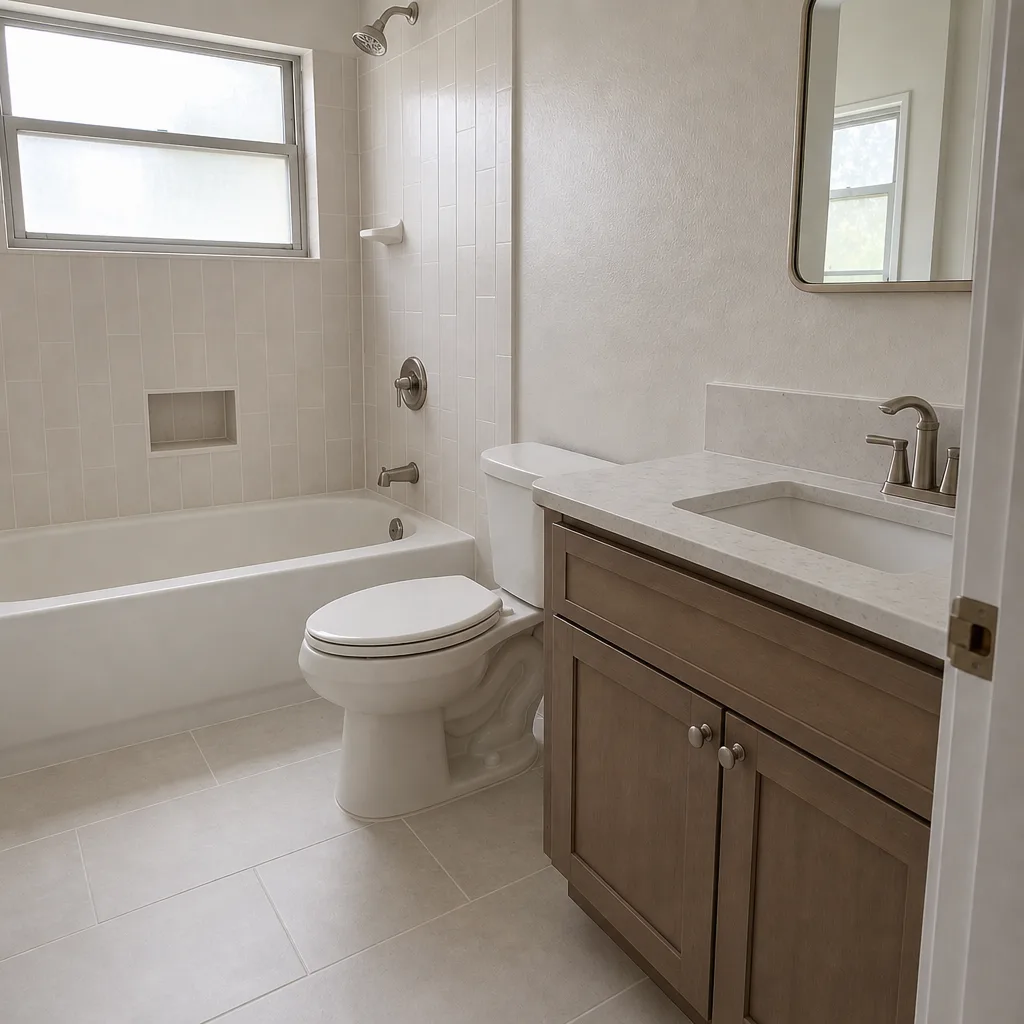 After
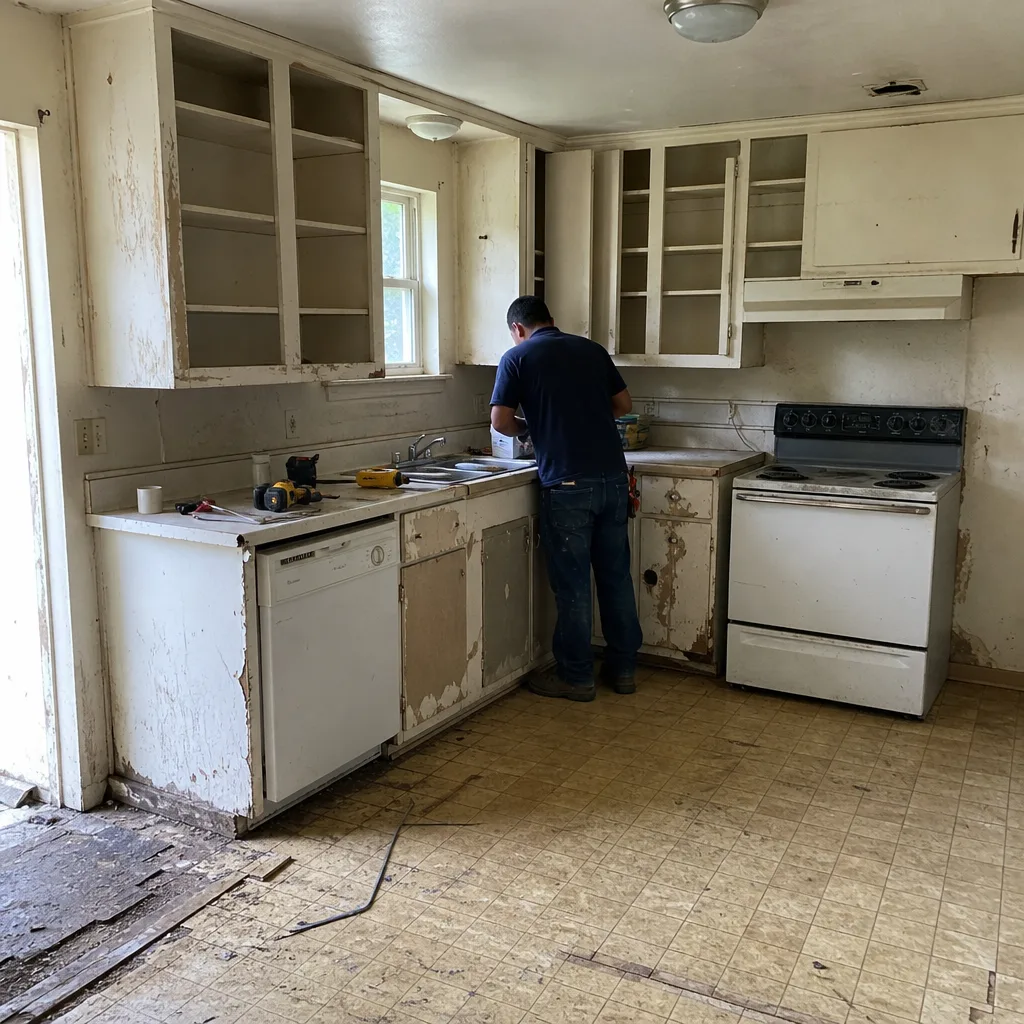 Before
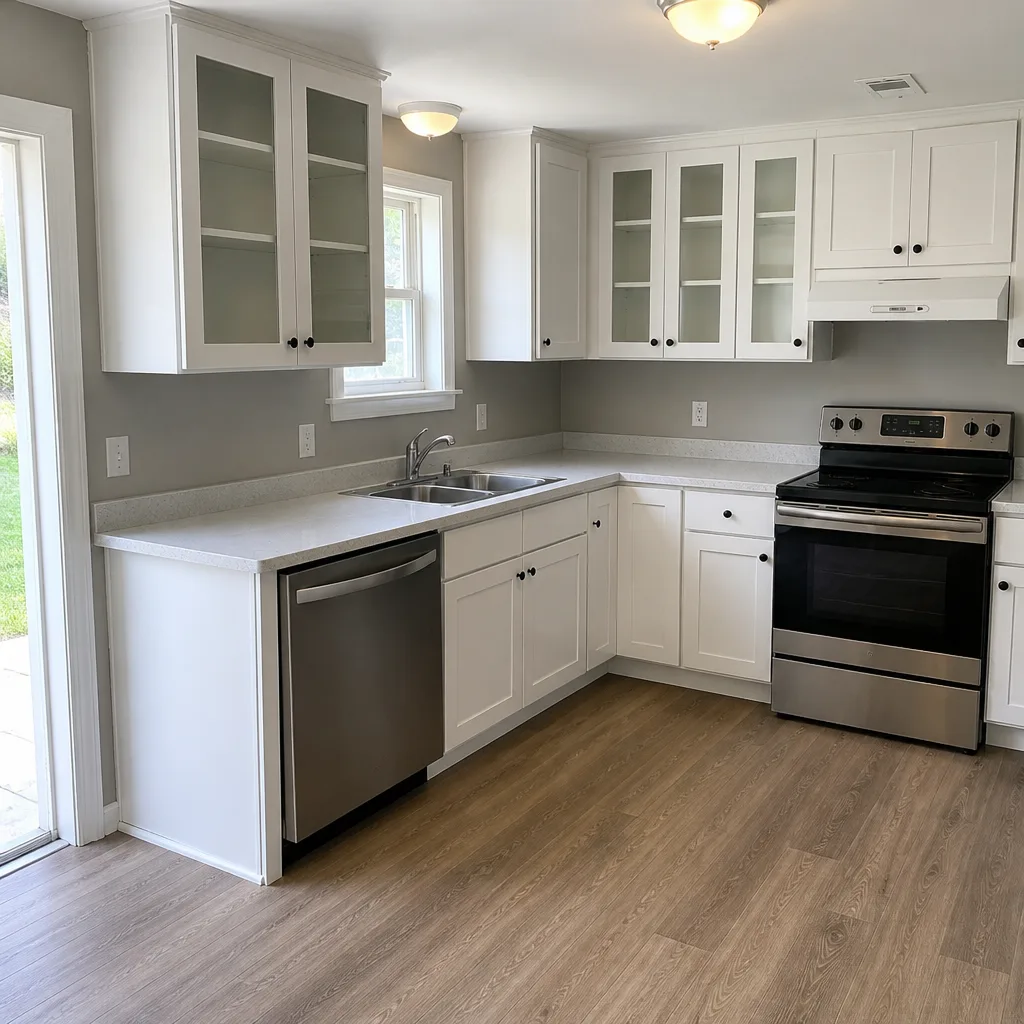 After
What Is Low-E Glass? The Answer Dallas Homeowners Actually Need
Low-E glass is window glass with an invisible metallic oxide coating that reflects heat while letting visible light through, and in Dallas the coating’s exact type and solar heat gain coefficient matter more than the label itself. The wrong Low-E build on a west-facing window can trap heat instead of blocking it, running your cooling bill up every summer. If you’re replacing windows in Dallas, call Groundwork Construction Co. of Dallas at (844) 797-4808 for a free estimate and a spec sheet you can read.
Here’s what most explanations skip: Low-E isn’t one product. It’s a spectrum of coatings, and Dallas’s climate asks a different question of each exposure on your house.
Hard-Coat vs. Soft-Coat Low-E: Why Dallas Windows Need the Right One
Two coating families exist, and they behave in opposite directions.
- Hard-coat (pyrolytic) Low-E fuses the coating into the glass while it’s still molten. It’s durable and lets more solar heat pass through, which is exactly what you want in Minnesota heating season.
- Soft-coat (sputtered) Low-E is applied in a vacuum chamber in ultra-thin layers and lives inside the sealed glass unit. It blocks far more solar heat, which is what Dallas south- and west-facing rooms need to stay livable from June through September.
For a Dallas home, the west side is where the wrong choice really shows up. A hard-coat window facing that 4 p.m. summer sun does a decent job of keeping light and a poor job of keeping heat out. A soft-coat unit with the right solar heat gain coefficient (SHGC) knocks the heat load down noticeably. The difference isn’t theoretical; it’s the room that stays 78°F instead of 84°F on an August afternoon. Our technicians have up to 12 years of experience installing both coating types, and we’ll tell you which exposure on your house needs which one.
What SHGC Range Is Correct for a Dallas Window?
Energy Star recommends an SHGC of 0.25 or lower for the South/Central climate zone, which covers Dallas. Here’s the problem: most homeowners buying windows in Dallas never hear that number, and some contractors won’t volunteer it. SHGC measures how much of the sun’s heat ends up inside your home. Lower means more blocking. An SHGC of 0.25 blocks 75% of solar heat gain; 0.40 lets in 40%.
The right spec also depends on which way the window faces. A north-facing Dallas window gets little direct sun, so a slightly higher SHGC lets in welcome daylight without overheating the room. South and west exposures are the priority for low SHGC. A simple reference:
| Dallas exposure | Priority | SHGC target |
|---|---|---|
| West (late-afternoon sun) | Block heat | 0.25 or lower |
| South (midday sun) | Block heat | 0.25 or lower |
| East (morning sun) | Moderate balance | 0.25-0.30 |
| North (indirect light) | Keep daylight | Can run higher, 0.30-0.40 |
Groundwork’s brand partners, including Andersen and Marvin, publish verified SHGC and U-factor data for every unit in their line. You get real specs on paper, not a sales pitch. That matters in a Dallas market where the numbers decide whether you save money or pay for glass that works against you.
The Attic Part of the Low-E Equation
Good glass only does so much when the rest of the house fights it. Dallas’s hot, humid summers push attics toward 140°F, and a poorly ventilated DFW attic radiates that heat back down into the rooms below, no matter how strong your window coating is. The best window package on the block can’t fix a ceiling assembly that’s cooking your living room. We advise on the whole-system interaction: attic ventilation, insulation, radiant barriers, and window spec working together.
This is also where Dallas separates from colder climates. Builders here design around heat gain and wind uplift rather than frost depth, because the clay-soil Blackland Prairie under most of the city shifts enough that even foundation work gets engineered for movement. A window island that’s correctly flashed and sealed is part of the same thinking, keeping Dallas’s summer heat where it belongs: outside. If you want the full scope of what we handle, our Windows & Doors team covers spec, install and seal in one visit.
Common Local Scenarios We See in Dallas
In Oak Cliff, we regularly come across pre-war bungalows where original single-pane glass has already been swapped once, poorly, so the Low-E seal is broken and the coating is gone. Replacing those with soft-coat units correctly spec’d for the exposures fixes a room that’s been hot for years.
Out in the 1950s-70s slab ranch tracts spread across the city, the south-facing front rooms often sit behind builder-grade windows with no real SHGC spec at all. That’s the house where Dallas summer heat gain shows up on every electric bill. For homeowners remodeling a kitchen or bath and thinking about the whole envelope, our Dallas service area page lays out how the trades connect. And when a client is weighing a larger project, the numbers below help frame the conversation:
- Window replacement: $4,500-$15,000
- Impact window installation: $8,000-$25,000
- Roof replacement, if hail or wind pushed the envelope further: $8,000-$20,000
Upfront pricing, no surprises. There’s also 0% financing for 18 months and $1,000 off projects over $10,000 to make the decision easier. All work is covered by the 730-Day Done Right Promise, and calls are answered by a live person 24/7, so you’re never stuck in a voicemail loop waiting on a question about SHGC.
Why the 730-Day Done Right Promise Covers Your Low-E Seal
Soft-coat Low-E lives inside the sealed space between panes. If that seal fails, the coating performance goes with it, and you’re looking at an out-of-pocket replacement unless someone stands behind the work. Our 730-Day Done Right Promise means a seal failure is a warranty call, not a surprise expense. That’s the point of a written guarantee: it covers what the spec sheet can’t promise on its own. Built to last, backed in writing.
FAQs
Low-E glass has a thin metallic oxide coating that reflects heat while letting light through, and yes, you need it in Dallas. With SHGC targeting 0.25 or lower on south and west exposures, it cuts the summer heat load that drives your cooling bill. Call (844) 797-4808 for a free estimate with real spec numbers.
Soft-coat Low-E is better for most Dallas homes because it blocks more solar heat on south- and west-facing windows. Hard-coat lets more heat in, which suits cold climates, not a Texas summer. Exposure by exposure, we’ll spec the right coating so the window works with your house instead of against it.
Window replacement in Dallas typically runs $4,500-$15,000, while impact window installation runs $8,000-$25,000. The final number depends on the count and size of units plus the coating spec you choose. Call (844) 797-4808 for an upfront quote, free and no pressure.
A failed Low-E seal generally means replacing the glass unit or the window, since the coating is applied inside the sealed space and can’t be restored once moisture gets in. Under the 730-Day Done Right Promise, a seal failure on our work is a warranty call. Call (844) 797-4808 to have it assessed.
Get a Straight Answer on Your Windows
If you’d rather have it looked at, Groundwork Construction Co. of Dallas offers a no-pressure assessment in Dallas and a spec sheet with verified SHGC data from our brand partners. From foundation to finish line, we handle the whole picture. Call (844) 797-4808 for a free estimate.
Written by the team at Groundwork Construction Co. of Dallas, serving Dallas, TX.