
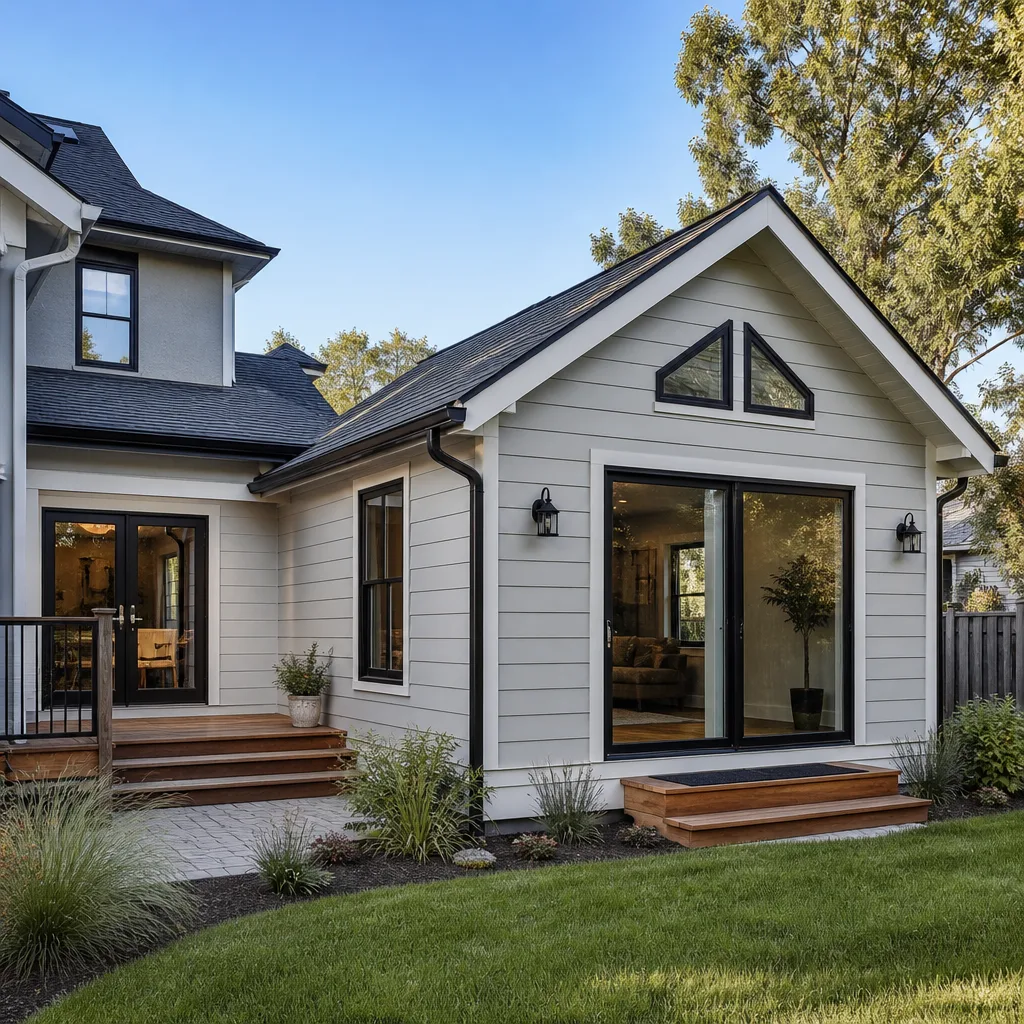
 Home additions & ADU
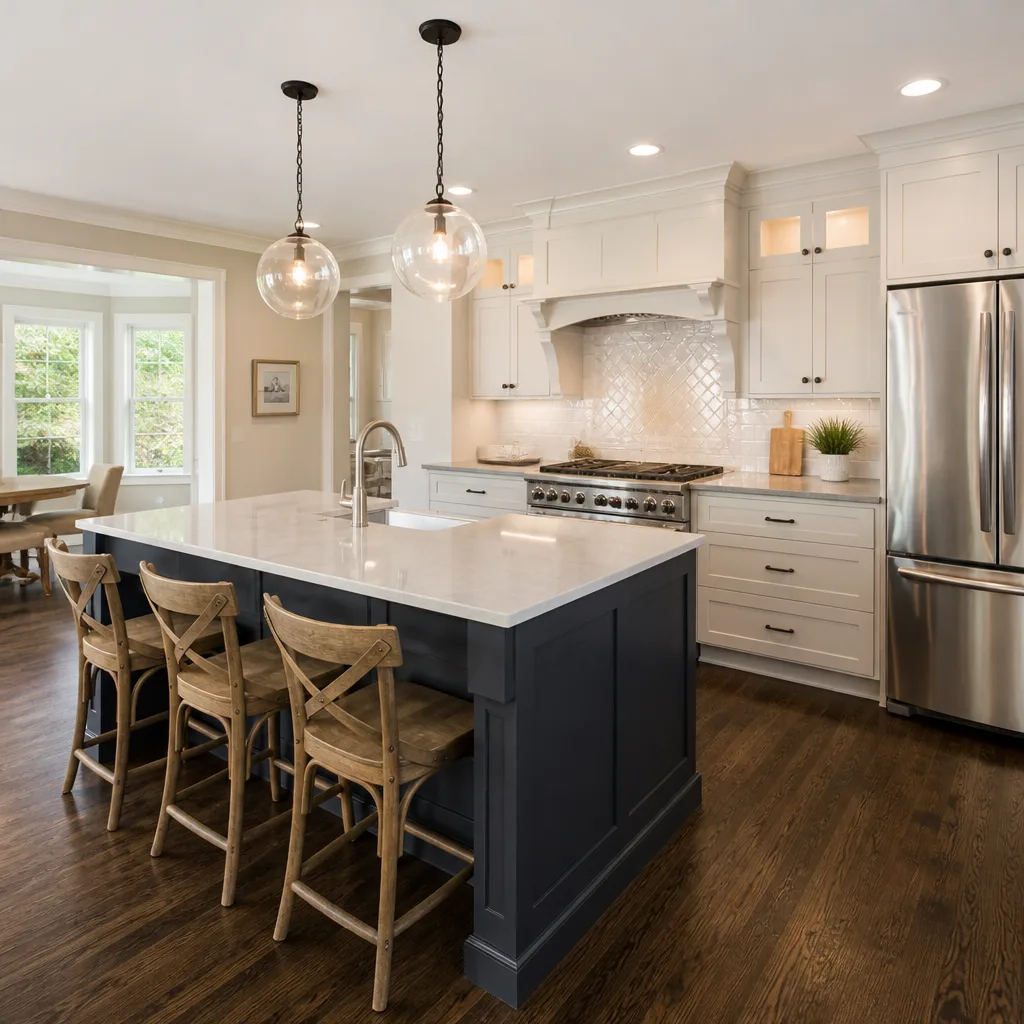 Kitchen remodeling
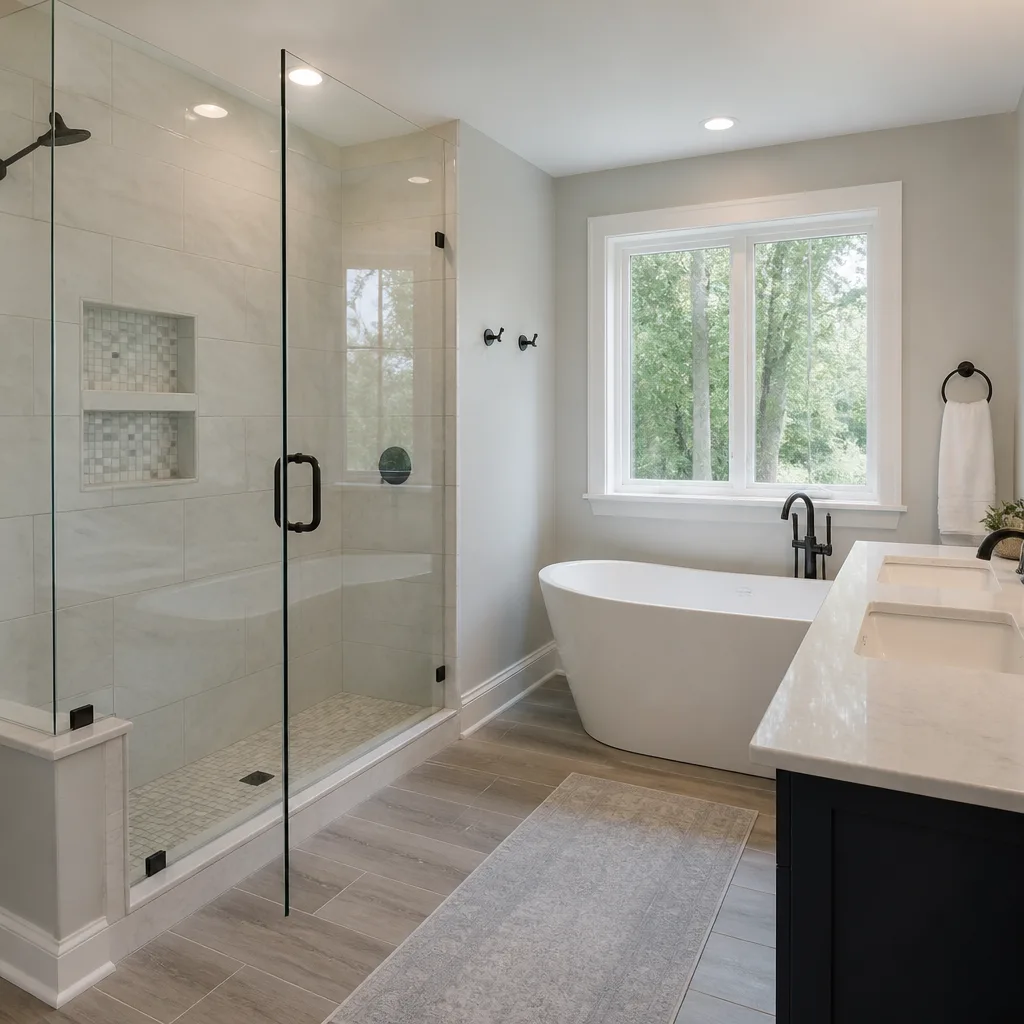 Bathroom remodeling
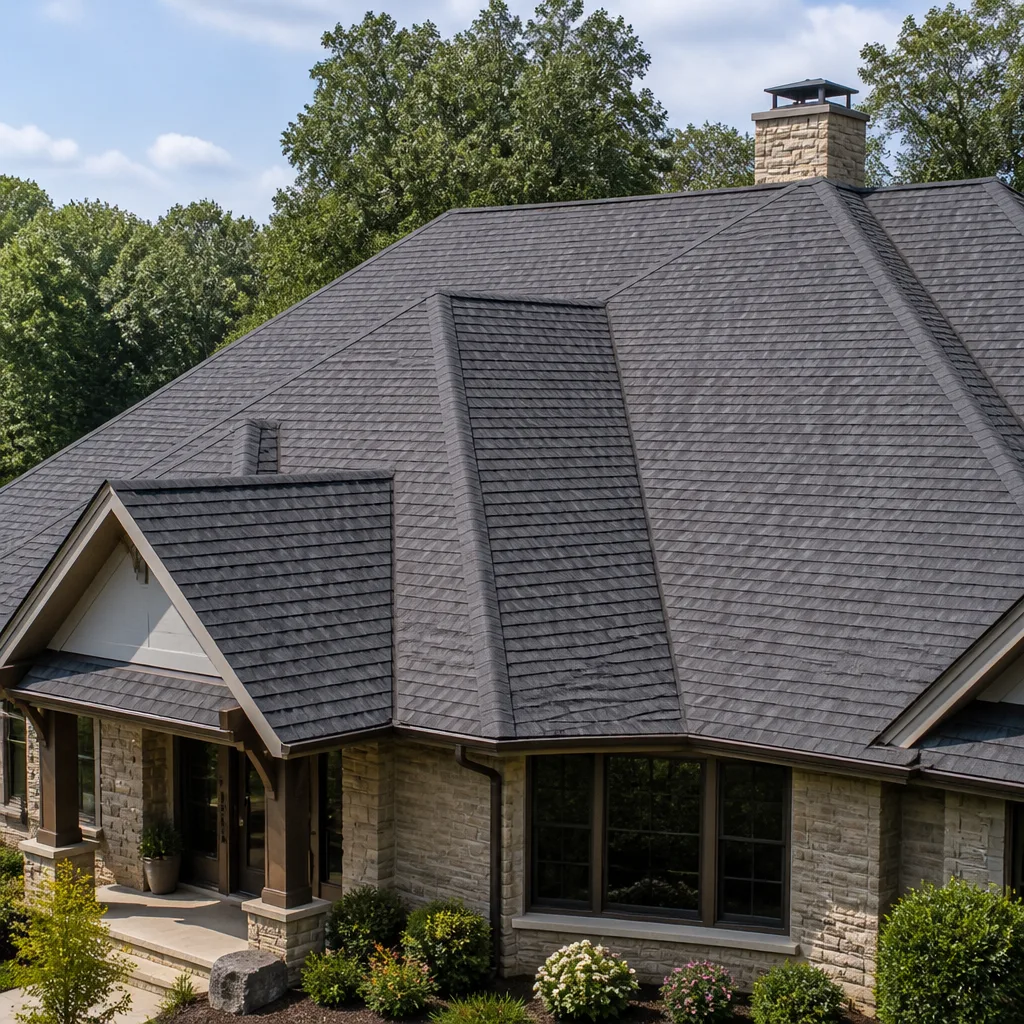 Roofing
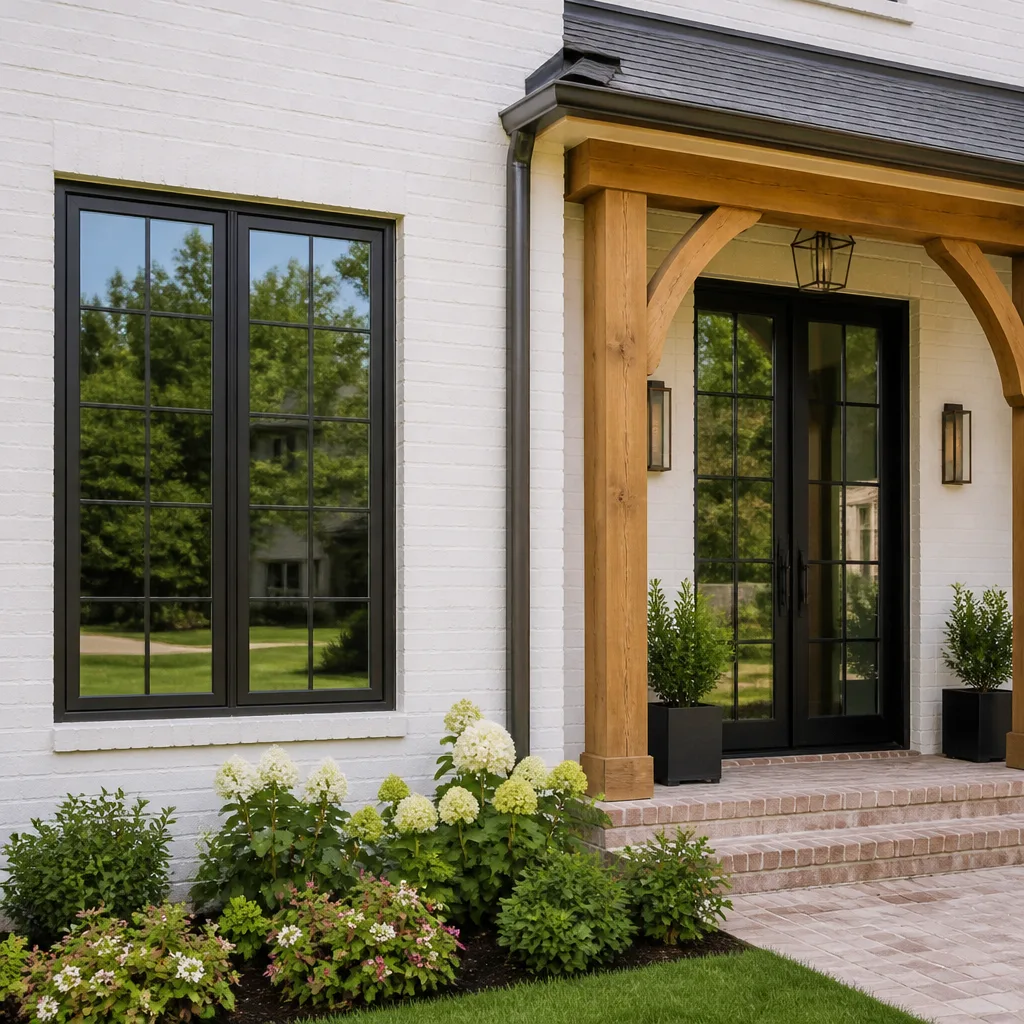 Windows & doors
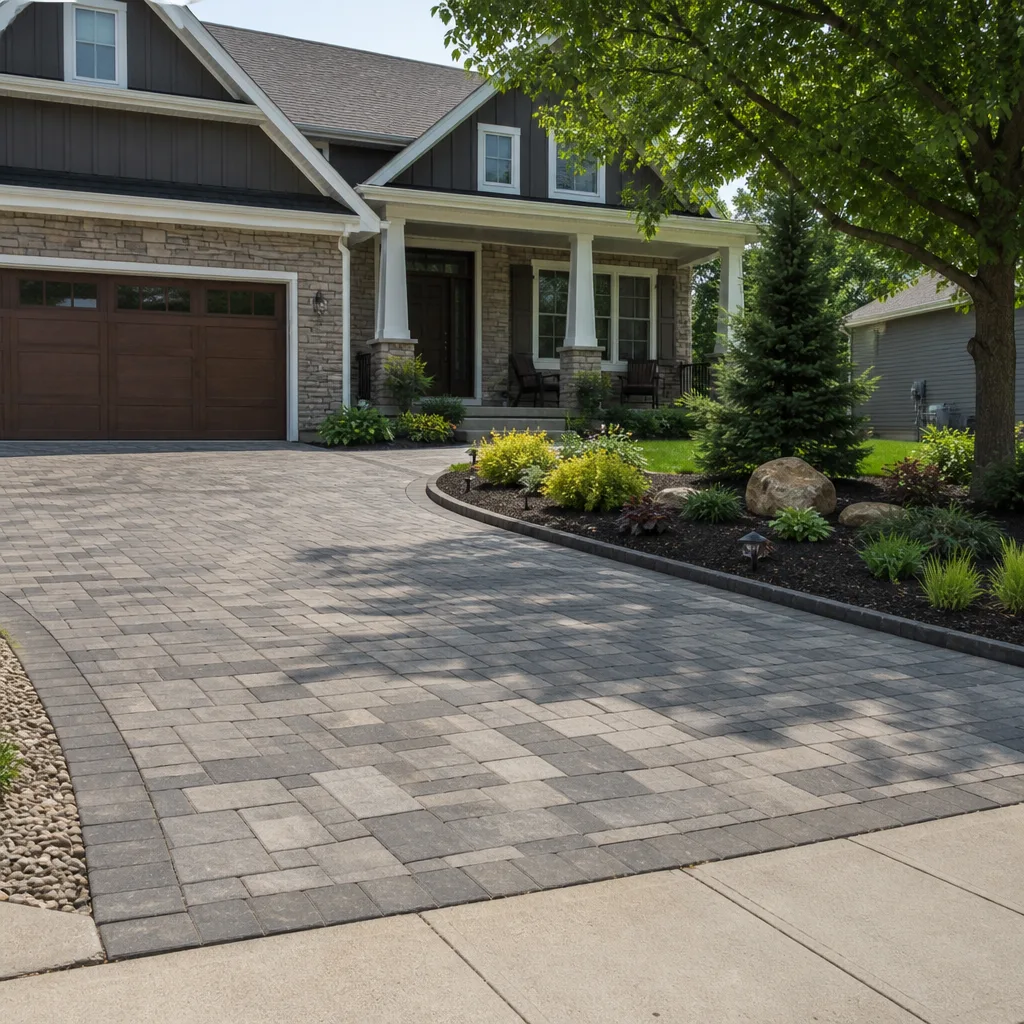 Driveway & pavers
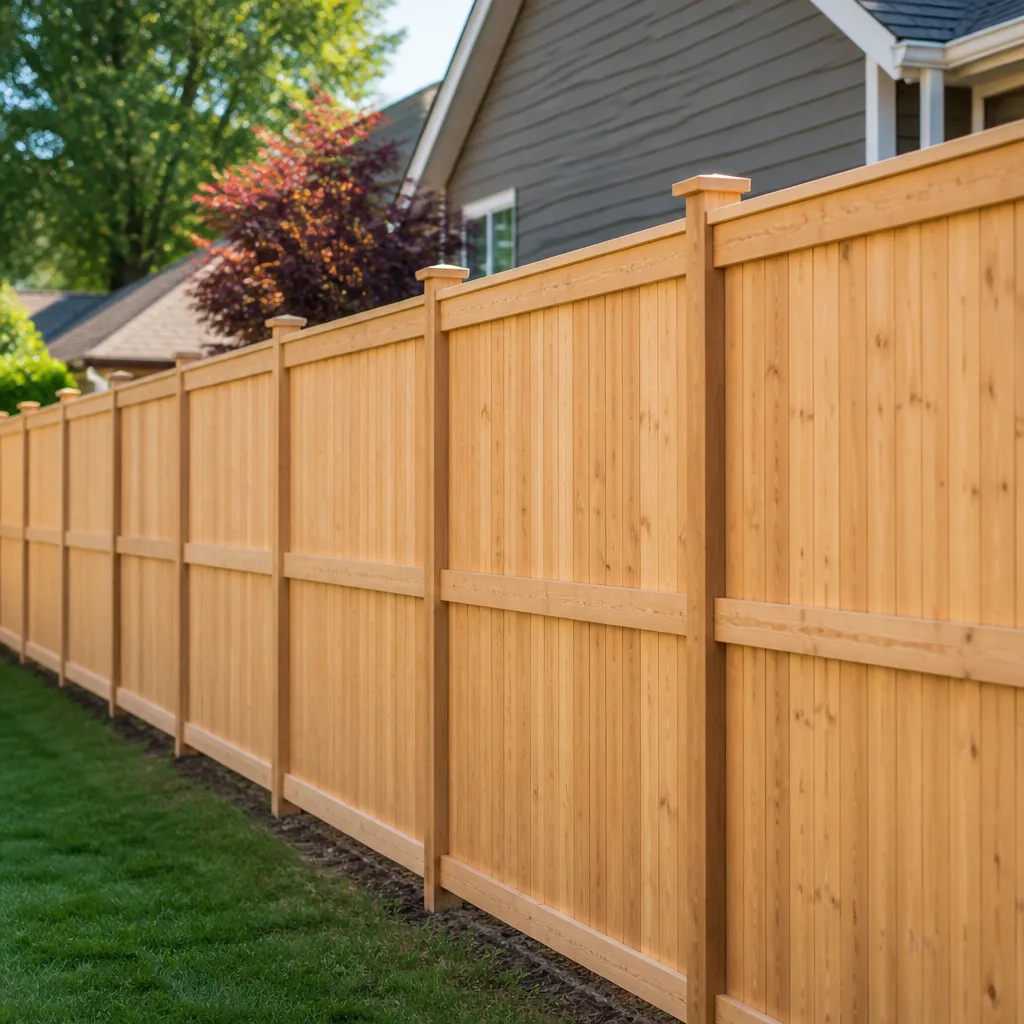 Fence
Free written scope consultation - allowances, timeline, and change-order rules on paper before a single trade is scheduled
Styles & brands we work with
- Kitchen remodeling
- Bathroom remodeling
- Home additions & ADU
- Roofing
- Windows & doors
- Driveway & pavers
- Fence
See the difference
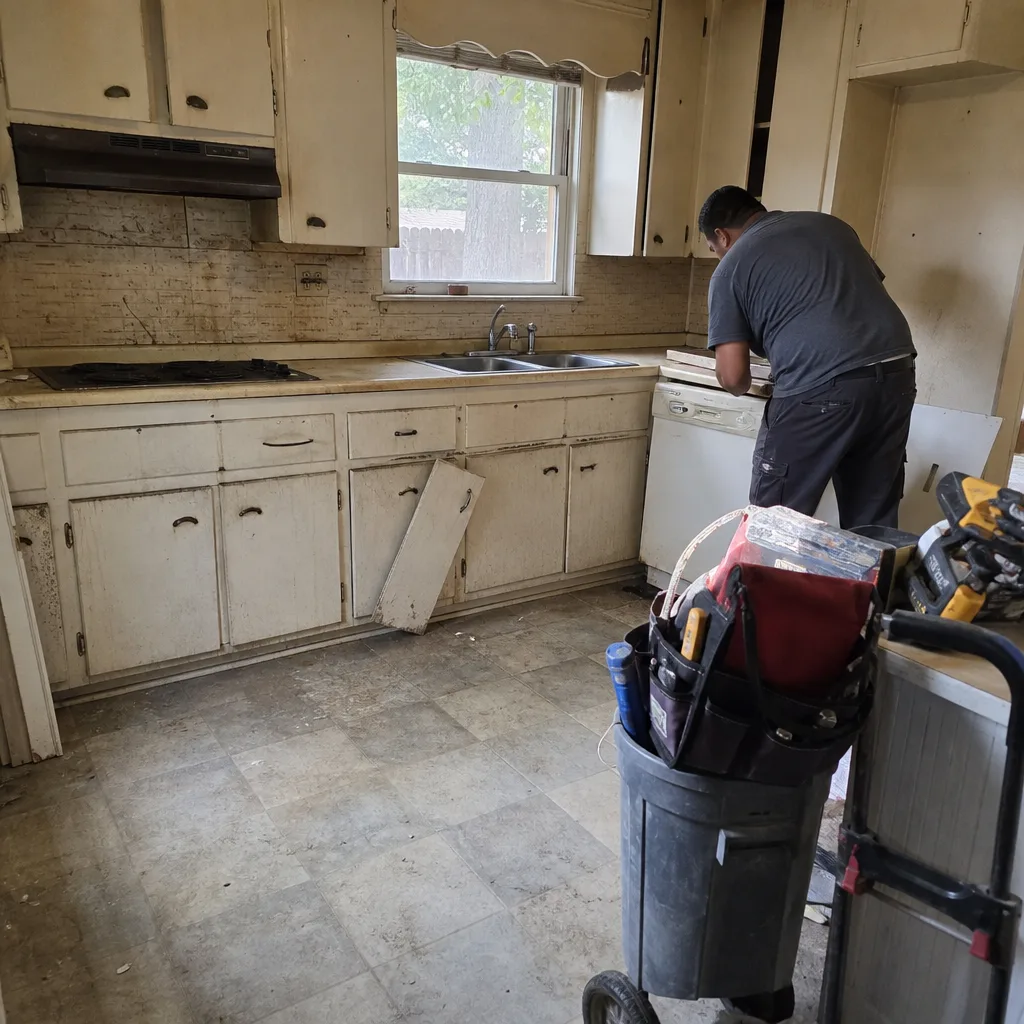 Before
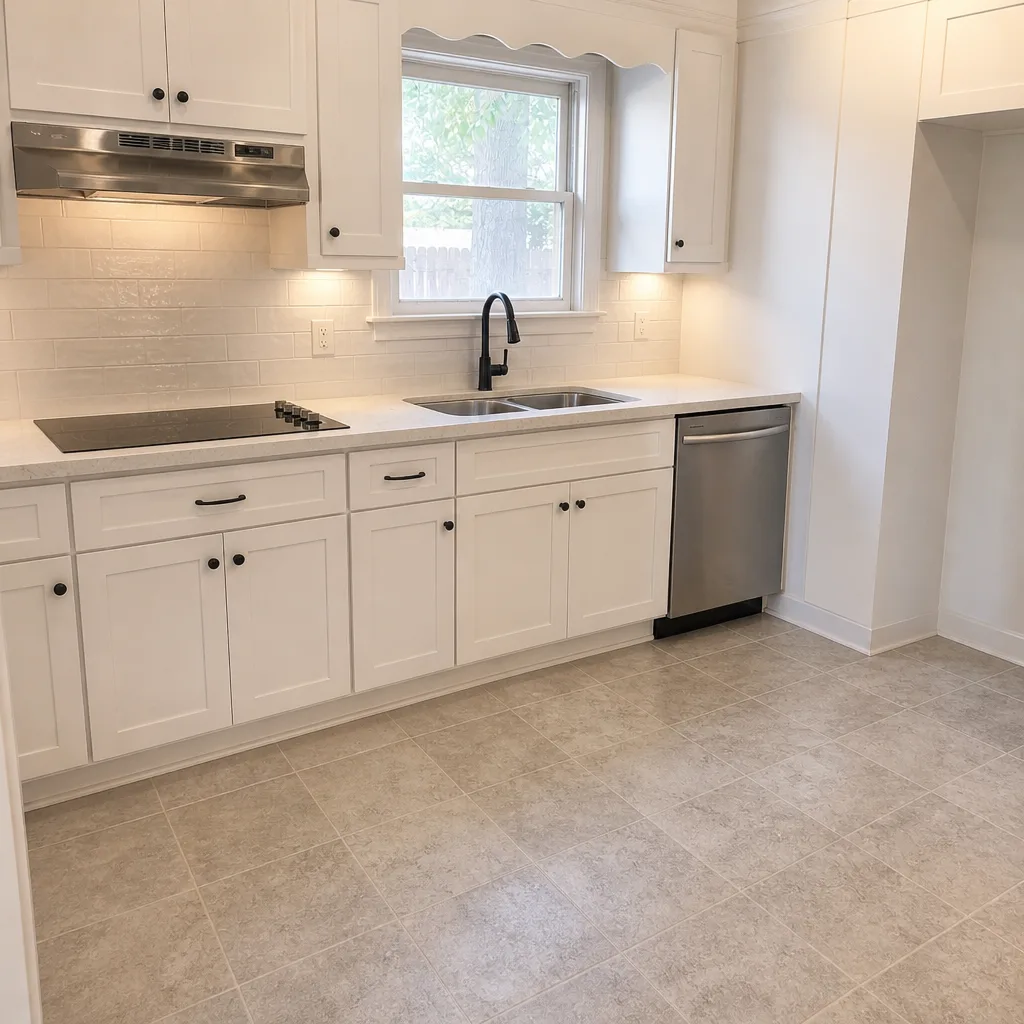 After
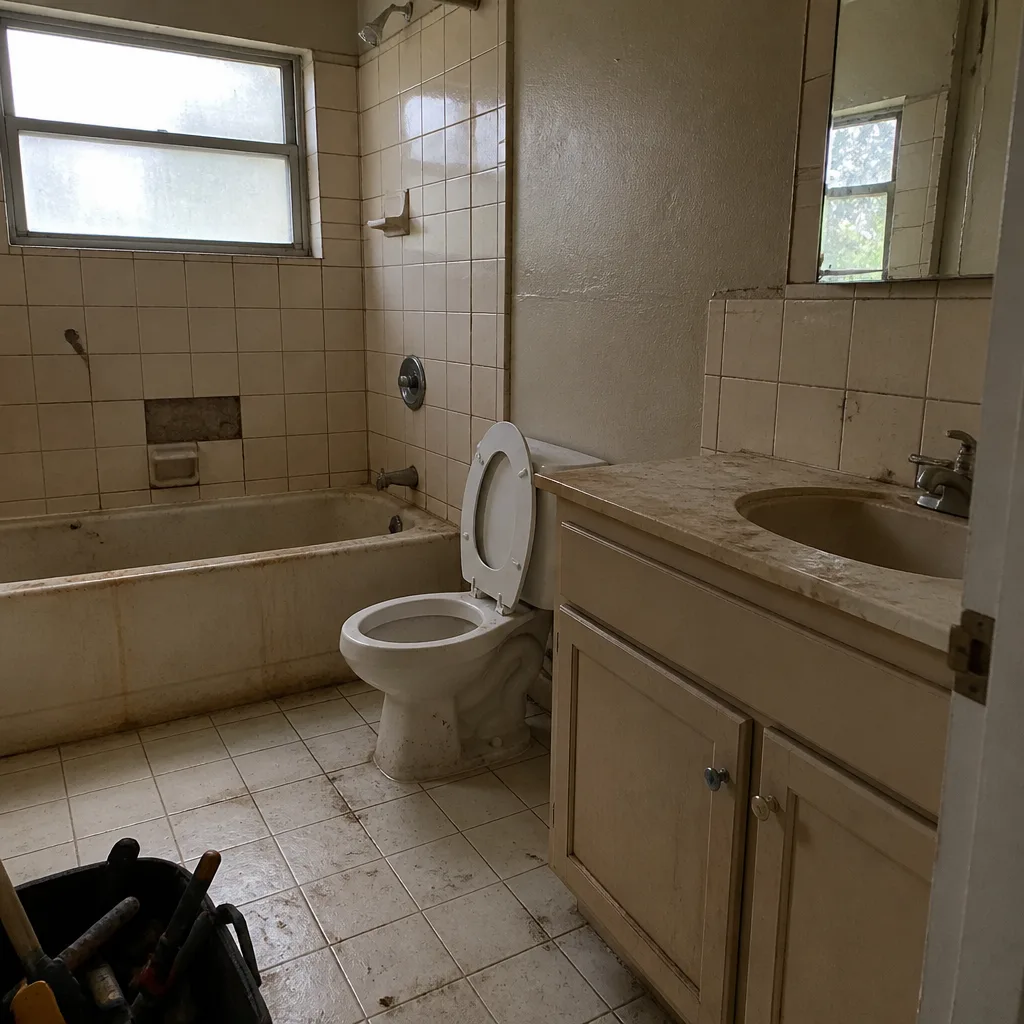 Before
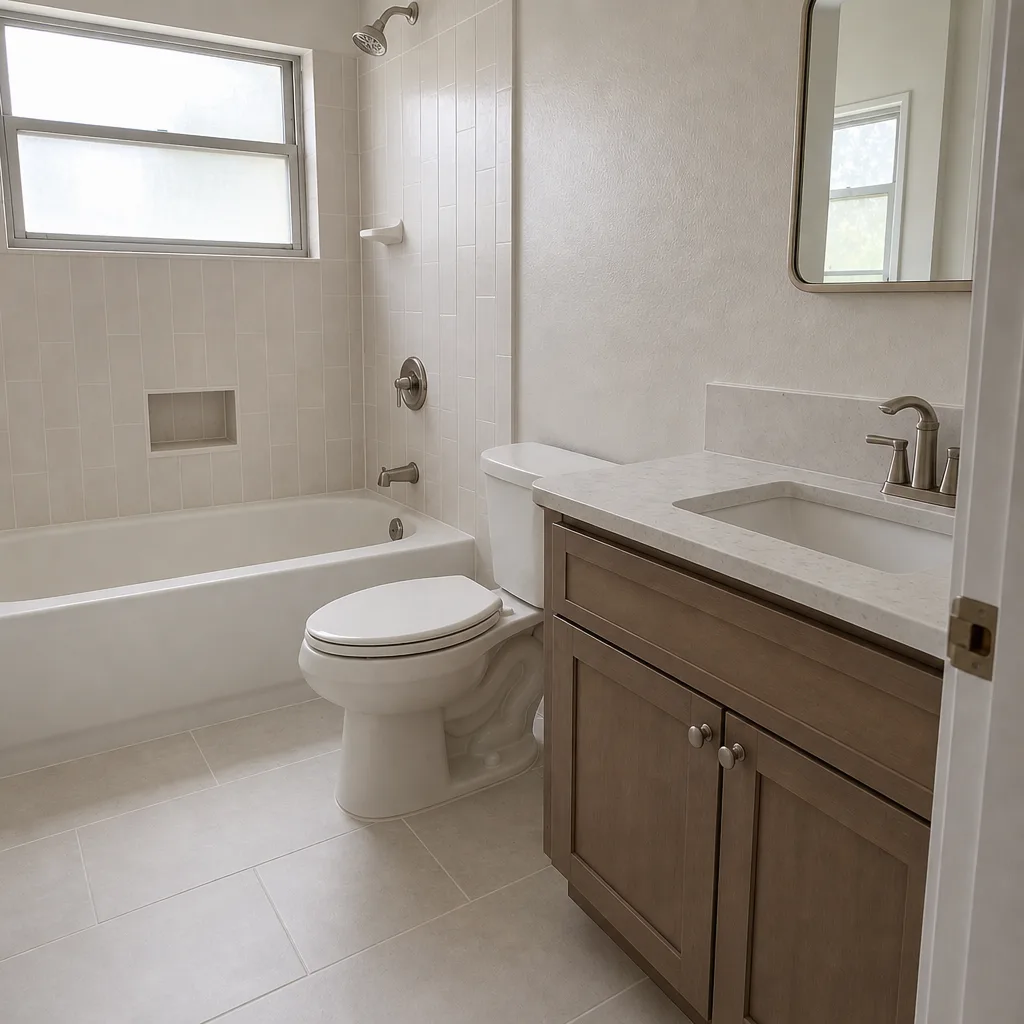 After
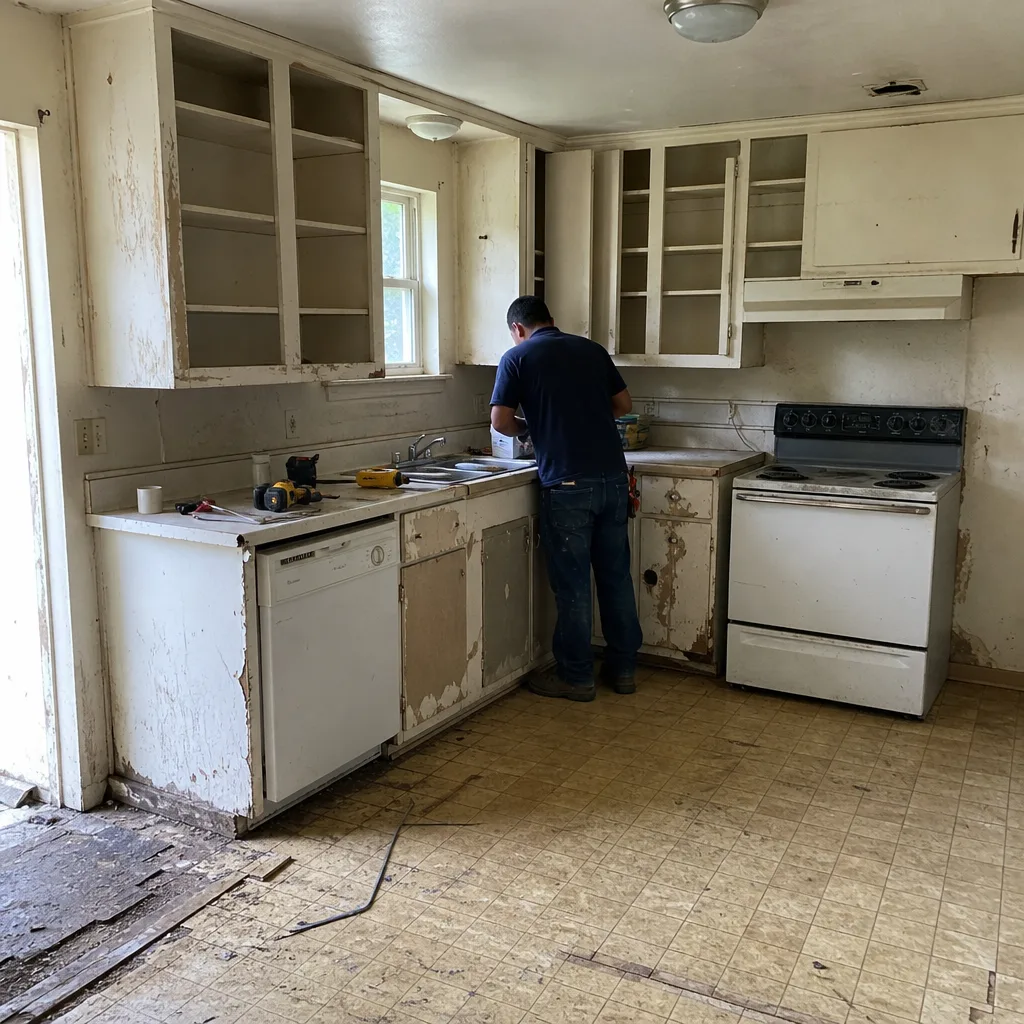 Before
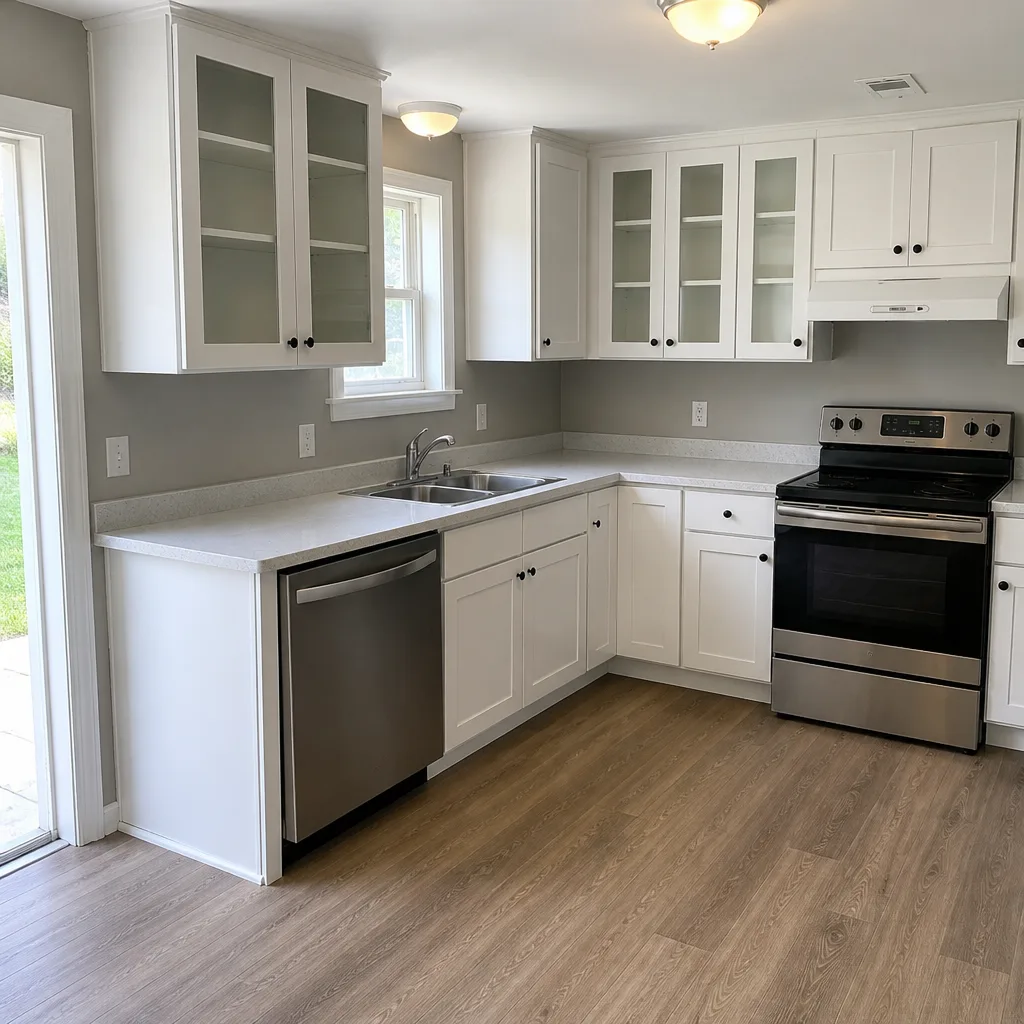 After
Home Depot Impact Windows vs Professional Installation in Dallas, TX: What Actually Holds Up
Choose a professional installation if the window needs to survive a Dallas hail or windstorm and still pass a Texas Windstorm Insurance Association (TWIA) wind claim – choose the big-box route only if you’re replacing a single non-impact window in a sheltered spot and understand you’re on your own for the installed-system certification. The short version: Home Depot can sell you an impact-rated product, but the rating that matters for insurance is the *installed assembly*, and that’s a different animal. Here in Dallas, where Blackland Prairie clay keeps moving under half the housing stock, the gap between “window that’s rated” and “window that’s still rated after installation” is the whole conversation. Call (844) 797-4808 and we’ll walk through which one your house actually needs.
Why an impact window’s certification lives or dies at install time
Most homeowners assume impact rating is a sticker on the glass. It isn’t. Impact certification is tested on a complete assembly: the glass, the frame, the anchor spacing, the depth of the rough opening buck, and the sealant type all get evaluated together. Pull any of those out of spec and the product loses its certification in the field – even though the label on the sash still says “impact-rated.”
That matters in Dallas because severe spring hail and straight-line windstorms are the events your insurance policy is priced around. When a claim gets filed and the adjuster asks whether the installation met the manufacturer’s wind-uplift and TDI (Texas Department of Insurance) spec, an anchor pattern that was eyeballed rather than measured can sink the claim. We’ve seen it happen: a homeowner pays for impact glass, files after a hail event, and finds out the frame wasn’t fastened to the tested pattern, so the coverage doesn’t apply the way they expected.
What professional installation actually buys you is that the anchor spacing, buck depth, and sealant callout come straight off the manufacturer’s published installation instructions – not off a YouTube video or a subcontractor’s memory. That’s the difference between a window that’s impact-rated on paper and one that’s impact-rated on your house.
The Dallas-specific problem big-box crews don’t fix: shifted rough openings
Dallas sits in the middle of the Blackland Prairie, where expansive clay soil swells and shrinks dramatically with every wet-dry cycle. That’s why foundation work – post-tension slabs, drilled piers, root barriers – is baked into nearly every construction project here in a way it isn’t in the limestone Hill Country to the south or the sandy Piney Woods to the east. It’s also why you’ll see stair-step brick cracks and sticking doors show up within a few dry summers on homes that weren’t built for the soil.
A code-compliant impact installation requires a plumb, level, properly dimensioned rough opening. When the slab has shifted a half-inch, the opening a big-box installation crew finds on arrival is rarely the one the tape measure wants. On a Home Depot installation job, the crew that shows up is very often a third-party subcontractor – not a Home Depot employee – and their scope usually doesn’t include re-squaring a rough opening. They set the window, seal it, and drive away. The opening is now holding a window that’s slightly out of plane, which stresses the frame, compromises the sealant line, and quietly voids the tested configuration.
This is the part nearly every “Home Depot vs pro installer” comparison online skips, because it’s easier to compare sticker prices than to talk about soil mechanics. But in Dallas, the soil mechanics are the comparison.
Side-by-side: what you’re actually comparing
| Factor | Home Depot installation | Groundwork Construction Co. of Dallas |
|---|---|---|
| Who shows up | Usually a third-party installation subcontractor; homeowners have little visibility into who’s actually doing the work | Background-checked, uniformed technicians on every job – the same crew from consult to walkthrough |
| Workmanship warranty | Typically 1 year on labor | 730-Day Done Right Promise – if it’s not done right, we make it right, for two full years |
| Rough opening prep | Rarely includes re-squaring an opening shifted by clay-soil movement | Opening checked for plumb, level, and dimension before the frame goes in; corrected if it isn’t |
| Permits | Usually the homeowner’s responsibility; often skipped | We pull them – no permit surprise at resale |
| Product warranty maintained | Depends on whether the install matched spec | Andersen and Marvin product warranties stay intact because we install to manufacturer spec |
| Pricing | Often assembled from stock SKUs; surprises at the counter | Upfront pricing, no surprises – the number you see is the number you pay |
On cost, the honest range for impact window installation in Dallas is $8,000-$25,000 depending on window count, size, and how much opening repair is needed. Standard window replacement runs $4,500-$15,000. A big-box bid can come in lower at the counter, but it rarely accounts for re-squaring, permit pulling, or the cost of a failed certification later. If you’re budgeting the whole scope, our Windows & Doors page breaks down what’s included in each tier.
The warranty chain is where the real cost hides
Home Depot’s installation warranty is typically 1 year on labor. Andersen and Marvin, meanwhile, back their windows with product warranties that assume the window was installed correctly. If a third-party crew cut corners on the anchor pattern, the product warranty can be denied on the grounds that the install wasn’t to spec – which leaves the homeowner holding a very expensive piece of glass with no recourse on either side of the chain.
The 730-Day Done Right Promise exists precisely to close that gap. Two full years of workmanship coverage is one of the longest residential guarantees out there, and it means a problem that shows up after the first Dallas summer – a leak at the frame, a sealant line that cracked, a sash that no longer closes true – gets fixed rather than shrugged at. It also means the brand partners we install (Andersen, Marvin, and the rest) stay accountable, because we kept their product inside its tested envelope.
One more thing worth saying out loud: when a Home Depot job goes sideways, you don’t always know who to call, because the crew that installed it was a subcontractor whose name may not even be on your paperwork. Live person, 24/7 – that’s the standard we hold, and it’s the practical reason homeowners compare these two options in the first place.
What to check before you sign either contract
- Ask who actually installs. If it’s a subcontractor, ask for the crew name and whether they’re background-checked.
- Ask for the anchor pattern in writing. The manufacturer’s installation instructions specify spacing; a good installer will show you they followed it.
- Ask about rough opening prep. If the answer is “we just set the window,” keep shopping. In Dallas, clay movement is the rule, not the exception.
- Ask who pulls the permit. Skipping it is a cheap way to save a few hundred dollars and a painful surprise at resale.
- Ask what the labor warranty actually covers, and for how long. One year versus two years is a different risk profile.
If you’re still deciding whether impact glass is worth it at all, our Dallas service area page has neighborhood-level context on how the housing stock – pre-war pier-and-beam bungalows down in Oak Cliff and East Dallas, 1950s-70s slab-on-grade ranch tracts, and the new infill going up all over town – changes what makes sense.
FAQs
It can be, on paper – but only if your installer is licensed, pulls the permit, and installs to the manufacturer’s tested anchor and sealant spec. The catch is that impact certification is an installed-system rating, so a cheaper install that misses spec can void the product warranty and sink a wind claim. Call (844) 797-4808 for a free estimate and a straight comparison of total cost.
Often, yes. Blackland Prairie clay moves enough that many Dallas slabs have shifted the rough opening out of plumb by the time windows get replaced, and an impact installation requires a plumb, level opening to keep its certification. Professional installers check and correct the opening first; big-box subcontractors typically don’t. Call (844) 797-4808 and we’ll take a look before you commit.
Impact window installation in Dallas typically runs $8,000-$25,000 for a full home, and standard window replacement runs $4,500-$15,000. The higher end usually reflects larger openings, more windows, or rough-opening repair tied to foundation movement. Call (844) 797-4808 for an exact quote – the estimate is free, and the number you see is the number you pay.
Possibly not – and that’s the risk most homeowners don’t price in. Impact certification is tested on the installed assembly, so if the anchor spacing, buck depth, or sealant type doesn’t match the manufacturer’s instructions, the assemblies can fall outside the tested configuration at claim time. Call (844) 797-4808 and we’ll make sure yours is installed to spec the first time.
If you’d rather have it looked at, Groundwork Construction Co. of Dallas offers a no-pressure assessment in Dallas – call (844) 797-4808. Our technicians have up to 12 years of experience, we pull our own permits, and every install is backed by the 730-Day Done Right Promise.
Written by the team at Groundwork Construction Co. of Dallas, serving Dallas, TX.