
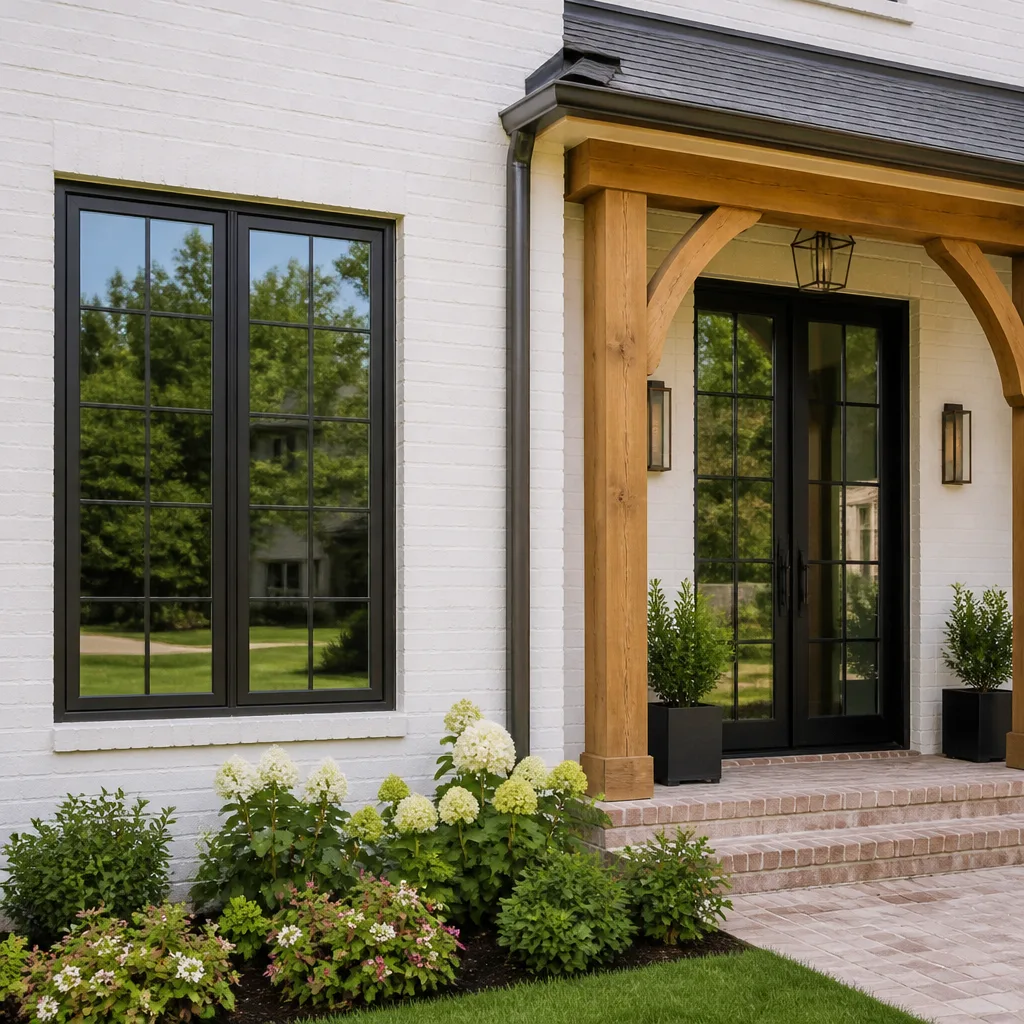
 Windows & doors
 Kitchen remodeling
 Bathroom remodeling
 Home additions & ADU
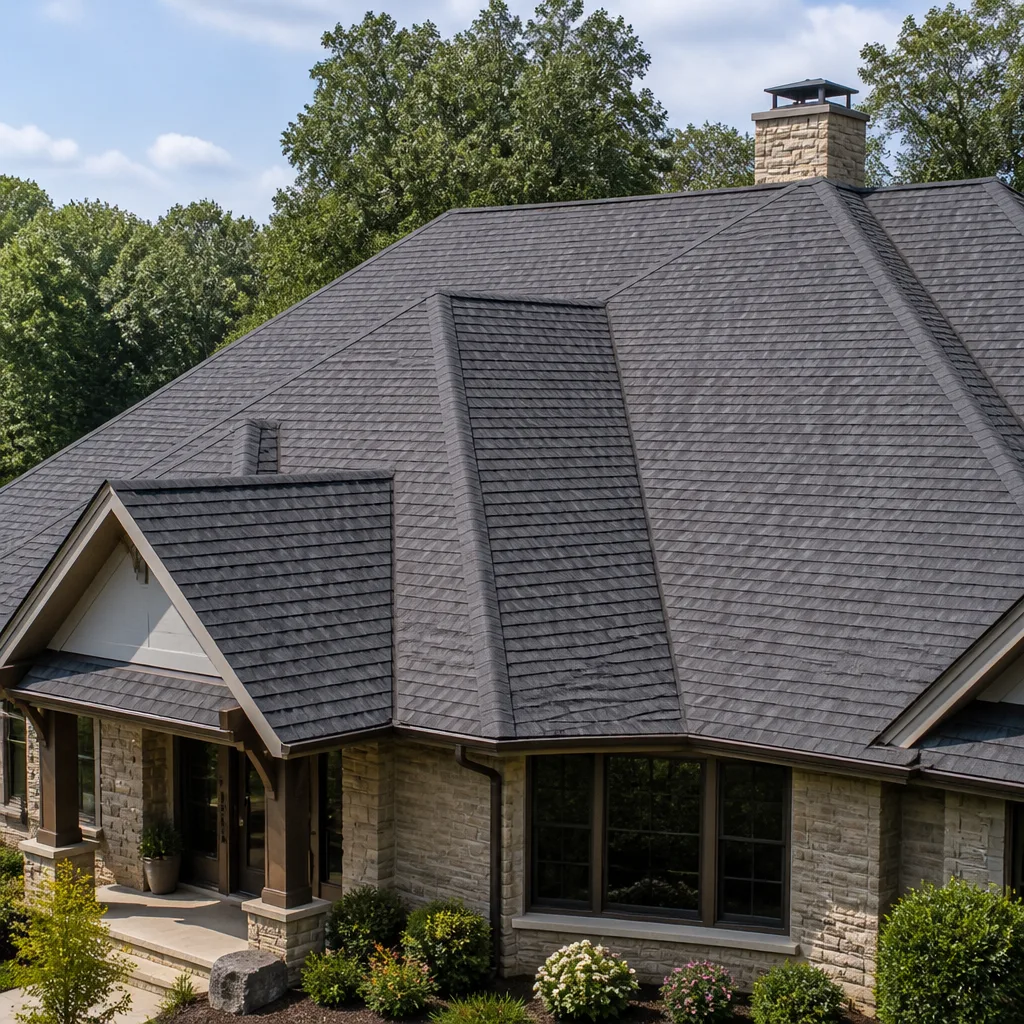 Roofing
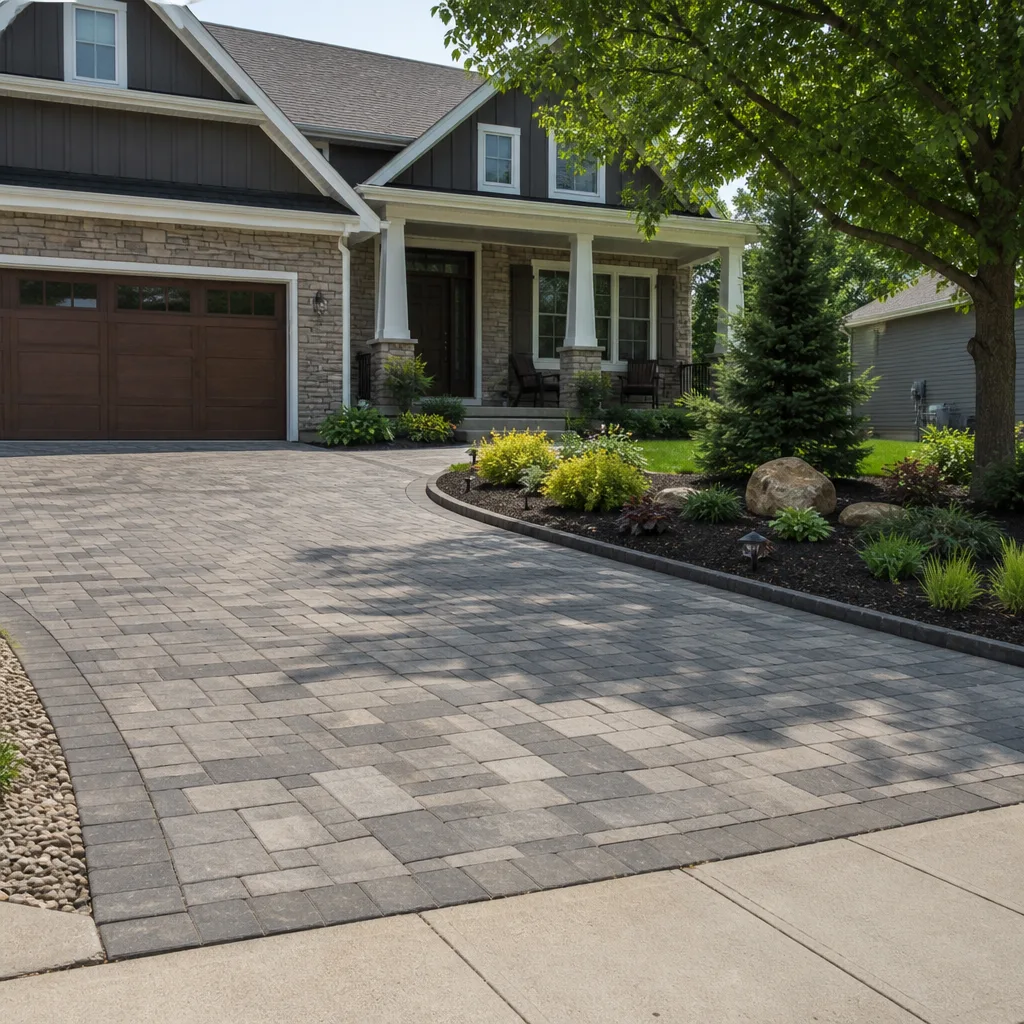 Driveway & pavers
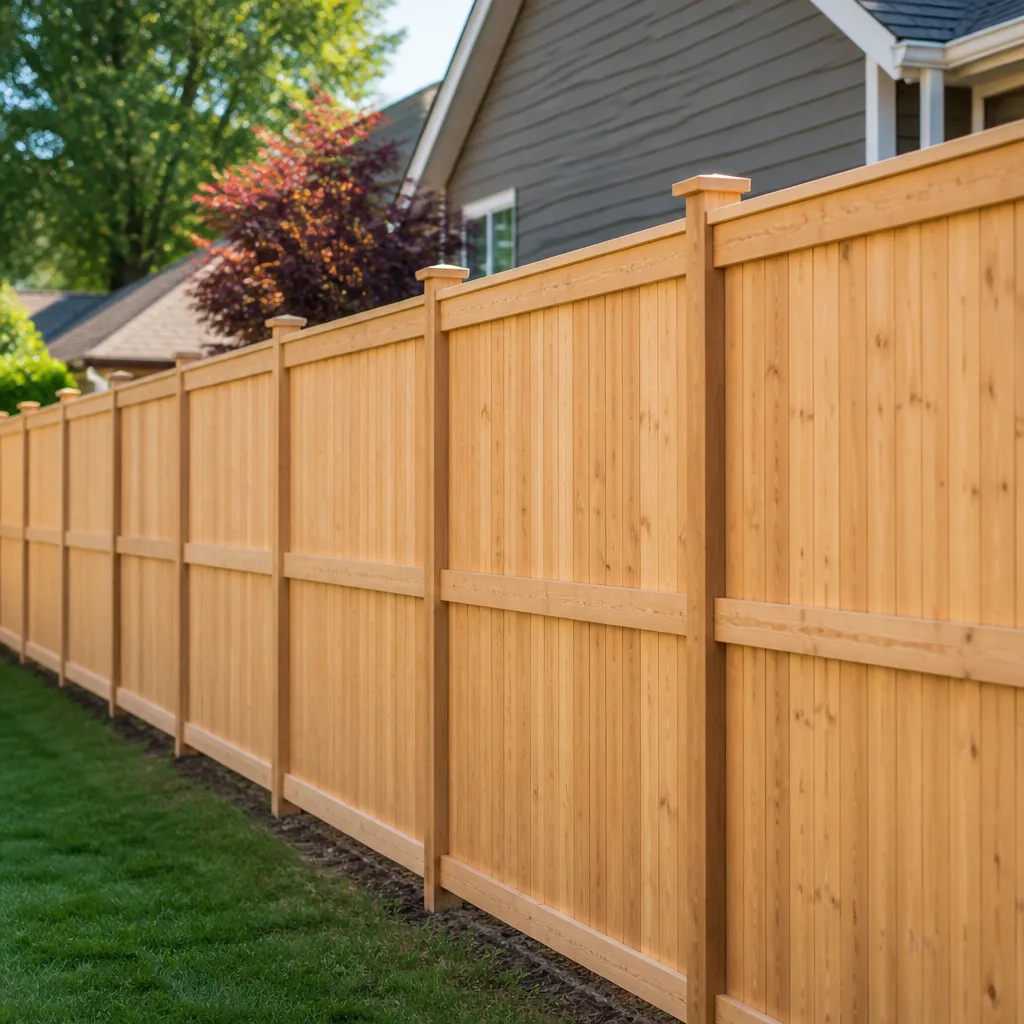 Fence
Free written scope consultation - allowances, timeline, and change-order rules on paper before a single trade is scheduled
Styles & brands we work with
- Kitchen remodeling
- Bathroom remodeling
- Home additions & ADU
- Roofing
- Windows & doors
- Driveway & pavers
- Fence
See the difference
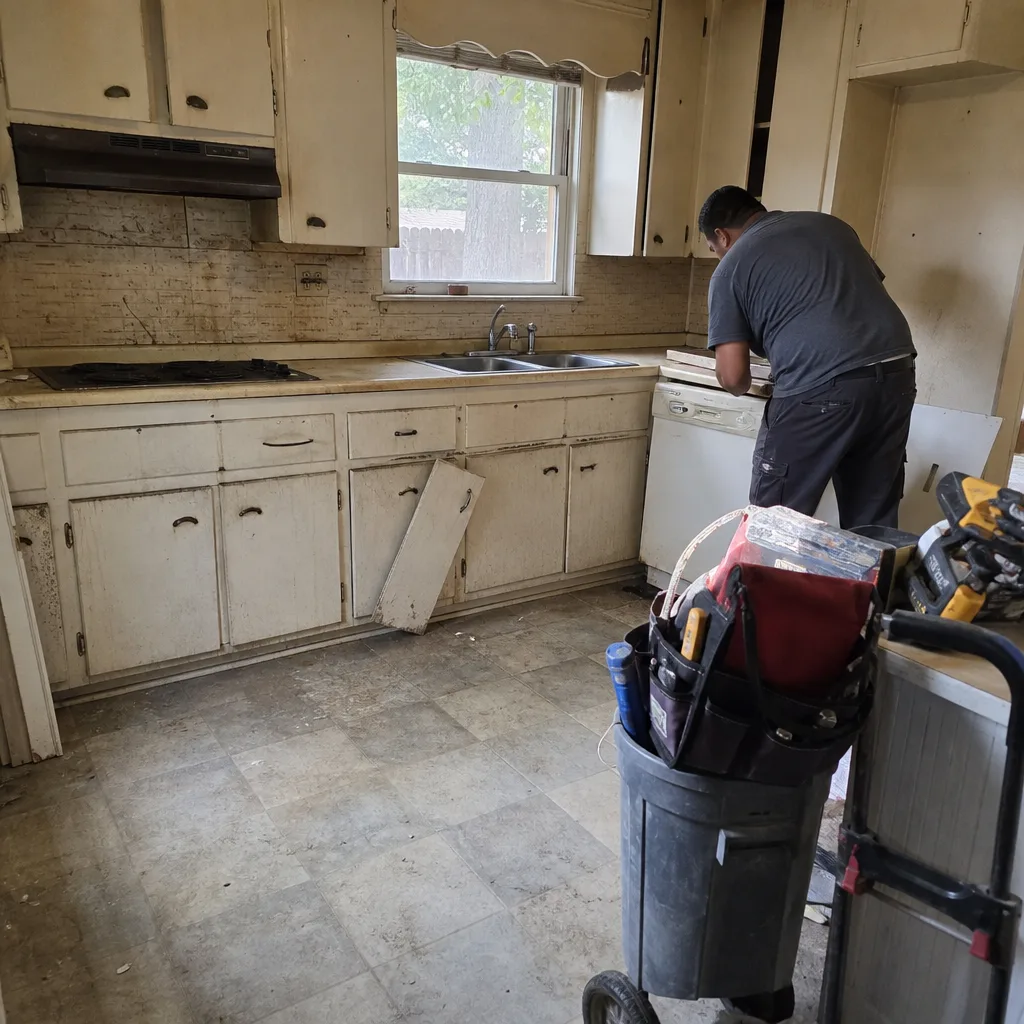 Before
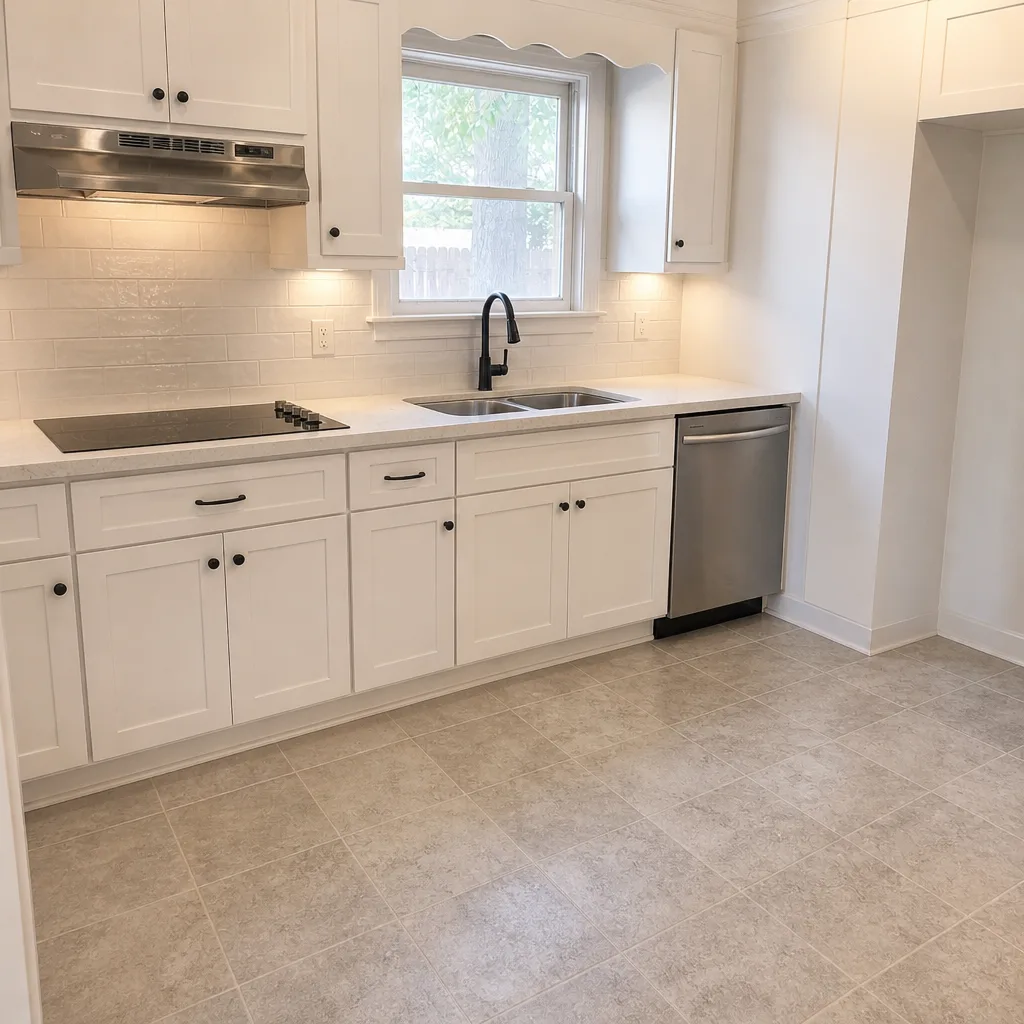 After
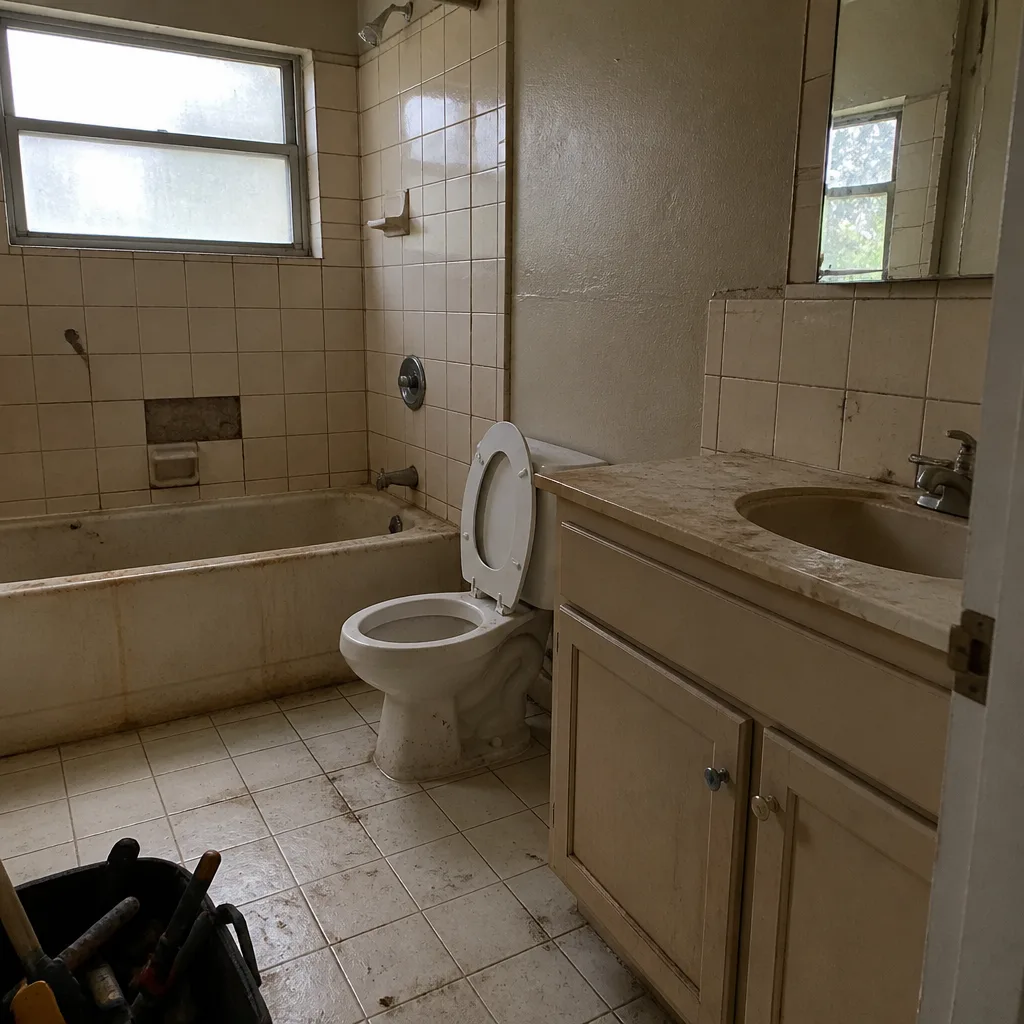 Before
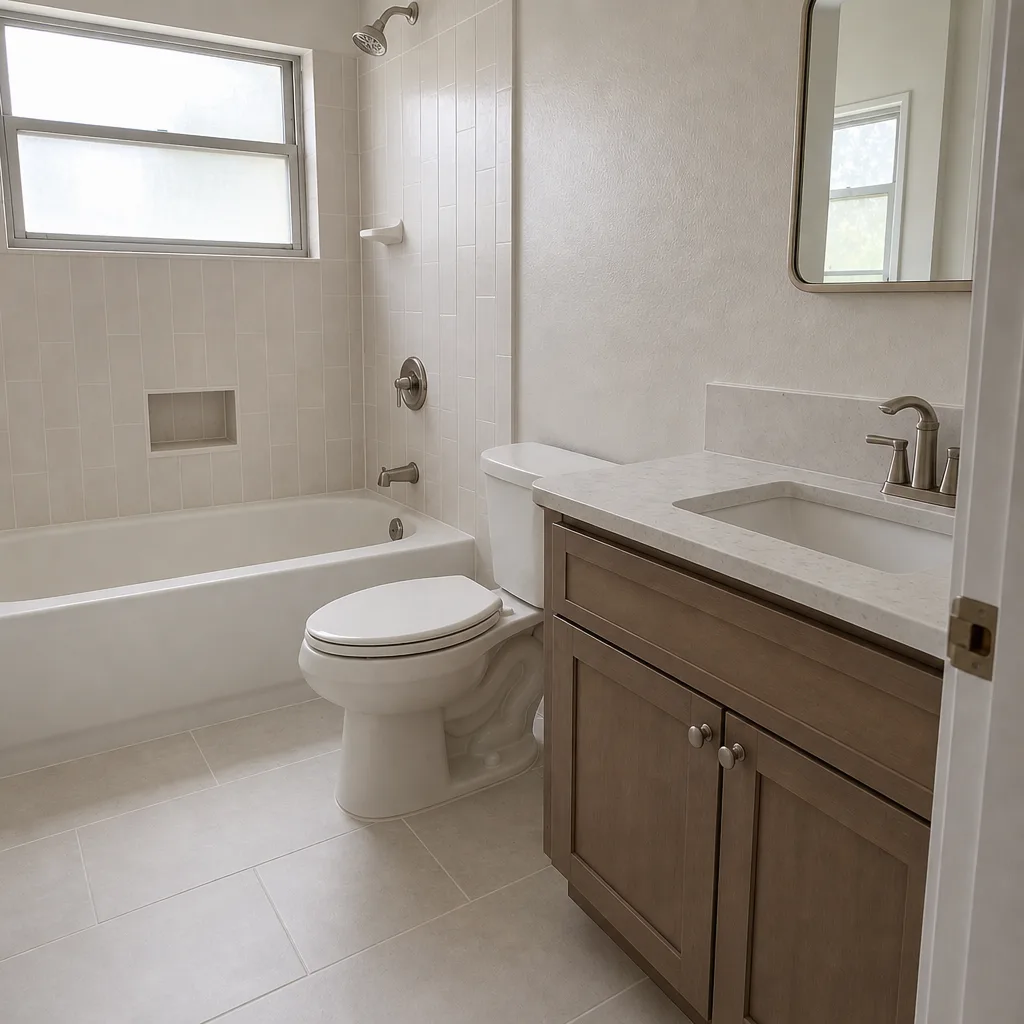 After
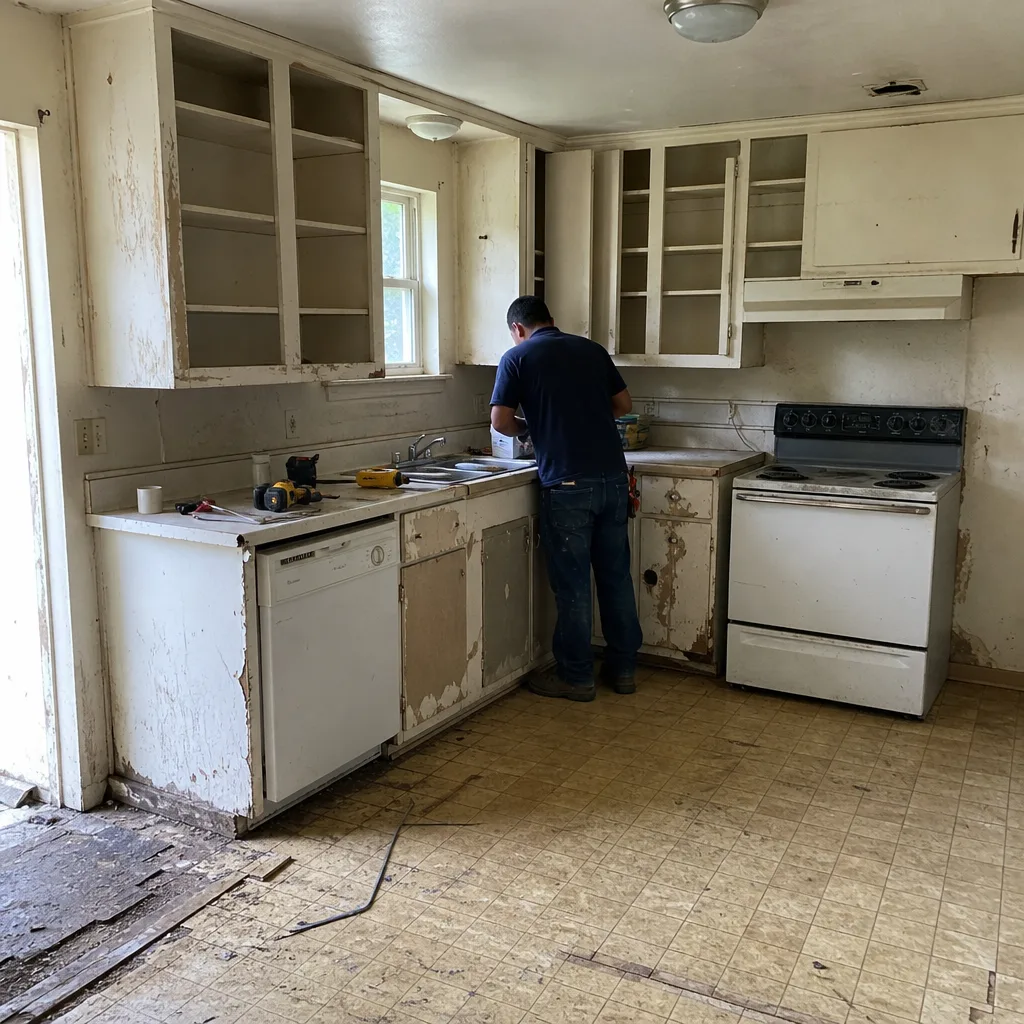 Before
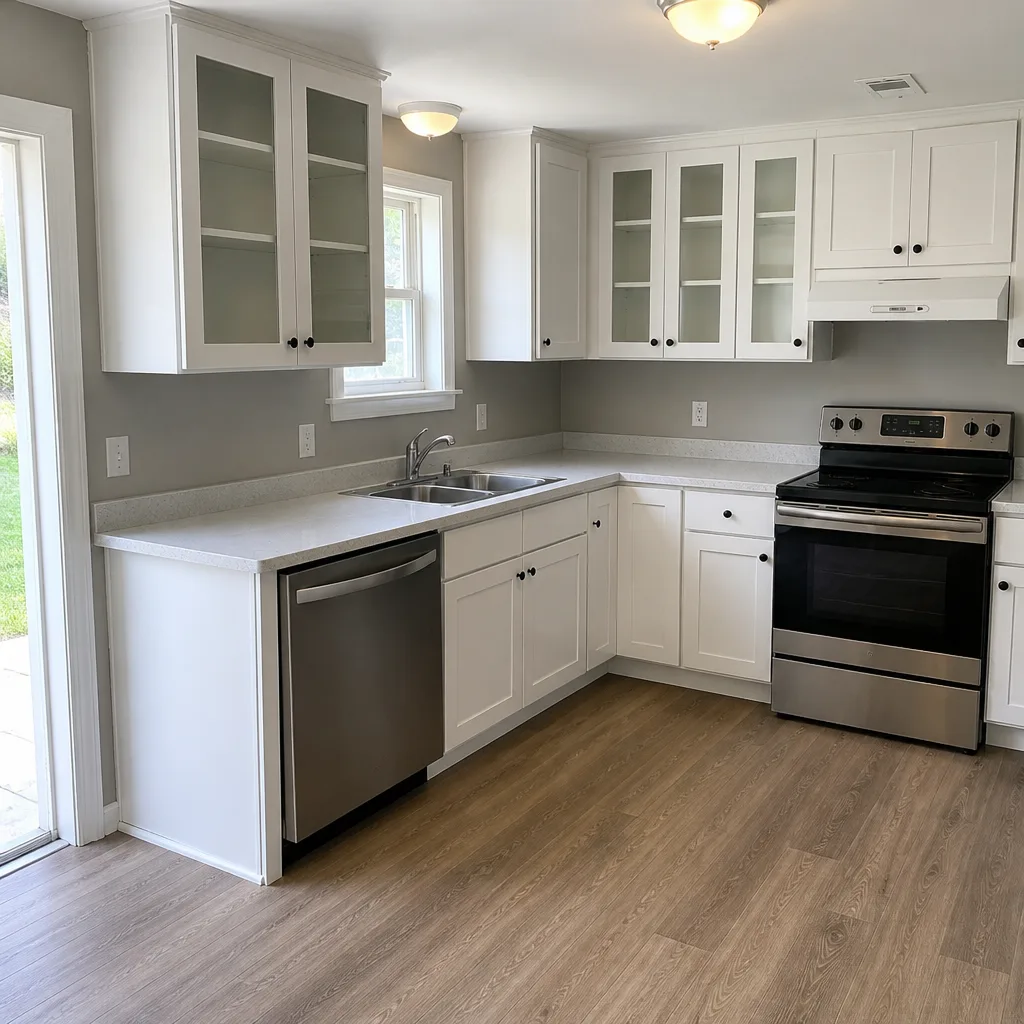 After
New Construction Windows vs Replacement Windows in Dallas, TX: Choose New-Construction Frames Unless Your Rough Openings Are Verified Square
Choose full new-construction windows unless your rough openings have been checked plumb and square and are confirmed sound. In Dallas, most 1950s-70s slab-on-grade ranch homes sit on Blackland Prairie clay that has moved over decades, and that movement racks the host frames that replacement insert windows depend on. New-construction windows nail into the framing through a nailing fin and let us correct an out-of-square opening; inserts slide into whatever shape the old frame is in now. For houses older than about 20 years on Dallas clay, we recommend new-construction far more often than the insert default. Call (844) 797-4808 for a no-pressure assessment in Dallas.
What Actually Separates a New-Construction Window from a Replacement Insert?
The difference is where the window attaches and what it can fix. A new-construction window has a nailing fin around its perimeter that fastens to the rough framing, so the exterior sheathing and water-resistive barrier get integrated at the same time. The rough opening is exposed, corrected if needed, flashed properly, and the window goes in as part of the wall assembly. A replacement (insert) window fits inside the existing frame after the sashes are removed, keeping the original trim and wall intact. It’s faster and cheaper, and it’s only as good as the frame it’s dropped into.
That last clause is what most buyers skip past. An insert window cannot square a racked opening, cannot correct a bottom plate that has heaved, and cannot fix a sill that has tilted out of level. If the frame is true, an insert performs well for years. If the frame has moved, the insert inherits every flaw and starts its service life behind schedule.
Side-by-side comparison
| Factor | New-construction window | Replacement insert |
|---|---|---|
| Attachment | Nailing fin into rough framing | Screwed into existing frame |
| Can correct out-of-square openings | Yes | No |
| Exterior sheathing / WRB work | Required | Usually not touched |
| Dallas permit path | Typically requires a water-resistive barrier inspection | Permit still required for most replacements; WRB inspection may not trigger |
| Install time | Longer per opening | Faster |
| Best fit | Homes 20+ years old on clay; any racked frame | Sound frames, newer homes, tight-budget trim swaps |
Why Dallas Clay Changes the Answer
Dallas sits in the heart of the Blackland Prairie, where expansive vertisols swell with wet weather and shrink hard in dry summers. Those cycles push and pull slabs, and the effect travels up into the walls. Foundation work – post-tension slabs, drilled piers, root barriers, and the engineer’s letter that the city ties to foundation repair permits – is routine here in a way it isn’t in the limestone country south or the sandy Piney Woods east. Builders in Dallas design for soil movement and high wind uplift first.
Windows are on the receiving end of that movement. When a slab shifts, door and window rough openings go out of plumb and out of square, and the symptoms show up first on the outside walls: stair-step cracks in the brick, doors that stick in summer and free up in winter, window sashes that catch on the frame. Drop an insert into that opening and you’ve boxed yourself into a window that gaps at one corner, drafts in a north wind, and lets driven spring hail-rain past the weatherstripping. It fails sooner than a well-specified insert should, and the failure looks like a window defect when it’s really a framing problem.
What a Rough-Opening Check Tells Us Before We Specify
Before we quote a product line, we check the rough opening itself. Every window specification Groundwork Construction Co. of Dallas writes starts with that measurement pass. Here’s what the check produces and how it drives the decision:
- Plumb and square readings at all four corners of each opening – if the diagonals differ by more than a small tolerance, an insert is off the table for that opening.
- Sill level check – a sill that runs out of level means water will collect at the low corner no matter how good the weatherstripping is.
- Framing soundness – soft wood, old termite damage, and prior repairs change which product can be reliably fastened.
- Wall assembly condition – if the water-resistive barrier behind the old frame is failing, a new-construction installation lets us correct it during the same job.
- Trim and finish scope – inserts usually reuse the interior trim; new-construction typically requires new interior and exterior trim, which affects finish labor.
This is the first-hand part of the job most bids never mention. The measurement pass and the framing findings are what make the recommendation defensible, and they’re why two houses on the same block can get two different window plans.
The Dallas Permit Reality Most Guides Skip
Dallas building code generally requires a permit for window replacement, and the permit path is not the same for the two product types. New-construction window installation on an existing home exposes the exterior sheathing, which triggers a water-resistive barrier inspection – the step where a city inspector confirms the flashing and barrier behind the window are detailed to keep water out. Insert replacements often don’t open the wall, so that inspection may not trigger.
Homeowners who skip the permit skip that inspection. The window still installs, the check still clears, and the first hard spring storm tells the story. Using a permitted contractor on a Dallas window project is not paperwork for its own sake; it’s the one outside checkpoint that protects you when the wall behind the window is the actual problem.
Our Recommendation, Plainly Stated
If your Dallas home is 20 years old or newer and the rough openings measure true, replacement inserts are a reasonable, cost-effective choice. If it’s an older slab-on-grade ranch on Blackland clay, or if you’ve seen stair-step brick cracks, sticking doors, or window sashes that drag, spec new-construction windows. Not because inserts are inferior products – because the frames they rely on have been carrying 40 to 70 years of soil movement.
Andersen and Marvin both build certified new-construction and replacement lines, which means the product decision is made by the opening, not by which window has better margin. That’s how we specify, and it’s why our Windows & Doors work is backed by the 730-Day Done Right Promise on the installation itself. Expect standard window replacement in Dallas to run $4,500-$15,000, with impact-rated installations in the $8,000-$25,000 range. A new-construction window install on an older home is on the higher end of those bands because the wall, trim, and inspection work is part of the job.
Common Dallas Scenarios We See
East Dallas 1958 ranch, original aluminum windows. Sticking rear doors, one visible stair-step crack on the brick, sashes that bind in August. The rough openings are racked. We specify new-construction windows with corrected framing and proper flashing, then recommend a structural review before the window order ships so the openings don’t keep moving after install.
Oak Cliff pier-and-beam bungalow, updated in the 1990s. Pier-and-beam floors move differently than slabs, and the frames on this house type often hold up better. If the openings measure true, inserts make sense and keep the original trim detail intact.
Infill new-build in a teardown-rebuild pocket. The framing is new, the openings are true, and this is a straightforward new-construction window specification. No debate about inserts here.
How Groundwork Runs a Dallas Window Project
We start with the rough-opening measurement pass, then recommend a product line based on what we find. Background-checked technicians arrive in uniform, and calls are answered by a live person 24/7 – no waiting until Monday. Pricing is upfront, with a free estimate and design consult, 0% financing for 18 months, and $1,000 off projects over $10,000. The 730-Day Done Right Promise covers workmanship; if the install isn’t right, we make it right. You can see the full scope of window and door work on our Dallas service area page.
FAQs
Yes, usually 20% to 40% more on an equivalent opening because the framing corrections, exterior sheathing, flashing, trim, and water-resistive barrier inspection are part of the job. Replacement inserts keep the original frame, so the scope is smaller. On a Dallas home older than 20 years with a racked frame, the extra cost buys a window that will actually seal and last, which is often cheaper over 15 years than re-doing an insert. Call (844) 797-4808 for an exact quote – estimates are free.
In most cases yes, Dallas requires a permit for window replacement. The permit triggers different inspections depending on product type. New-construction window installs on existing homes expose the sheathing and require a water-resistive barrier inspection, which insert replacements may not trigger. Skipping the permit skips that inspection and leaves you with no municipal record of the work. Call (844) 797-4808 and we’ll walk you through the permit path for your specific address.
You need a rough-opening measurement – plumb, square, and sill level – before the product decision is made. Observable signs that point to new-construction are stair-step brick cracks, doors that stick seasonally, sashes that bind, visible gaps at the corners of existing frames, and soft or repaired framing. If the openings measure true, inserts are on the table. Call (844) 797-4808 to schedule an inspection of your openings before you order product.
Repair is cheaper when the failure is limited to hardware, glass, or weatherstripping in an otherwise sound frame. Once the frame itself has racked or the sill has gone out of level, repair patches the symptom and the leak returns. A single window replacement on a sound opening typically falls within our standard window replacement range of $4,500-$15,000 for the full job, with individual units priced by the opening. Call (844) 797-4808 for a free estimate – we’ll tell you which path the opening calls for.
If you’d rather have it looked at, Groundwork Construction Co. of Dallas offers a no-pressure assessment in Dallas – call (844) 797-4808. We’ll measure your rough openings, tell you plainly whether new-construction or inserts are right, and give you a number in writing.
Written by the team at Groundwork Construction Co. of Dallas, serving Dallas, TX.