
 Driveway & pavers
 Kitchen remodeling
 Bathroom remodeling
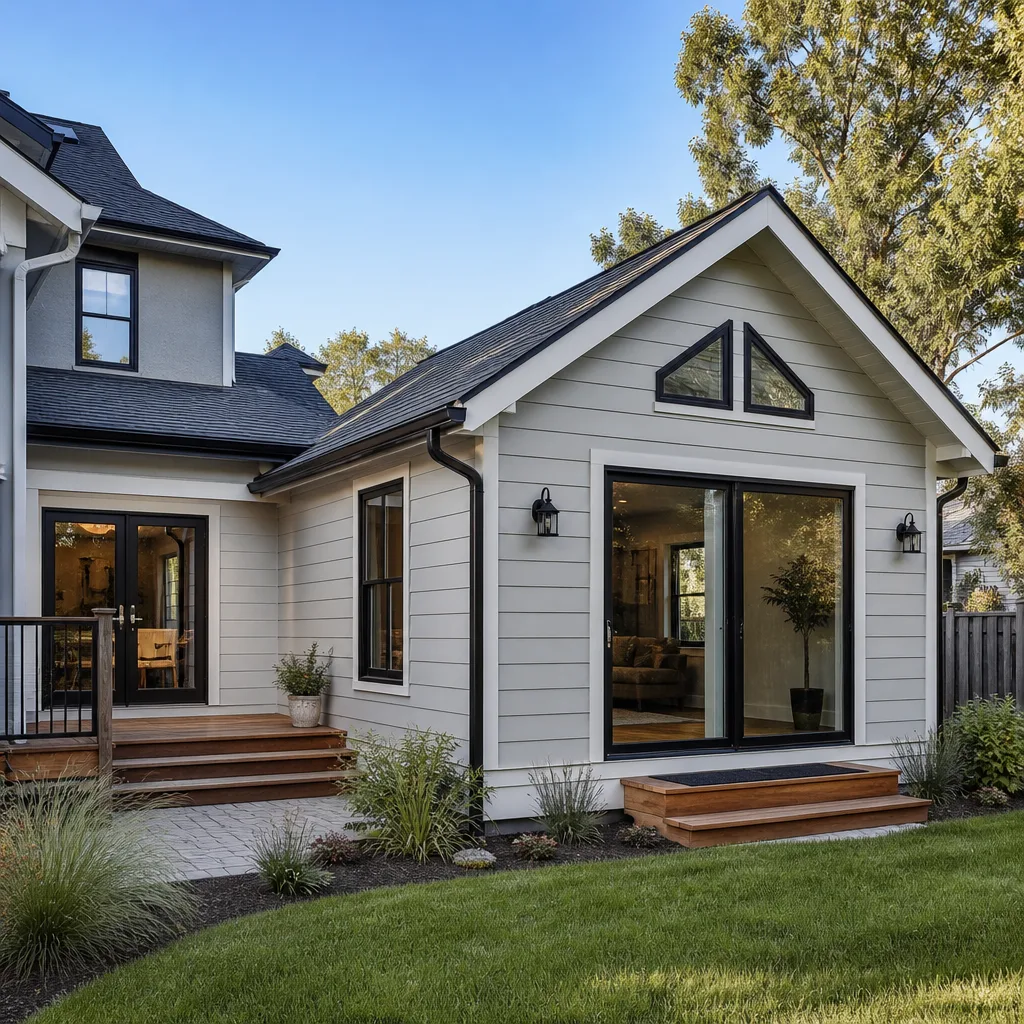 Home additions & ADU
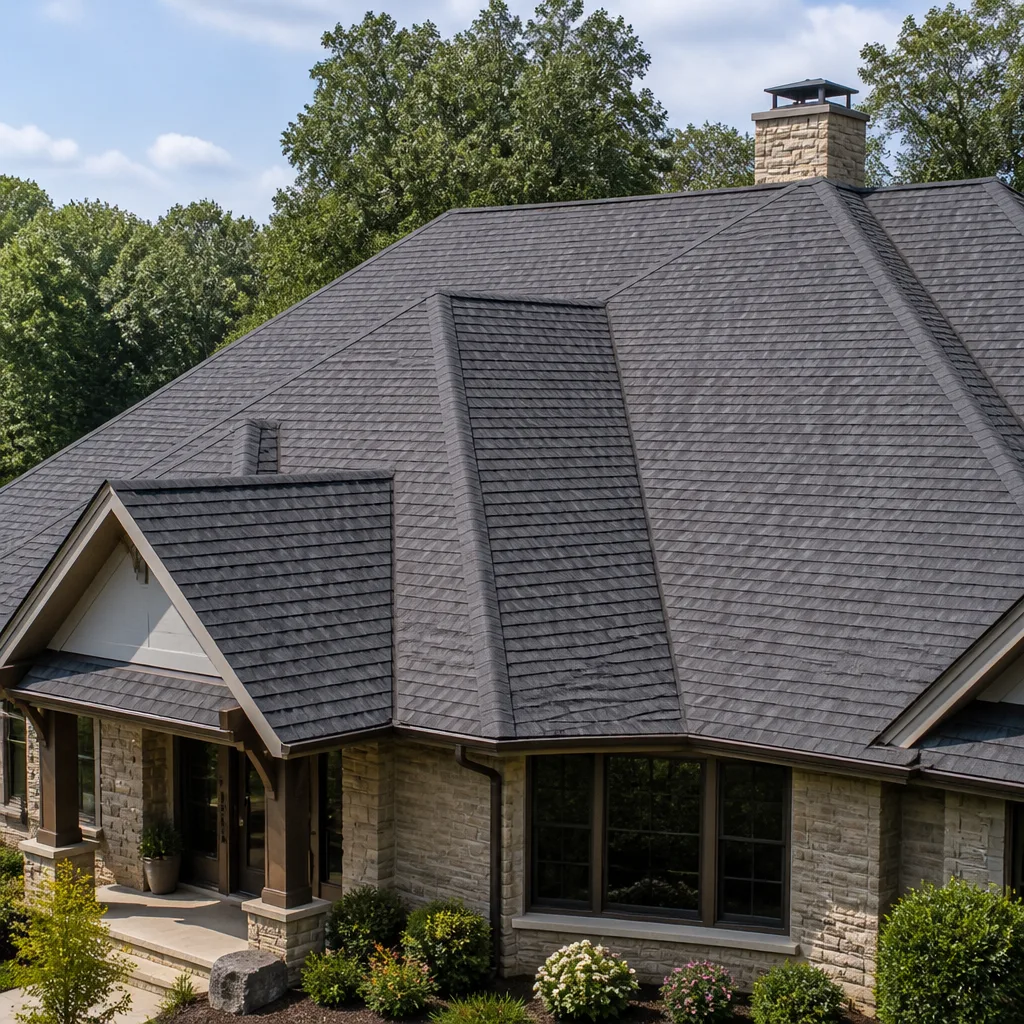 Roofing
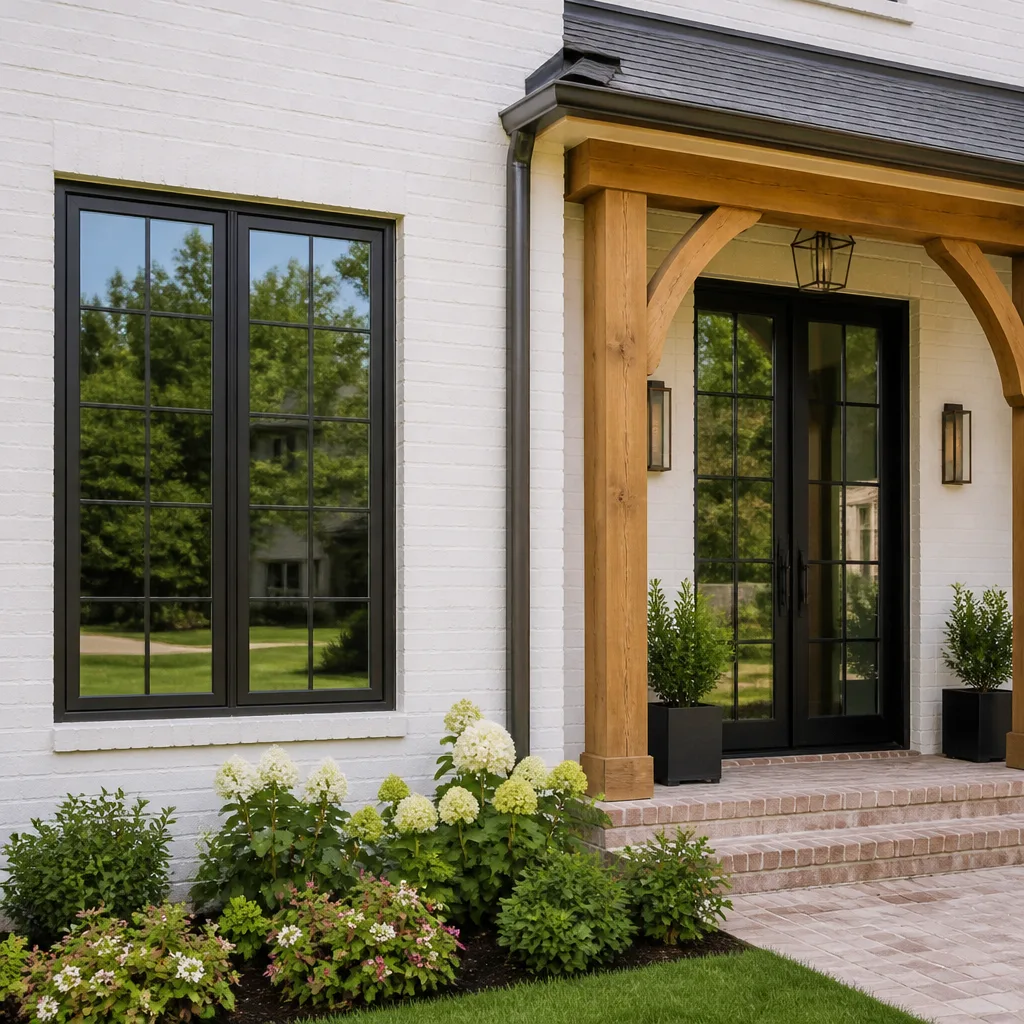 Windows & doors
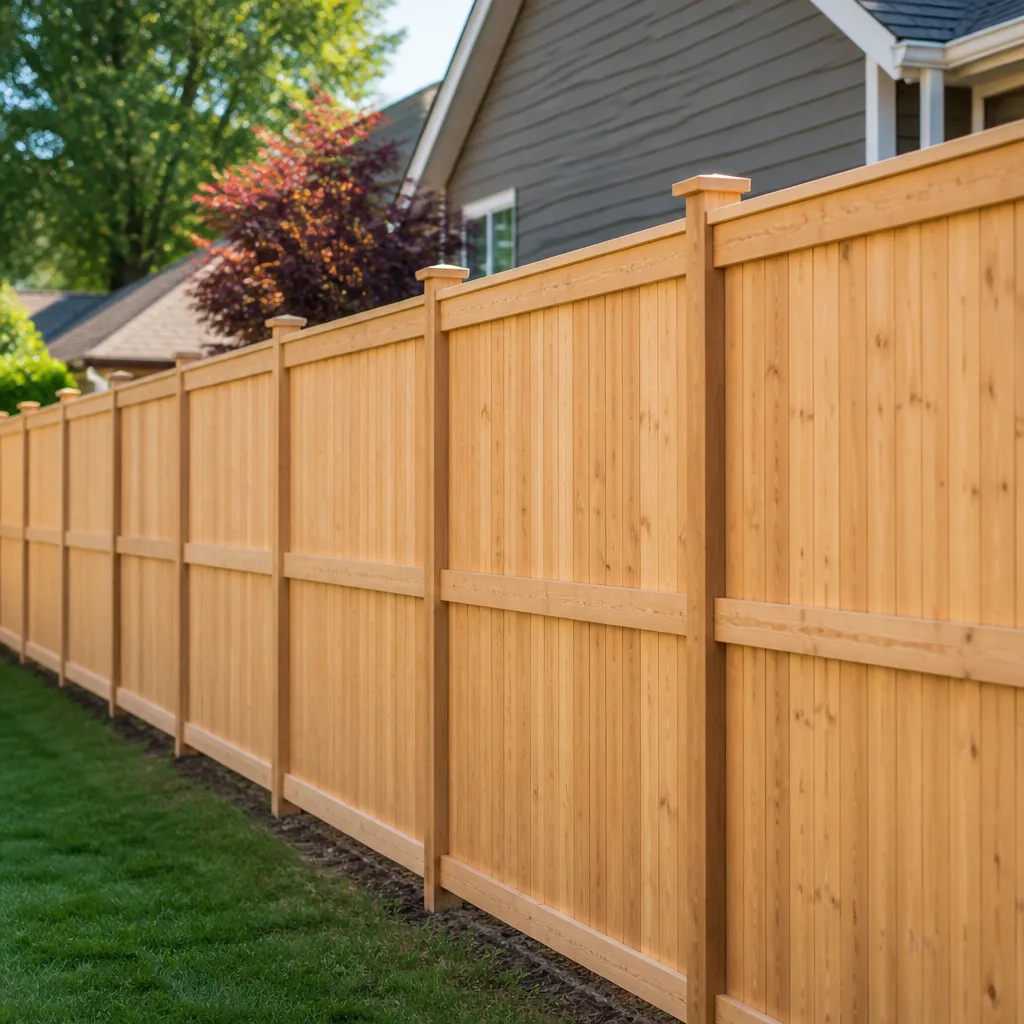 Fence
Free written scope consultation - allowances, timeline, and change-order rules on paper before a single trade is scheduled
Paver Driveways in University Park: What You’re Actually Getting Into
Paver driveways in University Park, TX typically run $7,000 – $18,000 installed, and most projects finish in 5 to 8 working days from demolition to the final sealer coat. If your lot is a 50- or 70-foot-wide Park Cities parcel with mature live oaks overhanging the alley approach, add a couple of days for hand-digging and root protection. Call (844) 797-4808 and we’ll walk your property, confirm what the base and grade situation looks like, and put a line-item number in writing before anyone lifts a paver.
Stage by Stage: How We Build a Paver Driveway Here
Every driveway we build follows the same six-stage sequence. The order doesn’t change, but the time each stage takes depends on soil, access, and what we find under the existing slab.
Stage 1: Walkthrough and layout (day 1, half a day). We mark the driveway edges, confirm the slope away from the garage, and check where the downspouts and any utility meters sit. This is when you decide the pattern, the paver color, and whether the border course gets a contrasting tone. You also sign off on the final square footage. Nothing gets ordered until that’s locked.
Stage 2: Demolition and haul-off (day 1 – 2). Existing concrete or asphalt comes out with a skid-steer where the side-yard setback allows one, and by hand where it doesn’t. On narrow University Park lots, hand demo on the last 10 to 15 feet near the garage is common. Debris goes to a local C&D facility. Plan for a dumpster in the parkway or alley for the duration.
Stage 3: Excavation, grading, and base (day 2 – 4). This is where the job lives or dies. We excavate 6 to 9 inches, then place and compact a flex base in 2-inch lifts with a plate compactor after each pass. On North Texas black clay, proper base depth and drainage pitch are what keep a driveway from heaving and shifting after a wet spring. The base is checked for grade before a single paver goes down.
Stage 4: Edge restraint and bedding sand (day 4). We set the edge restraint in concrete along both sides, then screed a 1-inch bedding layer. You don’t touch this part, but it’s worth knowing it happens because it’s the step fly-by crews skip.
Stage 5: Paver installation and cuts (day 4 – 7). Field pavers go down in your chosen pattern, then the soldier course or border. Cut work happens near the garage apron, utility access points, and curved edges. We keep a clean cut line and a tight joint. Final compaction of the laid field comes after the joints are swept with polymeric sand.
Stage 6: Sand, seal, and cleanup (day 7 – 8). Polymeric sand is swept into the joints, activated with water, and left to cure. If you want a sealer coat, we come back after the cure window rather than rushing it. We blow the site, remove the dumpster, and do a walkthrough with you on the finished surface.
The decisions you own are pattern, color, border style, and whether to seal. Everything else is our problem to solve.
Styles & brands we work with
- Kitchen remodeling
- Bathroom remodeling
- Home additions & ADU
- Roofing
- Windows & doors
- Driveway & pavers
- Fence
The Options You’ll Choose Between
The pavers themselves are the easy part of the conversation. The base and restraint build quality is what separates a 25-year surface from one that shifts in year three. Here’s what you’re actually picking between.
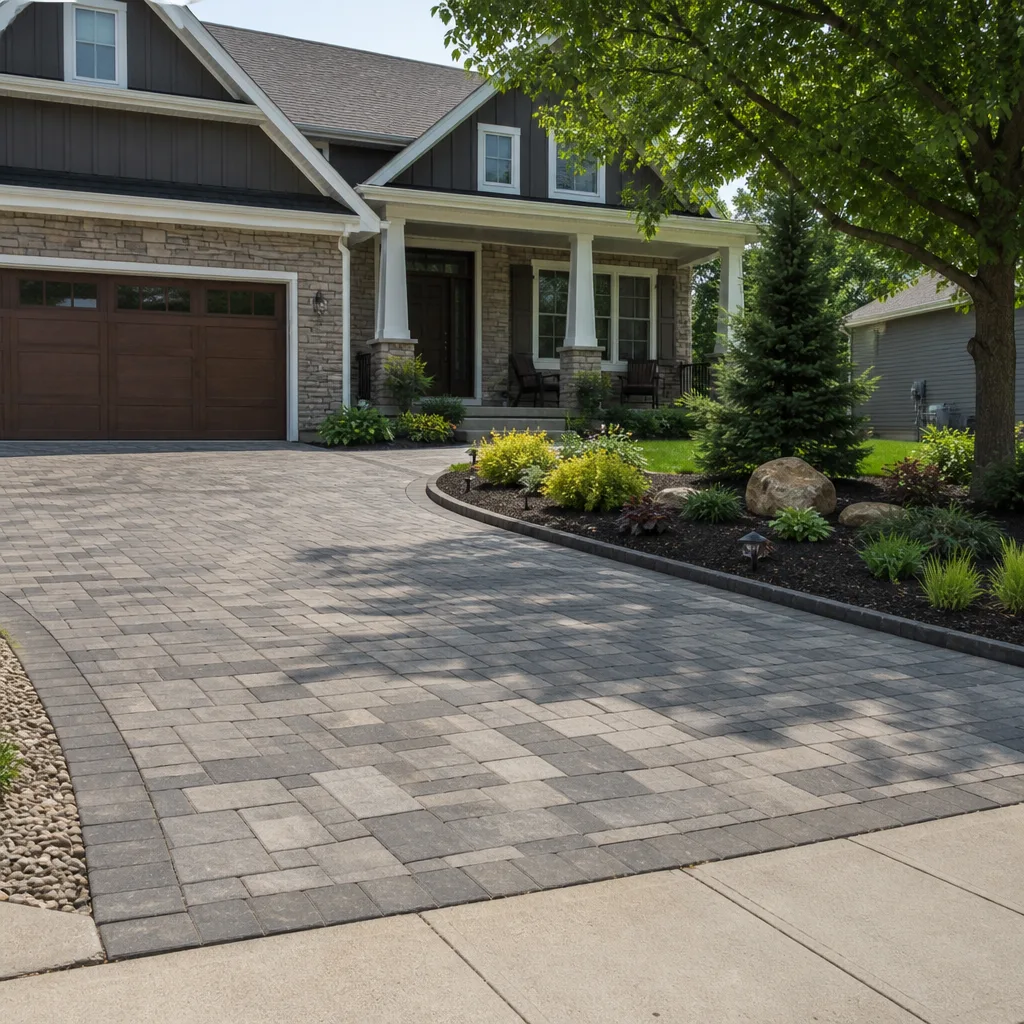
- Concrete pavers (the standard choice). Made from cement, sand, and aggregate with a color-through pigment. Stocked by brands like Belgard. Honest trade-off: they don’t fade like stamped concrete, they can be individually replaced, and they hold up to the black clay movement. Higher upfront cost than plain concrete.
- Clay brick pavers (the premium look). Fired brick pavers give the warm, traditional look many Park Cities homes are built for. They’re denser, they weather well, and they resist staining. Trade-off: higher cost per square foot and a longer lead time because they’re often special-ordered.
- Permeable pavers. Open-graded joints and a gravel sub-base let water drain through instead of running off. Worth considering on lots with drainage problems or where the driveway is the lowest point. Trade-off: higher base cost and more maintenance on the joint sand.
- Pattern and shape. Running bond, herringbone, basket weave, or a large-format plank. Herringbone interlocks best under turning tires. Larger format pavers give a cleaner modern look but show foundation cracks more easily if the base isn’t right.
- Border and accent courses. A contrasting soldier course along the edges adds 3 to 8 percent to the material cost and a lot to the finished look. Standard on most of the custom builds we do in University Park.
- Sealer. A matte or gloss sealer locks in the joint sand, deepens the color, and makes stains easier to clean. Optional. The honest trade-off is that a gloss finish can get slippery when the North Texas rain is heavy.
- Drainage upgrades. A channel drain or trench drain at the garage threshold is often a good call on older lots where the garage floor sits below the street grade. It costs less than fixing flood damage later.
What Paver Driveways Cost in University Park, TX
A full paver driveway installation in University Park runs $7,000 to $18,000. That’s the honest range. A sealing coat on an existing paver driveway sits at $250 – $700. If you’re replacing a concrete driveway at the same time, the whole driveway replacement line item comes in at $5,000 – $14,000, so a paver build is the upgrade end of that story, not a different job category.
What pushes a job toward $18,000:
- Square footage. A one-car apron is small. A three-car, 30-foot-wide drive runs 700 to 900 square feet and that’s where the number climbs.
- Base condition. If the existing slab is sitting on fill dirt or the yard has grading problems, excavation deepens and the base cost goes up. Black clay makes this a real variable here.
- Material grade. Concrete pavers sit at the low end. Clay brick, permeable systems, and large-format plank pavers run 20 to 40 percent higher on materials.
- Access and tree protection. Narrow setbacks and overhanging oaks slow the equipment and often force hand work, which adds labor.
- Drainage work. A channel drain, a sump, or a downspout tie-in adds to the total. Skipping it is not a cost saving if water ends up in the garage.
What a written estimate includes: demo, haul-off, excavation, base material, compaction, edge restraint, bedding sand, pavers, polymeric sand, cuts, cleanup, and a walkthrough. What it typically doesn’t: landscaping repair or sod replacement where the equipment crossed the yard, and any plumbing or electrical relocation under the driveway. We flag both before signing, not after.
See the difference
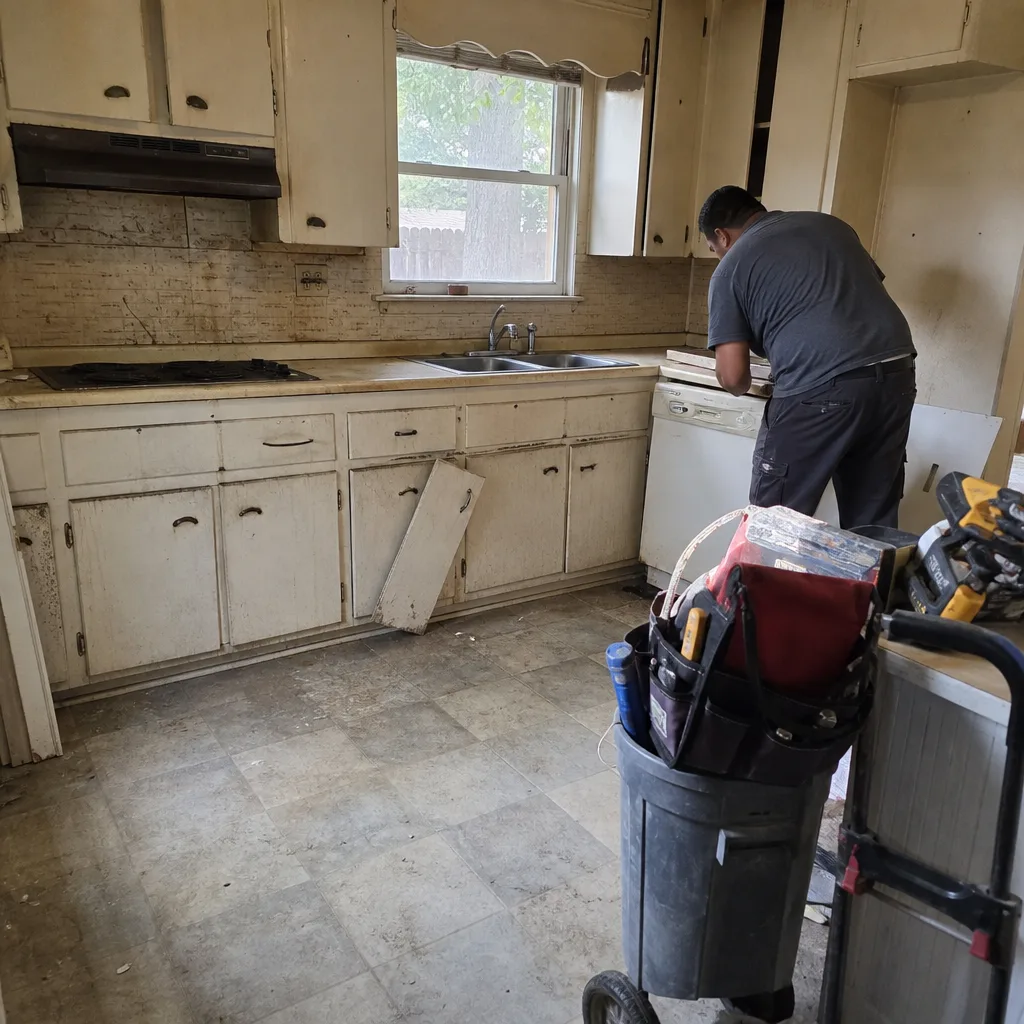 Before
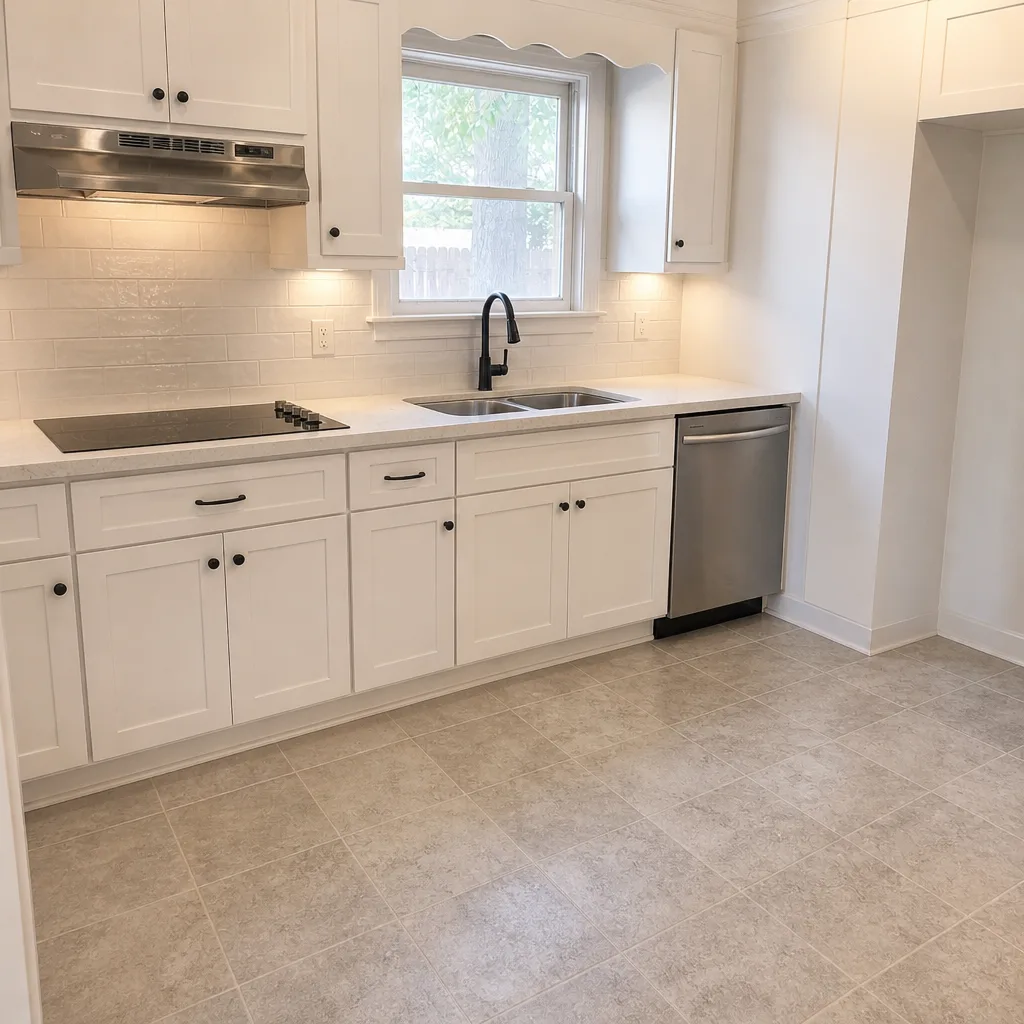 After
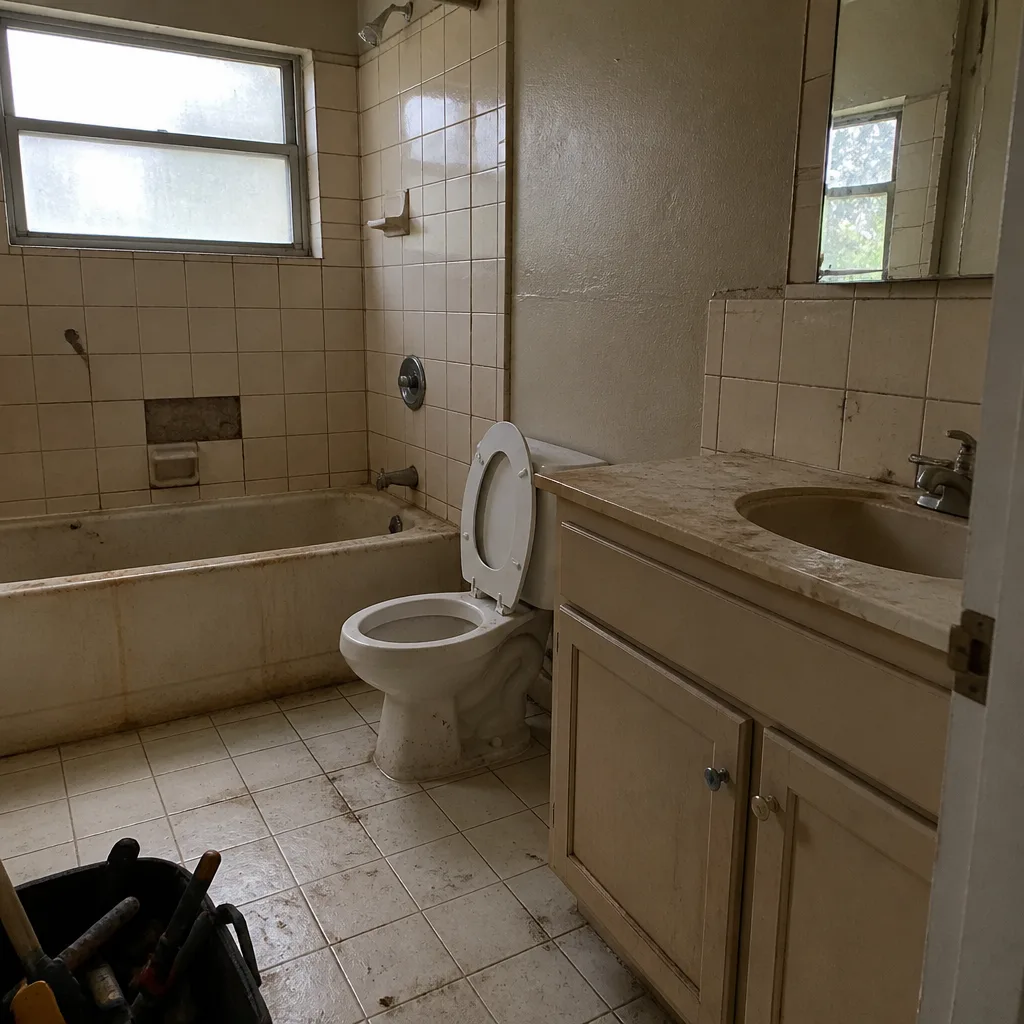 Before
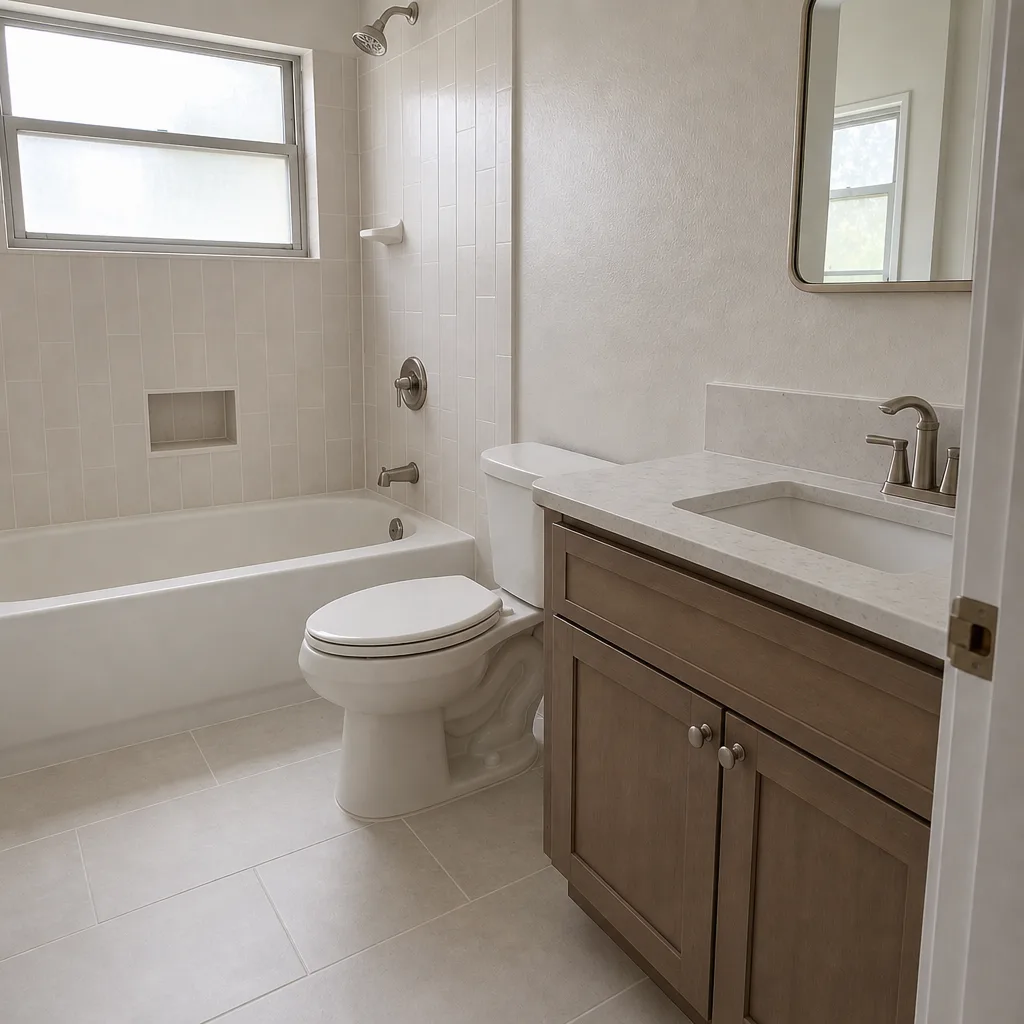 After
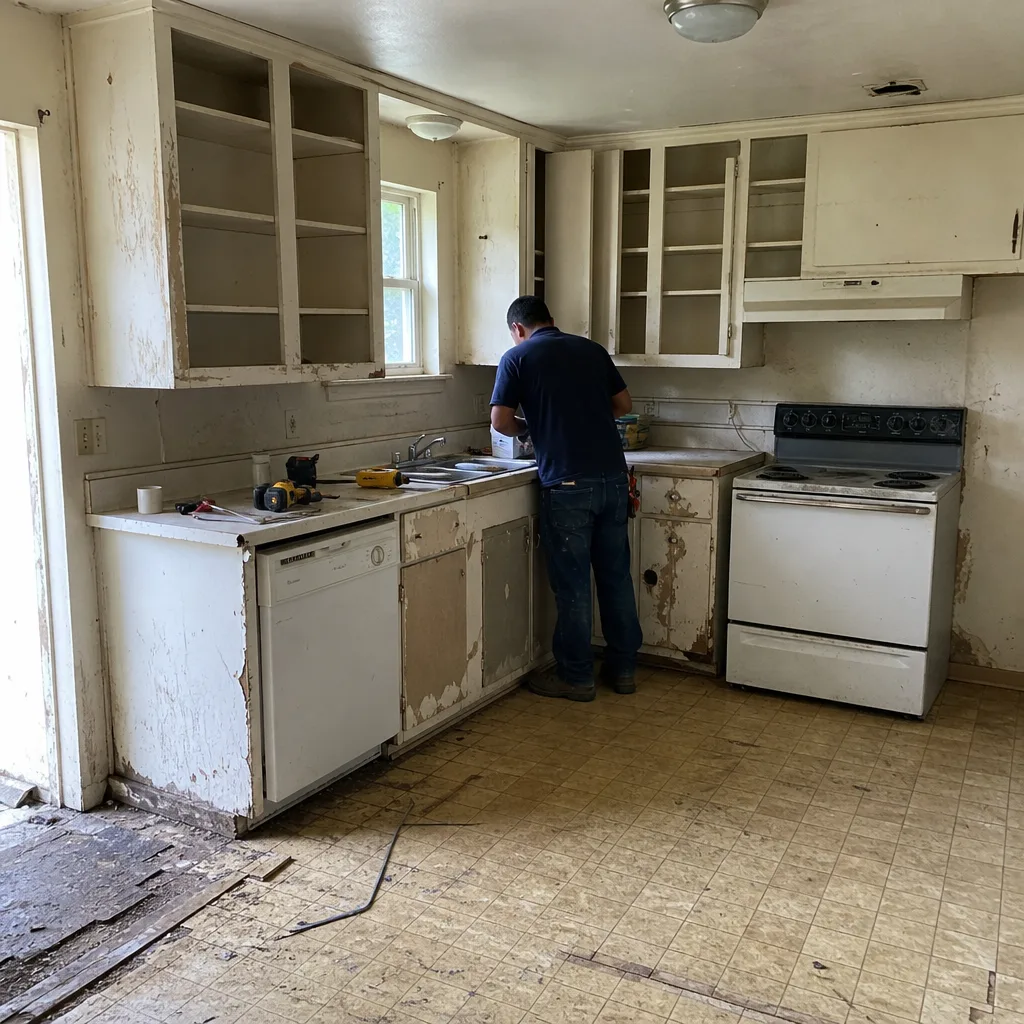 Before
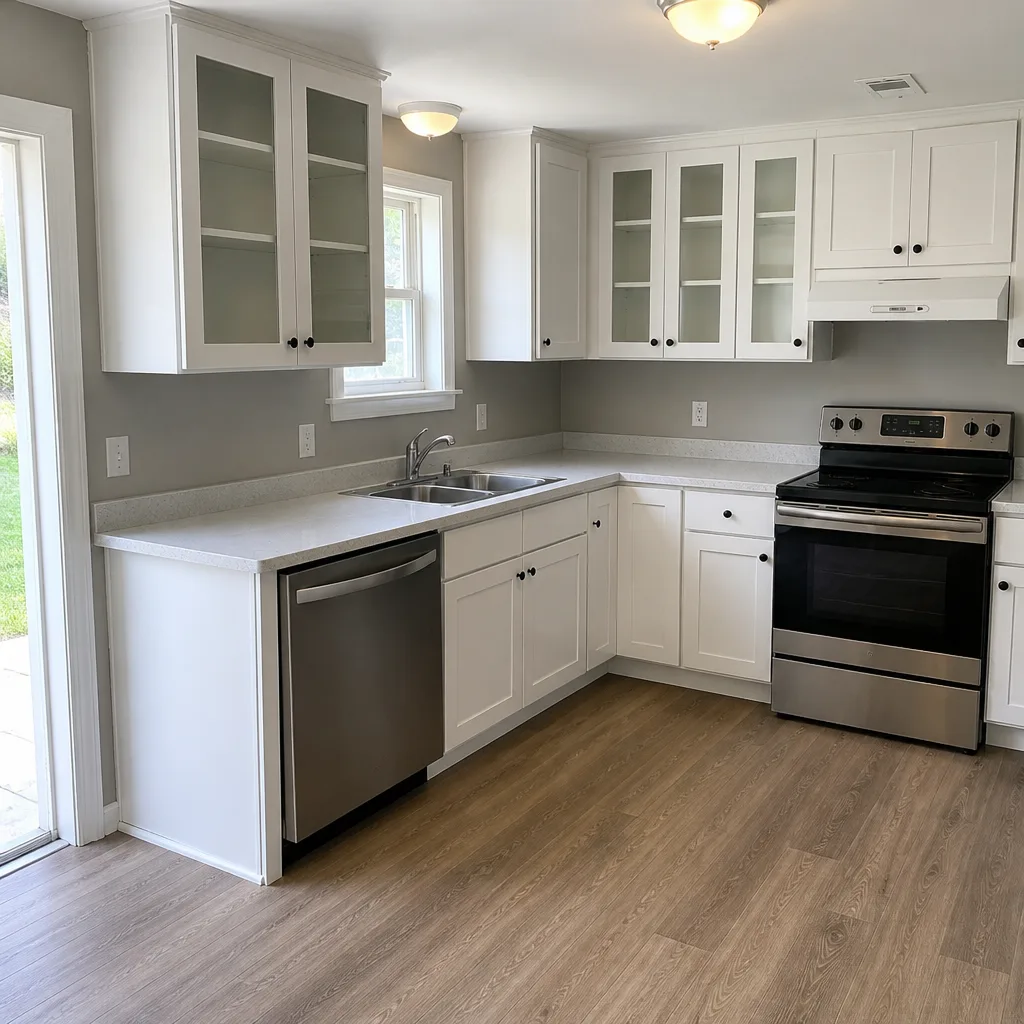 After
What University Park Homes Specifically Do to This Job
University Park is a landlocked, built-out Park Cities enclave. There’s essentially no vacant land, so every driveway project here is a rebuild on a lot that already has a house sitting on it, and that changes the whole approach. Lots are narrow, alleys back many blocks, and mature live oaks overhang the drive. On the 50- to 70-foot lots that are common across the 75225 ZIP, getting a skid-steer into the back apron is often a hand-dig, not a machine job. We stage materials in the parkway or the alley and protect root zones rather than grading through them.
The housing stock runs toward 1920s – 1950s brick and frame single-family homes, many now scraped and replaced with large new custom builds, so we see two very different driveway situations here. On original cottages, we’re often working around a pier-and-beam foundation and utilities that need careful probing before we excavate. On newer custom builds, the driveway is usually the finishing stage of a longer project, and homeowners often pair this with ADU Design & Permitting in University Park or Garage Conversion ADU in University Park to maximize what the lot can hold.
The North Texas clay and heavy spring storms drive most of the failure modes we’re called out to fix: base settling, edge restraint the previous crew skipped, joints washing out because no polymeric sand was used, and ponding at the garage threshold. Permits and inspections for site work go through the city, and we pull what’s required rather than hand you the paperwork. City review here treats remodels and rebuilds as routine, so the schedule is predictable when the drawings are right.
Serving University Park, TX – Our Local Coverage Area
We serve University Park and nearby communities. Use the map below to see the area we cover. If you’re nearby, we can almost certainly help.
Frequently Asked Questions About Paver Driveways in University Park
Plan on 5 to 8 working days for a standard residential driveway, and closer to 10 if the base is complicated or the lot has tight access. Summer heat is a real scheduling factor because we avoid laying pavers in the worst afternoon heat, which stretches the build by a day or two. Call (844) 797-4808 for a schedule specific to your address.
Most residential driveway replacements do not need a construction permit, but any grading, drainage change, or work in the right-of-way near the parkway does. The city review here is thorough, and we confirm what applies at your address before the estimate is final. Call us for an exact scope answer.
Sometimes, but usually it’s not the right call. Laying pavers over existing concrete requires a stable base and a full drainage plan, and if the underlying slab is cracked or heaving, the new surface follows. In most University Park cases, a full removal and rebuild is the honest long-term answer. We’ll tell you straight if it’s the cheaper path in your situation.
Expect roughly $12 to $22 per square foot installed on a standard build, which lands within the $7,000 – $18,000 range for a typical driveway. Material grade, pattern complexity, tree protection, and drainage work push the number. Call (844) 797-4808 for a line-item written quote on your address.
Our work is covered by the 730-Day Done Right Promise, one of the longest workmanship guarantees you’ll find on residential paving work. If something isn’t done right, we make it right. The paver manufacturer warranty is separate and we document both at handoff.
Ready for a Paver Driveway in University Park?
We’ll come out, measure the actual driveway, probe the base, check drainage at the garage threshold, and hand you a written line-item estimate that includes demo, base, pavers, and cleanup. No surprise line items after signing. One call to (844) 797-4808 gets the on-site visit scheduled, and you’ll hear a live person no matter when you call. Our technicians have up to 12 years of experience, and pricing is fixed at the number you see. See the full Driveway & Pavers in University Park lineup, or check our Driveway & Pavers service hub, and see where we work by visiting our University Park page.
Written by the team at Groundwork Construction Co.