

 Kitchen remodeling
 Bathroom remodeling
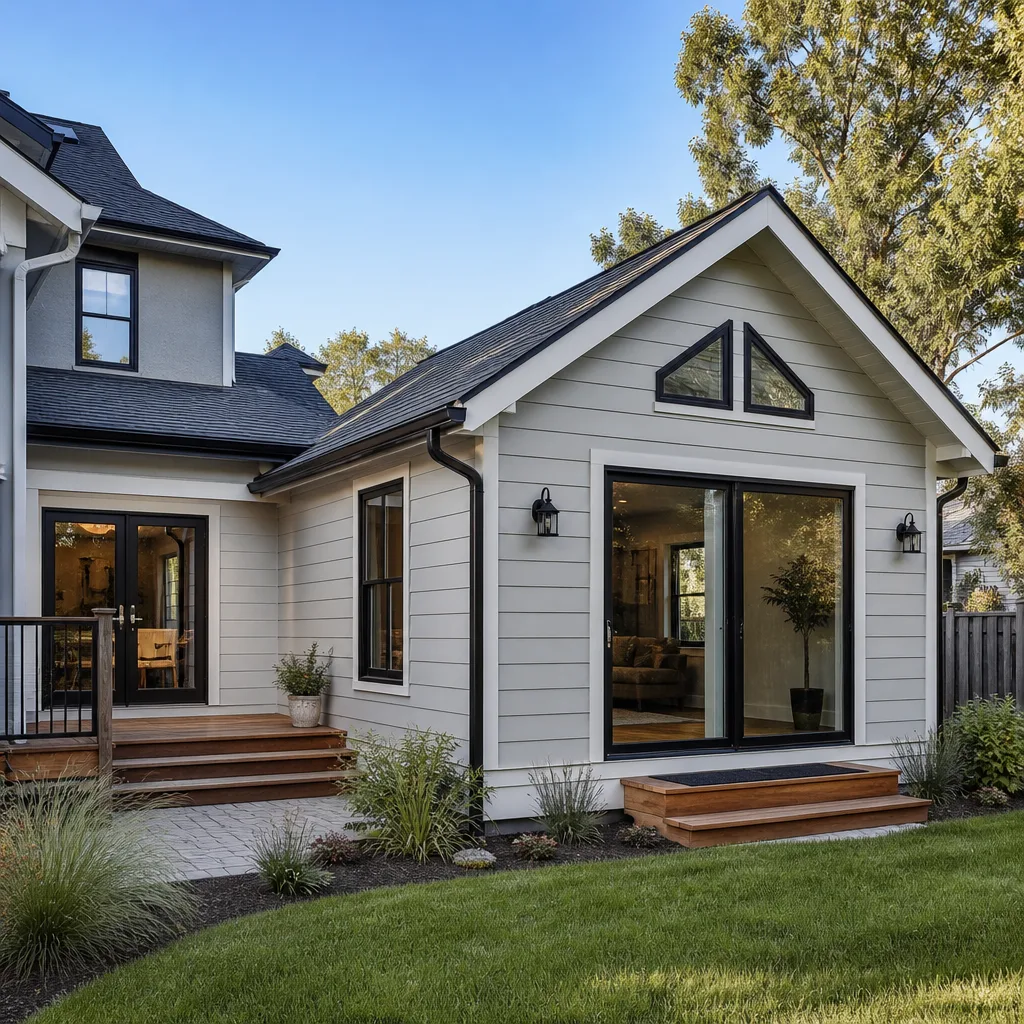 Home additions & ADU
 Roofing
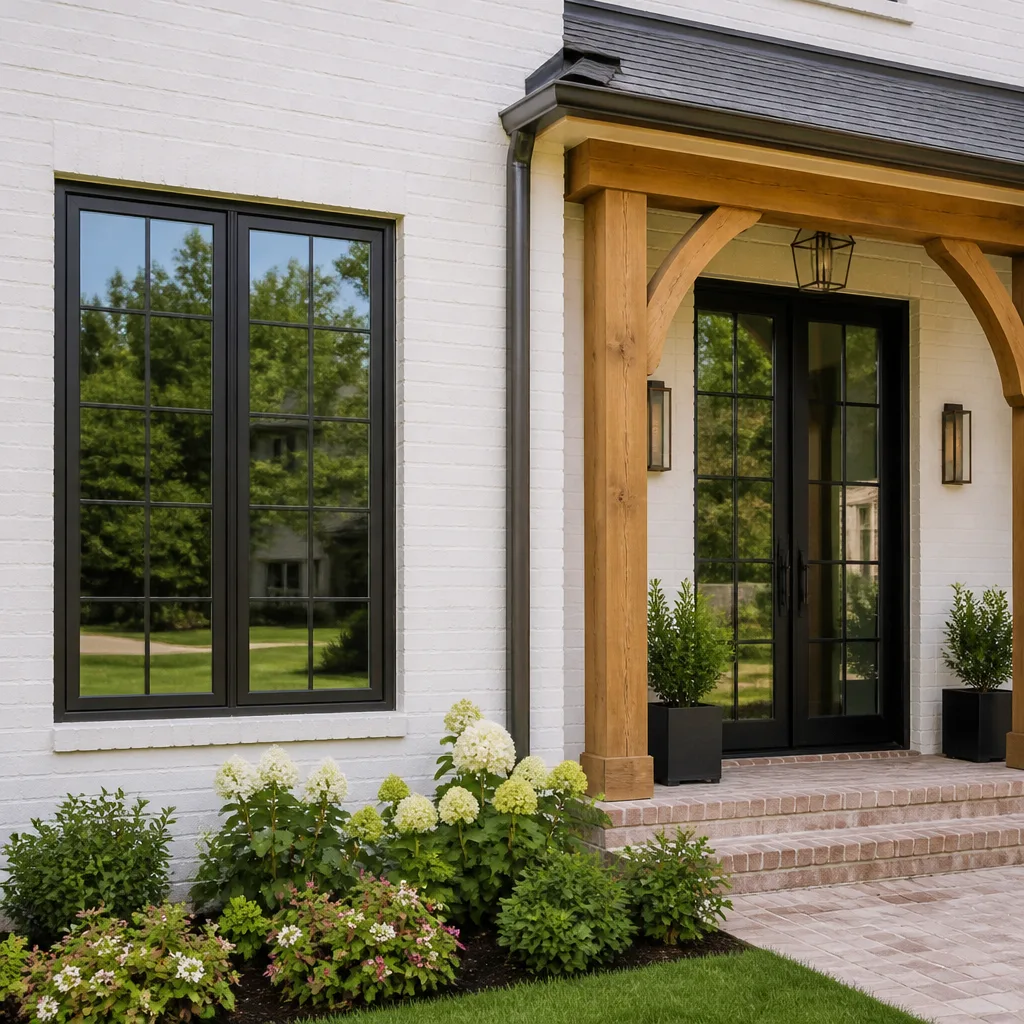 Windows & doors
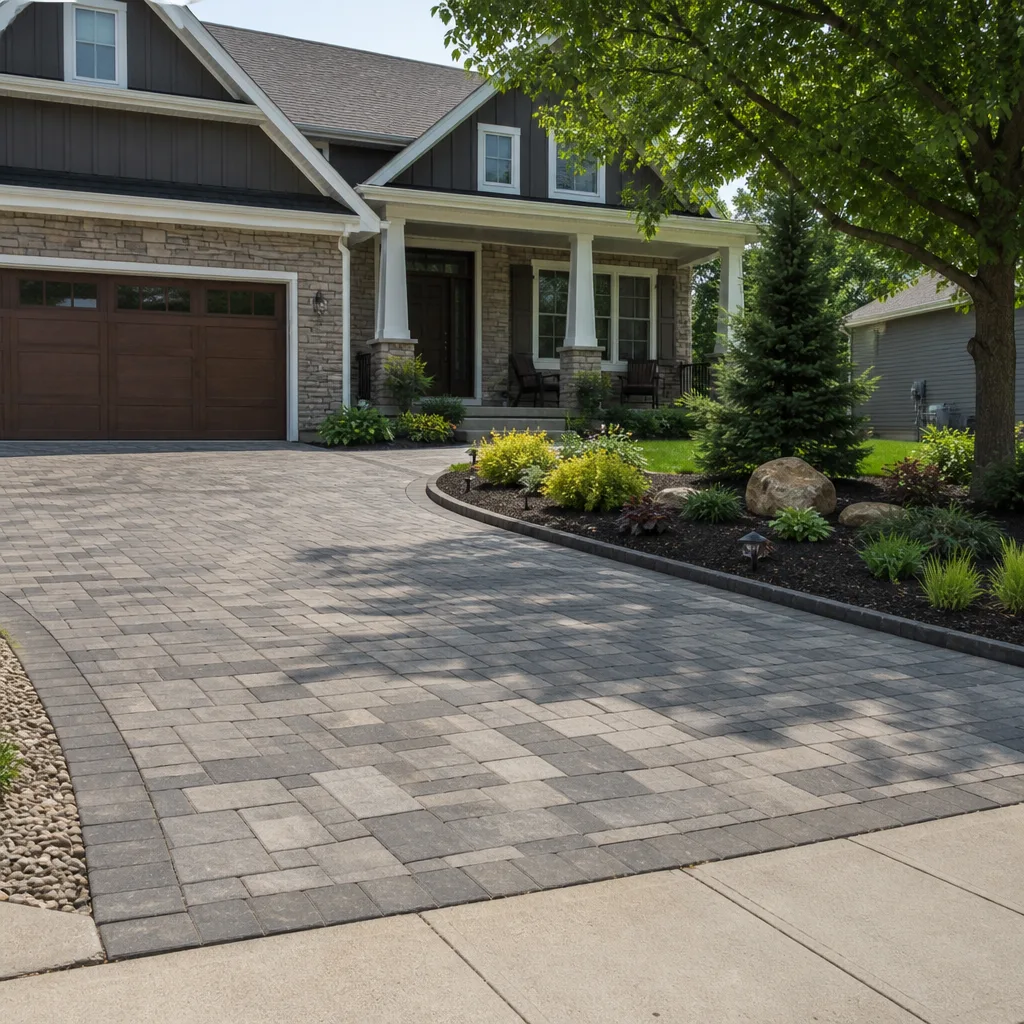 Driveway & pavers
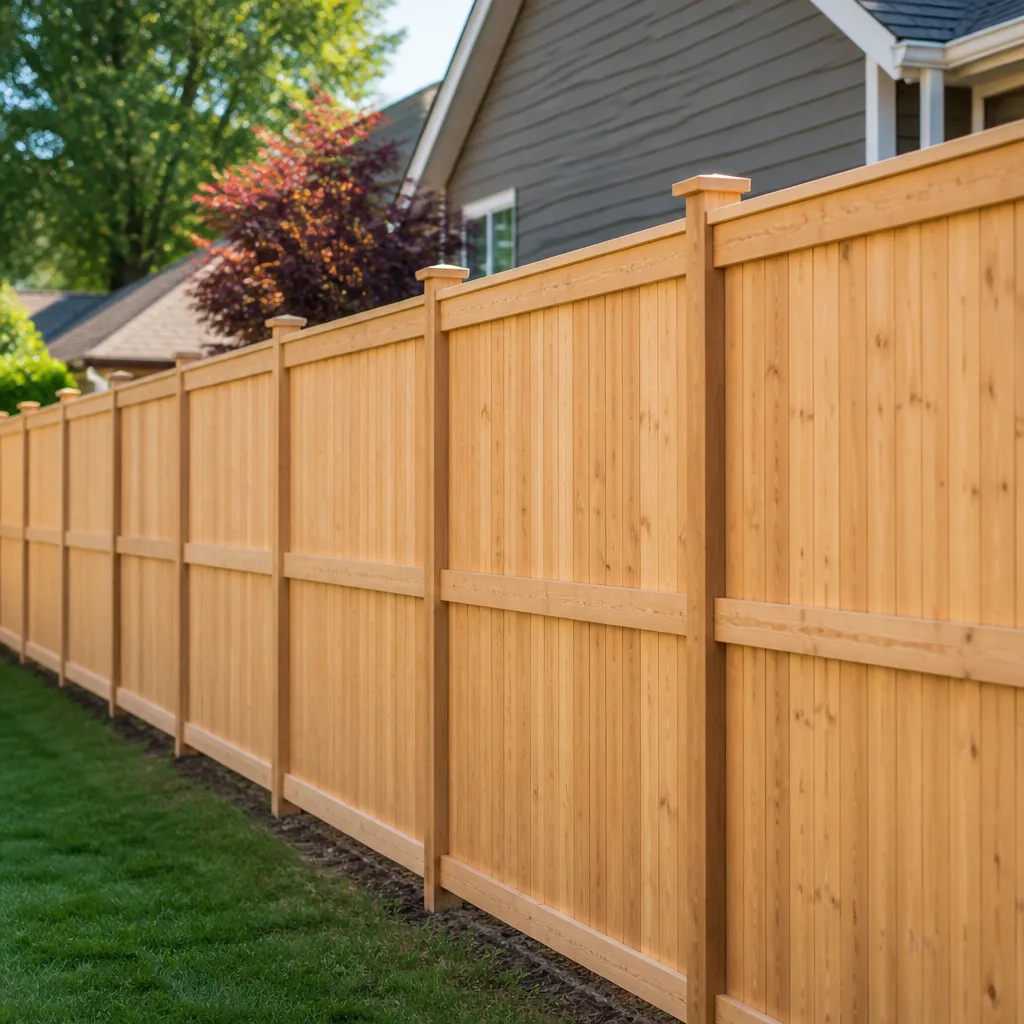 Fence
Free written scope consultation - allowances, timeline, and change-order rules on paper before a single trade is scheduled
ADU Site Prep & Utilities in Cedar Hill: What the Job Actually Involves
ADU site prep and utilities in Cedar Hill typically runs $45,000 – $130,000 for the sitework, utility trenching, connections and foundation portion of a backyard unit, and the work itself takes 6 – 12 weeks before a single stick of the building goes up. That covers excavation, grading, water and sewer taps, the electrical service run, and inspections. Call (844) 797-4808 and we’ll walk your lot and give you a written, line-item number.
How We Run Site Prep and Utilities, Stage by Stage
Site work is the part of an ADU project that fails quietly. Nobody sees it once the unit is finished, so it attracts the cheapest bid and the shortest schedule. Here’s the sequence we actually follow on a Cedar Hill lot, with honest durations.
- Days 1 – 2, site walk and utility locate. We call 811 for the locate, walk the setbacks against your plat, and confirm where the sewer lateral actually runs. On hilly lots this is where we find out whether the building pad sits above or below the existing line. You decide the footprint and orientation; we tell you what the grade will allow.
- Days 3 – 7, clearing and excavation. Tree protection goes up first on lots with mature oaks, then the excavator cuts the pad. Limestone is the wildcard here. When we hit rock, a rock saw adds days and dollars, and you approve that change in writing before we mobilize the saw.
- Days 7 – 14, grading and drainage. We shape the pad to drain away from both the ADU and the main house, set the swale, and build any retaining wall the slope demands. You choose wall material here: segmental block, poured concrete, or timber for a lower-cost garden wall. This is the stage that protects the foundation you’re about to pour.
- Days 14 – 30, utility trenching and connections. Water, sewer, electrical and gas each get their own trench at code depth. The sewer tap is the expensive unknown: a short run to an existing lateral in the backyard is quick, while a run to the street means cutting pavement and a longer inspection. You decide the panel location and whether the ADU gets a subpanel or its own meter.
- Days 30 – 60, foundation and rough-in inspection. Forms, rebar, pour, cure. The city inspects the underground plumbing and electrical before anything gets buried. You sign off on the final utility layout, and we hand you the inspection record. That record is part of your file for resale.
This is part of a full Home Additions & ADU in Cedar Hill build, so the site phase hands directly into framing without a second mobilization. If you’re also reworking the main house while the crew is on site, homeowners often pair this with Small & Partial Kitchen Remodels in Cedar Hill to get the messy work done in one stretch.
Styles & brands we work with
- Kitchen remodeling
- Bathroom remodeling
- Home additions & ADU
- Roofing
- Windows & doors
- Driveway & pavers
- Fence
The Choices That Actually Change the Outcome
- Foundation type: slab-on-grade vs. pier-and-beam. A slab is cheaper and faster on a level pad. Pier-and-beam handles grade changes better and lets you get under the unit for plumbing later, but it costs more upfront and takes longer to set.
- Sewer tap: existing lateral vs. new tap at the street. Tapping an existing lateral is the budget-friendly path. A new tap means pavement work, a longer permit review, and a much bigger line item. It’s the single biggest swing on a site prep bid.
- Electrical service: subpanel off the house vs. separate meter. A subpanel is simpler and cheaper. A separate meter suits a unit you plan to rent long-term. You’ll want to decide this before the trench gets backfilled.
- Retaining wall material: segmental block, poured concrete, or timber. Segmental block handles the sharp grade drops we see across Cedar Hill and is the durable pick. Poured concrete is strongest for tall walls. Timber is the budget option and the shortest-lived in North Texas clay.
- Drainage: French drain vs. surface swale vs. dry well. Surface grading is the cheapest and works on most lots. A French drain handles the low spots. A dry well suits tight lots where the water has nowhere to go.
Windows and doors for the unit are a separate pick. If your design calls for a glazed wall, brands like CGI and ES Windows make impact-rated units that hold up to North Texas hail, and those decisions get made during the design phase, not site prep.
What ADU Site Prep & Utilities Costs in Cedar Hill, TX
Expect $45,000 – $130,000 for the site and utility portion of a Cedar Hill ADU, depending on slope, rock, and how far your utilities have to travel. Five things push that number.
- Site slope and retaining. A flat lot sits at the low end. A lot that drops sharply from the house, which is common in Cedar Hill’s hillside neighborhoods, requires engineered retaining and pushes you toward the high end.
- Rock excavation. Limestone a few feet down means rock saws and time. On the west side near Joe Pool Lake this is routine; on the east side with mature oaks, tree protection planning replaces the rock cost.
- Sewer and water distance. A short tap to an existing lateral is cheap. A run to the street is not.
- Electrical service upgrade. If your existing panel is already at capacity, adding an ADU means a service upgrade, which is a real line item and a permit of its own.
- Permit scope and inspections. The more separate trades on the permit (plumbing, electrical, gas), the more inspection stops, and the longer the schedule.
A written estimate from us lists each of these as a line, and the number you see is the number you pay. Change orders only happen when you approve them, in writing, before the work starts. What’s not included: the structure itself, finishes, landscaping, and any HOA architectural review fees.
See the difference
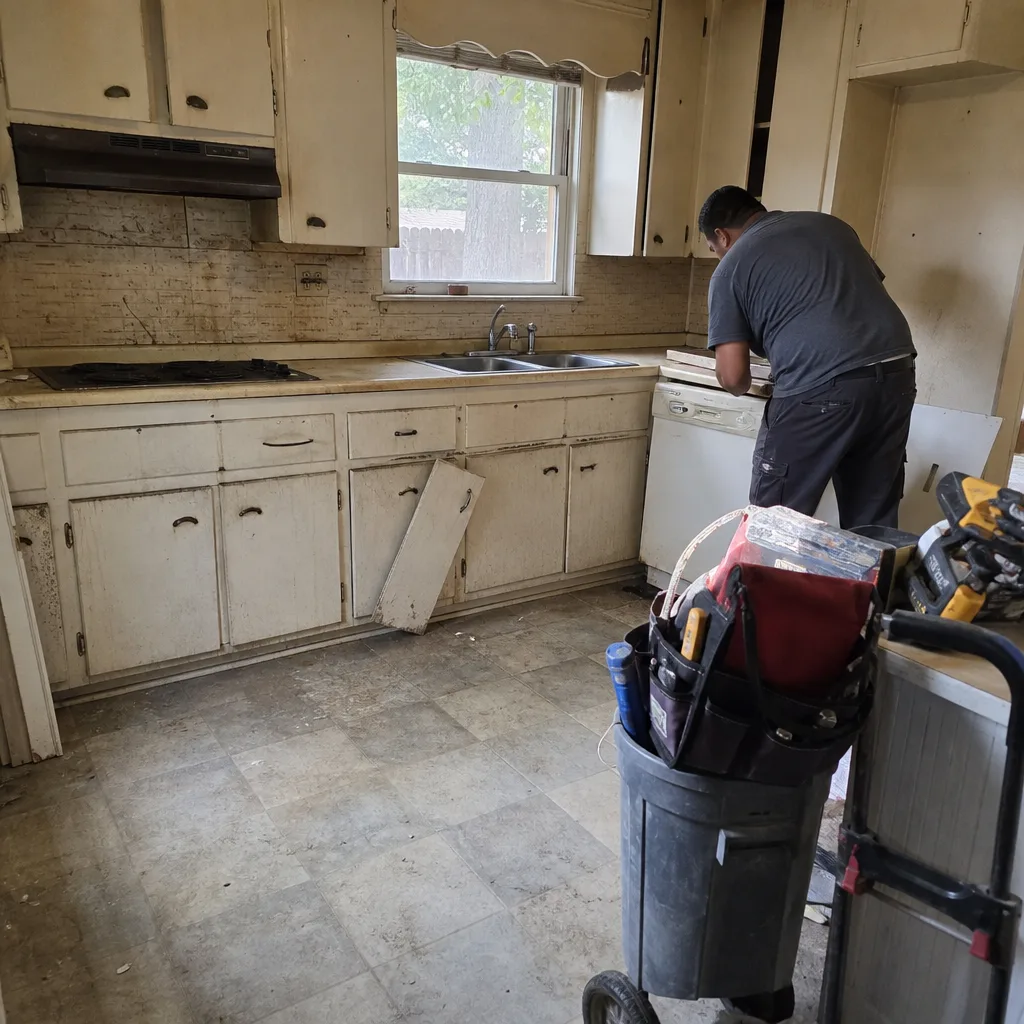 Before
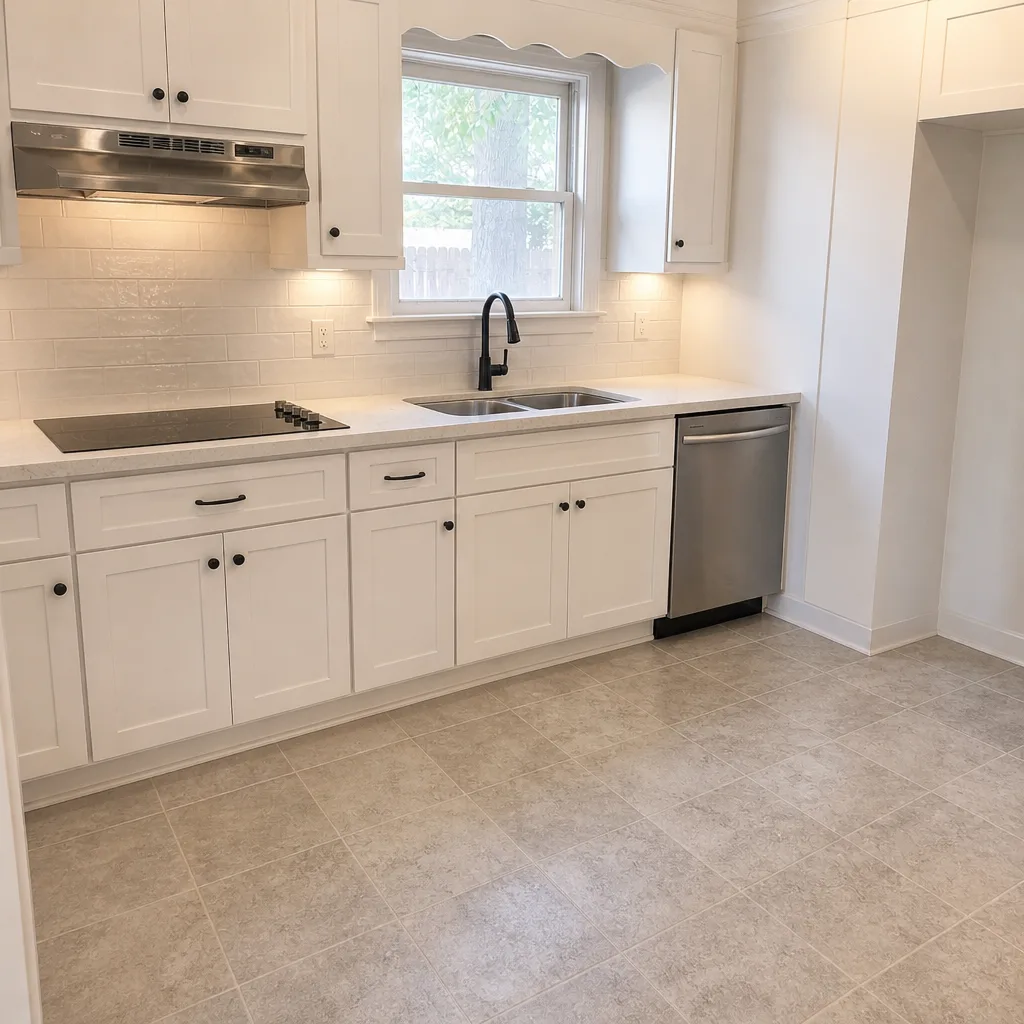 After
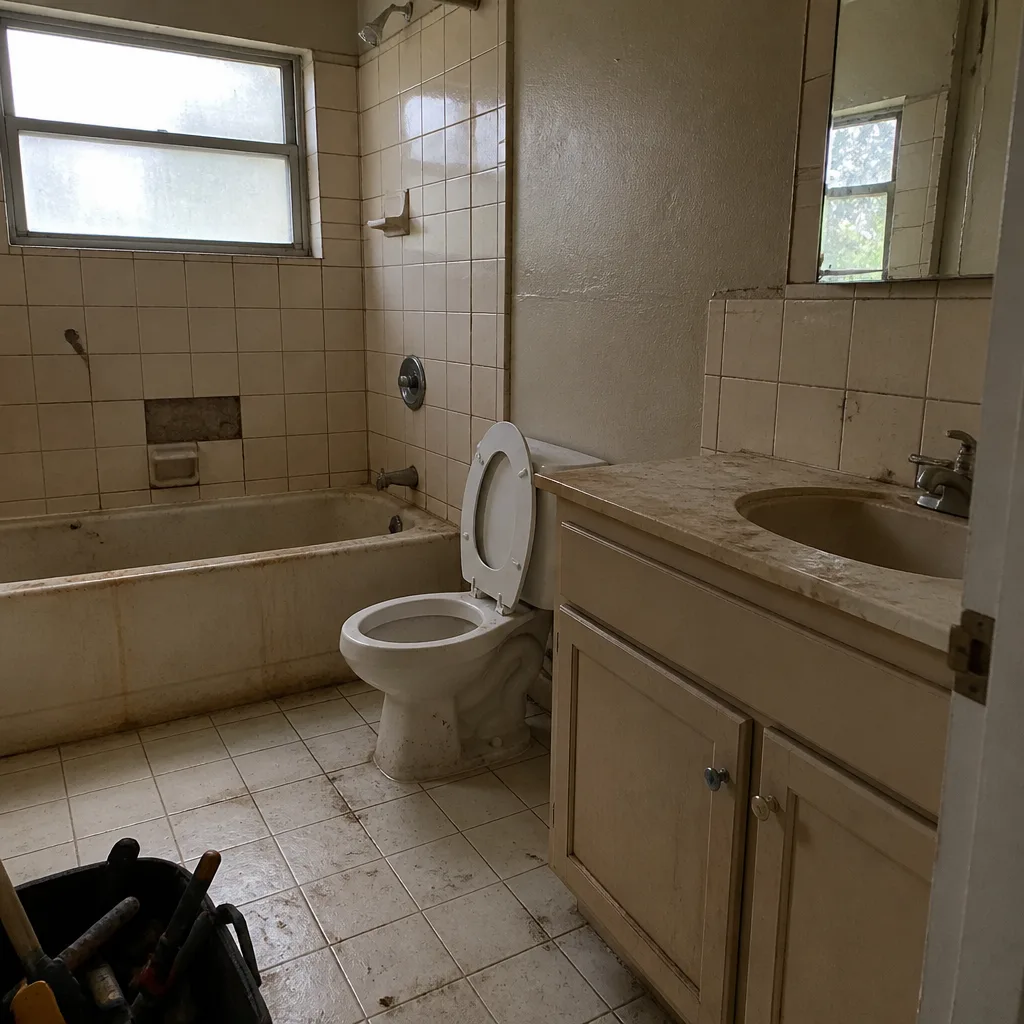 Before
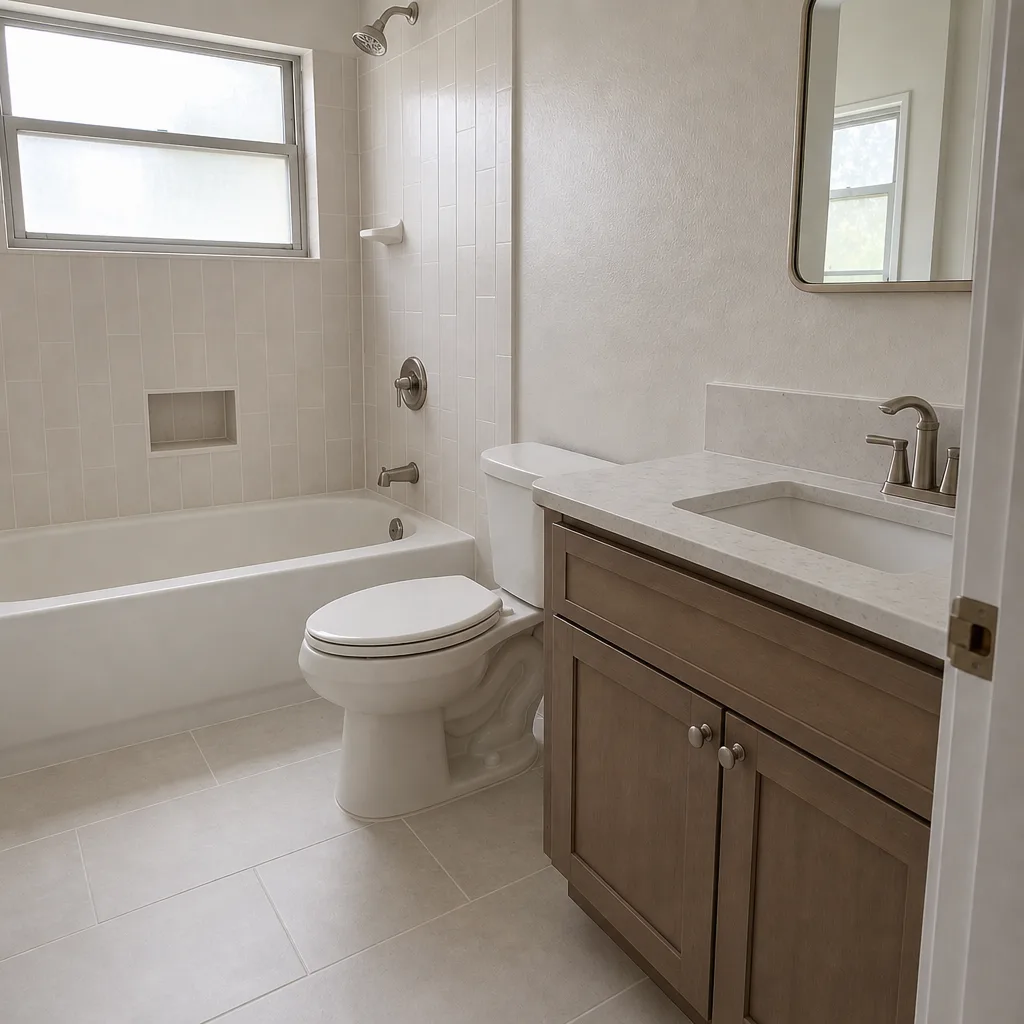 After
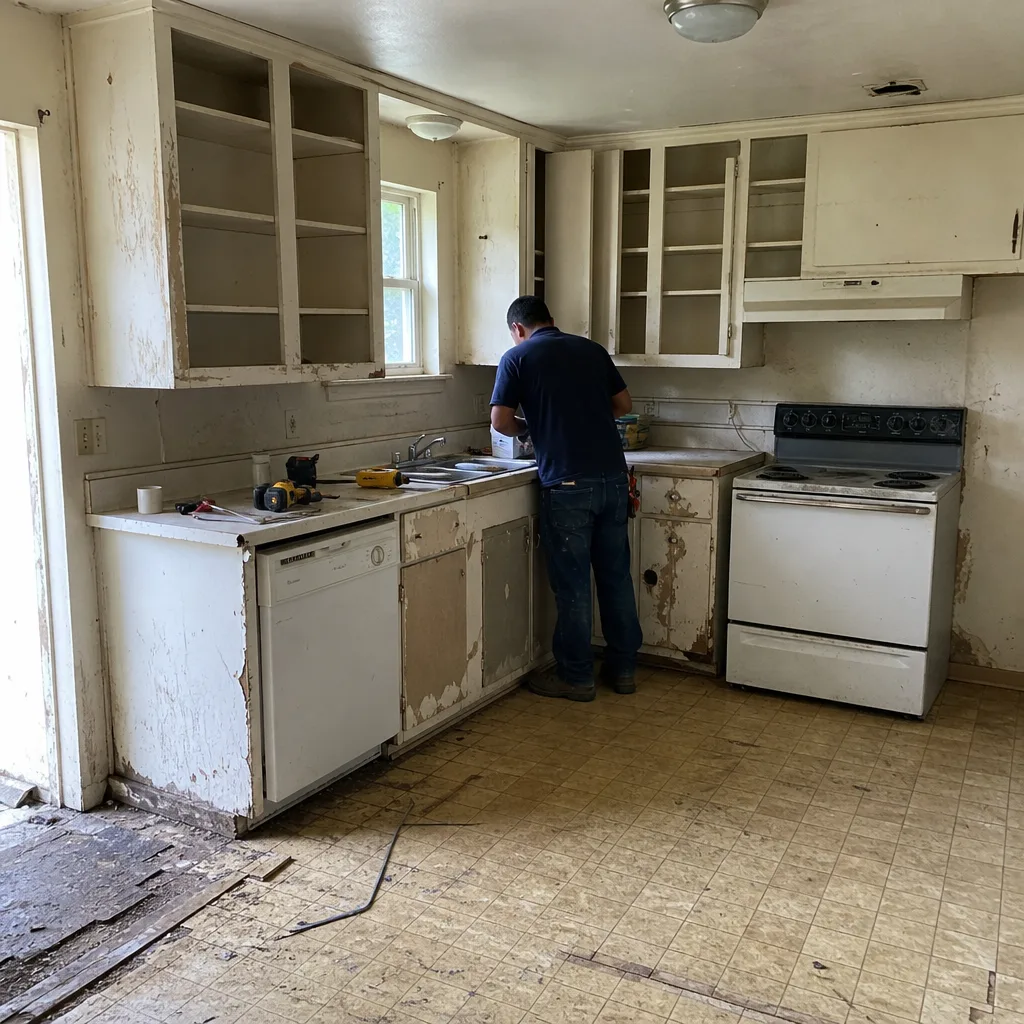 Before
 After
What Cedar Hill Lots Do to This Job
Cedar Hill is hillside country. Land drops sharply from lot to lot in the older single-family neighborhoods off Belt Line and Wintergreen, and a flat pad usually means a retaining wall or two on a sloping property. We see it constantly: the pad needs to be cut on the uphill side and filled on the downhill, and the drainage has to be engineered or the first hard rain finds the weak spot. East-side lots with mature oaks add a tree-protection plan before we excavate. West-side lots near Joe Pool Lake often hit limestone within a few feet, which brings in rock saws. On top of that, expansive North Texas clay causes seasonal foundation movement across the region, so the site plan has to solve drainage before it pours. Spring and fall are the best windows for exterior site work; a summer build here needs heat plans and dust control. We cover the whole city, from the original townsite out to the newer subdivisions, and you can see the full list of what we do on our Cedar Hill service-area page. Some homeowners pair this with a Full Bathroom Remodeling in Cedar Hill project in the main house while utilities are already being trenched.
Serving Cedar Hill, TX – Our Local Coverage Area
We serve Cedar Hill and nearby communities. Use the map below to see the area we cover. If you’re nearby, we can almost certainly help.
Frequently Asked: ADU Site Prep & Utilities in Cedar Hill
Six to twelve weeks from mobilization to rough-in inspection, with rock excavation and a street sewer tap the two things most likely to stretch it. A flat, easy lot with a nearby lateral can run toward six weeks; a hillside lot with limestone and a long tap runs toward twelve. Call (844) 797-4808 for an exact timeline after we walk your lot.
Yes. Grading, retaining walls, and utility connections may each require their own permit and inspection, and the underground work has to be inspected before it’s buried. We pull every permit and hand you the inspection record when the job closes. Call (844) 797-4808 to talk through the permit scope for your lot.
Often yes. If a suitable sewer lateral already runs through the backyard and the electrical panel has spare capacity, the ADU can tap in without touching the main house. That’s the cheapest and fastest path, and it’s the first thing we check. Call (844) 797-4808 and we’ll tell you whether your lot qualifies.
$45,000 – $130,000 for the site and utility work, before the unit itself. Rock excavation, slope, retaining walls, and sewer distance drive the number from the low end to the high end. A written line-item estimate is the only way to know for your lot. Call (844) 797-4808; estimates are free.
Every project we run is backed by our 730-Day Done Right Promise. If it isn’t done right, we make it right, and that promise covers workmanship on the foundation, drainage, and utility rough-in we install. Our technicians have up to 12 years of experience, and every crew is background-checked and uniformed.
Get a Free On-Site Estimate
Call (844) 797-4808 to schedule a free estimate for ADU site prep and utilities in Cedar Hill. A live person answers, day or night. We’ll walk the lot, check where your utilities actually run, flag any rock or slope issues, and hand you a written, line-item number with upfront pricing and a clear scope. Projects over $10,000 get $1,000 off, and 0% financing is available for 18 months. Every job is covered by the 730-Day Done Right Promise.
Written by the team at Groundwork Construction Co. of Dallas.