
Last updated November 16, 2026
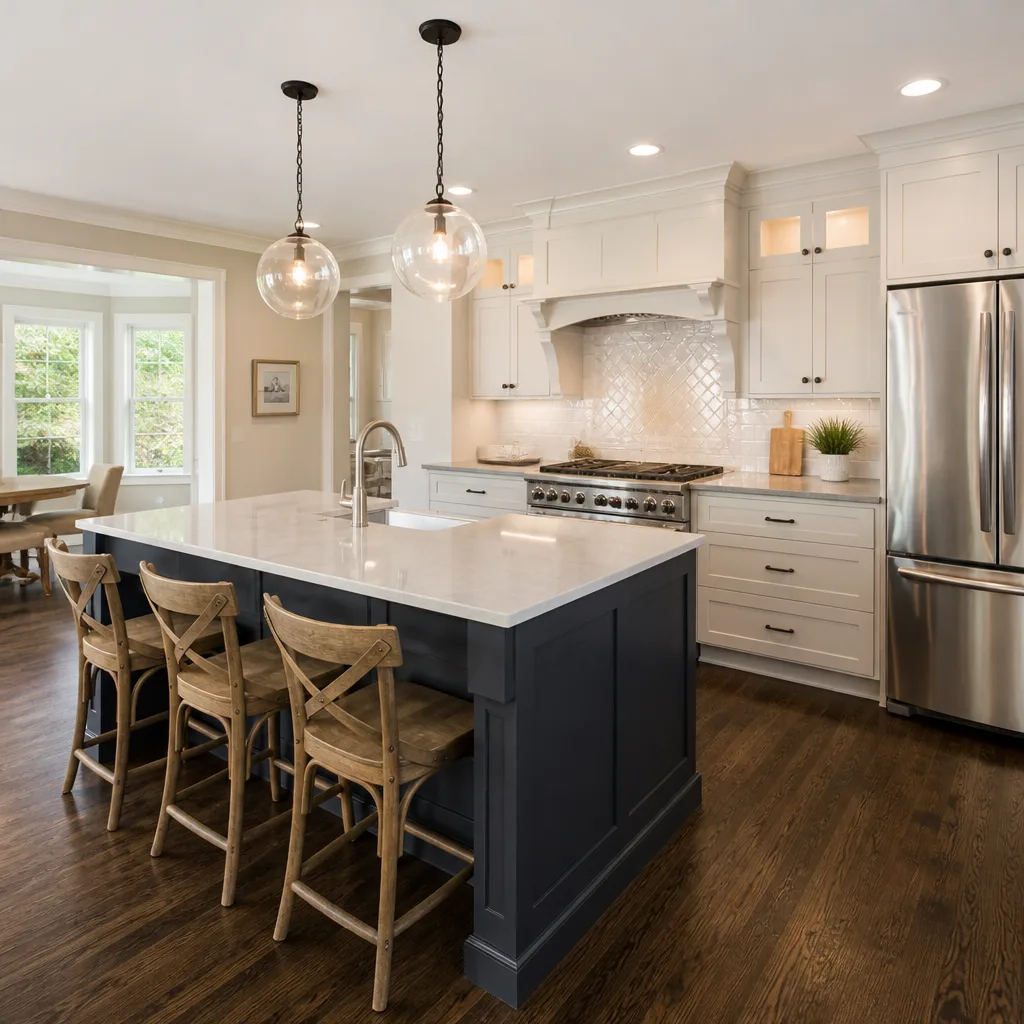 Kitchen remodeling
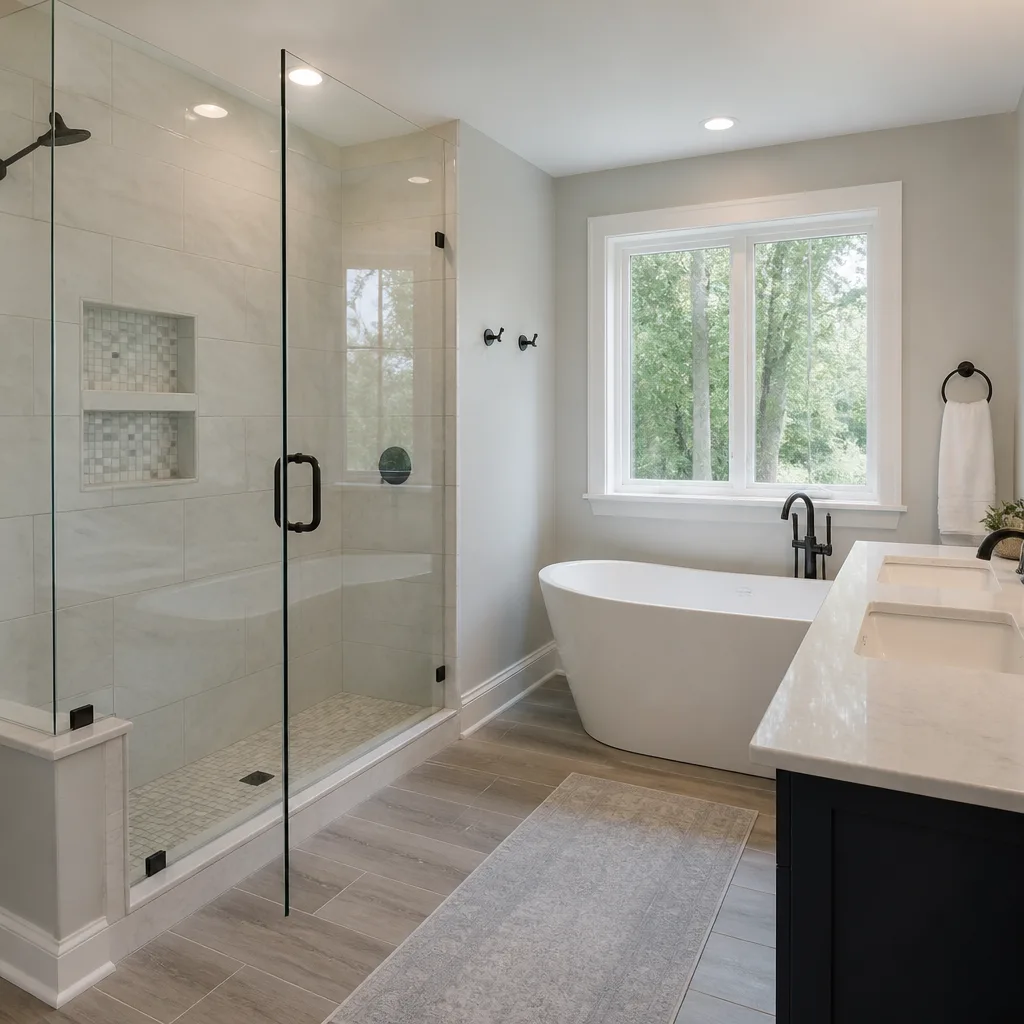 Bathroom remodeling
 Home additions & ADU
 Roofing
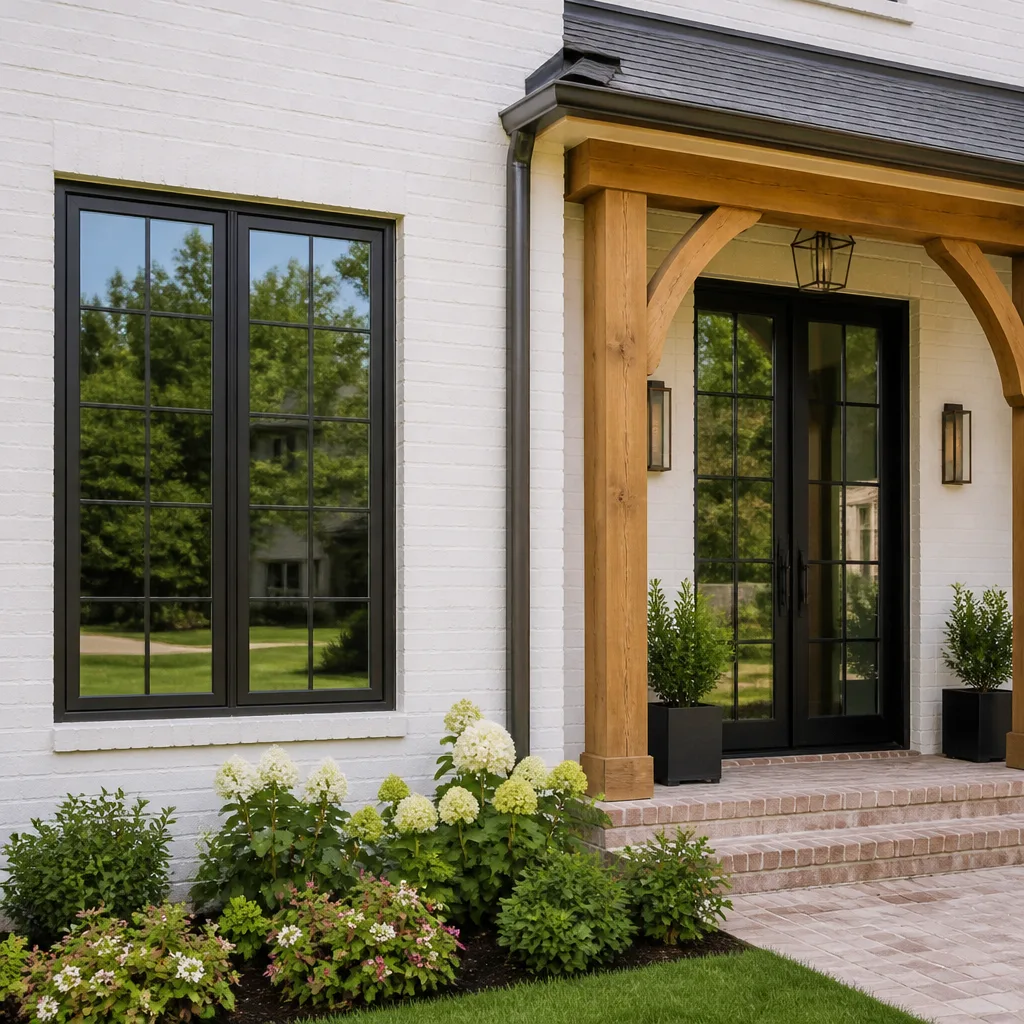 Windows & doors
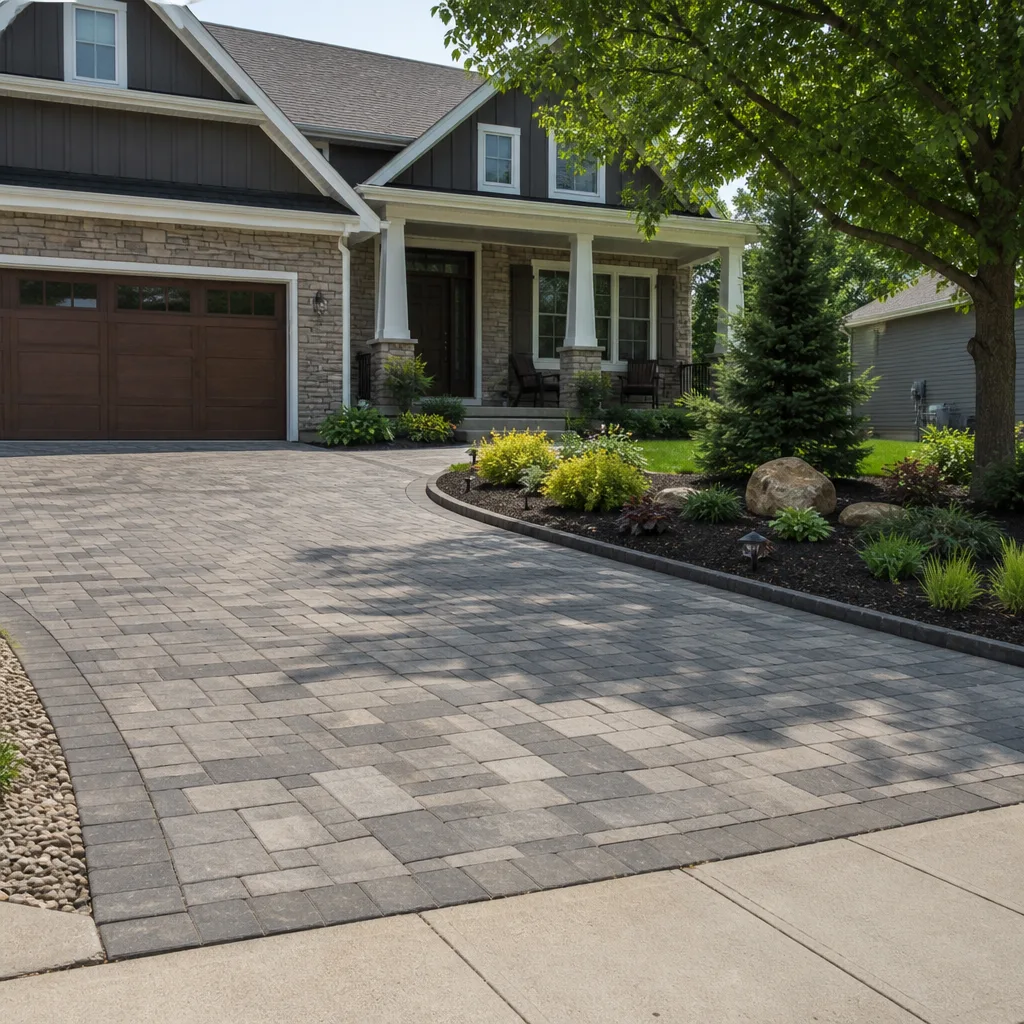 Driveway & pavers
 Fence
Free written scope consultation - allowances, timeline, and change-order rules on paper before a single trade is scheduled
How to Hire a Construction Contractor in Dallas: A Step-by-Step Guide
Texas is one of the few states with no statewide general contractor license requirement, which means the bar to call yourself a Dallas contractor is essentially owning a truck and printing a business card. That’s not a knock on the many excellent builders here. It’s a warning about the ones who aren’t. Dallas County’s construction boom keeps the phone lines busy for good crews and bad ones alike, and the difference between a remodel that lasts and one that fails shows up about eighteen months after the final invoice. This guide walks through the exact vetting process we use when we evaluate trade partners, so you can filter out the risk before anyone swings a hammer.
Quick Answer
To hire a construction contractor in Dallas, verify their TDLR registrations for any licensed trades (electrical, plumbing, HVAC), confirm they pull their own city permits rather than asking you to, get a written scope with explicit exclusions, tie payments to completed milestones instead of a big upfront lump sum, and check that every subcontractor on the job is insured. In Texas, the burden of that verification sits with you, not with a state licensing board.
Styles & brands we work with
- Kitchen remodeling
- Bathroom remodeling
- Home additions & ADU
- Roofing
- Windows & doors
- Driveway & pavers
- Fence
Table of Contents
- What Texas Actually Requires of Contractors
- The Dallas and Texas Registrations That Actually Matter
- The Five-Question Interview Script
- Permits and Inspections: Who Pulls What
- Payment Schedules That Protect You
- Red Flags Buried Inside Contractor Bids
- Verifying Subcontractors and Who’s Really on Your Job
- What Belongs in the Written Contract
What Texas Actually Requires of Contractors
Here’s the part that surprises most homeowners: Texas has no state-issued general contractor license. The Texas Department of Licensing and Regulation (TDLR) licenses electricians, plumbers, HVAC technicians, and several other trades, but the person who frames your addition or runs your kitchen remodel isn’t licensed by the state at all. That’s a real gap, and unlicensed operators know it. Dallas sees a steady churn of companies that appear each spring, collect deposits through summer, and vanish before the punch list is done.
What does exist is a patchwork. Some Texas cities require registration or a permit-only contractor card before pulling work permits. Dallas requires contractors to register with the city’s Development Services department to pull permits in their name, and the permit itself is where most of the accountability lives. A contractor who can’t pull a permit in their own name is telling you something important.
What this means practically for anyone hiring in Dallas:
- General contracting is unlicensed at the state level. “Licensed and insured” on a truck magnet means nothing unless you ask which license and for what scope.
- Trade licenses are real and searchable. Electricians, plumbers, and HVAC techs hold TDLR licenses you can verify online in about a minute.
- Insurance is your real safety net. General liability and workers’ compensation coverage matter more here than in states with tight licensing, because there’s no state board backing you up if things go sideways.
- Roofing registration exists but is limited. Texas requires roofing contractors to register with TDLR, but registration is not a competency test. It confirms they filed paperwork.
In our experience, the contractors who welcome this scrutiny are the ones worth hiring. The ones who get defensive when you ask for a certificate of insurance are doing you a favor by showing their hand early.
The Dallas and Texas Registrations That Actually Matter
Not every credential matters equally. Here’s what to demand in writing, and what it actually proves.
Certificate of Insurance
Ask for a certificate naming you as certificate holder and request that it be sent directly from the insurance agent, not the contractor. General liability coverage should be current and in an amount that reflects the size of your project. Workers’ compensation is the one most homeowners skip, and it’s the one that matters most: if an uninsured worker gets hurt on your property, the claim can land on your homeowner’s policy. In Dallas, where large remodel crews rotate subs often, this is not a hypothetical.
TDLR Trade Licenses
For any electrical, plumbing, or HVAC work, get the license number of the tradesperson, not just the company. The TDLR license search is public. A company can have a licensed master plumber on staff and still send unlicensed helpers to do the rough-in. Confirm who’s actually holding the license and who will be on site.
City of Dallas Contractor Registration
Dallas requires contractors to register with Development Services to pull permits. Ask for their registration number and cross-check it when permits are issued. This is the single fastest way to confirm the contractor is operating inside the system rather than around it.
Roofing Registration
Roofing contractors must register with TDLR in Texas. Ask for the registration number, and be skeptical of anyone who tells you it isn’t required. It is.
Put all of this in one folder. A serious contractor hands over the packet without being asked twice.
The Five-Question Interview Script
You don’t need to become a construction expert to hire well. You need five questions that expose how a contractor actually operates. Ask these in the first conversation, and listen for how quickly and specifically they answer.
1. Who pulls the permit, and will you show me the permit number before we start?
The right answer is that they pull it in their name and give you the number. If they suggest you pull it as the homeowner, walk away. That arrangement shifts liability to you and often signals a crew that can’t pass inspection or isn’t registered.
2. Which inspections are required on this scope, and who schedules them?
A contractor who pulls permits knows the inspection sequence cold. If they can’t tell you what the city will inspect and when, they’ve never actually run this scope in Dallas.
3. Who are the subcontractors, and are they covered under your insurance or their own?
Every trade on your job is either an employee or a sub. Ask which, ask for their certificates of insurance, and ask whether they’ve worked with this contractor before. The answer tells you if you’re getting a set team or whoever’s available.
4. What’s the payment schedule, and what triggers each payment?
Payments should be tied to completed milestones, not calendar dates. Anyone who wants more than 10-15 percent before materials hit the site is asking you to fund their business with your money.
5. What does your workmanship warranty cover, in writing, and for how long?
Get the warranty language in the contract, not a brochure. A real workmanship guarantee covers labor, not just product defects (which are covered by the manufacturer anyway), and it runs longer than the typical one-year handshake.
This is the script that separates contractors who pull their own permits and stand behind their inspections from the ones who’ve built a business on skipping both. At Groundwork Construction Co. of Dallas, every project is covered by our 730-Day Done Right Promise – if it isn’t done right, we make it right – and that’s exactly the kind of writing you should demand from anyone you hire.
Permits and Inspections: Who Pulls What
Permits are the backbone of contractor accountability in Dallas. When a permit is issued, the work becomes visible to the city, inspections are scheduled, and a paper trail exists that survives long after the crew leaves. Here’s how the process should look on a typical Dallas remodel or addition:
- Contractor pulls the permit in their own name. They submit plans to Dallas Development Services, pay the fee, and receive a permit number. You get a copy.
- The permit card is posted on site. Inspectors sign off on each phase – framing, rough-in electrical, rough-in plumbing, insulation, final – and the card documents it.
- Contractor schedules each inspection. You should be told when each is happening and what it covers. In Dallas, framing and rough-in inspections typically can’t be skipped or batched.
- Failed inspections get re-inspected. No work progresses past a failed inspection until it’s corrected and re-inspected. If your contractor wants to “move ahead and fix it later,” that’s a decision that costs you at final inspection.
- Final inspection and certificate of occupancy (where required). For additions and ADUs, the final sign-off matters for insurance, appraisal, and resale. A project without final inspection can be a problem at closing.
Dallas has some quirks in the permit process, especially on older homes in neighborhoods like East Dallas, where the housing stock is 1920s-era and plans reviewers flag structural and foundation issues that newer builds never touch. In our experience, the contractors who budget inspection time and re-inspection costs up front are the ones whose projects finish on schedule. The ones who quietly assume no inspections will happen are the ones who discover mid-project that they have a problem.
Payment Schedules That Protect You
Payment structure is where unsophisticated homeowners get hurt. The lump-sum trap looks like this: contractor asks for 50 percent down, you pay it, and suddenly your project is funded half by the bank and half by your faith. If the contractor walks or stalls, you’ve lost leverage and money at the same moment.
The milestone-based model is the standard for reputable contractors in Dallas and everywhere else. Here’s what it looks like:
- Small deposit (10-15 percent) to lock the schedule and order materials. Some contractors waive this entirely in exchange for a materials draw. Either is fine; more than 15 percent before work starts is not.
- Progress payments tied to completed milestones. For a kitchen: demolition complete, rough-in passed inspection, cabinets set, counters installed, final punch. Each milestone unlocks a payment only after you’ve verified it.
- Retainage (5-10 percent) held until final inspection and punch list. This is your leverage on punch work and warranty attention. It’s standard, and reputable contractors expect it.
- Final payment only after you’ve walked the project. No exceptions. The last check is your strongest conversation.
Two related protections worth demanding: a written lien waiver from the contractor and each major subcontractor as payments are made, and confirmation that material suppliers have been paid (materials liens can attach to your property). On a large remodel or addition, having a lender hold funds in escrow is a legitimate way to protect the payment schedule – and offers like our 0% financing for 18 months exist precisely because most homeowners don’t have a spare $80,000 sitting in checking. Upfront pricing that’s fixed before work starts, paired with a written milestone schedule, is what makes the finance work for you rather than against you.
Red Flags Buried Inside Contractor Bids
Bids look alike to the untrained eye. They shouldn’t. A vague bid is a liability transfer disguised as a competitive quote, and Dallas has no shortage of them. Here’s what to look for.
Vague Scope Language
“Update kitchen electrical to code” is not a scope. “Replace 12-gauge wiring on two kitchen circuits, relocate GFCI receptacles to current code, install dedicated circuit for range, permit and inspection included” is a scope. If the bid doesn’t name materials, quantities, and labor, you have no basis for comparison – and no recourse if the work falls short.
Missing Exclusions
Look for what the bid doesn’t say. Is drywall included? Paint? Haul-away? Proof of permit? Most disputes in Dallas come down to work a homeowner assumed was in the price and a contractor who assumed it wasn’t. Demand a written exclusions list and read it as carefully as the inclusions.
Unit Prices That Allow Cost Explosion
Watch for language like “additional cabinets at $X per linear foot” or “$Y per square foot over the stated allowance.” These are the levers a contractor pulls after signing to grow the price. Upfront pricing in writing, with allowances that match realistic Dallas market rates, is the alternative. Vague unit prices are how a $45,000 remodel becomes a $70,000 one.
Allowances That Are Too Tight
An allowance is a budget placeholder for something you’ll choose later – tile, fixtures, countertops. A tight allowance forces an upgrade conversation after you’re already committed. Check that allowances match realistic Dallas pricing for the product category, especially on kitchens and baths where material costs vary widely.
Contingency Missing
Old Dallas homes have surprises. A remodel bid with zero contingency means every surprise becomes a change order. A reasonable contingency line (10-15 percent on older homes) is the sign of a contractor who’s done this work in this city.
Comparison Shop, Don’t Low-Ball
Get three bids and compare line by line, not at the bottom of the page. The lowest bid is often lowest because it’s incomplete – and the difference between low and middle on a scope-matched comparison is usually what the missing work would have cost anyway.
Verifying Subcontractors and Who’s Really on Your Job
You hire the name on the truck, but the hands on your house are often someone else’s. That’s normal. Most construction companies subcontract electrical, plumbing, HVAC, roofing, tile, and concrete trades to specialists. What isn’t normal, and what should end the conversation, is a contractor who can’t tell you who those subs are, or who can’t produce certificates of insurance for them.
Here’s how to verify:
- Ask for the sub list before work starts, by trade. If your contractor can’t name them, they’re either hiring day labor or treating you like you don’t need to know.
- Request certificates of insurance for each sub – general liability and workers’ comp. Request that these come from the subs’ insurance agents, not retyped by the contractor.
- Confirm trade licenses on TDLR for electrical, plumbing, and HVAC subs. The license number should match the person on site, not just the company.
- Check whether subs are paid directly by the contractor, not by you. You should not be paying subcontractors separately. If you are, your relationship is fragmented and lien risk goes up.
- Demand lien waivers as the job progresses. Each sub provides a signed waiver as they’re paid. This protects your title from claims.
- Ask who shows up on day one. If the answer is “a crew,” ask for names and whether they’re employees or subs. You should know who’s in your house.
In our experience, this is the check that catches the worst operators. Companies that run on shifting, unverified crews are the ones whose warranty conversations get complicated when something goes wrong. At Groundwork Construction Co. of Dallas, every technician on your project is background-checked and arrives in uniform, and the same standard applies across our network of trusted local pros. That’s not a flourish. It’s the accountability layer the state doesn’t provide.
What Belongs in the Written Contract
A handshake has its place, and it’s not here. Get everything in writing, and don’t sign a contract that leaves any of these silent:
- Full scope of work with materials, quantities, brands, model numbers, and finishes specified.
- Explicit exclusions list.
- Permit and inspection responsibility, including who pays permit fees.
- Payment schedule with milestone triggers, not calendar dates.
- Change order process in writing. No change without a signed change order with the price and schedule impact noted.
- Start and substantial completion dates, with a described weather and inspection delay clause.
- Workmanship warranty language with duration, what’s covered, and how claims are handled.
- Manufacturer product warranties passed through to you in writing (GAF or Owens Corning roof warranties, Andersen or Marvin window warranties, KraftMaid or Cambria countertop warranties – each one should be delivered at closeout).
- Lien waiver process for contractor and subs.
- Dispute resolution and Texas venue language.
What goes into a contract is one thing. What gets delivered matters just as much. A written warranty that disappears when the crew does is worthless, which is why the 730-Day Done Right Promise here is delivered as a written commitment on every project – and why we make sure the manufacturer brand partners specified in your contract (Cambria, KraftMaid, James Hardie, Belgard) come through our curated network, so the product warranty actually means something.
Common Mistakes to Avoid
- Paying more than 15 percent before work starts. Big upfront payments are the single most common way Dallas homeowners lose money to contractors who can’t finish what they start.
- Trusting “licensed” without asking for the license. In Texas, general contracting is unlicensed. Ask which license, for which trade, and verify the number.
- Letting the contractor tell you to pull the permit. In Dallas, that move shifts code compliance and liability onto your homeowner insurance and can complicate a future sale.
- Skipping the insurance certificate check. A crew member injured on your property without workers’ comp coverage can leave you exposed. Verify coverage before day one.
- Accepting a bid without exclusions listed. Dallas is a market where “paint not included” or “drywall not included” can appear mid-project and become a four-figure surprise.
- Choosing the lowest bid that’s actually incomplete. Compare line by line, not at the total. The lowest bid is often lowest for a reason.
- Not asking who the subs are. The name on the truck isn’t always the hands on your house. Ask for the sub list and the certificates.
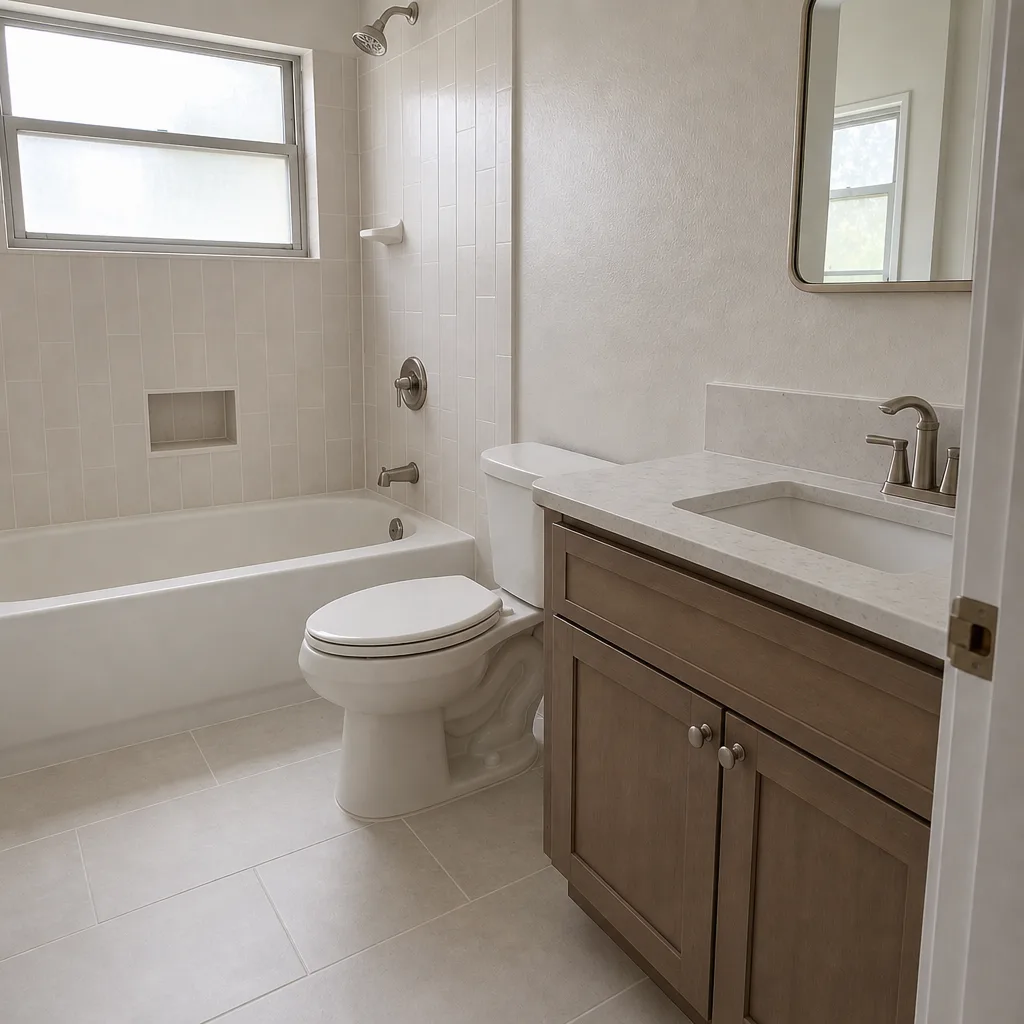
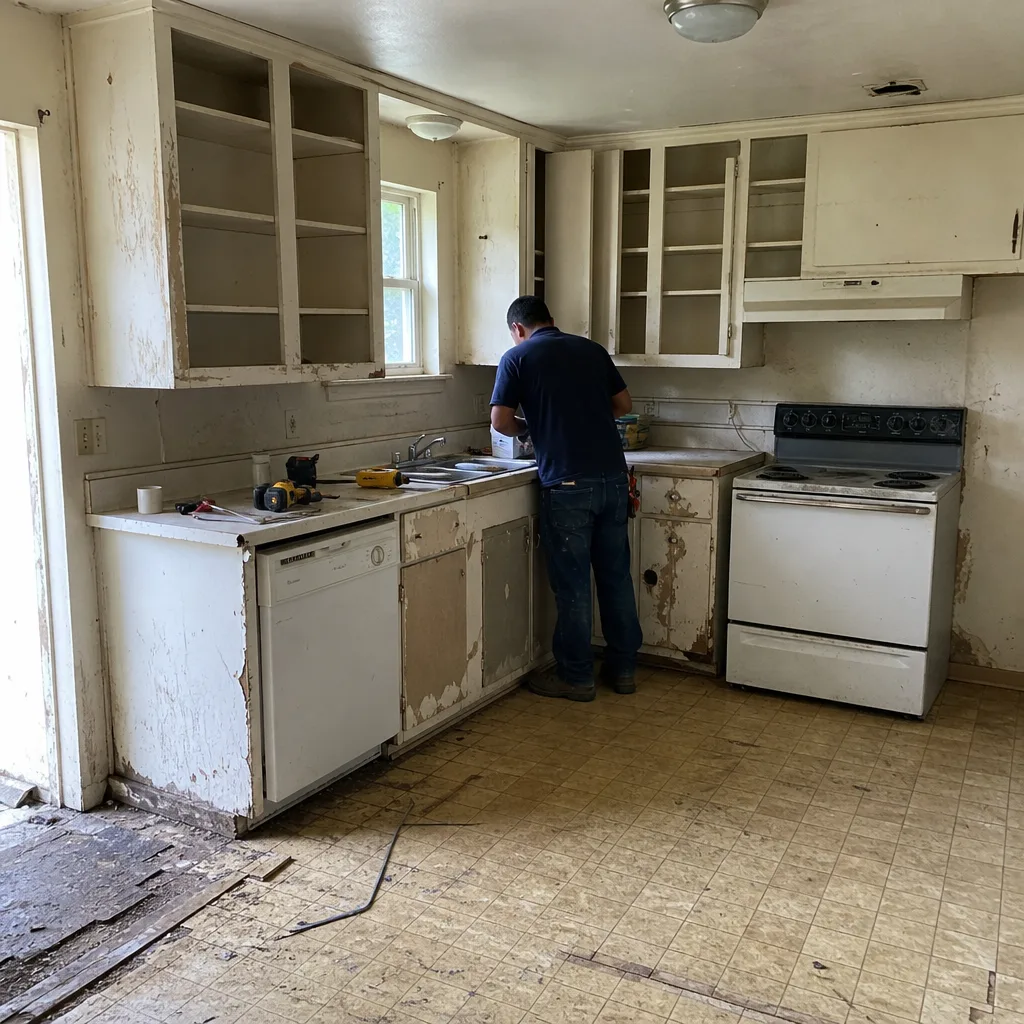
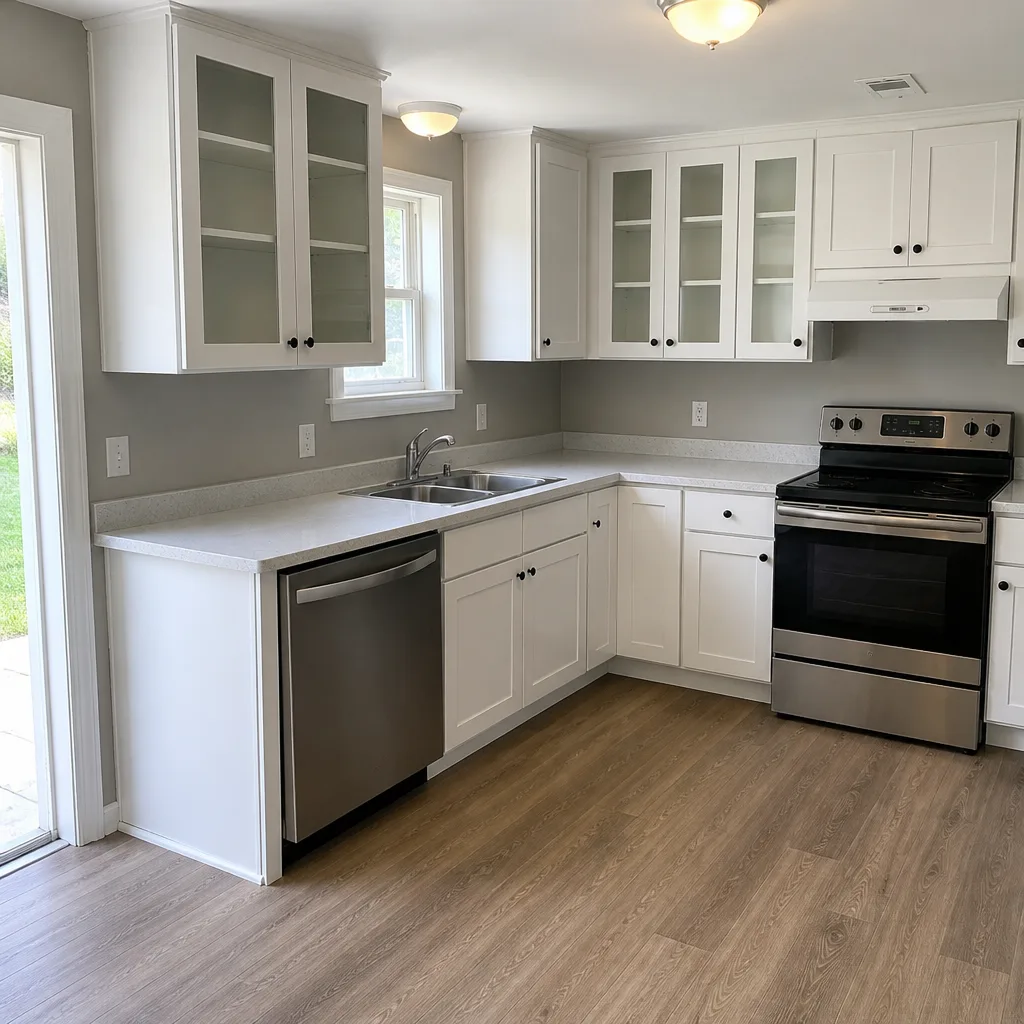
See the difference
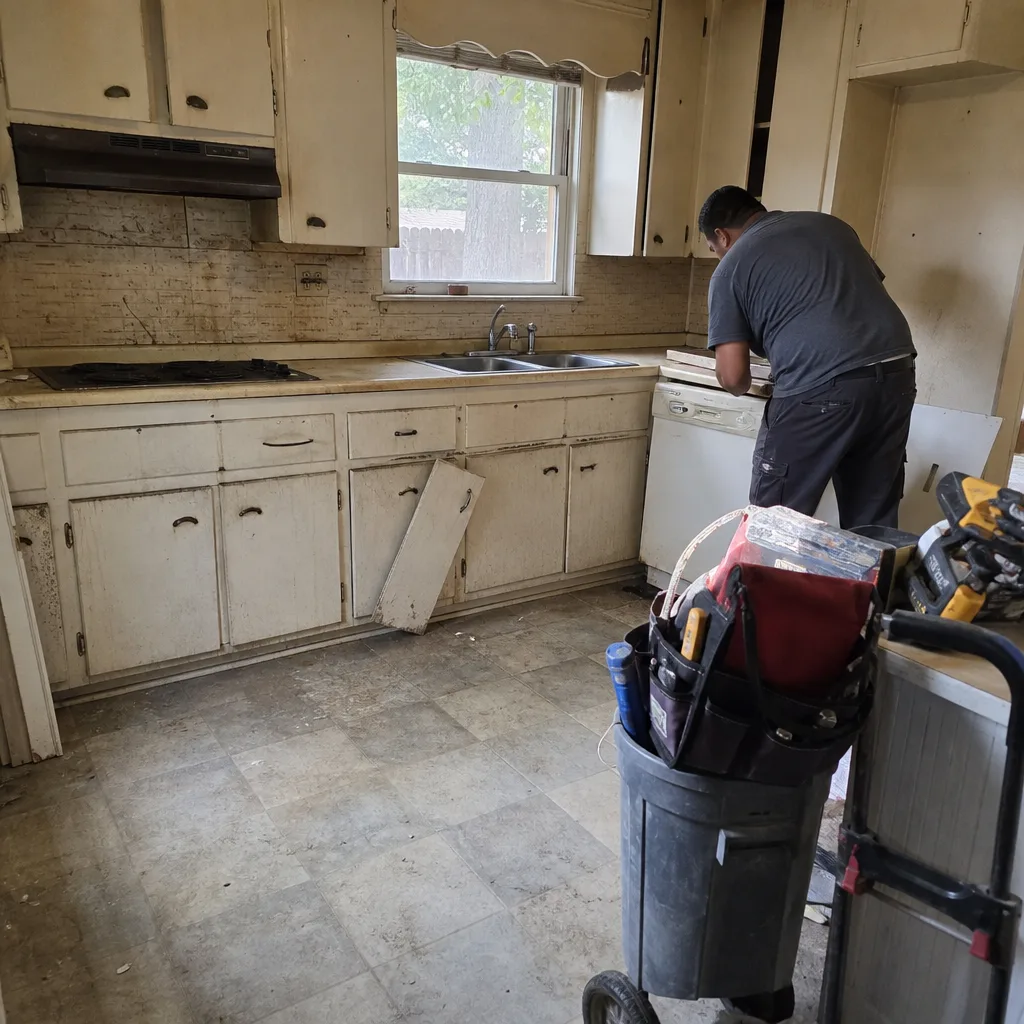 Before
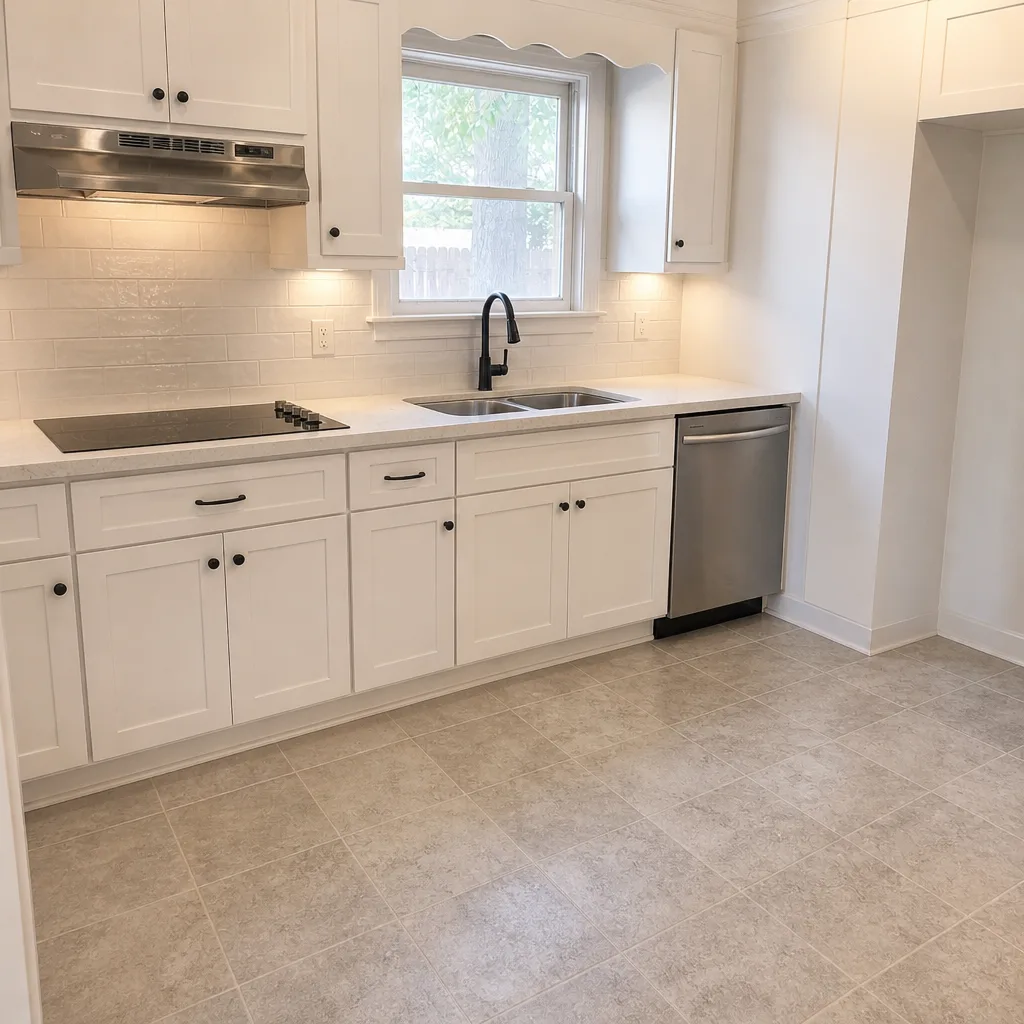 After
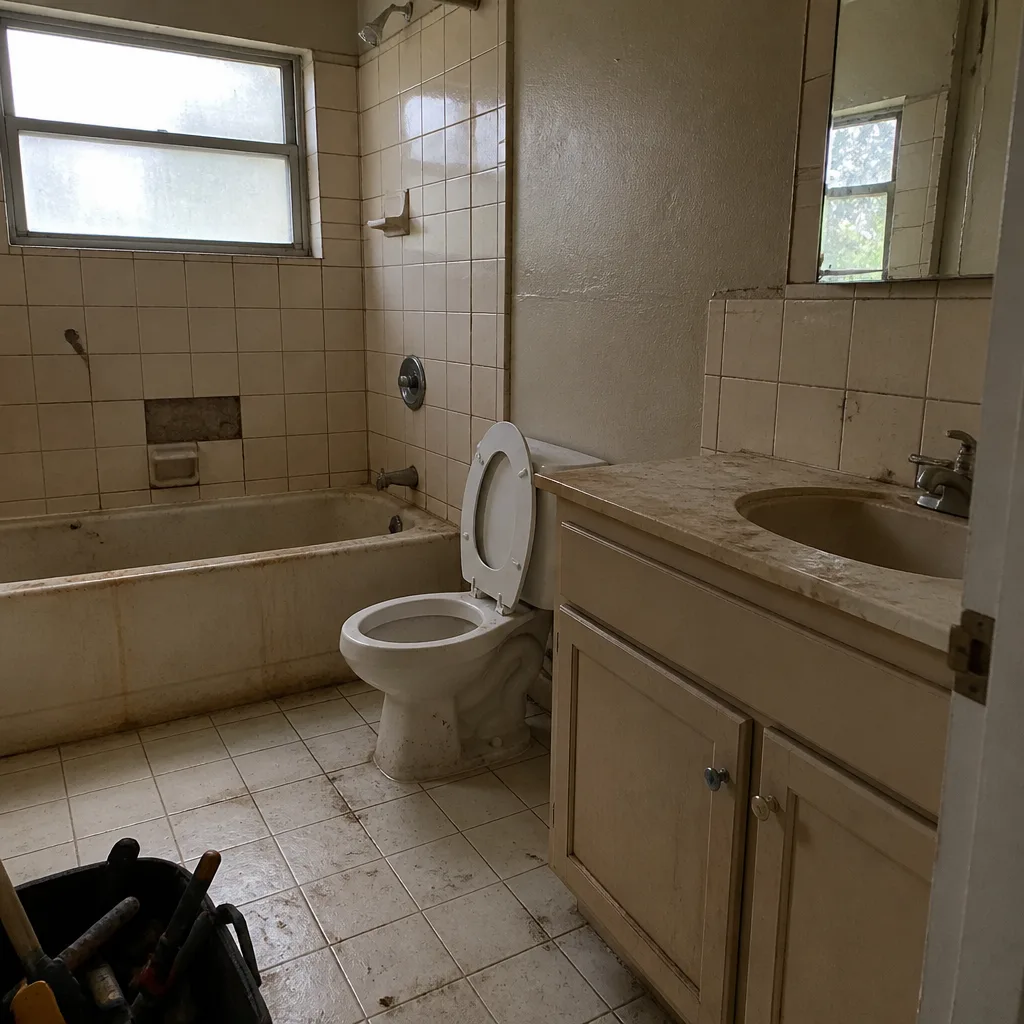 Before
 After
 Before
 After
When to Call a Professional
Some scope is worth doing yourself – paint, small trim work, a simple fence repair. But the moment a project touches structure, permits, electrical, plumbing, roofing, or foundations, it belongs with a contractor who carries the insurance, pulls the permits, and stands behind the work in writing. Dallas homes are particularly prone to surprises: the 1920s bungalows in East Dallas hide framing issues under new drywall, the slab foundations common across North Texas need proper drainage and grading, and summer heat stresses roofing materials in ways the install manual cares about. If your project touches any of that, or if a bid feels vague, get a second opinion from a professional before you sign. Groundwork Construction Co. of Dallas offers free estimates in Dallas – call (844) 797-4808 to schedule yours, and we’ll walk the scope with you before we ever quote a number.
Frequently Asked Questions
Texas does not license general contractors, so there’s no state general contractor license to check. What you can and should verify: the contractor’s registration with the City of Dallas Development Services for permit pulling, TDLR trade licenses for electricians, plumbers, and HVAC technicians, roofing registration with TDLR, and current certificates of insurance. In Texas, verify the credentials rather than assuming a license exists. Call (844) 797-4808 for an exact quote on your project – estimates are free.
A reasonable deposit is 10-15 percent before work starts, and anything over 20 percent is a red flag. Payments after that should be milestone-based, with 5-10 percent retainage held until final inspection and punch list. If a contractor demands 50 percent upfront, walk. Call (844) 797-4808 to talk through payment structure on your project – we walk through it before you sign anything.
The contractor should pull the permit, in their name, and give you the permit number before work begins. When the homeowner pulls the permit, liability and code compliance transfer to you, and insurers and future buyers can flag unpermitted work at resale. If the contractor refuses to pull the permit, that’s a signal they aren’t registered with Dallas Development Services. Call (844) 797-4808 to confirm how we handle permits on your scope.
Ask for the sub list by trade before work begins, request certificates of insurance from each sub’s insurance agent, verify TDLR licenses for electrical, plumbing, and HVAC subs, and confirm that the contractor pays the subs directly rather than asking you to. Ask who shows up on day one and whether they’re employees or subs. A serious contractor answers all five without hesitation. Call (844) 797-4808 to see how we document this on every project.
Vague scope language like “update electrical to code,” missing exclusions, unit prices that allow cost growth (“$X per linear foot after the allowance”), allowances too tight for realistic Dallas materials pricing, and zero contingency on old-home remodels. Any bid that doesn’t include a written exclusions list and a milestone-based payment schedule is a bid you should not sign. Call (844) 797-4808 to see a written, upfront-priced quote on your scope – estimates are free.
On a well-written contract, the price should change only through a signed change order for something that wasn’t in scope – like hidden water damage or an owner-requested upgrade. If the bid was vague, expect price growth. If it was specific with a written exclusions list and realistic allowances, surprises should be few and documented. Call (844) 797-4808 for an exact quote before work starts – upfront pricing, no surprises.
The Bottom Line
Hiring a contractor in Dallas well comes down to four moves: verify credentials rather than relying on the state to do it, insist the contractor pulls their own permits, protect yourself with a milestone-based payment schedule instead of a lump sum, and read the bid for what’s missing, not just what’s in it. Texas’s light licensing environment isn’t a reason to skip the vetting. It’s the reason the vetting matters more here than in most states. The contractors worth hiring welcome the questions, hand over the documentation without a fight, and put their workmanship in writing for longer than a year – which is exactly what the 730-Day Done Right Promise is about.
Whether you’re planning a kitchen overhaul, a bathroom renovation, a roof replacement, a home addition, a new driveway or pavers, or a fence installation across Dallas, our team is here to walk you through the process. Visit Groundwork Construction Co. of Dallas home to see how we approach each service, and when you’re ready to price your project, call (844) 797-4808 to schedule your free estimate. We answer with a live person, 24/7, no voicemail and no waiting until Monday morning, and we’ll walk your scope – permits, subs, payment schedule, warranty – before we ever quote a number.
Written by the team at Groundwork Construction Co. of Dallas.