
Last updated November 16, 2026
 Home additions & ADU
 Kitchen remodeling
 Bathroom remodeling
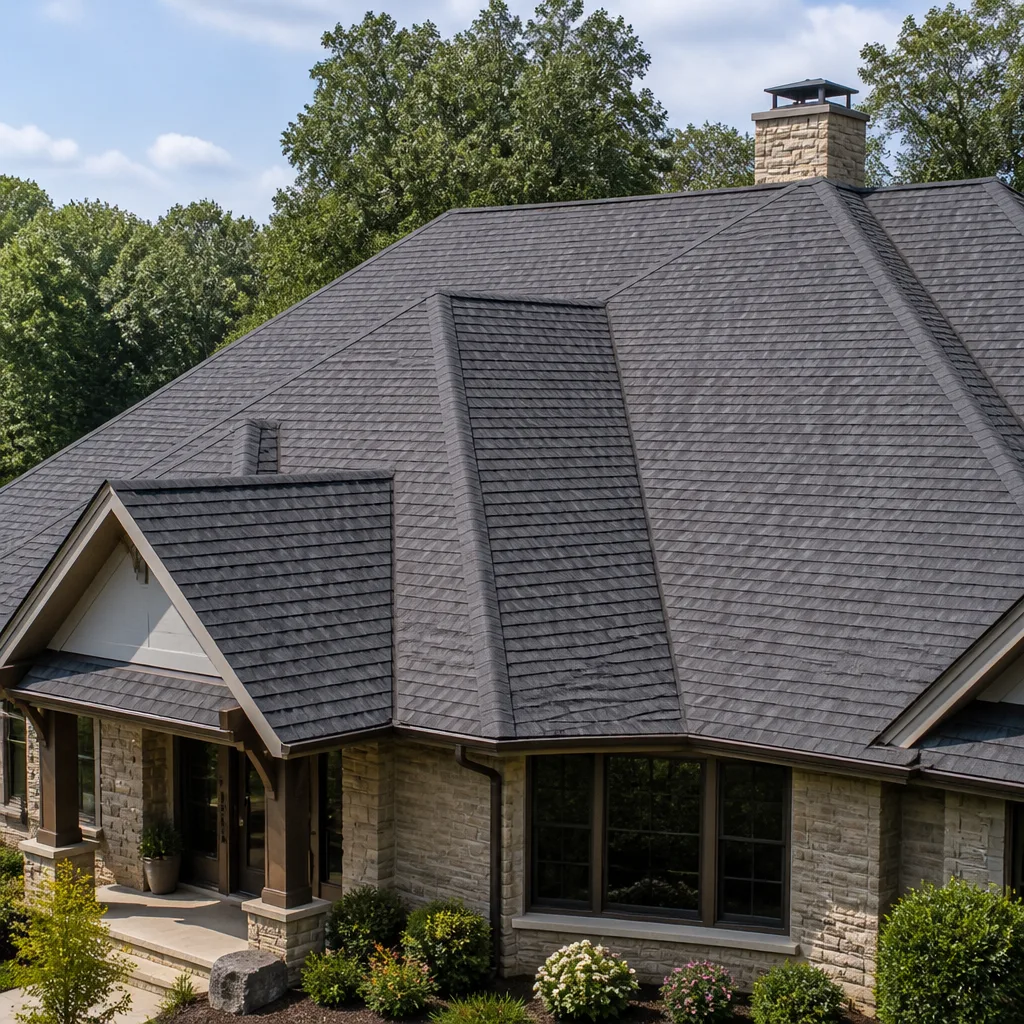 Roofing
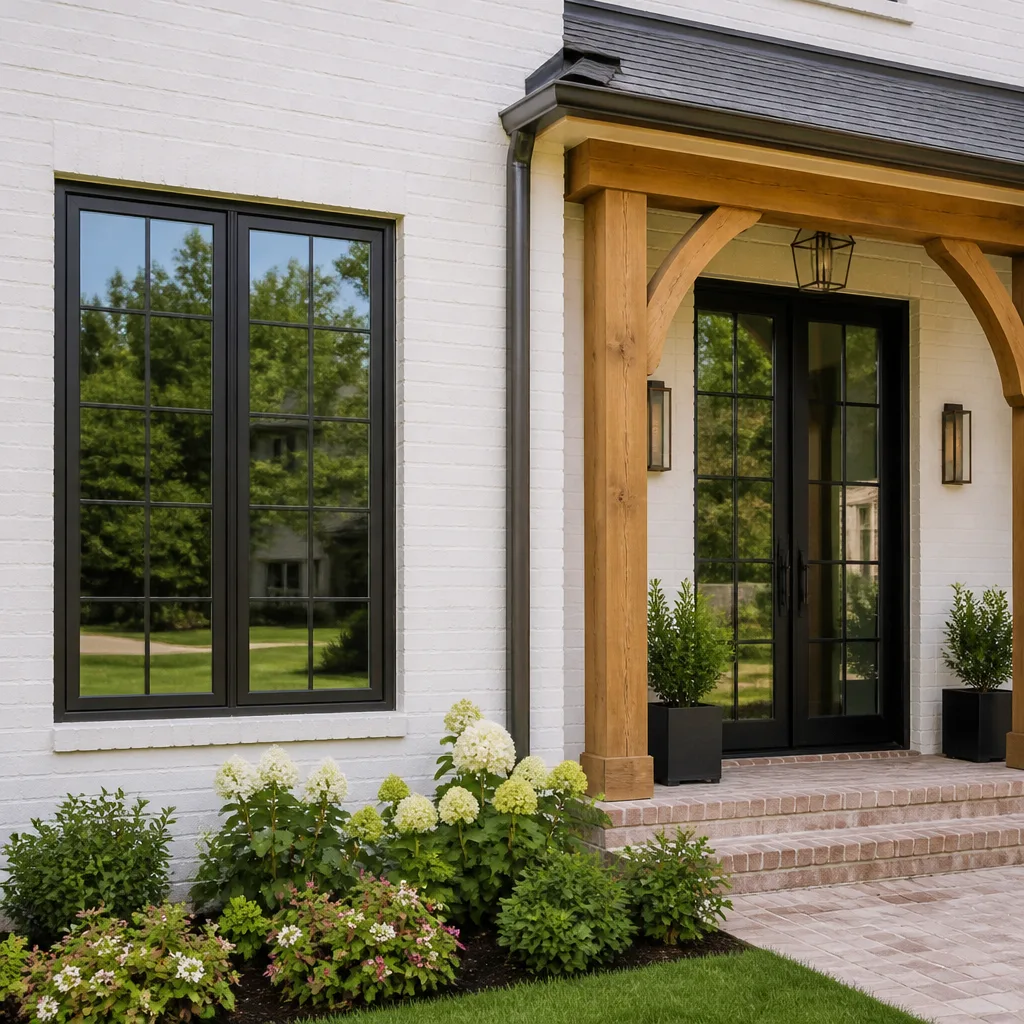 Windows & doors
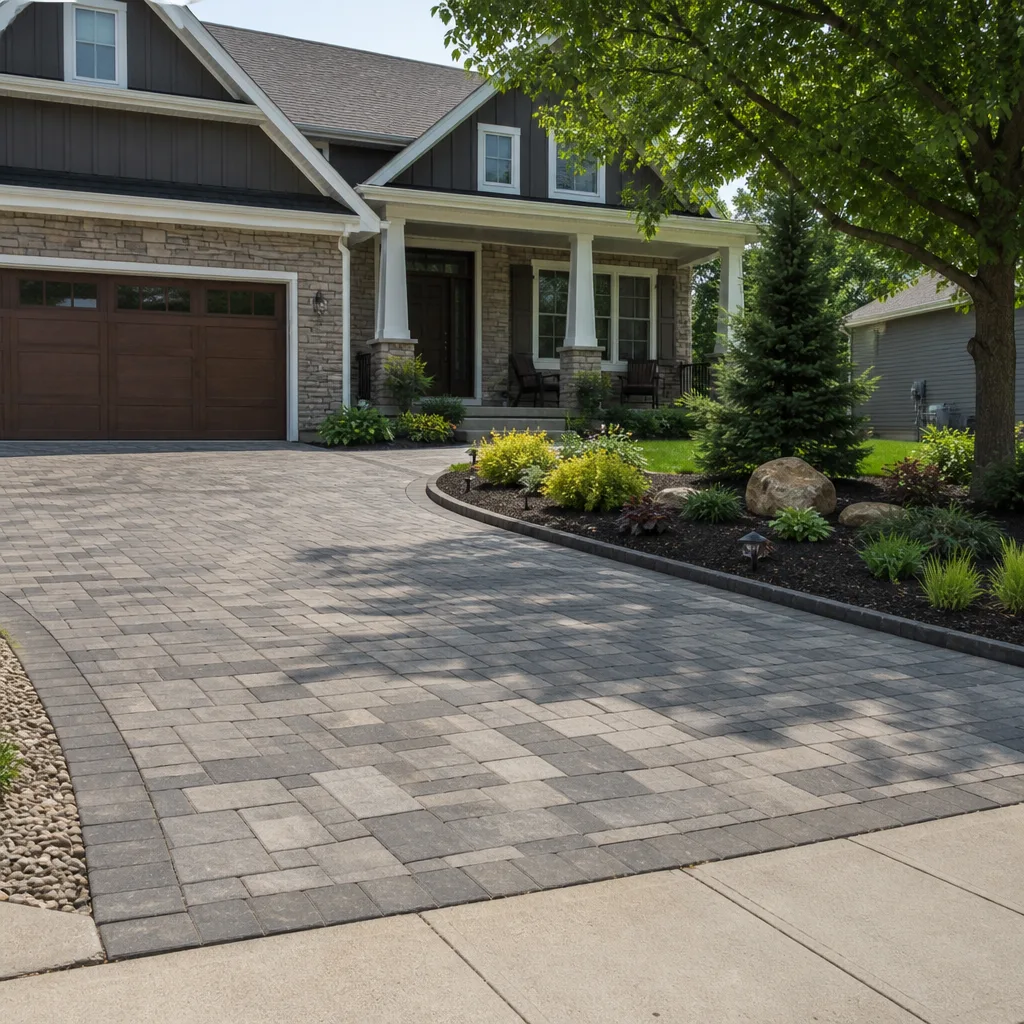 Driveway & pavers
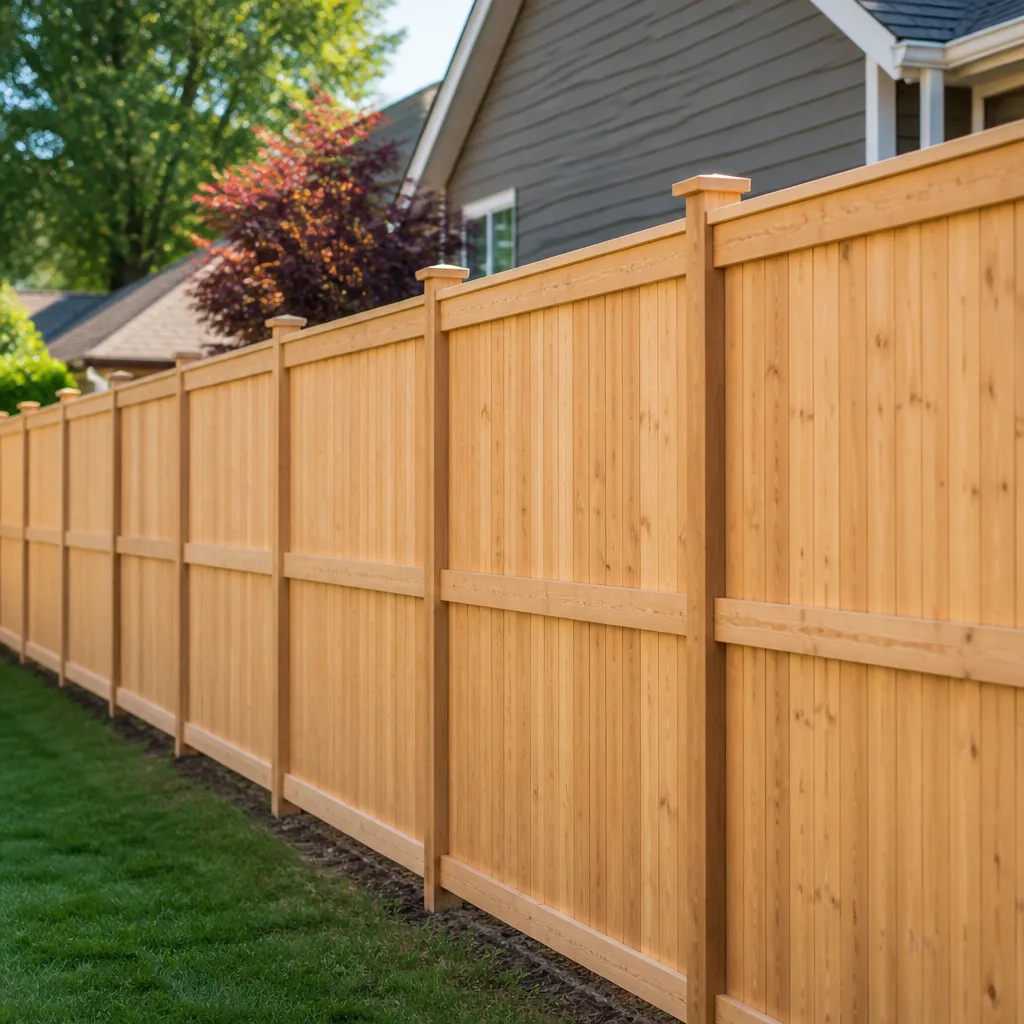 Fence
Free written scope consultation - allowances, timeline, and change-order rules on paper before a single trade is scheduled
Seasonal Construction Care for Dallas: Year-Round Homeowner’s Guide
Dallas doesn’t hand you four gentle seasons. It gives you two extremes and two narrow transition windows, and each one attacks your house in a different way. The stretch between Dallas’s last hard freeze and its first 95°F afternoon can run as short as six weeks, which means the homeowner who waits for “spring” to deal with winter damage is already behind the summer sun that’s about to make it worse. This guide breaks down what actually matters in each window for Dallas homes – the caulking, the clay soil, the hail, the pier-and-beam plumbing – so you’re working one season ahead instead of two behind.
Quick Answer
Seasonal construction care in Dallas means prioritizing four distinct risk windows: post-freeze inspection of caulking, expansion joints and concrete flatwork in March and April; UV and heat protection of exterior coatings and roofing through the long May-to-September summer; drainage and grading corrections in October and November before heavy rain hits saturated clay soil; and freeze protection of exposed pipes and flatwork from December through February. Layer Dallas’s peak hail season (April through June) on top and you get a year-round inspection rhythm, not a spring cleaning.
Styles & brands we work with
- Kitchen remodeling
- Bathroom remodeling
- Home additions & ADU
- Roofing
- Windows & doors
- Driveway & pavers
- Fence
Table of Contents
- Spring in Dallas (March-April): The Post-Freeze Inspection Protocol
- Dallas Hail Season (April-June): The Post-Storm Checklist
- Summer in Dallas (May-September): UV Degradation and When to Reseal vs. Strip
- Fall in Dallas (October-November): Drainage Grading Before the Rain
- Winter in Dallas (December-February): Pipes, Pier-and-Beam, and Freeze-Thaw Concrete
- The Dallas Homeowner’s Year-Round Inspection Calendar
- Common Mistakes to Avoid
- When to Call a Professional
Spring in Dallas (March-April): The Post-Freeze Inspection Protocol
By the time Dallas thaws out, the freeze-thaw cycle has already done its quiet work. Water gets into a hairline crack, freezes overnight, expands, and widens that crack a little more each time. Two or three freeze events over a Dallas winter is enough to turn a cosmetic gap into a real opening. The problem is that most homeowners look at their house on a warm Saturday in March, see nothing obviously wrong, and move on. The damage is there – it’s just smaller than a flashing neon sign.
Here’s the inspection sequence we walk Dallas homeowners through every March, in order:
- Walk the exterior caulk lines at ground level and at every window and door. Press a fingernail into the bead. If it’s hard, cracked, or pulling away from the frame, it’s failed. Dallas sun bakes caulk from the day it’s applied, and a freeze finishes the job.
- Check every expansion joint in driveways, walkways and patios. Those joints are designed to move. When the filler has dried out or fallen away, the next freeze lets water in and the slab starts to spall at the edges.
- Look for new cracks in concrete flatwork wider than a credit card edge. Hairline cracks are normal in Dallas clay. Cracks you can slide a quarter into are telling you the soil underneath has shifted.
- Inspect the roof flashing at chimneys, valleys and penetrations. Freeze-thaw opens the sealant at flashing seams before it shows up as a ceiling stain, usually during the first big April rain.
- Test every exterior faucet and hose bib for freeze damage. A bib that cracked over the winter may only leak when you turn it on – and by then it’s soaked the wall behind it.
The reason this matters in Dallas specifically is the clay. Our expansive clay soil swells when wet and shrinks when dry, and the freeze-thaw cycle amplifies that movement. Concrete that looked fine in November can show new edge cracks by March. Catching them early is cheap. Catching them after two more summers of sun and rain is not.
Dallas Hail Season (April-June): The Post-Storm Checklist
Dallas sits in one of the most active hail corridors in the country, and the peak window runs from April into June. Most homeowners know to look at the roof after a storm. Far fewer know that hail is a whole-envelope event, not a roof event. The same stones that bruise asphalt shingles also pit gutters, chip exterior paint, dent soft-metal vents, and crack the surface of concrete flatwork – and that last one is the damage Dallas homeowners miss most often, because a hail-pitted driveway doesn’t leak and doesn’t squeak, so it gets ignored until it starts spalling a year later.
After any Dallas hail event with stones larger than a quarter, run this checklist before you call anyone:
- Roof: Look for granules collecting in gutters and downspouts, bruised or soft spots on shingles, and dented or creased metal flashing. From the ground with binoculars is fine – don’t walk a wet roof.
- Gutters and downspouts: Check for dents, loose hangers, and separation at seams. A gutter that’s pulled loose will dump water against the foundation for the rest of the year.
- Siding and trim: Walk the perimeter and look for chipped paint, cracked fiber cement, and dings in soft trim. Anywhere the surface is broken is where moisture gets in.
- Vents, caps and skylights: Hail dents soft-metal vents and can crack the sealant around skylight curbs.
- Concrete flatwork: Look for fresh pitting, chipped edges and star-pattern cracks on driveways and patios.
- AC condenser fins: Hail flattens condenser fins fast, and that’s a cooling problem disguised as a cosmetic one.
If you find damage, get it documented with dated photos before anyone touches it. Insurance timelines in Dallas are tighter than most homeowners expect, and a documented inspection is the difference between a covered claim and an argument.
Summer in Dallas (May-September): UV Degradation and When to Reseal vs. Strip
Dallas summers are a slow bake. Between May and September, exterior surfaces take sustained UV and heat that wears coatings down faster than in most of the country. A wood deck sealer that would last two to three years in a cooler climate often needs attention in 18 months here. Exterior paint on south- and west-facing walls fades and chalks first, and fiber cement siding – even a top-tier product like James Hardie – performs best when its factory finish is kept intact rather than left to cook.
The question we get most in Dallas is whether to reseal or strip and start over. Here’s the honest rule of thumb:
- Reseal when the existing finish is still bonded, the surface isn’t grayed out, and water still beads on horizontal surfaces. A maintenance coat every 12 to 24 months is normal for Dallas.
- Strip and redo when the finish is flaking, peeling, or worn through to bare material in high-traffic areas, or when water soaks in instead of beading. Layering new sealer over a failing finish traps moisture and makes the next strip job harder.
- Test with water first – sprinkle a cup on the surface and watch whether it beads or absorbs.
- Check for gray, weathered fibers on wood and chalky residue on painted surfaces.
- Scrape a small area with a putty knife; if the finish lifts in sheets, it’s time to strip.
- If you’re resealing, do it in the morning when the surface is cool, not at 2 p.m. in July heat.
Summer is also when gutters and roof edges get their worst workout from UV. A roofing system installed to spec – whether that’s a GAF or Owens Corning system – handles Dallas heat well, but the sealants and boots around penetrations age faster than the shingles. A quick look at those in June saves a ceiling repair in October.
Fall in Dallas (October-November): Drainage Grading Before the Rain
Fall is the window most Dallas homeowners skip, and it’s the one that costs the most when it’s skipped. Our heavy rain events tend to land in fall and early spring, and they hit clay soil that’s already saturated from the summer watering schedule. When the ground can’t take more water, that water goes wherever gravity sends it – and if your grading sends it toward the house, you get foundation movement, soaked crawl spaces, and a wet pier-and-beam substructure.
Before the fall rains, do this:
- Walk the perimeter and check that the soil slopes away from the foundation at roughly a 6-inch drop over the first 10 feet. If it’s flat or sloping back, that’s your first fix.
- Clear gutters and confirm downspouts discharge at least 5 feet from the foundation. Splash blocks that have sunk into the mud aren’t doing their job.
- Look for low spots in the yard where water ponds after a rain. Fix those with regrading or a French drain, not by adding soil against the house.
- Check the seal at exterior doors and the base of exterior walls. Water that wicks up from saturated soil finds the smallest gap.
- Inspect fences for posts that have heaved or rotted. Saturated clay moves fence posts, and a leaning fence in October is usually a rotted post by December.
New driveway and paver work done this time of year benefits from a properly graded base and correct slope, which is why fall is a smart season for Driveway & Pavers in Dallas projects – the ground is workable and the install has time to settle before the freeze. If you’re planning a fence, fall installs also avoid the worst of the summer heat on new wood and hardware. Our Fence Installation in Dallas work is often scheduled in this window for exactly that reason.
Winter in Dallas (December-February): Pipes, Pier-and-Beam, and Freeze-Thaw Concrete
Dallas winters are mild most of the time, which is precisely the trap. A handful of hard freezes each season is enough to burst exposed pipes, and pier-and-beam homes are the most exposed. Pipes running through a vented crawl space see outside air temperatures. When a hard freeze settles in for 12 to 24 hours, those pipes are the ones that fail – usually the ones on the north side of the house, under the bathrooms, or along exterior walls.
What actually protects a Dallas pier-and-beam home:
- Insulate and seal the crawl space vents for the freeze window (and open them back up afterward – a sealed vent year-round traps moisture).
- Wrap exposed supply lines in the crawl space with pipe insulation. Don’t rely on a drip alone for lines that run under the floor.
- Disconnect hoses and shut off exterior hose bibs before the first hard freeze, every year, no exceptions.
- Know where your main shutoff is – and confirm it actually turns. A shutoff that’s seized from disuse is the same as no shutoff.
Concrete flatwork needs different handling. Dallas freeze-thaw cycles are short but frequent, and any water that sits in a crack or along an edge will expand when it freezes. Keep the driveway and patio clear of standing water before a freeze, and don’t pile deicing salt on top of a fresh pour – give new concrete at least 30 days before any salt hits it, and use sand instead on older slabs.
The Dallas Homeowner’s Year-Round Inspection Calendar
Here’s the schedule we recommend keeping on the fridge. It’s built around what Dallas weather actually does, not a generic four-season template.
- March: Post-freeze walk of caulking, expansion joints, flatwork and roof flashing.
- April-June (after any hail event): Full envelope check – roof, gutters, siding, vents, concrete, HVAC fins.
- June: Water-bead test on decks and exterior coatings; reseal if needed. Check roof penetration sealants.
- September: Second water-bead test; decide reseal vs. strip on high-sun surfaces.
- October: Grading check, gutter cleaning, downspout discharge, door seals, fence post inspection.
- November: Disconnect hoses, shut off and drain exterior bibs, insulate crawl space lines, confirm main shutoff.
- December-February: Watch the forecast; seal crawl space vents ahead of hard freezes; keep flatwork clear of ponding.
If you’re planning a larger project – a kitchen, a roof replacement, an addition – the calendar also tells you the smartest time to schedule it. Roofing and exterior work fits best in the spring and fall windows when temperatures are moderate and the schedule isn’t jammed. Larger structural work like an Home Additions & ADU in Dallas build can start any time, but pre-construction planning in fall lets framing happen in spring. For the full picture of what we handle across these seasons, see our Groundwork Construction Co. of Dallas home page.
Common Mistakes to Avoid
- Waiting until “spring” to check winter damage. In Dallas, the cool window between last freeze and first 95°F day is often only six weeks. By the time the calendar says spring, the sun is already working on whatever the freeze opened up.
- Treating hail as a roof-only event. Homeowners in Dallas routinely miss gutter damage, siding chips and hail-pitted concrete because they only look up. The envelope check is the whole envelope.
- Stacking a new sealer coat over a failing finish. Trapped moisture under a fresh coat leads to peeling within a season, and the strip job costs more than if you’d done it right the first time.
- Adding soil against the foundation to “fix” grading. Piling dirt against the house pushes water into the wall and the crawl space. Grading corrections happen away from the house, never against it.
- Skipping the crawl space before a freeze. Pier-and-beam homes in Dallas lose pipes every hard freeze because nobody insulated the supply lines under the floor. It’s a one-hour job that prevents a five-figure repair.
- Using deicing salt on fresh concrete. Dallas freeze-thaw cycles plus salt on a young slab equals surface spalling. Give new concrete 30 days, then use sand.
- Ignoring small concrete cracks because “it’s just cosmetic.” In Dallas clay, a hairline crack that lets water in during a freeze becomes a spalled edge and a trip hazard within a couple of seasons.
When to Call a Professional
Some of this calendar is genuinely DIY territory – water-bead tests, disconnecting hoses, clearing gutters, photographing hail damage. But several items on the list belong to a trained professional: any roof inspection that requires walking the surface, anything involving the electrical system or the main panel, gas lines, and structural work where freeze damage or soil movement has shifted a footing or a beam. If you’re seeing new cracks wider than a quarter inch in foundation-adjacent concrete, water in the crawl space after rain, or a roof that’s lost granules or shows soft spots after a hail event, get a professional assessment. The cost of looking is far less than the cost of missing something.
Groundwork Construction Co. of Dallas offers free estimates in Dallas – call (844) 797-4808 to schedule yours. Calls are answered by a live person 24/7, and every project we take on is covered by our 730-Day Done Right Promise.
See the difference
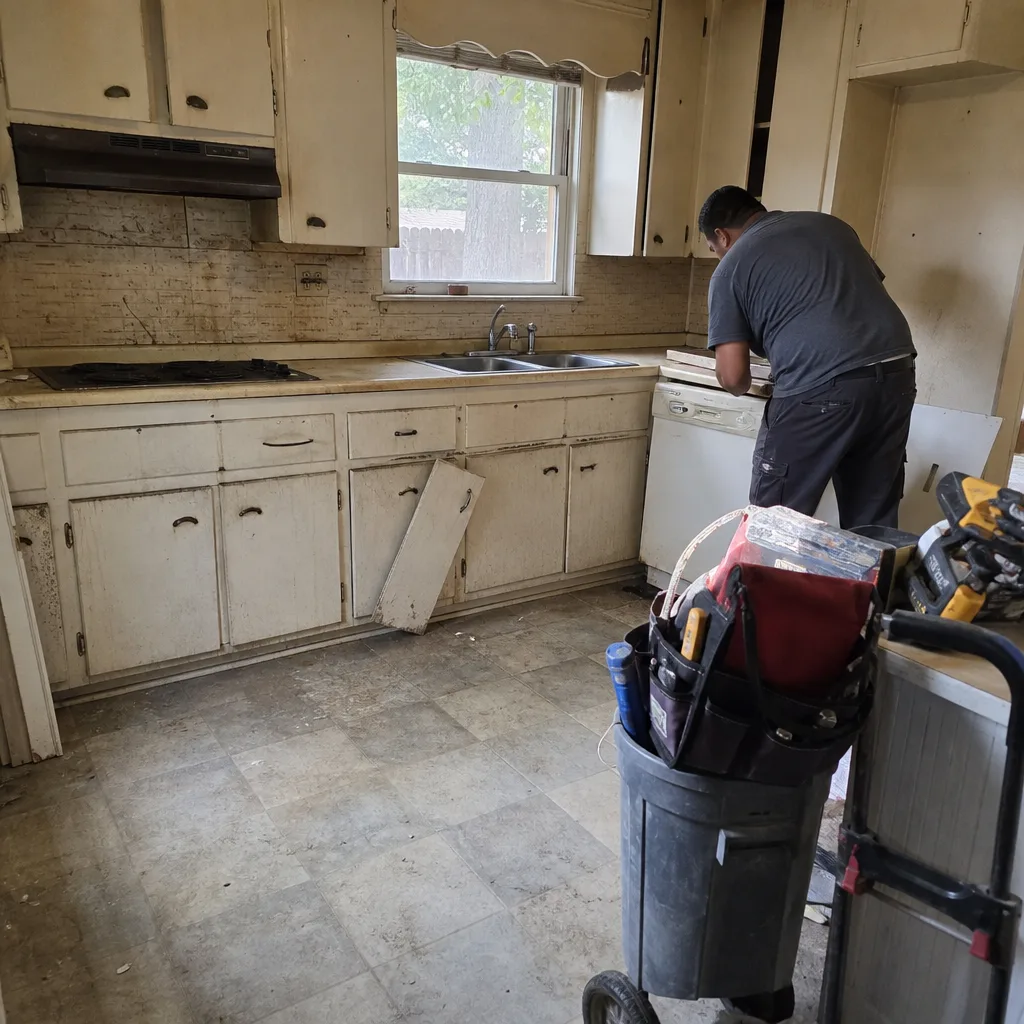 Before
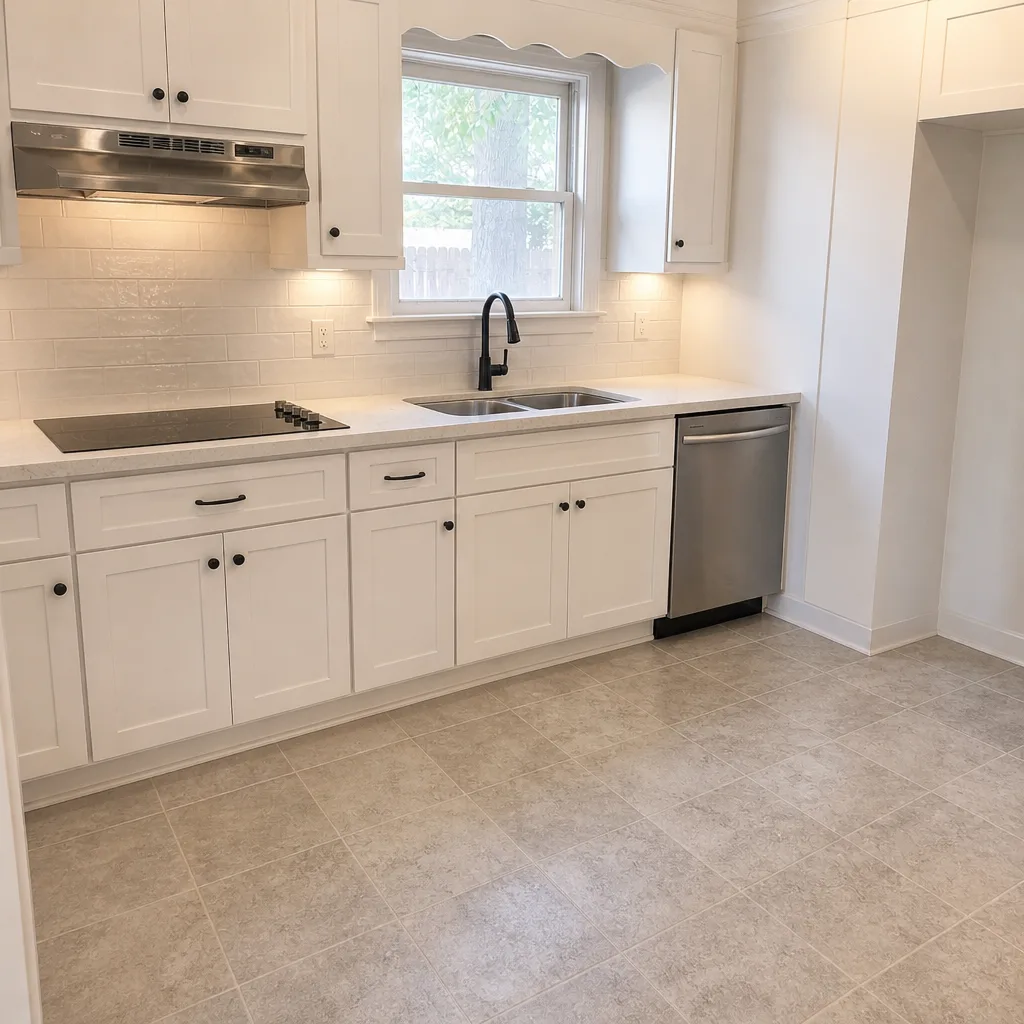 After
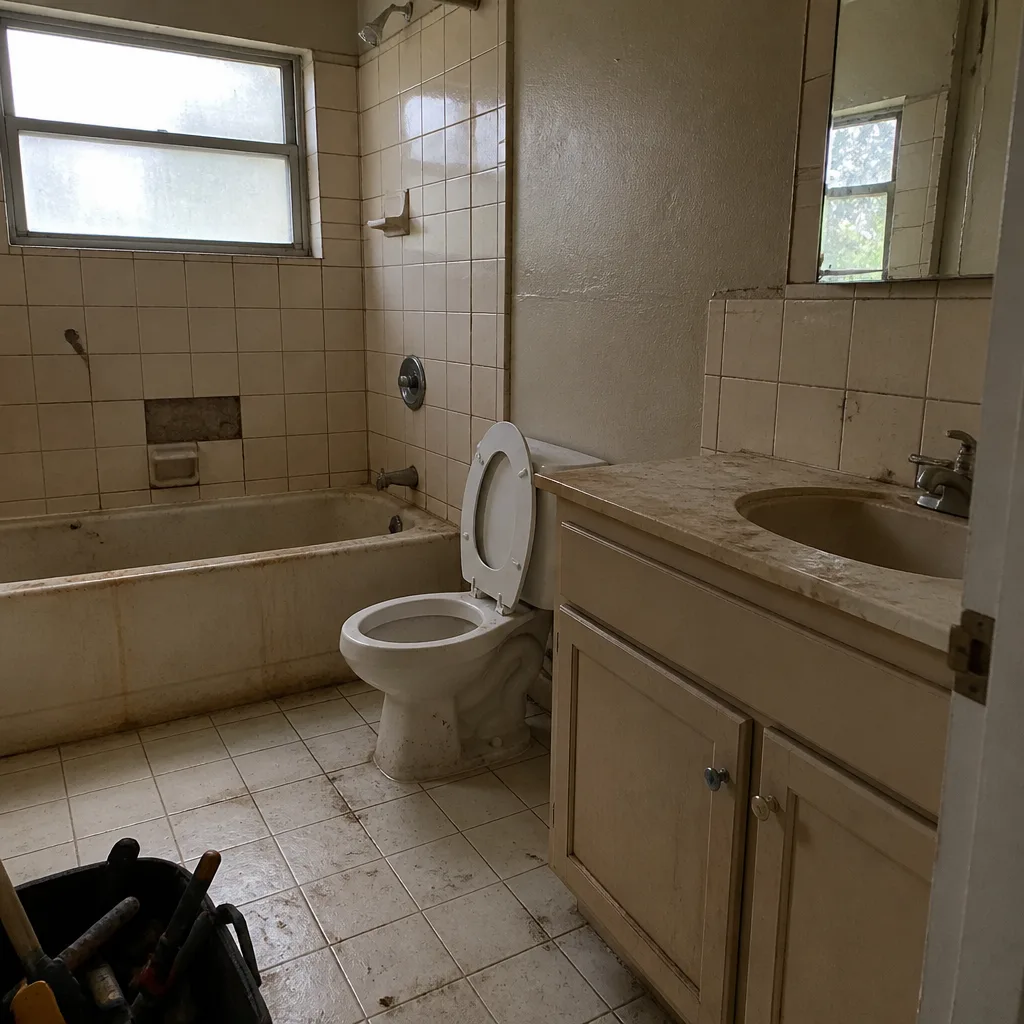 Before
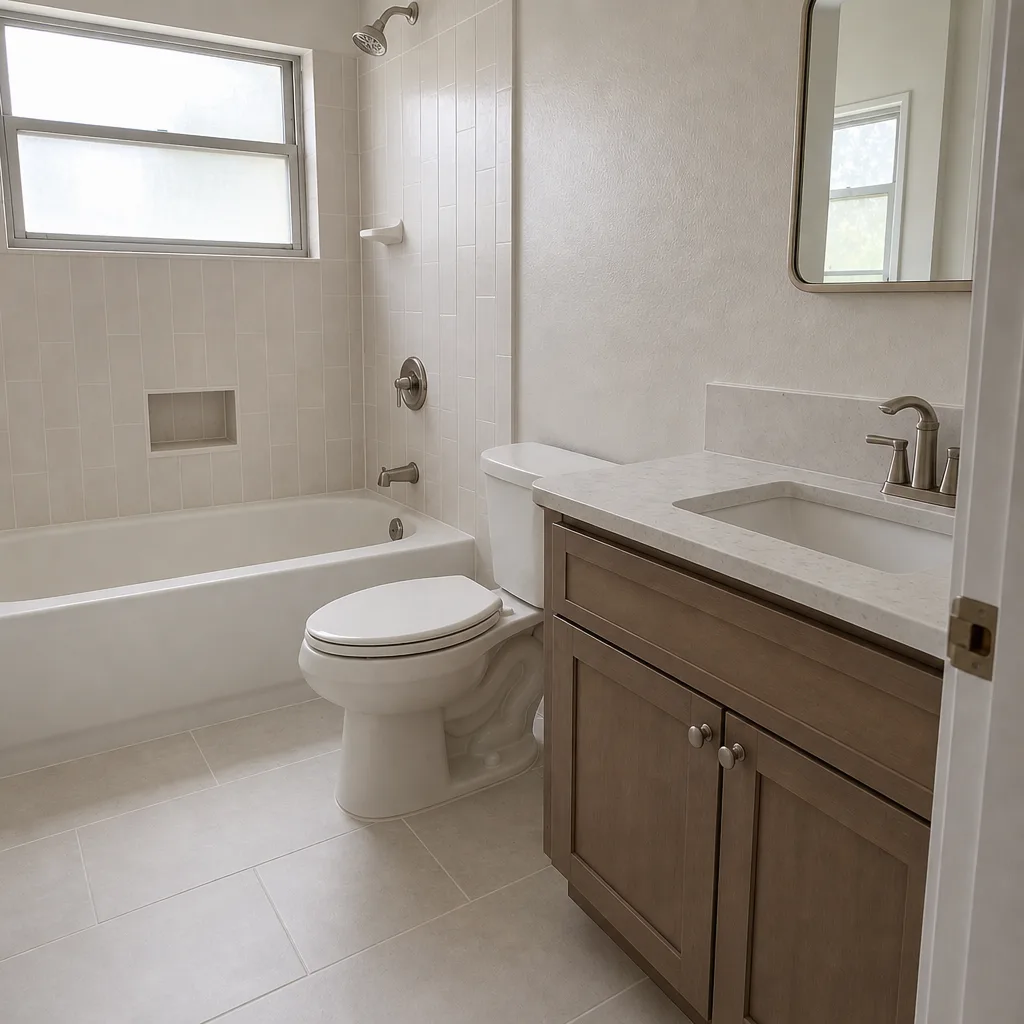 After
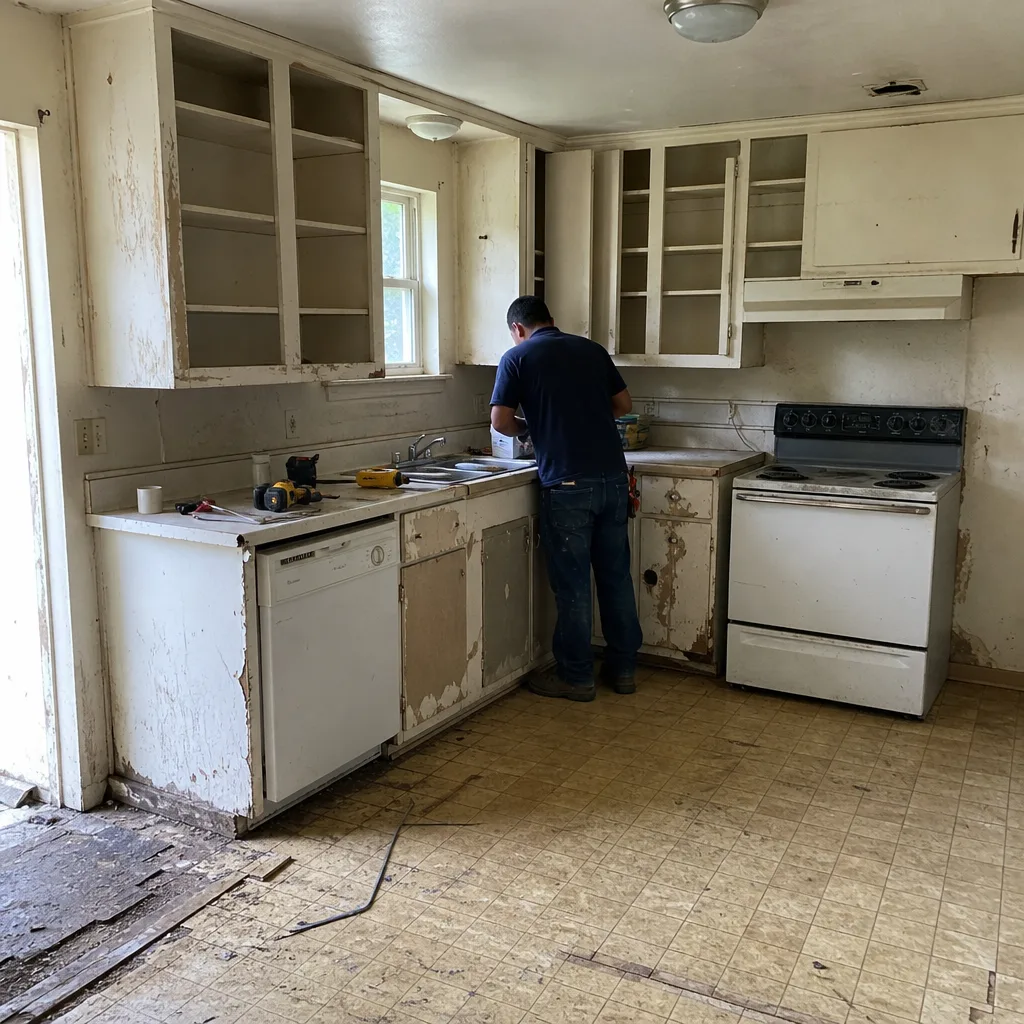 Before
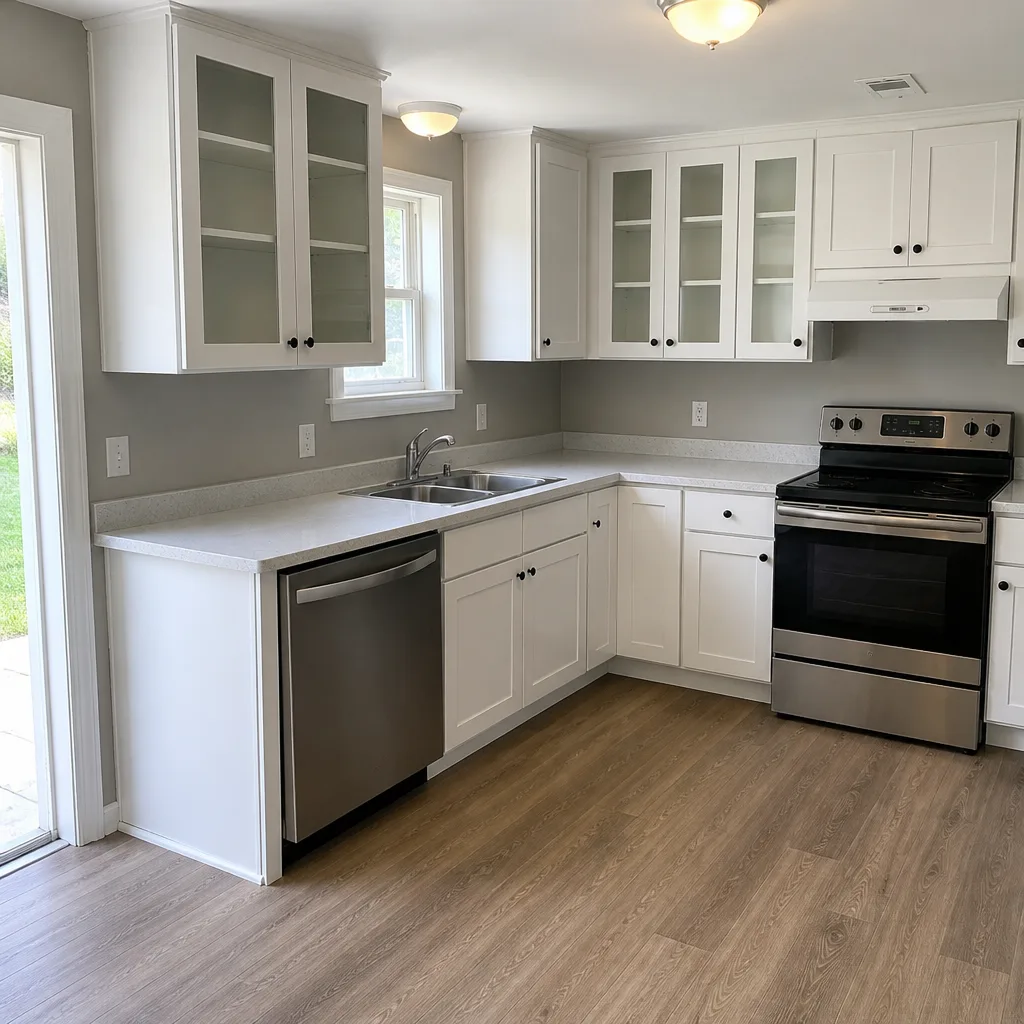 After
Frequently Asked Questions
Four times a year, aligned to Dallas’s four risk windows: March (post-freeze), after any hail event from April through June, October (pre-rain grading), and November (pre-freeze pipe protection). Add a mid-summer check of exterior coatings in June and again in September. That rhythm catches the seasonal damage patterns that are specific to Dallas’s clay soil and hail corridor.
Usually every 12 to 24 months, and the water-bead test tells you which. If water beads on horizontal surfaces and the wood isn’t grayed out, you’re good for another season. If water soaks in, reseal. If the finish is flaking or peeling, strip it first – layering sealer over a failing finish traps moisture and makes the next job harder. Call (844) 797-4808 for a free estimate if you’d rather have it assessed.
Seal the crawl space vents for the freeze window, wrap exposed supply lines with pipe insulation, and disconnect exterior hoses before the first freeze. Know where your main shutoff is and confirm it turns. These steps are what prevent the burst-pipe calls we get every hard freeze in Dallas. If you’re not sure how to access or assess your crawl space, a professional can walk it and flag the risk points – call (844) 797-4808.
Water, and it comes at the house from every direction depending on the season. Freeze-thaw opens cracks, hail opens the roof, summer UV degrades the sealants that keep water out, and fall rain hits saturated clay soil that pushes water toward the foundation. The single best investment is a fall grading check – it’s cheap and it prevents the most expensive damage.
Spring (March through early May) and fall (October through November) are the best windows for roofing in Dallas because the temperatures are moderate and the schedule isn’t stretched. Hail season can create a backlog, so book ahead. A roof replacement built on a GAF or Owens Corning system with proper underlayment and flashing detailing is the long-term fix – our work is covered by the 730-Day Done Right Promise.
It varies widely by scope – caulk and expansion joint repair runs in the low hundreds, grading corrections and drainage work run higher, and structural or roof repairs after hail are a different category entirely. We provide no-hassle upfront pricing with a written line-item quote, so the number you see is the number you pay. Call (844) 797-4808 for a free estimate and design consult – the price won’t change once work starts.
The Bottom Line
Dallas construction care isn’t a generic maintenance calendar. The freeze windows, the hail corridor, the UV load, and the expansive clay each create a distinct risk that peaks in a specific stretch of the year. Work the calendar above and you stay one season ahead: March inspections catch freeze damage before summer sun makes it worse, fall grading protects against the rain, November pipe prep prevents the burst-pipe call in January. The work is mostly small and mostly affordable – but only if it happens before the damage does. When it’s time to bring in a professional, Groundwork Construction Co. of Dallas is a call away at (844) 797-4808.
Groundwork Construction Co. of Dallas home | Driveway & Pavers in Dallas | Fence Installation in Dallas | Home Additions & ADU in Dallas
Written by the team at Groundwork Construction Co. of Dallas.