
Last updated November 17, 2026
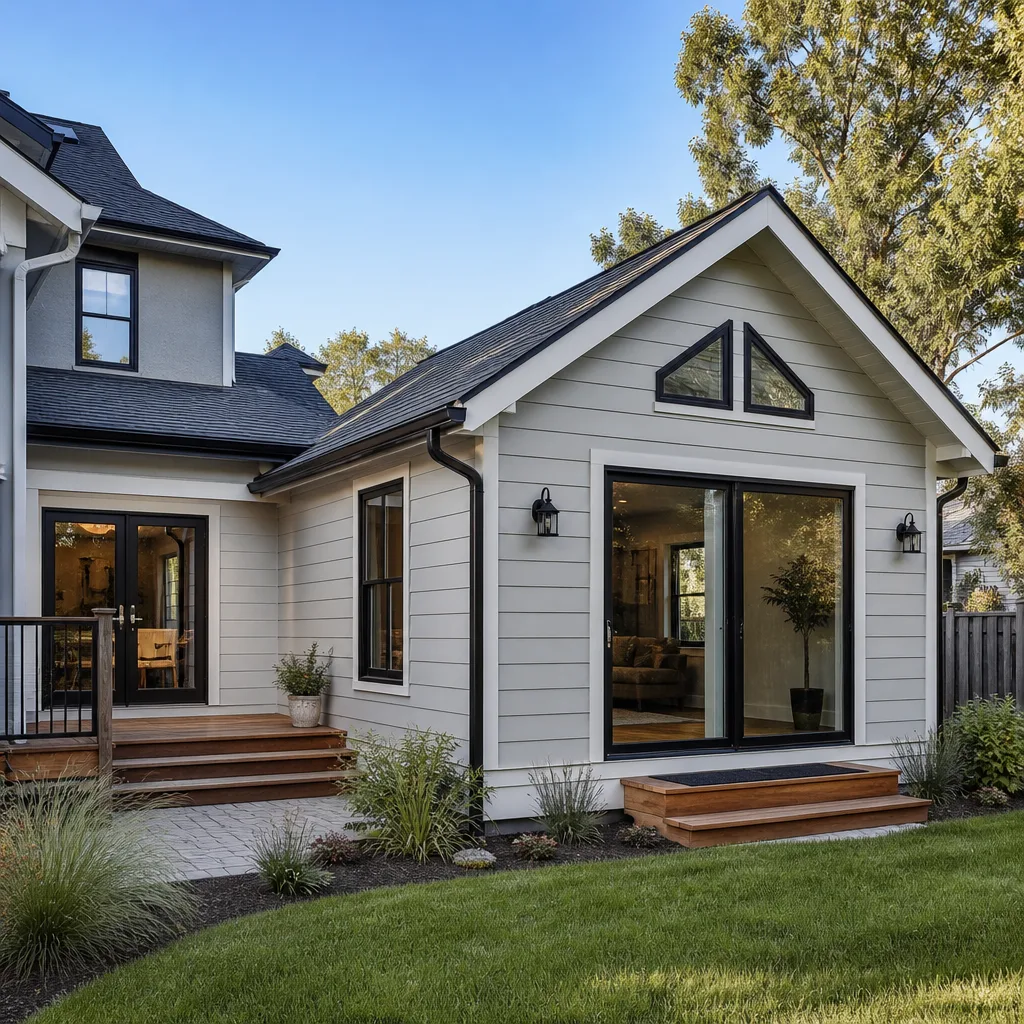 Home additions & ADU
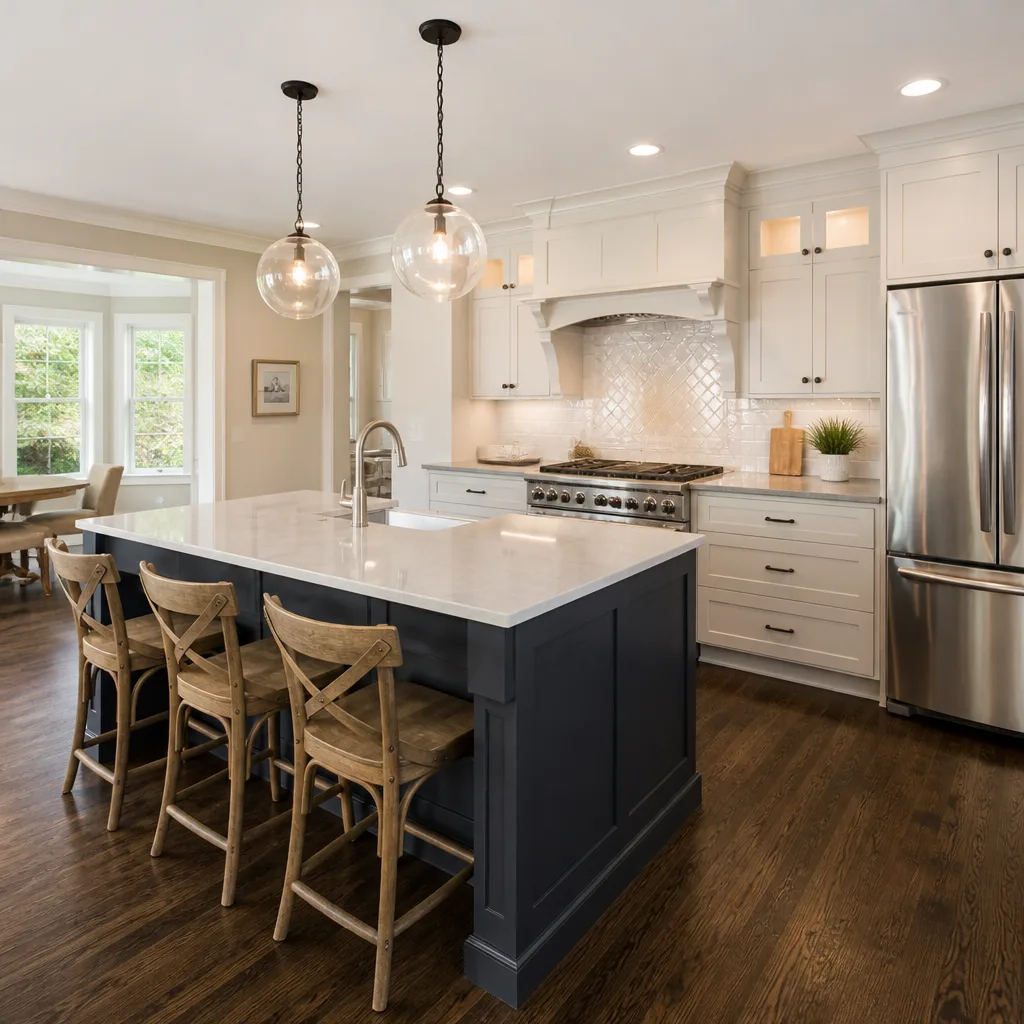 Kitchen remodeling
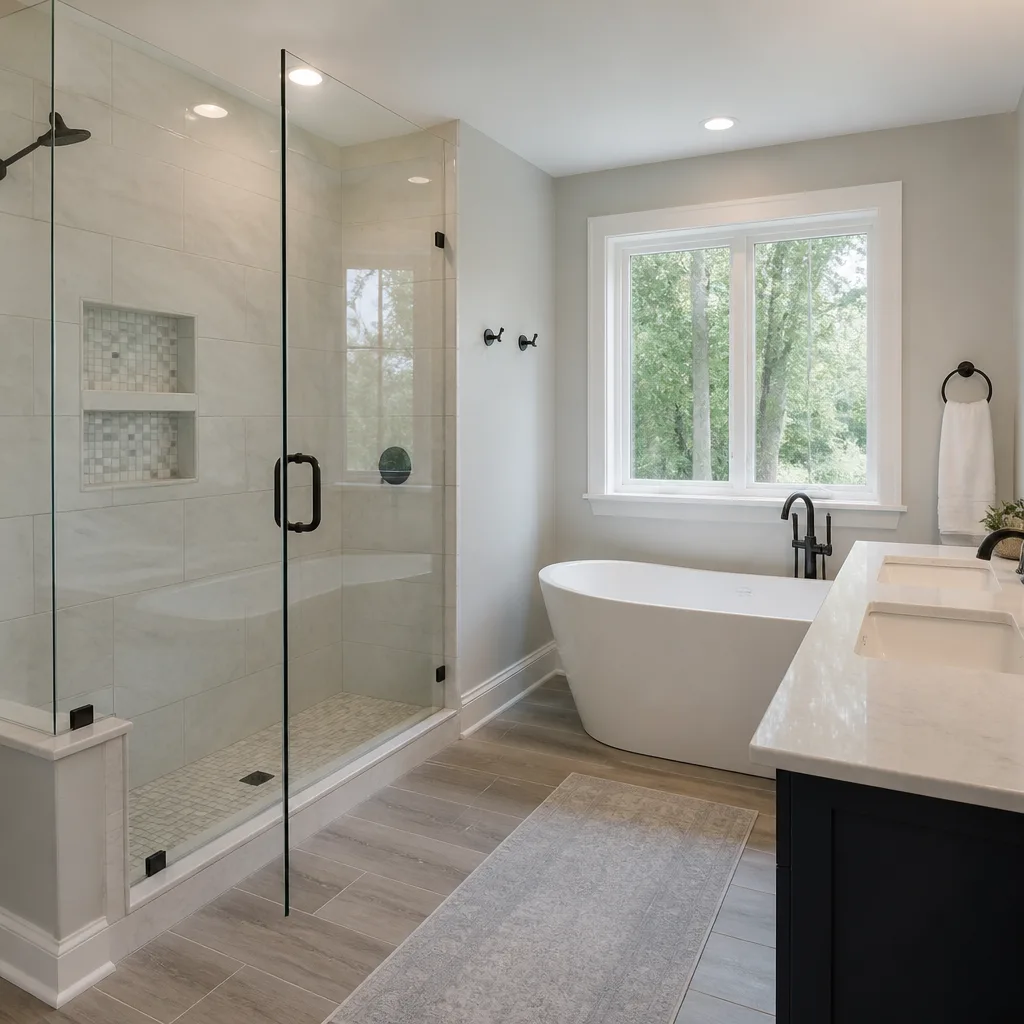 Bathroom remodeling
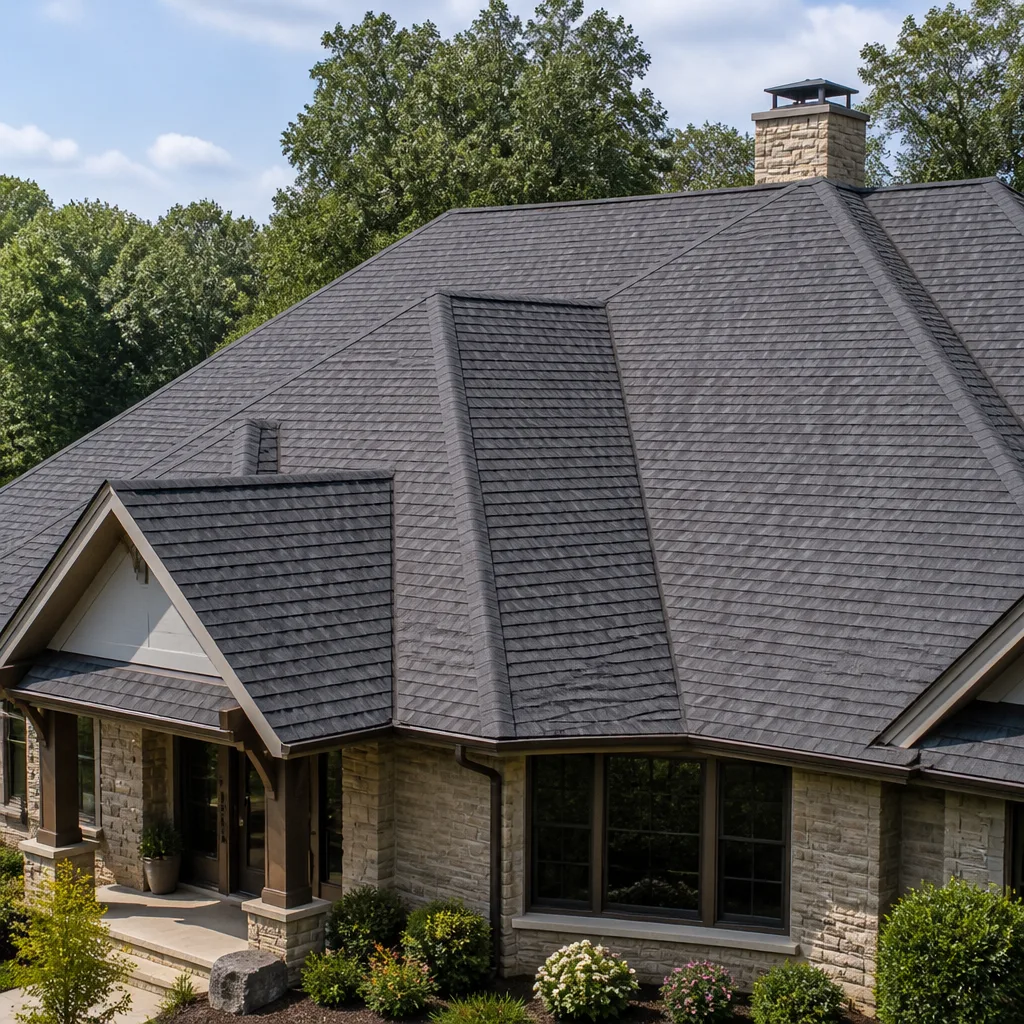 Roofing
 Windows & doors
 Driveway & pavers
 Fence
Free written scope consultation - allowances, timeline, and change-order rules on paper before a single trade is scheduled
Construction Cost Breakdown: The Dallas Homeowner’s Reference for 2026
The average Dallas homeowner underestimates their construction project by 23% – not because contractors lowball, but because five cost categories almost never appear in initial quotes and are almost never explained until the change order arrives. We’ve watched it happen on hundreds of jobs across Dallas: a family budgets for a room addition, then gets sideswiped by geotechnical testing, utility locates, and haul-off fees that sat invisible in the fine print. This reference puts real 2026 numbers to every line item, from concrete flatwork to the clay-soil premium that’s quietly reshaping DFW budgets. You’ll learn what things actually cost in Dallas, what bids typically exclude, and where the lowest price becomes the most expensive project.
Quick Answer
Most Dallas construction in 2026 runs $180 to $320 per square foot for a room addition, $12 to $22 per square foot for concrete flatwork, $18 to $38 per square foot for paver driveways, and $55 to $110 per square foot for covered outdoor structures. Add a soil engineering premium of $3,000 to $28,000 when the clay under your foundation demands piers or a compaction report. The final number depends far more on your dirt and your exclusions list than on the countertop you pick.
Styles & brands we work with
- Kitchen remodeling
- Bathroom remodeling
- Home additions & ADU
- Roofing
- Windows & doors
- Driveway & pavers
- Fence
Table of Contents
- The Three Forces Driving Dallas Construction Costs in 2026
- Per-Square-Foot Cost Ranges for Dallas Projects
- The Dallas Soil Engineering Premium: When Clay Costs You Money
- What Contractor Bids in Texas Usually Exclude
- Supplier Access and Logistics: Where Dallas Homeowners Save
- The Real Cost of the Lowest Bid
- How to Build a Realistic Dallas Construction Budget in 7 Steps
The Three Forces Driving Dallas Construction Costs in 2026
Three forces are pushing Dallas construction numbers right now, and most homeowners can only name one of them. Getting all three straight is the difference between a budget that holds and a budget that breaks.
Force one: material pricing that hasn’t fully settled. Lumber has come down from its 2021 highs, but not back to pre-2020 levels. Engineered wood, OSB, and certain composite products still carry a premium in the DFW market. Copper and PVC pricing swings month to month, which is why a plumbing rough-in quoted in January can look different by summer.
Force two: labor scarcity in specific trades. Electricians, finish carpenters, and tile setters are the tightest trades in Dallas right now. A trim carpenter who can hang a door plumb is booked weeks out across Collin and Dallas counties. When one trade is scarce, it sets the pace for the whole schedule, and crew availability is baked into every labor rate.
Force three: the clay-soil engineering premium. This is the one homeowners never see coming. The expansive black and gray clay beneath most of North Texas moves with every wet and dry cycle. It’s why a Dallas foundation that looks fine on Monday can carry a hairline crack by fall. When a project touches the ground – additions, driveways, patios, even fence posts – the soil decides how much structural engineering you need.
Stack those three forces and you get the 2026 reality: a room addition in Dallas costs more per square foot than the same square footage in Wichita Falls, and the gap is mostly dirt and labor, not finishes.
Per-Square-Foot Cost Ranges for Dallas Projects
Here’s where the real numbers live. These ranges reflect current DFW labor and material pricing for a typical residential project in Dallas. Your actual number will move based on access, excavation, and finish level, but the ranges below are a fair starting point.
| Project Type | Typical 2026 Range | Notes |
|---|---|---|
| Concrete flatwork (driveways, patios, sidewalks) | $12 – $22 / sq ft | Basic broom finish at the low end; stamped and colored at the top |
| Paver driveway or patio | $18 – $38 / sq ft | Includes base prep; cuts, borders, and sealing add cost |
| Room addition (ground-up) | $180 – $320 / sq ft | Wide range because of foundation type and mechanical tie-ins |
| Covered outdoor structure (patio cover, pergola) | $55 – $110 / sq ft | Attached and engineered structures sit toward the top |
| ADU (detached accessory dwelling) | $220 – $380 / sq ft | Separate utilities and full kitchen/bath drive the higher end |
| Fence (wood, installed) | $28 – $55 / linear ft | Cedar and composite cost more; clay soil affects post depth |
A few Dallas-specific notes on these ranges. First, concrete flatwork in the Dallas heat needs control joints placed carefully and a mix that accounts for our temperature swings, so the low end of the range assumes a straightforward slab in mild weather. Second, paver work on a proper base is where the money goes, not the pavers themselves. A cheap paver job with a shallow base will settle within two Dallas summers.
For the specific projects where prep and base really matter, it helps to see dedicated cost pages. Our team covers Driveway & Pavers in Dallas in depth, and the numbers there track the ranges above.
Room additions carry the widest range because the foundation is the wild card. A slab-on-grade addition on stable soil lands near $180 to $220 per square foot. The same addition on piers with an engineered foundation climbs toward $280 and up. That difference is the soil premium we’ll get to in the next section, and it’s the single biggest split in any Dallas addition budget.
The Dallas Soil Engineering Premium: When Clay Costs You Money
The expansive clay under Dallas and the surrounding county is the most expensive variable nobody budgets for. When a project touches the ground, the soil can add $3,000 to $28,000 to the job. Here’s exactly when it does.
Geotechnical soil testing in Dallas typically runs $1,800 to $4,500. It’s a boring-and-analysis process that tells your engineer how much the clay will move, what bearing capacity you can expect, and whether a conventional foundation will hold. Skipping it to save a couple grand is the fastest way to a five-figure foundation failure later.
A compaction report, required when you’re building on fill dirt or regraded lots, runs $600 to $1,500. City inspectors in Dallas want documentation that the ground under your slab was compacted to a minimum density, and the testing is what provides it.
Then there’s the pier system. If the testing comes back with high shrink-swell potential, or if you’re adding on to an existing home whose foundation has already moved, the engineer may call for drilled piers or a structural slab. That decision changes everything:
- Slab-on-grade on stable soil: the baseline, already reflected in the lower end of the per-square-foot ranges.
- Engineered slab with compaction and reinforcement: adds roughly $4,000 to $9,000 on a typical addition.
- Drilled pier foundation: adds $12,000 to $28,000 depending on pier count, depth, and diameter, because you’re paying to reach stable strata through problem clay.
We see this most in older Dallas neighborhoods where lots were regraded decades ago and fill depth is unknown. An addition in a 1950s-era Dallas block can trigger testing that a new-build lot never would. Call us at (844) 797-4808 and we’ll walk you through whether your specific project is likely to trigger a soil premium before you commit a dollar.
What Contractor Bids in Texas Usually Exclude
This is where the 23% underestimation comes from. The lowest line in your quote is often the one you’ll pay the most to discover. Here are the categories that almost never appear on a Texas contractor’s initial bid – and what they cost in Dallas when they do.
- Permit fees. Dallas permitting runs $500 to $3,500+ depending on project scope. A room addition and an ADU carry higher fees than a driveway replacement. Some bids cover the fee, many don’t, and none should surprise you at the end.
- Utility locates. Hitting a gas or water line during excavation is a five-figure problem. Legitimate locates run $75 to $250, but if they’re not scheduled before digging, the resulting repair can run $3,000 and up.
- Haul-off and dumpster fees. Every demolished driveway, old fence, and excavated clay pile has to go somewhere. Dallas-area dumpster and haul-off charges typically run $600 to $1,800 per project, and they rarely appear in a bid that only prices labor and material.
- Site restoration. Sod, landscaping, and fence repair after a crew uses your yard for staging typically runs $500 to $2,500. Ask up front whether restoration is included.
- Engineering and testing. As covered above, soil testing and compaction reports are frequently excluded and can add $2,400 to $6,000.
Here’s how to protect yourself: ask every contractor for a written line-item quote that either prices each of the above or explicitly states it’s included. Upfront pricing, no surprises, means the number you see should be the number you pay. When we price a Dallas project, we list exclusions in writing so there’s no room for a change order to appear from nowhere.
For fence and structural work where haul-off and restoration matter most, the same exclusions logic applies. Our Fence Installation in Dallas page spells out what’s bundled and what isn’t.
Supplier Access and Logistics: Where Dallas Homeowners Save
One genuine advantage of building in Dallas over smaller Texas markets: supplier access. Dallas sits at the center of a dense building-material network. That translates into real savings in a few specific areas – and a few places where homeowners overpay out of habit.
Where Dallas homeowners save: cabinet and fixture selection. The DFW metro has showrooms carrying KraftMaid cabinetry, Cambria quartz surfaces, and plumbing brands like Delta, American Standard, and Toto within driving distance of most of the city. That competition between suppliers keeps pricing sharp, and access means faster lead times than a homeowner in a smaller market would get. When you can specify a Toto or an American Standard fixture and know it’ll arrive in days instead of months, the project schedule tightens and the carrying cost drops.
Where Dallas homeowners overpay: premium-only material sourcing. If a contractor only sources from one supplier, you’re paying that supplier’s markup with no comparison. Curated brand partnerships across multiple suppliers – GAF and CertainTeed on roofs, Andersen and Pella on windows, James Hardie on siding – are how you get quality material without overpaying for availability.
“Access” is also about timing. Dallas material pricing shifts with the commodity markets, and a builder with multiple supplier relationships can adjust a bid to a favorable window. A single-supplier contractor eats the bad week and passes it to you.
The full-scope advantage matters here too. When one contractor handles your Home Additions & ADU in Dallas, the material coordination across trades is that builder’s problem, not yours. That’s where our Groundwork Construction Co. of Dallas home approach comes from: one accountable partner sourcing across every category.
The Real Cost of the Lowest Bid
Every Dallas homeowner has heard “you get what you pay for.” The difference in 2026 is that the risk of the lowest bid is now something we can describe concretely, not just warn about in vague terms.
Project abandonment is the nightmare scenario. A contractor who won your bid by underpricing the job is a contractor with no margin to absorb the surprises every project carries. When the soil testing comes back needed, or a permit costs more than estimated, the lowest bidder is the one most likely to walk off the job with your down payment. Recovering from abandonment means finding a new contractor, re-permitting, and paying twice for some of the work – a scenario that routinely pushes a project 40% to 60% over the original “budget” number.
Change order inflation is subtler. A bid that leaves out the five excluded categories described above isn’t cheaper; it’s just cheaper on paper. Every excluded item becomes a change order, and change orders carry a premium because you have no leverage to negotiate once the job is underway. A bid that comes in 15% below the market and then adds 30% in change orders ends up costing more than an honest bid at the market rate.
Failed inspections are the third hidden cost. Dallas permitting and inspections are thorough. A contractor who cuts corners on foundation and framing to hit a low price is the one whose project fails inspection and stalls while the fix gets paid for out of your pocket. Re-inspection fees, schedule delays, and rework are all costs the lowest bid transfers to you.
Price tiers map to outcomes. Here’s the rough picture across Dallas:
- Bottom-tier bid (well under market): high abandonment and change-order risk; failed inspections common; warranty usually unenforceable in practice.
- Mid-tier bid (at market): normal risk profile; quality depends on the specifics of the quote and the written warranty.
- Top-tier bid (at or slightly above market with a written guarantee): the premium you pay shows up as schedule certainty, passed inspections, and a warranty that actually pays out.
The 730-Day Done Right Promise exists because the top tier should be the default, not the exception. If it’s not done right, we make it right, in writing, for two full years. That’s the kind of commitment a low bid can’t afford to offer.
How to Build a Realistic Dallas Construction Budget in 7 Steps
Here’s the sequence that keeps a Dallas budget honest from first conversation to final walkthrough.
- Start with the true project scope, not the dream scope. Get a written scope that lists every element – foundation, framing, mechanical, finish. Compare two or three quotes on the same scope, not on vague similarities.
- Add a 15% contingency to your total before you fall in love with finishes. Dallas projects carry surprises, and a contingency is the buffer that keeps them from becoming change orders.
- Get a soil test if the project touches the ground. For additions, driveways, and any new foundation, test before you permit. It’s $1,800 to $4,500 that prevents a $28,000 surprise.
- Read the exclusions list line by line. Permits, locates, haul-off, restoration, engineering. Every one should be priced or explicitly included.
- Confirm the warranty in writing. Ask exactly what happens if the work fails in year two. A real guarantee describes the remedy, not just the optimism.
- Lock the schedule against the real market. Finish carpenters and tile setters are tight in Dallas. Build the schedule around actual crew availability, not a wishful deadline.
- Keep a line-item ledger through construction. Reconcile every change order against the original scope so you know what actually changed and why.
Follow those seven steps and the 23% underestimation gap shrinks to near zero. You’re not guessing at soil, exclusions, or warranty – you’re building numbers that hold.
Common Mistakes to Avoid
- Comparing bids on different scopes. A $60,000 addition and an $80,000 addition aren’t the same job if one excludes foundation engineering. Make every contractor bid the identical written scope.
- Assuming Dallas permits are the contractor’s problem. They are – until the permit isn’t pulled and the job gets red-tagged. Confirm in writing who pulls permits and who pays the fee.
- Choosing a driveway contractor on price alone. A paver driveway that’s $3 per square foot cheaper usually has a shallower base. It’ll settle within two Dallas summers and cost more to redo than a proper job would have cost once.
- Skipping the soil test to save $4,000. On a Dallas room addition, skipping geotechnical testing is the most expensive false economy we see. The foundation doesn’t lie.
- Accepting an oral warranty. “We’ll take care of it” isn’t a warranty. Get the promise in writing with a defined remedy, or expect the fine print to work against you.
- Letting the schedule stretch without a plan. A stalled job in Dallas costs money in storage, temporary setup, and re-permitting. Ask for the schedule and hold the crew to it.
- Not knowing which fixtures you can source locally. Homeowners often overpay because they didn’t realize a Toto or American Standard fixture is stocked nearby. Shop locally before paying a markup.
See the difference
 Before
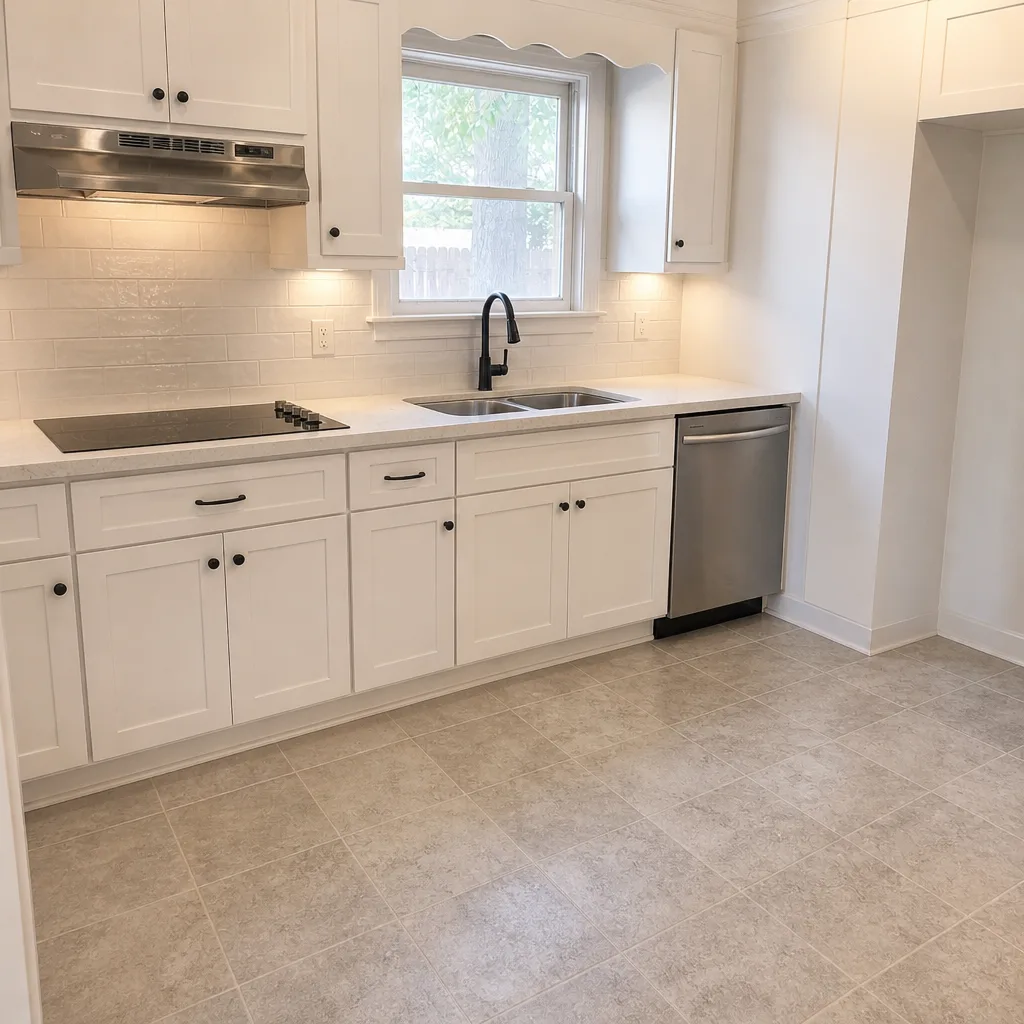 After
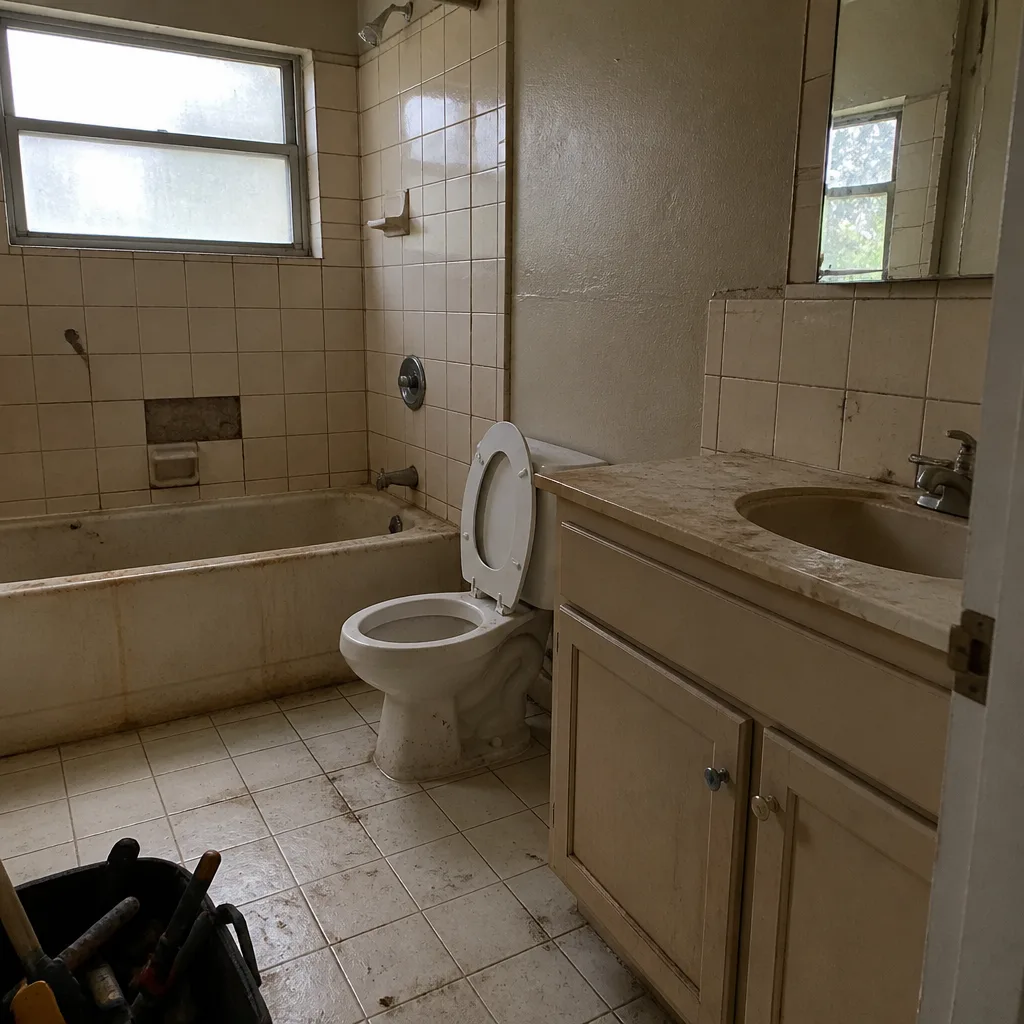 Before
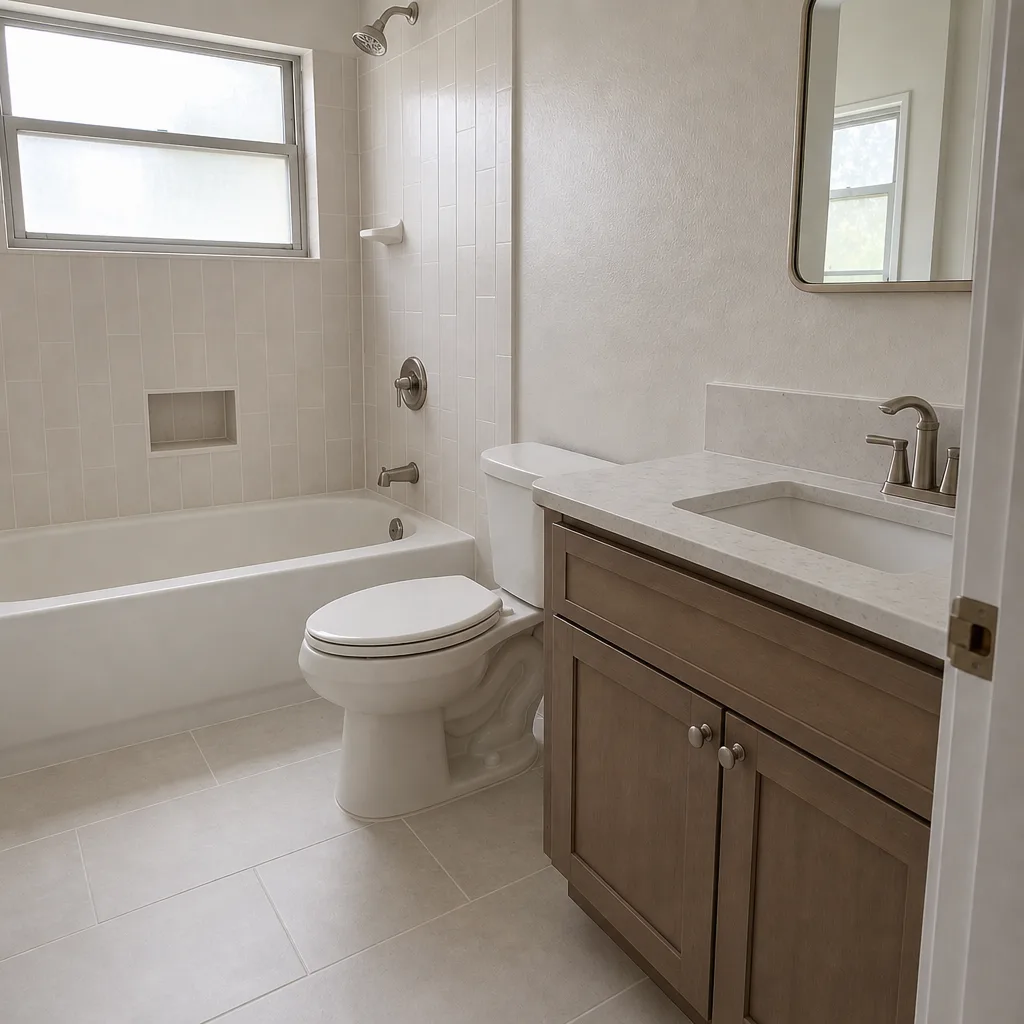 After
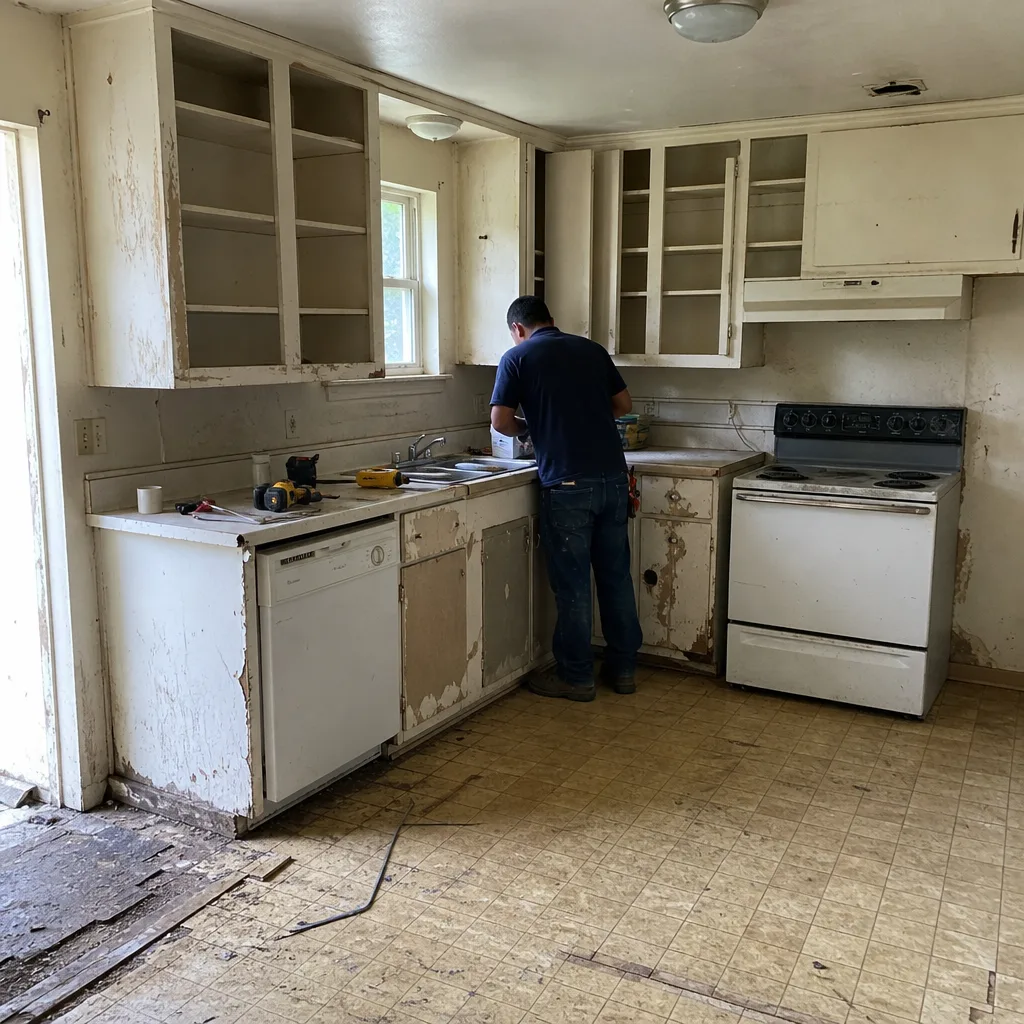 Before
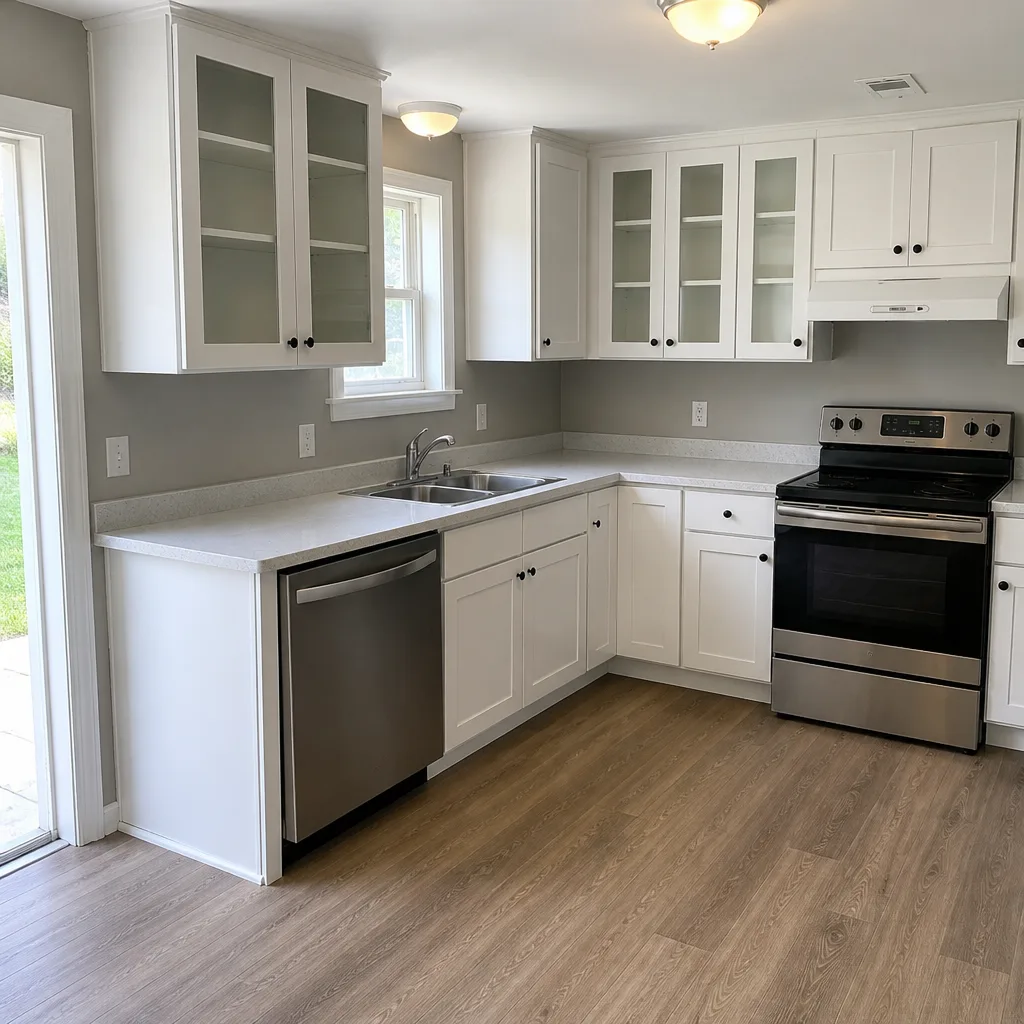 After
When to Call a Professional
Some Dallas projects are genuinely DIY-friendly: a fence panel here, a paver path there. Others touch structure, code, or the clay that holds your home up, and those are where a professional pays for themselves. Call a licensed contractor when your project involves a new foundation or addition, any structural framing change, electrical panel work, gas line extension, or a roof replacement. Each of those carries genuine safety risk when handled by an unprepared crew – a gas line error or a framing shortcut isn’t a cost problem, it’s a hazard. Get a professional on it. Groundwork Construction Co. of Dallas offers free estimates in Dallas – call (844) 797-4808 to get an exact number, not a guess.
Frequently Asked Questions
A ground-up home addition in Dallas runs $180 to $320 per square foot in 2026, with slab-on-grade on stable soil at the low end and engineered or pier foundations pushing toward the top. Detached ADUs cost more, typically $220 to $380 per square foot, because they need separate utilities and a full kitchen and bath. Call (844) 797-4808 for an exact quote – estimates are free.
Dallas contractors charge more because the clay soil drives a foundation engineering premium, the trades are in higher demand, and permitting is more detailed – not because overhead is higher. The same addition in a smaller market with stable soil costs less per square foot even though the finishes are identical. Call (844) 797-4808 to get a Dallas-specific number for your project.
A complete Dallas construction bid should include permits, utility locates, haul-off and dumpster fees, site restoration, and any required soil testing or engineering. Most initial quotes exclude two or three of these, which is what creates the change-order shock later. Ask every contractor to either price these or state in writing that they’re included. We’ll give you a written line-item quote up front – call (844) 797-4808.
The price should not change once the work starts if the scope is in writing and the exclusions are listed. On our projects the number you see is the number you pay; genuine changes to scope get a written change order, priced before any work proceeds. Underground surprises like hitting a footing are the only legitimate exception, and that’s why we do soil testing up front. Call (844) 797-4808 to schedule your free estimate and see a fixed bid in writing.
Yes. We handle permitting and inspections for Dallas projects, and we pass them before the job is signed off. Every project is covered by the 730-Day Done Right Promise, so if a failed inspection issue surfaces after the fact, we make it right. Call (844) 797-4808 to ask what permitting looks like for your specific scope.
A typical Dallas room addition takes four to seven months from permit to final walkthrough, with the schedule anchored by foundation work and the availability of finish trades like tile setters and trim carpenters. Soil conditions and city inspection timing are the two biggest schedule variables. Call (844) 797-4808 for a schedule estimate built around your project, not a generic timeline.
The Bottom Line
Dallas construction costs in 2026 are driven by three forces – material pricing that hasn’t fully normalized, labor scarcity in specific trades, and the clay-soil engineering premium unique to DFW. The per-square-foot ranges above are your starting point, but the real number lives in the exclusions list and the soil under your project. Test the ground. Read the exclusions. Demand the warranty in writing. The lowest bid is almost never the cheapest project, and the gap between a solid bid at market and a cheap bid is where the 23% underestimation hides. Get the numbers right before the first shovel moves.
Get Your Dallas Project Priced Right
We’re Groundwork Construction Co. of Dallas, and we build from foundation to finish line with upfront pricing and no surprises. Our calls are answered by a live person 24/7, our technicians are background-checked and arrive in uniform, and every project is backed by the 730-Day Done Right Promise. We’re proud to serve local communities across the Dallas area, and our technicians have up to 12 years of experience. Call (844) 797-4808 for a free estimate and a design consult, and we’ll put real Dallas numbers to your project – including the line items most contractors leave out.
Written by the team at Groundwork Construction Co. of Dallas.