
Last updated November 16, 2026
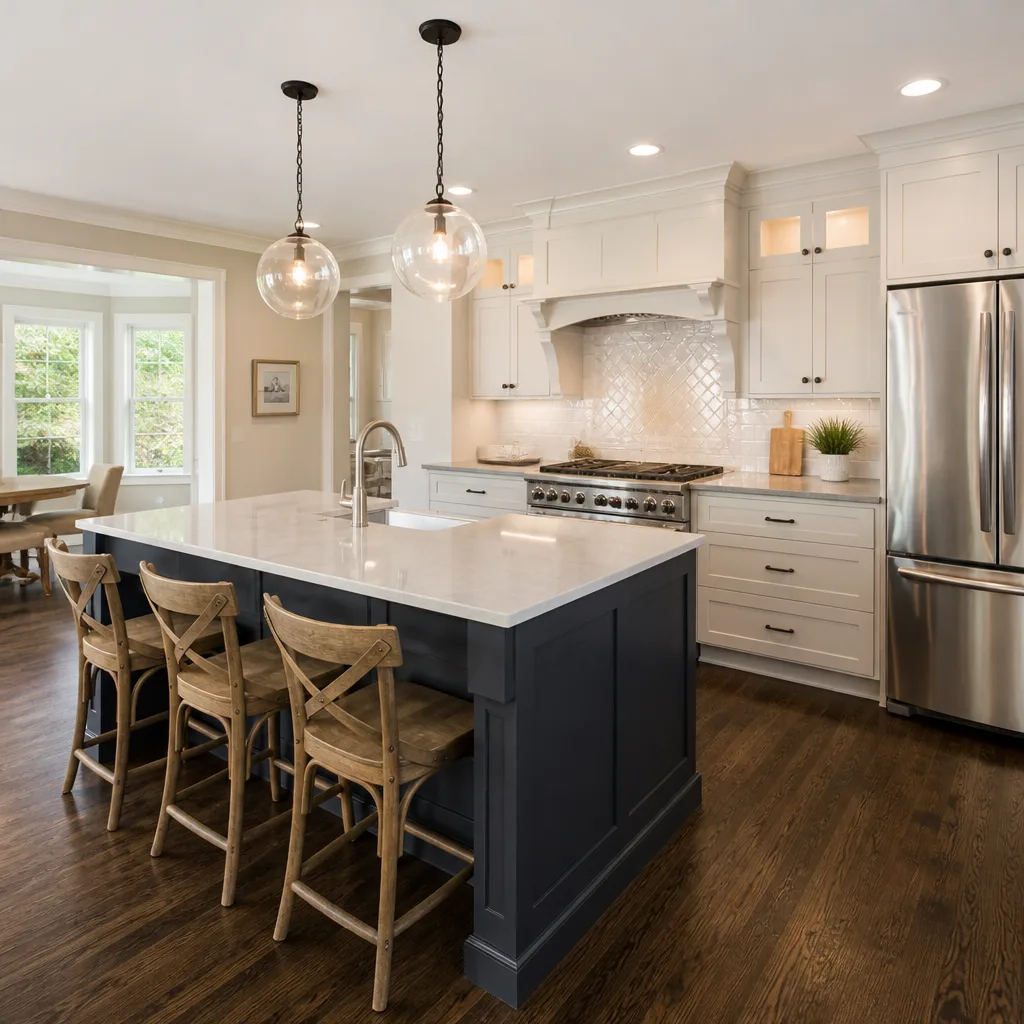 Kitchen remodeling
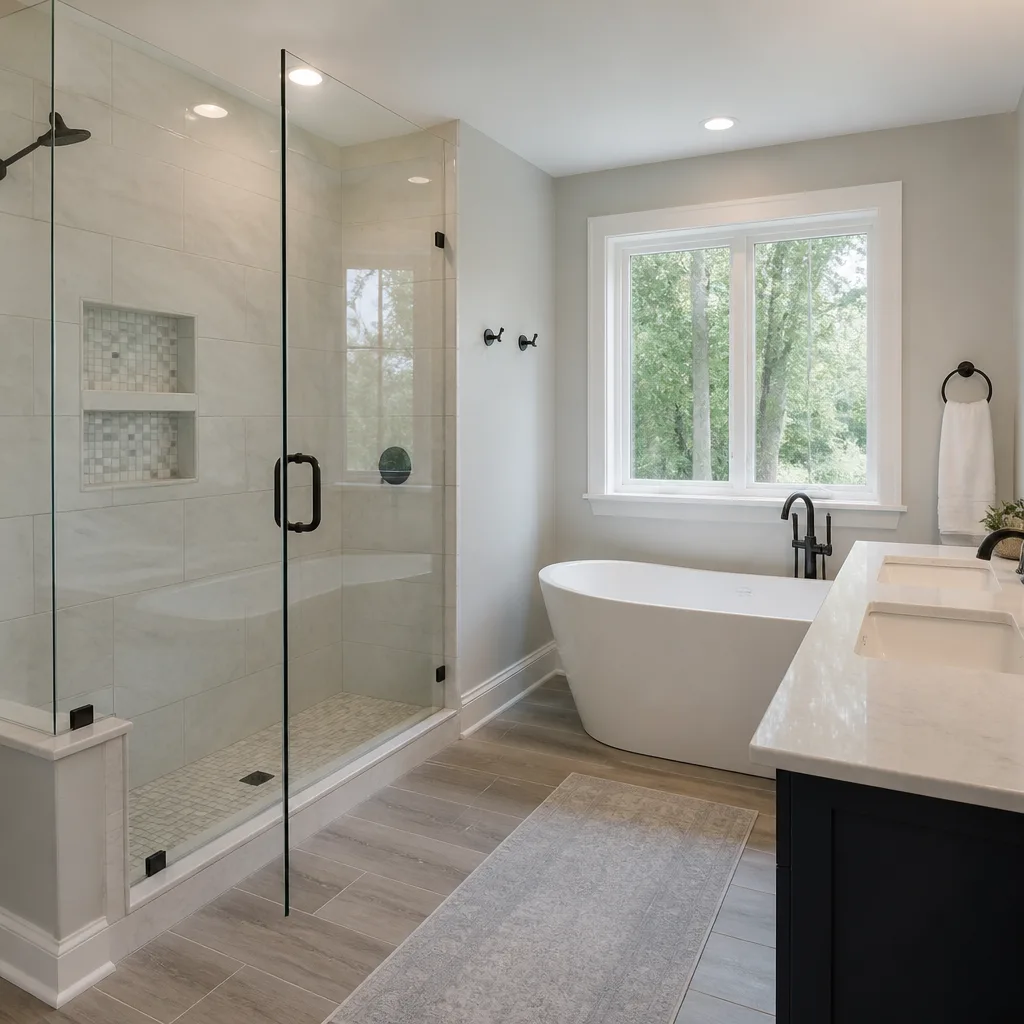 Bathroom remodeling
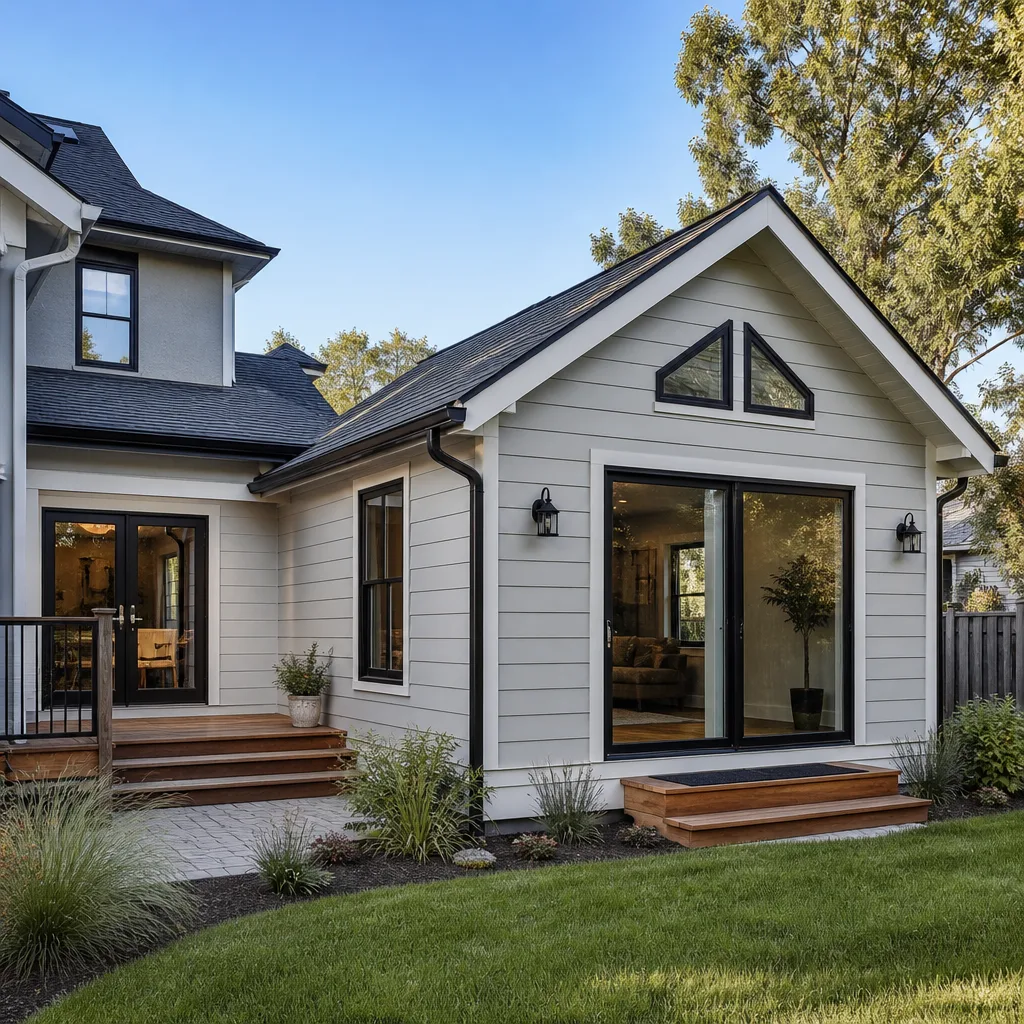 Home additions & ADU
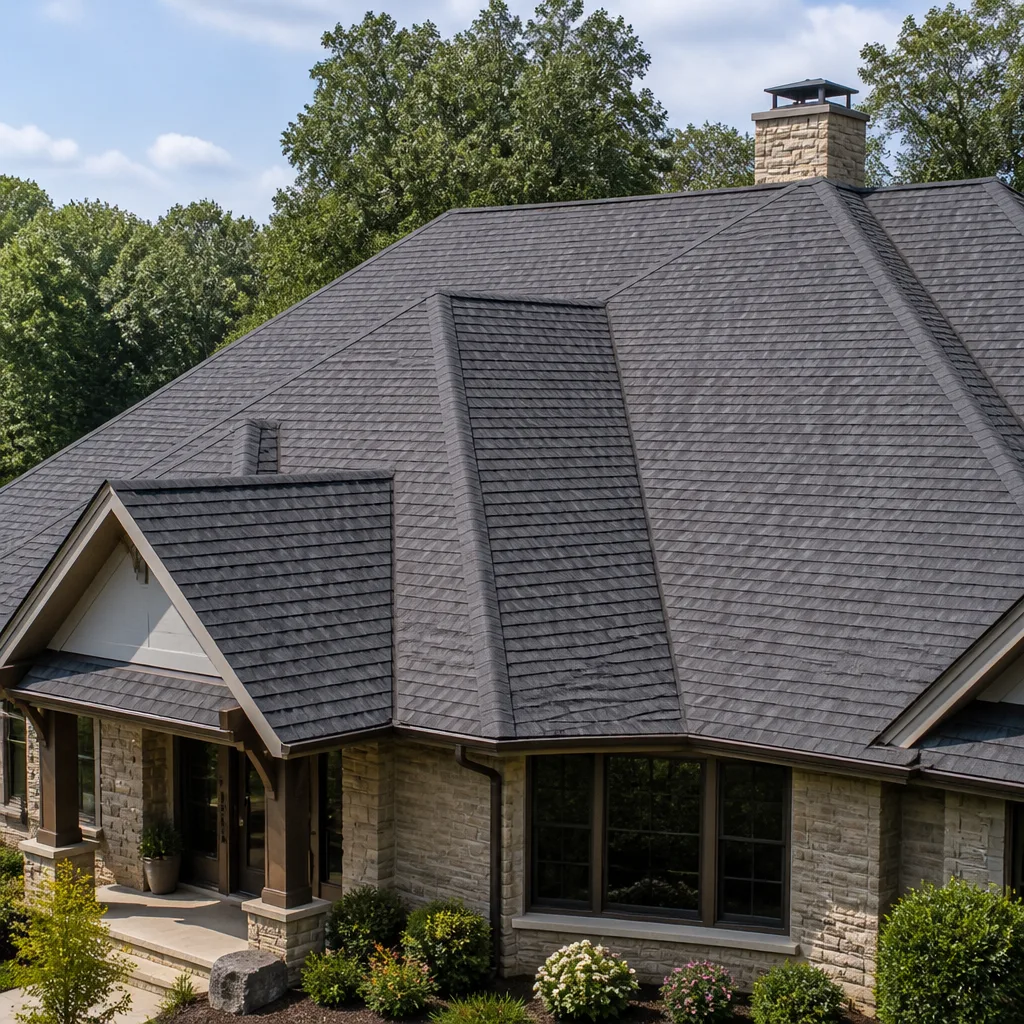 Roofing
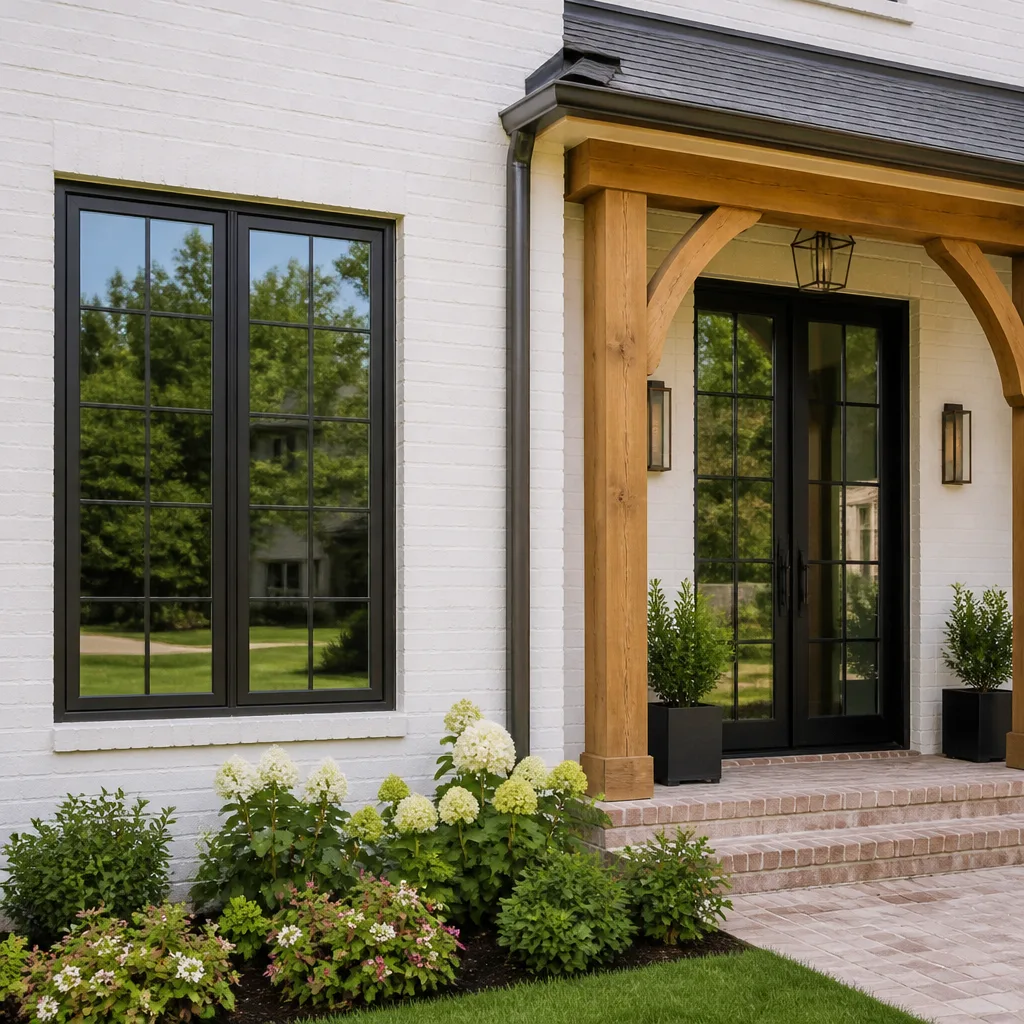 Windows & doors
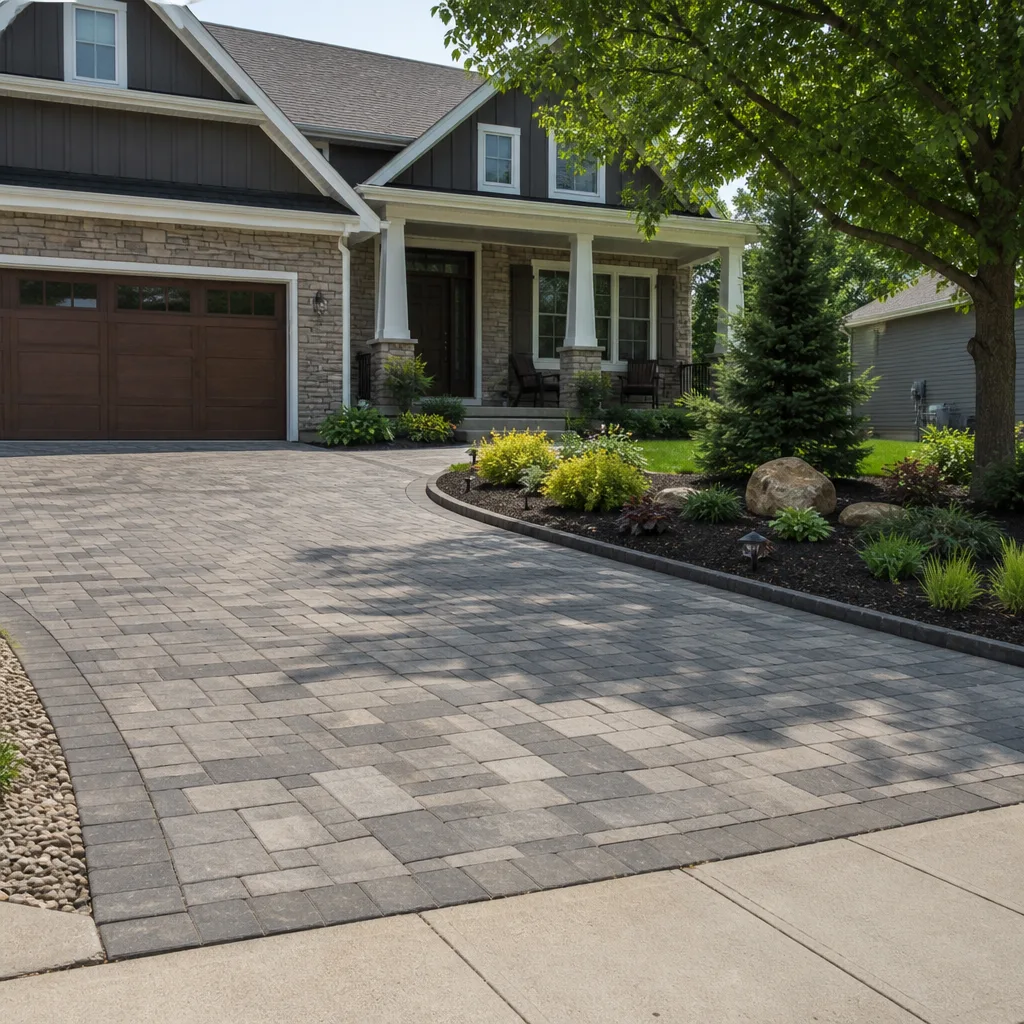 Driveway & pavers
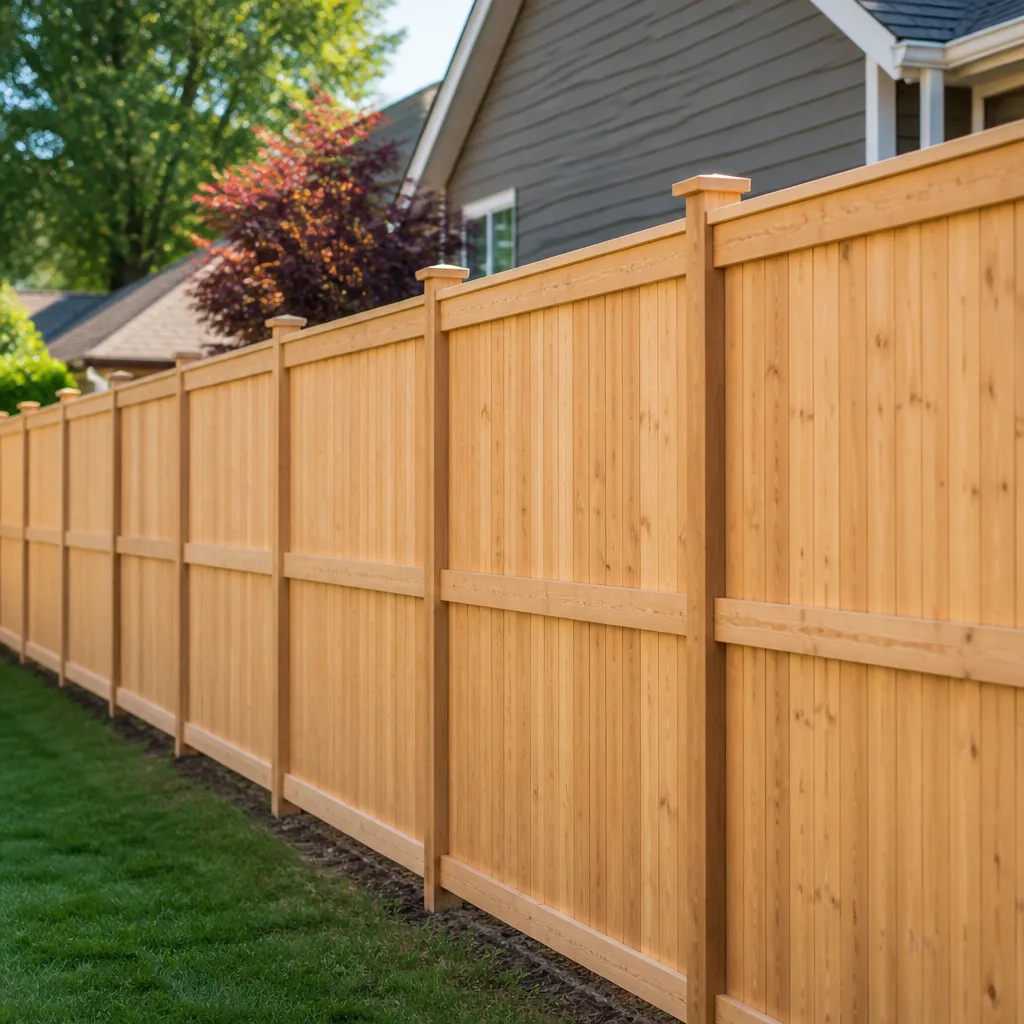 Fence
Free written scope consultation - allowances, timeline, and change-order rules on paper before a single trade is scheduled
Choosing the Right Construction Brand: A Buyer’s Guide for Dallas
Two patios go in on the same block in Lakewood, same crew size, same base prep, and within a few hundred dollars of each other on materials. Five years later, one still looks new after a summer of 100-degree days and a February ice event. The other gets resealed every single spring because the pavers were spec’d for a milder climate and never rated for Dallas’s UV load or freeze-thaw swings. The labor was identical. The brand choice wasn’t. That gap is what this guide is about: how to pick construction materials in Dallas by reading the specs that actually predict long-term performance, not the logo on the showroom wall.
Quick Answer
The best construction material brands for Dallas are the ones that publish independent testing for your specific climate stressors (high UV, prolonged heat, and repeated freeze-thaw), are installed by manufacturer-certified contractors who can activate the full warranty, and hold up over a 10-year cost of ownership rather than just the lowest bid. In Dallas, brand selection should be one of the first decisions you make, not the last, because it locks in your warranty coverage and installer requirements before a single nail goes in.
Styles & brands we work with
- Kitchen remodeling
- Bathroom remodeling
- Home additions & ADU
- Roofing
- Windows & doors
- Driveway & pavers
- Fence
Table of Contents
- Why “Southern Climate” Ratings Fall Short in Dallas
- Manufacturer Warranty vs. Installer Warranty: Who Actually Pays
- Reading Paver Brand Performance Data for Texas Conditions
- How to Verify a Dallas Contractor Is an Authorized Installer
- The 10-Year Cost of Ownership by Brand Tier
- Which Brands Belong on Which Trade
- Questions to Ask Before You Sign
Why “Southern Climate” Ratings Fall Short in Dallas
A product labeled for “southern climates” tells you almost nothing useful in Dallas. That label often means the product survives humidity and mild winters in coastal Georgia or the Gulf. It does not mean it handles a North Texas summer that bakes a west-facing surface past 150 degrees, followed by a hard freeze that drops into the teens and thaws by noon. Dallas sits in a climate zone that stacks three stressors most product lines were never tested against in combination: sustained UV, prolonged heat, and repeated freeze-thaw cycling in the same 12-month window.
Here’s what that means in practice, and where we’ve watched it go wrong:
- UV and fade. A paver or a roofing shingle rated for a moderate UV index will chalk and fade years earlier on an unshaded Dallas driveway. Manufacturers that publish fade-resistance data from accelerated weathering tests give you something to compare. Ones that only say “colorfast” don’t.
- Heat cycling. Materials expand and contract with daily temperature swings. Dark-colored surfaces in Dallas can swing 60 degrees or more between a July afternoon and the same night. Products with documented dimensional stability hold their joints and edges; cheaper formulations cup and shift.
- Freeze-thaw. Dallas gets enough hard freezes per winter to matter, and a paver with a high absorption rate takes on water, freezes, and spalls. The performance metric you want is freeze-thaw cycling data under ASTM C67 or the equivalent, not a marketing phrase.
The lesson: look for a spec sheet with numbers, not a climate slogan. If a brand can’t tell you its UV rating and its freeze-thaw performance, it’s telling you something by omission.
Manufacturer Warranty vs. Installer Warranty: Who Actually Pays
Most homeowners find out the hard way that their project carries two separate warranties, and only one of them might cover the failure they’re staring at. Knowing which is which before you sign is the single most valuable thing you can do in Dallas, because a warranty you can’t activate is worth exactly nothing.
The manufacturer warranty covers the material itself: the shingle, the paver, the window unit, the cabinet box. The installer (workmanship) warranty covers how it was put down: the flashing details, the base compaction, the sealant joints, the trim. A leak around a chimney usually isn’t a shingle failure; it’s an installation failure. A paver that cracks from a bad base isn’t a product defect. That distinction decides who you call and who pays.
The catch is the bridge between the two: manufacturer warranties on premium construction brands are almost always conditional on installation by a certified or authorized contractor. Roofing is the clearest example. CertainTeed and GAF both tie their strongest extended coverage to contractors who’ve completed their certification programs. If your roofer isn’t on that list, the material warranty may drop to a basic term, and the enhanced coverage you assumed you were buying evaporates.
What we tell Dallas homeowners to verify in writing:
- Ask for the exact warranty document, not a summary, and read what voids it.
- Confirm the contractor is listed as an authorized or certified installer with the manufacturer (more on verifying this in the next section).
- Get the workmanship warranty in writing with its term stated plainly. Ours is the 730-Day Done Right Promise – if it’s not done right, we make it right, one of the longest workmanship guarantees in residential construction.
- Confirm both warranties transfer if you sell the home.
That last point matters in a Dallas market where homes change hands and buyers ask for documentation. A warranty portfolio you can hand over is a resale asset.
Reading Paver Brand Performance Data for Texas Conditions
Not every paver brand publishes independent test results, and the ones that do make your decision easier. When you’re comparing driveway and patio products across Dallas, three numbers tell you most of the story. Ask each manufacturer or contractor for them.
- Compressive strength. This is the load a paver takes before it fails, tested to ASTM C140. Higher numbers matter for driveways where vehicles park and turn. A paver that meets the residential spec but sits at the low end will chip and crack at the edges over a decade of Dallas summers.
- Freeze-thaw cycling. The number of freeze-thaw cycles a product survives without cracking or spalling. Dallas winters stress this more than people expect, especially on north-facing patios that hold frost longer.
- Fade resistance and absorption. Look for efflorescence and absorption rates, plus any published color-retention data. Low absorption is your best defense against spalling and staining.
Brands like Belgard publish detailed spec and testing data you can compare side by side, which is exactly the point. In our experience across Dallas, the brands willing to put real numbers on the table are the ones that perform when a hard freeze follows a hot summer. If a brand’s literature is all color images and no test data, treat that as a gap, not a style choice.
For a deeper look at materials and installation on driveways specifically, see our guide to Driveway & Pavers in Dallas, which walks through base prep and product selection for North Texas soil and sun.
How to Verify a Dallas Contractor Is an Authorized Installer
This takes about ten minutes and protects thousands of dollars in warranty coverage. Manufacturer certification isn’t a marketing badge; it’s a gate that determines whether your premium warranty activates. Here’s how to check, step by step.
- Start at the manufacturer’s own site. Most major brands (Andersen, Pella, GAF, James Hardie, KraftMaid) publish a contractor locator. Type in your Dallas address and confirm the contractor you’re considering appears.
- Call the manufacturer’s customer line directly. Ask whether the contractor is listed and what tier of certification they hold. Tiers matter: a higher certification often unlocks a longer or broader warranty.
- Ask the contractor for the certification in writing. A real authorized installer can produce their program documentation without hesitation.
- Confirm the warranty matches the certification tier. Cross-check the coverage the contractor promises against what the manufacturer’s documentation says that tier actually includes.
- Get the install spec. Certified installers follow the manufacturer’s published installation method. Ask to see the spec for your product so you know the details (flashing, fasteners, expansion gaps) that trigger coverage are being followed.
What happens if they’re not authorized? Nothing breaks immediately. You get the base product warranty, you lose the enhanced coverage, and if something fails you may find the manufacturer pointing at the installation while the installer points at the product. That gap is where homeowners get stuck. On windows and doors, where energy performance ratings tied to certification matter, this is worth double-checking against our Home Additions & ADU in Dallas material guidance as well, since window spec drives both comfort and code compliance.
The 10-Year Cost of Ownership by Brand Tier
Upfront price is the number on the bid. Cost of ownership is what the project actually costs you over a decade in Dallas, once you add resealing, repairs, and premature replacement. The two rarely point the same direction. The table below reflects what we see comparing value-tier, mid-tier, and premium products across the trades we work in. Ranges are directional, not quotes; your actual numbers depend on scope and site.
- Entry tier. Lowest upfront. Expect resealing or repainting every 2-3 years, higher fade, and a real chance of partial replacement around year 7-8. Over 10 years the maintenance often closes the gap with the next tier up.
- Mid tier. Balanced. Typically holds appearance 6-8 years with routine care and a single reseal cycle. This is where most Dallas homeowners land when they weigh initial cost against upkeep.
- Premium tier (certified install). Highest upfront, lowest annual maintenance, longest material warranty, strongest resale story. For a driveway or roof you plan to keep, it usually wins on total cost.
The pattern we’ve seen across Dallas is consistent: the cheapest bid looks best on day one and loses on year ten. That’s the argument for choosing brand before you choose a bid, not after. Premium materials tied to certified installation are built to last and backed in writing, so the cost you avoid in resealing, repairs, and early replacement lands back in your pocket.
Windows follow the same logic. Products from brands like PGT that publish energy-performance ratings can cut cooling load in a Dallas summer, and those savings compound year over year. The energy rating on the spec sheet is a number you can compare; “energy efficient” is not.
Which Brands Belong on Which Trade
The brand question changes by trade because the performance risks are different. A roof, a cabinet, and a fence fail for entirely different reasons, so the brand you prioritize differs too. Here’s how we think about the match across the seven service lines we run in Dallas.
Roofing
Shingles take the most punishing combination of Dallas sun and hail. GAF and Owens Corning both publish wind and impact ratings, and both tie enhanced warranties to certified installers. Hail resistance ratings matter here in a way they don’t in milder markets. If your roofer isn’t certified, your coverage likely steps down.
Windows & Doors
Andersen, Pella, and PGT all publish energy-performance ratings that factor into Dallas cooling costs. Verify the certification and the rating; on west-facing windows in Dallas, the difference between a good and a marginal unit shows up on every August power bill.
Kitchens & Bathrooms
KraftMaid, Kohler, and Cambria are the names we work with most, because their product literature and warranty terms are clear and their finish durability holds up under daily use. The failure mode here isn’t climate; it’s wear, moisture in baths, and drawer hardware over years.
Fencing
On fences, Tamko and Boral cross into exterior products, and material brand choice affects how a Dallas fence handles sun and seasonal soil movement. For a full breakdown of materials and installation, see Fence Installation in Dallas.
Pavers & Hardscape
Belgard and similar brands publish the test data covered above. On North Texas expansive clay soil, base prep and edge restraint matter as much as the brand, so confirm the installer follows the published method.
Siding & Exterior
James Hardie fiber cement has a clear published spec and a strong warranty story for Dallas heat and humidity, provided installation follows their fastening and clearance requirements. That’s the identical-installation, different-warranty trap again.
Questions to Ask Before You Sign
Bring this list to your next contractor conversation in Dallas. The answers tell you whether the brand on the quote translates into real, enforceable coverage.
- Which specific brand and product line is on this quote, and what are its published UV, freeze-thaw, and strength ratings?
- Are you a certified or authorized installer for that brand, and at what tier?
- Can you show me the manufacturer warranty document and the workmanship warranty side by side?
- What does the workmanship warranty cover, and for how long?
- What’s the expected maintenance schedule for this product over 10 years in Dallas?
- Will the warranty transfer if I sell the home?
- Are your technicians background-checked, and do they arrive uniformed?
A contractor confident in their brand partnerships answers all seven without flinching. On our jobs, technicians are background-checked and uniformed on every project, and everything falls under the 730-Day Done Right Promise, so the answer to question four is always the same.
Common Mistakes to Avoid
- Choosing the brand last. Most Dallas homeowners pick the lowest bid and let the contractor pick the material. That’s backwards; brand choice locks in warranty coverage and installer requirements, so it should come first.
- Trusting a “southern climate” label. It tells you nothing about Dallas’s specific heat, UV, and freeze-thaw combination. Ask for test data with numbers.
- Assuming the manufacturer warranty is active. If your contractor isn’t certified, the premium coverage may not apply. Verify against the manufacturer’s own records before signing.
- Comparing only upfront cost. A cheaper paver or shingle that needs resealing every two years can cost more over a decade than a premium product installed once.
- Ignoring the workmanship warranty. Material warranties don’t cover bad installation, which is where most real failures happen. Get the workmanship term in writing.
- Not confirming builder-certified installers on windows and roofs. These two trades tie the strongest warranties to certification, and Dallas storms test both.
- Skipping the transfer clause. A warranty you can’t pass to a buyer loses value the day you sell. Confirm transferability now.
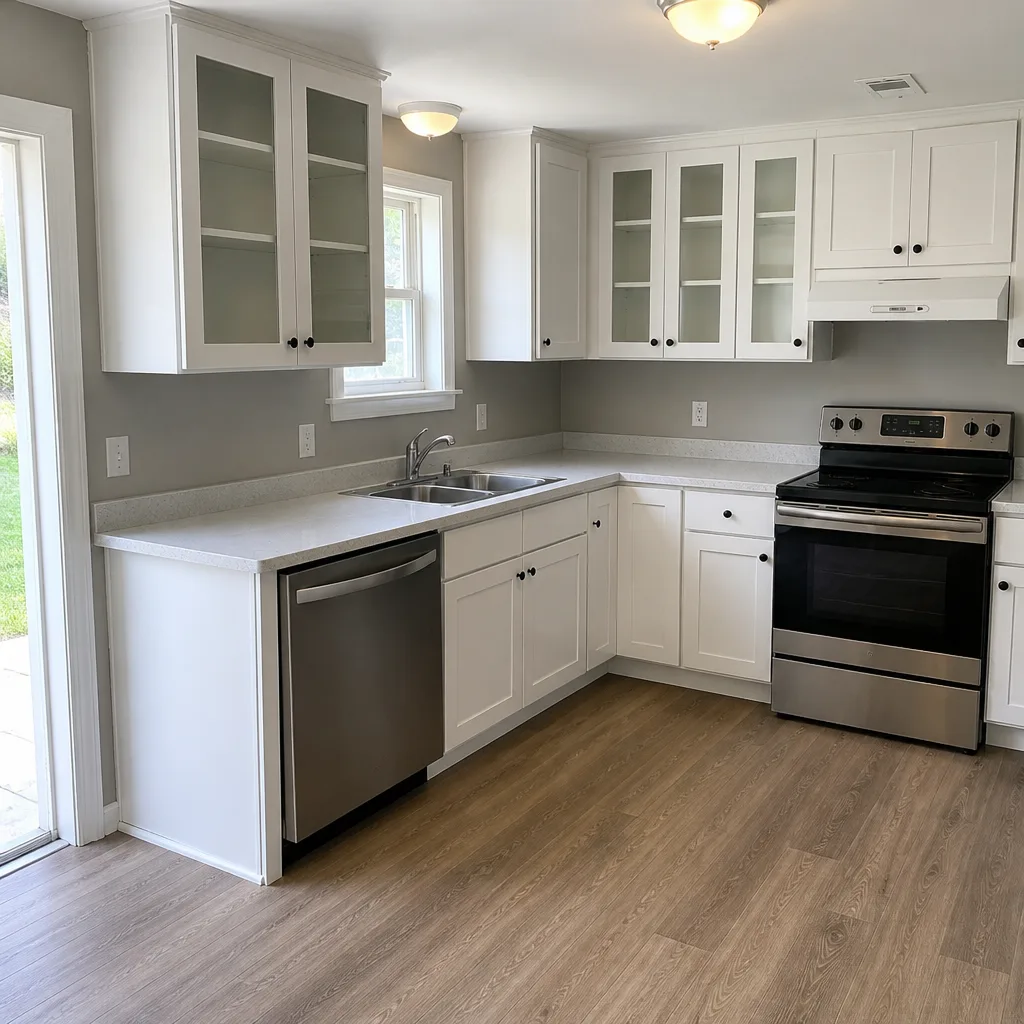
See the difference
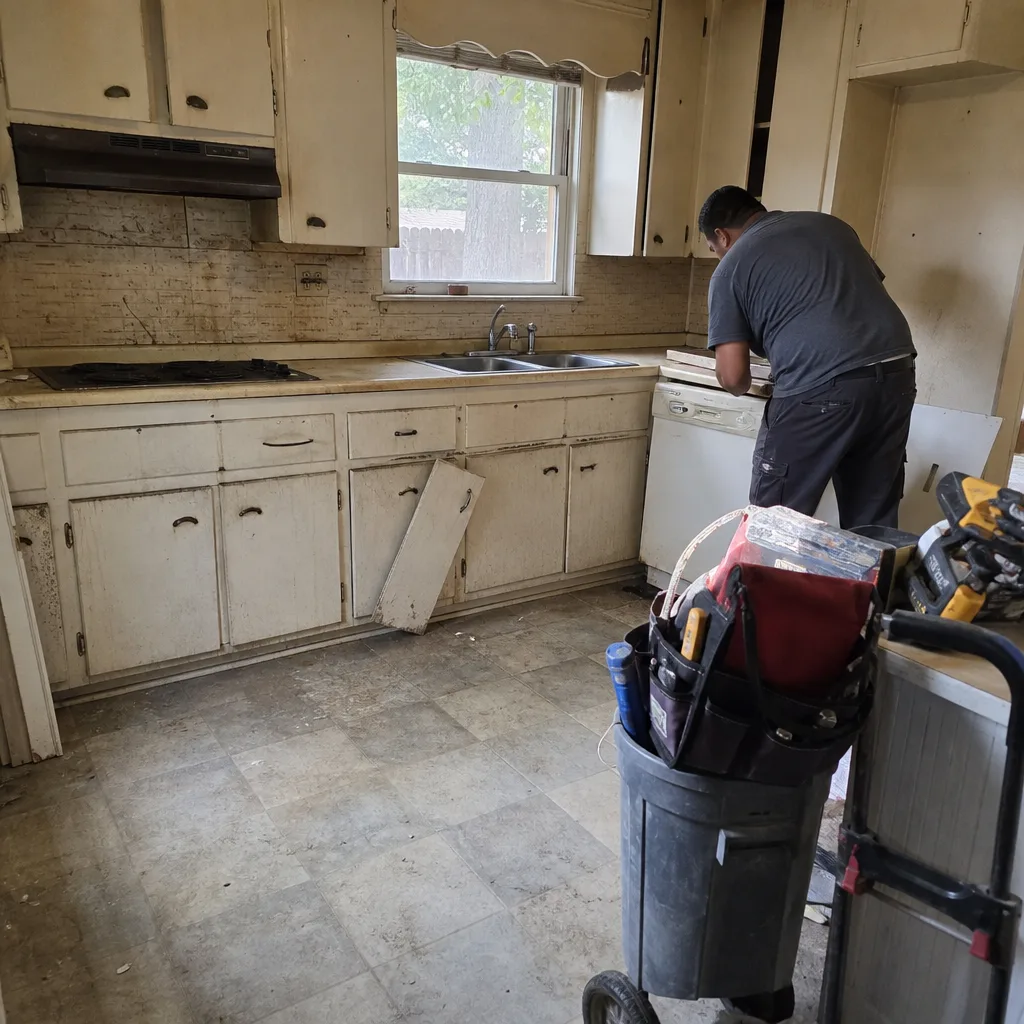 Before
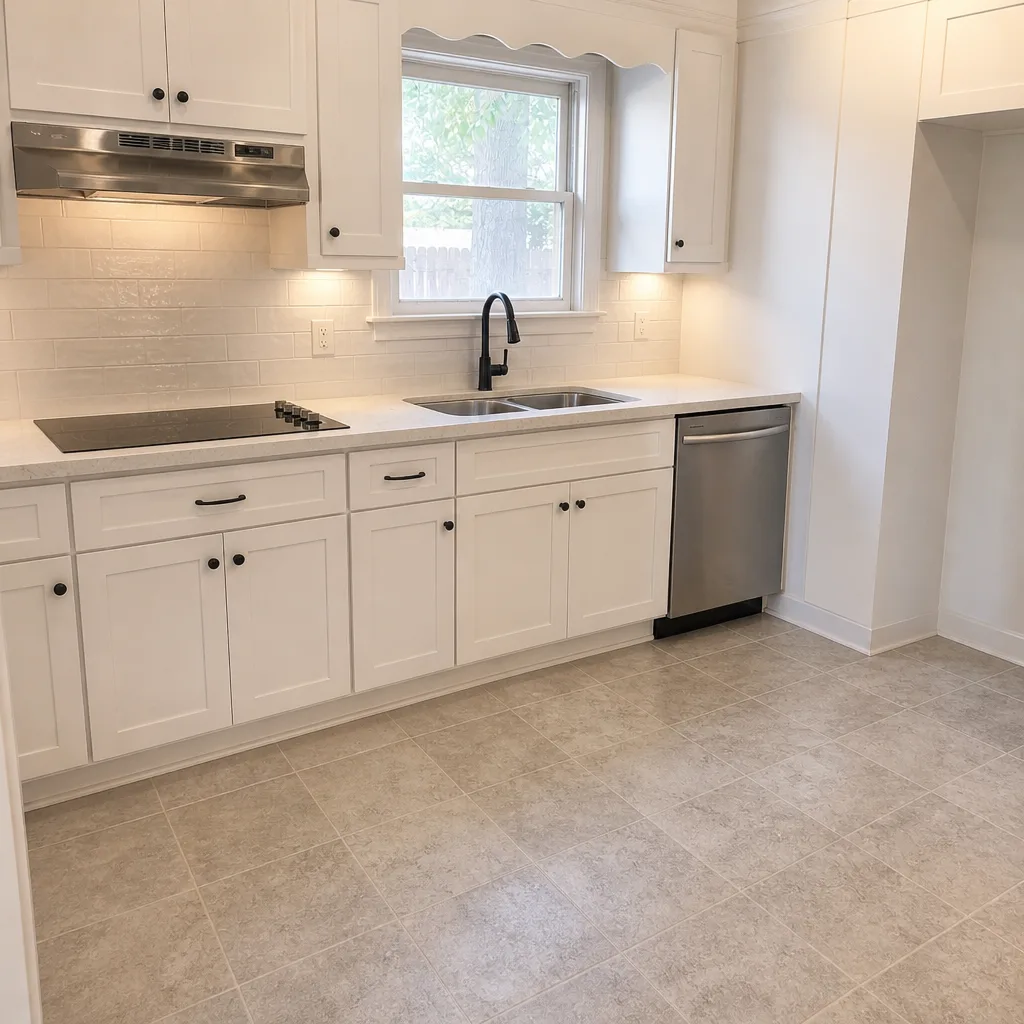 After
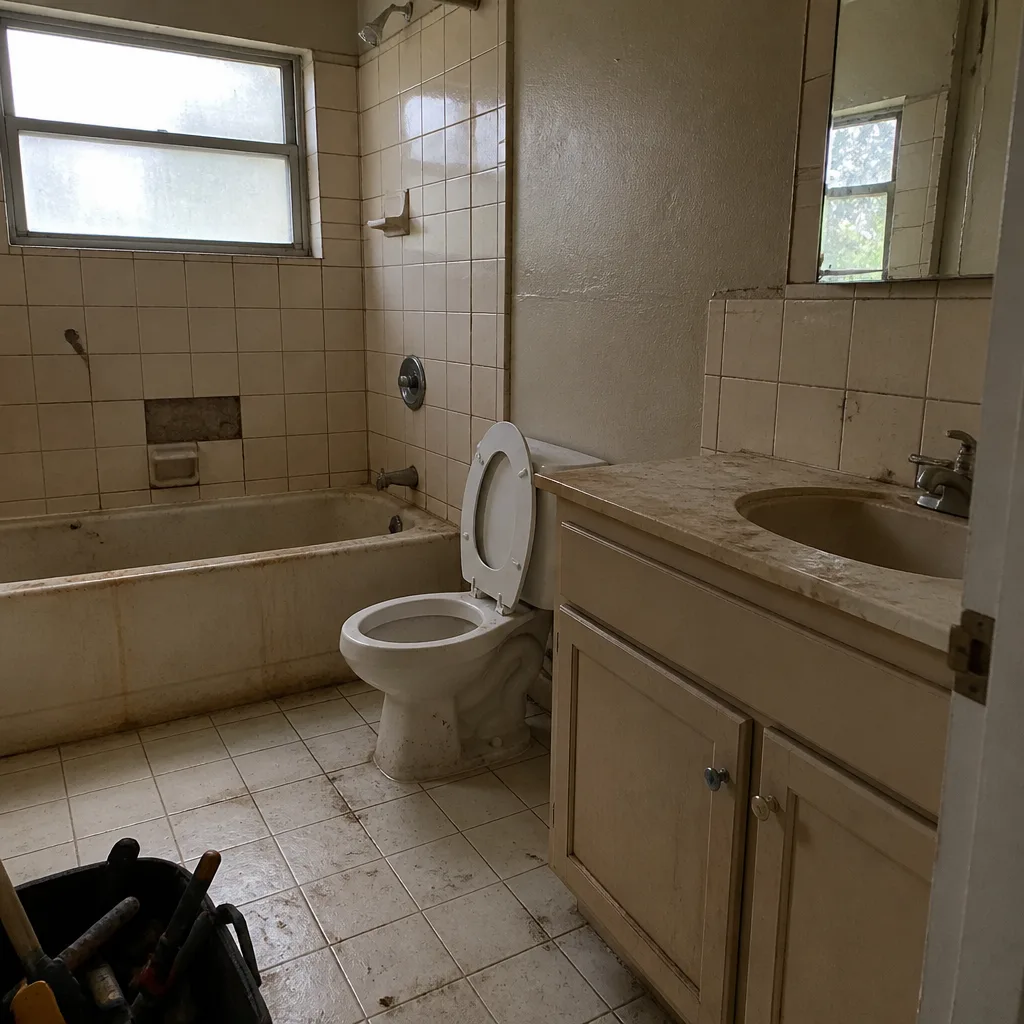 Before
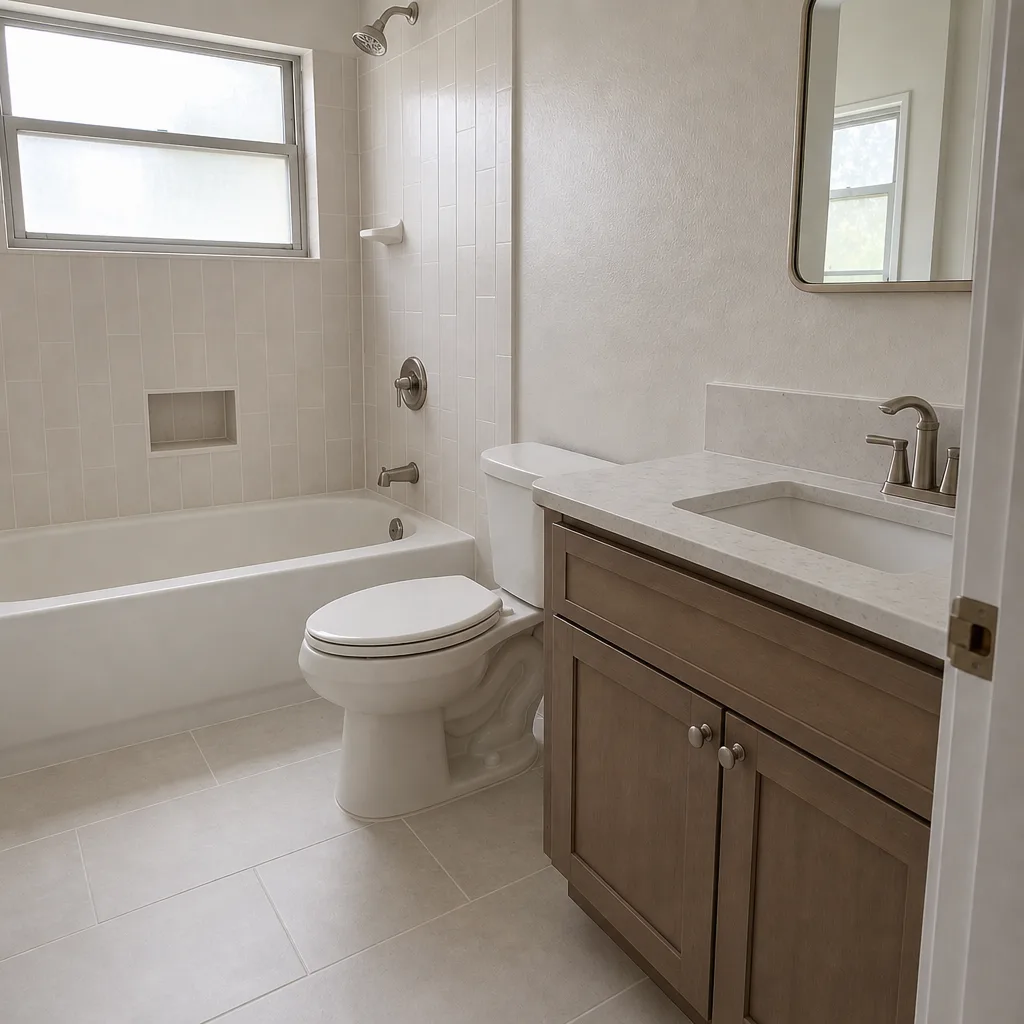 After
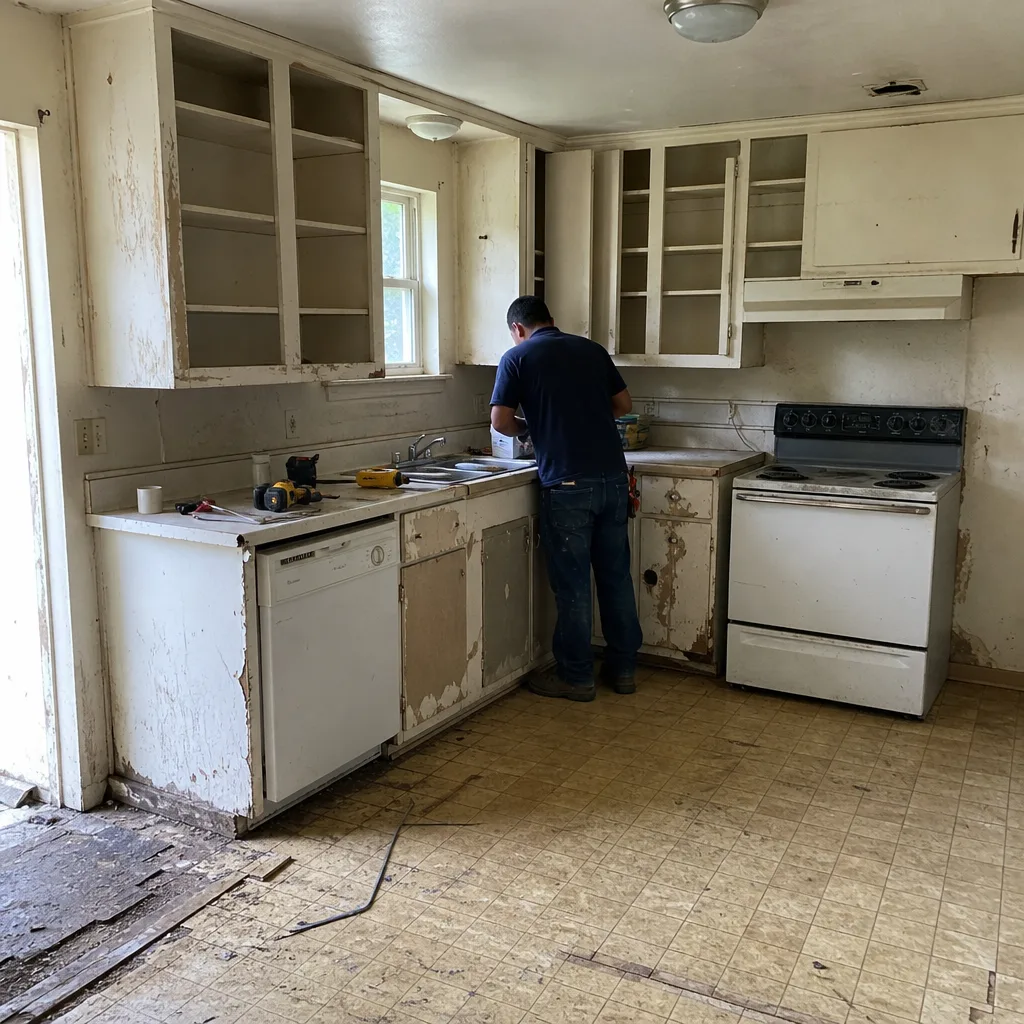 Before
 After
When to Call a Professional
Some brand decisions you can research and reason through. Others need a pro on site because the right spec depends on what’s under the surface. Call a professional when you’re weighing a roof replacement and need to know whether your existing shingles and decking can carry a certified warranty, when you’re comparing pavers and the base condition on Dallas clay soil will decide which product actually performs, when new windows or a fence involve structural or code questions, or when a failed project needs a warranty assessment before you accept a patch. A trained eye reads the conditions, not just the catalog. Groundwork Construction Co. of Dallas offers free estimates in Dallas – call (844) 797-4808 to schedule yours, and we’ll walk the site and recommend brands that fit the build. Calls are answered by a live person 24/7, with no voicemail and no waiting until Monday.
Frequently Asked Questions
There’s no single best brand across every trade; the best choice pairs a brand with published climate testing data and a certified installer for your specific product. In practice, strong picks across Dallas include GAF and Owens Corning for roofing, Andersen, Pella, and PGT for windows, KraftMaid and Kohler for kitchens and baths, Belgard for pavers, and James Hardie for siding – chosen because they publish real performance data and tie warranties to certified installation. Call (844) 797-4808 for a brand recommendation based on your specific project.
On most premium products, yes. Brands like GAF, CertainTeed, Andersen, and Pella tie their strongest extended warranties to certified or authorized contractors, so an uncertified installer usually drops you to basic coverage. Verify the contractor against the manufacturer’s own records before signing, and get the warranty document in writing. Call (844) 797-4808 to confirm which of our installs carry full certified coverage.
Because Dallas stacks sustained UV, prolonged heat, and repeated freeze-thaw in a single year, and products rated for milder climates often fail under that combination. A paver or shingle engineered for Dallas conditions holds its appearance and structural integrity far longer than a cheaper product rated for a more forgiving zone. The installation can be identical; the brand is what determines whether the project lasts.
Premium materials typically add a modest percentage to upfront material cost, but they carry the lowest annual maintenance and the longest warranty, so total 10-year cost is often lower than entry-tier products that need repeated resealing and early repair. When you compare bids, compare 10-year cost of ownership, not just the number on day one. Call (844) 797-4808 for an upfront, line-item pricing conversation – the number you see is the number you pay.
The manufacturer warranty covers the material failing due to a defect; the workmanship warranty covers installation failures like flashing gaps, base compaction, and sealant joints. Most real-world failures are installation problems, which is why the workmanship term matters as much as the material coverage. Ours is the 730-Day Done Right Promise – if it’s not done right, we make it right. Call (844) 797-4808 to review both warranties on your project.
Check the manufacturer’s contractor locator with your Dallas address, call the manufacturer’s customer line to confirm the contractor’s certification tier, and ask the contractor for certification documentation in writing. Cross-check the warranty coverage they promise against what the manufacturer says that tier includes. If those don’t line up, ask why before you sign. Call (844) 797-4808 and we’ll walk you through the brand partnerships backing your project.
The Bottom Line
In Dallas, the material brand is the decision that sets your warranty coverage, your installer requirements, and your 10-year cost, so make it early and make it deliberately. Choose products with published UV, freeze-thaw, and strength data, confirm your contractor is certified to activate the full manufacturer warranty, and weigh total cost of ownership over the lowest bid. Premium materials with certified installation are built to last and backed in writing, and they protect the Dallas home you’re investing in. Start with your home base at Groundwork Construction Co. of Dallas home, then let the specs guide you. Groundwork Construction Co. has served local communities since 2014, offering seven service lines with a curated set of verified brand partners and the 730-Day Done Right Promise on every project.
Get a Free Estimate
Choosing the right brand is easier when someone who builds for a living walks the site with you. Groundwork Construction Co. of Dallas offers a free project estimate and design consult, with no-hassle upfront pricing, 0% financing for 18 months, and $1,000 off projects over $10,000. Calls are answered by a live person 24/7, and all technicians are background-checked and arrive in uniform. Call (844) 797-4808 for a free estimate in Dallas today.
Written by the team at Groundwork Construction Co. of Dallas.