
Last updated November 17, 2026
 Home additions & ADU
 Kitchen remodeling
 Bathroom remodeling
 Roofing
 Windows & doors
 Driveway & pavers
 Fence
Free written scope consultation - allowances, timeline, and change-order rules on paper before a single trade is scheduled
Fence Installation Warning Signs Every Homeowner Should Know
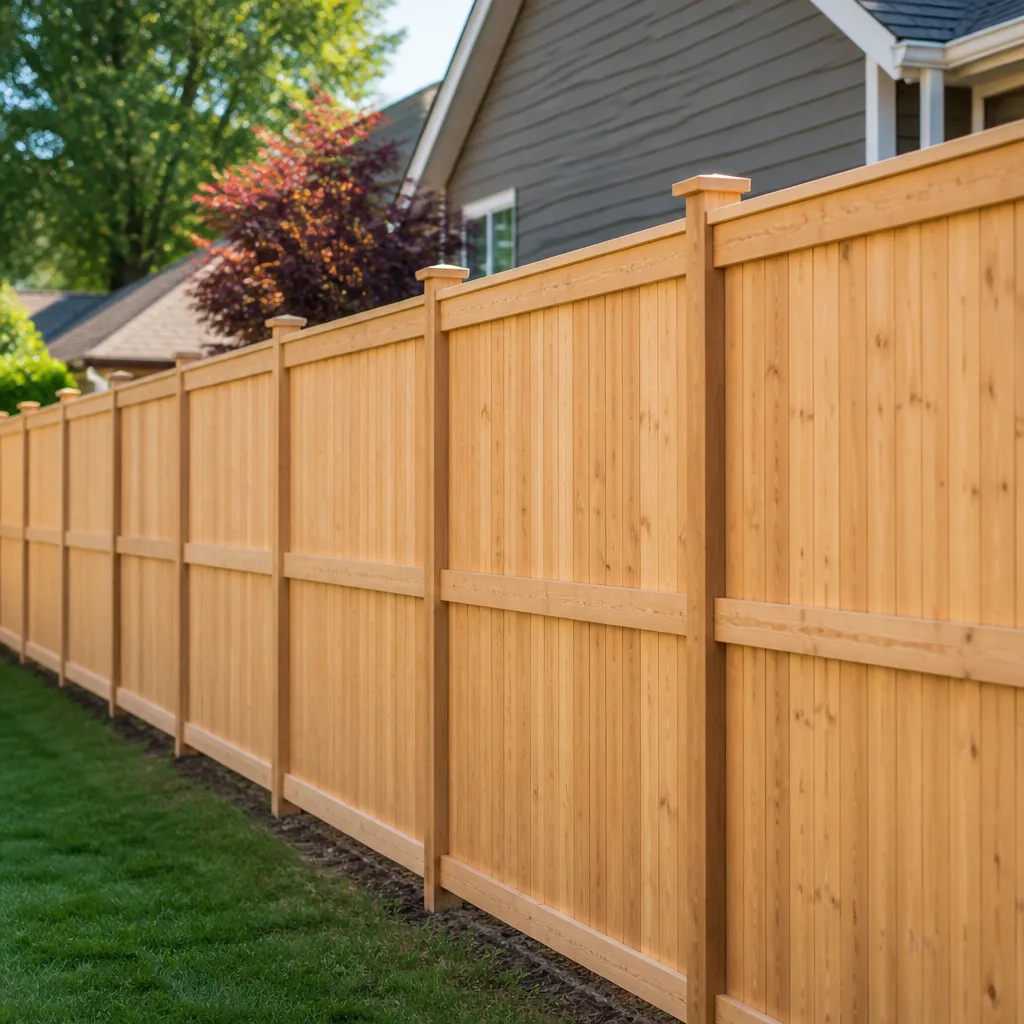
The most expensive fence mistake Dallas homeowners make isn’t choosing the wrong material. It’s ignoring the five red flags that were visible before the crew ever showed up. By the time a fence leans, a post rots, or a neighbor starts measuring property lines, the money is already spent and the contractor’s phone goes straight to voicemail. We’ve walked behind enough failed installs across Dallas to know that trouble almost always announces itself early. This guide shows you the pre-job signals that separate accountable contractors from the ones who cash the deposit and vanish, plus the on-site behaviors that tell you a job is going sideways while there’s still time to act.
Quick Answer
The clearest fence installation warning signs are a written quote that arrives in under an hour with no site visit, a contractor who never asks where your property line actually runs, a contract with no language on post depth, concrete cure time, or settling, and a crew that rushes through concrete before it sets. In Dallas, where expansive clay soil and freeze-thaw swings punish shallow post holes, these early signals predict a fence that fails within a few seasons far more reliably than any material choice does.
Styles & brands we work with
- Kitchen remodeling
- Bathroom remodeling
- Home additions & ADU
- Roofing
- Windows & doors
- Driveway & pavers
- Fence
Table of Contents
- Why the Property Line Conversation Matters More Than the Tape Measure
- What a Suspiciously Fast Written Quote Really Signals
- Reading Post Depth Planning Before a Hole Is Dug
- The Contract Language Low Bids Leave Out
- On-Site Behavioral Red Flags During Installation
- When Material Brand Promises Don’t Match What Shows Up
- Permits, HOA Rules, and the Paperwork Red Flags
- Warning Signs in the First 90 Days After Install
Why the Property Line Conversation Matters More Than the Tape Measure
Many homeowners assume the contractor will handle the boundary question. A good one will not just measure; they’ll start a conversation. In Dallas, where older neighborhoods like Lakewood and Kessler Park often have fences built an inch or two off the surveyed line by a previous owner, that conversation is the difference between a clean install and a neighbor dispute that ends up in mediation six months later.
Here’s what an accountable contractor does before quoting a fence in Dallas:
- Asks whether you have a recent plat or survey, and offers to work from the record instead of guessing.
- Points out where the existing fence sits relative to the apparent lot line, especially when there’s any gap or overlap.
- Discusses shared fence responsibilities, since Texas has no statewide statute dictating who pays for a boundary fence between neighbors.
- Flags HOA setback rules, which vary widely from Preston Hollow to Frisco-adjacent subdivisions.
- Mentions that the fence must sit inside your line by code and practice, not on it, so a future survey doesn’t create a fight.
If a contractor shows up, eyeballs the yard, and never once asks about the survey, that’s the first major red flag. It tells you they’ve decided the boundary is your problem, and any dispute after the posts go in will be yours too. In our experience, the contractors who raise the property line issue unprompted are the same ones who spell out post depth and cure time without being asked.
What a Suspiciously Fast Written Quote Really Signals
A written quote that lands in your inbox within an hour of a phone call feels efficient. It isn’t. For a fence of any real length in Dallas, a legitimate estimator needs time to map the run, check gate placement, look at soil conditions, confirm access for a concrete truck or mixer, and figure out whether the existing fence needs a full tear-out or can be partially reused. A number that arrives fast almost always means nobody actually assessed the site.
Watch for these quote-quality red flags:
- No line items. A single lump sum with no breakdown for posts, panels, concrete, gates, hardware, and labor is a number pulled from thin air.
- No mention of tear-out or disposal. Old fence removal is real labor and real dump fees. If it’s missing, it will surface as a change order.
- No gate detail. Gates are where most fence failures happen. A quote that says “gate included” without spec is a quote that will produce a sagging gate.
- No post spacing or depth spec. This is the single most predictive line in a fence quote, and the one most often left blank.
- No cure-time or scheduling language. A contractor who tells you the whole job will wrap in a day and a half without explaining concrete cure is telling you they plan to rush a step that shouldn’t be rushed.
Upfront pricing, no surprises, means the proposal shows you the math. If you want a quote built from an actual site assessment rather than a phone call, that’s what a free estimate should look like. You can see how a proper fence installation in Dallas is scoped before you commit to anything.
Reading Post Depth Planning Before a Hole Is Dug
In most of the country, post depth is a simple calculation. In Dallas, it’s where fences go to die. The blackland and expansive clay soils common across North Texas swell when wet and shrink when dry. A post set 18 inches deep might survive a mild winter and fail after two hard freezes. The freeze-thaw cycle here works a shallow post loose from the sides, then the next wet season lets water sit in the gap, and the wood rots from the bottom up.
You can read a contractor’s post depth planning before a single hole is dug. Ask directly:
- How deep will the posts be set, and why that number?
- What diameter hole, and what concrete mix?
- Will the concrete crown above grade to shed water?
- Are posts rated for ground contact, and are they pressure-treated to the correct retention level?
- How long will the concrete cure before panels go on?
A contractor who answers those questions in specifics is planning. One who waves a hand and says “two feet, standard” is not. For Dallas lots, we plan for posts set below the local frost line with concrete that rises slightly above the soil line, and we account for the extra expansion pressure of clay by widening the hole at the base. Set short, set dry, and set fast, and the fence will be leaning within a few summers.
Materials matter here too. Brands like Ameristar’s steel and aluminum systems handle expansion pressure differently than wood posts, and a contractor who recommends a steel post system on a clay-heavy lot understands the soil they’re building in. A crew offering one material for every yard across Dallas hasn’t thought about your yard at all.
The Contract Language Low Bids Leave Out
The difference between a professional fence contract and a low-bid proposal is usually the same handful of clauses, missing on purpose. Those clauses are the ones that give you recourse when something settles, rots, or fails. Read every proposal for these specific items before you sign:
- Settling remediation language. What happens if a post heaves or a panel settles within the first year? A serious contract commits to fixing it.
- Rot warranty terms. Ground-contact posts and bottom rails are the first to go. A contract that warrants the fence “against defects” without spelling out rot is a warranty in name only.
- Workmanship warranty length and what it covers. A written guarantee should state the years and the remedy.
- Concrete cure specification. Some contracts say “concrete set” with no duration. A reputable one specifies a minimum cure period before loads are applied.
- Change-order pricing. If the scope shifts because of an undiscovered stump, old concrete footing, or utility line, how is that priced? Fixed pricing with no change orders is a real differentiator, and it should be stated in writing.
- Permit and inspection responsibility. Who pulls permits, who handles the inspection, and who pays if the fence fails a code check.
If the proposal is a single page with a square, a total, and a signature line, that’s not a bid. It’s an opening for a change order. For context on how a properly scoped project is structured, our team at Groundwork Construction Co. of Dallas walks every customer through the same set of written terms on every project, contracts included.
On-Site Behavioral Red Flags During Installation
The crew’s behavior in the first hour tells you how the whole job will go. A few specific things to watch for:
- Concrete curing rushed. If a crew is setting panels, hanging gates, or loading rails onto posts within a few hours of pouring, they’re skipping cure time. Concrete needs to set properly, or the post will never hold the way it should. Watch whether the crew keeps posts undisturbed overnight or returns the next day to finish.
- Holes dug shallow and wide. If the crew is charging through post holes in under a minute each, they’re not digging deep enough. Ask them how deep they’re going. The answer should match what the contract says.
- No line string or level visible. A crew setting posts by eye produces a fence that looks wonky a year later. A taut string and a level should be out from the very first post.
- No regard for utilities. Before digging, a serious crew calls 811 and confirms gas, water, and electric lines. If they’re digging without a locate ticket, stop them.
- Crew composition. Uniformed, background-checked technicians arriving in a marked vehicle is a baseline for professional work. A truck with no signage and no clear company leads is a warning sign of its own.
- Unwillingness to talk mid-job. You should be able to ask a question during installation without the crew going silent or annoyed. Good crews expect questions.
In our experience, the cure-time issue is the single most common on-site shortcut we see on failed fences in Dallas. It’s invisible in a photo of the finished product. It shows up two winters later when a gate sags and a post leans, and by then the original installer has moved on.
We build into our installs a real cure window, and our driveway and pavers work in Dallas follows the same discipline: no load applied before the base is ready.
When Material Brand Promises Don’t Match What Shows Up
You paid for a specific system. You should get exactly that system, with packaging, part numbers, and manufacturer documentation. Fence material substitution is one of the quieter red flags in this trade, because the finished fence looks fine on day one and the cheap substitution only reveals itself after weather cycles.
What to check the day materials arrive:
- Matches the contract. If the proposal specified a brand or product line, verify the boxes and pickup tags match. Ameristar steel and ornamental products, for example, carry identifiable markings and documentation.
- Vinyl thickness and product line. Vinyl systems vary a lot in wall thickness and UV stabilization. Bufftech and ActiveYards both publish product lines and specs; a contractor who can tell you exactly which line was ordered knows their supply chain.
- Powder-coated aluminum and wrought iron. Jerith and similar lines should arrive with coating intact and hardware from the same system. Mixed hardware is where rust starts.
- Wood grade and treatment level. Ground-contact rated posts should be identifiable on the tag. You can verify this before the first hole is dug.
We work from a curated set of verified material partners across every trade, from GAF on roofs to KraftMaid in kitchens and these fence lines on your property line. The point of naming a brand in a proposal is that it’s enforceable. If the brand on the truck doesn’t match the brand on the page, that’s a conversation to have before the driver leaves.
Permits, HOA Rules, and the Paperwork Red Flags
Fence permitting in Dallas varies by location, height, and placement. A fence under six feet on a residential lot often moves through with less paperwork than a taller privacy fence, one along a corner lot sight line, or one that touches a floodplain area. HOA rules sit on top of city code and are frequently stricter. The paperwork red flags are straightforward:
- A contractor who tells you “you don’t need a permit” without checking your address or lot type.
- No written acknowledgement of your HOA’s fence covenant, if you live in a subdivision that has one.
- No inspection path documented, even a simple “post inspection before panels” step.
- No line item for permit fees in the proposal, or a silent assumption that they’re bundled in.
- No mention of who is responsible if the fence fails a code inspection.
If you’re on a corner lot in Old East Dallas or a property with any floodplain overlap, the permit conversation matters more, not less. For adjacent projects, the paperwork conversation is similar. See how we handle it on home additions and ADUs in Dallas, where permits and inspections are non-negotiable parts of every job.
Warning Signs in the First 90 Days After Install
Some problems reveal themselves only after the fence is up, but the earliest ones show up fast. In the first 90 days, watch for these:
- Posts that rock when pushed. A post that moves within weeks was not set deep enough or was loaded before the concrete cured.
- Gates that sag or drag. Often a hinge placement issue or a post that’s already shifting. Address it while you still have recourse.
- Rails separating from posts. Usually a sign the fastener wasn’t specified for the wood or the movement that’s now happening.
- Concrete that crumbled around the base. A short cure or a bad mix produces a crown that breaks up in the first wet season.
- Water pooling against posts. Not always the fence’s fault, but it accelerates rot if it’s not addressed with a small grade correction.
A contractor who answers the phone in month three and comes back to look is worth keeping. One who blames the soil, the weather, or your yard is telling you everything you need to know about month thirteen.
Common Mistakes to Avoid
- Picking the lowest quote without reading the contract scope. A low bid is often the same scope minus the settling clause, the cure spec, and the disposal line item. The savings get eaten by the first change order.
- Skipping the property line conversation. In Dallas neighborhoods where fences predate surveys, a fence built one inch onto a neighbor’s lot can trigger a dispute that outlasts the fence itself.
- Letting the crew rush concrete cure time. We’ve seen crews hang gates within hours of pouring. The gate will sag before the season is out, and the contractor likely won’t be reachable.
- Accepting a quote issued the same day. A quote with no site visit means no site assessment. It’s a number, not a bid.
- Ignoring HOA covenant rules. Even a permit-compliant fence can violate a subdivision covenant. Confirm both before ordering materials.
- Not asking about utility locates. Digging without an 811 ticket is a safety issue and a legal liability. It also signals a crew cutting corners in other places you can’t see.
- Assuming “lifetime” branding means anything without a written remedy. The only warranty that matters is the one that spells out years, scope, and what the company will do about it.
See the difference
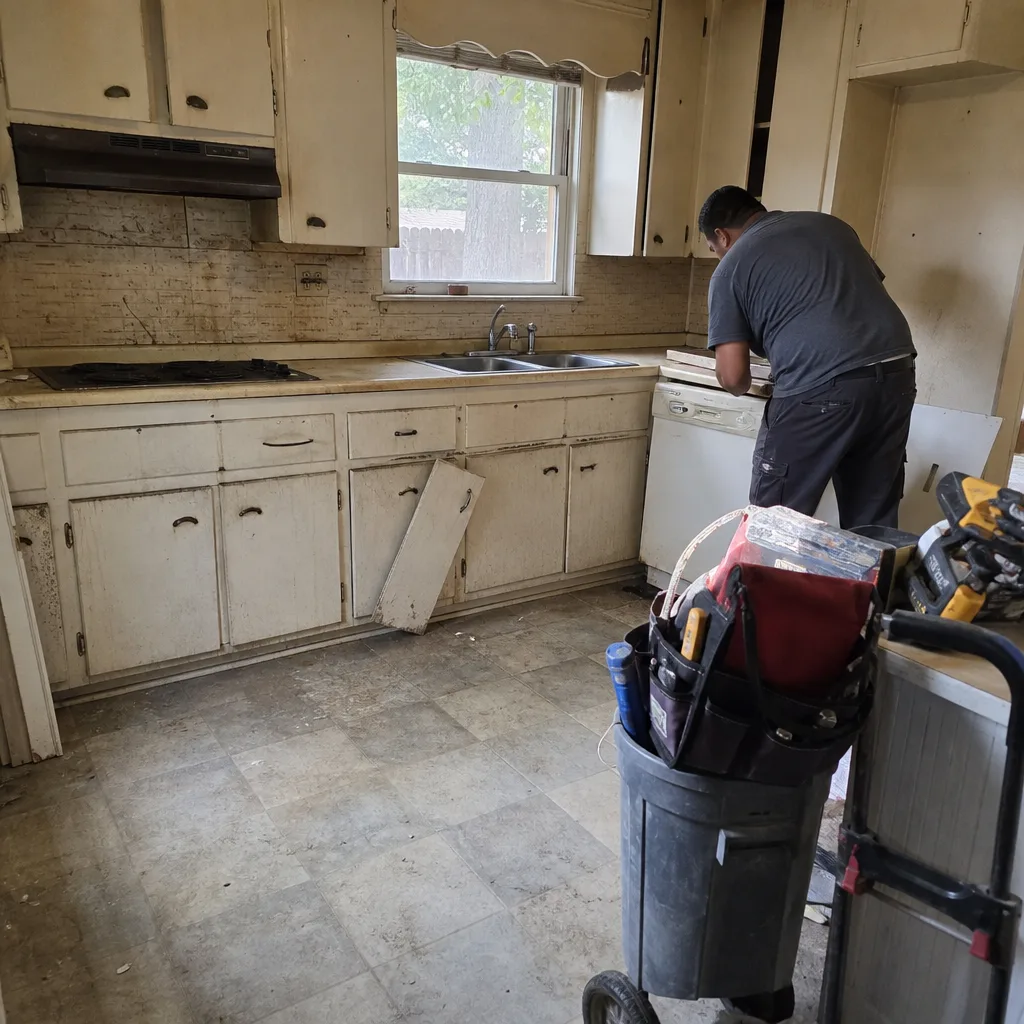 Before
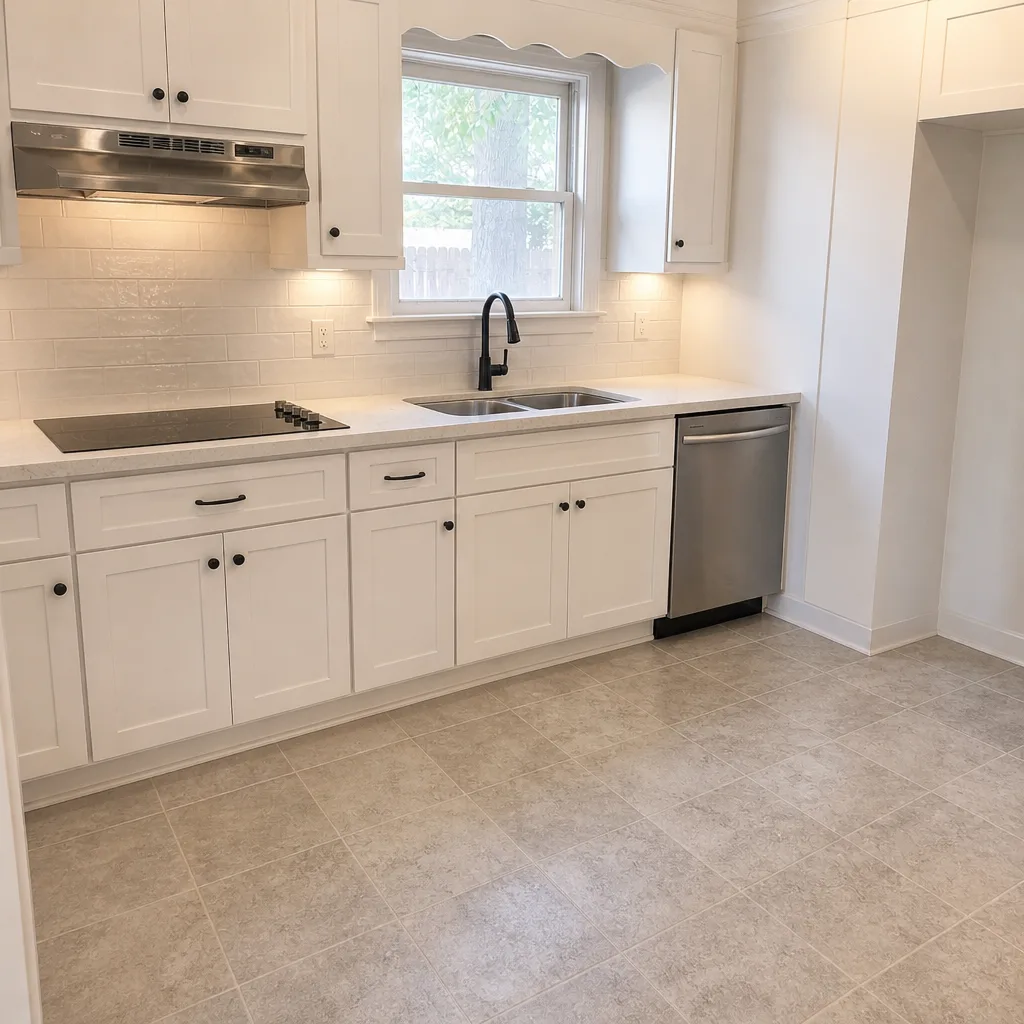 After
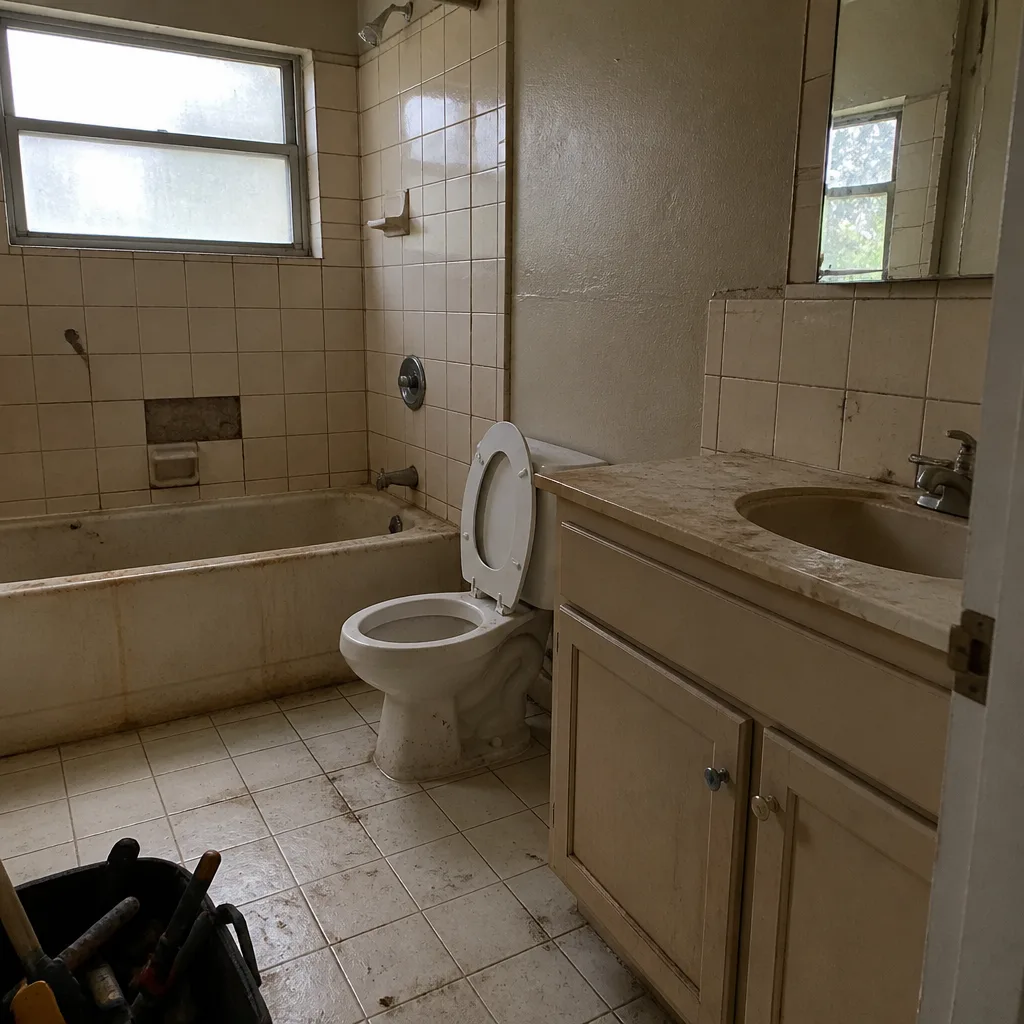 Before
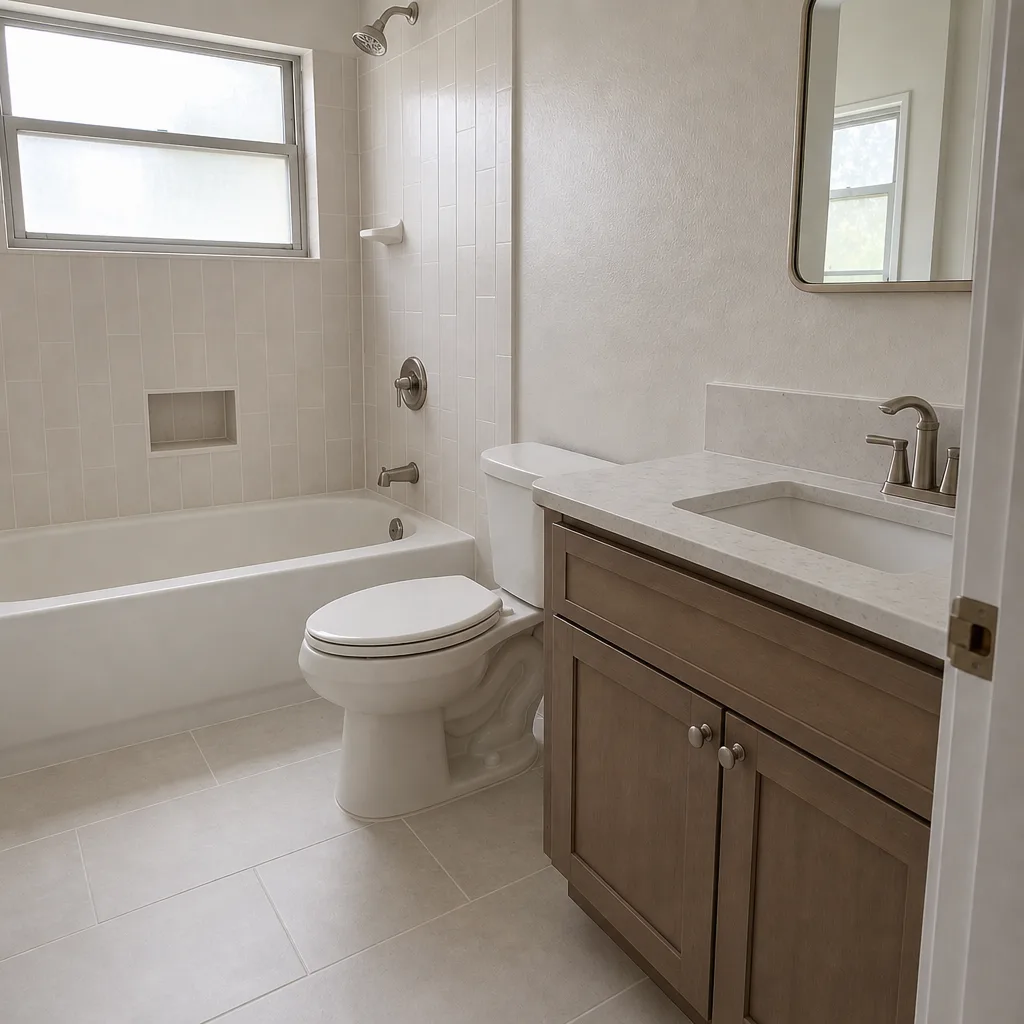 After
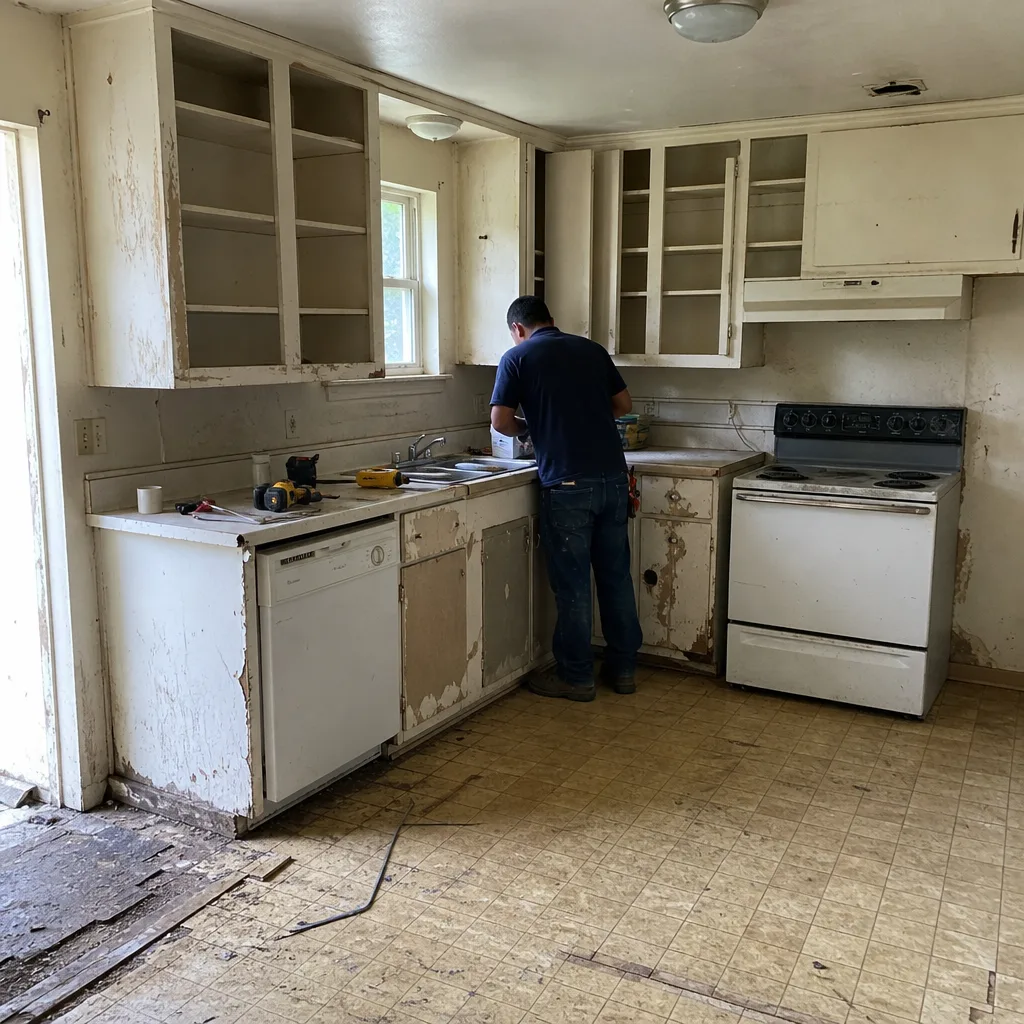 Before
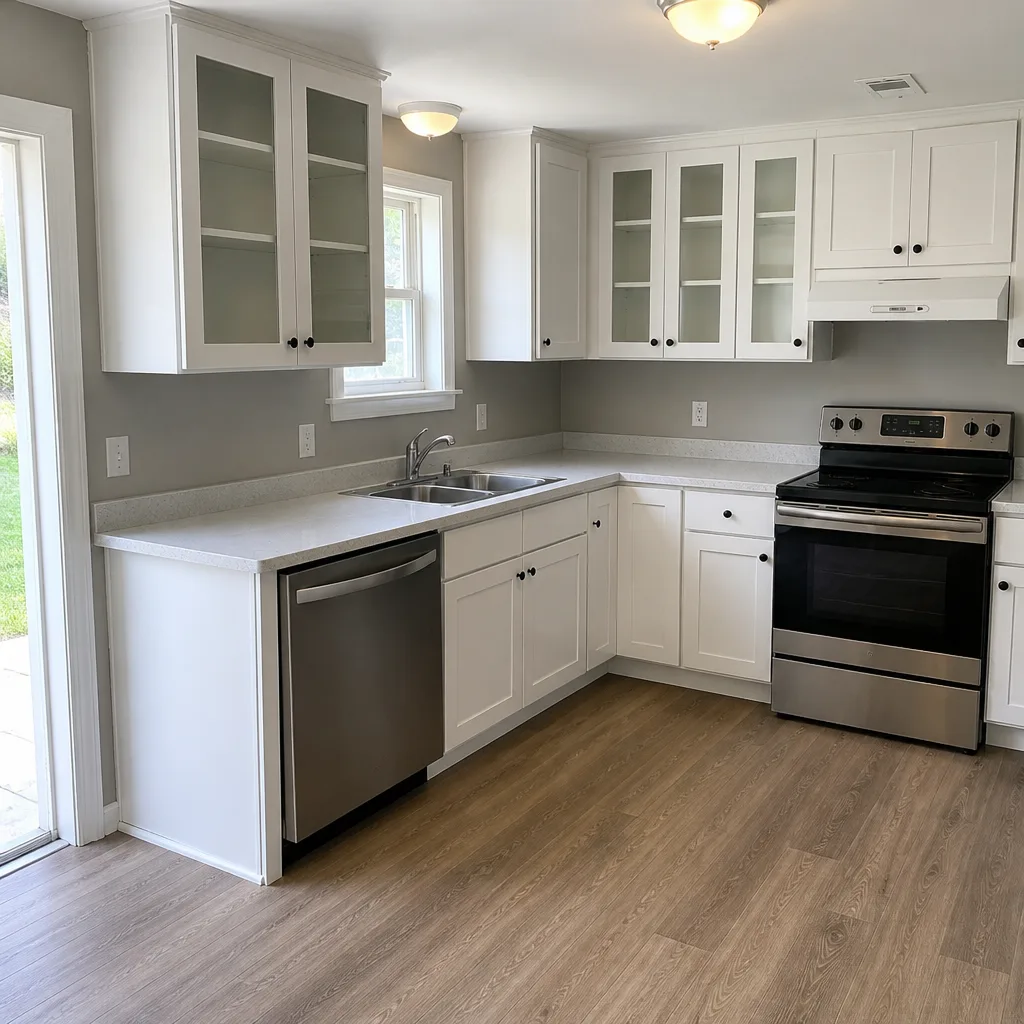 After
When to Call a Professional
If you’re staring at a proposal you don’t fully trust, a contract missing the settling and cure clauses, or a crew already on-site and moving faster than the work should allow, it’s time to bring in a professional who’ll put the scope in writing. Fence installation in Dallas involves soil mechanics, utility safety, code compliance, and property line matters that all interact. A contractor who has genuinely handled those combinations across Dallas neighborhoods will answer those questions comfortably. And a fence that fails because of shallow post depth, rushed cure, or missing warranty language costs far more to fix than to build right the first time. Groundwork Construction Co. of Dallas offers free estimates in Dallas. Call (844) 797-4808 and we’ll walk your property before we quote a number. Every job is covered by our 730-Day Done Right Promise, and you’ll get a live person on the phone, 24/7, when you call.
Frequently Asked Questions
A contractor who skips the property line conversation is the biggest red flag. If they never ask about your survey or plat, never mention where the existing fence sits relative to the lot line, and never raise HOA setback rules, they’re setting you up to inherit a boundary dispute after the posts go in. Call (844) 797-4808 for a free estimate that starts with that conversation.
A same-day quote usually means no site visit and no real assessment. A proper Dallas fence quote accounts for tear-out and disposal, gate specifications, post spacing and depth, soil conditions, and access for concrete. If the proposal is a single lump sum with none of that detail, treat it as a starting number, not a bid. Call (844) 797-4808 for a quote built from an actual walkthrough.
Dallas posts should be set below the local frost line with concrete crowned slightly above grade to shed water, and the hole should be wide enough at the base to counter expansive clay soil movement. The exact depth depends on the fence height and post material, which is why the depth should appear in your written contract. Call (844) 797-4808 for a free estimate and a written post specification before we begin.
If panels are going up and gates are being hung within hours of the concrete pour, the cure is being rushed. A proper cure means posts are left undisturbed before the load of panels and gates is applied. A crew that wraps the entire fence in one day without a cure step is a crew to question on the spot. Call (844) 797-4808 to see how we schedule cure time on every Dallas fence install.
Look for settling remediation, rot warranty terms on ground-contact posts, a stated workmanship warranty period, a concrete cure specification, change-order pricing, and the permit and inspection responsibility. If any of those are missing, ask for them in writing before you sign. Call (844) 797-4808 and we’ll walk you through the language we put in every Dallas proposal.
It depends on fence height, lot placement, and whether you’re on a corner or near a floodplain. Many residential fences under six feet move through with minimal permitting, but taller fences, corner lots, and HOA subdivisions have additional requirements. A contractor who tells you “no permit needed” before checking your address hasn’t looked. Call (844) 797-4808 and we’ll confirm what applies to your property.
The Bottom Line
Fence installation warning signs live in the paperwork, the quote process, and the crew’s early behavior, not in the finished product. A contractor who asks about your property line, quotes from a real walkthrough, specifies post depth and cure time in writing, includes settling and rot clauses, and brings verification credentials to your door is telling you everything you need to know before the first post goes in. In Dallas, where clay soil and freeze-thaw cycles punish shortcuts, those early signals are the whole game. Read the quote carefully, ask the questions, and demand the language in writing. The best fence contractor is the one whose proposal already answered you.
We build fences across Dallas with materials from verified partners like Ameristar, Bufftech, and ActiveYards, backed by the 730-Day Done Right Promise. Upfront pricing, no surprises. From foundation to finish line. Calls answered by a live person, 24/7. If you’re ready for a proper free estimate, call (844) 797-4808 and we’ll walk your property before we quote a number.
Written by the team at Groundwork Construction Co. of Dallas.