
Last updated November 17, 2026
 Bathroom remodeling
 Kitchen remodeling
 Home additions & ADU
 Roofing
 Windows & doors
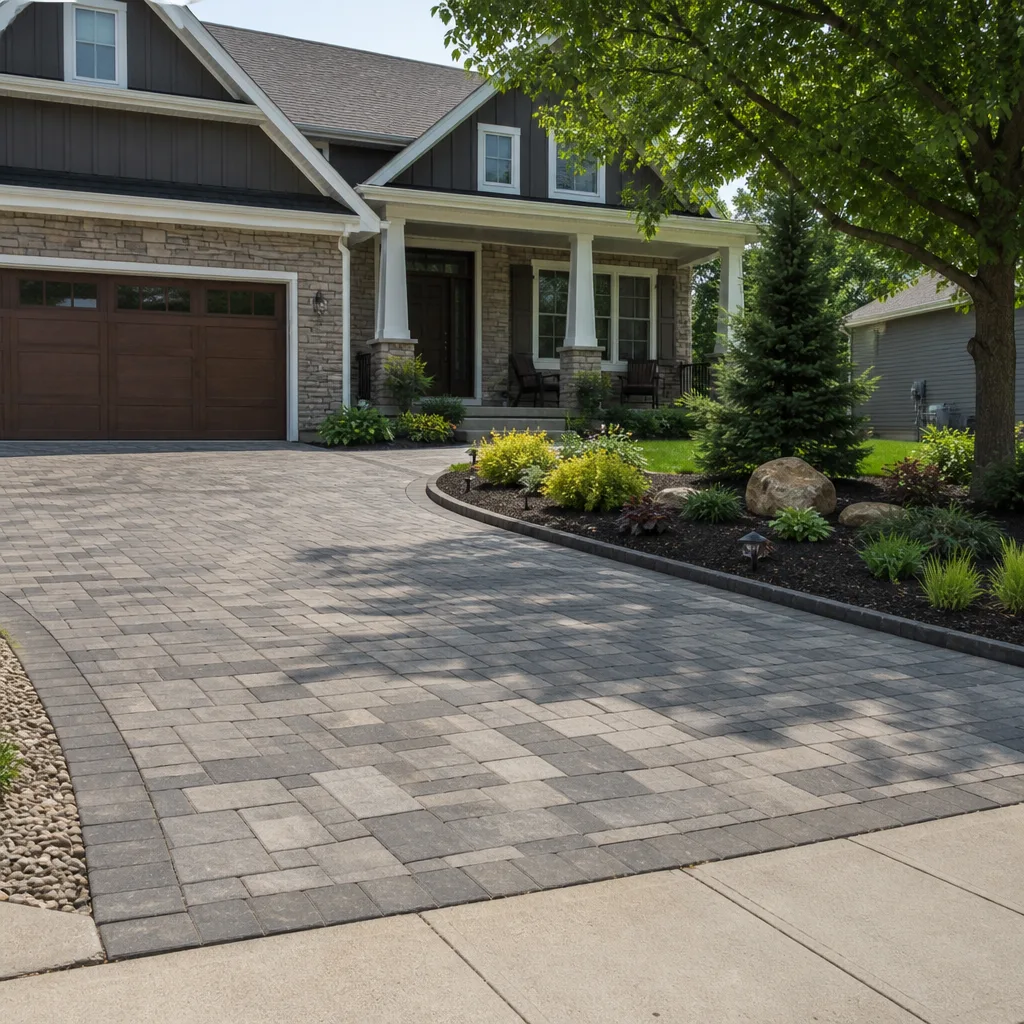 Driveway & pavers
 Fence
Free written scope consultation - allowances, timeline, and change-order rules on paper before a single trade is scheduled
Bathroom Remodeling Warning Signs Every Homeowner Should Know
Here’s the call we get most often: a homeowner wants a “quick tile refresh” in a guest bath, and forty minutes into demo the tile comes up in sheets with the thinset still stuck to it, the cement board is soft as cardboard, and there’s a black bloom spreading across the floor joists. The job just went from a $4,000 cosmetic project to a $22,000 subfloor replacement and mold remediation. It started as one soft spot near the toilet that felt “maybe a little squishy.” This guide teaches you to read your Dallas bathroom like a professional so you catch that soft spot while it’s still a $200 problem. We’ll cover the five physical signs that mean real damage, how to test for hidden rot and failed waterproofing before demo, what Dallas clay soil does to your tile, and the contractor red flags that predict a problem job before the first hammer swings.
Styles & brands we work with
- Kitchen remodeling
- Bathroom remodeling
- Home additions & ADU
- Roofing
- Windows & doors
- Driveway & pavers
- Fence
Quick Answer
The bathroom remodeling warning signs that matter most are soft or bouncy floor spots (subfloor rot), loose or hollow-sounding tile (failed waterproofing or substrate movement), persistent musty odor (hidden mold), caulk that keeps failing at the same joint (recurring moisture), and water stains on the ceiling below (an active leak). In Dallas, add one more: hairline cracks that migrate across grout lines and run diagonally, which usually point to expansive clay soil moving under your foundation rather than bad tile work. Any three of these together means you need a professional assessment before you spend a dollar on cosmetic finishes.
Table of Contents
- The Five Physical Signs Your Bathroom Needs More Than a Refresh
- How to Test for Subfloor Rot Before Demo Begins
- Failed Waterproofing: The Invisible Failure That Costs the Most
- How to Spot Hidden Mold Before You Open a Wall
- Dallas-Specific Warning Signs: Clay Soil, Tile Cracks, and Misdiagnosis
- Contractor Red Flags That Predict a Problem Job
- Planning-Time Warnings vs. Stop-Using-It-Now Warnings
- Common Mistakes to Avoid
- When to Call a Professional
- Frequently Asked Questions
- The Bottom Line
The Five Physical Signs Your Bathroom Needs More Than a Refresh
A bathroom doesn’t fail all at once. It telegraphs. Each of these five signs points to a specific underlying failure, and each one has a different price tag depending on how long it’s been ignored. Walk your bathroom this weekend with a flashlight and a screwdriver, and don’t skip the floor around the toilet and the base of the shower.
1. Soft or bouncy floor spots. Press your heel down near the toilet flange, in front of the tub, and at the shower threshold. If the floor gives, the subfloor has taken on water, and the source is almost always a wax ring that failed years ago, a shower pan that’s been seeping, or a supply line drip. Soft spots are the single most expensive warning sign in this list because the damage is invisible from above.
2. Loose or hollow-sounding tile. Tap tiles with a screwdriver handle. A dull thud is fine. A hollow ring means the tile has lost its bond, which means the thinset, the cement board, or the whole substrate has moved or gotten wet. Tile doesn’t lift on its own.
3. A musty smell that never leaves. If your bathroom smells like a basement no matter how much you clean, mold is growing somewhere you can’t see: behind the shower surround, under the floor, inside a vanity cabinet back panel. Cleaning won’t fix it because you’re cleaning the symptom.
4. Caulk that fails at the same joint every year. A single bad caulk line is a maintenance item. The same joint opening up every twelve months is a sign that water is getting behind it or that two planes are moving against each other. Recaulking over the problem hides it for another season.
5. Stains on the ceiling below. If there’s a bathroom upstairs, look at the ceiling of the room beneath it. Any water stain, ring, or discolored drywall is an active leak. This is the closest thing to an emergency in this list, and it’s the one sign that justifies opening a wall rather than waiting.
How to Test for Subfloor Rot Before Demo Begins
A pro doing a site walk in Dallas checks the subfloor first, before talking finishes, because every finish price depends on what’s underneath. You can run the same test at home without cutting anything. Here’s the sequence we use, in order:
- The heel test. Walk the floor in socks with your weight on your heels. Rot shows up as a slight give or a crunch near the toilet flange and the shower threshold. Listen for squeaks that weren’t there a year ago.
- The screwdriver probe. At the toilet flange and along the base of the tub or shower, slip a thin screwdriver into any gap in the flooring and press into the wood beneath. If the tip sinks in more than a quarter inch or comes out with soft, dark wood, you have rot. Stop probing there and let a professional open it up.
- The toilet-rock test. Grip the bowl and gently rock it. Any movement at all means the wax ring seal is compromised and water has been leaking under the floor, usually for years. Don’t tighten the bolts to “fix” it; that hides the problem and cracks the flange.
- The moisture check. A $20 pin-type moisture meter from a hardware store, pressed against grout lines and the wood base at the shower threshold, will tell you whether the substrate is damp. Readings above roughly 15 to 20 percent on wood means it needs to come out.
- The perimeter inspection. From the basement, crawlspace, or the ceiling of the room below, look for staining on the joists and subfloor. Water travels along framing, so a stain two feet from the bathroom still counts.
What we find in Dallas is that subfloor rot is almost never isolated. It comes with a failed seal at the source, and the wood damage is the evidence of a leak that’s been running for two or three years. If you find soft wood in one spot, budget for a larger opening. The cost of new subfloor runs roughly $4 to $8 per square foot installed in the Dallas market, on top of whatever caused the leak.
Failed Waterproofing: The Invisible Failure That Costs the Most
Waterproofing is the part of a bathroom you never see and always pay for. In a shower, the waterproofing is supposed to sit behind the tile and drain toward the pan. When it fails, water sits in the wall cavity and the floor assembly, and nothing shows from the surface for months. By the time grout starts staining or a soft spot appears, the framing behind the surround has often been wet for a year or more.
Warning signs that waterproofing has failed:
- Grout that darkens and stays dark. Not just in one corner, but across a low band of the shower, especially near the curb and the floor.
- Efflorescence. White, chalky powder leaching out of grout lines means water is moving through the tile assembly and leaving mineral deposits as it dries.
- Loose tile at the shower floor or curb. Those are the lowest points, so water pools there first. Tile that has lifted off the pan is a five-alarm sign.
- Soft drywall or peeling paint on the opposite side of the shower wall. That wall is saturated.
- A shower pan that flexes underfoot. A properly built pan doesn’t move. Flexing means the mortar bed is failing and the liner beneath it is compromised.
We’ve also seen dozens of bathrooms in Dallas where the previous remodel used greenboard drywall in a shower instead of a true waterproof membrane and cement board. Greenboard is moisture-resistant, not waterproof, and it fails in a shower within a few years. When we open that wall, there’s no saving the substrate. This isn’t something to test yourself. The only reliable way to confirm a failed shower pan or a missing membrane is to open the wall, and the moment to do that is while you’re still planning, not after you’ve ordered tile.
How to Spot Hidden Mold Before You Open a Wall
Mold in a bathroom is a moisture problem wearing a disguise. If you smell it, it’s growing somewhere, and it’s almost always behind a surface that got wet and stayed wet: the shower surround, the floor under the toilet, the back of a vanity cabinet, the framing under a failed pan. You can’t diagnose it from the air alone, but you can read the signs that make it likely.
Look for:
- A musty odor that returns within days of cleaning, especially after the bathroom has been closed up.
- Discolored caulk or grout that looks dark gray or black in a pattern, not just dirty.
- Peeling paint or bubbling drywall on any shared wall, especially in a closet on the other side of a shower.
- Dark staining on the ceiling below the bathroom, or on the subfloor visible from a crawlspace.
- Allergic-type symptoms that get worse in the bathroom and better elsewhere in the house.
If you suspect hidden mold, don’t spray bleach on the surface and call it handled. That kills what’s visible and does nothing to the colony behind the wall or the water source feeding it. A professional assessment should identify the moisture source first, because mold doesn’t come back unless the water comes back. Remediation in Dallas typically runs $1,500 to $6,000 for a bathroom-sized affected area, and it goes up fast if the framing behind the shower is involved. The earlier you find this, the more the number stays at the low end.
Dallas-Specific Warning Signs: Clay Soil, Tile Cracks, and Misdiagnosis
If you live in Dallas, you have a variable no other market has to the same degree: expansive clay soil. The blackland and Austin chalk clay under most of North Texas swells when it’s wet and shrinks when it’s dry, and it moves the foundation under your house in response. In a wet spring, the clay under one corner of your slab swells half an inch; in August, it shrinks back. That movement is small, but your bathroom tile is rigid and your foundation isn’t.
What that looks like on the tile floor:
- Diagonal cracks. A crack that runs at roughly 45 degrees across your floor, cutting through tile and grout lines, is the classic signature of slab or frame movement, not installation error. In our experience walking Dallas homes from Lakewood to Preston Hollow to Oak Cliff, the shape of the crack tells you more than whether one exists.
- Grout cracking that follows a straight line across the room. That’s often a cold joint in the slab or a seam in the underlayment. Cosmetic, but worth knowing.
- Cracks radiating from a corner of the room. These usually point to a localized deflection, often a joist that’s been notched too deeply or a subfloor that’s undersized.
- Tiles that tent or lift at the center of the floor. Under our summer heat and the slab movement that comes with it, tenting tile is a real thing in Dallas. It’s a sign of stress, not just age.
Here’s the part that gets misdiagnosed constantly: a homeowner sees diagonal cracks and calls them “bad tile work,” and either the previous installer or the next one agrees. It’s not bad tile work. It’s the soil. And the fix isn’t new tile on the old substrate. Before a remodel starts on any Dallas floor with a migrated crack, a professional should check the foundation, assess the underlayment, and confirm whether a crack-isolation membrane is needed beneath the new tile. Without that step, the new tile cracks the same way the old one did, and you’ve spent the money twice.
Contractor Red Flags That Predict a Problem Job
Most remodel failures we’re called in to fix later didn’t fail because of the tile or the fixture. They failed because the project started wrong. When you’re hiring in Dallas, these are the warning signs that should stop the conversation:
- A vague, one-line scope. “Bathroom remodel, $14,000” tells you nothing about demo, waterproofing, electrical, permits, or who supplies what. A real bid is line-item, with a clear allowance for tile and fixtures, and a spec for the waterproofing system by name.
- No mention of permits. Bathroom remodels in Dallas almost always need a permit for plumbing and electrical work, and the City of Dallas requires inspections at rough-in and at final. If the contractor says “we don’t need a permit for this,” or “we’ll handle it later,” treat that as a hard no.
- An all-cash advance. A reasonable deposit is normal. A request to be paid largely in cash up front, with no contract, no lien waiver, and no schedule, is how “disappearing crews” happens.
- No written workmanship warranty. A one-year promise from a company that may not be around next year isn’t a warranty. Ask for the actual terms in writing, and read what’s excluded.
- Assembled-on-the-spot pricing. A price that appears on a napkin, comes with a “today only” discount, or changes between the walkthrough and the contract is a red flag. Upfront pricing means the number you see is the number you pay, with written change orders for anything that changes after the fact.
- No stated trade partners for materials. If you can’t get a straight answer about which waterproofing system, which fixtures, or which brand of tile backer the crew will use, you can’t compare bids or check the products.
We ask for these things in writing from every partner we work with, which is one reason we hold to a fixed, written quote on Dallas remodels and back the workmanship with the 730-Day Done Right Promise. The number you see is the number you pay, and if something under the surface turns out to be wrong, we make it right. Bathrooms have more hidden-trade work per square foot than any other room in the house, so the selection process matters more here than anywhere else.
Planning-Time Warnings vs. Stop-Using-It-Now Warnings
Not every warning sign has the same urgency. Some give you months to plan a proper remodel; others mean stop using the bathroom today. Knowing the difference keeps you from either over-panicking or under-reacting.
Warnings that let you plan:
- Hairline grout cracks with no other signs in a Dallas bathroom with a known foundation history. Plan an assessment; don’t rush the schedule.
- One failing caulk joint that you can recaulk cleanly.
- Tile that looks dated but is solid, with no hollow spots and no soft floor.
- Peeling paint on a bathroom wall where no water source is nearby.
Warnings that mean stop using it now:
- Any water stain on the ceiling below the bathroom. That leak is active, and every day it runs, the repair grows.
- A shower pan that flexes, with any softness at the curb or the floor of the shower. Every shower makes it worse.
- A toilet that rocks, with any evidence of water under the floor around the flange. Stop flushing from that fixture until it’s reset; use another bathroom.
- Visible mold on more than about a square foot of any surface inside the shower or under the floor.
- Any electrical outlet, switch, or light fixture inside the bathroom that has water staining or feels wet. That’s a shock and fire risk. Stop using the circuit and call an electrician.
When we do a free estimate on a Dallas bathroom with any of the stop-now conditions, the first step isn’t a design conversation. It’s a moisture and structural assessment, then a written, line-item plan to stop the water before any new tile gets ordered. The right sequence is stop the leak, dry out the structure, rebuild the assembly, then finish. Anything else is the $22,000 mistake dressed up as a remodel.
Common Mistakes to Avoid
- Refinishing tile over a failed substrate. Rolling a coating onto tile hides the visual warning and traps moisture behind it, where it does more damage. The tile was never the problem. The substrate was.
- Recaulking the same joint every year. Repeated caulk failure at the same place is a water-source signal, not a maintenance chore. Each recaulk buys another season and costs another repair later. In a Dallas bathroom with a shower wall, that’s usually a failed waterproofing layer behind the tile.
- Probing a soft spot with a nail or saw, then patching it. A soft spot means there’s water and rot under the floor. Patching the surface hides the rotted framing and the source, and the new finish fails faster than the old one. A professional opens it up, corrects the cause, replaces the damaged material, and documents it with photos.
- Letting a tradesperson talk you out of a permit. In Dallas, plumbing and electrical changes in a bathroom require permits and inspections at rough-in and final. A contractor who skips them leaves you with work that may not pass later, or that an insurer will push back on after a claim.
- Hiring off a price with no written scope. A remodel bid without line items, allowances, and a waterproofing spec is a book with the last page torn out. The lower number is usually lower because something’s missing, and you’ll find out what during construction, when you have no leverage.
- Ignoring the diagonal crack because the last contractor said it was “just settling.” In Dallas, that crack is the clay talking. New tile over a moving slab will crack the same way, and a crack-isolation membrane is the correct fix, not a heavier thinset.
- Choosing a contractor with no written warranty. A promise is not a warranty. If the term isn’t in writing, if it isn’t specific about what’s covered, or if it’s one year, it isn’t meaningful protection for a room that takes on water every day. Ours is the 730-Day Done Right Promise, and it’s in writing before work begins.
If you’re still in the planning stage and want to see what a full-scope remodel looks like from a partner that handles every trade under one written contract, our Groundwork Construction Co. of Dallas home page lays out the full service list. For outside projects that often get planned alongside a bathroom remodel, our Driveway & Pavers in Dallas and Fence Installation in Dallas pages are a good place to check scope and pricing, and if a bathroom remodel is part of a larger home change, our Home Additions & ADU in Dallas page covers the larger project. We do this work with a curated set of brand partners, including KraftMaid cabinetry and James Hardie exterior products, so you’re choosing materials by name, not by availability.
When to Call a Professional
Call a professional when any of the following is true in your Dallas bathroom: the floor gives under your heel anywhere, a shower pan flexes, the toilet rocks, caulk fails repeatedly at the same joint, or there’s any water stain on the ceiling below. Call before you open the wall yourself, because how you probe and open a wet assembly changes what you can save and what the repair will cost. If you’ve already had a remodel fail by another contractor, call anyway. We walk a lot of Dallas bathrooms that are halfway torn apart, and we’d rather see it before more money goes into the wrong layer. Groundwork Construction Co. of Dallas offers free estimates in Dallas. Call (844) 797-4808, and a live person answers, 24/7, no voicemail.
Frequently Asked Questions
Fixing hidden water damage in a Dallas bathroom typically runs $3,000 to $15,000, depending on how much subfloor, framing, and mold remediation is needed on top of the original project. A subfloor replacement alone runs about $4 to $8 per square foot installed, and professional mold remediation for a bathroom-sized area runs $1,500 to $6,000. Call (844) 797-4808 for an exact quote after a walkthrough; estimates are free.
It should not change without a written change order signed before the extra work begins. What we do is write the original scope to show allowances and a clear plan for what happens if demo reveals rot, mold, or missing waterproofing, so the discovery has a documented price and a documented fix rather than a surprise invoice. If something under the surface needs repair, we photograph it, price it line by line, and get approval before touching it.
Yes, bathroom remodels in Dallas that change plumbing or electrical work need permits, with inspections at rough-in and final. A remodel that stays strictly cosmetic, like new tile over an intact substrate, may not require a permit, but any move or addition of a fixture, drain, vent, or circuit does. Ask any contractor to state the permit plan and the inspection schedule in writing before they start.
Dallas bathroom tile keeps cracking because the expansive clay soil under North Texas swells and shrinks seasonally and moves the slab, which unloads the rigid tile above it. The signature is a crack running diagonally across the floor and through both tile and grout, not one confined to a single grout line. A proper repair uses a crack-isolation membrane under new tile, and a professional should check the foundation before the new material goes down.
A full bathroom remodel typically takes four to eight weeks from demo to final walkthrough, with the larger number applying to a project that moves plumbing, replaces the subfloor, or adds a new shower assembly. Cosmetic refreshes that stay above the substrate are shorter; structural and waterproofing repairs push the schedule out because the assembly has to dry and be inspected in sequence. We build the timeline into the written plan, with the rough-in and final inspection dates in it.
Yes. A soft spot near the toilet almost always means a failed wax ring has been leaking into the subfloor for an extended period, and the visible squish is the end of a process, not the beginning. Untreated, it grows into rotted framing and mold, and the repair cost rises from a few hundred dollars to the thousands. Stop using that fixture and call (844) 797-4808 for an assessment.
The Bottom Line
Bathrooms give you warning signs early, and almost every expensive repair we see in Dallas started as one that was dismissed as cosmetic. A soft spot near the toilet, a hollow-sounding tile, a musty smell that never leaves, a caulk joint that fails every year, a water stain on the ceiling below: each one is a message about a specific underlying failure. Add the Dallas-specific variable, the clay soil that moves the slab and cracks the tile diagonally, and you have a room worth reading carefully before you spend a dollar. When you’re ready to plan a remodel, get a written, line-item scope, confirm the permit plan, and hold the contractor to the warranty terms in writing. Groundwork Construction Co. of Dallas does all three, backs every job with the 730-Day Done Right Promise, and its technicians have up to 12 years of experience. Call (844) 797-4808 for a free estimate, a live person answers, 24/7, and we’ll walk your bathroom with the same checklist this guide lays out. Built to last, backed in writing.
Written by the team at Groundwork Construction Co. of Dallas.
See the difference
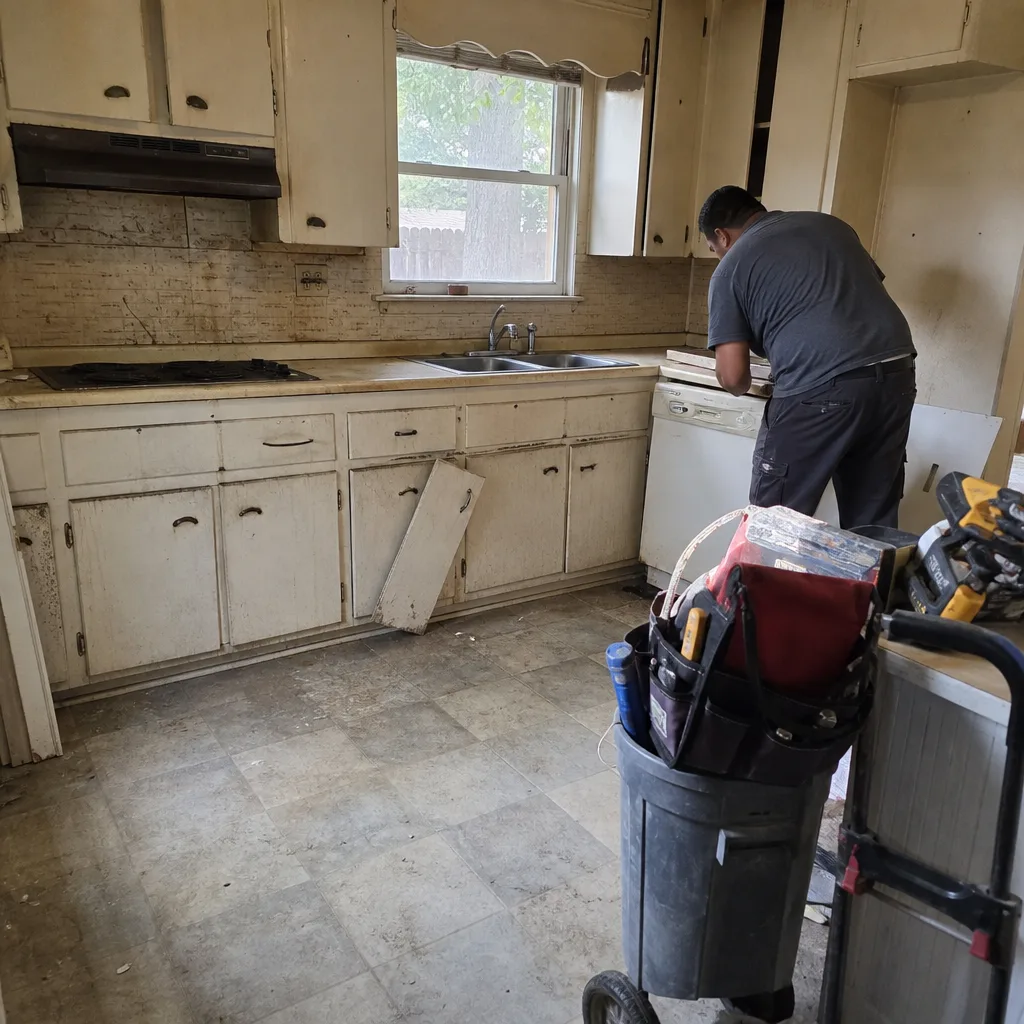 Before
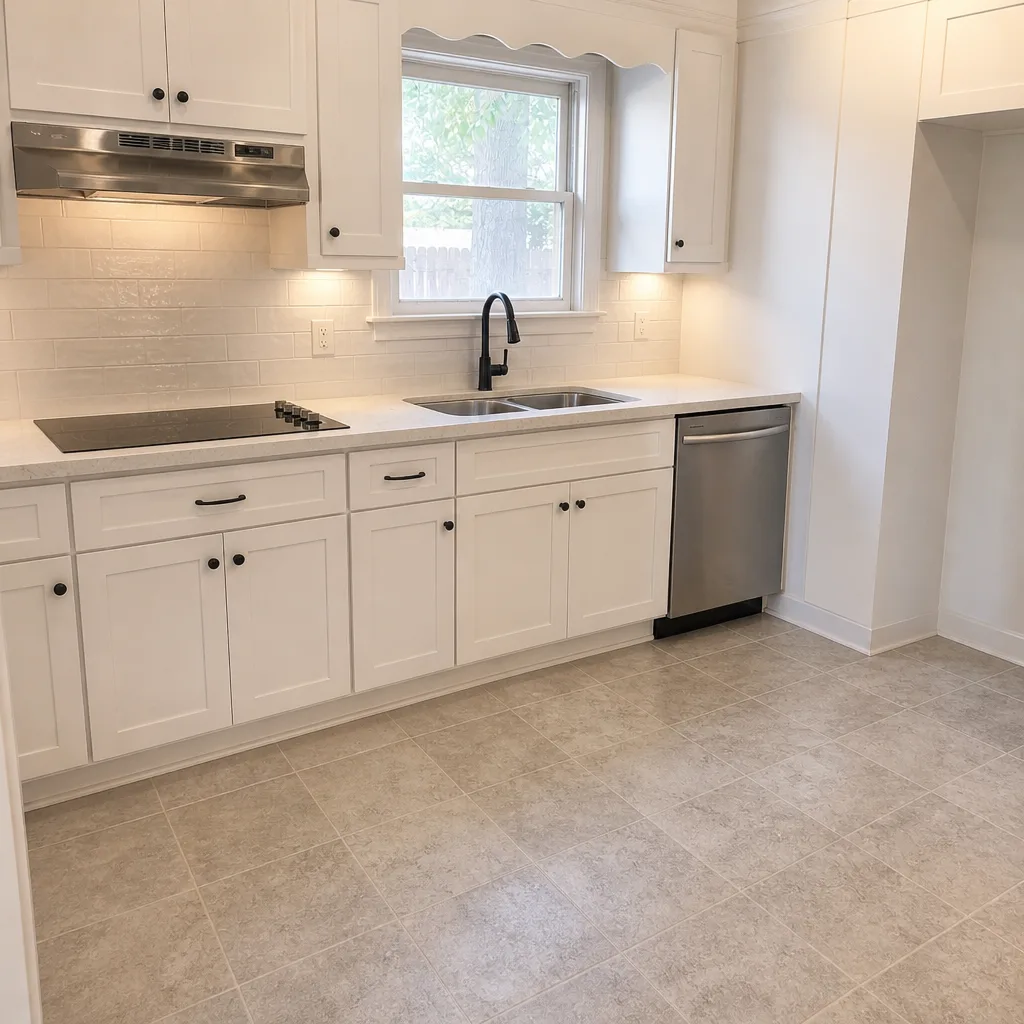 After
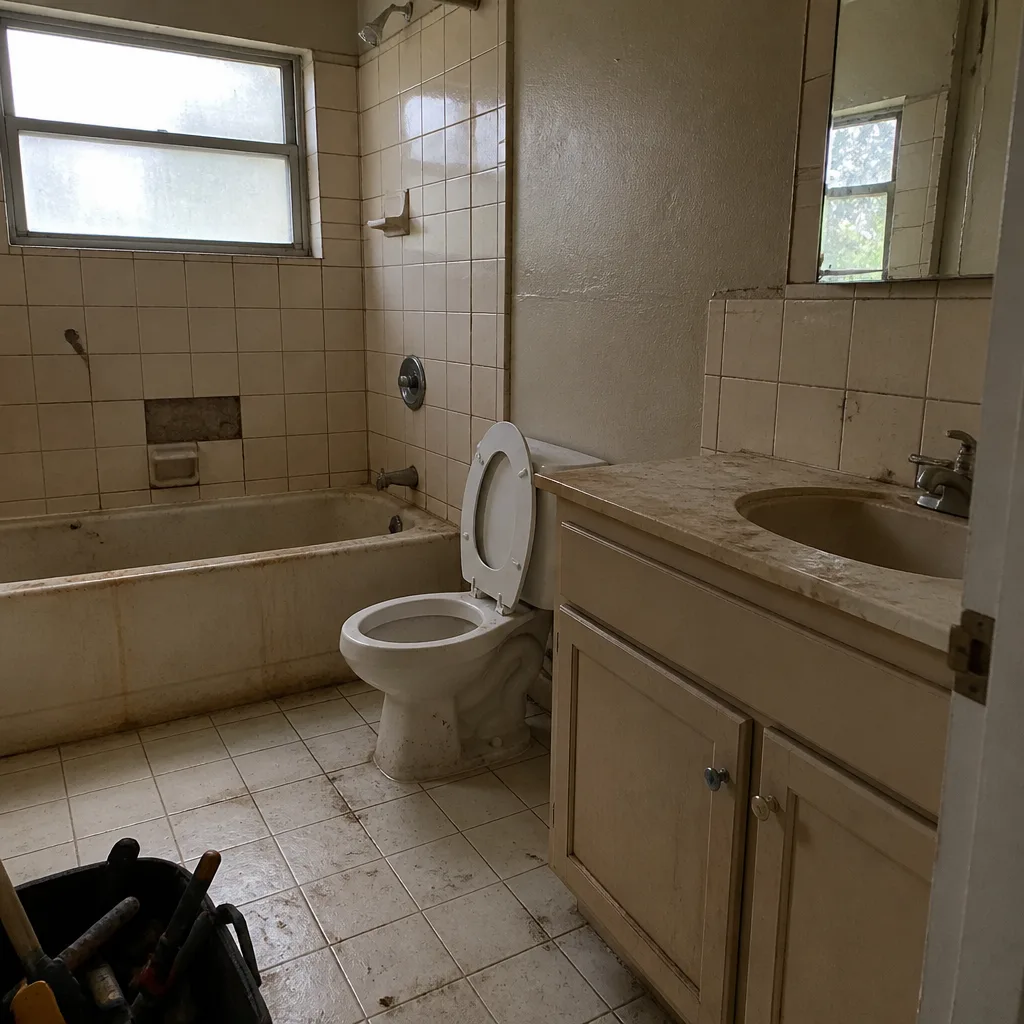 Before
 After
 Before
 After