
Last updated November 17, 2026
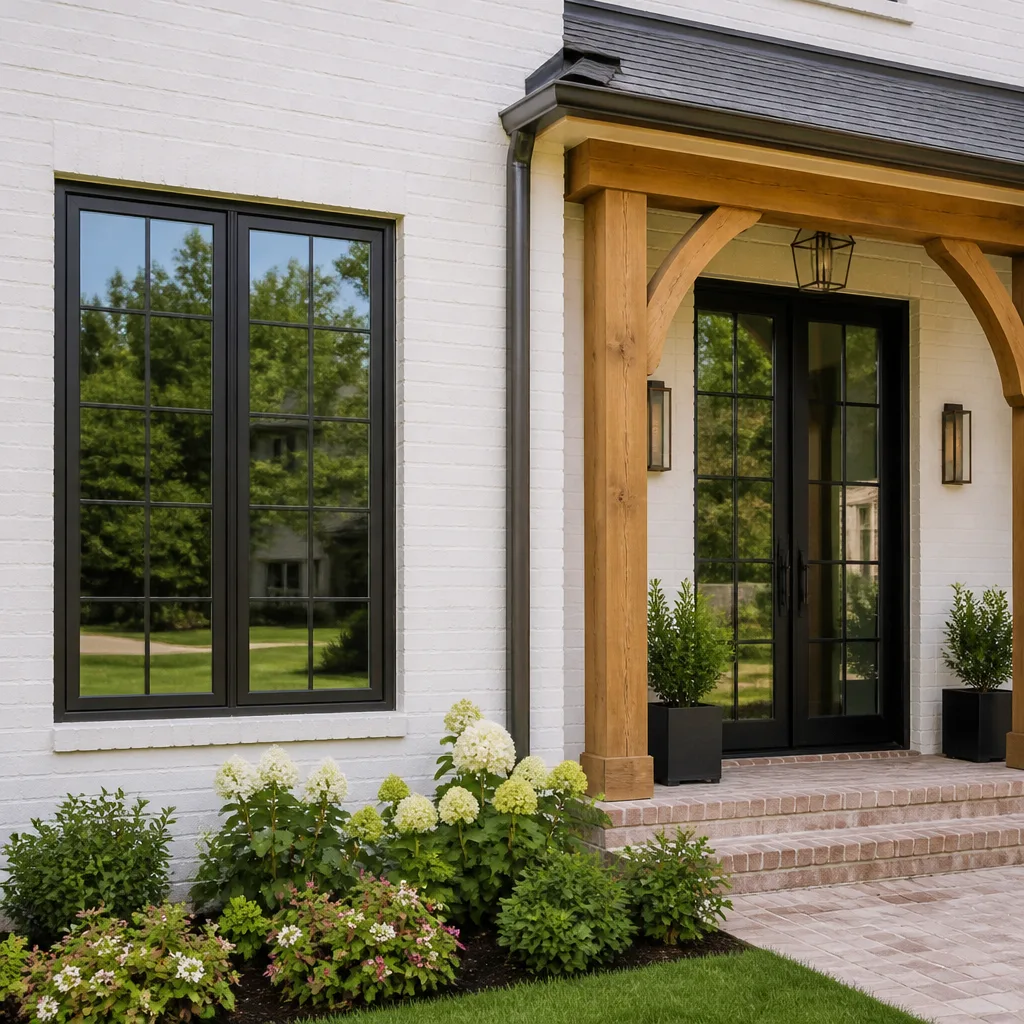 Windows & doors
 Kitchen remodeling
 Bathroom remodeling
 Home additions & ADU
 Roofing
 Driveway & pavers
 Fence
Free written scope consultation - allowances, timeline, and change-order rules on paper before a single trade is scheduled
The Complete Windows & Doors Guide for Dallas Homeowners
A window rated for Chicago winters can fail here. Dallas runs on a different axis: brutal summer solar load, UV that eats through cheap vinyl, and expansive clay soil that moves under every threshold. A unit that’s “energy efficient” on the label can still bake a west-facing living room in August or bind so badly by the third summer that you can’t latch the back door. This guide is built around what actually matters in North Texas: SHGC targets, frame materials that survive soil movement, storm ratings that go beyond code, budget tiers with real specs, and the Dallas permit rules that change your scope before the first window comes out.
Quick Answer
Dallas homeowners should buy windows on SHGC first (0.25 or lower, and 0.23 or below for south and west facing glass) rather than chasing the lowest U-factor, and should choose door frames and installation methods rated for expansive clay soil movement. Replacement windows and doors generally require permits in Dallas, cost roughly $650 to $1,500 per window installed depending on tier, and take one to three days for a typical house, longer if a structural header upgrade is triggered.
Styles & brands we work with
- Kitchen remodeling
- Bathroom remodeling
- Home additions & ADU
- Roofing
- Windows & doors
- Driveway & pavers
- Fence
Table of Contents
- Why Dallas Is a Hard Climate for Windows and Doors
- SHGC vs. U-Factor: What Dallas Homeowners Should Actually Buy
- Clay Soil, Racked Frames, and Doors That Bind
- Storm Resistance and Impact Ratings in Dallas
- Product Tiers by Budget: What You Give Up and Gain
- Dallas Permits, Header Upgrades, and Scope Changes
- Installation Methods That Hold Up in Dallas
- Brand Partners and Material Choices We Stand Behind
Why Dallas Is a Hard Climate for Windows and Doors
Most national window guides are written for a heating-dominated climate. They push you toward the lowest U-factor you can afford, because stopping heat from escaping in January is the whole game. Dallas doesn’t play that game. Here, the dominant load is heat coming in, not going out. A Dallas home can spend five months fighting solar gain through west glass and only a few weeks worrying about heat loss.
Three forces do most of the damage:
- Solar load. Afternoon sun on west and southwest glass drives interior temperatures up fast. An unshaded single-pane west window can push a room 10 to 15 degrees warmer than the rest of the house, and your AC pays for it from June through September.
- UV exposure. Dallas sits in a high-UV band. Cheap vinyl frames chalk, yellow, and go brittle over a decade of sun. Glass without a good low-E coating lets UV fade hardwood floors, upholstery, and artwork faster than homeowners expect.
- Thermal cycling. Dallas swings hard between seasons and even between day and night. Frame and glass expand and contract on every one of those cycles, and the seals that hold a unit together get worked every year.
There’s a fourth force, and it’s the one most guides skip entirely: the ground. We’ll get to that. The short version is that Dallas sits on some of the most active expansive clay in the country, and it moves the bottom of your door frames while the sun works on the top.
SHGC vs. U-Factor: What Dallas Homeowners Should Actually Buy
In Dallas, Solar Heat Gain Coefficient matters more than U-factor. SHGC measures how much solar heat passes through the glass; lower is better when your problem is summer heat. U-factor measures how quickly heat escapes; lower is better when your problem is winter cold. Dallas homeowners should optimize for SHGC and treat U-factor as a secondary number.
What to insist on:
- South and west facing windows: SHGC of 0.23 or lower. These faces take the afternoon load, and this is where a low-SHGC coating pays for itself fastest.
- East facing windows: SHGC around 0.25 to 0.30. Morning sun is real but less punishing than the western afternoon.
- North facing windows: SHGC in the 0.30 to 0.40 range is fine. You get little direct gain here and can prioritize daylight and visible light transmission.
- U-factor: 0.30 to 0.35 is plenty for Dallas. Chasing 0.20 buys you very little in a climate where heating is a minor load and can cost noticeably more per unit.
- Visible light transmission (VLT): keep it at 0.40 or above on main living areas. A unit with great SHGC that makes the room gloomy is a bad trade.
One warning about a common shortcut: some installers sell “solar screens” and tint film as a substitute for low-SHGC glass. Screens cut visible light and can void a window’s warranty. Tint film on dual-pane insulated glass traps heat in the airspace and can crack the pane on a Dallas roof-line window. Buy the coating at the factory.
Clay Soil, Racked Frames, and Doors That Bind
This is the Dallas problem that no national guide covers. North Texas sits on expansive clay that swells when it’s wet and shrinks when it’s dry, and it does this across entire seasons. A foundation can move measurably between a wet spring and a dry August. When the foundation moves, the frame openings above it move with it, and a door frame that was perfectly square at installation can go out of square by enough to bind the door against the jamb.
That’s why “my back door sticks every August” is one of the most common calls we get in Dallas. It usually isn’t the door. It’s the opening.
Frame materials and installation methods that hold up:
- Fiberglass door slabs are the best pick for Dallas exterior doors. They don’t absorb moisture, they don’t warp from heat, and they hold their shape through seasonal movement better than wood.
- Steel doors are strong and secure but can dent and can rust at the bottom edge where Dallas humidity and sprinkler spray collect. Look for a galvanized or fully coated bottom.
- Wood doors are beautiful and the most prone to movement. If you want wood, insist on a well-sealed slab and a frame built for it; expect more maintenance.
- Header and rough-opening framing matter as much as the door. A properly sized, solidly shimmed header keeps the opening stable. A header that’s too thin or improperly shimmed lets the frame rack.
Installation matters here too. Setting a door frame with a continuous bead of low-expansion foam and a properly shimmed, plumb installation leaves room for the wall and frame to move independently. Packing the opening tight with high-expansion foam does the opposite; it locks the frame to the wall and transfers every bit of foundation movement straight into your door.
Storm Resistance and Impact Ratings in Dallas
Dallas code doesn’t require impact-rated windows and doors for a standard residential replacement. Dallas sits inland enough that hurricane impact standards used on the Gulf Coast don’t apply here by code. But code is the floor, not the ceiling. Dallas gets severe thunderstorms, hail, and straight-line wind events every spring, and windows and doors are a home’s weakest envelope point in a wind event.
What actually matters in Dallas:
- Design pressure (DP) rating. This is the number that tells you how much wind pressure a unit is tested to withstand. For Dallas, insist on DP 35 minimum and DP 40 or better on any window above the first floor or on an exposed corner. A cheap unit rated DP 25 is code-acceptable in some cases but underbuilt for a Dallas spring storm.
- Impact glass vs. laminated safety glass. True impact-rated units are tested against flying debris and are the right call for homes near large trees or in hail-prone pockets. Laminated safety glass without a full impact rating holds together better than standard glass when it breaks.
- Anchoring and flashing. A great window installed with too few fasteners or with a poorly lapped flashing detail will leak in a Dallas downpour. This is where cheap installations fail first.
- Water management. Dallas gets intense rain in short bursts. A properly integrated sill pan and flashing detail keeps water out of the wall cavity; a quick “caulk-and-go” install does not.
The practical answer: if your home is in an area with mature trees, big hail history, or on an exposed lot, upgrade to impact-rated glass and DP 40 anchoring. It goes beyond code and protects the home in the wind events Dallas actually gets.
Product Tiers by Budget: What You Give Up and Gain
Not every Dallas homeowner needs the top of the line, but every homeowner should know what they’re trading away. Here’s a realistic breakdown with performance specs, not marketing language.
- Entry tier ($650 to $850 per window installed): Typically single-hung or slider vinyl frames with standard dual-pane glass. SHGC usually lands around 0.30 to 0.40 with a basic low-E coating; U-factor around 0.35 to 0.45. Frames are thinner and the hardware is basic. Expect satisfactory performance for a few years and more seal and hardware wear over a decade. This is the tier where the low-SHGC coating and a proper installation matter most, because the frame itself won’t forgive sloppy work.
- Mid tier ($900 to $1,200 per window installed): Better vinyl or fiberglass-reinforced frames, more glass area (slimmer frames), and improved low-E options. You can hit SHGC of 0.23 to 0.25 and U-factor around 0.28 to 0.32 on the key faces. The frame stands up to UV and thermal cycling much better, hardware lasts longer, and warranties get longer. This is the sweet spot for most Dallas homes.
- Premium tier ($1,300 to $1,800+ per window installed): Fiberglass or aluminum-clad wood frames, premium glass packages, and often a low-SHGC coating combined with a laminated or impact-rated glass layer. SHGC of 0.20 to 0.23 and strong DP ratings are achievable. You’re buying long-term durability, the best low-SHGC performance, and better storm resistance. Premium windows are the ones that most reward a high-quality install.
- Doors follow a similar arc: standard steel or entry fiberglass at the low end, heavier fiberglass with premium hardware and a proper thermal break in the middle, and full composite or high-end fiberglass with a factory finish at the top. For Dallas doors, spend on the frame and the hardware as much as the slab. That’s where movement problems live.
One note on visible-light trade-offs: the very best SHGC performance can make glass visibly darker. Ask to see the numbers together (SHGC and VLT) and choose the combination you can live with in a living room. Don’t accept one number without the other.
Dallas Permits, Header Upgrades, and Scope Changes
Window and door replacements in Dallas generally require a permit, and the answer to “do I need one?” depends on scope. A like-for-like replacement of the same size and location sometimes falls under a simpler permit or exemption, but adding or enlarging a window, changing location, or altering structural framing requires a full permit and, usually, an inspection. Pulling a permit is not busywork; it’s how you protect the resale value and keep an insurer from denying a claim later.
The scope-changing question is the header. A structural header upgrade is required when the opening gets wider than the existing rough opening, when a load-bearing wall gets modified, or when the existing framing wasn’t designed for the new window or door size. When a header upgrade is triggered, the project changes:
- Permit and plan review. Structural work gets a permit with drawings, and that adds review time.
- Framing and finish work. A header upgrade means framing, drywall, trim, and exterior finish work that a simple swap doesn’t need.
- Timeline and cost. A standard window swap on a Dallas house can finish in one to three days. A header upgrade can add a week or more and a meaningful cost jump.
- Inspection sequence. Framing inspection, then the window or door install, then a final inspection. These have to be sequenced, and skipping a step can trigger a stop-work order.
Ask every contractor you interview whether they pull the permit and whether they include the header upgrade in the written scope or price it separately. A bid that avoids the topic will turn into a change order, and that’s exactly the kind of surprise we designed our process to prevent.
Installation Methods That Hold Up in Dallas
Two windows with the same specs can perform completely differently based on how they’re set. In Dallas, the flashing and the air-sealing detail are where most failures start, and where cheap installs cut corners.
What a proper Dallas installation covers:
- Remove the old unit cleanly and inspect the rough opening. Check for rot, existing water damage, and whether the framing is stable before anything goes in. On Dallas homes, look for termite and moisture damage around the sill.
- Set the unit plumb, level, and square. Check with a level in both directions, not by eye. A unit that goes in slightly racked will bind, and the door or window will feel wrong from day one.
- Flash the sill and jambs in the right order. Sill pan first, then jamb flashing lapped over the sill, then the head flashing lapped over the jambs. Water has to be able to get out. In Dallas, a proper sill pan is not optional.
- Air-seal with the right product. Low-expansion foam for window and door openings; continuous but not overpacked. Caulk alone will not do the job over a Dallas home’s lifetime.
- Insulate the gap. A properly insulated rough-opening gap stops air infiltration and condensation on the interior frame, which matters on a Dallas summer day when a cold AC meets hot glass.
- Test every unit before closeout. Open, close, latch, and lock every window and door before the installers leave. Hand the homeowner a card with the workmanship guarantee on it.
Two of the most common install failures in Dallas are a missing sill pan that lets water in at the sill corner and over-expanding foam that locks the frame to the wall. Both fail silently for a year or two and then show up as rot or binding. A proper installation is not something you can verify from the sales pitch; ask to see the flashing and air-sealing details in the written scope.
Brand Partners and Material Choices We Stand Behind
The brand on the label matters, but the spec sheet matters more. A premium brand installed poorly still fails; a mid-tier window installed correctly outperforms a premium one installed badly. Still, when we specify brands for a Dallas project, we pick for the performance that matters here.
Andersen and Marvin are the two window brands we reach for when a Dallas homeowner wants long-term durability, good low-SHGC performance, and a warranty that holds up. Their fiberglass and clad units handle UV and thermal cycling well, and they have the SHGC and DP options that let us hit Dallas-specific targets. Pella is a strong alternative, and their impact-glass lines are a real option for a home with big trees or hail exposure. For entry doors, a fiberglass slab paired with a well-sealed frame is what we recommend most often, and it’s available at mid-tier pricing.
Inside the home, the finishes that meet a new door or window can tie a room together. When a door replacement leads to trim and finish work, we’ll often recommend a material that holds up to Dallas sun through the glass. That’s where partners like Cambria (quartz in entry and hall built-ins) and Kohler (fixtures in adjacent rooms like a laundry or mudroom) come into play. We don’t carry a random catalog; we carry a curated set of brand partners we can stand behind across every trade, from windows and doors to roofing and additions.
And every window and door we install is covered by the 730-Day Done Right Promise. If it’s not done right, we make it right. That’s not a slogan; it’s the longest workmanship guarantee we know of in the residential space, and it’s in writing.
Common Mistakes to Avoid
- Buying on U-factor alone. A low U-factor with an SHGC above 0.30 is the wrong window for Dallas. You’ll pay for solar heat gain every summer that the unit lets through.
- Ignoring the clay soil. A door that binds every August is a warning that the opening is moving. Installing a new door into a moving opening without addressing the frame gets you the same problem with a newer slab.
- Skipping the permit. An unpermitted window or door replacement is a resale and insurance problem waiting to happen, and it usually hides a shortcut in the framing. Pull the permit and keep the inspection records.
- Letting the contractor avoid the header question. A bid that doesn’t address the header and the rough opening will turn into a change order. Ask for the header scope in writing before you sign.
- Choosing tint film or solar screens as a substitute for low-SHGC glass. Screens cut daylight, and film on a dual-pane unit traps heat and can crack the pane. Specify the coating at the factory.
- Accepting high-expansion foam in the rough opening. It locks the frame to the wall and transfers Dallas foundation movement straight into your doors and windows. Low-expansion foam is the correct product.
- Skipping the sill pan. Dallas gets intense, short-duration rain. A missing or badly layered sill pan fails quietly and shows up as rot a year or two later.
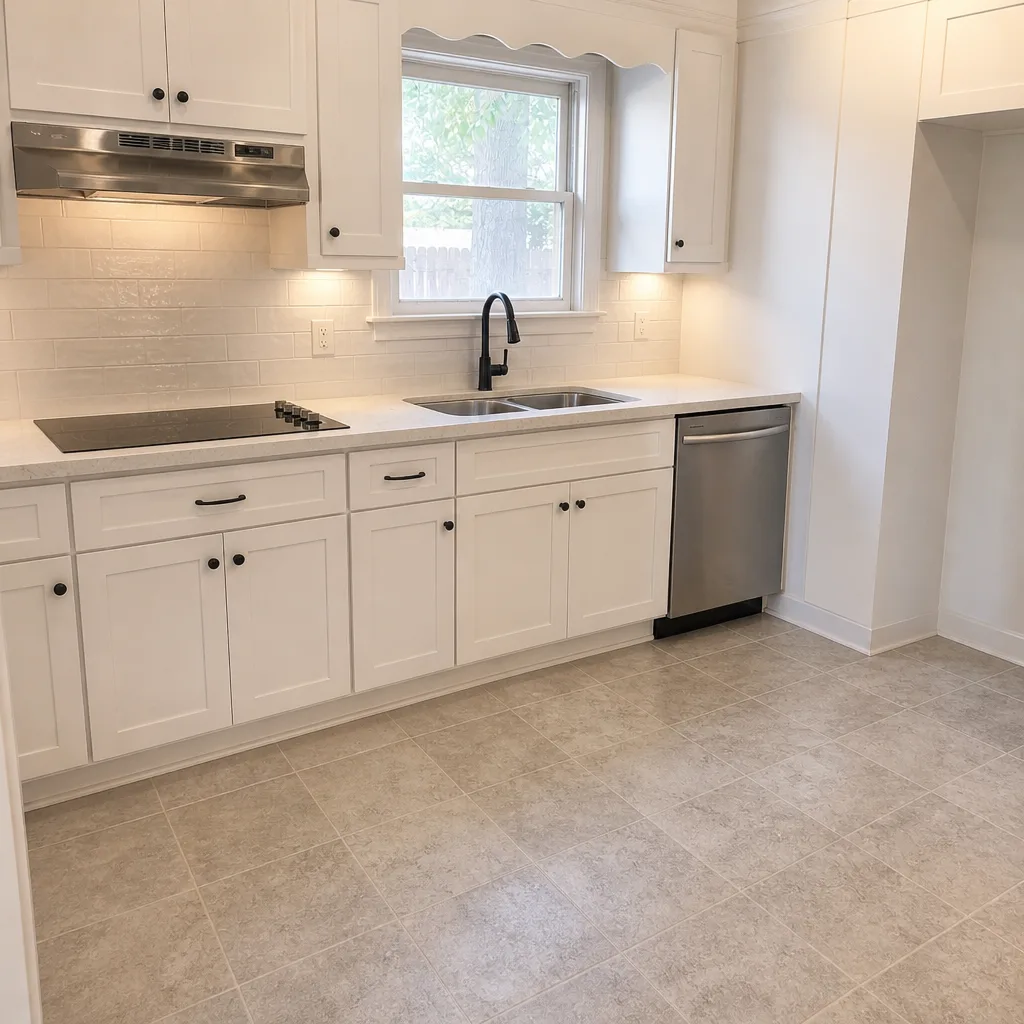
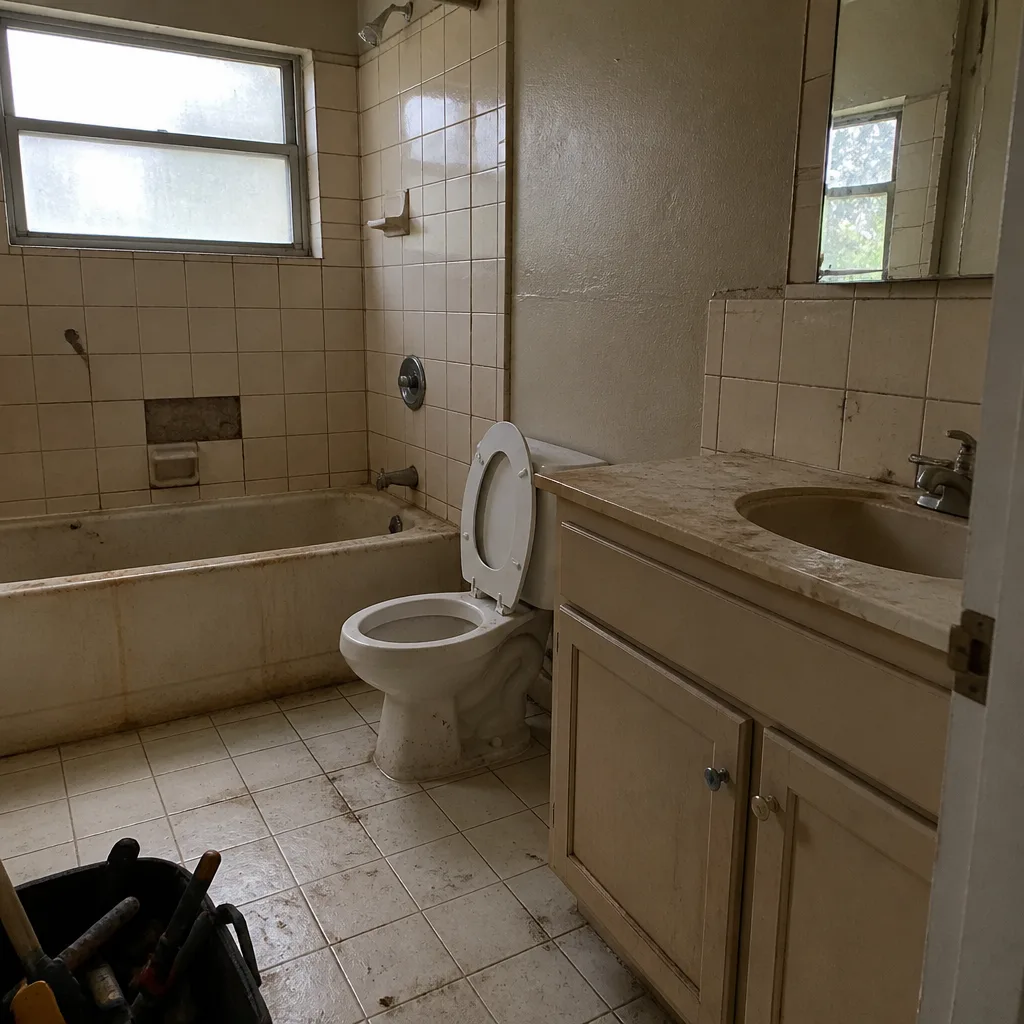
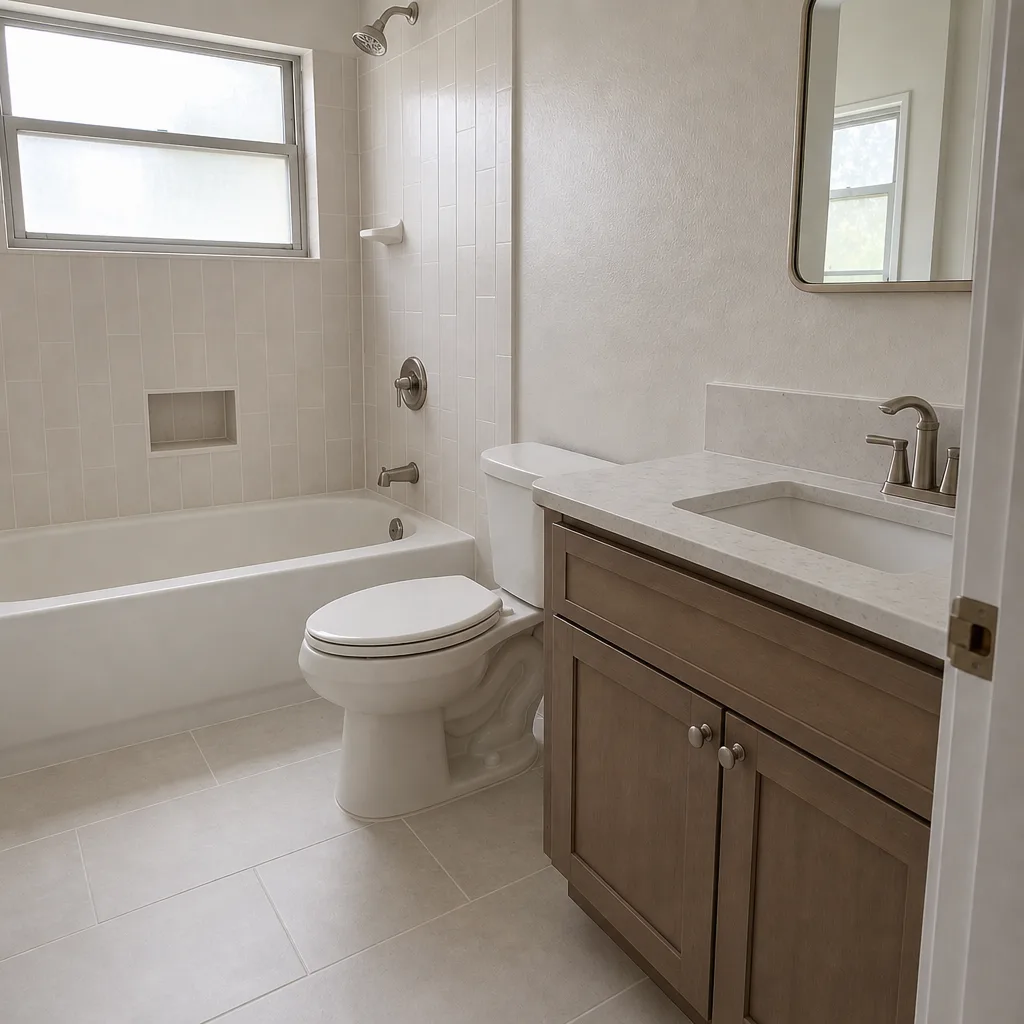
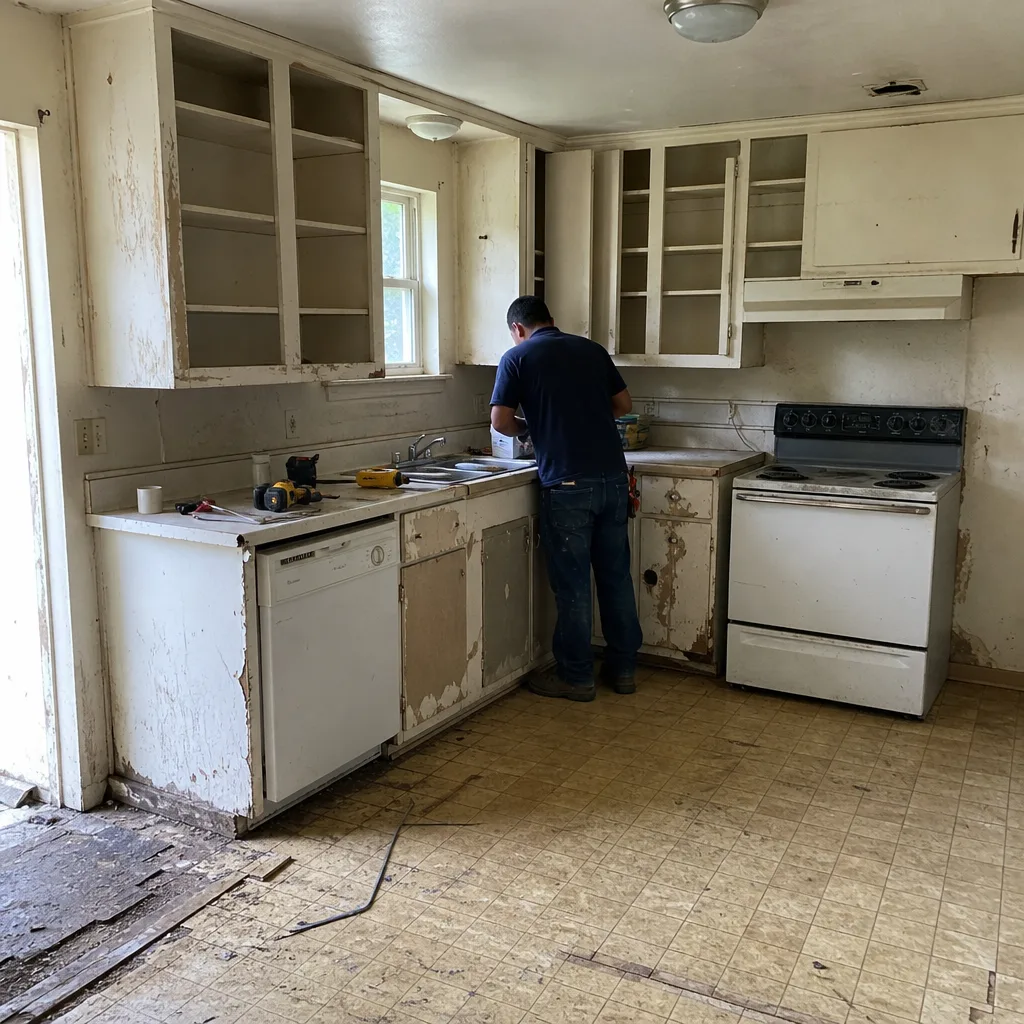
See the difference
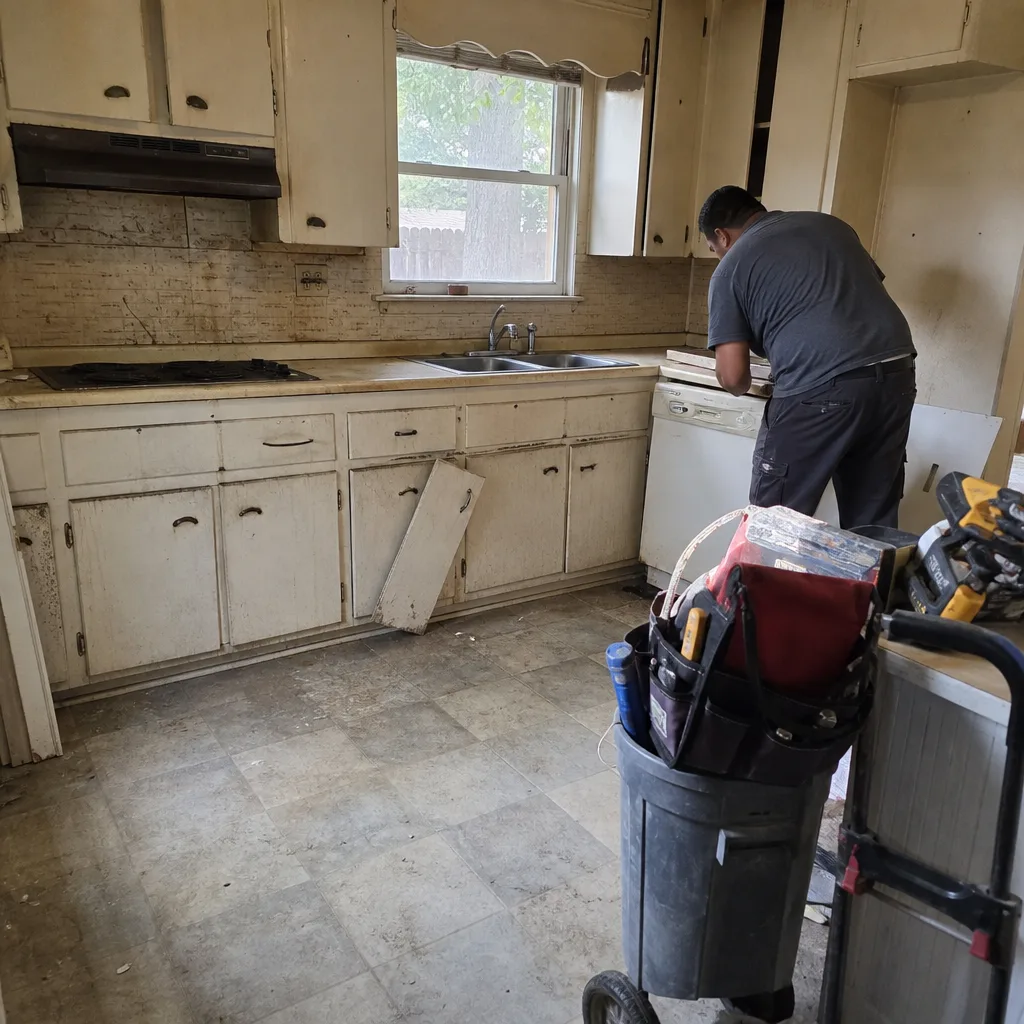 Before
 After
 Before
 After
 Before
 After
When to Call a Professional
Some home projects are genuinely DIY-friendly. Windows and doors are not one of them. Call a professional when you’re replacing a unit on an upper floor, when a door has started to bind or stick seasonally, when you’re changing a window’s size or location, when there’s any sign of water intrusion or rot at the sill, when a structural header may be involved, or when the old install shows signs of poor flashing or missing insulation. Each of those scenarios involves either working at height, opening the building envelope, or touching structure, and each is where a DIY install fails in the Texas heat and rain. Groundwork Construction Co. of Dallas offers free estimates in Dallas, and the number to call is (844) 797-4808.
Frequently Asked Questions
Replacement windows in Dallas run roughly $650 to $1,500 per window installed, depending on tier and glass package. Entry-tier vinyl with basic low-E is around $650 to $850; mid-tier with better frames and SHGC of 0.23 to 0.25 is $900 to $1,200; premium fiberglass or clad with impact or laminated glass can run $1,300 to $1,800+ per unit. Call (844) 797-4808 for an exact quote on your Dallas home; estimates are free.
In most cases yes, and the answer depends on scope. Like-for-like size-and-location replacement sometimes falls under a simpler path, but changing size, adding a window, or touching structural framing requires a full permit and inspection. Pulling the permit protects your resale and your insurance. Ask your contractor to confirm the permit and inspection sequence before work begins.
Aim for SHGC of 0.25 or lower on most windows, and 0.23 or below on south and west facing glass in Dallas. SHGC controls solar heat gain, which is the dominant load here. Keep U-factor in the 0.30 to 0.35 range rather than chasing a very low number, and keep visible light transmission at 0.40 or above so the rooms don’t get gloomy.
Almost always because the clay soil under the foundation is moving and taking your door opening with it. Dallas sits on expansive clay that swells and shrinks with moisture, and a door frame that was square in spring can rack enough by August to bind. A fiberglass slab and a properly sized, well-shimmed header with low-expansion foam hold up best to that movement.
Dallas code doesn’t require impact-rated glass on a standard residential replacement, because Dallas sits inland of the hurricane code zones. That said, impact-rated or laminated units are worth it if your home has large trees overhead, a history of hail, or an exposed lot. Insist on DP 35 minimum and DP 40 on any second-floor or exposed-face window regardless of glass type.
It shouldn’t. The quote should be written, line-item, and should include the header scope and permit so that a hidden structural issue doesn’t become a surprise change order. That’s what upfront pricing, no surprises means in practice. We write the number you’ll pay, and the 730-Day Done Right Promise backs the work. Call (844) 797-4808 for a free written estimate.
The Bottom Line
Windows and doors in Dallas are an engineering decision, not a cosmetic one. Buy on SHGC (0.25 or lower, 0.23 on south and west glass) and treat U-factor as secondary. Choose fiberglass doors and a properly shimmed, low-expansion-foam install because Dallas clay soil will move your frame openings every year. Go beyond code on storm resistance with DP 35 to DP 40 anchoring and impact-rated glass where trees or hail exposure justify it. Pull the permit, get the header scope in writing, and check that sill pan before anybody closes the wall. If you want the whole envelope handled from one contractor, start with a free estimate: for windows and doors, or for a wider project that touches Groundwork Construction Co. of Dallas home, Driveway & Pavers in Dallas, Fence Installation in Dallas, or Home Additions & ADU in Dallas, we can scope it in one visit.
Contact Groundwork Construction Co. of Dallas
Windows and doors are the hardest part of a Dallas home envelope to get right, and they’re where the wrong installer cuts the most corners. We write a real line-item quote, we pull the permits and pass the inspections, and every job is backed by the 730-Day Done Right Promise. Our technicians have up to 12 years of experience, and calls are answered by a live person 24/7. We also offer no-hassle upfront pricing, a free project estimate and design consult, and 0% financing for 18 months, plus $1,000 off projects over $10,000. Call (844) 797-4808 to schedule your free estimate in Dallas and see where your home’s envelope can go from here.
Written by the team at Groundwork Construction Co. of Dallas.