
Last updated November 17, 2026
 Windows & doors
 Kitchen remodeling
 Bathroom remodeling
 Home additions & ADU
 Roofing
 Driveway & pavers
 Fence
Free written scope consultation - allowances, timeline, and change-order rules on paper before a single trade is scheduled
Windows & Doors Maintenance Schedule: What to Do and When
Window manufacturers will void a seal warranty for “improper maintenance” without ever defining what proper maintenance looks like. Read the fine print on an Andersen or Marvin warranty packet and you’ll find the phrase repeated, but no calendar, no product list, no instructions. That gap costs Dallas homeowners real money. We’ve walked into homes in Lakewood and Preston Hollow where a fogged double-pane unit failed at year six, and the warranty claim went nowhere because nobody could prove the frame had been maintained. This guide closes that gap. You’ll get a four-season maintenance calendar built for Dallas weather, the exact products to use on each frame material, the weep-hole check most people skip, and a documentation habit that protects your warranty. Ninety minutes a year, done at the right times.
Quick Answer
Maintain windows and doors on a quarterly rhythm: inspect and clean in spring after hail season, check weatherstripping and weep holes in early summer before peak heat and heavy rain, caulk and seal in fall before winter contraction, and lubricate hardware in winter. Add one annual deep inspection each October. In Dallas, the two items that fail fastest are caulk joints (from summer UV and heat cycling) and door sweeps (from wind-driven rain and clay soil shifting under thresholds).
Styles & brands we work with
- Kitchen remodeling
- Bathroom remodeling
- Home additions & ADU
- Roofing
- Windows & doors
- Driveway & pavers
- Fence
Table of Contents
- Why Dallas Windows and Doors Age Faster Than the Label Says
- The Four-Season Maintenance Calendar
- The Right Cleaner for Every Frame Material (and What Ruins It)
- Weep Holes: The Dallas Maintenance Item Nobody Checks
- Door Thresholds and Sweeps: Small Part, Big Energy Bill
- What to Document at Every Inspection
- Common Mistakes to Avoid
- When to Call a Professional
Why Dallas Windows and Doors Age Faster Than the Label Says
A window rated for 20 years in a mild climate meets a different opponent in North Texas. The Dallas area swings from summer afternoons above 100°F to winter mornings in the 20s, and that expansion-contraction cycle works on caulk, gaskets, and frame joints every single year. Add hail season from March through June, ultraviolet levels that chew through sealant, and the expansive clay soils that shift foundations across neighborhoods like Lake Highlands and Oak Cliff, and you get a maintenance environment the manufacturer’s generic instructions were never written for.
The practical consequence is that Dallas windows and doors need attention on a schedule, not on a whim. A caulk joint that would last three years in Seattle can fail in 18 months here. A door sweep that seals fine in a dry climate can drag or gap within a year once wind-driven rain and soil movement get involved.
We see the pattern clearly because we replace the failures. Homes in North Dallas built in the 1990s and early 2000s are hitting the age where original builder-grade windows show their first real problems: fogged glass, sticky sashes, and weatherstripping that crumbles when you touch it. Most of those failures trace back to skipped maintenance, not defective product. That’s the point of this guide. When you do replace, we install quality windows and doors backed by Groundwork Construction Co. of Dallas and the same maintenance rhythm applies from day one.
Two climate facts drive the whole schedule:
- Summer heat and UV degrade caulk, weatherstripping, and vinyl frames fastest between June and September.
- Spring and fall storms deliver wind-driven rain that finds every failed seal and blocked weep hole.
Build your calendar around those two forces and the rest is detail.
The Four-Season Maintenance Calendar
This is the schedule we recommend for Dallas. Each season targets the component most at risk from the weather heading your way, so you’re always working one step ahead of the failure instead of one step behind it.
Spring (March – May): Clean and Inspect After Hail Season
- Wash all glass, frames, and tracks with a mild detergent solution and a soft cloth.
- Inspect glass and frames for hail damage: chips, dings, cracked glazing, dents in aluminum or vinyl.
- Clear debris from window tracks and door tracks; vacuum out grit before it grinds the rollers.
- Check screens for tears and re-spline or replace as needed.
- Look at exterior caulk lines. Note any cracks, gaps, or pulling away from the frame.
Spring is also when you want to photograph everything. Post-hail documentation is the single most valuable record you can keep for insurance and warranty purposes in Dallas, where a June hailstorm can total a roof and crack a window seal in the same afternoon.
Summer (June – August): Weatherstrip and Weep Holes Before Peak Heat and Rain
- Test every weatherstrip seal by closing the window or door on a dollar bill; if it slides out with no drag, the seal is failing.
- Inspect and clear all weep holes (more on this below).
- Check door sweeps for gaps at the bottom; hold a flashlight against the closed door at night and look for light.
- Confirm window locks and latches engage fully; a loose lock means a loose seal.
- Re-caulk any joint you flagged in spring, using the correct product for your frame material.
Summer is the season of thermal expansion. Frames swell, seals compress, and small gaps open. Catching them in June beats discovering them as water stains in October.
Fall (September – November): Caulk and Seal Before Winter Contraction
- Do a full exterior caulk inspection on every window and door frame.
- Remove old, cracked caulk with a putty knife; clean the joint; apply fresh sealant.
- Check weatherstripping again as temperatures drop; materials that sealed in July can shrink and gap by November.
- Inspect door thresholds for wear and adjust or replace as needed.
- Clean gutters and downspouts so water isn’t sheeting against window walls.
Fall is your best window for exterior work in Dallas. Temperatures are mild, humidity is manageable, and caulk cures properly before the first cold front.
Winter (December – February): Lubricate Hardware
- Apply silicone spray or a dry lubricant to window tracks, rollers, hinges, and locks.
- Work every operable window open and closed a few times to distribute lubricant.
- Check door hinges and lubricate; tighten any loose screws.
- Test the seal on exterior doors again; cold air infiltration shows up fast in January.
- Inspect interior trim for signs of moisture or movement.
Avoid oil-based lubricants on window hardware; they attract grit and turn into paste. Silicone spray and dry-film lubricants are the right call.
The Right Cleaner for Every Frame Material (and What Ruins It)
Most window damage we see from cleaning isn’t caused by neglect; it’s caused by the wrong product applied with good intentions. The cleaner that’s safe on glass can attack the frame beside it. Here’s what actually works by material.
Vinyl Frames
Mild dish soap and water, a soft cloth, and a rinse. That’s it. Avoid abrasive cleansers and scouring pads, which scratch the surface and dull the finish permanently. Solvent-based cleaners can also soften vinyl over repeated use; skip them. If you’re dealing with stubborn marks, a small amount of isopropyl alcohol on a rag works, but rinse afterward.
Wood Frames
Damp cloth with mild soap, then dry immediately. Never leave water standing on wood; it wicks into end grain and starts rot. Reapply a penetrating sealer or paint every few years depending on exposure. Avoid harsh detergents, which strip finishes, and avoid pressure washing entirely; it drives water into joints that take weeks to dry.
Aluminum Frames
Mild soap and water, soft cloth. Avoid anything acidic; vinegar-based cleaners will etch the anodized finish over time, and bleach-based products will pit it. Check for oxidation (white powdery residue) and address it with an aluminum-safe cleaner.
Fiberglass Frames
The most forgiving material. Mild soap, water, soft cloth. Avoid abrasive pads, which dull the finish, and avoid acetone or strong solvents, which can attack the resin. Fiberglass holds up well to Dallas sun, which is why we lean toward it on west- and south-facing exposures.
One product category to watch: “heavy-duty” or “multi-surface” cleaners often contain solvents or abrasives that are fine on tile and granite but wrong for window frames and weatherstripping. Read the label before you spray. And whatever you use, avoid spraying directly into tracks and weep holes; apply to a cloth and wipe.
This is also where premium materials earn their keep. When we specify Andersen and Marvin windows for Dallas homes, the finish and seal hold up better to Texas UV and temperature swings, which makes the maintenance calendar easier to keep because the components last longer between replacements.
Weep Holes: The Dallas Maintenance Item Nobody Checks
Weep holes are small openings at the bottom of a window frame that let water drain out of the sill pan instead of pooling inside it. They’re quiet, unglamorous, and absolutely critical in Dallas, where a single summer thunderstorm can drop two inches of rain in an hour and drive it sideways against every west-facing window in the house.
When weep holes clog with dirt, pollen, insect debris, or paint, water has nowhere to go. It backs up into the sill, soaks the frame, and eventually finds the wall cavity or the interior sill. We’ve pulled windows in Frisco and Plano where blocked weep holes were the direct cause of rot that never would have started otherwise.
How to Check Weep Holes (Inspection Only)
- Locate the weep holes along the bottom exterior edge of each window frame; most windows have two or more.
- Look for visible blockages: dirt, spider webs, mud dauber nests, peeling paint, or caulk that’s been smeared over them.
- Use a soft brush, pipe cleaner, or a toothpick to clear debris gently. Never drill them larger or widen them.
- Pour a small cup of water into the track above the weep hole and confirm it drains out the exterior.
- Check the weep-hole covers (small plastic flaps common on modern windows) are present and move freely.
Check weep holes every season in Dallas, not just in spring. Summer pollen and fall leaf debris both clog them. If water doesn’t drain, stop and call a professional; that’s a sign of a deeper sill problem, not a maintenance item.
Door Thresholds and Sweeps: Small Part, Big Energy Bill
The door sweep, that flexible strip at the bottom of an exterior door, is the most underrated energy component in a Dallas home. It’s responsible for sealing the largest gap in the entire building envelope, and when it fails, conditioned air leaks out at a rate that shows up clearly on your summer electric bill.
We see this repeatedly in older Dallas homes. A door sweep that was fine when installed has been compressed by years of foot traffic, dried out by UV, or bent by wind-driven rain. The gap is often invisible from the inside until you look for it.
How Often to Replace a Door Sweep
Replace the sweep when it stops sealing, not on a fixed calendar. For most Dallas homes, that’s every two to four years for high-traffic doors, longer for side or back doors. Signs it’s time:
- You can see daylight under the closed door.
- The door passes the dollar-bill test with no drag.
- The sweep is cracked, torn, or compressed flat.
- You notice a draft at floor level or a hot or cold strip when you stand near the door.
- Insects or dust accumulate at the threshold.
Threshold Maintenance
The threshold itself (the metal or wood sill the door closes onto) also needs attention. Adjustable thresholds have screws that raise or lower the sill to match the door’s seal. Check annually whether the seal is making contact, adjust the screws slightly, and clean the threshold channel so debris doesn’t hold the door up. Wood thresholds need periodic sealing; they’re a common rot point when water sits. Aluminum thresholds need the same oxidation check as aluminum frames.
One Dallas-specific note: expansive clay soil movement can throw a door slightly out of square over time. If your door suddenly stops sealing after a dry summer or a wet spring, the threshold may not be the culprit; the frame movement is. That’s a job for a professional, not a sweep replacement.
What to Document at Every Inspection
Documentation is the difference between a warranty claim that gets paid and one that goes into a file and never comes out. It also gives any contractor you hire a fast read on what’s been happening to the window or door, which saves diagnostic time and money.
What to Record
- Date and season of each inspection.
- Photos of every window and door, inside and out, at the same angles each time so you can compare.
- Close-ups of any concern: cracks, gaps, fogging, rot, sticking hardware, damaged weatherstripping.
- Model and serial numbers of all windows and doors, if accessible; usually stamped on the frame or on a label in the track.
- Products used: cleaner type, caulk brand, sweep or weatherstrip replacement parts.
- Any repairs made and by whom.
- Weather events: hail dates, extreme storms, anything that could explain new damage.
Keep it in a single folder, physical or digital. When you sell the home, the file becomes a selling point. When a seal fails inside warranty, the file becomes your evidence. When a contractor shows up to look at a problem, the file becomes a diagnostic shortcut. Three minutes per inspection, and it pays for itself the first time you need it.
Common Mistakes to Avoid
- Pressure-washing window frames. It drives water into joints, strips caulk, and pushes dirt straight into weep holes. In Dallas, where a single wash can be followed by rapid summer rain, that trapped moisture has nowhere to dry. Wash by hand with a hose and cloth.
- Caulking over old, failed caulk. Fresh caulk won’t adhere to a dirty or crumbling base. Remove the old bead, clean the joint, and apply new caulk; skipping that step guarantees a second failure within a season.
- Using the wrong cleaner on frames. Abrasive and solvent-based cleaners damage vinyl, aluminum, and weatherstrip. Stick to mild soap and water unless you know the product is formulated for the material.
- Ignoring weep holes until there’s a problem. By the time you notice water inside the sill, the damage is already done. Check them every season, especially after heavy Dallas rains.
- Skipping fall caulk work. Fall is the best window for exterior sealing in North Texas. Waiting until winter contraction opens the gaps means working in cold, damp conditions that compromise the repair.
- Letting a sticky door or window go. A binding door is an early warning of frame movement, expanding clay soil, or a failing hinge. Catch it early and the fix is small; ignore it and the fix is a replacement.
- No record-keeping. No photos, no dates, no product names. When a warranty claim needs proof, you don’t have it. Documentation is the cheapest insurance in the maintenance budget.
When to Call a Professional
Some window and door problems are maintenance. Others are structural, and those need a trained eye and the right tools. Call a professional when:
- Glass is fogged or shows condensation between panes; that’s a failed seal unit, not a cleaning issue.
- Water is pooling in the sill or coming inside during rain, even after weep-hole cleaning.
- Wood frames show soft spots, discoloration, or visible rot.
- A door has become difficult to close, has gaps on one side, or won’t latch properly; this can indicate frame movement or foundation issues.
- Caulk lines keep failing in the same spot every year; that points to a deeper sealing problem or water intrusion.
- You see cracks in the frame, glass, or surrounding trim after a hail event.
- Windows are very difficult to open, or the glass feels loose in the frame.
We handle windows and doors across Dallas with the same care we bring to every trade, backed by our 730-Day Done Right Promise. Groundwork Construction Co. of Dallas offers free estimates in Dallas; call (844) 797-4808 to schedule yours.
See the difference
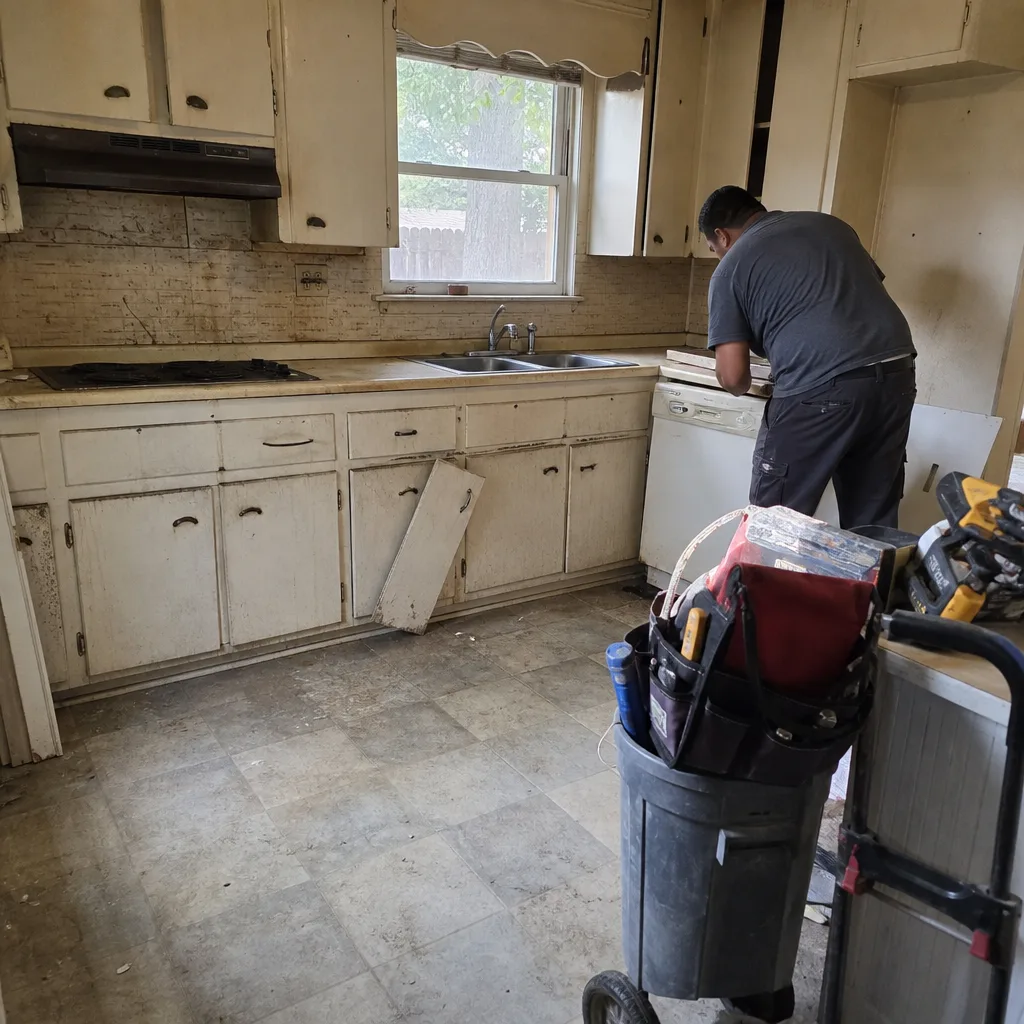 Before
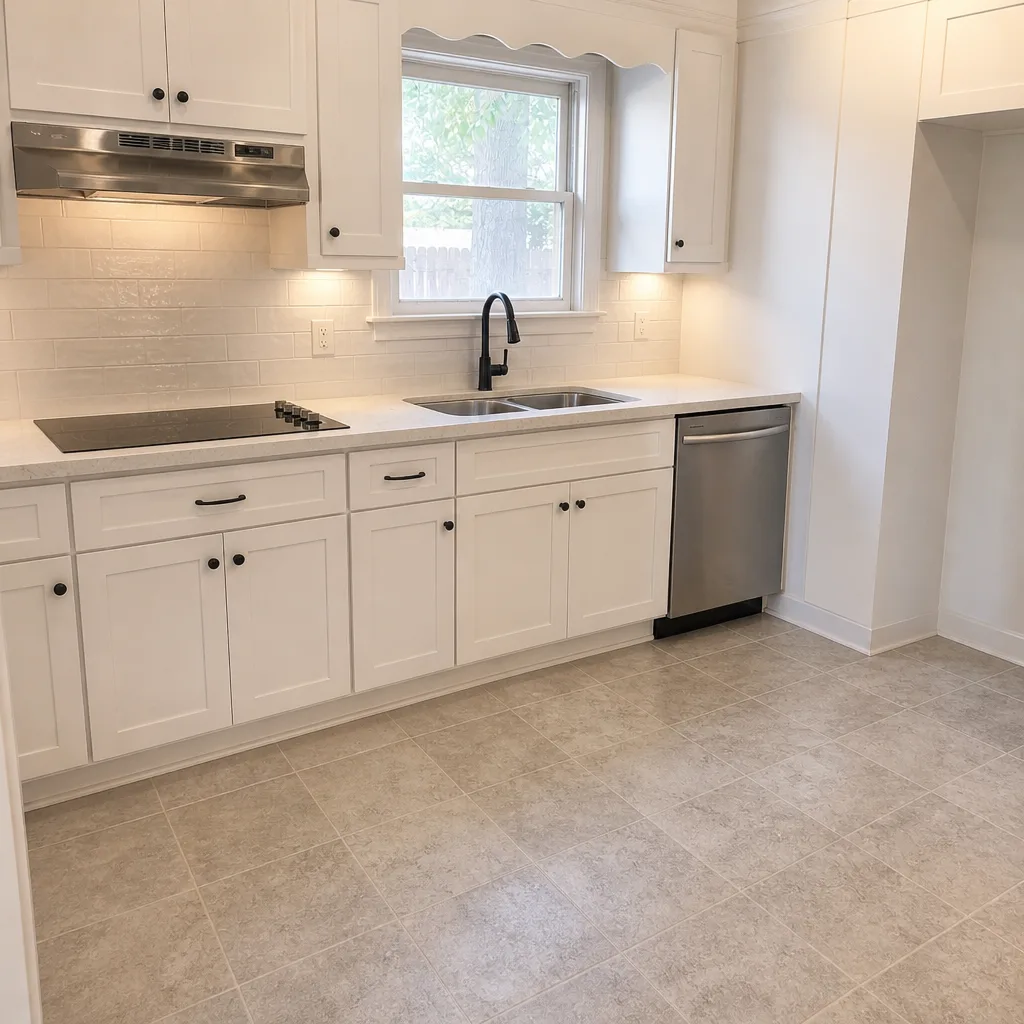 After
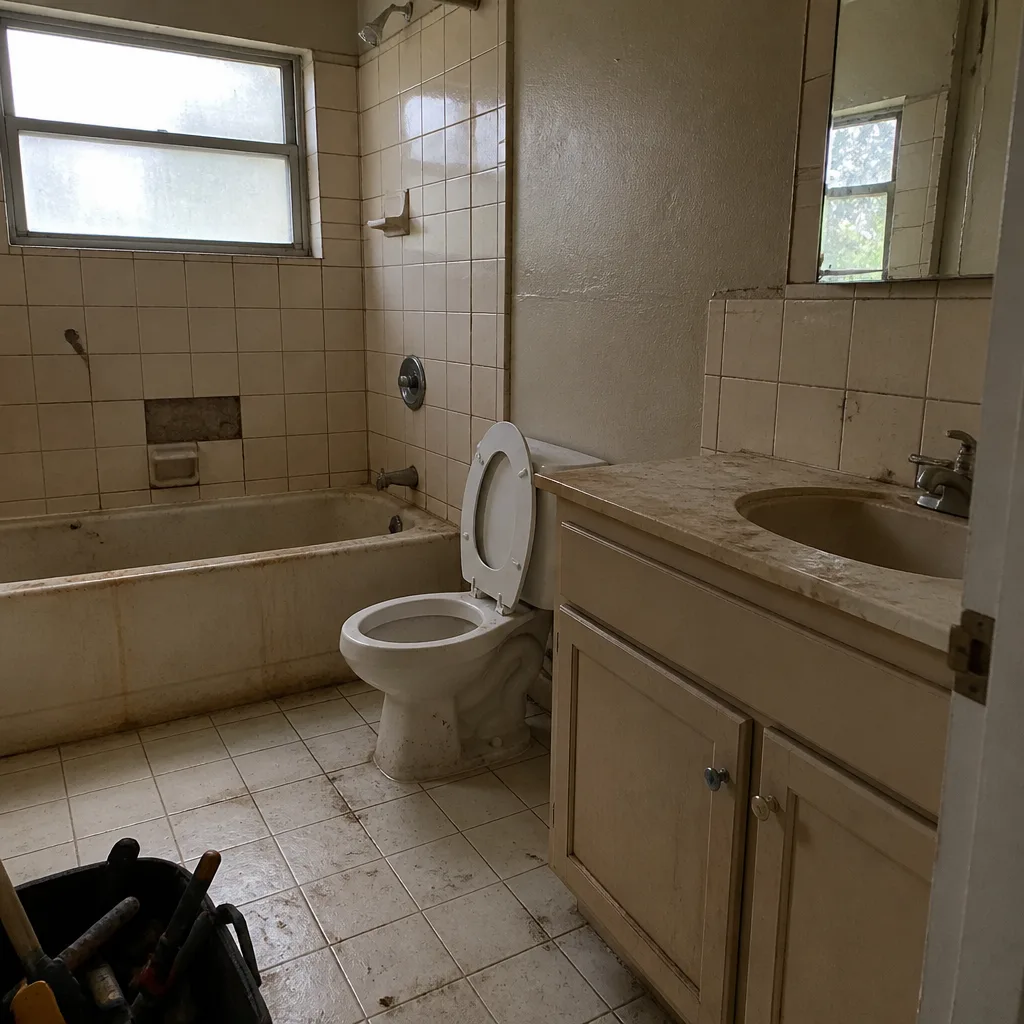 Before
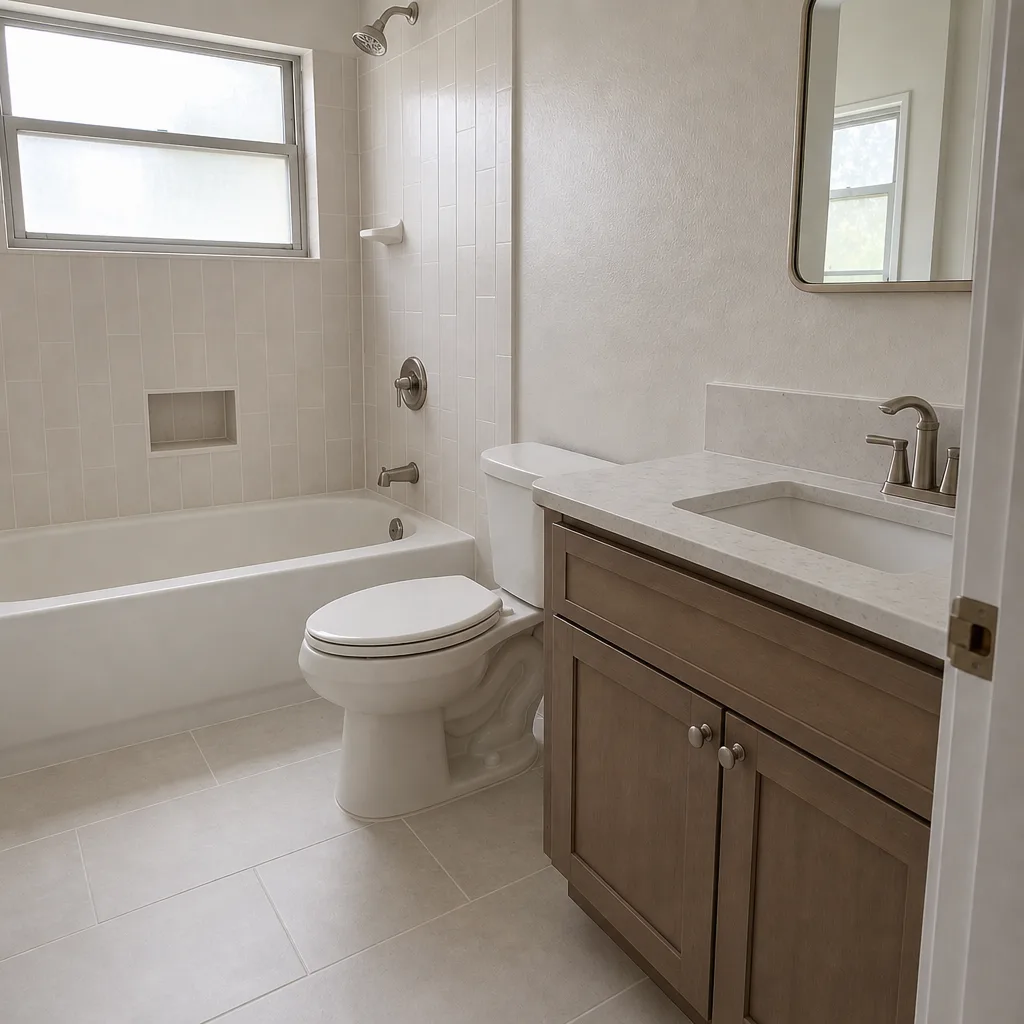 After
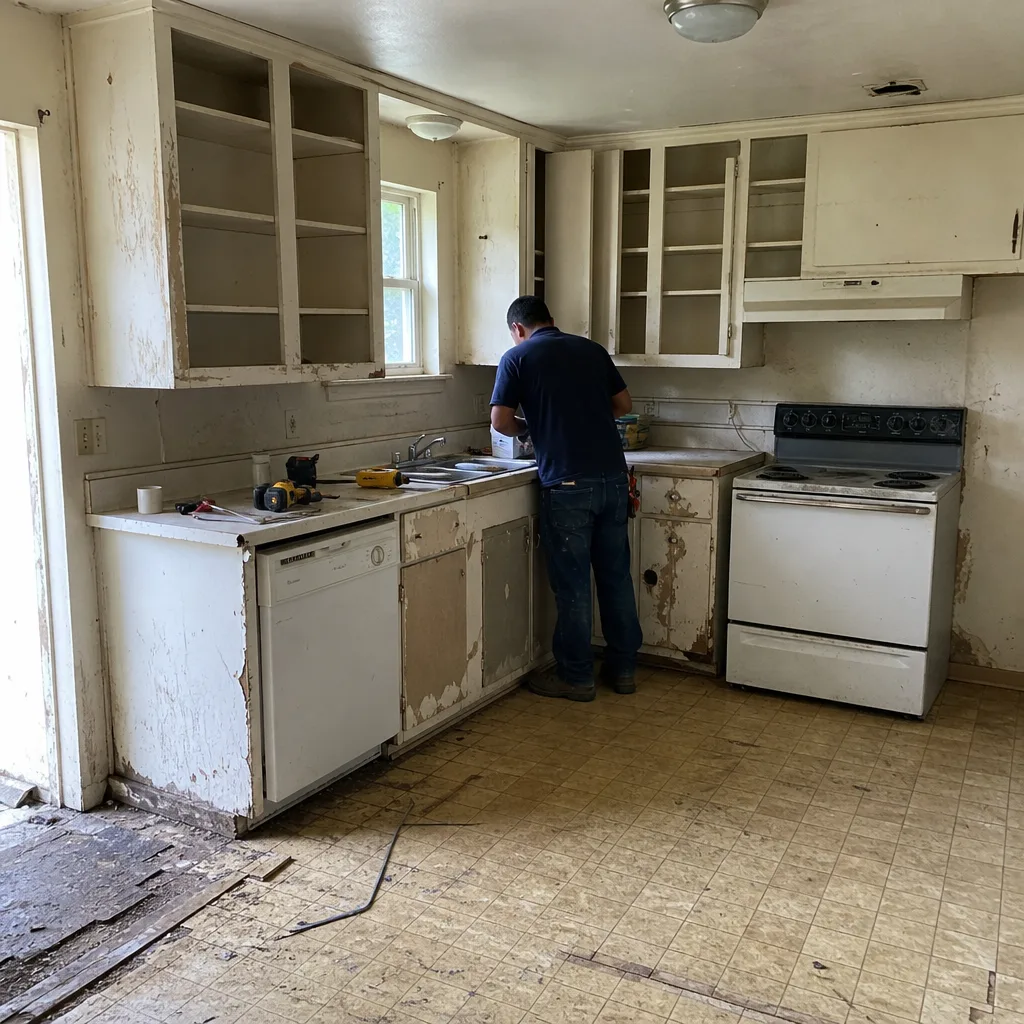 Before
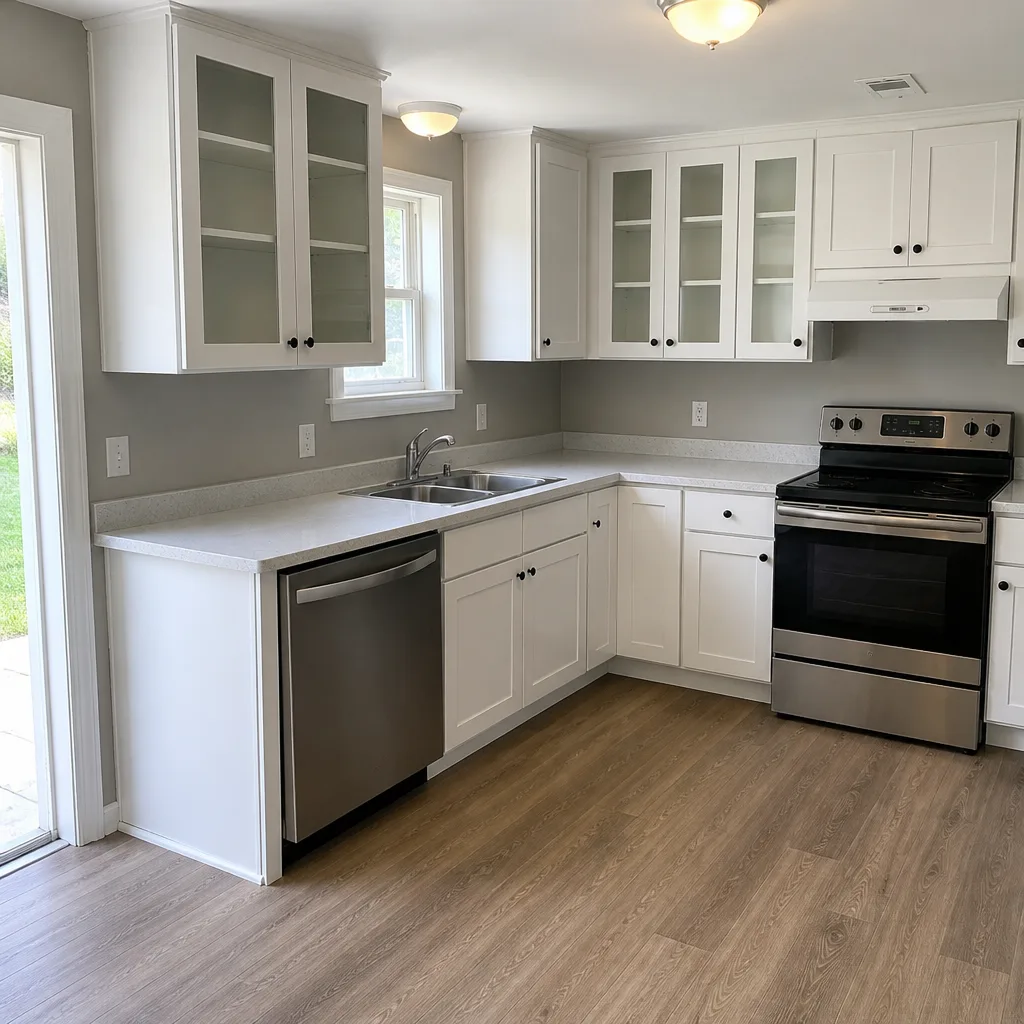 After
Frequently Asked Questions
Quarterly, with a light cleaning and inspection each season and a deeper inspection once a year in fall. The Dallas climate pushes components harder than the national average, so quarterly attention is the right rhythm. Most of the work takes 20-30 minutes per season.
A high-quality exterior-grade sealant rated for UV exposure and temperature extremes. For most exterior window and door joints, a paintable silicone or siliconized acrylic is the right choice; check that the product is rated for the temperature range and exterior use. Avoid interior-grade caulk outside; it fails fast in Dallas summers.
The seal unit has failed, meaning the gas between the panes has escaped and moisture has entered. This is not a cleaning or maintenance issue; the glass unit needs replacement. Call a professional for a repair or replacement estimate, and don’t wait; a failed unit can stress the frame over time.
No, weatherstripping is a maintenance item many homeowners can replace themselves with the right product and a few basic tools. If the door or window has other issues (frame movement, sticking, rot), have it looked at professionally before replacing the strip; the weatherstrip may not be the real problem.
Use the flashlight test at night: hold a light on one side of the closed door at floor level and look for light on the other. If you see it, or if the dollar-bill test shows no drag, replace the sweep. Dallas wind-driven rain and clay soil movement mean household doors need this check more often than you’d expect.
Yes, if you can prove it. Manufacturers require maintenance to keep seal warranties valid, and documented inspections with photos and dates are the proof. Keep a simple file from day one; it’s the best protection you have if a seal or frame fails inside the warranty period.
The Bottom Line
Windows and doors in Dallas weather need a maintenance rhythm, not a spring cleaning. The schedule is simple: clean and inspect in spring after hail season, check weatherstripping and weep holes in early summer, caulk and seal in fall, lubricate hardware in winter, and document everything along the way. Those 90 minutes a year are cheaper than a failed seal, a rotted frame, or a door that suddenly won’t close. When a repair crosses from maintenance into replacement, we’re here to help, whether it’s a single window or a full home refresh. Groundwork Construction Co. of Dallas offers free estimates; call (844) 797-4808 to schedule yours.
Written by the team at Groundwork Construction Co. of Dallas.